Research Articles
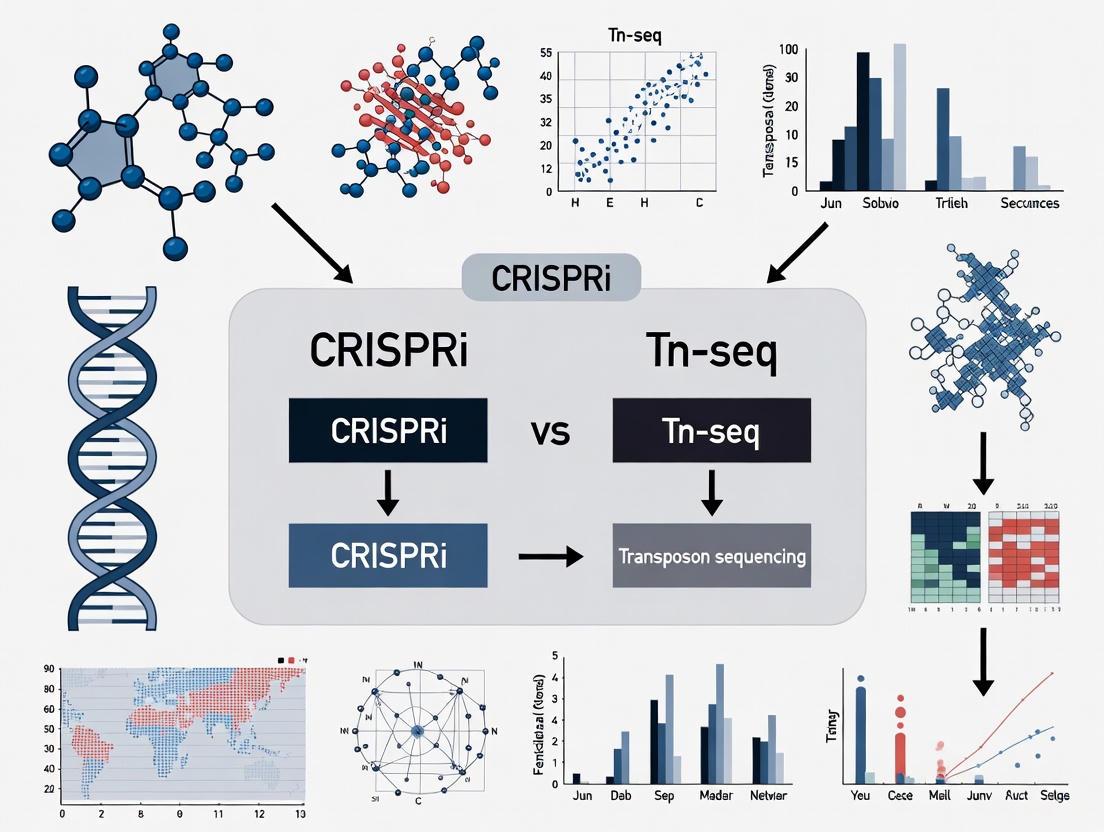
CRISPRi vs. Tn-seq: A Functional Genomics Guide for Bacterial Geneticists and Drug Developers
This article provides a comprehensive comparison of two cornerstone technologies in bacterial functional genomics: CRISPR interference (CRISPRi) and transposon sequencing (Tn-seq).
Optimizing Inducer Concentration for Partial Knockdown: Strategies for Enhanced Efficacy in Research and Therapeutics
This article provides a comprehensive guide for researchers and drug development professionals on optimizing inducer concentration for partial gene or protein knockdown.
Advanced Strategies to Enhance CRISPRi Editing Efficiency in GC-Rich Bacteria for Biomedical Research
CRISPR interference (CRISPRi) has emerged as a powerful tool for programmable gene repression in bacteria, but its application in GC-rich species presents unique challenges, including inefficient guide RNA binding and...
Troubleshooting Inefficient CRISPRi Gene Repression: A Comprehensive Guide for Researchers
This article provides a systematic guide for researchers and drug development professionals facing challenges with inefficient CRISPR interference (CRISPRi).
Taming the Leak: Advanced Strategies for Tight Control of dCas9 Expression in Research and Therapy
Precise control over dCas9 activity is paramount for the safety and efficacy of CRISPR-based research and therapeutic applications.
Optimizing sgRNA Specificity: A Comprehensive Guide to Minimizing CRISPR Off-Target Effects
This article provides researchers, scientists, and drug development professionals with a strategic framework for minimizing CRISPR off-target effects, a critical challenge in therapeutic genome editing.
Titrating CRISPRi Knockdown: Strategies for Targeting Essential Genes in Disease Research and Drug Development
This article provides a comprehensive guide for researchers and drug development professionals on implementing and validating titration-based CRISPR interference (CRISPRi) for studying essential genes.
CRISPRi Microbial Consortia: Engineering Synthetic Co-Cultures for Biomedicine and Bioproduction
This article explores the rapidly advancing field of CRISPRi-based synthetic microbial consortia, a technology that enables precise control over multi-strain communities for complex tasks.

CRISPRi Library Screening: Uncovering Conditionally Essential Genes in Disease and Drug Development
CRISPR interference (CRISPRi) library screening has emerged as a powerful high-throughput method for identifying conditionally essential genes—those required for cell survival or function under specific environmental or genetic contexts.
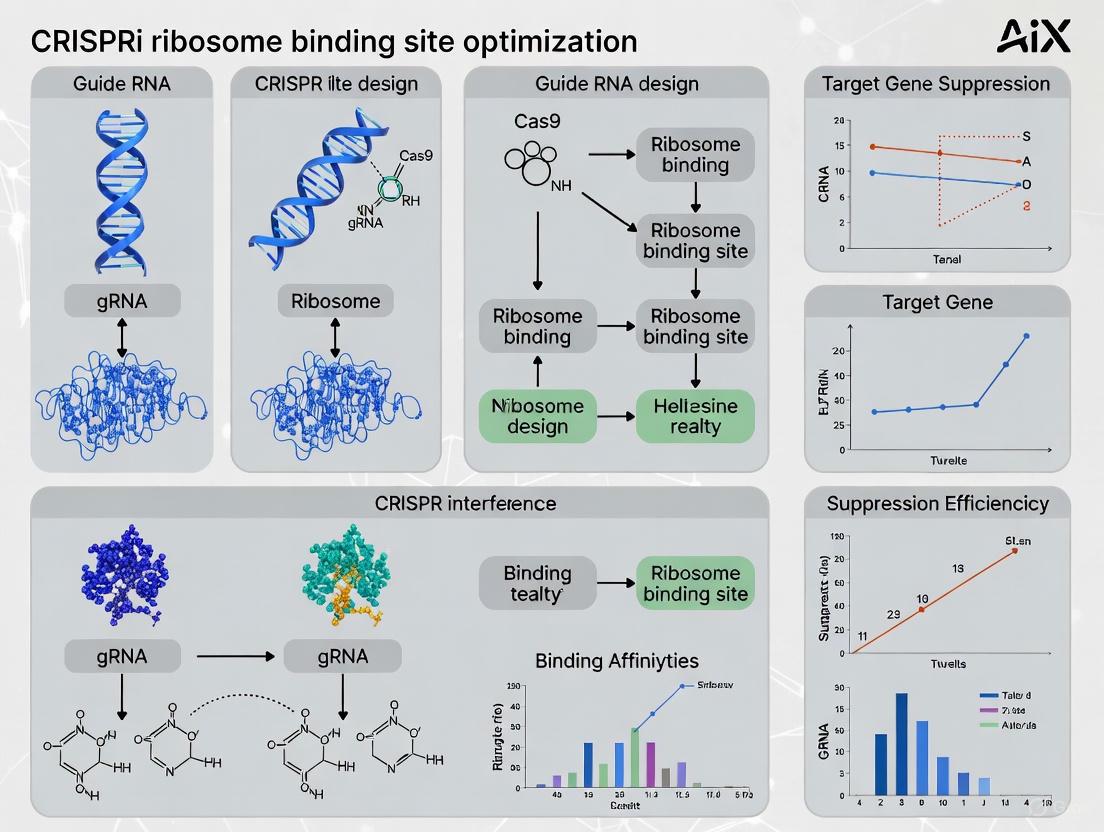
Optimizing Ribosome Binding Sites for CRISPRi: A Guide for Enhanced Gene Repression and Metabolic Engineering
This article provides a comprehensive overview of Ribosome Binding Site (RBS) optimization for CRISPR interference (CRISPRi), a critical technique for precise gene repression in microbial and mammalian systems.