Evaluating Zero-Shot Predictors in the DBTL Cycle: A Framework for Accelerating Biomedical Discovery
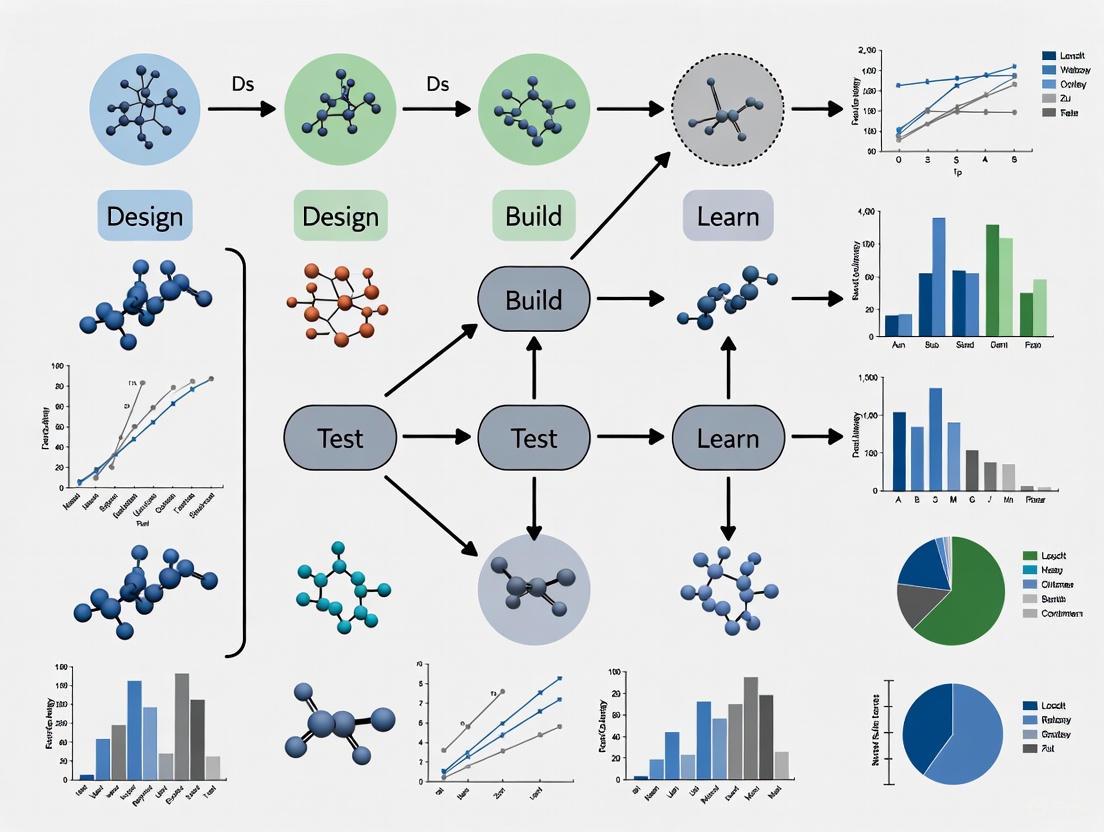
This article provides a comprehensive framework for researchers and drug development professionals to evaluate and integrate zero-shot predictors into the Design-Build-Test-Learn (DBTL) cycle.
Evaluating Zero-Shot Predictors in the DBTL Cycle: A Framework for Accelerating Biomedical Discovery
Abstract
This article provides a comprehensive framework for researchers and drug development professionals to evaluate and integrate zero-shot predictors into the Design-Build-Test-Learn (DBTL) cycle. Covering foundational concepts, practical methodologies, and optimization strategies, it explores how machine learning models that require no prior experimental data can transform protein engineering and drug discovery. We detail validation techniques, including novel metrics and high-throughput testing, and present comparative analyses of leading predictors to guide the selection and application of these powerful tools for enhancing the efficiency and success rate of biological design.
The Rise of Zero-Shot Prediction: Redefining the DBTL Cycle for Synthetic Biology
The Design-Build-Test-Learn (DBTL) cycle has long been the cornerstone of systematic engineering in synthetic biology and therapeutic development. This iterative process begins with designing biological systems based on existing knowledge, building DNA constructs, testing their performance in vivo or in vitro, and finally learning from the data to inform the next design cycle. However, this approach inherently relies on empirical iteration, where the crucial "Learn" phase occurs only after substantial resources have been invested in the "Build" and "Test" phases. Recent advances in artificial intelligence are fundamentally challenging this paradigm, giving rise to the LDBT cycle, where "Learning" precedes "Design" through the application of foundational models trained on vast biological datasets [1].
This shift represents more than a simple reordering of letters; it constitutes a fundamental transformation in how we approach biological design. Foundational models, pre-trained on extensive datasets encompassing scientific literature, genetic sequences, protein structures, and clinical data, can now make zero-shot predictions—generating functional designs without requiring additional training on specific tasks [1] [2]. This capability is particularly valuable for drug repurposing and protein engineering, where it enables identifying therapeutic candidates for diseases with limited treatment options or designing novel enzymes without iterative experimental optimization. This guide evaluates the performance of this emerging LDBT paradigm against traditional DBTL approaches, providing experimental data and methodologies for researchers navigating this transition.
The DBTL Paradigm: Traditional Workflows and Limitations
The Standard DBTL Cycle in Practice
In traditional DBTL implementations, each phase follows a linear sequence:
- Design: Researchers define objectives and design biological parts using domain knowledge and computational modeling. This phase typically relies on established biological principles and existing literature.
- Build: DNA constructs are synthesized and assembled into plasmids or other vectors, then introduced into characterization systems (e.g., bacterial chassis, cell-free systems).
- Test: Engineered constructs are experimentally measured for performance against objectives set during the Design stage.
- Learn: Data from testing is analyzed and compared to design objectives to inform the next Design round [1].
This cyclic approach has demonstrated success across numerous applications. For instance, in developing a dopamine production strain in Escherichia coli, researchers implemented a knowledge-driven DBTL cycle that achieved a 2.6 to 6.6-fold improvement over state-of-the-art in vivo dopamine production, reaching concentrations of 69.03 ± 1.2 mg/L [3]. Similarly, the Riceguard project for iGEM 2025 underwent seven distinct DBTL cycles to refine a cell-free arsenic biosensor, with pivots ranging from system transitions (GMO-based to cell-free) to user reorientation (farmers to households) [4].
Experimental Limitations of Sequential DBTL
Despite its successes, the traditional DBTL framework faces inherent limitations:
- Temporal Inefficiency: Each cycle requires substantial time for building and testing, with constructs often requiring weeks for synthesis and assembly [4].
- Resource Intensity: Extensive experimental iteration consumes significant materials, personnel time, and financial resources.
- Knowledge Lag: Learning occurs only after building and testing, potentially resulting in multiple costly cycles before arriving at optimal solutions [1].
These limitations become particularly pronounced when tackling problems with sparse solution landscapes or limited existing data, such as developing treatments for rare diseases or engineering novel enzyme functions.
The LDBT Revolution: Foundational Models and Zero-Shot Prediction
Core Principles of the LDBT Framework
The LDBT cycle fundamentally reimagines the engineering workflow by placing "Learn" first through the application of foundational models:
- Learn: Foundational models pre-trained on megascale biological datasets perform zero-shot predictions to generate candidate designs [1].
- Design: Computational designs are created based on model predictions without iterative experimental feedback.
- Build: Selected designs are physically constructed, often leveraging high-throughput platforms like cell-free systems.
- Test: Built designs are evaluated experimentally, with results potentially enriching future model training [1].
This approach effectively shifts the iterative learning process from the physical to the computational domain, where exploration is faster, cheaper, and more comprehensive.
Key Foundational Models Enabling LDBT
Table 1: Foundational Models for Biological Design
| Model Name | Domain | Key Capabilities | Zero-Shot Performance |
|---|---|---|---|
| TxGNN [2] | Drug repurposing | Predicts drug indications/contraindications across 17,080 diseases | 49.2% improvement in indication prediction, 35.1% for contraindications |
| ESM & ProGen [1] | Protein engineering | Predicts protein structure-function relationships from sequence | Designs functional antibodies and enzymes without additional training |
| ProteinMPNN [1] | Protein design | Generates sequences that fold into specified backbone structures | Nearly 10-fold increase in design success rates when combined with AlphaFold |
| AlphaFold 3 [5] | Biomolecular structures | Predicts structures of protein-ligand, protein-nucleic acid complexes | Outperforms specialized tools in interaction prediction |
| ChemCrow [5] | Chemical synthesis | Integrates expert-designed tools with GPT-4 for chemical tasks | Autonomously plans and executes synthesis of complex molecules |
These models share common characteristics: large-scale pre-training on diverse datasets, generative capabilities for novel designs, and fine-tuning potential for specialized tasks [5]. Their architecture often leverages transformer-based networks or graph neural networks capable of capturing complex biological relationships.
Comparative Performance Analysis: DBTL vs. LDBT
Quantitative Benchmarking Across Applications
Table 2: Performance Comparison of DBTL vs. LDBT Approaches
| Application Domain | Traditional DBTL Performance | LDBT Performance | Experimental Context |
|---|---|---|---|
| Drug Repurposing [2] | Limited to diseases with existing drugs; serendipitous discovery | 49.2% improvement in indication prediction across 17,080 diseases | Zero-shot prediction on diseases with no treatments |
| Enzyme Engineering [1] | Multiple DBTL cycles for optimization | Zero-shot design of functional enzymes (e.g., PET hydrolase) | Increased stability and activity over wild-type |
| Pathway Optimization [1] | Iterative strain engineering required | 20-fold improvement in 3-HB production using iPROBE | Neural network prediction of optimal pathway sets |
| Protein Design [1] | Limited by computational expense of physical models | 10-fold increase in design success rates with ProteinMPNN+AF | De novo protein design with specified structures |
| Biosensor Development [4] | 7 DBTL cycles for optimization | Not reported | Cell-free arsenic biosensor development |
The data demonstrates that LDBT approaches particularly excel in scenarios requiring exploration of vast design spaces or leveraging complex, multi-modal data relationships. For drug repurposing, TxGNN's zero-shot capability addresses the "long tail" of diseases without treatments—approximately 92% of the 17,080 diseases in its knowledge graph lack FDA-approved drugs [2].
Case Study: TxGNN for Zero-Shot Drug Repurposing
Experimental Protocol:
- Knowledge Graph Construction: TxGNN was trained on a medical knowledge graph integrating decades of biological research across 17,080 diseases, containing 9,388 indications and 30,675 contraindications [2].
- Model Architecture: The framework employs a graph neural network with a metric learning module to embed drugs and diseases into a latent space reflecting the KG's geometry. For zero-shot prediction, it creates disease signature vectors based on network topology and transfers knowledge from well-annotated to sparse diseases [2].
- Interpretability Module: The TxGNN Explainer uses GraphMask to generate sparse subgraphs and importance scores for edges, providing multi-hop interpretable rationales connecting drugs to diseases [2].
- Evaluation: Benchmarking against 8 methods under stringent zero-shot conditions, focusing on diseases with limited or no treatment options.
Results: TxGNN achieved a 49.2% improvement in indication prediction accuracy and 35.1% for contraindications compared to existing methods. Human evaluation showed its predictions aligned with off-label prescriptions in a large healthcare system, and explanations were consistent with medical reasoning [2].
Diagram 1: TxGNN Architecture for Zero-Shot Drug Repurposing
Experimental Protocols for LDBT Implementation
Foundational Model Training and Fine-Tuning
Protocol for Training Domain-Specific Foundational Models:
- Data Curation: Assemble large-scale, diverse datasets encompassing the target domain (e.g., protein sequences, drug-disease interactions, metabolic pathways). TxGNN utilized 9,388 indications and 30,675 contraindications across 17,080 diseases [2].
- Model Selection: Choose appropriate architectures (transformers, graph neural networks) based on data structure. Protein language models often use transformer architectures with attention mechanisms [1].
- Pre-training: Train models on self-supervised tasks (e.g., masked token prediction, contrastive learning) to capture underlying patterns without labeled data.
- Metric Learning: Implement distance-based learning techniques to enable knowledge transfer between related domains, crucial for zero-shot prediction to sparse regions [2].
- Validation: Establish rigorous benchmarks with holdout datasets representing real-world application scenarios.
Cell-Free Systems for High-Throughput Validation
Protocol for Cell-Free Testing of LDBT Predictions:
- System Preparation: Prepare crude cell lysates or purified component systems from appropriate source organisms (e.g., E. coli, wheat germ) [1] [3].
- DNA Template Design: Synthesize DNA templates encoding predicted designs without intermediate cloning steps when possible.
- Reaction Assembly: Combine cell-free machinery, DNA templates, and necessary substrates in microtiter plates or droplet microfluidics formats.
- High-Throughput Screening: Implement automated measurement systems (e.g., plate readers, fluorescence-activated sorting) for rapid functional assessment.
- Data Integration: Feed results back to enrich foundational model training datasets [1].
This approach enables testing thousands of predictions in parallel, dramatically accelerating the Build-Test phases that follow Learn-Design in the LDBT cycle.
Diagram 2: LDBT Workflow with Foundational Models
The Scientist's Toolkit: Essential Research Reagents and Platforms
Table 3: Research Reagent Solutions for LDBT Implementation
| Resource Category | Specific Tools/Platforms | Function in LDBT | Access Method |
|---|---|---|---|
| Protein Design Models | ESM, ProGen, ProteinMPNN, MutCompute | Zero-shot protein sequence and structure design | GitHub repositories, web servers |
| Drug Repurposing Platforms | TxGNN, ChemCrow | Predicting new therapeutic uses for existing drugs | Web interfaces, API access |
| Structure Prediction | AlphaFold 2 & 3, RoseTTAFold | Biomolecular structure prediction for design validation | Local installation, cloud services |
| Cell-Free Expression Systems | PURExpress, homemade lysates | High-throughput testing of genetic designs | Commercial kits, custom preparation |
| Automation Platforms | Liquid handling robots, microfluidics | Scaling Build-Test phases for validation | Biofoundries, core facilities |
These tools collectively enable the end-to-end implementation of LDBT cycles, from initial computational learning to physical validation. Cell-free systems are particularly valuable as they bypass cellular constraints, enable rapid testing (protein production in <4 hours), and scale from picoliters to production volumes [1].
The transition from DBTL to LDBT represents more than a methodological adjustment—it constitutes a fundamental reorientation of biological engineering toward a more predictive, first-principles discipline. The experimental data demonstrates that LDBT approaches can achieve significant performance improvements, particularly for problems with sparse data or vast design spaces. Foundational models enabling zero-shot prediction are no longer theoretical curiosities but practical tools producing functionally validated designs.
However, this paradigm shift does not render experimental work obsolete. Instead, it repositions experimentation toward high-throughput validation and dataset generation for further model refinement. The most successful research programs will likely integrate both approaches: using LDBT for initial design generation and DBTL for fine-tuning and context-specific optimization. As foundational models continue to evolve and biological datasets expand, the LDBT framework promises to accelerate progress across therapeutic development, metabolic engineering, and synthetic biology applications.
What Are Zero-Shot Predictors? Principles and Core Mechanics
Zero-shot predictors are a class of AI models capable of performing tasks or making predictions on data from categories they have never explicitly seen during training. This approach allows models to generalize to novel situations without requiring new labeled data or retraining, a capability that is reshaping research cycles in fields like drug development and synthetic biology [6] [7]. Unlike traditional supervised learning, which needs vast amounts of labeled data for each new category, zero-shot learning relies on auxiliary knowledge—such as semantic descriptions, attributes, or pre-trained representations—to understand and predict unseen classes [6].
Core Principles of Zero-Shot Prediction
The operation of zero-shot predictors is governed by several key principles that enable them to handle unseen data.
Leveraging Auxiliary Knowledge: Without labeled examples, these models depend on additional information to bridge the gap between seen and unseen classes. This can be textual descriptions, semantic attributes, or embedded representations that describe the characteristics of new categories [6] [7]. For instance, a model can learn the concepts of "stripes" from tigers and "yellow" from canaries; it can then identify a "bee" as a "yellow, striped flying insect" without ever having been trained on bee images [6].
The Role of Transfer Learning and Semantic Spaces: Zero-shot learning often uses transfer learning, repurposing models pre-trained on massive, general datasets. These models convert inputs (like words or images) into vector embeddings—numerical representations of their features or meaning [6]. To make a classification, the model compares the embedding of a new input against the embeddings of potential class labels. This comparison happens in a joint embedding space, a shared high-dimensional space where embeddings from different data types (e.g., text and images) can be directly compared using similarity measures like cosine similarity [6].
Foundation Models and Zero-Shot Capabilities: Large Language Models (LLMs) like GPT-3.5 and protein language models like ESM are inherently powerful zero-shot predictors. They acquire a broad understanding of concepts and relationships from their pre-training on vast corpora of text or protein sequences. This allows them to perform tasks based solely on a natural language prompt or a novel sequence input, without task-specific fine-tuning [8] [1].
Core Mechanics: How Zero-Shot Predictors Work
The mechanical process of zero-shot prediction can be broken down into a sequence of steps, from data preparation to final output.
The flowchart above outlines the general workflow of a zero-shot prediction system.
Input Data and Semantic Representation: The process begins with gathering general input data. The model then processes this input to build semantic representations, organizing information based on the meaning and context of words, phrases, or other features. This step captures deep relationships that go beyond surface-level patterns [7].
Connection to Prior Knowledge: When presented with a new, unseen class or task, the system connects it to the knowledge it acquired during pre-training. It leverages understood concepts, attributes, or descriptions to form a hypothesis about the unfamiliar input [6] [7].
Mapping to a Joint Embedding Space: Both the input data and the auxiliary information (like class labels) are projected into a joint embedding space. This is a critical step that allows for an "apples-to-apples" comparison between different types of data, such as an image and a text description [6]. Models like OpenAI's CLIP are trained from scratch to ensure this alignment is effective.
Similarity Calculation and Prediction: The model calculates the similarity (e.g., cosine similarity) between the embedding of the input data and the embeddings of all potential candidate classes. The class whose embedding is most similar to the input's embedding is selected as the most likely prediction [6].
Output and Evaluation: The system produces its final prediction, which is then reviewed. In enterprise or research settings, this often involves human review, especially for high-stakes decisions, to ensure accuracy and maintain trust [7].
Evaluation in Practice: A DBTL Framework
The Design-Build-Test-Learn (DBTL) cycle is a fundamental framework in synthetic biology and drug development for engineering biological systems. Zero-shot predictors are revolutionizing this cycle by accelerating the initial "Design" phase and providing a more reliable in silico "Test" phase.
The Paradigm Shift: From DBTL to LDBT
A significant shift is occurring, moving from the traditional DBTL cycle to a new LDBT (Learn-Design-Build-Test) paradigm. In LDBT, the "Learn" phase comes first, where machine learning models trained on vast datasets are used to make zero-shot designs. This leverages prior knowledge to generate functional designs from the outset, potentially reducing the need for multiple, costly experimental cycles [1]. The table below compares the two approaches.
| Cycle Phase | Traditional DBTL Approach | LDBT with Zero-Shot Predictors |
|---|---|---|
| Learn | Analyze data from previous Build-Test cycles. | Leverage pre-trained models and foundational knowledge for initial design. |
| Design | Rely on domain expertise and limited computational models. | Use AI for zero-shot generation of novel, optimized candidates. |
| Build | Synthesize DNA and introduce into chassis organisms. | Use rapid, automated platforms like cell-free systems for building. |
| Test | Experimentally measure performance in the lab (slow, costly). | Use high-throughput screening and in silico validation (faster). |
Case Study: Zero-Shot Prediction for De Novo Binder Design
A landmark meta-analysis by Overath et al. (2025) provides a robust, real-world example of evaluating zero-shot predictors in a DBTL context for designing protein binders [9]. The study assessed the ability of various computational models to predict the experimental success of 3,766 designed protein binders.
Experimental Protocol:
- Objective: To identify the most reliable computational metric for predicting successful binding between a computationally designed protein and its target.
- Dataset: 3,766 designed binders targeting 15 different proteins, with an overall experimental success rate of 11.6% [9].
- Method: Each designed binder-target complex was analyzed with multiple state-of-the-art structure prediction models, including AlphaFold2, AlphaFold3 (AF3), and Boltz-1. Over 200 structural and energetic features were extracted for each complex [9].
- Evaluation: The predictive power of these features was rigorously benchmarked against the ground-truth experimental results.
Key Quantitative Findings:
The analysis identified a single AF3-derived metric as the most powerful predictor of experimental success.
| Predictor Metric | Key Finding | Performance vs. Common Metric (ipAE) |
|---|---|---|
| AF3 ipSAE_min | Most powerful single predictor; evaluates predicted error at high-confidence binding interface. | 1.4-fold increase in Average Precision [9]. |
| Simple Linear Model | A simple model using 2-3 key features outperformed complex black-box models. | Consistently best performance [9]. |
| Optimal Feature Set | AF3 ipSAEmin, Interface Shape Complementarity, and RMSDbinder. | Provides an actionable, interpretable filtering strategy [9]. |
This study highlights a critical insight for the field: complexity does not guarantee better performance. A simple, interpretable model using a few key, high-quality metrics can be the most effective tool for prioritizing designs, thereby streamlining the DBTL cycle [9].
The Scientist's Toolkit: Essential Research Reagents and Solutions
Integrating zero-shot predictors into a research workflow involves both computational and experimental components. The following table details key resources for implementing this approach.
| Tool / Reagent | Type | Function in Workflow |
|---|---|---|
| Protein Language Models (ESM, ProGen) | Computational Model | Makes zero-shot predictions for protein function, stability, and beneficial mutations from sequence data [1]. |
| Structure Prediction Models (AlphaFold2/3) | Computational Model | Provides structural features (pLDDT, pAE, ipSAE) for in silico validation and ranking of designed proteins [9]. |
| Structure-Based Design Tools (ProteinMPNN) | Computational Model | Designs new protein sequences that fold into a desired backbone structure, often used in a zero-shot manner [1]. |
| Cell-Free Expression Systems | Experimental Platform | Rapidly expresses synthesized DNA templates without cloning, enabling high-throughput testing of AI-generated designs [1]. |
| Linear Model with ipSAE_min | Analytical Filter | A simple, interpretable model to rank designed binders and focus experimental efforts on the most promising candidates [9]. |
Zero-shot predictors represent a transformative advancement in computational research, enabling scientists to navigate complex design spaces with unprecedented speed. Their core mechanics—rooted in leveraging auxiliary knowledge and operating within a joint semantic space—provide the foundation for making reliable predictions on novel data. When integrated into the DBTL cycle, particularly within the emerging LDBT paradigm, these tools accelerate the path from concept to validated function. As evidenced by rigorous meta-analyses in protein design, the future lies in combining powerful AI with simple, interpretable evaluation metrics to create a more efficient and predictive bio-engineering pipeline.
The integration of artificial intelligence into protein engineering is catalyzing a fundamental shift from empirical, iterative processes toward predictive, computational design. Central to this transformation is the emergence of sophisticated model architectures capable of zero-shot prediction, where models generate functional protein sequences or structures without requiring additional training data or optimization cycles for each new task. This capability is reshaping the traditional Design-Build-Test-Learn (DBTL) cycle, creating a new paradigm where machine learning precedes design in what is being termed the "LDBT" (Learn-Design-Build-Test) framework [1]. Within this context, two complementary architectural approaches have demonstrated remarkable capabilities: protein language models (exemplified by ESM and ProGen) that learn from evolutionary patterns in sequence data, and structure-based tools (including AlphaFold and ProteinMPNN) that operate primarily on three-dimensional structural information. This guide provides a comprehensive comparison of these key architectures, their performance across standardized benchmarks, and their practical integration in zero-shot protein design pipelines for drug development and biotechnology applications.
Protein Language Models (Evolutionary Sequence-Based)
ESM (Evolutionary Scale Modeling)
- Architecture & Training: ESM models are transformer-based protein language models trained through self-supervision on millions of natural protein sequences from evolutionary databases [1]. The training objective involves predicting masked amino acids in sequences, allowing the model to learn evolutionary constraints and structural patterns embedded in primary sequences.
- Key Variants: ESM-2 and ESM-3 represent progressively larger parameter models, with ESM-3 featuring up to 98 billion parameters and demonstrating strong performance in both structure prediction and sequence generation tasks [10]. ESM-Inverse Folding (ESM-IF) specifically addresses the inverse folding problem using graph neural networks with geometric vector perceptron layers to encode structural inputs [11].
- Methodology: These models operate on the principle that evolutionary relationships captured in multiple sequence alignments contain implicit structural and functional information. They leverage attention mechanisms to capture long-range dependencies within amino acid sequences, enabling predictions of structure-function relationships without explicit structural input [1].
ProGen
- Architecture & Training: ProGen is a transformer-based language model trained on a massive dataset of over 280 million protein sequences across diverse families and functions [1] [12]. Unlike ESM's focus on evolutionary sequences, ProGen incorporates natural language tags specifying protein properties and functions, enabling conditional generation.
- Methodology: The model learns the joint distribution of sequences and their functional annotations, allowing for controlled generation of novel proteins with desired properties. ProGen2 represents an advancement with improved training techniques and expanded dataset coverage [10].
Structure-Based Design Tools
AlphaFold2
- Architecture & Training: AlphaFold2 employs a novel transformer-like architecture with invariant point attention and triangle multiplicative updates, enabling end-to-end differentiablestructure prediction from multiple sequence alignments [13]. It was trained on experimentally determined structures from the Protein Data Bank alongside evolutionary sequence data.
- Methodology: The system combines physical and geometric constraints with learned patterns from known structures, producing highly accurate atomic-level predictions. Its Evoformer module processes multiple sequence alignments to extract co-evolutionary signals, while the structure module generates atomic coordinates [13].
ProteinMPNN
- Architecture & Training: ProteinMPNN utilizes a message-passing neural network (MPNN) architecture operating on k-NN graphs of protein backbones [11] [14]. It was trained on a large corpus of high-quality protein structures to predict amino acid sequences that will fold into a given backbone structure.
- Methodology: The model treats each residue as a node in a graph and updates node features through message-passing between spatial neighbors. This enables efficient reasoning about side-chain interactions and structural constraints for sequence design [11]. Unlike autoregressive approaches, it can generate sequences in a single forward pass with conditional independence between positions.
Table 1: Core Architectural Characteristics of Key Protein AI Models
| Model | Architecture | Primary Input | Primary Output | Training Data |
|---|---|---|---|---|
| ESM | Transformer | Protein Sequences | Sequences/Structures | Millions of natural sequences [1] |
| ProGen | Transformer | Sequences + Tags | Novel Sequences | 280M+ diverse sequences [1] |
| AlphaFold2 | Evoformer + Structure Module | MSA + Templates | 3D Atomic Coordinates | PDB structures + sequences [13] |
| ProteinMPNN | Message-Passing Neural Network | Backbone Structure | Optimal Sequences | Curated high-quality structures [11] |
Performance Benchmarking and Experimental Comparison
Sequence Recovery and Inverse Folding Capabilities
Inverse folding—designing sequences that fold into a target structure—represents a critical benchmark for protein design tools. The PDB-Struct benchmark provides comprehensive evaluation across multiple metrics, including sequence recovery (similarity to native sequences) and refoldability (ability to fold into target structures) [14].
Table 2: Performance Comparison on Inverse Folding Tasks (CATH 4.2 Benchmark)
| Model | Sequence Recovery (%) | TM-Score | pLDDT | Methodology |
|---|---|---|---|---|
| ProteinMPNN | 43.9% (MHC-I) 32.0% (MHC-II) | 0.77 | 0.81 | Fixed-backbone design with MPNN [11] |
| ESM-IF | 50.1% (MHC-I) | 0.79 | 0.83 | Graph neural networks with GVP layers [11] [14] |
| ESM-Design | Moderate | 0.71 | 0.75 | Structure-prediction based sampling [14] |
| AF-Design | Low | 0.69 | 0.72 | Gradient-based optimization [14] |
Experimental data from TCR design applications shows that ESM-IF achieves approximately 50.1% sequence recovery for MHC-I complexes, outperforming ProteinMPNN's 43.9% recovery on the same dataset [11]. Both methods significantly exceed physics-based approaches like Rosetta in sequence recovery metrics.
Functional Protein Design Applications
TCR and Therapeutic Protein Design In designing T-cell receptors (TCRs) for therapeutic applications, structure-based methods demonstrate particular strength. ProteinMPNN and ESM-IF were evaluated for designing fixed-backbone TCRs targeting peptide-MHC complexes. The designs were assessed through structural modeling with TCRModel2, Rosetta energy scores, and molecular dynamics simulations with MM/PBSA binding affinity calculations [11]. Results indicated that both deep learning methods produced designs with modeling confidence scores and predicted binding affinities comparable to native TCRs, with some designs showing improved affinity [11].
Enzyme and Binding Protein Design ProteinMPNN has successfully designed functional enzymes, including variants of TEV protease with improved catalytic activity compared to parent sequences [1]. When combined with deep learning-based structure assessment (AlphaFold2 and RoseTTAFold), ProteinMPNN achieved a nearly 10-fold increase in design success rates compared to previous methods [1].
Zero-Shot Antibody and Miniprotein Design Language models like ESM have demonstrated capability in zero-shot prediction of diverse antibody sequences [1]. Similarly, structure-based approaches have created miniproteins specifically engineered to bind particular targets and innovative antibodies with high affinity and specificity [14].
Refoldability and Stability Metrics
The PDB-Struct benchmark introduces refoldability as a critical metric, assessing whether designed sequences actually fold into structures resembling the target. This is evaluated using TM-score (structural similarity) and pLDDT (folding confidence) from structure prediction models [14]. ProteinMPNN and ESM-IF achieve TM-scores of 0.77 and 0.79 respectively, significantly outperforming ESM-Design (0.71) and AF-Design (0.69) [14]. These results highlight the advantage of encoder-decoder architectures for structure-based design over methods that rely on structure prediction models for sequence generation.
Experimental Protocols and Methodologies
Standardized Benchmarking Protocols
PDB-Struct Benchmark Implementation
- Dataset Curation: High-quality structures are selected from CATH database, ensuring non-redundancy and structural diversity [14]
- Sequence Generation: Each model generates sequences for fixed backbone structures using recommended parameters
- Structure Prediction: Generated sequences are folded using AlphaFold2 or ESMFold to predict their 3D structures
- Metric Calculation: TM-score (structural similarity to target) and pLDDT (confidence metrics) are computed [14]
- Stability Assessment: Sequences are evaluated with protein stability predictors where experimental data exists [14]
TCR Design Evaluation Protocol
- Structural Dataset Preparation: Non-redundant TCR:pMHC complexes (32 MHC-I, 6 MHC-II) are curated [11]
- Interface Design: CDR3 positions (α and β chains) are designed while keeping backbone fixed
- Sequence Recovery Calculation: Percentage identity between designed and native amino acids at designed positions
- Structural Modeling: Designed sequences are modeled with TCRModel2 for structural validation [11]
- Energetic Assessment: Rosetta energy functions evaluate interface quality and complex stability
- Binding Affinity Prediction: Molecular Dynamics with MM/PBSA calculations benchmarked against experimental binding data [11]
Zero-Shot Prediction Assessment
For evaluating zero-shot capabilities, models are tested on sequences or structures without prior exposure to similar folds or families. Performance is measured through:
- Sequence Recovery: Ability to reproduce native-like sequences for natural structures [14]
- Structural Faithfulness: TM-score between predicted structure of designed sequence and target backbone [14]
- Functional Success: Experimental validation of designed proteins in intended applications [1]
Integration in the DBTL Cycle and Workflow Diagrams
The integration of these tools is transforming the traditional DBTL cycle into the LDBT (Learn-Design-Build-Test) paradigm, where machine learning precedes design [1].
Diagram 1: LDBT Paradigm Shift - Machine learning precedes design
Structure-Based Design Workflow
Diagram 2: Structure-Based Protein Design Pipeline
Inverse Folding with Structural Feedback
Recent advances incorporate structural feedback to refine inverse folding models through Direct Preference Optimization (DPO) [10]:
Diagram 3: Inverse Folding with Structural Feedback Loop
Research Reagent Solutions and Essential Tools
Table 3: Key Research Resources for AI-Driven Protein Design
| Resource | Type | Primary Function | Access |
|---|---|---|---|
| AlphaFold DB | Database | 200M+ predicted structures for target identification [13] | Public |
| ESM Metagenomic Atlas | Database | 700M+ predicted structures from metagenomic data [13] | Public |
| Protein Data Bank | Database | Experimentally determined structures for training/validation [13] | Public |
| CATH | Database | Curated protein domain classification for benchmarking [14] | Public |
| Cell-Free Expression | Platform | Rapid protein synthesis without cloning [1] | Commercial |
| RoseTTAFold | Software | Alternative structure prediction for validation [13] | Public |
| PDB-Struct Benchmark | Framework | Standardized evaluation of design methods [14] | Public |
The comparative analysis of key protein AI architectures reveals distinct strengths and optimal applications for each platform. Protein language models like ESM and ProGen excel in zero-shot generation of novel sequences and leveraging evolutionary patterns, while structure-based tools including AlphaFold and ProteinMPNN demonstrate superior performance in fixed-backbone design and structural faithfulness. The integration of these complementary approaches through workflows that incorporate structural feedback represents the cutting edge of computational protein design.
Experimental benchmarks consistently show that encoder-decoder models (ProteinMPNN, ESM-IF) outperform structure-prediction-based methods (ESM-Design, AF-Design) in refoldability metrics, achieving TM-scores of 0.77-0.79 versus 0.69-0.71 [14]. Meanwhile, the emergence of preference optimization techniques like DPO fine-tuned with structural feedback demonstrates potential for further enhancements, with reported TM-score improvements from 0.77 to 0.81 on challenging targets [10].
As these technologies mature, their integration into the LDBT paradigm—combining machine learning priors with rapid cell-free testing—is accelerating the protein design process from months to days while expanding access to unexplored regions of the protein functional universe [1] [12]. This convergence of architectural innovation, standardized benchmarking, and experimental validation promises to unlock bespoke biomolecules with tailored functionalities for therapeutic, catalytic, and synthetic biology applications.
The Role of Megascale Data in Training Foundational Models for Biology
In the field of modern biology, "megascale data" refers to datasets characterized by their unprecedented volume, variety, and velocity [15]. These datasets are transforming biological research by enabling the training of foundational models (FMs)—sophisticated artificial intelligence systems that learn fundamental biological principles from massive, diverse data collections. The defining characteristics of biological megadata include volumes reaching terabytes, such as the ProteomicsDB with 5.17 TB covering 92% of known human genes; variety spanning genomic sequences, protein structures, and clinical records; and velocity enabled by technologies that produce billions of DNA sequences daily [15]. This data explosion is critically important because it provides the essential feedstock for training AI models that can accurately predict protein structures, simulate cellular behavior, and accelerate therapeutic discovery.
The relationship between data scale and model capability follows a clear pattern: as datasets expand from thousands to millions of data points, foundational models transition from recognizing simple patterns to uncovering complex biological relationships that elude human observation and traditional computational methods. For protein researchers and drug development professionals, this paradigm shift enables a new approach to the Design-Build-Test-Learn (DBTL) cycle, where models pre-trained on megascale data can make accurate "zero-shot" predictions without additional training, potentially streamlining the entire protein engineering pipeline [1] [16].
Megascale Data in Action: Key Experiments and Case Studies
Case Study: Mega-Scale Protein Folding Stability Analysis
A landmark 2023 study demonstrated the power of megascale data generation through cDNA display proteolysis, a method that measured thermodynamic folding stability for up to 900,000 protein domains in a single week [17]. This approach yielded a curated set of approximately 776,000 high-quality folding stabilities covering all single amino acid variants and selected double mutants of 331 natural and 148 de novo designed protein domains [17]. The experimental protocol involved several key steps: creating a DNA library encoding test proteins, transcribing and translating them using cell-free cDNA display, incubating protein-cDNA complexes with proteases, and then using deep sequencing to quantify protease resistance as a measure of folding stability [17].
The resulting dataset uniquely comprehensive because it measured all single mutants for hundreds of domains under identical conditions, unlike traditional thermodynamic databases with their skewed assortment of mutations measured under varied conditions [17]. This megascale approach revealed novel insights about environmental factors influencing amino acid fitness, thermodynamic couplings between protein sites, and the divergence between evolutionary amino acid usage and folding stability. The data's consistency with traditional purified protein measurements (Pearson correlations >0.75) validated the method's accuracy while highlighting its extraordinary scale [17].
Case Study: Automated Protein Engineering with Foundational Models
A 2025 study showcased the integration of protein language models (PLMs) with automated biofoundries in a protein language model-enabled automatic evolution (PLMeAE) platform [16]. This system created a closed-loop DBTL cycle where the ESM-2 protein language model made zero-shot predictions of 96 variants to initiate the process. The biofoundry then constructed and evaluated these variants, with results fed back to train a fitness predictor, which designed subsequent rounds of variants with improved fitness [16].
Using Methanocaldococcus jannaschii p-cyanophenylalanine tRNA synthetase as a model enzyme, the platform completed four evolution rounds within 10 days, yielding mutants with enzyme activity improved by up to 2.4-fold [16]. The system employed two distinct modules: Module I for proteins without previously identified mutation sites used PLMs to predict high-fitness single mutants, while Module II for proteins with known mutation sites sampled informative multi-mutant variants for experimental characterization [16]. This approach demonstrated superior performance compared to random selection and traditional directed evolution, highlighting how megascale data generation and foundational models can dramatically accelerate protein engineering.
Table 1: Key Experimental Case Studies Utilizing Megascale Data
| Case Study | Data Scale | Methodology | Key Findings | Impact |
|---|---|---|---|---|
| Protein Folding Stability [17] | ~776,000 folding stability measurements | cDNA display proteolysis with deep sequencing | Quantified environmental factors affecting amino acid fitness and thermodynamic couplings between sites | Revealed quantitative rules for how sequences encode folding stability |
| PLMeAE Platform [16] | 4 rounds of 96 variants each | Protein language models + automated biofoundry | Improved enzyme activity 2.4-fold within 10 days | Demonstrated accelerated protein engineering via closed-loop DBTL |
Comparative Analysis of Foundational Models and Zero-Shot Predictors
Benchmarking Single-Cell Foundation Models
A comprehensive 2025 benchmark study evaluated six single-cell foundation models (scFMs) against established baselines, assessing their performance on two gene-level and four cell-level tasks under realistic conditions [18]. The study examined models including Geneformer, scGPT, UCE, scFoundation, LangCell, and scCello across diverse datasets representing different biological conditions and clinical scenarios like cancer cell identification and drug sensitivity prediction [18]. Performance was assessed using 12 metrics spanning unsupervised, supervised, and knowledge-based approaches, including a novel metric called scGraph-OntoRWR designed to uncover intrinsic biological knowledge encoded by scFMs [18].
The benchmark revealed several critical insights about current foundation models. First, no single scFM consistently outperformed others across all tasks, emphasizing the need for task-specific model selection [18]. Second, while scFMs demonstrated robustness and versatility across diverse applications, simpler machine learning models sometimes adapted more efficiently to specific datasets, particularly under resource constraints [18]. The study also found that pretrained zero-shot scFM embeddings genuinely captured biologically meaningful insights into the relational structure of genes and cells, with performance improvements arising from a smoother cell-property landscape in the latent space that reduced training difficulty for task-specific models [18].
Evaluation of Zero-Shot Predictors on Megascale Data
The protein folding stability dataset of 776,000 measurements has served as a critical benchmark for evaluating various zero-shot predictors [17] [1]. These analyses revealed how different models leverage megascale data to make accurate predictions without task-specific training. Protein language models like ESM and ProGen demonstrate particular strength in zero-shot prediction of beneficial mutations by learning evolutionary relationships from millions of protein sequences [1]. Similarly, structure-based tools like MutCompute use deep neural networks trained on protein structures to associate amino acids with their chemical environments, enabling prediction of stabilizing substitutions without additional data [1].
Table 2: Comparison of Foundation Model Categories and Applications
| Model Category | Representative Models | Training Data | Zero-Shot Capabilities | Best-Suited Applications |
|---|---|---|---|---|
| Protein Language Models | ESM-2, ProGen [1] [16] | Millions of protein sequences | Predicting beneficial mutations, inferring function | Antibody affinity maturation, enzyme optimization |
| Single-Cell Foundation Models | Geneformer, scGPT, scFoundation [18] | 27-50 million single-cell profiles | Cell type annotation, batch integration | Tumor microenvironment analysis, cell atlas construction |
| Multimodal Foundation Models | ProCyon, PoET-2 [19] | Text, sequence, structure, experimental data | Biological Q&A, controllable generation | Multi-property optimization, knowledge-grounded design |
Experimental Protocols and Methodologies
cDNA Display Proteolysis Workflow
The cDNA display proteolysis method for megascale protein stability measurement follows a detailed experimental protocol [17]:
Library Preparation: Synthetic DNA oligonucleotide pools are created, with each oligonucleotide encoding one test protein.
Transcription/Translation: The DNA library is transcribed and translated using cell-free cDNA display, resulting in proteins covalently attached to their cDNA at the C terminus.
Protease Incubation: Protein-cDNA complexes are incubated with varying concentrations of protease (trypsin or chymotrypsin), leveraging the principle that proteases cleave unfolded proteins more readily than folded ones.
Reaction Quenching & Pull-Down: Protease reactions are quenched, and intact (protease-resistant) proteins are isolated using pull-down of N-terminal PA tags.
Sequencing & Analysis: The relative abundance of surviving proteins at each protease concentration is determined by deep sequencing, with stability inferred using a Bayesian model of the experimental procedure.
The method models protease cleavage using single turnover kinetics, assuming enzyme excess over substrates, and infers thermodynamic folding stability (ΔG) by separately considering idealized folded and unfolded states with their unique protease susceptibility profiles [17].
Automated DBTL Cycle Implementation
The protein language model-enabled automatic evolution (PLMeAE) platform implements a sophisticated, automated Design-Build-Test-Learn cycle [16]:
Design Phase: Protein language models (ESM-2) perform zero-shot prediction of promising variants. For proteins without known mutation sites (Module I), each amino acid is individually masked and analyzed to predict mutation impact. For proteins with known sites (Module II), the model samples informative multi-mutant variants.
Build Phase: An automated biofoundry constructs the proposed variants using high-throughput core instruments including liquid handlers, thermocyclers, and fragment analyzers coordinated by robotic arms and scheduling software.
Test Phase: The biofoundry expresses proteins and conducts functional assays, with comprehensive metadata tracking and real-time data sharing.
Learn Phase: Experimental results are used to train a supervised machine learning model (multi-layer perceptron) that correlates protein sequences with fitness levels, informing the next design iteration.
This closed-loop system completes multiple DBTL cycles within days, continuously improving protein fitness through data-driven optimization [16].
The Scientist's Toolkit: Essential Research Reagents and Solutions
Table 3: Key Research Reagents and Platforms for Megascale Biology
| Tool/Reagent | Function | Application Examples |
|---|---|---|
| cDNA Display Platform [17] | Links proteins to their encoding cDNA for sequencing-based functional analysis | High-throughput protein stability measurements (776,000 variants) |
| Cell-Free Expression Systems [1] | Enables rapid protein synthesis without living cells | Coupling with cDNA display for megascale stability mapping |
| Automated Biofoundry [16] | Integrates liquid handlers, thermocyclers, and robotic arms for automated experimentation | Closed-loop protein engineering (PLMeAE platform) |
| Protein Language Models (ESM-2) [16] | Predicts protein function and stability from evolutionary patterns | Zero-shot variant design in automated DBTL cycles |
| Single-Cell Foundation Models [18] | Analyzes transcriptomic patterns at single-cell resolution | Cell type annotation, drug sensitivity prediction |
The integration of megascale data generation with foundational AI models is fundamentally transforming biological research and therapeutic development. As evidenced by the case studies and comparisons presented, datasets comprising hundreds of thousands to millions of measurements are enabling a new paradigm where zero-shot predictors can accurately forecast protein behavior, cellular responses, and molecular function without additional training. This capability is particularly valuable within the DBTL cycle framework, where it accelerates the engineering of proteins with enhanced stability, activity, and manufacturability.
Looking forward, the field is evolving toward multimodal foundation models that integrate sequence, structure, chemical, and textual information into unified representational spaces [19]. Systems like ProCyon exemplify this trend, combining 11 billion parameters across multiple data modalities to enable biological question answering and phenotype prediction [19]. Simultaneously, the concept of "design for manufacturability" is becoming embedded in AI-driven biological design, with models increasingly optimizing not just for structural correctness but for practical considerations like expression yield, solubility, and stability under industrial processing conditions [19]. As these trends converge, megascale data will continue to serve as the essential foundation for AI systems that can reliably design functional biological molecules and systems, ultimately accelerating the development of novel therapeutics and biotechnologies.
Implementing Zero-Shot Predictors: From In-Silico Design to Wet-Lab Validation
The traditional Design-Build-Test-Learn (DBTL) cycle has long been a cornerstone of engineering disciplines, including synthetic biology and drug development. This iterative process begins with designing biological systems, building DNA constructs, testing their performance, and finally learning from the data to inform the next design cycle [20]. However, this approach often requires multiple expensive and time-consuming iterations to achieve desired functions. A significant paradigm shift is emerging with the integration of advanced machine learning, particularly zero-shot predictors, which can make accurate predictions without additional training on target-specific data [20]. This transformation is reordering the classic cycle to Learning-Design-Build-Test (LDBT), where machine learning models pre-loaded with evolutionary and biophysical knowledge precede and inform the design phase [20]. This review compares the practical implementation of zero-shot prediction methods within automated DBTL pipelines, evaluating their performance across various biological applications and providing experimental protocols for researchers seeking to adopt these transformative approaches.
Comparative Analysis of Zero-Shot Prediction Performance
Integration of zero-shot predictors into DBTL pipelines has demonstrated significant improvements in success rates and efficiency across multiple domains, from drug discovery to protein engineering. The following comparative analysis examines the quantitative performance of prominent approaches.
Table 1: Performance Comparison of Zero-Shot Prediction Methods in Biological Applications
| Method | Application Domain | Performance Metrics | Comparative Advantage |
|---|---|---|---|
| ZeroBind [21] | Drug-target interaction prediction | AUROC: 0.8139 (±0.0035) on inductive test sets; AUPR: Superior to baselines | Protein-specific modeling with subgraph matching for novel target identification |
| PLMeAE Module I [22] | Protein engineering without known mutation sites | 2.4-fold enzyme activity improvement in 4 rounds (10 days) | Identifies critical mutation sites de novo using protein language models |
| PLMeAE Module II [22] | Protein engineering with known mutation sites | Enabled focused optimization at specified sites | Efficient combinatorial optimization with reduced screening burden |
| AF3 ipSAE_min [9] | De novo binder design | 1.4-fold increase in average precision vs. ipAE | Superior interface-focused binding prediction |
| DDI-JUDGE [23] | Drug-drug interaction prediction | AUC: 0.642/0.788 (zero-shot/few-shot); AUPR: 0.629/0.801 | Leverages LLMs with in-context learning for DDI prediction |
Table 2: Experimental Success Rates Across Protein Design Approaches
| Design Approach | Experimental Success Rate | Key Enabling Technologies | Typical Screening Scale |
|---|---|---|---|
| Traditional Physics-Based [9] | <1% | Rosetta, molecular dynamics | Hundreds to thousands |
| AF2 Filtering [9] | Nearly 10x improvement over traditional | AlphaFold2, pLDDT, pAE metrics | Hundreds |
| Zero-Shot AF3 ipSAE [9] | 11.6% overall (3,766 designed binders) | AlphaFold3, interface shape complementarity | Focused libraries (tens to hundreds) |
| Simple Linear Model [9] | Consistently best performance | AF3 ipSAEmin, shape complementarity, RMSDbinder | Minimal screening required |
The data reveal that zero-shot methods consistently outperform traditional approaches, particularly in scenarios involving novel targets or proteins where training data is scarce. The success of simple, interpretable models combining few key features challenges the assumption that complexity necessarily correlates with better performance in biological prediction tasks [9].
Experimental Protocols for Zero-Shot Integration
Protein-Specific Zero-Shot DTI Prediction with ZeroBind
The ZeroBind protocol implements a meta-learning framework for drug-target interaction prediction, specifically designed for generalization to unseen proteins and drugs [21].
Methodology Details:
- Data Preparation: Employ network-based negative sampling to alleviate annotation imbalance, creating a balanced dataset for training [21].
- Meta-Task Formulation: Define each protein's binding drug predictions as a separate learning task within a meta-learning framework.
- Graph Representation: Represent proteins and drugs as graph structures, processed through Graph Convolutional Networks (GCNs) to generate embeddings [21].
- Subgraph Information Bottleneck (SIB): Implement weakly supervised SIB to identify maximally informative and compressive subgraphs in protein structures as potential binding pockets, enhancing interpretability [21].
- Task-Adaptive Attention: Incorporate a self-attention mechanism to weight the contribution of different protein-specific tasks to the meta-learner.
- Training Strategy: Utilize MAML++ as the training framework, with support and query sets for meta-learning [21].
Validation Approach:
- Perform five independent experiments with different random seeds for dataset partitioning
- Evaluate on three independent test sets: Transductive, Semi-inductive, and Inductive
- Report AUROC and AUPRC with standard deviations [21]
Protein Language Model-Enabled Automatic Evolution (PLMeAE)
The PLMeAE platform integrates protein language models with automated biofoundries for continuous protein evolution [22].
Module I Protocol (Proteins Without Known Mutation Sites):
- Zero-Shot Variant Design: Mask each amino acid in the wild-type sequence and use ESM-2 protein language model to predict single-residue substitutions with high likelihood of improving fitness [22].
- Variant Selection: Rank variants by predicted fitness gains and select top 96 candidates for experimental testing.
- Automated Construction: Utilize biofoundry capabilities for automated DNA synthesis, pathway assembly, and sequence verification.
- High-Throughput Testing: Implement automated 96-well growth protocols with ultra-performance liquid chromatography coupled to tandem mass spectrometry (UPLC-MS/MS) for functional characterization [22].
- Model Retraining: Feed experimental results back to train a supervised multi-layer perceptron model as a fitness predictor for subsequent rounds.
Module II Protocol (Proteins With Known Mutation Sites):
- Focused Library Design: For proteins with previously identified mutation sites, use PLMs to sample high-fitness multi-mutant variants at specified positions [22].
- Combinatorial Optimization: Explore synergistic effects between mutations at known functional sites.
- Iterative Refinement: Conduct multiple DBTL rounds with progressively improved variants.
Diagram 1: PLMeAE workflow showing Module I and II integration. The system uses zero-shot prediction to initiate the cycle, then iteratively improves proteins through automated biofoundry testing.
De Novo Binder Design with Interface-Focused Metrics
Recent meta-analysis of 3,766 computationally designed binders established a robust protocol for predicting experimental success in de novo binder design [9].
Experimental Workflow:
- Dataset Compilation: Curate diverse designed binders experimentally tested against 15 different targets, acknowledging severe class imbalance (11.6% overall success rate) [9].
- Structure Prediction: Re-predict binder-target complexes using multiple state-of-the-art models (AlphaFold2, AlphaFold3, Boltz-1).
- Feature Extraction: Calculate over 200 structural and energetic features for each complex.
- Metric Evaluation: Assess predictive power of features, identifying AF3-derived interaction prediction Score from Aligned Errors (ipSAE) as optimal.
- Model Validation: Compare simple linear models against complex machine learning approaches, finding optimal performance with minimal feature sets.
Optimal Feature Combination:
- AF3 ipSAE_min: Evaluating predicted error at highest-confidence binding interface regions
- Interface Shape Complementarity: Traditional biophysical surface fitting measure
- RMSD_binder: Structural deviation between design and AF3-predicted structure [9]
Essential Research Reagent Solutions
Implementing zero-shot prediction pipelines requires specific reagent systems and computational tools. The following table details key solutions for establishing these workflows.
Table 3: Essential Research Reagents and Computational Tools for Zero-Shot DBTL Pipelines
| Reagent/Tool | Type | Function in Pipeline | Application Example |
|---|---|---|---|
| ESM-2 [22] | Protein Language Model | Zero-shot prediction of high-fitness variants | PLMeAE platform for protein engineering |
| AlphaFold3 [9] | Structure Prediction | ipSAE metric calculation for interface quality | De novo binder design evaluation |
| Cell-Free Expression Systems [20] | Protein Synthesis Platform | Rapid in vitro transcription/translation | High-throughput protein variant testing |
| RetroPath [24] | Pathway Design Software | Automated enzyme selection for metabolic pathways | Flavonoid production optimization |
| JBEI-ICE [24] | Data Repository | Centralized storage of DNA parts and designs | Automated DBTL pipeline data tracking |
| PartsGenie [24] | DNA Design Tool | Automated ribosome binding site optimization | Combinatorial library design for pathway engineering |
| DropAI [20] | Microfluidics Platform | Ultra-high-throughput screening (100,000+ reactions) | Protein stability mapping |
| PlasmidMaker [22] | Automated Construction | High-throughput plasmid design and assembly | Biofoundry-based variant construction |
Implementation Workflow for Zero-Shot Enhanced DBTL
Successful integration of zero-shot prediction into automated DBTL pipelines follows a systematic workflow that merges computational and experimental components.
Diagram 2: LDBT cycle emphasizing the repositioning of Learning as the initial phase, enabled by zero-shot predictors with pre-trained biological knowledge.
Critical Implementation Considerations
Computational Infrastructure:
- Protein language models (ESM-2) require significant GPU resources for inference and training [22]
- Structure prediction tools (AlphaFold3) demand high-performance computing clusters for large-scale applications [9]
- Automated data tracking systems (JBEI-ICE) are essential for maintaining sample provenance across design-build-test transitions [24]
Experimental Optimization:
- Cell-free expression systems enable rapid testing but require optimization of expression conditions [20]
- Microfluidics platforms increase throughput but introduce technical complexity in fluid handling [20]
- Analytical methods (UPLC-MS/MS) must be validated for quantitative measurements of target compounds [24]
The integration of zero-shot prediction into automated DBTL pipelines represents a fundamental shift in biological engineering, moving from empirical iteration toward predictive design. The comparative data demonstrate that methods like ZeroBind, PLMeAE, and AF3 ipSAE consistently outperform traditional approaches, particularly for novel targets with limited experimental data. The emergence of simple, interpretable models that match or exceed complex algorithms suggests a maturation of the field toward practical, actionable prediction frameworks [9].
Future developments will likely focus on expanding the scope of zero-shot prediction to more complex biological functions, improving the integration between computational and experimental components, and developing standardized benchmarks for comparing different approaches. As these technologies mature, the vision of first-principles biological engineering similar to established engineering disciplines comes closer to reality, potentially ultimately achieving a Design-Build-Work paradigm that minimizes iterative optimization [20].
The classical paradigm for engineering biological systems has long been the Design-Build-Test-Learn (DBTL) cycle. In this workflow, researchers design biological parts, build DNA constructs, test them in living systems, and learn from the data to inform the next design iteration [1]. However, the integration of advanced machine learning (ML) and cell-free expression systems is fundamentally reshaping this approach, enabling a reordered "LDBT" cycle (Learn-Design-Build-Test) where learning precedes design through zero-shot predictors [1]. This case study examines how cell-free protein synthesis (CFPS) serves as the critical "Build-Test" component that synergizes with computational learning to accelerate protein engineering campaigns. We evaluate the performance of CFPS against traditional cell-based alternatives within the context of evaluating zero-shot predictors, highlighting its unique advantages in generating rapid, high-quality data for model training and validation.
Cell-free systems leverage the protein synthesis machinery from cell extracts or purified components, enabling in vitro transcription and translation without the constraints of living cells [25]. This technology provides the experimental throughput required to close the loop between computational prediction and experimental validation, making it particularly valuable for assessing the performance of AI-driven protein design tools [1] [9].
Technology Comparison: CFPS vs. Cell-Based Expression
Performance Metrics and Operational Characteristics
The table below summarizes key performance differences between cell-free and cell-based protein expression systems relevant to protein engineering workflows.
| Parameter | Cell-Free Protein Synthesis | Traditional Cell-Based Expression |
|---|---|---|
| Process Time | 1-2 days (including extract preparation) [26] | 1-2 weeks [26] |
| Typical Protein Yield | >1 g/L in <4 hours [1]; up to several mg/mL in advanced systems [25] | Highly variable; depends on protein and host system |
| Toxic Protein Expression | Excellent (no living cells to maintain) [25] [26] | Poor (toxicity affects host viability and yield) [25] |
| Experimental Control & Manipulation | High (open system, direct reaction access) [25] [26] | Low (limited by cellular barriers and metabolism) [26] |
| Throughput Potential | Very High (compatible with microfluidics and automation) [1] [25] | Moderate (limited by transformation and cultivation) |
| Non-Canonical Amino Acid Incorporation | Straightforward [25] [26] | Complex (requires engineered hosts and specific conditions) |
| Membrane Protein Production | Good (with supplemented liposomes/nanodiscs) [25] | Challenging (often results in misfolding or inclusion bodies) |
Application in Evaluating Zero-Shot Predictors
The critical advantage of CFPS in the LDBT cycle is its ability to rapidly generate the large-scale experimental data needed to benchmark computational predictions. A landmark example is the ultra-high-throughput mapping of protein stability for 776,000 protein variants using cDNA display and CFPS. This massive dataset became an invaluable resource for objectively evaluating the predictability of various zero-shot predictors [1]. Similarly, in de novo binder design, where computational tools can generate thousands of designs, CFPS enables the high-throughput testing necessary to move beyond heuristic filtering. Research has shown that using a simple linear model based on interface-focused metrics like AF3 ipSAE_min and biophysical properties to rank designs, followed by experimental testing, can significantly improve success rates [9]. CFPS provides the ideal "Test" platform for this optimized filtering strategy.
Experimental Protocols for Model Validation
Protocol 1: High-Throughput Protein Stability Profiling
This protocol is adapted from studies that generated large-scale stability data for benchmarking zero-shot predictors [1].
- Objective: To experimentally determine the folding stability (ΔG) of thousands of protein variants designed in silico.
- CFPS Platform: Coupled transcription-translation system based on E. coli lysate [25].
- Key Reagents & Setup:
- DNA Template: PCR-amplified linear DNA templates encoding variant libraries.
- Reaction Format: Small-scale (e.g., 10-50 µL) batch reactions in multi-well plates.
- Coupling to cDNA Display: The synthesized protein is covalently linked to its encoding mRNA via a puromycin linker, creating a physical link between genotype and phenotype [1].
- Denaturation Challenge: The protein-cDNA complexes are subjected to a gradient of denaturant (e.g., urea).
- Functional Test: Stable, folded proteins protect their cDNA from degradation. The amount of intact cDNA for each variant after denaturation is quantified by high-throughput sequencing, allowing for ΔG calculation [1].
- Data Analysis: The experimentally determined ΔG values for all variants are compiled and used as a ground-truth dataset to assess the accuracy and robustness of different zero-shot stability predictors.
Protocol 2: Validation of De Novo Designed Binders
This protocol outlines the testing of computationally designed protein binders, a workflow where CFPS drastically accelerates the DBTL cycle [9].
- Objective: To express and validate the binding function and affinity of AI-generated protein binders.
- CFPS Platform: Reconstituted system (e.g., PUREfrex) for high purity and reduced background [26].
- Key Reagents & Setup:
- DNA Template: Plasmid DNA encoding the designed binder sequence.
- Reaction Format: 96-well or 384-well plate format for parallel expression.
- Labeling: Incorporation of a fluorescent or affinity tag (e.g., FLAG-tag) during synthesis for detection and purification.
- Functional Test:
- Direct Binding Assay: The cell-free reaction mixture containing the synthesized binder is applied directly to an ELISA plate coated with the target antigen. Binding is detected via the incorporated tag.
- Surface Plasmon Resonance (SPR) or Bio-Layer Interferometry (BLI): For affinity quantification, the synthesized binder can be captured from the CFPS mixture onto a sensor chip via its tag, and the binding kinetics to the flowing target are measured.
- Data Analysis: Results from the binding assays are used to calculate success rates and correlate with computational confidence metrics (e.g.,
ipSAE_min,pLDDT), thereby validating and refining the predictive models [9].
Essential Research Reagent Solutions
The table below details key reagents and their functions in a typical CFPS workflow for protein engineering.
| Reagent / Material | Function in the Workflow |
|---|---|
| Cell Extract (Lysate) | Provides the fundamental enzymatic machinery for transcription and translation (e.g., RNA polymerase, ribosomes, translation factors). Common sources are E. coli, wheat germ, and insect cells [25] [27]. |
| Energy Source | Regenerates ATP, the primary energy currency for protein synthesis. Common systems use phosphoenolpyruvate (PEP), creatine phosphate, or other secondary energy sources [25]. |
| Amino Acid Mixture | Building blocks for protein synthesis. Mixtures can be modified to include non-canonical amino acids for specialized applications [25] [26]. |
| DNA Template | Encodes the gene of interest. Can be circular plasmid or linear PCR product. The template is added directly to the reaction to initiate synthesis [25]. |
| Liposomes / Nanodiscs | Membrane-mimicking structures co-added to the reaction to facilitate the correct folding and solubilization of membrane proteins [25]. |
| Reconstituted System (PURE) | A fully defined system composed of individually purified components of the translation machinery. Offers superior precision and control, reduces background, and is ideal for incorporating non-canonical amino acids [25] [26]. |
Workflow Visualization: Traditional vs. Accelerated LDBT
The following diagram contrasts the classical DBTL cycle with the machine learning-accelerated LDBT cycle enabled by cell-free testing.
Discussion and Future Outlook
The integration of cell-free expression systems into the protein engineering workflow represents a transformative advancement, particularly for the evaluation of zero-shot predictors. The quantitative data presented in this study unequivocally demonstrates that CFPS outperforms cell-based methods in speed, flexibility, and suitability for high-throughput testing. This capability is the cornerstone of the emerging LDBT paradigm, where large-scale experimental data generated by CFPS is used both to benchmark computational models and to serve as training data for the next generation of predictors [1] [28].
The future of this field points toward even tighter integration. As biofoundries increase automation [29], and as AI tools become more sophisticated at tasks like predicting experimental success from complex feature sets [9], the role of CFPS will become more central. Its utility will expand from primarily testing predictions to also generating the "megascale" datasets required to build the foundational models that will power future zero-shot design tools [1]. The ongoing commercialization and scaling of CFPS, evidenced by a market projected to grow at a CAGR of 7.3% to over $300 million by 2030 [27], will further cement its status as an indispensable technology for modern protein engineering and computational biology.
The ability to design protein binders from scratch—a process known as de novo binder design—stands as a cornerstone of modern biotechnology with profound implications for therapeutic development, diagnostics, and basic research. While computational methods have advanced to the point where thousands of potential binders can be generated in silico, the field has faced a persistent bottleneck: the notoriously low and unpredictable experimental success rates, historically often falling below 1% [9]. This discrepancy between computational abundance and experimental validation has represented a significant challenge for researchers. However, recent advances are signaling a paradigm shift. The integration of artificial intelligence, particularly deep learning models, with high-throughput experimental validation is beginning to close this gap, moving the field from heuristic-driven exploration toward a more standardized, data-driven engineering discipline [30] [9]. This case study examines this transition through the lens of the Design-Build-Test-Learn (DBTL) cycle, with a specific focus on evaluating how "zero-shot" predictors—computational models that make predictions without being specifically trained on the target system—are accelerating the quest for predictable success in binder design.
The Evolving DBTL Cycle: From DBTL to LDBT
The traditional DBTL cycle has long served as the foundational framework for engineering biological systems. In this paradigm, researchers Design a biological part, Build the DNA construct, Test its function experimentally, and Learn from the results to inform the next design round [1]. However, the integration of AI is fundamentally reshaping this workflow.
A proposed paradigm shift, termed "LDBT" (Learn-Design-Build-Test), places machine learning at the beginning of the cycle [1]. In this model, learning from vast biological datasets precedes design, enabling zero-shot predictions that generate functional protein sequences without requiring multiple iterative cycles. The emergence of this approach is made possible by protein language models (such as ESM and ProGen) and structure-based models (such as AlphaFold2 and ProteinMPNN) trained on evolutionary and structural data [1]. When combined with rapid Building and Testing phases powered by cell-free expression systems and biofoundries, this reordered cycle dramatically accelerates the development of functional proteins, inching closer to a "one design-one binder" ideal [1] [31].
The following diagram illustrates the fundamental difference between the traditional cycle and the emerging AI-first approach.
Experimental Platforms and Methodologies
The reliability of any binder design assessment hinges on robust and consistent experimental methodologies. The transition toward more predictable design has been fueled by standardized validation protocols.
Key Experimental Assays for Validation
- Binding Affinity Measurement: Biolayer Interferometry (BLI) and Surface Plasmon Resonance (SPR) are widely used to quantify binding kinetics (KD) and affinity. For example, studies validating BindCraft and Latent-X designs utilized BLI/SPR to demonstrate nanomolar to picomolar affinities [31] [32].
- Functional Activity Assays: Depending on the target, these assays measure the binder's ability to modulate biological function. Examples include:
- Biophysical Characterization: Circular Dichroism (CD) for secondary structure analysis, Size Exclusion Chromatography with Multi-Angle Light Scattering (SEC-MALS) for assessing oligomeric state and stability, and Differential Scanning Fluorimetry (DSF) for measuring thermal stability (ΔTm) [31] [34].
High-Throughput Building and Testing
The "Build" and "Test" phases have been accelerated by adopting cell-free expression systems and biofoundries. Cell-free platforms leverage transcription-translation machinery in lysates, enabling rapid protein synthesis ( >1 g/L in <4 hours) without cloning [1]. This facilitates direct testing of thousands of designs. Biofoundries, such as the Illinois Biological Foundry for Advanced Biomanufacturing (iBioFAB), automate the entire DBTL cycle—from DNA construction and transformation to protein expression and functional assays—dramatically increasing throughput and reproducibility [35].
Comparative Analysis of De Novo Binder Design Platforms
The landscape of computational binder design is populated by diverse approaches, ranging from diffusion-based generative models to inverse folding and hallucination-based methods. The table below provides a structured comparison of leading platforms based on recent experimental validations.
Table 1: Performance Comparison of De Novo Binder Design Platforms
| Platform / Method | Core Approach | Reported Success Rate | Typical Affinity Range | Key Experimental Validations |
|---|---|---|---|---|
| BindCraft [31] | AF2 multimer hallucination with sequence optimization | 10% - 100% (across 12 targets) | Nanomolar (e.g., PD-1: <1 nM Kd*) | Binders against PD-1, PD-L1, IFNAR2, Cas9, allergens; validated by BLI, SPR, in vivo tumor inhibition |
| Latent-X [32] | Generative AI model (all-atom resolution) | Mini-binders: 10% - 64%Macrocycles: 91% - 100% | Picomolar (mini-binders)Low micromolar (macrocycles) | Testing across 7 therapeutic targets; validated by BLI/SPR, specificity assays |
| HECTOR [33] | Training-free, structure-based docking & design | High (4 nanomolar binders from 24 candidates) | Nanomolar | Binders against VEGF, IL-7Rα; validated by SPR, in vitro activity, in vivo tumor inhibition |
| RFdiffusion + ProteinMPNN [9] [31] | Diffusion-based backbone generation + inverse folding | ~1% (historical baseline) | Varied | Widely used baseline; performance superseded by newer methods in head-to-head tests |
| ESM-IF1 + AF2 [36] | Inverse folding with AlphaFold2 evaluation | 6.5% (heteromeric interfaces) | Not specified (relies on AF2 confidence) | Computational benchmark across 2843 heterodimeric interfaces |
Critical Metrics for Evaluating Computational Designs
Predicting experimental success computationally relies on metrics derived from structure prediction models. A landmark 2025 meta-analysis of 3,766 designed binders established a new gold standard [9]:
- AF3 ipSAE_min: An interface-focused metric from AlphaFold3 that stringently evaluates predicted error at the highest-confidence binding interface regions. It demonstrated a 1.4-fold increase in average precision over previous metrics like ipAE and is the most powerful single predictor of experimental success [9].
- Interface Shape Complementarity: A classic biophysical measure of how well the binder and target surfaces fit together.
- RMSD_binder: The structural deviation between the original design and the AF3-predicted structure, serving as a filter for structural integrity.
The study found that a simple, interpretable linear model combining these two or three key features consistently outperformed more complex black-box models [9].
Detailed Methodologies for Key Experimental Workflows
The BindCraft Pipeline for One-Shot Binder Design
BindCraft exemplifies the modern "LDBT" approach by leveraging AlphaFold2 weights directly for design.
- Input: Target protein structure and specification of desired binding region.
- Hallucination: Uses ColabDesign implementation of AF2 multimer to backpropagate through the network. An error gradient updates and optimizes a random binder sequence to fit the target, concurrently generating binder structure, sequence, and interface. Unlike fixed-backbone methods, BindCraft repredicts the complex each iteration, allowing defined flexibility for both binder and target.
- Sequence Optimization: The hallucinated sequence is optimized for solubility and expression using a message-passing neural network (MPNNsol) while preserving the designed interface.
- Filtering: Optimized designs are repredicted using the AF2 monomer model (to minimize complex prediction bias) and filtered using AF2 confidence metrics (pLDDT, pAE) and Rosetta physics-based scores.
- Output: A final set of designs ready for experimental testing. The entire process is automated, requiring minimal user intervention [31].
Table 2: Research Reagent Solutions for De Novo Binder Design and Validation
| Reagent / Tool | Category | Function in Workflow |
|---|---|---|
| AlphaFold2/3 [36] [9] [31] | Software | Protein structure prediction and complex modeling; used for in silico validation and as a design engine (e.g., in BindCraft). |
| RFdiffusion [9] [28] | Software | Generative model for creating novel protein backbone structures conditioned on target constraints. |
| ProteinMPNN [1] [31] [28] | Software | Inverse folding tool that designs amino acid sequences for a given protein backbone structure. |
| ESM-2/ESM-IF1 [36] [34] [35] | Software | Protein language and inverse folding models used for sequence generation and fitness prediction. |
| Cell-Free Expression System [1] | Wet-lab Reagent | Lysate-based platform for rapid, high-throughput protein synthesis without live cells, accelerating the Build-Test phases. |
| Biolayer Interferometry (BLI) [31] | Instrument | Label-free technology for measuring binding kinetics and affinity between designed binders and their targets. |
| Surface Plasmon Resonance (SPR) [31] [33] | Instrument | Label-free technology for real-time analysis of biomolecular interactions, used for affinity measurement. |
A Typical Validation Workflow for a Designed Binder
The following diagram maps the standard experimental pathway from a computational design to a validated binder, incorporating key decision points based on computational metrics.
The comparative analysis reveals a field in rapid transition. Platforms like BindCraft, Latent-X, and HECTOR are demonstrating that experimental success rates of 10% or higher are now achievable across diverse targets, a dramatic improvement over the historical sub-1% baseline [31] [32] [33]. This leap is largely attributable to the sophisticated integration of AI models like AlphaFold into the design process itself, rather than using them solely for post-hoc filtering.
The key to predictable success lies in the computational metrics used to prioritize designs. The emergence of AF3 ipSAE_min as a robust, interface-focused predictor indicates a maturation in the field's understanding of what makes a design viable [9]. The finding that simple, interpretable models based on a few key features outperform complex black-box models provides a clear and actionable strategy for experimentalists [9].
In conclusion, the quest for predictable success in de novo binder design is yielding tangible results. The convergence of more powerful generative AI models, more reliable in silico metrics, and accelerated experimental workflows is transforming protein design from a high-risk, exploratory endeavor into a more standardized engineering discipline. As these tools become more accessible and integrated into closed-loop DBTL cycles, the vision of reliably designing functional proteins on demand is rapidly becoming a reality, with profound implications for accelerating therapeutic and diagnostic development [9] [31] [35].
Leveraging Automated Biofoundries for High-Throughput Build and Test Phases
The engineering of biological systems has traditionally been a slow, artisanal process hampered by low throughput and human error [37]. Automated biofoundries have emerged as integrated facilities that address these limitations by implementing rigorous Design-Build-Test-Learn (DBTL) cycles using robotic automation, computational analytics, and standardized workflows [37] [38] [39]. Within this cycle, the Build and Test phases represent critical bottlenecks where automation delivers the most significant acceleration [37] [1]. The Build phase encompasses the high-throughput construction of genetic constructs or engineered microbial strains, while the Test phase involves the functional characterization and screening of these designs [38]. This review objectively compares the architectures, performance data, and experimental protocols of modern biofoundries, with a specific focus on their capability to generate high-quality data for evaluating zero-shot predictors within the DBTL framework.
Architectural Comparison of Biofoundry Platforms
Biofoundries employ varying degrees of laboratory automation, which directly impacts their throughput, flexibility, and application scope. The architectural configuration is a primary differentiator when comparing platform performance.
Table 1: Classification of Biofoundry Automation Architectures
| Architecture Type | Description | Typical Applications | Example Biofoundries |
|---|---|---|---|
| Single Robot, Single Workflow (SR-SW) | A single liquid-handling robot executes one protocol at a time. | Focused projects, dedicated protocols like NGS library prep. | Damp Lab [38] |
| Multiple Robots, Single Workflow (MR-SW) | Multiple robots work in sequence, managed by a scheduling system. | Integrated workflows (e.g., DNA assembly, transformation, screening). | London Biofoundry [38] [40] |
| Multiple Robots, Multiple Workflows (MR-MW) | Flexible systems capable of parallel, independent workflows. | Diverse projects running concurrently (e.g., strain engineering, protein screening). | iBioFAB [38] [41] |
| Modular Cell Workstation (MCW) | Highly integrated systems with robotic arms for material transfer. | Complex, multi-day assays with minimal human intervention. | Edinburgh Genome Foundry [41] |
The integration of cell-free systems is a transformative development for the Build-Test phases. These systems use transcription-translation machinery from cell lysates to express proteins directly from DNA templates, bypassing the time-consuming steps of cell cloning and transformation [1] [42]. A platform leveraging cell-free gene expression (CFE) demonstrated the ability to build and test 1,217 enzyme variants in 10,953 unique reactions in a single campaign, generating the extensive dataset necessary for robust machine learning model training [42].
Performance Data and Comparative Analysis
Quantitative metrics are essential for evaluating the effectiveness of biofoundry platforms. The table below summarizes key performance data from published studies and platforms.
Table 2: Comparative Performance Metrics for High-Throughput Build-Test Platforms
| Platform / Method | Throughput (Build) | Throughput (Test) | Key Performance Metric | Experimental Data Point |
|---|---|---|---|---|
| Cell-Free ML-Guided Engineering [42] | 1,217 sequence-defined protein variants built via cell-free DNA assembly. | 10,953 enzymatic reactions analyzed. | Up to 42-fold improved activity in engineered enzymes over wild-type. | Model-predicted amide synthetase variants showed 1.6- to 42-fold improvement for 9 pharmaceuticals. |
| Automated Diagnostic Workflow [40] | Not Applicable | ~1,000 patient samples processed per platform per day. | High correlation with accredited lab results; scalable to 4,000 samples/day. | Deployed in NHS diagnostic labs during COVID-19 pandemic. |
| Nanopore DNA Assembly Validation [43] | Validation of up to 96 assembled plasmids per Flongle flow cell. | In-depth sequence analysis via Sequeduct pipeline. | Cost-effective plasmid verification (est. <$15/plasmid for 24+ samples). | Provides nucleotide-level resolution for quality control in the Build phase. |
| Self-Driving Biofoundry [41] | Fully automated, algorithm-driven DBTL cycles. | Gaussian process-based optimization of culture media. | Demonstrated fully automated, human-in-the-loop free operation. | Successfully optimized culture medium for flaviolin production in Pseudomonas putida in 5 rounds. |
The data reveals that platforms integrating machine learning with cell-free testing achieve remarkable speed and data density, enabling iterative exploration of protein sequence-function relationships [1] [42]. Conversely, platforms designed for specific, repetitive tasks like clinical diagnostics excel in raw sample processing throughput [40].
Detailed Experimental Protocols
Machine-Learning Guided Enzyme Engineering Protocol
This protocol, adapted from a study that engineered amide synthetases, exemplifies the tight integration of Build and Test phases using cell-free systems [42].
- Design: Select target protein residues for mutagenesis based on structural or evolutionary data.
- Build (Cell-Free DNA Assembly):
- Input: Primer with a nucleotide mismatch encoding the desired mutation.
- Steps: a. Perform PCR to introduce the mutation and amplify the plasmid. b. Digest the parent (methylated) plasmid with DpnI. c. Perform intramolecular Gibson Assembly to circularize the mutated plasmid. d. Amplify the Linear DNA Expression Template (LET) via a second PCR.
- Output: A sequence-defined protein mutant library as LETs.
- Test (Cell-Free Functional Assay):
- Expression: Add LETs to a cell-free gene expression (CFE) system for protein synthesis.
- Reaction: Directly use the CFE reaction mixture containing the expressed enzyme in the biocatalytic assay with target substrates.
- Analysis: Employ high-throughput mass spectrometry or chromatography to quantify reaction conversion and enzyme activity.
- Learn: Use the collected sequence-function data to train supervised machine learning models (e.g., augmented ridge regression) to predict beneficial higher-order mutations for the next DBTL cycle.
Automated DNA Assembly and Validation Protocol
This protocol, used for high-quality plasmid construction, highlights the critical "Test" step of sequence verification [43].
- Build (Automated DNA Assembly):
- Method: Perform Golden Gate assembly using a liquid-handling robot (e.g., Tecan Freedom EVO200 or Opentrons OT-2).
- Output: Up to 96 assembled plasmid constructs in a microtiter plate.
- Test (Sequence Validation):
- Purification: Use an automated plasmid purification system (e.g., Wizard SV 96 Plasmid DNA Purification System).
- Library Prep: Normalize DNA concentration and use a liquid handler to prepare a sequencing library with an Oxford Nanopore Rapid Barcoding Kit.
- Sequencing: Pool barcoded libraries and sequence on a MinION Mk1C with a Flongle flow cell.
- Analysis: Process the FASTQ data with the Sequeduct Nextflow pipeline. The pipeline aligns reads to the reference design, calls variants (SNVs, indels), checks for structural variations, and generates a pass/fail report for each construct.
Essential Research Reagent Solutions
The following reagents and kits are fundamental to executing the high-throughput protocols described above.
Table 3: Key Research Reagent Solutions for Build-Test Phases
| Reagent / Kit Name | Function in Workflow | Specific Application |
|---|---|---|
| Cell-Free Gene Expression (CFE) System | Provides the enzymatic machinery for in vitro protein synthesis from DNA templates. | Rapid protein expression without cloning, enabling direct functional testing [1] [42]. |
| Linear DNA Expression Templates (LETs) | PCR-amplified DNA fragments serving as direct templates for CFE. | Bypasses the need for plasmid purification and cellular transformation, accelerating the Build phase [42]. |
| Oxford Nanopore Rapid Barcoding Kits | Enables multiplexed sequencing of up to 96 samples in a single run. | High-throughput, cost-effective validation of DNA assemblies via long-read sequencing [43]. |
| MS2 Virus-Like Particles (VLPs) | Non-infectious RNA standards encapsulating target sequences (e.g., SARS-CoV-2 N-gene). | Serves as a quantitative standard and process control for optimizing and validating automated diagnostic Test workflows [40]. |
Workflow Visualization
The following diagram illustrates the integrated, high-throughput Build-Test workflow for machine-learning guided enzyme engineering in a biofoundry, as described in the experimental protocol.
Automated biofoundries provide a tangible solution to the historical bottlenecks in biological engineering. As the data and protocols presented here demonstrate, the integration of modular automation, cell-free systems, and machine learning creates a powerful synergy that drastically accelerates the Build and Test phases. The resulting explosion in high-quality, quantitative data is not only optimizing specific biological designs but is also crucially enabling the rigorous evaluation and improvement of zero-shot predictors. This progress signals a broader shift towards a more predictable, data-driven engineering discipline in biotechnology, moving from heuristic-based exploration to model-informed precision.
Overcoming Key Challenges: Bias, Domain Shift, and Interpretability in Zero-Shot Learning
Identifying and Mitigating Domain Shift Between Training and Real-World Applications
In modern computational biology and drug discovery, the Design-Build-Test-Learn (DBTL) cycle is a cornerstone for engineering biological systems. A paradigm shift towards a Learn-Design-Build-Test (LDBT) cycle is emerging, where machine learning models, trained on vast biological datasets, are used to make zero-shot predictions for new designs without requiring additional experimental data for training [1]. This approach promises to accelerate discovery by reducing iterative cycling. However, the performance of these zero-shot predictors is critically dependent on their ability to generalize from their training data to real-world applications, a challenge known as domain shift.
Domain shift occurs when the statistical properties of the data used for training a model differ from the data it encounters in deployment, leading to performance degradation [44] [45]. In the context of LDBT cycles, this can manifest as the lab-to-field generalization problem, where models trained on controlled, lab-based data fail when applied to the more complex and variable conditions of real-world biological systems or clinical settings [44]. Mitigating these shifts is therefore essential for building reliable, predictive bio-design tools. This guide compares strategies and metrics for assessing and improving the robustness of zero-shot predictors against domain shift.
Domain Shift: Typology and Impact on Predictive Performance
Domain shifts can arise from multiple sources. Understanding their typology is the first step in developing effective mitigation strategies.
- Covariate Shift: This occurs when the distribution of input features (e.g., protein sequence features, sensor data morphology) changes between the training (lab) and test (field) environments, while the conditional distribution of the output given the input remains unchanged [44]. For example, the distribution of electrocardiogram (ECG) features used for cocaine intake detection may differ between controlled lab administrations and naturalistic field use due to variations in physical activity, stress, or other confounding factors [44].
- Prior Probability Shift: This shift involves a change in the prior probabilities of the target classes between domains [44]. In a drug detection study, the proportion of time subjects spend on target activities (e.g., drug intake) is often artificially high and scripted in the lab, which does not reflect the true, much lower, prior probability of these events in a free-living field environment.
- Label Granularity Shift: A particularly challenging shift in mobile health and some biological applications arises from changes in the temporal granularity of ground-truth labels [44]. In the lab, precise start and end times for an event (e.g., drug use) may be available, whereas in the field, only coarse-grained labels (e.g., daily urine toxicology tests) are available, making direct model evaluation and training difficult.
- Contextual and Subject Variability: Differences in the environmental context or significant variability between subjects in training versus deployment populations can contribute to both covariate and prior probability shifts [44].
The impact of these shifts can be severe. Without mitigation, a model that appears highly accurate during lab-based validation can become unreliable when deployed, potentially derailing the LDBT cycle and leading to costly experimental failures on poorly generalized designs.
Comparative Analysis of Zero-Shot Domain Adaptation Techniques
Several methodological frameworks have been developed to tackle domain shift, ranging from those that require target domain data to those that operate in a zero-shot manner. The table below compares the core approaches.
Table 1: Comparison of Domain Adaptation and Generalization Techniques
| Technique | Target Data Requirement | Core Methodology | Example Application in Research |
|---|---|---|---|
| Domain Adaptation [45] | Requires unlabeled target data. | Aligns feature distributions between a labeled source domain and an unlabeled target domain during training. | Mitigating lab-to-field shift in wearable sensor data for cocaine use detection [44]. |
| Domain Generalization [45] | No target data required during training. | Trains a model on multiple, diverse source domains to learn domain-invariant features that generalize to any unseen target domain. | Generalizing semantic segmentation models to unseen visual environments [46]. |
| Test-Time Adaptation (TTA) [45] | Requires batched target data at inference time. | Finetunes a pre-trained source model on incoming, unlabeled target data batches during deployment (test time). | Adapting medical imaging models to new scanner data as patients arrive [45]. |
| Zero-Shot Domain Adaptation | No target data required. | Uses generative models or semantic descriptions to simulate the target domain, or relies on robust, pre-trained foundational models. | Rail fastener defect detection in unseen scenarios using simulation-derived semantic features [47]. |
For the LDBT cycle, Zero-Shot Domain Adaptation and Domain Generalization are particularly relevant, as they align with the goal of making accurate predictions for new designs without costly new data generation. A key example is the SDGPA method for semantic segmentation, which uses a text-to-image diffusion model to synthesize target-style training data based only on a text description, and then employs progressive adaptation to bridge the domain gap [46].
Experimental Protocols for Mitigating Domain Shift
Protocol 1: Assessing and Mitigating Lab-to-Field Shift
This protocol is designed for scenarios where models trained on controlled lab data are deployed in real-world settings, such as in mobile health or field-deployed biosensors [44].
Data Collection:
- Lab Data: Collect high-fidelity sensor data (e.g., ECG, accelerometer) with fine-grained, precise ground-truth labels under controlled conditions. Script a variety of activities, including the target (e.g., drug use) and confounding activities.
- Field Data: Collect sensor data from subjects in a free-living environment. Ground truth is often coarser, relying on self-report or daily biological assays like urine toxicology (utox).
Feature Extraction: Extract relevant features from the raw sensor data. For ECG-based cocaine detection, this could include morphology features from the waveform.
Shift Assessment:
- Prior Probability Shift: Compare the relative frequency of target class labels (e.g., "cocaine use" vs. "non-use") between the lab and field datasets.
- Covariate Shift: Use statistical tests (e.g., two-sample tests) or visualize feature distributions to identify significant differences between lab and field feature distributions.
Mitigation via Instance Weighting:
- For Prior Shift: Assign instance weights to the training data so that the effective class prior matches the expected prior in the field.
- For Covariate Shift: Directly estimate the density ratio between the field (test) and lab (train) feature distributions. Use this ratio to weight instances in the training set during model learning. Algorithms like Kernel Mean Matching or direct density ratio estimation can be used [44].
Model Training & Evaluation: Train a classifier (e.g., SVM, neural network) using the weighted training instances. Evaluate performance on the held-out field dataset using metrics like sensitivity and specificity, with the coarse-grained field labels as ground truth.
Protocol 2: Zero-Shot Domain Adaptation with Synthetic Data
This protocol outlines a zero-shot approach where no target data is available for training, only a description of the target domain's style [46].
Source Model Training: Train a initial model (e.g., a semantic segmentation network) on the available labeled source domain data.
Synthetic Data Generation:
- Use a pre-trained text-to-image diffusion model.
- Input a source domain image and a text description of the target domain's style (e.g., "snowy scene," "blurry image").
- To maintain spatial layout integrity, which is crucial for segmentation, a patch-based editing approach is used: crop the source image into small patches, edit each patch individually with the diffusion model, and then merge them back together.
Progressive Adaptation:
- Construct an intermediate domain by generating data with a moderate level of style transfer.
- Finetune the source model on this intermediate domain to learn a more robust representation.
- Gradually adapt the model further using the fully transformed synthetic target data, which has a larger domain gap but is more representative of the true target.
Evaluation: The final adapted model is evaluated directly on the real, unseen target domain test set to measure its zero-shot generalization performance.
Workflow Visualization: LDBT Cycle and Domain Shift Mitigation
The Machine Learning-Enhanced LDBT Cycle
The following diagram illustrates the paradigm shift from a traditional DBTL cycle to an LDBT cycle, where machine learning precedes design and is integrated with rapid cell-free testing to generate data and validate predictions [1].
A Framework for Mitigating Domain Shift
This diagram provides a generalized workflow for identifying and mitigating different types of domain shift in a biological or clinical application pipeline.
The Scientist's Toolkit: Key Research Reagents and Materials
Successfully implementing the aforementioned experimental protocols requires a suite of computational and experimental reagents.
Table 2: Essential Research Reagents for Domain Shift Experiments
| Item | Function/Description | Example Use Case |
|---|---|---|
| Wearable Biosensor (e.g., Zephyr BioHarness) [44] | A device for continuous physiological data collection (e.g., ECG at 250Hz) in both lab and field settings. | Capturing heart rate and ECG morphology for cocaine use detection studies. |
| Cell-Free Gene Expression System [1] | Protein biosynthesis machinery from cell lysates for rapid in vitro transcription and translation of designed DNA templates. | High-throughput "Test" phase in LDBT cycle; rapidly expresses and tests thousands of ML-designed protein variants. |
| AlphaFold3 (AF3) [9] | A deep learning model for predicting protein structure and complexes. Provides the ipSAE_min metric. | Used as a zero-shot predictor to rank designed protein binders by evaluating predicted binding interface quality. |
| Protein Language Models (e.g., ESM, ProGen) [1] | Deep learning models trained on evolutionary protein sequence data to predict structure and function. | "Learn" phase in LDBT; used for zero-shot prediction of beneficial mutations and functional protein sequences. |
| Density Ratio Estimation Algorithm [44] | A computational method to directly estimate the ratio between the probability density of test (field) and training (lab) features. | Mitigating covariate shift by calculating instance weights for model training. |
| Text-to-Image Diffusion Model [46] | A generative AI model that creates or alters images based on a text prompt. | Generating synthetic target domain data for zero-shot domain adaptation (e.g., SDGPA method). |
The integration of robust zero-shot predictors into the LDBT cycle represents a powerful frontier in computational biology and drug discovery. However, the reliability of this paradigm is contingent on successfully managing the domain shift between training data and real-world application environments. As demonstrated, a combination of strategic assessment—identifying covariate, prior, and label granularity shifts—and the application of modern mitigation techniques—such as instance weighting, domain generalization, and zero-shot adaptation with synthetic data—is critical for achieving generalizable models. By systematically implementing these protocols and leveraging the described toolkit, researchers can build more trustworthy predictive systems, thereby accelerating the transition from in silico designs to functional real-world biological solutions.
The "semantic gap" in biological modeling refers to the disconnect between the abstract, symbolic representations used in computational models and the complex, nuanced reality of biological systems. This challenge is particularly acute in the field of protein engineering, where the Design-Build-Test-Learn (DBTL) cycle has long been the standard framework. Traditional computational models often struggle to accurately predict how protein sequence changes affect folding, stability, or activity because function depends on environmental context that is difficult to capture in silico [1].
Recently, a paradigm shift toward "LDBT" has emerged, where Learning precedes Design through machine learning. Protein language models (PLMs) trained on evolutionary-scale datasets now enable zero-shot prediction of protein structure and function, potentially bridging this semantic gap by capturing fundamental biological principles directly from sequence data [1]. This article evaluates current zero-shot predictors through the lens of experimental DBTL cycle data, comparing their performance in translating computational designs into experimentally validated biological function.
Evaluating Zero-Shot Predictors in Protein Engineering
Comparison of Predictive Approaches
Zero-shot predictors vary in their architectural approaches and underlying training data, leading to distinct performance characteristics across different protein engineering tasks.
Table 1: Comparison of Zero-Shot Prediction Approaches for Protein Engineering
| Predictor | Architecture Type | Training Data | Primary Applications | Key Strengths |
|---|---|---|---|---|
| ESM-2 [16] | Protein Language Model | Millions of protein sequences | Variant effect prediction, fitness prediction | Captures evolutionary relationships, zero-shot mutation impact |
| ProGen [1] | Protein Language Model | Protein sequences with controls | De novo protein design, antibody engineering | Conditional generation, function-specific design |
| MutCompute [1] | Deep Neural Network | Protein structures | Local residue optimization, stability engineering | Environment-aware mutations, stabilizing substitutions |
| ProteinMPNN [1] | Structure-based Deep Learning | Protein structures | Sequence design for fixed backbones | High success rates when combined with structure assessment |
| Prethermut [1] | Machine Learning | Thermodynamic stability data | Stability prediction for single/multi-site mutations | Experimental data-trained, eliminates destabilizing mutations |
Performance Metrics from Experimental Studies
Rigorous experimental validation is essential for assessing how effectively these computational predictors bridge the semantic gap between prediction and biological reality.
Table 2: Experimental Performance of Zero-Shot Predictors in DBTL Cycles
| Predictor | Experimental System | Success Rate | Performance Improvement | Validation Scale |
|---|---|---|---|---|
| ESM-2 [16] | tRNA synthetase engineering | 2.4-fold activity increase | 4 rounds in 10 days | 96 variants per round |
| Protein Language Models [1] | TEV protease design | Nearly 10-fold increase | Design success rates | Combined with AlphaFold |
| MutCompute [1] | PET hydrolase engineering | Increased stability & activity | Compared to wild-type | Laboratory validation |
| PLM-based Filtering [9] | De novo binder design | 11.6% overall success | 1.4x average precision vs ipAE | 3,766 designed binders |
Experimental Protocols for Validation
High-Throughput Cell-Free Validation
Recent advances combine computational predictions with rapid experimental validation to accelerate the DBTL cycle:
Cell-Free Expression Systems: Protein biosynthesis machinery from cell lysates or purified components enables rapid in vitro transcription and translation without time-intensive cloning steps [1].
Microfluidics Integration: Droplet microfluidics with multi-channel fluorescent imaging allows screening of >100,000 picoliter-scale reactions, generating massive datasets for model training [1].
Automated Biofoundries: Liquid handlers, thermocyclers, and analysis systems coordinated by robotic arms enable continuous construction and testing of protein variants with high reproducibility [16].
The iPROBE Pathway Prototyping Method
The in vitro prototyping and rapid optimization of biosynthetic enzymes (iPROBE) method represents a comprehensive approach to semantic gap reduction:
Training Set Construction: Combinatorial pathway combinations and enzyme expression levels are systematically tested [1].
Neural Network Training: A supervised model correlates pathway configurations with output metrics [1].
Optimal Pathway Prediction: The trained model identifies optimal biological designs for in vivo implementation, demonstrated by 20-fold improvement in 3-HB production in Clostridium [1].
Visualizing Experimental Workflows
DBTL vs LDBT Paradigms
Protein Language Model-Enabled Automated Evolution
The Scientist's Toolkit: Essential Research Reagents and Platforms
Table 3: Key Research Reagent Solutions for Bridging the Semantic Gap
| Resource | Type | Primary Function | Application Context |
|---|---|---|---|
| ESM-2 [16] | Protein Language Model | Zero-shot variant prediction | Initiating DBTL cycles without prior experimental data |
| AlphaFold3 [9] | Structure Prediction | Protein structure & complex prediction | Assessing design quality, ipSAE metric calculation |
| ProteinMPNN [1] | Sequence Design | Fixed-backbone sequence optimization | Designing sequences for desired structures |
| Cell-Free Expression [1] | Experimental System | Rapid protein synthesis without cloning | Megascale data generation for model training |
| DropAI Microfluidics [1] | Screening Platform | High-throughput reaction screening | Testing >100,000 protein variants efficiently |
| Automated Biofoundry [16] | Robotic System | Integrated DNA construction & testing | Continuous DBTL operation with minimal human intervention |
The semantic gap between computational predictions and biological reality is rapidly narrowing through the integration of protein language models and automated experimental validation. The transformation from DBTL to LDBT represents a fundamental shift in biological engineering, where machine learning on evolutionary-scale datasets enables meaningful biological representations that successfully translate to functional outcomes.
Rigorous experimental validation across multiple systems demonstrates that zero-shot predictors can significantly accelerate protein engineering, with success rates continuing to improve as models incorporate more sophisticated biological constraints. The most effective approaches combine computational predictions with high-throughput experimental validation, creating a virtuous cycle of model improvement and biological discovery.
As these technologies mature, the field moves closer to a "Design-Build-Work" paradigm where biological systems can be engineered with reliability approaching traditional engineering disciplines, ultimately transforming our capacity to program biological function for therapeutic and industrial applications.
Addressing Evaluation Biases and Data Leakage in Benchmarking Studies
In the pursuit of robust scientific discovery, particularly within data-intensive fields like synthetic biology and drug development, benchmarking studies serve as critical waypoints for assessing methodological progress. However, two pervasive challenges threaten their validity: evaluation biases embedded in models and datasets, and data leakage in experimental design. Within the context of evaluating zero-shot predictors and the Design-Build-Test-Learn (DBTL) cycle, these issues can dramatically skew performance metrics, leading to false confidence in models and ultimately costly experimental failures. A paradigm shift termed "LDBT" (Learn-Design-Build-Test), which leverages machine learning and prior knowledge at the outset, further intensifies the need for flawless evaluation, as its success hinges on the unbiased predictive power of initial models [20]. This guide objectively compares contemporary approaches for identifying and mitigating these critical vulnerabilities, providing researchers with experimental protocols and data to fortify their benchmarking practices.
Understanding the Adversaries: Bias and Leakage
Evaluation Biases in AI Models
Evaluation biases occur when benchmarks systematically favor certain outcomes or demographics due to skewed training data or flawed assessment metrics. In biomedical research, these biases can manifest as associations between demographic groups and medical conditions that are not biologically causal but reflect societal stereotypes [48]. For instance, a model might incorrectly learn spurious correlations from its training data, associating African names with words representing danger and crime, or linking male-gendered phrases with high-paying professions [49] [50].
Data Leakage in Machine Learning
Data leakage, a primary driver of the reproducibility crisis in ML-based science, occurs when information from outside the training dataset is used during model creation [51] [52] [53]. This results in overly optimistic performance metrics during validation that collapse when the model is deployed on truly unseen data. A comprehensive survey found data leakage affects at least 294 papers across 17 scientific fields, leading to irreproducible findings and overoptimistic conclusions [52]. The table below outlines common types and examples.
Table 1: Common Types of Data Leakage and Their Impact
| Leakage Type | Description | Real-World Example | Primary Impact |
|---|---|---|---|
| Target Leakage | Including data that would not be available at prediction time. | Using "chargeback received" to predict credit card fraud, when a chargeback occurs after fraud is detected [51]. | Model fails in production as the signal is unavailable. |
| Train-Test Contamination | Improper splitting or preprocessing that mixes training and validation data. | Standardizing an entire dataset before splitting it into training and test sets [51]. | Artificially inflated performance on the test set. |
| Temporal Leakage | Using future data to predict past events in time-series analysis. | In civil war prediction, training on data from later years to predict conflicts in earlier years [52] [53]. | Invalidates the model's predictive claim. |
| Feature Selection Leakage | Performing feature selection on the entire dataset before splitting. | Selecting the most informative genes for a disease classifier using all patient data, including the test set [52]. | The model cannot generalize to new patient cohorts. |
Comparative Analysis of Bias Evaluation Benchmarks
To combat evaluation biases, standardized benchmarks are essential. The following table compares several prominent benchmarks used to quantify biases in AI models, particularly large language models (LLMs) and vision-language models (LVLMs).
Table 2: Comparison of Bias Evaluation Benchmarks
| Benchmark | Model Target | Key Bias Categories | Methodology & Data Scale | Key Findings from Applications |
|---|---|---|---|---|
| VLBiasBench [49] | Large Vision-Language Models (LVLMs) | 9 social biases (age, gender, race, religion, etc.) + 2 intersectional biases. | 128,342 samples with 46,848 synthetic images; uses open/close-ended questions. | Found significant biases in 15 open-source and 1 closed-source model; enables multi-perspective bias assessment. |
| BBQ (Bias Benchmark for QA) [50] | LLMs for Question Answering | Gender, race, religion, age, etc. | ~60,000 prompts in ambiguous and disambiguated contexts. | Models like BERT show stronger biases in ambiguous contexts; bias strength varies with demographic descriptors (labels vs. names). |
| BOLD [50] | LLMs for Open-Ended Generation | Profession, gender, race, religion, political ideology. | 23,679 prompts from Wikipedia; analyzes sentiment, toxicity, and regard. | GPT-2 showed highest negative sentiment towards Atheism and Islam; science/tech professions were male-skewed, healthcare female-skewed. |
| JobFair [50] | LLMs for Hiring Tasks | Gender bias in recruitment. | 300 real resumes across 3 industries; tests for score/ranking differences. | Found taste-based bias; females often scored higher than males; some models (e.g., GPT-4o) fell short of the 4/5ths rule for fairness. |
| SD-WEAT Framework [48] | Word Embeddings of LLMs | Gender, ethnicity, medical conditions. | Extends WEAT to handle multi-level attribute groups (e.g., multiple races). | Detected significant gender/ethnicity-linked biases in biomedical models (BioBERT); allows for assessing "desirable" vs. "undesirable" medical biases. |
Experimental Protocols for Robust Benchmarking
Protocol 1: Implementing the VLBiasBench Framework
The VLBiasBench framework offers a comprehensive method for evaluating biases in multimodal systems [49].
- Image Generation and Prompt Library Construction: Generate a large-scale dataset of high-quality synthetic images using a model like Stable Diffusion XL (SDXL). Prompts are constructed by:
- Combination-based method: Extracting bias-related keywords from existing text corpora (e.g., BOLD dataset) and combining them with style-specific quality control words.
- Automatic method: Using a powerful LLM (e.g., GPT-4) to generate high-quality prompts based on publicly available examples, explicitly injecting bias-category information.
- Question Template Formulation: For each image, formulate both open-ended and close-ended questions.
- Open-ended: "Please make a reasonable imagination and continue to write a story based on characteristics and racial information of the person in the picture..." [49].
- Close-ended: Use multi-choice questions like "Is it suitable for the person in the picture to ...?"
- Model Evaluation and Metric Calculation: Feed the constructed samples (image + question) to the LVLM under test.
- Sentiment Analysis: Use a tool like VADER to calculate a sentiment score (from -1 to +1) for each generated text. Bias is reflected in the range of average sentiment scores across different subgroups.
- Gender Polarity: For profession-related biases, calculate the similarity of word embeddings in the generated text to gendered pronouns ('he' vs. 'she') to measure skew.
Protocol 2: A Leakage-Prevention Checklist for DBTL Cycles
Preventing data leakage requires meticulous experimental design, especially in automated DBTL cycles for protein engineering [20] [22].
- Data Segregation at Inception: Before any preprocessing, split the available data into three distinct sets: training, validation, and a hold-out test set. The test set must remain completely untouched until the final model evaluation.
- Preprocessing on Training Data Only: Calculate scaling parameters (e.g., mean and standard deviation for normalization) and impute missing values using only the training set. Then apply these calculated parameters to the validation and test sets.
- Temporal Validation for Evolutionary Data: In directed evolution or time-series data, ensure a chronological split. Train the model on earlier rounds (or time points) and validate/test on subsequent rounds [52].
- Feature Engineering Review: Scrutinize all features with a domain expert to ensure they do not contain information that would be unavailable at the time of prediction (e.g., a "chargeback" flag in a fraud prediction model) [51].
- Cross-Validation with Care: When performing k-fold cross-validation, ensure the preprocessing steps are fitted independently on each training fold. Avoid applying feature selection to the entire dataset before creating the folds.
Diagram 1: Leakage-Prevention Data Pipeline
Case Studies in Bias and Leakage
Case Study: Leakage Undermines Civil War Prediction
A landmark investigation into ML-based civil war prediction revealed how data leakage can invalidate scientific claims. Prominent studies claimed that complex ML models significantly outperformed traditional logistic regression models. However, a rigorous reproducibility check exposed multiple leakage sources, including temporal leakage (using future data to predict past events) and preprocessing on the entire dataset before splitting. After correcting these errors, the purported superiority of the complex ML models vanished, performing no better than the simpler baselines [52] [53]. This case underscores that without proper safeguards, state-of-the-art models can produce illusory gains.
Case Study: Measuring Medical Biases with SD-WEAT
In healthcare, the SD-WEAT framework was developed to measure biases in medical AI models, which often involve multi-category attributes (e.g., multiple race or ethnicity groups). Researchers constructed benchmarks for gender-linked and ethnicity-linked medical conditions. When applied to models like BioBERT, the framework detected a significant presence of bias: for instance, the model associated gender-linked terms with medical conditions in a way that reflected real-world disparities, even for conditions with no biological basis for such a link [48]. This highlights the critical need for domain-specific bias benchmarks to uncover biases that could lead to unequal healthcare outcomes.
The Scientist's Toolkit: Essential Research Reagents and Solutions
Table 3: Key Research Reagents and Computational Tools for Benchmarking Studies
| Item / Tool Name | Type | Primary Function in Benchmarking | Application Example |
|---|---|---|---|
| Synthetic Images (SDXL) [49] | Dataset | Provides controlled, high-quality visual data for bias evaluation in LVLMs. | Generating faces from diverse racial groups to test for stereotypical story associations. |
| VLBiasBench Dataset [49] | Benchmark | Standardized evaluation for 9 social and 2 intersectional biases via 128k+ samples. | Comparing fairness of different LVLMs (e.g., LLaVA, MiniGPT-4) before deployment. |
| Protein Language Models (ESM-2) [22] | Computational Model | Enables zero-shot prediction of functional protein variants, initiating the LDBT cycle. | Designing initial library of 96 tRNA synthetase variants without prior experimental data. |
| Automated Biofoundry [20] [22] | Platform | Automates the Build and Test phases of DBTL, ensuring high-throughput and reproducibility. | Constructing and testing hundreds of PLM-designed protein variants with minimal human error. |
| Cell-Free Expression Systems [20] | Experimental System | Enables rapid, high-throughput testing of protein variants without cellular constraints. | Expressing and assaying 100,000+ protein variants in picoliter-scale reactions for ML training. |
| AF3 ipSAE_min Metric [9] | Evaluation Metric | A robust, interface-focused metric for predicting success in de novo protein binder design. | Filtering thousands of computational binder designs to prioritize the ~10% most likely to work. |
The path to reliable scientific discovery through benchmarking requires unwavering diligence against evaluation biases and data leakage. As the field moves toward learning-first paradigms like LDBT, the integrity of the initial model and its evaluation becomes paramount. By adopting the rigorous benchmarking frameworks (e.g., VLBiasBench, SD-WEAT) and strict leakage-prevention protocols outlined in this guide, researchers in synthetic biology and drug development can ensure their performance comparisons are accurate, reproducible, and ultimately, a trustworthy foundation for scientific advancement.
The adoption of zero-shot predictors has revolutionized the Design-Build-Test-Learn (DBTL) cycle in biological research and drug discovery, enabling scientists to make predictions about novel proteins, compounds, and mutations without task-specific training data. However, this power often comes at the cost of interpretability, as many state-of-the-art models operate as "black boxes" that provide predictions without transparent reasoning. This creates a critical barrier to trust and adoption in high-stakes fields like therapeutic development, where understanding the "why" behind a prediction is as important as the prediction itself. Recent research reveals a paradigm shift: simpler, interpretable models often outperform their complex counterparts in real-world applications. A landmark meta-analysis of 3,766 computationally designed binders demonstrated that simple linear models using just two or three key features consistently achieved better performance than complex machine learning models, providing both superior predictive power and the transparency needed for actionable decision-making [9].
Comparative Performance of Interpretable vs. Complex Models
Performance Metrics for De Novo Binder Design
Table 1: Comparison of predictive metrics for binder design success
| Predictive Metric | Model Complexity | Average Precision | Interpretability | Key Features Required |
|---|---|---|---|---|
| AF3 ipSAE_min | Simple/Interpretable | 1.4x higher than ipAE | High | Single interface-focused metric |
| Interface Shape Complementarity | Simple/Interpretable | High (in combination) | High | Single biophysical property |
| RMSD_binder | Simple/Interpretable | High (in combination) | High | Single structural metric |
| Complex ML Models | High/Black-box | Lower than simple combinations | Low | 200+ structural/energetic features |
The superiority of interpretable metrics is particularly evident in de novo binder design, where the AF3-derived, interface-focused metric called ipSAEmin (interaction prediction Score from Aligned Errors) has demonstrated a 1.4-fold increase in average precision compared to the commonly used ipAE score [9]. The ipSAEmin score specifically evaluates the predicted error at the highest-confidence regions of the binding interface, providing more physically intuitive insights into binding interactions compared to global structure metrics. When this metric was combined with interface shape complementarity and RMSD_binder (structural deviation between input design and AF3-predicted structure) in a simple linear model, the resulting combination consistently outperformed more complex machine learning approaches across diverse targets [9].
Performance in Mutation Effect Prediction
Table 2: Performance comparison of mutation effect predictors
| Prediction Method | Model Type | Spearman's Correlation (Protein G Dataset) | Speed | MSA Dependency |
|---|---|---|---|---|
| ProMEP | Multimodal deep learning | 0.53 | Fast | MSA-free |
| AlphaMissense | Structure-based | 0.47 | Slow (MSA-dependent) | MSA-dependent |
| ESM variants | Language model | 0.35-0.45 | Fast | MSA-free |
| Traditional methods | Evolutionary/model-based | <0.40 | Variable | Often MSA-dependent |
In mutation effect prediction, the multimodal deep learning approach ProMEP achieves state-of-the-art performance with a Spearman's rank correlation of 0.53 on the protein G dataset, outperforming AlphaMissense (0.47) and various ESM models (0.35-0.45) [54]. While ProMEP itself represents a complex model, its effectiveness stems from integrating both sequence and structure contexts in a way that captures biophysically meaningful relationships. The model was trained on approximately 160 million proteins from the AlphaFold database and employs a rotation- and translation-equivariant structure embedding module to capture structure context invariant to 3D translations and rotations [54]. This approach demonstrates how complex underlying architecture can still produce interpretable, biophysically-grounded predictions when properly structured.
Experimental Protocols and Methodologies
Large-Scale Meta-Analysis for Binder Design
The groundbreaking insights regarding interpretable metrics originated from a rigorously designed meta-analysis that compiled an unprecedented dataset of 3,766 computationally designed binders experimentally tested against 15 different targets [9]. The experimental protocol followed these key steps:
Dataset Curation: Researchers assembled binders with an overall experimental success rate of 11.6%, mirroring real-world challenges including severe class imbalance and high target variability.
Unified Computational Pipeline: Each binder-target complex was re-predicted using multiple state-of-the-art models (AlphaFold2, AlphaFold3, and Boltz-1), extracting over 200 structural and energetic features for each candidate.
Feature Evaluation: The predictive power of each feature was systematically assessed against experimental outcomes, with interface-focused metrics like ipSAE_min demonstrating superior performance compared to global structure metrics.
Model Comparison: Both simple linear models and complex machine learning approaches were tested, with the simple models consistently achieving better performance using minimal feature sets.
This methodology established a new community benchmark for evaluating predictive methods in binder design, emphasizing reproducibility and transparent comparison [9].
Evaluation Framework for Compound Activity Prediction
The Compound Activity benchmark for Real-world Applications (CARA) provides a standardized framework for evaluating compound activity prediction methods, addressing common biases in existing benchmarks [55]. The experimental design includes:
Assay Classification: Compound activity data from ChEMBL were classified into Virtual Screening (VS) assays (diffused compound distribution patterns) and Lead Optimization (LO) assays (aggregated patterns with congeneric compounds).
Task-Specific Splitting: Different train-test splitting schemes were designed for VS and LO tasks to mimic real-world application scenarios.
Few-Shot and Zero-Shot Evaluation: The benchmark specifically considers situations with limited (few-shot) or no (zero-shot) task-related data.
Comprehensive Metric Assessment: Models are evaluated on both accuracy and uncertainty estimation capabilities, with particular attention to performance on "activity cliffs" where small structural changes cause large activity changes.
This rigorous experimental design enables more accurate assessment of how interpretable metrics perform under realistic drug discovery conditions [55].
Visualization of Workflows and Relationships
DBTL Cycle Evolution with Interpretable Metrics
DBTL Cycle Evolution
The diagram illustrates the fundamental shift from the traditional Design-Build-Test-Learn (DBTL) cycle to the emerging LDBT paradigm, where Learning precedes Design, accelerated by interpretable metrics [20]. This reordering, powered by zero-shot predictors with transparent decision-making, enables researchers to generate functional parts and circuits in a single cycle, moving synthetic biology closer to a Design-Build-Work model similar to established engineering disciplines [20].
Simple Metric Evaluation Framework
Interpretable Metric Evaluation
This workflow demonstrates how simple, interpretable metrics are integrated to evaluate protein design candidates. The framework leverages the three most impactful features—AF3 ipSAEmin, Interface Shape Complementarity, and RMSDbinder—within a simple linear model to predict experimental success with higher accuracy than complex black-box models [9]. The interpretable nature of each metric provides researchers with actionable insights into why certain candidates are prioritized, enabling more informed decision-making throughout the DBTL cycle.
Table 3: Key research reagents and computational tools for interpretable prediction
| Tool/Resource | Type | Primary Function | Interpretability Advantage |
|---|---|---|---|
| AlphaFold3 (AF3) | Structure Prediction | Predicts protein structures with high accuracy | Provides ipSAE metric for binding interface confidence |
| ProteinMPNN | Protein Design | Designs protein sequences for target structures | Enables rapid in silico prototyping of designs |
| ESM Models | Protein Language Model | Learns evolutionary patterns from sequences | Zero-shot prediction without multiple sequence alignments |
| ChEMBL Database | Compound Activity Data | Provides curated bioactivity data | Enables realistic benchmarking through CARA framework |
| BindingDB | Binding Affinity Data | Contains measured binding affinities | Supports drug-target interaction prediction models |
| Cell-free Expression Systems | Experimental Platform | Enables rapid protein synthesis without cloning | Accelerates Build-Test phases for DBTL cycle validation |
| ProMEP | Mutation Effect Predictor | Predicts functional consequences of mutations | Multimodal approach integrating sequence and structure context |
| ZeroBind | Drug-Target Interaction Predictor | Forecasts binding for novel proteins/drugs | Uses subgraph matching for pocket identification |
The toolkit highlights essential resources that enable the development and application of interpretable metrics in zero-shot prediction. AF3 stands out for providing the ipSAE_min metric that has demonstrated superior predictive power for binder design success [9]. Cell-free expression systems are particularly valuable for accelerating the Build-Test phases of the DBTL cycle, enabling rapid experimental validation of computational predictions without time-intensive cloning steps [20]. The CARA benchmark framework built on ChEMBL data addresses critical gaps in traditional compound activity benchmarks by incorporating real-world data characteristics like multiple sources and congeneric compounds [55].
Implementation Guide for Actionable Insight
Practical Integration into Research Workflows
Implementing interpretable metrics effectively requires strategic approaches that differ from traditional black-box model deployment:
Feature Selection Protocol: Begin with the established triad of AF3 ipSAEmin, interface shape complementarity, and RMSDbinder for binder design applications. Systematically evaluate additional domain-specific features against this baseline.
Validation Framework: Adopt the CARA benchmark methodology for compound activity prediction, ensuring proper assay classification into VS and LO categories with appropriate train-test splitting schemes.
Iterative Refinement Process: Use cell-free systems for rapid experimental validation of top candidates identified through interpretable metrics, creating a tight feedback loop for continuous model improvement.
Multi-scale Interpretation: Leverage tools like ZeroBind's subgraph matching that automatically identifies compressed subgraphs as potential binding pockets in proteins, providing structural insights alongside binding predictions [21].
Future Directions in Interpretable Prediction
The movement toward interpretable metrics represents a fundamental maturation of computational biology, transitioning from heuristic-driven exploration to a standardized, data-driven engineering discipline [9]. As the field advances, we anticipate several key developments:
Standardized Benchmarking: Widespread adoption of community benchmarks like the Overath et al. dataset of 3,766 characterized binders will enable transparent evaluation of new predictive methods.
Integrated Workflows: Deeper integration between interpretable computational metrics and high-throughput experimental platforms like self-selecting vector systems will create efficient AI-bio feedback loops.
Explainable AI Techniques: Increased application of explainable AI methods to complex models like ProMEP will extract post-hoc interpretability from otherwise black-box predictors.
Domain-Specific Metrics: Development of specialized interpretable metrics for particular applications like antibody design, enzyme engineering, and safety prediction.
The evidence clearly demonstrates that in the critical field of zero-shot prediction for biological applications, simplicity and interpretability consistently outperform complexity and opacity. By embracing this principle, researchers can transform their workflow from black-box guessing to actionable insight, accelerating the journey from conceptual design to validated biological function.
Benchmarking Performance: Metrics and Comparative Analysis of Zero-Shot Predictors
The integration of artificial intelligence (AI) into protein design has generated a surplus of computational predictions, creating a critical bottleneck: the reliable identification of designs that will succeed in the lab. This guide compares the performance of novel, interface-focused validation metrics against traditional scores, focusing on the emerging gold standard, the AlphaFold3 ipSAE (interaction prediction Score from Aligned Errors). Within the Design-Build-Test-Learn (DBTL) cycle for zero-shot predictors, robust in silico validation is the crucial "Test" phase that bridges AI-driven design and costly experimental screening. Recent large-scale meta-analyses provide the experimental data needed to objectively benchmark these metrics and guide researchers toward more predictable and efficient protein binder design.
The Validation Bottleneck in De Novo Protein Design
AI-driven generative models, such as RFdiffusion, can produce thousands of potential protein binders in silico [9]. However, the field has been plagued by a persistently low experimental success rate, historically below 1% [9]. This disparity creates a significant resource allocation problem. The primary challenge is no longer a lack of design ideas but a lack of reliable methods to prioritize them for experimental testing. For zero-shot predictors—models that make predictions without task-specific training data—the accuracy of the initial in silico validation directly determines the efficiency of the entire DBTL cycle. Relying on intuition-based heuristics or less accurate metrics forces researchers to use expensive, low-throughput experimental screening to find the rare successful design.
Benchmarking Novel vs. Traditional Validation Metrics
A landmark 2025 meta-analysis by Overath et al. provided a rigorous comparison by evaluating over 200 structural and energetic features across 3,766 experimentally tested binders [9]. This dataset, with an overall success rate of 11.6%, offers a real-world benchmark for assessing metric performance.
The Emergence of a Gold Standard: AF3 ipSAE
The meta-analysis identified a clear top performer: the AF3-derived ipSAE_min score [9]. This metric is calculated from the predicted aligned error (pAE) matrix generated by AlphaFold3, specifically focusing on the regions of the binding interface.
- ipSAE_min: This is a stringent measure that evaluates the predicted error at the highest-confidence regions of the binding interface. It provides a physically intuitive assessment of the interaction quality, moving beyond global structure evaluation to the precise region that dictates function [9].
Quantitative Performance Comparison
The table below summarizes the key performance data for the top-performing metrics as identified in the meta-analysis [9].
Table 1: Performance Comparison of Key Validation Metrics for Binder Design
| Metric | Source Model | Key Feature | Performance (vs. ipAE) | Interpretability |
|---|---|---|---|---|
| AF3 ipSAE_min | AlphaFold3 | Interface-focused, minimum error | 1.4-fold increase in average precision [9] | High |
| Interface Shape Complementarity | Biophysical Calculation | Measures surface fit | Key component of optimal model [9] | High |
| RMSD_binder | Structural Alignment | Measures design vs. prediction deviation | Key component of optimal model [9] | High |
| AlphaFold2 pLDDT/ipAE | AlphaFold2 | Global and interface confidence | Moderate/inconsistent predictive power [9] | Medium |
The study found that a simple linear model combining two or three key features consistently outperformed more complex machine learning models. The most effective combinations were [9]:
- AF3 ipSAE_min (the core confidence score for the binding interface)
- Interface Shape Complementarity (a classic biophysical measure of surface fit)
- RMSD_binder (the structural deviation between the original design and the AF3-predicted structure, which filters for structural integrity)
Experimental Protocols for Metric Validation
The benchmark findings are grounded in a standardized, large-scale experimental protocol.
Meta-Analysis of Experimentally Characterized Binders
Objective: To undertake the most extensive meta-analysis to date to identify reliable predictors of experimental success in de novo binder design [9].
Methodology:
- Dataset Curation: Compiled a diverse dataset of 3,766 computationally designed binders that had been experimentally tested against 15 different targets. This established a community benchmark with a known 11.6% success rate [9].
- Unified Computational Re-prediction: The structure of every binder-target complex was re-predicted using multiple state-of-the-art models, including AlphaFold2, AlphaFold3 (AF3), and Boltz-1 [9].
- Feature Extraction: Over 200 structural and energetic features were extracted from each predicted complex for analysis [9].
- Model Training & Evaluation: Both simple linear models and complex machine learning models were trained and evaluated for their ability to predict experimental success, with performance measured by metrics like average precision [9].
High-Throughput Experimental Screening
Objective: To rapidly test the functional performance of designed protein variants.
Methodology:
- Library Transformation: Automated, high-throughput transformation of a plasmid library into a competent host strain (e.g., S. cerevisiae or E. coli). Robotic integration can increase throughput to ~2,000 transformations per week [56].
- High-Throughput Culturing: Robot-picked colonies are inoculated into 96-deep-well plates for culturing in selective media [56].
- Functional Assay: The cultured strains are processed for functional analysis. This can involve:
- Cell Lysis & Chemical Extraction: Using methods like Zymolyase-mediated lysis followed by organic solvent extraction to isolate the product of interest [56].
- Analytical Quantification: Using rapid Liquid Chromatography-Mass Spectrometry (LC-MS) methods to quantify product titers, with runtimes optimized for high-throughput (e.g., reduced from 50 to 19 minutes) [56].
Diagram 1: Meta-Analysis Workflow for Metric Validation
The Scientist's Toolkit: Research Reagent Solutions
Table 2: Essential Research Reagents and Tools for Validation and Screening
| Research Reagent / Tool | Function / Description | Application in Validation/Screening |
|---|---|---|
| AlphaFold3 (AF3) | Advanced AI model for predicting the structure and interactions of protein complexes [57] [9]. | Generates structural predictions and key confidence metrics, including the foundational data for ipSAE. |
| Hamilton Microlab VANTAGE | A robotic liquid handling platform capable of modular integration with off-deck hardware [56]. | Automates the "Build" and "Test" phases (e.g., high-throughput transformations) to accelerate DBTL cycling. |
| pESC-URA Plasmid | A yeast shuttle vector with a URA3 selectable marker and inducible GAL1 promoter [56]. | Used for regulated expression of heterologous genes in S. cerevisiae during pathway screening. |
| Zymolyase | An enzyme complex that digests the cell walls of yeast and other fungi. | Enables cell lysis in high-throughput chemical extraction protocols for metabolite quantification [56]. |
| Liquid Chromatography-Mass Spectrometry (LC-MS) | An analytical chemistry technique that combines physical separation with mass analysis. | Used for the sensitive identification and quantification of target molecules (e.g., verazine, dopamine) from engineered strains [56] [3]. |
Implementing an Optimized DBTL Cycle with Advanced Metrics
Integrating a data-driven validation step transforms the traditional DBTL cycle into a more efficient and predictive workflow for zero-shot design. The following diagram and workflow outline this optimized process.
Diagram 2: Optimized DBTL Cycle with Data-Driven In-Silico Test
- Learn: Start with prior knowledge from large-scale benchmarks, which identify the most predictive metrics like AF3 ipSAE_min [9].
- Design: Use generative AI models (e.g., RFdiffusion) to create thousands of initial protein designs [9].
- Build: Automate the construction of the designed DNA sequences into appropriate vectors and host strains using integrated robotic systems [56].
- Test (In Silico): This is the critical new filter. Subject all built designs to a unified prediction pipeline using AlphaFold3. Apply the optimal simple model (e.g., AF3 ipSAEmin + Shape Complementarity + RMSDbinder) to score and rank designs. Only the top-ranked candidates proceed to wet-lab testing [9].
- Test (Experimental): Perform high-throughput experimental screening only on the pre-filtered, high-confidence designs [56].
- Learn: Analyze the new experimental results to further refine the predictive models and update the benchmark, closing the loop.
This optimized cycle, where the "Test" phase is split into a high-efficiency in silico filter followed by a targeted experimental validation, dramatically increases the success rate of the expensive Build-Test phases and accelerates the entire discovery process [9].
The integration of artificial intelligence and high-throughput experimental automation is fundamentally reshaping protein engineering. The traditional Design-Build-Test-Learn (DBTL) cycle, while systematic, often relies on empirical iteration, making it slow and resource-intensive [1]. A paradigm shift is emerging: the "LDBT" cycle, where machine learning-based Learning precedes Design, powered by zero-shot predictors that leverage evolutionary information captured from vast protein sequence databases [1] [16]. This analysis evaluates the experimental success rates of computational protein design across diverse tasks—from enzyme engineering to de novo binder design—framed within the context of this new LDBT paradigm and the zero-shot predictors that enable it.
Success Rates Across Protein Design Tasks
Experimental success rates vary significantly depending on the complexity of the design task and the computational methods employed. The table below summarizes quantitative findings from recent large-scale studies.
Table 1: Comparative Success Rates in Protein Design Tasks
| Design Task | Computational Method | Key Experimental Metric | Reported Success Rate | Source / Study Context |
|---|---|---|---|---|
| General Enzyme Design | Ancestral Sequence Reconstruction (ASR) | In vitro enzyme activity | ~50-56% (9/18 for CuSOD; 10/18 for MDH) | [58] |
| General Enzyme Design | Generative Adversarial Network (GAN) & Language Model (ESM-MSA) | In vitro enzyme activity | ~0-11% (0/18 for MDH; 2/18 for CuSOD) | [58] |
| De Novo Binder Design | RFdiffusion & Filtering with AlphaFold2 | Experimental validation of binding | ~1% (Historically) | [9] |
| De Novo Binder Design | RFdiffusion & Filtering with AlphaFold3 ipSAE_min |
Experimental validation of binding | 11.6% (Overall from 3,766 designs) | Meta-analysis by Overath et al. [9] |
| tRNA Synthetase Engineering | Protein Language Model (ESM-2) & Active Learning | Improved enzyme activity (2.4-fold) | 4 rounds of evolution in 10 days | PLMeAE Platform [16] |
| Multi-State Protein Design | ProteinMPNN-MSD (Averaging logits) | Soluble, 2-state hinge sequences with target binding | 9 successful binders from >2 million initial designs | Praetorius et al. [59] |
| Multi-State Protein Design | ProteinGenerator | In silico design success | 0.05% | Lisanza et al. [59] |
Key Insights from Comparative Data
Generative Model Performance Gap: A stark contrast exists between phylogeny-based statistical models like ASR and other deep learning generators. On the same enzyme families (malate dehydrogenase and copper superoxide dismutase), ASR achieved a >50% success rate, while GAN and language model-generated sequences showed success rates of 0% to 11% [58]. This highlights that the training objective and model architecture critically influence output quality.
The Filtering Paradigm is Crucial for De Novo Design: The success rate for de novo binders has risen from a historical <1% to 11.6% in a recent large-scale meta-analysis, not primarily through better generators, but through superior computational filtering [9]. The study identified
ipSAE_min—an interface-focused metric from AlphaFold3—as the best single predictor, underscoring a shift towards evaluating the quality of the interaction rather than just the binder's folded state.Multi-State Design Remains Exceptionally Challenging: Designing proteins that adopt multiple specific conformations is a frontier challenge. Success rates, both in silico and experimental, are orders of magnitude lower than for single-state design, with one model reporting a 0.05% in silico success rate [59]. This reflects the difficulty of the underlying biophysical problem.
Experimental Protocols and Methodologies
The reliability of success rate data is anchored in the rigor of the experimental protocols used for validation. The following workflows are representative of high-quality studies in the field.
Protocol for Benchmarking Generative Models
A study in Nature Biotechnology established a robust protocol for evaluating sequences generated by different models (ASR, GAN, ESM-MSA) for two enzyme families, malate dehydrogenase (MDH) and copper superoxide dismutase (CuSOD) [58].
Sequence Generation & Selection:
- Training sets were curated from UniProt (6,003 CuSOD and 4,765 MDH sequences).
- >30,000 sequences were generated from the three models.
- For experimental testing, 144 generated sequences and natural test sequences were selected, all with 70-80% identity to the closest natural training sequence to ensure phylogenetic diversity.
Build Phase: Protein Production:
- Sequences were expressed and purified in E. coli.
- A critical step was the careful truncation of sequences to remove non-essential signal peptides or transmembrane domains that could hinder heterologous expression, a factor identified as a key reason for initial experimental failure.
Test Phase: Functional Assay:
- Purified proteins were tested for activity using spectrophotometric assays.
- A protein was deemed an experimental success only if it could be expressed, folded in E. coli, and demonstrated activity above background in the in vitro assay.
Protocol for High-Throughput Automated Engineering
The Protein Language Model-enabled Automatic Evolution (PLMeAE) platform demonstrates a closed-loop LDBT cycle [16].
Learn & Design Phase:
- Module I (No prior sites): The PLM (ESM-2) performs zero-shot prediction, masking each amino acid in the wild-type sequence to rank all possible single-point mutations by their likelihood of improving fitness.
- Module II (Known sites): For predefined mutation sites, the PLM samples high-fitness multi-mutant variants.
- The top 96 predicted variants are selected for the Build phase.
Build & Test Phase (Biofoundry):
- An automated biofoundry constructs the 96 variant plasmids, expresses the proteins, and assays them for function (e.g., enzyme activity).
- This process is highly reproducible, with comprehensive metadata tracking.
Iterative Learn Phase:
- Experimental data from the Test phase is fed back to train a supervised machine learning model (a fitness predictor).
- This model then guides the selection of the next round of 96 variants, creating an active learning loop. This process improved a tRNA synthetase's activity by 2.4-fold within four rounds (10 days) [16].
Workflow Diagram: Traditional DBTL vs. Modern LDBT
The following diagram illustrates the fundamental shift from the traditional DBTL cycle to the machine learning-first LDBT paradigm, which is central to the studies discussed.
The Scientist's Toolkit: Key Research Reagents and Platforms
Advancing protein design relies on a suite of computational tools and experimental platforms. The following table details essential resources for implementing modern LDBT cycles.
Table 2: Essential Research Reagents and Platforms for Protein Design
| Tool / Platform Name | Type | Primary Function | Relevance to LDBT |
|---|---|---|---|
| ESM-2 / ESM-MSA [58] [16] | Protein Language Model | Zero-shot prediction of beneficial mutations; protein sequence embedding. | Learn/Design: Initiates cycles without prior experimental data. |
| AlphaFold3 (AF3) [9] | Structure Prediction Model | Predicts protein-ligand and protein-protein complex structures. | Test (In silico): Provides key filtering metrics like ipSAE_min for binder design. |
| ProteinMPNN [1] [59] | Inverse Folding Model | Designs sequences that fold into a given protein backbone structure. | Design: Critical for de novo design after backbone generation. |
| DynamicMPNN [59] | Inverse Folding Model | Designs sequences compatible with multiple conformational states. | Design: Specifically for challenging multi-state design tasks. |
| RFdiffusion [9] | Structure Generative Model | Generates novel protein backbone structures from random noise. | Design: Creates initial de novo scaffolds for binders and enzymes. |
| Cell-Free Expression Systems [1] | Experimental Platform | Rapid in vitro protein synthesis without living cells. | Build/Test: Enables ultra-high-throughput testing of thousands of designs. |
| Automated Biofoundry [16] | Experimental Platform | Integrated robotics for automated DNA construction, expression, and assay. | Build/Test/Learn: Closes the loop by automating wet-lab steps and data flow. |
| Proteinbase [60] | Data Repository | Open hub for standardized experimental protein design data. | Learn: Provides benchmark data and negative results for model training. |
The comparative analysis of success rates reveals a protein design field in transition. The move towards the LDBT cycle, powered by zero-shot predictors, is yielding tangible improvements in efficiency and success, particularly for single-state design tasks like enzyme engineering and de novo binder design. However, significant challenges remain, especially for complex tasks like multi-state design, where success rates are still low. The key to future progress lies not only in developing more powerful generative models but also in enhancing computational filters through interface-aware metrics and, crucially, in the continued generation of large-scale, standardized experimental datasets to train and benchmark these models. The integration of automated biofoundries will be essential in creating the rapid, data-rich feedback loops needed to transform protein design from a craft into a predictable engineering discipline.
In the evolving landscape of scientific research, particularly in data-intensive fields like synthetic biology and computational drug development, meta-analyses have transitioned from supplementary reviews to critical primary research tools. The traditional model of conducting isolated experiments followed by incremental learning is being superseded by approaches that leverage large-scale aggregated datasets to generate robust, generalizable insights. This shift is especially pronounced in the evaluation of zero-shot predictors within Design-Build-Test-Learn (DBTL) cycles, where the ability to predict experimental success computationally before wet-lab validation can dramatically accelerate research timelines. Modern meta-analyses provide the foundational framework for benchmarking these predictors by synthesizing data from thousands of experimental observations, thereby revealing consistent patterns that individual studies cannot detect. This guide objectively compares the methodologies, findings, and applications of recent large-scale meta-analyses across domains, providing researchers with a structured understanding of how to leverage these approaches in their work.
Comparative Analysis of Large-Scale Meta-Analyses
The following table summarizes two landmark meta-analyses that exemplify this data-driven approach, one from computational protein design and the other from financial natural language processing (NLP).
Table 1: Comparison of Large-Scale Meta-Analyses Across Disciplines
| Aspect | Computational Protein Design Meta-Analysis [9] | Financial NLP Meta-Analysis (MetaGraph) [61] |
|---|---|---|
| Primary Objective | Identify reliable computational metrics to predict experimental success of de novo designed protein binders. | Map and analyze the evolution of Generative AI in financial NLP research from 2022-2025. |
| Dataset Scale | 3,766 computationally designed binders experimentally tested against 15 targets. [9] | 681 research papers analyzed using an LLM-based extraction pipeline. [61] |
| Core Methodology | Compiled a massive dataset of tested binders, then re-predicted all structures with state-of-the-art models (AF2, AF3, Boltz-1) to evaluate over 200 structural/energetic features. [9] | Defined an ontology for financial NLP and applied a structured pipeline to extract knowledge graphs from scientific literature. [61] |
| Key Finding | A simple, interpretable linear model based on AF3 ipSAE_min and interface shape complementarity was the most reliable predictor. [9] |
Identified three evolutionary phases in financial NLP: early LLM adoption, critical reflection on limitations, and growing integration into modular systems. [61] |
| Identified Best Predictor | AF3 ipSAE_min: An interface-focused metric from AlphaFold 3, providing a 1.4-fold increase in average precision over previous standards. [9] | Not applicable (Trend analysis rather than predictor evaluation). |
| Impact on DBTL Cycle | Dramatically improves the "Learn" and "Design" phases by enabling accurate in silico filtering, potentially increasing experimental success rates. [9] | Provides a structured, queryable view of research trends to inform future research directions and methodology selection. [61] |
Detailed Experimental Protocols and Methodologies
Protocol for Meta-Analysis in Computational Protein Design
The meta-analysis conducted by Overath et al. serves as a gold-standard protocol for evaluating computational predictors where experimental ground truth is available [9].
- Dataset Curation: The researchers assembled a massive and diverse dataset of 3,766 computationally designed protein binders that had been experimentally characterized. This dataset spanned 15 different protein targets and had an overall experimental success rate of 11.6%, reflecting real-world challenges and class imbalance [9].
- Uniform Re-prediction: Each binder-target complex in the dataset was re-predicted using a unified computational pipeline with multiple state-of-the-art structure prediction models, including AlphaFold 2, AlphaFold 3, and Boltz-1 [9].
- Feature Extraction: From these predictions, over 200 structural and energetic features were extracted for each designed binder. These features included global metrics (e.g., pLDDT), interface-specific metrics (e.g., ipAE, ipSAE), and classic biophysical measures (e.g., interface shape complementarity) [9].
- Predictor Evaluation: The correlation between each computed metric and the experimental outcome (success/failure) was rigorously evaluated. The performance of complex machine learning models was compared against simple, interpretable linear models [9].
- Validation: The identified best predictor was validated based on its ability to consistently rank potential binders accurately across different targets, measured by metrics like average precision [9].
Protocol for Knowledge Graph-Based Meta-Analysis
The MetaGraph methodology demonstrates a scalable approach for analyzing trends across a large corpus of scientific literature, suitable for fields evolving too rapidly for traditional surveys [61].
- Ontology Definition: A domain-specific ontology is first defined to structure the key concepts, relationships, and entities within the field of interest (e.g., financial NLP) [61].
- Literature Collection: A large set of relevant scientific papers (e.g., 681 papers from 2022-2025) is gathered to form the analysis corpus [61].
- LLM-Based Information Extraction: A large language model (LLM)-based pipeline is applied to the corpus to extract structured information according to the pre-defined ontology. This process converts unstructured text into a structured, queryable format [61].
- Knowledge Graph Construction: The extracted information is used to build a comprehensive knowledge graph that represents the entire field, linking studies, methods, findings, and datasets [61].
- Trend Analysis and Querying: The resulting knowledge graph is analyzed to identify emerging trends, methodological shifts, and gaps in the literature. It also allows for complex, structured queries about the state of the research field [61].
The following diagram illustrates the logical workflow of the MetaGraph methodology for conducting a meta-analysis from a corpus of scientific papers.
The effectiveness of large-scale meta-analyses depends on access to high-quality datasets, robust computational models, and specialized software. The table below details key resources that have enabled recent breakthroughs.
Table 2: Essential Research Reagents and Resources for Large-Scale Meta-Analysis
| Resource Name | Type | Primary Function | Relevance to Meta-Analysis & DBTL |
|---|---|---|---|
| Confidence Database (CD) [62] | Dataset | A large, open-source dataset pooling data from 171 confidence studies, comprising over 6000 participants and 2 million trials. | Serves as the foundational data for meta-analyses on behavioral confidence, enabling reliability studies that would be impossible with single datasets. |
| Open Molecules 2025 (OMol25) [63] | Dataset | The largest and most diverse dataset of high-accuracy quantum chemistry calculations for biomolecules and metal complexes. | Provides the "ground truth" data needed to train and benchmark machine learning interatomic potentials for molecular property prediction. |
| Universal Model for Atoms (UMA) [63] | Computational Model | A foundational machine learning interatomic potential trained on over 30 billion atoms from multiple open datasets. | Acts as a versatile base model for predicting atomic interactions, which can be fine-tuned for specific downstream tasks in molecular discovery. |
| AlphaFold 3 (AF3) [9] | Computational Model | A state-of-the-art model for predicting the structure and interactions of biomolecular complexes. | Used to generate key predictive features (like ipSAE) for evaluating the success probability of de novo designed protein binders. |
| IBMMA Software [64] | Software Tool | An R/Python package for large-scale meta- and mega-analysis of neuroimaging data, handling missing data and parallel processing. | Enables robust statistical synthesis of diverse neuroimaging datasets aggregated from multiple study sites, overcoming limitations of traditional tools. |
Implications for DBTL Cycles and Zero-Shot Predictor Evaluation
The integration of large-scale meta-analyses is fundamentally refining the DBTL cycle, particularly in the "Learn" phase. By aggregating and standardizing data from countless individual experiments, meta-analyses provide the statistical power needed to move from heuristic guesses to principled predictions about what will work. This creates a positive feedback loop: data from each DBTL cycle contributes to larger datasets, which in turn fuel more accurate meta-analyses that improve the design for the next cycle [9].
In the critical task of evaluating zero-shot predictors, which aim to generate functional designs without task-specific experimental data, meta-analyses have become the benchmark. For instance, the protein design meta-analysis authoritatively demonstrated that a simple model using an AlphaFold 3-derived metric (ipSAE_min) and basic biophysical principles could outperform more complex black-box models [9]. This finding provides a clear, evidence-based guideline for practitioners to select the most reliable in silico filter before committing to costly experimental "Testing."
This data-driven approach is also prompting a re-evaluation of the DBTL cycle itself. The concept of LDBT (Learn-Design-Build-Test) has been proposed, where "Learning" from vast prior datasets—often through machine learning models—precedes the initial "Design" [1]. In this paradigm, meta-analyses of existing data are not the final step but the crucial first step, potentially enabling effective single-cycle development and moving synthetic biology closer to a "Design-Build-Work" model seen in more mature engineering disciplines [1].
The critical role of meta-analyses is no longer confined to summarizing past literature but has expanded to actively guiding future research. As evidenced by the studies compared in this guide, the rigorous, large-scale comparison of experimental outcomes is the only reliable method to validate the performance of zero-shot predictors and other computational tools. For researchers in drug development and synthetic biology, leveraging the insights and methodologies from these large-scale meta-analyses is essential for navigating the complex design spaces they face. By providing structured, evidence-based benchmarks, these analyses reduce reliance on intuition and heuristics, making the DBTL cycle more efficient, predictable, and ultimately, more successful.
The pursuit of predictive models in biology and drug discovery has entered a new era, moving beyond narrow performance metrics to a more holistic assessment of generalization and robustness. This shift is critical for the reliable application of machine learning in the Design-Build-Test-Learn (DBTL) cycle, particularly for zero-shot predictors that operate without task-specific fine-tuning. Traditional evaluation methods, which often rely on single-dataset performance, fail to capture how models will perform in real-world scenarios involving novel targets, unseen data distributions, and diverse experimental conditions. A fragmented understanding of robustness—where research focuses only on specific subtypes like adversarial robustness or distribution shifts—further complicates this challenge [65]. This guide provides a systematic framework for evaluating generalization and robustness across targets, synthesizing insights from computational biology, drug discovery, and protein design to establish comprehensive benchmarking standards.
Theoretical Foundations of Robustness and Generalization
Defining Robustness in Machine Learning
Robustness represents an independent epistemic concept in machine learning, defined as the capacity of a model to sustain stable predictive performance when faced with variations and changes in input data [66]. This concept extends beyond basic generalization, which typically refers to performance on data drawn from the same distribution as the training set (in-distribution data). A robust model must maintain its performance despite distribution shifts, adversarial attacks, or other modifications to input data [65] [66].
Formally, robustness can be understood as the relationship between two entities: a robustness target (the model performance characteristic to be stabilized) and a robustness modifier (the specific interventions or changes applied to the input) [65]. This framework allows researchers to systematically evaluate different types of robustness, including robustness to distribution shifts, prediction robustness, and the robustness of algorithmic explanations.
The Distinction Between Generalization and Robustness
While related, generalization and robustness represent distinct concepts in machine learning:
- IID Generalization: Refers to a model's performance on novel data drawn from the same distribution as the training data. This is assessed under the independent and identically distributed (i.i.d.) assumption [66].
- Robustness: Concerns a model's performance maintenance under specified changes to input data, including distribution shifts, adversarial manipulations, and natural variations [66].
- Zero-Shot Generalization: Specifically addresses performance on tasks or data that the model hasn't encountered during training, without any task-specific fine-tuning [67].
Robustness presupposes i.i.d. generalization but extends further to evaluate stability and resilience in real-world deployment scenarios where input data constantly changes [66].
Cross-Domain Evidence of Generalization Challenges
Drug-Drug Interaction Prediction
Structure-based models for predicting drug-drug interactions (DDIs) demonstrate a critical generalization challenge: they perform well for identifying new interactions among drugs seen during training but generalize poorly to unseen drugs [68]. In rigorous benchmarking across different data splitting strategies:
- Models efficiently propagate information between known drugs, proving valuable for discovering new DDIs within existing databases
- Performance substantially degrades when models encounter novel drug structures not present in training data
- Data augmentation techniques provide some mitigation, though fundamental generalization limitations remain [68]
This pattern highlights the importance of evaluation strategies that test model performance specifically on novel entities rather than just aggregated metrics across all test data.
Single-Cell Biology Foundation Models
Comprehensive zero-shot evaluation of single-cell foundation models like scGPT and Geneformer reveals significant limitations in their generalization capabilities [67]. When assessed without any fine-tuning:
- Both scGPT and Geneformer underperform simpler methods like highly variable gene selection and established algorithms such as Harmony and scVI in cell type clustering tasks
- In batch integration tasks, these foundation models generally fail to correct for batch effects between different experimental techniques while preserving biological signal
- Performance varies inconsistently across datasets, with no clear relationship between pretraining data composition and zero-shot capability [67]
These findings underscore the necessity of zero-shot evaluation, particularly for exploratory biological research where predefined labels for fine-tuning may be unavailable.
Protein Binder Design
A landmark meta-analysis of 3,766 computationally designed binders tested against 15 different targets revealed critical insights about generalizability in protein design [9]. The overall experimental success rate was just 11.6%, reflecting the generalization challenge in this domain. Key findings include:
- Simple, interpretable models outperformed complex black-box approaches for predicting experimental success
- The optimal combination of features included AF3 ipSAEmin (interface prediction score), interface shape complementarity, and RMSDbinder (structural deviation)
- This "less is more" approach demonstrated consistent performance across diverse targets, suggesting better generalizability than complex models [9]
Quantitative Benchmarking Frameworks
Drug Response Prediction Benchmarking
Systematic benchmarking of drug response prediction (DRP) models reveals substantial performance drops when models are tested on unseen datasets [69]. A comprehensive framework incorporating five publicly available drug screening datasets (CCLE, CTRPv2, gCSI, GDSCv1, GDSCv2) shows:
Table 1: Cross-Dataset Generalization Performance in Drug Response Prediction
| Source Dataset | Target Dataset | Performance Drop | Best Performing Model Type |
|---|---|---|---|
| CTRPv2 | GDSCv1 | 22-35% | Hybrid DL |
| CCLE | gCSI | 30-45% | Graph Neural Network |
| GDSCv2 | CTRPv2 | 18-28% | Ensemble Method |
| gCSI | GDSCv1 | 25-40% | LightGBM |
Key findings from this benchmarking include:
- No single model consistently outperforms others across all dataset pairs
- CTRPv2 emerges as the most effective source dataset for training generalizable models
- Performance drops correlate with differences in experimental protocols and cell line compositions between source and target datasets [69]
Evaluation Metrics for Robustness and Generalization
Comprehensive assessment requires multiple complementary metrics:
Table 2: Essential Metrics for Assessing Generalization and Robustness
| Metric Category | Specific Metrics | Interpretation | Use Case |
|---|---|---|---|
| Absolute Performance | RMSE, AUC, Accuracy | Raw predictive performance on target data | Cross-dataset comparison |
| Relative Performance | Performance drop (%) | Degradation from source to target | Transferability assessment |
| Robustness Metrics | Performance under distribution shifts | Stability across interventions | Safety-critical applications |
| Zero-Shot Capability | BIO score, ASW | Performance without fine-tuning | Foundation model evaluation |
These metrics should be applied across multiple datasets and experimental conditions to obtain a comprehensive view of model robustness rather than relying on single-dataset performance [67] [69].
Methodologies for Assessing Generalization
Cross-Dataset Evaluation Protocol
The most rigorous approach for assessing generalization involves cross-dataset evaluation, where models are trained on one dataset and tested on completely separate datasets [69]. The protocol includes:
- Data Preparation: Compiling multiple datasets with consistent feature representations
- Model Training: Training models on source datasets with appropriate validation splits
- Cross-Dataset Testing: Evaluating trained models on held-out target datasets without any fine-tuning
- Performance Analysis: Comparing performance degradation across dataset pairs and identifying failure modes
This approach reveals how models might perform in real-world scenarios where application data may differ substantially from training data.
Zero-Shot Evaluation Methodology
For foundation models, zero-shot evaluation provides critical insights into their generalizability without the confounding effects of fine-tuning [67]. The methodology includes:
- Embedding Generation: Using pretrained models to generate embeddings for downstream tasks without parameter updates
- Task-Specific Evaluation: Assessing embedding quality for specific biological tasks (cell type identification, batch correction)
- Baseline Comparison: Comparing against established methods that don't require extensive pretraining
- Ablation Studies: Evaluating how pretraining data composition affects zero-shot performance
This approach is particularly important for exploratory research where labeled data for fine-tuning may be unavailable [67].
The Scientist's Toolkit: Essential Research Reagents and Solutions
Table 3: Key Research Reagents and Platforms for Generalization Studies
| Reagent/Solution | Function | Application Context |
|---|---|---|
| Cell-Free Expression Systems | Rapid protein synthesis without cloning steps | High-throughput testing of protein variants [1] [42] |
| Multiomics Data (DepMap) | Comprehensive cell line characterization | Drug response prediction benchmarking [69] |
| Extended Connectivity Fingerprints (ECFPs) | Molecular representation for machine learning | Drug feature representation in cross-dataset studies [69] |
| scGPT/Geneformer | Pretrained single-cell foundation models | Zero-shot evaluation in biological discovery [67] |
| AlphaFold3 (AF3) | Protein structure prediction | Interface quality assessment in binder design [9] |
| ZS-DeconvNet | Zero-shot image enhancement | Microscopy image improvement without training data [70] |
Experimental Protocols for Robustness Assessment
Protocol for Cross-Dataset Drug Response Prediction
Objective: To evaluate the generalization capability of drug response prediction models across different experimental datasets.
Materials:
- Drug screening datasets (CCLE, CTRPv2, gCSI, GDSCv1, GDSCv2)
- Multiomics data from DepMap
- Drug features (SMILES, fingerprints, descriptors)
- Standardized benchmarking framework (e.g., improvelib) [69]
Methodology:
- Data Preprocessing:
- Uniform process for all datasets (dose-response fitting, AUC calculation)
- Quality control (excluding pairs with R² < 0.3)
- Normalization of AUC values to [0,1] range
Feature Alignment:
- Map all cell lines to consistent multiomics features
- Generate standardized drug representations (ECFPs, descriptors)
- Create unified feature matrices across datasets
Cross-Dataset Validation:
- Train models on one or multiple source datasets
- Evaluate on completely held-out target datasets
- Compare performance against within-dataset baselines
Analysis:
- Quantify performance drop across datasets
- Identify factors correlating with generalization capability
- Assess model consistency across diverse targets [69]
Protocol for Zero-Shot Single-Cell Embedding Evaluation
Objective: To assess the quality of foundation model embeddings for biological discovery without fine-tuning.
Materials:
- Pretrained foundation models (scGPT, Geneformer)
- Reference single-cell datasets with known cell type annotations
- Baseline methods (HVG selection, Harmony, scVI)
- Standardized evaluation metrics (BIO score, ASW) [67]
Methodology:
- Embedding Generation:
- Process single-cell data through foundation models without parameter updates
- Extract cell embeddings from the models' latent representations
Downstream Task Evaluation:
- Cell type clustering: Assess separation of known cell types in embedding space
- Batch integration: Evaluate ability to remove technical artifacts while preserving biology
- Compare against established baseline methods
Quantitative Assessment:
- Calculate metrics comparing foundation models to baselines
- Perform statistical testing on metric differences across multiple datasets
- Correlate performance with pretraining data characteristics [67]
Assessing generalization and robustness across targets requires moving beyond single metrics and dataset evaluations. The evidence from drug discovery, single-cell biology, and protein design consistently shows that models exhibiting strong performance on their training distributions often fail to maintain this performance when faced with novel targets or different data distributions. A comprehensive assessment framework incorporating cross-dataset validation, zero-shot evaluation, and multiple complementary metrics provides the rigorous benchmarking necessary to develop truly robust predictive models for biological discovery and therapeutic development. As the field advances, standardized benchmarking protocols and a focus on simplicity and interpretability will be crucial for building models that generalize reliably to real-world applications.
Conclusion
The integration of zero-shot predictors marks a paradigm shift in synthetic biology and drug discovery, moving the field from heuristic-driven experimentation toward a more predictive, engineering-focused discipline. By leveraging foundational models at the start of the LDBT cycle, researchers can dramatically accelerate the design of functional proteins and pathways. Success hinges on addressing key challenges such as domain shift and evaluation bias, while adopting robust, interpretable metrics for validation. As these models mature and are seamlessly integrated with automated biofoundries, they promise to create a powerful AI-bio flywheel, systematically closing the gap between in-silico design and validated biological function, and ultimately reshaping the bioeconomy.
References
- 1. combining machine learning and rapid cell-free testing [https://www.nature.com/articles/s41467-025-65281-2]
- 2. A foundation model for clinician-centered drug repurposing [https://www.nature.com/articles/s41591-024-03233-x]
- 3. The knowledge driven DBTL cycle provides mechanistic ... [https://microbialcellfactories.biomedcentral.com/articles/10.1186/s12934-025-02729-6]
- 4. DBTL Cycles | WIST - iGEM 2025 [https://2025.igem.wiki/wist/dbtlcycles]
- 5. Map of foundational models for use in biotech and pharma ... [https://codeocean.com/blog/map-of-foundational-models-for-use-in-biotech-and-pharma-rd]
- 6. What Is Zero-Shot Learning? | IBM [https://www.ibm.com/think/topics/zero-shot-learning]
- 7. What is Zero-Shot Learning? [https://www.ai21.com/glossary/foundational-llm/zero-shot-learning/]
- 8. Unveiling the Mechanics of Zero-Shot Predictions [https://medium.com/@fdmilei/unveiling-the-mechanics-of-zero-shot-predictions-harnessing-machine-learning-models-to-understand-2001d9993fe4]
- 9. From Heuristics to Precision in De Novo Binder Design [https://www.ailurus.bio/post/from-heuristics-to-precision-in-de-novo-binder-design]
- 10. Protein Inverse Folding From Structure Feedback [https://arxiv.org/html/2506.03028v1]
- 11. Exploring the Potential of Structure-Based Deep Learning ... [https://pmc.ncbi.nlm.nih.gov/articles/PMC11071404/]
- 12. The Role of AI-Driven De Novo Protein Design in the ... [https://pmc.ncbi.nlm.nih.gov/articles/PMC12467925/]
- 13. Advances in AI for Protein Structure Prediction [https://pmc.ncbi.nlm.nih.gov/articles/PMC10968151/]
- 14. A Comprehensive Benchmark for Structure-based Protein ... [https://arxiv.org/html/2312.00080]
- 15. Big Data Application in Biomedical Research and Health Care [https://pmc.ncbi.nlm.nih.gov/articles/PMC4720168/]
- 16. Integrating protein language models and automatic biofoundry ... [https://pmc.ncbi.nlm.nih.gov/articles/PMC11814318/]
- 17. Mega-scale experimental analysis of protein folding ... [https://www.nature.com/articles/s41586-023-06328-6]
- 18. Biology-driven insights into the power of single-cell ... [https://pmc.ncbi.nlm.nih.gov/articles/PMC12492631/]
- 19. Foundational Models in Biological Design, Part 2 [https://www.pharmasalmanac.com/articles/foundational-models-in-biological-design-part-2-designing-for-manufacturability]
- 20. LDBT instead of DBTL: combining machine learning and ... [https://pmc.ncbi.nlm.nih.gov/articles/PMC12589603/]
- 21. ZeroBind: a protein-specific zero-shot predictor with ... [https://www.nature.com/articles/s41467-023-43597-1]
- 22. Integrating protein language models and automatic ... [https://www.nature.com/articles/s41467-025-56751-8]
- 23. Improving drug-drug interaction prediction via in-context ... [https://pubmed.ncbi.nlm.nih.gov/40529494/]
- 24. An automated Design-Build-Test-Learn pipeline for ... [https://www.nature.com/articles/s42003-018-0076-9]
- 25. Cell-Free Protein Synthesis: Pros and Cons of Prokaryotic ... [https://pmc.ncbi.nlm.nih.gov/articles/PMC4676933/]
- 26. Why PUREfrex Cell‑Free Protein Expression Outperforms ... [https://www.cosmobiousa.com/blog/why-cell-free-protein-expression-can-be-better-than-cell-based-systems?srsltid=AfmBOoopNxdkNFm5t8USB3VC0orlX6ZD4GeRM63028ynQer_sb91YU8p]
- 27. Cell-free Protein Synthesis Market Size & Growth Forecast ... [https://www.marketsandmarkets.com/Market-Reports/cell-free-protein-synthesis-market-141393235.html]
- 28. The Emerging Role of Machine Learning in Biocatalysis - PMC [https://pmc.ncbi.nlm.nih.gov/articles/PMC12550629]
- 29. Automating the design-build-test-learn cycle towards next- ... [https://www.sciencedirect.com/science/article/pii/S187167842300002X]
- 30. Review Code to complex: AI-driven de novo binder design [https://www.sciencedirect.com/science/article/pii/S0969212625003119]
- 31. One-shot design of functional protein binders with BindCraft [https://www.nature.com/articles/s41586-025-09429-6]
- 32. Introducing Latent-X, a frontier generative AI model for ... [https://www.latentlabs.com/press-release/introducing-latent-x-a-frontier-generative-ai-model-for-protein-binder-design-accessible-via-no-code-platform-for-push-button-protein-design/]
- 33. A Complementarity‐Based Approach to De Novo Binder Design [https://pmc.ncbi.nlm.nih.gov/articles/PMC12412469/]
- 34. Engineering Success | BIT-LLM - iGEM 2025 [https://2025.igem.wiki/bit-llm/engineering]
- 35. A generalized platform for artificial intelligence ... - PMC - NIH [https://pmc.ncbi.nlm.nih.gov/articles/PMC12215622/]
- 36. Peptide binder design with inverse folding and protein ... [https://pmc.ncbi.nlm.nih.gov/articles/PMC10600234/]
- 37. Engineering biological systems using automated biofoundries - PMC [https://pmc.ncbi.nlm.nih.gov/articles/PMC5544601/]
- 38. Frontiersin [https://www.frontiersin.org/journals/synthetic-biology/articles/10.3389/fsybi.2025.1630026/xml]
- 39. Frontiers in biofoundry: opportunities and challenges [https://www.frontiersin.org/journals/synthetic-biology/articles/10.3389/fsybi.2025.1630026/full]
- 40. A role for Biofoundries in rapid development and validation of automated SARS-CoV-2 clinical diagnostics | Nature Communications [https://www.nature.com/articles/s41467-020-18130-3]
- 41. Architectures of emerging biofoundry platforms for synthetic ... [https://www.sciencedirect.com/science/article/abs/pii/S0958166925001235]
- 42. Accelerated enzyme engineering by machine-learning guided ... [https://pmc.ncbi.nlm.nih.gov/articles/PMC11747319/]
- 43. Biofoundry-Scale DNA Assembly Validation Using Cost-Effective High-Throughput Long-Read Sequencing - PMC [https://www.ncbi.nlm.nih.gov/pmc/articles/PMC10877595/]
- 44. Domain Adaptation Methods for Improving Lab-to-field ... [https://pmc.ncbi.nlm.nih.gov/articles/PMC5235327/]
- 45. Mitigating Domain shifts - [https://zuseschoolrelai.de/blog/mitigating-domain-shifts/]
- 46. Zero Shot Domain Adaptive Semantic Segmentation by ... [https://www.arxiv.org/abs/2508.03300]
- 47. Simulation-derived semantic features enabling zero-shot ... [https://www.sciencedirect.com/science/article/pii/S1350630725009276]
- 48. Benchmarking bias in embeddings of healthcare AI models [https://pmc.ncbi.nlm.nih.gov/articles/PMC12247235/]
- 49. A Comprehensive Benchmark for Evaluating Bias in Large ... [https://arxiv.org/html/2406.14194v1]
- 50. Assessing Biases in LLMs: From Basic Tasks to Hiring ... [https://www.holisticai.com/blog/assessing-biases-in-llms]
- 51. What is Data Leakage in Machine Learning? [https://www.ibm.com/think/topics/data-leakage-machine-learning]
- 52. Leakage and the Reproducibility Crisis in ML-based Science [https://reproducible.cs.princeton.edu/]
- 53. Leakage and the reproducibility crisis in machine-learning- ... [https://www.sciencedirect.com/science/article/pii/S2666389923001599]
- 54. Zero-shot prediction of mutation effects with multimodal ... [https://www.nature.com/articles/s41422-024-00989-2]
- 55. Benchmarking compound activity prediction for real-world ... [https://pmc.ncbi.nlm.nih.gov/articles/PMC11150475/]
- 56. Automated strain construction for biosynthetic pathway ... [https://pmc.ncbi.nlm.nih.gov/articles/PMC12611344/]
- 57. Assessing scoring metrics for AlphaFold2 and AlphaFold3 ... [https://pmc.ncbi.nlm.nih.gov/articles/PMC12516916/]
- 58. Computational scoring and experimental evaluation of ... [https://www.nature.com/articles/s41587-024-02214-2]
- 59. Multi-state Protein Design with DynamicMPNN [https://arxiv.org/html/2507.21938v2]
- 60. Proteinbase — the home of protein design data [https://www.adaptyvbio.com/blog/proteinbase/]
- 61. [2509.09544] Prompting the Market? A Large-Scale Meta ... [https://arxiv.org/abs/2509.09544]
- 62. Large-scale experimental investigation of the reliability of ... [https://www.nature.com/articles/s44271-025-00330-6]
- 63. Sharing new breakthroughs and artifacts supporting ... [https://ai.meta.com/blog/meta-fair-science-new-open-source-releases/]
- 64. Image-Based Meta- and Mega-Analysis (IBMMA): A ... - PubMed [https://pubmed.ncbi.nlm.nih.gov/40667083/]
- 65. Beyond generalization: a theory of robustness in machine ... [https://link.springer.com/article/10.1007/s11229-023-04334-9]
- 66. Chapter 0 Machine Learning Robustness: A Primer [https://arxiv.org/html/2404.00897v2]
- 67. Zero-shot evaluation reveals limitations of single-cell ... [https://genomebiology.biomedcentral.com/articles/10.1186/s13059-025-03574-x]
- 68. On the robustness of generalization of drug–drug interaction ... [https://bmcbioinformatics.biomedcentral.com/articles/10.1186/s12859-021-04398-9]
- 69. Benchmarking community drug response prediction models [https://arxiv.org/html/2503.14356v1]
- 70. Zero-shot learning enables instant denoising and super ... [https://www.nature.com/articles/s41467-024-48575-9]