Research Articles
Debugging Compositional Context in Genetic Device Function: From Foundational Principles to Clinical Translation
The predictable engineering of genetic circuits is fundamentally challenged by compositional context-dependence, where a device's function is altered by its interconnected parts and host cellular environment.
Performance Benchmarking of Engineered Strains: A Framework for Industrial Standardization in Biomanufacturing and Drug Development
This article provides a comprehensive guide for researchers and drug development professionals on establishing robust performance benchmarking for engineered microbial strains.
Life Cycle Assessment of Metabolic Engineering: A Framework for Sustainable Bioprocess Design and Optimization
This article provides a comprehensive analysis of the integration of Life Cycle Assessment (LCA) with metabolic engineering strategies to develop environmentally sustainable bioprocesses.
From Prediction to Proof: Validating AI-Driven Metabolic Engineering Targets for Therapeutic Discovery
This article provides a comprehensive overview of the strategies, methodologies, and real-world applications for validating artificial intelligence (AI)-predicted targets in metabolic engineering.
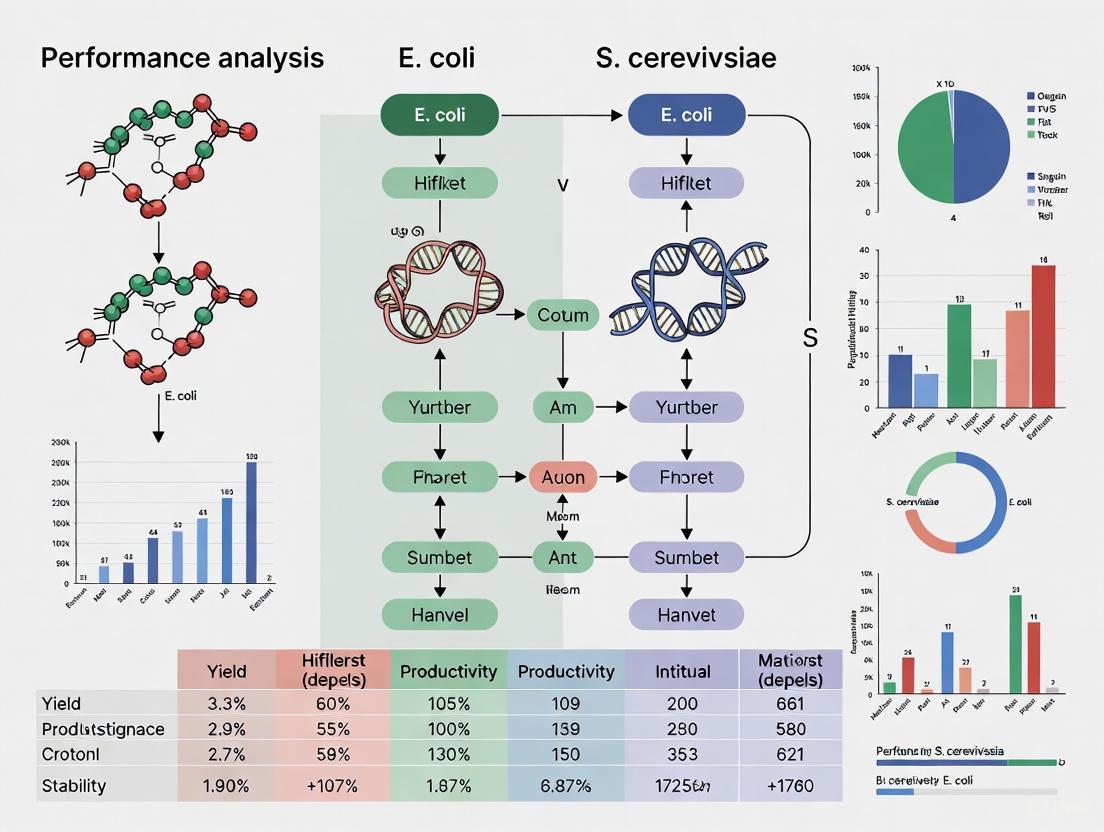
Engineered E. coli vs. S. cerevisiae: A Performance Analysis for Next-Generation Bioproduction
This article provides a comprehensive performance analysis of the two predominant microbial workhorses in biotechnology: Escherichia coli and Saccharomyces cerevisiae.
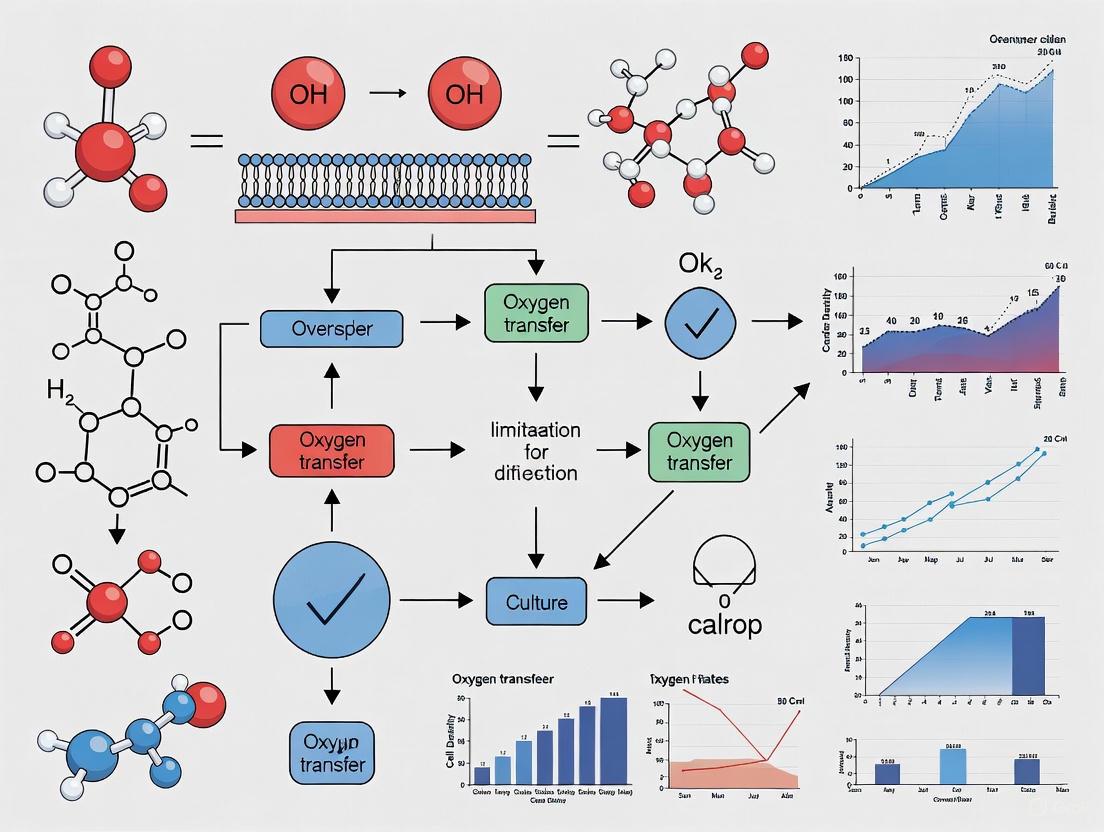
Solving Oxygen Transfer Limitations in High-Density Cultures: Strategies for Enhanced Bioprocess Yield
This article provides a comprehensive guide for researchers and drug development professionals tackling the critical challenge of oxygen transfer in high-density cell cultures.
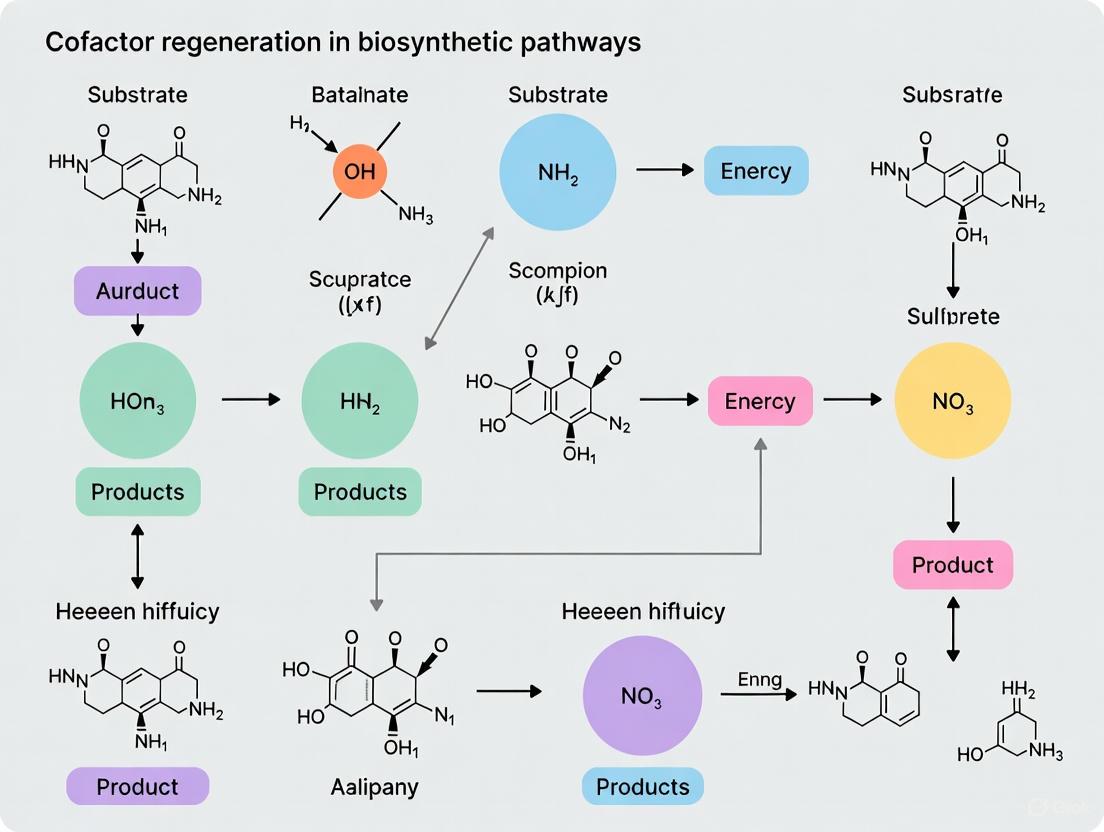
Advanced Strategies for Cofactor Regeneration in Biosynthetic Pathways: From Enzyme Engineering to System Optimization
This article provides a comprehensive analysis of contemporary strategies for enhancing cofactor regeneration in biosynthetic pathways, a critical determinant of economic viability for producing pharmaceuticals and value-added chemicals.
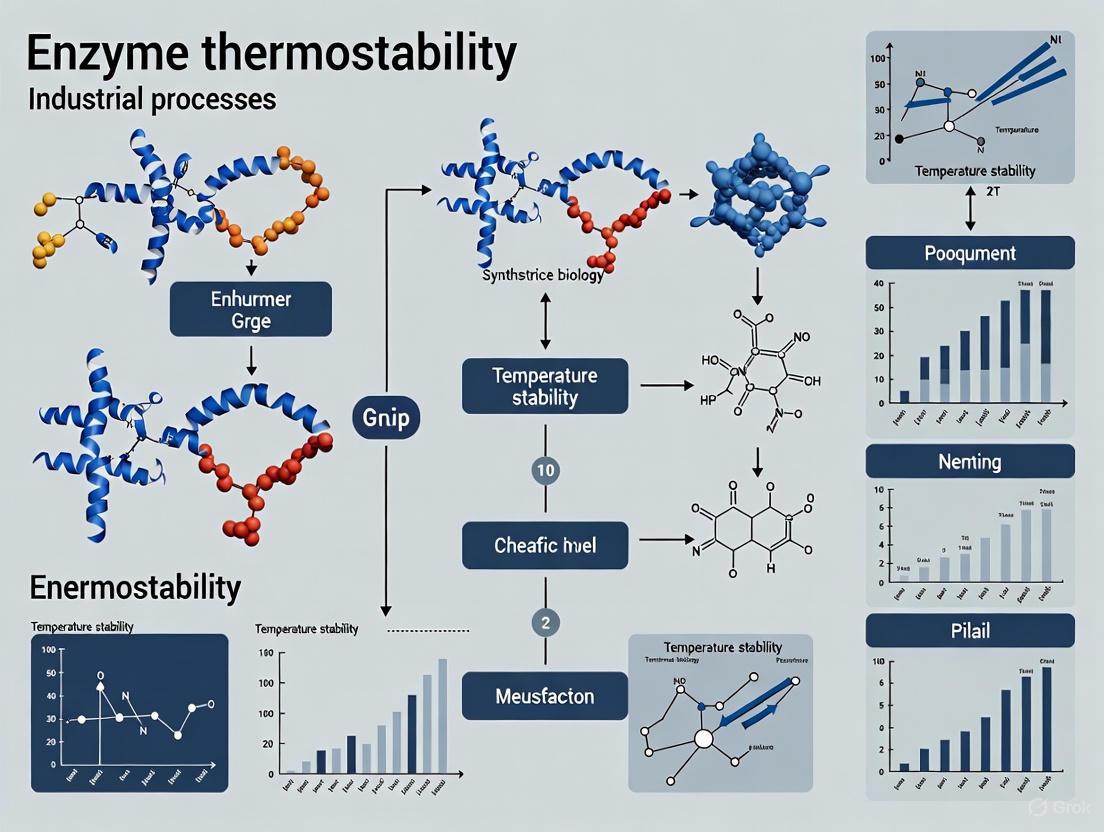
Engineering Enzyme Thermostability: AI-Driven Strategies for Industrial and Biomedical Applications
This article provides a comprehensive analysis of contemporary strategies for enhancing enzyme thermostability, a critical factor for efficiency and cost-effectiveness in industrial and pharmaceutical processes.
Strategic Approaches for Toxic Intermediate Management in Biological Pathways: From AOPs to AI-Driven Solutions
This article provides a comprehensive overview of modern strategies for managing toxic intermediates across drug development and chemical safety assessment.
Strategic Approaches to Reduce Metabolic Burden and Enhance Robustness in Engineered Microbial Systems
Engineered microbial systems often face significant challenges due to metabolic burden, which can impair cell growth, reduce genetic stability, and diminish the production titers of valuable biochemicals and therapeutics.