T-Pro Transcriptional Programming: A Comprehensive Guide for Predictive Genetic Circuit Design
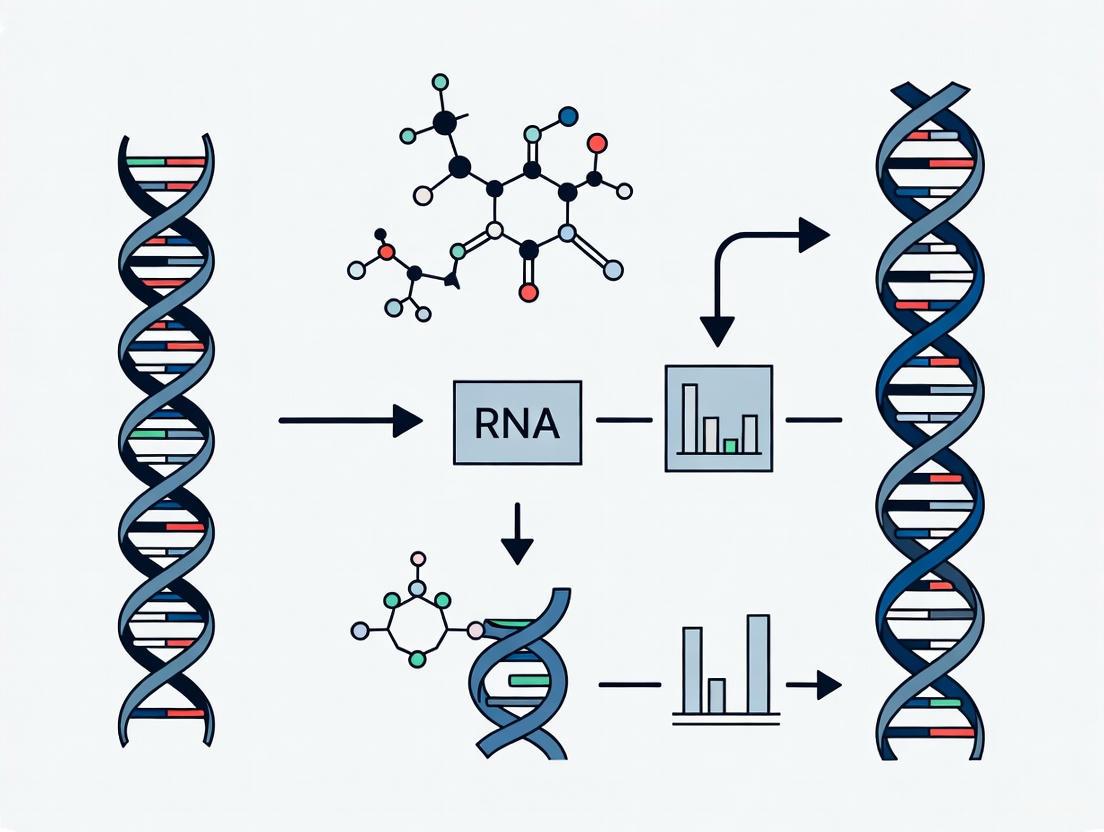
This guide provides researchers, scientists, and drug development professionals with a comprehensive overview of Transcriptional Programming (T-Pro), a synthetic biology framework for designing compressed genetic circuits.
T-Pro Transcriptional Programming: A Comprehensive Guide for Predictive Genetic Circuit Design
Abstract
This guide provides researchers, scientists, and drug development professionals with a comprehensive overview of Transcriptional Programming (T-Pro), a synthetic biology framework for designing compressed genetic circuits. It covers the foundational principles of T-Pro, detailing its orthogonal synthetic transcription factors and promoters. The article explores advanced methodologies for constructing multi-input Boolean logic circuits, strategies for troubleshooting and optimizing circuit performance to minimize cellular burden, and comparative validation techniques to ensure predictive accuracy. By integrating wetware development with complementary software tools, this resource serves as a practical guide for engineering efficient cellular programs for biomedical research and therapeutic applications.
Understanding T-Pro: Core Principles and Components of Transcriptional Programming
Defining Transcriptional Programming (T-Pro) and Circuit Compression
Transcriptional Programming (T-Pro) is an advanced synthetic biology framework for engineering genetic circuits that utilize synthetic transcription factors (TFs) and synthetic promoters to implement complex Boolean logic operations within living cells [1] [2]. This approach represents a paradigm shift from traditional genetic circuit design by enabling circuit compression—the implementation of complex logical functions with significantly fewer genetic components compared to conventional architectures [1]. T-Pro achieves this compression through the coordinated binding of engineered repressor and anti-repressor transcription factors to cognate synthetic promoters, mitigating the need for the inversion-based logic that characterizes many existing genetic circuit designs [1].
The fundamental advantage of T-Pro lies in its ability to reduce the metabolic burden on chassis cells while implementing higher-state decision-making capabilities [1]. As synthetic genetic circuits increase in complexity, they impose significant resource constraints on host cells, which traditionally limits their design capacity and functionality. T-Pro addresses this limitation through its compressed architecture, enabling the construction of genetic circuits that are approximately four times smaller than canonical inverter-type genetic circuits while maintaining precise quantitative performance [1]. This compression capability makes T-Pro particularly valuable for applications requiring sophisticated biocomputing operations in resource-limited cellular environments.
Core Mechanisms of T-Pro
Key Functional Components
T-Pro circuitry operates through the coordinated activity of two primary functional elements: synthetic transcription factors and engineered synthetic promoters. The synthetic transcription factors include both repressors and anti-repressors that are responsive to orthogonal input signals [1]. These transcription factors are engineered to recognize specific operator sequences within synthetic promoters, enabling the programming of logical operations without relying on transcriptional inversion [1].
The system leverages synthetic anti-repressors to facilitate objective NOT/NOR Boolean operations that utilize fewer promoters relative to inversion-based circuits [1]. This reduction in component count is the foundation of circuit compression. The engineering workflow for these transcription factors involves: (i) generating variants that retain DNA binding function but become insensitive to input ligands (creating "super-repressors"), and (ii) performing subsequent rounds of error-prone PCR on these super-repressor variants to develop anti-repressor functions [1]. This process enables the creation of orthogonal sets of synthetic transcription factors that can respond to distinct input signals such as IPTG, D-ribose, and cellobiose [1].
Operational Principles
T-Pro circuits function through the precise interaction between synthetic transcription factors and their cognate synthetic promoters. The system utilizes tandem operator designs within synthetic promoters that allow multiple transcription factors to coordinately regulate gene expression [1]. This architecture enables the implementation of complex logical operations through the integrated response of promoter elements to the combined state of multiple transcription factors.
A critical innovation in T-Pro is the use of alternate DNA recognition (ADR) domains, which enable the programming of specific protein-DNA interactions without compromising the core regulatory function of the transcription factors [1]. By engineering these ADR domains, researchers can create large sets of orthogonal transcription factor-promoter pairs that form the basis for implementing diverse Boolean logic operations within compressed genetic circuits. The system has been successfully scaled from 2-input to 3-input Boolean logic, expanding from 16 to 256 distinct truth tables while maintaining the circuit compression advantage [1].
Circuit Compression: Principles and Implementation
Fundamental Concepts
Circuit compression refers to the implementation of genetic Boolean logic operations with a minimal number of genetic components, significantly reducing the genetic footprint required for complex computational functions in living cells [1]. Where traditional genetic circuit designs based on transcriptional inversion might require multiple cascaded components to implement the same logical function, T-Pro achieves equivalent operations through direct regulatory interactions between synthetic transcription factors and synthetic promoters [1].
The compression advantage of T-Pro becomes increasingly significant as circuit complexity grows. For 3-input Boolean logic operations, the combinatorial space for qualitative circuit construction based on T-Pro components is on the order of 10^14 possible configurations [1]. Advanced algorithmic enumeration methods have been developed to identify the most compressed circuit implementation for any given truth table, systematically searching this vast space to guarantee identification of the minimal component solution [1]. This algorithmic approach models circuits as directed acyclic graphs and enumerates them in sequential order of increasing complexity, ensuring the discovery of maximally compressed configurations [1].
Quantitative Advantages
The compression achieved through T-Pro architecture provides substantial quantitative advantages over traditional genetic circuit designs. Experimental results demonstrate that T-Pro compression circuits are approximately 4-times smaller than canonical inverter-type genetic circuits implementing equivalent Boolean operations [1]. This size reduction directly translates to reduced metabolic burden on chassis cells, enhancing circuit stability and performance.
Quantitative performance predictions for T-Pro circuits demonstrate remarkable precision, with average errors below 1.4-fold for >50 test cases [1]. This predictive accuracy is maintained despite the significant reduction in component count, indicating that the compressed architecture does not compromise operational reliability. The reduction in circuit size also minimizes resource competition within host cells, addressing a fundamental challenge in complex genetic circuit implementation [1].
Table 1: Performance Comparison of T-Pro vs. Traditional Genetic Circuits
| Parameter | T-Pro Circuits | Traditional Circuits | Advantage |
|---|---|---|---|
| Component Count | ~4x fewer components | Higher part count | Reduced genetic footprint |
| Metabolic Burden | Significantly reduced | Substantial burden | Enhanced cellular viability |
| Predictive Error | <1.4-fold average error | Typically higher variability | Improved design reliability |
| Boolean Capacity | 3-input (256 operations) | Limited by complexity | Expanded functionality |
Experimental Framework and Methodologies
T-Pro Wetware Development
The development of T-Pro systems begins with engineering orthogonal sets of synthetic transcription factors responsive to distinct input signals. The experimental workflow for developing these components involves:
Transcription Factor Selection: Identification of suitable transcription factor scaffolds based on regulatory performance metrics, including dynamic range and ON-state expression levels in the presence of ligand [1].
Super-Repressor Engineering: Generation of transcription factor variants that retain DNA binding function but become insensitive to input ligands through site saturation mutagenesis [1].
Anti-Repressor Development: Application of error-prone PCR to super-repressor templates to create anti-repressor variants, followed by fluorescence-activated cell sorting (FACS) screening to identify functional anti-repressors [1].
Alternate DNA Recognition Engineering: Equipping transcription factors with additional DNA recognition specificities to expand the orthogonal set available for circuit programming [1].
This methodology has been successfully applied to develop complete sets of synthetic transcription factors responsive to orthogonal signals including IPTG, D-ribose, and cellobiose, enabling the implementation of complex 3-input Boolean logic operations [1].
Circuit Design and Optimization
The design of compressed T-Pro circuits employs specialized computational tools to navigate the vast combinatorial space of possible circuit configurations:
Algorithmic Enumeration: Systematic exploration of possible circuit configurations using directed acyclic graph models, enumerating circuits in order of increasing complexity to identify minimal implementations [1].
Truth Table Mapping: Association of specific circuit configurations with target Boolean truth tables, ensuring functional equivalence between design specifications and implemented operations [1].
Quantitative Performance Prediction: Implementation of modeling workflows that account for genetic context in quantifying expression levels, enabling accurate prediction of circuit behavior before experimental implementation [1].
This integrated experimental and computational approach enables the design of T-Pro circuits with prescriptive quantitative performance, moving beyond qualitative design to predictable engineering of genetic circuits [1].
Table 2: Key Research Reagents for T-Pro Implementation
| Research Reagent | Function in T-Pro | Application Context |
|---|---|---|
| Synthetic Transcription Factors | Engineered repressors/anti-repressors | Core circuit components for logic operations |
| Synthetic Promoters | Tandem operator designs with specific recognition sequences | Regulatory elements for transcription factor binding |
| Orthogonal Inducers (IPTG, D-ribose, cellobiose) | Input signals for circuit activation | Trigger specific Boolean states in 3-input systems |
| Alternate DNA Recognition (ADR) Domains | Enable specific protein-DNA interactions | Expand orthogonal set of transcription factor-promoter pairs |
| Fluorescence Reporter Systems | Quantitative measurement of circuit output | Enable FACS screening and performance characterization |
Visualization of T-Pro Mechanisms
Applications and Future Directions
The T-Pro framework with circuit compression capability enables diverse applications in biotechnology and biomedicine. The technology has been successfully applied to the predictive design of recombinase genetic memory circuits and the control of flux through metabolic pathways with precise setpoints [1]. This demonstrates the versatility of T-Pro for implementing both digital logic operations and analog control functions in biological systems.
Future developments in T-Pro are likely to focus on further expansion of the transcription factor toolbox, enhancement of predictive modeling capabilities, and integration with other synthetic biology platforms such as recombinase-based systems [2]. The integration of T-Pro with recombinase-based memory systems creates opportunities for engineering intelligent chassis cells capable of complex decision-making, communication, and permanent memory functions [2]. Such advanced systems could revolutionize applications in living therapeutics, biosensing, and biomanufacturing by creating cells with sophisticated information processing capabilities.
As T-Pro technology continues to mature, it is poised to overcome fundamental challenges in synthetic biology, particularly the limited modularity of biological parts and the resource burden imposed by complex genetic circuits. By providing a framework for implementing complex functions with minimal genetic components, T-Pro represents a significant advancement toward the predictive engineering of biological systems.
Transcriptional Programming (T-Pro) represents a advanced framework within synthetic biology for the reprogramming of cellular functions. T-Pro utilizes engineered systems of synthetic transcription factors (TFs) and cognate synthetic promoters to facilitate complex, higher-order control over gene expression. This approach enables the implementation of logical operations within living cells, moving biological circuit design beyond intuitive, labor-intensive optimizations toward predictive, quantitative engineering [1]. A key innovation of T-Pro is circuit compression, a design process that results in genetic circuits that are significantly smaller than canonical equivalents. By leveraging synthetic repressors and anti-repressors, T-Pro circuits achieve desired logical functions with a minimal genetic footprint, thereby reducing the metabolic burden on chassis cells and increasing the feasibility of complex circuit designs [1].
Core Components of the T-Pro Toolkit
The T-Pro toolkit is built upon engineered, orthogonal components that work in concert to execute genetic programs.
Synthetic Transcription Factors
Synthetic TFs in the T-Pro toolkit are modular proteins, typically built on LacI/GalR family scaffolds. They consist of two primary domains:
- DNA-Binding Domain (DBD): Responsible for sequence-specific recognition and binding to operator sequences within synthetic promoters. Engineered Alternate DNA Recognition (ADR) functions allow the same regulatory core to interact with orthogonal operator sequences [1] [3].
- Regulatory Core Domain (RCD): Responsible for ligand sensing and allosteric regulation. Upon binding a specific small-molecule ligand, the RCD undergoes a conformational change that modulates the DNA-binding affinity of the DBD [3].
These TFs can be engineered into three distinct phenotypic classes:
- Repressors (X+YQR): In the absence of ligand, the repressor binds DNA and blocks transcription. Ligand binding induces a conformational change that releases the TF from the DNA, allowing transcription to proceed. This functions as a BUFFER logic gate [3].
- Super-Repressors (XSYQR): Engineered variants that lose sensitivity to the native ligand. They constitutively bind DNA and repress transcription, regardless of the ligand's presence [3].
- Anti-Repressors (XAYQR): Engineered variants that exhibit inverted logic. Their DNA-binding affinity increases upon ligand binding. In the absence of ligand, transcription occurs; ligand binding leads to DNA binding and transcriptional repression. This functions as a fundamental NOT gate [1] [3].
Synthetic Promoters
T-Pro utilizes synthetic promoters engineered with specific operator sequences that are cognate to the ADR of the synthetic TFs. The specific arrangement of these operator sequences (e.g., tandem designs) determines the logical integration of input signals from multiple TFs, enabling the construction of complex genetic circuits from simpler parts [1].
Table 1: Core T-Pro Transcription Factor Systems
| Transcription Factor Scaffold | Phenotype | Orthogonal Ligand (Input) | Core Function in Logic |
|---|---|---|---|
| LacI (I+ADR) | Repressor | IPTG | Fundamental BUFFER |
| RbsR (R+ADR) | Repressor | D-ribose | Fundamental BUFFER |
| CelR (E+ADR) | Repressor | Cellobiose | Fundamental BUFFER |
| Anti-LacI (IAADR) | Anti-Repressor | IPTG | Fundamental NOT |
| Anti-RbsR (RAADR) | Anti-Repressor | D-ribose | Fundamental NOT |
| Anti-CelR (EAADR) | Anti-Repressor | Cellobiose | Fundamental NOT |
Experimental Workflow for Engineering Anti-Repressors
The development of anti-repressors is critical for introducing NOT-oriented logic into T-Pro circuits. The following workflow, established for engineering anti-repressors in scaffolds like RbsR (D-ribose responsive) and CelR (cellobiose responsive), outlines a generalizable, two-stage process [1] [3].
Stage 1: Conferring the Anti-Repressor Phenotype
Objective: Convert a native repressor scaffold (X+ADR) into a ligand-inducible anti-repressor (XAADR).
Generate a Super-Repressor Variant (XSADR):
- Rational Design: Identify conserved amino acid positions critical for allosteric communication within the RCD through multiple sequence alignment with a reference scaffold like LacI. Reported positions 84, 88, 95, and 96 in LacI are often targets [3].
- Site-Saturation Mutagenesis: Perform mutagenesis at the identified putative super-repressor positions.
- Screening & Selection: Screen mutant libraries for the desired super-repressor phenotype—constitutive DNA binding and repression of a reporter gene (e.g., GFP), regardless of ligand presence. For example, the CelR-based super-repressor ESTAN was generated via a L75H mutation [1].
Evolve the Anti-Repressor from the Super-Repressor (XAADR):
- Random Mutagenesis: Use error-prone PCR (EP-PCR) on the super-repressor (XSADR) gene at a low mutation rate to introduce compensatory mutations that reverse allosteric control.
- Library Screening: Screen the resulting mutant library (e.g., ~10^8 variants) using Fluorescence-Activated Cell Sorting (FACS). The goal is to identify variants where the reporter gene is expressed in the absence of ligand and repressed in its presence—the hallmark of an anti-repressor.
- Validation: Isolate and sequence unique anti-repressor clones (e.g., EA1TAN, EA2TAN for CelR) and characterize their dynamic range and ON-state expression levels [1].
Stage 2: Engineering Orthogonality via Alternate DNA Recognition (ADR)
Objective: Expand the set of anti-repressors to recognize orthogonal DNA operator sequences, enabling their simultaneous use in complex circuits.
- ADR Engineering: Clone the RCD of the newly evolved anti-repressor (e.g., EA1TAN) with various engineered DBDs (e.g., ADR = YQR, NAR, HQN, KSL).
- Functional Validation: Verify that each new anti-repressor (e.g., EA1YQR, EA1NAR, etc.) retains the anti-repressor phenotype while gaining specificity for its cognate synthetic promoter [1].
Figure 1: Anti-Repressor Engineering Workflow. This diagram outlines the key stages in engineering a functional, orthogonal anti-repressor from a native repressor scaffold.
Algorithmic Circuit Design and Compression
Scaling genetic circuits from 2-input to 3-input Boolean logic dramatically increases complexity, expanding the number of possible logical operations from 16 to 256. Manually designing minimal circuits for this combinatorial space is infeasible [1].
The Enumeration-Optimization Algorithm
To address this, a dedicated algorithmic software was developed for T-Pro circuit design. This software employs an enumeration-optimization method to guarantee the identification of the most compressed (smallest) circuit for any given truth table [1].
- Modeling: The algorithm models a genetic circuit as a directed acyclic graph.
- Systematic Enumeration: It systematically enumerates circuits in sequential order of increasing complexity, defined by the number of genetic parts (promoters, genes, RBSs, TFs).
- Optimal Solution: This sequential process ensures the first viable circuit identified for a target truth table is the most compressed version available within the T-Pro component library.
- Outcome: On average, the resulting multi-state compression circuits are approximately 4-times smaller than canonical inverter-based genetic circuits, significantly reducing metabolic load [1].
Table 2: Quantitative Performance of Designed T-Pro Circuits
| Circuit Type | Number of Test Cases | Average Prediction Error (Fold) | Average Size Reduction vs. Canonical Circuits |
|---|---|---|---|
| 3-Input Boolean Compression Circuits | >50 | < 1.4 | ~4x |
| Recombinase Genetic Memory Circuit | N/A | N/A | N/A |
| Metabolic Pathway Flux Control | N/A | N/A | N/A |
Research Reagent Solutions
The following table details key reagents essential for working with the T-Pro toolkit.
Table 3: Essential Research Reagents for T-Pro Experiments
| Reagent / Material | Function / Description | Example & Notes |
|---|---|---|
| Synthetic TF Kits | Pre-engineered repressor and anti-repressor sets for specific ligands. | Kits for IPTG (LacI/Anti-LacI), D-ribose (RbsR/Anti-RbsR), and cellobiose (CelR/Anti-CelR) [1] [3]. |
| Synthetic Promoter Library | A collection of promoters with orthogonal operator sequences cognate to the ADR functions of the synthetic TFs. | Essential for building circuits with multiple inputs; often based on tandem operator designs [1]. |
| Inducer Ligands | Small molecules used as inputs to trigger TF activity. | IPTG, D-ribose, and cellobiose for the core T-Pro systems. Ensure high purity for quantitative experiments [1]. |
| Memory Assay Components | Reagents for assessing permanent genetic changes, such as those from recombinase circuits. | M9 minimal medium, specific inducers, flow cytometry equipment for analyzing recombination efficiency [2]. |
| Cloning System | Vectors and strains for constructing and testing circuits. | Low-copy pSC101 plasmids, Bacterial Artificial Chromosomes (BACs), and specialized chassis strains like Marionette E. coli [2]. |
Applications and Workflows for Predictive Design
The integration of T-Pro wetware with algorithmic software enables the predictive design of genetic circuits with quantitative setpoints.
Workflow for Predictive Design
- Qualitative Circuit Design: Use the enumeration software to generate the most compressed circuit design for a target truth table or logical operation [1].
- Quantitative Performance Modeling: Apply predictive workflows that account for genetic context to model expression levels of the circuit components. This includes modeling the expression of output proteins as well as intermediate TFs that constitute the circuit itself [1].
- Experimental Implementation & Validation: Clone the designed circuit into the chassis cell and characterize its performance experimentally. Quantitative metrics like dynamic range, transfer curve, and leakage are measured using methods like flow cytometry.
- Iteration: Compare experimental data with model predictions to refine design parameters and improve the accuracy of future designs.
Key Application Areas
- Higher-State Biocomputing: Implementing all 3-input (256) Boolean logic operations in living cells for sophisticated decision-making [1].
- Predictive Design of Genetic Memory: Engineering recombinase-based memory circuits where T-Pro controls the activity of recombinases to achieve permanent, inheritable genetic changes with precise, predictable switching thresholds [1].
- Metabolic Engineering: Precisely controlling flux through biosynthetic pathways. T-Pro circuits can be designed to regulate the expression of multiple enzymes simultaneously, optimizing the production of valuable compounds or managing the toxicity of metabolic intermediates [1].
Figure 2: T-Pro Logic Integration. A simplified diagram showing how different TF phenotypes integrate signals on a synthetic promoter to control output.
A fundamental challenge, termed the "synthetic biology problem," lies in the discrepancy between our ability to design genetic circuits qualitatively and our inability to predict their quantitative performance accurately [1]. Although qualitative rules for constructing fundamental genetic circuit architectures are well-established, quantitative prediction of their behavior remains a significant hurdle [1]. This problem is exacerbated as circuit complexity increases, leading to greater metabolic burden on host cells and further limiting practical design capacity [1]. The field of synthetic biology aims to reprogram cells for diverse functions in biotechnology and therapeutics; however, achieving prescriptive, predictable performance is critical for reliable applications [1] [4].
Transcriptional Programming (T-Pro) has emerged as a powerful framework to address this challenge. Unlike traditional designs that often rely on inversion to achieve Boolean operations, T-Pro leverages engineered repressor and anti-repressor transcription factors that coordinate binding to cognate synthetic promoters [1]. This approach enables significant circuit compression, allowing for the implementation of complex higher-state decision-making with a minimal genetic footprint [1]. This review details how integrated wetware and software solutions are bridging the gap between qualitative design and quantitative performance, with a specific focus on T-Pro methodologies.
Core T-Pro Methodology: A Unified Wetware and Software Approach
Expanding T-Pro Biocomputing Wetware
The foundation of T-Pro lies in its engineered "wetware" – synthetic biological components that function predictably in living systems. Scaling from 2-input to 3-input Boolean logic required developing an additional orthogonal set of synthetic transcription factors. Researchers successfully engineered a complete set of cellobiose-responsive synthetic transcription factors based on the CelR scaffold, which operates orthogonally to existing IPTG and D-ribose responsive systems [1].
The engineering workflow followed a structured process [1]:
- Verification of Repressor Function: Five synthetic transcription factors were verified to regulate a new set of T-Pro synthetic promoters based on a tandem operator design [1].
- Selection of Optimal Repressor: The E+TAN repressor was selected based on dynamic range and ON-state performance in the presence of cellobiose [1].
- Anti-Repressor Engineering: A super-repressor variant (ESTAN) was generated via site-saturation mutagenesis at amino acid position 75 (mutant L75H) [1].
- Library Generation and Screening: Error-prone PCR on the super-repressor template created a library of ~10⁸ variants, which was screened via FACS to identify three unique anti-repressors (EA1TAN, EA2TAN, EA3TAN) [1].
- Functional Expansion: Each anti-CelR was equipped with four additional Alternate DNA Recognition (ADR) functions (EAYQR, EANAR, EAHQN, EAKSL), with the EA1ADR set showing the best performance [1].
This expansion provided the necessary orthogonal componentry for 3-input Boolean biocomputing, enabling 256 distinct logical operations compared to the 16 possible with 2-input systems [1].
Algorithmic Enumeration for Circuit Compression
With the expansion to 3-input logic, the combinatorial design space grew to over 100 trillion putative circuits, making intuitive design impossible [1]. To address this, researchers developed an algorithmic enumeration method that systematically identifies the most compressed (smallest) circuit implementation for any given truth table [1].
The algorithm models circuits as directed acyclic graphs and enumerates them in sequential order of increasing complexity, guaranteeing identification of the most compressed circuit for each target operation [1]. This process involves [1]:
- Generalizing the description of synthetic transcription factors and promoters
- Systematically exploring the combinatorial space of component arrangements
- Selecting implementations with the fewest genetic parts (promoters, genes, RBS, TFs)
This algorithmic approach represents a significant advancement in qualitative design automation, ensuring optimal circuit architectures before experimental implementation.
Table 1: Key Research Reagents for T-Pro Circuit Implementation
| Research Reagent | Type | Function in T-Pro System |
|---|---|---|
| CelR-based Synthetic TFs | Engineered Transcription Factors | Responsive to cellobiose signal; enables 3rd orthogonal input in 3-input logic [1] |
| E+TAN Repressor | Synthetic Repressor | Selected scaffold for anti-repressor engineering; provides high dynamic range [1] |
| EA1ADR Anti-Repressors | Synthetic Anti-Repressors (5 variants) | Enable NOT/NOR operations with fewer promoters than inversion-based circuits [1] |
| T-Pro Synthetic Promoters | Engineered DNA Elements | Contain tandem operator designs for coordinated TF binding; cognate sites for ADR TFs [1] |
| IPTG & D-ribose TF Systems | Orthogonal Transcription Factors | Enable 2-input Boolean operations; orthogonal to CelR system [1] |
Experimental Protocols for Predictive Design
Workflow for Quantitative Performance Prediction
Achieving predictive design requires workflows that account for genetic context when quantifying expression levels. The established methodology involves [1]:
- Context Characterization: Measuring baseline expression parameters for all genetic components in the target chassis environment.
- Transfer Function Mapping: Quantifying the relationship between input transcription factor concentrations and output reporter gene expression for each component [4].
- Context-Aware Modeling: Integrating component performance data with genetic position and copy number effects.
- Setpoint Optimization: Iteratively refining component choices and expression levels to achieve target quantitative performance.
This workflow enables researchers to move beyond qualitative circuit operation to precise control over expression levels, response thresholds, and dynamic ranges.
Anti-Repressor Engineering Protocol
The detailed protocol for engineering synthetic anti-repressors consists of [1]:
Super-Repressor Generation:
- Perform site-saturation mutagenesis at key amino acid positions (e.g., position 75 in CelR)
- Screen for variants that maintain DNA binding but become ligand-insensitive
- Identify candidate mutants (e.g., L75H) exhibiting super-repressor phenotype
Anti-Repressor Development:
- Conduct error-prone PCR on super-repressor template at low mutation rate
- Clone variant library into appropriate expression vector
- Transform into host chassis cell
High-Throughput Screening:
- Use fluorescence-activated cell sorting (FACS) to screen library (~10⁸ variants)
- Identify populations exhibiting anti-repressor phenotype (activation in presence of ligand)
- Isolate and sequence unique anti-repressor variants (e.g., EA1TAN, EA2TAN, EA3TAN)
Functional Validation:
- Characterize dynamic range and ON-state performance of anti-repressor candidates
- Test orthogonality with existing transcription factor systems
- Verify performance across multiple ADR contexts
Performance Metrics and Applications
Quantitative Performance of T-Pro Circuits
The integrated wetware-software approach for T-Pro circuit design has demonstrated remarkable quantitative accuracy. Testing across >50 test cases revealed an average prediction error below 1.4-fold between designed and actual circuit performance [1]. Furthermore, the compressed multi-state circuits achieved through this methodology are approximately 4-times smaller than canonical inverter-type genetic circuits [1]. This reduction in genetic footprint directly addresses the metabolic burden challenges that plague complex circuit designs.
Table 2: Quantitative Performance of Compressed T-Pro Circuits
| Performance Metric | T-Pro Compression Circuits | Canonical Inverter Circuits |
|---|---|---|
| Average Genetic Footprint | ~4x smaller [1] | Baseline |
| Quantitative Prediction Error | <1.4-fold average error [1] | Not systematically quantified |
| Boolean Logic Capacity | 3-input (256 operations) [1] | Typically 1-2 input |
| Implementation Complexity | Algorithmic enumeration [1] | Intuitive design |
| Metabolic Burden | Reduced [1] | Significant with complexity |
Application Case Studies
The T-Pro methodology has been successfully applied to multiple challenging synthetic biology applications:
Recombinase Genetic Memory Circuit:
- Challenge: Achieving predictable, stable biological memory elements
- T-Pro Application: Predictive design of recombinase circuits with specific activity thresholds [1]
- Outcome: Successful implementation of memory circuits with prescribed switching behavior
Metabolic Pathway Control:
- Challenge: Precise control of flux through toxic biosynthetic pathways
- T-Pro Application: Implementation of regulatory circuits that maintain pathway flux at optimal levels [1]
- Outcome: Predictable control of metabolic output while minimizing toxicity
Higher-State Decision Making:
- Challenge: Implementing complex logical operations with minimal genetic burden
- T-Pro Application: Compressed 3-input Boolean logic circuits for advanced cellular computation [1]
- Outcome: Functional higher-state decision systems in living cells
Integrated Software Ecosystem
The computational infrastructure supporting T-Pro research integrates several specialized tools that facilitate different aspects of the design process:
- Cello: A genetic circuit design automation tool that enables users to specify desired logical functions and automatically generates DNA sequences implementing those functions [5].
- SBOLCanvas: A web application for creating and editing genetic constructs using the Synthetic Biology Open Language (SBOL) data and visual standards [5].
- Cytoscape: An open-source platform for visualizing complex networks and integrating attribute data, useful for analyzing genetic circuit architectures and their performance [6].
- Flapjack: A data management and analysis application specifically designed for genetic circuit characterization that helps researchers store, share, mix, analyze, and plot synthetic biology data [5].
- MAXQDA: While traditionally used for qualitative data analysis in social sciences, its table-based summary capabilities offer a structured approach to organizing and analyzing qualitative observations of circuit performance [7].
This software ecosystem supports the entire workflow from initial design to performance characterization, creating a comprehensive framework for addressing the synthetic biology problem through integrated computational and experimental approaches.
The integration of advanced T-Pro wetware with sophisticated software design tools represents a paradigm shift in synthetic biology. By addressing both the component-level and system-level challenges of genetic circuit design, this approach enables true predictive programming of cellular behavior. The demonstrated capabilities – including 4-fold size reduction, high prediction accuracy, and successful application to memory circuits and metabolic control – highlight the practical potential of this methodology.
As the field advances, further refinement of quantitative prediction models and expansion of the available biological part repertoire will continue to narrow the gap between qualitative design and quantitative performance. The T-Pro framework establishes a foundation for this ongoing work, providing both the theoretical underpinnings and practical tools needed to overcome the fundamental synthetic biology problem.
In the engineering of microbial cell factories and therapeutic cellular programs, two intertwined challenges consistently constrain performance and scalability: metabolic burden and genetic footprint. Metabolic burden refers to the biological cost imposed on a host cell by the introduction and operation of synthetic genetic circuits, often leading to impaired growth, genetic instability, and reduced product yields [8]. The genetic footprint encompasses the physical size and complexity of these introduced circuits. As synthetic biology advances toward more complex applications, the imperative to minimize both becomes critical for developing robust, efficient, and commercially viable biological systems.
Transcriptional Programming (T-Pro) has emerged as a transformative framework that addresses these challenges at a foundational level. Unlike traditional circuit design that often relies on cascading inverters to create logic gates, T-Pro leverages synthetic transcription factors (TFs) and cognate promoters to implement Boolean logic directly and compactly [9]. This review details the key advantages of this approach, providing a technical guide for researchers and drug development professionals aiming to design high-performance genetic systems. We synthesize recent advances, present quantitative data, and outline experimental protocols to facilitate the adoption of these efficient design principles.
Conceptual Foundations: Metabolic Burden and Genetic Footprint
Defining Metabolic Burden and Its Consequences
Metabolic burden is the physiological strain placed on a host cell when its resources are diverted from native processes to support synthetic gene expression. This burden manifests through several detrimental effects:
- Resource Competition: Synthetic circuits compete with host processes for finite cellular resources, including ATP, RNA polymerases, ribosomes, and amino acids [8].
- Reduced Growth Rate: High burden often triggers stress responses and slows cell division, extending fermentation cycles in bioproduction [8].
- Genetic Instability: Cells actively mutate or excise burdensome DNA to regain fitness, leading to unpredictable performance and loss of product consistency [8].
- Reduced Yield: The ultimate consequence is a suboptimal titer, rate, and yield (TRY) of the desired product, undermining economic viability [8].
The Impact of a Large Genetic Footprint
The genetic footprint is the physical size of the exogenous DNA introduced into a chassis organism. A larger footprint exacerbates metabolic burden and introduces practical challenges:
- Delivery Limitations: Large DNA constructs can exceed the packaging capacity of viral vectors or the transformation efficiency in microbial systems.
- Reduced Design Modularity: Bulky circuits are harder to iterate, debug, and adapt for new functions.
- Increased Biosynthetic Demand: Replicating and maintaining more DNA consumes additional energy, compounding the metabolic load [9].
Strategies to minimize this footprint, such as the circuit compression enabled by T-Pro, are therefore not merely an optimization but a necessity for complex circuitry [9].
T-Pro: A Framework for Efficient Transcriptional Programming
Core Principles of T-Pro
Transcriptional Programming (T-Pro) is a synthetic biology approach that uses engineered repressors and anti-repressors with their cognate synthetic promoters to build genetic circuits. Its core innovation lies in executing Boolean logic directly at the transcriptional level, bypassing the need for multiple transcriptional inversion steps that characterize traditional designs [9]. A complete T-Pro "wetware" suite for 3-input Boolean logic requires only three orthogonal sets of synthetic transcription factors, responsive to ligands such as IPTG, D-ribose, and cellobiose [9].
Contrasting Traditional and T-Pro Circuit Design
The following diagram illustrates the fundamental architectural difference between a traditional inverter-based circuit and a compressed T-Pro circuit for implementing the same logic.
Key Advantage 1: Reduced Metabolic Burden via Circuit Compression
Mechanisms of Burden Reduction
T-Pro circuits directly address the sources of metabolic burden through several mechanisms:
- Fewer Genetic Parts: By eliminating intermediary inversion steps, T-Pro circuits require fewer promoters, RBSs, and terminator sequences. This directly reduces the biosynthetic load for DNA and RNA synthesis [9].
- Lower Protein Expression Load: A compressed circuit expresses a smaller number of regulatory proteins (e.g., repressors/anti-repressors). This frees up ribosomes and amino acids for the expression of core pathway enzymes or therapeutic proteins, optimizing the host's translational capacity [8] [9].
- Improved Resource Allocation: The streamlined architecture lessens the competition for RNA polymerase, allowing the host to maintain better expression of its essential genes, thereby supporting robust growth and physiological stability [8].
Quantitative Evidence of Burden Reduction
The following table summarizes experimental data demonstrating the performance advantages of reduced metabolic burden.
Table 1: Quantitative Impacts of Reducing Metabolic Burden
| Intervention / Approach | Experimental System | Key Metric | Result | Source |
|---|---|---|---|---|
| T-Pro Circuit Compression | E. coli with 3-input Boolean circuits | Genetic part count | ~4x smaller footprint vs. canonical circuits | [9] |
| Restriction of rRNA Synthesis | C. elegans | Lifespan | ~30% extension via tif-1A knockdown |
[10] |
| Balancing Metabolic Flux | Microbial Cell Factories | Product Yield & Cell Growth | Significant improvements in both | [8] |
| Microbial Consortia (Division of Labor) | Engineered Cocultures | Overall System Productivity | Increased robustness and output | [8] |
Key Advantage 2: Minimized Genetic Footprint for Complex Circuits
Scaling Complex Circuits with T-Pro
The relationship between circuit complexity and genetic footprint is non-linear in traditional design but can be made more manageable with T-Pro. Scaling from 2-input to 3-input Boolean logic increases the number of possible logic operations from 16 to 256. The combinatorial design space for such circuits is immense (on the order of 10^14), necessitating algorithmic tools to find the most compressed design [9]. T-Pro, coupled with enumeration software, guarantees the identification of the minimal circuit for any given truth table, a task impossible by manual design [9].
Software and Workflows for Footprint Minimization
The T-Pro framework is supported by specialized software that automates the design of compressed circuits. The workflow for this process is outlined below.
The algorithmic enumeration models the circuit as a directed acyclic graph and systematically explores designs in order of increasing complexity, guaranteeing the discovery of the most compressed (minimal part count) version that satisfies the target logic [9].
Experimental Protocols and Methodologies
Protocol 1: Assessing Metabolic Burden in Microbial Cultures
Objective: Quantify the physiological impact of a genetic circuit by measuring growth kinetics and transcriptional activity.
- Strain Preparation: Clone the target genetic circuit (e.g., a T-Pro design) and a control circuit (e.g., a traditional inverter-based design) into an isogenic host strain.
- Cultivation: Inoculate triplicate cultures in appropriate medium with necessary inducers and grow in a microplate reader or bioreactor with continuous monitoring.
- Data Collection:
- Optical Density (OD600): Measure every 30 minutes to generate growth curves.
- qPCR Analysis: At mid-exponential phase (e.g., OD600 = 0.6), harvest cells and extract RNA. Perform reverse transcription followed by qPCR to quantify:
- Pre-rRNA levels: A direct indicator of ribosome biogenesis stress [10].
- Host stress gene markers (e.g., chaperones).
- Analysis:
- Calculate maximum growth rate (μmax) and final biomass yield from growth curves.
- Statistically compare pre-rRNA levels and stress marker expression between test and control strains. A significant increase indicates high metabolic burden.
Protocol 2: Validating Circuit Compression and Function
Objective: Confirm that a compressed T-Pro circuit maintains correct logic function with a reduced footprint.
- Circuit Construction: Assemble the computationally designed, compressed circuit using standard DNA assembly techniques (e.g., Golden Gate assembly).
- Characterization: Transform the circuit into the host. For all combinations of input signals (e.g., for 3 inputs, 8 combinations), measure the output (e.g., GFP fluorescence) via flow cytometry or plate reading.
- Footprint Verification: Sequence the final construct and confirm its size is smaller than a traditional design for the same logic.
- Validation: Plot the measured output against the expected truth table. The design is successful if the ON/OFF states match predictions with a high fold-change and the genetic footprint is minimized.
The Scientist's Toolkit: Essential Research Reagents
The following table catalogs key reagents and tools for implementing T-Pro and studying metabolic burden.
Table 2: Key Research Reagents for T-Pro and Metabolic Burden Studies
| Reagent / Tool | Function / Description | Application in Research |
|---|---|---|
| Synthetic TFs (CelR, RhaR variants) | Engineered repressors and anti-repressors responsive to IPTG, D-ribose, cellobiose [9]. | Core components for building T-Pro circuits with orthogonal control. |
| T-Pro Synthetic Promoters | Engineered promoters containing specific operator sequences for synthetic TF binding [9]. | Provide the transcriptional logic layer for circuit operation. |
| Algorithmic Enumeration Software | Custom software for identifying minimal genetic circuits for any Boolean truth table [9]. | Enables automated, guaranteed design of compressed circuits. |
| Pre-rRNA qPCR Assay | Primer sets and protocols to quantify nascent pre-ribosomal RNA transcripts by RT-qPCR [10]. | A sensitive biomarker for quantifying metabolic burden from synthetic gene expression. |
| Metabolic Flux Analysis Kits | Assays to measure key metabolites (e.g., ATP/ADP, NAD+/NADH). | Determine energy charge and redox state of cells under burden. |
Reducing metabolic burden and genetic footprint is not a singular achievement but a continuous design philosophy essential for the next generation of synthetic biology applications. The T-Pro framework provides a tangible and effective path forward by leveraging transcriptional programming and circuit compression. The quantitative data shows that this approach can yield a 4-fold reduction in genetic footprint while maintaining or even improving functional performance [9].
For researchers in drug development, these principles are particularly salient. The production of complex biopharmaceuticals like multi-specific antibodies or viral vectors demands enormous metabolic output from host cells. Implementing efficient genetic circuits with minimal burden can significantly increase titers and reduce production costs. Furthermore, in the emerging field of cell and gene therapies, where payload capacity is limited by vector size, minimizing the genetic footprint of therapeutic constructs is the key to enabling more complex genetic interventions.
Future work will likely focus on expanding the T-Pro wetware toolkit with more orthogonal transcription factors, integrating dynamic control systems to further optimize resource allocation, and applying these principles across a wider range of chassis organisms [8] [9]. By adopting these efficient design strategies, scientists and engineers can build more powerful, predictable, and robust biological systems to tackle challenges in medicine, manufacturing, and beyond.
The evolution of synthetic genetic circuits from 2-input to 3-input Boolean logic represents a critical advancement in transcriptional programming (T-Pro) for biocomputing. This transition exponentially increases computational capacity from 16 to 256 distinct logical operations, enabling more sophisticated cellular reprogramming for therapeutic and diagnostic applications. However, this scaling introduces significant challenges in circuit complexity, metabolic burden, and quantitative predictability. This technical guide details a integrated wetware-software framework that addresses these limitations through circuit compression—a methodology that reduces genetic footprint by approximately 4-fold while maintaining quantitative prediction errors below 1.4-fold across diverse test cases. We present comprehensive experimental protocols for expanding T-Pro wetware, algorithmic approaches for circuit enumeration, and practical applications in synthetic memory and metabolic pathway control, providing researchers with the foundational tools to implement higher-state decision-making systems in biological contexts.
Transcriptional Programming (T-Pro) represents a paradigm shift in genetic circuit design, leveraging synthetic transcription factors (TFs) and cognate synthetic promoters to implement Boolean logic operations within cellular systems [1]. Unlike traditional inversion-based approaches that rely on NOT/NOR operations, T-Pro utilizes engineered repressor and anti-repressor TFs that support coordinated binding to synthetic promoters, significantly reducing part count and metabolic burden—a process termed circuit compression [1]. The expansion from 2-input to 3-input Boolean logic marks a critical juncture in biocomputing capacity, enabling higher-state decision-making capabilities essential for advanced applications in smart therapeutics, diagnostic systems, and metabolic engineering.
Boolean algebra forms the mathematical foundation for these genetic circuits, with basic logic gates (AND, OR, NOT) and their combinations (NAND, NOR, XOR, XNOR) processing binary inputs (0/1) to produce discrete outputs according to predefined truth tables [11] [12]. In biological contexts, these inputs typically correspond to molecular inducers (e.g., small molecules, light) or environmental stimuli, while outputs are often measured as fluorescent proteins or other reporter genes. The transition from 2-input to 3-input systems expands the possible state space from 4 (00, 01, 10, 11) to 8 (000, 001, 010, 011, 100, 101, 110, 111) distinct input combinations, thereby increasing the complexity and computational power of genetic circuits [1] [11].
Theoretical Foundation: From 2-Input to 3-Input Boolean Systems
Boolean Logic Fundamentals for Genetic Circuit Design
Boolean algebra provides the formal framework for describing, analyzing, and designing genetic logic circuits. The fundamental logic operations and their corresponding truth tables are essential for understanding how genetic circuits process information:
Table 1: Fundamental Boolean Logic Gates and Their Truth Tables
| Gate Type | Boolean Expression | Input A | Input B | Output | Biological Implementation |
|---|---|---|---|---|---|
| AND | A · B | 0 | 0 | 0 | Simultaneous presence of two inducers |
| OR | A + B | 0 | 1 | 1 | Presence of either inducer |
| NOT | ¬A | 0 | - | 1 | Repressor system |
| NAND | ¬(A · B) | 1 | 1 | 0 | AND gate with inverted output |
| NOR | ¬(A + B) | 0 | 1 | 0 | OR gate with inverted output |
| XOR | A ⊕ B | 1 | 1 | 0 | Either input but not both |
In T-Pro design, these basic logic operations are implemented using synthetic transcription factors rather than traditional inverter-based approaches [1]. This strategy significantly reduces the number of genetic components required, directly addressing the metabolic burden challenges that have limited previous genetic circuit implementations to approximately seven repressor-based gates per cell [13].
The State Explosion Problem: Scaling from 2 to 3 Inputs
The combinatorial complexity of genetic circuits increases exponentially with additional inputs. While 2-input systems contain 4 possible states (2²) corresponding to 16 possible Boolean functions (2⁴), 3-input systems expand to 8 possible states (2³) and 256 possible Boolean functions (2⁸) [1]. This state explosion presents significant challenges for both qualitative design and quantitative prediction:
- Qualitative Design Complexity: Intuitive circuit design becomes impossible with 256 possible functions, requiring algorithmic approaches for circuit enumeration and optimization.
- Quantitative Prediction Challenges: Biological parts lack strict composability, making performance prediction difficult as circuit complexity increases.
- Metabolic Burden Considerations: Larger circuits consume more cellular resources, potentially impacting host cell viability and circuit function.
The T-Pro framework addresses these challenges through circuit compression, which minimizes genetic footprint while maintaining functional complexity [1]. This approach has demonstrated approximately 4-fold reduction in circuit size compared to canonical inverter-type genetic circuits, with quantitative prediction errors below 1.4-fold across multiple test cases.
Figure 1: State Expansion from 2-Input to 3-Input Boolean Systems. The transition exponentially increases possible states and Boolean functions, necessitating algorithmic design approaches.
Wetware Expansion: Engineering Cellobiose-Responsive Transcription Factors
Development of Orthogonal Signal-Response Systems
A complete 3-input T-Pro biocomputing system requires three sets of signal-orthogonal, high-performing repressor/anti-repressor pairs [1]. Previous 2-input systems utilized IPTG and D-ribose responsive elements. The expansion to 3-input systems necessitated the development of an additional orthogonal system based on the CelR scaffold, which responds to cellobiose and demonstrates orthogonality to existing IPTG and D-ribose systems [1].
The experimental workflow for developing cellobiose-responsive synthetic transcription factors involved:
- Verification of CelR Regulatory Core Domain Compatibility: Testing five synthetic TFs with a new set of T-Pro synthetic promoters based on a tandem operator design [1].
- Selection of E+TAN Repressor: Choosing the optimal repressor based on dynamic range and ON-state expression level in the presence of cellobiose.
- Engineering anti-CelR from E+TAN Scaffold: Implementing a two-stage process involving super-repressor generation and subsequent anti-repressor development.
Anti-Repressor Engineering Protocol
The precise experimental methodology for developing anti-repressors follows an established engineering workflow [1]:
Super-Repressor Generation:
- Perform site saturation mutagenesis at amino acid position 75 on the E+TAN scaffold.
- Identify mutant L75H (designated ESTAN) displaying the desired super-repressor phenotype (DNA binding retention with ligand insensitivity).
- Validate super-repressor function through fluorescence-activated cell sorting (FACS) and characterization assays.
Anti-Repressor Development:
- Conduct error-prone PCR (EP-PCR) on the ESTAN super-repressor template at low mutational rates.
- Screen the resulting library (~10⁸ variants) using FACS to identify anti-repressor candidates.
- Isolate three unique anti-repressors (EA1TAN, EA2TAN, EA3TAN) with verified anti-repressor function.
Alternate DNA Recognition Expansion:
- Equip each anti-CelR core with four additional ADR functions (EAYQR, EANAR, EAHQN, EAKSL).
- Validate retention of anti-repressor phenotype across all ADR variations.
- Confirm EA1ADR (where ADR = TAN, YQR, NAR, HQN, or KSL) as the highest-performing set.
This wetware expansion provides the necessary orthogonal component set to complement existing IPTG and D-ribose responsive systems, enabling the full implementation of 3-input Boolean logic within the T-Pro framework.
Table 2: Research Reagent Solutions for 3-Input T-Pro Implementation
| Research Reagent | Function in Experimental Protocol | Key Characteristics |
|---|---|---|
| CelR Scaffold TFs | Engineered cellobiose-responsive transcription factors | Orthogonal to IPTG/D-ribose systems; compatible with synthetic promoter set |
| E+TAN Repressor | Base repressor for anti-repressor engineering | High dynamic range; strong ON-state in cellobiose presence |
| ESTAN Super-Repressor | Intermediate for anti-repressor development | L75H mutation; DNA binding function with ligand insensitivity |
| EA1TAN, EA2TAN, EA3TAN | Anti-repressor variants | Identified through EP-PCR and FACS screening; anti-repressor phenotype |
| T-Pro Synthetic Promoters | Cognate promoter elements for synthetic TFs | Tandem operator design; support coordinated TF binding |
| Cellobiose | Inducer molecule for CelR-system | Orthogonal signal; non-metabolizable in most chassis cells |
Software Infrastructure: Algorithmic Enumeration of Compressed Circuits
Addressing the Combinatorial Challenge
The expansion from 2-input to 3-input Boolean logic creates a combinatorial design space on the order of 10¹⁴ putative circuits [1]. Navigating this space to identify optimal, compressed circuit implementations requires sophisticated computational approaches beyond intuitive design capabilities. The T-Pro framework addresses this challenge through a dedicated algorithmic enumeration method that guarantees identification of the most compressed circuit for any given truth table.
The software infrastructure operates on several key principles:
- Generalized Component Description: Synthetic transcription factors and cognate promoters are abstracted to accommodate >5 orthogonal protein-DNA interactions, scalable to ~10³ unique interactions if necessary [1].
- Directed Acyclic Graph Modeling: Circuits are modeled as directed acyclic graphs, enabling systematic enumeration and analysis.
- Complexity-Ordered Enumeration: Circuits are enumerated sequentially by increasing complexity, ensuring identification of the most compressed implementation for any given truth table.
Circuit Enumeration and Optimization Workflow
The algorithmic workflow for compressed circuit design follows a structured process:
- Truth Table Specification: Define the desired 3-input Boolean function using standard truth table format with 8 input combinations.
- Circuit Space Exploration: Systematically explore the combinatorial space of possible circuit implementations.
- Compression Optimization: Identify implementations with minimal genetic parts count through complexity-ordered enumeration.
- Functional Validation: Verify circuit functionality against the specified truth table.
This algorithmic approach has demonstrated capability to identify compressed circuit implementations that are approximately 4-times smaller than canonical inverter-type genetic circuits while maintaining functional accuracy [1].
Figure 2: Algorithmic Circuit Enumeration Workflow. The process systematically transforms truth table specifications into compressed genetic implementations through combinatorial exploration and optimization.
Quantitative Design and Predictive Performance
Workflows for Predictive Circuit Design
A significant advancement in the 3-input T-Pro framework is the development of workflows that enable predictive design with quantitative accuracy. These workflows incorporate genetic context effects and quantitative performance setpoints, addressing the fundamental "synthetic biology problem" - the discrepancy between qualitative design and quantitative performance prediction [1].
The predictive design workflow incorporates:
- Context-Aware Expression Modeling: Accounting for genetic context in quantifying expression levels, including position effects, promoter strength variations, and ribosome binding site efficiency.
- Performance Setpoint Specification: Defining precise quantitative performance targets for circuit behavior.
- Error Minimization Protocols: Implementing design principles that achieve average prediction errors below 1.4-fold across multiple test cases.
Performance Validation and Applications
The quantitative predictive capability of the 3-input T-Pro system has been validated across multiple applications:
- Recombinase Genetic Memory Circuit: Predictive design of synthetic memory systems with specified switching thresholds and stability characteristics [1].
- Metabolic Pathway Control: Precise control of flux through toxic biosynthetic pathways, demonstrating applications in metabolic engineering [1].
- Multi-State Decision Making: Implementation of complex logical operations with minimal genetic footprint and predictable performance.
Table 3: Quantitative Performance Metrics for 3-Input T-Pro Systems
| Performance Parameter | Metric Value | Comparison to Standard Approaches |
|---|---|---|
| Circuit Size Reduction | ~4x smaller | Compared to canonical inverter-type genetic circuits |
| Prediction Error | <1.4-fold average error | Across >50 test cases |
| Input Capacity | 3 fully orthogonal inputs | IPTG, D-ribose, cellobiose responsive systems |
| Boolean Function Space | 256 distinct operations | From 8 possible input combinations |
| Wetware Scalability | ~10³ possible orthogonal interactions | Through alternate DNA recognition expansion |
Future Directions and Implementation Considerations
Distributed Computing Approaches
As genetic circuits increase in complexity, distributed implementation strategies offer promising pathways for further expansion. Research demonstrates that distributing computation among multiple cell types, each implementing small subcircuits that communicate via diffusible small molecules (DSMs), can significantly extend computational capacity [13]. With constraints of no more than seven gates per cell, using a single DSM increases the total number of realizable circuits by at least 7.58-fold compared to centralized computation [13]. With two DSMs, 99.995% of all possible 4-input Boolean functions can be realized while maintaining the gate-per-cell constraint [13].
Integration with Biomolecular Computing Platforms
The T-Pro framework for 3-input Boolean logic represents one approach within the broader landscape of biomolecular computing. DNA-based logic devices offer complementary advantages, including low-cost synthesis, high programmability, and excellent biocompatibility [12] [14]. These systems leverage functional DNA motifs (aptamers, DNAzymes, G-quadruplex structures) and nanomaterials to implement Boolean operations, with applications in intelligent analysis, diagnostics, and cellular imaging [14]. Future developments may involve hybrid approaches that combine transcriptional programming with DNA-based computing elements to further expand functionality and application scope.
The continued advancement of 3-input Boolean logic systems in biocomputing will require close integration of wetware engineering, software development, and quantitative modeling. The T-Pro framework provides a robust foundation for this development, enabling researchers to implement increasingly sophisticated genetic circuits with predictable performance characteristics for therapeutic, diagnostic, and biotechnological applications.
Designing T-Pro Circuits: A Step-by-Step Methodology for Implementation
In synthetic biology, the programming of cellular functions is achieved through the design and construction of genetic circuits. Transcriptional Programming (T-Pro) has emerged as a state-of-the-art framework for engineering these circuits with high efficiency and reduced complexity [15]. A core principle enabling the predictable operation of such circuits is orthogonality—the design of biological components that operate independently of the host's native regulatory systems and of each other [16]. Orthogonal transcription factor systems are fundamental to this paradigm, as they ensure that intended genetic operations proceed without undesired crosstalk or interference, thereby increasing the reliability and scalability of synthetic genetic programs [16] [2].
The pursuit of orthogonality addresses a central challenge in synthetic biology: the limited modularity of biological parts. As circuit complexity increases, unintended interactions and increased metabolic burden on the host cell often compromise functionality [1]. Orthogonal systems help mitigate these issues by providing insulated, well-characterized parts that can be composable. This guide details the wetware engineering principles and methodologies for developing these critical systems, framed within the broader T-Pro research context, which leverages synthetic transcription factors (TFs) and their cognate synthetic promoters to achieve compressed and sophisticated biological computations [1] [15].
Core Principles of Orthogonal Transcription Factor Systems
Defining Orthogonality in Transcription
An orthogonal transcription system is characterized by its ability to function without being affected by, and without affecting, the host's endogenous regulatory networks. This is typically achieved by utilizing transcription factors and promoter elements that are not native to the host chassis, or by engineering significant alterations to native systems so they no longer interact with their natural partners [16]. The primary goal is to create a self-contained regulatory layer that can be predictably designed and modeled.
Key characteristics of successful orthogonal systems include:
- Specificity: The transcription factor must bind exclusively to its target synthetic promoter and not to other promoters within the system or the host genome.
- Minimal Crosstalk: Inducers or signals for one orthogonal system should not activate another.
- Transferability: The system should maintain its function across different bacterial strains or even related species, which is crucial for applications in non-model organisms [16].
- Predictable Input/Output: The relationship between input signal (e.g., inducer concentration) and output expression (e.g., reporter protein level) should be quantifiable and reliable.
The Role of Sigma Factors in Orthogonal Systems
While many orthogonal systems are built around DNA-binding transcription factors, an alternative and powerful approach involves the use of orthogonal sigma (σ) factors. In bacteria, sigma factors are responsible for promoter recognition by the RNA polymerase complex. The σ54 factor is a particularly promising candidate for orthogonal design due to its distinct recognition pattern and stringent regulation [16].
Unlike the more common σ70-dependent promoters, σ54-dependent promoters require activation by bacterial enhancer-binding proteins (bEBPs) for transcription initiation. This added layer of control provides a natural framework for engineering tight regulation and low basal expression [16]. Recent research has successfully engineered orthogonal σ54 systems through knowledge-based screening and rewiring of the RpoN box in σ54, together with its partnered promoters [16]. For instance, the study identified three mutant σ54 factors (R456H, R456Y, and R456L) that exhibited ideal mutual orthogonality towards each other and the native σ54, effectively expanding the σ54-dependent expression toolkit from one to four distinct systems [16].
Table 1: Key Sigma Factor Mutants for Orthogonal Transcription
| Mutant σ54 Factor | Key Feature | Promoter Preference | Orthogonality Demonstrated In |
|---|---|---|---|
| σ54-R456H | Altered RpoN box | Distinct from wild-type and other mutants | E. coli, K. oxytoca, P. fluorescens, S. meliloti |
| σ54-R456Y | Altered RpoN box | Distinct from wild-type and other mutants | E. coli, K. oxytoca, P. fluorescens, S. meliloti |
| σ54-R456L | Altered RpoN box | Distinct from wild-type and other mutants | E. coli, K. oxytoca, P. fluorescens, S. meliloti |
Engineering Orthogonal Transcription Factors and Promoters
Engineering Synthetic Anti-Repressors for T-Pro
A key advancement in T-Pro is the development of synthetic anti-repressors, which facilitate NOT/NOR Boolean operations using fewer genetic parts compared to traditional inversion-based circuits—a process known as circuit compression [1] [15]. The engineering of a cellobiose-responsive anti-repressor set illustrates a generalizable workflow [1]:
- Repressor Selection: A high-performing synthetic repressor based on the CelR scaffold (E+TAN) was selected, verified for its regulation of T-Pro synthetic promoters featuring a tandem operator design [1].
- Super-Repressor Generation: A super-repressor variant (ESTAN) was created via site-saturation mutagenesis (at amino acid position 75), rendering the TF insensitive to its ligand, cellobiose. The L75H mutant displayed the desired phenotype [1].
- Error-Prone PCR and Screening: The super-repressor (ESTAN) served as the template for error-prone PCR at a low mutational rate. The resulting library (~10^8 variants) was screened via fluorescence-activated cell sorting (FACS), leading to the identification of three unique anti-repressors: EA1TAN, EA2TAN, and EA3TAN [1].
- Functional Diversification: Each anti-repressor was equipped with four additional Alternate DNA Recognition (ADR) domains (EAYQR, EANAR, EAHQN, EAKSL), expanding the set of orthogonal synthetic promoters they could regulate [1].
This process yielded a complete set of orthogonal anti-repressors, which, when combined with existing repressor/anti-repressor sets responsive to IPTG and D-ribose, enabled the construction of complex 3-input Boolean logic circuits [1].
Algorithmic Enumeration for Circuit Compression
Scaling from 2-input to 3-input logic circuits dramatically increases the combinatorial space of possible circuits, making intuitive design infeasible. To address this, a generalizable algorithmic enumeration method was developed [1]. This software models a genetic circuit as a directed acyclic graph and systematically enumerates circuits in order of increasing complexity, guaranteeing the identification of the most compressed (smallest) circuit for a given truth table [1]. This algorithm was essential for navigating a search space composed of over 100 trillion putative circuits to select 256 non-synonymous operations for 3-input logic [1].
Experimental Protocols for Development and Validation
Protocol: Engineering an Anti-Repressor from a Repressor Scaffold
This protocol details the creation of a ligand-insensitive anti-repressor, a critical step in expanding the T-Pro toolkit [1].
Materials:
- Repressor Plasmid: Plasmid containing the gene for the base repressor (e.g., E+TAN CelR repressor).
- Library Plasmids: Reporter plasmid with a synthetic promoter (tandem operator design) controlling a fluorescent protein (e.g., GFP).
- Strains: Chemically competent E. coli strains (e.g., DH5α for cloning, 3.32 for logic gate experiments).
- Media: LB broth and M9 minimal media, supplemented with appropriate antibiotics (e.g., chloramphenicol, kanamycin) and inducers (e.g., cellobiose).
- Oligonucleotides: Primers for site-saturation mutagenesis and error-prone PCR.
Method:
- Site-Saturation Mutagenesis:
- Design primers to randomize the codon for the amino acid residue critical for ligand sensing (e.g., position 75 in the CelR scaffold).
- Perform PCR to generate a library of repressor variants.
- Transform the library into E. coli and plate on selective media.
- Screen for super-repressor candidates by assaying for strong repression of GFP in the reporter strain, both with and without the ligand (cellobiose). The desired super-repressor will maintain strong repression regardless of ligand presence.
- Sequence confirmed clones (e.g., L75H) to identify the mutation.
- Error-Prone PCR:
- Using the super-repressor gene as a template, perform error-prone PCR under conditions that generate a low mutation rate (e.g., 1-4 mutations per kb).
- Clone the resulting PCR products into your expression vector to create an anti-repressor library.
- FACS Screening:
- Co-transform the anti-repressor library with the reporter plasmid into the assay strain.
- Grow cultures with the ligand (cellobiose) present. In this state, the desired anti-repressor will de-repress the promoter, leading to high GFP expression.
- Use FACS to isolate the top 0.1-1% of highly fluorescent cells.
- Plate the sorted cells and isolate single colonies.
- Validation:
- Characterize individual clones by measuring GFP fluorescence in the presence and absence of the ligand. The final anti-repressor will show low fluorescence without ligand and high fluorescence with ligand, the inverse phenotype of the original repressor.
Protocol: Validating Orthogonality of a New Transcription System
This protocol is used to confirm that a newly engineered TF-promoter pair does not cross-react with existing systems or the host genome [16] [2].
Materials:
- TF Plasmids: Individual plasmids expressing each orthogonal transcription factor to be tested.
- Reporter Plasmids: Plasmids where a fluorescent protein (e.g., GFP, RFP) is under the control of the promoter from each orthogonal system.
- Inducers: Orthogonal inducers for each system (e.g., IPTG, D-ribose, cellobiose, 3OC6 AHL).
Method:
- Cross-Testing Matrix:
- For each orthogonal TF, create a set of strains where that TF's expression plasmid is co-transformed with a reporter plasmid for every promoter in the toolkit.
- For each strain, test all possible combinations of inducer presence and absence.
- Culture and Induction:
- Inoculate 6 biological replicates for each strain in a 96-well plate containing M9 minimal media with antibiotics.
- Add inducers according to the experimental design. Typical concentrations are 10 mM for IPTG, D-ribose, and cellobiose [15].
- Grow cultures for 16 hours at 37°C with shaking.
- Flow Cytometry Analysis:
- Dilute cultures and analyze using a flow cytometer to measure fluorescence intensity (e.g., for GFP and RFP) and optical density (OD600) for each sample.
- Collect data for at least 10,000 events per sample.
- Data Analysis:
- Calculate the mean fluorescence intensity normalized to the cell density (e.g., GFP/OD600).
- A system is considered orthogonal if a given promoter shows high output only when its cognate TF is present and induced, and shows low output (comparable to negative controls) in all other TF/inducer combinations.
Table 2: Key Performance Metrics for Validated Orthogonal Systems
| System / Parameter | Target Performance | Measurement Technique | Example Application |
|---|---|---|---|
| Dynamic Range | >100-fold induction | Flow Cytometry | Logic gate performance [1] |
| ON-State Level | High, tunable expression | Flow Cytometry | Driving output genes [1] |
| Crosstalk | <5% activation in non-cognate pairs | Flow Cytometry / Microplate Reader | Ensuring circuit reliability [2] |
| Orthogonality in Non-Model Bacteria | Maintained specificity | Flow Cytometry / Phenotypic Assays | Transferring circuits to new hosts [16] |
| Mutation Rate (for evolution) | >1,500,000-fold increase over background | Selection on antibiotic plates | Accelerated protein evolution [17] |
Advanced Applications and Integrated Systems
Quantum-Inspired Logic for Advanced Biocomputing
The T-Pro toolkit has been extended beyond standard Boolean logic to implement quantum-inspired logic gates, enabling more efficient multi-input/multi-output genetic programs [15]. This approach leverages principles of reversibility from quantum computing to design circuits where each INPUT state maps to a unique dual-state OUTPUT, thereby increasing information transfer while minimizing the number of genetic parts [15]. Key demonstrations include:
- Biological QUBIT and PAULI-X gates: Engineered using synthetic bidirectional promoters regulated by T-Pro transcription factors, creating 1-INPUT, 2-OUTPUT logical operations [15].
- Layered operations: Fundamental gates were combined to build more complex FEYNMAN and TOFFOLI gates [15].
- Recombinase-based memory integration: The truth table of a fundamental quantum operation (QUBIT) was converted to an antithetical operation (PAULI-X) in situ using a recombinase, showcasing the seamless integration of memory and decision-making [15].
Unified Intelligent Chassis Cells
A pinnacle of wetware engineering is the integration of decision-making, communication, and memory into a single chassis cell. This was achieved in E. coli via the MEMORY platform (Molecularly Encoded Memory via an Orthogonal Recombinase arraY) [2]. The platform features:
- Six orthogonal, inducible recombinases (A118, Bxb1, Int3, Int5, Int8, Int12) integrated into the genome, each regulated by a transcription factor from the Marionette biosensing array (PhlF, TetR, AraC, CymR, VanR, LuxR) [2].
- Optimized expression to minimize leakiness and maximize recombination efficiency upon induction [2].
- CRISPR-Cas9-mediated protection (CRISPRp): Using dCas9 to block specific recombinase attachment sites, adding a layer of post-translational control and enabling next-generation state machines [2].
- Cross-species communication: A probiotic E. coli Nissle MEMORY strain successfully exchanged information with the gastrointestinal commensal Bacteroides thetaiotaomicron, illustrating the potential for intelligent therapeutic consortia [2].
The Scientist's Toolkit: Essential Research Reagents
Table 3: Key Research Reagent Solutions for Orthogonal Transcription System Development
| Reagent / Tool | Function | Example / Specification |
|---|---|---|
| Synthetic TF Scaffolds | Engineered DNA-binding proteins responsive to orthogonal signals. | CelR (cellobiose), RhaR (D-ribose), LacI (IPTG) variants [1]. |
| Alternate DNA Recognition (ADR) Domains | Provides specificity between a synthetic TF and its cognate promoter. | TAN, YQR, NAR, HQN, KSL [1]. |
| T-Pro Synthetic Promoters | Engineered DNA sequences regulated by synthetic TFs. | Tandem operator designs for repressors/anti-repressors [1] [15]. |
| Orthogonal Sigma Factors | Enables promoter recognition orthogonal to host machinery. | σ54 mutants (R456H, R456Y, R456L) [16]. |
| Orthogonal Recombinases | Enables permanent genetic memory and state changes. | A118, Bxb1, Int3, Int5, Int8, Int12 [2]. |
| Inducer Molecules | Small molecules that activate or repress synthetic TF activity. | IPTG, D-ribose, cellobiose, aTc, 3OC6 AHL [1] [2]. |
| Reporter Proteins | Quantitative measurement of circuit output and performance. | Fluorescent proteins (sfGFP, mCherry, tagBFP, phiYFP) [15]. |
| Algorithmic Design Software | Identifies minimal genetic circuits (compression) for a given truth table. | Directed acyclic graph-based enumeration software [1]. |
Within the field of synthetic biology, Transcriptional Programming (T-Pro) has emerged as a powerful framework for reprogramming cellular functions. It leverages synthetic transcription factors (TFs) and cognate synthetic promoters to build genetic circuits that perform defined logical operations [1]. A significant challenge, however, is that as circuit complexity increases, the associated metabolic burden on chassis cells grows, which can impede cellular function and limit circuit capacity. This creates a pressing need for circuit compression—the design of genetic circuits that achieve complex computational functions, such as higher-state decision-making, with a minimal number of genetic parts [1]. This whitepaper details a software-based solution for this challenge: a generalizable algorithmic enumeration method that guarantees the identification of the most compressed T-Pro circuit designs for any given 3-input Boolean logic operation. This integration of sophisticated software with advanced T-Pro wetware establishes a robust pipeline for the predictive design of genetic circuits, with profound implications for biotechnology and drug development.
The T-Pro Framework and the Scalability Challenge
Core T-Pro Wetware Components
T-Pro circuitry is constructed from orthogonal sets of engineered biological parts that function as the "wetware":
- Synthetic Transcription Factors (TFs): These include both repressors and anti-repressors, which are proteins engineered to bind specific DNA sequences and regulate gene expression. Anti-repressors facilitate NOT/NOR operations without the need for traditional inverter-based logic, which is a key enabler of circuit compression [1].
- Synthetic Promoters: These are engineered DNA sequences that contain specific binding sites (operators) for the synthetic TFs. The binding of TFs to these promoters controls the expression of downstream genes [1].
- Orthogonal Inducer Signals: The system relies on chemically orthogonal molecules to control TF activity. The expanded 3-input T-Pro system utilizes IPTG, D-ribose, and cellobiose as its three independent input signals [1].
The Need for Algorithmic Design in 3-Input Logic
Scaling from 2-input to 3-input Boolean logic represents a dramatic increase in complexity. The number of distinct logical operations expands from 16 to 256, and the combinatorial space for potential circuit constructions balloons to over 100 trillion (on the order of 10^14) possible configurations [1]. Designing compressed circuits "by eye" or intuition becomes mathematically intractable. The challenge is to efficiently search this vast space to find the optimal circuit—the one that implements a desired truth table with the absolute fewest genetic parts. This requires a deterministic computational approach that can systematically navigate the design space.
Algorithmic Enumeration for Optimal Circuit Compression
Conceptual Foundation and Modeling
The developed algorithm models a genetic circuit as a directed acyclic graph (DAG), where nodes represent genetic components (promoters, genes) and edges represent regulatory interactions [1]. The core innovation of the enumeration method is its systematic search strategy, which proceeds sequentially through circuits of increasing complexity. By beginning with the simplest possible circuits and moving to more complex ones, the algorithm guarantees that the first valid solution it finds for a given truth table is also the most compressed iteration [1].
The Enumeration-Optimization Workflow
The algorithm operates through a multi-stage process:
- Generalized Component Definition: The synthetic TFs and promoters are described in a generalized format that allows for a scalable number of orthogonal protein-DNA interactions. This abstraction is crucial, as the exact number of unique interactions required for a given circuit is not known beforehand [1].
- Systematic Circuit Generation: The algorithm generates putative circuit architectures in a strict order based on the number of components used.
- Functional Validation & Selection: Each generated circuit is evaluated against the target truth table. The first circuit that matches the functional requirement is selected as the optimal compressed design.
- Output of Compressed Design: The algorithm outputs the genetic layout of the compressed circuit, specifying the required promoters, genes, and regulatory logic.
Table 1: Benchmarking Results of Algorithmic Enumeration for 3-Input Circuit Compression
| Benchmark Metric | Performance Result |
|---|---|
| Average Size Reduction vs. Canonical Circuits | ~4 times smaller [1] |
| Average Quantitative Prediction Error | <1.4-fold for >50 test cases [1] |
| Example: MOD5_4 Gate Compression (Quantum Analogy) | 71 to 24 gates [18] |
| Example: GF2^8_MULT Compression (Quantum Analogy) | 928 to 740 gates [18] |
Figure 1: Algorithmic Enumeration Workflow. The process systematically generates and tests circuits of increasing complexity until the smallest functional design is found.
Experimental Protocol for T-Pro Circuit Design and Validation
The following section provides a detailed methodology for implementing the algorithmic enumeration workflow and experimentally validating the resulting compressed genetic circuits.
Protocol: Wetware Expansion for 3-Input Logic
Objective: Engineer a complete set of cellobiose-responsive synthetic transcription factors to enable 3-input Boolean logic.
- Repressor Selection:
- Anti-repressor Engineering:
- Generate Super-Repressor: Perform site saturation mutagenesis (e.g., at amino acid position 75) on the selected repressor to create a ligand-insensitive DNA-binding variant (e.g., ESTAN) [1].
- Error-Prone PCR: Use the super-repressor as a template for error-prone PCR under low mutational rate conditions to generate a diverse variant library (~10^8 members) [1].
- FACS Screening: Employ Fluorescence-Activated Cell Sorting (FACS) to screen the library and isolate unique anti-repressor clones (e.g., EA1TAN, EA2TAN, EA3TAN) [1].
- Alternate DNA Recognition (ADR) Expansion: Equip each validated anti-repressor core with additional ADR functions (e.g., YQR, NAR, HQN, KSL) to create a full orthogonal set [1].
Protocol: In Silico Algorithmic Enumeration
Objective: Identify the most compressed genetic circuit for a target 3-input Boolean logic truth table.
- Problem Formulation: Define the target 8-state (000 to 111) truth table for the desired logical operation [1].
- Software Execution: Run the algorithmic enumeration software, which models the circuit as a directed acyclic graph.
- Solution Extraction: The software returns the genetic layout of the most compressed circuit capable of executing the target logic.
Protocol: Quantitative Performance Validation
Objective: Experimentally measure the performance of the compressed circuit and compare it to model predictions.
- Circuit Assembly: Clone the computationally designed circuit into an appropriate plasmid vector and transform it into the chassis cell.
- Context Characterization: Quantify genetic context effects (e.g., promoter strength, RBS variability) on expression levels to calibrate model predictions [1].
- Functional Assay: Expose the engineered cells to all 8 possible combinations of the three input signals (IPTG, D-ribose, cellobiose) and measure the output (e.g., fluorescence via flow cytometry).
- Data Analysis: Calculate the fold-error between the predicted and measured output levels for each input state. The average fold-error across all states should be below 1.4 for a well-performing design [1].
The Scientist's Toolkit: Research Reagent Solutions
Table 2: Essential Research Reagents for T-Pro Circuit Development and Compression Analysis
| Reagent / Material | Function and Application in T-Pro Research |
|---|---|
| Synthetic TF Library (CelR-based) | Provides the core wetware for the third orthogonal input; includes repressors (E+TAN) and anti-repressors (EA1TAN, etc.) responsive to cellobiose [1]. |
| T-Pro Synthetic Promoters | Engineered DNA sequences with tandem operator sites; the regulatory targets for synthetic TFs that facilitate circuit construction [1]. |
| Orthogonal Inducers (IPTG, D-ribose, cellobiose) | Small molecule inputs used to trigger the 3-input genetic circuits; their orthogonality prevents crosstalk between signal pathways [1]. |
| Algorithmic Enumeration Software | Custom software that performs a systematic search of the circuit design space to guarantee identification of the most compressed design for any given truth table [1]. |
| Flow Cytometer | Essential analytical instrument for high-throughput, single-cell quantification of circuit output (e.g., fluorescence), enabling precise performance validation [1]. |
Applications and Implications for Drug Development
The integration of algorithmic circuit compression with T-Pro wetware has significant downstream applications, particularly in pharmaceutical research and development.
- Predictive Design of Genetic Memory: The T-Pro software suite has been successfully applied to design recombinase-based genetic memory circuits with targeted activity setpoints. Such circuits can record transient biological events, such as exposure to a disease biomarker, which is crucial for advanced diagnostics and cellular therapies [1].
- Metabolic Pathway Control: A critical application is the precise prediction and control of flux through biosynthetic pathways. This is especially valuable for pathways producing toxic intermediates, where precise tuning is necessary to maintain cell viability while maximizing yield of a target compound, such as a high-value Active Pharmaceutical Ingredient (API) [1].
- Accelerating Therapeutic Development: The principles of data-driven design and predictive modeling exemplified by T-Pro compression align with a broader industry shift. In drug development, data science and machine learning are now used to predict drug candidate properties, optimize clinical trials, and identify patient subpopulations, thereby reducing costs and accelerating time-to-market for new therapies [19] [20].
The development of an algorithmic enumeration method for T-Pro circuit compression represents a significant leap forward in synthetic biology. By moving from intuitive, labor-intensive design to a deterministic, software-driven workflow, researchers can now generate complex, higher-state genetic circuits that are both functionally robust and minimally burdensome to the host cell. This seamless integration of wetware and software not only solves a fundamental scalability problem in genetic circuit engineering but also paves the way for more sophisticated cellular programming. The ability to predictively design biological systems with setpoint performance will undoubtedly accelerate innovation across biotechnology, including the creation of next-generation cell-based therapeutics and the engineering of robust microbial strains for the efficient production of drugs and chemicals.
The field of synthetic biology is advancing from qualitative genetic circuit design to a new paradigm of predictive design, where quantitative performance can be prescribed prior to physical implementation. This prescriptive approach is essential as genetic circuits grow in complexity and face limitations from metabolic burden and component modularity. The foundational framework for this transition is Transcriptional Programming (T-Pro), which leverages engineered systems of transcription factors and synthetic promoters to implement biological computation with minimal genetic footprint [1].
Traditional genetic circuit design has relied on labor-intensive experimental optimization to achieve desired performance, an approach becoming increasingly untenable as circuit complexity grows. The core challenge—termed the "synthetic biology problem"—is the discrepancy between qualitative design and quantitative performance prediction [1]. This technical guide outlines a comprehensive workflow that integrates advanced wetware components with sophisticated software algorithms to overcome this limitation, enabling researchers to design genetic circuits with prescriptive quantitative performance for applications spanning biocomputing, metabolic engineering, and therapeutic development.
Core Principles of Transcriptional Programming (T-Pro)
Fundamental Concepts and Circuit Compression
Transcriptional Programming utilizes synthetic transcription factors (TFs) and cognate synthetic promoters to implement logical operations within chassis cells. Unlike traditional inversion-based circuits that implement NOT operations through transcriptional repression, T-Pro employs engineered repressors and anti-repressors that coordinate binding to synthetic promoters, fundamentally changing the circuit architecture [1]. This approach enables circuit compression—the design of equivalent logical functions with significantly fewer genetic components [1].
The compression achieved through T-Pro is substantial. Research demonstrates that multi-state compression circuits are approximately 4-times smaller than canonical inverter-type genetic circuits [1]. This reduction in genetic footprint directly addresses the critical challenge of metabolic burden, which imposes severe constraints on circuit complexity in engineered biological systems. Circuit compression scales from 2-input Boolean logic (16 possible operations) to 3-input Boolean logic (256 possible operations), dramatically expanding the computational capacity of engineered genetic circuits while maintaining a minimal component count [1].
Engineered Transcription Factor Systems
The T-Pro framework relies on engineered transcription factors created through a modular design strategy. These synthetic TFs typically leverage the lactose repressor (LacI) topology as a structural scaffold but incorporate modifications to both the regulatory core domain (RCD) and the DNA-binding domain (DBD) [21]. The RCD determines ligand responsiveness, while engineered DBDs with alternate DNA recognition (ADR) capabilities enable orthogonal regulation of synthetic promoters [21].
Engineering workflows involve adapting disparate LacI/GalR regulatory core domains (such as CelR, FruR, GalR, GalS, and RbsR) with non-natural DNA-binding domains (including NAR, HQN, TAN, GKR, HTK, and KSL) [21]. This combinatorial approach generates numerous orthogonal transcription factors that can be selectively responsive to different effector ligands (IPTG, D-ribose, cellobiose) while regulating cognate synthetic promoters [1]. The expansion to include cellobiose-responsive anti-repressors (EA1TAN, EA2TAN, EA3TAN) was particularly important for scaling T-Pro to 3-input Boolean logic, completing the wetware requirements for higher-state decision-making [1].
Predictive Design Workflow Architecture
Integrated Wetware-Software Framework
The predictive design workflow establishes a tight integration between biological components (wetware) and computational design tools (software). This integration enables researchers to move from specification to implementation with quantitative precision, addressing the fundamental synthetic biology problem of predicting quantitative performance from qualitative designs [1].
Table 1: Key Components of the Predictive Design Workflow
| Component Type | Function | Implementation Example |
|---|---|---|
| Synthetic Transcription Factors | Execute logical operations through DNA binding | Repressors (E+TAN) and anti-repressors (EA1TAN) responsive to IPTG, D-ribose, cellobiose [1] |
| Synthetic Promoters | Provide regulatory targets for synthetic TFs | Tandem operator designs with cognate recognition sequences [1] |
| Algorithmic Enumeration | Identifies minimal circuit designs | Directed acyclic graph modeling with complexity-ordered search [1] |
| Quantitative Performance Modeling | Predicts expression levels from component characteristics | Context-aware models accounting for genetic position effects [1] |
| Validation Workflows | Confirms quantitative performance | Fluorescence assays, recombinase activity tests, metabolic flux measurements [1] |
Computational Design and Enumeration Algorithms
Scaling from 2-input to 3-input Boolean logic eliminates the possibility of intuitive circuit design due to massive combinatorial complexity. The search space for 3-input T-Pro circuits is on the order of 10^14 putative circuits, requiring sophisticated algorithmic approaches to identify optimal designs [1].
The enumeration algorithm models genetic circuits as directed acyclic graphs and systematically enumerates circuits in sequential order of increasing complexity, where complexity corresponds to the degree of compression [1]. This sequential enumeration guarantees identification of the most compressed circuit implementation for any given truth table among the 256 possible 3-input Boolean operations. The algorithm generalizes the description of synthetic transcription factors and cognate synthetic promoters to accommodate potentially thousands of orthogonal protein-DNA interactions, though 2-input T-Pro required only three ADR functions to program all 16 logical operations [1].
Figure 1: Computational enumeration workflow for identifying compressed genetic circuit designs that minimize component count while achieving target logical functions.
Experimental Protocols for Wetware Development
Engineering Anti-Repressor Transcription Factors
The development of orthogonal anti-repressor transcription factors follows a established protein engineering workflow [1]:
Super-Repressor Generation: Create a transcription factor variant that retains DNA binding function but is insensitive to input ligand through site saturation mutagenesis. For CelR anti-repressors, mutant L75H displayed the desired super-repressor phenotype (designated ESTAN) [1].
Error-Prone PCR: Perform error-prone PCR on the super-repressor template at low mutational rates to generate diversity. For CelR engineering, this generated a library of approximately 10^8 variants [1].
Phenotypic Screening: Use fluorescence-activated cell sorting (FACS) to identify anti-repressor variants. For CelR, this process identified three unique anti-repressors (EA1TAN, EA2TAN, EA3TAN) [1].
ADR Function Expansion: Equip each validated anti-repressor core with additional alternate DNA recognition functions. Successful expansion with EAYQR, EANAR, EAHQN, and EAKSL demonstrated retention of anti-repressor phenotype across different DNA-binding domains [1].
Quantitative Characterization of Component Performance
Characterizing individual components provides the foundational data for predictive modeling:
Repressor Dynamics Assessment: Measure fluorescence in the presence and absence of effector ligands using micro-well plate assays. Determine dynamic range and ON-state expression levels in the presence of inducer [1] [21].
Operator-Promoter Pair Validation: Test each engineered transcription factor with cognate DNA operator elements placed downstream of promoter elements and upstream of reporter genes (e.g., GFP) [21].
Orthogonality Verification: Evaluate all non-cognate TF-operator pairs to confirm minimal cross-talk. In comprehensive testing, 201 out of 210 non-cognate pairs showed no interaction [21].
Performance Metric Extraction: Quantify key parameters including leakage expression (OFF-state), dynamic range, expression capacity (ON-state), and ligand sensitivity (EC50/IC50 values) for modeling [22].
Quantitative Performance Modeling
Predictive Modeling from Single-Input Data
Research demonstrates that single-input characterization data is sufficient to accurately predict both qualitative and quantitative performance of complex genetic circuits [22]. This modeling approach leverages characterized network-capable single-input logical operations (engineered BUFFER/repressor and engineered NOT/anti-repressor operations) to predict the performance of two-input compressed logical operations, including compressed AND gates, compressed NOR gates, and mixed phenotype gates (A NIMPLY B and B NIMPLY A) [22].
The predictive modeling accounts for genetic context effects that influence expression levels, enabling quantitative predictions of circuit performance with average errors below 1.4-fold for more than 50 test cases [1]. This remarkable precision demonstrates the maturity of the modeling framework and its utility for prescriptive design where specific expression setpoints are required for applications such as metabolic pathway control.
Performance Prediction Workflow
Figure 2: Performance prediction workflow that transforms single-input component characterization into accurate forecasts of complex circuit behavior before implementation.
Table 2: Quantitative Performance Metrics for Predictive Design
| Performance Metric | Target Value | Experimental Validation | Application Significance |
|---|---|---|---|
| Prediction Error | Minimal fold-error | <1.4-fold average error across >50 test cases [1] | Enables prescriptive design without iterative optimization |
| Circuit Compression | Maximum size reduction | ~4x smaller than canonical designs [1] | Reduces metabolic burden, enables higher complexity |
| Logical Completeness | Full Boolean set | All 16× 2-input and 256× 3-input operations [1] | Comprehensive computational capacity |
| Orthogonality | Minimal cross-talk | 201/210 non-cognate pairs non-interacting [21] | Enables parallel circuit operation |
Implementation and Validation
Application Case Studies
The predictive design workflow has been successfully applied to multiple challenging biological engineering problems:
Recombinase Genetic Memory Circuit: Prescriptive design of synthetic memory systems with targeted switching characteristics and stable state maintenance [1].
Metabolic Pathway Control: Precise prediction and implementation of flux through toxic biosynthetic pathways by setting specific expression thresholds for pathway enzymes [1].
Multi-State Decision Making: Implementation of 3-input Boolean logic for higher-state decision-making with minimal genetic footprint [1].
These applications demonstrate the versatility of the framework across different biological computation tasks, from digital-like logical operations to analog metabolic control functions.
Validation Methodologies
Rigorous validation ensures predictive models match physical implementation:
Fluorescence Reporter Assays: Quantitative comparison of predicted versus actual expression levels for reporter genes (e.g., GFP) across input combinations [1] [22].
Functional Output Measurement: Assessment of biological outputs beyond reporters, including recombinase activity measurements and metabolic flux analysis [1].
Single-Cell Characterization: Use of flow cytometry and fluorescence-activated cell sorting to assess population heterogeneity and circuit performance at single-cell resolution [1].
Growth-Based Selection: Monitoring cellular growth and viability to confirm reduced metabolic burden in compressed circuits [1].
The Scientist's Toolkit
Table 3: Essential Research Reagent Solutions for T-Pro Implementation
| Reagent / Material | Function | Specifications |
|---|---|---|
| Engineered Transcription Factors | Execute logical operations | Repressors (X+ADR) and anti-repressors (EA(X)ADR) with orthogonal ligand response (IPTG, D-ribose, cellobiose) [1] [21] |
| Synthetic Promoters | Provide regulatory targets | Tandem operator designs with cognate recognition sequences for orthogonal TF binding [1] |
| Algorithmic Design Software | Circuit enumeration and optimization | Directed acyclic graph-based search guaranteeing minimal circuit designs [1] |
| Quantitative Performance Models | Predict expression setpoints | Context-aware models transforming single-input data to complex circuit predictions [1] [22] |
| Characterization Platforms | Measure component and circuit performance | Flow cytometry, micro-well plate fluorescence assays, metabolic flux analysis [1] |
| Chassis Strains | Host circuit implementation | Engineered E. coli strains with minimal background interference [1] |
The workflow for predictive design with prescriptive quantitative performance represents a fundamental shift in synthetic biology methodology. By integrating engineered wetware components with sophisticated software algorithms, researchers can now transition from qualitative genetic circuit design to quantitative prescriptive implementation. The T-Pro framework demonstrates that through circuit compression and modeling based on single-input characterization, complex biological computation can be achieved with minimal genetic footprint and predictable performance.
This approach successfully addresses the core "synthetic biology problem" of bridging qualitative design and quantitative performance, enabling applications that require precise expression control from biocomputing to metabolic engineering. The validated performance of these designs—with average errors below 1.4-fold across numerous test cases—establishes a new standard for prescriptive biological design that will accelerate both basic research and applied biotechnology.
Transcriptional programming represents a frontier in synthetic biology, enabling the design of sophisticated genetic circuits that process information and execute logical functions within biological systems. This field, central to the broader thesis on T-Pro guide research, leverages the foundational principles of gene regulation to engineer cellular behaviors. By constructing complex networks of genetic elements, researchers can program living cells to perform tasks such as environmental sensing, data storage, and controlled production of therapeutic molecules. The integration of recombinase enzymes and metabolic engineering strategies has been pivotal in advancing these applications from theoretical concepts to functional biological computers. These systems are characterized by their ability to use biological components for computation, creating a bridge between the digital and biological worlds that operates with high specificity and efficiency [23] [24].
The emergence of biocomputation as a discipline has been accelerated by parallel advancements in multiple domains. Innovations in cell-free gene expression systems have provided versatile platforms for constructing genetic circuits without the complexities of living cells, enabling more predictable behaviors and easier implementation [25]. Concurrently, progress in recombinase-based memory systems has allowed for the development of biological circuits capable of recording cellular experiences and responding to sequential stimuli [26]. For research and drug development professionals, these technologies offer unprecedented opportunities for creating intelligent therapeutic systems, scalable biomanufacturing platforms, and sophisticated diagnostic tools that were once confined to the realm of science fiction [23].
Biocomputing: From Silicon to Wetware
Foundations of Biological Computing
Biocomputing represents a paradigm shift from traditional silicon-based computing to biological systems that use cellular components as computational elements. This "wetware" approach utilizes living cells or cell-free systems to perform logical operations, process information, and store data in DNA-based formats. The fundamental components of biological computing include genetic circuits that mimic electronic logic gates, biosensors that detect input signals, and memory modules that store information about past events [23]. Unlike conventional computers that operate on binary code (0s and 1s), biological computers use molecular interactions as their computational substrate, offering potential advantages in energy efficiency, parallel processing, and direct interface with biological systems.
The theoretical underpinnings of biocomputing draw from both computer science and molecular biology, creating a hybrid discipline that requires expertise in genetic engineering, circuit design, and computational modeling. Biological implementations of Boolean logic gates (AND, OR, NOT) have been successfully created using transcription factors, riboswitches, and recombinase systems [25]. These biological logic gates can be combined into more complex circuits that perform sophisticated computations, process multiple environmental inputs simultaneously, and generate defined outputs in the form of reporter proteins, therapeutic molecules, or cellular behaviors. The emerging capability to program living cells with these circuits marks a significant milestone in synthetic biology with far-reaching implications for medicine, biotechnology, and fundamental research.
Practical Implementations and Case Studies
Recent research has demonstrated remarkable progress in translating theoretical concepts of biocomputing into practical implementations. The Cell-free Recombinase-integrated Boolean Output System (CRIBOS) represents a significant advancement as the largest recombinase-based logic platform built for cell-free gene expression systems [25]. This platform enables the construction of complex multi-input-multi-output circuits, including 2-input-2-output genetic circuits and a 2-input-4-output decoder. When combined with allosteric transcription factor (aTF)-based sensors, these circuits demonstrate multiplex environmental sensing capabilities. A particularly innovative application of CRIBOS is the paper-based format that enables portable, low-cost biocomputing applications and achieves long-term DNA memory storage with minimal resources and maintenance requirements [25].
At the intersection of biological and electronic systems, Purdue University's BioLogical Translator (BLT) project represents another groundbreaking approach. Funded by an $8.8 million DARPA grant, this technology bridges traditional electronic computing with biological systems by translating electrical signals into biological outputs with embedded logic [24]. The BLT platform features a three-component design: (1) a "lettuce" layer of microsystem chips that provide computational power to process multiple inputs; (2) a "tomato" layer that uses enzyme catalysis to produce pharmaceuticals; and (3) a "bacon" layer made of DNA that holds the system together [24]. This innovative approach aims to create a new class of computing materials that seamlessly connect the digital and biological worlds, with the ultimate goal of developing microsystems that can produce single doses of drugs on demand.
Table 1: Comparative Analysis of Biocomputing Platforms
| Platform | Key Components | Applications | Advantages | Limitations |
|---|---|---|---|---|
| CRIBOS [25] | Recombinase-based logic gates, allosteric transcription factors, paper-based format | Environmental sensing, biological memory storage, portable diagnostics | Cell-free system, stable for >4 months, low resource requirements | Limited complexity compared to cellular systems |
| BLT Platform [24] | Microsystem chips, enzyme catalysis, DNA scaffolding | On-demand drug production, integrated bio-digital systems | Direct translation of electronic to biological signals, modular design | Complex integration of biological and electronic components |
| Organoid Computing [23] | Stem cell-derived neuron clusters, electrode interfaces | Neural computation, AI learning models | Utilizes natural neural network properties, extremely low energy potential | Short lifespan (up to 4 months), ethical considerations |
Metabolic Engineering for Biocomputing Applications
Engineering Microbial Hosts for Computational Functions
Metabolic engineering provides the foundational infrastructure for biological computing by redesigning cellular metabolism to support the energy and molecular precursor requirements of synthetic genetic circuits. This involves optimizing host cells to efficiently produce the nucleotides, amino acids, and cofactors necessary for sustained operation of complex genetic programs. Recent advances have focused on developing engineered microbes and microbial communities with enhanced capabilities for synthetic biology applications [27]. These systems leverage gene editing, metabolic engineering, genome-scale modeling, and multi-omics approaches to create microbial hosts specifically tailored for biocomputing functions. Key strategies include the implementation of synthetic gene circuits through functional gene mining and editing, as well as the use of genome-scale modeling and metabolic flux analysis to optimize network performance [27].
The integration of cell-free synthesis and semi-synthesis approaches represents another significant advancement in metabolic engineering for biocomputing. These methods enable the construction of minimal cells and production of biotherapeutic compounds in controlled environments, free from the complexities of living organisms [27]. For memory storage applications, metabolic engineering facilitates the creation of biosensor-based technologies that enhance productivity and increase product titers in manufacturing workflows. The use of novel engineered organisms and advances in cell-free synthesis further demonstrate progress in genomic medicine applications, where metabolic pathways are rewired to respond to computational outputs from genetic circuits [27]. These developments highlight the critical role of metabolic engineering in supplying the molecular machinery and energy currency required for biological computation.
Case Studies in Metabolic Engineering
The practical application of metabolic engineering principles to biocomputing is exemplified by several recent case studies. BioMADE's workshops on Metabolic Engineering for Industrial Biotechnology highlight the distinctive features of applying biotechnology and metabolic engineering in large-scale, industrial projects [28]. These workshops explore cutting-edge systems approaches with guidance from industry experts in biotechnology and biomanufacturing, focusing on applications for high-volume, low-cost chemical and materials production. The concurrent Microbial Fermentation workshop provides comprehensive training on bioreactor principles and bioprocess development, essential for scaling up biologically computed outputs [28].
In the research domain, innovations in metabolic engineering have enabled the manipulation of microbial growth conditions and adaptation of hosts to bioreactor environments. Case studies featured in microbial engineering conferences highlight new approaches to decrease development timelines, create scale-up and scale-down model development, and implement fast-track manufacturing processes [27]. Particularly noteworthy is the use of artificial intelligence in biocatalysis, enzyme engineering, and microbial cell factory optimization to advance pathway engineering for fermentation processes [27]. These case studies demonstrate a quality-by-design approach to fermentation processes, essential for translating the outputs of biological computers into tangible products with clinical or industrial relevance.
Recombinase-Based Biological Memory Systems
Fundamental Principles of DNA Memory Storage
Recombinase-based memory systems utilize site-specific DNA recombination to create permanent, heritable changes in DNA sequence that encode information about past cellular events or environmental conditions. These systems function through the action of recombinase enzymes that recognize and bind to defined recombination sequences, serving as anchoring points where recombinases precisely excise, insert, or invert DNA segments [29]. This precision ensures that genetic modifications are both accurate and controllable, making recombinases powerful tools for synthetic biology applications requiring biological memory. The most commonly used recombinases include the serine recombinase Bxb1, which recognizes attP and attB recombination sites and mediates genetic modifications depending on their orientation [29].
The information storage capacity of recombinase systems stems from their ability to toggle between distinct DNA states that represent binary values (0 or 1). By arranging multiple recombination sites in different configurations and using various recombinases with orthogonal recognition sites, researchers can create memory systems with increased capacity for information storage. A key advantage of DNA-based memory is its heritability - the stored information is passed to daughter cells during cell division, creating a permanent record of cellular experiences. Additionally, these systems offer high storage density and exceptional stability, with some paper-based formats maintaining DNA-based biological information for over four months with minimal resources and energy costs [25]. These properties make recombinase-based memory ideal for applications requiring long-term environmental monitoring, cellular history tracking, or controlled sequential activation of genetic programs.
Advanced Recombinase Memory Architectures
Recent research has pushed the boundaries of recombinase-based memory with the development of increasingly sophisticated architectures. The STepwise gene Expression Programs (STEPs) framework represents a significant advancement by simulating a "for-loop" that counts to three using recombinase programs [26]. This system, genomically integrated into human cells, enables cellular memory-driven behaviors by maintaining a synthetic memory of the cell's experiences that informs subsequent behaviors. The STEP design using tyrosine recombinases for successive excisions (TRex) significantly outperformed other architectures tested, demonstrating the potential for complex counting operations in human cells [26]. Using live cell imaging, researchers tracked TRex cells as they incremented from count zero to three and observed the successive emergence of four cell states from an initially homogeneous population, showcasing how memory systems can drive cellular differentiation patterns.
The Cell-free Recombinase-integrated Boolean Output System (CRIBOS) expands recombinase applications from cellular systems to cell-free environments, enabling the construction of over 20 multi-input-multi-output circuits [25]. This platform has been used to build 2-input-2-output genetic circuits and a 2-input-4-output decoder, significantly augmenting the versatility of recombinase-based systems. When integrated with sensors, these circuits demonstrate multiplex environmental sensing capabilities while maintaining memory of detected stimuli. The development of such sophisticated recombinase systems provides biological memory and conditional expression capabilities that, when coupled with input mechanisms such as biosensors, begin to approach a comprehensive programming language for biology [26].
Table 2: Recombinase-Based Memory Systems and Their Characteristics
| System | Mechanism | Capacity | Applications | Key Findings |
|---|---|---|---|---|
| STEPs Framework [26] | Tyrosine recombinases for successive excisions (TRex) | Counts to 3, generates 4 cell states | Cellular differentiation, sequential decision-making | Successive emergence of distinct cell states from homogeneous population |
| CRIBOS [25] | Site-specific recombinase-based multiplex genetic circuits | 20+ multi-input-multi-output circuits | Environmental sensing, portable diagnostics | Paper-based format enables >4 month memory storage |
| Bxb1-Based System [29] | Serine recombinase Bxb1 with attP/attB sites | Binary memory storage | Genetic circuit control, tuned gene expression | Recombination efficiency peaks when induced before stationary phase |
Experimental Protocols for Recombinase Systems
Quantifying Recombinase Activity Across Growth Phases
Understanding recombinase dynamics is critical for optimizing biological memory systems, as recombination efficiency depends on multiple factors including intracellular recombinase concentration and the growth phase of host cells. A detailed protocol for quantifying recombinase activity across different growth phases has been established using the serine recombinase Bxb1 as a model system [29]. The experimental approach involves engineering a genetic system in Escherichia coli to quantify intracellular Bxb1 levels and measure recombination efficiency across different growth phases. This system utilizes a Bxb1-red fluorescent protein (RFP) fusion expressed under the control of the arabinose-inducible PBAD promoter, enabling fluorescence intensity to serve as a direct proxy for intracellular Bxb1 abundance [29].
To quantify recombination efficiency, researchers designed a genetic construct incorporating the green fluorescent protein (GFP) gene under the control of the constitutive PTet promoter, with a synthetic transcriptional terminator flanked by Bxb1 recognition sites (attP and attB) in direct orientation inserted between the promoter and ribosome-binding site [29]. Prior to recombination, this terminator sequence blocks GFP transcription. Upon arabinose induction, expressed Bxb1-RFP mediates site-specific excision of the terminator, restoring transcriptional continuity and enabling GFP expression. Thus, GFP fluorescence provides a quantitative measure of recombination efficiency. Using this system, researchers demonstrated a quasi-linear relationship between recombinase concentration and recombination efficiency during exponential growth, up to a saturation point [29]. Notably, recombination continues in the stationary phase following recombinase induction in exponential phase, and cells undergoing recombination during stationary phase show significantly higher recombination efficiencies upon re-entering exponential growth than those maintained in exponential phase throughout [29].
Protocol: Measuring Recombinase-Growth Phase Interactions
Materials and Reagents:
- Escherichia coli strain engineered with Bxb1-RFP fusion construct (GC1 in low-copy plasmid pSB3K3)
- Reporter construct with GFP under PTet promoter and terminator flanked by attP/attB sites (GC2 in high-copy plasmid pSB1AC3)
- LB medium with appropriate antibiotics
- Arabinose for induction (concentration range: 10^-6 M to 10^-2 M)
- Microplate reader or flow cytometer for fluorescence measurements
Procedure:
- Inoculate engineered E. coli colonies into LB medium with antibiotics and grow overnight at 37°C with shaking.
- Dilute overnight culture 1:100 in fresh medium and monitor growth phase by measuring optical density at 600 nm (OD600).
- Induce recombinase expression by adding arabinose at different growth phases:
- Early exponential phase (OD600 = 0.2)
- Mid-exponential phase (OD600 = 0.5)
- Late exponential phase (OD600 = 0.8, just before stationary phase)
- Early stationary phase (OD600 = 1.2)
- Maintain cultures with continuous shaking at 37°C post-induction.
- Collect samples at regular intervals (every 2 hours for 24 hours) to measure:
- OD600 for growth monitoring
- RFP fluorescence (excitation 558 nm, emission 583 nm) for recombinase abundance
- GFP fluorescence (excitation 488 nm, emission 511 nm) for recombination efficiency
- For stationary phase experiments, after induction in late exponential phase, allow cultures to enter stationary phase and maintain for 24-48 hours with periodic sampling.
- For re-growth experiments, after stationary phase incubation, dilute cultures 1:100 in fresh medium and monitor during subsequent exponential growth.
- Calculate recombination efficiency as the percentage of maximal GFP fluorescence, using control strains with constitutively expressed GFP as reference.
Key Analysis:
- Plot recombination efficiency against intracellular recombinase concentration (RFP fluorescence) to establish the relationship during different growth phases.
- Compare recombination efficiency between cultures induced at different growth phases.
- Analyze the enhancement of recombination efficiency in cultures that undergo stationary phase following induction.
This protocol reveals that inducing recombinase expression just before the onset of stationary phase can enhance recombination efficiency while minimizing the need for high expression levels, providing a framework for tuning gene expression with precision in synthetic genetic systems [29].
Diagram 1: Recombinase Activity Measurement Workflow
The Scientist's Toolkit: Essential Research Reagents
Implementing recombinase-based memory systems and biocomputing platforms requires a carefully selected set of research reagents and genetic tools. These components form the foundation for constructing, testing, and optimizing biological computing systems in both cellular and cell-free environments. The toolkit encompasses various genetic parts, expression systems, and reporting mechanisms that enable the programming of biological behaviors with precision and reliability. For researchers entering this field, understanding the function and appropriate application of each component is essential for successful implementation of biocomputing systems.
Based on the systems described in the research literature, the following table summarizes key research reagent solutions essential for working with recombinase-based memory and biological computing platforms:
Table 3: Essential Research Reagents for Biocomputing and Recombinase Systems
| Reagent/Component | Function | Example/Format | Application Notes |
|---|---|---|---|
| Serine Recombinase Bxb1 [29] | Mediates site-specific DNA recombination | Bxb1-RFP fusion protein with flexible peptide linker | Enables excision or inversion depending on att site orientation; RFP fusion allows quantification |
| Recombination Sites [29] | Recognition sequences for recombinase binding | attP and attB sites in direct or inverted orientation | Direct orientation causes excision; inverted orientation causes inversion |
| Inducible Promoter Systems [29] | Controlled recombinase expression | Arabinose-inducible PBAD promoter | Tight regulation with minimal basal activity prevents spurious recombination |
| Fluorescent Reporters [29] | Quantification of recombination efficiency | GFP under constitutive PTet promoter | Terminator excision activates GFP expression; proportional to recombination efficiency |
| Plasmid Backbones [29] | Vector systems for genetic constructs | Low-copy pSB3K3 for recombinase, high-copy pSB1AC3 for reporter | Copy number affects expression levels and circuit behavior |
| Allosteric Transcription Factors [25] | Environmental sensing for circuit inputs | aTF-based sensors integrated with recombinase circuits | Enable multiplex environmental sensing capabilities |
| Paper-Based Support Matrix [25] | Stabilization of cell-free systems | Cell-free CRIBOS on paper substrate | Enables portable applications and long-term storage (>4 months) |
Future Directions and Challenges
The field of biocomputing utilizing metabolic engineering and recombinase memory systems faces several significant challenges that represent opportunities for future research and development. A primary limitation is the finite lifespan of biological components, particularly in systems utilizing living cells or sensitive biomolecules. FinalSpark's organoid computers, for instance, currently have a maximum lifespan of approximately four months, after which the neural organoids deteriorate and lose functionality [23]. This challenge is particularly acute for systems requiring long-term stability in resource-limited environments. While paper-based CRIBOS has demonstrated stability for over four months [25], extending this durability remains a priority for practical applications.
Another significant challenge lies in the integration of biological and electronic systems. The BLT platform from Purdue represents important progress in this area, but seamless connection between silicon-based computing and biological components remains technically demanding [24]. This integration challenge extends to scaling biological circuits to higher levels of complexity while maintaining predictable function. As researchers attempt to build more sophisticated biological computers with increased memory capacity and processing capabilities, they face the fundamental constraints of cellular resources, metabolic burden, and signal-to-noise ratios in biological systems. Addressing these limitations will require innovations in multi-omics characterization, advanced modeling approaches, and machine learning-assisted design of genetic circuits [27].
Despite these challenges, the future direction of the field points toward increasingly sophisticated applications in medicine, biotechnology, and environmental monitoring. The ability to program cells with memory systems that record and respond to complex sequences of events opens possibilities for smart therapeutics that can make diagnostic decisions and release drugs accordingly. The convergence of biological computing with artificial intelligence promises to accelerate the design and optimization of genetic circuits, potentially overcoming current limitations in complexity and reliability [27]. As the field matures, biological computers may transition from laboratory demonstrations to real-world applications where their unique capabilities—low energy consumption, molecular-scale operation, and direct biological interface—provide advantages over conventional computing approaches.
Transcriptional Programming (T-Pro) represents a paradigm shift in the design of synthetic genetic circuits, moving beyond traditional inversion-based logic to achieve sophisticated biocomputing with a minimal genetic footprint. This advanced framework leverages engineered synthetic transcription factors (TFs) and their cognate synthetic promoters to implement Boolean logic operations directly at the transcriptional level [1]. The core innovation of T-Pro lies in its ability to perform circuit compression—designing genetic circuits that require fewer genetic parts to implement complex higher-state decision-making compared to canonical implementations [1]. Where traditional genetic circuit designs might require numerous promoters and regulators to achieve the same logical operations, T-Pro accomplishes this with significantly reduced complexity and genetic burden on the host chassis cell [1]. This compression is critically important as circuit complexity increases, as it mitigates the metabolic burden that often limits circuit capacity and functionality [1]. The T-Pro workflow has recently been expanded from supporting all 16 fundamental 2-input Boolean operations to enabling a complete set of 256 possible 3-input Boolean logical operations, marking a significant advancement in the field of synthetic biology [1].
Project Background and Rationale
The Need for 3-Input Boolean Logic Systems
The expansion from 2-input to 3-input Boolean logic represents more than just a quantitative increase in circuit complexity—it enables a qualitative leap in cellular programming capabilities. While 2-input logic allows cells to process four possible input states (00, 01, 10, 11), 3-input logic expands this capacity to eight distinct input states (000, 001, 010, 011, 100, 101, 110, 111), thereby dramatically increasing the decision-making sophistication possible within living systems [1]. This enhanced capability is particularly valuable for applications in complex diagnostics and therapeutic interventions, where cells must integrate multiple environmental or physiological signals to determine appropriate responses [2]. The development of 3-input systems based on orthogonal inducers like CelR, IPTG, and D-ribose provides a foundation for engineering intelligent chassis cells capable of advanced functions in consortia programming and living therapeutics [2] [30].
Orthogonal Signal Selection: CelR, IPTG, and D-Ribose
The implementation of robust 3-input logic requires chemically orthogonal induction systems that do not exhibit cross-talk or interference. Prior T-Pro work established IPTG and D-ribose as effective orthogonal signals for 2-input systems, utilizing the LacI and RbsR transcription factor scaffolds respectively [30]. To expand to 3-input logic, the CelR regulatory system responsive to cellobiose was identified as an ideal candidate due to its demonstrated orthogonality to both IPTG and D-ribose systems [1]. This orthogonality stems from the specific DNA-binding properties of each engineered transcription factor family and their non-overlapping ligand recognition profiles. The strategic selection of these three inducer systems enables the construction of complex decision-making circuits where each input can be independently controlled and monitored, forming the foundation for the advanced genetic programming described in this case study.
Wetware Engineering: Developing the Core Components
Expansion of T-Pro Wetware for 3-Input Biocomputing
The development of a complete 3-input Boolean logic system required significant expansion of the available T-Pro wetware—the collection of physical biological components that implement computation. While previous T-Pro implementations had established functional repressor and anti-repressor sets for IPTG (LacI scaffold) and D-ribose (RbsR scaffold), the creation of a third orthogonal set was essential for 3-input capability [1]. This wetware expansion specifically involved engineering a comprehensive set of synthetic transcription factors based on the CelR scaffold, which is natively responsive to the ligand cellobiose [1]. The engineering process focused on developing both repressor and anti-repressor variants with the CelR regulatory core domain (RCD) that maintained compatibility with the established T-Pro synthetic promoter set through synthetic alternate DNA recognition (ADR) [1]. This compatibility ensured that the new CelR-based components could be seamlessly integrated with existing IPTG and D-ribose responsive systems to form a cohesive 3-input programming platform.
Engineering CelR Repressors and Anti-Repressors
The development of functional CelR-based components followed a systematic engineering workflow adapted from established T-Pro protocols [1]. The process began with the selection of a candidate repressor from the available synthetic transcription factors, with E+TAN identified as the optimal starting scaffold based on its gene regulation performance metrics, particularly dynamic range and ON-state expression level in the presence of cellobiose [1]. The engineering of anti-CelR repressors from this E+TAN scaffold proceeded through two critical stages as shown in Table 1 below.
Table 1: CelR Transcription Factor Engineering Workflow
| Engineering Stage | Objective | Methodology | Key Outcome |
|---|---|---|---|
| Super-Repressor Generation | Create ligand-insensitive DNA-binding variant | Site saturation mutagenesis at amino acid position 75 | Identification of L75H mutant (designated ESTAN) with desired phenotype |
| Anti-Repressor Development | Convert super-repressor to ligand-responsive anti-repressor | Error-prone PCR on ESTAN template at low mutational rate | Isolation of three unique anti-repressors (EA1TAN, EA2TAN, EA3TAN) from ~10⁸ variant library |
| ADR Expansion | Broaden DNA recognition capabilities | Equip each anti-CelR with four additional ADR functions (YQR, NAR, HQN, KSL) | Creation of complete anti-CelR set (EA1ADR) maintaining anti-repressor phenotype across all ADR variants |
The screening process for anti-repressor variants utilized fluorescence-activated cell sorting (FACS) to identify candidates that exhibited the desired switching behavior in response to cellobiose [1]. The successful engineering of these components completed the wetware requirements for 3-input Boolean biocomputing, providing three orthogonal sets of synthetic transcription factors responsive to cellobiose, IPTG, and D-ribose respectively [1].
Figure 1: T-Pro Wetware Architecture for 3-Input Systems
Computational Design and Circuit Compression
Algorithmic Enumeration for Circuit Optimization
The expansion from 2-input to 3-input Boolean logic dramatically increases the design complexity from 16 to 256 distinct truth tables, eliminating the possibility of intuitive circuit design and necessitating computational approaches [1]. To address this challenge, researchers developed a specialized algorithmic enumeration method that systematically identifies the most compressed (minimal part) circuit implementations for any given 3-input truth table [1]. This algorithm models genetic circuits as directed acyclic graphs and enumerates potential circuits in sequential order of increasing complexity, ensuring that the first valid circuit identified for a given truth table is always the most compressed version [1]. The algorithm incorporates a generalized description of synthetic transcription factors and their cognate synthetic promoters that allows for scalable orthogonal protein-DNA interactions beyond the immediate needs of the current wetware, providing flexibility for future expansion [1]. This methodological innovation was essential for managing the enormous combinatorial search space of approximately 10¹⁴ putative circuits to identify the optimal 256 non-synonymous operations for the complete 3-input Boolean set [1].
Circuit Compression and Performance Advantages
Circuit compression through T-Pro design principles delivers substantial advantages over traditional genetic circuit architectures. Quantitative analyses demonstrate that T-Pro-based multi-state compression circuits are approximately 4-times smaller than canonical inverter-type genetic circuits while maintaining high performance fidelity [1]. This size reduction directly translates to reduced metabolic burden on host chassis cells, enabling more stable long-term operation and facilitating the implementation of more complex circuits than previously possible [1]. The compression advantage stems from T-Pro's fundamental architecture, which utilizes engineered repressor and anti-repressor transcription factors that support coordinated binding to cognate synthetic promoters, eliminating the need for the inversion steps required in traditional designs [1]. This approach specifically reduces the number of promoters and regulators needed to implement equivalent logical operations, streamlining the genetic construct while maintaining precise control over circuit behavior [1].
Experimental Implementation and Methodology
Component Characterization and Performance Validation
The experimental validation of the 3-input T-Pro system began with comprehensive characterization of individual components to quantify their performance parameters. Each engineered CelR transcription factor variant was assessed using a reporter system based on NanoLuc luciferase, as traditional fluorescent proteins like GFP are not amenable to maturation in anaerobic environments used for cultivating certain chassis cells [30]. Initial testing of the synthetic transcription factors as single-operator promoter systems revealed that over 80% of variants displayed inadequate fold-changes in B. thetaiotaomicron, likely due to reduced apparent affinity for protein-DNA interaction in single-copy genome-integrated systems compared to multi-copy plasmid-based systems [30]. To address this limitation, researchers implemented an in-tandem operator-promoter design incorporating two DNA operators—one intercalated between the -33 and -7 hexamer and another at the proximal position—which significantly improved dynamic range and performance [30]. This optimization was critical for achieving the robust gene regulation necessary for reliable logical operations.
Table 2: Key Research Reagent Solutions for 3-Input T-Pro Implementation
| Research Reagent | Function | Specifications/Characteristics |
|---|---|---|
| EA1ADR Anti-CelR | Cellobiose-responsive anti-repressor | Five ADR functions (TAN, YQR, NAR, HQN, KSL); core component for NOT logic with cellobiose input |
| E+TAN CelR Repressor | Cellobiose-responsive repressor | Foundation for BUFFER logic with cellobiose input; baseline for anti-repressor engineering |
| Synthetic Promoters | Regulatable transcription initiation | Tandem operator design with two DNA operators for enhanced TF binding affinity |
| NanoLuc Luciferase | Anaerobic-compatible reporter | Superior to GFP for anaerobic cultures; enables quantification in obligate anaerobes |
| Marionette Biosensors | Multi-input sensing | Integrated PhlF, TetR, AraC, CymR, VanR, LuxR regulators for orthogonal induction |
Circuit Assembly and Quantitative Assessment
The assembly of complete 3-input Boolean circuits utilized a hierarchical cloning strategy to ensure proper arrangement of all genetic elements. Quantitative assessment of circuit performance employed flow cytometry with appropriate gating strategies to control for variations in transfection efficiency—specifically by gating for cells positive for constitutive markers like mCherry before determining the percentage of output-positive cells within this population [31]. For anaerobic chassis cells like Bacteroides species, luciferase reporters provided a reliable alternative to fluorescent proteins [30]. The quantitative prediction workflow incorporated genetic context effects to accurately model expression levels, resulting in average prediction errors below 1.4-fold for over 50 test cases [1]. This high predictive accuracy demonstrates the maturity of the T-Pro framework for reliable genetic circuit design. Performance metrics including dynamic range, ON-state expression levels, and leakiness in the OFF state were systematically quantified for each circuit implementation, with the best-performing designs exhibiting dynamic ranges exceeding 20-fold [1] [30].
Figure 2: 3-Input Boolean Logic Circuit Architecture
Applications and Future Directions
Advanced Applications in Metabolic Engineering and Therapeutics
The implementation of 3-input Boolean logic circuits with CelR, IPTG, and D-ribose systems enables sophisticated applications in metabolic engineering and living therapeutics. These advanced genetic circuits have been successfully deployed to control flux through metabolic pathways with precise setpoints, demonstrating particular utility for managing toxic biosynthetic pathways where precise regulation is essential for maintaining cell viability while achieving high product yields [1]. In therapeutic applications, T-Pro circuits have been integrated with CRISPR interference (CRISPRi) systems to enable simultaneous gain-of-function and loss-of-function regulation, allowing for complex control over community composition in bacterial consortia [30]. This capability is especially valuable for programming probiotic strains capable of executing therapeutic functions in the human gut microenvironment, where they must process multiple environmental signals to determine appropriate activation timing and dosage [2] [30]. The orthogonality of the CelR, IPTG, and D-ribose systems ensures that these complex circuits can operate without unintended cross-talk, providing reliable performance in demanding biological environments.
Integration with Intelligent Chassis Cells and Consortium Programming
The 3-input T-Pro system represents a key component in the development of completely intelligent chassis cells that unify decision-making, communication, and memory capabilities [2]. Recent advances have demonstrated the integration of T-Pro circuits with recombinase-based memory systems, creating engineered E. coli strains that harbor six orthogonal, inducible recombinases forming a Molecularly Encoded Memory via an Orthogonal Recombinase arraY (MEMORY) [2]. These intelligent systems enable programmable and permanent gain or loss of functions through DNA inversions, deletions, and genomic insertions without modification of the core MEMORY platform [2]. The compatibility of T-Pro circuits with diverse chassis cells, including various Bacteroides species prominent in the human gut microbiota, facilitates consortium programming where different population members execute specialized functions in coordination [30]. This capability opens new frontiers in engineered living therapeutics, where microbial consortia can perform complex diagnostic and therapeutic operations within the human body, responding to multiple disease biomarkers with precise spatial and temporal control.
The successful implementation of 3-input Boolean logic circuits using CelR, IPTG, and D-ribose systems represents a significant milestone in synthetic biology, demonstrating the maturity of Transcriptional Programming as a robust framework for advanced genetic circuit design. The methodical expansion of T-Pro wetware to include cellobiose-responsive components, coupled with sophisticated algorithmic design tools for circuit compression, has enabled the implementation of all 256 possible 3-input Boolean logic operations with high predictive accuracy and minimal genetic burden. The orthogonality of these three induction systems provides a solid foundation for building increasingly complex genetic programs that can process multiple environmental inputs and execute sophisticated cellular decisions. As synthetic biology continues to advance toward more complex applications in biotechnology, medicine, and bio-computing, the engineering principles and implementation strategies demonstrated in this case study will serve as a valuable blueprint for future developments in intelligent cellular programming.
Optimizing T-Pro Performance: Troubleshooting Common Challenges
Addressing Context Effects and Part Modularity Limitations
Transcriptional Programming (T-Pro) represents a paradigm shift in synthetic biology, enabling the reprogramming of cells with advanced functions for biotechnology and therapeutic applications [1]. However, as with all sophisticated biological engineering, two fundamental challenges consistently emerge: context effects and part modularity limitations. Context effects refer to the phenomenon where the quantitative performance of genetic components changes unpredictably depending on their genetic environment, such as variations in promoter strength due to upstream or downstream sequence elements. Part modularity limitations describe the breakdown of predictable, composable behavior when standardized biological parts are combined into larger systems, fundamentally hampering the quantitative design of complex genetic circuits.
These challenges collectively constitute the core synthetic biology problem: the discrepancy between robust qualitative genetic circuit design and the inability to make accurate quantitative predictions of circuit performance [1]. This guide details the T-Pro framework's integrated wetware and software solutions to these problems, providing researchers with methodologies to design predictive, higher-state genetic circuits for advanced applications in cellular reprogramming and drug development.
T-Pro's Compressed Architecture for Mitigating Context Effects
Traditional genetic circuit design, often reliant on inverter-based NOT/NOR Boolean operations, suffers from significant context effects due to part count proliferation. Each additional promoter, coding sequence, and terminator introduces new genetic context that can alter the predictable function of individual components. The metabolic burden imposed by large DNA constructs further exacerbates these effects, creating unpredictable performance setpoints [1].
T-Pro addresses this through circuit compression, a design philosophy that minimizes the number of genetic parts required for complex logical operations. By leveraging synthetic transcription factors (TFs) and synthetic promoters that facilitate coordinated binding, T-Pro eliminates the need for inversion cascades [1].
- Core Mechanism: T-Pro utilizes engineered repressor and anti-repressor TFs that bind to cognate synthetic promoters. Anti-repressors, in particular, enable direct NOT/NOR operations without the multi-step inversion process required by canonical designs [1].
- Impact on Modularity: This compression directly enhances effective modularity. With fewer physical parts, the combinatorial interactions that lead to context effects are significantly reduced. Scaling from 2-input to 3-input Boolean logic, T-Pro circuits require approximately 4-times fewer parts than canonical inverter-type genetic circuits [1].
Table 1: Quantitative Performance of Predictive T-Pro Circuit Designs
| Circuit Function | Target Performance (Setpoint) | Actual Measured Performance | Average Prediction Error (fold) |
|---|---|---|---|
| 3-Input Boolean Logic Gate | Variable ON/OFF States | High-Fidelity Truth Table Output | < 1.4 |
| Recombinase Memory Circuit | Specific Recombinase Activity | Predictive Activity Level | < 1.4 |
| Metabolic Pathway Control | Precate Flux through Toxic Pathway | Quantitative Flux Control | < 1.4 |
Software-Enabled Quantitative Design Workflows
To overcome the qualitative limitations of traditional design, T-Pro incorporates a sophisticated software stack that explicitly models and corrects for context effects, transforming circuit design from an artisanal trial-and-error process into a predictive engineering discipline.
Algorithmic Enumeration for Guaranteed Compression
Scaling to 3-input Boolean logic (256 distinct truth tables) makes intuitive circuit design impossible. The combinatorial space for potential circuits is on the order of 10^14 [1]. T-Pro's software addresses this with a generalizable algorithmic enumeration method:
- Directed Acyclic Graph Modeling: Circuits are modeled as directed acyclic graphs, and the algorithm systematically enumerates them in order of increasing complexity [1].
- Compression Optimization: This sequential enumeration guarantees the identification of the most compressed (smallest) circuit topology for any given truth table, ensuring minimal part count and thus minimal context effects [1].
Workflows for Prescriptive Performance
The software provides workflows that account for genetic context to quantify expression levels, enabling the design of T-Pro circuits with precise quantitative performance [1]. These workflows move beyond simple qualitative design to achieve:
- Predictive Setpoints: The ability to design circuits that hit specific activity levels, such as a recombinase memory circuit with target recombination efficiency or a metabolic pathway with a predefined flux through a toxic intermediate [1].
- Quantitative Accuracy: For over 50 test cases, the quantitative predictions of circuit performance have an average error below 1.4-fold, demonstrating the power of this context-aware design approach [1].
Expanded T-Pro Wetware for Enhanced Orthogonality
A primary source of modularity limitation is cross-talk between genetic components. T-Pro's solution is the continuous expansion of its wetware toolkit—orthogonal sets of synthetic transcription factors and promoters—to increase the design space for complex circuits without incurring context effects.
Engineering a Third Orthogonal TF/Promoter Set
To achieve 3-input biocomputing, T-Pro was expanded beyond the established IPTG- and D-ribose-responsive systems with a complete set of synthetic TFs responsive to cellobiose [1]. The engineering workflow involved:
- Repressor Engineering: The E+TAN repressor scaffold was verified against a tandem operator synthetic promoter and selected for its high dynamic range and ON-state performance in the presence of cellobiose [1].
- Anti-Repressor Generation:
- A super-repressor variant (ESTAN), insensitive to the ligand, was created via site saturation mutagenesis (mutant L75H) [1].
- Error-prone PCR on the ESTAN template generated a library of ~10^8 variants, which was screened via FACS to identify three unique anti-repressors: EA1TAN, EA2TAN, and EA3TAN [1].
- Alternate DNA Recognition (ADR) Scaling: Each anti-CelR was equipped with four additional ADR functions (EAYQR, EANAR, EAHQN, EAKSL), creating a full set of orthogonal DNA-binding proteins that retain the anti-repressor phenotype [1].
Table 2: Research Reagent Solutions for T-Pro Circuit Engineering
| Reagent / Material | Type | Function in T-Pro System |
|---|---|---|
| CelR-based Synthetic TFs (e.g., E+TAN, EA1TAN) | Engineered Protein | Provides orthogonal transcriptional regulation responsive to cellobiose input signal. |
| T-Pro Synthetic Promoters | DNA Part | Cognate DNA binding sites for synthetic TFs; designed in tandem for multi-input logic. |
| IPTG & D-Ribose | Chemical Inducer | Orthogonal input signals for the first two established TF/promoter sets. |
| Cellobiose | Chemical Inducer | Orthogonal input signal for the third, expanded CelR-based TF/promoter set. |
| Fluorescence-Activated Cell Sorting (FACS) | Methodology | High-throughput screening for identifying functional anti-repressor variants from large libraries. |
| Error-Prone PCR | Methodology | Generates diverse mutant libraries for directed evolution of novel TF functions. |
Experimental Protocols for Predictive Circuit Design
This section provides detailed methodologies for implementing the T-Pro framework to design, build, and test genetic circuits that overcome context effects and modularity limitations.
Protocol: Predictive Design of a 3-Input Compression Circuit
Objective: Implement an 8-state (3-input) Boolean logic circuit with prescriptive quantitative performance and minimal genetic footprint.
Materials:
- T-Pro wetware: Orthogonal sets of synthetic TFs (responsive to IPTG, D-ribose, cellobiose) and their cognate synthetic promoters [1].
- Algorithmic enumeration software [1].
- Standard molecular biology reagents for cloning and transformation.
- Appropriate chassis cells.
- Flow cytometer or plate reader for fluorescence-based output measurement.
Methodology:
- Define Truth Table: Specify the desired 3-input (8-state) Boolean logic operation.
- Algorithmic Circuit Enumeration: Input the truth table into the T-Pro software. The algorithm will output the most compressed circuit topology as a directed acyclic graph [1].
- Context-Aware Performance Prediction: Using the integrated workflow, input the desired quantitative performance setpoint (e.g., specific output fluorescence level for a given input state). The software will generate a quantitative prediction for the circuit's behavior, accounting for genetic context [1].
- DNA Assembly: Synthesize and assemble the DNA construct based on the software-generated design.
- Characterization & Validation:
- Transform the constructed circuit into the chassis cells.
- Measure the circuit's output for all 8 input combinations.
- Compare the quantitative results to the software's prediction. The average error across test points should be below 1.4-fold [1].
Protocol: Application to Metabolic Pathway Control
Objective: Predictively control flux through a toxic biosynthetic pathway using a T-Pro compression circuit.
Materials: (In addition to 5.1)
- Genes for the target metabolic pathway.
- Assays for measuring the metabolic product and precursor toxicity.
Methodology:
- Circuit Design: Design a T-Pro circuit that senses a key metabolic intermediate and regulates the expression of a downstream enzyme to avoid toxicity, using the compressed architecture and predictive workflows [1].
- Integration: Stitch the T-Pro controller circuit with the metabolic pathway genes into a single operon or multi-gene construct.
- Fermentation & Analysis: Cultivate the engineered cells and measure metabolic flux. The circuit should maintain flux at the predefined setpoint while mitigating the toxic effects of pathway intermediates, matching the quantitative prediction [1].
The integrated T-Pro wetware and software framework provides a robust, generalizable solution to the long-standing challenges of context effects and part modularity in synthetic biology. By combining circuit compression, algorithmic design, and context-aware quantitative modeling, T-Pro transforms genetic circuit design from a qualitative, iterative process into a predictive engineering discipline. This enables researchers and drug developers to build complex, higher-state genetic programs for advanced cellular reprogramming, therapeutic synthesis, and diagnostic applications with unprecedented accuracy and reliability.
Strategies for Minimizing Cellular Burden in Complex Circuits
A fundamental challenge in synthetic biology is the metabolic burden imposed on host cells by engineered genetic circuits. As circuit complexity increases to enable sophisticated functions like higher-state decision-making, this burden intensifies, consuming cellular resources and ultimately limiting circuit performance, predictability, and scalability [1]. The core of this challenge lies in the limited modularity of biological parts and their non-orthogonal interactions within the cellular environment [1]. This technical guide, framed within the broader research on Transcriptional Programming (T-Pro), details advanced strategies to minimize this burden, enabling the construction of more complex and robust genetic systems for therapeutic and biotechnological applications.
Core Strategy: Circuit Compression via Transcriptional Programming (T-Pro)
Transcriptional Programming (T-Pro) represents a paradigm shift in genetic circuit design, moving away from traditional inverter-based logic gates. T-Pro leverages synthetic transcription factors (TFs)—including repressors and anti-repressors—and their cognate synthetic promoters to implement Boolean logic directly, a process termed circuit compression [1].
The T-Pro Advantage Over Canonical Designs
Traditional circuits often require a series of inversion steps to perform logical operations like NOT and NOR, each step adding more genetic parts and thus increasing metabolic load. In contrast, T-Pro utilizes synthetic anti-repressors to achieve the same operations using significantly fewer promoters and regulators [1]. This direct implementation of logic dramatically reduces the genetic footprint of circuits. On average, multi-state T-Pro compression circuits are approximately 4-times smaller than their canonical inverter-type equivalents [1]. This reduction directly translates to lower burden, enabling the host chassis to support more complex computational tasks.
Scaling to Higher-State Logic with Algorithmic Design
Scaling from 2-input to 3-input Boolean logic expands the design space from 16 to 256 distinct truth tables. Navigating this vast combinatorial space to find the most compressed circuit for a given operation is infeasible by intuition alone [1]. To address this, a generalizable algorithmic enumeration method was developed. This software models a circuit as a directed acyclic graph and systematically enumerates circuits in order of increasing complexity, guaranteeing the identification of the minimal, most compressed design for any target truth table [1]. This integration of wetware and software ensures that complex circuits are built with the smallest possible genetic footprint from the outset.
Orthogonal Signal Processing with Biological Amplifiers
Crosstalk and non-orthogonal signal responses present another source of inefficiency in complex circuits, forcing the host cell to process conflicting signals. A framework employing synthetic biological operational amplifiers (OAs) has been developed to decompose these complex, intertwined biological signals into distinct, orthogonal components [32].
Principle of Orthogonal Signal Transformation
Inspired by electronic operational amplifiers, these biological OAs are engineered to perform linear mathematical operations on input signals, such as subtraction and scaling (e.g., ( \alpha \cdot {X}{1} - \beta \cdot {X}{2} )) [32]. This is implemented using orthogonal regulatory pairs, such as extracytoplasmic function (ECF) σ/anti-σ factors or T7 RNAP and its inhibitor, T7 lysozyme [32]. By fine-tuning parameters like ribosome binding site (RBS) strengths, OAs can be configured to isolate specific signal components—for instance, distinguishing between exponential and stationary growth phase signals—thereby resolving crosstalk and ensuring that cellular resources are dedicated to processing only the relevant, orthogonal signals [32].
Table 1: Key Performance Metrics of Burden-Reduction Strategies
| Strategy | Key Mechanism | Quantitative Improvement | Application Context |
|---|---|---|---|
| T-Pro Circuit Compression [1] | Uses anti-repressors for direct logic, reducing part count | ~4x smaller circuits; Quantitative predictions with <1.4-fold error | Higher-state decision-making, Biocomputing |
| Orthogonal Amplifiers [32] | Signal decomposition via σ/anti-σ pairs to mitigate crosstalk | Up to 153/688-fold signal amplification; Enhanced signal-to-noise ratio | Multi-signal processing, Growth-phase control |
| CRISPRi-Aided Genetic Switches [33] | Integrates TF biosensors with FnCas12a for precise regulation | Dynamic repression of endogenous genes; Improved dynamic range | Metabolic pathway reprogramming |
Quantitative Burden Metrics and Predictive Workflows
Predictive design is critical to preemptively managing cellular burden. T-Pro workflows now incorporate genetic context to quantitatively predict circuit performance, achieving an average error below 1.4-fold for over 50 test cases [1]. This high predictive accuracy allows researchers to design circuits that operate at precise expression setpoints, avoiding wasteful overexpression that unnecessarily taxes the host. Beyond fluorescence reporters, this predictive approach has been successfully applied to control recombinase activity in synthetic memory circuits and to precisely manage flux through toxic biosynthetic pathways, demonstrating its utility in diverse, burdensome applications [1].
Table 2: Experimental Reagents for Burden-Minimized Circuit Construction
| Research Reagent | Function in Circuit Design | Key Feature/Benefit |
|---|---|---|
| Synthetic Anti-Repressors (e.g., EA1ADR) [1] | Core component for direct implementation of NOT/NOR logic in T-Pro. | Enables circuit compression, significantly reducing part count and burden. |
| Orthogonal σ/Anti-σ Factor Pairs [32] | Forms the core of synthetic biological operational amplifiers (OAs). | Enables linear signal processing and crosstalk mitigation for cleaner signal propagation. |
| FnCas12a CRISPRi System [33] | Provides precise, signal-responsive transcriptional repression. | RNase activity allows processing of crRNAs from biosensor transcripts; reduced cellular toxicity. |
| Transcriptional Terminator Filters [33] | Incorporated upstream of a gene of interest to reduce basal transcription. | Minimizes leaky expression, improving dynamic range and reducing unproductive resource use. |
Experimental Protocols for Implementation
Protocol: Engineering a Synthetic Anti-Repressor for T-Pro
This protocol outlines the creation of a new anti-repressor, a key step in expanding T-Pro wetware [1].
- Selection of Repressor Scaffold: Begin by selecting a high-performing synthetic repressor responsive to an orthogonal ligand (e.g., CelR for cellobiose). Key selection metrics are a high dynamic range and a strong ON-state level in the presence of the ligand [1].
- Generation of a Super-Repressor: Perform site-saturation mutagenesis on the wild-type repressor to create a variant that retains DNA binding but is insensitive to the input ligand. Screen for the desired "super-repressor" phenotype (e.g., mutant L75H in the E+TAN scaffold) [1].
- Error-Prone PCR (EP-PCR): Use the super-repressor as a template for EP-PCR at a low mutational rate to generate a library of variants (approximately 10^8 members) [1].
- FACS Screening: Screen the EP-PCR library using fluorescence-activated cell sorting (FACS) to identify unique anti-repressor clones (e.g., EA1TAN, EA2TAN, EA3TAN) that exhibit the desired anti-repression logic [1].
- Functional Expansion: Equip the validated anti-repressor core with additional Alternate DNA Recognition (ADR) domains to create a full set of orthogonal regulators for complex circuit construction [1].
Protocol: Assembling a CRISPRi-Aided Genetic Switch
This protocol details the construction of a resource-efficient, inducible repression system [33].
- Plasmid Construction:
- Clone a nuclease-deficient FndCas12a (D917A) into an appropriate expression backbone (e.g., pSECRVi) using Gibson Assembly to create the main effector plasmid (pFnSECRVi) [33].
- Construct a separate crRNA expression plasmid (pG-FncrRNA) containing a 19-nt FndCas12a direct repeat sequence upstream of the spacer region targeting your gene of interest [33].
- For the reporter construct, clone a fluorescent protein gene (e.g., mCherry for RFP) under the control of an inducible promoter (e.g., PTRC for IPTG induction) [33].
- Incorporation of Terminator Filters: To minimize basal transcription (leakiness), insert transcriptional terminators upstream of the gene to be regulated. This enhances the dynamic range and reduces unproductive load on the cell [33].
- Transformation and Cultivation: Co-transform the three plasmids (effector, crRNA, reporter) into the host strain (e.g., E. coli DH5α). Select transformants on LB agar plates with the appropriate antibiotics [33].
- Performance Validation: Inoculate a single colony into liquid medium with antibiotics. In a microplate reader, monitor cell growth (OD~600nm~) and fluorescence over time, with and without the inducer, to quantify the ON-state and OFF-state fluorescence and calculate the dynamic range of the switch [33].
Visualizing Key Workflows and Architectures
The following diagrams, generated with Graphviz, illustrate the core relationships and experimental workflows described in this guide.
Schematic of the three primary strategies for minimizing cellular burden in complex genetic circuits.
Workflow for the predictive design of compressed genetic circuits using the T-Pro framework.
Minimizing the cellular burden of complex genetic circuits is no longer a secondary consideration but a primary design objective. The integrated strategies of circuit compression (T-Pro), orthogonal signal processing (OAs), and precision regulation (CRISPRi-aided switches) provide a powerful toolkit for achieving this goal. By leveraging computational enumeration for minimal-part design and predictive modeling for quantitative performance, synthetic biologists can now engineer sophisticated, higher-state circuits that function reliably within the resource constraints of living cells. This advancement is crucial for the next generation of synthetic biology applications in drug development and biotechnology, where complex, predictable cellular programming is required.
Fine-Tuning Dynamic Range and ON-State Expression Levels
In the field of synthetic biology, the programming of cellular functions using synthetic genetic circuits is a cornerstone technology for applications ranging from biomanufacturing to therapeutic development. A significant challenge in this endeavor is the quantitative design of circuits that perform reliably despite the limited modularity of biological parts and the metabolic burden they impose on host cells [1]. This guide details advanced methodologies for fine-tuning two critical performance parameters of genetic circuits: dynamic range and ON-state expression level. These parameters are foundational for constructing robust higher-state decision-making systems, such as Boolean logic circuits, within the Transcriptional Programming (T-Pro) framework. Mastering this fine-tuning is essential for transitioning from qualitative circuit design to quantitatively predictable performance, thereby overcoming a core challenge in synthetic biology [1].
Core Concepts and Key Performance Parameters
Defining Dynamic Range and ON-State
The performance of a genetic circuit component, such as a promoter regulated by a transcription factor, is quantized by several key metrics. Precise understanding and measurement of these metrics are prerequisites for any fine-tuning effort.
- Dynamic Range: The fold difference between the fully induced (ON-state) and the uninduced (OFF-state) expression levels of a gene. A high dynamic range ensures clear distinction between logical "ON" and "OFF" states in biocomputation.
- ON-State Expression Level: The absolute level of gene expression (e.g., measured as fluorescence or protein concentration) when the system is fully activated. This level must be tunable to meet specific setpoints for downstream processes, such as enzyme levels for metabolic flux control [1].
- OFF-State Expression Level: The baseline level of "leaky" expression in the absence of an inducing signal. Minimizing this is crucial for reducing background noise.
- Orthogonality: The ability of a genetic part to function without cross-talk with other parts in the same system. The use of orthogonal transcription factors and their cognate promoters is a key feature of the T-Pro platform [1].
The Role of Synthetic Transcription Factors and Promoters
The T-Pro framework leverages engineered repressors and anti-repressors to achieve transcriptional control [1]. Unlike traditional inversion-based circuits (e.g., using NOT gates), T-Pro circuits can implement logic functions with a compressed part count, reducing metabolic burden and improving predictability [1].
- Repressors: Proteins that bind to synthetic promoters to prevent transcription. An input signal (e.g., a ligand) can de-repress the promoter, turning expression ON.
- Anti-repressors: Engineered transcription factors that bind to and actively counteract the effect of a repressor, or that only allow transcription in the presence of an input signal [1]. They enable more compact circuit architectures, such as direct implementation of NOR logic.
Experimental Protocols for Wetware Engineering
This section provides a detailed workflow for engineering synthetic transcription factors with customized dynamic range and ON-state levels, as demonstrated for the cellobiose-responsive CelR system [1].
Protocol: Engineering Anti-Repressors with Enhanced Performance
Objective: To generate and identify anti-repressor variants from a repressor scaffold that exhibit high dynamic range and a strong ON-state in the presence of a ligand.
Materials:
- Repressor Scaffold: A well-characterized synthetic repressor (e.g., E+TAN for the CelR system).
- Ligand: The orthogonal signal for the system (e.g., cellobiose).
- Synthetic Promoter Library: Promoters containing the cognate operator sequence for the repressor/anti-repressor.
- Host Cells: A standard microbial chassis (e.g., E. coli).
- Reporting System: A plasmid with a fluorescent protein (e.g., GFP) under the control of the synthetic promoter.
- Mutagenesis Kit: For site-saturation mutagenesis and error-prone PCR (EP-PCR).
- FACS (Fluorescence-Activated Cell Sorting): For high-throughput screening of variant libraries.
Methodology:
Super-Repressor Generation:
- Perform site-saturation mutagenesis at a key amino acid position known to affect ligand binding (e.g., position 75 in the E+TAN scaffold) [1].
- Transform the mutant library into host cells containing the reporter construct.
- Screen for variants that repress the promoter even in the presence of the ligand (cellobiose). This phenotype indicates a loss of ligand sensitivity, creating a "super-repressor" (e.g., ESTAN) [1].
- Select a lead super-repressor candidate for the next stage.
Anti-Repressor Library Creation:
- Use the lead super-repressor as a template for error-prone PCR (EP-PCR). Use a low mutation rate to generate a library of ~10⁸ variants while avoiding deleterious mutations [1].
- Clone the EP-PCR library into an expression vector.
High-Throughput FACS Screening:
- Transform the anti-repressor library into host cells containing the reporter construct.
- Grow cells both with and without the ligand (cellobiose).
- Use FACS to isolate cell populations displaying the desired phenotype: low fluorescence in the absence of ligand and high fluorescence in its presence [1].
- Collect the top-performing clones for sequence validation.
Validation and Characterization:
- Isolate plasmids from selected clones and sequence the anti-repressor genes.
- Characterize the dynamic range and ON-state levels of unique variants (e.g., EA1TAN, EA2TAN, EA3TAN) by performing dose-response curves with the ligand [1].
- Measure fluorescence via flow cytometry to obtain quantitative data.
Protocol: Expanding DNA-Binding Specificity with Alternate DNA Recognition
Objective: To port a high-performing anti-repressor core to recognize multiple, orthogonal synthetic promoter sequences, thereby expanding the available wetware for circuit design.
Materials: As in Protocol 3.1, plus oligonucleotides for generating Alternate DNA Recognition (ADR) domain variants.
Methodology:
ADR Domain Engineering:
- Select a high-performing anti-repressor core (e.g., EA1TAN).
- Engineer the DNA-binding domain to incorporate different ADR sequences (e.g., YQR, NAR, HQN, KSL) while preserving the anti-repressor core's regulatory logic [1].
Functional Testing:
- Clone each anti-repressor ADR variant (e.g., EA1YQR, EA1NAR) into an expression vector.
- Co-transform each variant with a reporter plasmid containing its cognate synthetic promoter.
- Measure the OFF-state and ON-state expression levels for each anti-repressor/promoter pair to confirm retention of the desired phenotype and quantify performance metrics [1].
Quantitative Data and Performance Analysis
The following tables summarize quantitative data from the engineering of cellobiose-responsive synthetic transcription factors, illustrating the variation in key performance parameters.
Table 1: Performance Characteristics of Engineered CelR Anti-Repressors
| Transcription Factor | Type | Key Mutation | Relative ON-State Level | Dynamic Range (Fold) |
|---|---|---|---|---|
| E+TAN | Repressor | - | Baseline | >100-fold |
| ESTAN | Super-Repressor | L75H | Low (constitutive repression) | N/A |
| EA1TAN | Anti-Repressor | L75H + EP-PCR mutations | High | >100-fold |
| EA2TAN | Anti-Repressor | L75H + EP-PCR mutations | High | >100-fold |
| EA3TAN | Anti-Repressor | L75H + EP-PCR mutations | High | >100-fold |
Table 2: Performance of Anti-Repressor Core with Alternate DNA Recognition (ADR) Domains
| Anti-Repressor Variant | ADR Domain | ON-State Level | OFF-State Level | Phenotype Retention |
|---|---|---|---|---|
| EA1ADR | TAN | High | Low | Yes |
| EA1ADR | YQR | High | Low | Yes |
| EA1ADR | NAR | High | Low | Yes |
| EA1ADR | HQN | High | Low | Yes |
| EA1ADR | KSL | High | Low | Yes |
The Scientist's Toolkit: Research Reagent Solutions
Table 3: Essential Research Reagents for Fine-Tuning Genetic Circuits
| Reagent / Material | Function / Description | Example Application |
|---|---|---|
| Synthetic Transcription Factor (TF) Libraries | Collections of engineered repressors and anti-repressors responsive to orthogonal signals (e.g., IPTG, D-ribose, cellobiose). | Core components for building T-Pro circuits; provide the input-sensing mechanism [1]. |
| Synthetic Promoter Library | Engineered DNA promoters containing specific operator sequences cognate to the synthetic TFs. | The targets for TF binding; their sequence and operator copy number affect leakiness and maximum expression [1]. |
| Fluorescence-Activated Cell Sorter (FACS) | A high-throughput instrument that measures and sorts individual cells based on fluorescence. | Essential for screening large mutant libraries (e.g., ~10⁸ variants) to isolate clones with desired dynamic range [1]. |
| Error-Prone PCR (EP-PCR) Kit | A mutagenesis kit that introduces random mutations throughout a DNA sequence during amplification. | Used to generate genetic diversity in a TF scaffold for directed evolution of new functions (e.g., creating anti-repressors) [1]. |
| Site-Saturation Mutagenesis Kit | A method to create all possible amino acid substitutions at a single, targeted residue in a protein. | Used for focused engineering of specific protein properties, such as generating ligand-insensitive super-repressors [1]. |
| Orthogonal Inducers | Small molecule ligands that specifically interact with one TF without affecting others (e.g., IPTG, cellobiose, D-ribose). | Used to activate or de-repress specific circuit components, allowing for independent control of multiple inputs in a complex circuit [1]. |
Visualization of Workflows and Logical Relationships
Anti-Repressor Engineering Workflow
The diagram below outlines the key steps in the engineering and screening pipeline for developing synthetic anti-repressors.
Diagram Title: High-throughput engineering workflow for synthetic anti-repressors.
T-Pro Circuit Compression Logic
This diagram contrasts the traditional inverter-based circuit design with the compressed T-Pro approach, highlighting the reduction in part count.
Diagram Title: Circuit architecture compression using T-Pro.
In the field of synthetic biology, the goal of predictively engineering cellular functions is often challenged by the non-modularity of biological parts and the associated metabolic burden on host cells. Transcriptional Programming (T-Pro) has emerged as a powerful framework to address this, leveraging synthetic transcription factors (TFs) and promoters to design genetic circuits with minimal footprints, a process known as circuit compression [9]. The quantitative design of these advanced circuits rests upon two foundational pillars: the precise characterization of component responses using Hill functions, and the optimization of translational efficiency through Ribosome Binding Site (RBS) engineering. This guide details the integration of these quantitative approaches within the T-Pro framework, providing researchers and drug development professionals with the methodologies to construct robust, predictable biological systems.
Theoretical Foundations: The Hill Equation in Gene Regulation
Mathematical Formalism and Biological Meaning
The Hill equation provides a phenomenological model for describing cooperative binding and sigmoidal response curves, which are ubiquitous in gene regulation. In its classic form for a repressor, the normalized response is given by:
[ \frac{E}{E{\mathrm{max}}} = \frac{1}{1 + \left(\frac{[A]}{KA}\right)^n}} = \frac{1}{1 + \left(\frac{EC_{50}}{[A]}\right)^n} ]
Where: [34]
- (E) is the physiological output (e.g., gene expression level).
- (E_{\mathrm{max}}) is the maximum possible output.
- ([A]) is the concentration of the ligand or transcription factor.
- (K_A) is the ligand concentration producing half-maximal response.
- (EC{50}) is the half-maximal effective concentration, equivalent to (KA).
- (n) is the Hill coefficient, quantifying cooperativity.
For an activator, the equation is often written as (\frac{[L]^n}{Kd + [L]^n}), where (Kd) is the dissociation constant [34]. The Hill coefficient ((n)) is a critical parameter that indicates the degree of cooperativity in a system. A value of (n=1) suggests non-cooperative binding, (n>1) positive cooperativity, and (n<1) negative cooperativity [34].
A Modified Hill Equation for Enhanced Accuracy
While the classic Hill equation is widely used for its simplicity, it can be inferior in accuracy to multi-parameter models like Adair's equation. A modified Hill equation (Hill/L-model) has been proposed to bridge this gap, offering a more accurate description of cooperative binding—such as oxygen binding to hemoglobin—while retaining a clear physical interpretation [35]. This model introduces a new parameter, (h_{max}), which is crucial for better describing the upper asymptote of the sigmoidal curve and provides a superior fit for quantitative applications where precision is paramount.
Table: Key Parameters in Hill Equation Applications
| Parameter | Symbol | Biological Interpretation | Impact on Curve Shape |
|---|---|---|---|
| Dissociation Constant | (Kd) or (KA) | Ligand concentration for half-maximal binding | Shifts curve left/right |
| Half-Maximal Effective Concentration | (EC_{50}) | Ligand concentration for half-maximal response | Shifts curve left/right |
| Hill Coefficient | (n) | Degree of cooperativity between binding sites | Alters steepness of the sigmoid |
| Maximal Response | (E_{\mathrm{max}}) | Theoretical maximum output of the system | Sets the upper asymptote |
Experimental Protocols for Parameter Estimation
Protocol 1: Determining Hill Function Parameters from Fluorescence Data
Accurately determining the parameters of a Hill function ((EC{50}), (E{\mathrm{max}}), (n)) is essential for modeling genetic parts. The following protocol utilizes time-course fluorescence data, which was identified as a key strategy for successful parameter estimation in community-based challenges [36].
1. Experimental Design and Data Collection:
- Construct Design: Clone the promoter or regulatory element of interest upstream of a fluorescent reporter gene (e.g., GFP) in a suitable plasmid.
- Induction and Measurement: Transform the plasmid into your chassis cell. For a range of inducer concentrations, measure fluorescence and optical density over time until steady-state is reached.
- Data Normalization: Normalize fluorescence readings by cell density. Calculate the steady-state expression level for each inducer concentration.
2. Parameter Fitting:
- Software Tools: Use nonlinear regression tools in software such as Python (with
SciPyorlmfit), MATLAB, or Prism. - Model Input: Input the normalized steady-state expression data and the corresponding inducer concentrations.
- Fitting Procedure: Fit the data to the appropriate Hill function (activating or repressing). Provide initial guesses for (EC{50}), (E{\mathrm{max}}), and (n) to aid the fitting algorithm.
- Validation: Assess the goodness-of-fit using metrics like R² and visually inspect the residuals to ensure they are randomly distributed.
Protocol 2: A DoE Workflow for RBS Optimization
Optimizing the expression of multiple genes in a pathway is a combinatorial problem. The One-Factor-at-a-Time (OFAT) approach is inefficient and can miss optimal conditions due to interaction effects. Design of Experiments (DoE) is a superior statistical strategy for navigating this complex design space [37].
1. Screening Design (Identifying Significant Factors):
- Objective: Identify which RBS variants (and other factors like promoter strength, temperature) have a significant impact on your output (e.g., product titer).
- Method: Use a Plackett-Burman or Definitive Screening Design (DSD). These fractional factorial designs efficiently test a large number of factors with a minimal number of experiments [37].
- Execution: Construct genetic variants according to the design matrix and measure the output for each.
2. Optimization Design (Finding the Optimal Setpoint):
- Objective: Determine the optimal levels for the significant factors identified in the screening phase.
- Method: Use a Response Surface Methodology (RSM) design, such as Central Composite Design (CCD) or Box-Behnken Design (BBD) [37].
- Execution: Construct and test the variants specified by the RSM design. The resulting data is used to build a model that predicts the output for any combination of factor levels, allowing you to identify the optimum.
3. Model Validation:
- Objective: Confirm the model's predictive power.
- Method: Construct and test the genetic design predicted to be optimal by the model. Compare the measured result with the model's prediction.
Diagram: DoE Workflow for Systematic RBS Optimization. The process begins with a screening design to identify influential factors, followed by an optimization design to model the response surface and pinpoint the optimal combination.
A Computational Toolkit for T-Pro Design
Hill Function Fitting with Nonlinear Regression
The following Python code demonstrates how to fit experimental data to a Hill function for an activating regulator and extract the key parameters.
Algorithmic Enumeration for T-Pro Circuit Compression
Scaling T-Pro from 2-input to 3-input Boolean logic increases the number of possible circuits from 16 to 256. Navigating this vast combinatorial space (>100 trillion putative circuits) requires computational tools. An algorithmic enumeration method has been developed to address this [9].
Workflow:
- Model as a Graph: The genetic circuit is modeled as a directed acyclic graph where nodes represent genetic components (promoters, TFs) and edges represent regulatory interactions.
- Systematic Enumeration: The algorithm systematically enumerates circuits in order of increasing complexity, where complexity corresponds to the number of genetic parts.
- Guaranteed Compression: This sequential process guarantees the identification of the most compressed (smallest) circuit implementation for a given Boolean logic truth table [9].
This software is a core component of the T-Pro wetware-software suite, enabling the qualitative design of minimal circuits that reduce metabolic burden.
Diagram: Algorithmic Workflow for T-Pro Circuit Compression. The process algorithmically searches the design space to find the smallest genetic circuit that implements a target function.
The Scientist's Toolkit: Research Reagent Solutions
Table: Essential Reagents for T-Pro and RBS Engineering
| Reagent / Tool | Function in Research | Application Context |
|---|---|---|
| Synthetic TF/Promoter Sets | Orthogonal regulators for building multi-input logic gates without cross-talk. | Core T-Pro wetware for circuit compression [9]. |
| Fluorescent Reporter Proteins | Quantitative measurement of promoter activity and gene expression in live cells. | Essential for generating data for Hill function fitting [36]. |
| Custom DNA Libraries | Pre-defined collections of RBS or promoter sequences for systematic testing. | Critical for implementing DoE screening designs [37]. |
| Statistical Software | Analyzes experimental data, fits nonlinear models, and builds predictive RSM models. | Used for Hill function fitting and analyzing DoE results [37] [35]. |
The path to predictive genetic design requires the tight integration of quantitative modeling and sophisticated experimental optimization. Mastering Hill function fitting allows for the precise characterization of genetic components, while RBS optimization via DoE ensures balanced and high-yielding pathways. Within the T-Pro framework, these methodologies are augmented by algorithmic circuit compression, enabling the construction of complex, high-state decision-making systems with minimal genetic footprint. By leveraging this combined toolkit of interactive computational tools and statistical methods, researchers can systematically overcome the "synthetic biology problem," advancing towards the reliable and predictable engineering of biological systems for therapeutics and biotechnology.
Balancing Molecular Interactions and Phase Separation in Transcriptional Control
Transcription, the first step in extracting genetic information from DNA for RNA production, is regulated by RNA polymerase (RNAP) and a large collection of transcription factors (TFs). A fundamental question in gene regulation concerns how these transcription factors selectively address different genes amidst the vast genomic landscape. Recent paradigm-shifting discoveries have revealed that the differential condensation of separate TF families through phase separation may provide a key mechanism for achieving this selectivity [38]. This process enables the spatial organization of transcriptional machinery that is critical for precise gene control.
Super-enhancers (SEs) represent particularly important hubs of transcriptional activity—large clusters of enhancers that control genes with prominent roles in cell-type specific processes in both healthy and diseased states [39]. These regulatory elements exhibit three key features that suggest highly cooperative properties: occupation by an unusually high density of interacting factors, formation through single nucleation events, and exceptional vulnerability to perturbation of commonly associated components [39]. The phase separation model provides a compelling conceptual framework that explains these features, along with the formation of super-enhancers, their sensitivity to perturbation, and their characteristic transcriptional bursting patterns [39].
This technical guide examines the current understanding of how molecular interactions drive phase separation in transcriptional control, with particular emphasis on practical methodologies for investigating these processes and their implications for therapeutic development.
Molecular Grammar of Transcriptional Condensates
Orthogonal Driving Forces and Sticker Motifs
Research on ternary phase diagrams of six TF low-complexity domains (LCDs) from three different TF families (FET, SP/KLF, and HNF) has revealed the existence of orthogonal driving forces that dictate condensate morphology [38]. Through residue-scale coarse-grained molecular dynamics simulations, scientists have identified four dominant sticker motifs responsible for driving collective phase separation in the conceptual 'sticker-spacer' model of polymers [38].
Table 1: Key Sticker Motifs and Their Molecular Functions in Phase Separation
| Sticker Motif | Representative Residues | Primary Interaction Type | Role in Condensate Formation |
|---|---|---|---|
| Aromatic | Tyrosine (Y), Phenylalanine (F) | π-π, Cation-π | Forms hydrophobic cores and mediates multivalent interactions |
| Aliphatic | Valine (V), Leucine (L), Isoleucine (I) | Hydrophobic | Promotes dehydration and drives phase separation |
| Cationic | Arginine (R), Lysine (K) | Electrostatic, Cation-π | Mediates electrostatic interactions with anionic residues/RNA |
| Anionic | Aspartic acid (D), Glutamic acid (E) | Electrostatic | Provides complementary binding sites for cationic residues |
The sequence composition of transcription factors enables precise control over homotypic and heterotypic intermolecular interactions, and therefore condensate selectivity [38]. The relative strengths of these interactions result in four distinct droplet morphologies: marbled (homogeneous), coated, bimodal, or separated droplets (when heterotypic interactions are significantly weaker than homotypic interactions) [38].
Transcription Factor Domain Architecture and Interactions
Transcription factors typically comprise two main domain types: DNA-binding domains (DBDs) and effector domains (EDs) [38]. While DBDs are responsible for binding specific DNA sequences near target genes, EDs—which often contain low-complexity domains—control target gene expression through interactions with cofactors, enzymes, mediator complexes, RNAP recruitment, and chromatin modifications [38]. LCDs are common features of transcription factors, particularly in their EDs, and their interactions are now recognized as crucial mechanisms for transcription control that enables colocalization of required proteins at the correct gene [38].
Table 2: Transcription Factor Families and Their Phase Separation Properties
| TF Family | Representative Members | Key Domain Features | Phase Separation Drivers |
|---|---|---|---|
| FET | FUS, EWS, TAF15 | Low-complexity domains, RGG motifs | Aromatic, aliphatic, and cationic residues |
| SP/KLF | SP1, SP2 | Zinc finger DNA-binding domains | Combination of hydrophobic and electrostatic interactions |
| HNF | HNF1A | Dimeric domains, transactivation domains | Sequence-dependent sticker-spacer organization |
The interaction between TF condensates and mediator condensates plays an important role in transcription initiation at super-enhancer regions [38]. Furthermore, the ability of the LCD of RNAP (POL II) to interact with condensates of all TFs highlights its central position and points to a universal principle in which selective transcription is regulated by sequence-based homotypic and heterotypic phase separation [38].
Experimental Approaches and Methodologies
Computational Simulation Methods
Coarse-Grained Molecular Dynamics Simulations Residue-scale coarse-grained molecular dynamics simulations have emerged as powerful tools for exploring phase separation in transcription factors [38]. These simulations enable researchers to map ternary phase diagrams, calculate residue-scale contact maps, and generate radial density profiles that reveal the molecular interactions driving selective partitioning of intrinsically disordered regions (IDRs).
Typical Simulation Parameters:
- System Setup: Simulations are conducted with a minimum of 120 molecules for smaller TFs (FUS, EWS, TAF15) and 60 molecules for larger ones (SP1, SP2, POLII), maintaining approximately the same maximum number of amino acids per molecule type [38].
- Ionic Conditions: Simulations are performed at physiological monovalent ion concentration of 150 mM to mimic cellular conditions [38].
- Temperature Control: Simulations typically maintain biological temperature ranges (often 300K) to study phase behavior under relevant conditions.
- Analysis Metrics: Key outputs include contact frequency maps, radial distribution functions, and density profiles across phase boundaries.
Experimental Validation Techniques
In Vitro Reconstitution Assays Purified recombinant transcription factor LCDs are used to study phase separation in controlled environments. Typical protocols involve:
- Protein Expression and Purification: Recombinant TF LCDs are expressed in E. coli and purified using affinity chromatography (e.g., His-tag purification) followed by size exclusion chromatography.
- Droplet Formation Assays: Proteins are diluted to appropriate concentrations (typically 10-100 μM) in physiological buffers and observed under differential interference contrast (DIC) microscopy.
- Selectivity Measurements: Multiple TF LCDs are mixed at varying ratios to determine partitioning coefficients and selectivity.
Functional Assays in Cellular Contexts
- Imaging TF Condensates in Cells: Fluorescence recovery after photobleaching (FRAP) assesses dynamics and liquidity of condensates.
- Transcription Bursting Analysis: Single-molecule RNA FISH coupled with live-cell imaging quantifies transcriptional output from genes associated with specific condensates.
- Perturbation Studies: Targeted disruption of key sticker motifs through CRISPR/Cas9 genome editing evaluates functional consequences on transcription.
Visualization of Phase Separation Concepts and Experimental Workflows
Diagram 1: Molecular Architecture of Transcriptional Condensates
Diagram 2: Experimental Workflow for Studying Transcriptional Phase Separation
Research Reagent Solutions for Phase Separation Studies
Table 3: Essential Research Reagents and Resources
| Reagent Category | Specific Examples | Function/Application | Technical Notes |
|---|---|---|---|
| Recombinant TF LCDs | FUS (residues 2-214), EWS (residues 47-266), TAF15 (residues 2-205), SP1 (residues 2-507) | In vitro phase separation assays, binding studies | Use purity >95%; confirm lack of aggregation before assays [38] |
| Simulation Software | Residue-scale coarse-grained molecular dynamics packages | Modeling ternary phase diagrams, contact maps | Parameterize force fields specifically for LCD interactions [38] |
| Cell Line Models | Engineered cell lines with fluorescently tagged TFs | Live-cell imaging of condensate dynamics | Use low-expression systems to avoid artifacts from overexpression |
| Perturbation Reagents | BRD4 inhibitors (e.g., JQ1), CDK7 inhibitors | Testing condensate vulnerability | SEs show exceptional sensitivity compared to typical enhancers [39] |
| Imaging Tools | FRAP, single-molecule RNA FISH, DIC microscopy | Assessing condensate properties and transcriptional output | Combine multiple modalities for comprehensive characterization |
Implications for Disease and Therapeutic Development
Disruption and misregulation of TF condensates are increasingly recognized as oncogenic drivers, leading to promotion of aberrant gene transcription behavior [38]. Cancer cells acquire super-enhancers to drive expression of prominent oncogenes, making these condensates attractive therapeutic targets [39]. The exceptional vulnerability of super-enhancers to perturbation of their components provides a therapeutic window—for example, SEs are far more sensitive to drugs blocking the binding of BRD4 to acetylated chromatin than typical enhancers [39].
The principles of orthogonal molecular grammar in transcriptional condensation suggest novel therapeutic strategies for precision medicine. By targeting specific sticker motifs or interaction interfaces that drive aberrant phase separation in disease states, it may be possible to develop more selective therapeutic interventions with reduced off-target effects compared to traditional transcription inhibitors.
The phase separation model represents a fundamental shift in our understanding of transcriptional control, providing a physicochemical framework that explains how transcription factors achieve selectivity and efficiency in gene regulation. The orthogonal molecular grammar underlying transcriptional condensation—with its specific sticker motifs and defined interaction preferences—offers both a new conceptual understanding and practical experimental approaches for investigating transcriptional programming. As research in this field advances, the integration of computational simulations with biochemical and cellular validation methods will continue to illuminate the intricate balance of molecular interactions and phase separation in transcriptional control, potentially opening new avenues for therapeutic intervention in cancer and other diseases driven by transcriptional dysregulation.
Validating T-Pro Circuits: Benchmarking and Comparative Analysis
The field of synthetic biology, particularly transcriptional programming (T-Pro), is undergoing a paradigm shift from qualitative to quantitative design principles. This transition enables researchers to engineer genetic circuits with predictable, precise performance setpoints rather than relying on labor-intensive experimental trial and error. The synthetic biology problem is defined as the critical discrepancy between qualitative genetic circuit design and quantitative performance prediction [1]. As circuit complexity increases, biological parts demonstrate limited modularity and impose significant metabolic burden on chassis cells, creating an urgent need for robust quantitative metrics that can assess prediction accuracy and error rates in compressed genetic circuit designs. For researchers and drug development professionals, the implementation of standardized quantitative frameworks is essential for advancing therapeutic applications, including the predictive design of recombinase genetic memory circuits and precise control of flux through metabolic pathways [1].
This technical guide establishes a comprehensive framework for quantitative performance assessment within T-Pro research, focusing specifically on methodologies for evaluating prediction accuracy and error rates. The protocols and metrics detailed herein support the development of higher-state decision-making systems with minimal genetic footprints, enabling more efficient and predictable engineering of cellular behavior for both basic research and translational applications.
Core Quantitative Performance Metrics
Accuracy and Error Metrics for Genetic Circuit Performance
Quantitative assessment of genetic circuits requires multiple complementary metrics to evaluate different aspects of performance. Prediction accuracy measures how closely computational models forecast actual experimental results, while error rates quantify the deviation between predicted and observed circuit behaviors [1].
Table 1: Core Quantitative Metrics for T-Pro Circuit Assessment
| Metric Category | Specific Metric | Calculation Method | Application in T-Pro | Reported Performance |
|---|---|---|---|---|
| Fold Error | Average Fold Error | Geometric mean of absolute values of log2(observed/predicted) ratios | Assessment of transcriptional output predictions | <1.4-fold average error across >50 test cases [1] |
| Circuit Efficiency | Compression Factor | Ratio of parts count in canonical vs. compressed circuits | Evaluation of circuit minimization | ~4x reduction in size compared to canonical inverter-type circuits [1] |
| Logical Completeness | State Coverage | Percentage of possible input combinations producing correct outputs | Validation of higher-state decision-making | 100% for 3-input Boolean logic (8 states) [1] |
| Precision | Setpoint Accuracy | Deviation from prescriptive performance targets | Metabolic pathway flux control | Precise setpoints achieved for biosynthetic pathways [1] |
The fold-error metric represents one of the most robust measures for assessing prediction accuracy in biological systems, as it accounts for the logarithmic nature of biological responses and prevents symmetric cancellation of over- and under-prediction [1]. The reported <1.4-fold average error across more than 50 test cases demonstrates exceptional predictive capability for biological systems, where multi-fold variations are commonly accepted [1].
Orthogonality and Dynamic Range Metrics
Beyond prediction accuracy, comprehensive quantitative assessment must include metrics evaluating system orthogonality and operational range.
Table 2: Supplementary Performance Metrics for T-Pro Systems
| Metric | Measurement Approach | Importance in T-Pro | Experimental Validation |
|---|---|---|---|
| Orthogonality Index | Cross-reactivity between non-cognate TF-promoter pairs | Ensures independent circuit operation | Verified for IPTG, D-ribose, and cellobiose-responsive TF systems [1] |
| Dynamic Range | Ratio of ON-state to OFF-state fluorescence | Determines circuit signal-to-noise ratio | Assessed during anti-repressor engineering (e.g., CelR variants) [1] |
| Context Dependency | Performance variation across genetic contexts | Measures part composability | Quantified via workflow accounting for genetic context [1] |
| Burden Metric | Impact on host cell growth rate | Assesses metabolic burden of compressed circuits | Implicit in 4x size reduction achievement [1] |
Experimental Protocols for Quantitative Assessment
Protocol for Determining Prediction Accuracy and Fold-Error
Objective: Quantitatively determine the accuracy of T-Pro circuit performance predictions by calculating fold-error between computational predictions and experimental measurements.
Materials:
- Engineered T-Pro genetic circuits with varying complexity
- Orthogonal inducer molecules (IPTG, D-ribose, cellobiose)
- Fluorescence-activated cell sorting (FACS) capable flow cytometer
- Quantitative PCR system
- Microplate reader for bulk fluorescence measurements
Procedure:
- Circuit Implementation: Clone predicted genetic circuit designs into appropriate vectors and transform into chassis cells. Include control circuits with known behavior.
- Induction Gradient: For each input, establish a minimum of 8 concentration points across the operational range, including zero and saturating conditions.
- Data Collection:
- Measure fluorescence output for each induction condition using flow cytometry (minimum 10,000 events per condition)
- Calculate population mean and variance for each measurement point
- Perform three biological replicates with two technical replicates each
- Data Processing:
- Normalize fluorescence values using internal standards and control circuits
- Calculate fold-change between induced and uninduced states
- Compute fold-error as:
Fold-error = 2^|log2(observed/predicted)| - Calculate geometric mean of fold-errors across all test conditions
- Validation: For circuits exceeding 1.5-fold average error, iterate through redesign process incorporating additional contextual parameters
This protocol enables direct quantification of the <1.4-fold average error reported for T-Pro circuit predictions [1]. The multi-layered replication strategy accounts for both biological and technical variability, providing robust statistical power for accuracy assessment.
Protocol for Compression Efficiency Assessment
Objective: Quantify the efficiency of circuit compression by comparing parts count and functional performance between compressed and canonical designs.
Materials:
- Canonical inverter-type genetic circuits
- Compressed T-Pro circuit designs
- Standard molecular biology reagents for Gibson assembly and Golden Gate cloning
- Agarose gel electrophoresis system
Procedure:
- Circuit Enumeration: For each target Boolean function, identify both canonical and compressed implementations using algorithmic enumeration [1]
- Parts Counting: Systematically count all genetic parts (promoters, RBS, coding sequences, terminators) in each design
- Functional Validation:
- Clone both canonical and compressed circuits
- Measure truth table completeness across all input combinations
- Quantify dynamic range and response time
- Efficiency Calculation:
- Calculate compression factor:
Parts_canonical / Parts_compressed - Verify functional equivalence using statistical tests (e.g., Pearson correlation)
- Assess trade-offs between compression and performance robustness
- Calculate compression factor:
This protocol validates the approximately 4x size reduction achieved through T-Pro compression strategies while ensuring functional equivalence between canonical and compressed implementations [1].
Visualization of T-Pro Quantitative Assessment Workflows
Quantitative Assessment Workflow
Figure 1: T-Pro Quantitative Assessment Workflow
Algorithmic Circuit Enumeration Process
Figure 2: Algorithmic Circuit Enumeration Process
Research Reagent Solutions for T-Pro Assessment
Table 3: Essential Research Reagents for T-Pro Quantitative Assessment
| Reagent Category | Specific Examples | Function in Quantitative Assessment | Key Characteristics |
|---|---|---|---|
| Synthetic Transcription Factors | Repressor/Anti-repressor sets (CelR, RhaR, LacI variants) | Core circuit components for implementing logic operations | Orthogonal DNA binding, ligand responsiveness [1] |
| Synthetic Promoters | Tandem operator designs with ADR sequences | Provide regulatory inputs for circuit operation | Compatible with synthetic TF sets, tunable strength [1] |
| Inducer Molecules | IPTG, D-ribose, cellobiose | Elicit controlled circuit responses for calibration | Orthogonal, non-metabolizable where possible [1] |
| Reporter Systems | Fluorescent proteins (GFP, RFP, etc.) | Quantification of circuit output performance | High stability, minimal maturation time [1] |
| Selection Markers | Antibiotic resistance genes | Maintain circuit integrity during propagation | Compatible with host chassis, minimal metabolic burden [1] |
| Chassis Strains | Engineered E. coli or other host cells | Provide cellular context for circuit operation | Minimal background, support for genetic parts [1] |
The synthetic transcription factors represent particularly critical reagents, with engineered anti-repressors such as EA1ADR (where ADR = TAN, YQR, NAR, HQN, or KSL) providing the fundamental components for implementing compressed genetic circuits with minimal parts count [1]. The expansion from 2-input to 3-input Boolean logic necessitated the development of additional orthogonal TF sets, including the cellobiose-responsive CelR variants that complement existing IPTG and D-ribose responsive systems [1].
Advanced Analytical Approaches
Statistical Analysis Framework
Robust statistical analysis is essential for distinguishing meaningful performance variations from experimental noise in T-Pro assessment. The quantitative framework employs multiple complementary approaches:
Regression Analysis: Establishes relationship between predicted and observed values, with R² values >0.9 indicating strong predictive capability. This method helps identify systematic biases in prediction algorithms [40].
Time Series Analysis: For dynamic circuit behaviors, time series analysis captures temporal patterns and response kinetics, particularly important for metabolic pathway flux control applications [1] [40].
Cluster Analysis: Identifies natural groupings in performance data, revealing functional classes of circuits with similar error profiles and guiding targeted improvements [40].
The integration of these methods provides a comprehensive assessment of prediction accuracy, with the fold-error metric serving as the primary standardized measure for cross-study comparisons [1].
Contextual Performance Modeling
Advanced quantitative assessment incorporates contextual factors that influence circuit performance:
Genetic Context Models: Account for position effects, transcriptional read-through, and resource competition that impact predictive accuracy [1].
Resource Burden Correlations: Quantify relationships between circuit complexity, metabolic burden, and performance deviation from predictions.
Cross-Chassis Validation: Assess prediction robustness across different cellular environments and growth conditions.
These modeling approaches address the fundamental synthetic biology problem of part non-composability, enabling more accurate a priori prediction of circuit behavior in diverse implementation contexts [1].
Synthetic biology aims to reprogram cellular behavior through the design of genetic circuits. A significant challenge in this field, often termed the "synthetic biology problem," is the discrepancy between qualitative design and quantitative performance prediction of these circuits [1]. Two predominant architectural philosophies have emerged: the established traditional inverter-based circuits and the more recent Transcriptional Programming (T-Pro) approach. Traditional circuits, which often rely on transcriptional inversion to create NOT/NOR logic gates, have been the workhorse of early synthetic biology [1]. In contrast, T-Pro is an emerging methodology that leverages synthetic transcription factors (TFs) and promoters to achieve complex logic with a significantly reduced genetic footprint, a process known as circuit compression [1]. This whitepaper provides a comparative analysis of these two paradigms, focusing on their design principles, performance metrics, and experimental implementation, framed within the broader context of advancing transcriptional programming.
Core Architectural Principles
Traditional Inverter-Based Genetic Circuits
The design of traditional genetic circuits is heavily inspired by digital electronics. The fundamental building block is the inverter, which performs a Boolean NOT operation.
- Mechanism of Action: This architecture typically uses a repressor protein that binds to a promoter, inhibiting the transcription of a downstream gene. The presence of an input signal (e.g., a small molecule) inactivates the repressor, allowing gene expression. This creates a logical inversion where the output is ON only when the input is OFF [1].
- Cascading Logic: To build more complex logic functions like NOR (a universal logic gate), multiple repressors are placed in a way that either can prevent output expression. This modular approach is intuitive but comes at a cost: each additional logic gate requires additional layers of repression and its own set of genetic parts (promoters, coding sequences, etc.), leading to a linear increase in circuit size and complexity [1].
T-Pro (Transcriptional Programming) Genetic Circuits
T-Pro represents a shift away from inversion-based logic. Its core principle is the direct implementation of logical operations using engineered transcriptional components.
- Mechanism of Action: T-Pro utilizes synthetic repressors and anti-repressors that coordinately bind to cognate synthetic promoters [1]. An anti-repressor can directly facilitate transcription in a specific input context, effectively performing a NOT operation without the need for a cascading inverter layer [1].
- Circuit Compression: This direct implementation is the key to circression. By avoiding the need for multiple inversion stages, T-Pro circuits can implement the same Boolean logic with far fewer genetic parts. On average, T-Pro circuits are approximately 4-times smaller than their canonical inverter-type equivalents [1]. For instance, scaling from 2-input to 3-input Boolean logic enables programming of 256 distinct truth tables from a combinatorial space of over 100 trillion putative circuits, and T-Pro's algorithmic enumeration guarantees the most compressed design [1].
Table 1: Fundamental Architectural Comparison
| Feature | Traditional Inverter-Based Circuits | T-Pro Circuits |
|---|---|---|
| Core Logic Mechanism | Transcriptional inversion (NOT/NOR gates) | Direct coordination of synthetic repressors/anti-repressors |
| Part Composability | Low modularity; context-dependent part behavior [1] | High composability through standardized synthetic parts [1] |
| Typical Circuit Size | Larger; grows linearly with logic complexity | ~4x smaller (compressed) on average [1] |
| Metabolic Burden | High due to multiple layers of regulation | Significantly reduced [1] |
| Design Intuitiveness | Intuitive for simple circuits by eye | Requires algorithmic enumeration for complex circuits [1] |
Figure 1: Architectural comparison of a 2-input NOR gate implementation. The traditional approach (top) requires two repressors and two promoters, while T-Pro (bottom) achieves the same logic with a single anti-repressor and synthetic promoter, demonstrating circuit compression.
Quantitative Performance and Experimental Data
The theoretical advantages of T-Pro are substantiated by robust experimental data, demonstrating superior performance in prediction accuracy and functional application.
Predictive Modeling and Accuracy
A major hurdle in synthetic biology is the quantitative prediction of circuit behavior. T-Pro addresses this through integrated software workflows that account for genetic context.
- Quantitative Prediction: T-Pro's modeling workflows enable the design of circuits with quantitatively precise performance setpoints. For over 50 test cases, the quantitative predictions demonstrated an average error below 1.4-fold [1]. This high level of accuracy is crucial for reliable circuit design and scaling.
- Functional Applications: This predictive power has been successfully applied to complex biological tasks. Research has demonstrated its use in the predictive design of a recombinase genetic memory circuit and for controlling flux through a toxic biosynthetic pathway with precise setpoints [1].
Table 2: Experimental Performance Metrics
| Performance Metric | Traditional Inverter-Based Circuits | T-Pro Circuits | Experimental Context |
|---|---|---|---|
| Normalized Circuit Size | 1.0 (Baseline) | ~0.25 (4x smaller) [1] | 3-input Boolean logic implementation [1] |
| Prediction Error (Fold) | Not explicitly quantified | < 1.4-fold [1] | >50 distinct test circuits [1] |
| Logic States Achieved | 2-input (4 states) | 3-input (8 states) [1] | Scalability to higher-state decision-making [1] |
| Therapeutic Application | Limited quantitative control | Precise control of metabolic flux & memory circuits [1] | Control of toxic pathways; synthetic memory [1] |
Detailed Experimental Protocols
Protocol: Engineering a T-Pro Anti-Repressor
This protocol details the creation of a cellobiose-responsive anti-repressor, a key component for expanding T-Pro wetware [1].
- Selection of Repressor Scaffold: Begin by verifying that five synthetic Transcription Factors (TFs) can regulate a new set of T-Pro synthetic promoters based on a tandem operator design. Select the best-performing repressor (e.g., E+TAN for CelR) based on dynamic range and the ON-state expression level in the presence of the ligand cellobiose [1].
- Generate a Super-Repressor Variant: Perform site saturation mutagenesis at a critical amino acid position (e.g., position 75 on the E+TAN scaffold) to create a variant that retains DNA binding but is insensitive to the input ligand. Identify a successful mutant (e.g., L75H) displaying the super-repressor phenotype (designated ESTAN) [1].
- Error-Prone PCR (EP-PCR): Use the super-repressor ESTAN as a template for EP-PCR conducted at a low mutation rate to generate a diverse library of variants (~108 members) [1].
- FACS Screening: Screen the EP-PCR library using Fluorescence-Activated Cell Sorting (FACS) to isolate unique anti-repressor variants (e.g., EA1TAN, EA2TAN, EA3TAN) that activate transcription in the required context [1].
- Functional Expansion: Equip each validated anti-repressor core with four additional Alternate DNA Recognition (ADR) functions (e.g., EA1YQR, EA1NAR, EA1HQN, EA1KSL) to create a full set of orthogonal parts for circuit design [1].
Protocol: Algorithmic Enumeration of a 3-input T-Pro Circuit
For complex circuits, intuitive design is impossible. This software-based protocol guarantees the most compressed design [1].
- Generalize Component Description: Formally define the synthetic transcription factors and cognate synthetic promoters in a way that allows for a scalable number of orthogonal protein-DNA interactions [1].
- Model as a Directed Acyclic Graph (DAG): Represent the potential circuit architecture as a DAG, where nodes are components and edges are interactions [1].
- Systematic Enumeration: The algorithm systematically enumerates circuits in sequential order of increasing complexity. It begins with the simplest (most compressed) possible designs and iterates towards more complex ones [1].
- Optimization and Selection: For a given target truth table, the algorithm selects the solution with the fewest number of parts (promoters, genes, RBS, TFs) from the enumerated possibilities. This first valid solution found in the sequence is guaranteed to be the most compressed iteration [1].
Figure 2: The integrated T-Pro research workflow, combining wetware engineering and software design to achieve predictive genetic circuit design.
The Scientist's Toolkit: Research Reagent Solutions
The practical application of T-Pro relies on a specific toolkit of engineered biological parts and software solutions.
Table 3: Essential Research Reagents and Tools for T-Pro Circuits
| Reagent/Tool | Type | Function in T-Pro Research | Example/Specification |
|---|---|---|---|
| Synthetic Anti-Repressors | Protein | Core component for direct NOT/NOR logic; binds synthetic promoters to activate transcription in specific input contexts. | Engineered variants like EA1TAN, EA1YQR responsive to IPTG, D-ribose, or cellobiose [1]. |
| Synthetic Promoters | DNA | Engineered DNA sequence containing binding sites for synthetic TFs; the receiver of logical operations. | Tandem operator designs that are orthogonally regulated by synthetic TFs [1]. |
| Alternate DNA Recognition (ADR) | Protein Domain | Provides orthogonality; allows a single anti-repressor core to recognize different promoter sequences. | Domains such as TAN, YQR, NAR, HQN, KSL [1]. |
| Orthogonal Inducer Molecules | Chemical | Input signals for the genetic circuit; must be metabolically independent. | IPTG, D-ribose, cellobiose [1]. |
| Algorithmic Enumeration Software | Software | Guarantees the discovery of the smallest possible circuit for a given truth table. | Models circuits as Directed Acyclic Graphs (DAGs) and enumerates by complexity [1]. |
| Quantitative Prediction Workflow | Software | Predicts quantitative circuit performance (e.g., expression levels) accounting for genetic context. | Achieves <1.4-fold average error in prediction [1]. |
Discussion and Future Perspectives
The comparative analysis reveals that T-Pro offers a transformative framework for genetic circuit design, primarily through circuit compression and enhanced predictive accuracy. The ability to implement 3-input Boolean logic with a drastically reduced part count directly addresses the critical issue of metabolic burden, which becomes a primary constraint as circuit complexity increases [1]. The integration of specialized wetware with sophisticated software is a hallmark of a mature engineering discipline, moving synthetic biology away from artisanal trial-and-error towards a predictable, principled endeavor.
The therapeutic implications are substantial. T-Pro's precision enables applications that were previously challenging, such as engineering safety switches in stem cell therapies to mitigate tumorigenic risk [41] or designing circuits for on-demand therapeutic molecule delivery [42]. The proven ability to predictively control flux through a toxic metabolic pathway underscores its potential in metabolic engineering [1].
Future development of T-Pro will involve further expansion of the orthogonal wetware toolkit, refinement of predictive models to account for more variables like inter-cellular communication and resource competition, and the integration of novel regulatory layers such as RNA-based circuits [42]. As the field progresses, the standardized and compressed design principles exemplified by T-Pro will be instrumental in realizing the full potential of synthetic biology in biotechnology and medicine.
Fluorescence-Activated Cell Sorting (FACS) represents a critical analytical and separation technology in modern biological research, enabling the quantitative analysis and physical separation of cells based on their fluorescent and light-scattering properties. Within the context of transcriptional programming (T-Pro) research, FACS serves as an indispensable tool for validating genetic circuit performance, screening synthetic transcription factor libraries, and isolating rare cell populations for downstream genomic analysis. This technology provides the quantitative framework necessary to bridge the gap between qualitative genetic circuit design and predictable quantitative performance, addressing what has been termed the "synthetic biology problem" [1]. As T-Pro research advances toward higher-order Boolean logic circuits with increasing complexity, the role of FACS in characterizing and validating these cellular programs becomes increasingly critical for both basic research and therapeutic development.
The fundamental principle of FACS operates through the hydrodynamic focusing of a cell suspension, where individual cells pass single-file through a laser beam for optical interrogation [43]. Fluorescent labels—including fluorescent proteins, antibody conjugates, or viability dyes—emit specific signals when excited by lasers, enabling multiparameter analysis of cell populations at extremely high speeds. Modern electrostatic cell sorters can process nearly 30,000 events per second with purities exceeding 95%, while advanced microfluidic systems offer gentler alternatives for fragile cells [43]. This technical capability makes FACS uniquely suited for the rapid screening required in T-Pro research, where evaluating synthetic transcription factor performance and genetic circuit behavior demands high-throughput, quantitative methodologies.
FACS Fundamentals and Technological Variations
Core Principles and Instrumentation
FACS technology operates on the fundamental principle of coupling optical analysis with physical cell separation. The process begins with hydrodynamic focusing, where a cell suspension is injected into a faster-moving sheath fluid stream, forcing cells to align single-file through the laser interrogation point [43]. As each cell passes through the laser beam, it scatters light and may emit fluorescence from labeled antibodies, fluorescent proteins, or other probes. These optical signals are collected by detectors and converted to digital data for analysis. For sorting, the stream is broken into droplets through piezoelectric oscillation, and droplets containing cells of interest are electrically charged and deflected into collection tubes using electrostatic plates [43].
Two primary instrument configurations dominate modern cell sorting: jet-in-air systems and cuvette-based systems. Jet-in-air systems, such as the BD Influx, eject cells from a nozzle into open air for laser interrogation, providing flexibility but potentially compromising fluorescence sensitivity [43]. Cuvette-based systems, including the BD FACSAria II and Cytek Aurora CS, analyze cells within a quartz cuvette before ejection, offering improved signal detection while maintaining sorting capability [43]. Spectral cell sorters represent a recent advancement, collecting complete fluorescence spectra rather than predefined bandwidths, enabling more precise multiplexing for complex phenotypic analysis [43].
Emerging Alternatives and Technological Advancements
While electrostatic sorting remains the dominant FACS technology, several emerging approaches address specific limitations. Microfluidic-based cell sorters, including the Sony SH800 and Wolf systems, use disposable chips with mechanical gates or air pressure to divert cells, operating at lower pressures that are gentler on fragile cells [43]. These systems offer advantages for clinical applications through closed, sterile cartridges and provide more precise single-cell deposition, though at generally slower speeds than traditional sorters.
Label-free technologies represent another frontier in cell sorting, eliminating the need for fluorescent tags that might alter cell behavior or measurement integrity. Recent research has demonstrated label-free imaging flow cytometry systems that integrate motion-sensitive event cameras with interferometric phase microscopy [44]. This approach detects rare cells like circulating tumor cells based on intrinsic optical properties such as refractive index, which reflects intracellular composition including dry mass and concentration [44]. Such systems enable cancer cell detection and grading without external labels, potentially overcoming challenges when target cells lack unique surface markers.
FACS Applications in Transcriptional Programming Research
Genetic Circuit Characterization and Validation
In T-Pro research, FACS provides essential quantitative data for characterizing synthetic genetic circuit performance. Engineered circuits utilizing synthetic transcription factors and promoters require validation of their input-output relationships across multiple states. FACS enables simultaneous measurement of circuit behavior in thousands of individual cells, providing statistical power to model performance and identify design flaws [1]. For example, in the development of 3-input Boolean logic circuits, FACS analysis verifies that all eight possible input states (000, 001, 010, 011, 100, 101, 110, 111) produce the expected output expression levels, confirming proper circuit function before application in more complex systems.
The compression aspect of T-Pro—designing smaller genetic circuits with fewer parts—relies heavily on FACS for performance validation. By reducing the genetic footprint while maintaining functionality, T-Pro circuits minimize metabolic burden on chassis cells [1]. FACS provides the quantitative measurements necessary to compare compressed circuits against their canonical counterparts, ensuring that compression does not compromise performance. This application demonstrates how FACS bridges qualitative design and quantitative implementation in synthetic biology.
Library Screening and Synthetic Transcription Factor Engineering
A critical application of FACS in T-Pro research involves screening variant libraries to identify optimal synthetic transcription factors. During the development of cellobiose-responsive anti-repressors for T-Pro wetware expansion, researchers employed FACS to screen approximately 10^8 variants generated through error-prone PCR [1]. This high-throughput approach identified three unique anti-repressors (EA1TAN, EA2TAN, and EA3TAN) that formed the basis for expanded T-Pro biocomputing capacity. The ability to rapidly screen massive libraries and isolate rare functional variants makes FACS indispensable for expanding the toolbox available for transcriptional programming.
Similarly, in mammalian systems, FACS enables the isolation of specific neural cell types from heterogeneous populations using intracellular markers like Tuj-1 for neurons and GFAP for astrocytes [45]. This capability supports the validation of cell-type-specific transcriptional programs in complex tissues, extending T-Pro principles to eukaryotic systems with clinical applications. The reliability of FACS for quantitative cellular analysis has been established through comparisons with manual counting methods, demonstrating equivalent results with dramatically reduced processing time [45].
Experimental Protocols and Methodologies
Standard FACS Protocol for Cell-Type Validation
The following protocol provides a generalized framework for cell validation by FACS analysis, adaptable to various cell types including microglia, neurons, and engineered chassis cells for T-Pro research. This protocol draws from established methodologies for cellular validation [46] and can be modified based on specific experimental requirements.
Table 1: Key Reagents for FACS-Based Cell Validation
| Item | Function | Example Vendor | Catalog Number |
|---|---|---|---|
| 1x PBS | Washing and dilution buffer | Corning | MT21031CV |
| Accutase | Gentle cell detachment | Gemini | 400-158 |
| EDTA | Prevents cell adhesion | Fisher | BP120500 |
| TruStain FcX | Blocks nonspecific antibody binding | Biolegend | 422302 |
| Fluorophore-conjugated antibodies | Cell surface marker detection | Various | Various |
| Calcein violet | Viability staining | Invitrogen | C34858 |
| FBS | Buffer component for reducing nonspecific binding | Various | Various |
Protocol Steps:
Cell Harvesting:
- For adherent cells: Remove media and add accutase (1 mL/well for 6-well plates). Incubate 10 minutes at 37°C to detach cells. Quench with 3 volumes of appropriate media and collect into conical tubes [46].
- For suspension cells: Directly collect media containing cells into conical tubes.
Cell Washing and Counting:
- Centrifuge cells at 150-300 rcf for 4-8 minutes. Remove supernatant and resuspend in appropriate media or buffer.
- Count cells using trypan blue exclusion or automated counting methods. Aliquot 100,000-1,000,000 cells per experimental condition into fresh conical tubes.
Fc Receptor Blocking:
- Centrifuge cell aliquots (150 rcf for 4 minutes), remove supernatant, and resuspend in 100 μL FACS buffer (PBS1x, EDTA 5 mM, 0.5% FBS).
- Add 5 μL/tube of human TruStain FcX (or species-specific Fc block). Incubate 10 minutes at room temperature to prevent nonspecific antibody binding [46].
Antibody Staining:
- Add primary antibodies for experimental conditions (typically 1 μL/tube or according to manufacturer recommendations).
- Incubate for 30 minutes on ice (for surface markers) or according to antibody specifications.
- For intracellular staining, additional permeabilization and fixation steps are required before antibody addition.
Washing and Resuspension:
- Wash cells twice by adding 2 mL/tube of FACS buffer followed by centrifugation at 150 rcf for 4 minutes.
- Resuspend in 350 μL of FACS buffer containing viability dye (e.g., calcein violet prepared according to manufacturer instructions).
FACS Analysis:
- Keep samples protected from light on ice and perform standard FACS analysis using appropriate controls (unstained, single-color controls for compensation).
- For sorting, collect cells into appropriate media-containing tubes or plates for downstream applications.
T-Pro Specific FACS Workflow for Genetic Circuit Validation
The validation of T-Pro genetic circuits requires specialized FACS approaches to quantify circuit performance across multiple states. The following workflow is adapted from methodologies used in 3-input Boolean logic circuit validation [1]:
Circuit Induction:
- Apply all eight possible input combinations (000, 001, 010, 011, 100, 101, 110, 111) to cells harboring T-Pro circuits using orthogonal inducers (e.g., IPTG, D-ribose, cellobiose).
- Incubate for sufficient time to reach steady-state expression (typically 16-24 hours).
Reporter Measurement:
- For circuits with fluorescent reporters, harvest cells and analyze directly by FACS.
- For circuits without intrinsic reporters, perform antibody staining against epitope-tagged circuit components.
- Include appropriate controls (uninduced cells, empty vector controls) for baseline measurement.
Multiparameter Analysis:
- Analyze multiple circuit outputs simultaneously using different fluorescent proteins or spectral coding.
- Gate on viable cells using forward/side scatter and viability dyes.
- Collect sufficient events (typically 10,000-100,000 per condition) for statistical analysis.
Data Processing:
- Calculate performance metrics including ON/OFF ratios, dynamic range, and cell-to-cell variability.
- Compare experimental results to predicted truth tables for circuit validation.
- Isolate subpopulations with desired characteristics for further analysis or culture.
Diagram 1: T-Pro FACS workflow for genetic circuit validation
Comparative Analysis of Cell Sorting Techniques
Method Selection Guide
Researchers face multiple technology options for cell sorting, each with distinct advantages and limitations. The following table compares major cell sorting techniques applicable to T-Pro research and related applications.
Table 2: Cell Sorting Technique Comparison
| Technique | Mechanism | Throughput | Applications | Advantages | Limitations |
|---|---|---|---|---|---|
| FACS (Fluorescence-Activated Cell Sorting) | Electrostatic droplet deflection [43] | High (up to 30,000 cells/sec) [43] | Genetic circuit validation, library screening, immunophenotyping | Multiparameter analysis, high purity, single-cell deposition | High equipment cost, potential cell damage, specialized training |
| MACS (Magnetic-Activated Cell Sorting) | Magnetic bead separation [47] | Medium | Cell enrichment, positive/negative selection | Simple workflow, low equipment cost, gentle on cells | Limited multiplexing, lower purity for complex phenotypes |
| Microfluidic Sorting | Mechanical gates or pressure deflection [43] | Low to medium | Rare cell isolation, single-cell analysis, clinical applications | Gentle on cells, closed system, precise deposition | Lower speed, limited multiparameter capability |
| INTACT (Isolation of Nuclei Tagged in Specific Cell Types) | Magnetic nuclei sorting [48] | Medium | Cell-type-specific nuclei isolation, epigenomic analysis | Minimal equipment needs, processes large samples | Limited to nuclei, requires genetic modification |
| Label-Free Imaging Cytometry | Event camera detection with interferometry [44] | Medium | Rare cell detection, cancer cell grading | No labels needed, morphological analysis | Specialized equipment, developing technology |
FACS Versus INTACT for Genomic Applications
For T-Pro research involving subsequent genomic analysis, the choice between FACS and INTACT requires careful consideration. A comparative study of these techniques revealed significant differences in both physical and molecular attributes of sorted nuclei [48]. While FACS enabled higher purity isolation of sfGFP+ nuclei from Arc-CreERT2 × CAG-Sun1/sfGFP animals, it also introduced greater variation in nuclear size and produced differences in transcriptional profiles and chromatin accessibility as measured by RNA-seq and ATAC-seq [48]. INTACT demonstrated advantages for processing larger sample volumes with reduced processing time but required genetic modification of target cells [48].
These findings suggest that FACS remains preferable for applications demanding high purity and complex gating strategies, while INTACT offers advantages for large-scale epigenomic studies where minimal processing-induced artifacts are critical. For T-Pro research specifically focused on transcriptional outcomes, the demonstrated effects of sorting technique on gene expression profiles necessitate careful method selection with potential validation through complementary approaches.
Diagram 2: Cell sorting technique selection guide
Implementation Considerations and Best Practices
Technical Optimization for T-Pro Applications
Successful implementation of FACS in T-Pro research requires attention to several technical considerations. Nozzle size selection significantly impacts sorting efficiency and cell viability; larger nozzles (100-130 μm) are preferable for fragile cells or those with complex morphology, while smaller nozzles (70-85 μm) provide better resolution for small cells or high-speed sorting [43]. Sheath pressure should be minimized to reduce shear stress on engineered cells, particularly when sorting for subsequent culture or functional assays. For genetic circuit validation, include appropriate controls such as uninduced cells, empty vectors, and cells with known performance characteristics to establish baseline signals and validate sorting parameters.
Antibody validation is crucial when sorting based on surface markers expressed from genetic circuits. Titrate all antibodies under actual experimental conditions to determine optimal concentrations that maximize signal-to-noise ratios. For intracellular staining of synthetic transcription factors, validate fixation and permeabilization protocols to ensure adequate antibody access while preserving fluorescence from intrinsic reporters. When sorting for downstream genomic applications, implement rigorous RNase inhibition and rapid processing to maintain RNA integrity.
Quality Control and Validation
Maintaining quality control throughout FACS procedures ensures reliable results and reproducible sorting outcomes. Implement strict gating strategies that exclude doublets and debris through forward scatter area versus height plotting [47]. Include viability dyes such as calcein violet or propidium iodide to distinguish live cells, particularly when sorting for culture or functional assays [46]. Regularly monitor instrument performance using calibration beads and validate sort efficiency through reanalysis of sorted fractions.
For quantitative T-Pro applications, establish standardized reporting metrics including dynamic range (ON/OFF ratio), response variability (coefficient of variation), and sorting efficiency (yield versus purity). These metrics enable direct comparison between different circuit designs and sorting sessions. When employing FACS for library screening, implement appropriate normalization procedures to account for instrument drift during extended sort sessions, potentially using internal reference standards spiked into samples.
Future Directions in Cell Sorting Technologies
The field of cell sorting continues to evolve with implications for T-Pro research and synthetic biology applications. Microfluidic platforms represent a growing direction, offering miniaturized formats with lowered costs and efficient single-cell sorting [47] [43]. These systems integrate more readily with downstream single-cell analysis platforms, potentially enabling direct coupling of cell sorting with genomic, transcriptomic, or proteomic characterization. Surface acoustic wave (SAW) cell sorting methods, including traveling SAW (TSAW) and standing SAW (SSAW), provide active sorting mechanisms with potential for higher precision and gentler cell handling [47].
Label-free technologies continue to advance, with imaging flow cytometry systems now capable of detecting and classifying rare cells like circulating tumor cells based on intrinsic optical properties [44]. These systems combine rapid event cameras for initial detection with interferometric phase microscopy for detailed analysis, achieving classification without external labels [44]. For T-Pro research, such approaches could enable sorting based on morphological changes or physiological states resulting from genetic circuit activation, rather than engineered reporters.
Integration of cell sorting with automated design workflows represents another frontier. As T-Pro advances toward predictive circuit design with quantitative performance setpoints [1], the role of FACS in validating these predictions becomes increasingly automated. High-throughput sorting combined with machine learning analysis of sort outcomes creates feedback loops that potentially accelerate the design-build-test cycle for genetic circuits, moving synthetic biology closer to true engineering discipline with predictable outcomes.
In the era of Noisy Intermediate-Scale Quantum (NISQ) hardware, quantum computations are fundamentally limited by noise and decoherence, which cause errors to accumulate over time [18] [49]. Qubits decohere before quantum computers can finish executing deep circuits containing many quantum gates, making achieving scalability and quantum advantage particularly challenging [49]. Quantum circuit compression has emerged as a critical methodology to address these limitations by transforming circuits to use fewer elementary gates while preserving their original functionality [18]. This reduction in gate count directly decreases circuit runtime, helping computations complete within the limited coherence time of available qubits [49].
The efficiency of quantum circuits is paramount for leveraging NISQ hardware for practical advantage [49]. Although myriad ways exist to transform a quantum circuit, only a tiny fraction lead to genuine reductions in elementary gates. Consequently, designing algorithms that can reliably find transformation sequences to minimize gate count presents a significant challenge [49]. Recent advances, particularly those leveraging artificial intelligence, have demonstrated record-breaking compression levels, bringing useful quantum computations closer to practical realization [18].
QMill's Record-Breaking Compression Methodology
AI-Driven Compression Approach
QMill has developed a novel compression method that utilizes the latest advances in artificial intelligence to achieve unprecedented compression ratios [18] [49]. This AI-driven approach outperforms state-of-the-art optimizers like Quarl across multiple benchmark circuits under equivalent computational budgets [49]. The fundamental innovation lies in the algorithm's ability to identify optimal sequences of circuit transformations that significantly reduce gate counts while maintaining computational fidelity [18].
The compression methodology operates by applying transformations to the quantum circuit that preserve its original functionality while minimizing resource requirements [49]. This process involves exploring the vast space of possible circuit configurations to identify more efficient implementations that would be impractical to discover through manual optimization or brute-force search methods [18]. The AI component enables the system to learn effective transformation strategies that can be generalized across different circuit architectures.
Experimental Setup and Benchmarking
To validate their approach, QMill conducted comprehensive benchmarking against established optimizers using standardized quantum circuits [18] [49]. The experiments utilized the IBM gate set, which includes CX, Rz, SX, and X gates, ensuring fair comparison with existing methods [49]. The computational budget—representing the resources allocated for the optimization process itself—was maintained equivalently across all tested optimizers to ensure meaningful performance comparisons [49].
The benchmark circuits were selected to represent diverse computational patterns and complexity levels, providing a robust assessment of the compression capability [18]. For each circuit, the original uncompressed version served as the baseline, with performance measured by the reduction in total gate count achieved while maintaining functional equivalence [49]. The resulting compressed circuits are publicly available as QASM files through Zenodo, enabling independent verification and further research [18].
Quantitative Results and Performance Analysis
Compression Performance Across Benchmarks
QMill's compression method demonstrated significant improvements across all benchmark circuits when compared to the previous state-of-the-art optimizer, Quarl [18] [49]. The performance data, summarized in the table below, shows consistent and substantial reductions in gate counts.
Table 1: Quantum Circuit Compression Results Comparing QMill and Quarl
| Benchmark Circuit | Original Gate Count | Quarl Compressed Count | QMill Compressed Count | Reduction vs. Quarl | Overall Reduction |
|---|---|---|---|---|---|
| MOD5_4 | 71 | 50 | 24 | 52% | 66.2% |
| GF2^8_MULT | 928 | 821 | 740 | 9.9% | 20.3% |
| CSUMMUX9 | 459 | 318 | 290 | 8.8% | 36.8% |
The MOD54 circuit represents the most dramatic achievement, with QMill's method compressing it to less than half the size achieved by Quarl—24 gates versus 50 gates [18] [49]. This represents a 52% improvement over the previous state-of-the-art and an overall reduction of 66.2% from the original circuit [49]. For the larger GF2^8MULT circuit, QMill achieved a compression to 740 gates compared to Quarl's 821 gates, a 9.9% improvement [18]. Similarly, for the CSUMMUX9 circuit, QMill reduced the gate count to 290 versus Quarl's 318, an 8.8% improvement [18].
Implications for NISQ Hardware Utility
The substantial reductions in gate count directly translate to practical benefits for NISQ quantum computing [49]. Since each gate operation requires time and introduces potential errors, fewer gates mean shorter circuit execution times and reduced accumulation of errors [18]. This compression effectively circumvents major obstacles posed by today's noisy hardware, turning computationally heavy algorithms into reliable, executable computations [49].
The resource reduction achieved through advanced compression techniques accelerates the path to real-world quantum utility by making previously infeasible computations executable on current hardware [18]. This is particularly valuable for quantum chemistry simulations, optimization problems, and other potential applications of NISQ devices where circuit depth represents a fundamental limitation [49].
Experimental Protocols and Methodologies
Circuit Compression Workflow
The experimental protocol for quantum circuit compression follows a systematic workflow that ensures rigorous evaluation and validation of results. The process begins with the selection of appropriate benchmark circuits that represent diverse computational patterns and varying levels of complexity [49]. These circuits are implemented using the standardized IBM gate set (CX, Rz, SX, and X gates) to ensure consistent evaluation across different optimization approaches [18].
The core compression process involves applying the AI-driven optimization algorithm to identify transformation sequences that reduce gate count while preserving functionality [49]. Each compressed circuit undergoes validation to ensure functional equivalence with the original uncompressed version [18]. The performance is then quantified by comparing gate counts against both the original circuits and those compressed by alternative optimizers like Quarl, maintaining equivalent computational budgets for fair comparison [49].
Validation and Verification Methods
The validation protocol ensures that compressed circuits maintain functional equivalence with their original counterparts [49]. This involves comparing the output states of both circuits across all possible input states to verify identical computational behavior [18]. For larger circuits where exhaustive testing is computationally prohibitive, statistical sampling techniques are employed to achieve high confidence in functional equivalence [49].
The benchmarking process includes comparing results against established optimizers like Quarl under equivalent computational budgets, ensuring fair performance assessment [18]. The public availability of QASM files for all benchmark circuits and their compressed versions enables independent verification and reproducibility [49]. This transparency allows other research groups to validate the claimed compression ratios and functional equivalence.
The Researcher's Toolkit for Circuit Compression
Essential Research Reagents and Solutions
Table 2: Essential Tools and Resources for Quantum Circuit Compression Research
| Resource Category | Specific Tool/Platform | Function in Research |
|---|---|---|
| Quantum Hardware Gate Sets | IBM Eagle Gate Set (CX, Rz, SX, X) | Standardized gate operations for implementing and comparing quantum circuits [18] [49] |
| Benchmark Circuits | MOD54, GF2^8MULT, CSUMMUX9 | Standardized test cases for evaluating compression performance across different optimizers [18] |
| Circuit Description Format | QASM (Quantum Assembly) | Universal format for sharing, comparing, and reproducing quantum circuit implementations [49] |
| Data Repository | Zenodo | Permanent archival and sharing of circuit files, enabling reproducibility and independent verification [18] |
| Performance Metrics | Gate Count, Circuit Depth | Quantitative measures for comparing compression efficiency and hardware utilization [49] |
| Reference Optimizers | Quarl | State-of-the-art benchmarks for comparative evaluation of new compression methods [18] [49] |
Implementation Considerations
When implementing circuit compression methodologies, researchers must consider several practical aspects. The computational budget for the optimization process itself must be accounted for, as more sophisticated compression algorithms may require significant classical computing resources [49]. The trade-off between compression quality and optimization time should be balanced according to the specific application requirements [18].
The choice of gate set significantly influences compression performance, as different native gate operations may offer varying opportunities for optimization [49]. The IBM gate set used in QMill's experiments provides a standardized basis for comparison, but real-world applications may need to adapt compression techniques to hardware-specific gate sets [18]. Researchers should also consider the verification overhead—the computational cost of validating functional equivalence—which becomes increasingly important as circuit size grows [49].
Technical Implementation and Pathway Analysis
Circuit Compression Technical Pathway
The technical implementation of quantum circuit compression involves multiple stages that transform an input circuit into an optimized, functionally equivalent version with reduced resource requirements [49]. The process leverages AI-driven pattern recognition to identify subcircuits that can be replaced with more efficient implementations [18].
Compression Algorithm Architecture
The AI-driven compression algorithm employs a sophisticated architecture that combines classical optimization techniques with machine learning components [18] [49]. The system first decomposes the input circuit into functional blocks that can be analyzed independently [49]. Pattern recognition algorithms then identify sequences of gates that can be replaced with more efficient equivalents based on a learned database of transformation rules [18].
The transformation phase applies these optimized sequences while maintaining the overall computational semantics [49]. An equivalence checking component continuously validates that the transformed circuit preserves the functionality of the original implementation [18]. This process operates iteratively, with multiple passes applying increasingly sophisticated transformations to achieve maximum compression [49]. The system leverages historical compression data to improve its transformation rules over time, creating a self-improving optimization pipeline [18].
Future Directions and Research Opportunities
The field of quantum circuit compression continues to evolve rapidly, with several promising research directions emerging. Adaptive compression techniques that tailor optimization strategies to specific hardware characteristics represent an important frontier [49]. As quantum processors with different architectures and gate sets become available, hardware-aware compression methods will become increasingly valuable [18].
Integration with compilation toolchains presents another significant opportunity [49]. Rather than operating as a separate post-processing step, compression algorithms could be deeply embedded in quantum compilation pipelines, enabling more holistic optimization across multiple stages of the compilation process [18]. This integrated approach could potentially achieve greater compression ratios by coordinating optimizations across different abstraction levels [49].
The development of specialized compression techniques for specific application domains—such as quantum chemistry, machine learning, or optimization—represents a particularly promising direction [18]. Domain-specific compression could leverage knowledge of common computational patterns to achieve greater efficiency gains than general-purpose approaches [49]. As the quantum computing field matures, such specialized optimizations will become increasingly important for achieving practical quantum advantage in real-world applications [18].
Transcriptional Programming (T-Pro) represents a foundational synthetic biology technology for engineering cellular decision-making, operating alongside tools like Cello circuit design software [2]. In modern drug development and research, T-Pro enables the construction of sophisticated genetic circuits that allow cells to execute logical operations, process multiple biological inputs, and produce defined outputs based on internal programming [2]. The integration of these programmable systems into various microbial chassis constitutes a critical advancement for developing intelligent living systems capable of unified decision-making, communication, and memory functions.
The challenge of cross-platform compatibility emerges when transferring T-Pro systems between diverse biological hosts. Successful integration requires careful consideration of host-specific factors including transcriptional and translational machinery, metabolic burden, genetic stability, and native regulatory networks. Research demonstrates that chassis compatibility significantly impacts functional efficiency, as shown in studies where heterologous expression efficiency varied dramatically between different Streptomyces chassis, with some requiring extensive metabolic engineering to achieve functional production of target compounds [50]. This technical guide provides a comprehensive framework for integrating T-Pro systems across diverse chassis, enabling researchers to create robust, programmable biological systems for therapeutic and industrial applications.
Core Principles of T-Pro and Chassis Compatibility
Fundamental Mechanisms of Transcriptional Programming
Transcriptional Programming employs synthetic transcription factors and regulatory elements to create predictable input-output relationships within cells [2]. The core mechanism involves engineering promoters that respond to specific transcriptional regulators, enabling the construction of genetic logic gates that process biological signals. These programmed cells can execute Boolean operations, process multiple environmental cues, and make decisions based on predefined genetic instructions. The technology has evolved to work concurrently with recombinase-based memory systems, creating intelligent chassis capable of both computation and data storage at the molecular level [2].
Advanced T-Pro systems utilize orthogonal transcription factors that minimize crosstalk with native host regulatory networks. Research has demonstrated successful implementation using Marionette biosensing arrays incorporating well-characterized transcription factors including PhlF, TetR, AraC, CymR, VanR, and LuxR [2]. These components provide the building blocks for complex circuits that can be ported across compatible chassis systems while maintaining predictable function.
Chassis Selection Criteria for T-Pro Integration
Selecting an appropriate chassis represents the most critical decision in T-Pro system deployment. Comparative analysis of host organisms reveals distinct advantages and limitations for different applications:
- Escherichia coli: Offers well-characterized genetics, rapid growth, and extensive synthetic biology toolkits. Research demonstrates successful T-Pro implementation in E. coli strains, including the development of Molecularly Encoded Memory via an Orthogonal Recombinase arraY (MEMORY) chassis cells that facilitate intelligence via discrete multi-input regulation of recombinase functions [2].
- Streptomyces species: Ideal for natural product synthesis and complex metabolic pathways. Studies identify S. aureofaciens as a promising chassis for type II polyketide synthesis, demonstrating enhanced efficiency (370% increase in oxytetracycline production) compared to conventional production strains [50].
- Probiotic Strains: Engineered E. coli Nissle 1917 with transplanted MEMORY platforms enable information exchange with gastrointestinal commensals like Bacteroides thetaiotaomicron, creating opportunities for intelligent therapeutic systems [2].
- Eukaryotic Hosts: Saccharomyces cerevisiae and other eukaryotic chassis present additional compatibility challenges but offer unique capabilities for protein processing and post-translational modifications.
Quantitative assessment of chassis performance requires evaluation of multiple parameters, as detailed in Table 1.
Table 1: Quantitative Assessment of Chassis Performance for T-Pro Integration
| Performance Metric | E. coli MEMORY Chassis | Streptomyces Chassis2.0 | Bacteroides thetaiotaomicron |
|---|---|---|---|
| Genetic Tractability | High (well-established tools) | Moderate (requires optimization) | Low (emerging tools) |
| Expression Efficiency | Near-digital switching upon induction [2] | 370% increase in product yield [50] | Compatible with T-Pro programming [2] |
| Orthogonal Circuit Capacity | Six orthogonal inducible recombinases [2] | Extensive secondary metabolism | Limited characterization |
| Memory Function | Programmable and permanent DNA modifications [2] | Not demonstrated | Not demonstrated |
| Communication Capability | Information exchange with commensals [2] | Not primary focus | Information exchange with probiotics [2] |
Methodological Framework for Cross-Platform T-Pro Integration
Computational Design and Compatibility Prediction
Effective T-Pro integration begins with comprehensive computational analysis to identify potential compatibility issues. Bioinformatics tools should assess:
- Codon optimization: Adjust coding sequences to match host codon usage biases without introducing regulatory elements
- Transcriptional interference: Identify potential cryptic promoters and terminator inefficiencies that could cause circuit leakiness
- Resource competition: Model cellular burden to avoid overtaxing host machinery, a common cause of circuit failure
- Orthogonality verification: Ensure minimal crosstalk between synthetic circuits and native host pathways
Research demonstrates that chassis cells can be engineered with genomically integrated memory arrays composed of six orthogonal, inducible recombinases regulated by specific transcription factors (PhlF, TetR, AraC, CymR, VanR, and LuxR) [2]. Strategic insertion of strong terminators between circuit components and alternating transcription directions significantly improves insulation and reduces unintended activation.
Diagram: Computational Workflow for T-Pro Chassis Integration
Experimental Protocol for T-Pro System Integration
The following protocol provides a step-by-step methodology for integrating T-Pro systems into a new chassis:
Phase 1: Chassis Preparation and Characterization
- Genomic analysis: Sequence and annotate the target chassis genome to identify native regulatory elements, potential metabolic conflicts, and integration sites.
- Toolkit development: Adapt molecular tools (promoters, RBS, terminators) for the specific chassis. For Streptomyces chassis, research demonstrates that industrial high-yield strains show enhanced potential as chassis for heterologous production [50].
- Endogenous pathway modification: Knock out competing pathways or regulatory elements that may interfere with T-Pro function. In one study, creating a pigmented-faded host through in-frame deletion of endogenous gene clusters significantly improved heterologous expression efficiency [50].
Phase 2: T-Pro Component Adaptation
- Promoter engineering: Adapt T-Pro promoters to function with chassis-specific transcription machinery while maintaining orthogonality.
- RBS optimization: Design degenerate RBS libraries to fine-tune expression levels of T-Pro components, ensuring minimal leakiness and high induction efficiency [2].
- Codon optimization: Systematically adjust coding sequences while avoiding unintended regulatory element creation.
Phase 3: Integration and Validation
- Vector selection: Choose appropriate replicating or integrating vectors based on chassis compatibility. Single-copy systems like bacterial artificial chromosomes (BACs) can mimic genomic expression levels and enhance genetic stability [2].
- Memory assay implementation: Develop customized memory assays where transformants are grown with and without inducers, transferred to fresh medium without inducers, and analyzed to assess recombination levels based on input history rather than current environment [2].
- Functional validation: Use reporter systems (e.g., GFP) under control of T-Pro circuits to quantitatively assess circuit performance via flow cytometry.
Phase 4: Performance Optimization
- Insulation enhancement: Incorporate strong terminators upstream and downstream of each circuit component and alternate transcription directions to minimize readthrough [2].
- Burden mitigation: Implement resource allocator systems to balance metabolic load.
- Orthogonality verification: Test all induction pairs to identify and eliminate crosstalk between circuit components.
Table 2: Research Reagent Solutions for T-Pro Chassis Integration
| Reagent Category | Specific Examples | Function in Integration Process |
|---|---|---|
| Vector Systems | Bacterial Artificial Chromosomes (BACs), E. coli-Streptomyces shuttle plasmids (p15A_oxy) [50] | Provide stable maintenance of T-Pro circuits in diverse hosts |
| Selection Markers | Apramycin resistance, other chassis-compatible antibiotics | Enable selection of successful transformants |
| Memory Reporters | GFP under control of invertible promoters [2] | Quantitative assessment of recombination efficiency and memory function |
| Induction Systems | Marionette array inducers [2] | Controlled activation of T-Pro circuits for functional testing |
| Integration Tools | ExoCET technology [50] | Facilitate precise chromosomal integration of T-Pro systems |
| Analytical Tools | Flow cytometry, HPLC for metabolite detection [2] [50] | Enable quantitative measurement of circuit performance and product yield |
Advanced Integration Techniques and Solutions
CRISPR-Protected T-Pro Systems
Advanced T-Pro implementations can incorporate CRISPR-Cas9 mediated protection (CRISPRp) to enhance circuit stability and control. Research demonstrates that catalytically inactive Cas9 (dCas9) can be directed to specific recombinase attachment sites, preventing recombination with approximately 99% efficiency [2]. This protection system can be programmed with fundamental decision-making via T-Pro transcription factors operating concurrently with MEMORY functions.
The implementation involves:
- Co-expression of dCas9 with guide RNAs targeting specific att sites
- Verification of recombination blockade through memory assays
- Integration of CRISPRp control into overall T-Pro logic This approach enables next-generation recombinase-based state machines (ngRSM) with enhanced programmability and stability across chassis platforms.
Consortium Engineering for Distributed T-Pro Functions
For complex applications, T-Pro functions can be distributed across specialized chassis in cooperative consortia. Research demonstrates successful information exchange between probiotic E. coli Nissle (with transplanted MEMORY platform) and the gastrointestinal commensal Bacteroides thetaiotaomicron [2]. This approach leverages the unique capabilities of multiple chassis while minimizing individual metabolic burden.
Diagram: Advanced T-Pro System with CRISPR Protection
Implementation strategy:
- Functional specialization: Design specific T-Pro capabilities in optimized chassis
- Communication engineering: Implement quorum sensing or metabolite-based signaling between consortium members
- Stability optimization: Balance population dynamics to maintain desired functional ratios
- Distributed memory: Program each chassis to perform specific memory operations within the collective system
Quantitative Analysis and Validation Framework
Rigorous quantitative analysis is essential for evaluating cross-platform T-Pro integration success. The following parameters should be measured and optimized:
Table 3: Quantitative Metrics for T-Pro Integration Success
| Performance Category | Specific Metrics | Target Values | Measurement Methods |
|---|---|---|---|
| Circuit Function | Induction fold-change, Leakiness, Response time | >100-fold induction, <1% leakiness, Minutes to hours | Flow cytometry, Reporter assays [2] |
| Memory Performance | Recombination efficiency, Stability over generations | >90% switching, >50 generations | Memory assays, PCR validation [2] |
| Host Compatibility | Growth rate impact, Metabolic burden | <20% growth reduction, Stable plasmid maintenance | Growth curves, Plasmid retention assays [50] |
| Orthogonality | Crosstalk between circuits, Specificity of induction | <5% unintended activation | Comprehensive induction testing [2] |
| Production Efficiency | Product yield, Fermentation efficiency | Strain-dependent optimization (e.g., 370% increase) [50] | HPLC, Mass spectrometry [50] |
Statistical analysis should include significance testing (t-tests for comparing chassis performance), correlation analysis between circuit components and output strength, and time-series analysis for stability assessment. For production applications, regression analysis can identify key factors influencing yield and quality.
The integration of Transcriptional Programming systems across diverse chassis platforms represents a transformative capability in synthetic biology and drug development. By following the systematic framework outlined in this guide—encompassing computational design, experimental implementation, and quantitative validation—researchers can successfully port sophisticated T-Pro circuits to optimized hosts. The compatibility between T-Pro and recombinase-based memory systems enables the creation of truly intelligent chassis capable of decision-making, communication, and information storage [2].
Future advancements will likely focus on expanding the chassis repertoire, enhancing orthogonality through novel regulatory parts, and developing more sophisticated computational prediction tools. The integration of machine learning approaches for compatibility prediction and automated design will further streamline the cross-platform deployment process. As these technologies mature, the programmable control of biological systems across diverse hosts will accelerate drug discovery, bioproduction, and the development of advanced living therapeutics.
Conclusion
T-Pro transcriptional programming represents a significant advancement in synthetic biology, merging sophisticated wetware with algorithmic software to enable the predictive design of compressed genetic circuits. By mastering the foundational principles, methodological applications, optimization strategies, and validation techniques outlined in this guide, researchers can engineer higher-state decision-making systems with minimal genetic footprint and predictable performance. The future of T-Pro lies in expanding its orthogonality, integrating with emerging technologies like CRISPR-Cas systems, and applying these frameworks to real-world challenges in therapeutic development, including precision cancer therapies, metabolic engineering, and synthetic cellular programs for next-generation drug discovery. As the field progresses, T-Pro is poised to fundamentally transform how we program biology for biomedical innovation.
References
- 1. Engineering wetware and software for the predictive ... [https://www.nature.com/articles/s41467-025-64457-0]
- 2. Engineering intelligent chassis cells via recombinase-based ... [https://pmc.ncbi.nlm.nih.gov/articles/PMC10948884/]
- 3. Engineered systems of inducible anti-repressors for the ... [https://pmc.ncbi.nlm.nih.gov/articles/PMC7477573/]
- 4. Understanding biological design from synthetic circuits - PMC [https://pmc.ncbi.nlm.nih.gov/articles/PMC3138802/]
- 5. Applications | The Synthetic Biology Open Language [https://sbolstandard.org/applications/]
- 6. Cytoscape: An Open Source Platform for Complex Network ... [https://cytoscape.org/]
- 7. Summary Tables (Compile and Present Summaries) [https://www.maxqda.com/help/summarizing/summary-tables]
- 8. Relieving metabolic burden to improve robustness and ... [https://www.sciencedirect.com/science/article/pii/S0734975024000958]
- 9. Engineering wetware and software for the predictive design of ... [https://pmc.ncbi.nlm.nih.gov/articles/PMC12552734/]
- 10. Reducing the metabolic burden of rRNA synthesis ... [https://www.nature.com/articles/s41467-024-46037-w]
- 11. Boolean Algebra Truth Tables for Logic Gate Functions [https://www.electronics-tutorials.ws/boolean/bool_7.html]
- 12. Review The logic devices for biomolecular computing [https://www.sciencedirect.com/science/article/abs/pii/S1748013224001750]
- 13. Distributed Implementation of Boolean Functions by ... [https://pubmed.ncbi.nlm.nih.gov/32589837/]
- 14. Propelling DNA Computing with Materials' Power [https://pmc.ncbi.nlm.nih.gov/articles/PMC7740092/]
- 15. Quantum-inspired logic for advanced Transcriptional ... [https://pmc.ncbi.nlm.nih.gov/articles/PMC12093148/]
- 16. Expanding the σ54-dependent transcription process with ... [https://pmc.ncbi.nlm.nih.gov/articles/PMC12096077/]
- 17. An orthogonal transcription mutation system generating all ... [https://www.nature.com/articles/s41467-025-61354-4]
- 18. QMill Reports Record Quantum Circuit Compression [https://thequantuminsider.com/2025/10/15/qmill-reports-record-quantum-circuit-compression/]
- 19. The Data-Driven Future of Drug Development [https://blog.drugbank.com/the-impact-of-data-science-on-pharmaceutical-research-and-development/]
- 20. What Role Do Data Sciences Play in Drug Development? [https://www.quotientsciences.com/blog/what-role-does-data-sciences-play-in-drug-development]
- 21. Transcriptional programming using engineered systems of ... [https://www.nature.com/articles/s41467-019-12706-4]
- 22. Performance Prediction of Fundamental Transcriptional ... [https://acs.figshare.com/collections/Performance_Prediction_of_Fundamental_Transcriptional_Programs/6476683]
- 23. Scientists grow mini human brains to power computers [https://www.bbc.com/news/articles/cy7p1lzvxjro]
- 24. Purdue awarded $8M from DARPA to develop healthcare ... [https://engineering.purdue.edu/Engr/AboutUs/News/Spotlights/2025/2025-1124-Purdue-awarded-8M-from-DARPA-to-develop-healthcare-microsystem-that-provides-more-accessible-and-affordable-treatments]
- 25. Cell-free recombinase-integrated Boolean output system [https://www.sciencedirect.com/science/article/pii/S2405471225002285]
- 26. Simulating a for-loop in the human genome: Design and ... [https://pubmed.ncbi.nlm.nih.gov/40799571/]
- 27. 2025 | Microbial Engineering and Fermentation [https://acsbiot.org/2025-meetings-microbial-engineering/]
- 28. New Metabolic Engineering and Microbial Fermentation ... [https://www.biomade.org/news/new-metabolic-engineering-and-microbial-fermentation-workshops]
- 29. Characterization of recombinase activity across cellular ... [https://www.nature.com/articles/s41598-025-17024-y]
- 30. [2022] Transcriptional Programming in a Bacteroides ... [https://www.scribd.com/document/947942383/2022-Transcriptional-Programming-in-a-Bacteroides-Consortium]
- 31. Two- and three-input TALE-based AND logic computation ... [https://pmc.ncbi.nlm.nih.gov/articles/PMC3834826/]
- 32. A framework for complex signal processing via synthetic ... [https://www.nature.com/articles/s41467-025-62464-9]
- 33. Modular and signal-responsive transcriptional regulation ... [https://pmc.ncbi.nlm.nih.gov/articles/PMC12142916/]
- 34. Hill equation (biochemistry) [https://en.wikipedia.org/wiki/Hill_equation_(biochemistry)]
- 35. Fitting Parameters of a Modified Hill's Equation and Their ... [https://www.mdpi.com/2673-9801/3/1/7]
- 36. Network topology and parameter estimation [https://bmcsystbiol.biomedcentral.com/articles/10.1186/1752-0509-8-13]
- 37. Using design of experiments to guide genetic optimization of ... [https://pmc.ncbi.nlm.nih.gov/articles/PMC10981448/]
- 38. Selective phase separation of transcription factors is driven ... [https://www.nature.com/articles/s41467-025-58445-7]
- 39. A phase separation model predicts key features of ... [https://pmc.ncbi.nlm.nih.gov/articles/PMC5432200/]
- 40. A Practical Guide to Quantitative Data Analysis Methods ... [https://www.looppanel.com/blog/quantitative-data-analysis-methods]
- 41. A Guide in Synthetic Biology: Designing Genetic Circuits ... [https://www.mdpi.com/2674-0583/3/3/11]
- 42. Therapeutic applications of synthetic gene/genetic circuits - PMC [https://pmc.ncbi.nlm.nih.gov/articles/PMC11330796/]
- 43. Flow cytometry and cell sorting - PMC - PubMed Central - NIH [https://pmc.ncbi.nlm.nih.gov/articles/PMC10703423/]
- 44. Rare cell classification using label-free imaging flow cytometry ... [https://pubs.rsc.org/en/content/articlehtml/2025/lc/d5lc00634a]
- 45. Fluorescent activated cell sorting (FACS): a rapid and ... [https://www.sciencedirect.com/science/article/abs/pii/S0165027003002103]
- 46. Microglia validation by FACS-analysis [https://www.protocols.io/view/microglia-validation-by-facs-analysis-c66vzhe6.html]
- 47. Cell Sorting: Techniques, Applications and Future Directions [https://lifesciences.danaher.com/us/en/library/cell-sorting.html]
- 48. INTACT vs. FANS for Cell-Type-Specific Nuclei Sorting [https://pmc.ncbi.nlm.nih.gov/articles/PMC8159132/]
- 49. Blog by Clayton Leite: QMill sets a world record in quantum ... [https://qmill.com/en/blog-by-clayton-leite-qmill-sets-a-world-record-in-quantum-circuit-compression]
- 50. Development of a versatile chassis for the efficient ... [https://www.nature.com/articles/s41467-025-62659-0]