Retroactivity in Synthetic Gene Networks: From Foundational Principles to Clinical Applications
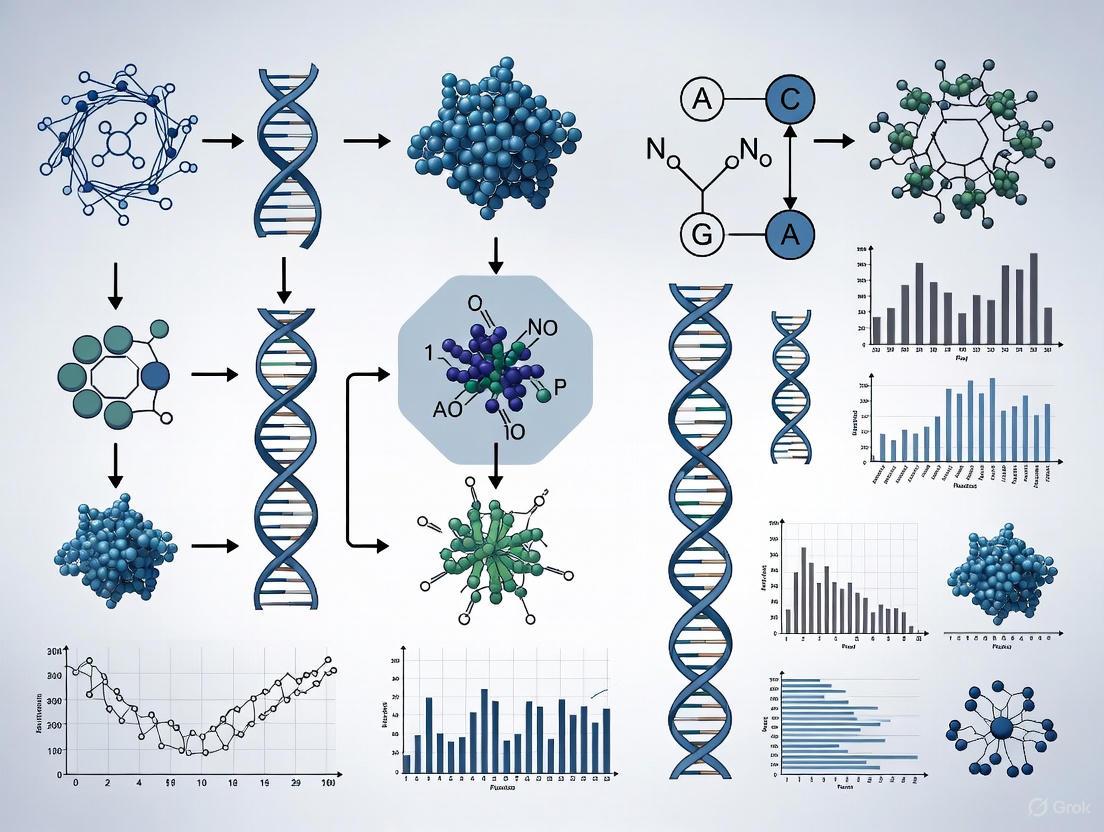
This article provides a comprehensive analysis of retroactivity, a critical form of context-dependence in synthetic gene networks where downstream modules adversely interfere with upstream components by sequestering or modifying signals.
Retroactivity in Synthetic Gene Networks: From Foundational Principles to Clinical Applications
Abstract
This article provides a comprehensive analysis of retroactivity, a critical form of context-dependence in synthetic gene networks where downstream modules adversely interfere with upstream components by sequestering or modifying signals. Aimed at researchers, scientists, and drug development professionals, we explore the foundational mechanisms of retroactivity and its interplay with other circuit-host interactions like resource competition. The content details methodological advances for mitigating retroactivity, including embedded control strategies and load driver devices, and offers troubleshooting frameworks for optimizing circuit predictability and performance. Finally, we examine the validation of these strategies across biological systems and their pivotal implications for enhancing the safety and efficacy of next-generation biomedical applications, such as smart cell therapies and regulated metabolic treatments.
Understanding Retroactivity: Defining the Hidden Interactions in Your Gene Circuit
In synthetic biology, the engineering of biological systems often follows a modular paradigm, where complex circuits are assembled from simpler, well-characterized functional units. A core challenge in this endeavor is retroactivity, a reactive phenomenon where the interconnection of modules leads to signals propagating from downstream modules back to upstream ones [1]. This phenomenon, analogous to the concept of impedance in electrical circuits, can fundamentally alter or even disrupt the intended behavior of a synthetic genetic circuit [1] [2]. When a downstream module sequesters or modifies the signals produced by an upstream module, it imposes a load on the upstream system, changing its dynamics in ways that are difficult to predict from the characterization of the isolated modules [3]. Consequently, biological systems are increasingly considered quasi-modular rather than perfectly modular, as the functional independence of components is constrained by these interconnections [1]. Understanding and mitigating retroactivity is therefore critical for the predictable design of complex synthetic gene networks in applications ranging from therapeutic drug development to biosensing.
The Fundamental Mechanism of Signal Sequestration
At its core, retroactivity in biomolecular systems is driven by molecular sequestration. This occurs when a protein or signaling molecule produced by an upstream module is bound and sequestered by a downstream component, making it unavailable for its primary signaling role.
In a typical two-module system, the upstream module produces an output signal, often an activated transcription factor (e.g., a phosphorylated protein, denoted X), which serves as the input for the downstream module. The downstream module contains specific target sites or signaling partners (e.g., promoters or other proteins) that bind X. This binding forms a complex, effectively reducing the concentration of free X* [2]. The formation of this intermediate complex is the key molecular event that couples the two modules. From a kinetics perspective, this sequestration acts as an additional drain on the upstream output, altering its apparent degradation rate and steady-state concentration [1] [2]. The strength of the retroactive effect is determined by the biochemical parameters of the interaction, including the affinity (dissociation constant) between X* and its downstream target, and the total concentration of the downstream target sites [2]. This mechanism is ubiquitous in natural signaling pathways, such as the ExsADCE regulatory cascade in Pseudomonas aeruginosa, where a series of protein sequestrations precisely controls the expression of virulence factors [4].
Table 1: Key Parameters Influencing Retroactive Effects
| Parameter | Symbol | Impact on Retroactivity |
|---|---|---|
| Total Downstream Target Concentration | ( S_{tot} ) | A higher ( S_{tot} ) increases the capacity for signal sequestration, leading to stronger retroactive effects [2]. |
| Affinity (Dissociation Constant) | ( K_d ) | A lower ( K_d ) (tighter binding) results in more stable complex formation and stronger retroactivity [2]. |
| Upstream Output Production Rate | ( k_{prod} ) | A higher production rate can partially compensate for sequestration, potentially mitigating the observable impact of retroactivity. |
| Phosphatase/Deactivation Rate | ( k_{deact} ) | Alters the steady-state concentration of the active signal (e.g., X*), thereby influencing the fraction that is sequestered [2]. |
Quantitative Analysis of Retroactivity in Signaling Pathways
The impact of retroactivity can be quantified by analyzing how the input-output (I/O) response of the upstream module is distorted upon connection to a downstream load. Analytical models reveal the conditions under which these effects are most pronounced.
For a signaling cascade composed of covalent modification cycles (e.g., phosphorylation cycles), the steady-state concentration of the active protein in the upstream cycle (X*) is a function of both its intrinsic kinetic parameters and the parameters of the downstream cycle. When the downstream module is present, the fraction of active upstream protein is generally reduced due to sequestration [2]. The retroactivity magnitude (R) can be defined as the relative change in the upstream output for a given input:
( R = \frac{|X^_{isolated} - X^{connected}|}{X^*{isolated}} )
Studies show that retroactivity is particularly strong in short signaling pathways and when the total concentration of the downstream protein (( Y_{tot} )) is high relative to the upstream protein [2]. For instance, in a bicyclic cascade, varying the total amount of downstream protein can shift the upstream system from a state of minimal retroactivity to one where its activity is significantly suppressed [2]. Furthermore, variations in the activity of the phosphatase that deactivates the downstream protein can also propagate upstream, altering the steady state of the first cycle [2]. This quantitative framework allows researchers to predict whether a circuit design will exhibit significant retroactive effects and to identify the most sensitive parameters.
Table 2: Impact of System Parameters on Retroactivity in a Bicyclic Cascade
| Parameter Variation | Effect on Upstream (X*) | Typical Experimental Range |
|---|---|---|
| Increase in Downstream Protein (( Y_{tot} )) | Decrease in free X* concentration [2] | 0.1 - 10 μM |
| Increase in Downstream Phosphatase | Non-monotonic effect; can increase or decrease X* depending on initial conditions [2] | 0.1 - 10 μM |
| Increase in Upstream Kinase | Can partially overcome sequestration, increasing X* [2] | 0.1 - 5 μM |
| Tighter Binding (Lower ( K_d )) | Greater decrease in free X* [2] | 0.001 - 1 μM |
Experimental Protocols for Characterizing Retroactivity
Constructing a Synthetic Sequestration Cascade
To empirically study retroactivity, a defined experimental system must be constructed. A prominent example is the reconstruction of the ExsADCE sequestration cascade from P. aeruginosa in a heterologous host like E. coli [4].
Materials:
- Plasmids: Engineered plasmids carrying genes for the regulatory proteins (e.g.,
exsA,exsD,exsC,exsE) under the control of inducible promoters (e.g., pBAD, pTet, pLux). A reporter plasmid with GFP under the control of an ExsA-dependent promoter is essential [4]. - Strain: E. coli DH10B or another suitable strain with minimal background [4].
- Media: Defined minimal media (e.g., M9) supplemented with necessary nutrients and antibiotics for plasmid maintenance [4].
- Inducers: Small molecules to control gene expression, such as Arabinose (Ara), anhydrotetracycline (aTc), and AHL (3OC6) [4].
Methodology:
- Circuit Assembly: Genetic circuits are assembled using techniques like Golden-Gate DNA assembly, which allows for the modular combination of genetic parts [4].
- Transformation: Electro-competent E. coli are transformed with the constructed plasmids, and frozen stocks are created for reproducibility [4].
- Culture and Induction: Overnight cultures are grown with aTc to repress the system ("OFF-state"). Cells are washed and subcultured into fresh media with varying concentrations of inducers (Ara, aTc, 3OC6) to activate the cascade components to different degrees [4].
- Data Collection: After a defined period (e.g., 8 hours), population-level fluorescence (GFP) and optical density (Abs600) are measured using a plate reader. Flow cytometry can provide single-cell resolution data [4].
- Data Analysis: Fluorescence values are converted to Relative Expression Units (REU) by normalizing against a constitutive GFP reference strain. This standardization allows for comparison across different experiments and labs [4].
Quantifying Retroactivity from Fluorescence Data
The protocol above yields data to quantify retroactivity's effect. For a two-module system where Module 1 drives GFP expression and Module 2 sequesters Module 1's output:
- Measure Isolated Performance: Characterize the GFP output of Module 1 (with a control plasmid) across a range of its input inducer concentrations.
- Measure Connected Performance: Characterize the GFP output of Module 1 when it is connected to Module 2, across the same range of input concentrations.
- Calculate Retroactivity: For each input level, compute the retroactivity magnitude ( R ) using the formula ( R = \frac{|GFP{isolated} - GFP{connected}|}{GFP_{isolated}} ). This generates a curve showing how retroactivity depends on the operating point of the system.
- Statistical Validation: Use statistical tests like a t-test to confirm that the differences between isolated and connected outputs are significant and not due to random chance. An F-test should first be used to verify the equality of variances between the two data sets before selecting the appropriate t-test [5].
The Scientist's Toolkit: Research Reagent Solutions
Table 3: Essential Reagents for Studying Retroactivity
| Reagent / Tool | Function in Experiment | Example & Context |
|---|---|---|
| Orthogonal Inducers | Provide independent control over the expression of different circuit modules. | Arabinose (pBAD), aTc (pTet), AHL (pLux). Used to titrate the production of upstream and downstream proteins [4]. |
| Fluorescent Reporters | Quantify the activity of a specific module in real-time. | GFP, RFP, etc., placed under the control of a promoter responsive to the upstream module's output [4]. |
| Protein Expression Plasmids | Harbor genes for the signaling proteins that constitute the cascade. | Plasmids with different origins of replication and resistance for compatible co-expression of ExsA, ExsD, ExsC, and ExsE [4]. |
| "Load Driver" Device | A synthetic device designed to mitigate the effects of retroactivity. | Engineered to maintain consistent output despite variable downstream load, acting as an insulator between modules [3]. |
| Golden-Gate Assembly System | Enables modular, hierarchical, and standardized construction of genetic circuits. | Uses type IIS restriction enzymes (e.g., BsaI, BsmBI) to assemble multiple genetic parts in a single reaction [4]. |
Implications for Synthetic Gene Network Research
The phenomenon of retroactivity has profound implications for the design and implementation of synthetic gene circuits, particularly as they increase in complexity. It is a primary source of context-dependence, where a module's behavior changes unpredictably when removed from isolation and placed into a larger circuit or a new cellular host [3]. This contravenes the foundational engineering principle of modularity and leads to lengthy design-build-test-learn (DBTL) cycles [3].
Retroactivity is also intertwined with other global cellular constraints, such as resource competition and growth feedback. Circuits compete for a finite pool of shared cellular resources, like RNA polymerase and ribosomes. A downstream module that suddenly draws significant resources can indirectly impair the function of an upstream module, creating a form of indirect retroactivity [3]. Furthermore, circuit activity can burden the host cell, reducing its growth rate. This slower growth alters the effective dilution rate of all cellular proteins, creating a feedback loop that can change the circuit's quantitative dynamics, sometimes leading to emergent behaviors like bistability or the loss of desired states [3]. Emerging strategies to overcome these challenges include the use of machine learning to model complex, uncharacterized circuit-host interactions and the development of hybrid modeling approaches that combine mechanistic models with data-driven methods to improve predictive design [6].
Distinguishing Retroactivity from Resource Competition and Other Context-Dependent Effects
Synthetic biology aims to program living cells with predictable genetic circuits for applications in health, agriculture, and biotechnology. However, the behavior of these engineered systems is often confounded by context-dependent effects, where circuit performance is influenced by interactions with the host cell's native machinery [3]. Two of the most significant sources of this context dependence are retroactivity and resource competition. While both can alter a circuit's intended function, they stem from fundamentally different mechanisms. Retroactivity describes the unintended loading effect that a downstream module imposes on an upstream module by sequestering its signaling molecules [3] [7] [8]. In contrast, resource competition arises when multiple genetic modules concurrently draw from a finite, shared pool of cellular resources, such as RNA polymerase (RNAP), ribosomes, nucleotides, and energy [3] [9]. Accurately distinguishing between these phenomena is not an academic exercise; it is a critical prerequisite for diagnosing circuit failures and implementing effective mitigation strategies during the Design-Build-Test-Learn (DBTL) cycle. This guide provides a technical framework for differentiating retroactivity from resource competition and other contextual factors, equipping researchers with the methodologies to deconvolve these effects in their synthetic gene networks.
Defining Core Concepts and Their Mechanisms
Retroactivity: Signal Sequestration and Interference
Retroactivity is an input-output phenomenon that manifests when a downstream system (e.g., a reporter gene or another circuit module) connects to and interferes with an upstream system [3] [8]. The primary mechanism involves the sequestration of active signaling molecules, such as transcription factors (TFs), by specific binding sites on the DNA of the downstream module.
- Mechanism: When a downstream promoter contains binding sites for an upstream transcription factor, it directly competes for the free TF pool. This connection increases the total number of binding sites in the cell, effectively titrating the TF and reducing its free concentration [7] [8]. This sequestration can slow the response dynamics of the upstream module and alter its steady-state behavior, potentially disrupting key functions like oscillations [7].
- Analogy: This is analogous to an electrical circuit where connecting a low-impedance downstream component "loads" the upstream driver, causing a voltage drop and slowing the transient response.
Resource Competition: Global Scarcity and Coupling
Resource competition, unlike the direct signaling interference of retroactivity, is a global, cell-wide phenomenon. It occurs when multiple genes—both synthetic and native—compete for the same limited, essential cellular resources [3] [9].
- Mechanism: The core machinery for gene expression exists in finite quantities. During transcription, RNAPs and nucleotides are limiting. During translation, ribosomes, transfer RNAs (tRNAs), and amino acids are shared [3]. High expression from a synthetic circuit can drain these shared pools, leading to a phenomenon known as "cellular burden" [3]. This burden often reduces host cell growth, which in turn increases the dilution rate of circuit components, creating a complex growth feedback loop [3].
- Key Distinction: Resource competition introduces unintended coupling between otherwise independent modules. For example, the induced expression of one gene can suppress the expression of another, unrelated gene simply because both are drawing from the same resource pool [9]. In bacterial systems, competition for translational resources (ribosomes) is often the dominant constraint, whereas in mammalian cells, competition for transcriptional resources (RNAP) is more significant [3].
The following table summarizes the key characteristics that differentiate retroactivity, resource competition, and other common contextual factors.
Table 1: Characteristics of Key Context-Dependent Effects in Synthetic Biology
| Effect Type | Primary Mechanism | Scope of Impact | Key Observable Signatures |
|---|---|---|---|
| Retroactivity | Sequestration of specific signaling molecules (e.g., TFs) by downstream binding sites [3] [7] [8]. | Localized to connected modules. | Slowed response time of the upstream module; altered steady-state levels; disruption of dynamics (e.g., oscillations) [7] [8]. |
| Resource Competition | Competition for global, shared expression resources (RNAP, ribosomes, ATP, amino acids) [3] [9]. | Global, affecting all circuits and host processes. | Negative correlation between expression of independent genes; reduced host cell growth rate; "winner-takes-all" gene expression [3] [9]. |
| Growth Feedback | Circuit burden reduces growth, altering dilution rates of all cellular components [3]. | Global, coupled with resource competition. | Emergence or loss of bistability; changes in circuit output linked to measured growth rates [3]. |
| Intergenic Context | Effects from genetic part order, orientation, and DNA supercoiling [3]. | Localized to the genetic construct. | Altered expression levels based on gene syntax (convergent, divergent, tandem); bidirectional feedback between adjacent genes [3]. |
Experimental Methodologies for Distinction
A systematic experimental approach is required to disentangle these intertwined effects. The following protocols and visual guides outline a pathway for diagnosis.
A Diagnostic Workflow for Effect Identification
The diagram below outlines a sequential experimental workflow to identify the root cause of observed circuit dysfunction.
Diagram 1: A diagnostic workflow for distinguishing context-dependence.
Protocol 1: Quantifying Retroactivity via Noise Analysis
This protocol leverages the principle that retroactivity increases the response time of a transcription factor, which is reflected in its expression noise profile [8].
- Objective: To measure the retroactivity imposed by a downstream reporter gene on an upstream oscillator circuit.
- Experimental Setup:
- Strain Construction: Implement a well-characterized synthetic genetic oscillator (e.g., a repressilator or dual-feedback oscillator) in E. coli [7].
- Reporter Variants: Create two strains with the same oscillator circuit but different downstream reporters:
- Strain A (Low Load): A reporter with a low-copy-number promoter (fewer TF binding sites).
- Strain B (High Load): A reporter with a high-copy-number promoter (more TF binding sites) [7].
- Methodology:
- Time-Lapse Microscopy: Conduct single-cell time-lapse fluorescence microscopy for both strains under identical conditions.
- Data Collection: Track the fluorescence of a circuit component (e.g., a constitutively expressed reference protein) and the reporter output over multiple oscillation periods for a large number of individual cells.
- Noise Calculation: For each strain, calculate the autocorrelation function of the gene expression noise from the time-series data. The decay time (correlation time) of this autocorrelation function is a direct measure of the slow-down in the TF's dynamics [8].
- Expected Outcome: Strain B (high load) will exhibit a significantly longer correlation time in its noise signature compared to Strain A (low load), confirming the presence of retroactivity [8]. The total output noise may also be higher in Strain B.
Protocol 2: Probing Resource Competition via Orthogonalization
This protocol tests whether observed coupling between modules is alleviated by reducing competition for shared resources.
- Objective: To determine if competition for ribosomes is the cause of suppressed expression in a two-gene cascade.
- Experimental Setup:
- Control Circuit: Construct a plasmid with two independent genes (e.g., GFP and RFP), each under the control of identical, inducible promoters.
- Test Circuit: Construct a similar plasmid where the RFP gene's coding sequence has been codon-optimized to use an orthogonal set of tRNAs, thereby minimizing competition with GFP and native genes for the host's natural tRNA and ribosome pools [9].
- Methodology:
- Cultivation & Induction: Transform both constructs into the host organism and grow cultures in identical conditions. Induce gene expression with a sweep of inducer concentrations.
- Flow Cytometry: At each inducer level, use flow cytometry to measure the single-cell fluorescence of GFP and RFP for thousands of cells.
- Data Analysis: Plot the mean GFP expression versus mean RFP expression for the control and test circuits.
- Expected Outcome: In the control circuit, a strong negative correlation between GFP and RFP expression (following an "isocost line") is expected [9]. In the test circuit using orthogonal resources, this negative correlation should be significantly weakened or eliminated, confirming that resource competition was the primary coupling mechanism [9].
The Scientist's Toolkit: Essential Reagents and Materials
Successfully executing these diagnostic experiments requires carefully selected genetic parts and host strains. The following table catalogs key research reagents.
Table 2: Essential Research Reagents for Studying Context-Dependence
| Reagent / Tool | Function & Utility | Key Characteristics |
|---|---|---|
| Low-Copy vs. High-Copy Plasmids | To vary the copy number of binding sites and test for retroactivity [7]. | Plasmid backbones with different replication origins (e.g., pSC101 vs. pUC). Allows controlled titration of specific load. |
| Orthogonal Codon-Optimized Genes | To reduce competition for the host's native translational machinery [9]. | Genes recoded to use alternative codons without changing the amino acid sequence. |
| Fluorescent Protein Reporters | To provide quantitative, real-time readouts of gene expression at single-cell resolution. | Proteins like GFP, RFP, and their derivatives with distinct excitation/emission spectra [7] [9]. |
| Inducible Promoter Systems | To provide precise, tunable control over the expression level of circuit components. | Promoters induced by small molecules (e.g., aTc, IPTG, Arabinose) enabling dose-response experiments [7] [9]. |
| Tag-Specific Protease Systems | To study resource competition at the protein degradation level [7]. | A system where both circuit and reporter proteins share a degradation tag (e.g., ssrA) that is recognized by a specific, limited protease (e.g., ClpXP). |
A Practical Diagram of Retroactivity vs. Resource Competition
The following diagram illustrates the fundamental mechanistic differences between retroactivity and resource competition, highlighting their distinct pathways of interference.
Diagram 2: Mechanisms of retroactivity versus resource competition.
Mastering the distinction between retroactivity and resource competition is fundamental to advancing synthetic biology from a trial-and-error discipline to a predictive engineering science. As outlined in this guide, each phenomenon has a distinct origin: retroactivity arises from specific molecular connections between modules, while resource competition stems from global scarcity. The diagnostic workflows, experimental protocols, and reagent toolkit provided here empower researchers to deconvolve these effects in their systems. Implementing load-driving devices to buffer against retroactivity and employing orthogonal genetic parts to mitigate resource competition are the logical next steps informed by accurate diagnosis [3]. This precise understanding enables the robust design of complex synthetic gene circuits, accelerating their deployment in real-world applications, including the development of novel cell-based assays and therapeutic strategies [10].
In synthetic biology, the predictable engineering of genetic circuits is fundamentally challenged by context-dependent phenomena, where a circuit's behavior is influenced by its specific genetic environment and host cell. Among these, retroactivity has emerged as a critical barrier to modular design. Retroactivity refers to the phenomenon where a downstream node in a genetic network adversely affects or interferes with an upstream node in an unintended manner [3]. This interference occurs when downstream components sequester or modify the signals used by upstream components, leading to unexpected changes in network dynamics and a failure of the circuit to perform as designed [3].
The topology of a genetic circuit—the physical arrangement and interconnection of its genetic parts—is a primary determinant of its susceptibility to retroactivity. This topology can be decomposed into intergenic context (the potential interactions between genes or genetic parts that affect the regulation and expression of a gene and its neighbors) and circuit syntax (the relative order and orientation of genes in a construct) [3]. Understanding how these topological features influence retroactivity is essential for creating robust, predictable biological systems that obey engineering principles of modularity and isolation, much like their electronic counterparts.
Core Concepts: Syntactic Elements and Their Functional Consequences
Fundamental Syntactic Arrangements
Circuit syntax involves three basic orientations for two adjacent operons on a DNA molecule [3]:
- Convergent Orientation: Transcription proceeds towards each other.
- Divergent Orientation: Transcription proceeds away from each other.
- Tandem Orientation: Transcription proceeds in the same direction, one after the other.
The specific syntax chosen for a circuit is not merely a structural detail; it directly governs the biochemical interactions between transcriptional machinery and the DNA template, leading to profound functional consequences.
The Mechanism of DNA Supercoiling
The primary mechanism through which syntax exerts its effect is DNA supercoiling [3]. As RNA polymerase transcribes a gene, it unwinds the DNA double helix ahead of it. This action creates mechanical stress that manifests as supercoiling:
- Positive Supercoiling occurs ahead of the transcription bubble, where the DNA helix is overwound. This tight coiling can slow down transcription initiation and halt elongation [3].
- Negative Supercoiling occurs behind the transcription bubble, where the DNA is underwound. This generally facilitates transcription initiation by making it easier for the DNA to unwind [3].
The expression of a gene can be actively altered by supercoiling caused by the expression of upstream genes. Whether these effects are activatory, inhibitory, or neutral is highly dependent on the circuit syntax and its boundary conditions (e.g., circular plasmid or linear chromosome) [3].
Table 1: Functional Consequences of Different Gene Syntaxes
| Syntax Type | Impact on Supercoiling | Effect on Transcription | Potential for Feedback |
|---|---|---|---|
| Convergent | Accumulation of positive supercoiling in the intergenic region | Mutual inhibition; slows transcription | High (Bidirectional) |
| Divergent | Accumulation of negative supercoiling in the intergenic region | Can enhance mutual transcription | High (Bidirectional) |
| Tandem | Directional propagation of supercoiling | Can enhance or inhibit downstream genes | Moderate (Unidirectional) |
Emergence of Supercoiling-Mediated Feedback
Under certain syntactic arrangements, supercoiling effects from multiple operons can influence each other, forming supercoiling-mediated feedback [3]. For instance, in a toggle switch circuit, the accumulation of positive or negative supercoiling in the intergenic region has been demonstrated to, respectively, enhance or diminish mutual inhibition between genes expressed in convergent or divergent manners [3]. This means two adjacent genes can affect each other's transcription activity and dynamics, creating a bidirectional feedback loop that adds a layer of complexity to synthetic gene circuit design [3].
Quantitative Effects of Topology on Circuit Performance
The topological features of a genetic circuit are not just theoretical concerns; they produce quantifiable, and sometimes drastic, effects on circuit performance. These effects can be measured through key parameters such as output signal strength, response time, and steady-state stability.
The phenomenon of retroactivity can be quantitatively assessed by measuring the change in the output of an upstream module when a downstream module is connected. A significant drop in output or a drastic change in dynamics indicates high retroactivity. Furthermore, the different syntactic arrangements lead to measurable differences in the expression levels of constituent genes. For instance, divergent orientations often yield higher co-expression due to shared negative supercoiling, while convergent orientations can lead to mutually suppressed expression.
Table 2: Quantitative Impact of Circuit Topology on Performance Metrics
| Performance Metric | Influence of Intergenic Context | Influence of Syntax & Supercoiling | Experimental Measurement Method |
|---|---|---|---|
| Output Signal Strength | High retroactivity can severely diminish output amplitude. | Divergent syntax may boost output; Convergent may suppress it. | Fluorescence (e.g., GFP) measured via flow cytometry or plate reader. |
| Response Time | Retroactivity can slow the response kinetics of a module. | Altered initiation rates from supercoiling can speed up or slow down response. | Time-lapse microscopy tracking fluorescence onset after induction. |
| Steady-State Stability | Load can cause drift from the intended steady state. | Supercoiling feedback can create or destroy bistable states. | Long-term culturing with periodic measurement of population output. |
| Resource Burden | High-load downstream modules can starve upstream modules of resources. | Energetically costly supercoiling mitigation consumes cellular ATP. | Growth rate monitoring and ribosome profiling. |
Methodologies for Analyzing Topological Effects
A systematic approach to understanding and mitigating retroactivity involves a combination of in silico modeling and carefully designed in vivo experiments.
Computational Modeling and Prediction
Mathematical frameworks are crucial for predicting circuit-host interactions. Comprehensive models now aim to integrate both resource competition and growth feedback to explore the complexity of interactions among these factors [3]. A basic model for retroactivity can be incorporated by considering the sequestration of a transcription factor (X) by its downstream binding sites (P):
Rate of change of free X: d[X]/dt = Production - Degradation - kₒₙ[X][P] + kₒff*[XP]
Where kₒₙ and kₒff are the binding and unbinding rates, and [P] is the concentration of free downstream binding sites. The key insight is that the term kₒₙ[X][P] represents the retroactive load, which pulls X away from its intended functional pool.
Experimental Workflow for Characterizing Retroactivity
A robust experimental protocol for characterizing the impact of topology and retroactivity involves the following steps:
Construct Design and Synthesis:
- Design genetic modules with identical protein-coding sequences but varying syntactic arrangements (convergent, divergent, tandem).
- Clone these constructs into standardized plasmid backbones or specific genomic loci using assembly methods (e.g., Golden Gate, Gibson Assembly).
- Incorporate inducible promoters (e.g., pTet, pLac) for controlled activation and fluorescent reporters (e.g., GFP, mCherry) for quantitative output measurement.
Cell Transformation and Culturing:
- Transform constructs into the chosen host organism (e.g., E. coli MG1655).
- Culture transformed cells in controlled bioreactors or multi-well plates to maintain consistent environmental conditions.
Data Acquisition and Measurement:
- Induce the circuit using a defined concentration of inducer (e.g., Anhydrotetracycline, IPTG).
- Measure circuit output over time using:
- Flow Cytometry: To obtain single-cell resolution data on fluorescence, revealing cell-to-cell variability and potential bimodality.
- Plate Reader Kinetics: To track population-average fluorescence and growth (OD₆₀₀) over time.
- Monitor host growth rate simultaneously, as it is a sensitive indicator of cellular burden.
Data Analysis:
- Extract key metrics: maximum expression level, response time, and growth rate inhibition.
- Compare these metrics across different syntactic arrangements to quantify the effect of topology.
- Fit mathematical models to the data to estimate parameters related to retroactivity and burden.
The Scientist's Toolkit: Essential Reagents and Solutions
To conduct research in this field, a specific toolkit of biological reagents, computational tools, and experimental systems is required.
Table 3: Essential Research Reagents and Tools for Topology and Retroactivity Studies
| Category | Item / Reagent | Specific Function / Use-Case |
|---|---|---|
| Genetic Parts | Orthogonal Promoters (pTet, pBAD, etc.) | To provide isolated, inducible control of different circuit modules. |
| Fluorescent Reporters (GFP, mCherry, etc.) | To serve as quantitative proxies for gene expression output of different modules. | |
| Insulators / Transcriptional Terminators | To minimize unintended cross-talk between adjacent genetic modules. | |
| Host Organisms | Engineered E. coli Strains (e.g., MG1655, BL21) | Standard, well-characterized chassis for initial circuit prototyping. |
| "Resource-Aware" Chassis | Strains engineered with enhanced resource pools (e.g., extra rRNA operons). | |
| Computational Tools | Cello Software [11] | Automated genetic circuit design that can incorporate signal matching. |
| BioTapestry [12] | Specialized software for modeling and visualizing Genetic Regulatory Networks (GRNs). | |
| ODE Simulators (MATLAB, Python) | For building and simulating custom models of circuit dynamics including retroactivity. | |
| Analysis Methods | Flow Cytometry | To measure gene expression distributions at the single-cell level. |
| RNA Sequencing (RNA-Seq) | To comprehensively profile global gene expression and infer resource competition. |
Advanced Mitigation Strategies: From Load Drivers to Multi-Level Regulation
Overcoming the challenges posed by retroactivity and topological interference requires advanced design strategies that go beyond simple optimization of parts.
Embedded Control Circuits
A powerful engineering solution is the implementation of control-embedded circuit designs that actively buffer against contextual effects. One prominent example is the "load driver" device, which has been developed specifically to mitigate the undesirable impact of retroactivity [3]. This approach functions analogously to a buffer amplifier in electronics, isolating the core circuit function from the variable load presented by downstream components.
Multi-Level Regulatory Design
An emerging paradigm is the design of multi-level regulatory circuits that integrate control at the DNA, RNA, and protein levels [11]. This strategy distributes the regulatory burden across different cellular subsystems, which can reduce the load on any single resource pool (e.g., RNA polymerase or ribosomes) and minimize retroactivity. For instance, combining transcriptional activation with post-transcriptional repression using CRISPR-dCas or microRNAs can create more robust circuits whose function is less dependent on a single level of regulation that might be saturated or interfered with [11].
The role of circuit topology—encompassing intergenic context and syntax—is a fundamental determinant of retroactivity in synthetic gene networks. The physical arrangement of genes dictates the mechanical and biochemical interplay between transcriptional processes, primarily through DNA supercoiling, which can lead to emergent feedback loops and significant deviations from intended circuit behavior. This non-modularity contravenes core engineering principles and has necessitated a shift towards host-aware and resource-aware design paradigms [3].
Moving forward, the field must address several outstanding questions to advance. Can the control strategies identified in simple circuits be successfully extended to complex, multi-module architectures? To what extent can the new redesign principles for circuit-host interactions be generalized across different host organisms and environmental conditions [3]? Answering these questions will require the continued development of sophisticated computational models that integrate resource competition, growth feedback, and topological effects, coupled with high-throughput experimental validation. By systematically understanding and engineering circuit topology to minimize retroactivity, synthetic biology will progress towards its goal of creating truly modular, predictable, and deployable biological systems.
In synthetic biology, the principle of modularity is foundational, allowing researchers to design complex genetic circuits from simpler, characterized parts. However, the practical implementation of this principle is challenged by retroactivity, a phenomenon where a downstream genetic module alters the functional dynamics of an upstream module that regulates it [13]. When an upstream transcription factor (TF) is connected to downstream promoter binding sites, the binding and unbinding interactions between them can significantly slow the upstream module's response time and change its output characteristics [13]. This effect poses a substantial obstacle to predictable circuit design, as the behavior of an isolated module may differ considerably from its behavior when embedded within a larger network. Understanding and quantifying retroactivity is thus essential for advancing synthetic biology toward more reliable and scalable circuit implementations.
Theoretical work has established that retroactivity arises from loading effects at the interface between modules. When an upstream TF regulates a downstream module, it binds to specific promoter sites, effectively reducing the concentration of free TFs available for regulation and altering the kinetics of the upstream system [14]. This phenomenon is analogous to loading effects in electrical circuits, where connecting a load to a source can affect the source's output characteristics. In genetic circuits, this loading effect can manifest as slowed response dynamics, altered oscillation frequencies, or complete disruption of functional behaviors [14] [15]. Recent research has demonstrated that retroactivity impacts fundamental network motifs differently; while increasing retroactivity in a negative autoregulatory circuit consistently slows its response, in an incoherent feedforward loop (IFFL), retroactivity can either accelerate or decelerate the response depending on specific circuit parameters [15].
Theoretical Foundations of Retroactivity
Molecular Mechanisms of Retroactivity
Retroactivity emerges from two primary molecular mechanisms: competitive binding and resource sharing. The competitive binding mechanism occurs when downstream promoter binding sites compete with upstream binding sites for a limited pool of regulatory proteins [14]. This competition effectively increases the total number of binding sites in the system, reducing the number of free regulatory protein molecules and consequently lowering the binding probability to each specific site in the upstream network. The second mechanism involves resource competition for cellular degradation machinery, particularly when synthetic circuits utilize tagged proteins degraded by specific proteases with limited cellular availability [14]. When reporter proteins and regulatory proteins share the same degradation pathway, increases in reporter protein levels can sequester proteases, thereby affecting the degradation kinetics of regulatory proteins and ultimately altering circuit dynamics.
The mathematical modeling of these processes typically employs ordinary differential equations (ODEs) that capture the biochemical reactions involved in gene regulation, protein synthesis, and degradation. For a system where transcription factor X regulates downstream binding sites P, the dynamics can be described by:
Where X_total represents the total transcription factor concentration, α is the production rate, γ is the degradation rate of free TF, and γ_2 represents the effective removal rate when TF is bound to downstream sites [13]. The binding and unbinding processes between X and P are typically assumed to be fast relative to other processes, allowing a quasi-steady state approximation for the bound complex.
Quantifying Retroactivity Through Noise Analysis
A practical method for quantifying retroactivity leverages the stochastic nature of gene expression. Gene circuits exhibit significant stochastic fluctuations due to low copy numbers of transcription factors, and these fluctuations contain valuable information about system dynamics [13]. When an upstream module is connected to a downstream system, the correlation time of stochastic noise in the transcription factor expression increases, reflecting the slowdown in response dynamics caused by retroactivity.
The autocorrelation function G_Xtot(τ) of the total transcription factor concentration can be used to extract this information:
where X_tot(t) is the signal amplitude at time t and the angle brackets denote an average over time at stationary state [13]. The decay characteristics of this autocorrelation function change when the circuit is connected to a downstream module, providing a measurable signature of retroactivity. This approach is particularly valuable because it can be implemented experimentally without requiring precise knowledge of all system parameters, relying instead on measurable noise characteristics.
Table 1: Key Parameters for Quantifying Retroactivity from Stochastic Noise
| Parameter | Symbol | Biological Interpretation | Measurement Method |
|---|---|---|---|
| Correlation time | T | Characteristic timescale of fluctuations | Autocorrelation decay rate |
| Intrinsic noise intensity | W_I | Magnitude of stochastic fluctuations from biochemical reactions | Variance in expression under constant conditions |
| Extrinsic noise intensity | W_E | Magnitude of fluctuations from external cellular factors | Cell-to-cell variation in identical genetic constructs |
| Intrinsic noise correlation time | T_I | Timescale of intrinsic fluctuations | Autocorrelation in isolated components |
| Extrinsic noise correlation time | T_E | Timescale of extrinsic fluctuations | Population-level synchronization analysis |
Experimental Evidence of Retroactivity Effects
Experimental System: Synthetic Genetic Oscillator
Direct experimental evidence for retroactivity comes from studies of synthetic genetic oscillators, where researchers compared circuits with identical regulatory components but different downstream reporter configurations [14]. In these experiments, the Smolen oscillator architecture—incorporating both positive and negative feedback loops—was implemented in E. coli using AraC and LacI regulatory proteins [14]. The experimental design specifically tested how variations in downstream binding sites affect oscillator dynamics, with two strains containing identical regulatory circuits but different reporter genes with varying structures of regulatory protein-binding sites.
The experimental results demonstrated that the copy number of regulatory protein-binding sites in downstream genes significantly altered upstream oscillation dynamics. Circuits with additional binding sites exhibited modified oscillation periods and amplitudes, and in some cases, complete disruption of oscillatory behavior [14]. Furthermore, even when the total number of protein-binding sites was maintained constant, different allocations of those sites between regulatory and reporter genes caused distinct perturbations in circuit dynamics due to competition for degradation resources between target proteins and their tag-specific proteases [14].
Table 2: Quantitative Effects of Retroactivity on Genetic Oscillator Performance
| Circuit Configuration | Oscillation Period (min) | Oscillation Amplitude (a.u.) | Damping Rate (% decrease per cycle) | Retroactivity Measure (R) |
|---|---|---|---|---|
| Isolated regulator | 45 ± 3 | 1.00 ± 0.05 | 2.5 ± 0.8 | 0.00 |
| Low-copy reporter | 48 ± 4 | 0.92 ± 0.06 | 4.1 ± 1.2 | 0.18 ± 0.03 |
| High-copy reporter | 62 ± 5 | 0.75 ± 0.08 | 12.3 ± 2.1 | 0.47 ± 0.05 |
| Optimized binding sites | 46 ± 3 | 0.96 ± 0.05 | 3.2 ± 0.9 | 0.08 ± 0.02 |
Experimental Protocols
Mathematical Modeling and Simulation
Computational models were constructed based on biochemical reactions including promoter interactions, protein synthesis, and component decay [14]. The mathematical framework extended established models of genetic oscillators with modifications reflecting recent experimental findings—particularly regarding DNA looping dynamics where one LacI tetramer (rather than two) forms a DNA loop [14]. Key parameters included loop dissociation rates (k_ul), loop formation rates (k_l), and loop unforming rates (k_-l), with binding rates at AraC protein binding sites determined from previous studies [14]. Nonlinear ordinary differential equations were formulated and solved numerically, with stability analysis performed using linear stability analysis and modified Routh's method to determine oscillation stability [14].
Bacterial Strains and Plasmid Construction
The experimental system utilized Escherichia coli strain JS006 (MG1655 ΔaraC ΔlacI KanS) as the host organism [14]. Plasmid pJS167 served as the foundation, modified to create pJSDT267 with an alternative reporter Plac-gfp. Control plasmids pJSDT171 and pJSDT271 were constructed to quantify maximum transcription activities of reporter gfp genes driven by lac/ara and lac promoters, respectively [14]. All constructs were verified through sequencing, and transformation was performed using standard heat-shock methods with appropriate antibiotic selection.
Reporter Assay and Microscopy
Reporter assays involved growing overnight cultures of reporter strains at 37°C in LB medium with appropriate antibiotics, followed by dilution to OD600 of 0.1 in fresh medium [14]. Cultures were incubated with or without inducers (e.g., 0.1% arabinose) for 2 hours at 37°C, after which 1.0 mL of each culture was washed with phosphate-buffered saline via centrifugation. Raw fluorescence intensity was measured using flow cytometry (FACSCalibur) with excitation at 488 nm and emission at 515-545 nm [14]. For time-lapse microscopy, images were acquired using an Eclipse Ti-E inverted microscope with an Apochromat 40x objective lens and EMCCD camera, with analysis performed using NIS-Elements Advanced Research software [14].
Visualization of Retroactivity Mechanisms
Retroactivity in a Genetic Regulatory Module
This diagram illustrates how free transcription factors produced by an upstream module become bound to promoter sites in downstream modules, reducing their availability for regulation and creating retroactivity that slows the upstream system's response dynamics [14] [13].
Resource Competition and Degradation Sharing
This visualization shows how both regulatory proteins and reporter proteins compete for a limited pool of degradation machinery (proteases), creating another form of retroactivity where increased reporter levels can alter regulatory protein dynamics by reducing their degradation rate [14].
Experimental Workflow for Retroactivity Measurement
This workflow outlines the experimental process for measuring retroactivity, from initial computational design through molecular cloning, bacterial transformation, culture induction, time-series measurement, and final noise analysis to quantify retroactivity effects [14] [13].
The Scientist's Toolkit: Research Reagent Solutions
Table 3: Essential Research Reagents for Retroactivity Studies
| Reagent/Material | Function/Application | Example Use Case | Key Considerations |
|---|---|---|---|
| Fluorescent Reporters (e.g., GFP, RFP) | Quantification of gene expression dynamics | Real-time monitoring of promoter activity | Maturation time, brightness, spectral overlap |
| Degradation Tags (e.g., ssrA) | Targeted protein degradation | Manipulating protein half-life | Protease specificity, efficiency |
| Inducible Promoters (e.g., Pbad, Plac) | Controlled gene expression | Precise timing of circuit activation | Leakiness, dynamic range |
| Low-copy Number Plasmids | Stable maintenance of genetic circuits | Mimicking chromosomal copy numbers | Compatibility, segregation stability |
| Binding Site Arrays | Titration of transcription factors | Quantitative retroactivity studies | Binding affinity, specificity |
| Protease-Deficient Strains | Studying degradation competition | Isolating resource competition effects | Viability, secondary mutations |
Implications for Synthetic Biology and Drug Development
The documented effects of retroactivity have profound implications for synthetic biology design principles and pharmaceutical development. For synthetic biologists, retroactivity represents a fundamental challenge to the modular design paradigm, necessitating strategies to mitigate its effects or exploit it for functional advantages [15]. Implementation of insulating devices—genetic components that minimize retroactivity between connected modules—has emerged as a promising approach for maintaining modularity. Alternatively, understanding how retroactivity affects different network motifs enables designers to anticipate and compensate for these effects during the design process.
In pharmaceutical development, particularly in drug repurposing research, understanding retroactivity-like effects in biological networks is crucial [16]. When existing drugs are applied to new disease contexts, their effects on cellular networks can be unpredictable due to complex interactions within the system—phenomena conceptually similar to retroactivity [16]. The systematic study of how interventions propagate through biological networks, including both intended and unintended consequences, can inform more effective drug development strategies and improve success rates in translational research.
The experimental and theoretical frameworks presented here provide a foundation for quantifying and managing retroactivity in synthetic genetic circuits. By applying noise analysis, carefully designing experimental controls, and utilizing appropriate mathematical models, researchers can both mitigate the disruptive effects of retroactivity and potentially exploit it for novel circuit functions. As synthetic biology progresses toward more complex and clinically relevant applications, understanding these fundamental network interactions will be essential for creating reliable, predictable biological systems.
In synthetic biology, the engineering of predictable gene circuits is fundamentally challenged by context-dependent phenomena, where a circuit's behavior is intricately linked to its host cell environment. Among these, retroactivity represents a critical system-level challenge. Retroactivity occurs when downstream nodes in a genetic network unintentionally interfere with or load the upstream nodes that regulate them, for instance, by sequestering transcription factors or other signaling molecules [3]. This phenomenon contravenes the engineering principle of modularity, making it difficult to predict circuit behavior from individual components alone [3] [17].
This technical guide explores the profound connection between retroactivity and two other major system-level challenges: growth feedback and cellular burden. These interactions are not isolated; they form a complex web of feedback loops that convolute circuit dynamics. When a synthetic circuit places a load on the host via resource consumption (burden), which in turn reduces cellular growth rate (growth feedback), the resulting physiological changes can alter the very kinetics that govern retroactive effects [3]. Understanding these intertwined relationships is paramount for researchers and drug development professionals aiming to design robust, predictable, and deployable synthetic gene networks for therapeutic applications, such as in next-generation CAR-T cells or metabolic disease therapies [18].
The Interplay of Core System-Level Challenges
Retroactivity: Signal Sequestration and Unintended Loading
Retroactivity is fundamentally an input-output phenomenon. In electrical engineering, connecting a load to a circuit's output can alter its voltage; similarly, in synthetic biology, connecting a downstream genetic module to an upstream one can alter the upstream module's output dynamics. This happens because the downstream module acts as a load, sequestering the upstream signal—often a transcription factor—thereby reducing its effective concentration and changing the timing or steady-state level of the upstream output [3]. This effect is a significant source of context dependence, as the same upstream module will behave differently depending on what it is connected to, breaking modularity and complicating predictive design.
Synthetic gene circuits operate within a living cell that possesses a finite pool of transcriptional and translational resources. Cellular burden (or metabolic burden) emerges when the circuit's operation diverts essential resources—such as RNA polymerases (RNAP), ribosomes, nucleotides, and energy (ATP)—away from the host's native processes [3] [19] [17]. In bacteria, the primary competition is typically for translational resources (ribosomes), whereas in mammalian cells, competition for transcriptional resources (RNAP) is often more dominant [3]. This burden disrupts cellular homeostasis and is a direct consequence of the circuit's resource consumption, creating a system-wide perturbation.
Growth Feedback: A Multiscale Reciprocal Loop
Growth feedback is a multiscale loop that intimately links circuit function and host physiology. The operation of a synthetic circuit, through the mechanism of cellular burden, reduces the host's growth rate. This slower growth, in turn, alters the circuit's behavior in two key ways:
- It changes the dilution rate of circuit components (mRNAs and proteins), as they are distributed across a growing population of cells.
- It induces broad physiological changes in the cell, including alterations in the abundance of global resources like ribosomes and changes in transcription/translation rates [3]. Thus, the circuit affects the host's growth, and the host's growth feeds back to affect the circuit, creating a dynamic, reciprocal relationship.
Integrating the Challenges: A Convoluted Web of Interactions
These three challenges are not independent but are deeply intertwined. The diagram below illustrates how retroactivity, resource competition, and growth feedback form a complex network of interactions that jointly determine system behavior.
Figure 1: System-Level Interactions. This diagram shows the feedback loops between a synthetic gene circuit, host resources, and growth. The circuit consumes resources, causing burden that slows host growth, which in turn dilutes circuit components and alters system dynamics.
The operation of the circuit consumes free resources, leading to cellular burden and a reduction in host growth rate. The resulting growth feedback then alters the concentration of circuit components via dilution and can upregulate cellular resource pools. Meanwhile, retroactive interactions between circuit modules further perturb the internal state of the circuit, affecting its resource demands [3]. This framework demonstrates that a comprehensive, host-aware and resource-aware modeling approach is necessary to predict the emergent dynamics of synthetic gene circuits.
Quantitative Emergent Dynamics and System Outcomes
The interplay between growth feedback, burden, and retroactivity can lead to several counterintuitive and emergent system behaviors, which are quantifiable through mathematical modeling and experimental observation.
Emergence and Loss of Multistability
Multistability is a key function in many synthetic circuits, enabling toggle switches and cellular memory. However, growth feedback can fundamentally alter the number of stable states a system can occupy.
Table 1: Impact of Growth Feedback on Circuit Multistability
| Circuit Type | Impact of Growth Feedback | Underlying Mechanism | Quantitative Outcome |
|---|---|---|---|
| Bistable Self-Activation Switch | Loss of the high-expression ("ON") state | Increased protein dilution rate elevates the degradation curve, eliminating its intersection with the production curve above the low-expression state [3]. | System collapses from bistable to monostable (single low-state) [3]. |
| Noncooperative Self-Activation Circuit | Emergence of bistability | Significant cellular burden reduces the host growth rate and thus the dilution rate, creating two stable states: low-expression/high-growth and high-expression/low-growth [3]. | System transitions from monostable to bistable [3]. |
| Self-Activation Circuit with Ultrasensitive Feedback | Emergence of tristability | Ultrasensitive growth feedback shifts the degradation curve in a non-monotonic manner, creating three possible intersection points with the production curve [3]. | System gains a third, intermediate stable state [3]. |
Evolutionary Instability and Mutant Takeover
The burden imposed by a functional circuit creates a selective pressure for mutant cells that have inactivated the circuit, thereby gaining a fitness advantage. This evolutionary process is a direct consequence of burden and growth feedback, leading to the eventual dominance of non-producing mutants in a population.
Table 2: Evolutionary Longevity Metrics for Synthetic Gene Circuits
| Metric | Definition | Interpretation | Typical Open-Loop (Uncontrolled) Trend |
|---|---|---|---|
| P₀ | Initial total protein output from the ancestral population prior to any mutation [19]. | Measures the circuit's initial performance and production yield. | Higher P₀ often correlates with faster functional decline due to increased burden. |
| τ±₁₀ | Time taken for the total output (P) to fall outside the range P₀ ± 10% [19]. | Indicates the duration of short-term, stable performance near the designed level. | Generally shortens as initial burden increases. |
| τ₅₀ (Half-Life) | Time taken for the total output (P) to fall below P₀/2 [19]. | Measures long-term "persistence," or the maintenance of some function, which may be sufficient for applications like biosensing. | Increases with lower initial burden, but is often unacceptably short for high-performance circuits. |
For a simple, open-loop output circuit, simulations show that the total protein output P falls over time as the population makeup shifts from fully functional cells to faster-growing, non-producing mutants [19]. The higher the initial transcription rate (ωA), the greater the initial output P₀, but this also increases the burden, subsequently reducing both τ±₁₀ and τ₅₀ [19].
Experimental Protocols for Investigating System Challenges
To study these interconnected phenomena, researchers employ a combination of modeling and meticulous experimental workflows. The following protocol outlines a generalized approach for quantifying the effects of burden and growth feedback on circuit performance and evolutionary stability.
Protocol: Quantifying Burden and Evolutionary Longevity
Objective: To measure the impact of synthetic gene circuit expression on host growth rate and to track the loss of circuit function over evolutionary time in a bacterial model.
Materials:
- Strains: Engineered E. coli (e.g., DH5α, BL21) harboring the synthetic gene circuit of interest and an appropriate control strain (e.g., with a non-functional circuit or empty vector) [19] [20].
- Culture Conditions: LB medium supplemented with required antibiotics (e.g., ampicillin at 100 μg/mL). Inducers (e.g., IPTG, arabinose) for tunable circuit expression [20].
- Equipment: Microplate reader or spectrophotometer for high-throughput growth and fluorescence measurement, flow cytometer for population-level analysis, PCR and sequencing equipment for genotyping mutants.
Methodology:
- Strain Cultivation: Inoculate parallel cultures of the engineered and control strains in a 96-deep well plate. Use at least 6 biological replicates per strain.
- Growth and Output Monitoring:
- Transfer cultures to a transparent 96-well microplate at defined intervals (e.g., every 30-60 minutes).
- Measure the optical density (OD600) as a proxy for cell growth and biomass.
- Simultaneously, measure fluorescence (e.g., GFP/RFP) using appropriate excitation/emission filters to quantify circuit output.
- Continue measurements throughout the exponential growth phase.
- Serial Passaging for Evolution:
- Each 24-hour period constitutes one batch. Daily, dilute all cultures into fresh medium to reset the population density, maintaining the same inducer concentration [19].
- Continue this serial passaging for multiple days (e.g., 10-20 days).
- At each passage, archive samples for later analysis (e.g., flow cytometry, sequencing).
- Data Analysis:
- Calculate Burden: For each day, compare the growth rate (derived from OD600 curves) and maximum OD of the engineered strain versus the control.
- Track Circuit Performance: Plot the total fluorescence output (population OD600 × mean fluorescence per cell) over time to determine
τ±₁₀andτ₅₀[19]. - Analyze Population Dynamics: Use flow cytometry to monitor the emergence of sub-populations with low or no output. Sequence key time points to identify loss-of-function mutations.
Figure 2: Experimental Workflow. This protocol for quantifying burden and evolutionary longevity involves continuous monitoring of growth and output across serial batches to track performance decline and mutant takeover.
Mitigation Strategies: From Theory to Application
To combat the destabilizing effects of retroactivity, burden, and growth feedback, several embedded control strategies have been developed.
Controller Architectures for Enhanced Longevity
Feedback control can be engineered into the circuit itself to maintain performance. The choice of what the controller senses (its input) and how it acts (its actuation mechanism) is critical.
Table 3: Genetic Controller Architectures for Mitigating Evolutionary Failure
| Controller Type | Input Signal | Actuation Mechanism | Key Advantage | Reported Performance Gain |
|---|---|---|---|---|
| Intra-Circuit Feedback | Output level of the circuit protein itself (e.g., via negative autoregulation) [19]. | Transcriptional or post-transcriptional regulation of the circuit's expression [19]. | Improves short-term performance stability (τ±₁₀) by maintaining output set-point [19]. |
Prolongs short-term performance but may not optimize long-term half-life [19]. |
| Growth-Based Feedback | Host growth rate [19]. | Couples circuit expression to a growth-related cellular factor. | Extends the functional half-life (τ₅₀) of the circuit by aligning circuit function with host fitness [19]. |
Can improve circuit half-life over threefold without coupling to essential genes [19]. |
| Post-Transcriptional Control | Various (e.g., circuit output, external inducers). | Uses small RNAs (sRNAs) to silence circuit mRNA [19]. | Provides strong, rapid control with lower burden than protein-based controllers; outperforms transcriptional control [19]. | Enhanced performance due to amplification and reduced resource consumption [19]. |
Decoupling and Insulation Strategies
A complementary approach involves engineering circuits to minimize unintended interactions from the outset.
- Decoupling: Refactoring genetic elements to eliminate overlapping sequences and unintended interactions, thereby improving modularity [17].
- Orthogonal Systems: Using components (e.g., polymerases, ribosomes, transcription factors) from distant species or engineering novel ones that do not cross-talk with the host's native systems [17]. This reduces competition for shared resources and mitigates burden.
- Load Drivers: Designing upstream modules to be "robust to load," effectively insulating them from the retroactive effects of downstream connections [3].
The Scientist's Toolkit: Key Research Reagents
Table 4: Essential Reagents for Investigating Retroactivity, Burden, and Growth Feedback
| Reagent / Tool | Function in Research | Application Example |
|---|---|---|
| Tunable Promoters (e.g., pLac, pAra, Tet-On) [20] | Allows precise control of gene expression levels using small molecule inducers (IPTG, arabinose, aTc). | Titrating circuit expression to directly correlate resource consumption with growth rate reduction (burden measurement). |
| Fluorescent Reporters (e.g., GFP, mCherry) [19] | Provides a quantifiable, non-disruptive readout of circuit output and dynamics at single-cell and population levels. | Serving as the output P in evolutionary longevity experiments to track τ±₁₀ and τ₅₀ [19]. |
| Orthogonal Ribosomes & RBSs [17] | Creates separate translational machinery for the circuit, insulating it from host competition and reducing burden. | Validating the effect of resource competition by comparing burden in strains with and without orthogonal systems. |
| CRISPR-dCas9 System [21] | Enables construction of complex logic gates and synthetic regulation without altering the DNA sequence (for reversible circuits). | Implementing transcriptional controllers for negative feedback or building integrator modules that process multiple inputs. |
| Serine Integrases (e.g., PhiC31, Bxb1) [21] | Enables irreversible genetic recombination, used for building memory circuits and recording historical events. | Studying long-term stability and memory propagation in toggle switches despite growth-mediated dilution. |
| Host-Aware Modeling Frameworks [3] [19] | Mathematical models that integrate circuit kinetics, resource competition, and growth dynamics. | Predicting emergent phenomena like loss of bistability or evolutionary trajectories in silico before costly experimental implementation. |
The challenges of retroactivity, cellular burden, and growth feedback are inextricably linked, forming a complex web of interactions that define the performance and evolutionary stability of synthetic gene circuits. Addressing one challenge in isolation is insufficient; a holistic, host-aware design philosophy is required. By leveraging quantitative modeling, robust experimental protocols, and innovative mitigation strategies like embedded feedback controllers and orthogonal systems, researchers can advance the development of reliable biological systems. As synthetic biology progresses toward sophisticated clinical applications, such as smart living therapeutics [18], mastering these system-level challenges will be the cornerstone of translating engineered gene networks from the laboratory into safe and effective real-world technologies.
Engineering Solutions: Methodologies to Counteract and Leverage Retroactivity
Core Design Principles for Insulating Genetic Modules from Retroactivity
In synthetic biology, the predictable interconnection of genetic modules is fundamental to constructing complex, reliable circuits. Retroactivity poses a significant challenge to this paradigm. It is a phenomenon where downstream components in a genetic network adversely affect the behavior of upstream components upon interconnection, effectively breaking the modularity assumption that allows engineers to design systems from well-characterized parts [22] [3]. In transcriptional networks, retroactivity becomes significant when the concentration of a transcription factor is comparable to or lower than the concentration of its target promoter binding sites, or when the binding affinity of these sites is high [22]. This effect is analogous to the loading problem in electrical engineering, where connecting a load to a circuit can alter the circuit's output voltage [22]. Understanding and mitigating retroactivity is therefore critical for the advancement of robust synthetic gene network design, particularly for therapeutic applications where predictability is paramount [23].
Quantifying and Measuring Retroactivity
Theoretical Foundations and Quantitative Impact
Retroactivity can be formally quantified by analyzing the dynamic changes in a system before and after interconnection. In a module's isolated state, the dynamics of its output transcription factor (e.g., protein x) can be described by dx/dt = f(x, t). When the module is connected to a downstream system that sequesters x, the dynamics change to dx/dt = f(x, t) - R(x, t), where R(x, t) represents the retroactivity term [22]. The magnitude of this retroactivity, denoted as ℛ, measures the sensitivity difference between the quasi-steady-state dynamics of the interconnected system and the intended dynamics of the isolated system [22].
Table 1: Conditions Leading to Significant Retroactivity
| Factor | Condition for High Retroactivity | Biological Interpretation |
|---|---|---|
| Transcription Factor Concentration | [TF] ≤ [Binding Sites] |
Low abundance transcription factors are more susceptible to sequestration by downstream targets. |
| Binding Affinity | High affinity (K_d low) |
Strong binding between TF and promoter sites leads to stable complexes, effectively draining the free TF pool. |
| System Dynamics | Slow transcription factor production rate | Systems cannot rapidly replenish the free TF pool depleted by downstream binding. |
Experimental Measurement Techniques
Experimentally, retroactivity can be measured by observing its effect on the correlation time of stochastic noise in gene expression. When an upstream module is connected to a downstream load, the increased sequestration of the transcription factor reduces its effective degradation rate, leading to longer correlation times in the output signal's fluctuations [8]. The following protocol outlines this measurement approach:
Protocol 1: Measuring Retroactivity from Expression Noise
- Strain Construction: Create two bacterial strains:
- Strain A (Unloaded): Contains the upstream genetic module (e.g., a promoter driving a fluorescent reporter protein) in isolation.
- Strain B (Loaded): Contains the identical upstream module connected to a downstream module with high-affinity binding sites for the output transcription factor.
- Time-Lapse Microscopy: Grow both strains in a microfluidic device under a constant environment and perform time-lapse microscopy to capture single-cell fluorescence over multiple generations.
- Noise Analysis: For each cell trajectory, calculate the autocorrelation function of the fluorescence signal. The decay rate of this autocorrelation function provides the correlation time (
τ). - Retroactivity Quantification: Compute retroactivity as the normalized change in correlation time:
ℛ = (τ_loaded - τ_unloaded) / τ_unloaded. A positive value indicates the presence of significant retroactivity from the downstream system [8].
Diagram 1: Experimental workflow for measuring retroactivity from gene expression noise.
Core Insulation Principles and Mechanisms
To achieve modularity, synthetic biologists have developed insulation strategies that attenuate retroactivity. These principles are inspired by engineering solutions to analogous loading problems in electronics.
Feedback-Based Attenuation
A primary insulation strategy employs strong negative feedback inspired by the design of non-inverting amplifiers in electronics. This mechanism uses a large input gain and similarly large negative feedback to maintain a consistent output despite variations in the load [22]. A biological implementation of this principle is the phosphorylation-dephosphorylation cycle (PDC).
Mechanism: An upstream module produces a transcription factor X. Instead of directly regulating the downstream system, X is fed into a fast PDC. The active, phosphorylated form X_p serves as the insulated output that drives the downstream modules. The key is the timescale separation; the phosphorylation and dephosphorylation reactions are much faster than the production rate of X. This rapid cycle buffers the upstream module from the sequestration of X_p by the downstream system, as any X_p that is bound is rapidly replaced from the pool of X [22].
Diagram 2: Insulation via a phosphorylation-dephosphorylation cycle (PDC).
Load Drivers and Abundant Signaling
Another effective principle is the use of a "load driver" device. This approach involves placing a buffer component between a sensitive upstream module and a high-load downstream module [3]. The load driver is designed to be highly abundant and resilient to sequestration.
Biological Implementation: A common load driver employs a strong, non-leaky promoter to express an output protein at very high levels, combined with an abundant protease that degrades the protein product. This creates a high-gain negative feedback loop [22]. The large pool of output protein means that binding by downstream systems drains only a small fractional amount, leaving the free concentration largely unchanged and thus insulating the upstream module.
Transcriptional Insulation through Functional Modularity
Retroactivity can also occur at the transcriptional level due to unwanted interactions between genetic parts. A key design principle to prevent this is functional insulation of promoter elements. In prokaryotes, canonical σ70-dependent promoters are often context-sensitive, meaning that inserting different operator sequences into their spacer region can alter their intrinsic activity by over 80-fold [24].
Solution: Utilize promoter cores with high context-independence. Research has identified that promoter cores recognized by bacterial extracytoplasmic function (ECF) σ factors and T7-family RNA polymerases exhibit superior functional modularity [24]. For example, saturation mutagenesis of the P_ECF11 promoter core revealed that sequences outside the essential -35 and -10 boxes were largely insensitive to variation, allowing operators to be inserted without perturbing the core's intrinsic activity. This enables the precise, bottom-up design of combinatorial promoters with predictable functions [24].
Table 2: Performance of Insulated Genetic Devices
| Insulation Mechanism | Experimental System | Key Performance Metric | Result |
|---|---|---|---|
| Transcriptional Insulation [24] | E. coli with insulated σECF11 and T7 promoter cores | Design success rate for NOT-gate promoters | 96% (80 out of 83 designs functional) |
| Transcriptional Insulation [24] | E. coli with insulated σECF11 and T7 promoter cores | Mean error between predicted and measured activity | <1.5-fold |
| Phosphorylation-Based Insulation [22] | Theoretical analysis of PDC | Attenuation of retroactivity | High attenuation, dependent on fast kinase/phosphatase rates vs. slow upstream production. |
| Tunable Expression System [25] | E. coli TES with toehold switch | Tunable range of output (YFP) | 28-fold shift at low input; 4.5-fold shift at high input |
The Scientist's Toolkit: Research Reagent Solutions
Table 3: Essential Reagents for Investigating and Implementing Insulation
| Reagent / Method | Function in Insulation Research | Key Features and Examples |
|---|---|---|
| ECF σ Factor Promoter Cores [24] | Context-independent promoter cores for precise transcriptional part design. | Minimal length (~19 bp); highly specific for their cognate ECF σ factor (e.g., σECF11, σECF16, σECF20). |
| T7 RNAP Promoter Cores [24] | Orthogonal, context-independent promoters for high-level, insulated expression. | Minimal length (~21 bp); requires constitutive expression of T7 RNAP in the host chassis. |
| Phosphorylation-Dephosphorylation Cycles (PDCs) [22] | Post-translational insulation mechanism buffering upstream modules. | Requires co-expression of a specific kinase and phosphatase. Fast reaction kinetics are critical for effective insulation. |
| Toehold Switches (THS) [25] | Regulates translation initiation; enables construction of tunable, insulated systems. | A 92 bp DNA sequence encoding an sRNA-responsive RBS; translation can be tuned over a 100-400 fold range. |
| Synthetic Riboswitches [26] | RNA-based insulators that impose low metabolic burden. | Combine an aptamer (sensor) and regulatory domain; function independently of host proteins, reducing retroactive effects. |
| Noise Measurement & Autocorrelation Analysis [8] | Method for experimentally quantifying retroactivity in living cells. | Relies on single-cell time-lapse microscopy and computational analysis of signal autocorrelation to derive correlation times. |
Experimental Protocol for Implementing an Insulator
The following protocol provides a detailed methodology for constructing and testing a phosphorylation-based insulator.
Protocol 2: Building and Testing a PDC-Based Insulator
Objective: To implement a PDC insulator between an upstream transcriptional module and a downstream load, and to verify its efficacy in attenuating retroactivity.
Genetic Construct Assembly:
- Upstream Module (pUS): Clone a inducible promoter (e.g., Ptet) driving the expression of a protein
X(e.g., a transcription factor) that is a substrate for a specific kinase. - Insulator Module (pINS): Clone a constitutive promoter expressing the corresponding kinase and phosphatase for
X. The expression of these enzymes should be strong to ensure fast PDC kinetics. - Reporting Downstream Module (pDS): Clone a promoter with high-affinity binding sites for the phosphorylated form
X_p, driving an output reporter (e.g., YFP). This module acts as the load. - Control System: Assemble a control circuit where pDS is directly connected to the upstream module pUS, without the insulator pINS.
- Upstream Module (pUS): Clone a inducible promoter (e.g., Ptet) driving the expression of a protein
Strain Transformation & Culturing:
- Co-transform the appropriate plasmid combinations into your host strain (e.g., E. coli).
- For the test condition, transform with pUS, pINS, and pDS.
- For the control condition, transform with pUS and pDS.
Dynamic Characterization:
- In a microfluidic bioreactor or well-plate, expose both strains to the inducer for the upstream module.
- Use time-lapse microscopy to track the single-cell dynamics of the upstream output (a constitutively expressed CFP reporter on pUS) and the downstream output (YFP on pDS) over time.
Data Analysis and Insulation Validation:
- Metric 1: Upstream Dynamics. Compare the trajectory of the upstream CFP reporter between the control and test conditions. Effective insulation will be demonstrated if the upstream dynamics in the test condition (with insulator) are significantly less perturbed by the connection to pDS than in the control condition.
- Metric 2: Retroactivity Quantification. Calculate the retroactivity
ℛfor both the control and test systems using the noise-based method described in Protocol 1. A successful insulator will show a dramatically reducedℛvalue.
Diagram 3: Workflow for building and testing a PDC insulator.
Retroactivity is a fundamental obstacle to the modular design of synthetic gene networks. The core principles for mitigating it—feedback-based attenuation, load driving, and transcriptional insulation—provide a robust toolkit for creating predictable genetic circuits. By employing quantitative measures to characterize retroactivity and implementing well-characterized insulation strategies like phosphorylation cycles or context-independent promoters, researchers can shield sensitive upstream modules from the load imposed by downstream systems. As synthetic biology progresses towards more complex therapeutic applications [23], the rigorous application of these insulation principles will be indispensable for ensuring that interconnected genetic modules function as intended in the highly context-dependent environment of the living cell.
Implementing 'Load Driver' Devices to Buffer Against Downstream Interference
In synthetic biology, the modular construction of complex gene circuits is often hampered by unpredictable interactions between connected components. A significant challenge is retroactivity, a phenomenon where downstream elements (like binding sites for a regulatory protein) apply a load to upstream modules, negatively affecting circuit function [27]. This effect can manifest as undesirable delays, disruptions in system function, and altered steady-state behaviors, fundamentally confounding the modularity of engineered systems [28]. When an upstream module's output protein binds to downstream DNA operator sites, these reversible binding reactions create a load that can temporarily sequester regulatory proteins. In essence, retroactivity represents the impedance-like effect that a downstream module imposes on an upstream one, making a system's behavior when interconnected differ substantially from its behavior in isolation [27] [13].
To mitigate this challenge, the load driver—a genetic device based on fast phosphotransfer processes—has been devised. Its primary function is to insulate an upstream module from the load applied by its downstream module, thereby preserving the intended function of both. The load driver operates on the design principle of time scale separation, where its fast dynamics act as a bridge between the slower transcriptional processes of the flanking modules [27]. This guide details the implementation, experimental characterization, and theoretical underpinnings of load driver devices within the broader context of managing retroactivity in synthetic gene networks.
Core Principles and Mathematical Foundation of Load Drivers
The Concept of Time Scale Separation
The load driver's operation hinges on time scale separation. By incorporating fast phosphotransfer-based processes between slower transcriptional modules, the load driver can respond almost instantaneously to its input. It quickly reaches a quasi-steady state (QSS), meaning that from the perspective of the slower upstream module, the output appears to track the input perfectly, despite any load-induced delays occurring at a much faster, negligible time scale [27].
A simplified mathematical model illustrates this principle. Let u(t) represent the load driver's time-varying input protein concentration, y the concentration of its free active output protein, and c the concentration of the output protein bound to downstream DNA binding sites. The system dynamics can be represented by:
Here, G is a lumped parameter scaling the production and removal rates of y, with larger G values corresponding to faster load driver dynamics. The term k_on · p · y - k_off · c represents the retroactivity (r) [27]. Analysis shows that the system's bandwidth (the frequency up to which the output can effectively follow the input) is proportional to α · G, where α = 1 for an unloaded system and α = (1 + p/K_d)^{-1} for a loaded system (K_d being the dissociation constant). Retroactivity (α < 1) reduces this bandwidth. However, by increasing G (making the load driver faster), the range of input frequencies over which y(t) ≈ u(t) is extended, thereby attenuating the effects of retroactivity [27].
Quantitative Impact of Retroactivity
Table 1: Measured Impact of Retroactivity on Circuit Performance
| Performance Metric | Without Load Driver | With Load Driver | Improvement |
|---|---|---|---|
| Response Time Delay | 76% increase due to load | Almost completely restored | ~76% reduction in delay |
| System Bandwidth | 25% decrease due to load | Almost completely restored | ~25% increase in bandwidth |
The quantitative impact of retroactivity can be severe. Experimental measurements in Saccharomyces cerevisiae have demonstrated that without intervention, load from a downstream module can cause a 76% delay in response time and a 25% decrease in system bandwidth. The implementation of a load driver was shown to almost completely restore circuit performance to its unloaded state, highlighting its efficacy [27].
Experimental Implementation and Validation
Protocol for Load Driver Characterization in Yeast
The following methodology outlines the experimental procedure for characterizing a load driver's performance in attenuating retroactivity, as conducted in Saccharomyces cerevisiae [27].
System Design and Integration: Design and integrate four distinct system types into the yeast genome (Figure 1C-E in [27]). All systems should share an identical upstream module with a chemical inducer (e.g., doxycycline, DOX) as input. The output is a measurable reporter, such as Green Fluorescent Protein (GFP).
- System A (Isolated Upstream Module): Serves as the unloaded reference.
- System B (Connected System): The upstream module is directly connected to the downstream output module with GFP and its associated promoter binding sites. This system exhibits high retroactivity.
- System C (Load Driver-Insulated System): The load driver device is placed between the upstream and downstream modules.
- System D (Isolated Load Driver): The load driver is characterized in isolation to understand its intrinsic input-output characteristics.
Dynamic Stimulation: Subject the engineered yeast strains to a time-varying input signal of DOX. A suitable protocol is a periodic (oscillatory) input or a step input to probe the temporal response.
Data Acquisition: For each system and input condition, measure the GFP output fluorescence over time using flow cytometry or plate readers. Collect data at a sufficient temporal resolution to capture the dynamics.
Data Analysis:
- Response Time: Calculate the time taken for the output to reach a certain threshold (e.g., 50% of its maximum) after a step input. Compare Systems B and C against the reference System A.
- Bandwidth: For a periodic input, determine the system bandwidth by identifying the input frequency at which the output amplitude drops to
1/√2(about 70.7%) of its value at low frequency. Compare the bandwidth of Systems B and C. - Retroactivity Attenuation: The successful function of the load driver is indicated by the response time and bandwidth of System C closely matching those of the isolated System A, and significantly outperforming the directly connected System B.
Research Reagent Solutions
Table 2: Essential Research Reagents for Load Driver Experiments
| Reagent / Material | Function in the Experiment |
|---|---|
| Saccharomyces cerevisiae (Baker's Yeast) | A well-characterized eukaryotic model organism for hosting the synthetic gene circuit. |
| Doxycycline (DOX) | A small-molecule inducer used as the input signal to control the upstream transcriptional module. |
| Plasmid Vectors / Integration Cassettes | DNA constructs containing the genetic parts for the upstream module, load driver, and downstream reporter. |
| Green Fluorescent Protein (GFP) | A fluorescent reporter protein encoded by the output module, allowing quantitative measurement of circuit activity. |
| Flow Cytometer / Fluorescence Plate Reader | Instrumentation for measuring GFP fluorescence from individual cells or population samples over time. |
| Specific Promoter & Operator Sites | DNA sequences that provide the binding targets for transcriptional regulators, creating the functional connection between modules. |
Visualizing Load Driver Mechanisms and Workflows
Load Driver Mechanism and Retroactivity Attenuation
Diagram Title: Load Driver Attenuates Retroactivity
Experimental Workflow for Characterization
Diagram Title: Load Driver Experimental Protocol
Discussion: Load Drivers in the Broader Context of Circuit-Host Interactions
The development of load drivers addresses a fundamental challenge in synthetic biology: the failure of modularity at the circuit topology level. While other strategies, such as ribozyme insulators, address modularity failures at the genetic parts level [27], load drivers specifically target the dynamic performance degradation caused by retroactive loading.
It is important to recognize that retroactivity is not universally detrimental. Recent research on Incoherent Feedforward Loops (IFFLs), a common network motif, reveals that increasing retroactivity can, counterintuitively, speed up the network's response, decrease it, or leave it unchanged, suggesting retroactivity could be exploited to improve performance in certain topologies [15]. This stands in contrast to negative autoregulatory loops, where increased retroactivity only slows the response [15].
Furthermore, load drivers represent one approach within a growing "host-aware" design paradigm. Engineers now recognize that circuit-host interactions, such as competition for shared cellular resources (e.g., ATP, ribosomes) and metabolic burden, create a form of broader contextual feedback that can destabilize synthetic circuits [28]. A comprehensive strategy for robust circuit design will likely combine insulation devices like load drivers with other complementary control strategies that mitigate the effects of resource competition and host-circuit feedback [28].
Load driver devices, founded on the principle of time scale separation, provide a validated and effective solution to the problem of retroactivity in synthetic gene networks. By employing fast phosphotransfer processes to buffer slower transcriptional modules, they prevent downstream load from interfering with upstream circuit function, thereby preserving modularity. As the field advances toward building more complex, higher-order genetic circuits, the integration of such insulation devices, along with strategies to manage other context-dependent effects, will be crucial for achieving predictable and robust system behavior.
The Role of Orthogonality in Minimizing Unintended Cross-Talk
Unintended cross-talk presents a fundamental challenge in the engineering of sophisticated synthetic gene networks, undermining the predictability and modularity essential for applications in biotechnology and therapeutic development. This technical guide examines the principle of orthogonality as a primary strategy for mitigating cross-talk, framing the discussion within the critical context of retroactivity in synthetic gene networks research. Retroactivity, the phenomenon by which downstream system components adversely affect upstream modules, represents a major source of context-dependence that contravenes engineering principles of modular design [3] [29]. We explore how molecular-level orthogonality and network-level compensation mechanisms can address these challenges, providing quantitative frameworks, experimental protocols, and design principles to advance robust biological circuit engineering.
Synthetic biology aims to extend engineering principles to the development of deployable biological constructs, yet the predictability of this process is hampered by pervasive circuit-host interactions and context-dependent phenomena [3]. Living cells naturally employ sophisticated signaling networks that have evolved insulated molecular-level signal-transduction mechanisms, enabling robust and specific behaviors with minimal unintended pathway cross-talk [30]. However, when engineers attempt to construct synthetic gene networks, even well-understood components frequently exhibit undesirable interference, including when ported across biological kingdoms [30].
The challenge of retroactivity emerges as a particularly significant obstacle to modular design. In biochemical systems, retroactivity occurs when downstream nodes in a network sequester or modify signals used by upstream nodes, leading to unexpected changes in network dynamics [3] [29]. This effect is analogous to non-zero output impedance in electrical systems and becomes particularly pronounced when transcription factor concentrations are comparable to or smaller than promoter binding site amounts, or when binding affinity is high [29]. The resulting load effects fundamentally limit modularity and create unpredictable system behaviors that complicate biological circuit design.
Conceptual Foundations: Orthogonality and Retroactivity
Defining Orthogonality in Biological Systems
In synthetic biology, orthogonality refers to the design of biological components that function independently without interacting with or interfering with native host systems or other synthetic modules. An orthogonal biological part operates as if it exists in a separate, non-interacting dimension from the host context, enabling predictable behavior upon integration into complex systems.
Theoretical Frameworks of Retroactivity
Retroactivity manifests as a fundamental impediment to orthogonality through multiple mechanisms:
- Component Sequestration: Downstream modules consume signaling molecules, reducing their availability to upstream components [3]
- Resource Competition: Multiple circuit modules compete for finite cellular resources, including RNA polymerase, ribosomes, and nucleotide pools [3]
- Network Context Effects: Circuit behavior becomes dependent on specific host factors, genetic context, and cellular growth conditions [3]
Theoretical work has established that insulation from retroactivity often requires energy consumption, typically in the form of ATP hydrolysis through enzymatic futile cycles [29]. This creates a fundamental trade-off between metabolic cost and circuit modularity that designers must navigate.
The diagram below illustrates how retroactivity disrupts modular signal transmission and how insulation mechanisms can restore circuit predictability:
Quantitative Assessment of Cross-Talk and Performance Metrics
Measuring Crosstalk in Dual-Sensor Systems
Experimental characterization of crosstalk requires precise quantification in controlled systems. Research has demonstrated this approach using reactive oxygen species (ROS)-responsive gene circuits in Escherichia coli that exhibit concentration-dependent crosstalk with non-cognate ROS [30]. In these systems, researchers quantitatively mapped the degree of crosstalk and designed compensatory circuits that introduced offsetting crosstalk at the gene network level.
The utility metric provides a quantitative framework for evaluating analog sensor circuit performance, calculated by determining the relative input range multiplied by the output fold-induction [30]. This metric equally scores circuits with the same relative input range and output fold-induction independent of absolute input concentrations or output gene expression levels.
Quantifying Retroactivity from Noise Signatures
Retroactivity can be estimated by measuring stochastic fluctuations in gene expression levels. When a synthetic gene network regulates a downstream network, the response time of the transcription factors increases, manifesting as longer correlations in output signal noise [8]. This noise-based measurement approach correlates well with deterministic retroactivity descriptions and provides a practical method for characterizing interface conditions between synthetic modules [8].
Table 1: Quantitative Metrics for Assessing Circuit Performance and Crosstalk
| Metric | Definition | Measurement Approach | Ideal Value |
|---|---|---|---|
| Utility | Product of relative input range and output fold-induction [30] | Input-output transfer curves fit to Hill functions | Maximized |
| Retroactivity (Noise-Based) | Change in correlation time of output signal noise [8] | Autocorrelation function of gene expression noise | Minimized |
| Orthogonality Index | Degree of independence between non-cognate components | Response ratio in non-cognate vs. cognate systems | 0 (complete isolation) |
| Crosstalk Coefficient | Signal transfer between nominally independent pathways | Output activation in non-target pathways | Minimized |
Experimental Approaches for Achieving Orthogonality
Molecular-Level Insulation Strategies
Traditional approaches to minimizing crosstalk focus on molecular-level insulation through several mechanisms:
- Orthogonal Genetic Components: Using inputs not naturally sensed by host cells [30]
- Host Genome Modification: Knocking out endogenous genes that cause interference [30]
- Component Screening: Mutating and screening for orthogonal genetic components with reduced crosstalk [30]
These strategies have enabled construction of moderately sized gene networks but face scalability limitations when interfacing with complex host signaling networks or when modification of endogenous DNA is undesirable [30].
Network-Level Compensation Architectures
An alternative to molecular insulation involves engineering compensatory mechanisms at the network level. This approach uses simple network motifs that compensate for pathway crosstalk by integrating signals rather than isolating them [30]. These circuits function similarly to interference-cancellation systems in electrical engineering, where output from a crosstalk-sensitive sensor is adjusted using output from a sensor specifically designed to detect interfering inputs.
The experimental workflow below illustrates the process for implementing and validating crosstalk-compensation circuits:
Detailed Methodology: Crosstalk Compensation Circuit Implementation
Based on research with ROS-sensing systems in E. coli, the following protocol enables implementation of crosstalk compensation:
Dual-Sensor Strain Construction
- Create separate sensing circuits for primary and interfering signals
- Use distinct fluorescent reporters (e.g., mCherry, sfGFP) for each circuit
- Employ plasmid systems with different copy numbers to tune expression levels
Crosstalk Quantification
- Expose systems to individual signals and combinations
- Measure fluorescence output for both sensors across signal concentrations
- Calculate response coefficients for cognate and non-cognate signals
Compensatory Circuit Integration
- Design circuit that subtracts interference signal from primary sensor
- Implement appropriate promoter and genetic logic elements
- Balance expression levels through RBS tuning and copy number control
Validation and Optimization
- Test compensated system under dual-signal conditions
- Compare utility metrics before and after compensation
- Iteratively refine circuit parameters to maximize orthogonality
The Scientist's Toolkit: Research Reagent Solutions
Table 2: Essential Research Reagents for Orthogonality and Crosstalk Research
| Reagent / Tool | Function | Application Example |
|---|---|---|
| Orthogonal Transcription Factors | Engineered DNA-binding proteins with minimal host interference | CRISPRi/dCas9 systems with minimal off-target effects [29] |
| Specialized Promoters | Regulated expression elements with reduced host recognition | OxyR-responsive promoters (oxySp, katGp, ahpCp) for H2O2 sensing [30] |
| Plasmid Systems with Varied Copy Numbers | Fine-tuning of component expression levels | Low-, medium-, and high-copy plasmids to balance circuit components [30] |
| Fluorescent Reporters | Quantitative measurement of circuit activity | mCherry, sfGFP for simultaneous monitoring of multiple pathways [30] |
| Chemical Inducers | Controlled activation of synthetic circuits | IPTG-controlled expression systems for tuning SoxR levels [30] |
Advanced Applications and Future Directions
Network Inference and Reverse Engineering Approaches
As synthetic gene networks grow in complexity, advanced computational methods are required to understand and mitigate crosstalk. Network inference techniques leverage perturbation data to reconstruct regulatory relationships, with recent benchmarks like CausalBench providing frameworks for evaluating method performance on real-world data [31]. These approaches are particularly valuable for identifying unanticipated crosstalk mechanisms in complex systems.
Reverse engineering approaches have been successfully applied to understand cell-type-specific regulatory networks, including alternative splicing programs in neuronal cells [32]. Similar strategies can identify crosstalk mechanisms in synthetic gene networks, guiding more effective orthogonality interventions.
Resource-Aware Circuit Design
Emerging strategies address the fundamental resource competition issues that underlie many retroactivity effects. Resource-aware design explicitly models and manages competition for transcriptional and translational resources, recognizing that bacterial cells primarily experience competition for translational resources (ribosomes), while mammalian cells face greater competition for transcriptional resources (RNA polymerase) [3].
Future advances will require development of multi-module control strategies that explicitly manage resource allocation between circuit components, potentially drawing inspiration from operating system resource management in computer science.
Orthogonality remains an essential principle for minimizing unintended cross-talk in synthetic gene networks, yet achieving true modularity requires addressing the fundamental challenge of retroactivity. While molecular-level insulation strategies provide important tools, network-level compensation approaches offer a complementary paradigm that may better scale to complex systems interfacing with native cellular processes. The integration of quantitative metrics, noise-based retroactivity measurements, and resource-aware design principles provides a pathway toward more predictable biological circuit engineering. As synthetic biology applications expand into therapeutic development and sophisticated biosensing, managing retroactivity through orthogonal design will remain critical for transforming biological engineering from art to predictable science.
A central challenge in synthetic biology is the context-dependent failure of engineered genetic circuits, often resulting from retroactivity and other circuit-host interactions [3]. Retroactivity describes the phenomenon where a downstream module in a genetic network sequesters or modifies signaling molecules from an upstream module, leading to unintended alterations in circuit dynamics and a loss of predictable, modular function [3] [33]. These effects contravene foundational engineering principles of predictability and independent module operation, resulting in lengthy design-build-test-learn (DBTL) cycles [3]. Cybergenetics, the merger of control theory with synthetic biology, addresses these challenges through feedback control [33]. This review details three cybergenetic strategies—external, embedded, and multicellular control—framed within the critical context of mitigating retroactivity and related burdens in synthetic gene networks.
Fundamentals of Circuit-Host Interactions and Retroactivity
A predictive understanding of circuit-host interactions is a prerequisite for designing robust controllers. Key contextual factors include:
- Retroactivity: Downstream nodes can interfere with upstream nodes by sequestering a shared input signal, such as a transcription factor, thereby reducing the apparent output of the upstream module and disrupting its intended function [3].
- Resource Competition: Multiple genetic modules within a single cell compete for a finite pool of shared transcriptional and translational resources, such as RNA polymerase (RNAP) and ribosomes. This competition indirectly couples modules, as one module's activity can suppress another's by depleting these global resources [3]. In bacterial cells, competition for translational resources (ribosomes) is often the primary bottleneck, whereas in mammalian cells, competition for transcriptional resources (RNAP) is more dominant [3].
- Growth Feedback: Expression of a synthetic circuit consumes cellular resources, imposing a metabolic burden that reduces the host cell's growth rate. The resulting slower growth decreases the dilution rate for cellular components, which in turn nonlinearly affects circuit component concentrations and behavior, creating a complex feedback loop [3].
These interactions are not independent; they form a complex web of feedback that can convolute circuit behavior, leading to emergent dynamics such as the unexpected loss or emergence of multistability in genetic toggle switches [3]. Table 1 summarizes these core challenges and their consequences.
Table 1: Key Contextual Challenges in Synthetic Gene Circuit Implementation
| Challenge | Mechanism | Impact on Circuit Function |
|---|---|---|
| Retroactivity [3] | Downstream module sequesters signals from an upstream module. | Loss of signal integrity and module modularity; altered dynamics. |
| Resource Competition [3] | Modules compete for limited, shared cellular resources (e.g., RNAP, ribosomes). | Unintended coupling between modules; reduced overall expression. |
| Growth Feedback [3] | Circuit expression burdens the host, reducing growth and altering dilution rates. | Emergent nonlinear dynamics (e.g., loss/gain of bistability). |
Control Strategies: Architectures and Applications
External (In Silico) Control
In external control, the feedback controller is implemented as software on a computer that is physically interfaced with the biological process [33].
- Architecture: The system measures a target cellular output (e.g., fluorescence) using sensors. This measurement is sent to the computer, which compares it to a desired reference setpoint. A control algorithm (e.g., a Proportional-Integral-Derivative, or PID, controller) then computes an intervention, which is delivered back to the cells via actuators such as pumps, optogenetic light sources, or syringe systems that modulate the environment or add chemical inducers [33].
- Advantages: This strategy offers maximal flexibility, as the controller is highly modular and can be rapidly redesigned without re-engineering the cells themselves. It is particularly powerful for complex control laws that would be difficult to implement with biomolecules and for probing fundamental biological principles through precise, dynamic perturbation [33].
- Application: A key application is the robust, long-term regulation of a cellular phenotype. For instance, an external control system has been used to maintain a precise level of protein expression in yeast cultures over hundreds of hours, a task difficult to achieve with embedded circuits alone [33].
The following diagram illustrates the workflow and components of an external control system.
Embedded (Intracellular) Control
Embedded control involves implementing the feedback controller as a genetic circuit within the same host cell as the process to be controlled (the "plant") [33].
- Architecture: These biomolecular controllers sense the level of a target intracellular variable and actuate its regulation using biological parts. A landmark design is the biomolecular integral feedback controller, which achieves perfect adaptation—the ability to maintain output at a setpoint despite persistent external disturbances. This controller topology, found in natural systems, has been synthetically recreated in both bacterial and mammalian cells [33].
- Advantages and Drawbacks: The primary advantage is self-containment; the controlled system is a single, engineered unit. However, a significant drawback is the increased metabolic burden and potential for retroactivity between the controller and the plant circuit, as they share the same cellular resources and environment. This limits modularity and can make design iterations complex [3] [33].
- Application: Embedded controllers are ideal for applications where external hardware is impractical, such as in therapeutic cells. They can be designed to maintain homeostasis of a key metabolite, regulate a cell fate decision, or make a logic-based decision in response to intracellular disease markers [33].
The diagram below shows the structure of a simple embedded controller, such as an integral feedback motif, within a single cell.
Multicellular Control
Multicellular control is a distributed approach that partitions the controller and the plant into two different, communicating cell populations within a single consortium [33].
- Architecture: The "controller cells" are engineered to sense a diffusible signal that reports on the state of the "plant cells." The controller cells process this information and, in response, produce and secrete a diffusible molecule (the actuator) that regulates the function of the plant cells, closing the feedback loop [33].
- Advantages: This strategy directly addresses the limitations of embedded control. By physically separating the controller and plant, it alleviates mutual retroactivity and resource competition, enhancing modularity. It also reduces the genetic and metabolic burden on any single cell type [33].
- Application: Multicellular control is well-suited for complex tasks in synthetic ecology and bioprocessing. It has been used to stabilize population compositions, maintain a desired ratio between two cell types, and implement distributed computing-like operations across a microbial community [33].
The following diagram visualizes the distributed nature of multicellular control through quorum sensing.
Strategy Comparison
The choice between external, embedded, and multicellular control strategies involves critical trade-offs concerning retroactivity, burden, and application context. Table 2 provides a direct comparison to guide this decision.
Table 2: Comparison of Cybergenetic Control Strategies
| Feature | External Control | Embedded Control | Multicellular Control |
|---|---|---|---|
| Implementation | Computer software & hardware [33] | Genetic circuit in same cell [33] | Genetic circuits in different cell populations [33] |
| Metabolic Burden | Minimal (on host cell) [33] | High (shared resources) [3] [33] | Distributed (reduces burden per cell) [33] |
| Retroactivity/Modularity | Highly modular [33] | Low modularity (circuit-host & circuit-circuit interactions) [3] [33] | High modularity (physical separation) [33] |
| Key Advantage | Flexibility, complex control laws [33] | Self-contained, suitable for therapeutics [33] | Reduces burden, enables complex population dynamics [33] |
| Primary Limitation | Requires external hardware, not scalable [33] | Burden-induced interactions, design complexity [3] [33] | Requires stable co-culture, precise communication [33] |
| Best Suited For | Fundamental research, bioprocess control [33] | Deployed cellular therapeutics, contained function [33] | Synthetic ecosystems, distributed biocomputation [33] |
Experimental Protocols for Characterizing Context Effects
Robust controller design requires empirical characterization of the circuit-host environment. The following protocols are essential for quantifying effects like resource competition and growth feedback.
Protocol: Quantifying Growth Feedback and Resource Burden
This protocol measures the impact of gene circuit expression on host cell fitness and physiology [3].
- Strain Construction: Create two strains: (i) an experimental strain harboring the gene circuit of interest and (ii) a control strain with a neutral genetic load (e.g., a scrambled non-functional sequence).
- Culture Conditions: Grow both strains in parallel in well-controlled bioreactors or multi-well plates, ensuring identical environmental conditions (temperature, media, aeration).
- Monitoring: Measure the optical density (OD) at regular intervals (e.g., every 30 minutes) to track population growth. Simultaneously, measure a direct reporter of circuit output (e.g., fluorescence) and a key physiological indicator, such as ribosome abundance (e.g., via flow cytometry or quantitative proteomics).
- Data Analysis:
- Calculate the growth rate from the exponential phase of the OD curve.
- Plot the growth rate and ribosome abundance against the circuit output for the experimental strain.
- A negative correlation, where higher circuit output correlates with a lower growth rate and altered ribosome levels, is a hallmark of significant burden and growth feedback [3].
Protocol: Measuring Inter-Module Resource Competition
This protocol assesses the crosstalk between two co-expressed genetic modules due to competition for shared cellular resources [3].
- Construct Design:
- Strain A: Expresses Module 1 (e.g., a red fluorescent protein, RFP) constitutively.
- Strain B: Expresses Module 2 (e.g., a green fluorescent protein, GFP) constitutively.
- Strain C: Co-expresses both Module 1 and Module 2 from identical genetic contexts (e.g., same plasmid backbone, same copy number).
- Characterization: Measure the fluorescence output of RFP and GFP for all three strains under the same conditions and during exponential growth.
- Analysis:
- Calculate the expected output in Strain C, assuming independence (i.e., the output from Strain A for RFP and Strain B for GFP).
- Compare this to the measured output in Strain C.
- If the measured output in Strain C is significantly lower than the expected value, it indicates that the modules are competing for and limiting a shared resource pool, such as ribosomes [3].
The Scientist's Toolkit: Research Reagent Solutions
The following table details key reagents and tools for implementing and testing control-embedded circuits.
Table 3: Essential Research Reagents for Control-Embedded Circuit Engineering
| Reagent / Tool | Function / Description | Utility in Control Design |
|---|---|---|
| SynNotch Receptors [34] | Engineered synthetic Notch receptors for custom cell-cell contact-dependent signaling. | Enables precise spatial patterning and communication in multicellular control systems. |
| Orthogonal RNAP / Ribosomes | Engineered transcriptional and translational machinery that operates independently of host machinery. | Mitigates resource competition by creating dedicated, insulated resource pools for the synthetic circuit. |
| "Load Driver" Device [3] | A genetic device designed to buffer the effect of downstream retroactivity on an upstream module. | Improves modularity by decoupling interconnected modules, making their behavior more predictable. |
| Optogenetic Actuators [33] | Light-sensitive proteins (e.g., pumps, dimerizers) for controlling cellular processes with light. | Serves as a key actuator for external control strategies, allowing precise, dynamic, and non-invasive input. |
| Quorum Sensing Molecules [34] | Diffusible signaling molecules for cell-density-dependent communication between bacteria. | The primary communication channel for implementing feedback loops in multicellular control consortia. |
| Bidirectional Promoters [3] | A promoter driving transcription of two genes in opposite directions. | Used to study and exploit syntax-dependent effects like supercoiling-mediated feedback in embedded controllers. |
Future Directions: Machine Learning and Hybrid Modeling
The complexity of circuit-host interactions often exceeds the descriptive power of purely physics-based mechanistic models. Machine Learning (ML) is emerging as a powerful tool to navigate this complexity [6]. ML models can learn intricate, unmodeled relationships directly from high-throughput experimental data, enabling the prediction of circuit performance from DNA sequence or multi-module composition.
A promising future direction is the development of hybrid modeling approaches [6]. These models integrate well-established mechanistic equations (e.g., for transcription and translation kinetics) with ML components that learn to capture the residual, unmodeled context effects (e.g., complex burden interactions or subtle retroactivity). This paradigm leverages the prescriptive power and interpretability of mechanistic models while utilizing ML's ability to model "unknown unknowns" from data, potentially accelerating the DBTL cycle for robust, control-embedded circuit designs [6].
The engineering of predictable biological systems is fundamentally challenged by retroactivity, a form of context-dependence where downstream modules in a synthetic network adversely affect or interfere with upstream components by sequestering or modifying crucial signals [3]. This phenomenon contravenes the engineering principle of modularity, making it difficult to predict the behavior of complex genetic circuits based on their individual parts alone [3] [6]. In therapeutic contexts, such as chimeric antigen receptor (CAR)-T cell therapies, manifestations of retroactivity and resource competition can lead to T cell exhaustion, limited persistence, and ultimately, therapeutic failure [35] [36]. This whitepaper explores how principles developed to mitigate retroactivity in synthetic gene networks are being applied to engineer more robust and persistent CAR-T cells and, prospectively, therapies for metabolic diseases.
Core Concepts and Definitions
Key Forms of Circuit-Host Interaction
Synthetic biological constructs interact with their host cells through several feedback mechanisms, which are critical to understand for designing effective anti-retroactivity strategies.
- Growth Feedback: A multiscale feedback loop where the cellular burden imposed by the synthetic circuit reduces the host's growth rate. This slower growth, in turn, alters circuit behavior by changing the dilution rate of cellular components and the physiological state of the cell [3].
- Resource Competition: A context-dependence arising when multiple synthetic modules compete for a finite pool of shared host resources, such as transcriptional machinery (RNA polymerase) and translational machinery (ribosomes) [3]. In mammalian cells, competition for transcriptional resources is particularly dominant [3].
- Retroactivity: The phenomenon where a downstream node sequesters the output of an upstream node, effectively loading the upstream node and altering its function. This can be conceptualized as a form of "impedance" between modules [3].
The table below summarizes the primary strategies to mitigate these effects.
Table 1: Strategies to Mitigate Circuit-Host Interactions in Therapeutic Cells
| Challenge | Engineering Strategy | Therapeutic Application Example |
|---|---|---|
| Resource Competition | "Load driver" devices; resource-aware design [3] | Engineering CAR-T cells with enhanced mitochondrial spare respiratory capacity (SRC) to better compete for and utilize nutrients [35]. |
| Growth Feedback | Mathematical modeling frameworks that integrate host physiology (host-aware design) [3] | Selecting T cell subsets with a memory phenotype (e.g., TSCM, TCM) that are naturally adapted for longevity and persistence [35] [36]. |
| Retroactivity | Insulation devices; feedback control-embedded circuits [3] [6] | Rewiring CAR-T cell metabolism from glycolysis to oxidative phosphorylation (OXPHOS) to create a self-reinforcing, persistent phenotype [35]. |
| T Cell Exhaustion | Multi-level regulatory circuits combining transcriptional, post-transcriptional, and metabolic control [11] | Overexpression of transcription factors like FOXO1 or PGC-1α to promote memory imprinting and mitochondrial biogenesis [35] [36]. |
The Scientist's Toolkit: Key Research Reagents and Solutions
The following table details essential reagents and tools for researching and implementing anti-retroactivity designs in cell therapies.
Table 2: Essential Research Reagents for Anti-Retroactivity and Metabolic Engineering
| Reagent / Tool Category | Specific Examples | Primary Function in Research |
|---|---|---|
| Metabolic Modulators | AMPK activators (e.g., Metformin), mTOR inhibitors (e.g., Rapamycin) | Pharmacologically shift T cell metabolism from glycolysis to OXPHOS, promoting memory phenotypes [35] [36]. |
| Genetic Engineering Tools | Viral vectors (Lentivirus, Retrovirus) for CAR and gene delivery; CRISPR-Cas9 for gene editing | Stably introduce CAR constructs and modify metabolic genes (e.g., ACC2, PGC-1α) [35] [37]. |
| Key Molecular Biology Kits | Seahorse XFp Analyzer Kits | Functionally profile cellular metabolism in real-time by measuring OCR (OXPHOS) and ECAR (glycolysis) [35]. |
| Cytokines & Signaling Molecules | IL-7, IL-15 | Promote survival and maintain a less-differentiated, memory-like state in T cells during ex vivo culture [36]. |
| Synthetic Biology Parts | Orthogonal transcription factors (e.g., TetR homologs), recombinases | Build insulated genetic circuits that minimize interference with native host processes [3] [11]. |
Case Study 1: Metabolic Insulation in CAR-T Cell Therapies
The Problem: Metabolic Exhaustion in the Tumour Microenvironment
A significant cause of CAR-T therapy failure is T cell exhaustion, a state of hypofunction driven by metabolic insufficiency within the immunosuppressive tumour microenvironment (TME) [36] [37]. The TME is characterized by nutrient depletion (e.g., low glucose, amino acids), hypoxia, and accumulation of metabolic waste (e.g., lactate) [36]. Upon persistent antigen exposure, CAR-T cells adopt a highly glycolytic metabolic phenotype, which is associated with a short lifespan and terminal differentiation [35]. This represents a form of metabolic retroactivity, where the tumor and T cells compete for essential nutrients, and the high-energy demands of the CAR signaling pathway exhaust the T cell's metabolic resources.
Anti-Retroactivity Design: Rewiring Metabolism for Persistence
The solution is to engineer CAR-T cells that are "insulated" from these metabolic pressures by reprogramming their core metabolism. Memory T cells (TM) and naïve T cells (TN) naturally rely more on mitochondrial oxidative phosphorylation (OXPHOS) and fatty acid oxidation (FAO) than effector T cells (TEFF), which is linked to their long-term persistence [35] [36]. The following diagram illustrates the key metabolic pathways and engineering targets that shift CAR-T cells from an exhausted to a persistent phenotype.
Diagram 1: Metabolic pathways in CAR-T cell fate.
Detailed Experimental Protocol for Metabolic Engineering of CAR-T Cells
This protocol outlines the key steps for generating metabolically insulated, OXPHOS-driven human CAR-T cells.
Step 1: CAR Construct Design and Vector Preparation
- Design a CAR construct with your target scFv. Consider incorporating a co-stimulatory domain (e.g., 4-1BB) that has been associated with a more memory-like and oxidative phenotype compared to others like CD28 [35] [37].
- Clone the final CAR construct into a lentiviral or retroviral transfer plasmid.
- Quality Control: Verify the plasmid sequence by Sanger sequencing and prepare a high-purity, endotoxin-free plasmid midi-prep.
Step 2: T Cell Isolation and Activation
- Isolate Peripheral Blood Mononuclear Cells (PBMCs) from a leukapheresis product of a healthy donor or patient using Ficoll density gradient centrifugation.
- Isolate untouched human T cells using a negative selection magnetic bead kit.
- Activate the T cells using anti-CD3/CD28 magnetic beads at a bead-to-cell ratio of 1:1 in a culture medium supplemented with IL-2 (100 IU/mL) and, critically, IL-7 and IL-15 (both at 10 ng/mL) to promote a memory phenotype [36].
Step 3: Genetic Modification for Metabolic Insulation
- Option A (Pharmacological): At 24 hours post-activation, add the AMPK activator Metformin (5-10 mM) or the mTOR inhibitor Rapamycin (10-100 nM) to the culture medium to push metabolism towards OXPHOS [35].
- Option B (Genetic Overexpression): Co-transduce activated T cells with the CAR-containing lentivirus and a second lentivirus encoding for PGC-1α or a constitutively active FOXO1 mutant. Use an empty vector as a control [35]. A multiplicity of infection (MOI) of 5-10 is typically tested.
- Option C (CRISPRa): Use a dCas9-based transcriptional activation system to upregulate endogenous genes like PPARGC1A (encodes PGC-1α) or FOXO1.
Step 4: In Vitro Metabolic and Functional Assays
- Metabolic Phenotyping: 5-7 days after transduction, analyze the cellular metabolism of CAR-T cells using a Seahorse XFp Analyzer. Perform a Mito Stress Test to measure Oxygen Consumption Rate (OCR, for OXPHOS) and a Glycolysis Stress Test to measure Extracellular Acidification Rate (ECAR, for glycolysis) [35]. Calculate the spare respiratory capacity (SRC), a key indicator of metabolic fitness.
- Flow Cytometric Analysis: Stain cells for surface CAR expression, memory markers (CD45RO, CCR7, CD62L, CD95), and exhaustion markers (PD-1, LAG-3, TIM-3). Intracellular staining for transcription factors like TCF-1 and TOX can also be performed.
- In Vitro Killing and Cytokine Assay: Co-culture CAR-T cells with target antigen-positive tumor cell lines at various effector-to-target ratios. Measure specific lysis via a real-time cell analyzer or flow cytometry-based cytotoxicity assay. Quantify cytokine secretion (IFN-γ, IL-2) in the supernatant via ELISA.
Step 5: In Vivo Persistence and Efficacy Testing
- Utilize a immunodeficient mouse model (e.g., NSG mice) engrafted with human, antigen-positive tumor cells.
- Inject mice intravenously with a defined dose of metabolically engineered CAR-T cells or control CAR-T cells.
- Monitor tumor growth via bioluminescent imaging or caliper measurements twice weekly.
- Periodically collect mouse blood and analyze it by flow cytometry to quantify the absolute numbers and phenotype (memory vs. exhausted) of circulating human CAR-T cells.
Case Study 2: Applying Anti-Retroactivity Principles to Metabolic Disease
While the direct application of synthetic gene circuits for metabolic disease is less clinically advanced than in CAR-T cells, the conceptual framework is highly promising. The core idea is to design synthetic multi-level regulatory circuits that can sense metabolic dysregulation and autonomously restore homeostasis, thereby "insulating" the organism from disease progression [11].
Conceptual Framework for a Synthetic Metabolic Regulator
A therapeutic circuit for a condition like phenylketonuria (PKU) or diabetes could be designed as a closed-loop system.
- Sensor Module: A genetically encoded biosensor for the disease-relevant metabolite (e.g., phenylalanine, glucose). This could be based on a transcription factor (e.g., aTFs) [11] or a riboswitch.
- Signal Processor: An analog or band-pass filter circuit that computes the sensor input and only triggers an output if the metabolite level is outside a pre-defined physiological range [11]. This prevents unnecessary activation and resource drain.
- Actuator Module: A gene or enzyme whose expression corrects the metabolic imbalance (e.g., phenylalanine ammonia-lyase for PKU, insulin or glucagon for diabetes) [11].
The following diagram illustrates the flow of information and critical control points in such a system.
Diagram 2: Synthetic metabolic regulator circuit.
Key Considerations and Experimental Outline
- Circuit Delivery: For a durable therapy, the genetic circuit would need to be stably integrated into a safe harbour locus in the patient's own cells (e.g., hepatocytes) via in vivo gene therapy using AAV or lipid nanoparticle (LNP) delivery.
- Mitigating Host Burden: The circuit must be designed to be resource-aware. Codon optimization, the use of low-strength promoters, and potentially a "load driver" device should be employed to minimize the metabolic burden on the host cell, ensuring long-term stability [3].
- Validation: In vitro experiments would involve transducing a relevant human cell line (e.g., HepG2) with the circuit and challenging it with high levels of the target metabolite. In vivo testing would be conducted in appropriate animal models of the metabolic disease.
The challenge of retroactivity, once a theoretical concern in synthetic biology, is now a practical frontier in advanced cell and gene therapies. As demonstrated in the case of CAR-T cells, viewing therapeutic failure through the lens of circuit-host interactions reveals novel engineering solutions. By applying anti-retroactivity principles—such as resource-aware design, multi-level regulation, and metabolic insulation—we can program therapeutic cells with enhanced robustness and persistence. The translation of these principles to metabolic diseases represents a promising and emerging field, poised to create a new class of autonomous, self-regulating therapies that maintain systemic homeostasis.
Predicting and Troubleshooting Retroactivity in Complex Genetic Systems
Synthetic biology aims to program living cells with predictable functions for applications in therapy, manufacturing, and environmental monitoring [6] [11]. A fundamental challenge in this field is context-dependent circuit performance, where genetically encoded circuits display unpredictable behaviors when interconnected or introduced into new cellular environments [3]. This challenge contravenes the engineering principle of modularity, where components should maintain consistent input-output relationships regardless of their interconnection [3].
Among the most significant context-dependent effects is retroactivity—a phenomenon where downstream modules in a genetic network adversely affect or interfere with upstream modules in unintended ways [3] [14]. When a downstream module is connected, it can sequester or modify the signals used by upstream components, leading to unexpected changes in network dynamics [3] [14]. This effect is particularly problematic in multi-module circuits, where complex interconnections can create system-level failures that are difficult to predict from characterizing individual components alone.
This technical guide provides a comprehensive framework for diagnosing retroactivity in synthetic gene circuits. We detail the signature failure modes, quantitative measurement methodologies, and experimental strategies for mitigating retroactivity effects, providing researchers with practical tools for creating robust, predictable biological systems.
Theoretical Framework: Distinguishing Retroactivity from Related Phenomena
Definition and Mechanisms of Retroactivity
Retroactivity occurs when downstream nodes in a genetic network sequester transcriptional/translational resources or signaling molecules from upstream nodes, effectively creating an unintended feedback loop that alters system dynamics [3] [14]. This phenomenon manifests through two primary mechanisms:
- Transcription Factor Titration: Downstream modules containing binding sites for regulatory proteins compete with upstream modules for free transcription factors, reducing their availability and altering the dynamics of upstream genes [14].
- Protease Competition: Downstream reporter proteins competing for limited degradation machinery (e.g., tag-specific proteases) with upstream regulatory proteins, affecting their degradation kinetics and steady-state levels [14].
Comparative Analysis of Context-Dependent Effects
Retroactivity is often confused with other context-dependent effects, particularly resource competition. The table below outlines key distinguishing characteristics.
Table 1: Distinguishing Retroactivity from Resource Competition
| Characteristic | Retroactivity | Resource Competition |
|---|---|---|
| Primary Mechanism | Downstream modules sequester upstream signaling molecules | Parallel modules compete for shared cellular resources |
| System Scope | Localized to specific signaling pathways | Global, cell-wide effect |
| Key Resources Affected | Transcription factors, proteases, signaling molecules | RNA polymerase, ribosomes, nucleotides, amino acids |
| Temporal Dynamics | Alters upstream component kinetics | Reduces overall circuit capacity |
| Diagnostic Signature | Connection of downstream module changes upstream dynamics | Circuit performance scales inversely with total module expression |
Whereas resource competition represents a global cellular burden affecting all synthetic constructs simultaneously, retroactivity creates specific interference between interconnected modules [3]. In practice, these phenomena often co-occur, with retroactivity effects typically manifesting at lower component concentrations than global resource competition [14].
Signature Performance Failures: Quantitative Diagnostic Signatures
Oscillation Disruptions in Genetic Clocks
Oscillatory systems are particularly sensitive to retroactivity, as their function depends on precise kinetic parameters. Studies demonstrate that connecting downstream reporter genes with additional regulatory protein-binding sites can disrupt oscillation dynamics in synthetic genetic clocks.
Table 2: Retroactivity Effects on Oscillatory Systems
| Oscillator System | Downstream Load | Observed Effect | Magnitude |
|---|---|---|---|
| Dual-feedback oscillator | Reporter with regulatory protein-binding sites | Damped oscillations, period lengthening | 28-300% period increase |
| Smolen oscillator | Varying copy numbers of binding sites | Complete cessation of oscillations | N/A (qualitative state change) |
| Repressilator | Constitutively expressed reporter | Amplitude reduction, phase shifts | 40-60% amplitude reduction |
The stability of oscillations strongly depends on the level of fluorescent protein reporter competing for degradation with circuit components, highlighting how retroactivity can determine the fundamental functionality of dynamic circuits [14].
Dynamic Response Alterations
Retroactivity significantly alters the temporal dynamics of genetic circuits, not just their steady-state behavior. Key signatures include:
- Response Slowdown: Upstream signals exhibit significantly slower activation and deactivation kinetics when driving downstream modules due to the time required to titrate signaling molecules.
- Signal Attenuation: The amplitude of dynamic responses diminishes when downstream modules are connected, potentially causing signals to fall below critical activation thresholds.
- Bistability Disruption: Growth feedback mediated by retroactivity can alter the number of steady states in bistable systems, causing emergent monostability or tristability depending on circuit topology [3].
Figure 1: Retroactivity Mechanism. Downstream modules sequester transcription factors, creating unintended feedback that alters upstream dynamics.
Experimental Methodologies for Detecting Retroactivity
Reporter-Based Assay Systems
Well-characterized reporter systems provide the foundation for quantifying retroactivity effects. The following experimental workflow enables systematic detection and measurement:
Figure 2: Experimental Workflow for Retroactivity Detection
Protocol: Dual-Feedback Oscillator Retroactivity Assay [14]
Strain Construction:
- Start with E. coli strain JS006 (MG1655 ΔaraC ΔlacI KanS) or similar clean genetic background
- Clone oscillator circuit (e.g., Smolen oscillator) with Ptet-gfp reporter into low-copy plasmid
- Construct isogenic strains with alternative reporter designs varying binding site copy number
Dynamics Measurement:
- Grow overnight cultures in LB medium with appropriate antibiotics at 37°C
- Dilute to OD600 of 0.1 in fresh medium with inducers (arabinose: 0.01%-1.0%; IPTG: 0.001-31.6 mM)
- Incubate at 37°C for 2 hours before measurement
- Analyze using flow cytometry (FACSCalibur) with excitation at 488 nm, emission at 515-545 nm
- For temporal tracking, use time-lapse microscopy (Nikon Eclipse Ti-E with EMCCD camera)
Data Analysis:
- Extract oscillation period, amplitude, and damping ratio from fluorescence time series
- Compare parameters between strains with different reporter configurations
- Perform stability analysis using linear stability analysis of system ODEs
The Scientist's Toolkit: Essential Research Reagents
Table 3: Key Reagents for Retroactivity Research
| Reagent / Tool | Function | Example Application |
|---|---|---|
| Orthogonal TFs | Test specificity of retroactivity effects | TetR, LacI homolog libraries [11] |
| Tunable sRNA Systems | Post-transcriptional control for compensation | Toehold switches [25] |
| Flow Cytometry | Single-cell dynamics measurement | FACSCalibur with 488nm excitation [14] |
| Time-Lapse Microscopy | Temporal tracking of circuit dynamics | Nikon Eclipse Ti-E with EMCCD camera [14] |
| Mathematical Modeling | Quantify retroactivity contribution | ODE models with parameter estimation [14] |
Mitigation Strategies and Design Principles
Circuit Insulation Techniques
Several design strategies can mitigate retroactivity effects in multi-module circuits:
Load Driver Devices: Implement specialized circuit motifs that maintain consistent output despite downstream loading effects [3]. These devices effectively buffer upstream modules from retroactivity through feedback control mechanisms.
Transcriptional Insulation: Incorporate non-regulatory binding sites (DNA sponges) that titrate transcription factors in a manner that maintains free concentration levels, though this approach requires careful balancing to avoid exacerbating resource competition [3].
Resource-Aware Design: Employ quasi-integral feedback controllers that adapt genetic modules to variable ribosome demand, effectively compensating for resource loading effects [6].
Multi-Level Regulation Approaches
Integrating regulation at different levels of the central dogma (DNA, RNA, protein) provides opportunities for designing retroactivity-resistant circuits:
Transcriptional AND Gates: Create single-promoter multi-input logic gates that reduce the need for inter-module connections that create retroactivity pathways [11].
Toehold Switch Integration: Implement RNA-level regulation using tunable sRNA systems that allow post-transcriptional control without creating transcriptional retroactivity [25].
Protease-Resistant Designs: Utilize orthogonal degradation tags or modulate degradation rates to reduce competition for proteolytic resources [14].
Figure 3: Retroactivity Mitigation Strategies
Retroactivity represents a fundamental challenge in synthetic biology that becomes increasingly critical as circuits grow in complexity. The diagnostic approaches outlined in this guide provide researchers with methodologies to identify, quantify, and mitigate retroactivity effects in multi-module genetic circuits.
Future research directions should focus on developing more sophisticated insulation devices that automatically adapt to varying loads, creating comprehensive modeling frameworks that simultaneously account for both retroactivity and resource competition, and establishing standardized characterization protocols for retroactivity coefficients of biological parts [3] [6]. As synthetic biology moves toward more complex applications in therapeutic and environmental domains, mastering retroactivity will be essential for creating predictable, robust biological systems that function reliably in real-world contexts.
The integration of machine learning with mechanistic modeling presents a particularly promising avenue for addressing retroactivity, as data-driven approaches may capture unmodeled interactions that traditional biophysical models miss [6]. By combining deep biological insight with engineering principles, the field can overcome the challenges of context-dependence and realize the full potential of programmable biological systems.
Mathematical Modeling Frameworks for Predicting Retroactivity in Silico
The engineering of synthetic gene circuits aims to program cells with novel functions for applications in medicine, biotechnology, and environmental sustainability [6]. A fundamental challenge in this field is the context-dependent performance of biological circuits, where their behavior is intricately linked to various genetic and cellular contexts [3]. A critical phenomenon contravening the principles of modularity and predictability is retroactivity [3]. Retroactivity describes the effect where a downstream module in a genetic network adversely affects or interferes with an upstream module by sequestering or modifying the signals that the upstream module uses [3]. This interference occurs when downstream components, such as promoter binding sites, sequester transcription factors (TFs) from the upstream module, leading to unexpected changes in network dynamics and a slowdown of the upstream module's response time [13] [8]. Understanding and predicting retroactivity is essential for the reliable design of complex, multi-module genetic systems, as high retroactivity diminishes the modularity of functional units and can disrupt intended circuit operation [13].
Core Mathematical Frameworks for Modeling Retroactivity
Mathematical models provide a foundation for understanding and predicting the emergent dynamics in synthetic gene circuits, including those arising from retroactivity and other context-dependent effects like growth feedback and resource competition [3]. These models can be broadly categorized into deterministic, stochastic, and hybrid frameworks.
Deterministic Framework
Deterministic models, typically formulated as ordinary differential equations (ODEs), describe the average behavior of a system by tracking the concentrations of molecular species over time.
- Core Concept: The deterministic retroactivity described by Del Vecchio et al. quantifies how the connection of a downstream module increases the response time of the regulating transcription factors from the upstream module [13] [8].
- Key Equations: The dynamics are often modeled using mass-action kinetics. For a module interface process involving dimer transcription factors, the rate of change of the total transcription factor (monomer units), ( X{tot} ), can be expressed as: [ \frac{dX{tot}}{dt} = \alpha(X2) - \gamma X - 2\gamma2 X2 ] where ( \alpha(X2) ) is the production rate (which may depend on the dimer concentration ( X2 ) in a negative feedback loop), and ( \gamma ), ( \gamma2 ) are degradation rate constants [13]. The response time constant ( T_c ) derived from such equations serves as a direct measure of retroactivity [13].
Stochastic Framework
Gene expression is inherently stochastic due to the low copy number of transcription factors, leading to significant fluctuations [13] [8]. Stochastic models are crucial for capturing the noise characteristics of a system, which can be used to quantify retroactivity.
- Core Concept: The stochastic noise in gene expression contains information about the system's dynamical response to perturbations. When an upstream module is connected to a downstream load, the correlation time of the output signal's noise increases [13] [8]. This change in noise statistics provides a practical method for measuring retroactivity.
- Key Equations: The dynamics of the slow variable, the total number of TFs ( X{tot} ), can be described by a Langevin equation that incorporates intrinsic (( I )) and extrinsic (( E )) noise sources [13]: [ \frac{d\delta X{tot}}{dt} = -(\gammaI + \gammaE) \delta X{tot} + I + E ] where ( \gammaI \equiv 1/T ) and ( \gammaE \equiv \log(2)/Td ) with ( Td ) being the cell doubling time [13]. The autocorrelation function ( G{X_{tot}}(\tau) ) of the total TF signal is then used to extract the correlation time, whose change upon connection to a downstream module defines the retroactivity [13] [8].
Rule-Based and Programmatic Modeling
For systems with combinatorial complexity, such as those involving multiple protein domains and post-translational modifications, ODEs become impractical to write manually.
- Core Concept: Rule-based modeling (e.g., using languages like BioNetGen or Kappa) allows for a concise description of system interactions based on the local properties of molecular components, from which the full set of reactions and equations can be automatically generated [38].
- Implementation: Tools like PySB implement these concepts within a general-purpose programming language (Python), enabling models to be created as programs [38]. This approach uses high-level macros for biochemical actions (e.g., binding, catalysis) and leverages software engineering practices for model transparency, extensibility, and reusability [38].
Diagram 1: Modeling workflow from biological problem to quantitative prediction of retroactivity.
A Hybrid Modeling Approach: Integrating Machine Learning with Mechanistic Models
Despite the power of mechanistic models, the design-build-test-learn (DBTL) cycles for synthetic gene circuits are often lengthy due to unmodeled circuit-host interactions [3] [6]. Machine learning (ML) is emerging as a tool to address these challenges.
- The Need for Hybrid Models: Mechanistic models are prescriptive but can fail to capture all intricate interactions. ML models can learn complex, non-linear relationships directly from data but often require large datasets and lack interpretability [6]. A hybrid approach leverages the strengths of both.
- Hybrid Paradigm: ML models can be used to minimize the uncertainty left by biophysical models. For instance, an ML model can learn a "correction term" to a mechanistic ODE model from experimental data, thereby accounting for unmodeled effects like specific resource competition or subtle retroactivity [6]. This results in a model that is more predictive than a purely mechanistic one and more interpretable and data-efficient than a purely black-box ML model.
Experimental Protocols for Characterizing Retroactivity
Theoretical predictions of retroactivity require experimental validation. The following section details a key methodology for measuring retroactivity using noise analysis.
Protocol: Measuring Retroactivity from Gene Expression Noise
This protocol estimates retroactivity by analyzing the stochastic fluctuations in transcription factor expression upon connection to a downstream module [13] [8].
Experimental Setup:
- Strain Engineering: Construct two microbial strains (e.g., in E. coli):
- Strain A (Unconnected Module): Expresses the upstream genetic module (e.g., a constitutively expressed TF) in isolation.
- Strain B (Connected System): Expresses the same upstream module, but now connected to its specific downstream promoter binding sites on a plasmid or chromosome.
- Fluorescent Reporting: Tag the TF of interest with a fluorescent protein (e.g., GFP) to enable live-cell monitoring of expression dynamics.
- Strain Engineering: Construct two microbial strains (e.g., in E. coli):
Data Acquisition:
- Time-Lapse Microscopy: Grow both strains in a microfluidic device under a controlled environment (e.g., constant temperature, nutrient supply). Acquire time-lapse images of individual cells over multiple generations to track fluctuations in fluorescent intensity, which reports on ( X_{tot}(t) ).
- Single-Cell Tracking: Use image analysis software to extract single-cell fluorescence trajectories over time.
Data Analysis:
- Calculate Autocorrelation Function (ACF): For each single-cell trajectory (or population average if using bulk measurements), compute the autocorrelation function ( G{X{tot}}(\tau) ) of the fluorescence signal [13]: [ G{X{tot}}(\tau) = \langle (X{tot}(t+\tau) - \langle X{tot}\rangle)(X{tot}(t) - \langle X{tot}\rangle) \rangle ]
- Fit Correlation Time: Fit the decay of the ACF to an exponential model (or a sum of exponentials in the presence of extrinsic noise) to extract the correlation time ( T ) of the signal [13].
- Quantify Retroactivity: The retroactivity ( \mathcal{R} ) is defined as the change in the correlation time when the module is connected to the downstream load [13] [8]: [ \mathcal{R} = T{\text{connected}} - T{\text{unconnected}} ] A significant increase in correlation time indicates high retroactivity.
Diagram 2: Key steps for measuring retroactivity from stochastic gene expression data.
Successfully modeling and measuring retroactivity requires a combination of wet-lab reagents and dry-lab computational tools.
Table 1: Essential Research Reagents for Retroactivity Studies
| Item Name | Type | Primary Function in Retroactivity Research |
|---|---|---|
| Plasmid Vectors | Biological Reagent | To harbor the genetic modules (upstream and downstream) under study. Vectors with different copy numbers allow investigation of gene dosage effects on retroactivity [3]. |
| Fluorescent Protein (e.g., GFP) | Reporter | To tag transcription factors, enabling quantitative, time-resolved measurement of their expression levels and noise characteristics in live cells [13]. |
| Microfluidic Device | Lab Equipment | To maintain cells in a controlled, constant environment for long-term, high-resolution time-lapse microscopy, minimizing extrinsic noise from changing conditions [13]. |
| Inducible Promoters | Biological Part | To precisely control the timing and level of gene expression, useful for probing the dynamic response of systems and testing model predictions [3]. |
Table 2: Key Computational Tools for Modeling Retroactivity
| Tool Name | Type | Primary Function in Retroactivity Research |
|---|---|---|
| PySB | Programmatic Modeling Framework | To create, simulate, and analyze rule-based models of biochemical networks, facilitating transparent and reusable model development [38]. |
| BioNetGen | Rule-Based Modeling Language | To generate the complete set of reactions and ODEs from a set of interaction rules, essential for managing combinatorial complexity in signaling networks [38]. |
| Mathcad / MATLAB | Numerical Computing Environment | To implement and solve deterministic ODE models, perform parameter estimation, and visualize system dynamics [39]. |
| Custom Scripts (Python/R) | Scripting & Analysis | To calculate autocorrelation functions from time-series data, fit correlation times, and implement stochastic simulations (e.g., Gillespie algorithm) [13]. |
Quantitative Data and Model Comparisons
Selecting the appropriate modeling framework depends on the research question and available data. The table below summarizes the key characteristics of the primary frameworks discussed.
Table 3: Comparison of Mathematical Frameworks for Predicting Retroactivity
| Framework | Core Methodology | Key Output Metrics | Advantages | Limitations |
|---|---|---|---|---|
| Deterministic (ODE) | Solves differential equations for average species concentrations. | TF response time (( T_c )), steady-state concentrations. | Intuitive, fast computation for small systems, strong theoretical foundation. | Ignores stochasticity, can be inaccurate for low-copy-number molecules. |
| Stochastic | Uses a chemical master equation or stochastic simulation algorithm. | Correlation time (( T )), noise statistics (ACF), full probability distributions. | Accurately captures intrinsic noise and its change due to retroactivity [13]. | Computationally intensive, especially for large systems. |
| Rule-Based | Defines interaction rules to auto-generate reaction networks. | Same as ODE/Stochastic, but for highly complex systems. | Manages combinatorial complexity, promotes model reuse and transparency [38]. | Can generate intractably large networks; requires specialized software. |
| Hybrid (ML + Mech.) | Uses ML to correct or guide a mechanistic model. | Enhanced predictions of all above metrics. | Can capture unmodeled effects, potentially more data-efficient than pure ML. | Complex to implement; validation is non-trivial [6]. |
Predicting retroactivity in silico is a critical step towards achieving reliable modular design in synthetic biology. Frameworks ranging from deterministic ODEs to stochastic and rule-based models provide powerful tools for quantifying this phenomenon. The emerging integration of machine learning with these mechanistic models promises to further enhance our predictive capability by capturing the complex, unmodeled interactions that currently necessitate lengthy design cycles [3] [6]. Future efforts must focus on extending these models to more complex circuit architectures and diverse host organisms, and on developing scalable control strategies to insulate modules from retroactive effects [3]. As these modeling frameworks mature, they will accelerate the development of sophisticated synthetic gene networks for therapeutic and biotechnological applications.
In synthetic biology, the goal of programming living cells with predictable novel functions is often hampered by context-dependent effects and cellular burden, which contravene the principles of predictability foundational to other engineering disciplines [3]. A synthetic gene circuit does not operate in a vacuum; its function is intricately linked to various contexts, including the intragenetic context of its parts, the intergenetic context of its architecture, and the global host context [3]. These interactions result in highly context-dependent circuit performance, leading to lengthy design-build-test-learn (DBTL) cycles and limiting the deployment of engineered biological constructs [3]. A primary manifestation of this context-dependence is the phenomenon of retroactivity, where downstream nodes in a network adversely affect or interfere with upstream nodes by sequestering or modifying shared signals [3]. Furthermore, the operation of synthetic circuits consumes limited cellular resources, such as transcriptional and translational machinery, imposing a metabolic burden that reduces host growth rates and can lead to the rapid evolution of non-functional mutant strains that outcompete the engineered population [40]. This whitepaper provides an in-depth examination of strategies to fine-tune genetic parts and circuit architectures to minimize this load, thereby enhancing circuit performance, predictability, and evolutionary longevity within the broader research context of retroactivity in synthetic gene networks.
Core Principles of Circuit-Host Interactions
The performance of a synthetic gene circuit is governed by its interaction with the host organism. Two primary forms of feedback contextual factors convolute circuit behavior: growth feedback and resource competition [3].
Growth Feedback is a multiscale feedback loop characterized by reciprocal interactions between a synthetic circuit and the host cell’s growth rate. The cellular burden from the circuit's consumption of transcriptional/translational resources reduces the host growth rate. This slower growth, in turn, alters circuit behavior, notably by reducing the dilution rate of circuit products, which can lead to unexpected emergent dynamics such as bistability or tristability [3].
Resource Competition arises when multiple modules within a synthetic biological system compete for a finite pool of shared resources, such as RNA polymerases (RNAP), ribosomes, nucleotides, and energy [3]. When one module consumes these resources, it indirectly represses others by diminishing the pool available to them. In bacterial cells, competition for translational resources (ribosomes) is often the dominant constraint, whereas in mammalian cells, competition for transcriptional resources (RNAP) is more significant [3] [40]. This competition is a key source of retroactivity, where the connection of a downstream module can sequester a signal or resource, thereby altering the function of an upstream module [3].
Table 1: Key Contextual Factors Impacting Synthetic Gene Circuits
| Contextual Factor | Description | Primary Impact | Dominant Organism |
|---|---|---|---|
| Growth Feedback | Reciprocal interaction between circuit activity and host growth rate [3]. | Alters protein dilution rates, can create or destroy bistability [3]. | Universal |
| Resource Competition | Competition between circuit and host genes for finite cellular resources [3]. | Causes unintended coupling between modules, reduces expression [3]. | Universal |
| Translational Competition | Competition for ribosomes and translational machinery [3]. | Major bottleneck causing burden and coupling [3]. | Bacteria |
| Transcriptional Competition | Competition for RNA polymerases and associated factors [3]. | Major bottleneck causing burden and coupling [3]. | Mammalian Cells |
| Retroactivity | Downstream system components affect upstream components [3]. | Distorts signal transmission, violates modularity [3]. | Universal |
Visualizing Core Circuit-Host Interactions
The following diagram illustrates the fundamental interactions between a synthetic gene circuit, global cellular resources, and host growth that lead to emergent dynamics like growth feedback and resource competition.
Fine-Tuning Genetic Parts to Minimize Load
Optimizing the Intergenic Context
The intergenic context—the potential interactions between adjacent genetic parts—significantly influences circuit activity through retroactivity, syntax dependence, and DNA supercoiling [3].
- Mitigating Retroactivity: Retroactivity occurs when a downstream module sequesters the input signal of an upstream module, effectively loading its output and altering its dynamics. A proven strategy to mitigate this is the use of a "load driver" device, which insulates upstream modules from the effects of downstream connections, helping to maintain modularity and predictable signal transmission [3].
- Managing Circuit Syntax: The relative order and orientation of genes on a plasmid or chromosome (convergent, divergent, or tandem) can lead to transcriptional interference mediated by DNA supercoiling [3]. The transcription of one gene can generate positive supercoiling ahead of the transcription bubble, slowing initiation, and negative supercoiling behind it, facilitating initiation. These effects are highly dependent on the specific circuit syntax and can form supercoiling-mediated feedback loops. Designers must model and consider these effects when arranging genes to avoid unintended inhibitory or activatory interactions [3].
Resource-Aware Part Selection and Tuning
Choosing and tuning genetic parts with resource consumption in mind is critical for minimizing load.
- Promoter Strength and RBS Engineering: Selecting promoters and ribosome binding sites (RBS) that provide the necessary expression level without unnecessarily overtaxing resources is a first principle. Weaker promoters and RBSs can be used for non-critical pathway genes to reserve resources for key components, thereby reducing overall burden [40].
- Codon Optimization: Using host-preferred codons can enhance translation efficiency and speed, reducing the time a ribosome is occupied with a single mRNA molecule and freeing up translational resources for other processes.
- Transcriptional Terminators: Strong termination prevents read-through transcription, which can cause unintended expression and waste cellular resources. It also helps to prevent conflicts between adjacent genetic elements.
Table 2: Genetic Parts and Their Optimization for Load Minimization
| Genetic Part | Optimization Strategy | Mechanism for Load Reduction |
|---|---|---|
| Promoter | Use promoters with strength tuned to required expression level; inducible promoters for temporal control [40]. | Prevents unnecessary consumption of RNAP and nucleotides. |
| Ribosome Binding Site (RBS) | Engineer RBS strength to match required translation rate; use computational tools for prediction [40]. | Prevents unnecessary sequestration of ribosomes and amino acids. |
| Coding Sequence (CDS) | Optimize codon usage for the host organism [40]. | Increases translation efficiency, reduces ribosome occupancy time. |
| Terminator | Use strong, bidirectional terminators. | Prevents transcriptional read-through and resource waste on unintended genes. |
| Plasmid Backbone | Use low-copy-number origins of replication. | Reduces the total number of transcript and protein molecules per cell. |
Advanced Circuit-Level Architectures for Robustness
Embedded Control Strategies
To actively combat the effects of load and burden, control theory can be applied at the circuit design level. These controllers monitor an internal signal and adjust the circuit's behavior to maintain a desired output.
- Intra-Circuit Negative Feedback: This classic control strategy involves using a circuit's output protein to repress its own promoter (negative autoregulation). This homeostatic mechanism buffers against fluctuations and can reduce expression noise and burden. However, it often achieves stability at the cost of reduced maximum expression levels [40].
- Growth-Based Feedback Controllers: More advanced controllers use the host's growth rate as an input. Since growth rate is a direct readout of cellular burden, these controllers can dynamically adjust circuit activity to maintain a growth rate that is not severely impacted, thereby reducing the selective advantage of non-producing mutants. Computational studies suggest that growth-based feedback can significantly extend the functional half-life of a circuit [40].
- Post-Transcriptional Control: Controllers that act at the RNA level (e.g., using small RNAs (sRNAs) to silence circuit mRNA) have shown promise in computational models. This architecture can provide strong, rapid control with lower burden than transcriptional controllers because sRNAs act catalytically and do not require the production of a large protein [40].
Visualizing Genetic Feedback Controller Architectures
The following diagram compares the information flow in different genetic controller designs that can be implemented to enhance robustness and evolutionary longevity.
The Scientist's Toolkit: Essential Research Reagents and Methodologies
Successfully designing and implementing load-minimized circuits requires a suite of experimental and computational tools. The table below details key reagents and methodologies cited in this field.
Table 3: Research Reagent Solutions for Load Mitigation Studies
| Reagent / Method | Function / Description | Application in Load Mitigation |
|---|---|---|
| Orthogonal TFs & Promoters [11] | Libraries of transcription factors (e.g., TetR homologs, ECF sigma factors) and their cognate promoters that do not cross-talk with host systems. | Reduces unintended interactions with the host genome, localizes resource competition. |
| "Load Driver" Device [3] | A genetic device designed to insulate an upstream module from the loading effect of a downstream module. | Mitigates retroactivity, improves modularity in circuit design. |
| Small RNAs (sRNAs) [40] | Short RNA sequences that can bind to target mRNAs and repress their translation or promote degradation. | Enables high-efficiency, low-burden post-transcriptional control in feedback loops. |
| Multi-Scale "Host-Aware" Model [40] | A computational ODE framework that integrates circuit expression, host metabolism, and population dynamics. | Predicts emergent burden and evolutionary outcomes, allows in silico testing of controllers. |
| Cello Automated Design Software [11] | A genetic circuit design automation tool that uses a Verilog-like language to map logic gates to DNA sequences. | Incorporates signal matching and part compatibility to reduce context-dependent failure. |
Experimental Workflow for Quantifying and Mitigating Load
A systematic approach is required to diagnose load issues and validate the effectiveness of mitigation strategies. The following Graphviz diagram outlines a core experimental workflow.
Detailed Experimental Protocols:
- Construct Circuit & Baseline Characterization: Clone the target circuit using standard assembly techniques (e.g., Golden Gate, Gibson Assembly). Characterize its baseline performance in a well-controlled experiment, measuring the steady-state output (e.g., fluorescence) in isolation [40].
- Quantify Load:
- Growth Rate Measurement: Inoculate cultures of engineered and naive control cells in parallel. Monitor optical density (OD) over time using a plate reader or flask cultures in a spectrophotometer. Calculate the maximum growth rate and doubling time from the exponential phase of growth. A significant reduction in the growth rate of the engineered strain indicates substantial burden [40].
- Resource Competition Assays: Co-transform the circuit of interest with a constitutively expressed fluorescent reporter (e.g., GFP under a weak promoter). As the main circuit is induced, the resulting burden will often lead to a decrease in the expression of the constitutive reporter, as both compete for shared ribosomal resources. The magnitude of the GFP reduction provides a relative measure of translational burden [3].
- Implement Mitigation Strategy: Based on the quantification, choose and implement a strategy. This could involve:
- Parts Tuning: Replacing strong promoters/RBSs with weaker variants.
- Controller Implementation: Cloning a feedback module (e.g., negative autoregulation or an sRNA-based controller) alongside the circuit.
- Architecture Change: Switching from a single-plasmid to a multi-plasmid system with lower copy numbers, or changing the genomic location of the circuit [3] [40].
- Measure Key Performance Metrics: Re-run the characterization assays from Step 1 and Step 2 on the optimized circuit. Compare the output level, growth rate impact, and expression noise to the original, unoptimized circuit. The goal is to see a reduced burden (improved growth) while maintaining acceptable circuit function [40].
- Assess Evolutionary Longevity: To test long-term stability, perform a serial passaging experiment. Inoculate a culture with >99% of the engineered strain. Each day, dilute the culture into fresh medium, mimicking repeated batch conditions. Sample the population daily and use flow cytometry or other assays to track the distribution of circuit output over time. The time taken for the population-level output to fall to half of its initial value (τ₅₀) is a key metric for evolutionary longevity [40].
Minimizing the cellular load of synthetic gene circuits is not a single-step optimization but a fundamental consideration that must be integrated throughout the design process. By moving from a parts-centric to a host-aware and resource-aware design paradigm, synthetic biologists can create more robust and predictable systems [3]. This involves carefully selecting and tuning genetic parts, employing architectural strategies like insulating devices and multi-level regulation, and implementing sophisticated embedded controllers that actively regulate circuit activity in response to host physiology.
Future progress will be accelerated by the adoption of multi-scale modeling frameworks that can predict the emergent dynamics of circuit-host interactions [40], and by the emerging application of machine learning [6]. ML models can learn complex, unmodeled interactions between parts and the host directly from experimental data, helping to navigate the vast design space and predict which circuit implementations will minimize burden while maintaining function. The integration of these computational approaches with the foundational principles of load minimization outlined in this whitepaper will be crucial for overcoming the persistent challenge of context-dependence and realizing the full potential of synthetic biology.
The engineering of predictable synthetic gene circuits is a foundational goal of synthetic biology, essential for applications in therapeutics, biosensing, and biomanufacturing. Within this research domain, a core thesis is that retroactivity—the phenomenon where downstream systems components adversely affect the behavior of upstream components—poses a fundamental challenge to circuit modularity and predictability [3]. Retroactivity occurs when downstream nodes sequester or modify the signals used by upstream nodes, effectively loading the system and altering its dynamics [3] [11]. This phenomenon contravenes standard engineering principles of isolation and independent module function.
Compounding the problem of retroactivity, synthetic gene circuits operate within a living host cell, where they must compete for a finite pool of shared gene expression resources, such as RNA polymerase (RNAP) and ribosomes [3] [41]. This resource competition introduces indirect coupling between otherwise independent circuit modules, as increased resource consumption by one module diminishes the availability of resources for others [42] [43]. Furthermore, the metabolic burden imposed by synthetic circuits—the diversion of cellular resources away from host maintenance and growth—reduces the host's growth rate, which in turn alters circuit dynamics through effects on dilution rates and cellular physiology [3] [19]. This creates a multiscale growth feedback loop [3].
Critically, these challenges are not independent; they are deeply intertwined. Resource competition can exacerbate retroactive effects, and together they significantly increase the burden on the host, leading to complex, emergent dynamics that frustrate rational design [3] [43]. This whitepaper examines the interplay of these three challenges and synthesizes current strategies for managing them within a unified framework, providing a technical guide for researchers and drug development professionals.
Fundamental Concepts and Their Interconnections
Defining the Core Challenges
- Retroactivity: In synthetic gene circuits, retroactivity describes the unintended loading effect that a downstream module has on an upstream module. Mechanistically, this often involves the sequestration of transcription factors (TFs) by promoter sites in downstream genes. When a downstream module has a high number of specific binding sites, it can "pull" on the TFs from an upstream module, slowing the system's response time and altering its steady-state signals [3] [11]. This effect is analogous to the loading that a electrical circuit experiences when a low-impedance load is connected to a source.
- Resource Competition: This form of context dependence arises from the competition among multiple circuit modules for a limited, shared pool of cellular resources [3] [41]. The most globally significant resources are transcriptional (RNAP) and translational (ribosomes) machinery. In bacteria, competition for translational resources is often the primary bottleneck, whereas in mammalian cells, competition for transcriptional resources can be more dominant [3] [44]. When one module pulls more resources from the pool, it indirectly represses the expression of all other modules.
- Cellular Burden & Growth Feedback: The expression and operation of a synthetic gene circuit consume cellular energy and resources, imposing a metabolic burden on the host. This often results in a reduced cellular growth rate [3] [19]. Growth rate, in turn, is a key global parameter that affects synthetic circuits; it sets the dilution rate for all cellular components. Thus, a circuit that imposes a high burden slows growth, which reduces dilution and can lead to a further accumulation of circuit components, creating a complex feedback loop [3].
Mechanisms of Interaction
These three challenges do not act in isolation but form a network of interactions that fundamentally shapes circuit behavior.
- Resource Competition Amplifies Retroactivity: Resource competition creates a hidden layer of coupling between all circuit modules. This means that a downstream module can affect an upstream module not only through specific retroactivity (e.g., TF sequestration) but also through global resource depletion. For instance, high expression of a downstream gene can consume a large fraction of the available ribosomes, thereby limiting the translation rate of an upstream transcription factor, effectively magnifying the retroactive load [3] [41].
- Feedback Loops and Emergent Dynamics: The interaction between burden and resource competition can lead to unexpected system-level behaviors, such as the emergence, loss, or alteration of bistable states. For example, cellular burden can slow growth and dilution, potentially creating a high-expression, low-growth state that would not be predicted by models ignoring these effects [3]. Similarly, resource competition between two self-activation modules can lead to "winner-takes-all" (WTA) dynamics, where one module dominates while suppressing the other, redirecting intended cascading cell fate transitions [43].
Table 1: Interconnected Challenges and Their Combined Effects on Circuit Behavior
| Challenge | Primary Effect | Interaction with Other Challenges | Resulting Emergent Behavior |
|---|---|---|---|
| Retroactivity | Loads upstream modules, altering dynamics and steady states. | Amplified by resource scarcity; burden changes module expression levels, affecting the load. | Loss of signal fidelity; failure in signal transmission between modules. |
| Resource Competition | Creates indirect coupling between independent modules. | Masquerades as and enhances retroactivity; burden is a direct consequence. | "Winner-takes-all" behavior [43]; non-monotonic dose responses [44]. |
| Cellular Burden | Reduces host growth rate, altering dilution of circuit components. | Alters resource availability via host physiology; changes the operating point for retroactivity. | Emergent bistability or tristability [3]; long-term evolutionary failure [19]. |
The diagram below illustrates the fundamental interconnections between a synthetic gene circuit, shared cellular resources, and host growth that create the intertwined challenges of retroactivity, resource competition, and burden.
Quantitative Effects and Stochastic Dynamics
Deterministic Effects on Circuit Performance
The combined effects of retroactivity and resource competition can qualitatively alter the expected behavior of a circuit. A canonical example is the bistable toggle switch. In theory, a bistable switch can maintain two distinct stable expression states. However, growth feedback resulting from cellular burden can alter the number of steady states. It can cause the loss of the high-expression ("ON") state by increasing the effective protein dilution rate to a point where production and degradation curves no longer intersect at three points [3]. Conversely, significant burden can also create emergent bistability in a self-activation circuit that would otherwise be monostable, by stymieing the dilution rate and resulting in two stable states: a low-expression high-growth state and a high-expression low-growth state [3].
Another profound effect is the redirection of signal processing paths. Research on synthetic cascading bistable switches (Syn-CBS) designed for successive cell fate transitions revealed that resource competition between two self-activation modules led to a "winner-takes-all" (WTA) outcome, contrary to the intended coactivation state. The in vivo transition path was redirected because the activation of one switch always prevailed against the other, a behavior attributable to highly nonlinear resource competition [43].
The Double-Edged Sword of Resource Competition on Noise
Gene expression is inherently stochastic, and resource competition plays a complex, double-edged role in this noise. Studies on a two-gene circuit model have revealed that resource competition simultaneously reduces and generates noise [42] [9].
- Noise Reduction via Constraint: The inherent limitation of shared resources acts as a global constraint that can narrow the distribution of gene expression levels, reducing cell-to-cell variability compared to a scenario with unlimited resources [42].
- Generation of Resource Competitive Noise: Competition also introduces a new noise source, termed resource competitive noise (η_RC). This arises because fluctuations in the mRNA level of one gene directly affect the resource available for the other gene's expression. This leads to anti-correlated expression between the two genes, where peaks in one protein's expression correspond to valleys in the other's [42] [9].
This dual effect means that while the overall variance of a single protein's expression might be reduced, the coupled dynamics of multiple genes become more unpredictable. In a cascade circuit, this competition-driven noise can be amplified, leading to stochastic switching between states in a bistable system [9].
Table 2: Analysis of Gene Expression Noise Under Different Resource Conditions
| Condition | Effect on Mean Expression | Effect on Noise (Stochasticity) | Correlation Between Genes |
|---|---|---|---|
| Unlimited Resources | Serves as a theoretical baseline. | Standard intrinsic and extrinsic noise. | Genes are independent; no correlation. |
| Limited Resources (No Competition) | Overall expression levels are constrained. | Noise is reduced due to global constraint. | Weak or no correlation. |
| Resource Competition | Expression levels become coupled (isocost lines). | "Double-edged": Overall noise may be reduced, but new anti-correlated noise (η_RC) is introduced. | Strong anti-correlation (peaks in one gene correspond to valleys in the other) [42]. |
| Orthogonal Resources | Decouples gene expression. | Retains noise reduction of resource constraint while eliminating η_RC. | Independence is restored; anti-correlation disappears [42]. |
Mitigation Strategies and Control Architectures
A range of strategies have been developed to mitigate the intertwined challenges of retroactivity, resource competition, and burden. These can be broadly classified into local and global control strategies, as well as the use of orthogonal resources.
Local and Global Control Strategies
Local Control involves engineering individual circuit modules to be robust to changes in resource availability and retroactive load.
- Load Drivers and Insulation Devices: Specific devices, such as a "load driver," have been developed to mitigate the undesirable impact of retroactivity by acting as a buffer that isolates an upstream module from downstream loading [3].
- Negative Feedback and Incoherent Feedforward Loops (iFFL): These are highly effective control-theoretic solutions.
- Negative Autoregulation (NAR) at the transcriptional level can reduce expression noise and make output more robust to fluctuations in resources [19] [41].
- Incoherent Feedforward Loops (iFFLs) have been successfully implemented to mitigate burden in mammalian cells. For example, miRNA-based iFFLs can sense and buffer against resource depletion, reallocating resources to maintain the expression of a gene of interest [44]. The iFFL topology allows the system to preemptively counteract the effects of burden.
Global Control strategies aim to regulate the pool of shared resources to meet the circuit's demand, thereby decoupling modules.
- Resource Regulator Circuits: These circuits actively monitor and control the global levels of key resources like RNAP or ribosomes. While challenging to implement, they offer a system-wide solution [41].
- Quasi-Integral Controllers: Inspired by control theory, these controllers can provide perfect adaptation to disturbances like resource fluctuations. A synthetic quasi-integral controller has been shown to adapt genetic modules to variable ribosome demand, effectively maintaining set-point expression levels despite changes in load [41].
Orthogonalization and Resource Partitioning
A direct method to decouple modules is to provide them with dedicated, orthogonal resources that are not shared with the rest of the circuit or host.
- Orthogonal Ribosomes and RNAPs: Engineered ribosomes and RNA polymerases that function specifically on synthetic genes, but not endogenous ones (and vice versa), create partitioned resource pools [42] [41]. This strategy directly attacks the root of resource competition.
- Effect on Noise: The use of orthogonal resources has a clear stochastic benefit: it retains the noise-reduction effect of resource constraint (by limiting the total number of orthogonal ribosomes for the circuit) while eliminating the anti-correlated resource competitive noise (η_RC), because fluctuations in one module no longer affect the resource pool for another [42].
Experimental Workflow for Characterizing Intertwined Challenges
The following diagram outlines a generalizable experimental workflow for characterizing the combined effects of resource competition and retroactivity in a synthetic gene circuit, based on methodologies used in several cited studies [44] [43].
Detailed Experimental Protocol:
- Construct Test Circuit: Design a circuit that allows for independent modulation of different modules. A two-gene circuit with fluorescent reporters (e.g., GFP and RFP) is a common prototypical system [42] [43]. The genes should be placed on plasmids with different copy numbers or under the control of inducible promoters (e.g., with Arabinose (L-ara) or AHL (C6)) to allow for tunable expression [43].
- Titrate Circuit Load: Transfert the host cells (e.g., HEK293T for mammalian studies [44] or E. coli for bacterial studies [43]) with varying total amounts of plasmid DNA and/or varying molar ratios of the constituent plasmids. Alternatively, use different concentrations of inducers to modulate the expression level of one module while keeping the other constant [44] [43].
- Measure Key Outputs:
- Use flow cytometry to measure single-cell fluorescence of the reporters. This provides data on mean expression levels and cell-to-cell noise (coefficient of variation) [43].
- Use a plate reader to monitor population-level fluorescence and optical density (OD) to quantify growth rate and burden [43].
- Use quantitative RT-PCR to measure mRNA levels of the synthetic genes and key endogenous genes to separate transcriptional from translational burden [44].
- Analyze Coupling & Burden:
- Implement Mitigation Strategy: Introduce the chosen mitigation strategy (e.g., an iFFL controller [44], orthogonal ribosomes [42], or negative feedback [19]) into the circuit design.
- Validate Performance: Repeat the titration and measurement steps. Successful mitigation will be demonstrated by a decoupling of the two reporter expressions (loss of negative correlation) and a stabilization of the gene of interest's expression across different load conditions, with minimal impact on growth rate [44].
The Scientist's Toolkit: Key Research Reagents and Solutions
Table 3: Essential Research Reagents and Materials for Investigating Retroactivity and Resource Competition
| Reagent / Material | Function in Research | Example Application |
|---|---|---|
| Tunable Load Plasmids (X-tra) | A genetically defined "load" gene to titrate resource consumption. | Quantifying the burden imposed on a "sensor" or "capacity monitor" gene in mammalian cells [44]. |
| Orthogonal Ribosome Systems | Creates a separate, dedicated pool of translational resources for synthetic circuits. | Decoupling expression of multiple genes to eliminate resource competitive noise and WTA effects [42] [41]. |
| Inducible Promoter Systems | Allows precise, dose-controlled expression of circuit genes. | Titrating the expression of one module to study its effect on another (e.g., using Arabinose (L-ara) or Doxycycline (Dox)) [44] [43]. |
| Fluorescent Protein Reporters | Provides a quantifiable readout of gene expression at single-cell and population levels. | Measuring coupling between genes (e.g., GFP and RFP) and quantifying noise using flow cytometry [42] [43]. |
| miRNA-based iFFL Circuits | A synthetic network topology that buffers gene expression against resource fluctuations. | Mitigating burden in mammalian cells to maintain stable output of a gene of interest despite variable load [44]. |
| Resource-Aware Mathematical Models | Computational framework predicting circuit behavior by incorporating resource pools and growth. | Guiding circuit design and explaining emergent phenomena like WTA behavior or bistability loss [3] [43] [19]. |
Addressing the intertwined challenges of retroactivity, resource competition, and burden is not merely an academic exercise but a critical prerequisite for the reliable forward engineering of complex synthetic gene circuits, especially in clinical and biomanufacturing applications. The research community has moved from simply observing these phenomena to developing a sophisticated toolkit of mitigation strategies, including insulation devices, control-theoretic circuits, and orthogonal resource systems.
Future progress will depend on several key developments. First, the integration of machine learning with mechanistic, resource-aware models holds great promise for capturing unmodeled interactions and accelerating the DBTL cycle [6]. Second, there is a pressing need to design circuits for evolutionary longevity, developing controllers that can maintain function over many generations by dynamically compensating for burden and selecting against loss-of-function mutants [19]. Finally, as circuits grow in complexity, hybrid multi-level regulation—combining transcriptional, post-transcriptional, and post-translational control—will be essential to achieve robust, context-independent function [11].
Successfully managing these intertwined challenges will ultimately unlock the full potential of synthetic biology, enabling the deployment of sophisticated genetic programs for next-generation therapeutics and sustainable technologies.
Synthetic biology aims to apply engineering principles to design and construct biological systems with predictable behaviors. However, a significant challenge contravening these principles is retroactivity, a context-dependent phenomenon where a downstream module in a genetic network adversely affects or interferes with an upstream module [3]. This interference occurs when downstream components sequester or modify the signals used by upstream nodes, leading to unexpected changes in network dynamics and behavior [3]. Such unintended interactions contravene the desired modularity and predictability of synthetic biological systems, causing lengthy Design-Build-Test-Learn (DBTL) cycles and limiting the deployability of constructs outside laboratory settings [3].
The DBTL cycle is a fundamental framework in synthetic biology for the systematic and iterative development of biological systems [45]. Even with rational design, the impact of introducing foreign DNA into a cell remains difficult to predict, creating the need to test multiple permutations [45]. Traditionally, this cycle involves designing DNA parts, assembling constructs, analyzing them in functional assays, and refining designs based on results [45]. Incorporating retroactivity analysis directly into this cycle provides a methodological approach to understand, quantify, and mitigate the confounding effects of circuit-host interactions, thereby enhancing the predictability and robustness of synthetic genetic constructs [3] [8].
Understanding and Quantifying Retroactivity
Fundamental Concepts and Mechanisms
Retroactivity arises from the physical interconnection between synthetic modules within a cellular environment. When an upstream module produces an output transcription factor, and this factor is utilized by a downstream module, the binding and sequestration of the transcription factor can alter the dynamics of the upstream system [3]. This is not merely a static load effect but a dynamic phenomenon that can modify the system's temporal response, including signal response times and correlation periods [8].
This phenomenon is closely related to, yet distinct from, other context-dependent factors such as resource competition and growth feedback [3]:
- Resource Competition: Occurs when multiple modules compete for a finite pool of shared cellular resources, such as RNA polymerases, ribosomes, nucleotides, and energy [3]. In bacterial cells, competition for translational resources (ribosomes) is often dominant, while in mammalian cells, competition for transcriptional resources (RNAP) is more prevalent [3].
- Growth Feedback: Characterizes reciprocal interactions where circuit operation imposes a cellular burden by consuming resources, thereby reducing host growth rate, which in turn alters circuit behavior through effects like enhanced dilution of circuit components [3].
These interactions can become deeply intertwined, creating complex feedback loops that profoundly impact both deterministic and stochastic circuit behaviors [3].
Experimental Measurement of Retroactivity
A practical method for estimating retroactivity involves measuring the stochastic noise in transcription factor expression [8]. When the output of a synthetic network is connected to a downstream module, the noise in the output signal can show significantly longer correlations [8].
Protocol: Measuring Retroactivity from Gene Expression Noise
- Strain Construction: Design and build two strains:
- Test Strain: Contains the upstream module of interest connected to the downstream module.
- Control Strain: Contains only the upstream module in isolation.
- Time-Course Measurement: For each strain, conduct time-course measurements of gene expression for the output signal of the upstream module. Use single-cell level measurements such as time-lapse fluorescence microscopy or flow cytometry to capture population variability and stochasticity.
- Noise Autocorrelation Analysis: Calculate the autocorrelation function (ACF) of the gene expression noise from the collected time-series data. The ACF measures how the expression level at one time point correlates with expression levels at previous time points.
- Correlation Time Calculation: Fit an exponential decay to the ACF to determine the correlation time (τ) for both the test and control strains. The correlation time quantifies how long the system "remembers" its previous state.
- Retroactivity Quantification: Compute the retroactivity (R) as the change in correlation time between the two conditions:
- R = τtest - τcontrol A significant increase in correlation time (positive R) indicates substantial retroactivity from the downstream module [8].
Table 1: Key Reagents for Retroactivity Measurement
| Reagent/Category | Specific Examples & Functions | Experimental Role |
|---|---|---|
| Genetic Modules | Upstream transmitter module; Downstream receiver module [8] | Core components for quantifying signal interference and interconnection effects. |
| Fluorescent Reporters | GFP, RFP, YFP variants [46] | Enable real-time, single-cell quantification of gene expression dynamics and noise. |
| Induction Systems | TetON/OFF, LacI, IPTG-inducible promoters [46] [47] | Provide precise external control over gene circuit activation for dynamic testing. |
| Analysis Software | Custom scripts for ACF calculation; Exponential fitting tools [8] | Essential for processing time-series data to extract correlation times and retroactivity metrics. |
Integrating Retroactivity Analysis into the DBTL Cycle
Design Phase: Retroactivity-Aware Circuit Modeling
In the Design phase, the focus shifts to creating models that anticipate and account for potential retroactivity effects.
1. Host-Aware and Resource-Aware Modeling: Move beyond idealized models to frameworks that dynamically consider host and resource contributions [3]. This involves constructing ordinary differential equation (ODE) models that explicitly include terms for resource consumption (e.g., RNAP, ribosomes), product dilution due to growth, and the burden-induced reduction in growth rate [3] [48].
2. Load Driver Design: Incorporate insulation devices, such as "load drivers," into the initial circuit architecture [3]. These components are designed to mitigate the undesirable impact of retroactivity by maintaining consistent signal transmission regardless of downstream load, functioning similarly to buffers in electrical circuits.
3. Component Selection to Minimize Interference: Choose genetic parts with known low crosstalk and high orthogonality. Synthetic riboswitches are particularly valuable here as they operate entirely at the RNA level, combining sensing and regulatory functions within a single molecule, which offers advantages of high modularity, portability, and low metabolic burden [26].
The following diagram illustrates the key modeling considerations during the Design phase to predict and mitigate retroactivity:
Build and Test Phases: Construction and Contextual Validation
The Build and Test phases are where theoretical designs are physically realized and evaluated against retroactivity metrics.
Build Phase Protocol:
- Modular Assembly: Utilize automated, high-throughput DNA assembly methods to construct both the core circuit variants and the required test strains (connected vs. isolated modules) [45] [47].
- Chromosomal Integration: Where possible, integrate genetic constructs into the host chromosome to establish a more stable and physiologically relevant context compared to multi-copy plasmids, which can exacerbate burden and competition effects [26].
Test Phase Protocol:
- Burden Assessment: Quantify the cellular impact by measuring the host growth rate of engineered strains compared to a control strain. A significant reduction indicates substantial resource burden [3].
- Dynamic Characterization: Perform the noise-based retroactivity measurement protocol described in Section 2.2 to obtain the quantitative metric R.
- High-Throughput Screening: Employ automated robotic platforms for cultivating strains, inducing gene expression, and measuring outputs (e.g., fluorescence, cell density). This enables the parallel testing of multiple circuit variants under highly reproducible conditions [46].
- Resource Monitoring: Use additional reporters or -omics techniques (e.g., RNA-seq, ribosome profiling) to directly assess the status of key cellular resource pools under circuit operation [3].
Table 2: Key Quantitative Measurements for Retroactivity Analysis
| Measurement Type | Specific Metric | Interpretation and Implication |
|---|---|---|
| Growth Feedback | Host Growth Rate (h⁻¹) | Reduction indicates cellular burden from circuit operation [3]. |
| Noise Dynamics | Correlation Time, τ (minutes) | Increase upon interconnection quantifies retroactivity (R) [8]. |
| Circuit Function | Expression Output (e.g., AU) | Deviation from expected performance indicates functional failure [49] [47]. |
| Resource Competition | Relative Free Resource Pool (%) | Depletion of RNAP/ribosomes confirms resource competition [3]. |
Learn Phase: Data Integration and Model Refinement
The Learn phase closes the loop by transforming experimental data into improved design rules.
1. Multi-Scale Data Integration: Correlate the calculated retroactivity values (R) with other measured parameters, such as growth rate reduction and final product titers. This helps determine if retroactivity is the primary failure mode or one component of a combined effect with resource competition [3].
2. Model Calibration and Validation: Use the collected data to calibrate the parameters of the host-aware and resource-aware models developed in the Design phase. A validated model can then be used to predict circuit behavior in new contexts or with modified components, reducing the number of required DBTL cycles [48].
3. Machine Learning-Guided Recommendation: Implement machine learning algorithms (e.g., gradient boosting, random forest) trained on the experimental data to recommend specific part combinations or circuit architectures that are predicted to minimize retroactivity while maximizing desired function [48] [46]. These models are particularly powerful in the low-data regimes typical of early DBTL cycles [48].
The integrated workflow, combining retroactivity analysis with each stage of the DBTL cycle, is summarized below:
Integrating retroactivity analysis into the DBTL cycle represents a critical advancement towards predictable biological design. By providing both a theoretical framework and practical, quantifiable metrics—such as the correlation time-based measure R—this integrated approach allows engineers to directly address the challenge of context-dependence. The iterative process of modeling, building, testing for retroactivity, and refining models creates a knowledge-driven feedback loop that progressively enhances circuit robustness.
Future progress will depend on developing more sophisticated host-aware models and refining the automation of the entire DBTL cycle. Emerging technologies like fully automated biofoundries and advanced machine learning recommendation engines will be crucial [48] [46] [50]. Furthermore, the continued characterization of orthogonal genetic parts, such as synthetic riboswitches, which inherently minimize retroactivity through their compact, RNA-only architecture, will provide a growing toolkit for constructing complex, reliable synthetic genetic systems [26]. By systematically confronting retroactivity, the field of synthetic biology moves closer to realizing its goal of true modularity and predictable engineering in biological systems.
Validation and Comparative Analysis of Anti-Retroactivity Strategies Across Biological Systems
The pursuit of reliable and predictable synthetic gene networks is fundamentally linked to the concept of functional insulation. Within the context of synthetic biology, insulation refers to the design principle of minimizing unintended interactions—or retroactivity—between a genetic circuit and its host context or between interconnected modules within the circuit itself [13]. Just as electrical insulation prevents leakage currents that can degrade performance or cause failure, functional insulation in genetic circuits prevents the disruptive cross-talk and loading effects that can derail intended logical operations and dynamical behaviors [51].
The expansion of CRISPR-based methods and the increasing ambition of synthetic biological projects have led to new network control problems, making the rigorous evaluation of circuit insulation more critical than ever [51]. Without quantitative benchmarks, it is impossible to compare the performance of different insulation strategies, generalize results across studies, or build reliable, composable genetic modules. This guide provides a structured framework for researchers to quantitatively assess the insulation performance of their genetic circuits, drawing upon established metrics from systems theory and electrical engineering, adapted for the specific challenges of biological implementation.
Theoretical Foundations of Retroactivity and Insulation
Defining Retroactivity in Genetic Circuits
Retroactivity is a measure of the influence a downstream module exerts on the dynamics of an upstream module [13]. When a synthetic gene network regulates a downstream module, the response time of the regulating transcription factors can increase significantly, a phenomenon that is a hallmark of retroactivity [13]. Conceptually, it arises when the binding-unbinding interactions of transcription factors (TFs) with their specific promoter sites on a downstream module alter the effective kinetics of the upstream module. This can be visualized as a system where the output of an upstream module is connected to a downstream load, which in turn "backs up" and modifies the upstream system's behavior.
A Mesoscopic Modeling Framework
The Dynamical Structure Function (DSF) is a powerful, data-driven model class for describing network interactions with incomplete state measurements [51]. Unlike a full state-space model, a DSF models the causal relationships between measured outputs, providing a graphical representation of the realized network topology. It is particularly useful for verifying that the actual, active network of a constructed circuit matches the intended design, a critical step in diagnosing insulation failures [51].
The DSF is derived from a linear time-invariant system representation. Consider a system with a state vector ( x = [y^T, xh^T]^T ), where ( y ) are the measured states and ( xh ) are the hidden states. The system's dynamics can be described in the frequency domain (using the Laplace transform) as: [ Y(s) = G(s)U(s) ] where ( G(s) ) is the standard transfer function. The Dynamical Structure Function is defined by the tuple ( (Q, P) ), where: [ Y(s) = Q(s)Y(s) + P(s)U(s) ] Here, ( Q(s) ) captures the causal interactions between the measured outputs, and ( P(s) ) represents the direct effects of the inputs on the outputs. Recovering ( (Q, P) ) from data provides a mesoscopic network model that can reveal both direct and crosstalk interactions, serving as a quantitative map of a circuit's functional connectivity [51].
Diagram: Conceptualizing Retroactivity in a Genetic Circuit
Quantitative Metrics for Insulation Performance
A comprehensive benchmarking suite must evaluate insulation across multiple dynamical properties. The following table summarizes key quantitative metrics derived from both deterministic and stochastic system responses.
Table 1: Core Quantitative Metrics for Evaluating Circuit Insulation
| Metric Category | Specific Metric | Definition & Interpretation | Ideal Value for Good Insulation |
|---|---|---|---|
| Deterministic Dynamics | Response Time Shift | Change in the output response time constant when a downstream module is connected [13]. | ( \Delta T \approx 0 ) |
| Signal Attenuation Gain | Change in the steady-state gain of the input-output response due to downstream loading. | ( \Delta G \approx 0 ) | |
| Stochastic Dynamics | Noise Correlation Time Shift | Change in the correlation time of output noise, calculated from the autocorrelation function [13]. | ( \Delta \tau_{corr} \approx 0 ) |
| Variance Amplification | Change in the steady-state variance of the output signal. | ( \Delta \sigma^2 \approx 0 ) | |
| Network Fidelity | Crosstalk Index | Magnitude of unexpected edges in the recovered Dynamical Structure Function versus the intended design [51]. | Close to 0 |
| Topological Discrepancy | Number of missing or extra interactions in the inferred network topology. | Close to 0 |
Exploiting Noise to Measure Retroactivity
Stochastic fluctuations, often considered a nuisance, can be a powerful source of information for characterizing system dynamics. The autocorrelation function of gene expression noise is a practical tool for estimating retroactivity [13].
For a output signal ( X{tot}(t) ), the autocorrelation function is defined as: [ G{X{tot}}(\tau) = \langle (X{tot}(t+\tau) - \langle X{tot} \rangle)(X{tot}(t) - \langle X{tot} \rangle) \rangle ] where ( \langle \cdot \rangle ) denotes an average over time at the stationary state [13]. When the output of a module is connected to a downstream load, the stochastic fluctuations in the output signal can show significantly longer correlations. Retroactivity ( R ) can thus be quantified by the change in the correlation time: [ R = \frac{\tau{c,connected} - \tau{c,isolated}}{\tau{c,isolated}} ] where ( \tau_c ) is the correlation time extracted by fitting the autocorrelation function to a model such as a single or double exponential [13]. This method provides a practical, operational way to measure retroactivity directly from expression data without requiring direct perturbation of every component.
Experimental Protocols for Benchmarking
Core Workflow for Insulation Assay
A robust benchmarking experiment requires comparing the behavior of a genetic module in its isolated state to its behavior when connected to a standardized downstream load.
Diagram: Workflow for Quantitative Insulation Assay
Protocol 1: Time-Domain Step Response Analysis
This protocol measures the change in deterministic dynamics, specifically the response time.
Strain Construction:
- Strain A (Isolated): Engineer the module of interest (e.g., a repressilator, an inverter) with a reporter for its output TF.
- Strain B (Loaded): Engineer the same module as in Strain A, but with its output TF driving a known, substantial downstream load (e.g., a high-copy plasmid with multiple binding sites, a promoter driving a high-burden gene).
Experimental Execution:
- For each strain, grow cultures to a defined mid-exponential phase.
- Apply a precise step input signal (e.g., using a small-molecule inducer) to perturb the module.
- Use time-lapse microscopy or flow cytometry to collect high-resolution time-series data of the output reporter.
Data Analysis:
- Fit the response trajectory of the isolated module to a model (e.g., a first-order response ( A(1-e^{-t/\tau{iso}}) )) to extract the native response time ( \tau{iso} ).
- Fit the response of the loaded module similarly to get ( \tau_{load} ).
- Calculate the Response Time Shift metric: ( \Delta \tau = (\tau{load} - \tau{iso}) / \tau_{iso} ).
Protocol 2: Noise Autocorrelation Analysis
This protocol leverages stochastic fluctuations to calculate retroactivity, as defined in Section 3.1.
Strain Construction: Use the same Strain A and Strain B from Protocol 1.
Experimental Execution:
- For each strain, grow multiple cultures under steady-state conditions (no external perturbation).
- For each culture, take single-cell measurements (e.g., via microscopy) at frequent intervals over a period significantly longer than the expected cell cycle to capture the dynamics of interest.
Data Analysis:
- For each time series, subtract the mean and calculate the autocorrelation function ( G(\tau) ).
- Average the autocorrelation functions across cells from the same strain.
- Fit the averaged autocorrelation function to an exponential decay model ( G(\tau) \propto e^{-\tau / \tauc} ) to extract the correlation time ( \tauc ).
- Calculate Retroactivity ( R ) as the relative change in correlation time: ( R = (\tau{c,load} - \tau{c,iso}) / \tau_{c,iso} ) [13].
Protocol 3: Network Topology Verification
This protocol assesses insulation by verifying that the realized network matches the designed one, minimizing crosstalk.
Strain Construction: Construct the full genetic circuit intended for use.
Experimental Execution:
- Design a series of experiments that selectively perturb each node in the intended network (e.g., using inducible promoters, CRISPRi).
- For each perturbation, collect high-resolution time-series data of all other nodes (outputs) using transcriptomics or specific reporters.
Data Analysis:
- Use the perturbation time-series data to reconstruct the dynamical network. Tools and algorithms exist to directly estimate the Dynamical Structure Function ( (Q, P) ) from such data [51].
- Compare the recovered network structure ( (Q) ) to the intended design topology.
- Calculate the Crosstalk Index as the cumulative weight of edges present in the recovered network but absent in the intended design. Calculate the Topological Discrepancy as the count of such missing or extra edges.
The Scientist's Toolkit: Research Reagent Solutions
The following table details key materials and reagents required for implementing the benchmarking protocols described above.
Table 2: Essential Research Reagents for Circuit Insulation Assays
| Reagent / Tool | Function in Experiment | Example Implementation |
|---|---|---|
| High-Resolution Reporter System | Quantifying promoter activity and transcription factor dynamics in real time. | Fluorescent proteins (GFP, mCherry) chromosomally integrated under the control of the module's output promoter. |
| Standardized Genetic Loads | Providing a known, quantifiable downstream load for comparative insulation assays. | High-copy plasmids with multiple transcription factor binding sites (operators); strong constitutive promoters driving non-essential but metabolically costly genes. |
| Precise Perturbation Tools | Eliciting deterministic step responses for dynamic characterization. | Small-molecule inducers (aTc, AHL); light-inducible systems (optogenetics); chemically inducible degrons. |
| Single-Cell Measurement Platform | Capturing time-series data for both deterministic and stochastic analysis. | Time-lapse fluorescence microscopy in microfluidic devices (e.g., mother machines); high-throughput flow cytometry. |
| Network Inference & Data Analysis Software | Processing time-series data to compute metrics and reconstruct network topology. | Custom algorithms for estimating Dynamical Structure Functions [51]; computational tools like Biomodelling.jl for generating synthetic benchmark data [52]. |
Data Synthesis and Benchmarking Standards
To enable cross-study comparisons, it is critical to report a standardized set of data and experimental conditions alongside the calculated metrics. The community should move towards adopting benchmark loads and reference circuits, similar to the BOPTEST framework for building controls [53] or the use of synthetic data generators like Biomodelling.jl for validating network inference methods [52].
When reporting insulation performance, authors should include:
- The calculated values for all relevant metrics from Table 1.
- The specific experimental protocols used (e.g., step input concentration, sampling frequency for noise measurements).
- Growth conditions and genetic background of the host strain.
- The characteristics of the downstream load used in the assay.
This practice will build a repository of comparable data, enhance stakeholders' trust in new genetic designs, and ultimately accelerate the development of truly modular and reliable synthetic biological systems.
Comparative Analysis of Retroactivity in Bacterial vs. Mammalian Systems
In synthetic biology, a fundamental challenge is the unintended loading effect, or retroactivity, that occurs when the connection of a downstream module to an upstream one alters the upstream system's dynamics. This phenomenon is a significant obstacle to the modular design of complex genetic circuits. In electrical engineering, this is analogous to the loading effect that occurs when a circuit's behavior changes after connecting to another circuit. In biological systems, retroactivity arises when downstream components, such as promoter binding sites, sequester upstream transcription factors, thereby altering their concentration and dynamics [15]. This review provides a comparative analysis of how retroactivity manifests differently in bacterial versus mammalian systems, framed within the context of advancing synthetic gene network research. Understanding these differences is crucial for designing robust, predictable biological systems for therapeutic and biotechnological applications.
Theoretical Framework: Fundamentals of Retroactivity
Basic Principles and Mechanisms
Retroactivity fundamentally stems from the sequestration of signaling molecules by downstream components. In gene regulatory networks, this occurs when transcription factors are bound by promoter sites on downstream genes. This binding reduces the free concentration of the transcription factor, potentially slowing system response times and altering steady-state signals. The extent of retroactivity depends on several factors: the affinity of binding, the number of binding sites, and the timescales of the interaction relative to the system's dynamics [15].
The effects can be mathematically modeled using ordinary differential equations that account for both free and bound states of the regulatory proteins. Systems with significant retroactivity may exhibit slowed response dynamics and damped oscillations, fundamentally changing their functional characteristics. Interestingly, while often considered detrimental, recent research suggests retroactivity could be exploited to improve performance in certain network motifs [15].
Comparative System Biology
The structural and organizational differences between bacterial and mammalian cells create distinct environments for retroactivity:
- Transcriptional Organization: Bacterial systems predominantly feature polycistronic transcription and compact genomes, while mammalian systems have complex chromatin organization and moncistronic transcription.
- Cellular Compartmentalization: Mammalian cells feature extensive subcellular compartmentalization absent in bacteria.
- Resource Availability: Differences in RNA polymerase, ribosomes, and nucleotide pools significantly affect system loading.
- Native Network Complexity: Mammalian endogenous signaling networks are vastly more complex, creating more potential for unintended interactions.
These fundamental biological differences mean that retroactivity manifests differently in each system, requiring distinct modeling and engineering approaches.
Quantitative Analysis of Retroactivity Effects
Effects on Network Response Dynamics
Table 1: Comparative Effects of Increased Retroactivity on Network Dynamics
| Network Motif | System Type | Response Time | Pulse Amplitude | Reference |
|---|---|---|---|---|
| Incoherent Feedforward Loop (IFFL) | Bacterial | Can increase, decrease, or remain constant | Can increase, decrease, or remain constant | [15] |
| Negative Autoregulatory Loop | Bacterial | Slows response | Not reported | [15] |
| Covalent Modification Cycle | Mammalian | Tunable via phosphatase expression | Tunable dynamic range | [54] |
| CRISPR-based Circuits | Both | Generally slower due to gRNA binding | High dynamic range achievable | [55] |
Research demonstrates that incoherent feedforward loops (IFFLs) in bacterial systems exhibit complex responses to retroactivity, where increasing retroactivity can potentially speed up or slow down the network's response time, suggesting this motif possesses inherent flexibility in handling loading effects [15]. This contrasts with negative autoregulatory circuits, where increasing retroactivity consistently slows the response, indicating less robustness to loading effects [15].
Performance Metrics Across Systems
Table 2: System-Specific Performance Metrics and Engineering Solutions
| Parameter | Bacterial Systems | Mammalian Systems | Mitigation Strategy |
|---|---|---|---|
| Orthogonality | High with phage-derived systems | Moderate; increasing with novel CRISPR systems | Use heterologous components from distant species [55] |
| Resource Competition | Moderate impact | Severe impact; affects growth | Negative feedback controllers [54] |
| Signal-to-Noise Ratio | Generally higher | Lower due to complexity | Tunable CMCs with isolated enzymes [54] |
| Context Dependence | Minimal with well-characterized parts | Significant; cell-type specific | miRNA-based classification and tuning [54] |
In mammalian systems, engineered covalent modification cycles (CMCs) using bacterial two-component signaling proteins demonstrate how retroactivity can be managed through careful balancing of kinase and phosphatase activities, enabling tunable signal processing despite complex cellular environments [54].
Experimental Protocols for Assessing Retroactivity
Characterizing Retroactivity in Bacterial IFFLs
Protocol 1: Quantifying Retroactivity in Incoherent Feedforward Loops
Circuit Design: Implement a canonical IFFL with an activator (X) regulating both a repressor (Y) and output gene (Z), with Y also regulating Z.
Retroactivity Manipulation:
- Introduce multiple downstream binding sites for transcription factor X on high-copy number plasmids
- Systematically vary binding site affinity through promoter engineering
- Modulate binding site number (5 to 50 copies per cell) [15]
Dynamical Measurements:
- Use inducible promoters to initiate system response
- Sample frequently during the first 2-3 hours using fluorescent reporters
- Quantify response time (time to 50% maximal output) and pulse amplitude [15]
Data Analysis:
- Compare response dynamics with low vs. high retroactivity conditions
- Fit to mathematical models to extract kinetic parameters
- Use single-cell analysis to quantify cell-to-cell variability
This protocol revealed that IFFLs can flexibly handle retroactivity, which may explain their evolutionary success as network motifs in both bacterial and eukaryotic regulatory networks [15].
Measuring Context Effects in Mammalian Signaling Systems
Protocol 2: Assessing Robustness to Context-Dependence in Mammalian Cells
System Implementation:
- Utilize engineered EnvZ-OmpR two-component system variants
- Employ monofunctional kinases (EnvZm2 [T247A]) and phosphatases
- Implement OmpR-driven output reporters (6xOmpRBS-minCMV promoter) [54]
Perturbation Introduction:
- Co-express resource-competing circuits (dCas9-VPR, tTA)
- Introduce synthetic miRNA binding sites for post-transcriptional repression
- Titrate negative feedback strength via phosphatase degradation domains [54]
Response Characterization:
- Measure output expression variance via flow cytometry
- Quantify dose-response relationships under different resource loads
- Assess cell-to-cell variability with and without feedback control [54]
Validation:
- Test system performance across multiple cell types (HEK-293FT, HeLa)
- Correlate output stability with phosphatase feedback strength
- Compare with traditional TF-based circuits under identical conditions
This approach demonstrated that engineered negative feedback through regulated phosphatase expression can substantially reduce output variance and mitigate context-dependent effects in mammalian cells [54].
Visualization of Key System Architectures
Figure 1: Comparative architectures of bacterial and mammalian systems studied for retroactivity effects. The bacterial IFFL shows flexible response to retroactivity, while the mammalian CMC incorporates explicit feedback control.
Figure 2: Experimental workflows for assessing retroactivity in bacterial versus mammalian systems, highlighting system-specific approaches.
Research Reagent Solutions
Table 3: Essential Research Reagents for Retroactivity Studies
| Reagent Category | Specific Examples | Function in Retroactivity Research | System |
|---|---|---|---|
| Engineered Enzymes | EnvZm2 [T247A] (kinase), EnvZ[A] (phosphatase) | Isolated kinase/phosphatase activities for constructing CMCs | Mammalian [54] |
| Reporter Systems | 6xOmpRBS-minCMV, Fluorescent proteins (GFP, RFP) | Quantitative measurement of system output dynamics | Both |
| CRISPR Tools | dCas9, gRNA scaffolds, Base editors | Programmable DNA binding without cleavage; recording | Both [56] [55] |
| Response Regulators | OmpR-VP64, Custom DNA-binding domains | Signal transduction and transcriptional activation | Both [54] |
| Modular Cloning Systems | Gibson assembly, Golden Gate, RecA-independent recombination | Standardized construction of genetic circuits | Bacterial [57] |
| Regulatory Elements | Synthetic promoters, miRNA targets, degrons | Fine-tuning expression levels and feedback strength | Mammalian [54] |
Discussion and Future Perspectives
The comparative analysis reveals that while retroactivity presents challenges across biological systems, distinct mitigation strategies have emerged for bacterial versus mammalian contexts. Bacterial systems benefit from their relative simplicity, where network motifs like IFFLs can be engineered to potentially exploit retroactivity for performance benefits [15]. In contrast, mammalian systems require more explicit engineering solutions, such as negative feedback controllers and resource-aware designs, to achieve robustness [54].
Future research directions should focus on developing universal insulation devices that can minimize retroactivity across different cellular contexts, advancing toward true modularity in synthetic biology. The integration of CRISPR-based recording technologies [56] with real-time monitoring of retroactivity effects promises to provide unprecedented insights into how loading effects manifest in complex cellular environments. Furthermore, the application of machine learning approaches to predict circuit performance under different loading conditions could dramatically accelerate the design-build-test cycle for synthetic gene networks.
As synthetic biology progresses toward more sophisticated therapeutic applications, understanding and controlling retroactivity will be essential for developing reliable, predictable biological systems that function as intended in the complex milieu of living cells.
The transition of synthetic gene networks from conceptual designs to real-world clinical applications remains a formidable challenge, largely due to the unpredictable ways these circuits interact with their host cellular environment. A critical, yet often overlooked, factor in this process is retroactivity—the effect whereby a downstream system load alters the functional dynamics of an upstream module. This technical guide examines validation strategies across a spectrum of models, from initial in vitro assays to complex preclinical disease models, framed within the context of managing retroactivity to ensure robust, predictable circuit performance. We provide detailed methodologies and data standards to help researchers de-risk the development path for synthetic biology solutions in therapeutics and diagnostics.
Synthetic biology aims to apply engineering principles to the rational construction of biological systems [58]. Despite demonstrative successes in constructing proof-of-principle devices like switches and oscillators, a fundamental disconnect often exists between low-level genetic circuitry and the reliable operation of complex, higher-order networks in clinically relevant environments [58]. A central obstacle in this translation is the lack of interoperability between synthetic parts and the complex, evolving cellular backdrop of host organisms.
The concept of retroactivity is pivotal to understanding this challenge. Defined as the significant slowing of an upstream module's output response time when connected to a downstream system, retroactivity arises from physical interactions, such as the binding of transcription factors to downstream promoter sites [13]. This loading effect can distort signal propagation, compromise modularity, and lead to catastrophic system failures in therapeutic contexts. Consequently, validation frameworks must evolve beyond mere functional output checks to include rigorous quantification of dynamic circuit interactions across increasingly complex biological models.
Theoretical Foundations: Quantifying Retroactivity
Defining and Measuring Retroactivity
In electrical engineering, loading a circuit alters its output; similarly, in synthetic biology, connecting a gene circuit to a downstream module can alter its dynamics. Retroactivity (R) can be quantified by the change in the correlation time of the output signal's stochastic noise upon connection to a downstream module [13].
The correlation time of a signal, derived from its autocorrelation function, serves as a measure of its response speed. An increase in this correlation time indicates a slower, more sluggish output due to retroactive effects. For a transcription factor (TF) that binds to downstream promoter sites, the kinetic equations can be extended to account for this loading. The deterministic dynamics of the free TF concentration are affected by the binding and unbinding processes with downstream sites, which can be incorporated into the model to predict the slowdown [13].
A Practical Method for Quantification from Noise
A practical, operational method for measuring retroactivity leverages the intrinsic stochastic fluctuations in gene expression. The steps are as follows [13]:
- Isolate and Measure: For the upstream module in isolation, measure the autocorrelation function of its output signal (e.g., TF concentration) over time. Fit an exponential decay to this function,
G_isolated(τ) ≈ exp(-γ_I * τ), to extract the correlation time,T_isolated = 1/γ_I. - Connect and Measure: Connect the upstream module to the downstream system of interest. Under the same experimental conditions, again measure the autocorrelation function of the upstream output. Fit the function to extract the new, longer correlation time,
T_connected = 1/γ_I'. - Calculate Retroactivity: The retroactivity (
R) can be defined as the relative change in the correlation time:R = (T_connected - T_isolated) / T_isolated
A significant positive value of R confirms the presence of a substantial retroactive effect, signaling a potential loss of modularity.
Validation Workflow: A Tiered Approach
A robust validation strategy progresses through tiers of increasing biological complexity, with retroactivity assessment integrated at each stage. The following workflow diagram outlines this comprehensive pathway.
In Vitro Benchmarking and Initial Characterization
The Role of Synthetic Benchmark Circuits
Before introducing a circuit into a complex disease model, its behavior must be characterized in a controlled, simplified environment. Engineered synthetic gene circuits that are orthogonal to endogenous cellular signaling provide an ideal benchmark platform [59]. These circuits, with known topologies and interactions, allow researchers to quantify the reconstruction performance of network inference algorithms and study the conditions under which causal relationships can be reliably determined, free from confounding host factors [59].
A proof-of-concept benchmark involved stably integrating a four-node synthetic network into human kidney (HEK 293) cells [59]. This network consisted of two fluorescent reporters (AmCyan and DsRed) controlled by two orthogonal regulatory elements (doxycycline-induced activation and shRNA-mediated repression), creating a known topology of three regulatory edges.
Experimental Protocol: Modular Response Analysis (MRA)
Modular Response Analysis (MRA) is a powerful reverse engineering method suitable for initial network validation and for quantifying local response properties, which are related to retroactivity [59].
Procedure:
- Culture and Perturbation: Culture cells containing the stably integrated benchmark circuit. Perform successive, weak perturbations to each modular component of the network (e.g., using titrations of chemical inducers like doxycycline or morpholino oligos).
- Steady-State Measurement: For each perturbation, allow the system to reach a new quasi-steady state (typically 48-56 hours post-perturbation). Measure the steady-state concentrations of all relevant nodes (e.g., using flow cytometry for proteins or qRT-PCR for mRNA).
- Data Analysis: Calculate the global response coefficients
(R_ij)from the steady-state data, defined asR_ij = (Δln(x_i)) / (Δln(p_j)), wherex_iis the concentration of nodeiandp_jis the parameter perturbing nodej. The matrix of these coefficients is used to compute the local interaction strengths (r_ij) between nodes, revealing the nature (activation, inhibition) and strength of each interaction [59].
Key Parameters: The quality of the reconstruction is highly dependent on the perturbation magnitude and the accuracy of the steady-state measurements. Consistency between protein and RNA-level measurements should be probed [59].
Research Reagent Solutions for In Vitro Validation
Table 1: Essential reagents and materials for initial in vitro validation.
| Reagent/Material | Function in Validation | Example Product/Catalog |
|---|---|---|
| FLP-In HEK 293 Cell Line | Platform for stable, single-copy integration of the benchmark circuit, ensuring isogenic conditions. | Invitrogen Flp-In TREx System |
| AllPrep DNA/RNA Mini Kit | Simultaneous co-isolation of genomic DNA and total RNA from a single sample to minimize sample-to-sample variation. | Qiagen 80204 |
| Doxycycline Hydate | Potent, dose-dependent inducer of the Tet-On (rtTA) expression system used to perturb node activity. | Sigma D9891 |
| Morpholino Oligos | Antisense oligos that irreversibly bind target sequences to block shRNA-mediated repression, enabling perturbation of RNAi nodes. | GeneTools, Custom Order |
| Flow Cytometer | Quantitative, single-cell measurement of fluorescent reporter protein levels at steady state post-perturbation. | e.g., BD FACSMelody |
Validation in Preclinical Disease Models
Advancing to Complex Microenvironments
After initial in vitro benchmarking, circuits must be tested in models that more faithfully recapitulate the pathophysiology, cellular heterogeneity, and tissue structure of human disease. This includes patient-derived xenograft (PDX) models and complex ex vivo culture systems. The primary goal at this stage is to determine if the circuit's designed function is maintained under the metabolic, immunological, and biophysical stresses of a disease-relevant context, where retroactivity from the host environment is maximal.
Integrated RNA and DNA Sequencing for Validation
A powerful method for validating circuit behavior and detecting host-circuit interactions in these complex models is integrated whole exome sequencing (WES) and RNA sequencing (RNA-seq). This combined approach enables direct correlation of somatic alterations with gene expression changes, recovery of variants missed by DNA-only testing, and improved detection of complex events like gene fusions, all of which can indicate unintended circuit interactions [60].
- Procedure for Integrated Sequencing [60]:
- Sample Preparation: Extract nucleic acids from paired tumor (circuit-containing) and normal tissues. For FFPE samples, use a dedicated kit like the AllPrep DNA/RNA FFPE Kit.
- Library Preparation and Sequencing:
- DNA: Use exome capture kits (e.g., Agilent SureSelect) for WES library prep. Sequence on a platform like Illumina NovaSeq 6000 to a minimum coverage (e.g., >100x).
- RNA: For RNA-seq, use stranded mRNA kits (e.g., Illumina TruSeq) for FF samples or exome capture RNA kits for FFPE. Sequence to an appropriate depth.
- Bioinformatic Analysis:
- Alignment: Map WES data to the human genome (hg38) using BWA. Map RNA-seq data using STAR.
- Variant Calling: Detect somatic SNVs/INDELs from WES using callers like Strelka2. Call variants from RNA-seq data using a specialized tool like Pisces.
- Expression Quantification: Quantify gene expression from RNA-seq data using Kallisto.
- Data Integration: Correlate somatic variant allele frequencies with gene expression changes in the same sample to identify allele-specific expression, a key signature of functional impact and potential circuit interference.
Orthogonal Validation and Clinical Utility Assessment
Validation in preclinical models requires orthogonal confirmation of findings. This includes [60]:
- Orthogonal Testing: Using alternative technology platforms (e.g., droplet digital PCR for variant validation, immunohistochemistry for protein expression) to confirm key genomic and transcriptomic findings from the integrated assay.
- Clinical Utility Assessment: Applying the assay to a large cohort of clinical samples (e.g., 2000+ tumors) to demonstrate the recovery of clinically actionable alterations and the identification of complex genomic rearrangements that would have been missed by DNA-only approaches [60].
Research Reagent Solutions for Preclinical Validation
Table 2: Key reagents and platforms for validation in complex models.
| Reagent/Material | Function in Validation | Example Product/Catalog |
|---|---|---|
| AllPrep DNA/RNA FFPE Kit | Co-isolation of quality DNA and RNA from formalin-fixed, paraffin-embedded (FFPE) tissue, the standard for clinical specimens. | Qiagen 80234 |
| SureSelect XTHS2 DNA/RNA Kit | Library preparation for high-sensitivity exome capture from challenging FFPE-derived nucleic acids. | Agilent Technologies |
| TruSeq Stranded mRNA Kit | Preparation of stranded RNA-seq libraries from fresh-frozen tissue with poly-A selection. | Illumina 20020594 |
| NovaSeq 6000 System | High-throughput sequencing platform to generate the deep coverage required for sensitive SNV and expression analysis. | Illumina |
| Strelka2 & Pisces | Specialized bioinformatic tools for sensitive somatic variant calling from DNA-seq and RNA-seq data, respectively. | Open Source |
Data Presentation and Analytical Validation
Quantitative data from validation experiments must be summarized clearly. The following table provides a template for reporting key analytical performance metrics for an integrated sequencing assay, as used in clinical validation [60].
Table 3: Example analytical validation performance metrics for an integrated WES and RNA-seq assay.
| Analytical Parameter | Genomic Feature | Sensitivity (%) | Precision/Specificity (%) | Comments |
|---|---|---|---|---|
| SNV Detection (WES) | 3,042 known variants in reference standards | 99.2 | 99.9 | Performance maintained at low tumor purity (20%) |
| INDEL Detection (WES) | 1-49 bp insertions/deletions | 98.5 | 99.7 | Validated using orthogonal sequencing methods |
| CNV Detection (WES) | 47,466 exome-wide CNV calls | 96.8 | 99.5 | Effective for arm-level and focal alterations |
| Fusion Detection (RNA-seq) | Known and novel gene fusions | 99.0 | 99.8 | Surpasses DNA-only detection rates |
| Gene Expression (RNA-seq) | Expression of ~20,000 genes | Correlation R² > 0.98 | N/A | High correlation with orthogonal qRT-PCR data |
The path from a designed synthetic gene network to a reliable therapeutic or diagnostic tool is fraught with challenges posed by the host environment, with retroactivity being a fundamental engineering concern. A rigorous, tiered validation strategy that progressively moves from well-controlled in vitro benchmarks to complex, clinically relevant preclinical models is essential. By integrating quantitative measures of retroactivity, employing reverse-engineering techniques like MRA, leveraging the power of combined RNA/DNA analysis, and adhering to standardized analytical validation frameworks, researchers can de-risk the development process. This approach ultimately enhances the predictability, reliability, and safety of next-generation synthetic biology applications in medicine.
Evaluating the Scalability and Robustness of Solutions from Simple Switches to Complex Circuits
A foundational goal of synthetic biology is the construction of complex, predictable gene circuits from simpler, well-characterized parts. However, the path from simple switches to complex circuits is fraught with the challenge of context-dependence, where the behavior of a module changes unpredictably when removed from isolation and connected to other modules within a larger network [3]. A primary source of this context-dependence is retroactivity—a phenomenon where downstream nodes in a network sequester or modify the signals (e.g., transcription factors) of upstream nodes, leading to unexpected interference and altered system dynamics [3]. As circuits scale in complexity, the effects of retroactivity and other contextual factors like resource competition and growth feedback become more pronounced, often leading to a failure of robust performance [3]. This technical guide examines the core challenges and emerging solutions for evaluating and ensuring the scalability and robustness of synthetic gene networks, framing the discussion within the critical context of retroactivity research.
Core Concepts: Defining Robustness and Scalability
A Framework for Robustness
In biological systems, robustness is formally defined as the ability of a system to maintain its functionality in the face of external environmental perturbations and internal parametric variations, such as mutations and intrinsic noise [61] [62]. From a quantitative perspective, the robustness ( R ) of a system ( S ) with regard to a function ( a ) against a set of perturbations ( P ) can be mathematically represented as:
[ R{a,P}^s = \int{P} \psi(p) D_a^s(p)dp ]
where ( \psi(p) ) is the probability of perturbation ( p ) occurring, and ( D(p) ) measures the extent to which the system preserves its target behavior under that perturbation [61] [62]. In practice, this is often calculated using Monte Carlo methods, where thousands of parameter sets are randomly sampled, and robustness is quantified as the percentage of these perturbed states in which the system retains its function [61].
The Scalability Barrier: Context-Dependent Interactions
Scalability refers to the ability to expand a system's complexity and size without a corresponding loss in predictive functionality. A key barrier to scalability is the emergence of circuit-host interactions and inter-module crosstalk, which can be categorized as follows [3]:
- Retroactivity: Downstream modules interfere with upstream components by sequestering shared resources like transcription factors, effectively applying a load that distorts signal transmission [3].
- Resource Competition: Multiple modules within a cell compete for a finite pool of shared, global resources, such as RNA polymerase (RNAP), ribosomes, nucleotides, and energy [3]. This competition can lead to unintended coupling between otherwise independent circuit nodes, causing them to repress each other's activity.
- Growth Feedback: The expression of synthetic circuits consumes cellular resources, imposing a metabolic burden that reduces the host's growth rate [3] [19]. This reduced growth rate, in turn, alters the dilution rate of cellular components and the physiological state of the cell, creating a complex feedback loop that can destabilize circuit behavior [3].
Table 1: Key Context-Dependent Factors Affecting Circuit Scalability
| Factor | Description | Impact on Circuit Function |
|---|---|---|
| Retroactivity | Downstream modules sequester signals from upstream modules. | Distorted signal propagation, altered dynamics, loss of modularity. |
| Resource Competition | Modules compete for limited transcriptional/translational resources. | Unintended coupling between modules, reduced output, increased noise. |
| Growth Feedback | Circuit burden reduces host growth, altering cellular physiology. | Emergence or loss of qualitative states (e.g., bistability), performance degradation over time. |
Quantitative Evaluation of Robustness and Performance
Evaluating a circuit's performance requires quantifying its key metrics under perturbed conditions. The tables below summarize critical quantitative measures and the experimental factors used to test them.
Table 2: Key Metrics for Evaluating Evolutionary Longevity
| Metric | Description | Quantitative Measurement |
|---|---|---|
| Initial Output (P₀) | Total functional output of the ancestral, unmutated population. | Molecules of output protein (e.g., GFP) per cell or total population [19]. |
| Functional Half-Life (τ₅₀) | Time taken for the population-level output to fall to 50% of P₀. | Time (hours or generations) in serial passaging experiments [19]. |
| Stable Performance Duration (τ±₁₀) | Time taken for the output to fall outside a 10% range of P₀. | Time (hours or generations) [19]. |
Table 3: Experimental Perturbations for Robustness Assessment
| Perturbation Type | Experimental Method | Measured Outcome |
|---|---|---|
| Genetic (Mutations) | Site-directed mutagenesis; serial passaging to observe evolution. | Retention of phenotype (e.g., stripe pattern, oscillation) [63] [19]. |
| Parameter Variation | Using promoters of different strengths; modulating sgRNA efficiency. | Changes in circuit dynamics (e.g., shift in stripe position) [63]. |
| Environmental Changes | Varying inducer concentration, temperature, or nutrient medium. | Stability of output pattern or logic function [63]. |
Experimental & Computational Methodologies
Constructing and Testing Genotype Networks
Overview: This methodology involves experimentally mapping the set of different genotypes (network topologies and parameters) that produce the same phenotype, thereby directly investigating robustness and evolvability [63].
Detailed Protocol:
- Base Circuit Design: Start with a well-characterized network topology, such as an incoherent feed-forward loop (IFFL) implemented with CRISPR interference (CRISPRi) in E. coli [63].
- Introduce Variations:
- Qualitative Changes: Systematically add or remove repression interactions by inserting or deleting genes for single guide RNAs (sgRNAs) and their corresponding DNA binding sites (bs). These represent topological mutations [63].
- Quantitative Changes: Tune interaction strengths by using a library of different promoters (low, medium, high) and sgRNAs with varying repression efficiencies, including truncated versions [63].
- Phenotypic Characterization: For each GRN variant, measure the output (e.g., fluorescence from reporters like sfGFP, mKate2) across a gradient of an inducer (e.g., arabinose). The phenotype is defined by the resulting expression pattern (e.g., "stripe") [63].
- Network Mapping: Construct a genotype network by connecting GRN variants that share a phenotype and are interconvertible through single mutational steps [63].
Figure 1: Experimental Workflow for Mapping Genotype Networks
A Computational Framework for Evolutionary Longevity
Overview: This multi-scale, host-aware modeling framework simulates how a population of circuit-bearing cells evolves over time, predicting the evolutionary longevity of different circuit architectures [19].
Detailed Protocol:
- Model Host-Circuit Interactions: Develop ordinary differential equation (ODE) models that couple circuit dynamics (transcription, translation) with a model of host cell physiology, including explicit pools of shared resources (e.g., ribosomes, RNAP, nutrients) [3] [19].
- Define Mutation Scheme: Establish a state-transition model where cells can mutate between predefined "strains" representing different levels of circuit function (e.g., 100%, 67%, 33%, 0% of nominal output). Transition rates should reflect biological likelihoods [19].
- Simulate Population Dynamics: Run the model in simulated batch culture conditions, where nutrients are periodically replenished. Population dynamics emerge from the competition between strains, with growth rates calculated from the host-aware model [19].
- Quantify Longevity: From the simulation output, calculate metrics such as ( \tau{50} ) and ( \tau{\pm10} ) to compare the evolutionary stability of different circuit designs [19].
Figure 2: Computational Workflow for Predicting Evolutionary Longevity
The Scientist's Toolkit: Research Reagent Solutions
Table 4: Essential Reagents for Robust Gene Circuit Construction
| Reagent / Tool | Function | Application in Robustness Research |
|---|---|---|
| CRISPRi System | Provides programmable repression via sgRNAs. | Enables systematic rewiring of network topology (qualitative changes) and tuning of interaction strength (quantitative changes) [63]. |
| Modular Promoter Library | A set of promoters with a range of defined transcriptional strengths. | Introduces parameter variation to test quantitative robustness and buffer against fluctuations [63]. |
| Fluorescent Reporters | Proteins such as sfGFP, mKate2, mKO2. | Used to visualize and quantify circuit output and dynamic phenotype in high-throughput assays [63]. |
| Long-Read Nanopore Sequencing | High-throughput sequencing for long DNA fragments. | Characterizes complex genetic constructs and circuits, monitoring temporal dynamics and structural changes at nucleotide resolution [64]. |
| "Host-Aware" Mathematical Models | Computational models integrating circuit and host physiology. | Predicts emergent dynamics from circuit-host interactions and guides the design of robust controllers in silico [3] [19]. |
Strategies for Enhancing Robustness and Scalability
Architectural Motifs: Genotype Networks and Robust Topologies
Empirical and theoretical studies demonstrate that genotype networks—extensive, interconnected sets of genotypes that share a phenotype—are a fundamental organizational principle of biological systems that facilitate both robustness and innovation [63]. A circuit capable of existing on a large, connected genotype network is robust because many single mutations will move it to another point on the same network, preserving the phenotype [63]. Furthermore, different positions on this network provide access to new phenotypes, enhancing evolvability. Computational evolution has identified specific network topologies that are inherently more robust to parameter perturbations for functions like oscillation and bistability [61]. These designs often incorporate specific motifs, such as negative auto-regulation, which can enhance robustness [61].
Embedded Control Systems for Evolutionary Stability
A powerful engineering approach is to design circuits with embedded feedback controllers that actively maintain functionality. Recent multi-scale modeling suggests several effective controller architectures [19]:
- Post-Transcriptional Control: Using small RNAs (sRNAs) to silence circuit mRNA often outperforms transcriptional control. This mechanism provides a rapid, strong control action with lower burden on the host [19].
- Multi-Input Control: Combining different control inputs can optimize both short-term and long-term performance. For instance:
- Intra-Circuit Feedback: Sensing the circuit's own output protein can excellent short-term regulation [19].
- Growth-Based Feedback: Sensing the host cell's growth rate is highly effective at extending the functional half-life (( \tau_{50} )) of a circuit, as it directly counteracts the selective advantage of low-burden mutants [19].
Figure 3: Multi-Input Feedback Controller for Enhanced Longevity. The controller uses both intra-circuit and growth-rate signals to maintain output.
The journey from simple, functioning switches to complex, reliable circuits demands a paradigm shift from a purely modular design philosophy to a host-aware and context-aware one. The challenge of retroactivity underscores that parts do not exist in isolation but interact through shared cellular resources and signals. Successfully scaling complexity requires a combination of rigorous experimental mapping of genotype networks, the adoption of predictive multi-scale modeling that accounts for evolution, and the strategic implementation of embedded control systems. By quantitatively evaluating robustness using the described metrics and proactively designing for evolutionary longevity, researchers can overcome the scalability barrier and build the sophisticated, robust synthetic gene networks required for transformative applications in therapeutics and biotechnology.
This whitepaper explores the significant potential of plant and mammalian stem cell systems as experimental testbeds for validating generalized principles of retroactivity in synthetic gene networks. These biological platforms offer unique advantages for studying how genetic circuits interact with and are constrained by their host environments. We present detailed experimental methodologies, quantitative market data demonstrating field growth, and essential research tools that enable investigators to probe the fundamental mechanisms of retroactivity—the phenomenon where downstream elements affect the behavior of upstream components in a genetic network. By leveraging the conserved yet diverse regulatory architectures of stem cell systems from plants and mammals, researchers can derive universal insights that accelerate the development of predictable, robust synthetic biological systems for therapeutic and industrial applications.
A central challenge in synthetic biology is the predictable design of genetic circuits that function reliably within the complex, dynamic environment of a living cell. The concept of retroactivity describes the phenomenon where the interconnection of molecular systems affects their individual input-output responses, analogous to loading effects in electrical circuits. In biological terms, this occurs when downstream systems consume transcriptional and translational resources, modify signaling molecules, or otherwise alter the cellular context that upstream systems depend on.
Stem cell systems, with their precisely regulated multiscale feedback networks, provide ideal models for dissecting these principles. The shoot apical meristem in plants, for instance, maintains a population of pluripotent stem cells through a sophisticated interplay of transcription factors, mobile signaling peptides, and hormone dynamics [65]. Similarly, mammalian stem cells employ epigenetic silencing mechanisms to maintain genomic integrity during tissue regeneration [66]. Both systems have evolved solutions to manage retroactive effects that arise when multiple signaling pathways and regulatory networks must function coherently within the same cellular space.
Quantitative Landscape: Market and Research Growth Indicators
The expanding investment in stem cell technologies underscores their growing importance as research and therapeutic platforms. The tables below summarize key market indicators and application segments.
Table 1: Global Market Indicators for Stem Cell Technologies
| Market Segment | 2025 Market Size (USD) | 2035 Projected Market Size (USD) | CAGR | Key Growth Regions |
|---|---|---|---|---|
| Plant Stem Cell Encapsulation [67] | 890.5 Million | 2,942.7 Million | 12.7% | China, Japan, India, USA, Europe |
| Overall Plant Stem Cell Market [68] | 363.3 Million | 933.6 Million | 9.9% | North America, Asia-Pacific, Europe |
Table 2: Primary Application Segments and Drivers
| Application Segment | Projected Market Share (2035) | Key Drivers |
|---|---|---|
| Cosmetics & Personal Care [68] | 42.7% | Aging global population; demand for natural, anti-aging, and skin-repair formulations. |
| Pharmaceuticals [68] | Significant Share | Rising incidence of chronic diseases; research into regenerative medicine and bioactive compounds. |
| Nutritional Care [69] | Growing Segment | Consumer shift toward preventative health and natural wellness supplements. |
This growth is fueled by converging technological advances, including improved encapsulation technologies for stabilizing bioactive compounds [67] and AI-driven methods for analyzing stem cell morphology and behavior [70].
Experimental Testbed 1: The Plant Shoot Apical Meristem
The shoot apical meristem (SAM) of Arabidopsis thaliana is a premier model for studying how retroactivity is managed in a multicellular, self-organizing system.
Core Regulatory Network and Retroactivity
The SAM operates on a core feedback loop between the WUSCHEL (WUS) homeodomain transcription factor, expressed in the organizing center, and the CLAVATA3 (CLV3) peptide, expressed in the overlying stem cells [65]. WUS moves into stem cells to promote their identity and CLV3 expression. The CLV3 peptide then signals back to its receptors to limit the WUS expression domain. This circuit is a classic example of a robust, negative feedback loop where the output (CLV3) directly retroacts on the input (WUS production).
A critical node in this network is the HECATE (HEC) transcription factors, which are repressed by WUS, creating a double-negative feedback loop [65]. HEC factors stabilize cell fates in the meristem's transition zones by locally modulating the cellular response to cytokinin and auxin. This demonstrates how a core circuit interfaces with and regulates the broader hormonal environment to minimize disruptive retroactive effects from differentiation signals.
Experimental Protocol: Perturbing the SAM Network
Objective: To quantify retroactivity in the WUS-CLV3 loop by perturbing HEC gene expression and measuring system resilience.
Materials:
- Plant Lines: A. thaliana lines with pWUS::GFP, pCLV3::tdTomato reporters, and inducible HEC overexpression or hec mutant genotypes.
- Media: Standard plant growth media (e.g., ½ MS plates).
- Imaging: Confocal microscopy setup for time-lapse imaging of GFP and tdTomato.
Methodology:
- Sample Preparation: Germinate transgenic seeds on ½ MS plates. Grow for 5 days under long-day conditions.
- Induction: For inducible lines, apply β-estradiol to induce HEC gene expression. For mutant analysis, use respective homozygous lines.
- Time-Lapse Imaging: Image the SAM of each seedling every 12 hours for 5 days using confocal microscopy to capture WUS and CLV3 signal intensity and spatial distribution.
- Data Quantification:
- Use image analysis software to quantify the fluorescence intensity of pWUS::GFP and pCLV3::tdTomato.
- Measure the spatial boundaries of the WUS and CLV3 expression domains.
- Calculate the correlation between WUS and CLV3 expression levels over time and across genotypes.
Expected Outcomes: HEC misregulation is predicted to disrupt the WUS-CLV3 feedback, leading to oscillations in reporter signals and expansion or contraction of the stem cell niche, directly illustrating how perturbing a network component that modulates retroactivity can destabilize the entire system.
Diagram 1: Key regulatory network in the plant shoot apical meristem.
Experimental Testbed 2: Mammalian Stem Cells and Epigenetic Regulation
Mammalian stem cells provide a testbed for studying retroactivity at the epigenetic level, particularly in the context of silencing parasitic genetic elements that could otherwise disrupt circuit function.
Core Regulatory Network and Retroactivity
Adult stem cells, such as those in murine hair follicles (HF-SCs), must tightly coordinate gene activation for regeneration with the repression of endogenous retrotransposons, which constitute ~40% of the genome [66]. The histone methyltransferase SETDB1 is a key suppressor of endogenous retroviruses (ERVs). Its expression dynamically mirrors stem cell activity.
The ablation of SETDB1 leads to ERV reactivation, the assembly of viral-like particles, hair loss, and stem cell exhaustion. This phenotype is reversible by antiviral drugs, demonstrating a direct link between epigenetic control of retroelements and tissue function [66]. Furthermore, the DNA demethylase TET promotes ERV reactivation by facilitating DNA hydroxymethylation. This system reveals a critical form of retroactivity: the activation of lineage-specific genes during regeneration (a desired network output) can inadvertently trigger the activation of destructive genetic parasites if not for robust epigenetic insulation.
Experimental Protocol: Probing Epigenetic Insulation
Objective: To assess the impact of SETDB1 loss on synthetic gene circuit function and genomic stability in mammalian stem cells.
Materials:
- Cell Lines: Mouse hair follicle stem cells (HF-SCs) with floxed Setdb1 allele and Cre-ER[T2] for tamoxifen-inducible knockout. Control is Cre-negative.
- Circuit: A lentiviral construct containing a synthetic circuit with a doxycycline-inducible GFP and a constitutive mCherry.
- Reagents: Tamoxifen, doxycycline, antiviral drugs (e.g., Lamivudine, Tenofovir), RNAscope HiPlex assay for ERV RNA detection.
Methodology:
- Cell Culture & Differentiation: Maintain HF-SCs in appropriate growth medium. For the experimental group, add tamoxifen to induce Setdb1 knockout. Include a control group without tamoxifen.
- Circuit Transduction: Transduce both control and Setdb1-KO cells with the lentiviral synthetic circuit.
- Circuit Interrogation: Induce circuit output with doxycycline and measure GFP and mCherry fluorescence via flow cytometry over 72 hours.
- Phenotypic Analysis:
- ERV Detection: Use RNAscope to quantify ERV RNA transcripts.
- Cell Fate Analysis: Assess differentiation and apoptosis markers via immunocytochemistry.
- Rescue: Repeat experiment in the presence of antiviral drugs.
Expected Outcomes: Setdb1 knockout is expected to cause ERV reactivation, leading to increased noise in the synthetic circuit's output, reduced correlation between inducer and output, and potentially a complete loss of circuit function. Antiviral treatment should partially restore circuit performance, linking ERV-driven retroactivity directly to circuit failure.
Diagram 2: SETDB1-mediated ERV suppression in mammalian stem cells.
The Scientist's Toolkit: Essential Research Reagents
Table 3: Key Research Reagent Solutions for Stem Cell Testbed Research
| Reagent / Solution | Function in Experimental Context | Specific Application Example |
|---|---|---|
| Reporter Gene Lines (e.g., pWUS::GFP, pCLV3::tdTomato) [65] | Visualizing spatial and temporal dynamics of key gene expression in living tissues. | Live imaging of the WUS-CLV3 feedback loop in plant meristems. |
| Conditional Knockout Systems (e.g., Cre-lox, Tamoxifen-inducible) [66] | Enabling precise, timed inactivation of a gene of interest to study its function. | Inducing Setdb1 knockout in mouse HF-SCs to study ERV reactivation. |
| Synthetic Gene Circuits [18] | Defined genetic modules to probe host-circuit interactions and retroactivity. | Testing circuit performance stability in wild-type vs. epigenetically perturbed stem cells. |
| Antiviral Drugs (e.g., Lamivudine, Tenofovir) [66] | Inhibiting reverse transcriptase to block the replication of reactivated retroelements. | Rescuing stem cell defects and circuit function in SETDB1-deficient models. |
| AI/Image Analysis Software [70] | Automated, quantitative analysis of stem cell morphology and identity from phase-contrast images. | Non-invasive classification of cancer stem cells (CSCs) and their states. |
Plant and mammalian stem cell systems offer unparalleled models for dissecting the general principles of retroactivity that constrain synthetic biology. The shoot apical meristem provides a blueprint for robust, multicellular feedback control, while mammalian stem cells reveal the critical importance of epigenetic insulation for network stability. Future research will be shaped by the integration of AI-driven design and analysis [70], the development of more sophisticated synthetic gene circuits with embedded control systems [18], and the creation of virtual human models [71] to predict systemic responses. By continuing to leverage these advanced testbeds, researchers can overcome the fundamental challenge of retroactivity, paving the way for a new generation of predictable and effective biological technologies.
Conclusion
Retroactivity is a fundamental, yet often overlooked, determinant of synthetic gene circuit performance that can no longer be treated as a secondary concern. A comprehensive approach—combining foundational knowledge of its mechanisms, the implementation of robust engineering solutions like load drivers and orthogonal parts, and rigorous troubleshooting within predictive models—is essential to overcome this challenge. The successful mitigation of retroactivity is a critical stepping stone towards the reliable clinical translation of sophisticated synthetic biology applications, from safer, next-generation CAR-T cells with logic-gated receptors to self-regulating therapies for metabolic diseases. Future research must focus on generalizing these principles across diverse host organisms and complex circuit architectures, leveraging interdisciplinary collaboration and AI-driven design to finally master context-dependence and realize the full potential of programmable biology in medicine.
References
- 1. Retroactivity in the Context of Modularly Structured ... [https://pmc.ncbi.nlm.nih.gov/articles/PMC4470261/]
- 2. Retroactive Signaling in Short Signaling Pathways - PMC [https://pmc.ncbi.nlm.nih.gov/articles/PMC3406091/]
- 3. Context-Dependent Redesign of Robust Synthetic Gene ... [https://pmc.ncbi.nlm.nih.gov/articles/PMC11223972/]
- 4. Dynamics of sequestration-based gene regulatory cascades [https://pmc.ncbi.nlm.nih.gov/articles/PMC5499576/]
- 5. A Quick Comparison of Experimental Results [https://www.chemedx.org/blog/quick-comparison-experimental-results]
- 6. Machine learning for synthetic gene circuit engineering [https://www.sciencedirect.com/science/article/abs/pii/S0958166925000072]
- 7. Comparison between Effects of Retroactivity and Resource ... [https://www.mdpi.com/2075-1729/9/1/30]
- 8. Measuring Retroactivity from Noise in Gene Regulatory ... [https://www.sciencedirect.com/science/article/pii/S0006349511000403]
- 9. Resource competition-driven bistability and stochastic ... [https://journals.plos.org/ploscompbiol/article?id=10.1371/journal.pcbi.1012931]
- 10. Review Synthetic gene circuits as tools for drug discovery [https://www.sciencedirect.com/science/article/abs/pii/S0167779921001372]
- 11. Customizing cellular signal processing by synthetic multi- ... [https://www.nature.com/articles/s41467-023-44256-1]
- 12. , documentation, analysis, and communication of large... Visualization [https://pmc.ncbi.nlm.nih.gov/articles/PMC2762351/]
- 13. Measuring Retroactivity from Noise in Gene Regulatory ... [https://pmc.ncbi.nlm.nih.gov/articles/PMC3043224/]
- 14. Comparison between Effects of Retroactivity and Resource ... [https://pmc.ncbi.nlm.nih.gov/articles/PMC6463139/]
- 15. Article How Retroactivity Affects the Behavior of Incoherent ... [https://www.sciencedirect.com/science/article/pii/S2589004220309767]
- 16. Reviving Dormant Assets: A Strategic Blueprint for Drug ... [https://www.drugpatentwatch.com/blog/reviving-a-discontinued-drug/?srsltid=AfmBOorvsU5U2lG8j2WCM6ZtrX-Yp71dIVzKFV6lf_CzRm8IqJz_xoI3]
- 17. Toward predictive engineering of gene circuits - PMC [https://pmc.ncbi.nlm.nih.gov/articles/PMC12519959/]
- 18. Translating synthetic gene circuits into the clinic [https://www.sciencedirect.com/science/article/abs/pii/S2405471225002583]
- 19. Genetic controllers for enhancing the evolutionary ... [https://www.nature.com/articles/s41467-025-63627-4]
- 20. Integrative Approaches in Genetic Engineering and Synthetic ... [https://primepeerpublishing.org/article/integrative-approaches-in-genetic-engineering-and-synthetic-biology-innovations-applications-and-ethical-challenges]
- 21. Synthetic gene circuits in plants: recent advances and ... [https://pmc.ncbi.nlm.nih.gov/articles/PMC11894408/]
- 22. Modular cell biology: retroactivity and insulation - PMC [https://pmc.ncbi.nlm.nih.gov/articles/PMC2267736/]
- 23. Therapeutic applications of synthetic gene/genetic circuits [https://www.frontiersin.org/journals/bioengineering-and-biotechnology/articles/10.3389/fbioe.2024.1425529/full]
- 24. Insulated transcriptional elements enable precise design of ... [https://www.nature.com/articles/s41467-017-00063-z]
- 25. Tunable genetic devices through simultaneous control of ... [https://www.nature.com/articles/s41467-020-15653-7]
- 26. unlocking the full potential of synthetic riboswitches [https://www.nature.com/articles/s41467-025-65808-7]
- 27. A load driver device for engineering modularity in ... [https://pmc.ncbi.nlm.nih.gov/articles/PMC4262674/]
- 28. Context-dependent redesign of robust synthetic gene circuits [https://www.sciencedirect.com/science/article/pii/S0167779924000039]
- 29. Publications about 'retroactivity' [http://www.sontaglab.org/PUBDIR/Keyword/RETROACTIVITY.html]
- 30. Gene networks that compensate for crosstalk with crosstalk [https://www.nature.com/articles/s41467-019-12021-y]
- 31. A large-scale benchmark for network inference from single ... [https://pmc.ncbi.nlm.nih.gov/articles/PMC11897147/]
- 32. Reverse engineering neuron-type-specific and ... [https://www.sciencedirect.com/science/article/pii/S2211124725006692]
- 33. Control engineering meets synthetic biology [https://www.sciencedirect.com/science/article/abs/pii/S2452310021000925]
- 34. Principles for the design of multicellular engineered living ... [https://pmc.ncbi.nlm.nih.gov/articles/PMC8893975/]
- 35. Fueling CARs: metabolic strategies to enhance CAR - T therapy cell [https://ehoonline.biomedcentral.com/articles/10.1186/s40164-024-00535-1]
- 36. Frontiers | Cell -based optimization strategy of metabolism - CAR ... T cell [https://www.frontiersin.org/journals/immunology/articles/10.3389/fimmu.2023.1186383/full]
- 37. - CAR therapy: current limitations and potential strategies - PMC T cell [https://pmc.ncbi.nlm.nih.gov/articles/PMC8024391/]
- 38. Programming biological models in Python using PySB - PMC [https://pmc.ncbi.nlm.nih.gov/articles/PMC3588907/]
- 39. Visualization in Mathematical Packages When Teaching ... [https://www.mdpi.com/2227-7390/10/19/3413]
- 40. Genetic controllers for enhancing the evolutionary longevity of ... [https://pmc.ncbi.nlm.nih.gov/articles/PMC12479964/]
- 41. Design of genetic circuits that are robust to resource ... [https://www.sciencedirect.com/science/article/abs/pii/S2452310021000512]
- 42. Double‐Edged Role of Resource Competition in Gene ... [https://pmc.ncbi.nlm.nih.gov/articles/PMC9390979/]
- 43. Winner-takes-all resource competition redirects cascading ... [https://www.nature.com/articles/s41467-021-21125-3]
- 44. Characterization and mitigation of gene expression burden ... [https://pmc.ncbi.nlm.nih.gov/articles/PMC7492461/]
- 45. DBTL Approach in Synthetic Biology [https://www.moleculardevices.com/applications/synthetic-biology/dbtl-approach]
- 46. Closing the loop: establishing an autonomous test-learn ... [https://www.frontiersin.org/journals/bioengineering-and-biotechnology/articles/10.3389/fbioe.2024.1528224/full]
- 47. The knowledge driven DBTL cycle provides mechanistic ... [https://microbialcellfactories.biomedcentral.com/articles/10.1186/s12934-025-02729-6]
- 48. Simulated Design–Build–Test–Learn Cycles for Consistent ... [https://pmc.ncbi.nlm.nih.gov/articles/PMC10510747/]
- 49. Iterative DBTL Cycles - 2025 UBC iGEM Wiki [https://2025.igem.wiki/ubc-vancouver/inclusive-design-project/iterative-dbtl-cycles]
- 50. Automating the design-build-test-learn cycle towards next- ... [https://pubmed.ncbi.nlm.nih.gov/36736693/]
- 51. Data-driven network models for genetic circuits from time- ... [https://pmc.ncbi.nlm.nih.gov/articles/PMC8424335/]
- 52. Benchmarking imputation methods for network inference ... [https://bmcbioinformatics.biomedcentral.com/articles/10.1186/s12859-022-04778-9]
- 53. Benchmarking Approaches for Assessing the Performance ... [https://www.mdpi.com/1996-1073/15/4/1270]
- 54. Robust and tunable signal processing in mammalian cells ... [https://www.nature.com/articles/s41467-022-29338-w]
- 55. CRISPR-based gene expression control for synthetic gene ... [https://pmc.ncbi.nlm.nih.gov/articles/PMC7609024/]
- 56. RNA recording in single bacterial cells using ... [https://www.nature.com/articles/s41587-022-01604-8]
- 57. In vivo DNA assembly using common laboratory bacteria [https://pmc.ncbi.nlm.nih.gov/articles/PMC6802500/]
- 58. Next-Generation Synthetic Gene Networks - PMC [https://pmc.ncbi.nlm.nih.gov/articles/PMC2796205/]
- 59. Reverse Engineering Validation using a Benchmark Synthetic ... [https://pmc.ncbi.nlm.nih.gov/articles/PMC3716858/]
- 60. Clinical and analytical validation of a combined RNA ... [https://www.nature.com/articles/s43856-025-00934-3]
- 61. Evolving Robust Gene Regulatory Networks - PMC [https://pmc.ncbi.nlm.nih.gov/articles/PMC4304830/]
- 62. Evolving Robust Gene Regulatory Networks | PLOS One [https://journals.plos.org/plosone/article?id=10.1371/journal.pone.0116258]
- 63. Robustness and innovation in synthetic genotype networks | Nature Communications [https://www.nature.com/articles/s41467-023-38033-3]
- 64. Characterization of recombinase-based genetic parts and ... [https://sciety-labs.elifesciences.org/articles/by?article_doi=10.1101/2025.05.27.656450]
- 65. Control of plant cell fate transitions by transcriptional and ... [https://pmc.ncbi.nlm.nih.gov/articles/PMC5693117/]
- 66. Stem cell activity-coupled suppression of endogenous ... [https://www.sciencedirect.com/science/article/abs/pii/S0092867424011553]
- 67. Plant Stem Cell Encapsulation Market [https://www.futuremarketinsights.com/reports/plant-stem-cell-encapsulation-market]
- 68. Plant Stem Cell Market Size & Share | Growth Report 2035 [https://www.researchnester.com/reports/plant-stem-cell-market/8125]
- 69. Plant Stem Cell Strategic Roadmap: Analysis and ... [https://www.archivemarketresearch.com/reports/plant-stem-cell-136257]
- 70. Deep Learning of Phase-Contrast Images of Cancer Stem ... [https://www.mdpi.com/1422-0067/24/6/5323]
- 71. How AI Virtual Human Replicas Could Transform Drug ... [https://news.northeastern.edu/2025/11/19/ai-drug-discovery-research/]