Programming Cells to Cure: The Frontier of Synthetic Genetic Circuits in Therapeutics
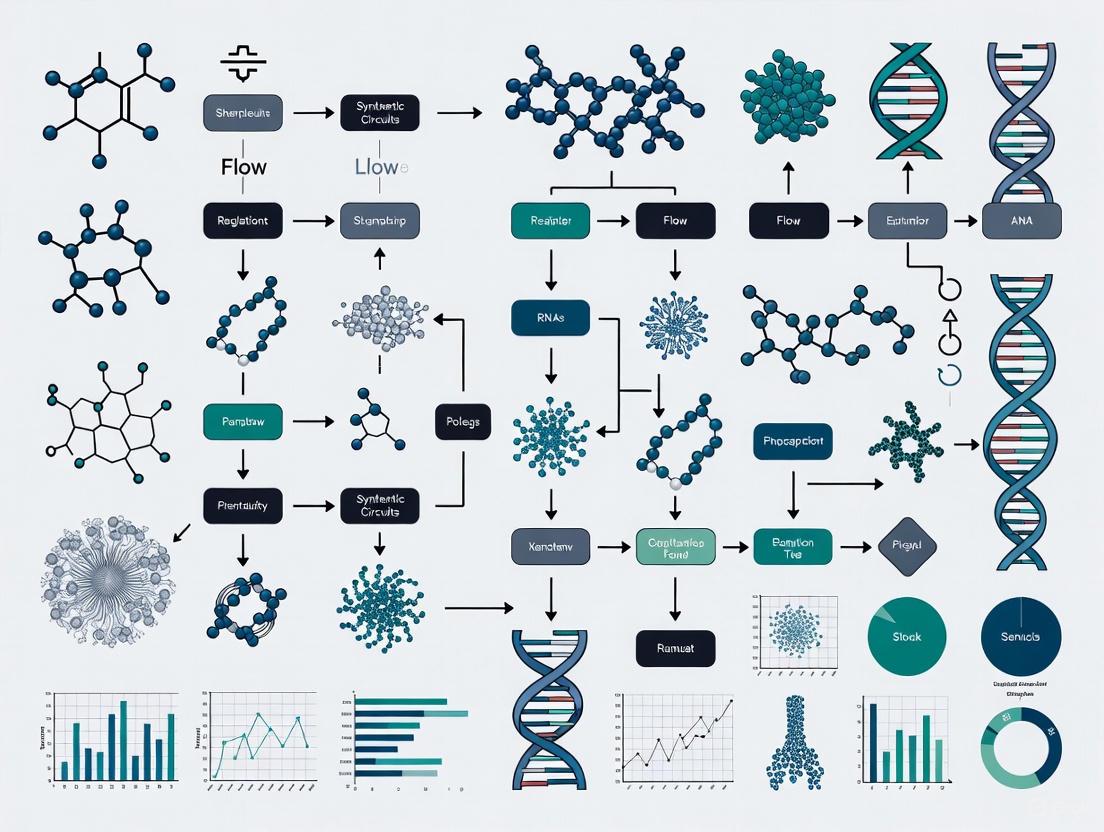
Synthetic genetic circuits represent a paradigm shift in therapeutic development, enabling the programming of living cells to diagnose diseases, compute complex biological signals, and deliver precision treatments.
Programming Cells to Cure: The Frontier of Synthetic Genetic Circuits in Therapeutics
Abstract
Synthetic genetic circuits represent a paradigm shift in therapeutic development, enabling the programming of living cells to diagnose diseases, compute complex biological signals, and deliver precision treatments. This article explores the foundational principles of these engineered systems, from simple switches to complex logic gates. It delves into cutting-edge methodologies and their applications in targeting cancers, managing metabolic diseases, and enabling dynamic drug delivery. Furthermore, it addresses the critical challenges of circuit stability, evolutionary longevity, and clinical translation, while evaluating validation frameworks and comparative analyses of emerging technologies. Designed for researchers, scientists, and drug development professionals, this review synthesizes the current state of the art and outlines the trajectory toward clinical adoption.
The Building Blocks of Cellular Computation: From Switches to Logic Gates
Synthetic genetic circuits represent a frontier in therapeutic biotechnology, enabling the reprogramming of cellular behavior for precise medical interventions. These circuits are constructed from core molecular components that sense, process, and respond to disease signals within living cells. For researchers and drug development professionals, mastering the interplay of promoters, transcription factors, and output genes is fundamental to designing effective therapeutic systems. These components form the foundational framework that allows synthetic circuits to perform logical operations, from simple switches to complex diagnostic computations, within cellular environments. Their precise engineering facilitates applications in targeted cancer therapies, dynamic metabolic control, and intelligent biosensing [1] [2]. This technical guide examines the structure, function, and quantitative characterization of these core elements, focusing specifically on their integration within therapeutic frameworks for biomedical innovation.
Core Component Deep Dive
Promoters: The Initiation Gateways
Promoters are DNA sequences that initiate the transcription of a gene by providing a binding site for RNA polymerase and transcription factors. In synthetic genetic circuits, promoters serve as the primary signal processors that convert biological or environmental cues into transcriptional activity.
- Constitutive Promoters: Provide steady, unregulated baseline expression useful for expressing circuit components that require constant levels. However, their lack of regulation limits their utility as sensory components in therapeutic circuits.
- Inducible Promoters: Engineered to respond to specific molecular inducers (e.g., small molecules, light, temperature). These are crucial for creating controlled therapeutic systems where timing and dosage of therapeutic output must be precisely managed [3].
- Logic-Integrated Promoters: Synthetic promoters designed with binding sites for multiple transcription factors can perform Boolean operations. For instance, a promoter might require both the absence of a repressor AND the presence of an activator to initiate transcription, enabling sophisticated signal processing within diseased cells [4] [2].
Quantitative characterization of promoter performance is essential for predictable circuit design. Key parameters include:
- Leakiness: Baseline expression in the OFF state
- Dynamic Range: Ratio between ON and OFF states
- ED50/EC50: Inducer concentration for half-maximal activation
- Orthogonality: Specificity to intended transcription factors without cross-talk
Table 1: Quantitative Performance Metrics for Common Inducible Promoter Systems
| Regulatory System | Inducer | Dynamic Range (Fold) | Leakiness (%) | ED50 | Applications |
|---|---|---|---|---|---|
| TetR/Ptet | aTc | 50-100 | 0.5-2% | 10-100 ng/mL | Eukaryotic gene switches |
| LacI/Plac | IPTG | 20-50 | 1-5% | 10-100 µM | Bacterial circuits, metabolic engineering |
| AraC/PBAD | L-ara | 100-500 | 0.1-1% | 0.01-0.1% w/v | Tightly-regulated expression |
| NahR/Psal | Salicylate | 10-20 | 2-5% | 10-50 µM | Cascade amplification circuits |
Transcription Factors: The Signal Processors
Transcription factors (TFs) are proteins that recognize specific DNA sequences and regulate transcriptional activity. In synthetic biology, both natural and engineered TFs serve as computational elements that process biological information and transmit signals through genetic circuits.
- Natural Transcription Factors: Harnessed from bacterial, viral, or eukaryotic systems (e.g., TetR, LacI, AraC). These provide well-characterized DNA-binding specificity and regulation mechanisms but may lack orthogonality in non-native contexts [3].
- Engineered Synthetic TFs: Created by modifying DNA-binding domains or effector domains to achieve novel functions. The Transcriptional Programming (T-Pro) platform demonstrates how synthetic repressors and anti-repressors with Alternate DNA Recognition (ADR) domains enable complex logic operations with minimal parts [4].
- Chimeric Sensors: Fusion proteins that combine sensing domains with transcriptional effector domains. For example, RBDCRD-NarX fusions developed for RAS-sensing circuits combine a RAS-binding domain with bacterial signaling components to create novel oncogene sensors [5].
Recent advances in TF engineering have expanded the toolbox available for therapeutic circuits:
- Anti-Repressors: Engineered TFs that activate transcription in the presence of a ligand rather than repress it, enabling NOT/NOR operations without cascade delays [4]
- Programmable DNA-Binding Domains: CRISPR/dCas9 systems fused to transcriptional effector domains enable sequence-specific targeting without DNA cleavage [2]
- Split-TF Systems: Designs where TF assembly is conditional on specific molecular interactions, increasing circuit specificity and reducing leakiness [1]
Table 2: Classification of Synthetic Transcription Factor Architectures
| TF Type | DNA-Binding Domain | Effector Domain | Regulatory Mechanism | Therapeutic Applications |
|---|---|---|---|---|
| Repressors | Zinc Finger, TetR, LacI | Repression domain | Blocks RNA polymerase binding | Titratable control, noise reduction |
| Activators | VP64, p65 AD | Activation domain | Recruits transcriptional machinery | Signal amplification, weak promoter enhancement |
| Anti-Repressors | Engineered ADR domains | Derepression domain | Displaces native repressors | Logic compression, NOT/NOR gates |
| CRISPR/dCas9 | gRNA-programmed | VP64, KRAB, SRDX | Targeted genomic regulation | Epigenetic editing, multiplexed logic |
Output Genes: The Therapeutic Effectors
Output genes represent the terminal component of genetic circuits where processed information is converted into biological action. In therapeutic applications, these genes encode proteins that execute diagnostic, therapeutic, or regulatory functions.
- Reporter Proteins: Fluorescent (e.g., CFP, YFP, RFP) [3] or luminescent proteins that enable circuit characterization, optimization, and monitoring in real-time.
- Therapeutic Proteins: Cytokines, antibodies, toxins, or corrective enzymes that directly treat disease states when expressed in specific cellular contexts [5] [1].
- Regulatory Effectors: Recombinases, nucleases, or apoptosis-inducers that alter cellular fate or function in response to circuit logic [2].
Selection of appropriate output genes depends on multiple factors:
- Therapeutic Window: Balance between efficacy and toxicity
- Pharmacokinetics: Duration and localization of effect
- Immunogenicity: Potential for immune recognition and clearance
- Manufacturability: Ease of delivery and stability in target cells
Computational Design and Workflow Integration
Modern genetic circuit design employs computational tools to navigate the complex design space and predict circuit behavior before experimental implementation. The shift from intuitive design to algorithmic approaches has become essential as circuit complexity increases.
Figure 1: Computational Design Workflow for Therapeutic Circuits
Algorithmic Enumeration and Circuit Compression
For complex circuits, computational methods systematically explore possible component arrangements to identify optimal configurations. The T-Pro algorithmic enumeration approach models circuits as directed acyclic graphs and systematically enumerates designs in order of increasing complexity, guaranteeing identification of the most compressed (minimal-part) circuit for a given truth table [4].
Circuit compression reduces metabolic burden on host cells - a critical consideration for therapeutic efficacy. T-Pro compression circuits are approximately 4-times smaller than canonical inverter-based genetic circuits while maintaining equivalent function [4]. This reduction is particularly valuable for viral delivery systems with limited cargo capacity.
Host-Aware Modeling and Evolutionary Longevity
Therapeutic circuits must function reliably in complex cellular environments. "Host-aware" computational frameworks model interactions between circuit components and host cellular resources, predicting how resource competition affects circuit function and evolutionary stability [6].
Models that simulate mutation and selection dynamics reveal that circuits imposing significant metabolic burden are rapidly selected against in proliferating cell populations. Quantitative metrics for evolutionary longevity include:
- τ±10: Time until population-level output deviates by ±10% from initial designed function
- τ50: Time until population-level output falls to 50% of initial function [6]
Table 3: Controller Architectures for Enhancing Evolutionary Longevity
| Controller Type | Sensed Input | Actuation Method | Short-Term Performance (τ±10) | Long-Term Performance (τ50) | Implementation Complexity |
|---|---|---|---|---|---|
| Negative Autoregulation | Circuit output protein | Transcriptional repression | High improvement | Moderate improvement | Low |
| Growth-Based Feedback | Host growth rate | sRNA-mediated silencing | Moderate improvement | High improvement | Medium |
| Dual-Input Controller | Circuit output + Growth rate | Combined transcriptional & post-transcriptional | Highest improvement | Highest improvement | High |
| Open-Loop Control | None | Constitutive expression | Baseline | Baseline | Lowest |
Experimental Protocols for Component Characterization
Protocol: Quantitative Characterization of Synthetic Promoters
Purpose: To measure key performance parameters of engineered promoters for predictable circuit design.
Materials:
- Reporter plasmid with promoter controlling fluorescent protein
- Inducer molecules at appropriate concentrations
- Host cells (bacterial, yeast, or mammalian)
- Flow cytometer or microplate reader
- Data analysis software
Methodology:
- Transform reporter plasmid into appropriate host cells
- Culture cells across a range of inducer concentrations
- Measure fluorescence intensity and cell density at mid-log phase
- Normalize fluorescence to cell density and autofluorescence controls
- Calculate parameters:
- Leakiness = (Mean fluorescence without inducer) / (Mean fluorescence at saturation)
- Dynamic range = (Fluorescence at saturation) / (Fluorescence without inducer)
- EC50 from dose-response curve fitting (Hill equation)
Troubleshooting:
- High leakiness: Incorporate additional transcriptional terminators; optimize RBS strength
- Low dynamic range: Screen promoter variants with mutated operator sites
- High variability: Use lower-copy number vectors; incorporate genomic integration
Protocol: RAS-Sensing Circuit Implementation for Cancer Targeting
Purpose: To implement a synthetic circuit that selectively targets cells with oncogenic RAS mutations [5].
Materials:
- Plasmids encoding RBDCRD-NarX fusion proteins
- Humanized NarL response regulator
- NarL-responsive promoter driving output gene
- Cancer cell lines with mutant vs. wild-type RAS
- RAS pulldown ELISA assay kit
Methodology:
- Circuit Delivery: Transfect all sensor components into target cells using appropriate methods (lipofection, electroporation, viral delivery)
- RAS Activation Manipulation:
- Express KRASG12D or other mutants to emulate mutant RAS
- Express wild-type KRAS as control
- Co-express Sos-1 to activate endogenous RAS
- Output Measurement: Quantify output protein (e.g., mCerulean) via fluorescence
- Specificity Validation:
- Test RBDCRD mutants (R89L, C168S) that impair RAS binding
- Correlate output with RAS-GTP levels via pulldown assays
- Therapeutic Efficacy: Link circuit to therapeutic output (e.g., cytotoxic protein) and measure cancer cell killing
Key Design Considerations:
- Use AND-gate architecture combining multiple RAS sensors to enhance specificity
- Balance sensor component ratios to optimize dynamic range
- Implement modular design to adapt circuit to different cancer cell contexts
Figure 2: RAS-Sensing Circuit Mechanism for Cancer Targeting
Advanced Therapeutic Applications
Case Study: Compressed Circuits for Higher-State Decision Making
The Transcriptional Programming (T-Pro) platform enables 3-input Boolean logic with significantly reduced genetic footprint. This compression technology has been applied to therapeutic contexts where circuit complexity must be balanced with delivery constraints.
Implementation:
- Wetware Expansion: Development of orthogonal synthetic TF sets responsive to IPTG, D-ribose, and cellobiose
- Software Integration: Algorithmic enumeration identifies minimal circuit designs from >100 trillion possibilities
- Quantitative Prediction: Models with <1.4-fold error for >50 test cases enable predictive design [4]
Therapeutic Relevance: Compressed circuits are particularly valuable for viral vector-based gene therapies where packaging capacity is limited, enabling more sophisticated control systems within size-constrained delivery vehicles.
Case Study: Evolutionary-Stable Controllers for Long-Term Function
Synthetic circuits often degrade due to mutation and selection in proliferating cell populations. Genetic controllers that maintain synthetic gene expression over time represent a solution to this fundamental challenge.
Design Paradigms:
- Negative Autoregulation: Extends short-term performance by reducing burden
- Growth-Based Feedback: Monitors host growth rate and adjusts circuit activity accordingly
- Post-Transcriptional Control: Uses sRNA-mediated silencing for rapid response with reduced controller burden [6]
Performance Metrics: Optimized controller designs can improve circuit half-life over threefold without coupling to essential genes, significantly extending therapeutic duration in proliferating cell populations.
The Scientist's Toolkit: Research Reagent Solutions
Table 4: Essential Research Reagents for Genetic Circuit Construction
| Reagent / Material | Function | Example Applications | Key Characteristics |
|---|---|---|---|
| Orthogonal RNA Polymerases | Transcriptional isolation | T7-based expression systems | Reduces host-circuit interference |
| Synthetic Transcription Factors | Programmable regulation | T-Pro anti-repressors [4] | Ligand-responsive, engineered DNA specificity |
| Fluorescent Reporter Proteins | Circuit readout | Cerulean CFP, Venus YFP, Cherry RFP [3] | Spectral separation, fast maturation |
| Site-Specific Recombinases | DNA rewriting | Cre, Flp, Bxb1 integrases [2] | State memory, irreversible switching |
| CRISPR/dCas9 Systems | Programmable targeting | Epigenetic editors, activators/repressors [2] | gRNA-programmable, catalytic activity |
| Three-Color Reporter Scaffold | Multi-parameter monitoring | Simultaneous monitoring of 3 promoters [3] | Genetic stability, minimal crosstalk |
| Host-Aware Modeling Software | Circuit performance prediction | Evolutionary longevity optimization [6] | Multi-scale simulation, burden prediction |
Synthetic biology represents a paradigm shift in biotechnology, enabling the reprogramming of cellular behavior through the design of genetic circuits that process information using Boolean logic principles. Inspired by digital computing, these biological circuits utilize molecular components—DNA, RNA, proteins, and small molecules—to perform logical operations, allowing cells to make sophisticated decisions in response to their environment [1] [7]. The core building blocks of these systems are the fundamental AND, OR, and NOT logic gates, which form the computational basis for complex cellular behaviors engineered for therapeutic applications, diagnostic tools, and personalized medicine [8].
Unlike their electronic counterparts, biological logic gates operate through biomolecular interactions, including transcriptional regulation, protein-DNA binding, and strand displacement reactions [7]. A significant limitation of numerous current genetic engineering therapy approaches is their limited control over the strength, timing, or cellular context of the therapeutic effect [1] [9]. Synthetic gene circuits address this challenge by providing precise control over gene expression and cellular behavior, enabling therapeutic interventions that activate only under specific biological conditions, thereby enhancing safety and efficacy [1] [8]. The application of Boolean logic in biology has expanded beyond basic gates to include combinational circuits and sequential logic with memory functions, opening new frontiers in programmable therapeutics [7].
Core Principles of Biological Logic Gates
Boolean Algebra in Biological Context
Boolean algebra, first introduced by George Boole in 1854, provides the mathematical foundation for biological logic gates, guiding binary calculations that define the output of any logic system [7]. In biological implementations, the binary states (0 and 1) correspond to measurable molecular events:
- State 0 (OFF): Absence of a molecular signal, low gene expression, or inactive protein
- State 1 (ON): Presence of a molecular signal, high gene expression, or active protein
These states are determined by threshold concentrations that must be carefully calibrated in biological systems to ensure reliable logic operations [7]. Biological logic gates can be classified into two broad categories: Boolean logic gates with digital (discrete) processing and non-Boolean logic with analog processing capabilities that better mimic natural biological systems like neural networks [7].
Fundamental Gate Types and Their Truth Tables
The three basic logic gates—AND, OR, and NOT—form the essential building blocks for more complex genetic circuits, each with distinct operational principles and biological implementations.
Table 1: Fundamental Biological Logic Gates and Truth Tables
| Gate Type | Biological Function | Input States | Output State | Therapeutic Application |
|---|---|---|---|---|
| AND | Requires simultaneous presence of all input signals | 00, 01, 10 | 0 | Dual-antigen targeting in CAR-T cells to improve tumor specificity [8] |
| 11 | 1 | |||
| OR | Activates if any input signal is present | 00 | 0 | Targeting heterogeneous tumors with multiple antigen expression patterns [8] |
| 01, 10, 11 | 1 | |||
| NOT | Inverts the input signal (output is active when input is absent) | 0 | 1 | Preventing activation when healthy tissue markers are detected [8] |
| 1 | 0 |
Advanced genetic circuits combine these basic gates to create more sophisticated operations, including NAND, NOR, XOR, and XNOR gates, each serving specific functions in biological computing [1]. The NOR gate, for instance, is particularly significant as any logic function can be achieved by assembling NOR gates only, making it a universal gate for biological computation [10].
Implementation Platforms for Biological Logic Gates
DNA-Based Logic Systems
DNA-based logic gates primarily utilize programmable hybridization schemes of oligonucleotides, leveraging Watson-Crick base pairing to perform computations [7]. The predictable thermodynamics and kinetics of DNA interactions make them ideal for constructing complex logic circuits through several mechanisms:
DNA Strand Displacement: This technology enables the construction of sophisticated logic gates by using input DNA strands to displace pre-hybridized strands, resulting in conformational changes that can be measured as output signals [11]. For example, a three-input AND gate based on strand displacement utilizes a reporter complex where a fluorescently-labeled strand (e.g., FAM-labeled) is hybridized to a quencher-labeled strand (e.g., BHQ1), suppressing fluorescence until all three input strands simultaneously displace the reporter, generating a measurable fluorescent signal [11].
DNA Four-Way Junction (4J) Gates: These systems employ branched DNA nanostructures where oligonucleotide fragments are brought into proximity to form output sequences [12]. In 4J NOT gates, strands are stabilized by a DNA "bridge" that enables fluorescence signal in the absence of input, while addition of an oligonucleotide input decomposes the 4J structure, displacing components and turning off fluorescence [12]. Connected YES and NOT gates can implement functionally complete operations like IMPLY and NAND, providing a path toward arbitrary complexity in DNA circuits [12].
Table 2: DNA-Based Logic Gate Implementation Methods
| Method | Mechanism | Readout | Advantages | Complexity Level |
|---|---|---|---|---|
| DNA Strand Displacement | Input strands displace fluorescently-quenched reporter strands | Fluorescence intensity | High modularity, predictable kinetics | Basic to complex cascades [11] |
| 4-Way Junction (4J) | Branch migration and complex formation | FRET or molecular beacon fluorescence | Compatible with biological environments | Intermediate [12] |
| Transcriptional Programming | Synthetic transcription factors and promoters | Gene expression reporters | Lower metabolic burden, compression capability | Advanced multi-input gates [4] |
Genetic Circuit Platforms in Living Cells
In living cells, logic gates are implemented using synthetic gene circuits that carefully select promoters, repressors, and other genetic components to perform logical operations at the molecular level [1]. The synthetic gene circuit's structure typically involves:
- A sensor layer that detects input signals (e.g., metabolites, pathogens, light)
- A "processor" layer that manages signals through regulatory elements
- An output layer with regulated genes that influence cell functionalities [1]
Transcriptional Programming (T-Pro): This approach leverages synthetic transcription factors (TFs) and synthetic promoters for circuit engineering, utilizing engineered repressor and anti-repressor TFs that support coordinated binding to cognate synthetic promoters [4]. T-Pro enables circuit compression, reducing the number of promoters and regulators needed compared to inversion-based circuits, which minimizes metabolic burden and increases reliability [4]. Recent advances have expanded T-Pro from 2-input to 3-input Boolean logic, permitting an expansion from 16 to 256 distinct truth tables for sophisticated cellular decision-making [4].
CRISPR-Based Logic Gates: CRISPR systems offer another platform for implementing biological logic, with split Cas9 systems enabling the construction of AND gates through intein-mediated reconstitution [1]. This approach distributes the coding sequence of Cas9 across multiple vectors that reconstitute post-translationally, providing higher-level control for diagnostic and therapeutic applications [1].
Experimental Protocols and Methodologies
DNA Strand Displacement Logic Gate Assembly
The construction of DNA-based logic gates via strand displacement technology follows a standardized experimental workflow with precise biochemical requirements:
Materials and Reagents:
- Oligonucleotides: Custom-designed DNA strands with specific complementarity regions (typically 2μM working concentration) [11]
- Buffer System: 0.5 × TBE buffer with 50 mM NaCl for optimal hybridization conditions [11]
- Fluorescent Reporters: FAM-labeled strands (excitation: 495 nm, emission: 520 nm) with BHQ1 quencher [11]
- Equipment: Thermal cycler for annealing, fluorescence spectrophotometer for detection [11]
Step-by-Step Protocol:
- Annealing Process: Hybridize DNA strands in the initial state configuration in appropriate buffer. Use equimolar ratios of complementary strands (typically 2μM each) with an annealing procedure from 95°C to 22°C over 8 hours to ensure proper complex formation [12] [11].
Strand Displacement Reaction: Divide the annealed product into equal samples and add corresponding input strands at a 1:1 concentration ratio (input:DNA). Incubate at room temperature for sufficient time to allow complete displacement (typically 20 minutes to several hours depending on complexity) [11].
Fluorescence Measurement: Extract samples with known DNA molar mass (e.g., 20 pmol) and dilute with buffer to standard volume (200 μl). Detect fluorescence signals at appropriate wavelengths (e.g., 495 nm excitation/520 nm emission for FAM) using a fluorescence spectrophotometer [11].
Data Analysis: Normalize fluorescence response by subtracting the average fluorescence of reporter-only solutions. Calculate average fluorescence difference (ΔF) from multiple independent samples (typically n=3) with standard deviation error analysis [12].
Genetic Circuit Implementation in Cellular Systems
For implementing logic gates in living cells, such as bacteria or yeast, a different methodological approach is required:
Molecular Cloning and Circuit Assembly:
- Part Selection: Choose promoters, repressors, and output genes compatible with the host chassis. Common regulatory elements include inducible systems (LacI/IPTG, TetR/aTc, Ara/arabinose) and corresponding promoter architectures [10].
Vector Design: Assemble genetic components in plasmid vectors with appropriate resistance markers, origins of replication, and regulatory elements. For complex circuits, distribute parts across multiple vectors to balance metabolic load [4].
Transformation: Introduce constructed plasmids into host cells via transformation or electroporation, selecting with appropriate antibiotics [10].
Characterization and Validation:
- Flow Cytometry: Analyze population-level distributions of circuit outputs using fluorescent protein reporters. Collect data from multiple independent cultures (biological replicates) to assess circuit reliability and cell-to-cell variation [4].
Fluorescence Assays: Perform bulk fluorescence measurements to characterize input-output relationships. Measure response to different input combinations to verify truth table behavior [12].
Mathematical Modeling: Develop quantitative models to predict circuit performance and identify optimal setpoints. Use parameters such as promoter strength, ribosome binding site efficiency, and protein degradation rates to refine circuit function [4].
The Scientist's Toolkit: Essential Research Reagents
Table 3: Key Research Reagents for Biological Logic Gate Implementation
| Reagent Category | Specific Examples | Function in Logic Gates | Experimental Considerations |
|---|---|---|---|
| Oligonucleotides | DNA strands with specific complementarity domains [12] [11] | Input recognition, gate operation, signal transmission | HPLC purification, concentration verification via UV-Vis (A260) [12] |
| Fluorescent Reporters | FAM, TAMRA, molecular beacons (MB) with quenchers (BHQ) [12] [11] | Output signal generation | Quencher-fluorophore pair selection, spectral compatibility [11] |
| Synthetic Transcription Factors | Engineered CelR, LacI, TetR variants with ADR domains [4] | Regulatory element execution in cellular circuits | Orthogonality verification, dynamic range characterization [4] |
| Inducer Molecules | IPTG, aTc, arabinose, cellobiose [10] [4] | Chemical inputs for genetic circuit control | Concentration optimization, timing considerations [10] |
| Buffer Components | Tris-HCl, MgCl₂, NaCl, Triton X-100 [12] | Maintain optimal reaction conditions | Mg²⁺ concentration critical for DNA gate kinetics [12] |
Advanced Applications in Therapeutic Interventions
Logic-Gated Cell Therapies
The application of biological logic gates has revolutionized cell-based therapies, particularly in oncology, where precision targeting is critical for success:
AND-Gated CAR-T Cells: These therapies require the simultaneous presence of two tumor-associated antigens before activating cytotoxic responses, dramatically improving specificity [8]. For example, CAR-T cells engineered to recognize both CD19 and CD20 antigens in B-cell malignancies demonstrate improved tumor targeting while minimizing off-target effects on healthy tissues [8]. This approach effectively addresses antigen escape, where tumor cells downregulate single antigens to evade immune detection [8].
NOT-Gated Safety Switches: NOT gates prevent activation when specific inhibitory signals associated with healthy tissues are detected [8]. For instance, certain CAR-T cell designs incorporate inhibitory receptors that block activation if a healthy-cell marker is present, preventing toxicity against critical tissues [8]. This approach is particularly valuable in solid tumors, where potential damage to normal cells expressing low levels of tumor-associated antigens remains a concern [8].
Combinatorial Gating with SynNotch: Synthetic Notch (SynNotch) receptors enable layered logic control, creating multi-step authentication processes for therapeutic cells [8]. In this system, cells recognize an initial antigen which then activates expression of a second receptor that responds to a different antigen, ensuring highly specific activation only in target tissues [8].
Diagnostic and Therapeutic Gene Circuits
Beyond cell therapies, biological logic gates enable sophisticated diagnostic systems and controlled therapeutic delivery:
Biosensing Circuits: Genetic circuits can be designed as highly sensitive biosensors that monitor various biomarkers or pathogens and appropriately synthesize therapeutic molecules in response [1]. These systems typically employ AND-like logic to ensure activation only when specific disease signatures are present, minimizing false positives [1].
Metabolic Disease Management: For disorders like diabetes or metabolic syndromes, logic-gated circuits can sense metabolite levels and respond with precise therapeutic outputs [1]. For example, circuits can be designed to detect abnormal glucose levels and respond with insulin or glucagon production as needed, creating autonomous closed-loop systems for disease management [1].
Precision Gene Editing: CRISPR-based systems integrated with logic gates improve safety by ensuring genome editing occurs only in specific cellular contexts [8]. This strategy allows CRISPR to remain inactive unless certain conditions are met, reducing the risk of unintended genome edits in non-target tissues [8].
Visualization of Genetic Circuit Architecture
Current Challenges and Future Directions
Despite significant progress, biological logic gates face several challenges that must be addressed for clinical translation:
Technical and Engineering Complexity: Designing reliable multi-input biological circuits remains challenging due to signal interference, insufficient activation thresholds, and cellular exhaustion [8]. Each additional layer of logic increases the risk of unintended consequences, requiring sophisticated modeling and optimization [4].
Metabolic Burden: As circuit complexity increases, the metabolic load on chassis cells can limit functionality and lead to performance degradation or selection for non-functional mutants [4]. Circuit compression strategies, such as those enabled by Transcriptional Programming, help mitigate this issue by reducing the number of genetic parts required for complex operations [4].
Context Dependency: Biological parts often behave differently across cellular contexts and environmental conditions, challenging the modularity assumption fundamental to synthetic biology [1] [4]. Developing context-insensitive parts and predictive models that account for cellular environment is an active research area [4].
Future directions include the development of more sophisticated wetware-software integration for quantitative prediction of genetic circuit performance, expansion of the synthetic biology toolkit for mammalian cells, and clinical translation of logic-gated therapies beyond oncology to autoimmune, neurological, and metabolic disorders [8] [4]. As regulatory frameworks evolve to accommodate these advanced therapies, logic-gated systems are poised to redefine precision medicine through unprecedented specificity in therapeutic intervention [8].
The development of sophisticated synthetic genetic circuits represents a frontier in therapeutic applications, enabling engineered cells to diagnose and treat diseases with unprecedented precision. The core of these "smart" living therapeutics is their ability to sense and process specific environmental inputs, triggering predefined therapeutic actions. This technical guide details the fundamental environmental inputs—small molecules, light, and disease biomarkers—that synthetic genetic circuits are engineered to perceive. We provide an in-depth analysis of the molecular mechanisms, quantitative performance data, and experimental methodologies underlying these sensing modalities, framed within the context of their clinical translation for therapeutic applications such as solid tumor therapy, T cell-mediated immunomodulation, and metabolic disease management [13].
Small Molecule Sensing
Small molecules serve as critical inputs for synthetic genetic circuits, providing a means to externally control therapeutic activity or sense pathological conditions. These inputs are typically detected by specialized proteins or nucleic acids that undergo conformational changes upon ligand binding, subsequently modulating gene expression.
Molecular Mechanisms
Transcription Factor-Based Sensors: Native or engineered transcription factors form the basis of many small molecule sensors. For instance, bacterial TetR and AraC families have been extensively repurposed. Ligand binding alters the transcription factor's DNA-binding affinity, thereby regulating downstream gene expression. This principle enables the construction of dose-responsive genetic switches for therapeutic control [2].
Aptamer-Based Sensors: Functional nucleic acids, known as aptamers, provide an alternative sensing mechanism. These single-stranded DNA or RNA oligonucleotides bind to specific small molecule targets (e.g., toxins, drugs, or metabolites) with high affinity and selectivity. Upon binding, the aptamer undergoes a structural switch, which can be designed to control gene expression by modulating translation initiation or transcription termination [14]. A prominent application is the detection of environmental contaminants like organophosphate pesticides or bisphenol A, where aptamers are selected against targets as diverse as cyanotoxins, mycotoxins, and heavy metals [14].
VHH-Based Immunosensors: For rapid, ready-to-use detection, heavy chain-only variable domain (VHH) antibodies can be paired with peptidomimetics. These components are fused to split protein fragments (e.g., NanoLuc luciferase). Target analyte presence disrupts the VHH-peptidomimetic interaction, preventing luciferase reconstitution and reducing luminescence, enabling wash-free, quantitative detection of small molecules like the herbicide 2,4-D [15].
Quantitative Performance of Small Molecule Sensors
Table 1: Performance Metrics of Representative Small Molecule Sensors
| Sensing Mechanism | Target Molecule | Detection Limit | Dynamic Range | Response Time | Key Applications |
|---|---|---|---|---|---|
| Aptamer-Beacon [14] | Hg²⁺, Ag⁺, Cocaine | Low nM range | 3-4 orders of magnitude | Minutes | Environmental monitoring, diagnostics |
| Split Aptamer [14] | Kanamycin A, Cocaine | nM to µM | ~100-fold | Minutes | Food safety, clinical toxicology |
| VHH Immunosensor [15] | 2,4-Dichlorophenoxyacetic acid | ~0.1 ng/mL | 0.01-1000 ng/mL | < 10 minutes | Agricultural monitoring, water safety |
| Transcription Factor [2] | Antibiotics, AHLs | µM range | 10-100 fold | Hours | Bioproduction, therapeutic gene control |
Experimental Protocol: Development of a Structure-Switching Aptamer Sensor
Objective: To select and implement a DNA aptamer that undergoes a target-induced conformational change for the detection of a small molecule toxin (e.g., Ochratoxin A) [14].
Materials:
- Library: Synthetic ssDNA library with a randomized central region (e.g., 40-60 nt).
- Target: Immobilized small molecule target (e.g., conjugated to magnetic beads).
- Buffers: Selection buffer (PBS with Mg²⁺), washing buffers.
- PCR Reagents: Primers, polymerase, dNTPs.
- Equipment: Magnetic rack, thermocycler, fluorometer or plate reader.
Procedure:
- In Vitro Selection (SELEX):
- Incubation: Incubate the ssDNA library with the immobilized target for 30-60 minutes.
- Partitioning: Use a magnetic field to separate bead-bound sequences from unbound ones.
- Washing: Wash beads thoroughly to remove weakly bound sequences.
- Elution: Elute specifically bound sequences using heat or denaturing conditions. For higher specificity, target-based elution with free small molecule can be used in later rounds.
- Amplification: Amplify the eluted pool by PCR. For ssDNA recovery, use asymmetric PCR or strand separation.
- Counter-Selection: To eliminate non-specific binders, perform negative selection rounds against the immobilization matrix without the target.
- Cloning and Sequencing: After 8-15 rounds of selection, clone the final pool and sequence individual clones to identify candidate aptamer families.
- Sensor Characterization:
- Labeling: Chemically synthesize the aptamer and label it with a fluorophore (e.g., FAM) and a quencher (e.g., Dabcyl) at its 5' and 3' ends.
- Assay: Incubate the labeled aptamer (e.g., 100 nM) with varying concentrations of the target in a buffer.
- Measurement: Monitor fluorescence intensity over time. The binding-induced structure change separates the fluorophore and quencher, increasing fluorescence.
- Analysis: Calculate KD from the fluorescence vs. concentration curve and determine the limit of detection (LOD) from the mean background signal plus three standard deviations.
Light Sensing
Light provides a highly spatiotemporal, tunable, and non-invasive input for controlling synthetic genetic circuits, making it ideal for precise therapeutic interventions.
Molecular Mechanisms
Cryptochromes: These are blue-light sensing flavoproteins found in plants and animals that regulate circadian rhythms. Upon blue light absorption, the flavin adenine dinucleotide (FAD) cofactor captures an electron, inducing a radical pair state. This triggers large-scale conformational changes, including the unfolding of protein regions, which ultimately control interactions with downstream signaling partners and modulate gene expression [16]. In Arabidopsis, cryptochrome (CRY1) signaling is positively regulated by the Ser/Thr phosphatase AtPP7, with antisense inhibition of AtPP7 resulting in a photomorphogenesis defect phenocopying the cry1 mutant [17].
Optogenetic Tools Based on Plant Phytochromes: Phytochromes sense red/far-red light via a bilin chromophore. Light-induced isomerization alters the protein's conformation and its interaction with signaling partners like PIFs (Phytochrome Interacting Factors), which can be harnessed to control gene expression or protein localization [2].
Engineered Light-Sensing Systems: Natural photoreceptors are often engineered for improved performance and integration into genetic circuits. A key strategy involves fusing light-sensitive domains (e.g., LOV2, CRY2) to effector domains. For instance, Cre recombinase activity has been made light-dependent by fusion with the LOV2 domain, which unfolds a C-terminal helix under blue light, activating the enzyme [2]. Alternatively, splitting proteins and reconstituting them via light-inducible dimerization systems (e.g., using CRY2/CIB1 or PhyB/PIF pairs) allows for versatile control over a wide range of biological activities [2].
Quantitative Characterization of Light Sensors
Table 2: Performance Metrics of Representative Light Sensors
| Light Sensor | Wavelength | Activation Kinetics | Dynamic Range (ON/OFF ratio) | Key Applications |
|---|---|---|---|---|
| Cryptochrome (CRY2) [16] | Blue (~450 nm) | Radical pair formation in ns-ms, full signaling in ~100 ms | N/A (Conformational change) | Circadian rhythm regulation, optogenetics |
| LOV2-based Cre [2] | Blue (~450 nm) | Seconds to minutes | >10-fold | DNA recombination, gene editing control |
| Phytochrome B (PhyB) [2] | Red (650 nm) / Far-Red (750 nm) | Seconds | >50-fold | Protein dimerization, nuclear translocation |
Experimental Protocol: Characterizing a Cryptochrome-Mediated Signaling Pathway
Objective: To validate the role of a candidate signaling component (e.g., phosphatase AtPP7) in a cryptochrome-mediated blue light signaling pathway using a phenotypic assay in plants [17].
Materials:
- Plant Lines: Wild-type (e.g., Arabidopsis thaliana Col-0), cry1 mutant, and transgenic lines with inhibited expression of the candidate gene (e.g., AtPP7 antisense lines).
- Growth Chambers: Precisely controlled with adjustable blue light sources (e.g., LED panels).
- Equipment: Ruler, spectrometer, software for image analysis (e.g., ImageJ).
Procedure:
- Plant Growth and Genotyping:
- Surface-sterilize seeds of all genotypes.
- Sow seeds on identical growth media plates.
- Wrap plates in foil and stratify at 4°C for 2-4 days to synchronize germination.
- Genotype a small portion of the seedling tissue for each line to confirm identity.
- Light Treatment:
- Place all plates in a dark room under a safe green light.
- Expose one set of plates to continuous blue light (e.g., 50 µmol m⁻² s⁻¹) and keep another set in complete darkness as a control for 3-5 days.
- Maintain constant temperature and humidity.
- Phenotypic Measurement:
- Hypocotyl Length Measurement: Carefully remove seedlings from the plates and lay them on agar. Capture digital images. Use image analysis software to measure the hypocotyl length of at least 20 seedlings per genotype per condition.
- Gene Expression Analysis (Optional): Harvest seedlings under light/dark conditions for RNA extraction. Perform RT-qPCR to analyze the expression of known cryptochrome-regulated genes (e.g., CHS, RBCS).
- Data Analysis:
- Calculate the average hypocotyl length and standard deviation for each group.
- Perform a statistical test (e.g., Student's t-test) to compare the hypocotyl length of the wild-type blue-light group versus the cry1 mutant and the candidate gene-inhibited lines. A similar de-etiolated phenotype (longer hypocotyls) in the candidate-inhibited lines and the cry1 mutant under blue light suggests the candidate functions in the CRY1 pathway.
Disease Biomarker Sensing
Sensing internal disease biomarkers allows synthetic genetic circuits to autonomously diagnose pathological states and initiate corrective therapies, forming the core of closed-loop therapeutic systems.
Molecular Mechanisms and Clinical Targets
Transcriptional Profiling: Circuits can be designed to sense abnormal levels of specific transcription factors (TFs) or nuclear receptors that are hallmarks of disease. For example, in cancer, aberrant activity of TFs like NF-κB or p53 can be detected by incorporating their specific DNA-binding sites into synthetic promoters, driving the expression of therapeutic genes only in diseased cells [2] [13].
Protease Activity Sensors: Many diseases, including cancer and inflammation, are characterized by dysregulated protease activity. Synthetic circuits can incorporate protease-sensitive linkers that, when cleaved, release a transcription factor or activate a signaling molecule, thereby linking protease activity to a therapeutic output [2].
MicroRNA (miRNA) Sensors: Distinctive miRNA expression signatures are associated with various diseases and cell types. Synthetic circuits can detect these intracellular miRNAs using complementary antisense sequences. miRNA binding can be designed to destabilize a repressive mRNA secondary structure or trigger the degradation of a repressor transcript, leading to the expression of a therapeutic transgene [2].
Clinical Applications: These sensing mechanisms are being translated for:
- Solid Tumor Therapy: Circuits that sense tumor-specific biomarkers (e.g., surface antigens, hypoxia) to locally activate cytotoxic immune responses or induce apoptosis [13].
- T Cell Immunomodulation: Engineered CAR-T cells with circuits that sense multiple tumor antigens to improve specificity and safety, or that respond to small molecule inputs for controlled activation [13].
- Metabolic Disease Management: Circuits that sense metabolic waste products or hormone levels to regulate the production of therapeutic enzymes or hormones in real-time [13].
Detection Methods and Performance
Table 3: Biomarker Detection Methods for Diagnostic Integration
| Detection Method | Biomarker Examples | Limit of Detection | Throughput | Key Clinical Applications |
|---|---|---|---|---|
| Digital ELISA (Simoa) [18] | NfL, pTau181, GFAP | Femtomolar (fg/mL) | High / Automated | Alzheimer's, Multiple Sclerosis, TBI |
| Microfluidic Immunoassays [19] | PSA, CEA, CA-125 | Piconanomolar | Medium / Multiplexable | Cancer, Infectious Diseases |
| Imaging (PET/MRI) [18] | Amyloid-β, Tau, Myelin | N/A (Anatomical/Functional) | Low | Alzheimer's, Multiple Sclerosis |
| Electrochemical Aptasensors [14] | Ochratoxin A, Microcystin-LR | Nanomolar | High / Portable | Environmental Toxin Monitoring |
Experimental Protocol: Multiplexed Biomarker Detection on a Microfluidic Chip
Objective: To simultaneously detect multiple protein biomarkers (e.g., for cancer or infectious disease) from a small volume of serum or plasma using a PDMS-based microfluidic device with fluorescence detection [19].
Materials:
- Microfluidic Chip: Fabricated from PDMS via soft lithography, containing multiple parallel microchannels.
- Capture Antibodies: Array of specific antibodies immobilized in distinct zones within the microchannels.
- Samples and Reagents: Patient serum/plasma, detection antibodies conjugated with fluorescent tags (e.g., Alexa Fluor 647), washing buffers (PBS with Tween-20).
- Equipment: Fluorescence scanner or microscope, plasma cleaner for PDMS-glass bonding, pneumatic pressure system for fluid control.
Procedure:
- Chip Preparation and Functionalization:
- Fabrication: Create a master mold via photolithography. Pour PDMS base and curing agent (10:1 ratio) over the mold and bake. Peel off the cured PDMS and bond to a glass slide using oxygen plasma treatment.
- Antibody Immobilization: Flow solutions of capture antibodies (1-2 mg/mL in PBS) through individual channels and incubate overnight at 4°C. Block non-specific sites with BSA or casein.
- Sample Assay:
- Introduction: Dilute the patient serum sample (e.g., 1:10 in assay buffer) and introduce it into the microfluidic chip. Incubate for 15-30 minutes to allow biomarker binding to capture antibodies.
- Washing: Flush the channels with wash buffer to remove unbound proteins.
- Detection: Introduce the mixture of fluorescently-labeled detection antibodies and incubate for 15-30 minutes.
- Final Wash: Perform a final wash to remove unbound detection antibodies.
- Signal Readout and Analysis:
- Scanning: Place the chip in a fluorescence scanner to image the entire array.
- Quantification: Measure the fluorescence intensity at each capture spot. Generate a standard curve using known concentrations of recombinant biomarkers to convert intensity to concentration for each target.
The Scientist's Toolkit: Essential Research Reagents
Table 4: Key Reagents for Developing and Testing Environmental Sensors
| Research Reagent / Tool | Function | Example Use Case |
|---|---|---|
| VHH Antibodies [15] | Single-domain antibodies used for recognition; highly stable and expressible in cells. | Core component of ready-to-use immunosensors for small molecules. |
| DNA Aptamer Library [14] | A diverse pool of ssDNA sequences (10¹³-10¹⁵ variants) for in vitro selection against a target. | Starting material for selecting aptamers against toxins or biomarkers via SELEX. |
| NanoLuc Luciferase (Split) [15] | A engineered luciferase that can be split into two fragments which reconstitute upon interaction. | Reporter for protein-fragment complementation assays in immunosensors. |
| Cryptochrome (CRY2) Constructs [16] [17] | Blue-light sensitive protein used in optogenetics. | Engineered into circuits for light-dependent protein interaction or gene expression. |
| Polydimethylsiloxane (PDMS) [19] | Silicone-based organic polymer used to fabricate microfluidic devices. | Material for creating lab-on-a-chip diagnostic devices for biomarker detection. |
| Ultra-Sensitive Immunoassay Kits (e.g., Simoa) [18] | Digital ELISA technology for detecting proteins at sub-femtomolar concentrations. | Gold-standard for validating low-abundance biomarker detection in biofluids. |
The precise sensing of environmental inputs—small molecules, light, and disease biomarkers—is the foundational capability that enables next-generation synthetic genetic circuits to function as intelligent therapeutics. This guide has detailed the core mechanisms, from aptamer-based switches and optogenetic proteins to intracellular miRNA sensors, that allow engineered cells to perceive their surroundings. The integration of these sophisticated sensing modalities, coupled with advances in delivery platforms and computational design, is poised to overcome existing challenges in safety and specificity. As the field matures, these input-sensing frameworks will be critical for realizing the full potential of dynamic, closed-loop therapies that autonomously diagnose and treat disease within the human body.
Cybergenetics represents a foundational shift in synthetic biology, introducing principles from control theory to engineer living cells with predictable and robust behaviors. This paradigm applies traditional engineering concepts, specifically feedback control systems, to biological processes, enabling the design of genetic circuits that function reliably despite inherent cellular noise and environmental perturbations [20] [21]. The core tenet of cybergenetics is the implementation of controllers that regulate biological processes (the "plant") by processing sensor measurements, comparing them to a desired reference signal, and computing corrective inputs delivered via actuators [21]. This closed-loop approach is increasingly critical for therapeutic applications, where precise, dependable control over cellular functions is necessary for effective treatments. By providing a framework to make synthetic genetic circuits more modular, scalable, and robust, cybergenetics directly addresses key challenges in deploying synthetic biology for human medicine, from dynamic metabolic engineering to next-generation cell-based therapies [22] [23].
Foundational Control Architectures in Cybergenetics
Cybergenetics implements feedback control using three primary architectural strategies, each with distinct advantages and implementation challenges for therapeutic development.
Embedded Controllers
Embedded controllers are synthetic gene regulatory networks constructed within the same cell that hosts the process to be controlled [21]. This strategy encodes the entire control system—sensing, computation, and actuation—into the host cell's genome. A primary advantage is self-sufficiency; once implemented, the controller operates autonomously without external equipment. This makes embedded control particularly suitable for in vivo therapeutic applications where continuous external monitoring is impractical [23]. However, significant challenges include the metabolic burden imposed by additional genetic elements, which can reduce host cell fitness and circuit performance [21]. Furthermore, embedded controllers often lack modularity, as any design modification requires complete re-engineering of the genetic circuit [21]. Promising applications in therapeutics include biomolecular integral feedback controllers that enable robust perfect adaptation, maintaining specific molecular outputs at constant levels despite environmental disturbances—a critical capability for consistent therapeutic protein production [21].
External (In Silico) Controllers
External control systems interface cells with computer-based controllers that monitor biological outputs and compute control inputs in real-time [21]. In this architecture, sensors measure cellular variables (e.g., gene expression via fluorescence), a computer algorithm processes these measurements against a reference setpoint, and actuators (such as pumps, optogenetic devices, or syringes) deliver precise inputs to the cells [21]. This approach offers unparalleled flexibility, as control algorithms can be modified in software without genetic re-engineering. It also eliminates the metabolic burden associated with embedded systems. However, external control requires specialized equipment and confines applications to in vitro settings, limiting direct therapeutic deployment [21]. This architecture has proven highly effective for fundamental research, including optogenetic regulation of gene expression and real-time cell cycle control, providing critical insights for developing next-generation embedded controllers [21].
Multicellular Controllers
Multicellular control represents an emerging paradigm that distributes control functions across different cell populations within a consortium [21]. Typically, one cell population is engineered to implement the control algorithm, while another contains the process to be regulated. This specialization alleviates the metabolic burden on individual cells and enhances modularity between sensing, computation, and actuation modules [21]. Cell-to-cell communication mechanisms, often through quorum-sensing molecules, enable coordination across the consortium. This architecture mirrors natural biological systems where division of labor improves overall system robustness. For therapeutic applications, multicellular control could enable sophisticated population-level behaviors, such as maintaining specific population ratios or implementing majority sensing for distributed decision-making [21]. Engineered population dynamics, including rock-paper-scissors systems, have also demonstrated improved genetic stability in microbial consortia, addressing a critical challenge in long-term therapeutic applications [21].
Table 1: Comparison of Cybergenetics Control Architectures for Therapeutic Development
| Control Architecture | Key Advantages | Key Limitations | Therapeutic Application Potential |
|---|---|---|---|
| Embedded Control | Autonomous operation; suitable for in vivo applications; closed-loop regulation | Metabolic burden; limited modularity; design complexity | High (for final therapeutic products) |
| External (In Silico) Control | High flexibility; no metabolic burden; powerful computation | Requires specialized equipment; limited to in vitro settings | Medium (for research and production) |
| Multicellular Control | Distributed burden; improved modularity; natural parallelism | Inter-population stability; communication reliability | Emerging (for complex consortia therapies) |
Experimental Implementation and Workflows
Implementing cybergenetic systems requires an iterative workflow combining computational modeling, genetic engineering, and experimental validation. The process begins with mathematical modeling of the biological process to be controlled, utilizing differential equations to capture system dynamics [21]. Control theorists then design appropriate control laws (e.g., proportional-integral-derivative controllers) to achieve desired performance specifications like stability, bandwidth, and reference tracking [23]. For embedded implementations, these abstract control laws are mapped to biomolecular components such as sensors, actuators, and computational elements [21]. Integral feedback controllers, for instance, have been implemented in mammalian cells using synthetic gene circuits to achieve perfect adaptation [21]. Following in silico simulation and validation, genetic circuits are assembled using standard parts (promoters, coding sequences, terminers) and introduced into host cells.
Experimental validation typically involves real-time monitoring of system outputs, often using fluorescent reporters, across varied reference signals and disturbance conditions [21]. For external control systems, this involves interfacing cultures with computer-controlled optogenetic stimulation or media delivery systems [21]. Performance metrics including settling time, overshoot, steady-state error, and disturbance rejection are quantified to assess controller effectiveness. Iterative refinement cycles then optimize controller parameters or architectures to improve performance. This rigorous methodology transforms abstract control principles into functional biological systems capable of robust regulation in noisy cellular environments.
Advanced Control Strategies for Therapeutic Applications
Advanced control strategies in cybergenetics move beyond simple regulation to implement sophisticated computational and dynamic behaviors with direct therapeutic relevance.
Integral Feedback for Perfect Adaptation
Biomolecular integral feedback controllers represent a landmark achievement in cybergenetics, enabling robust perfect adaptation where system outputs precisely track reference signals despite unknown disturbances or parameter variations [21]. This capability is critically important for therapeutic applications where consistent dosing is essential, particularly in metabolic disorders where enzyme levels must be maintained within narrow therapeutic windows. Natural biological systems employ integral feedback extensively in homeostasis mechanisms, and synthetic implementations have been demonstrated in both bacterial and mammalian cells [21]. The Antithetic Integral Feedback motif, utilizing two opposing species that annihilate each other, provides a general implementation that achieves perfect adaptation through a sequestration mechanism [21]. Implementation challenges include addressing the "leaky integration" caused by protein dilution during cell growth, which has been mitigated through controller designs that account for this intrinsic biological process [21].
Optogenetic Control Systems
Optogenetic control combines light-sensitive proteins with genetic circuits to enable precise spatiotemporal regulation of cellular processes [21]. This approach offers exceptional temporal resolution (seconds to minutes) and spatial specificity through targeted illumination. In cybergenetics, optogenetic systems serve as both sensors and actuators in external control configurations, with applications including real-time cell cycle synchronization in yeast and precise pattern formation in bacterial populations [21]. For therapeutic development, optogenetic control provides a powerful research tool for probing disease mechanisms and testing intervention strategies with unprecedented precision. Clinical applications are emerging in neuromodulation and could expand to include light-regulated gene therapies for conditions requiring precise dosing control.
Burden-Driven Feedback Control
Cellular resource competition creates a significant challenge for synthetic circuit performance, as gene expression burden can reduce host cell fitness and circuit function [21]. Burden-driven feedback controllers directly address this limitation by dynamically regulating synthetic circuit activity in response to the cellular resource status. These systems monitor global cellular markers like growth rate or energy charge and adjust heterologous gene expression accordingly [21]. This approach enhances circuit robustness and host cell viability, particularly important for long-term therapeutic applications where sustained circuit function is essential. Implementation strategies include monitoring ribosomal demand and coupling it to feedback regulation of synthetic gene expression [21].
Table 2: Advanced Control Strategies for Therapeutic Applications
| Control Strategy | Core Principle | Key Implementation | Therapeutic Relevance |
|---|---|---|---|
| Integral Feedback Control | Elimination of steady-state error through continuous adjustment | Antithetic motif (two opposing species); biomolecular implementation | Homeostatic regulation; consistent therapeutic protein production |
| Optogenetic Control | Light-sensitive regulation with high spatiotemporal precision | External computer interface with light-emitting hardware | Precuneuromodulation; research tool for disease mechanisms |
| Burden-Driven Control | Regulation based on cellular resource availability | Ribosomal demand sensors; growth rate coupling | Long-term circuit stability; reduced cellular toxicity |
The Scientist's Toolkit: Research Reagent Solutions
Implementing cybergenetic systems requires specialized reagents and tools that enable the construction, measurement, and control of synthetic genetic circuits.
Table 3: Essential Research Reagents for Cybergenetics
| Research Reagent | Function | Example Applications |
|---|---|---|
| Lipid Nanoparticles (LNPs) | In vivo delivery of CRISPR components; enables redosing [24] | CRISPR-based therapies for liver diseases; personalized treatments |
| CRISPR-Cas Systems | Genome editing; programmable DNA targeting [24] [22] | Gene knock-out/knock-in; disease modeling; therapeutic gene disruption |
| Optogenetic Actuators | Light-controlled proteins for precise temporal regulation [21] | Real-time control of gene expression; pattern formation studies |
| Quorum Sensing Molecules | Intercellular communication for multicellular systems [21] | Distributed computation; population-level control |
| Fluorescent Reporters | Real-time monitoring of gene expression and circuit dynamics [21] | System characterization; feedback sensor inputs |
| TALENs/ZFNs | Alternative genome editing tools for specific applications [22] | Chromosomal rearrangement modeling; disease mechanism studies |
Case Studies: Clinical Translation and Therapeutic Development
Cybergenetics principles are already enabling innovative therapeutic approaches with demonstrated clinical potential.
CRISPR-Based Therapies with Enhanced Delivery
Recent advances in CRISPR-based medicines highlight the importance of delivery systems as critical actuators in therapeutic cybergenetic systems. The first FDA-approved CRISPR therapy, Casgevy for sickle cell disease and beta-thalassemia, represents a breakthrough in genetic medicine [24]. Further innovation was demonstrated through the first personalized in vivo CRISPR treatment for an infant with CPS1 deficiency, developed and delivered in just six months [24]. This case employed lipid nanoparticles (LNPs) for delivery, enabling multiple doses to increase editing efficiency—a significant advantage over viral delivery methods that typically preclude redosing due to immune reactions [24]. This approach exemplifies how advanced delivery technologies expand the controllability of genetic interventions.
Intelligent Microbial Therapies
Synthetic biology has engineered microbial systems for therapeutic purposes, including CRISPR-enhanced phage therapies that target antibiotic-resistant bacteria [24]. These systems utilize bacteriophages armed with CRISPR constructs to selectively eliminate pathogenic bacteria while preserving beneficial microbiota. Such approaches implement sophisticated targeting logic—a form of embedded control—that distinguishes between bacterial strains based on genetic signatures. This precision represents a significant advance over conventional antibiotics and demonstrates how cybergenetic principles can enhance specificity and safety in antimicrobial therapies.
Future Directions and Challenges
The continued maturation of cybergenetics faces several key challenges that will determine its impact on therapeutic development. Delivery remains a fundamental constraint, with current methods like LNPs showing strong tropism for the liver but limited targeting of other tissues [24]. Expanding the delivery toolbox to enable tissue-specific targeting is essential for broadening therapeutic applications. Scalability presents another significant hurdle, as the field must transition from bespoke solutions for individual patients to broadly applicable platforms [24]. This requires developing more modular, standardized control modules that can be adapted across disease contexts without complete re-engineering. Additionally, safety assurance for increasingly autonomous genetic controllers demands new analytical frameworks and containment strategies to ensure reliable operation in clinical settings. Despite these challenges, the integration of control theory with synthetic biology continues to provide powerful strategies for engineering biological systems with therapeutic potential, moving the field closer to predictable, reliable genetic medicine.
From Bench to Bedside: Engineering Circuits for Cancer, Metabolic and Inflammatory Diseases
Synthetic biology is revolutionizing oncology by providing tools to engineer intelligent therapies capable of precisely distinguishing malignant from healthy cells. These advanced therapeutic systems function as molecular computers that detect intracellular disease signatures and execute programmed responses with unprecedented specificity. The foundational principle involves designing synthetic genetic circuits that perform logical operations based on the presence or absence of specific cancer biomarkers, thereby restricting therapeutic activity exclusively to tumor cells. This paradigm represents a significant evolution from conventional cancer treatments, which often lack selectivity and produce dose-limiting toxicities.
Two particularly promising approaches exemplify this next generation of precision cancer therapeutics. First, RAS-targeting synthetic gene circuits directly sense and target one of the most frequently mutated oncogene families in human cancers, employing sophisticated multi-input sensing to achieve unprecedented selectivity. Second, logic-gated chimeric antigen receptor (CAR) T-cells utilize combinatorial antigen sensing to distinguish tumor cells from healthy tissues, thereby addressing the critical challenge of on-target, off-tumor toxicity that has limited conventional CAR-T cell therapy for solid tumors. Both strategies leverage the core principles of synthetic biology—modular design, standardized biological parts, and logical computation—to create living medicines with enhanced safety profiles and potent anti-cancer activity [1] [25].
RAS-Targeting Synthetic Gene Circuits
Rationale and Molecular Basis
The RAS gene family (HRAS, KRAS, and NRAS) represents the most frequently mutated oncogene in human cancers, with mutations occurring in approximately 19% of all cases. KRAS is the most commonly mutated isoform, accounting for a significant portion of pancreatic, colorectal, and lung cancers. For decades, RAS was considered "undruggable" due to the challenges in targeting its protein structure and function. While recent approvals of KRASG12C inhibitors represent a breakthrough, these therapies are limited to a specific KRAS mutation and remain susceptible to resistance development [5].
Synthetic gene circuits offer a promising alternative approach by sensing and integrating cancer-specific biomolecular inputs, including mutated RAS, to selectively express therapeutic proteins exclusively in cancer cells. A paramount challenge for these circuits lies in achieving sufficiently high cancer selectivity to prevent toxicity in healthy cells. To address this limitation, researchers have developed novel circuits that combine multiple RAS sensors in logical configurations, enabling expression of output proteins in cells with mutated RAS with unprecedented selectivity [5].
Circuit Design and Mechanism
The RAS-targeting circuit employs a sophisticated design inspired by natural RAS signaling biology. The system capitalizes on the selective binding of CRAF's RAS-binding domain/cysteine-rich domain (RBDCRD) to activated RAS-GTP. In cancer cells with mutated RAS, the hydrolysis of GTP to GDP is impaired, resulting in constitutively active RAS-GTP that drives uncontrolled proliferation [5].
Core Circuit Components:
- RBDCRD-NarX Fusion Proteins: Chimeric constructs fusing the RBDCRD domain to engineered truncated and mutated NarX variants (NarX379–598H399Q and NarX379-598N509A) derived from bacterial two-component systems. These variants transphosphorylate in mammalian cells only upon forced dimerization via fused protein domains.
- Humanized NarL Response Regulator: A phosphorylation-activated transcription factor that binds to specific response elements upon activation.
- NarL-Responsive Promoter: Drives expression of output proteins (e.g., therapeutic agents) only when activated by phosphorylated NarL.
Mechanism of Action: In the presence of activated RAS-GTP (abundant in cancer cells with RAS mutations), the RBDCRD domains bind to RAS, forcing dimerization of the fused NarX variants. This dimerization triggers transphosphorylation between NarXH399Q and NarXN509A, leading to phosphorylation of the humanized NarL transcription factor. Phosphorylated NarL then binds to its response element on the NarL-responsive promoter, inducing expression of the output protein (e.g., mCerulean for detection or therapeutic proteins for cell killing) [5].
Table 1: Key Components of the RAS-Sensing Gene Circuit
| Component | Type | Function | Origin |
|---|---|---|---|
| RBDCRD | Protein domain | Binds activated RAS-GTP | Human CRAF protein |
| NarX379–598H399Q | Engineered protein | Transphosphorylates NarXN509A upon dimerization | Bacterial two-component system |
| NarX379-598N509A | Engineered protein | Receives phosphorylation from NarXH399Q | Bacterial two-component system |
| Humanized NarL | Transcription factor | Activates output expression upon phosphorylation | Bacterial two-component system (modified) |
| NarL-responsive promoter | DNA regulatory element | Drives output gene expression when bound by phosphorylated NarL | Synthetic/Bacterial |
Experimental Validation and Performance
The RAS-sensing circuit was rigorously validated in multiple cancer cell lines, demonstrating significantly higher output expression in cells expressing oncogenic KRASG12D compared to those with wild-type KRAS. The system showed dose-dependent response to both the level of mutant KRAS expression and the amount of sensor-encoding plasmids delivered to cells [5].
Critical evidence supporting the specific RAS-dependence of the circuit came from domain mutation experiments. Mutating key residues in the RAS binding domain (R89L) and cysteine-rich domain (C168S) – residues known to be critical for RAS-RAF signaling – substantially reduced or abolished output expression, confirming that circuit activation requires specific RAS binding [5].
Furthermore, researchers directly correlated RAS-GTP levels with circuit output using RAS pulldown ELISA assays. By manipulating RAS-GTP levels in HEK293 cells through expression of different amounts of KRASWT, KRASG12D, or KRASWT with the guanine nucleotide exchange factor Sos-1, they demonstrated that higher RAS-GTP levels directly corresponded to increased output expression [5].
The modular design of these circuits enables cell-line specific adaptation to optimize selectivity and fine-tune expression levels. When linked to the expression of a clinically relevant therapeutic protein, these circuits induced robust killing of cancer cells with mutated RAS while sparing healthy cells, highlighting their therapeutic potential [5].
Logic-Gated CAR-T Cell Therapies
Foundations and Clinical Challenges
Chimeric Antigen Receptor (CAR) T-cell therapy represents a groundbreaking approach in cancer immunotherapy, wherein a patient's T cells are genetically engineered to express synthetic receptors that redirect their specificity toward tumor antigens. This approach has demonstrated remarkable success in treating hematological malignancies, with six FDA-approved products for B-cell lineage cancers. However, the application of CAR-T therapy to solid tumors has faced significant challenges, primarily due to the lack of truly tumor-specific surface antigens and the occurrence of on-target, off-tumor toxicity [26] [25].
The fundamental problem stems from the nature of tumor-associated antigens (TAAs) – these antigens are overexpressed on tumor cells but also present at lower levels on essential healthy tissues. When CAR-T cells target these antigens, they can attack normal cells expressing the target, potentially causing severe adverse effects. For example, cases of fatal toxicity have occurred when anti-HER2 CAR-T cells targeted HER2 expressed at low levels on lung epithelium [25].
Logic Gate Architectures for Enhanced Specificity
Logic-gated CAR-T cells address the specificity challenge by requiring the recognition of multiple antigens to trigger full T-cell activation. These systems operate according to Boolean logic principles, integrating multiple antigen inputs to generate an output (T-cell activation) only when specific combinatorial conditions are met [1] [25].
Table 2: Types of Logic Gates in CAR-T Cell Design
| Logic Gate | Activation Condition | Mechanism | Application Example |
|---|---|---|---|
| AND | Two antigens simultaneously | Split signaling domains across two receptors | Prostate cancer: PSCA (signal 1) + PSMA (signal 2) |
| OR | Either antigen present | Multiple antigen recognition domains | Targets heterogeneous tumors with antigen loss |
| NOT | Absence of an antigen | Inhibitory CAR blocks activation | Spares healthy cells expressing "self" marker |
| AND-NOT | Presence of antigen A AND absence of antigen B | Combination of activating and inhibitory signals | Targets tumor antigen while sparing healthy tissue |
AND Gate Designs: The most common logic-gated approach utilizes AND gate circuits that require simultaneous recognition of two antigens for full T-cell activation. One prominent strategy employs split CARs that separate the T-cell activation (CD3ζ) and costimulatory (CD28, 4-1BB) signaling domains across two different receptors, each recognizing a distinct tumor antigen. For instance, in prostate cancer, one CAR provides signal 1 (CD3ζ) through recognition of prostate stem cell antigen (PSCA), while a second CAR provides signal 2 (CD28/4-1BB) through recognition of prostate-specific membrane antigen (PSMA). This design ensures that only cells expressing both antigens trigger full T-cell activation capable of mediating target cell killing [25].
An alternative AND gate design co-opts proximal T-cell signaling proteins to create a more precise activation system. This approach links the adapter protein LAT to a scFv recognizing antigen 1 and SLP-76 to a scFv recognizing antigen 2. Only when both receptors engage their respective targets does proper clustering occur, triggering robust T-cell activation. To further reduce leaky activation from single antigens, researchers have introduced mutations in transmembrane domains to prevent heterodimerization and removed binding sites for bridging proteins like GADS [25].
Computational Identification of Optimal Antigen Combinations: Recent advances have introduced computational approaches like LogiCAR designer, which utilizes single-cell transcriptomics data from patient tumors to systematically identify optimal antigen combinations for logic-gated CAR therapies. This algorithm efficiently screens circuits involving up to five genes with AND, OR, and NOT logic to maximize tumor targeting while minimizing off-tumor effects. Applied to breast cancer datasets encompassing approximately 2 million cells from 342 patient samples, LogiCAR designer identified circuits with superior performance compared to both single-target therapies and previously reported circuits [27].
Notably, the analysis revealed that while shared circuits optimized across patient populations offer moderate improvements, truly personalized CAR circuits tailored to individual patients could achieve estimated tumor-targeting efficacy tantamount to complete response in 76% of patients, highlighting the potential of precision immunotherapeutic design [27].
Experimental Protocols and Methodologies
Protocol: Implementation of RAS-Sensing Gene Circuits
Circuit Assembly and Delivery:
- Component Cloning: Clone the following components into mammalian expression vectors: (1) RBDCRD-NarXH399Q fusion, (2) RBDCRD-NarXN509A fusion, (3) humanized NarL transcription factor, (4) NarL-responsive promoter driving output gene (e.g., mCerulean or therapeutic protein).
- Vector Transfection: Co-transfect all four plasmid components into target cells using appropriate transfection methods (e.g., lipid-based transfection for HEK293 cells).
- RAS Status Manipulation: For validation experiments, co-transfect with plasmids expressing wild-type KRAS, oncogenic KRASG12D, or empty vector control.
- Output Quantification: After 48-72 hours, measure circuit output via fluorescence microscopy (for fluorescent reporters) or functional assays (for therapeutic outputs).
Critical Controls and Validation:
- Include domain mutation controls (RBDCRD with R89L and/or C168S mutations) to confirm RAS-binding specificity.
- Perform RAS pulldown assays to directly correlate RAS-GTP levels with circuit output.
- Titrate sensor component ratios to optimize dynamic range and minimize leakiness [5].
Protocol: Engineering and Testing Logic-Gated CAR-T Cells
Split CAR AND Gate Implementation:
- CAR Design: Design two separate CAR constructs:
- CAR-A: extracellular scFv targeting antigen A + intracellular CD3ζ domain
- CAR-B: extracellular scFv targeting antigen B + intracellular costimulatory domain (CD28 and/or 4-1BB)
- Viral Vector Production: Clone each CAR construct into separate lentiviral or retroviral vectors.
- T-cell Transduction: Isolate primary human T cells from donors and transduce with both CAR-encoding viruses at optimized MOI to achieve high dual-transduction efficiency.
- Expansion and Validation: Expand transduced T cells and validate surface expression of both CARs via flow cytometry using protein L staining or antigen-specific detection.
- Functional Assays: Co-culture engineered T cells with target cells expressing: (1) neither antigen, (2) antigen A only, (3) antigen B only, or (4) both antigens A and B.
- Effector Function Measurement: Quantify T-cell activation (CD69/CD137 expression), cytokine production (IFN-γ, IL-2), and cytotoxic activity (specific lysis of target cells) [25].
Research Reagent Solutions
Table 3: Essential Research Reagents for Synthetic Cancer Therapies
| Reagent/Category | Specific Examples | Function/Application |
|---|---|---|
| RAS Circuit Components | RBDCRD-NarX fusions, Humanized NarL, NarL-responsive promoter | Core components for RAS-sensing gene circuits |
| CAR Antigen Binding Domains | scFv derived from monoclonal antibodies (anti-PSCA, anti-PSMA, anti-HER2) | Provides antigen specificity to CAR constructs |
| Signaling Domains | CD3ζ, CD28, 4-1BB, LAT, SLP-76 | Mediates intracellular signaling upon antigen recognition |
| Viral Delivery Systems | Lentiviral vectors, Retroviral vectors | Efficient gene delivery for stable expression in primary cells |
| Gene Editing Tools | CRISPR/Cas9 systems, Base editors | Knock-in CAR constructs at specific genomic loci |
| Cell Culture Models | HEK293 cells, Cancer cell lines with defined RAS status, Primary human T cells | In vitro validation of circuit function and therapeutic efficacy |
| Animal Models | Immunodeficient mice with patient-derived xenografts | In vivo assessment of therapeutic efficacy and safety |
Pathway Visualizations
RAS-Sensing Gene Circuit Mechanism
CAR-T Cell AND Gate Logic
Synthetic genetic circuits represent a paradigm shift in precision cancer therapy, offering solutions to fundamental challenges in oncology treatment. RAS-targeting gene circuits and logic-gated CAR-T cells exemplify how synthetic biology principles can be harnessed to create sophisticated therapeutic systems with enhanced specificity and safety profiles. The modular nature of these systems enables customization for different cancer types and individual patients, potentially addressing the critical issue of tumor heterogeneity.
Future developments in this field will likely focus on several key areas: increasing circuit complexity to respond to more nuanced disease signatures, improving delivery systems for clinical translation, incorporating safety switches for tighter control, and leveraging artificial intelligence to optimize circuit design. Additionally, combining these approaches with other therapeutic modalities—such as immune checkpoint inhibitors or targeted therapies—may yield synergistic effects that overcome current limitations in cancer treatment [28] [13].
As these technologies mature, they hold the potential to transform cancer from a life-threatening disease to a manageable condition, with living therapies that continuously monitor and respond to disease states in real-time. The integration of synthetic biology with clinical oncology represents a new frontier in medicine, where therapeutic intelligence is programmed directly into cellular systems to achieve unprecedented precision in cancer treatment.
The field of synthetic biology has revolutionized therapeutic development by enabling the creation of engineered cells that function as living devices capable of sensing and responding to their environment [29]. These systems provide versatile tools for precise, tunable drug delivery, especially when synthetic stimulus-responsive gene circuits are incorporated [29]. In complex disease conditions such as rheumatoid arthritis (RA) and juvenile idiopathic arthritis (JIA), endogenous pathologic signals like inflammation demonstrate dynamic fluctuations across multiple time scales [29] [30]. Local joint and systemic inflammatory signals exhibit daily variations that peak in the early morning, while also persisting over extended periods to trigger flare-ups lasting weeks to months [29] [30]. Conventional treatments with disease-modifying anti-rheumatic drugs (DMARDs) are typically administered at continuous high doses without regard for these dynamic inflammatory patterns, leading to suboptimal disease control and potential adverse effects including heightened infection risk [29] [30].
To address these limitations, researchers have developed increasingly sophisticated genetic circuits capable of responding to multiple biological cues. The foundational work in synthetic biology began with simple circuits engineered mainly in E. coli, leveraging mathematical models to drive wet-lab implementations [31]. Early circuits utilized transcription factors as wires between functional modules, with standardization efforts leading to the development of formal frameworks like Parts & Pools that conceptualize modular design using Standard Biological Parts and common signal carriers [31]. As the field has advanced, circuit complexity has grown to incorporate Boolean logic operations, genetic amplifiers, and switches to address multifaceted disease scenarios [29]. The dual-responsive circuit described in this whitepaper represents a significant evolution beyond single-input systems, integrating two key homeostatic transcriptional networks to enable dynamic drug delivery that matches disease activity across multiple temporal scales [29] [32].
Technical Architecture of Dual-Responsive Circuits
Molecular Design and Response Elements
The dual-responsive synthetic gene circuit employs a sophisticated promoter architecture designed to respond to both inflammatory and circadian cues using OR-gate logic [29] [30]. This innovative design incorporates tandem inflammatory NF-κB and circadian E'-box response elements within a single synthetic promoter system [29]. The inflammatory-responsive component consists of five canonical NF-κB recognition motifs derived from promoters of inflammatory-responsive genes (Infb1, Il6, Mcp1, Adamts5, and Cxcl10), an upstream negative regulatory element to repress background expression, and a downstream minimal CMV promoter [29] [30]. The circadian-responsive element features three tandem E'-boxes derived from the Per2 promoter, similarly followed by a minimal CMV promoter [29] [30].
The circuit's OR-gate logic enables therapeutic output through two distinct activation pathways. During inflammatory conditions, NF-κB transcription factors bind their cognate response elements to induce transcriptional activation [29]. Simultaneously, the circadian component generates daily prescribed release through BMAL1 and CLOCK protein binding to E'-boxes, which activates clock-controlled genes [29]. This architecture is further refined by the inclusion of PER and CRY proteins that inhibit BMAL1/CLOCK activation, creating an autoregulated 24-hour cycling of activated gene expression [29]. The resulting system produces basal-level circadian output with enhanced stimulus-responsive output during inflammatory challenges, effectively addressing both daily rhythmic variations and sustained inflammatory flares [29].
Table 1: Core Response Elements in Dual-Responsive Circuits
| Element Type | Biological Components | Activation Mechanism | Therapeutic Function |
|---|---|---|---|
| Inflammatory (NF-κB) | Five NF-κB recognition motifs from Infb1, Il6, Mcp1, Adamts5, Cxcl10 | NF-κB transcription factor binding during inflammation | Responsive to sustained arthritis flares with proportional drug synthesis |
| Circadian (E'-box) | Three tandem E'-boxes from Per2 promoter | BMAL1 and CLOCK protein binding with PER/CRY inhibition | Daily timed therapeutic delivery to dampen circadian inflammation variations |
| OR-Gate Logic | Combined NF-κB.E'box promoter | Independent activation by either pathway | Basal circadian output with enhanced output during inflammatory challenge |
Circuit Implementation and Therapeutic Payload
For therapeutic implementation, the dual-responsive circuit is engineered to express interleukin-1 receptor antagonist (IL-1Ra) as the biologic drug payload [29] [32]. IL-1Ra serves as a critical anti-inflammatory therapeutic that competes with interleukin-1 binding to its receptor, effectively mitigating inflammatory signaling pathways [29]. The circuit design incorporates a lentiviral delivery system for stable genomic integration, utilizing second-generation packaged vesicular stomatitis virus glycoprotein pseudotyped lentivirus produced through calcium phosphate precipitation transfection of HEK293T cells with psPAX2 packaging vector and pMD2.G envelope protein vector [29] [30].
The implementation workflow begins with induced pluripotent stem cells (iPSCs) that undergo chondrogenic differentiation to form cartilage constructs [29] [30]. These cells are transduced at the pre-differentiated iPSC stage using lentivirus at a multiplicity of infection (MOI) of approximately 3 in media supplemented with 4 µg/mL polybrene [29]. Following successful transduction and differentiation, the engineered cartilage constructs demonstrate the capability to produce therapeutic concentrations of IL-1Ra in a dynamically regulated manner [29] [32]. The system includes a bioluminescence monitoring capability through a Firefly luciferase reporter, enabling real-time tracking of circuit activity at 15-minute intervals as relative luminescence units in a light-protected enclosed CO2-controlled incubator [29].
Diagram 1: Dual-responsive gene circuit architecture with OR-gate logic
Experimental Methodology and Validation
Cell Culture and Differentiation Protocol
The experimental validation of dual-responsive circuits utilizes a well-established protocol for chondrogenic differentiation of induced pluripotent stem cells (iPSCs) [29] [30]. The process begins with iPSCs cultured on mitomycin C-treated mouse embryonic fibroblasts (MEFs) for five days in gelatin-coated dishes using culture media consisting of Dulbecco's Modified Eagle Medium-high glucose (DMEM-HG), 20% lot-selected serum, 1% minimum essential medium (MEM) non-essential amino acids, 55 µM 2-Mercaptoethanol, 25 µg/mL gentamicin, and 1,000 units/mL mouse leukemia inhibitory factor (LIF) [29]. Following MEF removal through feeder cell subtraction, cells are plated as high-density micromass cultures for 14 days in chondrogenic media (DMEM-HG; 1% insulin, transferrin and selenous acid+ (ITS+); 1% MEM non-essential amino acids; 1% penicillin/streptomycin; 55 µM 2-Mercaptoethanol; 50 µg/mL ascorbate, and 40 µg/mL proline) supplemented with 50 ng/mL bone morphogenic protein 4 (BMP-4) and 100 nM dexamethasone on days three and five of micromass culture [29].
The differentiation process continues with pronase and collagenase II digestion of micromasses, followed by plating onto gelatin-coated flasks as pre-differentiated iPSCs (PDiPSCs) [29]. These PDiPSCs are expanded in DMEM-HG with 10% lot-selected serum, 1% ITS+, 1% MEM non-essential amino acids, 1% penicillin/streptomycin, 55 µM 2-Mercaptoethanol, 50 µg/mL ascorbate, 40 µg/mL proline, and 4 ng/mL basic fibroblast growth factor [29]. For final cartilage formation, cells are collected and pelleted in 15-mL conical tubes at 250,000 cells per pellet culture, then maintained for 21 days in chondrogenic media supplemented with 100 nM dexamethasone, 50 µg/mL ascorbate, 40 µg/mL proline, and 10 ng/mL transforming growth factor-β3 (TGF-β3) [29]. Prior to experimental testing, cells are synchronized in media with 100 nM dexamethasone for one hour, then cultured in media without dexamethasone or growth factors to minimize impacts on synchronization or inflammatory response [29].
Circuit Characterization and Functional Assays
Comprehensive characterization of the dual-responsive circuit involves multiple analytical approaches to verify both circadian rhythmicity and inflammatory responsiveness. Bioluminescence recording serves as the primary method for monitoring circuit activity, performed at 15-minute intervals as relative luminescence units in a light-protected enclosed CO2-controlled incubator [29]. After synchronization, cells are cultured in phenol-free media supplemented with 100 µM Firefly D-Luciferin, optimized for high output without affecting circadian period [29]. Inflammatory challenges are induced by adding 0.1 or 1 ng/mL IL-1β to the culture media after synchronization [29] [30].
Functional validation includes assessment of therapeutic output through measurement of IL-1Ra production using ELISA or similar protein quantification methods [29]. The anti-inflammatory efficacy is evaluated by measuring the circuit's ability to mitigate inflammatory response through bioluminescence reporter output and prevent tissue-level degradation during conditions mimicking an arthritic flare [29] [32]. Additionally, cartilage-specific functionality is verified through analysis of sulfated glycosaminoglycans (sGAG) content and collagen type II immunolabeling to ensure that circuit engineering does not impair normal tissue-engineered cartilage formation [33].
Table 2: Experimental Parameters for Circuit Validation
| Assay Type | Key Parameters | Measurement Output | Validation Criteria |
|---|---|---|---|
| Bioluminescence Monitoring | 15-minute intervals, 100 µM Firefly D-Luciferin, synchronized cells | Relative luminescence units (RLU), circadian period | Circadian oscillations with 23-25 hour period, amplitude changes with inflammation |
| Inflammatory Challenge | 0.1 or 1 ng/mL IL-1β, post-synchronization | NF-κB activation magnitude, response kinetics | Enhanced output during inflammatory challenge, maintained circadian oscillations |
| Therapeutic Output | IL-1Ra ELISA, media collection every 3h for 72h | Protein concentration, synthesis rate | Circadian rhythm in IL-1Ra production, 2-fold change between peak and trough |
| Tissue Integrity | sGAG content, collagen type II immunolabeling | Matrix composition, histological structure | Similar sGAG and collagen content compared to non-transduced controls |
Diagram 2: Experimental workflow for circuit implementation and testing
Research Reagent Solutions and Materials
The development and implementation of dual-responsive gene circuits requires a carefully selected set of research reagents and materials. The table below details essential components used in the featured experiments, providing researchers with a comprehensive toolkit for replicating and building upon this work.
Table 3: Essential Research Reagents for Dual-Responsive Circuit Implementation
| Reagent/Material | Specifications | Function in Experimental Workflow |
|---|---|---|
| Induced Pluripotent Stem Cells (iPSCs) | Murine or human source, feeder-dependent or feeder-free | Starting cellular material for chondrogenic differentiation and circuit engineering |
| Lentiviral Vectors | Second-generation, VSV-G pseudotyped, psPAX2 packaging, pMD2.G envelope | Stable delivery and genomic integration of synthetic gene circuits |
| Chondrogenic Media Components | DMEM-HG, ITS+, MEM NEAA, ascorbate (50 µg/mL), proline (40 µg/mL) | Support cartilage differentiation and maintenance of tissue-engineered constructs |
| Differentiation Factors | BMP-4 (50 ng/mL), TGF-β3 (10 ng/mL), dexamethasone (100 nM) | Direct lineage-specific differentiation toward chondrogenic phenotype |
| Inflammatory Stimuli | IL-1β (0.1-1 ng/mL) | Experimental induction of inflammatory signaling for circuit validation |
| Bioluminescence Substrate | Firefly D-Luciferin, Potassium Salt (100 µM) | Real-time monitoring of circadian rhythms and inflammatory responses |
| Synchronization Agent | Dexamethasone (100 nM, 1 hour) | Synchronization of circadian oscillations across cell populations |
| Detection Antibodies | Anti-collagen type II, sGAG staining reagents | Validation of cartilage phenotype and tissue integrity |
Performance Data and Functional Outcomes
Circadian and Inflammatory Response Characteristics
The dual-responsive circuit demonstrates robust functional characteristics across both circadian and inflammatory dimensions. Under basal conditions, the circuit exhibits circadian oscillations with a period of 23.4 ± 0.35 hours, closely matching the endogenous circadian rhythm [29]. During inflammatory challenge with IL-1β, the circuit maintains circadian oscillations with a period of 27.7 ± 7.06 hours while significantly enhancing output amplitude [29]. This maintenance of rhythmicity during inflammatory conditions is particularly noteworthy given that highly inflammatory environments typically disrupt transcriptional-translational circadian cycles in native tissues [29].
Therapeutic output analysis reveals that Il1rn gene expression in the chronogenetic circuit shows significant circadian oscillations with a period of 22.8 ± 3.6 hours and notable differences between peak and trough expression levels [29]. Most importantly, IL-1Ra production follows similar oscillations, maintaining approximately 24-hour periodicity with a 2-fold change in protein abundance between peak and trough concentrations [29]. This rhythmic therapeutic delivery aligns with the natural peak of inflammatory symptoms in arthritic conditions, potentially enhancing therapeutic efficacy while reducing side effects associated with continuous high-dose drug administration [33].
Therapeutic Efficacy in Disease Models
In conditions mimicking arthritic flares, the dual-responsive therapeutic gene circuit effectively mitigates both the inflammatory response and tissue-level degradation [29] [32]. The system produces enhanced therapeutic levels of IL-1Ra during inflammatory challenges in differentiated cartilage pellets, providing proportional synthesis of drug in response to sustained arthritis flares [29]. This dynamic response capability addresses a critical limitation of conventional therapeutic approaches, which provide static drug levels regardless of disease activity [29] [30].
The circuit's OR-gate logic proves particularly advantageous in complex disease environments. During highly inflammatory conditions when circadian regulation may become compromised, the inflammatory-responsive component ensures maintained therapeutic output [29]. Conversely, during daily rhythmic inflammation variations, the circadian component enables preemptive drug delivery before inflammatory peaks occur [29]. This coordinated response across time scales represents a significant advancement in matching drug delivery to dynamic disease activity patterns for optimal therapeutic outcomes [29] [32].
Future Directions and Research Applications
The development of dual-responsive synthetic gene circuits opens numerous avenues for advanced therapeutic applications. Recent research has demonstrated the feasibility of expanding synthetic biology approaches toward higher-state decision-making capabilities through circuit compression techniques that utilize fewer genetic parts while maintaining complex functions [4]. These advances address the critical challenge of metabolic burden on chassis cells, which traditionally limits circuit design capacity as complexity increases [4]. The integration of wetware and complementary software enables quantitative design of genetic circuits with predictive performance, potentially allowing for personalized therapeutic dosing based on individual circadian patterns and inflammatory sensitivity [4].
Future applications may include multi-input circuits responsive to additional disease-relevant signals such as mechanical load ("mechanogenetic") or specific metabolic markers [29]. The expansion from 2-input to 3-input Boolean logic would permit an increase from 16 to 256 distinct truth tables, dramatically enhancing the precision and contextual responsiveness of therapeutic interventions [4]. Additionally, the implementation of recombinase-based genetic memory circuits could enable long-term tracking of disease flare history and preemptive adjustment of therapeutic output based on historical patterns [4]. As these technologies mature, dual-responsive circuits may find applications beyond inflammatory arthritis in various conditions characterized by circadian and stimulus-responsive dynamics, including metabolic disorders, neurological conditions, and cancer therapies where timed drug delivery could significantly improve treatment outcomes.
The escalating global prevalence of metabolic disorders—including obesity, diabetes, dyslipidemia, and hypertension—presents a substantial healthcare challenge, affecting billions worldwide [28]. These conditions result from abnormal biochemical reactions that disrupt the body's intricate metabolic balance, often leading to severe cardiovascular complications when unmanaged [28]. Traditional pharmaceutical interventions frequently struggle to maintain acute and chronic metabolic fluctuations within homeostatic ranges, as exemplified by blood glucose variability which induces oxidative stress and cellular damage [28]. Consequently, a paradigm shift toward autonomous, self-regulating therapeutic systems is emerging within biomedical research.
Synthetic biology offers revolutionary approaches to metabolic disease management through the engineering of genetic circuits that function as molecular control systems. These circuits can be programmed to detect pathological metabolic concentrations and respond with precise therapeutic interventions, effectively creating synthetic homeostatic loops within diseased physiological systems [28]. This technical guide examines the foundational principles, design architectures, and experimental implementation of self-regulating genetic circuits for metabolic homeostasis, providing researchers with the methodologies necessary to advance this transformative therapeutic modality.
Scientific Foundations: Physiology and Circuit Design Principles
Homeostatic Regulation in Biological Systems
Homeostasis represents the fundamental biological process through which systems maintain stability while adjusting to optimal survival conditions [34]. This self-regulating process establishes a dynamic equilibrium where continuous change occurs yet relatively uniform conditions prevail [34]. In metabolic contexts, homeostatic mechanisms regulate critical parameters including blood glucose levels, lipid metabolism, and energy balance through intricate feedback loops. Disruption of these natural regulatory systems underlies metabolic syndrome—a clustering of abnormalities characterized by central obesity, dyslipidemia, hyperglycemia, and hypertension [35]. The concept of homeostatic regulation extends beyond individual organisms to therapeutic interventions, providing the conceptual framework for synthetic genetic circuits that mimic natural feedback control.
Tissue-Immune Metabolic Circuits
Recent research has revealed that tissue homeostasis and metabolic function depend on complex cellular networks where tissue-resident immune cells form functional circuits with structural cells [36]. Within these circuits, immune cells integrate cues from dietary contents, commensal microbes, endocrine signals, and neuronal inputs to regulate structural cell metabolism [36]. These natural biological circuits provide valuable design inspiration for synthetic systems. Key metabolic regulatory mechanisms include:
Hepatic Glucose Regulation: IL-13 signaling through STAT6 activation suppresses hepatocyte glucose-6-phosphatase (G6PC) expression and subsequent gluconeogenesis [36]. Liver-resident innate lymphoid cells (ILC2s) serve as a major source of IL-13, creating a hepatocyte-ILC2 circuit that controls systemic glucose homeostasis [36].
Lipid Metabolism Control: IL-13/STAT6 signaling decreases hepatocyte lipid droplet accumulation, while IL-17A disrupts AKT and IRS-1 activation downstream of insulin signaling, exacerbating steatosis [36].
Cellular Integrity Maintenance: Liver-resident conventional type 1 dendritic cells (cDC1s) activate ILC1s through IL-12 production, stimulating IFN-γ secretion that upregulates hepatocyte pro-survival Bcl-xL expression to limit acute liver injury [36].
These naturally occurring regulatory networks demonstrate how specialized cells form coordinated circuits to maintain metabolic parameters within homeostatic ranges, providing biological blueprints for synthetic circuit designs.
Synthetic Gene Circuit Fundamentals
Synthetic gene circuits are engineered biological systems that process and transmit genetic information using principles analogous to electronic logic gates [1]. These circuits employ synthetic biology to design regulatory interactions between genes and the elements controlling gene expression, enabling logical operations at the molecular level [1]. The core architecture typically comprises:
- Sensor (Input Layer): Detects specific metabolic biomarkers or pathological signals.
- Processor: Manages and integrates detected signals using logical operations.
- Actuator (Output Layer): Expresses therapeutic genes that influence cell functionality.
Table 1: Fundamental Logic Gates in Synthetic Genetic Circuits
| Gate Type | Function | Genetic Implementation |
|---|---|---|
| BUFFER | Increased input induces output expression | Constitutive promoter driving output gene |
| NOT | Increased input inhibits output expression | Repressor protein regulating output promoter |
| AND | Output activated only when all inputs present | Multiple input-sensitive promoters controlling output |
| OR | Output activated when at least one input present | Parallel promoter systems regulating output |
| XOR | Output activated when exactly one input present | Complementary repressor systems |
| NAND | Output expressed only when all inputs absent | Repressor complex regulating output |
| NOR | Output expressed when at least one input absent | Combined repressor system |
| XNOR | Output expressed when all inputs either present or absent | Balanced activator-repressor system |
Circuit Designs for Metabolic Homeostasis
Glucose-Sensing Insulin-Regulating Circuits
Autonomous glucose-regulating circuits represent a promising approach for diabetes management, designed to maintain blood glucose within narrow physiological ranges without external intervention. These systems typically employ glucose-responsive promoters that activate insulin or glucagon-like peptide expression in response to hyperglycemic conditions.
Core Design Architecture:
- Sensor Module: Utilizes glucose-responsive transcription factors (e.g., GLIS1) that bind to specific promoter elements (GpP) in the presence of elevated glucose concentrations [28].
- Processor Module: Incorporates feedback control through microRNA-based regulatory elements (e.g., miR-139) that fine-tune expression dynamics and prevent overexpression [28].
- Actuator Module: Expresses therapeutic transgenes such as insulin, GLP-1, or leptin under control of the processed glucose signal [28].
The following diagram illustrates the logical relationships and regulatory interactions within a glucose-sensing insulin-producing genetic circuit:
Diagram 1: Glucose-sensing insulin-regulating genetic circuit
Set-Point Regulation with the DIAL System
Precise control of therapeutic transgene expression represents a critical challenge in metabolic circuit engineering. The DIAL (Digital Indexing through Auxiliary Landing sites) system enables post-delivery tuning of expression levels through recombinase-mediated spacer editing, establishing defined expression set points that can be adjusted as therapeutic requirements evolve [37].
Mechanism of Action:
- Spacer Region: A DNA segment of defined length separates the promoter from the transgene, with longer spacers reducing expression by decreasing transcription factor efficacy [37].
- Recombinase Sites: Specific recognition sequences (loxP, FRT, etc.) flank spacer segments, enabling excision when corresponding recombinases (Cre, Flp, etc.) are present [37].
- Set-Point Modulation: Sequential spacer excision brings transcription factors progressively closer to the transgene, incrementally increasing expression from "low" to "high" set points [37].
The experimental workflow for implementing and validating the DIAL system involves:
Diagram 2: DIAL system implementation workflow
Multi-Antenna Circuits for Complex Metabolic Regulation
Advanced metabolic disorders often require coordinated regulation of multiple physiological parameters. Multi-antenna circuits can simultaneously monitor several metabolic biomarkers (e.g., glucose, ketones, lipids) and integrate these signals to produce appropriate therapeutic responses.
Design Considerations:
- Input Diversity: Incorporate distinct sensors for glucose (GlucS), ketones (KetS), and inflammatory cytokines (CytS) [28].
- Signal Integration: Employ combinatorial logic (AND, OR gates) to process multiple inputs and determine appropriate therapeutic responses [28].
- Output Specificity: Activate specific therapeutic transgenes (Insulin, FGF21, IL-10) based on integrated input profiles [28].
Table 2: Multi-Antenna Circuit Configurations for Metabolic Disorders
| Input Sensors | Logic Processing | Therapeutic Output | Targeted Condition |
|---|---|---|---|
| Glucose + Ketone | AND Gate | Insulin + Hydration Response | Diabetic Ketoacidosis |
| Glucose + Lipid | OR Gate | GLP-1 + FGF21 | Metabolic Syndrome |
| Glucose + Inflammatory Cytokine | Priority AND | Insulin + IL-10 | Type 2 Diabetes with Inflammation |
| Lipid + Insulin Resistance Marker | XOR Gate | Leptin + Adiponectin | Obesity with Insulin Resistance |
Experimental Implementation and Validation
Circuit Construction and Delivery Protocols
Molecular Assembly:
- Modular Part Selection: Choose biological parts from repositories (iGEM, Addgene) with well-characterized performance metrics [10]. Essential components include:
- Promoters with appropriate dynamic range and specificity
- Ribosome binding sites with varying strengths
- Protein coding sequences with optimization for target cells
- Transcriptional terminators
Standardized Assembly: Utilize Golden Gate, Gibson Assembly, or BioBricks compatibility for hierarchical circuit construction [10]. The network representation of genetic designs enables computational manipulation and analysis before physical assembly [10].
Vector Configuration: Clone complete circuits into appropriate delivery vectors (lentiviral, AAV, transposon-based) with consideration for cargo size limitations [28].
Delivery and Integration:
- In Vitro Testing: Transfer constructs into relevant cell lines (HEK293, HepG2, primary hepatocytes) using lipid nanoparticles or viral transduction [28].
- In Vivo Deployment: Administer circuits to animal models via tail-vein injection (liver targeting), intramuscular delivery, or subcutaneous implantation of encapsulated engineered cells [28].
- Integration Control: Implement landing pad systems or recombinase-mediated cassette exchange for consistent single-copy genomic integration [37].
Functional Validation Methodologies
In Vitro Characterization:
- Dose-Response Profiling: Expose circuits to titrated input molecules (glucose, lipids, cytokines) and measure output protein concentrations via ELISA or mass spectrometry [28].
- Dynamic Range Assessment: Quantify minimum, maximum, and basal expression levels using fluorescent reporters (GFP, YFP) via flow cytometry [37].
- Specificity Testing: Challenge circuits with structurally similar molecules to verify input specificity and minimize off-target activation [28].
- Temporal Dynamics: Monitor activation kinetics and response duration following stimulus exposure using live-cell imaging [28].
In Vivo Validation:
- Animal Models: Employ diabetic (db/db, ob/ob), diet-induced obese, or genetic metabolic disease models appropriate for the target condition [28].
- Metabolic Parameters: Monitor body weight, food intake, glucose tolerance (GTT), insulin sensitivity (ITT), and serum biomarkers [28].
- Tissue Analysis: Post-sacrifice, examine target tissues for transgene expression, histological changes, and potential toxicity [28].
Safety Engineering and Control Systems
The clinical translation of synthetic genetic circuits necessitates robust safety architectures to prevent adverse effects:
Fail-Safe Mechanisms:
- Toxic Metabolite Switches: Incorporate circuits that activate apoptosis genes (iCasp9) in response to metabolic signatures of cellular stress [28].
- Expression Limiters: Implement feedforward loops (ComMAND system) that prevent overexpression beyond therapeutic windows [37].
- Dependency Switches: Create circuits requiring exogenous small molecules (rapamycin, resveratrol) for sustained therapeutic activity [28].
Research Reagent Solutions
Table 3: Essential Research Reagents for Metabolic Circuit Development
| Reagent/Category | Function | Specific Examples | Application Notes |
|---|---|---|---|
| Inducible Promoters | Environment-responsive transcription control | Glucose-responsive (GpP), lipid-sensitive, hypoxia-activated | Characterize dynamic range in target cells before implementation |
| Signal Processors | Perform logical operations on inputs | AND, OR, NOT gates; CRISPR-dCas9 systems | Test all input combinations to verify truth tables |
| Therapeutic Transgenes | Mediate physiological effects | Insulin, GLP-1, FGF21, leptin, adiponectin | Consider secretion signals for endocrine function |
| Delivery Vectors | Introduce circuits into target cells | AAV, lentivirus, transposon systems | Match serotype/capsid to target tissue tropism |
| Circuit Assembly Systems | Modular construction of genetic parts | Golden Gate, Gibson Assembly, BioBricks | Standardized parts enable rapid prototyping |
| Reporting Systems | Quantify circuit activity | Fluorescent proteins (GFP, YFP), luciferase, secreted alkaline phosphatase | Dual reporters enable internal normalization |
| Small Molecule Inducers | Control circuit activity experimentally | Doxycycline, rapamycin, resveratrol, small-molecule ligands | Optimize concentration for desired effect without toxicity |
| Recombinases | Enable post-delivery circuit reconfiguration | Cre, Flp, Bxb1, PhiC31 | Verify activity in target cell type before implementation |
Self-regulating genetic circuits represent a paradigm shift in metabolic disease management, transitioning from intermittent pharmaceutical interventions to continuous autonomous homeostasis restoration. The integration of synthetic biology with metabolic physiology has produced prototype systems capable of sensing pathological states, processing this information, and executing appropriate therapeutic responses without external direction.
Future developments will likely focus on enhancing circuit sophistication through multi-input processing, adaptive learning capabilities, and personalized set-point optimization. The clinical translation of these technologies will require addressing challenges including immune recognition, long-term stability, and precise tissue targeting. As synthetic biology tools advance—particularly with innovations in biosensor design, circuit miniaturization, and delivery technologies—self-regulating genetic circuits are poised to transform therapeutic approaches to metabolic diseases, potentially offering durable solutions to conditions that currently require lifelong management.
Researchers entering this field should prioritize modular design principles, comprehensive safety engineering, and rigorous validation across relevant physiological models to accelerate the development of these promising therapeutic modalities.
Engineered Living Materials (ELMs) represent a groundbreaking class of therapeutic platforms that integrate living cells with synthetic matrices to create responsive, adaptive systems for biomedical applications. Within the context of synthetic genetic circuits for therapeutic applications, ELMs provide the physical architecture and deployment environment that enables these sophisticated genetic programs to function effectively in vivo. These materials combine the productive, autonomous, adaptive, and regenerative characteristics of living organisms with the structural and functional properties of non-living synthetic matrices, creating unprecedented opportunities for advanced drug delivery and implantable device technologies [38]. The integration of synthetic gene circuits into ELMs transforms these platforms from simple structural components into intelligent systems capable of sensing their environment, processing information, and executing complex therapeutic responses with spatiotemporal precision [39].
The fundamental architecture of therapeutic ELMs typically consists of engineered living components—often microbial cells such as E. coli Nissle 1917 or probiotic strains—that are encapsulated within biocompatible polymer matrices such as poly(ethylene glycol) diacrylate (PEGDA), hydrogels, or other functional scaffolds [40]. These living components are genetically programmed with synthetic circuits that perform logical operations, enabling them to detect disease biomarkers and respond with precise therapeutic actions. This convergence of synthetic biology and materials science has given rise to implantable devices that can maintain long-term function within the body, providing continuous monitoring and treatment for chronic conditions while overcoming the limitations of conventional drug delivery systems [40].
Fundamental Principles of Engineered Living Materials
Architectural Framework of ELMs
Engineered Living Materials consist of two primary components that work in concert: the living cellular elements and the non-living synthetic matrix. The living components possess the productive, autonomous, adaptive, and regenerative characteristics of living organisms, including responses to environmental stimulation, dynamic switching from one state to another, and active tropism toward certain tissues [38]. These biological elements are typically genetically engineered microorganisms or mammalian cells that provide the sensing and response capabilities of the system. The non-living synthetic matrix provides structural support, protection for the encapsulated cells, and often additional functional properties such as controlled permeability, mechanical stability, or environmental resilience [38] [39].
The synthetic matrices used in ELMs are typically composed of organic functional substances (OFS), which include small organic molecules and organic polymers, due to their design flexibility, satisfying performance, excellent biocompatibility, and easy functionalization [38]. These materials can be engineered to create specific mechanical properties, degradation profiles, and diffusion characteristics that optimize the function of the encapsulated cells. For implantable applications, the integration of these two components extends new perspectives for material characteristics, permits outstanding coordination between living and abiotic components, and enables the generation of new functions that cannot be achieved by either component alone [38].
Synthetic Genetic Circuits as the Control Center
Synthetic gene circuits serve as the computational core of advanced ELMs, enabling programmed responses to pathological conditions. These circuits are constructed from biological parts such as DNA, RNA, and proteins that sense and integrate inputs to produce a specific output representing an expression state [41]. A synthetic gene circuit typically consists of three functional modules: sensors, integrators, and actuators. Sensors detect cellular and environmental signals, which serve as inputs to integrators that perform logical operations to compute specific output signals, which actuators then relay to alter cell function [41].
These genetic circuits employ Boolean logic gates—such as AND, OR, NOT, NOR, and XOR—to process multiple input signals and generate precise transcriptional outputs [41] [1]. For example, in a simple implementation, an AND gate can be used to achieve highly specific gene expression patterns only when two distinct disease biomarkers are simultaneously present, reducing off-target effects and improving therapeutic precision [41]. The ability to design and implement complex gene circuits in living cells enables unprecedented precision and customizability in the control of gene expression patterns, with myriad applications from the dissection of fundamental biological processes to the introduction of novel therapeutic capabilities [41].
Table 1: Core Components of Synthetic Genetic Circuits in ELMs
| Component | Function | Examples |
|---|---|---|
| Sensors | Detect specific input signals from the environment | Transcription factors, riboswitches, ligand-responsive promoters |
| Integrators | Process multiple signals using logical operations | Boolean logic gates (AND, OR, NOR, etc.), recombinase systems |
| Actuators | Execute therapeutic outputs based on processed signals | Therapeutic protein production, enzyme expression, signaling molecule secretion |
| Reporters | Provide measurable outputs for optimization and monitoring | Fluorescent proteins, luminescent enzymes, colorimetric substrates |
Design and Implementation of ELM-Based Therapeutic Platforms
Material Selection and Fabrication Techniques
The selection of appropriate matrix materials is critical for the successful implementation of ELMs in therapeutic applications. Organic functional substances used for ELMs mainly include small organic molecules and organic polymers, with both molecular and nanoparticle forms being successfully integrated with living systems [38]. Common polymer systems include poly(ethylene glycol) diacrylate (PEGDA), alginate, chitosan, and various hydrogels that provide a supportive environment for maintaining cell viability and metabolic activity while allowing diffusion of nutrients, oxygen, and signaling molecules [40]. These materials can be engineered to exhibit specific properties such as shear-thinning behavior, high water content (approximately 93% by weight), and customizable mechanical strength, making them well-suited for biomedical applications such as scaffolds for tissue engineering or controlled drug delivery systems [42].
Advanced fabrication techniques, particularly 3D printing, have enabled the creation of complex ELM structures with precise architectural features. Light-based 3D printing of PEGDA resins containing engineered living cells has been used to produce functional 3D constructs with maintained viability and metabolic activity of the encapsulated organisms [40]. This approach allows for the creation of patient-specific implants and devices with customized geometries optimized for specific anatomical locations or therapeutic functions. Research has demonstrated that by introducing small genetic changes to protein matrices, substantial differences can be achieved in how these materials behave under deformation forces like stretching or compression, enabling the rational design of materials with specific mechanical properties tailored to their intended application [42].
Integration of Genetic Circuits into ELMs
The incorporation of synthetic genetic circuits into ELMs requires careful design to maintain circuit function within the material environment. Engineering living materials with sense-and-respond capabilities typically involves embedding microbial cells (such as bacteria or yeast) or mammalian cells that have been genetically programmed with circuits designed to detect specific disease biomarkers and respond with therapeutic outputs [39]. These circuits are often designed using a modular approach, with separate components for signal detection, signal processing, and therapeutic output generation, allowing for the mix-and-match of components to create systems tailored to specific clinical requirements [1].
A critical consideration in the design of ELM-integrated genetic circuits is the selection of appropriate input signals that correspond to pathological conditions. As illustrated in Table 2, ELMs can be engineered to respond to diverse stimuli including chemical signals, light, temperature changes, mechanical loading, and electrical signals [39]. For therapeutic applications, disease-relevant biomarkers such as inflammatory signals (e.g., nitric oxide, reactive oxygen species), metabolic indicators, or pathological metabolites serve as ideal inputs for triggering therapeutic responses [40]. The output components of these circuits typically include the production of therapeutic molecules such as anti-inflammatory agents, antimicrobial peptides, immune modulators, or pro-regenerative factors that directly address the underlying pathology [40] [1].
Table 2: Input Signals and Output Responses in Sensing ELMs
| Stimulus Type | Input Signal | Output Signal | Host Organism | Material Matrix | Threshold |
|---|---|---|---|---|---|
| Synthetic Inducers | IPTG, aTc, Arabinose | Fluorescent proteins, biopolymers | E. coli, B. subtilis | Hydrogel | 0.1-1 mM [39] |
| Environmental Chemicals | Heavy metals (Pb²⁺, Cu²⁺, Hg²⁺) | Fluorescent reporters | B. subtilis, E. coli | Biofilm-biochar composites | 0.05-1.0 μg/L [39] |
| Inflammatory Signals | Nitric oxide (NO) | Anti-inflammatory compounds | E. coli Nissle 1917 | PEGDA hydrogel | Clinically relevant concentrations [40] |
| Light | Blue light (470 nm) | Luminescent proteins, therapeutic proteins | S. cerevisiae, E. coli | Bacterial cellulose, agarose hydrogel | 0.5-50 μmol·m⁻²·s⁻¹ [39] |
| Thermal | Heat (>39°C) | Fluorescent reporters, enzymes | E. coli | GNC hydrogel | 39°C [39] |
Experimental Workflow for ELM Development
The development of functional ELM platforms follows a systematic workflow that integrates genetic engineering, materials science, and therapeutic validation. A representative experimental protocol for creating 3D printed ELM devices for inflammatory bowel disease treatment illustrates this process [40]:
Genetic Circuit Design and Assembly: Engineer E. coli Nissle 1917 with synthetic circuits for sensing inflammatory biomarkers (e.g., nitric oxide) and producing anti-inflammatory compounds (e.g., tryptamine or β-carboline). This involves:
- Selection of appropriate sensing promoters responsive to target biomarkers
- Cloning of therapeutic production pathways (e.g., tryptophan decarboxylase for tryptamine production)
- Incorporation of regulatory elements to control expression dynamics
Strain Prototyping and Validation: Characterize the performance of engineered strains in laboratory culture conditions:
- Measure production yields of therapeutic compounds (e.g., 147.6 ± 15.3 mg/L tryptamine in 24 hours)
- Assess sensing dynamics and dose-response relationships
- Optimize genetic components to maximize performance while minimizing metabolic burden
Material Formulation and 3D Printing: Incorporate engineered organisms into printable resin formulations:
- Prepare PEGDA-glycerol resins with optimized mechanical properties
- Mix with engineered cells at appropriate densities (typically 10⁷-10⁹ cells/mL)
- Utilize digital light processing (DLP) or stereolithography (SLA) 3D printing to create 3D structures
- Apply UV or visible light crosslinking to solidify structures with encapsulated cells
Functional Validation in Simulated Environments: Test ELM device performance under conditions mimicking the target application:
- Evaluate viability and metabolic activity of encapsulated cells over time (typically >30 days)
- Assess sensing and response capabilities in simulated intestinal/colonic environments
- Measure controlled release kinetics of therapeutic compounds
Efficacy Testing in Biological Models: Validate therapeutic performance in increasingly complex systems:
- Conduct in vitro testing with relevant cell lines (e.g., murine macrophages, intestinal epithelial cells)
- Assess biocompatibility and host responses
- Proceed to appropriate animal models of disease for in vivo validation
Advanced Circuit Architectures for Therapeutic Applications
Sense-and-Respond Circuits for Inflammatory Diseases
Sophisticated genetic circuits that detect inflammatory biomarkers and respond with appropriate therapeutic interventions represent a promising application of ELM technology. For inflammatory bowel disease (IBD), researchers have developed 3D printed ELM devices containing engineered probiotic E. coli Nissle 1917 with genetic circuits designed to sense nitric oxide (NO) as an inflammatory marker and respond with production of anti-inflammatory compounds such as tryptamine or 1-acetyl-3-carboxyl-β-carboline [40]. These circuits employ NO-responsive promoters that activate expression of therapeutic biosynthetic enzymes only when inflammation is present, creating an autonomous, self-regulating therapeutic system that delivers treatment precisely when and where it is needed.
The therapeutic efficacy of these systems has been demonstrated in multiple in vitro models of inflammation, including murine macrophages and intestinal epithelial cells, showing significant reduction in inflammatory responses [40]. The ELM platform provides a protective niche for the engineered microorganisms against the harsh gut environment, enabling long-term residence in the gastrointestinal tract without the need to outcompete native microbiome populations for colonization. Furthermore, the 3D printed structural framework allows for customization of device form factors to match anatomical requirements, such as stents or patches that can be localized to specific regions of inflammation within the intestine [40].
Memory Circuits and Logic Gates for Precision Therapeutics
Beyond simple sense-and-respond systems, more advanced circuit architectures incorporating memory functions and complex logic operations enable increasingly sophisticated therapeutic interventions. Memory circuits utilizing recombinase systems can create permanent genetic records of transient biological events, allowing ELMs to maintain knowledge of past disease states and adjust therapeutic responses accordingly [41]. For example, bacteriophage-derived serine integrases such as PhiC31 and Bxb1 can be used to implement irreversible genetic switches that record developmental events or environmental exposures, creating a historical record that can influence future therapeutic decisions [41].
Boolean logic gates provide even more precise control over therapeutic activation, requiring the simultaneous presence of multiple disease biomarkers before initiating treatment. In a representative example, researchers developed an AND gate in Arabidopsis roots using DEX- and cell-type-specific promoters to drive the expression of Flp and B3 recombinases, achieving chemically inducible cell-type-specific control of reporter expression [41]. Similar approaches can be adapted for therapeutic ELMs, creating systems that activate only when multiple disease indicators are present simultaneously, thereby increasing specificity and reducing off-target effects. These advanced circuit architectures move beyond simple stimulus-response relationships to create intelligent therapeutic systems that can perform complex computations, integrate multiple sources of information, and make sophisticated decisions about when and how to intervene.
Evolutionary Stability in Genetic Circuits
A significant challenge in the development of therapeutic ELMs is maintaining circuit function over extended periods within the dynamic environment of the human body. Engineered gene circuits often degrade due to mutation and selection, limiting their long-term utility [6]. This evolutionary instability arises because synthetic circuits consume cellular resources such as ribosomes and amino acids, diverting these resources away from host processes and creating a metabolic burden that reduces cellular growth rates. Cells with mutations that disrupt circuit function gain a selective advantage by eliminating this burden, leading to the eventual dominance of non-functional populations [6].
Several controller architectures have been developed to enhance the evolutionary longevity of synthetic gene circuits. These include:
- Negative autoregulation circuits that maintain consistent expression levels and reduce burden by tuning production to optimal levels
- Growth-based feedback controllers that link circuit function to essential cellular processes
- Post-transcriptional control systems using small RNAs (sRNAs) to silence circuit RNA, providing strong control with reduced controller burden [6]
Research has demonstrated that post-transcriptional controllers generally outperform transcriptional ones, though no single design optimizes all performance goals. Negative autoregulation prolongs short-term performance, while growth-based feedback extends functional half-life [6]. Advanced multi-input controllers can improve circuit half-life over threefold without requiring coupling to an essential gene or a genetic kill switch, representing a significant advancement in the design of evolutionarily stable therapeutic circuits for long-term ELM applications [6].
The Scientist's Toolkit: Essential Research Reagents and Materials
The development and implementation of ELM-based therapeutic platforms requires a specialized set of research tools and materials. The following table details key reagents and their functions in the construction and testing of advanced delivery systems.
Table 3: Essential Research Reagents for ELM Development
| Category | Specific Reagents | Function | Application Examples |
|---|---|---|---|
| Host Organisms | Escherichia coli Nissle 1917, Bacillus subtilis, Saccharomyces cerevisiae | Engineered chassis for genetic circuits | Probiotic therapy [40], environmental sensing [39] |
| Genetic Parts | Promoters (PLac, PTet, PBAD), repressors (LacI, TetR), recombinases (Flp, B3, PhiC31) | Circuit construction and control | Logic gates [41], memory devices [41] |
| Therapeutic Pathways | Tryptophan decarboxylase (TDC), McbB β-carboline synthase, cytokine genes | Production of therapeutic outputs | Anti-inflammatory compounds [40], immune modulators |
| Matrix Materials | PEGDA, alginate, chitosan, hydrogels, bacterial cellulose | Structural support and cell encapsulation | 3D printing [40], implantable scaffolds [42] |
| Induction Signals | IPTG, aTc, arabinose, vanillic acid, theophylline | Controlled circuit activation | System characterization [39], dose-response studies |
| Reporting Systems | GFP, RFP, mCherry, luciferase, enzymatic reporters | Circuit output measurement | Performance optimization [41] [39] |
Future Directions and Challenges
The field of ELMs for advanced therapeutic delivery faces several significant challenges that must be addressed to realize its full clinical potential. One major challenge is ensuring the long-term evolutionary stability of genetic circuits within encapsulated cells, as mutations that disrupt circuit function can provide a growth advantage, leading to the eventual dominance of non-functional populations [6]. Potential solutions include the development of more sophisticated controller architectures that maintain circuit function over extended periods, such as growth-based feedback systems and multi-input controllers that can improve circuit half-life over threefold [6].
Another critical challenge is the optimization of material properties to support cell viability and function while providing appropriate mechanical characteristics for specific implantation sites. Research has shown that by introducing small genetic changes to protein sequences, substantial differences can be achieved in material behavior under deformation forces, enabling the rational design of materials with specific mechanical properties [42]. For example, varying the length of elastin-like polypeptides (ELPs) in protein matrices can produce materials with different fiber structures, stiffness, and strength characteristics, allowing customization for specific biomedical applications [42].
Looking forward, the integration of ELMs with emerging technologies such as 3D bioprinting, advanced biosensing, and wireless communication systems promises to create increasingly sophisticated therapeutic platforms. The development of "smart" implants equipped with sensors and wireless connectivity enables real-time monitoring of biomechanical parameters and therapeutic responses, paving the way for personalized, data-driven healthcare [43]. As these technologies mature, ELM-based implantable devices are poised to transform the treatment of chronic diseases, providing continuous, autonomous therapeutic management that responds dynamically to changing physiological conditions.
Overcoming Hurdles: Ensuring Circuit Stability, Safety, and Longevity
Therapeutic applications of synthetic biology, ranging from live diagnostics to engineered cell therapies, are fundamentally constrained by the evolutionary degradation of engineered gene circuits. In microbial hosts, engineered gene networks utilize the host's gene expression resources, such as ribosomes and amino acids, for their own expression. This diversion of resources disrupts cellular homeostasis, often leading to a significant reduction in cell growth rate—a phenomenon termed "burden" [6] [44]. In organisms like E. coli, where growth rate correlates directly with fitness, cells harboring functional gene circuits are at a selective disadvantage compared to their faster-growing, unengineered counterparts or mutant cells with impaired circuit function [6] [44].
DNA replication is inherently error-prone, and within large populations, mutations inevitably arise in synthetic circuits [6]. These mutations, particularly in promoters, ribosome binding sites, or transcription factor binding sites, can alter circuit dynamics. When such mutations reduce circuit function and consequently lower cellular resource consumption, the mutant strains gain a competitive advantage. Through natural selection, these mutants eventually dominate the population, eliminating the engineered function [6] [44]. This evolutionary loss-of-function can occur rapidly, sometimes within 24 hours, severely limiting the practical utility of synthetic genetic systems in industrial and therapeutic applications [6]. This review examines the design principles of genetic controllers that enhance evolutionary longevity, framing the onset of mutation as a parametric uncertainty and mutant competition as an environmental perturbation, for which control-theoretic solutions can be developed [6] [44].
Quantifying Evolutionary Longevity
To systematically evaluate the performance of different genetic controller designs, researchers employ specific metrics within a multi-scale "host-aware" computational framework. This model captures interactions between host and circuit expression, mutation events, and competition between mutant strains, typically simulating repeated batch culture conditions [6] [44]. Within this framework, the total system output P is defined as the total number of output protein molecules (e.g., a therapeutic protein or reporter) across the entire population:
P = ∑i (Ni * pAi)
where Ni is the number of cells belonging to the i-th strain, and pAi is the protein output per cell for that strain [6] [44].
Three key metrics are used to quantify evolutionary longevity [6] [44]:
- P₀: The initial output from the ancestral population prior to any mutation.
- τ±₁₀: The time taken for the population output P to fall outside the range P₀ ± 10%. This measures the duration of stable, near-nominal performance.
- τ₅₀: The time taken for the output P to fall below P₀/2. This measures functional persistence, which may be sufficient for applications like biosensing where some residual function remains acceptable.
Table 1: Metrics for Quantifying Evolutionary Longevity
| Metric | Description | Interpretation |
|---|---|---|
| P₀ | Initial protein output before mutation | Measures initial circuit productivity |
| τ±₁₀ | Time for output to deviate by >10% from P₀ | Duration of high-fidelity performance |
| τ₅₀ | Time for output to fall below 50% of P₀ | Functional half-life or persistence period |
Genetic Controller Architectures and Their Performance
"Genetic controllers" are synthetic feedback systems designed to maintain gene expression over time by monitoring circuit performance and dynamically adjusting its activity. Their effectiveness depends on two primary design aspects: the control input (what quantity the system senses) and the actuation mechanism (how control is implemented) [6] [44].
Control Inputs and Actuation Mechanisms
Controller architectures are categorized based on their inputs and actuation methods [6] [44]:
- Control Inputs:
- Intra-circuit feedback: The controller senses the circuit's own output protein level.
- Growth-based feedback: The controller senses the host cell's growth rate.
- Population-based feedback: The controller responds to a quorum-sensing molecule reflecting population density.
- Actuation Mechanisms:
- Transcriptional regulation: Control is implemented using transcription factors that repress or activate circuit gene transcription.
- Post-transcriptional regulation: Control is implemented using small RNAs (sRNAs) that silence circuit mRNAs or via CRISPR-Cas endoribonucleases.
Performance Analysis of Controller Designs
Computational studies reveal that no single controller design optimizes all performance metrics, leading to critical trade-offs [6] [44]:
- Post-transcriptional controllers generally outperform transcriptional ones. sRNA-based actuation provides an amplification step that enables strong control with reduced burden on cellular resources [6] [44].
- Controller input selection creates a trade-off between short-term and long-term performance. Intra-circuit feedback (e.g., negative autoregulation) prolongs short-term performance (τ±₁₀), while growth-based feedback significantly extends the functional half-life (τ₅₀) [6] [44].
- Controller burden is a critical factor. Systems with separate circuit and controller genes can exhibit enhanced performance due to evolutionary trajectories where loss of controller function paradoxically increases short-term protein production, creating a selection pressure that can favor controller maintenance [6].
Table 2: Performance Comparison of Genetic Controller Architectures
| Controller Architecture | Short-Term Performance (τ±₁₀) | Long-Term Performance (τ₅₀) | Key Characteristics |
|---|---|---|---|
| Open-Loop (No Control) | Low | Low | Baseline for comparison; rapid functional decline |
| Transcriptional Negative Autoregulation | Medium | Medium | Reduces burden but can lower initial output (P₀) |
| sRNA-based Intra-Circuit Feedback | High | Medium | Excellent short-term stability; reduced controller burden |
| Growth-Based Feedback | Medium | High | Best for long-term persistence; aligns circuit function with fitness |
| Multi-Input Controllers | High | High | Combines advantages; improved robustness to parametric uncertainty |
Figure 1: Genetic Controller Design Framework. Diagram shows the relationship between control inputs, actuation mechanisms, and performance outcomes. Bold lines indicate generally superior performance of post-transcriptional regulation.
Experimental Implementation and Validation
A Case Study: The CASwitch for Inducible Expression
The CASwitch is a mammalian synthetic gene circuit that combats functional degradation not by evolutionary pressure, but by minimizing leaky expression—a key source of burden—thereby improving performance and stability. It combines the Coherent Feed-Forward Loop (CFFL) and Mutual Inhibition (MI) motifs to enhance the Tet-On3G inducible expression system [45].
In the CASwitch v.1 implementation (a Mutual Inhibition circuit), the tetracycline transactivator (rtTA3G, species X) and the CasRx endoribonuclease (species Y) are constitutively expressed. The output gene Z (e.g., Gaussia Luciferase, gLuc) is under the control of a TRE3G promoter and contains direct repeat (DR) sequences from the CasRx system in its 3' UTR [45]. The mechanism operates as follows:
- In the absence of inducer (OFF state): rtTA3G is inactive. Basal transcription from the TRE3G promoter produces gLuc-DR mRNA. CasRx binds and cleaves the DR sequences in the 3' UTR, leading to degradation of the leaky transcripts and minimal output.
- In the presence of inducer (ON state): Doxycycline activates rtTA3G, which strongly drives expression of the gLuc-DR transcript. The high level of mRNA titrates the available CasRx, "sponging" the inhibitor. This allows a sufficient fraction of mRNA to escape degradation, leading to high-level protein expression [45].
This design achieves mutual inhibition: CasRx degrades the output Z mRNA, while the output mRNA titrates (inhibits) CasRx. The CASwitch demonstrated a greater than 100-fold reduction in leakiness compared to the standard Tet-On3G system, while maintaining high maximal expression [45].
Figure 2: CASwitch Mutual Inhibition Circuit. The CASwitch uses CasRx and a sponge target to create mutual inhibition, drastically reducing leaky expression in the OFF state while allowing high output in the ON state.
Experimental Protocol: Implementing and Testing the CASwitch
This protocol details the transient transfection of HEK293T cells to evaluate the performance of the CASwitch system against a standard inducible system [45].
Research Reagent Solutions [45]:
Table 3: Essential Research Reagents for CASwitch Implementation
| Reagent / Component | Function / Description | Key Feature |
|---|---|---|
| pCMV-rtTA3G Plasmid | Expresses the reverse tetracycline-controlled transactivator 3G. | High-sensitivity doxycycline transactivator. |
| pTRE3G-gLuc-DR Plasmid | Reporter plasmid with CasRx Direct Repeats in the 3'UTR. | Target for CasRx-mediated degradation. |
| pCMV-CasRx Plasmid | Expresses the CasRx (RfxCas13d) endoribonuclease. | Executes post-transcriptional repression. |
| HEK293T Cell Line | Human embryonic kidney cells for transient transfection. | Highly transfertable; standard for mammalian synthetic biology. |
| Doxycycline Hyclate | Small-molecule inducer for the Tet-On system. | Binds and activates rtTA3G. |
Methodology:
- Cell Culture: Maintain HEK293T cells in appropriate medium (e.g., DMEM with 10% FBS) at 37°C with 5% CO₂. Plate cells in a multi-well plate for transfection.
- Plasmid Transfection:
- For the CASwitch v.1 test condition, prepare a transfection mixture containing three plasmids at a 1:5:1 molar ratio [45]:
pCMV-rtTA3GpTRE3G-gLuc-DRpCMV-CasRx
- For the Control condition (Tet-On3G), prepare a mixture with:
pCMV-rtTA3GpTRE3G-gLuc(lacking DR sequences)pCMV-CasRx(included to control for potential cellular burden)
- For the CASwitch v.1 test condition, prepare a transfection mixture containing three plasmids at a 1:5:1 molar ratio [45]:
- Induction and Incubation: After transfection, treat cells with a range of doxycycline concentrations (e.g., 0 ng/mL to 1000 ng/mL). Incubate for 24-48 hours to allow gene expression.
- Output Quantification:
- Lyse cells and assay for Gaussia Luciferase activity using a luminometer and a commercial luciferase assay kit.
- Normalize luminescence readings to total protein concentration or cell viability.
- Data Analysis:
- Plot normalized luminescence versus doxycycline concentration for both CASwitch and control systems.
- Calculate key performance metrics: Leakiness (expression at 0 ng/mL doxycycline), Maximum Expression (expression at saturating doxycycline), and Fold Induction (Maximum Expression / Leakiness).
Figure 3: CASwitch Experimental Workflow. Key steps for testing the CASwitch, highlighting the critical plasmid molar ratio and performance quantification.
Evolutionary degradation presents a fundamental barrier to the long-term efficacy of synthetic genetic circuits in therapeutic applications. The engineering of genetic controllers, which implement feedback loops to maintain circuit function, provides a promising solution grounded in control theory. Key design principles emerge: post-transcriptional actuation (e.g., using sRNAs or CasRx) generally outperforms transcriptional control, growth-based feedback is optimal for long-term persistence, and multi-input controllers can balance short-term stability with long-term function while improving robustness [6] [44] [45].
Integrating these "host-aware" design principles into therapeutic circuit development is crucial for creating next-generation biologics that remain functional over clinically relevant timescales. Future research will focus on refining multi-scale models to predict evolutionary dynamics more accurately and on expanding the toolkit of robust, low-burden controller parts suitable for clinical translation.
The engineering of synthetic genetic circuits reprogramms cellular behavior for therapeutic applications, including living diagnostics and smart therapeutics. However, as circuit complexity increases to enable sophisticated functions, a critical bottleneck emerges: metabolic burden. This burden represents the cumulative load placed on a host cell's resources by synthetic gene expression, diverting energy, nucleotides, amino acids, and ribosomes away from essential cellular processes. The consequences include reduced cell growth, decreased protein synthesis, and unpredictable circuit performance, ultimately leading to therapeutic failure. For clinical applications, where reliability and predictability are paramount, mitigating this burden is not merely an optimization step but a fundamental requirement. This guide details advanced strategies, focusing on circuit compression and physical stabilization, to overcome these limitations and pave the way for robust therapeutic cell factories.
Core Strategies for Reducing Metabolic Burden
Genetic Circuit Compression
Circuit compression is a design philosophy aimed at minimizing the genetic footprint and resource consumption of a circuit without compromising its logical function. Traditional circuits built from cascaded inverters require a high number of genetic parts, which scales poorly and exacerbates burden. A state-of-the-art approach involves using network-capable repressors and anti-repressors alongside synthetic promoters to implement complex logic with fewer components [46].
This compression technology leverages a wetware and software framework. The wetware consists of libraries of synthetic transcription factors (TFs) and corresponding synthetic promoters that interact orthogonally. The complementary software uses computational models to design circuit configurations that achieve a desired higher-state decision-making output with a minimal number of parts. On average, this approach yields multi-state compression circuits that are approximately four times smaller than canonical inverter-based genetic circuits, with quantitative predictions achieving an average error below 1.4-fold across numerous test cases [46]. This direct reduction in the number of expressed genes and regulatory elements significantly lowers the demand on the host's transcriptional and translational machinery.
Physical Stabilization via Transcriptional Condensates
Even a compressed circuit can be diluted and lose function as cells grow and divide. A groundbreaking strategy to combat this uses liquid-liquid phase separation to form protective compartments inside cells. These droplet-like compartments, known as transcriptional condensates, act as molecular safe zones around key synthetic genes [47].
This method taps into a natural cellular principle. By engineering condensates to form around synthetic circuit components, researchers can shield crucial machinery, such as transcription factors and genes, from being diluted during cell division. This physical buffering ensures consistent circuit performance across multiple cell generations, a vital feature for long-term therapeutic applications where sustained drug production or sensing is required. This represents a shift from purely genetic solutions to physical design principles that work in harmony with cellular organization [47].
Table 1: Quantitative Comparison of Burden-Mitigation Strategies
| Strategy | Core Principle | Reported Efficiency Gain | Key Advantage for Therapeutics |
|---|---|---|---|
| Circuit Compression [46] | Reducing the number of genetic parts required for a specific logic function. | ~4x smaller genetic footprint; Predictive error <1.4-fold. | Enables complex decision-making in resource-limited chassis cells. |
| Transcriptional Condensates [47] | Phase separation creates protective compartments to buffer against dilution. | Stabilizes circuit function across multiple cell generations. | Ensures reliable, long-term therapeutic output in proliferating cells. |
| Dynamic Regulation [48] | Decoupling cell growth from product synthesis phase. | Improves bioproduction yield and robustness. | Prevents burden from sabotaging the final production titers of a therapeutic compound. |
Experimental Protocols for Implementation
Protocol for Designing and Assembling Compression Circuits
This protocol outlines the steps for creating a compressed genetic circuit using synthetic transcription factors and promoters.
1. Define Logical Function and Inputs:
- Clearly specify the desired Boolean logic (e.g., IF (A AND B) THEN C) or higher-state decision-making that the circuit must perform in response to therapeutic inputs (e.g., specific disease biomarkers).
2. In Silico Circuit Design using Software Tool:
- Utilize specialized software, as described in the wetware-software framework [46], to input the logical function.
- The software will computationally design a minimal circuit by selecting optimal combinations of synthetic repressors, anti-repressors, and promoters from a predefined orthogonal library.
- The output is a quantitative prediction of circuit performance and a list of required DNA parts.
3. DNA Parts Assembly:
- Synthesize or procure the DNA sequences for the selected synthetic transcription factors and promoters.
- Assemble the complete genetic circuit into an appropriate plasmid vector using a high-fidelity DNA assembly method (e.g., Gibson Assembly, Golden Gate Assembly).
- The assembly should place all components in the designed architecture, ensuring proper gene order and regulatory sequences.
4. Transformation and Validation:
- Transform the assembled construct into the chosen microbial or mammalian chassis.
- Characterize the circuit's performance by measuring the output (e.g., fluorescence) in response to all combinations of input signals.
- Compare the experimental data to the software's predictions and iteratively refine the model or parts as needed.
Protocol for Implementing Condensate-Based Stabilization
This protocol describes how to protect an existing or newly built genetic circuit using phase separation.
1. Selection of Phase Separation Domains:
- Identify and select protein domains known to undergo liquid-liquid phase separation (e.g., from RNA-binding proteins or transcription factors). These will serve as the "scaffold" for the condensate.
2. Fusion Protein Construction:
- Genetically fuse the selected phase-separation domain(s) to key components of your synthetic genetic circuit. This typically involves fusing it to:
- Transcription factors that activate your circuit.
- RNA Polymerase subunits to recruit the transcriptional machinery.
- Activator proteins central to the circuit's function.
3. Co-localization of Circuit DNA:
- To ensure the condensates form specifically around your synthetic circuit, include a DNA targeting mechanism. This is often achieved by engineering the fusion protein to include a DNA-binding domain (e.g., dCas9, zinc fingers) that targets a specific sequence adjacent to your circuit's promoter.
4. Transformation and Microscopic Validation:
- Introduce the construct(s) expressing the fusion protein(s) into your chassis cell containing the genetic circuit.
- Use fluorescence microscopy to confirm the formation of bright, droplet-like condensates within the cells. This is typically done by tagging the fusion protein with a fluorescent marker (e.g., GFP).
- Verify that the condensates are formed at the site of the synthetic gene using DNA FISH or a fluorescently tagged dCas9.
5. Functional Long-Term Testing:
- Measure the circuit's functional output over an extended period (many cell generations) in a growing culture.
- Compare the stability and performance against control cells lacking the engineered phase-separation system. The key metric is the retention of high, consistent output over time in the test group.
Table 2: Essential Research Reagent Solutions for Burden Mitigation
| Reagent / Material | Function and Utility in R&D | Example/Source |
|---|---|---|
| Orthogonal Synthetic TFs | Engineered repressors and anti-repressors that do not cross-talk with the host genome, enabling modular circuit compression [46]. | Library of network-capable repressors (e.g., from Wilson et al. [46]). |
| Phase-Separation Domains | Protein domains (e.g., from FUS, DDX4) that form condensates; fused to circuit components for physical stabilization [47]. | Prion-like domains of RNA-binding proteins. |
| Programmable DNA-Binding Domains | dCas9 or zinc finger proteins for targeting condensates to specific genetic loci, ensuring circuit-specific protection [47]. | Catalytically dead Cas9 (dCas9) fused to phase-separation domain. |
| Genome-Scale Metabolic Models | Computational models to predict host metabolic fluxes and identify targets for relieving burden [49]. | Models for E. coli, S. cerevisiae from databases like BiGG. |
| Orthogonal RNA Polymerases | Bacteriophage-derived RNAPs that transcribe only specific synthetic genes, reducing competition for host polymerase [2]. | T7 RNA Polymerase and its cognate promoters. |
The successful deployment of synthetic genetic circuits in therapeutic contexts hinges on overcoming the fundamental challenge of metabolic burden. The strategies outlined here—genetic circuit compression and physical stabilization via condensates—provide a powerful, dual-pronged approach. Compression minimizes the intrinsic load of the circuit, while condensates provide a physical buffer against the extrinsic factor of growth-mediated dilution. By integrating these advanced engineering principles, researchers can create next-generation therapeutic cells that perform complex, reliable, and long-lasting functions within the human body, unlocking the full potential of synthetic biology in medicine.
The advancement of synthetic genetic circuits for therapeutic applications is critically dependent on achieving high specificity to ensure both efficacy and patient safety. A significant limitation of many current approaches is their limited control over the strength, timing, and cellular context of their therapeutic effect, often leading to unintended, off-target actions. This whitepaper details the framework for enhancing the specificity of therapeutic genetic circuits through the implementation of multi-input sensing. By leveraging advanced computational design, novel circuit architectures, and rigorous experimental validation, researchers can engineer sophisticated biosensors capable of complex decision-making. These circuits minimize off-target effects by responding only to precise combinations of disease-specific biomarkers, thereby paving the way for more reliable and safer cell-based therapies, advanced regenerative medicine, and implantable biodevices.
The integration of synthetic genetic circuits into therapeutic strategies represents a frontier in precision medicine. These circuits are engineered to control the generation, transformation, or depletion of specific DNA, RNA, or protein molecules, providing unprecedented command over cellular behavior [50]. A fundamental challenge, however, is the potential for off-target effects—unintended and non-specific genetic modifications or physiological responses that can confuse and diminish the therapeutic potential of these interventions while potentially introducing new risks [51] [52].
In the context of CRISPR-Cas9 systems, which are frequently incorporated into larger genetic circuits, off-target effects manifest as DNA cleavage at incorrect genomic sites. These effects can result from toleration of mismatches between the guide RNA and the target DNA sequence, the use of non-canonical protospacer adjacent motifs (PAMs), or the specific structure and configuration of the guide RNAs themselves [51]. Beyond CRISPR, broader circuit-host interactions can lead to unintended consequences. Synthetic circuits do not operate in isolation; they compete with host cellular machinery for finite resources like nucleotides, amino acids, and energy. This competition can impose a metabolic burden on the chassis cell, altering its physiological state and, in turn, leading to unpredictable circuit behavior and potential off-target activity [53].
The clinical implications of these effects are significant, potentially leading to undesired DNA damage, immune responses, and cytotoxicity [51]. Therefore, developing robust strategies to enhance circuit specificity is not merely an engineering optimization but a prerequisite for clinical translation.
Fundamental Principles of Multi-Input Sensing
Multi-input sensing is a design paradigm that moves beyond simple, single-input switches to create genetic circuits capable of performing logical operations based on multiple intracellular or extracellular signals. The core principle is to require a precise combination of disease-specific biomarkers to be present before activating a therapeutic response. This approach leverages Boolean logic (AND, OR, NOT gates) to process these signals, dramatically increasing the circuit's ability to distinguish between target and non-target cells or physiological states [54] [4].
A distributed classifier concept takes this further by employing a heterogeneous population of cells that collectively function as a single, sophisticated classifier. In such a system, individual engineered cells act as binary classifiers with randomly varied parameters. The collective output is summarized across the population, and the ensemble can be "trained" by pruning cells that answer incorrectly to training examples, thereby refining the overall classifier's performance without altering individual cells [54]. This method is particularly powerful for solving complex classification problems where the border between healthy and diseased states is not defined by a single, simple threshold.
Table 1: Core Concepts in Multi-Input Sensing and Classification
| Concept | Description | Therapeutic Advantage |
|---|---|---|
| Boolean Logic Gates | Implementation of AND, OR, and NOT operations via genetic components. | Prevents activation unless multiple specific biomarkers are present, enhancing context-specificity. |
| Transcriptional Programming (T-Pro) | Circuit design using synthetic repressor/anti-repressor transcription factors and cognate promoters. | Enables complex logic with fewer parts, reducing metabolic burden and improving predictability [4]. |
| Distributed Classifier | A population of heterogeneous cells whose collective output defines the classification. | Solves complex, multi-parameter classification problems that are impossible for single-input circuits [54]. |
| Circuit Compression | Designing circuits to achieve higher-state decision-making with a minimal genetic footprint. | Lowers resource competition with the host, enhancing circuit performance and stability [4]. |
Mechanisms of Multi-Input Sensing Circuits
Linear Classifier Circuits for Separable Problems
For classification problems where the classes are linearly separable, a simpler circuit design can be employed. One design involves multiple input genes, each sensitive to a different chemical input (e.g., X₁, X₂), driving the synthesis of the same intermediate transcription factor (A). The concentration of A becomes a weighted sum of the inputs. A final output stage, such as a reporter protein like GFP, is driven by the concentration of A. To sharpen the decision, a protein sequestration technique can be used to create an ultrasensitive response, ensuring the output is only produced when the combined input signal surpasses a critical threshold [54]. This design effectively implements a linear classifier in a single cell.
Bell-Shaped Response Circuits for Complex Problems
For more complex, non-linearly separable problems, a circuit with a bell-shaped response in the multi-dimensional input space is required. This can be achieved by implementing a genetic AND gate at the core of the circuit [54]. In this scheme, the output is only activated when two or more transcription factors are present within a specific concentration range. When a distributed population of cells, each with a different bell-shaped response profile across the input space, is used, the collective system can define arbitrarily complex classification borders. This allows the circuit to identify diseased tissue based on a nuanced, multi-factor signature that single-input sensors would be unable to detect reliably.
Figure 1: A multi-input circuit using a genetic AND gate to create a bell-shaped response. Transcription factors (TFs) A and B must be co-expressed within specific ranges from their respective promoters to activate the therapeutic output.
Quantitative Design and Computational Modeling
The predictive design of multi-input circuits is essential to avoid labor-intensive trial-and-error optimization. A bottom-up modeling approach using ordinary differential equations (ODEs) is a key methodology. This involves identifying all relevant biochemical species (parts) and the processes that change their concentrations (e.g., binding, unbinding, production, degradation). These interactions are translated into a system of ODEs that can be solved numerically to simulate circuit behavior [55].
To manage complexity, especially for circuits with three or more inputs, algorithmic tools are required. For instance, an algorithmic enumeration-optimization method can be used to identify the most compressed (smallest) circuit design for any given 3-input Boolean logic truth table from a combinatorial space of trillions of possibilities [4]. Furthermore, modeling must account for the circuit-host interplay. "Resource-aware" models incorporate the fact that circuit expression drains shared cellular resources, which alters host physiology and, in a feedback loop, affects circuit performance. Integrated circuit-host models are necessary to predict this dynamic and ensure reliable operation in vivo [53].
Table 2: Key Processes for Bottom-Up Computational Modeling of Genetic Circuits [55]
| Process | Diagram | Rate |
|---|---|---|
| Binding | X + Y → XY | k₆[X][Y] |
| Unbinding | XY → X + Y | kᵤ[XY] |
| Production (constant) | → X | kₚₓ |
| Degradation | X → ∅ | kₐ[X] |
| Catalysis | E + S → E + P | k꜀ₐₜ[E][S] / (Kₘ + [S]) |
| Dilution (from growth) | X → (reduced concentration) | k꜀ᵢₗ[X] |
Experimental Protocols for Validation
Protocol for a Two-Input Linear Classifier
- Circuit Construction: Clone a plasmid containing two input genes, each under the control of a promoter sensitive to a different input chemical (X₁, X₂). Both genes should synthesize the same intermediate transcription factor (A), but with different ribosome binding sites (RBS) to vary their relative weights (bⱼ) [54].
- Ultrasensitive Output: Include a reporter gene (e.g., GFP) under the control of a promoter regulated by A. Implement a sequestration mechanism by constitutively expressing an inhibitor that binds A into an inactive complex, creating a sharp, thresholded response [54].
- Cell Transformation and Culturing: Transform the plasmid into the chosen chassis cell (e.g., E. coli). Grow separate cultures and expose them to a matrix of input concentrations (X₁, X₂).
- Data Collection and Analysis: Measure the output (e.g., fluorescence) for each input combination using flow cytometry or a plate reader. Plot the output in the 2D input space to visualize the classification border and confirm its linear nature.
Protocol for Detecting CRISPR Off-Target Effects
Even with multi-input control, validating the specificity of any incorporated CRISPR component is crucial.
- In Silico Prediction: Use tools like Cas-OFFinder to identify potential off-target sites in the host genome based on sequence similarity to the sgRNA [52].
- Experimental Detection: Employ unbiased, genome-wide methods to identify off-target edits.
- GUIDE-seq: Deliver a short, double-stranded oligodeoxynucleotide tag along with the CRISPR-Cas9 system. This tag is incorporated into double-strand breaks, allowing for subsequent enrichment and sequencing of off-target sites [52].
- CIRCLE-seq: An in vitro, cell-free method that uses circularized genomic DNA. After Cas9 digestion, linearized fragments containing cut sites are sequenced, offering high sensitivity for identifying potential off-target loci [52].
- Validation: Confirm identified off-target sites using targeted deep sequencing in treated cells.
Figure 2: Integrated experimental workflow for developing and validating a specific multi-input genetic circuit, incorporating off-target assessment.
The Scientist's Toolkit: Research Reagent Solutions
Table 3: Essential Research Reagents for Multi-Input Circuit Development
| Reagent / Tool | Function | Example Use |
|---|---|---|
| Synthetic Transcription Factors (TFs) | Engineered repressors/anti-repressors (e.g., CelR, LacI variants) that respond to orthogonal ligands. | Core components for building logic gates in Transcriptional Programming (T-Pro) [4]. |
| T-Pro Synthetic Promoters | Engineered promoters with specific operator sequences cognate to the synthetic TFs. | Paired with synthetic TFs to create compressed genetic circuits without inversion [4]. |
| High-Fidelity Cas9 Variants | Mutant Cas9 proteins (e.g., SpCas9-HF1, eSpCas9) with reduced off-target activity. | Incorporating genome editing into a circuit with enhanced safety; often used as RNP complexes [51] [52]. |
| Chemically Modified sgRNAs | sgRNAs with backbone modifications (e.g., 2'-O-methyl-3'-phosphonoacetate) to enhance stability and specificity. | Reducing off-target effects of CRISPR-based circuits while maintaining on-target efficiency [51] [52]. |
| Prime Editors | Fusion of Cas9 nickase with a reverse transcriptase; allows for precise search-and-replace editing without double-strand breaks. | A highly specific editing modality to be placed under the control of a multi-input circuit [51]. |
| GUIDE-seq Tag | Short double-stranded DNA oligo that integrates into double-strand breaks for genome-wide off-target detection. | Experimental identification of off-target sites for CRISPR-containing circuits [52]. |
Synthetic biology faces a fundamental challenge in maintaining consistent gene expression in dividing cells, where component dilution disrupts circuit functionality. This technical guide explores the innovative application of transcriptional condensates formed through liquid-liquid phase separation (LLPS) as a novel buffering mechanism against cellular dilution. These membrane-less organelles concentrate transcriptional components through multivalent interactions, creating stable microenvironments that sustain synthetic circuit operation through cell divisions. We present quantitative frameworks, experimental protocols, and engineering principles for harnessing condensate biology to enhance the robustness of therapeutic genetic circuits, providing researchers with practical tools for next-generation synthetic biology applications.
Transcriptional condensates represent a paradigm shift in our understanding of gene regulation, moving beyond traditional stochastic models to a compartmentalized framework where biomolecules self-organize via liquid-liquid phase separation. These membrane-less organelles concentrate transcription factors, co-activators, RNA polymerase II (RNAPII), and Mediator complex through weak, multivalent interactions, creating distinct biochemical environments that enhance transcriptional efficiency [56] [57]. In eukaryotic nuclei, transcriptional condensates form at super-enhancers and gene promoters, explaining previously perplexing phenomena such as transcriptional bursting and sustained gene activation despite rapid protein turnover [58] [57]. The core components of these condensates—including RNAPII, BRD4, and MED1—contain intrinsically disordered regions (IDRs) that mediate phase separation through dynamic, non-stoichiometric interactions [58] [59].
For synthetic biology applications, particularly in therapeutic contexts where consistent gene expression is critical, transcriptional condensates offer a compelling solution to the dilution problem. As cells divide, synthetic genetic circuits experience progressive dilution of their molecular components, leading to expression variability and eventual functional loss. Transcriptional condensates resist this dilution by creating concentrated reservoirs of transcriptional machinery that maintain local high concentrations essential for circuit operation. This guide establishes both theoretical foundations and practical methodologies for engineering synthetic genetic circuits that leverage condensate biology to achieve unprecedented stability in therapeutic applications.
Theoretical Foundations: Phase Separation and Condensate Biology
Biophysical Principles of Liquid-Liquid Phase Separation
Liquid-liquid phase separation (LLPS) is a spontaneous physicochemical process where a homogeneous solution separates into distinct liquid phases with different biomolecule concentrations. This process occurs when participant molecules exceed a critical concentration threshold, creating a thermodynamically favorable environment for phase separation [58]. In transcriptional regulation, LLPS enables the formation of biomolecular condensates that concentrate transcription-related components by 10-100 fold compared to the nucleoplasm [58] [59]. The process is driven by multivalent interactions mediated by specific protein domains, particularly intrinsically disordered regions (IDRs) that contain low-complexity sequences capable of forming weak, transient interactions [58] [56].
Several key biophysical parameters govern LLPS and condensate formation:
- Multivalency: Proteins with multiple interaction domains (e.g., DNA-binding domains coupled with activation domains) more readily undergo phase separation
- Concentration threshold: Each condensate-forming system has a specific saturation concentration (Csat) below which phase separation does not occur
- Solution conditions: Temperature, pH, ionic strength, and molecular crowding significantly impact phase behavior
- Valence and interaction strength: The number and affinity of interaction domains determine condensate stability and material properties [58] [59]
The following diagram illustrates the core biophysical principles governing transcriptional condensate formation:
Core Components of Transcriptional Condensates
Transcriptional condensates incorporate specific biomolecules that collectively enable their formation and function:
Table 1: Core Molecular Components of Transcriptional Condensates
| Component | Structure/Properties | Function in Condensates | Synthetic Engineering Potential |
|---|---|---|---|
| RNA Polymerase II | IDR-rich C-terminal domain (CTD) with multiple phosphorylation sites | Forms condensation scaffold; phosphorylation state regulates phase behavior | Engineered CTD variants with modified valency and interaction strength |
| Mediator Complex (MED1) | Multiple IDR-containing subunits | Co-activator that bridges transcription factors with RNAPII | Modular domains for custom protein recruitment |
| BRD4 | Bromodomains + IDRs | Recognizes acetylated histones; recruits transcriptional machinery | Chromatin-targeting modules for specific genomic loci |
| Transcription Factors | DNA-binding domains + activation domains with IDRs | Initiate condensate formation at specific genomic loci | Designer TFs with engineered condensation properties |
| Super-enhancer Elements | Clustered enhancer sequences with high TF density | Genomic scaffolds for condensate assembly | Synthetic super-enhancers for predictable condensate localization |
These components collectively create a self-reinforcing system where initial transcription factor binding nucleates condensate formation, followed by recruitment of additional transcriptional machinery through multivalent interactions [58] [56] [57]. The material properties of the resulting condensates—including viscosity, surface tension, and component exchange rates—determine their functional characteristics and stability against dilution.
Engineering Transcriptional Condensates for Stabilization
Molecular Engineering Strategies
Engineering synthetic transcriptional condensates requires strategic manipulation of their core components to achieve predictable formation and stabilization properties. The following approaches have demonstrated efficacy in experimental systems:
IDR Engineering and Fusion Proteins Intrinsically disordered regions can be engineered to modulate their valency and interaction strength. For example, increasing the number of aromatic residues (tyrosine, phenylalanine) in low-complexity domains enhances π-π interactions and promotes condensation [58] [59]. Fusion proteins that combine natural condensation-prone IDRs with synthetic transcription factors create engineered components with predictable phase separation behavior. A notable example is the tethering of MED1 or BRD4 IDRs to synthetic zinc-finger proteins, which successfully recruits endogenous RNAPII and co-activators into functional condensates [56] [57].
Multivalency Enhancement Natural transcriptional condensates rely on multivalent interactions between components containing multiple binding domains. Synthetic systems can enhance multivalency through several strategies:
- Repeat protein domains: Engineering tandem repeats of interaction domains increases valency
- Polymer-based scaffolds: Synthetic polymers with multiple interaction sites can serve as condensation scaffolds
- DNA/RNA nanostructures: Programmable nucleic acid structures provide precise spatial arrangement of interaction motifs [60]
Orthogonal Condensate Systems Creating synthetic condensates that operate independently of endogenous systems prevents interference with cellular transcription. This can be achieved by engineering interaction domains that specifically recognize synthetic peptide tags or modified nucleic acid sequences not found in natural systems. The kissing-loop (KL) RNA system demonstrates this principle, where programmed RNA-RNA interactions create orthogonal condensates [60].
Quantitative Framework for Dilution Buffering
The efficacy of transcriptional condensates in buffering against dilution can be modeled quantitatively. condensates maintain local high concentrations of transcriptional components even as global cellular concentrations decrease through cell division.
Table 2: Quantitative Parameters of Transcriptional Condensate Stability
| Parameter | Definition | Measurement Approaches | Typical Values |
|---|---|---|---|
| Partition Coefficient (Kp) | Concentration ratio: [Component]condensate/[Component]dilute phase | Fluorescence correlation spectroscopy; calibrated imaging | 10-100 fold enrichment |
| Exchange Rate (koff) | Rate constant for component leaving condensate | FRAP recovery kinetics | 0.1-10 s⁻¹ |
| Saturation Concentration (Csat) | Minimum concentration required for phase separation | Titration experiments with turbidity or microscopy | 1-50 μM |
| Condensate Lifetime | Duration of stable condensate persistence | Time-lapse microscopy; single-particle tracking | Minutes to hours |
| Component Capacity | Maximum loading of specific components | Photobleaching step analysis; quantitative mass spectrometry | Varies by component |
The buffering capacity against dilution can be calculated using the following relationship:
Buffering Efficiency (BE) = (Kp × Vc)/(Kp × Vc + Vd)
Where Kp is the partition coefficient, Vc is the condensate volume, and Vd is the dilute phase volume. This equation demonstrates that high partition coefficients and significant condensate volumes provide substantial buffering against global dilution [58] [60] [59].
Experimental Protocols for Condensate Engineering
Protocol 1: In Vitro Reconstitution of Synthetic Transcriptional Condensates
This protocol adapts the DNA protonucleus (PN) platform for constructing synthetic transcriptional condensates, based on recently published methodologies [60].
Materials and Reagents
- ssDNA polymers: poly(A20-p)n and poly(A20-o)n (core), poly(T20-k)n (shell) with T7 promoter sequences
- Transcription templates: dsDNA templates for kissing-loop (KL) RNA transcripts
- T7 RNA polymerase and NTP mix (including fluorescent UTP-Atto488 for visualization)
- TE buffer with 50mM Mg²⁺
- Short DNA invader strands for modulated condensate-PN interactions
Methodology
- PN Assembly: Mix poly(A20-p)n and poly(A20-o)n (10:90 ratio) with poly(T20-k)n in TE buffer with 50mM Mg²⁺. Apply temperature ramp: heat to 65°C for 10 minutes, then gradually cool to 25°C over 60 minutes to form core-shell coacervates.
- Template Hybridization: Incubate PN with dsDNA transcription templates (TKL1/TKL1') containing complementary p* sequences for 30 minutes at 37°C.
- Transcription Initiation: Add T7 RNAP and NTP mix containing 1% UTP-Atto488. Incubate at 37°C for 2-4 hours.
- Condensate Modulation: For controlled architectures, add DNA invader strands (10-100nM) to compete with PN-KL interactions.
- Characterization: Image using confocal laser scanning microscopy. Quantify transcription kinetics using fluorophore-quencher reporter systems.
Expected Results: This protocol typically yields diverse artificial nuclear patterns, including single condensates, multiple condensates, interface condensates, and biphasic condensates depending on salinity, monomer feeding, and KL-PN interactions [60].
Protocol 2: Live-Cell Engineering of Transcriptional Condensates
For implementing synthetic condensates in living cells, this protocol provides a framework for engineered condensation systems.
Materials and Reagents
- Engineered TF constructs: Fusion proteins combining DNA-binding domains (e.g., dCas9, zinc fingers) with IDRs from MED1, BRD4, or FUS
- Synthetic super-enhancer arrays: Clustered TF binding sites integrated into safe-harbor loci
- Small molecule regulators: CDK7/9 inhibitors to modulate RNAPII phosphorylation; 1,6-hexanediol for acute condensate disruption
- Reporter system: Fluorescent proteins under control of condensate-regulated promoters
Methodology
- Cell Line Engineering: Stably integrate synthetic super-enhancer arrays into HEK293T or other relevant cell lines using CRISPR/Cas9-mediated targeting.
- Inducible Expression: Introduce engineered TF constructs under inducible promoters (doxycycline, rapamycin) for controlled expression.
- Condensate Induction: Activate TF expression and monitor condensate formation via live-cell imaging of fluorescently tagged components (e.g., H2B-mCherry for chromatin, GFP-tagged TFs).
- Functional Assessment: Measure transcriptional output of reporter genes via flow cytometry, single-molecule RNA FISH, and live-cell RNA imaging (MS2/MCP system).
- Dilution Challenge: Track condensate persistence and reporter expression through multiple cell divisions, comparing with non-condensate controls.
Validation Metrics: Successful implementation demonstrates sustained transcriptional activity despite cell division, minimal expression noise, and resistance to global dilution of circuit components [56] [57] [59].
The following diagram illustrates the core experimental workflow for implementing synthetic transcriptional condensates:
Research Reagent Solutions
Implementing condensate-based stabilization requires specific reagents and tools. The following table summarizes essential research solutions for experimental work in this domain:
Table 3: Essential Research Reagents for Transcriptional Condensate Engineering
| Reagent Category | Specific Examples | Key Function | Commercial Sources/References |
|---|---|---|---|
| Phase-Separation Probes | 1,6-hexanediol; lipoamide; 4EGI-1 | Acute disruption of liquid-like condensates to test phase separation dependence | Sigma-Aldrich; [58] |
| IDR Expression Constructs | MED1-IDR (aa 1-560); BRD4-IDR (aa 1-500); FUS-IDR (aa 1-165) | Modular domains for engineering synthetic condensate-forming proteins | Addgene; [56] [57] |
| Live-Cell Condensate Reporters | H2B-GFP; MCP-GFP; PCP-GFP | Visualization of condensate dynamics and transcription sites in living cells | Addgene; [56] [57] |
| Kinase Modulators | CDK7 inhibitor THZ1; CDK9 inhibitor DRB | Regulation of RNAPII phosphorylation to modulate condensate properties | Cayman Chemical; [58] |
| Synthetic DNA Platforms | DNA protonucleus components; kissing-loop RNA templates | In vitro construction of synthetic nuclear architectures for controlled studies | Custom synthesis; [60] |
| Single-Molecule Imaging Tools | Photoactivation Localization Microscopy (PALM); STED microscopy | High-resolution mapping of condensate properties below diffraction limit | Commercial imaging systems; [56] [57] |
Therapeutic Applications and Future Directions
The application of condensate-stabilized genetic circuits holds particular promise for therapeutic contexts where sustained, predictable gene expression is essential. In cell-based therapies such as CAR-T cells, synthetic circuits often deteriorate through cell divisions, limiting therapeutic persistence. Condensate-based stabilization provides a mechanism to maintain circuit function through multiple generations of cell division. Similarly, in regenerative medicine applications where stem cell expansion is required, condensate-buffered circuits can maintain therapeutic gene expression despite substantial dilution during population expansion.
Future developments in this field will likely focus on orthogonal condensate systems that operate independently of endogenous transcriptional machinery, small molecule regulators of synthetic condensates for dose-control of circuit activity, and integration with epigenetic memory systems for long-term stability. The emerging capability to engineer synthetic nuclear architectures with transcriptional condensates represents a fundamental advance in synthetic biology, moving from linear circuit designs to three-dimensional compartmentalization strategies that mirror nature's solutions to biological stability challenges [60].
As the field progresses, key milestones will include demonstration of long-term circuit stability in animal models, development of predictive computational models for condensate behavior, and establishment of safety frameworks for clinical translation. The strategic implementation of transcriptional condensates as stabilization mechanisms positions synthetic biology to overcome one of its most significant technical challenges, paving the way for more reliable therapeutic interventions based on engineered genetic circuits.
Proving Efficacy: Validation Frameworks and Comparative Analysis of Circuit Designs
The therapeutic application of synthetic genetic circuits represents a frontier in modern medicine, enabling advanced cell-based therapies, dynamic drug production, and sophisticated disease sensing. However, a fundamental challenge impedes their clinical translation: the evolutionary instability of engineered gene functions. In therapeutic contexts, where consistent, long-term performance is critical for patient safety and treatment efficacy, this instability poses a significant risk. Circuit function degrades over time due to mutation and selection, a process driven by the metabolic burden that heterologous gene expression imposes on host cells [6] [61]. Consequently, quantifying the evolutionary persistence of circuit function is not merely an academic exercise but a essential requirement for robust therapeutic development. This guide details the core metrics, specifically evolutionary half-life, and the experimental and computational methodologies used to quantify them, providing a framework for researchers to evaluate and enhance the longevity of their synthetic genetic systems.
Core Metrics for Quantifying Evolutionary Longevity
To standardize the assessment of genetic circuit stability, researchers have defined specific, quantitative metrics that track the decline of circuit function in an evolving population. These metrics move beyond simple endpoint measurements to provide a dynamic view of functional persistence.
The table below summarizes the three key metrics for evaluating evolutionary longevity:
| Metric | Definition | Interpretation and Therapeutic Significance |
|---|---|---|
| Initial Output (P0) | The total functional output of the circuit (e.g., protein molecules) from the ancestral population prior to any mutation [6]. | Represents the designed, fully functional performance level. In therapy, a high P0 may be crucial for achieving a sufficient therapeutic dose. |
| Stable Performance Duration (τ±10%) | The time taken for the population-level output to fall outside a range of P0 ± 10% [6]. | Measures the preservation of near-nominal function. Critical for applications requiring tight dosage control, where even a small drop in output is unacceptable. |
| Functional Half-Life (τ50) | The time required for the total functional output of the circuit to decay to half (50%) of its initial value, P0 [6]. | A measure of long-term "persistence." Highly relevant for therapies where maintaining some baseline function over an extended period is the primary goal. |
The Functional Half-Life (τ50) is a particularly vital metric. It is an application of the universal half-life concept, widely used in pharmacology and physics, to the context of evolutionary decay [62] [63]. Unlike radioactive decay, which is purely probabilistic, the decay of circuit function is a population-level phenomenon driven by the selective advantage of non-producing mutants [6]. The relationship between circuit burden and these metrics is inverse; circuits with higher initial output (P0) often impose a greater growth burden, which in turn selects for function-disabling mutations more strongly, leading to a shorter τ±10% and τ50 [6].
Experimental Methodologies for Measurement
Accurately measuring these metrics requires a controlled experimental workflow that simulates long-term evolution and precisely monitors circuit function. The following protocol is adapted from established methods in the field [6] [61].
Serial Passaging Workflow
The core experimental method for studying evolutionary longevity is serial passaging in batch culture, which allows for the accumulation of mutations and the emergence of selective dynamics.
Title: Serial Passaging Experimental Workflow
Detailed Protocol:
- Initial Inoculation: Begin with a clonal population of the engineered host organism (e.g., E. coli or S. cerevisiae) harboring the synthetic gene circuit. The initial population should be sufficiently large to capture genetic diversity.
- Growth and Dilution Cycle:
- Growth Period: Allow the culture to grow for a fixed duration, typically 24 hours, to reach a high cell density. This period provides time for mutations to occur and for selective pressures to act.
- Dilution: After each growth cycle, a small, fixed aliquot of the culture is transferred into fresh medium. This dilution (e.g., 1:100 or 1:1000) resets nutrient availability and maintains the population in a continuous state of exponential growth. The process is repeated for the desired number of generations (e.g., 100-500 generations) [6] [61].
- Sampling and Data Collection: At every passage, or at regular intervals, samples are taken for two critical purposes:
- Functional Output Measurement: The primary metric (e.g., fluorescence for a reporter protein) is quantified. For population-level metrics like total output (P), this is often measured as the product of the population density and the output per cell [6].
- Population Analysis: Additional analyses, such as flow cytometry to assess population heterogeneity or sequencing to identify specific mutations, can be performed.
Data Analysis and Metric Calculation
After collecting time-series data of the total functional output (P), the metrics of longevity can be calculated.
- P0: Determined directly from the output measurement at time zero (the first passage).
- τ±10%: The time (in hours or days) at which the output curve first crosses the threshold of 0.9 * P0 is identified.
- τ50: The time at which the output curve first crosses the threshold of 0.5 * P0 is identified [6].
Computational Modeling and Controller Design
Computational models are indispensable for predicting evolutionary dynamics and designing circuits for enhanced longevity. Multi-scale, "host-aware" models that integrate intracellular gene expression with population-level dynamics can simulate the mutation and competition processes [6].
Genetic Controller Architectures
A primary strategy to extend functional half-life is the implementation of genetic feedback controllers. These systems automatically adjust circuit behavior to mitigate burden and suppress the emergence of mutants. Different controller architectures sense different inputs and act at different regulatory levels.
Title: Genetic Feedback Controller Design
Key Controller Types:
- Intra-Circuit Feedback: The controller senses the output of the circuit itself (e.g., the concentration of a key protein). Negative autoregulation is a common example, which can reduce cell-to-cell variability and prolong short-term performance (τ±10%) [6].
- Growth-Based Feedback: The controller senses the host's growth rate. As circuit burden reduces growth, the controller downregulates circuit expression to restore it. This architecture has been shown to significantly extend the functional half-life (τ50) by directly targeting the source of selective pressure [6].
- Actuation Mechanisms:
- Transcriptional Control: Uses transcription factors (TFs) to repress or activate the circuit's promoter. This is a common but often burdensome method.
- Post-Transcriptional Control: Employs small RNAs (sRNAs) to bind and silence the circuit's mRNA. This mechanism often outperforms transcriptional control because it provides strong, low-burden regulation [6].
The Scientist's Toolkit: Research Reagent Solutions
The following table catalogs essential tools and strategies used in the design and evaluation of evolutionarily stable genetic circuits.
| Research Reagent / Strategy | Function in Evolutionary Longevity Research |
|---|---|
| Fluorescent Reporter Proteins (e.g., GFP) | Serve as a easily quantifiable proxy for circuit output, enabling high-throughput tracking of functional expression over time via flow cytometry or plate readers [6] [61]. |
| Host-Aware Computational Models | Multi-scale mathematical models simulate host-circuit interactions, mutation, and mutant competition, allowing for in silico prediction of metrics like τ50 before costly experimental work [6]. |
| Small RNA (sRNA) Silencing Systems | A low-burden, post-transcriptional actuation mechanism for genetic controllers, enabling effective negative feedback that extends functional half-life [6]. |
| Essential Gene (EG) Fusion (e.g., STABLES) | A gene-of-interest is fused to an essential host gene. Mutations that disrupt the circuit's function also impair the essential gene, creating a direct selective disadvantage for mutants and dramatically improving stability [61]. |
| Serial Passaging Chemostats | Bioreactors that maintain constant environmental conditions for continuous culture, providing a highly controlled system for studying long-term evolution [6]. |
| Orthogonal RNA Polymerases/Sigma Factors | Enable dedicated, high-level expression of synthetic circuits while minimizing interference with native host transcription, thereby reducing burden [2]. |
| Site-Specific Recombinases (e.g., Cre, Bxb1) | Used to build complex genetic circuits with memory functions, which can be designed for stable, long-term state commitment [2]. |
For synthetic genetic circuits to transition from laboratory tools to reliable therapeutic products, a rigorous, quantitative approach to their evolutionary stability is non-negotiable. The metrics of initial output (P0), stable performance duration (τ±10%), and functional half-life (τ50) provide the essential benchmarks for this assessment. By employing robust experimental protocols like serial passaging and leveraging advanced design strategies such as host-aware modeling and genetic feedback controllers, researchers can systematically engineer circuits that resist evolutionary decay. The ongoing development of innovative stabilization techniques, including essential gene fusions and optimized controller architectures, promises a future where synthetic gene circuits can deliver safe, predictable, and long-lasting therapeutic functions.
The successful translation of research findings from in vitro systems to in vivo efficacy remains a significant bottleneck in therapeutic development, particularly for emerging modalities like synthetic genetic circuits. The global anti-inflammatory therapeutics market alone, estimated at $98.26 billion in 2022 and forecast to reach $146.14 billion by 2032, underscores the economic significance of improving translational success [64]. Despite remarkable advances in biomarker discovery and genetic engineering, a troubling chasm persists between preclinical promise and clinical utility. Less than 1% of published cancer biomarkers actually enter clinical practice, illustrating the magnitude of this challenge [65].
For synthetic genetic circuits—synthetic biology approaches that control the generation, transformation, or depletion of specific DNA, RNA, or protein molecules—the translational challenge is particularly acute [1]. These sophisticated therapeutic platforms can perform logical operations by carefully selecting promoters, repressors, and other genetic components, enabling precise control over therapeutic interventions [1]. However, their potential is constrained by difficulties in precisely controlling therapeutic activity in the complex and dynamic human body, including off-target effects, immunotoxicity, and limited capacity to adapt to dynamic disease progression [28].
This technical guide examines the critical lessons from preclinical disease models for improving in vitro to in vivo translation, with specific emphasis on applications within synthetic genetic circuit development. By integrating insights from quantitative modeling, advanced disease models, and strategic validation approaches, researchers can enhance the predictability of their translational pipeline and accelerate the development of these promising therapeutic modalities.
Fundamental Principles of In Vitro to In Vivo Translation
The Biological Complexity Gap
In vitro testing using isolated cells or proteins provides researchers with an efficient starting point for identifying promising drug candidates quickly, helping validate disease targets and iteratively screen compounds for potential efficacy and cytotoxicity [64]. These cost-efficient, highly controlled systems can seamlessly integrate into drug discovery projects to deliver critical information for optimizing drug performance. However, mammalian organisms are much more complex than in vitro systems, with intricate interplay between various physiological factors and different cell systems making accurate predictions of drug efficacy in humans extremely challenging [64].
The relationship between in vitro and in vivo systems can be conceptualized as a series of biological bottlenecks where capacity limitations at critical steps of gene expression can mask correlations between these systems. As illustrated in subsequent sections, these bottlenecks must be identified and controlled to establish reliable predictive relationships [66].
Quantitative Framework for Translation
Pharmacokinetic/pharmacodynamic (PK/PD) modeling provides a powerful mathematical framework for establishing quantitative relationships among dose, exposure, and efficacy [67]. These models, primarily systems of ordinary differential equations, can be trained on experimental data and used to predict preclinical or clinical outcomes. Remarkably, research on an epigenetic anticancer agent (ORY-1001) demonstrated that in vivo tumor growth dynamics could be predicted from in vitro data when linking in vivo PK corrected for fraction unbound with a PK/PD model that quantitatively integrates knowledge and relationships among drug exposure, PD response, and cell growth inhibition collected solely from in vitro experiments [67].
Table 1: Key Parameters for In Vitro to In Vivo Translation of LSD1 Inhibitor ORY-1001
| Parameter Type | Data Collected | Application in PK/PD Model |
|---|---|---|
| Target Engagement | In vitro, across time (4 points) and dose (3 doses), pulsed dosing | Captured acute drug effects |
| Biomarker Levels | In vitro, across time (3 points) and dose (3 doses), continuous and pulsed dosing | Measured prolonged drug effects |
| Drug-Free Cell Growth | In vitro, across time (6 points), no drug | Established baseline growth rates |
| Drug-Treated Cell Viability | In vitro, across dose (9 doses), continuous and pulsed dosing | Characterized dose-response relationships |
| Drug PK | In vivo, across time (3-7 points) and dose (3 doses), single dose | Linked in vitro PD to in vivo exposure |
The most striking finding from this research was that only a change in a single parameter—the one controlling intrinsic cell/tumor growth in the absence of drug—was needed to scale the PD model from the in vitro to in vivo setting [67]. This creates a framework for using in vitro data to predict in vivo drug efficacy with clear benefits for reducing animal usage while enabling the collection of dense time course and dose response data in a highly controlled environment.
Advanced Model Systems for Improved Predictability
Limitations of Conventional Models
Traditional animal models available to research teams investigating potential biomarkers, including platforms like syngeneic mouse models, do not match directly with all aspects of human clinical disease, making treatment responses in these models poor predictors of clinical outcomes [65]. Unlike the well-established phases of drug discovery, the process of biomarker validation lacks proper methodology and is characterized by a proliferation of exploratory studies using dissimilar strategies, most of which fail to identify promising targets and are seldom validated [65].
The inherent biological differences between animals and humans—including genetic, immune system, metabolic, and physiological variations—affect biomarker expression and behavior [65]. Furthermore, preclinical studies rely on controlled conditions to ensure results are clear and reproducible, while diseases in human populations are highly heterogeneous and constantly evolving, varying not just from patient to patient but within individual tumors [65].
Human-Relevant Model Platforms
Unlike conventional preclinical models, advanced platforms can better simulate the host-tumor ecosystem and forecast real-life responses:
Organoids: 3D structures with cells that establish or recapitulate the identity of the organ or tissue being modeled. Within organoids, particularly patient-derived organoids, the expression of characteristic biomarkers is more likely to be retained than in two-dimensional culture models [65].
Patient-Derived Xenografts (PDX): Models derived from immortalized cell lines grown in vitro and implanted into immunodeficient mice that effectively recapitulate the characteristics of cancer, as well as tumor progression and evolution in human patients, producing "the most convincing" preclinical results [65].
3D Co-culture Systems: Platforms that incorporate multiple cell types (including immune, stromal, and endothelial cells) to provide comprehensive models of the human tissue microenvironment [65].
Organ-on-Chip Microfluidic Systems: Emerging human-relevant platforms that recapitulate key aspects of human physiology and pathology that animal models often cannot, thereby avoiding interspecies differences and capturing patient-specific variability [68].
These advanced models become even more valuable when integrated with multi-omic strategies that make use of multiple technologies (including genomics, transcriptomics, and proteomics) to identify context-specific, clinically actionable biomarkers that may be missed with single approaches [65].
Case Study: Translation of Synthetic Genetic Circuits
Clinical Applications of Genetic Circuits
Synthetic gene circuits represent a promising therapeutic modality with applications across multiple disease areas. Their clinical translation presents a notable paradox: while preclinical studies demonstrate sophisticated and promising results, clinical applications predominantly rely on relatively simple, small-molecule-inducible systems [28].
Table 2: Clinical-Stage Synthetic Genetic Circuit Applications
| Application Area | Circuit Function | Development Stage |
|---|---|---|
| CAR-T Cell Therapy | Safety switches (iPSC9/caspase-9) | Clinical trials |
| Solid Tumor Therapy | Tumor-specific promoters driving therapeutic transgenes | Phase I/II trials |
| Metabolic Disease Therapy | Closed-loop systems responding to metabolic markers | Preclinical development |
| Anti-Angiogenic Therapy | Regulation of transgene expression based on disease biomarkers | Phase III trials |
Enhancing CAR-T Cell Safety and Specificity
Chimeric antigen receptor (CAR)-T cell therapy demonstrates tremendous potential in cancer treatment, particularly for hematologic malignancies [28]. However, it faces significant safety challenges, including on-target off-tumor toxicity and cytokine release syndrome [28]. Synthetic gene circuits have been engineered to enhance the safety profile of these therapies through several mechanisms:
Safety Switches: Inducible caspase 9 (iPSC9) systems activated by small molecules like AP1903 (rimiducid) can selectively eliminate engineered T cells in case of adverse events [28]. This system has demonstrated effectiveness in clinical settings for mitigating graft-versus-host disease while preserving graft-versus-leukemia effects after haploidentical stem cell transplantation [28].
Logic Gates: AND-gate circuits can be designed to require multiple antigen recognition for T-cell activation, thereby enhancing tumor specificity [28]. For example, a logic-gated ROR1 chimeric antigen receptor was engineered to require a second tumor-associated antigen for full activation, enabling selective tumor targeting while sparing normal tissues [28].
The following diagram illustrates a safety switch mechanism in CAR-T cells:
Bottlenecks in Circuit Performance Translation
A critical consideration in translating synthetic genetic circuits from in vitro to in vivo settings is the presence of biological bottlenecks that can disrupt predictable performance. Research using T7 promoter libraries has demonstrated that correlation between in vitro and in vivo gene expression strengths is highly dependent on identifying and controlling these bottleneck processes [66].
In one study, despite clear differences in mRNA production among promoter variants under high induction conditions (610 µM rhamnose), protein output showed minimal variation, suggesting the existence of a translational bottleneck where the translational machinery cannot handle excess mRNA [66]. Only when intracellular mRNA levels were reduced (using 6.1 µM rhamnose) did protein production levels correlate strongly (R² = 0.97) with previous in vitro measurements [66].
This work provides a foundation for the development of molecular breadboard research, where cell-free systems can function as rapid prototyping platforms for genetic circuits before implementation in living cells [66]. The correlation between in vitro and in vivo systems can only be achieved under appropriate conditions where differences in production efficiency at the transcription step are not masked by limitations at later stages of gene expression [66].
Methodologies for Assessing Translation
Establishing Correlation Between Systems
To systematically evaluate the relationship between in vitro and in vivo performance of genetic components, researchers should implement the following experimental protocol adapted from promoter library validation studies [66]:
Step 1: Define Expression Conditions
- Test multiple induction levels (e.g., 6.1 µM to 6.1 mM rhamnose for T7 RNA polymerase)
- Evaluate different temperatures (20°C vs. 37°C) for protein solubility
- Determine conditions that yield linear, non-saturated response
Step 2: Parallel Measurement of Transcript and Product
- Quantify both mRNA and protein output across experimental conditions
- Use aptamer-fusion systems (e.g., Romanesco with DFHBI-1T binding) for mRNA quantification
- Employ flow cytometry and SDS-PAGE for protein quantification
Step 3: Identify Bottleneck Steps
- Compare relative changes in mRNA versus protein across variants
- Look for discordance indicating capacity limitations
- Adjust expression levels to circumvent bottlenecks
Step 4: Establish Correlation
- Plot in vitro versus in vivo measurements across variants
- Calculate correlation coefficients (R²)
- Determine dynamic range compression factors
The experimental workflow for assessing translational correlation is shown below:
LPS Model for Anti-Inflammatory Drug Profiling
The lipopolysaccharide (LPS) in vivo model has shown promise as a robust and reliable system when developing a drug to block in vivo pro-inflammatory responses [64]. LPS is an immunogenic substance naturally found in the outer membrane of Gram-negative bacteria that in vivo triggers the innate immune response to rapidly generate a range of pro-inflammatory cytokines [64].
Optimized to measure pro-inflammatory cytokines (PD) and drugs (PK) present in the blood and other tissues, the LPS model can be used early in drug discovery to evaluate the efficacy of anti-inflammatory drugs at accelerated rates [64]. This model further enhances drug target validation by providing in vivo proof of mechanism (POM) and translation from in vitro to in vivo, providing a more accurate overview of how different biological systems relate to each other and respond to drugs [64].
Implementation Strategy for Translation-Focused Development
Integrated Validation Approaches
While biomarker measurements taken at a single time-point offer a valuable snapshot of disease status, they cannot capture the ways in which biomarkers change due to disease progression or treatment [65]. Longitudinal validation strategies that repeatedly measure biomarkers over time provide a more dynamic view, revealing subtle changes that may indicate disease development or recurrence even before symptoms appear [65].
Functional assays complement traditional approaches by revealing information about a biomarker's activity and function rather than just presence or quantity [65]. This shift from correlative to functional evidence strengthens the case for real-world utility, and many functional tests are already displaying significant predictive capacities [65].
Cross-species analysis methods, such as cross-species transcriptomic integration, can help overcome biological differences between animal models and humans by providing a more comprehensive picture of biomarker behavior [65]. For example, serial transcriptome profiling with cross-species integration has been successfully used to identify and prioritize novel therapeutic targets in neuroblastoma [65].
The Scientist's Toolkit: Research Reagent Solutions
Table 3: Essential Research Reagents for Translation Studies
| Reagent/Category | Function | Application Examples |
|---|---|---|
| T7 Promoter Library | Variant promoters with differing strengths | Quantifying transcription/translation bottlenecks [66] |
| Romanesco Aptamer | mRNA quantification via DFHBI-1T binding | Real-time transcript measurement in living cells [66] |
| LPS (Lipopolysaccharide) | TLR4 agonist inducing pro-inflammatory response | In vivo validation of anti-inflammatory compounds [64] |
| iPSC9/Caspase 9 System | Safety switch for engineered cells | Controlled elimination of therapeutic cells [28] |
| Toehold Switches | RNA sensors for sequence-specific detection | Pathogen identification and intracellular RNA monitoring [69] |
| Organoid Culture Systems | 3D human-relevant tissue models | Bridge between cell culture and in vivo studies [65] |
| PDX Models | Patient-derived xenografts in immunodeficient mice | Maintain tumor heterogeneity and clinical relevance [65] |
Strategic Partnership Considerations
Maximizing the potential of advanced translation strategies often requires access to big, top-quality datasets that include comprehensive data and characterization from multiple sources [65]. This can only be achieved when all stakeholders work together to give research teams access to larger sample sizes and more diverse patient populations [65].
Strategic partnerships between research teams and specialized organizations can play a crucial role in accelerating biomarker translation and therapeutic development [65]. Working with these organizations allows developers to access validated preclinical tools, standardized protocols, and expert insights needed for successful development programs [65].
Artificial intelligence, including deep learning and machine-learning models, is revolutionizing biomarker discovery by identifying patterns in large datasets that could not be found using traditional, manual means [65]. In one study, AI-driven genomic profiling led to improved responses to targeted therapies and immune checkpoint inhibitors, resulting in better response rates and survival outcomes for patients with various types of cancer [65].
The clinical translation of synthetic gene circuits and other advanced therapeutic modalities presents both immense potential and significant challenges [28]. While small-molecule-inducible systems have found extensive use in clinical settings due to their relative simplicity, emerging technologies point toward a future of increasingly autonomous, self-regulating therapeutic systems [28].
Future directions in the field include utilizing immune-privileged organs for gene circuit deployment, applying AI-driven optimization for circuit design, and fostering interdisciplinary collaboration to accelerate clinical adoption [28]. Additionally, the continued development of more sophisticated in vitro model systems—including organ-on-chip technologies and advanced 3D culture systems—promises to enhance the predictive validity of preclinical testing [68].
As these technologies mature, they will increasingly enable researchers to navigate the complex journey from in vitro design to in vivo efficacy, ultimately accelerating the development of transformative therapies for patients with unmet medical needs. By harnessing the strengths of both model systems and implementing robust validation strategies, researchers can bridge the translational gap in therapeutic development and bring the promise of synthetic genetic circuits to clinical reality.
The engineering of synthetic genetic circuits represents a cornerstone of advanced therapeutic development, enabling the reprogramming of cellular behavior for precise biomedical applications [50]. A significant challenge in this field is the limited modularity of biological parts and the substantial metabolic burden imposed on host cells as circuit complexity increases [4]. This burden often constrains the design capacity and efficacy of therapeutic circuits. Two predominant paradigms have emerged for constructing these circuits: the canonical inverter-based design and the more recent Transcriptional Programming (T-Pro) approach. This whitepaper provides a comparative analysis of these two methodologies, evaluating their principles, performance, and applicability for researchers and drug development professionals working on next-generation cell and gene therapies.
Core Architectural Principles
Canonical Inverter-Based Circuits
The canonical approach, a mainstay in synthetic biology, relies heavily on the principle of inversion to implement logical operations, most commonly the NOT and NOR functions [4]. In this architecture, a repressor protein is constitutively expressed and binds to a promoter to inhibit the expression of a downstream gene. The presence of an input signal (e.g., a small molecule) inactivates the repressor, thereby allowing gene expression. This "inversion" of the input signal (ON input leads to OFF output, and vice versa) is the fundamental building block. To create complex logic, such as AND or OR gates, multiple layers of these inverters are combined, often requiring several promoters and regulator genes. While intuitive and reliable, this serial connection of parts inherently leads to larger genetic constructs with increased metabolic load on the chassis cell [4].
Transcriptional Programming (T-Pro)
Transcriptional Programming (T-Pro) represents a paradigm shift by leveraging synthetic transcription factors (TFs) and cognate synthetic promoters to achieve logical operations without relying on cascades of inversion [4]. T-Pro utilizes engineered repressor and anti-repressor TFs that coordinate binding to tandem operator sites on synthetic promoters [4]. A key innovation is the use of synthetic anti-repressors, which facilitate direct NOT/NOR Boolean operations, thereby reducing the number of promoters and regulators required for a given function [4]. This direct implementation of logic, where a single promoter can be programmed to respond to multiple inputs based on the specific TFs bound, allows for a more compact genetic design, a process termed circuit compression [4].
Quantitative Performance Comparison
The theoretical advantages of T-Pro are borne out in direct, quantitative comparisons with canonical designs. Recent research demonstrates that T-Pro circuits achieve equivalent or superior functionality with a significantly reduced genetic footprint.
Table 1: Key Performance Metrics for T-Pro vs. Canonical Circuits
| Performance Metric | Canonical Inverter-Based Circuits | T-Pro Compression Circuits | Implication for Therapy Development |
|---|---|---|---|
| Genetic Footprint | Larger; requires multiple promoters and regulators for complex logic [4] | ~4x smaller on average for equivalent functions [4] | Reduced metabolic burden enhances circuit stability and therapeutic cell viability. |
| Quantitative Prediction Error | Often requires labor-intensive experimental optimization [4] | Average error below 1.4-fold for >50 test cases [4] | Enables predictive design with precise performance setpoints, accelerating development. |
| Scalability to Complex Logic | Becomes increasingly cumbersome with more inputs [4] | Algorithmic enumeration guarantees minimal design for 3-input Boolean logic (256 operations) [4] | Facilitates engineering of sophisticated multi-input sensors for complex disease microenvironments. |
| Therapeutic Output Control | Can be limited by resource competition in large circuits | Precise control demonstrated in metabolic pathways and recombinase memory circuits [4] | Ensures reliable and tunable production of therapeutic agents, from biologics to gene editors. |
Table 2: Functional Classification of Core T-Pro Wetware Components
| Component Type | Example | Function in Circuit Design |
|---|---|---|
| Repressor TFs | E+TAN (Cellobiose-responsive) [4] | Binds DNA in the absence of input signal to repress transcription. |
| Anti-Repressor TFs | EA1TAN, EA2TAN, EA3TAN [4] | Binds DNA in the presence of input signal to actively de-repress transcription. |
| Synthetic Promoters (SP) | Tandem operator designs [4] | Custom promoters containing binding sites for specific synthetic TFs. |
| Alternate DNA Recognition (ADR) | EAYQR, EANAR, EAHQN, EAKSL [4] | Engineered protein domains that provide orthogonality by binding unique DNA sequences. |
Experimental Protocol: Implementing a T-Pro Circuit
The following methodology outlines the key steps for designing and testing a T-Pro-based genetic circuit, as exemplified by the development of 3-input systems.
4.1 Wetware Expansion for 3-Input Logic
- Objective: Engineer an orthogonal set of synthetic transcription factors to expand circuit input capacity.
- Procedure:
- Scaffold Selection: Identify a native repressor scaffold (e.g., CelR, responsive to cellobiose) and verify its compatibility with existing synthetic promoter sets [4].
- Repressor Engineering: Select a high-performing synthetic repressor (e.g., E+TAN) based on dynamic range and ON-state expression level [4].
- Anti-Repressor Generation: a. Create a ligand-insensitive "super-repressor" variant via site-saturation mutagenesis (e.g., generating ESTAN at amino acid position 75) [4]. b. Perform error-prone PCR on the super-repressor template to generate a library of anti-repressor variants. c. Screen the library using Fluorescence-Activated Cell Sorting (FACS) to isolate functional anti-repressors (e.g., EA1TAN) [4].
- Orthogonality Engineering: Equip the anti-repressor core with multiple Alternate DNA Recognition (ADR) domains to create a family of orthogonal TFs (e.g., EA1YQR, EA1NAR) [4].
4.2 Software-Guided Circuit Compression
- Objective: Identify the smallest possible genetic implementation for a desired truth table.
- Procedure:
- Algorithmic Enumeration: Model the circuit as a directed acyclic graph. Systematically enumerate all possible circuit configurations in order of increasing complexity [4].
- Optimization: The algorithm guarantees the identification of the most compressed (smallest) circuit that satisfies the target logical operation from a combinatorial space exceeding 100 trillion putative circuits for 3-input logic [4].
4.3 Context-Aware Quantitative Prediction
- Objective: Accurately predict circuit performance (e.g., expression level) before construction.
- Procedure:
- Workflow Development: Establish standardized workflows that account for genetic context (e.g., position effects, RBS strength) when quantifying part performance [4].
- Setpoint Design: Use these quantitative models to design circuits with prescriptive output levels, as demonstrated for controlling flux through a metabolic pathway or setting thresholds in a recombinase memory circuit [4].
Diagram 1: T-Pro circuit design workflow.
Therapeutic Applications and Case Studies
The compact, predictable nature of T-Pro circuits makes them particularly suitable for therapeutic applications where precision and minimal cellular disruption are critical.
5.1 Dynamic Drug Delivery for Autoimmune Arthritis A compelling therapeutic application is the development of dual-responsive circuits for autoimmune diseases like rheumatoid arthritis. Researchers have engineered a circuit containing both inflammatory (NF-κB) and circadian (E'-box) response elements in a single construct, creating an OR-gate logic [30]. When implanted in chondrogenic cells, this circuit provides basal, circadian-controlled drug delivery (e.g., of IL-1Ra) while simultaneously boosting output during inflammatory flares. This dynamic, feedback-controlled system matches drug delivery to disease activity, a significant improvement over static, high-dose treatments, potentially enhancing efficacy and reducing side effects [30].
5.2 Precision Oncology through Logic-Gated Sensing In oncology, synthetic gene circuits are being designed to selectively target cancer cells while sparing healthy ones. For instance, circuits have been developed to sense aberrant RAS activity, a common driver in many cancers [5]. These circuits employ AND-gate logic, requiring multiple cancer-specific biomarkers to be present simultaneously before activating a therapeutic output, such as a cell-killing protein. This multi-input sensing significantly increases selectivity, a crucial factor for minimizing off-tumor toxicity [5].
Diagram 2: Dual-responsive therapeutic circuit logic.
The Scientist's Toolkit: Research Reagent Solutions
Table 3: Essential Research Reagents for Advanced Genetic Circuit Engineering
| Reagent / Solution | Function | Example Use-Case |
|---|---|---|
| Synthetic TF/SP Libraries | Pre-engineered sets of orthogonal transcription factors and promoters. | Core wetware for building T-Pro circuits without part optimization [4]. |
| Algorithmic Enumeration Software | Computational tool to find minimal circuit designs for a given truth table. | Essential for designing compressed 3-input+ circuits, navigating vast combinatorial spaces [4]. |
| Lentiviral Transduction Systems | For stable genomic integration of large or complex genetic constructs. | Delivering therapeutic circuits into primary cells or stem cells for long-term expression [30]. |
| Inducible Biosensor Systems | Components that convert biomolecular cues (e.g., RAS-GTP) into transcriptional output. | Creating input modules for circuits that sense disease states like cancer [5]. |
| Bioluminescence Reporters | Non-destructive, real-time monitoring of circuit dynamics in live cells. | Characterizing circadian or inflammatory circuit outputs over time [30]. |
The comparative analysis reveals a clear trajectory in the evolution of synthetic genetic circuits. While canonical inverter-based circuits provide a foundational methodology, their inherent limitations in size and predictive design hinder their application in complex therapeutic scenarios. Transcriptional Programming (T-Pro) addresses these challenges head-on through circuit compression and quantitative design workflows, resulting in genetic programs that are smaller, more predictable, and better suited to the demanding requirements of clinical translation. As the field of advanced therapies moves toward increasingly sophisticated cell-based diagnostics and treatments, the adoption of engineering-driven frameworks like T-Pro will be pivotal in creating the next generation of smart, effective, and safe therapeutic interventions.
The transition of therapeutic modalities from laboratory concepts to clinical applications represents a complex and critical pathway. For the field of synthetic biology, this pathway involves translating engineered genetic circuits—systems designed to sense, compute, and respond to disease signals—into viable human therapies. These circuits represent a paradigm shift beyond conventional gene therapies by incorporating logic-gate operations similar to digital circuits, enabling them to perform sophisticated functions such as discriminating between healthy and diseased cells based on multiple molecular inputs [1] [9]. While the clinical trial landscape for complex synthetic gene circuits is still emerging, the broader field of genetic medicine has witnessed accelerating progress, providing a framework for evaluating this advanced technology's translational trajectory.
The clinical adoption of CRISPR-based medicines, beginning with the landmark approval of Casgevy for sickle cell disease and transfusion-dependent beta thalassemia, has established a regulatory precedent for complex genetic interventions [24]. This approval demonstrated that programmable genomic medicines could meet the stringent safety and efficacy requirements for clinical use. However, synthetic gene circuits extend this programmability beyond single edits toward creating dynamic therapeutic systems capable of closed-loop control—a capability that addresses a significant limitation of current genetic engineering approaches: their limited control over the strength, timing, or cellular context of therapeutic effect [1] [70].
This review examines the current clinical trial landscape through the lens of synthetic genetic circuitry, analyzing both approved therapies that represent foundational technologies and ongoing human trials that signal future directions. We focus particularly on how the design principles of synthetic biology—modularity, programmability, and logic-based discrimination—are beginning to influence clinical development across therapeutic areas including oncology, metabolic disorders, and infectious diseases.
Analysis of Recently Approved Therapeutic Agents
The year 2025 has witnessed significant advancements in therapeutic approvals, with the FDA authorizing numerous novel drugs across disease areas. While most approved therapies do not yet incorporate complex synthetic gene circuits, several represent enabling technologies or target classes relevant to future circuit-based approaches. The table below summarizes select 2025 FDA-approved therapies with particular relevance to genetic circuit applications:
Table 1: Select FDA Novel Drug Approvals in 2025 with Relevance to Genetic Circuit Applications
| Drug Name | Active Ingredient | Approval Date | FDA-approved Use | Relevance to Genetic Circuits |
|---|---|---|---|---|
| Hyrnuo | Sevabertinib | 11/19/2025 | Locally advanced/metastatic non-squamous NSCLC with HER2 mutations | Targeted kinase inhibitor; demonstrates importance of mutation-specific targeting [71] |
| Redemplo | Plozasiran | 11/18/2025 | Reduce triglycerides in familial chylomicronemia syndrome | RNAi therapeutic; modality potentially controllable via genetic circuits [71] |
| Komzifti | Ziftomenib | 11/13/2025 | Relapsed/refractory AML with NPM1 mutation | Small molecule targeting genetic mutation; exemplifies precision medicine approach [71] |
| Qfitlia | Fitusiran | 3/28/2025 | Prevent/reduce bleeding episodes in hemophilia A or B | RNAi therapeutic; represents programmable modality compatible with circuit control [71] |
| Modeyso | Dordaviprone | 8/6/2025 | Diffuse midline glioma with H3 K27M mutation | Targets specific mutation; demonstrates need for context-specific activation [71] |
These approvals highlight the pharmaceutical industry's increasing focus on precision medicines that target specific genetic alterations—a paradigm that synthetic gene circuits are particularly suited to address through their ability to detect multiple intracellular biomarkers and execute logical operations before triggering therapeutic responses [1] [5].
The approval of RNA-targeting therapies like plozasiran and fitusiran is especially relevant, as RNA interference represents an output modality that can be readily incorporated into genetic circuits. Similarly, the mutation-specific targeting exemplified by drugs like ziftomenib and dordaviprone aligns with the sensing capabilities of diagnostic gene circuits designed to distinguish between wild-type and mutant alleles [5]. As the field advances, we anticipate that synthetic gene circuits will integrate these targeting modalities within more sophisticated control systems capable of activating therapeutic responses only when multiple disease biomarkers are present simultaneously.
Ongoing Clinical Trials: From Foundational Technologies to Advanced Circuits
Current State of Clinical Trials Involving Genetic Circuits
The clinical translation of synthetic gene circuits has progressed deliberately, with initial human trials focusing on relatively simple circuit designs rather than complex multi-input systems. As of 2025, the clinical landscape for genetic circuits remains emerging, with most advanced applications residing in preclinical development [13]. However, several foundational trial categories demonstrate the progressive maturation of this technology:
First-generation clinical trials involving genetic circuitry primarily utilize simplified designs such as regulated expression systems rather than complex multi-gate logic. These include:
- Sensor-actuator circuits: Systems where a disease biomarker activates a therapeutic output without sophisticated logic processing
- Two-input AND gates: Circuits requiring two disease signals before activating therapeutic response, primarily in oncology applications [13]
- Closed-loop expression systems: Circuits designed to maintain homeostasis through feedback regulation, particularly in metabolic disorders [70]
The deliberate pace of clinical translation reflects significant challenges in optimizing circuit performance for human applications, including immune recognition of bacterial-derived components, delivery efficiency to target tissues, and safety concerns regarding potential off-target effects [13].
Notable Trial Areas and Their Significance
CRISPR-Based Therapies as Predecessors to Complex Circuits
CRISPR clinical trials represent the most advanced form of programmable genetic medicine currently in human testing and establish important precedents for future synthetic circuit applications. Notable developments in 2025 include:
Intellia Therapeutics' hATTR trial: This phase I trial for hereditary transthyretin amyloidosis employs CRISPR-Cas9 delivered via lipid nanoparticles (LNPs) to target the liver. The approach has demonstrated sustained ~90% reduction in disease-related TTR protein levels over two years, establishing proof-of-concept for systemic delivery of genetic medicines [24]. The LNP delivery platform is particularly relevant for future synthetic circuit applications, as it enables redosing—a challenge for viral vector-based approaches.
Personalized CRISPR treatments: A landmark case reported in 2025 involved an infant with CPS1 deficiency who received a bespoke in vivo CRISPR therapy developed, FDA-approved, and delivered within six months [24]. This case establishes a regulatory and manufacturing precedent for rapid customization of genetic medicines—an essential capability for future patient-specific circuit therapies.
Hereditary Angioedema (HAE) Trial: Intellia's phase I/II trial for HAE using CRISPR-Cas9 to reduce kallikrein protein production demonstrated an 86% reduction in the target protein and significantly reduced attacks in participants receiving the higher dose [24]. This trial exemplifies the "therapeutic gene disruption" paradigm that could be incorporated into more sophisticated circuits as an output modality.
Table 2: Key Advancements in CRISPR Clinical Trials with Relevance to Synthetic Gene Circuits
| Trial/Therapy | Key Finding | Relevance to Future Synthetic Circuits |
|---|---|---|
| hATTR (Intellia) | Sustained ~90% protein reduction over 2 years | Demonstrates long-term efficacy of systemically delivered genetic medicines [24] |
| Personalized CPS1 treatment | Developed and delivered in 6 months | Establishes regulatory precedent for rapid customization [24] |
| HAE (Intellia) | 86% kallikrein reduction; dose-dependent response | Validates gene disruption as therapeutic output modality [24] |
| LNP delivery platform | Enabled redosing without severe immune reactions | Provides delivery vehicle for future circuit therapies [24] |
Cancer Trials with Circuit-Relevant Design Principles
Several ongoing oncology trials employ therapeutic strategies that incorporate logic principles analogous to synthetic gene circuits, though implemented through pharmacological rather than genetic means:
INAVO120 trial: This phase III study combines inavolisib with palbociclib and fulvestrant for HR+/HER2- breast cancer with PIK3CA mutations [72]. The combination therapy approach conceptually mirrors a multi-input circuit by simultaneously targeting multiple pathway nodes, with the genetic biomarker (PIK3CA mutation) serving as a patient selection criterion analogous to a circuit sensor.
TNB Vaccine Study: This phase I trial of an αlactalbumin vaccine for triple-negative breast cancer demonstrates immune activation against a tumor-specific target [72]. The approach shares the fundamental principle of discrimination between diseased and healthy tissue—a core objective of therapeutic gene circuits.
These trials represent incremental steps toward the more sophisticated discrimination capabilities of synthetic gene circuits, which aim to autonomously perform such targeting decisions at the cellular level based on intracellular biomarker profiles.
Experimental Protocols and Methodologies
Preclinical Development of RAS-Targeting Gene Circuits
The transition from concept to clinical application requires rigorous preclinical validation. A representative example of this process can be found in the development of synthetic gene circuits designed to selectively target RAS-driven cancers [5]. The experimental workflow and methodology provide a template for circuit validation across therapeutic areas:
Diagram Title: RAS Circuit Experimental Workflow
Detailed Experimental Protocol for RAS Circuit Validation
Circuit Design and Component Assembly
- RAS Sensor Construction: Develop chimeric constructs (RBDCRD-NarX fusions) by fusing the RAS-binding domain/cysteine-rich domain (RBDCRD) of CRAF with engineered truncated NarX variants (NarX379–598H399Q and NarX379-598N509A) [5].
- Response Element Engineering: Clone a NarL-responsive promoter upstream of output genes (fluorescent reporters for validation, therapeutic proteins for efficacy testing).
- Vector Assembly: Assemble components in mammalian expression vectors suitable for the target cell types, incorporating appropriate selection markers.
In Vitro Validation Protocol
- Cell Line Selection: Utilize HEK293 cells as an initial test system, plus panels of cancer cell lines with varying RAS status (mutant vs. wild-type).
- Transfection and Sensor Activation: Transfect cells with sensor components along with plasmids expressing KRASG12D (mutant), KRASWT (wild-type), or empty vector controls.
- Dose-Response Characterization: Transfert cells with increasing amounts of sensor-encoding plasmids to establish dynamic range and detection sensitivity.
- Specificity Controls: Introduce mutations in critical RAS-binding residues (R89L in RBD, C168S in CRD) to confirm RAS-dependent activation.
- Output Quantification: Measure fluorescence intensity via flow cytometry 48-72 hours post-transfection to quantify circuit activity.
Selectivity Assessment Methodology
- Multi-Cell Line Screening: Test circuit performance across multiple cancer cell lines with documented RAS status.
- Selectivity Index Calculation: Calculate the ratio of output expression in cells with mutant RAS versus wild-type RAS to quantify discrimination capability.
- Biomarker Correlation: Measure RAS-GTP protein levels using RAS pulldown ELISA assays to correlate circuit activation with RAS activation status.
Therapeutic Efficacy Testing
- Therapeutic Output Connection: Replace reporter genes with clinically relevant therapeutic proteins (e.g., pro-apoptotic factors, toxin genes).
- Cell Killing Quantification: Measure cancer cell viability using assays like MTT or CellTiter-Glo at 24-96 hours post-circuit activation.
- Specificity Validation: Confirm minimal toxicity in non-malignant cells with wild-type RAS.
This comprehensive validation protocol establishes both the functionality and therapeutic potential of synthetic gene circuits before clinical translation, addressing key regulatory requirements for safety and efficacy.
Clinical Trial Design Considerations for Genetic Circuit Therapies
The unique characteristics of synthetic gene circuits necessitate specialized clinical trial designs:
- Dose-Escalation Strategies: Traditional 3+3 designs may require modification for circuit-based therapies, as the therapeutic effect depends not only on dose but also on circuit activation by disease biomarkers.
- Biomarker-Driven Enrollment: Patient selection should incorporate biomarkers corresponding to circuit sensor inputs, similar to basket trials for targeted therapies.
- Unique Safety Monitoring: Beyond conventional adverse event tracking, monitoring should include potential immune reactions to circuit components and assessment of off-target circuit activation.
- Pharmacodynamic Endpoints: Given the mechanism of action, trials should incorporate biomarkers of circuit activity (e.g., output protein levels) alongside clinical endpoints.
Signaling Pathways and Logical Relationships in Therapeutic Circuits
Synthetic gene circuits interface with endogenous cellular signaling pathways to sense disease states and implement therapeutic responses. The RAS-targeting circuit exemplifies this integration, implementing a logical AND gate that requires multiple RAS activity signals before triggering a therapeutic output:
Diagram Title: RAS-Targeting Gene Circuit Logic
This circuit architecture demonstrates the core principle of therapeutic gene circuits: the integration of multiple disease signals to enhance specificity. The AND gate configuration ensures therapeutic activation only when both RAS sensors detect sufficient RAS-GTP levels, reducing the likelihood of off-target effects in healthy tissues [5].
Similar logical principles are being applied across therapeutic areas:
- Immunotherapy Circuits: T cells engineered with circuits that require both tumor antigen recognition and local microenvironmental signals (e.g., low oxygen, specific cytokines) before activating cytotoxic responses [13].
- Metabolic Homeostasis Circuits: Circuits designed to maintain physiological metabolite levels through feedback regulation, releasing therapeutic hormones only when biomarker thresholds are exceeded [70].
The Scientist's Toolkit: Research Reagent Solutions
The development and implementation of synthetic gene circuits require specialized research reagents and tools. The following table outlines key solutions essential for advancing circuit-based therapeutic applications:
Table 3: Essential Research Reagents for Synthetic Gene Circuit Development
| Reagent/Tool | Function | Example Application | Relevance to Clinical Translation |
|---|---|---|---|
| RBDCRD-NarX Fusion Constructs | RAS activity sensing | Detection of oncogenic RAS mutations in cancer cells [5] | Enables mutation-specific targeting with high selectivity |
| Lipid Nanoparticles (LNPs) | In vivo delivery of circuit components | Systemic delivery of CRISPR-Cas9 components to liver [24] | Clinically validated delivery platform allowing redosing |
| NarL-Responsive Promoter System | Orthogonal gene expression control | Output module in RAS-sensing circuits [5] | Minimizes interference with endogenous signaling |
| Split Cas9 Systems | Modular genome editing | Implementation of AND logic gates in mammalian cells [1] | Overcomes cargo size limitations for viral delivery |
| Immune Evasion Domains | Reducing host immune recognition | Shielding of bacterial-derived circuit components [13] | Critical for preventing immune clearance of circuit therapies |
| Biosensor Arrays | Multiplexed disease biomarker detection | Simultaneous sensing of multiple cancer-associated signals [1] | Enhances discrimination between diseased and healthy tissue |
These research tools address key challenges in synthetic gene circuit development, particularly the requirements for specific sensing, controlled output, and efficient delivery. The clinical translation of circuit-based therapies will depend on further refinement of these foundational technologies, with particular emphasis on delivery efficiency and immune evasion.
The clinical trial landscape for synthetic gene circuits represents a frontier in therapeutic development, building upon the foundational advances established by CRISPR-based medicines and targeted therapies. While complex multi-input circuits have not yet entered widespread clinical testing, the necessary components—specific sensors, efficient delivery platforms, and safe effector mechanisms—are undergoing rigorous validation in both preclinical models and early-stage human trials.
The trajectory of the field suggests increasing clinical adoption of circuit-based therapies, particularly in oncology where the need for precise discrimination between malignant and healthy cells is most acute. Further advancement will depend on addressing key challenges including immune recognition of foreign circuit components, delivery efficiency to target tissues, and long-term stability of circuit function in vivo [13].
As these technical hurdles are overcome, synthetic gene circuits offer the potential to transform therapeutic paradigms across medicine, enabling smart living therapeutics that autonomously sense disease states, compute appropriate responses, and deliver precisely controlled interventions in real time. The clinical trial landscape of the coming years will likely reflect this transition from simple regulated expression systems to increasingly sophisticated circuits capable of complex logical operations, ultimately fulfilling the promise of truly intelligent therapeutics.
Conclusion
Synthetic genetic circuits are transitioning from proof-of-concept demonstrations to sophisticated tools capable of addressing some of medicine's most complex challenges. The integration of advanced control mechanisms, such as the DIAL system for fine-tuning expression and host-aware controllers for evolutionary stability, is paving the way for more reliable and effective therapies. Future progress hinges on overcoming the critical barriers of clinical translation, including the development of more predictive disease models, optimized delivery vectors, and scalable manufacturing processes. The convergence of synthetic biology with AI-driven design and novel biophysical stabilization methods promises to unlock a new generation of 'smart' therapeutics that autonomously adapt to patient-specific disease states, ultimately heralding a future of truly personalized and dynamic medicine.
References
- 1. Frontiers | Therapeutic applications of synthetic gene/genetic circuits: a patent review [https://www.frontiersin.org/journals/bioengineering-and-biotechnology/articles/10.3389/fbioe.2024.1425529/full]
- 2. Frontiers | Genetic circuits in synthetic biology: broadening the toolbox of regulatory devices [https://www.frontiersin.org/journals/synthetic-biology/articles/10.3389/fsybi.2025.1548572/full]
- 3. A synthetic three-color scaffold for monitoring genetic ... [https://pmc.ncbi.nlm.nih.gov/articles/PMC2918530/]
- 4. Engineering wetware and software for the predictive ... [https://www.nature.com/articles/s41467-025-64457-0]
- 5. Synthetic gene circuits that selectively target RAS-driven cancers [https://elifesciences.org/reviewed-preprints/104320]
- 6. Genetic controllers for enhancing the evolutionary ... [https://www.nature.com/articles/s41467-025-63627-4]
- 7. Review The logic devices for biomolecular computing [https://www.sciencedirect.com/science/article/abs/pii/S1748013224001750]
- 8. Boolean Biology: The Future of Logic-Gated Cell and Gene ... [https://www.pharmasalmanac.com/articles/boolean-biology-the-future-of-logic-gated-cell-and-gene-therapies]
- 9. Therapeutic applications of synthetic gene/genetic circuits [https://pubmed.ncbi.nlm.nih.gov/39161351/]
- 10. A Network Approach to Genetic Circuit Designs - PMC [https://pmc.ncbi.nlm.nih.gov/articles/PMC9486963/]
- 11. Three-input logic gate based on DNA strand displacement ... [https://www.nature.com/articles/s41598-023-42383-9]
- 12. NOT} Gates Act as Functionally Complete Sets in DNA ... - PMC [https://pmc.ncbi.nlm.nih.gov/articles/PMC11013093/]
- 13. Translating synthetic into the clinic: Challenges... gene circuits [https://pubmed.ncbi.nlm.nih.gov/41151575/]
- 14. Combating small molecule environmental contaminants [https://pmc.ncbi.nlm.nih.gov/articles/PMC9258336/]
- 15. “Ready-to-use” immunosensor for the detection of small ... [https://www.sciencedirect.com/science/article/abs/pii/S0956566322000070]
- 16. Scientists unveil the mechanism of light-sensing proteins ... [https://www.esrf.fr/home/news/general/content-news/general/scientists-unveil-the-mechanism-of-light-sensing-proteins-that-regulate-internal-clock.html]
- 17. A Component of the Cryptochrome Blue Light Signaling ... [https://pmc.ncbi.nlm.nih.gov/articles/PMC526038/]
- 18. Biomarker Detection Methods [https://www.quanterix.com/the-future-of-protein-biomarker-detection-methods-in-neuropathology/]
- 19. Biomarker detection for disease diagnosis using cost-effective ... [https://pmc.ncbi.nlm.nih.gov/articles/PMC4604043/]
- 20. Cybergenetics: A New Paradigm at the Frontier of ... [https://swissnex.org/india/news/cybergenetics-a-new-paradigm-at-the-frontier-of-engineering-biology/]
- 21. Control engineering meets synthetic biology [https://www.sciencedirect.com/science/article/abs/pii/S2452310021000925]
- 22. Synthetic Biology for Therapeutic Applications - PMC [https://pmc.ncbi.nlm.nih.gov/articles/PMC4319687/]
- 23. Control theory meets synthetic biology [https://pubmed.ncbi.nlm.nih.gov/27440256/]
- 24. CRISPR Clinical Trials: A 2025 Update [https://innovativegenomics.org/news/crispr-clinical-trials-2025/]
- 25. Synthetic biology approaches for improving the specificity ... [https://www.nature.com/articles/s41423-024-01153-x]
- 26. Targeting solid tumor antigens with chimeric receptors [https://pmc.ncbi.nlm.nih.gov/articles/PMC11006585/]
- 27. Single-cell-guided identification of logic-gated antigen ... [https://pmc.ncbi.nlm.nih.gov/articles/PMC12191104/]
- 28. Translating synthetic gene circuits into the clinic [https://www.sciencedirect.com/science/article/abs/pii/S2405471225002583]
- 29. Dual-responsive synthetic gene circuit for dynamic biologic ... [https://jbioleng.biomedcentral.com/articles/10.1186/s13036-025-00519-7]
- 30. Dual-responsive synthetic gene circuit for dynamic biologic ... [https://pmc.ncbi.nlm.nih.gov/articles/PMC12090394/]
- 31. A Framework for Modular Design of Synthetic Gene Circuits [https://pmc.ncbi.nlm.nih.gov/articles/PMC4186347/]
- 32. Dual-responsive synthetic gene circuit for dynamic biologic ... [https://profiles.wustl.edu/en/publications/dual-responsive-synthetic-gene-circuit-for-dynamic-biologic-drug-/]
- 33. A synthetic chronogenetic gene circuit for programmed ... [https://www.nature.com/articles/s41467-025-56584-5]
- 34. | Definition, Function, Examples, & Facts | Britannica Homeostasis [https://www.britannica.com/science/homeostasis]
- 35. Data mining for the identification of metabolic syndrome status [https://pmc.ncbi.nlm.nih.gov/articles/PMC5780623/]
- 36. of Systemic Regulation by Tissue-Resident Immune Cell... Metabolism [https://pmc.ncbi.nlm.nih.gov/articles/PMC10321269/]
- 37. A new system can dial expression of synthetic genes up or ... [https://news.mit.edu/2025/new-system-can-dial-expression-synthetic-genes-up-down-1013]
- 38. Organic functional substance engineered living materials ... [https://www.sciencedirect.com/science/article/abs/pii/S0142961223002569]
- 39. Synthetic Gene Circuits Enable Sensing in Engineered Living ... [https://pmc.ncbi.nlm.nih.gov/articles/PMC12467368/]
- 40. Theranostic Probiotic Engineered Living Materials that ... [https://pmc.ncbi.nlm.nih.gov/articles/PMC12617286/]
- 41. Synthetic gene circuits in plants: recent advances and ... [https://pmc.ncbi.nlm.nih.gov/articles/PMC11894408/]
- 42. Rice researchers discover new way to customize living ... [https://news.rice.edu/news/2025/rice-researchers-discover-new-way-customize-living-materials-tissue-engineering-drug]
- 43. Current developments in orthopaedic implant technology [https://pmc.ncbi.nlm.nih.gov/articles/PMC12560316/]
- 44. Genetic controllers for enhancing the evolutionary longevity of ... [https://pmc.ncbi.nlm.nih.gov/articles/PMC12479964/]
- 45. Engineering a synthetic gene circuit for high-performance ... [https://www.nature.com/articles/s41467-024-47592-y]
- 46. Engineering wetware and software for the predictive design of... [https://pubmed.ncbi.nlm.nih.gov/41136350/]
- 47. Condensate-based strategy protects synthetic across... gene circuits [https://www.news-medical.net/news/20251107/Condensate-based-strategy-protects-synthetic-gene-circuits-across-cell-generations.aspx]
- 48. Relieving metabolic burden to improve robustness and ... [https://www.sciencedirect.com/science/article/pii/S0734975024000958]
- 49. Hierarchical metabolic engineering for rewiring cellular ... [https://pmc.ncbi.nlm.nih.gov/articles/PMC12514951/]
- 50. Therapeutic applications of synthetic gene/genetic circuits - PMC [https://pmc.ncbi.nlm.nih.gov/articles/PMC11330796/]
- 51. Recent Advancements in Reducing the Off-Target Effect of ... [https://pmc.ncbi.nlm.nih.gov/articles/PMC10802171/]
- 52. evaluating and mitigating off-target effects in CRISPR gene ... [https://www.frontiersin.org/journals/bioengineering-and-biotechnology/articles/10.3389/fbioe.2023.1339189/full]
- 53. Quantitative modeling of the interplay between synthetic ... [https://www.sciencedirect.com/science/article/abs/pii/S136952742030031X]
- 54. Multi-Input Distributed Classifiers for Synthetic Genetic Circuits [https://journals.plos.org/plosone/article?id=10.1371/journal.pone.0125144]
- 55. Using Computational Modeling and Experimental Synthetic ... [https://pmc.ncbi.nlm.nih.gov/articles/PMC6311997/]
- 56. Emerging insights into transcriptional condensates - PMC [https://pmc.ncbi.nlm.nih.gov/articles/PMC11059374/]
- 57. Transcriptional condensates: a blessing or a curse for gene ... [https://www.nature.com/articles/s42003-024-05892-5]
- 58. Transcriptional Condensates: Epigenetic Reprogramming and ... [https://pmc.ncbi.nlm.nih.gov/articles/PMC12524286/]
- 59. Transcriptional condensates and phase separation [https://pmc.ncbi.nlm.nih.gov/articles/PMC10208215/]
- 60. Constructing synthetic nuclear architectures via ... [https://www.nature.com/articles/s41467-025-63445-8]
- 61. AI-directed gene fusing prolongs the evolutionary half-life of ... [https://pmc.ncbi.nlm.nih.gov/articles/PMC12487889/]
- 62. 5.7: Calculating Half-Life [https://chem.libretexts.org/Courses/Furman_University/CHM101%3A_Chemistry_and_Global_Awareness_(Gordon)/05%3A_Basics_of_Nuclear_Science/5.07%3A_Calculating_Half-Life]
- 63. Half-life [https://en.wikipedia.org/wiki/Half-life]
- 64. From in vitro to in vivo: Effective translation for anti- ... [https://www.ddw-online.com/from-in-vitro-to-in-vivo-effective-translation-for-anti-inflammatory-treatments-29686-202405/]
- 65. Bridging the Gap: Translating Preclinical Biomarkers to ... [https://blog.crownbio.com/bridging-the-gap-translating-preclinical-biomarkers-to-clinical-success]
- 66. Correlation Between In Vitro and In Vivo Gene-Expression ... [https://link.springer.com/article/10.1007/s00354-024-00259-0]
- 67. Predicting In Vivo Efficacy from In Vitro Data - PubMed Central [https://pmc.ncbi.nlm.nih.gov/articles/PMC7070804/]
- 68. Can patient-derived in vitro models improve clinical ... [https://pubmed.ncbi.nlm.nih.gov/41091290/]
- 69. Synthetic biology devices for in vitro and in vivo diagnostics [https://pmc.ncbi.nlm.nih.gov/articles/PMC4664311/]
- 70. Advancing therapeutic applications of synthetic gene circuits [https://www.sciencedirect.com/science/article/pii/S0958166917301106]
- 71. Novel Drug Approvals for 2025 [https://www.fda.gov/drugs/novel-drug-approvals-fda/novel-drug-approvals-2025]
- 72. Shining a Spotlight on Promising Clinical Trials in 2025 [https://www.komen.org/blog/spotlight-on-2025-clinical-trials/]