Programmable Biological Circuits for Immune Modulation: From Synthetic Biology to Clinical Translation
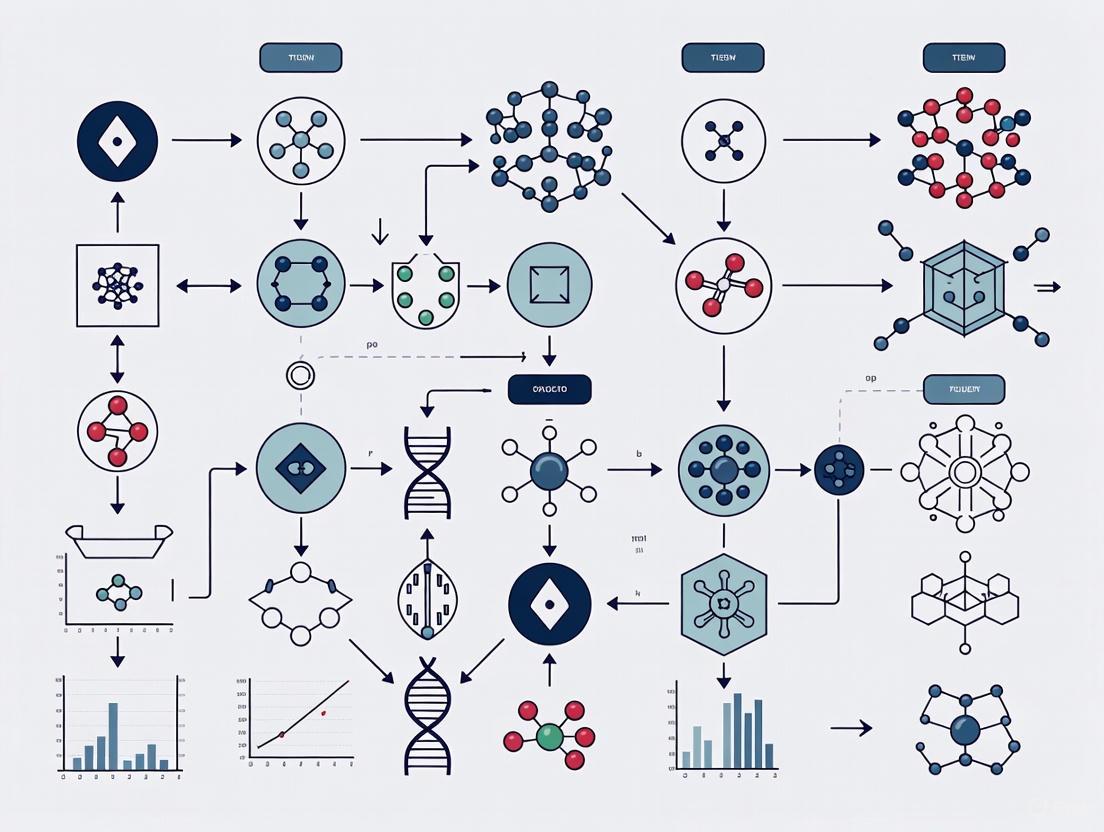
This article explores the rapidly evolving field of programmable biological circuits for immune modulation, a frontier in synthetic biology and precision medicine.
Programmable Biological Circuits for Immune Modulation: From Synthetic Biology to Clinical Translation
Abstract
This article explores the rapidly evolving field of programmable biological circuits for immune modulation, a frontier in synthetic biology and precision medicine. It provides a comprehensive examination of the foundational principles of synthetic gene circuits and their transformative potential in rewriting immune responses for therapeutic applications. The content delves into advanced methodological approaches, including engineered receptors, DNA-based nanotechnologies, and computational design platforms, highlighting their applications in cancer immunotherapy, autoimmune diseases, and regenerative medicine. The article critically addresses the significant challenges in safety, specificity, and delivery efficiency that impede clinical translation, while presenting cutting-edge optimization strategies involving AI-driven design, advanced delivery platforms, and biosafety frameworks. Finally, it evaluates validation paradigms and comparative analyses of current platforms, offering researchers and drug development professionals a thorough resource for understanding both the immense potential and practical hurdles in translating these sophisticated biological systems into clinical reality.
The Foundation of Programmable Immunity: Core Principles and Circuit Design
The integration of synthetic biology with immunology is revolutionizing the development of next-generation therapeutics by enabling the precise design and construction of novel biological systems. This approach provides mechanism-based avenues to reengineer immune responses, allowing for exact control over temporally encoded cell-cell interactions, state-specific modulation of gene expression, and programmable effector functions that record and respond to cellular experiences over time [1]. These capabilities form the core pillars of a vision to modulate immune cell tropism, evade immune detection by engineered cells, and develop advanced cell-based immunotherapies. The convergence of these fields promises to unlock novel approaches to modulate immune functions, optimize therapeutic delivery, and improve diagnostic strategies, which are essential for addressing complex health challenges from cancer to neurodegeneration [1].
Synthetic biology principles are particularly transformative when applied to the immune system, which represents one of the most complex biological networks with an estimated 1.8 trillion cells utilizing approximately 4,000 distinct signaling molecules to coordinate its responses [2]. This complexity necessitates sophisticated engineering approaches to successfully intervene and rewire pathological processes. By conceptualizing the immune system as a dynamic, multiscale, and adaptive network composed of heterogeneous cellular and molecular entities interacting through complex signaling pathways, feedback loops, and regulatory circuits, researchers can now design synthetic genetic circuits that mimic natural processes while introducing novel therapeutic functions [2]. This paradigm shift from traditional immunology to engineering-based approaches enables the creation of therapeutic cells with enhanced specificity, functionality, and controllability that can operate within the challenging environments of diseased tissues.
Key Synthetic Biology Platforms in Immunology
Computationally Designed Synthetic Receptors
Recent advances in computational protein design have enabled the de novo bottom-up assembly of allosteric receptors with programmable input-output behaviors. The TME-sensing switch receptor for enhanced response to tumors (T-SenSER) platform represents a groundbreaking approach for creating synthetic receptors that respond to soluble tumor microenvironment factors with co-stimulation and cytokine signals in T cells [3]. This platform addresses a significant challenge in cancer immunotherapy: the immunosuppressive tumor microenvironment (TME) that limits CAR-T cell function and persistence.
Table 1: T-SenSER Synthetic Receptor Configurations
| Target Soluble Factor | Designed Response | Tumor Models Tested | Enhanced Anti-tumor Response |
|---|---|---|---|
| Vascular Endothelial Growth Factor (VEGF) | Co-stimulation signals | Lung Cancer | VEGF-dependent enhancement |
| Colony-Stimulating Factor 1 (CSF1) | Cytokine signals | Multiple Myeloma | CSF1-dependent enhancement |
The T-SenSER platform utilizes a computational protein design framework that enables the predictive assembly of receptor architectures with customized sensing and signaling capabilities. This approach combines structural modeling with allosteric regulation principles to create receptors that transmit extracellular binding events to precisely controlled intracellular signaling responses [3]. The platform has demonstrated success in enhancing anti-tumor responses when combined with CAR constructs in human T cells, showing significant improvement in models of lung cancer and multiple myeloma in a VEGF- or CSF1-dependent manner [3].
Autonomous Chronogenetic Gene Circuits
Circadian rhythms play a crucial role in immune function and inflammatory diseases, with many pathological processes exhibiting distinct daily patterns. Programmable chronogenetic gene circuits represent an innovative synthetic biology approach that leverages these natural rhythms for therapeutic purposes. These autonomous circuits are designed to produce biologic drugs with desired phase and amplitude aligned with an individual's circadian rhythm [4].
Table 2: Chronogenetic Circuit Components and Functions
| Circuit Component | Biological Element | Function in Circuit |
|---|---|---|
| Promoter Elements | E'-boxes, D-boxes, RREs | Determine circadian timing of expression |
| Transgene | Interleukin-1 receptor antagonist (IL-1Ra) | Therapeutic output (anti-inflammatory) |
| Cellular Host | iPSC-derived cartilage | Site of circuit operation |
These chronogenetic circuits have demonstrated remarkable functionality in protecting engineered cartilage from circadian dysregulation and inflammatory damage in models of arthritis. By incorporating different circadian promoter elements (E'-boxes, D-boxes, or RREs), researchers can program circuits to peak at distinct circadian times over multiple days, enabling precise temporal control of therapeutic protein delivery [4]. This approach is particularly valuable for conditions like rheumatoid arthritis, where proinflammatory cytokine levels peak early in the morning, leading to characteristic morning joint stiffness.
Self-replicating RNA Nanotherapeutics
Engineering viral vectors as delivery platforms represents another powerful application of synthetic biology in immunology. Programmable self-replicating nanotherapeutics leverage natural viral tropisms to overcome biological barriers that typically limit conventional therapies. For example, engineered Japanese encephalitis virus (JEV) can serve as a self-replicating nanocarrier for targeted antisense oligonucleotide (ASO) delivery to motor neurons [5].
This platform capitalizes on JEV's natural neurotropism and "Trojan horse" mechanism of immune cell-mediated central nervous system entry to overcome the blood-brain and blood-spinal cord barriers [5]. By incorporating ASO sequences within the JEV genome, the system enables co-packaging and sustained therapeutic delivery, while microRNA-mediated attenuation may enhance safety and CNS specificity. Although currently theoretical, this approach exemplifies how synthetic biology can reengineer natural systems to create sophisticated therapeutic platforms for challenging disease environments.
Detailed Experimental Protocols
Protocol: Computational Design of Synthetic Immune Receptors
Objective: De novo design of allosteric receptors with programmable input-output behaviors for sensing tumor microenvironment factors.
Materials and Reagents:
- Dimeric MultiDomain Biosensor Builder software (GitHub repository)
- Structural templates (PDB entries: 6E2Q, 4BSK, 2X1W, 5OYJ, 3MJ6, 3KVQ, 4WRM, 2E9W)
- Human T cells for functional testing
- Tumor microenvironment factors (VEGF, CSF1)
- Lentiviral vector system for receptor delivery
- Flow cytometry equipment for activation profiling
Procedure:
- Computational Scaffold Selection: Identify appropriate receptor scaffolds from structural databases based on desired sensing and signaling domains.
- Allosteric Interface Design: Use the Dimeric MultiDomain Biosensor Builder to engineer interfaces that transmit binding events to conformational changes.
- Input Domain Engineering: Design extracellular domains with high affinity and specificity for target soluble factors (VEGF or CSF1).
- Output Domain Engineering: Engineer intracellular domains that initiate desired signaling pathways (co-stimulation or cytokine signals) upon receptor activation.
- In Silico Optimization: Simulate receptor dynamics and optimize parameters to achieve desired input-output relationships.
- DNA Synthesis and Cloning: Synthesize optimized receptor sequences and clone into lentiviral expression vectors.
- Functional Validation: Transduce human T cells and validate receptor function through stimulation with target factors and measurement of downstream signaling and activation markers.
Troubleshooting Tips:
- If receptors show constitutive activity, revisit allosteric interface design to increase activation energy threshold.
- If sensitivity is insufficient, optimize extracellular domain affinity and expression levels.
- If signaling leakage occurs, modify intracellular domains to reduce basal activity.
Protocol: Implementation of Chronogenetic Circuits for Circadian Drug Delivery
Objective: Engineer autonomous gene circuits that produce biologic drugs with circadian rhythmicity for inflammatory disease applications.
Materials and Reagents:
- Circadian promoter elements (E'-boxes, D-boxes, RREs)
- IL-1Ra cDNA as therapeutic transgene
- Murine pre-differentiated induced pluripotent stem cells (PDiPSC)
- Lentiviral or transposon-based delivery system
- Cartilage differentiation media
- IL-1β for inflammatory challenge
- ELISA kits for IL-1Ra quantification
Procedure:
- Circuit Assembly: Clone circadian promoter elements upstream of IL-1Ra cDNA in appropriate expression vectors.
- Cell Engineering: Transduce PDiPSC with chronogenetic circuits using viral delivery or transposon system.
- Cartilage Differentiation: Differentiate engineered PDiPSC into cartilage pellets using standard chondrogenic protocols.
- Circadian Monitoring: Maintain engineered cartilage in perfusion systems with continuous monitoring of IL-1Ra secretion over 72-96 hours.
- Phase Determination: Analyze secretion patterns to confirm circadian peaks at desired times (phases).
- Inflammatory Challenge: Expose engineered cartilage to IL-1β to simulate inflammatory environment.
- Protection Assessment: Evaluate cartilage integrity and inflammatory marker expression to quantify therapeutic efficacy.
Troubleshooting Tips:
- If circadian amplitude is low, optimize promoter combinations or incorporate amplification elements.
- If phase timing is incorrect, select alternative circadian elements with different phase relationships.
- If therapeutic output is insufficient, incorporate post-transcriptional regulation elements to enhance translation.
Signaling Pathway Visualizations
Figure 1: T-SenSER Mechanism - Synthetic receptors convert microenvironment inputs to enhanced anti-tumor responses.
Figure 2: Chronogenetic Circuit Workflow - Circadian clock regulation enables timed therapeutic delivery.
The Scientist's Toolkit: Research Reagent Solutions
Table 3: Essential Research Reagents for Synthetic Immunology
| Reagent/Category | Specific Examples | Function/Application |
|---|---|---|
| Computational Design Tools | Dimeric MultiDomain Biosensor Builder | De novo receptor design and optimization |
| Circadian Promoter Elements | E'-boxes, D-boxes, RREs | Temporal control of transgene expression |
| Viral Delivery Systems | Lentiviral vectors, Engineered JEV | Efficient gene delivery to immune cells |
| Sensing Domains | VEGF-binding, CSF1-binding domains | Extracellular environment sensing |
| Signaling Domains | Co-stimulatory domains, Cytokine genes | Intracellular signal initiation |
| Cell Engineering Platforms | iPSC differentiation, Primary T cell transduction | Host system for circuit implementation |
| Analytical Tools | scRNA-seq, BAT, CRD | System validation and immune monitoring |
Applications in Immune Modulation
Enhanced Cancer Immunotherapy
The integration of synthetic biology approaches with cancer immunotherapy has yielded remarkable advances in overcoming the limitations of conventional treatments. T-SenSER technology exemplifies how engineered receptors can convert immunosuppressive signals in the tumor microenvironment into activating signals for therapeutic T cells [3]. This approach effectively reprograms the immunological context of tumors, turning evasion mechanisms into activation triggers.
Combination strategies that layer synthetic receptors with other engineered functions represent the next frontier in cancer treatment. These include circuits that enhance T cell trafficking, improve persistence, and provide safety switches to mitigate potential toxicities. The integration of multiple synthetic components creates therapeutic cells with sophisticated sensing and response capabilities that can navigate the complex and heterogeneous environments of solid tumors more effectively than single-modality approaches.
Management of Inflammatory and Autoimmune Conditions
Chronogenetic circuits offer unprecedented control over inflammatory processes by aligning therapeutic activity with disease pathophysiology. The circadian production of IL-1Ra demonstrated in engineered cartilage protects against inflammatory damage while maintaining natural tissue homeostasis [4]. This temporal precision represents a significant advancement over conventional continuous drug delivery, which often fails to address the dynamic nature of inflammatory diseases.
Similar approaches can be extended to other cytokines and inflammatory mediators implicated in autoimmune conditions such as rheumatoid arthritis, inflammatory bowel disease, and psoriasis. By programming therapeutic cells to sense and respond to inflammatory cues with appropriate timing and magnitude, synthetic biology enables the creation of autonomous therapies that maintain disease control while minimizing intervention requirements.
Future Perspectives
The field of synthetic biology in immunology is rapidly evolving toward increasingly sophisticated systems with enhanced clinical applications. Future directions include the development of multi-input circuits that can integrate multiple environmental signals to make more complex therapeutic decisions, and adaptive systems that can modify their behavior based on previous experiences. The integration of synthetic biology with systems immunology approaches will further enable the design of circuits that interface more seamlessly with natural immune networks [2].
Advancements in computational design methodologies will continue to accelerate the development cycle, reducing the time from concept to functional circuit. Additionally, the incorporation of fail-safe mechanisms and fine-tuned control systems will enhance the safety profile of these technologies for clinical translation. As the field matures, we anticipate seeing increasingly sophisticated synthetic immune circuits entering clinical testing, ultimately establishing synthetic biology as a cornerstone of next-generation immunotherapy across a broad spectrum of diseases.
The continued convergence of synthetic biology, immunology, and systems medicine promises to transition these transformative interventions from specialized applications to a broadly applicable curative paradigm across malignancies and immune disorders [6].
Programmable biological circuits represent a cornerstone of advanced synthetic biology, enabling the construction of sophisticated systems that can sense, process, and respond to complex biological signals. Drawing inspiration from electrical engineering, these circuits are composed of modular biological parts that function as sensors, processors, and actuators, creating a coherent signal processing pipeline within living cells [7]. In the context of immune modulation applications, these systems offer unprecedented potential for engineering immune cells with enhanced specificity, functionality, and controllability [1] [8]. For instance, synthetic bio-circuits can be designed to direct immune cell behavior by controlling tropism, regulating cell states to prevent exhaustion, maintaining self-tolerance, or modulating T cell activation thresholds [1]. The implementation of these circuits facilitates precise therapeutic interventions for a wide range of conditions where the immune system plays a pivotal role, including cancer, neurodegenerative diseases, and fibrosis [1].
The engineering of these systems requires a deep understanding of both the molecular tools available and the design principles that govern their integration into functional, predictable networks. This application note provides a comprehensive overview of the core components of biological circuits, detailed protocols for their implementation, and specific applications in immune modulation research, serving as a practical guide for scientists and drug development professionals working at this innovative frontier.
Core Components of Biological Circuits
Sensor Modules
Sensor modules act as the interface between the biological circuit and its environment, detecting specific external or internal stimuli and converting them into a standardized intracellular signal. These modules are typically engineered from natural sensing mechanisms but are optimized for orthogonality and performance within synthetic systems.
Key Sensor Types and Their Characteristics
| Sensor Type | Detected Input | Molecular Component | Output Signal | Example Application in Immunology |
|---|---|---|---|---|
| Transcription Factor-Based | Small Molecules, Metabolites | Engineered Transcription Factors | Transcriptional Activation/Repression | Detection of tumor microenvironment metabolites (e.g., lactate, hypoxia) [7] |
| GPCR-Based | Proteins, Peptides, Ligands | Chimeric G-Protein Coupled Receptors | Intracellular Ca²⁺, cAMP | Sensing of chemokines for targeted homing of engineered immune cells [9] |
| RNA-based | Small Molecules, Oligonucleotides | Riboswitches, Toehold Switches | Conformational Change, Translation Initiation | Intracellular pathogen detection via RNA sensing [7] |
| CRISPR-based | Nucleic Acids | dCas9 fused to Effector Domains | Transcriptional Modulation | In situ detection of viral DNA or specific cell state transcripts [7] |
| ECF σ Factor-Based | Extracellular Stress | σ/Anti-σ Factor Pairs | Transcriptional Initiation | Sensing of cell envelope stress as a danger signal [10] |
Information Processing Modules
Once a signal is detected, processing modules integrate, compute, and logically manipulate the information to determine the appropriate cellular response. These modules are the computational heart of the biological circuit, enabling complex decision-making.
a) Logic Gates and Boolean Operations: Processing modules can be configured to perform binary logic operations. For example, an AND gate can be constructed using a hybrid promoter that requires two different transcription factors to be activated simultaneously, ensuring a response only in the presence of multiple disease-specific signals [7]. This is crucial for improving the specificity of therapeutic immune cells, minimizing off-target activation.
b) Signal Amplification:
To enhance weak biological signals, synthetic orthogonal operational amplifiers (OAs) have been developed. These circuits, built from orthogonal σ/anti-σ factor pairs, can perform linear operations on input signals, such as scaling and subtraction, according to the formula XE = α·X1 - β·X2, where X1 and X2 are input signals and α and β are tuning parameters [10]. This allows for the amplification of a subtle pathogenic signal above a background noise threshold.
c) Memory Devices: For recording transient biological events, memory circuits based on site-specific recombinases (e.g., Cre, Flp, Bxb1) are employed. These enzymes can flip, excise, or integrate DNA segments, creating stable, heritable changes in the cell's genome [7]. In immune cell engineering, this allows for the permanent recording of antigen encounters or the creation of bistable switches that maintain an activated state.
Comparison of Key Signal Processing Modules
| Processing Module | Core Function | Key Components | Processing Speed | Key Performance Metrics |
|---|---|---|---|---|
| Logic Gates | Boolean Computation (AND, OR, NOT) | Hybrid Promoters, Transcription Factors | Medium (Transcriptional) | Signal-to-Noise Ratio, Leakiness, Dynamic Range [7] |
| Operational Amplifiers | Signal Scaling, Subtraction, Crosstalk Mitigation | Orthogonal σ/anti-σ Pairs, RBS Tuning | Medium (Transcriptional) | Gain (Fold-Change), Linearity Range, Bandwidth [10] |
| Memory Switches | Information Storage, State Locking | Recombinases (Cre, Flp, Bxb1), Serine Integrases | Slow (DNA Recombination) | Storage Stability, Switching Efficiency, Orthogonality [7] |
Actuator Modules
Actuator modules execute the final output command determined by the processor, translating the processed signal into a tangible therapeutic or diagnostic action. In immune modulation, these outputs are designed to precisely control immune cell behavior.
Primary Actuator Mechanisms:
- Controlled Gene Expression: The most direct form of actuation is the regulated expression of a therapeutic transgene. This can be a surface receptor (e.g., a chimeric antigen receptor, CAR) to enhance targeting, a cytokine for localized immune stimulation, or a suicide gene as a safety switch [1] [9].
- Cytotoxic Effector Function: For cancer immunotherapy, actuators can trigger the release of perforin, granzymes, or other cytotoxic agents upon target recognition, leading to the direct killing of tumor cells.
- Cell State Regulation: Actuators can be designed to modulate internal cell states by expressing genes that influence differentiation, exhaustion, or memory formation. For example, circuits can be built to overexpress transcription factors that prevent T cell exhaustion, thereby enhancing the durability of anti-tumor responses [1].
- Non-Invasive Reporting: A critical function for both research and diagnostics is the ability to report a cell's internal activity. Actuators can produce secreted reporter proteins (e.g., nanoluciferase) or surface markers that allow for non-invasive tracking of engineered cell location and activation status in vivo [1].
Integrated Circuit Workflow and Visualization
The functional integration of sensors, processors, and actuators creates a complete signal-processing pathway. The following diagram and workflow outline the logical flow of information in a generalized programmable biological circuit for immune modulation.
Figure 1. Logical workflow of an integrated biological circuit. The circuit processes an input cue through a biosensor, computes a response via a signal processor, and executes a therapeutic action through an actuator.
Experimental Protocol: Constructing a Multi-Channel Biosensing Circuit
This protocol details the assembly of a genetic circuit capable of sensing two distinct inputs and producing an output only when both are present (AND logic), using Golden Gate assembly.
1. Objectives:
- To construct a plasmid-based genetic circuit with AND gate logic.
- To validate the circuit's function in a mammalian cell line model relevant to immunology (e.g., Jurkat T cells).
2. Materials:
- DNA Parts: Promoters, Ribosome Binding Sites (RBSs), coding sequences for Sensor A, Sensor B, the transcriptional activator, and the output reporter (e.g., GFP).
- Enzymes: Type IIS Restriction Enzyme (e.g., BsaI-HFv2), T4 DNA Ligase.
- Buffers: T4 DNA Ligase Buffer, NEBuffer for BsaI.
- Cells: Competent E. coli for cloning, mammalian Jurkat T cells.
- Media & Reagents: LB broth and agar, selective antibiotics, mammalian cell culture media, transfection reagent, input molecules for sensors.
3. Procedure:
Day 1: Golden Gate Assembly
- Design the final plasmid map, ensuring all components are flanked by appropriate Type IIS restriction sites.
- Set up a 20 µL Golden Gate reaction mixture:
- 50 ng of backbone vector
- Equimolar amounts of each DNA part (Sensor A, Sensor B, Processor, Actuator)
- 1 µL BsaI-HFv2
- 1 µL T4 DNA Ligase
- 1X T4 DNA Ligase Buffer
- Nuclease-free water to 20 µL.
- Run the reaction in a thermocycler: 25 cycles of (37°C for 2 minutes, 16°C for 5 minutes), followed by 50°C for 5 minutes and 80°C for 5 minutes.
Day 2: Transformation and Screening
- Transform 2 µL of the assembly reaction into 50 µL of chemically competent E. coli cells via heat shock.
- Plate the cells on LB agar plates with the appropriate antibiotic.
- Incubate overnight at 37°C.
Day 3: Colony PCR and Culturing
- Pick 8-12 colonies and perform colony PCR to verify correct assembly.
- Inoculate positive clones in liquid LB medium with antibiotic and culture overnight.
Day 4: Plasmid Purification and Validation
- Purify plasmid DNA from the overnight cultures.
- Validate the construct by analytical restriction digest and Sanger sequencing.
Day 5-7: Mammalian Cell Transfection and Assay
- Culture Jurkat T cells to a density of 0.5-1.0 x 10^6 cells/mL.
- Transfect 1 µg of the purified plasmid DNA into the cells using a high-efficiency transfection reagent.
- Incubate for 24-48 hours to allow for gene expression.
Day 8: Flow Cytometry Analysis
- Divide the transfected cells into four experimental conditions:
- No input
- Input A only
- Input B only
- Input A and Input B
- Stimulate the cells for the required time.
- Analyze GFP expression using flow cytometry.
- Quantify the percentage of GFP-positive cells and the mean fluorescence intensity for each condition.
4. Data Analysis: A successful AND gate circuit will show high GFP expression only in condition 4 (Input A and Input B), with minimal fluorescence in all other conditions, demonstrating the required logic for precise immune cell activation.
The Scientist's Toolkit: Research Reagent Solutions
Successful implementation of biological circuits requires a suite of well-characterized molecular tools and reagents. The following table catalogs essential components for circuit construction and testing in immune modulation research.
| Tool Category | Specific Examples | Function in Circuit Engineering | Key Considerations |
|---|---|---|---|
| Programmable DNA-Binding Domains | dCas9 (CRISPRa/i), Zinc Finger Proteins, TALEs | Transcriptional regulation of sensor/actuator genes; foundation for processors [7] | Orthogonality, off-target effects, delivery efficiency |
| Orthogonal Transcriptional Systems | E. coli σ Factors, T7 RNA Polymerase | Creates independent communication channels within the cell to prevent crosstalk [10] | Number of available orthogonal pairs, metabolic burden |
| Signal Processing Modules | σ/anti-σ OA Pairs, Recombinases (Bxb1, Cre) | Performs signal computation (amplification, subtraction) and enables memory [10] [7] | Linear operating range, switching kinetics, orthogonality |
| Cell Engineering Tools | CAR Constructs, Cytokine Genes, Suicide Genes (e.g., iCasp9) | Forms the actuator module, executing the final therapeutic command [1] [9] | Immunogenicity, potency, safety profile |
| Delivery Systems | Lentiviral Vectors, Electroporation, Nanoparticles | Introduces genetic circuits into primary immune cells (e.g., T cells, macrophages) [9] | Titer, payload size, cytotoxicity, transduction efficiency |
| Biosafety Modules | Kill-Switches, Auxotrophic Dependencies | Contains engineered cells and prevents unwanted proliferation in the environment [9] | Reliability, potential for escape mutants |
Application in Immune Modulation: A Case Study
Objective: To engineer a T cell that specifically kills tumor cells only upon sensing two distinct tumor microenvironment (TME) signals, thereby minimizing on-target, off-tumor toxicity.
Circuit Design:
- Sensor 1: A promoter activated by hypoxia (a common feature of solid tumors).
- Sensor 2: A scFv-based CAR that recognizes a tumor-associated surface antigen (TAA).
- Processor: An AND gate where the hypoxic signal induces expression of a synthetic transcription factor, which is required in combination with the CAR's TAA-induced signal to fully activate the effector module.
- Actuator: A potent promoter driving the expression of a cytotoxic payload (perforin/granzyme) and a pro-inflammatory cytokine (e.g., IL-12).
Visualization of the Therapeutic Circuit:
Figure 2. A T cell engineered with a dual-sensing circuit for precise tumor targeting. The circuit ensures activation of the cytotoxic response only in the presence of both tumor microenvironment hypoxia and a specific tumor-associated antigen (TAA).
Expected Outcome: The engineered T cells will exhibit potent killing activity only against target cells presenting the correct TAA within a hypoxic TME. In environments lacking either signal (e.g., healthy tissues expressing the TAA at low levels, or non-hypoxic areas), the actuator remains silent, thereby significantly enhancing the safety profile of the cellular therapy. This approach represents a significant advancement over first-generation CAR-T cells, which can cause severe side effects due to uncontrolled activation.
The immune system represents a formidable natural network for pathogen defense and tissue homeostasis. Traditional immunomodulatory strategies often rely on broad suppression or stimulation of this system. However, the emergence of synthetic biology and programmable biological circuits now enables unprecedented precision in immune modulation [11]. This paradigm shift from natural to synthetically engineered control mechanisms allows researchers to transcend evolutionary constraints, creating immune cells with customized sensing and response capabilities for therapeutic applications [12].
Where natural immune modulation operates within fixed evolutionary parameters, synthetic approaches leverage engineered receptors, genetic circuits, and computational design to achieve programmable input-output behaviors [3]. This document details the comparative advantages of programmable systems and provides practical experimental protocols for their implementation in research settings, contextualized within the broader framework of programmable biological circuits for immune modulation.
Comparative Analysis: Natural vs. Synthetic Immune Modulation
The following table summarizes the key characteristics differentiating natural immune mechanisms from advanced synthetic modulation strategies.
Table 1: Comparative characteristics of natural and synthetic immune modulation approaches
| Characteristic | Natural Immune Modulation | Synthetic Immune Modulation |
|---|---|---|
| Molecular Basis | Innate pattern recognition receptors (PRRs), adaptive immune receptors (TCR, BCR) [11] | Engineered receptors (e.g., CARs, synthetic Notch), de novo designed proteins [3] [11] |
| Specificity | Limited to evolutionary-selected pathogen-/danger-associated patterns | Customizable to virtually any target antigen, including tumor-specific markers [11] |
| Signaling Logic | Hardwired, linear signaling pathways | Programmable logic gates (AND, OR, NOT); combinatorial antigen sensing [13] |
| Response Output | Fixed set of native effector functions (cytotoxicity, cytokine secretion) | User-defined therapeutic programs (controlled cytokine release, gene expression) [11] |
| Adaptability & Memory | Immunological memory via memory T/B cells; slow adaptation | Potential for engineered persistence and tunable memory; inducible adaptation systems [11] |
| Regulation & Safety | Intrinsic checkpoints (e.g., PD-1, CTLA-4); can be dysregulated | Built-in safety switches (e.g., suicide genes, small-molecule-dependent activation) [11] [13] |
| Therapeutic Scope | Limited to natural immune responses | Extendable to non-natural functions (e.g., tissue remodeling, metabolic correction) [11] |
Advantages of Programmable Synthetic Systems
Programmable synthetic systems offer distinct advantages over natural immunomodulatory mechanisms, transforming the therapeutic landscape for cancer, autoimmune diseases, and regenerative medicine.
Enhanced Precision and Specificity
Programmable systems can be designed to recognize complex antigen combinations through Boolean logic gates, drastically reducing off-target effects. For instance, T cells engineered with synNotch receptors require multiple tumor-specific antigens to be present simultaneously before activating a therapeutic response, enabling precise discrimination between healthy and diseased tissues [11] [13].
Customizable Therapeutic Outputs
Unlike natural immune cells with fixed effector programs, synthetically engineered cells can be programmed with tailored responses. Computational protein design platforms now allow for the de novo assembly of receptors that respond to soluble factors in the tumor microenvironment (TME) by delivering customized co-stimulation and cytokine signals [3]. This capability to design programmable input-output behaviors represents a significant advancement for cell engineering.
Dynamic Regulation and Safety Control
A critical advantage of synthetic systems is the integration of multiple safety features. These include suicide genes and small-molecule safety switches that allow for external control over therapeutic cell activity, mitigating potential adverse effects [11] [13]. This programmability addresses a major limitation of conventional immunotherapies.
Overcoming Native Immunosuppression
The TME often suppresses natural immune responses. Programmable systems can be armored to resist this suppression. For example, engineered receptors like T-SenSER (TME-sensing switch receptor for enhanced response to tumors) can convert inhibitory TME signals, such as VEGF or CSF1, into activating signals for T cells, effectively repressing the immunosuppressive environment [3].
Featured Technology: T-SenSER Platform for Soluble Factor Sensing
The T-SenSER (TME-sensing switch receptor for enhanced response to tumors) platform exemplifies the power of computational design in creating programmable immune modulators. This technology addresses the challenge of the immunosuppressive tumor microenvironment by designing receptors that sense soluble TME factors like VEGF or CSF1 and convert these signals into co-stimulatory and cytokine responses within T cells [3].
T-SenSER Mechanism and Workflow
Experimental Protocol: Implementing T-SenSER in T-Cell Therapy
Objective: Engineer primary human T cells with T-SenSER receptors targeting VEGF or CSF1 to enhance anti-tumor responses in solid tumor models [3].
Materials Required
- Primary human T cells from healthy donors or patients
- VEGF- or CSF1-specific T-SenSER construct (available from Barth Lab GitHub repository)
- Lentiviral packaging plasmids (psPAX2, pMD2.G)
- HEK293T cells for viral production
- T-cell transduction media: X-VIVO 15 serum-free medium, IL-7 (5 ng/mL), IL-15 (5 ng/mL)
- Tumor cell lines: Lung cancer (A549) or multiple myeloma models
- Flow cytometry antibodies: Anti-CD3, CD8, CD69, CD25, cytokine staining panels
- NSG mice for in vivo tumor studies
Methodology
Day 1-3: Lentivirus Production
- Seed HEK293T cells in 10-cm plates at 3×10^6 cells/plate in DMEM + 10% FBS.
- Transfect cells using PEI reagent with:
- T-SenSER transfer plasmid (10 µg)
- psPAX2 packaging plasmid (7.5 µg)
- pMD2.G envelope plasmid (2.5 µg)
- Replace media after 6-8 hours with fresh DMEM + 2% FBS.
- Collect viral supernatant at 48 and 72 hours post-transfection, filter through 0.45-µm membrane, and concentrate via ultracentrifugation.
Day 4-7: T-Cell Isolation and Activation
- Isolate primary T cells from human PBMCs using negative selection kit.
- Activate T cells with CD3/CD28 Dynabeads (bead:cell ratio 1:1) in T-cell media.
- Transduce activated T cells (24 hours post-activation) by spinoculation (centrifugation at 800 × g for 90 minutes at 32°C) with concentrated lentivirus in the presence of 8 µg/mL polybrene.
Day 8-14: T-Cell Expansion and Validation
- Expand transduced T cells in T-cell media with IL-7 and IL-15 for 10-14 days.
- Remove Dynabeads on day 7 using a magnet.
- Validate transduction efficiency via flow cytometry for receptor expression.
- Assess cytokine production (IFN-γ, IL-2) by ELISA after stimulation with recombinant VEGF or CSF1.
Day 15-35: Functional Assays
- Co-culture assays: Co-culture T-SenSER T cells with tumor cell lines at various E:T ratios. Measure tumor cell killing via real-time cell analysis or flow cytometry.
- Cytokine profiling: Quantify multiple cytokines in supernatant via Luminex array.
- In vivo tumor model:
- Inject NSG mice subcutaneously with 1×10^6 tumor cells.
- When tumors reach 50-100 mm³, randomize mice and treat with a single intravenous injection of 5×10^6 T-SenSER T cells.
- Monitor tumor volume twice weekly and harvest tumors for immunohistochemistry analysis of T-cell infiltration.
The Scientist's Toolkit: Essential Research Reagents
Table 2: Key research reagents for developing programmable immune modulation systems
| Reagent Category | Specific Examples | Function & Application |
|---|---|---|
| Engineered Receptor Systems | CARs (Chimeric Antigen Receptors), synNotch receptors, T-SenSER receptors [3] [11] | Redirect immune cell specificity to desired targets; provide custom sensing capabilities |
| Gene Delivery Tools | Lentiviral vectors, retroviral vectors, transposon systems (Sleeping Beauty) [3] | Stable integration of genetic constructs into primary immune cells |
| Gene Editing Systems | CRISPR-Cas9, TALENs, Zinc Finger Nucleases | Knock-in/knock-out of endogenous genes; targeted integration of synthetic circuits |
| Signaling Domains | CD3ζ, 4-1BB, CD28, CD40, MyD88 [3] [11] | Customize intracellular signaling outputs in engineered receptors |
| Safety Switches | Inducible caspase 9 (iCasp9), EGFRt, small-molecule dimerization systems [11] [13] | Provide control over cell persistence; enable ablation of engineered cells if needed |
| Cytokines & Growth Factors | IL-2, IL-7, IL-15, IL-21 [3] | Maintain cell viability and promote expansion during culture |
| Model Systems | Immortalized cell lines, patient-derived organoids, NSG mice [3] | Preclinical testing of engineered cells in physiologically relevant contexts |
The transition from natural to synthetically programmed immune modulation represents a fundamental shift in therapeutic development. Programmable systems offer superior precision, customizable outputs, and enhanced safety controls that address the limitations of natural immune responses. As computational design platforms advance and synthetic biology toolkits expand, these technologies will continue to transform our approach to treating cancer, autoimmune disorders, and other complex diseases. The experimental frameworks provided here offer researchers practical pathways to implement these cutting-edge technologies in their investigative work.
The convergence of synthetic biology and immunology is ushering in a new era of precision medicine, enabling the design of programmable biological circuits for immune modulation. These advanced engineering strategies move beyond broad-acting interventions to offer precise, dynamic control over immune cell functions. This field is driven by the critical need to overcome major therapeutic challenges, such as tumor antigen escape in cancer immunotherapy and the immunosuppressive nature of the tumor microenvironment (TME) [14]. By applying engineering principles to immune cells, researchers can now reprogram T cells to recognize previously invisible antigen-low tumor cells and re-educate macrophages to shift from pro-tumor to anti-tumor phenotypes. These approaches represent a paradigm shift from simply amplifying existing immune responses to creating entirely new therapeutic capabilities through synthetic biology. The following sections explore key engineering strategies, detailed protocols, and visualization of these sophisticated immune circuits, providing a framework for their application in research and therapeutic development.
Engineering Enhanced T-cell Activation Thresholds
Overcoming Antigen-Low Resistance in CAR-T Therapy
A significant limitation of current chimeric antigen receptor (CAR) T-cell therapies is their inability to effectively target tumor cells with low antigen density, a common escape mechanism employed by malignancies. Native T-cell receptors (TCRs) can respond to very low levels of antigen, while engineered CARs are orders of magnitude less sensitive due to inefficient recruitment of downstream proximal signaling molecules [15]. This signaling deficit creates a therapeutic gap that allows antigen-low tumors to evade detection and destruction.
To address this bottleneck, recent research has focused on enhancing the proximal signaling apparatus of CAR T cells. Phosphoproteomic analyses comparing CARs with different architectures revealed that designs with higher activation thresholds display reduced phosphorylation of the downstream proximal signaling network [15]. While overexpression of cytosolic signaling molecules like SLP-76 and ZAP-70 provided some enhancement, it proved insufficient for recognizing antigen-low targets. The breakthrough came from engineering a membrane-tethered version of the cytosolic signaling adaptor molecule SLP-76 (MT-SLP-76), which effectively lowers the activation threshold of co-expressed CARs [15].
Table 1: Impact of MT-SLP-76 on CAR T-cell Function Against Variable Antigen Density
| CAR Target | Antigen Density (Molecules/Cell) | MT-SLP-76 Enhancement | Experimental Model |
|---|---|---|---|
| CD19 | 600 (ultra-low) | Enables cytokine secretion and tumor control | Xenograft |
| CD19 | 1,300 (low) | Enhances IL-2 production and killing | Xenograft |
| CD19 | 249,700 (high) | Maintains similar efficacy | Xenograft |
| CD22 | 1,300 (low) | Rescues expansion and mediates sustained eradication | Xenograft (clinically relevant B-ALL) |
| HER2 | Variable | Shifts cytokine response curve | In vitro |
Mechanistically, MT-SLP-76 amplifies CAR signaling through recruitment of ITK and PLCγ1 to the immune synapse, creating a more efficient signaling platform [15]. This engineered approach demonstrates the power of synthetically rewiring intracellular signaling pathways to overcome a fundamental biological limitation of current CAR T-cell therapies. The MT-SLP-76 platform can be expressed alongside any CAR construct, making it a versatile tool for enhancing multiple CAR T-cell products without completely redesigning their antigen recognition domains.
Computational Design of Microenvironment-Sensing Receptors
Beyond enhancing sensitivity to surface antigens, synthetic biology approaches are creating T cells that can dynamically respond to soluble factors in the TME. Researchers have developed a computational protein design platform for the de novo bottom-up assembly of allosteric receptors with programmable input-output behaviors, creating TME-sensing switch receptors for enhanced response to tumors (T-SenSER) [3].
These engineered receptors can target soluble TME factors such as vascular endothelial growth factor (VEGF) or colony-stimulating factor 1 (CSF1) – both selectively enriched in various tumors – and convert these signals into co-stimulation and cytokine production in T cells [3]. When combined with CAR technology in human T cells, T-SenSERs significantly enhance anti-tumor responses in models of lung cancer and multiple myeloma in a VEGF- or CSF1-dependent manner. This approach represents a sophisticated form of immune circuit that allows engineered T cells to simultaneously respond to multiple environmental cues, integrating both surface antigen recognition and soluble factor sensing into a coordinated therapeutic response.
Engineering Macrophage Polarization and Function
Reprogramming Tumor-Associated Macrophages Through Checkpoint Blockade
Macrophage polarization represents another critical immune process amenable to engineering, particularly in the context of cancer immunotherapy. Tumor-associated macrophages (TAMs) typically exhibit an immunosuppressive M2-like phenotype that contributes to tumor progression and resistance to therapy. Recent research has demonstrated that immune checkpoint blockade (ICB) can directly impact macrophage polarization, with anti-PD-L1 treatment driving TAMs toward a pro-inflammatory M1-like phenotype [16].
In murine models, combination therapy with anti-PD-1 and anti-PD-L1 was associated with increased infiltration of CD8+ T cells and M1-like repolarization of TAMs [16]. Live-cell imaging of the TME revealed that this treatment led to closer contacts between tumor-infiltrating CD8+ T cells and TAMs, with the extent of contact interfaces increasing with combination immunotherapy. The repolarization effect was dependent on macrophage expression of PD-L1, suggesting a direct mechanism of action beyond mere T cell reactivation.
Table 2: Effects of Checkpoint Blockade on Macrophage Phenotype and Function
| Parameter | Effect of Anti-PD-L1 | Dependency |
|---|---|---|
| ARG1 Expression | Significant downregulation | Macrophage PD-L1 expression |
| Phagocytic Activity | Increased | Macrophage PD-L1 expression |
| Antigen Presentation Molecules | Increased expression | Not specified |
| CXCL10 Production | Increased | Not specified |
| T cell Stimulation Capacity | Enhanced (cell contact-dependent) | Macrophage PD-L1 expression |
Treatment with anti-PD-L1 alone was sufficient to increase macrophage expression of pro-inflammatory factors and phagocytic activity, though combination with anti-PD-1 was necessary for optimal tumor control [16]. This demonstrates that ICB functions not only by reactivating T cells but also through direct reprogramming of the myeloid compartment, highlighting the potential of engineering approaches that specifically target macrophage polarization states.
Biomaterial Scaffolds for Macrophage Modulation
Engineering strategies for macrophage modulation extend beyond molecular interventions to include structural approaches. Three-dimensional scaffold microarchitecture has emerged as a powerful tool for guiding macrophage responses, with pore size significantly influencing macrophage behavior [17].
Scaffolds with large pores (50 × 50 × 20 μm³) and small pores (15 × 15 × 15 μm³) fabricated by two-photon polymerization effectively influenced macrophage cytoskeletal organization and cellular metabolic activity [17]. While these microstructures alone were insufficient to induce spontaneous macrophage polarization, when combined with chemical stimulation they elicited distinct responses. Large pores slightly upregulated Arg1 expression (associated with anti-inflammatory M2-like polarization), while small pores markedly increased iNOS expression (associated with pro-inflammatory M1-like polarization) [17]. This demonstrates that physical cues from engineered scaffolds can work in concert with biochemical signals to direct macrophage polarization, offering a promising approach for designing immunomodulatory biomaterials that promote anti-inflammatory and pro-regenerative responses.
Experimental Protocols for Engineering Immune Circuits
Protocol: Engineering T Cells with MT-SLP-76 for Enhanced Antigen Sensitivity
Principle: This protocol describes the co-engineering of T cells with a conventional CAR and a membrane-tethered SLP-76 (MT-SLP-76) construct to lower the activation threshold and overcome antigen-low resistance [15].
Materials:
- Primary human T cells from peripheral blood
- CAR-encoding lentiviral vector (e.g., CD19-4-1BBζ)
- MT-SLP-76-encoding lentiviral vector
- Retronectin-coated plates
- Complete T cell media (e.g., X-VIVO 15 + 5% human AB serum + IL-7/IL-15)
- Antigen-low and antigen-high target cell lines
- Cytokine detection assays (e.g., IL-2 ELISA)
- Cytotoxicity assay reagents (e.g., real-time cell analysis or luciferase-based killing)
Procedure:
- T Cell Isolation and Activation: Isolate CD3+ T cells from human peripheral blood mononuclear cells (PBMCs) using negative selection magnetic beads. Activate T cells with anti-CD3/CD28 beads for 24-48 hours.
- Viral Transduction: Seed activated T cells on retronectin-coated plates. Transduce simultaneously with both CAR and MT-SLP-76 lentiviral vectors at appropriate MOIs. Include controls (CAR-only, untransduced).
- Expansion and Validation: Expand transduced T cells in complete media with IL-7/IL-15 for 10-14 days. Validate CAR and MT-SLP-76 expression by flow cytometry.
- Functional Assays:
- Cytokine Production: Co-culture engineered T cells with antigen-low or antigen-high target cells at various E:T ratios. Measure IL-2 production after 24 hours by ELISA.
- Cytotoxic Activity: Assess killing of antigen-low targets using real-time cell analysis or luciferase-based killing assays over 72 hours.
- Antigen Density Titration: Test T cell responses against cell lines engineered to express a range of antigen densities (e.g., 600 to 249,700 molecules/cell for CD19).
Troubleshooting:
- If transduction efficiency is low, optimize viral titer and consider using higher retronectin concentrations.
- If MT-SLP-76 expression is cytotoxic, consider using a lower MOI or an inducible expression system.
- Always include CAR-only controls to validate enhancement by MT-SLP-76.
Protocol: Assessing Macrophage Repolarization by Checkpoint Blockade
Principle: This protocol evaluates the direct effects of anti-PD-L1 treatment on macrophage polarization and function using in vitro and ex vivo systems [16].
Materials:
- Bone marrow-derived macrophages (BMDMs) from C57BL/6J mice
- Anti-PD-L1 antibody and isotype control
- B16-F10 or Lewis lung carcinoma (LLC) cell lines
- Flow cytometry antibodies for: F4/80, CD11b, CD206, MHC-II, PD-L1
- qPCR reagents for Arg1, iNOS, CXCL10
- Phagocytosis assay kit (pH-sensitive E. coli bioparticles)
- Antigen-specific T cell activation assay components
Procedure:
- Macrophage Differentiation: Differentiate BMDMs from mouse bone marrow precursors using M-CSF (20 ng/mL) for 7 days.
- Checkpoint Antibody Treatment: Treat BMDMs with anti-PD-L1 (10 μg/mL) or isotype control for 24-48 hours. Alternatively, treat tumor-bearing mice and isolate TAMs for ex vivo analysis.
- Phenotypic Characterization:
- Surface Marker Analysis: Analyze M1/M2 markers by flow cytometry (CD206 for M2, MHC-II for M1).
- Gene Expression: Isolve RNA and assess polarization markers by qPCR (Arg1 for M2, iNOS for M1, CXCL10 for M1).
- Functional Assays:
- Phagocytosis: Incubate macrophages with pH-sensitive E. coli bioparticles for 2 hours. Quantify phagocytosis by flow cytometry or fluorescence microscopy.
- T cell Stimulation: Co-culture treated macrophages with antigen-specific CD8+ T cells. Measure T cell activation by IFN-γ production or proliferation.
Troubleshooting:
- Ensure macrophages are not over-stimulated with LPS during differentiation, as this may mask PD-L1 effects.
- For TAM isolation, use gentle dissociation methods to preserve surface markers.
- Include appropriate controls to distinguish direct effects on macrophages from indirect effects via T cells.
Signaling Pathway Visualizations
Figure 1: MT-SLP-76 Amplification of CAR Signaling. This diagram illustrates how membrane-tethered SLP-76 (MT-SLP-76) enhances signaling in CAR T cells. Upon antigen engagement, the CAR activates MT-SLP-76, which recruits ITK and PLCγ1, amplifying downstream signaling through NFAT and NFκB pathways and lowering the activation threshold for antigen-low targets [15].
Figure 2: Macrophage Repolarization by Checkpoint Blockade. This diagram shows how anti-PD-L1 treatment reprograms immunosuppressive M2-like macrophages toward a pro-inflammatory M1-like phenotype. The repolarization leads to increased phagocytic activity, CXCL10 production, and enhanced T cell activation, contributing to improved anti-tumor immunity [16].
The Scientist's Toolkit: Research Reagent Solutions
Table 3: Essential Research Reagents for Engineering Immune Circuits
| Reagent/Category | Specific Examples | Function/Application |
|---|---|---|
| Signaling Enhancers | MT-SLP-76 construct | Lowers CAR activation threshold for antigen-low targets [15] |
| Synthetic Receptors | T-SenSER (VEGF/CSF1-responsive) | Converts soluble TME factors into T cell activation signals [3] |
| Polarization Modulators | Anti-PD-L1 antibody | Repolarizes TAMs from M2 to M1 phenotype [16] |
| Biomaterial Scaffolds | 3D scaffolds with tunable pore size | Directs macrophage polarization through physical cues [17] |
| Engineering Platforms | Computational protein design platform | Enables de novo design of receptors with programmable inputs/outputs [3] |
| Isolation Tools | Magnetic-associated cell separation kits | High-purity T cell or macrophage isolation [18] |
| Activation Reagents | Anti-CD3/CD28 beads | Polyclonal T cell activation for engineering [18] |
The engineering strategies outlined in this application note represent a transformative approach to modulating immune responses through programmable biological circuits. By enhancing T cell sensitivity to antigen-low targets, reprogramming macrophage polarization, and creating microenvironment-sensing circuits, these technologies address critical limitations of current immunotherapies. The detailed protocols and visualization tools provided here offer researchers a roadmap for implementing these advanced engineering approaches in their own work. As the field progresses, the integration of multiple engineering strategies – such as combining MT-SLP-76 with TME-sensing receptors or using biomaterial scaffolds to enhance cell therapy delivery – will likely yield even more powerful solutions for cancer and other immune-related disorders.
The field of synthetic biology has undergone a remarkable transformation, evolving from the manipulation of simple, single-gene switches to the engineering of sophisticated multi-input logic circuits. This evolution has been particularly impactful in the realm of immune modulation, where programmable biological circuits offer unprecedented control over therapeutic cell functions. The journey began with foundational work on bacterial operons, which revealed that genes could be switched on and off in response to environmental signals, and has progressed to the development of complex circuits capable of performing Boolean computations in human cells [19] [20]. These advances have created new paradigms for cell-based therapies, especially in oncology, where precision and safety are paramount. This article traces the historical trajectory of these developments, provides detailed experimental protocols for implementing key technologies, and offers a toolkit for researchers working at the intersection of synthetic biology and immunology.
The Dawn of Inducible Systems: From Prokaryotic Operons to Mammalian Control
Early Prokaryotic Systems
The conceptual foundation for inducible gene expression was laid by Jacob and Monod's groundbreaking work on the E. coli lac operon in the early 1960s, which established that proteins could bind to DNA to repress or activate gene expression [19]. The first successful transfer of prokaryotic genetic elements into mammalian cells occurred in 1987, when the E. coli Lac operator-repressor system was used to switch on gene expression in mouse cells by adding isopropyl β-D-thiogalactopyranoside (IPTG) [20]. Despite this achievement, Lac-based systems faced limitations in mammalian cells, including inefficiency, moderate potency, and temperature dependence, which spurred the search for more robust alternatives [20].
The Tetracycline Revolution
The discovery and adaptation of the Tn10-specified tetracycline-resistance operon from E. coli marked a significant advancement, offering superior performance in mammalian systems [20]. This system evolved into three principal configurations:
- Repression-based: Tet repressor (TetR) binds to the Tet operator (TetO) to suppress gene expression; tetracycline addition disrupts this binding and triggers expression.
- Tet-Off: A tetracycline-controlled transactivator (tTA) activates transcription; adding tetracycline switches expression off.
- Tet-On: A reverse tetracycline-controlled transactivator (rtTA) activates transcription only in the presence of tetracycline or its derivative, doxycycline [20].
Subsequent refinements addressed issues such as leaky expression through the fusion of transcriptional repressor domains like KRAB and the development of rtTA variants with enhanced sensitivity and reduced background activity [20]. The Tet system's versatility was further demonstrated through integration with RNA interference and CRISPR-Cas9 technologies, enabling inducible knockdown and knockout of endogenous genes [20].
Expansion of Inducible Systems
The need for simultaneous manipulation of multiple genes drove the development of orthogonal inducible systems. The cumate-controlled system, derived from Pseudomonas putida, emerged as a compatible partner for Tet systems [20]. Its components parallel those of the Tet system, featuring a repressor (CymR) and operator (CuO), and it similarly functions in repressor, activator, and reverse activator configurations [20]. Other notable systems include those responsive to acetaldehyde (AlcR) and l-arginine (ArgR), expanding the toolbox for multi-gene control [20].
Table 1: Historical Development of Key Inducible Gene Expression Systems
| System | Origin | Inducer | Key Features | Limitations |
|---|---|---|---|---|
| LacI/O | E. coli | IPTG | First prokaryotic system in mammalian cells [20] | Inefficient, temperature sensitive [20] |
| Tet-Off | E. coli Tn10 | Tetracycline (absence) | High potency, low background [20] | Requires continuous tetracycline removal [20] |
| Tet-On | E. coli Tn10 | Doxycycline (presence) | Rapid induction, refined rtTA variants [20] | Potential loss of inducibility over time [20] |
| Cumate | P. putida | Cumate | Orthogonal to Tet systems, multiple configurations [20] | - |
| LightOn | Synthetic | Blue Light | Spatiotemporal control, reversible [21] | Requires specialized equipment [21] |
The Rise of Complex Circuits and Logic Gates
Principles of Biological Logic
The transition from simple inducible systems to complex circuits was enabled by applying Boolean logic principles to biological components. Logic gates are computational devices that perform binary operations on one or more inputs to produce a single output [22]. In synthetic biology, these gates are implemented using genetic components that respond to molecular or environmental signals.
Table 2: Fundamental Logic Gates and Their Biological Implementations
| Gate Type | Boolean Function | Genetic Implementation Example | Therapeutic Application |
|---|---|---|---|
| AND | Output only if all inputs present | Two CARs targeting different antigens; SynNotch receptors [23] | Target cells expressing both antigen A AND B [23] |
| OR | Output if any input present | Single CAR targeting multiple antigens [23] | Combat antigen heterogeneity [23] |
| NOT | Output if input absent | Inhibitory signaling domains [23] | Suppress activation when healthy cell antigen present [23] |
| AND-NOT | Output if input A present AND input B absent | Combination of activating and inhibitory receptors [23] | Enhanced specificity for complex antigen profiles [23] |
Multi-Input Circuit Designs
Advancements in circuit design enabled the processing of multiple biological signals. A landmark 2017 study demonstrated a ternary input circuit in HEK293 cells that responded to blue light, doxycycline, and cumate [21]. This circuit employed a layered architecture:
- Input Layer: LightOn system controlling mCherry-TCP expression and cumate-inducible system controlling rtTAm expression
- Integration Layer: Protein complex formation between rtTAm and mCherry-TCP, with doxycycline also modulating rtTAm activity
- Output Layer: TRE3G promoter driving luciferase expression [21]
This design converted different combinations of binary inputs into graded output values over two orders of magnitude, demonstrating the potential for fine-tuning transgene expression [21].
Diagram 1: Ternary Input Circuit Architecture. This circuit processes light and chemical signals through a layered architecture to produce graded output [21].
Application in Immune Modulation: Logic-Gated CAR-T Therapies
Limitations of Conventional CAR-T Therapy
Traditional chimeric antigen receptor T-cell (CAR-T) therapies have demonstrated remarkable success against hematological malignancies but face significant challenges in solid tumors. These limitations include severe immune-related toxicities, antigen escape, microenvironment suppression, and limited tumor infiltration [23]. A fundamental issue is the absence of truly tumor-specific single antigens, leading to on-target, off-tumor effects that damage healthy tissues [23].
Implementation of Logic Gates in CAR-T Cells
Logic-gating strategies have emerged to address these limitations by enabling T-cells to perform complex computations based on multiple antigen inputs:
AND Gates: Engineered T-cells express two separate CARs targeting different antigens. Full activation requires engagement of both receptors, sparing healthy cells that express only one antigen. The Stanford loop dual CAR-T targeting CD19 and CD22 represents one clinical implementation [23]. Synthetic Notch (SynNotch) receptors provide another AND-gate mechanism, where binding to a primary antigen triggers expression of a CAR targeting a secondary antigen [23].
AND-NOT Gates: This combined approach requires both the presence of a tumor antigen and the absence of a healthy cell antigen, further refining targeting specificity [23].
OR Gates: These multi-targeting strategies activate T-cells when any one of multiple antigens is recognized, addressing tumor heterogeneity through pooled CAR-T cells or single receptors targeting multiple antigens [23].
Diagram 2: Logic-Gating Strategies in CAR-T Cells. Boolean operations enhance specificity by requiring multiple antigen recognition events [23].
Experimental Protocols
Protocol 1: Implementing a Tetracycline-Inducible Expression System
Purpose: To establish doxycycline-regulated gene expression in mammalian cells for inducible control of therapeutic transgenes.
Materials:
- Tet-On 3G system (or similar inducible expression system)
- HEK293 cells (or relevant immune cells for therapeutic applications)
- Doxycycline hyclate
- Appropriate culture medium and transfection reagents
- Plasmid containing gene of interest under TRE3G promoter
Procedure:
- Cell Seeding: Plate HEK293 cells at 50-60% confluence in 6-well plates 24 hours before transfection.
- System Transfection: Co-transfect cells with:
- 0.5 µg of pTet-On 3G plasmid (regulator)
- 1.0 µg of pTRE3G-GOI plasmid (response plasmid with gene of interest)
- Use appropriate transfection reagent according to manufacturer's protocol.
- Induction:
- 24 hours post-transfection, add doxycycline to final concentrations ranging from 10 ng/mL to 1 µg/mL.
- Include negative controls without doxycycline.
- Analysis:
- Assess gene expression 24-48 hours post-induction using:
- Flow cytometry for fluorescent reporters
- Western blot for protein detection
- qRT-PCR for transcript quantification
- Assess gene expression 24-48 hours post-induction using:
- Optimization:
- Titrate doxycycline concentration to achieve desired expression level
- Determine optimal induction time for specific application
Troubleshooting:
- High background expression: Use Tet-approved fetal bovine serum to eliminate tetracycline contaminants
- Low induction: Verify plasmid ratios and transfection efficiency; test doxycycline activity
- Cell line variability: Optimize system for specific cell types, particularly primary immune cells
Protocol 2: Constructing a Dual-Input AND Gate Circuit
Purpose: To create a genetic circuit that activates output only in the presence of two distinct input signals, such as two antigens or a chemical inducer and light.
Materials:
- SynNotch receptor components or split CAR systems
- Lentiviral packaging system
- Primary human T-cells
- Recombinant human cytokines (IL-2, IL-7, IL-15)
- Antigen-expressing target cells
- Flow cytometry antibodies for activation markers
Procedure:
- Circuit Design:
- Design SynNotch receptor specific for primary antigen (Antigen A)
- Design CAR construct specific for secondary antigen (Antigen B) under SynNotch-responsive promoter
- Vector Assembly:
- Clone SynNotch receptor and CAR constructs into lentiviral transfer plasmids
- Include appropriate selection markers (e.g., puromycin resistance)
- Virus Production:
- Generate lentiviral particles using HEK293T packaging cells
- Concentrate virus by ultracentrifugation
- Titer virus using appropriate methods
- T-cell Transduction:
- Isute primary human T-cells from donor blood
- Activate T-cells with CD3/CD28 beads
- Transduce with lentivirus at MOI of 5-10 in retronectin-coated plates
- Add polybrene (4-8 µg/mL) to enhance transduction
- Culture in complete medium with IL-2 (100 U/mL)
- Functional Validation:
- Co-culture engineered T-cells with target cells expressing:
- No antigens (negative control)
- Antigen A only
- Antigen B only
- Both Antigen A and B (positive control)
- Measure:
- T-cell activation (CD69, CD25 surface expression)
- Cytokine production (IFN-γ, IL-2 ELISA)
- Cytotoxicity (real-time cell analysis or LDH release)
- Co-culture engineered T-cells with target cells expressing:
Troubleshooting:
- Low transduction efficiency: Optimize viral titer, spinoculation parameters, and T-cell activation state
- Leaky CAR expression: Adjust promoter strength and SynNotch cleavage efficiency
- High background activation: Include additional negative controls; implement AND-NOT logic
The Scientist's Toolkit: Essential Research Reagents
Table 3: Key Research Reagent Solutions for Synthetic Circuit Development
| Reagent/Category | Function | Example Applications | Notes |
|---|---|---|---|
| Tet-On 3G System | Inducible gene expression | Controlled expression of therapeutic transgenes [20] | Superior sensitivity; reduced background [20] |
| Cumate Switch | Orthogonal inducible system | Multi-input circuits with Tet system [20] [21] | Compatible with Tet systems for complex circuits [20] |
| LightOn System | Optogenetic control | Spatiotemporal precision in gene expression [21] | Requires blue light illumination equipment [21] |
| SynNotch Receptors | Customizable sensing | AND-gate circuits in therapeutic cells [23] | Modular extracellular sensing domains [23] |
| Modified rtTA (rtTAm) | Transcriptional activation | Multi-layer circuit designs [21] | Responsive to both TCP and doxycycline [21] |
| TetR Co-repression Peptide (TCP) | Allosteric regulation | Light-inducible modulation of TetR systems [21] | Competes with doxycycline for binding [21] |
Current Challenges and Future Directions
Despite significant progress, the clinical translation of complex synthetic circuits faces several hurdles. Manufacturing multi-functional CAR-T cells presents scalability challenges, and regulatory frameworks for these sophisticated therapeutics are still evolving [23] [24]. Long-term safety data is lacking, and tumor heterogeneity can reduce efficacy through antigen loss or variation [23].
Future development will likely focus on combining logic-gated CAR-T cells with checkpoint inhibitors or cytokines, creating more complex multi-input circuits, and leveraging artificial intelligence to predict optimal antigen combinations and circuit designs [23] [24]. The emerging field of cybergenetics—intelligent and programmable genetic control systems—represents a promising frontier for next-generation smart living therapeutics [24]. As these technologies mature, they will increasingly enable precise, safe, and effective immune modulation for cancer and other diseases.
Engineering Immune Control: Methodologies and Therapeutic Applications
The field of cancer immunotherapy has been revolutionized by the development of engineered immune cells, transforming the treatment paradigm for hematologic malignancies. Chimeric antigen receptor (CAR) T cells have demonstrated remarkable efficacy, mediating durable complete responses in patients with certain blood cancers [15]. However, therapeutic resistance remains common, with antigen downregulation representing a frequently observed mechanism of tumor escape [15]. The convergence of synthetic biology, computational protein design, and immunology has enabled the creation of increasingly sophisticated programmable biological circuits for immune modulation. This application note details cutting-edge methodologies in advanced receptor engineering, focusing on three transformative technologies: enhanced CAR-T cells, synthetic Notch (synNotch) receptors, and computationally designed receptors, providing researchers with practical experimental frameworks for implementing these systems.
Membrane-Tethered SLP-76 CAR-T Cells for Overcoming Antigen-Low Resistance
A primary limitation of conventional CAR-T therapy is the inability to effectively target tumor cells with low antigen density, providing an opportunity for immune escape through antigen downregulation [15]. While native T cell receptors (TCRs) can respond to very low antigen levels, engineered CARs cannot, likely due to inefficient recruitment of downstream proximal signaling molecules. To address this critical bottleneck, researchers have developed a platform consisting of a membrane-tethered version of the cytosolic signaling adaptor molecule SLP-76 (MT-SLP-76) that can be expressed alongside any CAR to lower its activation threshold [15].
Mechanism of Action: MT-SLP-76 amplifies CAR signaling through enhanced recruitment of ITK and PLCγ1, effectively bypassing proximal signaling deficits in conventional CAR architectures. Phosphoproteomic analyses have identified that CAR architectures with higher activation thresholds display reduced phosphorylation of the downstream proximal signaling network compared to native TCRs [15]. By tethering SLP-76 directly to the membrane, this platform facilitates its engagement and results in significantly enhanced activity against antigen-low targets.
Table 1: Performance Comparison of CD19 CAR-T Cells with and without MT-SLP-76 Against Varying Antigen Densities
| Antigen Density (Molecules/Cell) | Conventional CAR Response | MT-SLP-76 CAR Response | Fold Enhancement |
|---|---|---|---|
| 600 | Minimal | Robust IL-2 production | >10-fold |
| 1,300 | Suboptimal killing | Efficient killing | ~8-fold |
| 20,100 | Strong response | Maintained strong response | ~1.5-fold |
| 249,700 | Strong response | Maintained strong response | ~1.2-fold |
Experimental Protocol: Engineering and Validating MT-SLP-76 CAR-T Cells
Materials Required:
- Primary human T cells from healthy donors
- Lentiviral vectors encoding: CAR construct (e.g., CD19-4-1BBζ) and MT-SLP-76
- Antigen-low and antigen-high target cell lines (e.g., Nalm6 with varying CD19 expression)
- Cytokine detection assays (IL-2 ELISA)
- In vivo xenograft mouse models
Methodology:
Step 1: Vector Construction
- Design MT-SLP-76 construct with N-terminal membrane-targeting sequence (e.g., Lck or CD8 transmembrane domain) fused to full-length SLP-76
- Clone MT-SLP-76 and CAR constructs into separate lentiviral expression vectors with different selection markers (e.g., GFP and mCherry)
Step 2: T Cell Transduction
- Isolate primary human T cells from healthy donor PBMCs using Ficoll density gradient centrifugation
- Activate T cells with anti-CD3/CD28 beads for 48 hours
- Transduce activated T cells with lentiviral vectors sequentially: CAR first, followed by MT-SLP-76 after 24 hours
- Culture transduced cells in complete RPMI medium with IL-2 (100 IU/mL) for expansion
Step 3: In Vitro Functional Assays
- Co-culture engineered CAR-T cells with target cells expressing varying antigen densities (e.g., 600-249,700 molecules/cell) at effector:target ratios of 1:1 to 10:1
- Measure cytokine production (IL-2, IFN-γ) by ELISA at 24 hours
- Assess cytotoxic activity using real-time cell analysis or flow cytometry-based killing assays at 48 hours
- Evaluate activation markers (CD69, CD25) by flow cytometry at 18 hours
Step 4: In Vivo Validation
- Utilize NSG mice injected with antigen-low leukemia cells (e.g., CD22-low B-ALL with ~1,300 molecules/cell)
- Administer CAR-T cells (with or without MT-SLP-76) via tail vein injection 7 days post-tumor engraftment
- Monitor tumor burden by bioluminescent imaging twice weekly
- Assess CAR-T cell expansion and persistence in bone marrow and spleen by flow cytometry
Key Research Reagents
Table 2: Essential Reagents for MT-SLP-76 CAR-T Cell Engineering
| Reagent | Function | Example/Catalog Reference |
|---|---|---|
| Lentiviral packaging plasmids | Vector production | psPAX2, pMD2.G |
| Anti-CD3/CD28 beads | T cell activation | Gibco Dynabeads CD3/CD28 |
| Recombinant human IL-2 | T cell expansion | PeproTech 200-02 |
| ELISA kits | Cytokine quantification | Human IL-2 ELISA Kit |
| Flow cytometry antibodies | Phenotypic analysis | Anti-human CD69, CD25 |
| NSG mice | In vivo modeling | NOD.Cg-Prkdcscid Il2rgtm1Wjl/SzJ |
synNotch Receptors for Precision Cell Control
Synthetic Notch (synNotch) receptors represent a versatile signaling platform modeled after natural receptor-ligand interactions, enabling precise, multi-antigen regulation of T cell activation [25]. These genetically encoded modular synthetic receptors allow mammalian cells to detect environmental signals and respond by activating user-prescribed transcriptional programs [26]. Unlike conventional CARs, synNotch receptors function as molecular logic gates, significantly enhancing specificity and control while minimizing off-target effects.
Structural Architecture: synNotch receptors consist of three modular components: (1) an extracellular antigen-binding domain (typically a scFv or nanobody), (2) a Notch-derived regulatory core (negative regulatory region, transmembrane domain, and cleavage sites), and (3) an intracellular transcriptional activation domain [25]. The core innovation lies in the requirement for mechanical force-induced conformational changes - similar to native Notch signaling - where ligand engagement triggers proteolytic release of the transcription factor domain, which then migrates to the nucleus to drive expression of target genes [26].
Experimental Protocol: Engineering synNotch CAR-T Circuits
Materials Required:
- synNotch receptor plasmids (available from Addgene)
- Custom ligand-GFP fusion constructs
- Target cell lines for validation
- Transfection/transduction reagents
- Reporter cell lines with fluorescent markers
Methodology:
Step 1: synNotch Receptor Assembly
- Select extracellular binding domain specific for your target antigen (e.g., anti-GFP nanobody, anti-CD19 scFv)
- Clone this domain into synNotch backbone vector containing:
- Notch-derived negative regulatory region (NRR)
- Transmembrane domain
- Tobacco etch virus (TEV) protease cleavage site
- Synthetic transcription factor (e.g., tTA, Gal4-VP64)
- Validate receptor assembly by restriction digest and Sanger sequencing
Step 2: T Cell Engineering
- Isolate and activate primary human T cells as described in Section 2.2
- Transduce with lentiviral vector encoding synNotch receptor
- Expand transduced cells for 7-10 days in complete media with IL-2 (50-100 IU/mL)
- Sort synNotch-positive cells using FACS based on surface expression
Step 3: Circuit Validation
- Co-culture synNotch T cells with target cells expressing cognate ligand
- Measure reporter gene expression (e.g., mCherry) by flow cytometry at 24, 48, and 72 hours
- Assess downstream CAR expression (in AND-gate configurations) by surface staining
- Evaluate functional responses (cytokine production, cytotoxicity) against single and dual-antigen targets
Step 4: Spatial Patterning Applications
- For material-based activation, conjugate synNotch ligands (e.g., GFP) to ECM proteins using EDC/NHS chemistry
- Create micropatterned surfaces using microcontact printing with ligand-functionalized inks
- Plate synNotch T cells on patterned surfaces and assess spatial organization of activation
- For 3D applications, incorporate ligands into hydrogels at defined concentrations
Key Research Reagents
Table 3: Essential Reagents for synNotch Receptor Engineering
| Reagent | Function | Example/Catalog Reference |
|---|---|---|
| synNotch backbone plasmids | Receptor scaffolding | Addgene #73399, #73400 |
| Anti-GFP nanobody | Extracellular domain | Addgene #73402 |
| Custom ligand fusions | Receptor activation | User-defined specificity |
| Microcontact printing stamps | Spatial patterning | PDMS stamps (10-100μm features) |
| ECM protein conjugates | Material-based signaling | Fibronectin-GFP fusions |
Computationally Designed Receptors for TME Sensing
The tumor microenvironment (TME) plays a key role in tumor progression, and soluble TME components can limit CAR-T cell function and persistence [27]. Computational protein design enables the de novo bottom-up assembly of allosteric receptors with programmable input-output behaviors that respond to soluble TME factors. These TME-sensing switch receptors for enhanced response to tumors (T-SenSER) represent a novel class of synthetic biosensors with custom-built sensing and response capabilities [27].
Design Principle: Using computational platforms, researchers can create receptors that target soluble TME factors such as vascular endothelial growth factor (VEGF) or colony-stimulating factor 1 (CSF1), converting these immunosuppressive signals into co-stimulation and cytokine signals in T cells [27]. This approach reverses the inhibitory nature of the TME into an activating signal for engineered immune cells.
Experimental Protocol: Computational Design and Implementation
Materials Required:
- Protein design software (Rosetta, ProteinMPNN)
- T cell display platforms for validation
- Soluble TME factors (VEGF, CSF1)
- Signaling domain constructs (CD28, 4-1BB, CD3ζ)
Methodology:
Step 1: Computational Design
- Define input domain (sensing moiety for TME factor) and output domain (signaling moiety)
- Use Rosetta-based protein design algorithms to generate novel receptor scaffolds
- Perform molecular dynamics simulations to validate conformational switching
- Select top candidates based on stability and allosteric coupling metrics
Step 2: Experimental Validation
- Synthesize selected receptor designs by gene synthesis
- Clone receptors into lentiviral expression vectors
- Transduce Jurkat T cells and primary human T cells
- Stimulate with recombinant TME factors (0.1-100 ng/mL)
- Measure downstream signaling (NF-κB, NFAT activation) using reporter assays
- Assess phosphoprotein signaling by Western blot
Step 3: Functional Combination with CAR-T Cells
- Co-transduce T cells with CAR and T-SenSER constructs
- Challenge with tumor cells in presence of soluble TME factors
- Evaluate tumor killing capacity and cytokine production
- Compare performance to CAR-T cells alone under TME-mimicking conditions
Step 4: In Vivo Assessment
- Utilize xenograft models known to produce high levels of target TME factors
- Administer T-SenSER-equipped CAR-T cells intravenously
- Monitor tumor control and T cell persistence
- Measure TME factor levels in serum and tumor tissue
Table 4: Performance Metrics for Computationally Designed TME Sensors
| TME Sensor | Input Signal | Output Signal | Fold Enhancement in Tumor Control | Reduction in Exhaustion Markers |
|---|---|---|---|---|
| VEGF-T-SenSER | VEGF | CD28/4-1BB costimulation | 3.2-fold | 2.8-fold (PD-1) |
| CSF1-T-SenSER | CSF1 | IL-12 secretion | 2.7-fold | 2.1-fold (TIM-3) |
| Dual Sensor | VEGF + Hypoxia | Inducible CAR expression | 4.1-fold | 3.3-fold (LAG-3) |
Integrated Workflow for Advanced Receptor Engineering
Multi-Modality Integration
The most potent applications of advanced receptor engineering involve combining multiple technologies to create sophisticated cellular circuits. A representative integrated workflow might include:
Step 1: synNotch-Controlled CAR Expression
- Implement a synNotch receptor that detects Tumor-Associated Antigen A
- Program the synNotch output to drive expression of a CAR targeting Tumor-Associated Antigen B
- This AND-gate logic ensures activation only in dual-positive tumor microenvironments
Step 2: TME Sensing Enhancement
- Co-express T-SenSER receptors that convert inhibitory signals (VEGF, CSF1) to activating signals
- This reverses the immunosuppressive nature of the tumor microenvironment
Step 3: Proximal Signaling Amplification
- Incorporate MT-SLP-76 to enhance signaling strength against antigen-heterogeneous tumors
- This addresses the challenge of antigen-low escape variants
Troubleshooting Guide
Table 5: Common Challenges and Solutions in Advanced Receptor Engineering
| Challenge | Potential Cause | Solution |
|---|---|---|
| Low receptor expression | Poor vector design or toxicity | Optimize codon usage; reduce receptor size |
| Tonic signaling | Spontaneous receptor activation | Increase NRR stability; modify cleavage sites |
| Poor expansion | Excessive activation-induced cell death | Adjust culture conditions; include apoptosis inhibitors |
| Limited persistence | Exhaustion from chronic stimulation | Incorporate rest periods in expansion protocol |
The integration of synthetic biology, computational design, and immunology has created unprecedented opportunities for engineering programmable immune cells with enhanced specificity and functionality. The technologies detailed in this application note - MT-SLP-76-enhanced CARs, synNotch receptors, and computationally designed TME sensors - represent the cutting edge of this rapidly advancing field. By implementing these protocols and methodologies, researchers can develop next-generation cellular therapies capable of overcoming the most significant barriers in cancer immunotherapy, particularly for solid tumors where conventional CAR-T approaches have shown limited efficacy. As these technologies mature, their clinical translation will require careful attention to safety controls, manufacturing scalability, and combinatorial optimization to fully realize their potential in treating human malignancies.
The precise modulation of cell surface receptors is fundamental to advancing synthetic biology and developing novel therapeutic strategies. DNA-based nanotechnologies have emerged as versatile platforms for receptor engineering, enabling unprecedented control over cellular communication and signaling pathways. These technologies leverage the innate programmability, biocompatibility, and molecular recognition capabilities of nucleic acids to create sophisticated tools for immune modulation [28]. DNA-driven approaches encompass both genetic strategies that reprogram receptor function through coding sequences and non-genetic strategies that exploit the structural and functional properties of DNA to achieve multidimensional control over receptor functionalities [28]. This application note details the core principles, experimental protocols, and implementation guidelines for utilizing functional nucleic acids and dynamic DNA reactions in receptor control applications, with particular emphasis on immune modulation.
Fundamental Design Principles
DNA Nanostructure Classification and Properties
DNA nanotechnology enables the construction of diverse nanostructures for regulating membrane proteins, which can be broadly categorized into static and dynamic architectures [29]. The selection of appropriate DNA nanostructure platforms depends on the specific receptor modulation strategy and application requirements.
Table 1: Classification of DNA Nanostructures for Receptor Control
| Nanostructure Type | Key Characteristics | Assembly Method | Applications in Receptor Control |
|---|---|---|---|
| DNA Origami | Complex 2D/3D shapes via scaffold folding; high spatial precision | Long scaffold + short staple strands | Precise spatial organization of receptor clusters [29] |
| DNA Polyhedra | Rigid 3D frameworks with defined cavities | Branched DNA junction assembly | Multivalent receptor engagement [30] |
| DNA Bricks | Modular structures with high fault tolerance | Short interlocking strands | Customizable receptor binding platforms [29] |
| Dynamic Nanodevices | Stimuli-responsive conformational changes | Functional nucleic acids + strand displacement | Activatable receptor targeting [31] |
Functional Nucleic Acids for Molecular Recognition
Functional nucleic acids (FNAs) constitute the core recognition elements in DNA-based receptor control systems. These elements provide specific binding capabilities that can be engineered to target diverse receptor classes:
- Aptamers: Single-stranded oligonucleotides obtained through Systematic Evolution of Ligands by EXponential enrichment (SELEX), capable of precise recognition of target molecules via "lock-and-key" or "induced fit" mechanisms [29]. Their remarkably high binding affinity and specificity make them ideal for targeting membrane receptors.
- DNAzymes: DNA sequences with catalytic activity that can be utilized for signal amplification or controlled release of therapeutic payloads in response to specific cellular cues.
- Stimuli-Responsive Sequences: DNA motifs engineered to undergo conformational changes in response to environmental triggers including pH, temperature, specific molecules, ions, light, and mechanical forces [28] [31].
Quantitative Performance Data
The efficacy of DNA-based nanostructures in receptor control has been quantitatively demonstrated across multiple experimental systems. Performance metrics vary based on nanostructure design, targeting strategy, and biological context.
Table 2: Quantitative Performance Metrics of DNA Nanostructures in Receptor Modulation
| Application Context | Nanostructure Design | Target Receptor | Key Performance Metrics | Reference |
|---|---|---|---|---|
| Cancer Immunotherapy | CpG-loaded DNA origami | Toll-like receptors | >10-fold increase in cytokine production vs. free CpG; significant tumor regression in murine models [30] [32] | [30] [32] |
| Receptor Clustering | Aptamer-modified DNA nanoarray | T-cell receptors | Controlled dimerization with <5nm spatial precision; enhanced signaling efficacy [29] | [29] |
| Targeted Degradation | PROTAC-conjugated DNA nanostructure | EGFR family receptors | >80% receptor degradation within 24h; superior tumor selectivity [29] | [29] |
| Oral Immunomodulation | Chitosan-coated DNA nanoparticles | Gut immune receptors | Mucosal and systemic immune activation; enhanced stability in GI tract (up to 8h) [33] | [33] |
Core Methodologies and Experimental Protocols
Protocol 1: DNA Origami Assembly for Receptor Clustering
Principle: This protocol describes the fabrication of rectangular DNA origami structures functionalized with aptamer sequences for precise spatial organization of cell surface receptors, enabling controlled receptor clustering and signaling modulation [29].
Materials:
- M13mp18 phage DNA (scaffold strand)
- Synthetic staple strands (HPLC purified)
- Target-specific aptamer sequences with complementary overhangs
- TM buffer (10mM Tris, 5mM MgCl₂, pH 8.0)
- Thermal cycler
- Agarose gel electrophoresis equipment
- Amicon Ultra centrifugal filters (100kDa MWCO)
Procedure:
- Staple Strand Preparation:
- Resuspend staple strands in TM buffer to 100µM concentration.
- Mix scaffold and staple strands at 1:10 molar ratio in TM buffer.
- Include aptamer-modified staple strands at 5-10% molar ratio relative to regular staples.
Thermal Annealing:
- Denature mixture at 85°C for 5 minutes.
- Implement slow cooling from 80°C to 25°C over 12 hours using a thermal cycler.
- Hold at 4°C until use.
Purification:
- Separate assembled structures using 2% agarose gel electrophoresis (0.5× TBE, 5mM MgCl₂).
- Excise bands corresponding to correctly formed structures.
- Use electroelution or gel extraction kits to recover structures.
- Concentrate using 100kDa MWCO centrifugal filters.
Quality Control:
- Verify structural integrity via atomic force microscopy.
- Confirm aptamer functionality using fluorescence quenching assays.
Protocol 2: Dynamic DNA Circuit for Receptor Signaling Control
Principle: This protocol outlines the implementation of a toehold-mediated strand displacement circuit that responds to specific molecular inputs to dynamically control receptor activity, enabling programmable signaling modulation [28] [31].
Materials:
- Fluorophore/quencher-labeled reporter strands
- Toehold-mediated strand displacement components
- Nuclease-free water
- Cell culture medium (appropriate for target cells)
- Flow cytometer for analysis
Procedure:
- Circuit Assembly:
- Design oligonucleotide components with 6-8 nucleotide toehold domains.
- Pre-hybridize recognition and inhibitor strands in TM buffer.
- Implement thermal annealing from 37°C to 25°C over 4 hours.
Validation:
- Test circuit kinetics using fluorescence recovery assays.
- Verify specificity against off-target triggers.
Cellular Application:
- Incubate DNA circuits with target cells at 10-100nM concentration.
- Monitor receptor activity via calcium flux or phosphorylation assays.
- Analyze response dynamics using flow cytometry or live-cell imaging.
Optimization:
- Adjust toehold length (4-10nt) to balance kinetics and specificity.
- Modify circuit concentration based on target receptor abundance.
Figure 1: Dynamic DNA Circuit Mechanism - This diagram illustrates the operational principle of toehold-mediated strand displacement circuits for receptor control, showing the sequence of events from input recognition to circuit activation and functional output.
Protocol 3: DNA-Based PROTAC Assembly for Targeted Receptor Degradation
Principle: This protocol describes the construction of proteolysis-targeting chimeras (PROTACs) using DNA nanostructures as modular scaffolds to bridge target receptors with E3 ubiquitin ligase machinery, enabling targeted degradation of specific membrane proteins [29].
Materials:
- DNA nanostructure scaffold (tetrahedral or origami-based)
- DBCO-modified oligonucleotides
- Azide-functionalized target binders (antibodies or aptamers)
- Azide-functionalized E3 ligase recruiters
- Copper-free click chemistry reagents
- Size exclusion chromatography columns
Procedure:
- Scaffold Functionalization:
- React DBCO-modified oligonucleotides with nanostructure at 3:1 molar ratio.
- Incubate for 4 hours at room temperature.
- Remove excess reagents using size exclusion chromatography.
Ligand Conjugation:
- Perform copper-free click chemistry with azide-functionalized binders.
- Use stepwise addition to control ligand orientation and density.
- Purify conjugates using HPLC or gel electrophoresis.
Cellular Validation:
- Apply DNA-PROTACs to cells at 10-500nM concentration.
- Monitor receptor degradation via Western blotting over 24 hours.
- Assess functional consequences using pathway-specific assays.
The Scientist's Toolkit: Essential Research Reagents
Successful implementation of DNA-based receptor control technologies requires access to specialized reagents and materials. The following table summarizes key components and their functions in experimental workflows.
Table 3: Essential Research Reagents for DNA-Based Receptor Control
| Reagent Category | Specific Examples | Function | Implementation Notes |
|---|---|---|---|
| Scaffold Materials | M13mp18 phage DNA, p8064 scaffold | Structural framework for nanostructures | Commercial sources available; quality affects assembly yield [29] |
| Functional Nucleic Acids | Aptamers, DNAzymes, stimuli-responsive sequences | Molecular recognition and responsiveness | Require validation for target specificity and affinity [28] |
| Assembly Components | Staple strands, modified oligonucleotides | Nanostructure construction and functionalization | HPLC purification recommended for modified strands [29] |
| Characterization Tools | Atomic force microscopy, flow cytometry | Quality assessment and functional validation | Multiple techniques needed for comprehensive analysis [30] |
| Cellular Models | Primary immune cells, cell lines | Biological validation | Select models with appropriate receptor expression [34] |
Signaling Pathway Visualization
DNA-based nanostructures modulate receptor function through several mechanistic pathways. The following diagram illustrates the primary signaling modalities employed in receptor control applications.
Figure 2: DNA Nanostructure Receptor Control Mechanisms - This diagram outlines the primary signaling pathways through which DNA-based nanostructures modulate receptor function, including spatial blockade, controlled clustering, targeted degradation, and dynamic modulation approaches.
Applications in Immune Modulation
DNA-based nanotechnologies offer particularly powerful approaches for immune modulation, with applications spanning multiple therapeutic areas:
Cancer Immunotherapy
DNA nanostructures serve as versatile platforms for delivering immunomodulatory signals in cancer treatment. They can co-deliver tumor antigens with adjuvants such as CpG oligonucleotides to dendritic cells, enhancing antigen presentation and T-cell activation [30]. Programmable DNA origami structures functionalized with multiple immune ligands enable precise control over receptor clustering and signaling intensity in T cells and natural killer cells [29] [32].
Oral Immunomodulation
The oral delivery of DNA/RNA nanoparticles represents a transformative approach for gastrointestinal immune modulation. These systems leverage the unique immunological environment of the gut-associated lymphoid tissue (GALT) to induce both mucosal and systemic immune responses [33]. Strategies to overcome gastrointestinal barriers include:
- pH-responsive polymer coatings for site-specific release
- Mucus-penetrating surface modifications
- Targeted sampling by microfold (M) cells and dendritic cells
Neuro-Immune Regulation
Emerging research demonstrates the application of DNA nanomaterials in regulating neuro-immune interactions. Studies have identified specific cytokine-receptor interactions, such as IL-1β binding to IL-1R1 on dorsal raphe nucleus neurons, that drive sickness behaviors including social withdrawal [35]. DNA-based tools offer potential for precise modulation of these pathways with temporal and spatial control.
Troubleshooting and Optimization Guidelines
Successful implementation of DNA-based receptor control strategies requires attention to potential technical challenges:
- Low Assembly Yield: Optimize annealing rates and magnesium concentration; verify strand purity.
- Poor Cellular Uptake: Incorporate targeting ligands; adjust nanostructure size and surface charge.
- Unexpected Immune Activation: Screen for unintended immunostimulatory sequences; modify design to minimize TLR recognition.
- Limited In Vivo Stability: Employ chemical modifications (phosphorothioate, 2'-O-methyl); implement protective coatings.
DNA-based nanotechnologies provide researchers with an expanding toolkit for precise receptor control with applications spanning basic science to therapeutic development. The modularity, programmability, and biocompatibility of DNA nanostructures make them particularly valuable for immune modulation strategies requiring sophisticated receptor engagement. Future directions in this field point toward increased integration with computational design tools, implementation of artificial intelligence for personalized nanostructure design, and development of synergistic multimodal therapies that leverage the unique capabilities of DNA-based systems [36]. As these technologies mature, they hold significant promise for addressing challenging therapeutic targets and advancing the field of programmable immune modulation.
Application Notes
Conceptual Framework and Classification of Smart Biomaterials
The evolution of biomaterials has transitioned from passive, inert scaffolds to dynamic, "smart" systems capable of actively modulating the immune system to promote tissue regeneration [37] [38]. This paradigm shift recognizes the immune system not as a barrier to be overcome, but as a powerful therapeutic partner that can be programmed for constructive outcomes. The intelligence of these systems is rooted in their engineered capacity to sense specific alterations in their local microenvironment and execute predetermined, functional responses, thereby creating adaptive and interactive platforms [37] [38].
Table 1: Classification of Biomaterials by Level of "Smartness"
| Classification | Core Functionality | Key Mechanisms | Example Applications |
|---|---|---|---|
| Inert Materials | Passive structural support; minimal biological interaction. | Occupies space without active release or sensing. | Traditional titanium alloys, inert ceramics [37]. |
| Active Materials | Elicits a defined biological response at the interface. | Passive release of pre-loaded bioactive agents (e.g., drugs, growth factors); inherent surface bioactivity [37] [38]. | Drug-eluting stents, antibiotic-loaded bone cements [37] [38]. |
| Responsive Materials | Sense and respond to specific physiological/pathological cues. | Dynamic change in material properties or triggered drug release in response to stimuli like pH, temperature, or enzymes [37] [38]. | pH-responsive drug delivery in tumors; enzyme-responsive degradation in wounds [37] [38]. |
| Autonomous Materials | Sense, respond, release, and adapt based on feedback; mimic complex biological control systems. | Bi-directional responsiveness; self-remodeling based on feedback from cells; homeostatic feedback loops [37]. | Theoretical/Development Stage: Systems that autonomously adjust therapy based on real-time immune cell activity. |
A key application of these smart biomaterials is the spatiotemporal modulation of the immune response, particularly through the regulation of macrophage polarization [37] [39] [38]. Macrophages can adopt pro-inflammatory (M1) or pro-regenerative (M2) phenotypes. Smart biomaterials are engineered to guide this plasticity, creating a microenvironment that suppresses destructive inflammation and fosters constructive tissue repair [37] [38]. This is achieved through controlled release of immunomodulatory factors and by tailoring the physicochemical properties of the material itself [37] [40].
Integration with Programmable Biological Circuits
The field of synthetic biology provides powerful tools to further enhance the precision and logic-gating capabilities of smart biomaterials. These tools enable the engineering of cells with sophisticated sense-and-respond circuits, creating "smart" cellular therapies that can interface with biomaterial platforms.
Phosphorylation-Based Synthetic Circuits: A breakthrough construction kit allows for the design of custom sense-and-respond circuits in human cells using phosphorylation cycles [41]. These circuits function as intracellular processors, capable of making decisions in response to specific signals like inflammation or tumor markers. A significant advantage is their rapid response time (seconds or minutes), compared to older transcription-based circuits that could take hours, making them suitable for responding to fast-changing physiological events [41].
Programmable Protein Ligation on Cell Surfaces: The SMART (Splicing-Modulated Actuation upon Recognition of Targets) system acts as a programmable logic gate for living cells [42]. This tool can recognize specific combinations of molecules on a cell's surface and initiate a predefined action, such as protein splicing, only when the correct set of markers is present. This allows for complex operations like AND, OR, or NOT logic, drastically improving target specificity and reducing off-target effects in therapies [42].
Autonomous Chronogenetic Circuits: For conditions with circadian pathophysiology, such as rheumatoid arthritis, self-regulated gene circuits have been developed for circadian drug delivery [4]. These circuits use circadian promoter elements to drive the production of biologic drugs, like interleukin-1 receptor antagonist (IL-1Ra), in a specific phased rhythm, aligning therapeutic activity with the body's internal clock and inflammatory peaks [4].
Experimental Protocols
Protocol 1: Synthesis and Characterization of a Multi-Stimuli Responsive Nanosystem
This protocol outlines the synthesis of a graphene oxide (GO)-based triple stimuli-responsive nanotheranostic platform, adapted from published research [37] [38].
1. Objectives
- To synthesize a nanosystem responsive to pH, redox, and magnetic stimuli.
- To achieve high drug loading and controlled release for targeted cancer therapy.
2. Research Reagent Solutions
Table 2: Key Reagents for GO-based Nanosystem
| Reagent / Material | Function in the Protocol |
|---|---|
| Graphene Oxide (GO) nanosheets | Core platform for drug loading via π-π stacking. |
| Superparamagnetic Fe₃O₄ NPs | Provides magnetic responsiveness and MRI contrast. |
| Paramagnetic MnOₓ NPs | Co-integrated for enhanced functionality. |
| Aromatic anticancer drug (e.g., Doxorubicin) | Model drug cargo. |
| Double Redox Strategy (DRS) reagents | Efficient method for co-integrating NPs onto GO. |
3. Procedure
Step 1: Preparation of Functionalized GO Nanosheets
- Exfoliation: Begin with the exfoliation of GO to obtain single or few-layer nanosheets in an aqueous solution.
- NP Integration: Use the Double Redox Strategy (DRS) to co-integrate superparamagnetic Fe₃O₄ and paramagnetic MnOₓ nanoparticles onto the exfoliated GO nanosheets. This creates a multifunctional hybrid material.
Step 2: Drug Loading
- Incubation: Incubate the functionalized GO nanosheets with an aromatic anticancer drug in an aqueous buffer under gentle stirring.
- Mechanism: The drug molecules load onto the GO nanosheets via supramolecular π-π stacking.
- Purification: Remove unbound drug molecules via centrifugation and washing. Determine the drug loading capacity and efficiency using UV-Vis spectroscopy.
Step 3: Characterization and Stimuli-Responsive Testing
- Material Characterization: Use Transmission Electron Microscopy (TEM) and Dynamic Light Scattering (DLS) to confirm NP integration and determine the size and morphology of the nanosystem.
- pH-Responsive Release: Dialyze the drug-loaded nanosystem against buffers at different pH levels (e.g., pH 7.4 for physiological and pH 5.0 for acidic tumor microenvironment). Sample the release medium at set intervals to quantify drug release over time.
- Magnetic Responsiveness: Confirm magnetic targeting capability using a simple magnet attraction test and analyze T2-weighted MRI contrast ability.
4. Diagram: SMART System Logic for Targeted Activation
Protocol 2: Evaluating Macrophage Polarization in a 3D Immunomodulatory Hydrogel
This protocol describes a methodology to assess the ability of a smart biomaterial to modulate macrophage phenotype in a three-dimensional culture.
1. Objectives
- To encapsulate macrophages within an immunomodulatory hydrogel.
- To quantify the shift from pro-inflammatory M1 to pro-regenerative M2 polarization.
2. Research Reagent Solutions
Table 3: Key Reagents for Macrophage Polarization Assay
| Reagent / Material | Function in the Protocol |
|---|---|
| Primary human monocyte-derived macrophages or RAW 264.7 cell line | Model immune cells for polarization studies. |
| Hyaluronic Acid (HA) based hydrogel | Enzymatically degradable 3D scaffold for cell encapsulation. |
| M1 polarizing agent (e.g., LPS + IFN-γ) | Induces pro-inflammatory phenotype. |
| M2 polarizing agent (e.g., IL-4) | Induces pro-regenerative phenotype. |
| Anti-CD86 (FITC) & Anti-CD206 (PE) antibodies | Flow cytometry antibodies for M1 (CD86) and M2 (CD206) surface markers. |
| ELISA kits for TNF-α & IL-10 | Quantify secreted pro-inflammatory (TNF-α) and anti-inflammatory (IL-10) cytokines. |
3. Procedure
Step 1: Hydrogel Preparation and Cell Encapsulation
- Hydrogel Formation: Prepare a sterile, cell-compatible hydrogel precursor solution (e.g., enzyme-responsive Hyaluronic Acid modified with matrix metalloproteinase (MMP)-cleavable crosslinkers).
- Cell Mixing: Gently mix the macrophage cell suspension with the hydrogel precursor solution to achieve a uniform cell distribution.
- Crosslinking: Transfer the cell-hydrogel mixture into a culture plate and induce crosslinking to form a stable 3D gel, following manufacturer specifications.
Step 2: Experimental Groups and Culture
- Divide the experiments into the following groups:
- M1 Control: Macrophages in hydrogel stimulated with LPS (100 ng/mL) and IFN-γ (20 ng/mL).
- M2 Control: Macrophages in hydrogel stimulated with IL-4 (20 ng/mL).
- Test Group: Macrophages in immunomodulatory hydrogel (e.g., one loaded with IL-4 or other M2-promoting factors) stimulated with LPS/IFN-γ.
- Culture the hydrogels for 24-72 hours.
Step 3: Analysis of Macrophage Polarization
- Flow Cytometry:
- Harvest macrophages from the hydrogels via enzymatic degradation (e.g., hyaluronidase).
- Stain the cells with fluorescently labeled antibodies against M1 (e.g., CD86) and M2 (e.g., CD206) surface markers.
- Analyze using flow cytometry. Calculate the ratio of CD206+ to CD86+ cells as a metric for M2/M1 polarization.
- Cytokine Secretion:
- Collect cell culture supernatants.
- Use ELISA to quantify the concentrations of TNF-α (M1-associated) and IL-10 (M2-associated). A higher IL-10/TNF-α ratio indicates a successful shift towards a pro-regenerative environment.
4. Diagram: Synthetic Phosphorylation Circuit Workflow
The Scientist's Toolkit
Table 4: Essential Research Reagent Solutions for Programmable Immune Modulation
| Category | Item | Specific Function & Application |
|---|---|---|
| Smart Biomaterial Components | pH-responsive polymers (e.g., with hydrazone, acetal bonds) | Enable drug release in acidic microenvironments of tumors or inflammatory sites [37] [38]. |
| Enzyme-responsive polymers (e.g., MMP-cleavable HA) | Degrade and release cargo in response to enzymes upregulated in disease sites, facilitating targeted delivery and matrix remodeling [37] [38]. | |
| Graphene Oxide (GO) nanosheets | Serve as a high-surface-area platform for drug loading via π-π stacking and can be functionalized for multi-stimuli responsiveness [37] [38]. | |
| Synthetic Biology Tools | Phosphorylation Circuit Construction Kit | Provides modular units to build rapid, tunable sense-and-respond circuits in human cells for fast therapeutic decision-making [41]. |
| SMART-SpyCatcher System | Enables programmable protein assembly on cell surfaces using split-intein splicing, activated only by specific combinations of cell-surface markers (AND logic) [42]. | |
| Circadian Promoter Elements (E'-box, D-box, RRE) | Used in chronogenetic circuits to drive oscillating transgene expression, aligning drug production with circadian biology for autoimmune disease therapy [4]. | |
| Cell Culture & Assays | Primary human monocyte-derived macrophages | Gold-standard model for in vitro human immunomodulation studies. |
| Anti-human CD86 (FITC) and CD206 (PE) antibodies | Key cell surface markers for identifying M1 and M2 macrophage populations via flow cytometry [40]. |
The convergence of synthetic biology and immunology has catalyzed a paradigm shift in therapeutic development, enabling the creation of circuit-controlled cell therapies with unprecedented precision. These advanced therapies incorporate synthetic gene circuits that perform Boolean logic operations, allowing engineered immune cells to sense complex environmental cues and execute programmed responses only in the presence of tumor-specific biomarkers [13]. This sophisticated approach is reshaping the therapeutic landscape for both oncology and autoimmune diseases by addressing fundamental challenges such as antigen heterogeneity, immunosuppressive microenvironments, and toxicity concerns.
In autoimmune diseases, where conventional broad immunosuppression carries significant side effects and fails to address underlying immune dysregulation, circuit-controlled therapies offer a targeted alternative [43]. Similarly, in oncology, these approaches overcome limitations of traditional CAR-T cells in solid tumors, including poor tumor penetration, toxic side effects, and development of resistance mechanisms [44]. The modular design principles underlying these systems provide a universal platform for precision immunotherapy suitable for a wide range of diseases, with enhanced safety profiles and adaptability to evolving disease dynamics.
Engineering Principles and Molecular Designs
Core Engineering Frameworks
Programmable cell therapies are built upon several foundational engineering principles that enable precise control over immune cell activity:
Modular Split Systems: The GA1CAR platform exemplifies the split system approach, featuring engineered immune cells with docking sites that receive updated targeting information via short-lived antibody fragments (Fabs). This creates a strong yet reversible connection, allowing therapeutic activity to be controlled by Fab administration [44].
Synthetic Bio-circuits: These circuits direct cell behavior by controlling immune cell tropism or tissue localization, supporting in situ detection of complex multi-ligand patterns, regulating immune cell states, and enabling non-invasive reporting of cellular detection events [1].
Logic-Gated Activation: Circuits can be programmed with AND, OR, and NOT logic gates, ensuring therapeutic activation only when multiple disease-specific biomarkers are present, thereby enhancing specificity and safety [13].
Computational Modeling for Circuit Design
Mathematical modeling provides critical insights for optimizing circuit parameters and predicting system behavior. Response-time modeling (RTM) frameworks capture cellular input-to-output dynamics using Erlang distributions, revealing that multi-step dynamics induce a delayed onset and sharp peak response compared to single-step models (SSMs) [45]. This modeling approach helps identify optimal perturbation windows for therapeutic intervention and predicts how circuit parameters affect response dynamics including peak time, peak height, and overall response size.
Table 1: Key Design Parameters for Circuit-Controlled Therapies
| Parameter | Traditional CAR-T | Circuit-Controlled Systems | Functional Impact |
|---|---|---|---|
| Targeting Specificity | Fixed antigen-binding domain | Modular Fab fragments with reversible binding | Enables target switching and safety control |
| Activation Control | Constitutive upon antigen binding | Logic-gated with Boolean operations | Prevents on-target, off-tumor toxicity |
| Persistence | Long-term persistence | Tunable via half-life of components | Allows therapy "pausing" for toxicity management |
| Antigen Recognition | Single antigen target | Multi-antigen sensing capabilities | Addresses tumor heterogeneity and escape |
Applications in Oncology
Advanced Engineering Strategies for Solid Tumors
Circuit-controlled cell therapies are overcoming the limitations of conventional CAR-T cells in solid tumors through several innovative approaches:
Armored CAR Constructs: Engineered to withstand the immunosuppressive tumor microenvironment through co-expression of protective cytokines or resistance molecules [13].
Multi-Targeting Systems: The GA1CAR platform enables a single CAR-T cell infusion to be reprogrammed with Fabs tailored to each patient's tumor profile, addressing the challenge of antigen heterogeneity [44].
Microbial-Based Delivery Systems: Engineered bacteria with natural tropism for hypoxic tumor regions deliver immunomodulatory payloads with high spatial precision [13].
Preclinical Validation Data
In animal models of breast and ovarian cancer, GA1CAR-T cells demonstrated equivalent or superior efficacy compared to conventional engineered cells, with greater activation and increased inflammatory cytokine production in response to the same target [44]. Importantly, these cells maintained functionality over extended periods and could be reactivated weeks later with fresh Fab administration, supporting repeatable therapy with dose adjustability.
Table 2: Preclinical Performance of Circuit-Controlled Cancer Therapies
| Therapy Platform | Cancer Models | Efficacy Metrics | Safety Features |
|---|---|---|---|
| GA1CAR System | Breast cancer, Ovarian cancer | Reduced tumor growth, Enhanced T-cell activation, Inflammatory cytokine production | Reversible binding, Short Fab half-life (2-3 days), Activity pausing capability |
| Logic-Gated CAR-T | Heterogeneous solid tumors | Targeted elimination of dual-antigen positive cells, Spared single-antigen healthy cells | AND-gate activation prevented off-tumor toxicity |
| Engineered Bacteria | Hypoxic solid tumors | Precise payload delivery to tumor core, Increased T-cell infiltration | Tissue-specific tropism, Attenuated toxicity |
Applications in Autoimmune Diseases
Therapeutic Mechanisms in Autoimmunity
Circuit-controlled therapies are demonstrating remarkable potential in resetting immune tolerance in autoimmune disorders through several mechanisms:
B-Cell Depletion: CD19-directed CAR T-cell therapy achieves durable drug-free remission in refractory systemic lupus erythematosus (SLE) by selectively eliminating autoreactive B cells, with normalized complement levels and decreased anti-dsDNA titers [43].
Immune Reset: After treatment, patients maintain remission even after B-cell recovery, with reconstituted naïve, non-class-switched B cells over extended follow-up periods [43].
Multi-Target Approaches: Bispecific CAR T cells targeting CD19 and BCMA effectively reset immune responses in relapsed or treatment-resistant chronic inflammatory demyelinating polyneuropathy (CIDP), improving muscle function and reducing disability [43].
Clinical Trial Landscape
The clinical development of circuit-controlled therapies for autoimmune diseases is expanding rapidly, with numerous ongoing clinical trials targeting various conditions:
Table 3: Selected Clinical Trials of Circuit-Controlled Therapies in Autoimmunity
| Clinical Trial Identifier | Target(s) | Conditions | Phase | Status |
|---|---|---|---|---|
| NCT06279923 | CD19-BAFF | Autoimmune Diseases | Phase 1 | Recruiting |
| NCT06685042 | CD19 | SLE, Systemic Sclerosis, Vasculitis | Phase 1/2 | Recruiting |
| NCT06794008 | BCMA-CD19 | SLE, Inflammatory Myopathy, Systemic Sclerosis | Phase 2 | Recruiting |
| NCT06249438 | CD20/BCMA | SLE, Neuromyelitis Optica, Myasthenia Gravis | Phase 1 | Recruiting |
| NCT06451159 | CD19 (KYV-101) | Progressive Multiple Sclerosis | Phase 1 | Active, not recruiting |
Experimental Protocols and Methodologies
Protocol: GA1CAR Engineering and Validation
Objective: Generate and validate modular CAR-T cells with reversible tumor targeting capability.
Materials:
- Primary human T-cells from leukapheresis product
- GA1CAR lentiviral vector construct
- Fab expression vectors
- Retronectin-coated plates
- X-VIVO 15 media with 5% human AB serum
- IL-7 and IL-15 cytokines
- Tumor cell lines expressing target antigens
Methodology:
T-cell Activation:
- Isolate PBMCs via density gradient centrifugation
- Activate T-cells with CD3/CD28 beads at 1:1 bead-to-cell ratio
- Culture in X-VIVO 15 media with 5% human AB serum, 10ng/mL IL-7, and 5ng/mL IL-15
Genetic Modification:
- Transduce activated T-cells with GA1CAR lentivirus on retronectin-coated plates (spinoculation at 2000xg for 90 minutes)
- Culture for 72 hours before removing activation beads
- Expand cells for 10-14 days, maintaining density at 0.5-2x10^6 cells/mL
Fab Fragment Production:
- Express Fab fragments in HEK293 cells using polyethyleneimine transfection
- Purify using protein A affinity chromatography
- Validate binding via surface plasmon resonance
Functional Validation:
- Co-culture GA1CAR-T cells with target-positive tumor cells at various E:T ratios with 10nM Fab
- Measure cytokine production (IFN-γ, IL-2) via ELISA after 24 hours
- Assess cytotoxicity via real-time cell analysis over 72 hours
- Evaluate reversible activation by Fab withdrawal and re-addition
Quality Control Parameters:
- Transduction efficiency >30% (flow cytometry)
- Cell viability >80% (trypan blue exclusion)
- Fab binding affinity <10nM (SPR)
- Specific lysis >50% at 5:1 E:T ratio
Protocol: Response-Time Modeling for Circuit Optimization
Objective: Develop mathematical models to predict and optimize circuit behavior in different disease contexts.
Materials:
- Kinetic transcriptome data (e.g., time-course RNA-seq)
- Python with SciPy, NumPy, and Pandas libraries
- Parameter estimation algorithms (least-squares, Markov Chain Monte Carlo)
- Sensitivity analysis tools (SALib, Sobol indices)
Methodology:
Data Preprocessing:
- Import time-course gene expression data for key circuit components
- Normalize expression values and calculate response initiation times
- Fit gamma distributions to response-time data using maximum likelihood estimation
Model Formulation:
- Implement ordinary differential equations for population dynamics:
- Incorporate response-time distributions using distributed delays:
- Program branching probabilities as functions of cytokine environment
Parameter Estimation:
- Define objective function comparing simulation outputs to experimental data
- Apply gradient-based optimization or MCMC for parameter estimation
- Validate model using hold-out data sets
Therapeutic Simulation:
- Simulate acute vs. chronic scenarios with appropriate parameter sets
- Test perturbation strategies with varying timing and duration
- Identify optimal intervention windows based on sensitivity analysis
The Scientist's Toolkit: Essential Research Reagents
Table 4: Key Research Reagent Solutions for Circuit-Controlled Therapy Development
| Reagent/Category | Function | Example Applications |
|---|---|---|
| Lentiviral Vectors | Stable gene delivery for circuit integration | CAR construct expression, synthetic circuit implementation |
| Fab Fragments | Modular targeting components | GA1CAR system targeting, reversible activation control |
| Cytokine Cocktails | T-cell expansion and differentiation | Maintaining stemness during expansion, polarizing T-cell phenotypes |
| Response-Time Reporter Assays | Quantifying circuit kinetics | Fluorescent reporters under control of synthetic promoters |
| Cell Trace Dyes | Monitoring cell proliferation | CFSE, CellTrace Violet for division tracking |
| Magnetic Activation Beads | T-cell stimulation | CD3/CD28 beads for initial T-cell activation |
| Cytokine Detection Arrays | Profiling immune responses | Multiplex ELISA for cytokine secretion analysis |
Regulatory and Manufacturing Considerations
The development of circuit-controlled therapies must navigate evolving regulatory landscapes and manufacturing challenges. The U.S. FDA has issued specific guidance documents including "Considerations for the Development of Chimeric Antigen Receptor (CAR) T Cell Products" and "Human Gene Therapy Products Incorporating Human Genome Editing" that provide frameworks for product characterization, manufacturing quality control, and preclinical safety assessment [46].
Critical manufacturing considerations include:
- Potency Assurance: Developing quantitative assays that measure circuit function rather than just individual components [46]
- Characterization: Comprehensive profiling of circuit behavior across expected operational ranges
- Comparability Protocols: Establishing strategies for managing manufacturing changes without compromising product safety or efficacy [46]
- Environmental Controls: Implementing closed systems to maintain aseptic conditions throughout the manufacturing process
Visualizing System Architectures and Experimental Workflows
Modular CAR-T System Architecture
Therapeutic Decision Circuit Logic
Experimental Workflow for Therapy Development
Application Note: Programmable Bacteria for Immune Modulation
Engineered microbial therapeutics represent a transformative approach in precision medicine, utilizing synthetic biology to program bacteria as living therapeutics for targeted drug delivery. These systems are particularly valuable for immune modulation applications, where they can be designed to sense disease microenvironments and dynamically release therapeutic payloads. This application note details the core principles, experimental protocols, and key reagents for developing engineered bacterial systems for in vivo drug delivery, with specific emphasis on their integration within programmable biological circuits for immune modulation research.
Key Engineering Strategies and Quantitative Analysis
The therapeutic efficacy of engineered bacteria hinges on multiple synergistic engineering strategies. The quantitative specifications for these core chassis organisms are summarized in Table 1.
Table 1: Engineered Bacterial Chassis for Therapeutic Applications
| Chassis Organism | Key Engineering Features | Therapeutic Applications | Payload Expression Control | Safety Mechanisms |
|---|---|---|---|---|
| Escherichia coli Nissle 1917 (EcN) | - Well-characterized probiotic- Genetic tractability- Non-long-term colonizer | - Inflammatory Bowel Disease- Metabolic Disorders- Intestinal Infections | Anaerobic-inducible promoters, Quorum sensing biosensors, ROS/NO biosensors [9] [47] | Natural colonization resistance, Designed auxotrophies [47] |
| Lactobacillus & Lactococcus spp. | - Generally Recognized as Safe (GRAS) status- Acid tolerance | - Mucosal Vaccine Delivery- Gut-Brain Axis Modulation | pH-responsive promoters, Temperature-sensitive regulators [47] | Limited survival outside GI tract |
Advanced engineering strategies focus on creating sophisticated programmable gene circuits and biosensors that enable conditional drug release only at the desired disease site [9]. Targeting is further enhanced through bacterial surface modifications with adhesion molecules, while delivery system designs such as encapsulation improve bacterial survival and payload stability [9]. A critical component is the implementation of biosafety measures, including suicide genetic circuits (kill-switches) and auxotrophy, to prevent uncontrolled bacterial proliferation in the environment or host, ensuring a balance between therapeutic persistence and long-term safety [9] [47].
Protocol: Design and Implementation of an Immune-Modulatory Engineered Bacterial Therapeutic
This protocol outlines the process for engineering a bacterial chassis to express and controllably release an immune-modulatory payload, specifically for applications in inflammatory conditions. It utilizes a biosensor responsive to reactive oxygen species (ROS), a hallmark of inflammatory disease microenvironments [9] [47].
Materials and Reagents
Table 2: Research Reagent Solutions for Engineered Microbial Therapeutics
| Reagent/Material | Function/Description | Example/Catalog Note |
|---|---|---|
| Chassis Strain | Foundation for genetic engineering; determines tropism, safety, and persistence. | e.g., E. coli Nissle 1917 (EcN) [47]. |
| Plasmid Vector System | DNA construct carrying the genetic circuit; should include an appropriate origin of replication and selection marker. | Use a low- or medium-copy number plasmid with a removable antibiotic resistance gene. |
| Biosensor Promoter | Drives expression of downstream genes in response to a specific physiological cue (e.g., ROS, hypoxia, pH). | e.g., pOxyS or pSoxR for ROS response [9]. |
| Therapeutic Payload Gene | The gene encoding the protein intended for therapeutic action. | e.g., IL-10, IL-1Ra, or an anti-biofilm enzyme (DspB) [47] [4]. |
| Kill-Switch Circuit | Genetic module for biocontainment; induces cell death upon completion of therapy or in response to an external trigger. | e.g., a tamable tetA toxin-antitoxin system or a nutrient auxotrophy gene integrated into the genome [9] [47]. |
Step-by-Step Methodology
Genetic Circuit Assembly and Cloning
- Step 1: Biosensor-Payload Assembly. Clone the chosen biosensor promoter (e.g., an ROS-responsive promoter) upstream of your therapeutic payload gene (e.g., IL-1Ra) into a suitable plasmid vector using standard molecular biology techniques (e.g., Gibson Assembly, Golden Gate Assembly).
- Step 2: Kill-Switch Integration. Incorporate a kill-switch module into the bacterial chromosome. This can be achieved by constructing a genomic auxotrophy, for example, a gene essential for cell wall synthesis whose expression is dependent on an exogenous metabolite not found in the natural environment [47].
- Step 3: Transformation and Selection. Transform the assembled plasmid into your engineered chassis strain (e.g., EcN with the integrated kill-switch). Select positive clones on agar plates containing the appropriate antibiotic and the essential metabolite to maintain the kill-switch in an inactive state during in vitro culture.
In Vitro Characterization and Validation
- Step 4: Biosensor Specificity and Dynamics. Culture the engineered bacteria in the presence and absence of the inducing signal (e.g., hydrogen peroxide for ROS sensors). Quantify payload production over time using ELISA and measure circuit activation dynamics via reporter genes (e.g., GFP) using flow cytometry [47].
- Step 5: Biocontainment Verification. Perform a "wash-out" assay by sub-culturing the bacteria in a medium lacking the essential metabolite required by the auxotrophic kill-switch. Monitor bacterial growth (OD600) and viability (CFU counts) over 24-72 hours to confirm effective containment [47].
In Vivo Efficacy and Safety Testing
- Step 6: Animal Model Administration. Administer the engineered bacteria to a relevant disease model (e.g., a murine model of colitis) via oral gavage. Include control groups receiving non-engineered chassis bacteria or vehicle.
- Step 7: Pharmacokinetic and Biodistribution Analysis. Track bacterial localization and persistence over time. Collect fecal samples to quantify bacterial shedding, and at endpoint, harvest tissues (e.g., colon, spleen, liver) to measure bacterial load (CFU/g tissue) and confirm lack of dissemination beyond the target site [47].
- Step 8: Therapeutic Efficacy and Safety Endpoints. Assess disease-specific parameters (e.g., disease activity index, cytokine levels, histology). Monitor animal weight and overall health for signs of systemic toxicity.
The logical workflow and component relationships for this protocol are illustrated below.
Regulatory and Manufacturing Considerations
For translation to clinical application, developers must engage early with regulatory bodies (e.g., FDA CBER). Key requirements include providing a high-quality genome sequence of the engineered strain, demonstrating genetic stability over time, and proving the inability to horizontally transfer antibiotic resistance genes [47]. Manufacturing must adhere to current Good Manufacturing Practices (cGMP) [47].
Visualization: Signaling Pathway for a Programmable Microbial Therapeutic
The following diagram illustrates the functional signaling pathway and core logic of an engineered bacterium for immune modulation, from environmental sensing to therapeutic action and final biocontainment.
Application Notes
Synthetic gene circuits represent a transformative approach in gene- and cell-based therapies, offering dynamic and precise control of therapeutic functions to address limitations inherent in conventional treatments [48]. These advances are enabled by cybergenetics—an emerging interdisciplinary field that integrates synthetic biology and control theory to regulate cellular processes at the genetic level [48] [49]. The table below summarizes key application areas and their current development status.
Table 1: Clinical Application Areas for Cybergenetic Systems
| Application Area | Key Challenges | Cybergenetic Solutions | Current Development Stage |
|---|---|---|---|
| Solid Tumor Therapy | Limited tumor-specific surface antigens; heterogeneity [48] | Circuits targeting intracellular markers; combinatorial antigen sensing [48] | Preclinical and early clinical trials |
| T Cell Immunomodulation | Off-tumor toxicity; cytokine release syndrome [48] | Safety switches (iCas9); logic-gated CAR T cells [48] | Some systems in clinical trials |
| Metabolic Disease Management | Acute and chronic disease fluctuations [48] | Closed-loop systems for real-time metabolite regulation [48] | Predominantly preclinical |
| Next-Generation Immunotherapy | Precise control of immune cell activity [1] | Synthetic bio-circuits for state-specific modulation [1] | Research and development phase |
The foundation for cybergenetics dates to 1948 when Norbert Wiener introduced "cybernetics," unifying the study of control and communication in biological and mechanical systems [48]. Today, cybergenetics encompasses two primary control strategies: external computer-controlled systems that use computational feedback to regulate cellular processes in real-time, and genetically engineered control systems where the control mechanism is implemented entirely with biomolecular components within the cell [49].
Enhancing Safety and Efficacy of CAR-T Cell Therapies
To date, the US FDA and European Medicines Agency have approved seven CAR-T cell products for treating hematological cancers, but significant safety challenges remain, including off-tumor toxicity and cytokine release syndrome [48]. Cybergenetic approaches address these limitations through inducible safety switches that enable controlled elimination of engineered cells if adverse events occur.
Clinical trials have demonstrated proof-of-concept for this approach. The inducible caspase 9 (iCasp9) safety switch has been successfully implemented in patients, allowing for ablation of CAR-T cells via administration of a small-molecule dimerizer when toxicity occurs [48]. Similar systems using chemical inducer of dimerization (CID)-dependent MyD88/CD40 costimulation demonstrate controlled CAR-T cell proliferation and survival [48].
Advanced Circuit Architectures for Solid Tumors
Solid tumors present unique challenges due to antigen heterogeneity and the absence of truly tumor-specific surface markers. Cybergenetic circuits address this through combinatorial antigen sensing and Boolean logic operations that distinguish malignant from healthy tissues with higher precision [48].
The Tmod cellular logic gate utilizes a two-receptor system that integrates activating signals from tumor antigens with blocking signals from healthy tissue-specific antigens [48]. This approach creates a therapeutic window at the interface of tumor and normal tissue, potentially overcoming the fundamental limitation of target antigen heterogeneity in solid tumors.
Metabolic Regulation through Closed-Loop Control
For metabolic disorders such as diabetes, cybergenetic systems enable real-time physiological monitoring and dynamic therapeutic adjustment without external intervention [48]. These self-regulating circuits represent a form of embedded control that maintains metabolic homeostasis through automatic feedback mechanisms.
Research demonstrates the feasibility of designing biomolecular integral feedback controllers that achieve robust perfect adaptation—maintaining precise regulation of metabolic outputs despite environmental fluctuations and molecular noise [49]. These systems implement fundamental control theory principles using entirely biological components.
Experimental Protocols
Protocol: Implementation of an Inducible Safety Switch in CAR-T Cells
Background: This protocol describes the implementation of a small-molecule-inducible caspase 9 (iCasp9) safety switch in human CAR-T cells, enabling controlled elimination of engineered cells in case of adverse events [48].
Table 2: Key Research Reagent Solutions
| Reagent/Material | Function | Example Specifications |
|---|---|---|
| iCasp9 Construct | Apoptosis induction upon dimerizer administration | FKBP12-F36V-caspase 9 fusion |
| Chemical Dimerizer | iCasp9 activation | AP1903/Rimiducid (10-100 nM) |
| Lentiviral Vector | Gene delivery | VSV-G pseudotyped, CAR + iCasp9 |
| Primary Human T Cells | Therapy platform | CD3+ isolated, activation with CD3/CD28 beads |
| Cell Viability Assay | Efficacy assessment | Flow cytometry with Annexin V/PI staining |
Procedure:
Vector Design and Packaging:
- Clone the iCasp9 gene (FKBP12-F36V-caspase 9 fusion) and CAR construct into a lentiviral transfer plasmid under control of appropriate promoters (e.g., EF1α for iCasp9).
- Package lentiviral vectors using HEK293T cells via co-transfection with packaging plasmids (psPAX2) and envelope plasmid (pMD2.G).
- Concentrate viral supernatant by ultracentrifugation (50,000 × g for 2 hours) and titer using qPCR or functional assays.
T Cell Transduction:
- Isolate CD3+ T cells from human peripheral blood mononuclear cells (PBMCs) using magnetic-activated cell sorting (MACS).
- Activate T cells with anti-CD3/CD28 Dynabeads (3:1 bead-to-cell ratio) in X-VIVO 15 media supplemented with 5-10% human AB serum and 100 IU/mL IL-2.
- At 24 hours post-activation, transduce T cells with lentiviral vectors at MOI 5-10 in the presence of 8 μg/mL polybrene by spinfection (1000 × g for 90 minutes at 32°C).
- Maintain cells in complete media with IL-2 (100 IU/mL), expanding as needed for 10-14 days.
Safety Switch Validation:
- Treat engineered CAR-T cells with chemical dimerizer AP1903 (10-100 nM) for 24 hours.
- Assess apoptosis induction via flow cytometry using Annexin V/propidium iodide staining at 0, 6, 12, and 24 hours post-treatment.
- Evaluate CAR-T cell cytotoxicity against antigen-positive target cells in presence/absence of dimerizer using real-time cell analysis or chromium-51 release assays.
- Confirm elimination kinetics, with >90% target cell death expected within 24 hours of dimerizer addition.
Protocol: Logic-Gated CAR-T Cell Circuit for Tumor Targeting
Background: This protocol implements a Boolean logic-gated CAR system requiring multiple tumor antigens for T cell activation, enhancing specificity for solid tumors while sparing healthy tissues expressing single antigens [48].
Procedure:
Circuit Design and Assembly:
- Design a synthetic gene circuit employing synNotch receptors for antigen sensing and transcription factor activation.
- Clone synNotch receptors specific for Tumor Antigen A with GAL4-VP64 transcriptional activation domain.
- Construct CAR expression cassette under control of GAL4-responsive promoter (UAS).
- Incorporate CAR construct specific for Tumor Antigen B with CD3ζ and co-stimulatory signaling domains (CD28 or 4-1BB).
T Cell Engineering and Validation:
- Co-transduce primary human T cells with both synNotch and inducible CAR constructs using lentiviral vectors.
- Validate circuit function by exposing engineered T cells to:
- Antigen A only cells
- Antigen B only cells
- Antigen A+B cells
- Control cells (no antigens)
- Measure T cell activation (CD69/CD137 expression), cytokine production (IFN-γ, IL-2), and cytotoxicity.
Specificity Assessment:
- Co-culture logic-gated CAR-T cells with primary human cells expressing single antigens at physiological levels.
- Assess off-target toxicity compared to conventional CAR-T cells.
- Utilize xenograft mouse models with heterogeneous tumor populations to evaluate tumor suppression and normal tissue toxicity in vivo.
Protocol: Real-Time Optogenetic Control of Transgene Expression
Background: This protocol establishes computer-controlled transgene expression in mammalian cells using light-activated transcription factors, enabling precise dynamical control of therapeutic transgenes [49].
Procedure:
Optogenetic System Assembly:
- Construct light-inducible transcription factor (e.g., opto-T7RNAP) by fusing light-sensitive LOV domain with T7 RNA polymerase fragments.
- Clone transgene of interest (e.g., therapeutic protein) under control of T7 promoter.
- Co-transfect HEK293 cells with both constructs using PEI or lipid-based methods.
Feedback Control Implementation:
- Engineer cells to express fluorescent reporter protein (e.g., YFP) under identical optogenetic control.
- Place cells in custom-built bioreactor with programmable LED arrays for illumination and fluorescence detection capabilities.
- Implement proportional-integral (PI) control algorithm to compute light input based on desired versus measured fluorescence intensity.
- Define reference trajectory for protein expression and allow controller to automatically adjust light input to maintain desired expression levels.
System Characterization:
- Challenge controller with step changes in reference signal to assess tracking performance.
- Introduce environmental disturbances (e.g., nutrient shifts) to evaluate disturbance rejection capabilities.
- Quantify control performance using metrics such as settling time, overshoot, and steady-state error.
Technical Specifications and Validation
Performance Metrics for Cybergenetic Systems
Table 3: Key Performance Metrics for Therapeutic Gene Circuits
| Parameter | Target Specification | Measurement Method | Validation Criteria |
|---|---|---|---|
| Activation Kinetics | <1 hour for induction | Time-lapse fluorescence microscopy | 90% maximal output within specified timeframe |
| Dynamic Range | >100-fold induction | Flow cytometry | Ratio of maximal to minimal expression |
| Toxic Threshold | >10x therapeutic dose | Cell viability assays | <10% cytotoxicity at therapeutic levels |
| Immunogenicity | Minimal immune activation | Cytokine secretion profiling | No significant IFN-γ or IL-6 elevation |
| Long-Term Stability | >30 days maintained function | Longitudinal sampling | <50% functional loss over timeframe |
Preclinical Validation Workflow
The translation of cybergenetic systems requires rigorous validation across multiple model systems:
In Vitro Characterization:
- Determine dose-response relationships for inducers and small-molecule inputs
- Assess circuit performance across multiple cell lines and primary cells
- Evaluate crosstalk with endogenous signaling pathways
- Perform single-cell analyses to quantify cell-to-cell variability
Animal Model Validation:
- Utilize humanized mouse models for immune cell therapies
- Assess biodistribution and persistence of engineered cells
- Evaluate tumor suppression in orthotopic cancer models
- Monitor metabolic correction in disease models
- Conduct safety pharmacology studies
Manufacturing and Regulatory Considerations:
- Develop GMP-compliant manufacturing processes
- Establish quality control assays for circuit function
- Design potency assays correlating with clinical efficacy
- Implement release criteria for clinical-grade products
The clinical translation of synthetic gene circuits currently faces a notable paradox: while preclinical studies demonstrate sophisticated capabilities, clinical applications predominantly rely on relatively simple, small-molecule-inducible systems [48]. Future advancement will require addressing key challenges in safety, delivery efficiency, and immunogenicity, while leveraging emerging opportunities in AI-driven circuit optimization and interdisciplinary collaboration [48] [1].
Overcoming Translation Barriers: Safety, Specificity, and Delivery Challenges
Immunogenicity represents a significant challenge in the development of biotherapeutics, particularly for novel modalities involving synthetic components. As of 2022, the number of biopharmaceutical agents with active licenses in the USA exceeded 620, with monoclonal antibodies (mAbs) accounting for more than 50% of all new approvals in recent years [50]. All biotherapeutics have the potential to induce an immunogenic response and generate anti-drug antibodies (ADAs), especially when administered as multiple doses over prolonged periods [51]. The emergence of programmable biological circuits for immune modulation applications introduces new dimensions to this challenge, requiring innovative approaches to mitigate unwanted immune responses while maintaining therapeutic efficacy. This application note provides a comprehensive framework for assessing and addressing immunogenicity risks, with specific protocols and analytical tools for researchers developing synthetic immunology applications.
Quantitative Landscape of Therapeutic Immunogenicity
Understanding the current immunogenicity landscape provides critical context for developing mitigation strategies. Recent industry surveys encompassing 93 drugs across multiple modalities reveal significant patterns in ADA incidence and characteristics.
Table 1: Immunogenicity Incidence Across Therapeutic Modalities [51]
| Therapeutic Modality | ADA Incidence ≤10% | ADA Incidence 11-50% | ADA Incidence >50% |
|---|---|---|---|
| mAbs/Fc-fusion proteins | 58.7% | 31.5% | 9.8% |
| Antibody-drug conjugates (ADCs) | 50.0% | 37.5% | 12.5% |
| Bispecific antibodies | 55.6% | 33.3% | 11.1% |
| Endogenous protein replacement therapies | 16.7% | 16.7% | 66.7% |
| All modalities combined | 48.3% | 27.0% | 24.7% |
Table 2: Temporal Characteristics of ADA Responses [51]
| Characteristic | Majority Outcome | Percentage | Additional Details |
|---|---|---|---|
| Timing of ADA onset | 2 weeks to 2 months | 57.1% | 20.2% between 2-6 months; 8.3% post 6 months |
| ADA persistency (≥16 weeks) | Persistent detection | 65.0% | Highest in replacement therapies (91.7%) |
| Dose dependency | Not dose-dependent | 45.6% | 34.4% not evaluated; 20.0% shows dependency |
These quantitative assessments highlight that nearly half (48.3%) of biotherapeutics achieve low immunogenicity (ADA incidence ≤10%), demonstrating that effective mitigation is feasible. However, endogenous protein replacement therapies present particular challenges, with 66.7% showing high immunogenicity (ADA incidence >50%) [51].
Strategic Framework for Immunogenicity Risk Assessment
A proactive immunogenicity risk assessment (IRA) is essential during early development stages. This structured approach evaluates factors contributing to immune recognition and their potential clinical impact.
Figure 1: Immunogenicity Risk Assessment Workflow. This comprehensive framework evaluates risk factors, employs experimental validation, and implements mitigation strategies to address immunogenicity in therapeutic development.
Protocol: Comprehensive Immunogenicity Risk Profiling
Objective: Systematically evaluate immunogenicity risk factors for synthetic biological circuits.
Materials:
- In silico prediction tools (T-cell epitope mapping algorithms)
- Dendritic cells (DCs) from human donors
- Autologous T-cells from HLA-diverse donors
- ELISA kits for cytokine detection (IFN-γ, IL-2, IL-6)
- Flow cytometry equipment with appropriate antibody panels
Procedure:
In silico T-cell Epitope Screening
- Input protein sequences of synthetic components into prediction algorithms (e.g., NET-MHC, TEPITOPE)
- Identify potential CD4+ and CD8+ T-cell epitopes with binding affinity ≤500nM
- Flag regions with high aggregation propensity or sequence homology to pathogens
In vitro Dendritic Cell Activation Assay
- Isolate monocyte-derived DCs from at least 10 HLA-diverse healthy donors
- Culture DCs with synthetic components (0.1-100μg/mL) for 24 hours
- Assess DC maturation markers (CD80, CD83, CD86, HLA-DR) via flow cytometry
- Measure cytokine secretion (IL-6, IL-12, TNF-α) using multiplex ELISA
Ex vivo T-cell Activation Assay
- Co-culture component-pulsed DCs with autologous T-cells at 1:10 ratio
- After 7 days, measure T-cell proliferation via CFSE dilution
- Quantify antigen-specific T-cells using IFN-γ ELISpot
- Characterize T-cell phenotype (Th1, Th2, Th17, Treg) via intracellular cytokine staining
Interpretation: Components inducing >2-fold increase in DC maturation markers or T-cell proliferation compared to negative controls warrant deimmunization strategies.
Engineering Approaches to Reduce Immunogenicity
Protein Humanization and Deimmunization
Humanization represents a foundational strategy for reducing immunogenicity of non-human therapeutics. The process involves replacing non-human components with human sequences, typically retaining only the complementarity-determining regions (CDRs) from the original antibody [50].
Table 3: Evolution of Antibody Engineering to Reduce Immunogenicity [50]
| Antibody Type | Human Content | Typical ADA Rate | Key Characteristics |
|---|---|---|---|
| Murine | 0% | >50% | High immunogenicity; limited therapeutic utility |
| Chimeric | ~65% | 20-40% | Mouse variable/human constant regions |
| Humanized | ~85-90% | 5-15% | Primarily human with non-human CDRs |
| Fully Human | 100% | 0.5-61% (varies by target) | Can still be immunogenic due to novel epitopes |
Protocol: Structure-Guided Humanization
Objective: Minimize non-human T-cell epitopes while maintaining binding affinity.
Procedure:
Framework Selection
- Identify human acceptor frameworks with highest sequence identity to donor
- Select frameworks with favorable biophysical properties (expression, stability)
- Use BLAST analysis against human germline databases
CDR Grafting and Optimization
- Transplant non-human CDRs onto human framework
- Identify and back-mutrate critical framework residues affecting CDR conformation
- Use homology modeling to predict structural impact of mutations
Deimmunization via Epitope Removal
- Map surface-exposed T-cell epitopes using in silico tools
- Implement point mutations to disrupt MHC binding while preserving function
- Focus on residues with high solvent accessibility in predicted epitopes
Validation of Engineered Molecules
- Express and purify humanized variants
- Confirm target binding affinity via surface plasmon resonance (SPR)
- Assess immunogenicity potential using T-cell activation assays (Protocol 3.1)
Programmable Targeting with Boolean Logic
Emerging approaches in synthetic immunology enable more precise targeting, potentially reducing off-target effects and associated immunogenicity. Recent advances demonstrate proteins with autonomous decision-making capabilities that control localization based on specific environmental cues [52].
Figure 2: Programmable Protein Logic Gates for Targeted Activation. These synthetic circuits respond to multiple biomarkers using Boolean logic, enabling precise spatial control of therapeutic activity to minimize off-target exposure and potential immunogenicity.
Protocol: Designing Boolean Logic-Responsive Circuits
Objective: Create synthetic components activated only by specific biomarker combinations.
Materials:
- Modular protein scaffolds with programmable folding domains
- Protease-cleavable linkers responsive to disease-associated enzymes
- pH-sensitive masking domains
- Conjugatable cargo domains (therapeutic proteins)
Procedure:
Circuit Design
- Identify 2-5 disease-specific biomarkers with minimal healthy tissue expression
- Design AND gates requiring multiple biomarkers for activation
- Incorporate NOT gates inhibited by biomarkers present in healthy tissues
Molecular Assembly
- Construct genetic fusions of sensing and effector domains
- Incorporate environmentally-responsive cleavable linkers (e.g., matrix metalloproteinase-sensitive)
- Include conformation-switching domains for allosteric control
Validation of Logic Operation
- Test activation specificity in cell cultures expressing biomarker combinations
- Verify spatial control in tissue explants or engineered disease models
- Quantify reduction in off-target activity compared to constitutive systems
Advanced Modalities for Immune-Stealth Synthetic Circuits
Chronogenetic Circuits for Circadian Drug Delivery
Recent advances in chronogenetics enable biological circuits that align therapeutic activity with circadian rhythms, potentially reducing immunogenicity through optimized timing. Autonomous chronogenetic gene circuits can produce biologic drugs with desired phase and amplitude, responding to inflammatory challenges [4].
Protocol: Engineering Circadian-Controlled Expression
Objective: Develop synthetic circuits that deliver therapeutics aligned with circadian biology.
Materials:
- Circadian promoter elements (E'-boxes, D-boxes, RREs)
- Inducible expression systems responsive to inflammatory signals
- Reporter constructs for real-time monitoring
- Murine pre-differentiated induced pluripotent stem cells (PDiPSCs)
Procedure:
Circuit Assembly
- Clone circadian promoter elements upstream of therapeutic transgenes
- Incorporate feedback loops using clock gene components
- Include inflammatory response elements for disease context sensing
Characterization in Engineered Cells
- Transfert PDiPSCs with chronogenetic constructs
- Monitor expression kinetics over 72+ hours using live-cell imaging
- Challenge with inflammatory cytokines to verify responsive amplification
Functional Validation
- Measure protection against circadian dysregulation during inflammatory challenge
- Assess prevention of tissue damage in disease models
- Compare efficacy to conventional constitutive expression systems
Biomimetic Cellular Engineering
Engineering immune cells with synthetic receptors represents a powerful approach for targeted therapies, but requires careful consideration of immunogenicity.
Protocol: Low-Immunogenicity CAR Design
Objective: Create chimeric antigen receptors (CARs) with minimized immunogenic potential.
Procedure:
Humanized Scaffold Design
- Use fully human antibody domains for targeting moieties
- Select human-derived signaling domains (CD3ζ, CD28, 4-1BB)
- Avoid non-human linker sequences
Epitope Mapping and Optimization
- Identify potential neoepitopes at junctional regions
- Redesign junctions to eliminate processing and presentation
- Use computational tools to predict MHC binding of novel sequences
Functional Testing with Allogeneic Systems
- Express CARs in donor cells and co-culture with allogeneic PBMCs
- Measure T-cell responses against CAR-expressing cells
- Identify and re-engineer immunodominant epitopes
The Scientist's Toolkit: Research Reagent Solutions
Table 4: Essential Reagents for Immunogenicity Assessment
| Reagent Category | Specific Examples | Function in Immunogenicity Assessment |
|---|---|---|
| In silico Tools | NET-MHC, TEPITOPE, EpiMatrix | Prediction of T-cell epitopes and immunogenic hotspots |
| Cell Culture Systems | Primary human DCs, PBMCs from diverse donors, T-cell lines | Ex vivo assessment of immune activation potential |
| Detection Reagents | Anti-CD80/86, HLA-DR antibodies, cytokine multiplex arrays | Measurement of immune cell activation and cytokine secretion |
| Analysis Platforms | Flow cytometers, ELISpot readers, SPR systems | Quantification of cellular and humoral immune responses |
| Engineering Tools | CRISPR-Cas9, site-directed mutagenesis kits, Gibson assembly | Implementation of deimmunization strategies |
Concluding Remarks
Mitigating immune responses to synthetic components requires a multi-faceted approach spanning computational design, protein engineering, and advanced delivery strategies. The protocols outlined provide a roadmap for systematically addressing immunogenicity from early discovery through development. As synthetic biology advances toward increasingly complex programmable circuits, integrating these immunogenicity mitigation strategies will be essential for translating laboratory innovations into safe, effective therapeutics. The field continues to evolve with promising developments in Boolean logic targeting, chronogenetic control, and biomimetic engineering offering new avenues for creating stealth therapeutic circuits with minimal immunogenic potential.
The advancement of programmable biological circuits for immune modulation, particularly in cell-based therapies like Chimeric Antigen Receptor (CAR)-T cells, necessitates equally sophisticated biosafety frameworks. Engineered organisms and cell therapies are increasingly deployed for complex applications, from dynamic drug delivery to targeted cancer treatment [3] [4] [53]. A critical challenge is ensuring that these biological constructs operate safely and do not persist or proliferate unintentionally in open environments or host organisms. Programmable biocontainment strategies are designed to provide this essential safety layer, using genetic circuits to control the survival or function of engineered cells based on specific environmental signals. These systems move beyond traditional, static containment by incorporating logic and programmability, allowing for precise spatial and temporal control over therapeutic activities. This document outlines advanced biocontainment strategies and kill switches, detailing their application within the specific context of programmable circuits for immune modulation.
Advanced Biocontainment Strategies
Biocontainment strategies can be broadly categorized into those that eliminate the entire host cell and those that selectively disable engineered functions. The choice of strategy depends on the application, the desired safety profile, and the nature of the engineered system.
Strategy Comparison Table
The following table summarizes the key characteristics of modern biocontainment strategies.
Table 1: Comparison of Advanced Biocontainment Strategies
| Strategy | Core Mechanism | Key Signal/Trigger | Escape Frequency | Advantages | Limitations |
|---|---|---|---|---|---|
| Synthetic Auxotrophy [54] | Metabolic dependence on non-standard amino acids (e.g., bipA) for essential enzymes. | Presence of non-standard amino acid in environment. | Undetectable (< 2.2 × 10⁻¹²) in multi-enzyme designs. | Robust against evolutionary escape, environmental supplementation, and horizontal gene transfer. | Requires extensive genome editing (GROs). |
| CRISPR-Based Gene Elimination [55] | CRISPR-Cas9 system degrades target engineered genes without killing the host cell. | Loss of a permissive signal (e.g., cellobiose). | Complete elimination of target genes within 2 days in mouse GI tract. | Maintains host cell fitness; no selective pressure to silence the circuit; continuous action. | Does not kill the host cell, which may still be present. |
| Combinatorial Kill Switches [56] | Cell lethality triggered by the absence of multiple environmental signals. | Combination of chemical, light, temperature, or pH signals. | Not explicitly quantified; theorized to be very low. | High specificity; reduces accidental activation in permissive niches. | Complex circuit design; potential for increased metabolic burden. |
| Toxin-Antitoxin Kill Switches [57] | Expression of a toxic protein when a permissive signal is absent. | Loss of a small molecule inducer. | Variable; often limited by evolutionary pressure to inactivate the toxin. | Simple design concept; well-established. | Can reduce host cell fitness; susceptible to evolutionary escape. |
Application in Immune Cell Therapies
For immune cell therapies like CAR-T cells, the biocontainment system must be highly reliable and minimize any impact on therapeutic efficacy. A promising approach is the integration of environment-sensing switch receptors. For instance, T-SenSER (TME-sensing switch receptor for enhanced response to tumors) receptors are computationally designed to not only enhance anti-tumor responses by sensing soluble factors in the tumor microenvironment (TME) like VEGF or CSF1 but also can be conceptualized as part of a safety strategy by restricting T cell activity to specific disease sites [3]. This dual functionality—therapeutic enhancement and spatial containment—exemplifies the next generation of programmable safety in immune modulation.
Experimental Protocols
This section provides a detailed methodology for implementing two key biocontainment strategies: a non-lethal CRISPR-based gene elimination system and a synthetic auxotrophy system.
Protocol 1: Implementing a CRISPR-Based Gene Elimination Safeguard
This protocol describes the construction and testing of a two-layer transcriptional circuit that controls a CRISPR-Cas9 system to eliminate target plasmids upon the loss of a permissive signal (cellobiose) in a probiotic chassis [55].
Table 2: Key Reagents for CRISPR-Based Gene Elimination
| Reagent | Type/Function | Key Component(s) | Role in the Circuit |
|---|---|---|---|
| Permissive Signal Sensor Plasmid | Genetic Circuit | celR gene (constitutive), PLcelO promoter, tetR gene. |
Detects cellobiose; expresses TetR repressor in its presence. |
| CRISPR Effector Plasmid | Genetic Circuit | cas9 gene, gRNA sequence, both under PLtetO-1 promoters. |
Executes DNA cleavage; repressed by TetR. |
| Target Plasmid | Engineered DNA | Gene-of-interest (e.g., mCherry), Kanamycin-resistance cassette. |
Contains the sequence to be eliminated by the gRNA. |
| Permissive Signal | Small Molecule | Cellobiose. | Binds to CelR, allowing tetR expression and subsequent repression of Cas9/gRNA. |
| Chassis Organism | Bacterial Strain | Escherichia coli Nissle 1917 (EcN). | Engineered probiotic host for the circuit. |
Workflow:
Circuit Assembly:
- Clone the permissive signal sensor circuit onto a plasmid with an AmpR (ampicillin-resistance) cassette. The circuit consists of a constitutive promoter driving
celR, which regulates thePLcelOpromoter controllingtetR. - Clone the CRISPR effector system onto a second plasmid or integrate it into the genome. The
cas9and thegRNA(designed to target the plasmid carrying your gene-of-interest) must each be under the control of a separatePLtetO-1promoter, which is repressed by TetR. - Assemble the target plasmid containing your gene-of-interest (e.g., a therapeutic protein) and a KanR (kanamycin-resistance) cassette. Ensure it contains the target sequence for the gRNA.
- Clone the permissive signal sensor circuit onto a plasmid with an AmpR (ampicillin-resistance) cassette. The circuit consists of a constitutive promoter driving
Transformation and Strain Validation:
- Co-transform the sensor plasmid and the CRISPR effector plasmid into the EcN host. Select for transformants using ampicillin.
- Introduce the target plasmid into the resulting strain and select using kanamycin. Verify the correct genotype via colony PCR and sequencing.
In Vitro Characterization of Circuit Function:
- Permissive Condition: Inoculate cultures in media containing cellobiose. Measure the fluorescence of the culture (if using
mCherryas a reporter) over 12-24 hours. Expect stable or increasing fluorescence, indicating the target plasmid is maintained. - Non-Permissive Condition: Wash the cells and resuspend them in media without cellobiose. Monitor fluorescence over time (e.g., 2-6 days). Expect a significant decrease in fluorescence, indicating degradation of the target plasmid.
- Quantification: Use flow cytometry to quantify the population-wide loss of fluorescence and plate counts on selective (kanamycin) and non-selective media to determine the fraction of cells that have lost the target plasmid.
- Permissive Condition: Inoculate cultures in media containing cellobiose. Measure the fluorescence of the culture (if using
In Vivo Validation in a Mouse Model:
- Permissive Group: Administer the engineered EcN to mice and provide drinking water supplemented with cellobiose.
- Non-Permissive Group: Administer the engineered EcN to mice with standard drinking water.
- Monitoring: Collect fecal samples and, at endpoint, cecal contents. Plate on selective media to enumerate colony-forming units (CFUs) that retain the target plasmid. The permissive group should maintain stable CFUs for at least 7 days, while the non-permissive group should show a drop to undetectable levels within 2 days [55].
The following diagram illustrates the logical workflow and decision-making process of this biocontainment system.
Protocol 2: Establishing Synthetic Auxotrophy in a Genomically Recoded Organism (GRO)
This protocol outlines the creation of a synthetic auxotroph by redesigning essential enzymes to depend on a non-standard amino acid (NSAA), providing a high level of containment [54].
Workflow:
Target Selection and Computational Design:
- Host Selection: Begin with a Genomically Recoded Organism (GRO), such as E. coli C321.ΔA, where a stop codon (e.g., UAG) has been reassigned to code for an NSAA.
- Enzyme Selection: Identify essential genes (e.g.,
adk,tyrS) whose products are not supplemented by environmental compounds. - Core Redesign: Use computational protein design software (e.g., Rosetta) to redesign the enzyme's core. Introduce the NSAA (e.g., biphenylalanine, bipA) at a critical position and introduce compensatory mutations that destabilize the protein if a standard amino acid is incorporated instead.
Genome Editing and Screening:
- Library Generation: Use multiplex genome engineering techniques (e.g., CoS-MAGE) with oligonucleotide libraries encoding the designed mutations to edit the target essential genes in the GRO.
- Dependency Screening: Screen for bipA-dependent clones by replica plating from permissive media (containing bipA and arabinose to induce the bipA tRNA synthetase) to nonpermissive media (lacking bipA and arabinose). Identify clones that grow only in permissive media.
Characterization of Escape Frequency:
- Plate a high density of cells from a permissive culture onto nonpermissive media.
- Incubate and count the number of colonies that grow (escapees).
- Calculate the escape frequency as the number of escapees divided by the total number of colony-forming units (c.f.u.) plated. For robust multi-enzyme designs (e.g., combining
tyrS.d8andadk.d6), this frequency can be below the detection limit of 2.2 × 10⁻¹² [54].
Validation of Orthogonality:
- Test the ability of the synthetic auxotroph to grow in environmentally relevant conditions, such as in soil or water extracts, or in the presence of lysate from wild-type cells. A successful design will not grow, confirming that environmental compounds cannot bypass the auxotrophy.
The Scientist's Toolkit: Research Reagent Solutions
Successful implementation of advanced biocontainment requires a suite of specialized reagents and tools. The table below catalogs essential solutions for researchers in this field.
Table 3: Research Reagent Solutions for Programmable Biocontainment
| Reagent/Tool | Function | Example Application |
|---|---|---|
| Configurable (Bio)Logic Blocks (CBLBs) [58] | Distributed, field-programmable biological circuits that can be reconfigured in vivo without genetic re-engineering. | Building adaptable biosensing and biocontainment systems that respond to new environmental signals post-deployment. |
| Computational Protein Design Platform [3] | De novo bottom-up assembly of allosteric receptors and enzymes with programmable input-output behaviors. | Designing synthetic receptors for immune cells or creating essential enzymes dependent on NSAAs for synthetic auxotrophy. |
| Non-Standard Amino Acid (NSAA) Systems [54] | Provides a unique biochemical monomer not found in nature, allowing for the creation of orthogonal biological functions. | Engineering synthetic auxotrophy for robust biocontainment in Genomically Recoded Organisms (GROs). |
| Programmable Protease Circuits [53] | Enzyme-based circuits that process biological information using analog or digital frameworks for decision-making. | Creating diagnostic systems that quantify pathogen load and calculate a corresponding drug dose in real-time. |
| Orthogonal Quorum-Sensing Wires [58] | Engineered cell-to-cell communication systems that minimize cross-talk in distributed multicellular circuits. | Enabling communication between different cellular modules in a distributed biocontainment or logic circuit. |
| Circadian Promoter Elements [4] | Genetic parts (E'-boxes, D-boxes, RREs) that confer circadian rhythmicity to gene expression. | Developing chronogenetic circuits for biocontainment that is tied to specific times of day or biological rhythms. |
The following diagram visualizes the architecture of a distributed, field-programmable biological circuit (CBLB), a key tool for building complex biocontainment systems.
The advancement of programmable biological circuits for immune modulation represents a frontier in therapeutic science, yet their clinical translation is contingent on the development of sophisticated delivery platforms. This is particularly true for challenging targets like the central nervous system (CNS) and solid tumors, which present formidable biological barriers. The blood-brain barrier (BBB) and complex tumor microenvironment (TME) significantly limit the bioavailability of conventional therapeutics [59]. This document provides detailed Application Notes and Protocols for optimizing viral and non-viral delivery platforms, framed within a research thesis on programmable immune circuits. We summarize quantitative performance data of leading delivery systems and provide standardized methodologies for their evaluation, specifically tailored for researchers and drug development professionals engineering immune-modulatory therapies.
Platform Performance Comparison & Selection Guidelines
Selecting an appropriate delivery platform requires a nuanced understanding of its performance characteristics across key metrics. The data below provides a comparative analysis to inform experimental design.
Table 1: Quantitative Comparison of Viral Delivery Platforms
| Viral Platform | Payload Capacity | CNS Transduction Efficiency | Solid Tumor Targeting | Key Advantages | Clinical Status |
|---|---|---|---|---|---|
| Adeno-associated Virus (AAV) | ~4.7 kb [60] | High with engineered capsids (e.g., transferrin receptor-binding) [59] | Moderate; improved with capsid engineering [60] | Low immunogenicity, long-term expression, multiple serotypes | Multiple approved therapies (e.g., Luxturna) [60] |
| Adenovirus (Ad) | ~8-36 kb [60] | Moderate | High for oncolytic applications (e.g., Oncorine/H101) [61] | High titer production, strong immunogenicity for vaccine apps | Approved oncolytic virus (Oncorine) [61] |
| Lentivirus (LV) | ~8 kb [60] | Moderate (integrates in dividing cells) | High for ex vivo cell engineering (e.g., CAR-T) [62] | Stable genomic integration, infects dividing/non-dividing cells | Approved ex vivo for CAR-T therapies [60] |
| Herpes Simplex Virus (HSV) | >30 kb [61] | High (natural neurotropism) | High (e.g., T-VEC/Imlygic) [61] | Large payload capacity, potent oncolytic activity | FDA-approved (T-VEC) for melanoma [61] |
Table 2: Quantitative Comparison of Non-Viral Delivery Platforms
| Non-Viral Platform | Payload Type | Delivery Efficiency (In Vivo) | Key Targeting Strategy | Key Advantages | Notable Formulations |
|---|---|---|---|---|---|
| Lipid Nanoparticles (LNPs) | mRNA, siRNA, CRISPR RNP [63] | High in liver; ~10-50% gene editing in CNS with optimized LNPs [59] | Antibody/peptide conjugation (e.g., targeting TfR) [59] | Rapid development, scalable production, low immunogenicity | Onpattro, COVID-19 mRNA vaccines [59] |
| Polymeric Nanoparticles (PNPs) | pDNA, siRNA, mRNA [63] | Moderate; improved with surface functionalization | EPR effect, active targeting with ligands [63] | Controlled release, biocompatibility, tunable degradation | PLGA, PEI, PEG-based polymers [63] |
| Extracellular Vesicles (EVs) | miRNA, proteins, synthetic RNA [63] | High natural tropism; can be engineered | Innate homing; engineered surface ligands [63] | Biocompatible, low immunogenicity, natural delivery vehicle | Engineered EVs from various cell sources [63] |
| Inorganic Nanoparticles | siRNA, ASOs, small drugs [63] | Moderate; depends on size/surface chemistry | EPR effect, functionalization with targeting moieties [63] | Tunable properties, stimulus-responsive release | Gold nanoparticles, mesoporous silica [63] |
Experimental Protocols for Platform Evaluation
Protocol: Evaluating LNP-mediated mRNA Delivery to the CNS
Application Note: This protocol is designed for the high-throughput screening of LNP libraries to identify candidates capable of transfecting the blood-brain barrier and delivering mRNA payloads to the CNS, a critical step for in vivo programming of brain-resident immune cells [59].
Materials:
- Research Reagent Solutions:
- NT-lipidoid Library: Synthetic lipids derived from neurotransmitter structures (e.g., dopamine, serotonin) to enhance brain tropism [59].
- Peptide-encoding mRNA Barcodes: A library of mRNA barcodes, each encoding a unique peptide sequence, for high-throughput in vivo screening [59].
- In vitro BBB Organoids: 3D models of the human blood-brain barrier derived from pluripotent stem cells for preliminary screening [59].
- Anti-Transferrin Receptor (TfR) scFv: Single-chain variable fragments for conjugating to LNP surface to enhance BBB crossing via receptor-mediated transcytosis [59].
Procedure:
- LNP Library Preparation:
- In vitro BBB Transfection Screening:
- Apply the LNP library to human BBB organoids.
- After 24-48 hours, harvest organoids and analyze transfection efficiency via immunofluorescence for encoded peptide sequences and RNAscope for barcode mRNA [59].
- In vivo Screening:
- Systemically administer the LNP barcode library (dose: 0.5-1.0 mg mRNA/kg) to animal models via tail vein injection [59].
- Circulate for 6-24 hours.
- Tissue Analysis & Hit Identification:
- Perfuse animals with PBS to remove circulating LNPs. Harvest brain, liver, spleen, and other organs.
- Isolve total RNA from homogenized tissues and sequence the mRNA barcodes.
- Identify "hit" LNP formulations by quantifying the enrichment of specific barcodes in brain tissue relative to other organs and the input library [59].
- Validation:
- Reformulate "hit" LNPs with a therapeutic mRNA payload (e.g., encoding an immune-modulatory cytokine).
- Administer the lead formulation and validate protein expression in the CNS via immunohistochemistry and functional assays.
Protocol: Engineering and Profiling Tropism-Modified AAVs for Solid Tumors
Application Note: This protocol outlines the process for selecting and validating novel AAV capsids with enhanced tropism for specific solid tumor types, enabling more efficient delivery of genetic circuits to the TME [59] [60].
Materials:
- Research Reagent Solutions:
- AAV Capsid Library: A diverse library of AAV variants with randomized peptide insertions in the capsid protein (e.g., AAV9 or AAV-PHP.eB based) [59].
- Tumor Spheroids: 3D multicellular spheroids of the target cancer cell line.
- Cre-Dependent Reporter Cell Lines: Cells expressing a fluorescent reporter (e.g., tdTomato) only upon Cre recombination, for assessing functional payload delivery.
- Tumor-Bearing Mouse Model: An immunocompetent animal model with syngeneic tumors.
Procedure:
- Library Production:
- Produce the AAV capsid library, each variant packaging a plasmid encoding Cre recombinase, to a high titer (>1e13 vg/mL) [59].
- In vitro Selection:
- Incubate the AAV-Cre library with target tumor spheroids for 2 hours. Remove unbound virus by extensive washing.
- Harvest spheroids, isolate genomic DNA, and amplify the capsid sequences by PCR to enrich for variants that bind effectively.
- In vivo Selection:
- Systemically inject the enriched pool of AAV-Cre variants into tumor-bearing mice.
- After 7 days, harvest tumors and isolate genomic DNA.
- Amplify the capsid sequences from tumor DNA to identify variants that successfully homed to the tumor [59].
- Next-Generation Sequencing (NGS) & Analysis:
- Subject the input library and the tumor-homed capsid pools to NGS.
- Use bioinformatic tools to identify capsid variants significantly enriched in the tumor tissue compared to the input library.
- Validation of Lead Candidates:
- Produce individual, clonal AAV vectors with the lead capsid variants, packaging a reporter gene (e.g., GFP).
- Systemically administer AAVs and quantify transduction efficiency in tumors and off-target organs via fluorescence imaging, qPCR, and immunohistochemistry. Compare to standard AAV serotypes.
Protocol: Formulation and Testing of Shielded Oncolytic Viruses for Systemic Delivery
Application Note: This protocol describes the formulation of oncolytic viruses (OVs) with protective coatings to evade immune clearance and enhance tumor-specific accumulation after systemic administration, allowing for the delivery of immune-modulatory transgenes [64] [61].
Materials:
- Research Reagent Solutions:
- Oncolytic Virus: e.g., Vaccinia virus (JX-594) or Herpes Simplex Virus (HSV1716) engineered with a reporter gene (e.g., GFP) [61].
- Polymer Solution: Biocompatible polymer such as poly(N-(2-hydroxypropyl)methacrylamide) (pHPMA).
- Liposome Formulation: Pre-formed, empty liposomes composed of phospholipids and cholesterol.
- Cell Carrier: Primary human mesenchymal stem cells (MSCs) or monocytes.
Procedure:
- Virus Propagation and Purification:
- Amplify and purify the OV using standard cell culture methods (e.g., in Vero cells for HSV). Titrate the virus by plaque assay.
- Formulation Optimization:
- Polymer Shielding: Incubate purified OVs with the polymer solution (e.g., pHPMA) to form a hydrophilic shield around the viral particle [64].
- Liposome Encapsulation: Mix OVs with a liposome suspension and use a dialysis or extrusion method to encapsulate individual viral particles within lipid bilayers [64].
- Cell Carrier Loading: Incubate peripheral blood mononuclear cells (PBMCs) or MSCs with OVs at a specific multiplicity of infection (MOI) to allow for viral internalization without immediate lysis.
- In vitro Characterization:
- Stability Assay: Incubate formulated and naked OVs with human serum at 37°C. Collect samples at time points (0, 1, 2, 4 hrs) and titer the remaining infectious virus to assess protection from neutralization.
- Infectivity Assay: Infect permissive tumor cell lines with equivalent physical particles of formulated vs. naked OVs. Quantify infectivity by plaque assay or flow cytometry for reporter expression after 24-48 hours.
- In vivo Biodistribution:
- Systemically administer formulated OVs (e.g., via tail vein) to tumor-bearing mice.
- Use in vivo imaging systems (IVIS) to track bioluminescent OVs over 1-14 days.
- At endpoint, quantify viral genome copies in tumors and major organs (liver, spleen, lungs) using qPCR to confirm targeted accumulation [64].
- Efficacy Assessment:
- Treat tumor-bearing mice with PBS, naked OV, or formulated OV. Monitor tumor volume and survival.
- Analyze TME by flow cytometry to assess immune cell infiltration (CD8+ T cells, NK cells) and cytokine production.
The Scientist's Toolkit: Essential Research Reagents
This section catalogs key reagents and their functions for developing and optimizing advanced delivery platforms in the context of immune circuit research.
Table 3: Research Reagent Solutions for Delivery Platform Optimization
| Reagent Category | Specific Example | Function/Application | Key Research Context |
|---|---|---|---|
| Targeting Ligands | Anti-Transferrin Receptor scFv | Enhances BBB crossing via receptor-mediated transcytosis [59] | Conjugation to LNPs or AAVs for CNS delivery |
| Engineered Lipids | Neurotransmitter-derived Lipidoids (NT-lipidoids) | Improves brain tropism and cellular uptake of nanoparticles [59] | Formulation of brain-targeting LNPs |
| Synthetic Capsids | AAV capsids with peptide insertions (e.g., PHP.eB) | Alters viral tropism for specific CNS cell types or tumors [59] | Creating de-targeted and re-targeted AAV vectors |
| Protective Polymers | Poly(N-(2-hydroxypropyl)methacrylamide) (pHPMA) | Shields viral vectors from neutralizing antibodies, extends circulation [64] | Surface coating of oncolytic viruses for systemic delivery |
| Barcoded Libraries | Peptide-encoding mRNA barcodes | Enables high-throughput in vivo screening of delivery vehicle libraries [59] | Parallel testing of thousands of LNP formulations |
| Carrier Cells | Mesenchymal Stem Cells (MSCs) | Acts as a Trojan horse for OVs, leveraging natural tumor homing [64] | Cell-based delivery of oncolytic virotherapy |
| Stimuli-Responsive Materials | pH-sensitive lipids (e.g., DODAP) | Promotes endosomal escape and payload release in acidic TME or endosomes [63] | Enhancing cytosolic delivery of nucleic acids in tumors |
| Immune Modulators | GM-CSF transgene | Expressed by engineered OVs to recruit and activate dendritic cells [61] | Potentiating anti-tumor immunity post-viral lysis |
The convergence of viral and non-viral delivery technologies with the principles of synthetic biology is creating unprecedented opportunities for programming immune responses against CNS disorders and solid tumors. The quantitative data and standardized protocols provided here serve as a foundational toolkit for researchers aiming to overcome the persistent challenge of delivery efficiency. As the field progresses, the integration of smarter, logic-gated circuits into these refined delivery vehicles will undoubtedly pave the way for a new generation of precise, effective, and safe immune-modulatory therapies.
For researchers developing programmable biological circuits for immune modulation, achieving reliable and predictable performance is a paramount challenge. Synthetic gene circuits, particularly those engineered for therapeutic applications like cancer immunotherapy or dynamic drug delivery, often exhibit unpredictable behaviors due to molecular noise and complex, context-dependent interactions with host cell physiology [13] [65]. These inconsistencies can severely limit the clinical translation of otherwise promising technologies. This Application Note details two critical, interconnected pillars for enhancing circuit reliability: advanced signal processing to reduce noise and host-aware design principles to ensure context-independent performance. We provide quantitative frameworks and standardized protocols to help researchers engineer more robust and deployable circuits for immune modulation.
Noise Reduction Through Synthetic Biological Signal Processing
Biological noise, stemming from stochastic molecular events, can obscure signal fidelity and lead to fractional expression in cell populations, ultimately compromising the precision of therapeutic interventions. Synthetic biological operational amplifiers (OAs) present a powerful engineering solution to this problem.
Framework for Orthogonal Signal Amplification
A recent study established a framework for complex signal processing in E. coli using synthetic biological operational amplifiers (OAs) modeled after electronic circuits [66]. These OAs are designed to decompose multidimensional, non-orthogonal biological signals into distinct, orthogonal components, thereby enhancing the signal-to-noise ratio (SNR) and precision of genetic circuits.
The core OA circuit performs a linear operation on two input transcription signals (X~1~ and X~2~) to produce an effective activator concentration (X~E~) following the equation: X~E~ = α · X~1~ - β · X~2~ where α and β are tuning parameters determined by the translation rates and degradation rates of the activator (A) and repressor (R) proteins [66].
Table 1: Key Performance Metrics of Synthetic Biological Operational Amplifiers (OAs)
| Circuit Configuration | Key Components | Max Fold Amplification | Primary Function | Reported SNR Improvement |
|---|---|---|---|---|
| Open-Loop OA (OA~O~) | ECF σ factors, anti-σ factors | 153-fold | Signal amplification in exponential phase | Not explicitly quantified |
| Closed-Loop OA (OA~C~) | ECF σ factors, anti-σ factors, negative feedback | 688-fold | Enhanced stability & signal amplification | Not explicitly quantified |
| Orthogonal Signal Transformation (OST) | Multiple orthogonal σ/anti-σ pairs | Application-dependent | Decompose N-dimensional signal crosstalk | Mitigates interference in QS systems |
Experimental Protocol: Implementing a Synthetic OA for Growth-Phase-Specific Amplification
This protocol describes the construction and validation of a closed-loop OA (OA~C~) circuit for amplifying a target signal specific to the exponential growth phase while suppressing background noise from the stationary phase [66].
Materials and Reagents
- Plasmids: Backbone vector with a high-copy origin of replication (e.g., p15A or ColE1); expression vectors for orthogonal σ factor (e.g., σ~F~) and its cognate anti-σ factor.
- Biological Parts: A promoter (P~X1~) active during the exponential phase, a promoter (P~X2~) with overlapping activity in the stationary phase, a weak constitutive promoter for repressor expression, a output reporter gene (e.g., GFP or luciferase).
- Strain: E. coli MG1655 or another standard lab strain.
- Media: LB-Lennox broth supplemented with appropriate antibiotics.
- Equipment: Microplate reader for fluorescence/luminescence, incubator shaker.
Procedure
- Circuit Construction:
- Clone the gene for the activator (σ factor) under the control of the exponential-phase promoter (P~X1~). Assemble this module into the backbone plasmid.
- Clone the gene for the repressor (anti-σ factor) under the control of the stationary-phase promoter (P~X2~). Assemble this module into the same plasmid, ensuring standard transcriptional terminators between modules to prevent read-through.
- Clone the output gene (e.g., GFP) under the control of a promoter specifically recognized by the engineered σ factor.
- Tuning Circuit Parameters:
- The parameters α and β in the OA equation are tuned by modifying the Ribosome Binding Site (RBS) strengths upstream of the activator and repressor genes. Use a library of RBS sequences with varying predicted translation initiation rates.
- For the closed-loop configuration (OA~C~), implement a negative feedback loop by designing the output promoter to also drive a low level of repressor (anti-σ) expression.
- Characterization and Validation:
- Transform the finalized plasmid into the E. coli host strain.
- Inoculate cultures in a 96-well deep well plate and measure reporter signal (e.g., fluorescence) and optical density (OD~600~) every 15-30 minutes over a 24-hour period using a microplate reader.
- Plot the reporter output against the growth phase (OD~600~) to visualize the amplification of the exponential-phase signal and suppression of the stationary-phase signal. Compare the performance of the OA circuit to a control circuit with only the P~X1~ promoter driving the output.
The logical design and workflow of this protocol are summarized in the diagram below.
Achieving Context-Independent Performance
A significant obstacle in synthetic biology is context-dependence, where a circuit that functions optimally in one host strain or under specific laboratory conditions fails when the genetic background, environmental conditions, or cellular state changes [65]. Two primary feedback contextual factors are growth feedback and resource competition.
Mitigating Growth Feedback and Resource Competition
Growth feedback creates a bidirectional interaction where circuit activity burdens the host, reducing its growth rate, which in turn alters the circuit's behavior by changing the effective dilution rate of its components [65]. Resource competition occurs when multiple circuit modules (or the circuit and the host) compete for a finite pool of shared cellular resources, such as RNA polymerases (RNAP), ribosomes, nucleotides, and amino acids [65]. In bacteria, competition for translational resources (ribosomes) is often the dominant constraint, while in mammalian cells, competition for transcriptional resources (RNAP) is more significant [65].
Table 2: Strategies for Mitigating Context-Dependent Effects on Circuit Performance
| Contextual Challenge | Underlying Mechanism | Impact on Circuit | Proposed Mitigation Strategy |
|---|---|---|---|
| Growth Feedback | Burden-induced reduction in host growth rate alters protein dilution. | Loss/gain of bistability; memory loss in toggle switches. | Use "load driver" devices; decouple circuit expression from growth phases. |
| Resource Competition | Competition for ribosomes (bacteria) or RNAP (mammalian cells). | Reduced output; coupled and unwanted correlations between modules. | Implement resource-aware controllers; use orthogonal transcription/translation systems. |
| Retroactivity | Downstream modules sequester signals from upstream modules. | Signal attenuation; altered dynamics. | Insulate modules using "load drivers"; implement strong promoters. |
Experimental Protocol: A Host-Aware DBTL Cycle for Robust Circuit Design
This protocol outlines a Design-Build-Test-Learn (DBTL) cycle that incorporates checks for context-dependence from the outset, enabling the redesign of more robust circuits.
Materials and Reagents
- Host Strains: A panel of closely related and divergent host strains (e.g., different E. coli K-12 derivatives, BL21, MDS42).
- Plasmids: Vectors with different copy numbers (e.g., high-copy pUC, medium-copy p15A, low-copy pSC101).
- Reporter Systems: Fluorescent proteins (e.g., GFP, mCherry) for multiplexed quantification.
- Analysis Software: Flow cytometry for single-cell resolution, software for modeling biological circuits (e.g., Simbiology, COPASI).
Procedure
- Design and Build:
- Design your circuit of interest using standard biological parts. As a critical first step, incorporate a fluorescent reporter protein (e.g., GFP) as a non-functional, burdensome payload to quantify the intrinsic burden of synthetic gene expression.
- Build the circuit into a set of plasmids with different copy numbers.
- Test for Context-Dependence:
- Transform the library of plasmids (different copy numbers, with and without the circuit of interest) into the panel of host strains.
- For each strain/plasmid combination, perform co-culture competition assays:
- Inoculate a 1:1 mixture of cells containing the circuit plasmid and a reference plasmid (with a different antibiotic marker and a distinguishable fluorescent reporter, e.g., mCherry) in fresh media.
- Culture for ~24 hours, passaging into fresh media periodically.
- Use flow cytometry to track the ratio of circuit-containing cells (GFP+) to reference cells (mCherry+) over time. A declining ratio indicates a significant fitness burden imposed by the circuit.
- In parallel, measure the circuit's output and the host's growth rate for each condition.
- Learn and Redesign:
- Analyze the data to identify conditions where circuit performance is most stable and burden is minimal.
- If the circuit shows high burden or performance variability:
- Tune Expression Down: Switch to a lower-copy plasmid or weaken the RBS of the circuit genes to reduce resource demand.
- Implement Orthogonality: Use orthogonal RNAPs (e.g., T7 RNAP) and cognate promoters to insulate the circuit from host transcriptional machinery [67].
- Apply Embedded Control: Design a feedback controller that regulates circuit expression in response to a global resource marker (e.g., the concentration of a specific tRNA).
- Iterate the DBTL cycle with the redesigned circuit.
The diagram below illustrates the interactions between a synthetic circuit and its host, and the pathway to mitigation.
The Scientist's Toolkit: Research Reagent Solutions
The following table lists essential reagents and tools for implementing the noise reduction and context-independent performance strategies discussed in this note.
Table 3: Essential Research Reagents for Engineering Reliable Biological Circuits
| Reagent / Tool | Function / Application | Examples / Notes |
|---|---|---|
| Orthogonal σ/anti-σ Pairs | Core components for building synthetic OAs and insulating circuits from host regulation. | ECF σ factors (e.g., σ^F^, σ^E^) and their cognate anti-σ factors [66]. |
| T7 RNA Polymerase System | Orthogonal transcriptional system to decouple circuit transcription from host RNAP. | T7 RNAP and T7 promoters; requires an engineered host strain (e.g., BL21(DE3)) [67]. |
| RBS Library | Toolkit for fine-tuning translation initiation rates to balance gene expression and minimize burden. | Pre-characterized sets of RBS sequences with a wide range of strengths. |
| Plasmid Suite with Different Copy Numbers | To empirically test and tune the burden imposed by gene circuit expression. | High-copy (pUC), medium-copy (p15A), and low-copy (pSC101) origins of replication. |
| Fluorescent Reporter Proteins | For quantifying circuit output, burden, and population heterogeneity. | GFP, mCherry, etc.; use spectrally distinct proteins for multi-parameter assays. |
| Cell-Free Transcription-Translation (TXTL) System | For rapid prototyping and debugging of genetic circuits without cellular context. | E. coli extract-based systems (e.g., from Arbor Biosciences) or the purified PURE system [67]. |
The convergence of artificial intelligence (AI) and synthetic biology is revolutionizing the design of programmable biological circuits, particularly for precise immune modulation. Traditional design-build-test cycles for genetic circuits are often slow, costly, and hampered by the complex, non-linear nature of biological systems [68]. AI-driven predictive modeling addresses these challenges by using machine learning to analyze complex datasets, predict circuit behavior in silico, and optimize designs before laboratory implementation [68]. This approach is pivotal for developing advanced therapeutic strategies, such as engineered cells capable of autonomously regulating immune activity in diseases like rheumatoid arthritis through circadian drug delivery or sensing inflammatory biomarkers to trigger therapeutic responses [4] [69]. This Application Note provides a detailed framework and protocols for implementing AI-driven optimization of biological circuits designed for immune modulation.
Key Performance Data and AI Model Applications
The table below summarizes quantitative data and AI applications relevant to the design and optimization of immune-modulatory circuits.
Table 1: AI-Driven Optimization of Biological Circuits for Immune Modulation
| AI Application Area | Key Performance Metrics / Functions | Relevance to Immune Modulation |
|---|---|---|
| Predictive Modeling of Genetic Circuits [68] | Predicts protein expression levels, metabolic burden, and off-target effects. Identifies failure points prior to fabrication. | Enables pre-emptive identification of circuit dysregulation that could cause adverse immune reactions (e.g., cytokine release syndrome). |
| DNA Sequence Optimization [68] | Optimizes codon usage, mRNA folding, and regulatory sequence configurations (e.g., promoter strength, RBS) based on host-specific traits. | Maximizes reliable production of immune therapeutics (e.g., interleukins, receptor antagonists) in the chosen chassis cell. |
| De Novo Protein Design [70] | Enables atom-level precision engineering of novel functional protein modules (e.g., synthetic receptors) unbound by evolutionary constraints. | Creates highly specific, low-immunogenicity receptors to sense disease biomarkers and activate therapeutic payloads in engineered immune cells. |
| Synthetic Pathway Discovery [68] | AI models map target molecules to biosynthetic pathways and rank candidate enzymes for efficiency. | Discovers novel metabolic pathways in engineered cells to produce immunomodulatory small molecules or biologics. |
| Closed-Loop Experimental Learning [68] | ML algorithms analyze high-throughput experimental data (e.g., gene expression, pathway performance) to recommend design improvements for the next cycle. | Rapidly iterates circuit designs for sensing pro-inflammatory cytokines (e.g., IL-1, IL-6, TNF-α) and producing anti-inflammatory responses. |
Essential Research Reagent Solutions
The following toolkit is essential for the experimental implementation of AI-designed immune-modulatory circuits.
Table 2: Research Reagent Solutions for Circuit Implementation
| Reagent / Material | Function and Application |
|---|---|
| Synthetic Receptor Systems (e.g., synNotch, CAR, MESA) [69] | Provides the sensing module for engineered cells. Detects user-defined extracellular signals (e.g., disease biomarkers) and triggers a customized transcriptional response. |
| Circadian Promoter Elements (E'-boxes, D-boxes, RREs) [4] | Forms the core of chronogenetic circuits. Enables autonomous, circadian-phase-specific expression of therapeutic biologics (e.g., IL-1Ra) aligned with disease symptoms. |
| AI-Optimized DNA Sequences [68] | Codon-optimized gene sequences for the chosen host chassis (e.g., iPSCs, T cells). Ensures high-fidelity expression of circuit components and therapeutic payloads. |
| Orthogonal Synthetic Transcription Factors (syn-TFs) [69] | Forms the processing module. Creates insulated signaling pathways that do not cross-talk with endogenous cellular networks, improving circuit safety and predictability. |
| Immune-Modulatory Payloads (e.g., IL-1Ra, anti-inflammatory cytokines, monoclonal antibodies) [4] [71] | The therapeutic output of the circuit. Secreted in response to sensor activation to mitigate inflammation and restore immune homeostasis. |
Experimental Protocol: Development of a Circadian-Controlled Anti-Inflammatory Circuit
This protocol details the steps for creating and validating an autonomous circuit for the circadian delivery of an anti-inflammatory therapeutic, such as Interleukin-1 Receptor Antagonist (IL-1Ra), based on published research [4].
In Silico Circuit Design and AI Optimization
- Circuit Component Selection:
- Sensor: Choose a circadian promoter element (e.g., E'-box, D-box, or RRE) to act as the genetic sensor driving periodic expression [4].
- Payload: Clone the cDNA for your therapeutic protein (e.g., IL-1Ra) downstream of the selected promoter.
- AI-Guided Sequence Optimization:
- Utilize a machine learning-based optimization engine [68].
- Input the DNA sequence of your circuit, including the promoter and therapeutic gene.
- The AI will output a codon-optimized sequence, considering the host cell's (e.g., murine or human induced pluripotent stem cell - iPSC) tRNA pool, mRNA secondary structure, and regulatory context to maximize expression and stability.
- Predictive Modeling:
- Use an AI-powered modeling platform to simulate circuit behavior [68].
- The model will predict IL-1Ra expression levels over multiple daily cycles, estimate the metabolic burden on the host cell, and identify potential failure points or off-target effects before moving to the lab.
Circuit Construction and Cell Engineering
- DNA Vector Assembly:
- Synthesize the AI-optimized DNA sequence.
- Clone the final construct into an appropriate mammalian expression vector using high-fidelity DNA assembly techniques (e.g., Gibson Assembly, Golden Gate Cloning).
- Host Cell Transduction/Transfection:
- Cell Line: Use pre-differentiated iPSCs (PDiPSCs) or a relevant immune cell line.
- Delivery: Transduce the cells with the plasmid using a lentiviral vector system to ensure stable genomic integration. Alternatively, use non-viral methods like electroporation.
- Selection: Apply appropriate antibiotics (e.g., Puromycin) to select for successfully transduced cells, creating a stable polyclonal cell population.
Functional Validation and In Vitro Efficacy Testing
- Circadian Output Validation:
- Time-Series Sampling: Culture the engineered cells and collect supernatant and cell samples at 4-hour intervals over at least 72 hours.
- Quantification: Use an Enzyme-Linked Immunosorbent Assay (ELISA) to measure concentrations of secreted IL-1Ra in the supernatant at each time point.
- Data Analysis: Plot IL-1Ra concentration over time to confirm robust, sustained circadian oscillations in production [4].
- Inflammatory Challenge Assay:
- Challenge: Expose the engineered cells to a pro-inflammatory challenge, such as a cytokine cocktail containing IL-1β and/or TNF-α, to simulate an inflammatory disease environment like rheumatoid arthritis.
- Protection Assessment:
- Viability: Measure cell viability using a assay like MTT or CellTiter-Glo.
- Inflammatory Damage: Quantify the release of inflammatory mediators (e.g., Prostaglandin E2) or matrix-degrading enzymes (e.g., MMPs) from the challenged cells, comparing engineered cells to non-engineered controls.
- Circuit Resilience: Confirm that the circadian circuit maintains its oscillatory function and continues to produce IL-1Ra despite the inflammatory challenge, thereby protecting the cells from inflammatory damage [4].
Workflow and Signaling Pathway Diagrams
The following diagrams, generated with Graphviz, illustrate the core experimental workflow and the structure of a key synthetic receptor system used in advanced immune cell engineering.
AI-Driven DBTL Workflow
SynNotch Receptor Logic
The translation of programmable biological circuits from conceptual research to clinical-grade therapeutics represents a critical frontier in immunology. These circuits, engineered to sense, compute, and respond to disease signals, offer unprecedented potential for precision immune modulation in oncology, autoimmune diseases, and regenerative medicine [1] [72]. However, their inherent complexity—often comprising synthetic genes, logic gates, and feedback loops—introduces profound scalability and manufacturing hurdles. Moving from microgram-scale laboratory prototypes to gram or kilogram quantities required for clinical trials demands a fundamental re-evaluation of processes, analytics, and control strategies. This application note details the major scalability challenges and provides standardized protocols to facilitate the transition of innovative immune circuit technologies from the research bench to clinical-scale production, ensuring they meet the rigorous demands of Good Manufacturing Practice (GMP) for investigational new drug applications [73] [74].
Key Scalability Challenges and Quantitative Analysis
The path to clinical-scale production is paved with technical and operational challenges that can impact product quality, efficacy, and safety. The table below summarizes the core scalability challenges specific to programmable biological circuits for immune modulation.
Table 1: Key Scalability Challenges for Programmable Biological Circuits in Immune Modulation
| Challenge Category | Specific Hurdles | Potential Impact on Product |
|---|---|---|
| Process Complexity | Bespoke, multi-stage processes; low reproducibility [73]. | Batch-to-batch variability; inconsistent circuit performance. |
| Raw Material Sourcing | Limited availability of novel, high-purity plasmids and nucleotides [73]. | Production delays; supply chain bottlenecks. |
| Analytical Development | Difficulty in characterizing complex circuit function and purity beyond identity and sterility [74]. | Inadequate quality control; undefined critical quality attributes (CQAs). |
| Cost Constraints | High fixed costs for facility operation, QC, and validation at small scales [73]. | Financially unsustainable development; strained budgets for early-stage ventures. |
| Scalability & Automation | Manual, lab-scale protocols not translatable to large-scale bioreactors; lack of automation [73]. | Process bottlenecks; increased risk of human error; difficult tech transfer. |
| Regulatory Compliance | Evolving regulatory landscape for complex biologics and cell/gene therapies [73] [74]. | Regulatory delays; requirement for extensive and novel validation studies. |
Navigating these challenges requires a systematic approach to process development. The following workflow outlines a phased strategy for scaling up production, from initial planning to commercial manufacturing.
Strategies for Clinical-Scale Manufacturing
Embracing a Phase-Appropriate Approach
A phase-appropriate approach to process and product development is essential. Initial processes for Phase 1 trials should be designed to be robust and GMP-compliant, yet flexible enough to incorporate improvements based on early clinical data [74]. The focus should be on defining Critical Quality Attributes (CQAs) and establishing a control strategy that ensures patient safety. As the product advances to later-phase trials, the process must be locked down and validated to demonstrate consistency, reproducibility, and robustness [74].
Leveraging Advanced Manufacturing Platforms
Innovative manufacturing technologies are key to overcoming scalability challenges.
- Flexible and Modular Systems: Single-use bioreactors and closed processing systems reduce cross-contamination risks, increase facility flexibility, and lower capital investment [73].
- Automation and Process Control: Integrating automated systems and process analytical technology (PAT) enables real-time monitoring and control of critical process parameters, enhancing consistency and reducing human error [73].
- Convergent Manufacturing Processes: Developing upstream (cell culture, transfection/transduction) and downstream (purification, formulation) processes in tandem ensures they are compatible and scalable from the outset.
Table 2: Comparison of Manufacturing Platforms for Biological Circuits
| Manufacturing Platform | Key Features | Best-Suited Application | Scalability Considerations |
|---|---|---|---|
| Stable Cell Lines | Genetically engineered host cells (e.g., HEK, CHO) for consistent production [74]. | Viral vectors, plasmid DNA, soluble protein components. | Highly scalable in large bioreactors; well-established regulatory path. |
| Primary Cell Engineering | Patient-derived immune cells (e.g., T cells, macrophages) are engineered ex vivo [1]. | Personalized cell therapies with embedded circuits. | Scale-out via parallel processing; logistical complexity; autologous focus. |
| In Vivo Delivery | Circuit components delivered directly to patient via viral or non-viral vectors [5]. | In vivo reprogramming of immune cells. | Scalability relies on bulk production of delivery vector; different scaling model. |
The Critical Role of a CDMO Partnership
For many academic labs and small biotechs, partnering with a Contract Development and Manufacturing Organization (CDMO) provides the expertise and infrastructure necessary for successful scale-up. A flexible and cost-efficient CDMO is crucial for navigating the uncertainties of early-stage development [73]. Key benefits include:
- Adaptability: Rapid iteration on formulations or processes as new data emerges [73].
- Expertise and Compliance: Access to specialized knowledge across diverse modalities and assurance of GMP compliance [73] [74].
- Risk Mitigation and Cost Control: Reduced risk of delays and quality issues through efficient resource utilization and shared infrastructure [73].
Experimental Protocols for Process Development and Characterization
Protocol: T-Cell Engineering with a Synthetic Circuit for Clinical-Scale Production
This protocol outlines the critical steps for engineering T-cells with an inducible cytokine expression circuit, designed with scalability and GMP compliance in mind.
Objective: To reproducibly manufacture human T-cells containing a synthetic circuit that provides precise control over an immunomodulatory cytokine.
Materials:
- Starting Material: Leukapheresis product from a donor.
- Activation Reagents: CD3/CD28 activation beads.
- Gene Delivery Vector: GMP-grade lentiviral vector encoding the synthetic circuit (e.g., antigen-inducible promoter driving IL-12).
- Cell Culture Media: X-VIVO 15 or TexMACS, supplemented with IL-7 and IL-15.
- Bioreactor: WAVE or G-Rex bioreactor system.
Methodology:
- T-Cell Isolation and Activation:
- Isolate PBMCs from leukapheresis via density gradient centrifugation.
- Isolate T-cells via negative selection using a CliniMACS Prodigy system.
- Activate T-cells using CD3/CD28 beads for 24-48 hours in a static culture bag.
Viral Transduction:
- Seed activated T-cells in retronectin-coated bags or in the presence of transduction enhancers.
- Infect cells at a pre-optimized Multiplicity of Infection (MOI) with the lentiviral vector.
- Centrifuge (spinoculation) at 2000 x g for 90 minutes at 32°C.
- Incubate for 12-24 hours at 37°C, 5% CO₂.
Expansion in Bioreactor:
- Transfer transduced cells to a WAVE bioreactor pre-filled with fresh, pre-warmed media.
- Set parameters to: 37°C, 5% CO₂, rocking speed 15-20 rocks/min.
- Maintain cell density between 0.5-2.0 x 10⁶ cells/mL via periodic feeding or perfusion.
- Culture for 10-14 days, monitoring cell count, viability, and glucose consumption.
Harvest and Formulation:
- Harvest cells when target cell number is achieved and viability is >90%.
- Remove activation beads magnetically.
- Wash cells and formulate in infusion buffer containing human serum albumin.
- Cryopreserve in a controlled-rate freezer and store in the vapor phase of liquid nitrogen.
Quality Control Assays:
- Identity: Flow cytometry for T-cell markers (CD3, CD4, CD8).
- Purity: Percentage of cells expressing the synthetic receptor (by reporter or surface tag).
- Potency: In vitro co-culture assay with target cells to measure antigen-dependent cytokine production.
- Safety: Sterility (bacterial/fungal culture), mycoplasma, and endotoxin testing.
Protocol: Functional Potency Assay for an Immune-Sensing Circuit
This assay quantifies the functional output of a circuit in response to its cognate signal.
Objective: To measure the antigen-specific activation and cytokine production by engineered T-cells to define a critical quality attribute (CQA) for product release.
Materials:
- Effector Cells: The final engineered T-cell product.
- Target Cells: Antigen-positive and antigen-negative cell lines.
- Readout System: ELISA or multiplex bead array for cytokine detection.
Methodology:
- Co-culture Setup:
- Seed target cells in a 96-well plate.
- Add engineered T-cells at a defined Effector:Target (E:T) ratio.
- Include controls: effector cells alone, target cells alone, antigen-negative target cells.
Incubation and Sampling:
- Incubate for 24 hours at 37°C, 5% CO₂.
- Centrifuge plate and collect supernatant for cytokine analysis.
Data Analysis:
- Measure cytokine concentration in supernatants.
- Calculate the fold-induction of cytokine in the presence of antigen-positive vs. antigen-negative target cells.
- Establish a minimum potency release specification (e.g., >50-fold induction over background).
The logic of this functional validation protocol, from experimental setup to data-driven decision making, can be visualized as a streamlined workflow.
The Scientist's Toolkit: Research Reagent Solutions
The following table details key reagents and their functions essential for the development and production of programmable biological circuits for immune applications.
Table 3: Essential Research Reagents for Immune Circuit Development and Production
| Reagent / Material | Function | Example Use-Case |
|---|---|---|
| GMP-Grade Plasmids | Master vector for circuit construction and viral vector production. | Template for in vitro transcription of mRNA or production of LVV. |
| Lentiviral Vectors (LVV) | Efficient delivery of complex circuits into primary immune cells. | Stable integration of a chimeric antigen receptor (CAR) logic circuit into T-cells. |
| mRNA | Transient expression of circuit components; high safety profile. | Rapid, non-integrating delivery of a gene-editing machinery (e.g., CRISPR-Cas9). |
| CRISPR-Cas9 System | Precise gene editing for circuit insertion or host cell genome engineering. | Knock-in of a synthetic gene at a safe-harbor locus (e.g., AAVS1) in a stem cell. |
| Synthetic Antigen-Presenting Cells (sAPCs) | Standardized, scalable T-cell activation and expansion. | GMP-compliant activation of tumor-infiltrating lymphocytes (TILs). |
| Cytokines (IL-2, IL-7, IL-15) | Ex vivo culture and expansion of engineered immune cells. | Maintaining T-cell viability and promoting memory phenotype during culture. |
| Nanoparticles (LNPs) | Non-viral delivery of circuit payloads (RNA, DNA, proteins). | In vivo delivery of a STING agonist circuit to tumor-resident immune cells. |
Validation Paradigms and Comparative Analysis of Immune Circuit Platforms
The development of programmable biological circuits for immune modulation demands preclinical models that can accurately predict human physiological responses. Traditional animal models often fail to recapitulate the complexity of human immunity, creating significant translational gaps. This application note details integrated methodologies leveraging humanized animal systems and in silico trials to create a robust preclinical framework. These approaches are particularly vital for synthetic biology applications, where engineered immune cells with enhanced sensing, homing, and effector capabilities require validation in human-relevant contexts before clinical translation [1] [13]. The convergence of these technologies enables researchers to bridge the critical gap between circuit design in model systems and predictable performance in human patients, potentially reducing the current 15-year, $2 billion average timeline for drug development [75].
Humanized Animal Systems for Evaluating Engineered Immunotherapies
Fundamental Principles and Model Selection
Humanized immune system (HIS) mice are generated by engrafting human immune cells or tissues into immunodeficient mouse strains, creating in vivo models that support the evaluation of human-specific immune responses. These models are indispensable for studying human T cells, B cells, NK cells, and other immune components in disease contexts, significantly improving the translatability of preclinical data for immuno-oncology and autoimmune disease research [76].
The two primary HIS model architectures serve distinct research purposes:
- PBMC-engrafted mice: Ideal for short-term studies (4-8 weeks) requiring rapid human T cell expansion. Limitations include inadequate B cell function and eventual graft-versus-host disease (GVHD) development.
- CD34+ HSC-engrafted mice: Suited for long-term studies developing a more complete human immune system with myeloid cell populations, though requiring extended engraftment periods (10-30 weeks for full immune reconstitution) [76].
Table 1: Comparison of Humanized Mouse Model Types
| Model Type | Study Duration | Key Advantages | Major Limitations |
|---|---|---|---|
| PBMC-engrafted | 4-8 weeks | Rapid T cell expansion, simple protocol | Limited B cell function, GVHD development |
| CD34+ HSC-engrafted | 12-30+ weeks | Complete immune system, myeloid cell development | Lengthy engraftment, higher cost |
Next-Generation HIS Models with Enhanced Capabilities
Advanced HIS models incorporate genetic modifications that address specific experimental challenges and improve physiological relevance:
- CIEA NOG mouse: A highly immunodeficient strain supporting high levels of human cell engraftment with low spontaneous lymphoma rates, enabling longer experimental timelines.
- Cytokine-expressing models: Engineered to express human cytokines (e.g., IL-2, IL-3, IL-6, GM-CSF, IL-15) that enhance development and function of specific immune lineages:
- NOG-EXL: Expresses human GM-CSF and IL-3, enhancing both myeloid and lymphoid lineages
- IL-2 NOG: Optimized for hematologic malignancies, T cell therapies, CAR-T, and TIL
- IL-15 NOG: Supports NK and CAR-NK cell development and function [76]
- FcResolv NOG: Features knockout of murine Fcγ receptors, eliminating artifactual data in therapeutic antibody studies caused by human antibody-murine Fc receptor interactions [76].
Experimental Protocol: Humanized Mouse Generation and Therapeutic Evaluation
Protocol 1: CD34+ Humanized Mouse Model Generation
- Host Strain Selection: Utilize immunodeficient strains such as CIEA NOG, NOD SCID, or related variants based on study requirements.
- Conditioning: Irradiate recipient mice (typically 1-3 days old) with sublethal radiation (1-2 Gy) to enhance engraftment efficiency.
- CD34+ Cell Isolation: Obtain human CD34+ hematopoietic stem cells from cord blood, bone marrow, or mobilized peripheral blood using immunomagnetic selection.
- Engraftment: Inject 1×10^5 to 2×10^5 CD34+ cells via intracardiac, intrafemoral, or intravenous route in neonatal mice.
- Engraftment Validation: At 10-12 weeks post-engraftment, assess human immune cell chimerism in peripheral blood via flow cytometry for pan-human immune markers (e.g., CD45) and specific lineage markers (CD3 for T cells, CD19 for B cells, CD56 for NK cells).
- Therapeutic Intervention: Administer programmable biological circuits (e.g., engineered CAR-T cells, synthetic gene circuits) once stable engraftment (>25% human CD45+ cells) is confirmed [76].
Protocol 2: Evaluation of Engineered Immune Cell Function in HIS Mice
- Tumor Engraftment: Implant human tumor cell lines or patient-derived xenografts subcutaneously or orthotopically into humanized mice with confirmed immune engraftment.
- Therapeutic Administration: Deliver synthetic biology constructs (e.g., logic-gated CAR-T cells, engineered immune cells with synthetic receptors) via intravenous injection.
- Immune Monitoring: Collect peripheral blood at regular intervals (weekly) and terminal tissues (spleen, lymph nodes, tumor) for analysis:
- Flow Cytometry: Assess immune cell populations, activation markers (CD25, CD69), exhaustion markers (PD-1, LAG-3), and memory differentiation.
- Cytokine Analysis: Measure human cytokine levels (IFN-γ, IL-2, IL-6, TNF-α) in plasma using multiplex immunoassays.
- Tumor Measurements: Monitor tumor volume via caliper measurements or in vivo imaging.
- Endpoint Analysis: Evaluate tumor infiltration of engineered immune cells via immunohistochemistry and assess overall anti-tumor efficacy [13] [76].
In Silico Trials for Predicting Immunotherapy Outcomes
Computational Frameworks for Simulating Immune Responses
In silico trials use mechanistic simulations of cancer-immune dynamics to predict clinical outcomes before human trials. These models simulate virtual patient populations using ordinary differential equations (ODEs) that describe interactions between tumor cells and the immune system, enabling researchers to explore "what-if" scenarios for immunotherapy development [77].
Three representative modeling approaches demonstrate how different biological assumptions can be implemented:
- Model 1 (M1): Incorporates immunogenic tumor growth leading to priming and clonal expansion of naïve T cells, migration of effector T cells to the tumor microenvironment, and formation of tumor-immune complexes enabling tumor cell killing. This model can simulate immune checkpoint inhibitors that increase T cell killing rates and chemotherapy with cytotoxic effects on tumors [77].
- Model 2 (M2): Includes explicit representation of antigen-presenting cells (APCs) but does not model T cell migration between lymph nodes and tumor microenvironment.
- Model 3 (M3): Incorporates T cell exhaustion dynamics and uses resource-constrained logistic growth for tumor representation rather than size-dependent (M1) or unlimited exponential growth (M2) [77].
Table 2: In Silico Model Components and Their Immunological Correlates
| Model Component | Biological Correlation | Therapeutic Intervention |
|---|---|---|
| T cell killing rate | Cytotoxic capacity of effector cells | Immune checkpoint inhibition |
| Tumor-immune complexes | Immune synapse formation | Bispecific antibodies |
| T cell exhaustion | Progressive loss of function in chronic stimulation | PD-1/PD-L1 blockade |
| APC representation | Antigen presentation and T cell priming | Cancer vaccines |
Experimental Protocol: Implementing In Silico Immunotherapy Trials
Protocol 3: Developing and Validating In Silico Trial Models
Model Parameterization:
- Define ODEs representing tumor-immune dynamics based on biological mechanisms of interest.
- Identify key parameters that vary between virtual patients (e.g., tumor growth rate, immune cell infiltration, T cell killing efficiency).
- Calibrate parameter distributions by fitting to existing clinical survival data from relevant immunotherapy trials (e.g., CheckMate 066 for anti-PD-1 therapy, CA184-024 for ipilimumab) [77].
Virtual Cohort Generation:
- Create a virtual patient population by sampling from parameter distributions, ensuring sufficient size for statistical power (typically n=500-1000 per arm).
- Define patient characteristics that influence treatment response (tumor mutational burden, PD-L1 expression, etc.) as model parameters.
Treatment Simulation:
- Simulate disease progression in control (placebo/standard care) and treatment (immunotherapy/combination therapy) arms.
- Implement synthetic biology interventions as modifications to specific model parameters (e.g., enhanced T cell sensing through engineered receptors as increased recognition rate).
Outcome Analysis:
- Generate survival curves using time-to-event simulations based on tumor burden thresholds.
- Assess trial outcomes using standard metrics (hazard ratios, median overall survival, progression-free survival).
- Perform sensitivity analyses to identify critical parameters driving treatment efficacy [77].
Protocol 4: Optimizing Clinical Trial Design Using In Silico Simulations
Sample Size Determination: Use in silico trials to estimate statistical power across a range of effect sizes and patient population sizes, particularly important when anticipating delayed separation of survival curves common in immunotherapies.
Endpoint Selection: Evaluate candidate endpoints (overall survival, progression-free survival, objective response rate) for their ability to detect treatment effects given expected response kinetics.
Randomization Strategy: Test different randomization ratios (1:1, 2:1 treatment:control) to balance ethical considerations with statistical power.
Interim Analysis Planning: Identify optimal timing for interim analyses that accounts for delayed treatment effects characteristic of immunotherapies, avoiding premature trial termination [77].
Integrated Workflow: Connecting Programmable Circuits to Clinical Predictions
The experimental workflow below illustrates how synthetic biology approaches can be validated through integrated preclinical models:
Diagram 1: Integrated Preclinical Validation Workflow
Table 3: Key Research Reagents for Preclinical Immune Modulation Studies
| Reagent/Model | Function/Application | Key Features |
|---|---|---|
| CIEA NOG Mouse | Host for humanized models | High engraftment, low lymphoma rates |
| FcResolv NOG | Therapeutic antibody studies | Murine Fcγ receptor knockout |
| Cytokine-Expressing NOG | Enhanced immune cell support | Human GM-CSF, IL-3, IL-2, or IL-15 expression |
| Pre-validated CD34+ Donors | Reproducible humanized models | Predictable immune reconstitution |
| HLA-Typed Donors | Personalized immunology | HLA-restricted immune responses |
| In Silico Trial Platforms | Clinical trial simulation | Predict survival curves, optimize design |
The integration of humanized animal systems and in silico trials creates a powerful preclinical framework for validating programmable biological circuits for immune modulation. HIS mice provide human-relevant biological context for evaluating synthetic circuits in living systems, while in silico models enable rapid iteration and clinical trial optimization before costly human studies. Together, these approaches address critical translational gaps in immunotherapy development, potentially accelerating the advancement of more effective and predictable immune-modulating therapies from bench to bedside. As these technologies evolve, their continued refinement will further enhance our ability to engineer and validate sophisticated immune control systems for therapeutic applications.
The development of programmable biological circuits for immune modulation represents a frontier in therapeutic science. These complex engineered systems, designed to sense disease markers and respond with precise therapeutic actions, require rigorous performance validation to ensure their safety and efficacy in clinical applications [1] [78]. Benchmarking the critical performance metrics of sensitivity, dynamic range, and orthogonality is therefore paramount. This document provides detailed application notes and standardized protocols for researchers and drug development professionals to quantitatively assess these essential parameters, enabling the development of more reliable and effective immune-modulating circuits.
Core Performance Metrics: Definitions and Quantitative Benchmarks
For programmable biological circuits, three metrics are particularly vital for evaluating how a circuit responds to its input signal. The table below defines these core metrics and provides target values based on current literature.
Table 1: Definition and Benchmarking Targets for Core Performance Metrics
| Metric | Definition | Formula | Target Benchmark | Application Context |
|---|---|---|---|---|
| Sensitivity | The minimum input concentration required to generate a statistically significant output signal above background noise [79]. | ( C{min} = \mu{background} + 3\sigma_{background} ) | < 10 nM (for protein inputs) [78] | Detection of low-abundance disease biomarkers (e.g., Aβ oligomers) [78]. |
| Dynamic Range | The ratio between the maximum (saturated) output and the minimum (background) output of a circuit [4]. | ( DR = \frac{Output{max}}{Output{min}} ) | > 50-fold to 100-fold [4] | Ensuring sufficient production of therapeutic agents (e.g., IL-1Ra) to neutralize a pathological signal [4]. |
| Orthogonality | The degree to which a circuit operates independently without unwanted crosstalk with host cell pathways or other synthetic circuits [80]. | ( Orthogonality = 1 - \frac{Output{with\; Off-Target\; Input}}{Output{with\; On-Target\; Input}} ) | > 90% (minimal off-target activation) [80] | Maintaining circuit fidelity in complex cellular environments and in multi-circuit systems [80]. |
Experimental Protocols for Metric Characterization
Protocol for Measuring Sensitivity and Dynamic Range
This protocol outlines the steps to characterize the dose-response relationship of an immune-modulating circuit, such as a synNotch receptor, to determine its sensitivity and dynamic range.
1. Reagent Preparation:
- Cell Line: Engineered immune cells (e.g., T cells, macrophages) or CNS cells (e.g., astrocytes) harboring the synthetic circuit [78] [80].
- Input Stimulus: Prepare a dilution series of the purified input ligand (e.g., Aβ42 oligomers for Alzheimer's disease circuits [78], c-MYC lysate for cancer circuits [80], or a pro-inflammatory cytokine like IL-1). Use a minimum of 8 concentrations spanning a 10,000-fold range (e.g., 0.1 nM to 1 µM).
- Culture Medium: Appropriate serum-free or low-serum medium to prevent interference with ligand binding.
2. Experimental Procedure:
- Seed cells in a 96-well plate at a density that will reach 70-80% confluence after 24 hours. Use at least 6 replicate wells per ligand concentration.
- After cell attachment, replace the medium with the ligand-containing medium from the dilution series. Include control wells with no ligand (for background signal) and a known saturating concentration of ligand (for maximum output).
- Incubate cells for a predetermined time period (e.g., 24-48 hours) under standard culture conditions (37°C, 5% CO2).
3. Data Acquisition and Analysis:
- Output Measurement: Depending on the circuit design, measure the output signal. This can be:
- Transcriptional Output: Quantify mRNA levels of the reporter/therapeutic gene (e.g., IL-1Ra, BDNF) via RT-qPCR. Normalize to a housekeeping gene (e.g., GAPDH).
- Protein Output: Measure secreted or intracellular protein concentration via ELISA or flow cytometry for fluorescent reporters.
- Curve Fitting: Plot the normalized output (Y-axis) against the log10 of the ligand concentration (X-axis). Fit a four-parameter logistic (4PL) curve to the data.
- Metric Calculation:
- Sensitivity (C~min~): Determine from the fitted curve as the concentration that produces an output signal significantly greater (e.g., p < 0.05) than the background control.
- Dynamic Range (DR): Calculate as ( DR = \frac{Output{at\; [Ligand]{saturating}}}{Output{at\; [Ligand]{0}}} ).
Protocol for Assessing Orthogonality
This protocol tests for unintended circuit activation by irrelevant stimuli.
1. Reagent Preparation:
- Test Cell Line: The same cell line used in Section 3.1.
- Stimulus Panel: Prepare a panel of potential interfering inputs, including:
- Pathway-specific controls: Ligands for endogenous receptors known to be active in the host cell type (e.g., TNF-α, IL-6 for immune cells).
- Stress inducers: Chemicals like hydrogen peroxide or media with reduced serum to simulate cellular stress.
- Other synthetic circuit components: If part of a multi-circuit system, include inducers for the other circuits.
2. Experimental Procedure:
- Seed cells in a 96-well plate as described in 3.1.
- Treat replicate wells with either the specific, on-target ligand (positive control), a vehicle (negative control), or one of the off-target stimuli from the panel.
- Incubate and harvest cells as before.
3. Data Acquisition and Analysis:
- Measure the circuit output identically to the method in 3.1.
- Calculate the percentage activation for each off-target stimulus relative to the on-target positive control: ( \%\; Activation = \frac{Output{off-target} - Output{vehicle}}{Output{on-target} - Output{vehicle}} \times 100 ).
- Orthogonality is high when the % Activation for all off-target stimuli is low (e.g., <10%).
Visualization of Circuit Architecture and Benchmarking Workflow
The following diagrams, generated with Graphviz DOT language, illustrate a canonical synthetic circuit design and the experimental workflow for benchmarking.
Diagram Title: Programmable Immune Circuit Architecture
Diagram Title: Benchmarking Experimental Workflow
The Scientist's Toolkit: Research Reagent Solutions
The table below lists key reagents and their applications for developing and benchmarking programmable biological circuits.
Table 2: Essential Research Reagents for Circuit Development and Benchmarking
| Reagent / Tool | Function / Application | Example Use-Case |
|---|---|---|
| synNotch Receptor System [78] | A customizable platform that couples ligand recognition to transcriptional activation. | Engineering astrocytes to express neuroprotective factors (e.g., BDNF) upon detection of amyloid-β (Aβ) [78]. |
| c-MYC Sensing Circuit (cMSC) [80] | A gene circuit activated specifically by high levels of the c-MYC oncoprotein. | Reprogramming the tumor microenvironment in cancers with c-MYC dysregulation, such as bladder cancer [80]. |
| Chronogenetic Circuits [4] | Gene circuits regulated by circadian clock elements for timed drug delivery. | Autonomous, circadian-phase-specific production of IL-1Ra for rheumatoid arthritis therapy [4]. |
| Lentiviral Plasmid Vectors [78] | For stable genomic integration and long-term expression of synthetic gene circuits. | Delivery and expression of Aβ-synNotch receptor components in primary cell lines [78]. |
| Aβ42 Oligomers | A key pathological ligand for circuits targeting Alzheimer's disease. | The quantitative input stimulus for testing the sensitivity of anti-Aβ synNotch receptors [78]. |
| AAV Delivery Vectors [80] | Adeno-associated viruses for in vivo delivery of genetic circuits. | In vivo delivery of the cMSC/CtC platform in orthotopic xenograft models of cancer [80]. |
The development of programmable biological circuits represents a frontier in synthetic biology, with significant implications for advanced therapeutic applications, particularly in immune modulation. Two distinct platforms—DNA nanotechnology and protein-based circuits—have emerged as powerful yet fundamentally different approaches. DNA nanotechnology leverages the predictable base-pairing of nucleic acids to create programmable structures and dynamic devices [81]. In contrast, protein-based circuits exploit the versatile functional capabilities of proteins, including enzymatic activity and specific molecular recognition, to create sophisticated signaling networks within cells [82]. This analysis provides a structured comparison of these platforms, focusing on their operational principles, experimental methodologies, and application in immune modulation research, framed within the context of developing programmable biological circuits for immunological applications.
Platform Comparison: Design Principles and Characteristics
The table below summarizes the core characteristics, advantages, and challenges of DNA nanotechnology and protein-based circuit platforms.
Table 1: Comparative Analysis of DNA Nanotechnology and Protein-Based Circuits
| Aspect | DNA Nanotechnology | Protein-Based Circuits |
|---|---|---|
| Fundamental Principle | Programmable self-assembly via Watson-Crick base pairing [81] | Engineering of protein structure/function for molecular recognition & catalysis [82] |
| Key Strengths | High programmability, precise structural control, modular dynamic systems (strand displacement) [83] [81] | Direct biological functionality, high efficiency within central dogma flow, versatile sensing/actuation [84] |
| Technical Challenges | Stability in physiological environments, delivery into cells, limited innate functionality [32] [85] | Complex design rules, potential immunogenicity, challenges in modular design [83] [82] |
| Immune Modulation Applications | Delivery of immunomodulatory agents (CpG, antigens); precise spatial patterning of immune signals [32] [30] | Engineered cell therapies (CAR-T), controllable cytokine release (hDIRECT), synthetic receptors [84] [86] |
| Typical Output/Function | Structural scaffolding, logic-gated drug release, molecular computation [81] [85] | Targeted cell killing, regulated signaling, sensing pathological markers [84] [82] |
Application Protocols for Immune Modulation
Protocol 1: DNA Origami Nanostructure for Targeted Delivery of Immunostimulatory Agents
This protocol details the creation of a DNA origami nanostructure functionalized with CpG oligodeoxynucleotides, which act as Toll-like receptor 9 (TLR9) agonists to stimulate immune responses [32] [30].
Reagent Solutions
Table 2: Key Research Reagents for DNA Origami Protocol
| Reagent | Function/Description |
|---|---|
| M13mp18 ssDNA | Long single-stranded DNA scaffold strand for origami folding [81] |
| Staple Strands | ~200 short synthetic DNA strands facilitating scaffold folding into desired shape [81] |
| CpG-Modified Staples | Staple strands chemically conjugated with CpG motifs for immune activation [30] |
| TAE Buffer with Mg²⁺ | Provides suitable ionic strength (Mg²⁺) and pH for DNA hybridization and structure stability [85] |
| Lipofectamine 3000 | Cationic lipid-based transfection reagent for cellular delivery of DNA nanostructures |
Experimental Workflow
- Design (1-2 Days): Use caDNAno or MagicDNA software to design the 2D or 3D origami structure [85]. Select staple strands and modify a subset to include extension points for CpG conjugation.
- Synthesis & Assembly (1 Day):
- Mix M13mp18 scaffold strand with a 10-fold molar excess of staple strands (including CpG-modified staples) in TAE-Mg²⁺ buffer.
- Perform a thermal annealing ramp: Heat to 95°C for 5 minutes, then slowly cool to 4°C over several hours (e.g., -1°C/5 min) using a thermal cycler [81].
- Purification (3-4 Hours): Remove excess staples via agarose gel electrophoresis or ultrafiltration. Verify correct folding and size using transmission electron microscopy (TEM) or atomic force microscopy (AFM).
- Cell Transfection & Assay (2-3 Days):
- Culture immune cells (e.g., RAW 264.7 macrophages or primary dendritic cells).
- Transfect cells using Lipofectamine 3000 according to manufacturer's instructions, using a final DNA nanostructure concentration of 5-20 nM.
- Incubate for 24-48 hours and assess immune activation via ELISA (e.g., TNF-α secretion) or flow cytometry (e.g., surface activation markers).
The following diagram visualizes the core mechanism of this DNA nanostructure in immune activation.
Protocol 2: Engineered Protein Circuit (hDIRECT) for Tunable Cytokine Signaling
This protocol outlines the implementation of the humanized Drug-Induced Regulation of Engineered Cytokines (hDIRECT) system, a protein-based circuit that provides controlled cytokine activity for modulating immune cell functions [84].
Reagent Solutions
Table 3: Key Research Reagents for hDIRECT Protein Circuit Protocol
| Reagent | Function/Description |
|---|---|
| hDIRECT Plasmid DNA | mRNA construct encoding engineered human protease & caged cytokine [84] |
| Aliskiren | FDA-approved small molecule drug inhibiting the engineered human protease (renin) [84] |
| Lipofectamine MessengerMAX | Transfection reagent optimized for mRNA delivery |
| Cell Culture Media | Appropriate media for primary T-cells or engineered immune cells |
| ELISA Kit | For quantifying specific cytokine (e.g., IL-2, IL-15) concentration in supernatant |
Experimental Workflow
- Circuit Delivery (1 Day):
- Prepare immune cells (e.g., primary human T-cells or Jurkat cells).
- Transfect cells with hDIRECT mRNA using the MessengerMAX reagent, following optimized protocols for the chosen cell type.
- Induction & Control (2-3 Days):
- After transfection, split cells into treatment groups.
- To activate cytokines: Culture cells in standard media (protease is active, cleaving the cage).
- To inhibit cytokines: Add aliskiren (e.g., 10-100 µM) to the culture media to inhibit the protease and prevent cytokine activation [84].
- Functional Readouts (2-3 Days):
- Proliferation Assay: Measure T-cell proliferation using dye dilution (e.g., CFSE) via flow cytometry after 72-96 hours.
- Cytokine Measurement: Collect cell culture supernatant at 24-48 hours and quantify specific cytokine levels using ELISA.
- Phenotyping: Use flow cytometry to analyze activation markers (e.g., CD25, CD69) on T-cells.
The diagram below illustrates the working mechanism of the hDIRECT protein circuit.
Integrated Design for Advanced Immune Modulation
The true potential of programmable biological circuits is realized by integrating the unique capabilities of both DNA and protein platforms. DNA nanostructures can serve as programmable scaffolds to precisely organize immune signals, such as multiple antigens or adjuvants, at the nanoscale to mimic pathogenic surfaces and potentiate immune activation [30]. Concurrently, protein circuits like hDIRECT can be deployed inside engineered immune cells (e.g., CAR-T cells) to provide external control over their survival and cytotoxic activity, enhancing safety and efficacy [84]. Furthermore, synthetic receptors like synNotch can be programmed to sense the tumor microenvironment and trigger the production of therapeutic payloads, including custom DNA nanostructures, creating a multi-layered, autonomous therapeutic system [86]. This synergistic integration allows for the creation of sophisticated circuits that sense, compute, and actuate immune responses with high specificity and spatiotemporal control, paving the way for next-generation immunotherapies.
The field of programmable biological circuits represents a paradigm shift in therapeutic development, particularly for immune modulation. These sophisticated synthetic biology tools are engineered to sense disease-specific biomarkers and respond with precise therapeutic actions, thereby offering potential solutions to longstanding challenges in oncology and autoimmune diseases [69]. The clinical translation of these advanced therapies, however, operates within a complex and evolving regulatory landscape that demands rigorous validation and specific evidence generation [87] [88]. This document provides a comprehensive analysis of the current clinical trial environment and detailed experimental protocols to guide researchers and drug development professionals in navigating the pathway from concept to clinic for programmable biological circuits.
The Current Clinical Trial Landscape
Analysis of data from ClinicalTrials.gov reveals a dynamic and growing clinical research environment. The total number of registered interventional clinical trials has reached 404,637, with activity peaking in 2021, largely driven by the global response to the COVID-19 pandemic [89]. This robust activity demonstrates the pharmaceutical industry's capacity for rapid mobilization in response to urgent medical needs—a characteristic that benefits the development of novel modalities like programmable circuits.
Table 1: Distribution of Clinical Trials by Key Characteristics
| Characteristic | Category | Number/Percentage of Trials |
|---|---|---|
| Study Status | Completed | 204,437 |
| Recruiting | 47,711 | |
| Terminated | 24,826 | |
| Not yet recruiting | 17,187 | |
| Therapeutic Focus | Cancer | 80,190 |
| Heart Disease | 18,599 | |
| Diabetes | 16,255 | |
| Stroke | 6,759 | |
| Intervention Type | Drug | 40.3% |
| Device | 13.0% | |
| Behavioral | 11.8% | |
| Biological | 5.3% | |
| Trial Design | Randomized | 66.0% |
| Non-randomized | 10.4% | |
| Parallel Group | 59.9% | |
| Single Group | 27.4% |
Specific Insights for Circuit-Based Therapies
While comprehensive statistics specifically for programmable biological circuits are still emerging due to their novelty, the broader category of advanced therapy medicinal products (ATMPs) shows significant growth. The dominance of cancer-related trials (80,190 trials) is particularly relevant for immune-modulatory circuit development, as many first-generation circuits target oncology applications [89] [90]. The significant proportion of biological interventions (5.3%) provides a regulatory pathway precedent for circuit-based therapies, which often fall into this category [89].
Recent analyses indicate a surge in clinical trial initiations in H1 2025, with growth concentrated in innovative modalities including cell and gene therapies that incorporate synthetic biology principles [91]. This trend underscores the increasing translation of programmable circuit technologies from preclinical research to clinical evaluation.
Experimental Protocols for Circuit Validation
Protocol: In Vitro Specificity and Efficacy Testing for Immunomodulatory Circuits
This protocol outlines the validation of an RNA-based AND gate circuit for selective immune activation in cancer cells, based on methodology successfully employed in proof-of-concept studies [90].
Objective
To verify that synthetic gene circuits selectively trigger immunomodulatory outputs only in target cancer cells while sparing normal cells, using a combination of transcriptional targeting and combinatorial logic.
Materials
Table 2: Essential Research Reagents for Circuit Validation
| Reagent/Cell Line | Specifications | Function in Protocol |
|---|---|---|
| HEK-293T cells | ATCC CRL-3216 | Production of lentiviral particles |
| Ovarian cancer cell lines | OVCAR-3, SK-OV-3; ATCC | Target cancer cells for circuit testing |
| Normal ovarian epithelial cells | IOSE-386, IOSE-397 | Control non-malignant cells |
| Lentiviral transfer plasmid | Contains circuit components: synthetic promoters, miRNA system, immunomodulatory outputs | Delivery of genetic circuit |
| Packaging plasmids | psPAX2, pMD2.G (Addgene) | Lentiviral packaging |
| Flow cytometry antibodies | Anti-CD3, Anti-mKate2, Anti-CCL21 | Detection of surface and intracellular outputs |
| ELISA kits | Human IL-12, Anti-PD1 antibody | Quantification of secreted outputs |
Procedure
Circuit Design and Cloning: Implement a two-module RNA-based AND gate system.
- Module 1: Contains Promoter 1 (P1) driving an auto-inhibitory transcript encoding the immunomodulatory output (e.g., STE, IL-12, CCL21, anti-PD1) with synthetic intronic miRNA (miR1) and perfect match binding sites in the 3' UTR.
- Module 2: Contains Promoter 2 (P2) driving a miRNA sponge with multiple bulged miR1 binding sites to relieve inhibition.
Lentiviral Particle Production:
- Co-transfect HEK-293T cells with the transfer plasmid and packaging plasmids using PEI transfection reagent.
- Collect viral supernatant at 48 and 72 hours post-transfection, concentrate using ultracentrifugation, and titrate via qPCR.
Cell Line Transduction:
- Transduce cancer and normal cell lines with lentivirus at MOI=5 in the presence of 8 μg/mL polybrene.
- Include control groups: cells transduced with empty vector and non-transduced cells.
Circuit Function Assessment:
- Flow Cytometry: Analyze mKate2 fluorescence and surface STE expression at 72 hours post-transduction.
- ELISA: Quantify secreted outputs (IL-12, anti-PD1) from cell culture supernatants.
- qRT-PCR: Measure transcript levels of output genes and miR1.
T-cell Mediated Killing Assay:
- Co-culture transduced target cells with human primary T-cells at 10:1 effector-to-target ratio.
- Measure specific lysis via lactate dehydrogenase (LDH) release assay at 24 hours.
- Assess T-cell activation by CD69 and CD25 staining.
Data Analysis
Calculate the ON-OFF ratio as the output level in the presence versus absence of the sponge (state [1,1] vs state [1,0]). Successful circuits typically demonstrate >6-fold induction in target cancer cells with minimal activation in normal cells [90]. Statistical significance is determined using one-way ANOVA with Tukey's post-hoc test (p<0.05 considered significant).
Pathway Visualization: RNA-Based AND Gate Logic
Diagram 1: Logic of RNA-based AND gate circuit. The circuit requires mutual activity of both input promoters (P1 and P2) to produce immunomodulatory outputs, ensuring target cell specificity [90].
Regulatory Considerations for Clinical Translation
Emerging Regulatory Frameworks
The regulatory landscape for advanced therapies incorporating programmable circuits is rapidly evolving. Key developments include:
FDA Draft Guidance on AI: Issued in January 2025, this guidance proposes a risk-based credibility assessment framework for AI models used in regulatory decision-making for drug and biological products [92] [88]. This is particularly relevant for circuits incorporating computational elements or those developed using AI-based design tools.
EU Regulatory Modernization: The EU's Pharma Package (2025) introduces modulated exclusivity periods and regulatory sandboxes for novel therapies, providing potential pathways for circuit-based therapies [88]. Simultaneously, the EU AI Act classifies healthcare AI systems as "high-risk," imposing stringent validation requirements.
Digital Health Technologies (DHTs): Regulatory acceptance of DHT-derived endpoints requires rigorous validation through multiple prospective studies to demonstrate validity, reliability, and clinical relevance [87]. This framework provides a template for the validation of novel readouts from programmable circuits.
Strategic Regulatory Pathway
Successful navigation of the regulatory process for circuit-based therapies requires a systematic approach:
Define Context of Use (CoU): Precisely specify the intended clinical application, patient population, and endpoint hierarchy early in development [87].
Establish Conceptual Framework: Develop a comprehensive framework linking the circuit's mechanism of action to clinically meaningful outcomes, particularly important for novel modalities [87].
Demonstrate Fit-for-Purpose Validation: Provide evidence that the circuit reliably performs its intended function under actual conditions of use. The evidentiary burden is highest for primary endpoints in pivotal trials [87].
Engage Regulators Early: Pursue early health authority consultations (e.g., FDA Type C meetings) to ensure alignment on validation requirements and clinical trial design [87] [88].
Address Manufacturing Consistency: For advanced therapy medicinal products (ATMPs), regulators are expanding frameworks addressing manufacturing consistency and long-term follow-up [88].
Regulatory Pathway Visualization
Diagram 2: Regulatory pathway for programmable biological circuits. The process emphasizes early regulatory consultation and parallel development of manufacturing and biomarker validation [87] [88].
The clinical translation of programmable biological circuits for immune modulation represents one of the most promising yet challenging frontiers in therapeutic development. The current clinical trial landscape shows robust activity in related advanced therapies, providing a foundation for the advancement of circuit-based approaches. The detailed experimental protocols provided herein offer a validated roadmap for establishing circuit specificity and efficacy, while the regulatory framework highlights the critical pathway to clinical acceptance. As the field progresses, successful translation will depend on the integration of rigorous scientific validation with strategic regulatory planning, ultimately enabling the realization of programmable circuit technologies as mainstream therapeutic options for patients with cancer and immune disorders.
The engineering of programmable biological circuits represents a frontier in biomedical science, particularly for immune modulation applications. The development of these sophisticated systems relies on two foundational methodological paradigms: computational design and empirical experimentation. Computational design employs physics-based modeling and machine learning to predict system behavior in silico, while empirical approaches use experimental screening and directed evolution to optimize systems through iterative laboratory testing. As the field advances, a powerful synergy is emerging, with integrated workflows that combine theoretical prediction with experimental validation accelerating the creation of novel therapeutic platforms. This application note examines the strengths, limitations, and practical integration of these approaches within the specific context of developing programmable biological circuits for immune modulation, providing structured protocols and resources for research implementation.
Comparative Analysis of Design Approaches
Table 1: Strengths and Limitations of Computational and Empirical Design Approaches
| Aspect | Computational Design | Empirical Design |
|---|---|---|
| Core Principle | Structure- and sequence-based prediction using models [93] [94] | Experimental screening and iterative mutational processes [93] |
| Typical Throughput | Very high (in silico simulation of thousands of variants) [94] | Low to medium (dependent on experimental screening capacity) [93] |
| Resource Requirements | Significant computational infrastructure and specialized expertise [94] | Laboratory equipment, reagents, and personnel time for screening [93] |
| Primary Strengths | - Rapid exploration of vast design spaces [95]- Ability to design de novo systems [93] [3]- Reveals mechanistic insights [96]- Lower cost per designed variant [95] | - Direct functional validation in physiological contexts [93]- Captures complex biological interactions [9]- Does not require complete mechanistic understanding [93]- Historically more reliable for complex optimizations [93] |
| Key Limitations | - Limited accuracy for in vivo behavior prediction [94]- Relies on quality of input data and model parameters [95]- Struggles with predicting immunogenicity [94]- Mostly limited to α-helix bundles in de novo design [93] | - Time-consuming and expensive experimental cycles [93]- Limited to proteins amenable to screening [93]- Trial-and-error approach with limited reliability [93]- Low-throughput for complex multi-property optimization [93] |
| Best-Suited Applications | - De novo protein and circuit design [3]- Initial stability optimization [93]- Generating starting libraries for experimental testing [94] | - Validation of computationally designed leads [94]- Optimization of complex functions not fully modeled [93]- Engineering systems requiring in vivo contextual factors [9] |
Table 2: Quantitative Outcomes from Integrated Approaches in Therapeutic Engineering
| Therapeutic Application | Computational Method | Empirical Validation | Key Outcome | Reference |
|---|---|---|---|---|
| Synthetic Receptors (T-SenSER) | De novo assembly of allosteric receptors | Testing in human T cells and cancer models | Enhanced anti-tumor responses in VEGF/CSF1-dependent manner | [3] |
| Malaria Vaccine (RH5) | Stability design for higher native-state stability | Expression in E. coli and thermal stability assays | ~15°C higher thermal resistance; robust expression in bacterial system | [93] |
| SARS-CoV-2 Inhibitors | De novo design of miniprotein binders | Binding affinity and neutralization assays | Picomolar-level inhibition of viral infection | [94] |
| Engineered Bacteria | Genetic circuit design for drug delivery | In vivo testing in disease models | Targeted drug delivery to tumors with localized therapeutic release | [9] |
Integrated Workflow for Immune Circuit Engineering
The most effective strategies for developing programmable biological circuits combine computational and empirical approaches in iterative cycles. The following workflow diagram illustrates this integrated process for engineering immune-modulatory circuits:
Integrated Workflow for Immune Circuit Engineering illustrates how computational and empirical approaches combine in an iterative cycle. The process begins with therapeutic objective definition, proceeds through computational design and empirical validation phases, and culminates in data analysis that feeds back to refine computational models. This integration creates a virtuous cycle where empirical data improves predictive accuracy, enabling more sophisticated designs in subsequent iterations.
Protocol: Computational Design of Synthetic Immune Receptors
Background: This protocol outlines the computational pipeline for designing synthetic receptors that trigger specific immune signaling pathways in response to tumor microenvironment biomarkers, based on the T-SenSER platform [3].
Materials:
- High-performance computing cluster (≥64 GB RAM, multi-core processors)
- Molecular modeling software (Rosetta, PyMOL, GROMACS)
- Protein structure files (PDB format) for receptor domains
- Sequence alignment tools (Clustal Omega, MUSCLE)
Procedure:
- Input Domain Selection: Identify and retrieve structural coordinates for extracellular sensing domains (e.g., VEGF or CSF1 binding domains) and intracellular signaling domains (e.g., T-cell activation domains) from protein databases [3].
- Linker Design: Computationally design flexible linkers between domains using fragment insertion and loop modeling approaches in Rosetta to maintain proper orientation and allostery.
- Interface Optimization: Calculate binding energies at domain interfaces and optimize interactions using Monte Carlo-based sequence design protocols to enhance stability.
- Allosteric Regulation: Implement molecular dynamics simulations (≥100 ns) to validate that the biosensor transitions between inactive and active states upon ligand binding.
- Stability Validation: Run FoldX or Rosetta ddG calculations to identify and rectify stability-destabilizing mutations in the designed structure.
- Output: Generate DNA sequences for top-ranked designs (typically 10-20 variants) codon-optimized for mammalian cell expression.
Troubleshooting:
- If simulations show insufficient allosteric control, consider altering linker length or rigidity.
- If stability calculations predict folding issues, incorporate stabilizing mutations from natural homologs using evolutionary coupling analysis [93].
Protocol: Empirical Optimization of Circuit Function
Background: This protocol describes the experimental validation and optimization of computationally designed immune circuits using cell-based assays, providing critical feedback for design improvements [3] [13].
Materials:
- Primary human T-cells from healthy donors
- Lentiviral or retroviral transduction systems
- Tumor cell lines relevant to cancer model
- Flow cytometry equipment and antibodies for activation markers
- Cytokine measurement kits (ELISA or Luminex)
- Incucyte or other live-cell imaging system for functional assays
Procedure:
- Construct Assembly: Clone computationally designed receptor sequences into mammalian expression vectors with appropriate promoters.
- Cell Engineering: Transduce primary human T-cells using lentiviral delivery and sort transduced cells based on surface expression markers.
- Dose-Response Characterization: Incubate engineered T-cells with titrated amounts of target ligands (e.g., VEGF, CSF1) and measure:
- Early activation markers (CD69, CD25) by flow cytometry at 24 hours
- Intermediate signaling events (phospho-ERK, phospho-AKT) by phospho-flow at 30-60 minutes
- Late effector cytokines (IFN-γ, IL-2) by ELISA at 48-72 hours
- Specificity Testing: Challenge engineered cells with off-target ligands to verify signaling specificity.
- Functional Potency Assay: Co-culture engineered T-cells with target tumor cells at various E:T ratios and measure:
- Tumor cell killing via Incucyte caspase activation or cytotoxicity dyes
- T-cell proliferation via CFSE dilution over 3-5 days
- Data Integration: Compile dose-response curves, specificity profiles, and potency measurements to rank designs and identify optimization priorities for the next computational design cycle.
Troubleshooting:
- If expression is low, consider adding stronger promoters or optimizing codon usage.
- If signaling is leaky without ligand, computational redesign may be needed to strengthen autoinhibitory interactions [3].
- If potency is insufficient, consider empirical affinity maturation through directed evolution approaches [94].
The Scientist's Toolkit
Table 3: Essential Research Reagent Solutions for Programmable Circuit Development
| Reagent/Category | Specific Examples | Research Application | Considerations |
|---|---|---|---|
| Computational Software | Rosetta, AlphaFold, GROMACS, PyMOL [94] | Protein structure prediction, molecular dynamics, de novo design | Rosetta excels in protein design and docking; AlphaFold for monomer structure prediction [94] |
| Protein Data Resources | Protein Data Bank (PDB), UniProt, Pfam [3] | Source structural and sequence data for design templates | Critical for evolution-guided design approaches that analyze natural sequence diversity [93] |
| Gene Synthesis Services | Custom DNA fragment synthesis, codon optimization | Rapid implementation of designed constructs without template constraints | Essential for de novo designed proteins without natural DNA templates [3] |
| Directed Evolution Platforms | Yeast surface display, phage display, mRNA display [94] | Empirical optimization of binding affinity and specificity | Particularly powerful for antibody engineering and affinity maturation when combined with computational design [94] |
| Cell Engineering Tools | Lentiviral/retroviral systems, electroporation, CRISPR-Cas9 [3] [13] | Delivery of synthetic circuits to primary immune cells | Safety-modified lentiviral systems preferred for clinical translation of engineered T-cells [13] |
| Biosafety Systems | Kill switches, auxotrophic designs, surface modification [9] | Containment of engineered organisms for in vivo use | Critical for balancing persistence and safety in microbial-based therapeutics [9] |
Circuit Visualization Diagrams
Synthetic Receptor Signaling Logic
Synthetic Receptor Signaling Logic illustrates the fundamental operating principle of computationally designed immune receptors like T-SenSER. These systems detect soluble factors in the tumor microenvironment (input) and translate this recognition through engineered conformational changes into tailored immune activation programs (output) [3].
Multi-Modal Engineering Approach
Multi-Modal Engineering Approach depicts the complementary roles of computational and empirical methods in developing advanced immune therapies. The sequential flow from computational prediction to empirical testing, coupled with feedback loops, enables continuous refinement of therapeutic circuits based on experimental data [93] [3] [94].
The strategic integration of computational and empirical design approaches represents the most promising path forward for developing sophisticated programmable biological circuits for immune modulation. Computational methods provide unprecedented ability to explore design spaces and create de novo systems, while empirical approaches deliver essential validation in physiologically relevant contexts and capture complex biological interactions that remain difficult to model. The future of immune circuit engineering lies in increasingly tight iteration between these paradigms, where experimental data continuously refines computational models, and model predictions focus empirical efforts on the most promising candidates. As both methodologies advance—with improvements in deep learning algorithms for computational design and high-throughput screening technologies for empirical testing—this synergistic relationship will undoubtedly yield increasingly sophisticated and effective therapeutic solutions for cancer and other diseases requiring precise immune modulation.
The advancement of programmable biological circuits for immune modulation is intrinsically linked to progress in biomedical delivery technologies. These circuits, often composed of synthetic biology components like engineered receptors and genetic modulators, require precise delivery to specific immune cell populations to function as intended. The choice of delivery platform directly influences the efficacy, safety, and ultimate clinical translatability of these sophisticated therapies. This document provides a structured, application-focused evaluation of contemporary delivery platforms—including lipid-based nanoparticles, viral vectors, and polymeric systems—contextualized for researchers developing immune-focused programmable circuits. We present comparative data, detailed protocols for key characterization assays, and essential resource guides to inform platform selection and experimental design.
Comparative Platform Analysis: Efficacy, Safety, and Manufacturability
The following tables provide a quantitative and qualitative head-to-head comparison of major delivery platform classes, focusing on attributes critical for deploying programmable biological circuits, such as chimeric antigen receptors (CARs), synthetic Notch (synNotch) receptors, and gene-editing machinery.
Table 1: Key Platform Classes and Their Characteristics for Immune Cell Engineering
| Platform Class | Typical Payload | Therapeutic Example | Primary Mechanism | Immune Cell Transduction Efficiency | Key Advantage for Immune Circuits |
|---|---|---|---|---|---|
| Lentiviral Vector (LV) | DNA (Integrating) | CAR-T Therapies | Stable genomic integration | High in T-cells, HSCs [97] | Durable expression for long-term immune surveillance [97] |
| Adeno-Associated Virus (AAV) | DNA (Non-integrating) | Gene therapy for rare diseases | Episomal persistence in nucleus | Low to Moderate (varies by serotype) | Low immunogenicity vs. Adenovirus; strong clinical track record [98] |
| Lipid Nanoparticle (LNP) | mRNA, siRNA, saRNA | COVID-19 mRNA Vaccines | Cytosolic delivery of nucleic acids | High in vivo (e.g., hepatocytes), improving for immune cells [99] [100] | Rapid, doseable protein expression; suitable for non-viral CAR mRNA delivery [101] |
| Polymeric Nanoparticle | mRNA, DNA, Protein | Experimental cancer vaccines | Endosomal escape and release | Moderate (depends on polymer chemistry) | Design flexibility for functionalization (e.g., targeting ligands) [102] |
Table 2: Critical Analysis of Safety, Manufacturing, and Clinical Translation
| Platform Class | Payload Capacity | Stability & Shelf-Life | Scalability & Cost of Goods | Primary Safety Concerns | Ideal Use-Case in Immune Circuits |
|---|---|---|---|---|---|
| Lentiviral Vector (LV) | ~8 kb | Moderate; requires -80°C storage and cold chain [97] | Complex, high-cost manufacturing; viral vector supply chain bottleneck [97] | Insertional mutagenesis risk, vector immunogenicity [97] | Stable engineering of CAR-T/CAR-NK cells for persistent activity |
| Adeno-Associated Virus (AAV) | ~4.7 kb | Good; more stable than LVs | Challenging large-scale production; high cost [98] | Pre-existing immunity, capsid immunogenicity, liver toxicity at high doses [98] | In vivo delivery to hepatocytes for secreted immune modulators (e.g., cytokines) |
| Lipid Nanoparticle (LNP) | High (mRNA) | Limited; cold chain required; stability a key research gap [102] | Highly scalable from clinical to commercial scale; established platform [101] | Reactogenicity (e.g., fever, fatigue), anti-PEG immunity, hepatic tropism [100] [102] | Transient expression for in vivo vaccine antigen production or rapid-onset cell therapy |
| Polymeric Nanoparticle | High | Variable; can be designed for improved stability | Moderate; GMP scaling can be challenging due to batch variability [102] | Polymer-dependent * cytotoxicity* and biopersistence if not biodegradable [102] | Modular, targeted delivery of CRISPR ribonucleoproteins (RNPs) for gene editing |
Application Notes for Immune Modulation
Platform Selection for Circuit Payloads
The nature of the payload for your programmable biological circuit is a primary determinant in platform selection.
- For Large or Multiple Genetic Constructs: Lentiviral vectors are the current mainstay for delivering large, complex circuits like multicistronic CAR constructs or synNotch receptors due to their high capacity and stable integration [97] [86].
- For Transient, Dose-Controlled Expression: Lipid Nanoparticles (LNPs) are ideal for delivering mRNA that encodes for transient circuit components, such as a tumor-targeting bispecific T-cell engager. The expression kinetics can be controlled through dosing and mRNA design [100] [101].
- For In Vivo Gene Editing: Non-viral methods are advancing for CRISPR-Cas9 delivery. While LNPs are prominent, polymeric nanoparticles encapsulating Cas9 ribonucleoproteins (RNPs) offer a strategy with reduced off-target risks and transient editor activity, which is a key safety consideration [5].
Addressing the Translational Gap in Nanomedicine
A significant challenge in the field is the "translational gap," where many nanoparticle-based delivery systems fail to progress from promising preclinical results to approved clinical products [102]. For immune circuit applications, this gap can be bridged by:
- Prioritizing Advanced Formulation Early: Instead of focusing solely on the core nanoparticle, integrate it into a final, clinically viable dosage form (e.g., sterile injectable, cryopreserved product) during early development [102].
- Mitigating Immunogenicity: The formation of anti-PEG antibodies is a known issue with PEGylated LNPs and polymers, which can trigger accelerated blood clearance and allergic reactions [102]. Research into non-PEG stealth coatings (e.g., zwitterionic polymers) is critical for chronic or multi-dose immune therapies [102].
- Moving Beyond the EPR Effect: Do not rely solely on the Enhanced Permeability and Retention (EPR) effect for targeting. For solid tumor immune environments, actively target immune cells or the tumor microenvironment using ligands on your delivery system to improve specificity and efficacy [102].
Experimental Protocols for Platform Evaluation
These protocols are designed to generate critical, comparable data on the performance of different delivery platforms in the context of immune cell engineering.
Protocol: In Vitro Transfection/Transduction Efficiency in Primary Human T-Cells
Objective: To quantitatively compare the delivery efficiency of different platforms (e.g., LV vs. LNP) in primary human T-cells using a reporter payload. Workflow Summary: Isolate PBMCs -> Activate T-cells -> Treat with delivery platform -> Incubate 24-72h -> Analyze by Flow Cytometry.
Materials:
- Cells: Primary human T-cells, isolated from PBMCs and activated with CD3/CD28 beads.
- Delivery Platforms: LV encoding eGFP, LNP formulated with eGFP-mRNA.
- Controls: Untreated cells, mock-transfected cells.
- Instrumentation: Flow cytometer, cell culture incubator.
Procedure:
- T-Cell Isolation and Activation: Isolate PBMCs from leukapheresis samples using Ficoll density gradient centrifugation. Isolate T-cells using a negative selection kit. Activate 1x10^6 cells/mL with Human T-Activator CD3/CD28 Dynabeads in RPMI-1640 media supplemented with 10% FBS and 100 IU/mL IL-2.
- Platform Delivery:
- LV Transduction: On day 1 post-activation, add LV-eGFP at varying MOIs (e.g., 5, 10, 20) to the cells in the presence of 8 µg/mL polybrene. Centrifuge plates at 800 x g for 30 min (spinoculation) to enhance infection.
- LNP Transfection: On day 2 post-activation, treat cells with LNP-eGFP mRNA at a range of mRNA concentrations (e.g., 0.1 - 1.0 µg/mL).
- Incubation: Culture cells for 48-72 hours post-treatment.
- Flow Cytometry Analysis: Harvest cells, wash with PBS, and resuspend in flow cytometry staining buffer. Use 7-AAD or DAPI to exclude dead cells. Acquire a minimum of 10,000 live cell events on a flow cytometer. Determine the percentage of eGFP-positive cells and measure the mean fluorescence intensity (MFI) as a proxy for expression level.
Data Analysis: Plot delivery efficiency (% eGFP+) and protein expression (MFI) versus platform dose. This allows for direct comparison of potency and expression strength between viral and non-viral methods.
Protocol: Cytokine Release Profile and Immune Activation Assessment
Objective: To evaluate the innate immune activation and reactivity profile of a delivery platform, a critical safety metric for in vivo applications. Workflow Summary: Treat immune cells -> Collect supernatant 6-24h -> Multiplex cytokine assay -> Analyze data.
Materials:
- Cells: Primary human peripheral blood mononuclear cells (PBMCs) or reporter cell lines (e.g., HEK-Blue hTLR4, hTLR7).
- Assay Kits: Human Pro-inflammatory Cytokine Multiplex Assay (e.g., for IL-6, TNF-α, IFN-α, IFN-γ), LAL Endotoxin Assay Kit.
- Instrumentation: Luminex platform or ELISA plate reader.
Procedure:
- Cell Treatment: Seed PBMCs or reporter cells in a 96-well plate. Treat with:
- Test Article: LNP or polymeric nanoparticle formulation (at a therapeutically relevant concentration).
- Positive Controls: LPS (1 µg/mL) for TLR4, R848 (1 µM) for TLR7/8.
- Negative Controls: Untreated cells, empty/blank nanoparticles.
- Incubation and Supernatant Collection: Incubate cells for 6 hours (for early cytokines like TNF-α) and 24 hours (for late cytokines like IL-6). Centrifuge plate to collect cell-free supernatant.
- Cytokine Quantification: Analyze supernatants using the multiplex cytokine assay according to the manufacturer's protocol.
- Endotoxin Testing: Perform LAL assay on all nanoparticle formulations to rule out endotoxin contamination as a confounder of immune activation.
Data Analysis: Compare the cytokine levels induced by the test platform against negative and positive controls. A platform with a favorable safety profile will show minimal induction of pro-inflammatory cytokines above the negative control baseline.
Diagram 1: Decision workflow for delivery platform selection based on application needs.
The Scientist's Toolkit: Essential Research Reagents
This table catalogs key reagents and their functions for developing and testing delivery platforms for immune-focused circuits.
Table 3: Key Research Reagent Solutions for Delivery Platform R&D
| Reagent / Material | Function & Application | Example Use-Case |
|---|---|---|
| Ionizable Cationic Lipid | Critical LNP component for mRNA encapsulation and endosomal escape via proton sponge effect [100] [101]. | Formulating LNPs to deliver saRNA encoding an immunomodulatory cytokine. |
| AAV Serotype Library | Different serotypes (e.g., AAV6, AAV8, AAV9) exhibit distinct tropisms for various tissues [98]. | Screening for optimal serotype to transduce antigen-presenting cells in vivo. |
| Polymer Library (e.g., PLGA, PEG-PLGA) | Biodegradable polymers forming nanoparticles for sustained release of payloads [102]. | Creating a depot formulation for controlled release of a soluble immune checkpoint inhibitor. |
| Anti-PEG Antibody Assay | Quantifies levels of pre-existing or induced anti-PEG antibodies, which can impact PK/PD and safety [102]. | Assessing immunogenicity risk of a PEGylated LNP platform in a repeat-dose toxicology study. |
| T-Cell Transfection Agent | Cationic polymers or lipids optimized for hard-to-transfect primary immune cells. | In vitro delivery of CRISPR gRNAs complexed with Cas9 protein (RNP) for gene editing in CAR-T cells. |
| Toll-like Receptor (TLR) Reporter Cell Lines | Engineered cells (e.g., HEK-Blue) expressing specific TLRs to quantify innate immune activation by delivery platforms. | Profiling the intrinsic TLR7/8 agonist activity of an RNA-loaded LNP formulation. |
Diagram 2: Key intracellular delivery pathways and associated immune activation profiles for LNP-mRNA and Lentiviral Vector platforms.
Conclusion
Programmable biological circuits represent a paradigm shift in immune modulation, transitioning immunology from observation to direct programming of therapeutic responses. The integration of synthetic biology, DNA nanotechnology, and computational design has created unprecedented capabilities for engineering precise immune interventions. While significant challenges in safety, delivery, and reliability remain, emerging strategies in AI-driven optimization, advanced biomaterials, and cybergenetic control systems are rapidly addressing these barriers. The convergence of these technologies points toward a future of intelligent, autonomous therapeutics capable of dynamic adaptation to disease states. As the field progresses, focus must remain on robust validation, scalable manufacturing, and thoughtful regulatory frameworks to ensure these powerful technologies reach patients safely and effectively. The next frontier will likely involve increasingly sophisticated multi-input circuits, personalized therapeutic designs, and seamless integration with digital health platforms, ultimately realizing the full potential of programmable immunity across a broad spectrum of human diseases.
References
- 1. Synthetic Biology Principles Immunology [https://chanzuckerberg.com/rfa/synthetic-biology-principles-immunology/]
- 2. Systems immunology: When systems biology meets immunology [https://pmc.ncbi.nlm.nih.gov/articles/PMC12447193/]
- 3. Computational design of synthetic receptors with ... [https://www.nature.com/articles/s41551-025-01532-3]
- 4. Programmable chronogenetic gene circuits for self ... [https://www.sciencedirect.com/science/article/pii/S0168365925005796]
- 5. Programmable self-replicating JEV nanotherapeutics ... [https://www.nature.com/articles/s42003-025-08579-7]
- 6. Reprogramming cancer immunity with next-generation ... [https://pmc.ncbi.nlm.nih.gov/articles/PMC12423073/]
- 7. Genetic circuits in synthetic biology: broadening ... [https://www.frontiersin.org/journals/synthetic-biology/articles/10.3389/fsybi.2025.1548572/full]
- 8. CZI Implementation of Synthetic Biology Principles in ... [https://myresearchconnect.com/czi-implementation-of-synthetic-biology-principles-in-immunology/]
- 9. advances in engineered bacteria for targeted in vivo ... [https://www.sciencedirect.com/science/article/pii/S2090123225008239]
- 10. A framework for complex signal processing via synthetic ... [https://pmc.ncbi.nlm.nih.gov/articles/PMC12314004/]
- 11. Synthetic Immunology: Hacking Immune Cells to Expand ... [https://pmc.ncbi.nlm.nih.gov/articles/PMC5555230/]
- 12. Synthetic immunology: Approaching a turning point in the ... [https://ecancer.org/en/news/25209-synthetic-immunology-approaching-a-turning-point-in-the-treatment-and-prevention-of-disease]
- 13. Synthetic Biology approaches to enhance cancer immune ... [https://www.frontiersin.org/journals/immunology/articles/10.3389/fimmu.2025.1698158/full]
- 14. Innovative gene engineering strategies to address tumor ... [https://translational-medicine.biomedcentral.com/articles/10.1186/s12967-025-07259-8]
- 15. Engineering T cells with a membrane-tethered version of ... [https://www.nature.com/articles/s43018-025-01056-4]
- 16. Macrophage repolarization by immune checkpoint blockade ... [https://pmc.ncbi.nlm.nih.gov/articles/PMC12494938/]
- 17. Engineering macrophage responses through 3D scaffold ... [https://www.sciencedirect.com/science/article/pii/S2590006425008993]
- 18. Approaches to Murine T Cell Isolation and Activation [https://www.sciencedirect.com/science/article/pii/S1016847825001104]
- 19. The Dynamics of Inducible Genetic Circuits - PMC [https://pmc.ncbi.nlm.nih.gov/articles/PMC12132222/]
- 20. How to Choose the Right Inducible Gene Expression System ... [https://pmc.ncbi.nlm.nih.gov/articles/PMC6721553/]
- 21. Synthetic circuits that process multiple light and chemical ... [https://bmcsystbiol.biomedcentral.com/articles/10.1186/s12918-016-0384-y]
- 22. Logic gate [https://en.wikipedia.org/wiki/Logic_gate]
- 23. What is Logic-Gating and Why Does It Matter in CAR-T ... [https://premier-research.com/perspectives/what-is-logic-gating-and-why-does-it-matter-in-car-t-therapy/]
- 24. Translating synthetic gene circuits into the clinic [https://pubmed.ncbi.nlm.nih.gov/41151575/]
- 25. SynNotch CAR-T cell, when synthetic biology and ... [https://www.frontiersin.org/journals/immunology/articles/10.3389/fimmu.2025.1545270/full]
- 26. Engineering programmable material-to-cell pathways via ... [https://www.nature.com/articles/s41467-024-50126-1]
- 27. Computational design of synthetic receptors with ... [https://pubmed.ncbi.nlm.nih.gov/41152568/]
- 28. Advancements in DNA-Driven Precision Modulation of Cell ... [https://pubmed.ncbi.nlm.nih.gov/40588818/]
- 29. DNA-based nanostructures for cell membrane receptor ... [https://www.sciencedirect.com/science/article/abs/pii/S0169409X25001590]
- 30. Applications of DNA-based nanostructures in immunotherapy [https://pubmed.ncbi.nlm.nih.gov/40749946/]
- 31. Dynamic nanostructures based on DNA self-assembly [https://pubs.rsc.org/en/content/articlehtml/2025/nr/d5nr03161c?page=search]
- 32. DNA nanostructures as promising anticancer agents [https://www.sciencedirect.com/science/article/pii/S2468294225001650]
- 33. Immune Modulation with Oral DNA/RNA Nanoparticles [https://www.mdpi.com/1999-4923/17/5/609]
- 34. Design of high-affinity binders to immune receptors for... modulating [https://www.nature.com/articles/s41467-025-57192-z?error=cookies_not_supported&code=e75a0c9a-c574-4e10-81af-544c0500b2b4]
- 35. How immune signals activate brain circuits to drive sickness-induced... [https://www.news-medical.net/news/20251125/How-immune-signals-activate-brain-circuits-to-drive-sickness-induced-social-withdrawal.aspx]
- 36. Smart biomaterials: as active immune to shape... modulators [https://pubmed.ncbi.nlm.nih.gov/41164292/]
- 37. Smart biomaterials: as active immune modulators to shape ... [https://www.frontiersin.org/journals/cell-and-developmental-biology/articles/10.3389/fcell.2025.1669399/full]
- 38. Smart biomaterials: as active immune modulators to shape pro ... [https://pmc.ncbi.nlm.nih.gov/articles/PMC12558899/]
- 39. Smart biomaterials: as active immune modulators to shape ... [https://pubmed.ncbi.nlm.nih.gov/41164292/?utm_source=FeedFetcher&utm_medium=rss&utm_campaign=None&utm_content=181raCNN1P92KD7TxtqMlovb-zFj9vJVQucfEdais8Rfobs1rI&fc=None&ff=20251107072749&v=2.18.0.post22+67771e2]
- 40. Advanced biomaterials in immune modulation: The future ... [https://www.sciencedirect.com/science/article/abs/pii/S0378517325008099]
- 41. Breakthrough for 'smart cell' design [https://www.sciencedaily.com/releases/2025/01/250103124934.htm]
- 42. SMART Protein Splicing Enables Programmable Cell ... [https://www.bnl.gov/newsroom/news.php?a=222674]
- 43. Innovations in immunotherapy for autoimmune diseases [https://pmc.ncbi.nlm.nih.gov/articles/PMC12485509/]
- 44. New 'plug-and-play' cell design could revolutionize cancer ... [https://news.uchicago.edu/story/new-plug-and-play-cell-design-could-revolutionize-cancer-immunotherapy]
- 45. Distribution modeling quantifies collective TH cell decision ... [https://pmc.ncbi.nlm.nih.gov/articles/PMC10881075/]
- 46. Cellular & Gene Therapy Guidances [https://www.fda.gov/vaccines-blood-biologics/biologics-guidances/cellular-gene-therapy-guidances]
- 47. Developing a new class of engineered live bacterial ... [https://www.nature.com/articles/s41467-020-15508-1]
- 48. Translating synthetic gene circuits into the clinic [https://www.sciencedirect.com/science/article/abs/pii/S2405471225002583]
- 49. Cybergenetics: The new field of control systems for living ... [https://bsse.ethz.ch/ctsb/research/cybergenetics.html]
- 50. Reducing Immunogenicity by Design: Approaches to Minimize ... [https://pmc.ncbi.nlm.nih.gov/articles/PMC10912315/]
- 51. IQ Survey Results on Current Industry Practices: Part 2— ... [https://pmc.ncbi.nlm.nih.gov/articles/PMC12087683/]
- 52. Programmable proteins use logic to improve targeted drug ... [https://www.washington.edu/news/2025/10/09/programmable-proteins-targeted-drug-delivery-synthetic-biology/]
- 53. 'Programmable Medicine' is the Goal for New Bio-circuitry ... [https://research.gatech.edu/programmable-medicine-goal-new-bio-circuitry-research]
- 54. Biocontainment of genetically modified organisms by ... [https://pmc.ncbi.nlm.nih.gov/articles/PMC4422498/]
- 55. A genetic safeguard for eliminating target genes in ... [https://pmc.ncbi.nlm.nih.gov/articles/PMC12274907/]
- 56. Environment signal dependent biocontainment systems for ... [https://www.sciencedirect.com/science/article/pii/S2405805X24001571]
- 57. A bumpy road ahead for genetic biocontainment [https://www.nature.com/articles/s41467-023-44531-1]
- 58. Field-programmable biological circuits and configurable ... [https://www.sciencedirect.com/science/article/abs/pii/S0010482520304406]
- 59. Chemical strategies for brain delivery of genomic therapy [https://www.nature.com/articles/s41570-025-00770-y]
- 60. Viral and non-viral vectors in gene therapy: current state ... [https://www.sciencedirect.com/science/article/pii/S2352396425002786]
- 61. Oncolytic virotherapy and tumor microenvironment ... [https://link.springer.com/article/10.1007/s10238-025-01691-2]
- 62. Constructing the cure: engineering the next wave of antibody ... [https://pmc.ncbi.nlm.nih.gov/articles/PMC12382549/]
- 63. Advancing cancer gene therapy: the emerging role of ... [https://pmc.ncbi.nlm.nih.gov/articles/PMC12090605/]
- 64. Formulation-optimized oncolytic viruses: Advancing ... [https://www.sciencedirect.com/science/article/pii/S0168365925004420]
- 65. Context-Dependent Redesign of Robust Synthetic Gene ... [https://pmc.ncbi.nlm.nih.gov/articles/PMC11223972/]
- 66. A framework for complex signal processing via synthetic ... [https://www.nature.com/articles/s41467-025-62464-9]
- 67. Cell-Free Synthetic Biology Platform for Engineering ... - PMC [https://pmc.ncbi.nlm.nih.gov/articles/PMC6632179/]
- 68. AI-Driven Synthetic Biology: How Software Helps Predict ... [https://uvjtech.com/article/ai-driven-synthetic-biology-how-software-helps-predict-and-optimize-genetic-engineering/]
- 69. Programmable synthetic receptors: the next-generation of ... [https://www.nature.com/articles/s41392-023-01680-5]
- 70. Beyond evolution: De novo designed protein toolkit ... [https://www.sciencedirect.com/science/article/pii/S2590053625001314]
- 71. Immunomodulation—a general review of the current state-of ... [https://pmc.ncbi.nlm.nih.gov/articles/PMC10033545/]
- 72. Immunomodulation: precision targeting for restoring immune ... [https://pmc.ncbi.nlm.nih.gov/articles/PMC12599246/]
- 73. Small-Batch Manufacturing for Phase 1 Clinical Trials in 2025 [https://www.sofpromed.com/small-batch-manufacturing-for-phase-1-clinical-trials]
- 74. Bench to Bedside [https://www.bioprocessintl.com/business/bench-to-bedside]
- 75. Beyond Animals: Revolutionizing Drug Discovery with Human ... [https://wyss.harvard.edu/news/beyond-animals-revolutionizing-drug-discovery-with-human-relevant-models/]
- 76. Advancing Preclinical Research with Humanized Immune ... [https://www.taconic.com/resources/his-mice-drug-discovery]
- 77. In silico cancer immunotherapy trials uncover the ... [https://pmc.ncbi.nlm.nih.gov/articles/PMC10125995/]
- 78. Amyloid-β-regulated gene circuits for programmable ... [https://pmc.ncbi.nlm.nih.gov/articles/PMC11952467/]
- 79. with Benchmarking , specificity, precision... performance sensitivity [https://epi2me.nanoporetech.com/benchmarking-performance/]
- 80. Reprogramming the tumor microenvironment with c-MYC ... [https://pmc.ncbi.nlm.nih.gov/articles/PMC12381121/]
- 81. DNA nanotechnology - Wikipedia [https://en.wikipedia.org/wiki/DNA_nanotechnology]
- 82. Protein Engineering Paving the Way for Next-Generation ... [https://www.mdpi.com/2673-8937/5/3/28]
- 83. What can protein circuit design learn from DNA nanotechnology? - ScienceDirect [https://www.sciencedirect.com/science/article/pii/S2468451124000369]
- 84. New RNA and protein tools may improve cell therapies [https://engineering.stanford.edu/news/new-rna-and-protein-tools-may-improve-cell-therapies]
- 85. Prospects and challenges of dynamic DNA nanostructures in biomedical applications | Bone Research [https://www.nature.com/articles/s41413-022-00212-1]
- 86. Advancements in DNA‐Driven Precision Modulation of Cell ... [https://pmc.ncbi.nlm.nih.gov/articles/PMC12407375/]
- 87. Regulatory considerations for successful implementation of ... [https://www.nature.com/articles/s41746-025-01513-5]
- 88. Regulatory strategy reimagined: Three trends accelerating ... [https://www.drugdiscoverytrends.com/regulatory-strategy-reimagined-three-trends-accelerating-drug-development/]
- 89. The Current Landscape of Clinical Trials [https://www.mdpi.com/2077-0383/14/7/2519]
- 90. Synthetic RNA-Based Immunomodulatory Gene Circuits for ... [https://pmc.ncbi.nlm.nih.gov/articles/PMC5986174/]
- 91. Dissecting the clinical trial surge in H1 2025 [https://www.clinicaltrialsarena.com/news/dissecting-the-clinical-trial-surge-in-h1-2025/]
- 92. Considerations for the Use of Artificial Intelligence [https://www.fda.gov/regulatory-information/search-fda-guidance-documents/considerations-use-artificial-intelligence-support-regulatory-decision-making-drug-and-biological]
- 93. Opportunities and challenges in design and optimization of ... [https://pmc.ncbi.nlm.nih.gov/articles/PMC7616297/]
- 94. Integrating Computational Design and Experimental ... [https://www.mdpi.com/2218-273X/14/9/1073]
- 95. Computational Modeling: A Smart Approach to Smarter ... [https://www.paanduvapplications.com/computational-modeling-a-smart-approach-to-smarter-experiments]
- 96. Five Ways in Which Computational Modeling Can Help ... [https://pmc.ncbi.nlm.nih.gov/articles/PMC7496886/]
- 97. 2025 cell and gene challenges: Scalability, supply chain ... [https://www.cellgenetherapyreview.com/3975-Featured-Articles/617533-2025-cell-and-gene-challenges-Scalability-supply-chain-and-manufacturing/]
- 98. Trends in gene therapy delivery technologies [https://www.nature.com/articles/d41573-025-00171-2]
- 99. mRNA Delivery Systems 2.0: Engineering Extrahepatic ... [https://www.sciencedirect.com/science/article/pii/S259000642501155X]
- 100. Advances in RNA-based therapeutics: current breakthroughs ... [https://pmc.ncbi.nlm.nih.gov/articles/PMC12592931/]
- 101. The Platform Technology Approach to mRNA Product ... [https://pmc.ncbi.nlm.nih.gov/articles/PMC11126020/]
- 102. Bridging the Gap: The Role of Advanced Formulation ... [https://pmc.ncbi.nlm.nih.gov/articles/PMC12579833/]