Predictive Power: How Computational Models Are Decoding Cell Self-Organization and Morphogenesis
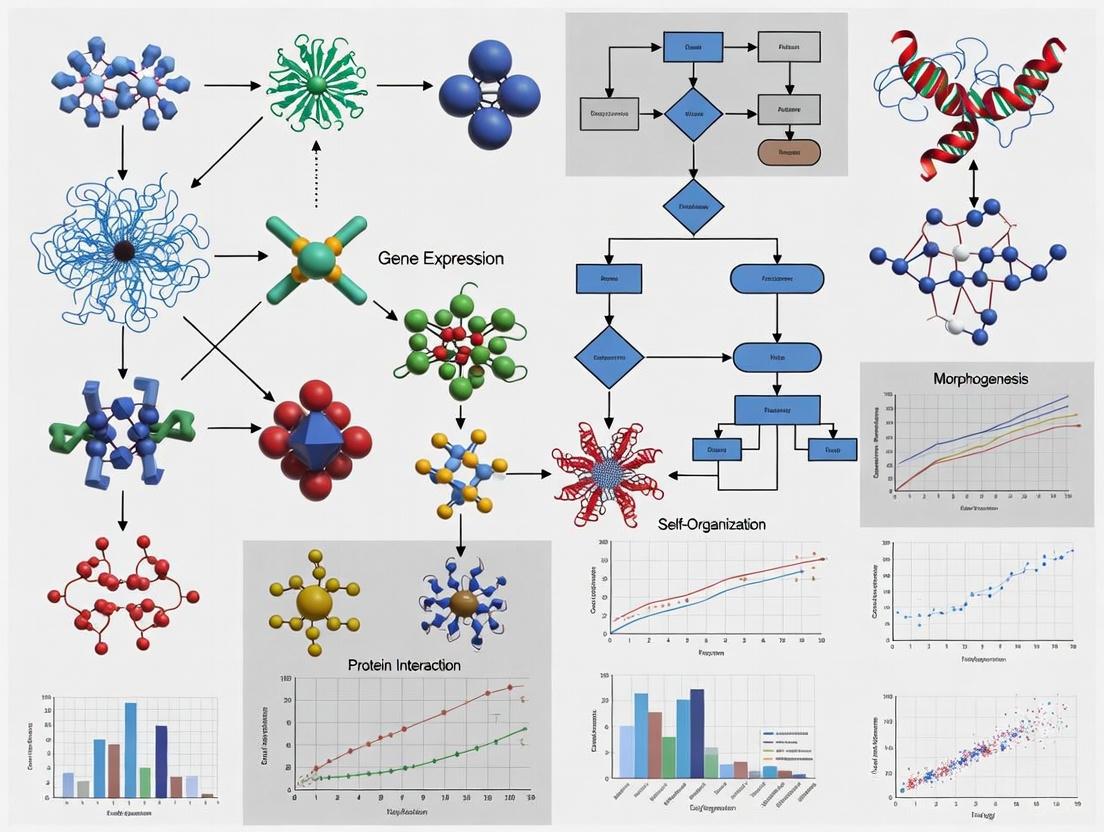
This article explores the transformative role of computational models in predicting and understanding cell self-organization and morphogenesis—the process by which cells form complex tissues and organs.
Predictive Power: How Computational Models Are Decoding Cell Self-Organization and Morphogenesis
Abstract
This article explores the transformative role of computational models in predicting and understanding cell self-organization and morphogenesis—the process by which cells form complex tissues and organs. Aimed at researchers, scientists, and drug development professionals, it provides a comprehensive overview from foundational theories to cutting-edge applications. We examine the core physical and biochemical principles that models encapsulate, detail a spectrum of methodological approaches from continuum mechanics to deep learning, and address key challenges in model optimization and validation. By synthesizing insights from recent advances, this article serves as a guide for leveraging computational predictions to enhance tissue engineering, drug development, and the fundamental understanding of developmental biology.
The Blueprint of Life: Core Principles Governing Morphogenesis
In the developing embryo, tissues differentiate, deform, and move in an orchestrated manner to generate various biological shapes. This process, known as morphogenesis, is driven by the complex interplay between genetic, epigenetic, and environmental factors. A resurgence of interest in recent decades has solidified the understanding that mechanical forces are not merely a passive outcome but a primary driver and regulator of embryonic development [1]. Biomechanical forces form the critical bridge that connects genetic and molecular-level events to tissue-level deformations, ultimately sculpting the embryo [1]. Furthermore, feedback from the cellular mechanical environment actively influences gene expression and cell differentiation, creating a dynamic bidirectional relationship between mechanics and biology [1].
The emergence of sophisticated computational models has revolutionized our ability to study and understand these mechanical processes. These models provide a quantitative, unbiased framework for testing physical mechanisms and generating experimentally verifiable predictions [1]. This knowledge is invaluable for biomedical researchers aiming to prevent and treat congenital malformations, as well as for tissue engineers working to create functional replacement tissues. This review explores the fundamental mechanical theories of morphogenesis, examines specific developmental processes, details experimental methodologies, and discusses emerging computational frameworks that are pushing the boundaries of predictive developmental biology.
Fundamental Mechanical Theories of Morphogenesis
Continuum Mechanics and Tissue Material Properties
The mechanical behavior of embryonic tissues is predominantly analyzed using continuum mechanics principles, where tissue is treated as a continuous material rather than discrete cells. This framework centers on the concepts of stress (force per unit area) and strain (relative change in length or angle), which must obey equilibrium, geometric compatibility, mass conservation, and constitutive (stress-strain) equations [1]. Early mechanical theories, largely based on biochemistry, included Turing's reaction-diffusion model, which proposed that spatial patterns emerge from interactions between a short-range activator and long-range inhibitor morphogen [1].
Oster, Murray, and colleagues presented a continuum mechanics formulation that integrated both mechanical and chemical phenomena, providing a comprehensive framework for analyzing tissue deformation [1]. This approach recognizes that developmental processes must simultaneously obey the laws of mechanics, thermodynamics, and biochemistry.
The Differential Adhesion Hypothesis
The Differential Adhesion Hypothesis (DAH), proposed by Steinberg, explains cell sorting phenomena through physical principles. When embryonic cells are disaggregated and allowed to recoalesce, they behave similarly to immiscible fluids, sorting into distinct homogeneous clusters with one cell type often engulfing another [1]. This behavior is governed by differences in cell-cell adhesion, with cell mixtures undergoing phase separation to achieve minimum interfacial and surface free energies [1]. The DAH has been experimentally validated across numerous systems and has been supported by multiple computer simulations.
Computational Modeling Approaches
Computational models have largely replaced physical models for testing hypotheses about mechanical forces in development. These approaches range from simple networks of elastic elements (springs), viscous elements (dashpots), and contractile elements to sophisticated continuum models [1]. The choice of model depends on the specific research question and the level of complexity required to capture essential behaviors while remaining computationally tractable.
Table: Fundamental Theories in Developmental Mechanics
| Theory/Model | Key Principles | Biological Applications |
|---|---|---|
| Continuum Mechanics | Treats tissues as continuous materials; analyzes stress, strain, and material properties | Tissue deformation, bending, folding during neurulation and organogenesis |
| Differential Adhesion Hypothesis (DAH) | Cell sorting driven by interfacial tension and adhesion energy minimization | Cell sorting, tissue boundary formation, germ layer organization |
| Reaction-Diffusion (Turing Patterns) | Pattern formation via interacting morphogens (short-range activator, long-range inhibitor) | Periodic patterning, digit formation, hair follicle spacing |
| Spring-Dashpot Models | Discrete element modeling of cell networks using mechanical analogs | Epithelial sheet deformation, cell packing, collective cell migration |
Mechanical Forces in Specific Developmental Processes
Gastrulation
Gastrulation represents a pivotal event in embryonic development where extensive cell rearrangements establish the three germ layers. Recent research on chick gastrulation has revealed a novel form of collective migration where mesenchymal cells self-organize into a dynamic meshwork structure while moving away from the primitive streak [2]. Through live imaging and topological data analysis, researchers observed that these highly motile mesenchymal cells maintain connections and coordinate their movements despite their dispersed nature.
The formation of this meshwork structure depends on several key parameters, as identified by agent-based theoretical models: cell elongation, cell-cell adhesion, and cell density [2]. Experimental perturbation of N-cadherin, a cell adhesion molecule, demonstrated its critical role in collective migration. Overexpression of a mutant form of N-cadherin reduced the speed of tissue progression and directionality of collective cell movement, while individual cell speed remained unchanged [2]. This highlights how mechanical interactions between cells, mediated by adhesion molecules, coordinate large-scale tissue movements during gastrulation.
Neurulation
Neurulation involves the folding of the neural plate to form the neural tube, which gives rise to the brain and spinal cord. This process exemplifies how coordinated mechanical forces transform a flat epithelial sheet into a three-dimensional structure. The primary mechanical driver of neurulation is apical constriction, where coordinated contraction of actomyosin networks at the apical surface of neuroepithelial cells creates wedge-shaped cells that promote tissue bending [1].
Mechanical models of neurulation incorporate multiple force-generating mechanisms, including apical constriction, basal tension, and external forces from surrounding tissues. These models treat the neuroepithelium as a continuum material with specific mechanical properties, successfully predicting the formation of neural folds and their eventual fusion into a tube.
Organogenesis
During organogenesis, mechanical forces continue to shape emerging organs through complex interactions between epithelia and mesenchyme. Branching morphogenesis in organs like the lung, kidney, and mammary gland involves repetitive branching and budding driven by a combination of localized proliferation, mechanical tension, and fluid pressure [1].
Computational models have been particularly valuable for understanding how global tissue architecture emerges from local cellular mechanics. These models incorporate feedback between mechanical strain and cell proliferation, where stretched cells proliferate more rapidly, creating a self-reinforcing pattern of branching growth.
Experimental Methodologies for Measuring Developmental Mechanics
Quantifying Cell and Tissue Mechanics
Understanding developmental mechanics requires precise measurement of mechanical properties and forces at cellular and tissue scales. Several advanced techniques have been developed for this purpose:
- Traction Force Microscopy: Measures forces exerted by cells on their substrate using deformable hydrogels with embedded fluorescent beads. As cells exert forces, they deform the substrate, and the displacement of beads allows calculation of traction forces [1].
- Laser Ablation: Uses focused lasers to sever specific cytoskeletal elements or cell-cell junctions, with subsequent recoil velocity providing information about pre-existing tension [1].
- Atomic Force Microscopy (AFM): Employs a microscopic cantilever to probe tissue stiffness at high spatial resolution, providing direct measurements of local mechanical properties [1].
- Fluorescent Tension Sensors: Genetically encoded molecular sensors that change fluorescence properties in response to mechanical tension, allowing visualization of forces across specific proteins in living cells [1].
Live Imaging and Quantitative Analysis
Modern live imaging techniques, particularly light-sheet microscopy and confocal microscopy, enable four-dimensional tracking of cell behaviors during development [2]. When combined with computational approaches like topological data analysis (TDA), these methods can reveal emergent patterns in collective cell migration that might not be apparent through qualitative observation alone [2].
Table: Essential Research Reagents and Tools for Developmental Mechanics
| Reagent/Tool | Category | Primary Function | Example Application |
|---|---|---|---|
| N-cadherin Mutants | Molecular Tool | Perturb cell-cell adhesion | Test adhesion role in collective migration [2] |
| FRET-based Tension Sensors | Biosensor | Visualize mechanical tension across proteins | Measure forces across cell junctions in live embryos |
| Deformable Hydrogels | Substrate | Quantify cellular traction forces | Traction force microscopy for cell-ECM forces [1] |
| Photoactivatable Proteins | Optogenetic Tool | Spatiotemporally control protein activity | Precisely manipulate contractility in specific cells |
| Topological Data Analysis (TDA) | Computational Method | Identify patterns in complex cell movements | Analyze meshwork formation in migrating mesoderm [2] |
Emerging Computational Frameworks
Automatic Differentiation for Morphogenesis
A groundbreaking computational framework recently developed by Harvard applied physicists uses automatic differentiation—a technique originally developed for training neural networks—to decipher the rules of cellular self-organization [3] [4]. This approach treats the control of cellular organization and morphogenesis as an optimization problem that can be solved with powerful machine learning tools [3].
The framework learns genetic networks that guide cell behavior, including chemical signaling and physical forces like adhesion and repulsion [3]. Automatic differentiation enables the computer to efficiently compute the precise effect that small changes in any part of the gene network would have on the behavior of the entire cell collective [4]. This represents a significant advancement over traditional trial-and-error approaches in tissue engineering.
Predictive Model Inversion for Tissue Engineering
A particularly powerful aspect of this new computational approach is its potential for inversion. As explained by researchers, "Once you have a model that can predict what happens when you have a certain combination of cells, genes or molecules that interact, can we then invert that model and say, 'We want these cells to come together and do this particular thing. How do we program them to do that?'" [3]. This capability could ultimately enable researchers to design living tissues with specific functions or shapes by working backward from a desired outcome to determine the necessary cellular programming [4].
The long-term goal of this research is to achieve predictive control sufficient to engineer the growth of organs—considered the holy grail of computational bioengineering [4]. While currently a proof of concept, these methods could eventually be combined with experimental approaches to understand and control how organisms develop from the cellular level.
Mechanical forces play a fundamental and indispensable role in shaping the developing embryo, from large-scale tissue deformations during gastrulation and neurulation to the intricate patterning of organs. The integration of mechanical theories with advanced computational models provides a powerful framework for deciphering the complex physical principles governing morphogenesis. Emerging approaches, particularly those leveraging automatic differentiation and machine learning, offer promising paths toward predictive control of tissue development and regeneration. As these computational methods become increasingly sophisticated and integrated with experimental data, they hold the potential to transform our ability to engineer tissues and organs, advancing both regenerative medicine and our fundamental understanding of life's physical blueprint.
The emergence of complex biological patterns from homogeneous beginnings represents one of the most fundamental problems in developmental biology. At the heart of this process lies a sophisticated biochemical landscape where morphogens—signaling molecules that dictate cell fate based on concentration—interact through reaction-diffusion systems to create the intricate structures observed in living organisms. Alan Turing's seminal 1952 paper, "The Chemical Basis of Morphogenesis," first proposed that simple physical laws could explain biological pattern formation through the interaction of diffusing morphogens [5]. His revolutionary insight was that diffusion, typically considered a stabilizing process, could actually destabilize a homogeneous equilibrium and drive pattern formation when coupled with appropriate chemical reactions [5] [6].
Seventy years later, Turing's theoretical framework has evolved into a robust field of computational biology that seeks to predict and control cellular self-organization. Modern approaches integrate mathematical modeling with experimental data to reverse-engineer the rules governing morphogenesis [3] [7]. This whitepaper examines the core principles of Turing patterns, morphogen dynamics, and reaction-diffusion systems within the context of contemporary computational models for predicting cell self-organization, with particular emphasis on applications in drug development and regenerative medicine [8] [9].
Theoretical Foundations: From Turing's Insight to Modern Pattern Formation
Turing's Reaction-Diffusion Theory
Alan Turing's groundbreaking work demonstrated that pattern formation could arise spontaneously from the interaction of two morphogens with different diffusion rates. He showed that a stable homogeneous steady state could become unstable when diffusion is introduced, leading to spontaneous pattern formation—a process now known as diffusion-driven instability [5] [6]. Turing's model proposed that morphogen gradients emerge from local sources and move through tissues, creating concentration gradients that establish positional information for developing cells [5].
The mathematical foundation of Turing's model consists of a system of partial differential equations that describe the spatial and temporal evolution of morphogen concentrations:
∂U/∂t = F(U,V) + Du ∇²U ∂V/∂t = G(U,V) + Dv ∇²V
Where U and V represent morphogen concentrations, F and G define their reaction kinetics, Du and Dv are diffusion coefficients, and ∇² is the Laplacian operator describing diffusion [10]. Turing's key insight was that when one morphogen acts as an activator and the other as an inhibitor, with the inhibitor diffusing faster than the activator, small random fluctuations can amplify into stable, spatially periodic patterns [6].
The Activator-Inhibitor Principle
While Turing's original equations were mathematically elegant, they had biological limitations, including the potential for negative concentrations that lacked physical meaning [6]. In 1972, Gierer and Meinhardt refined Turing's concept by explicitly formulating the conditions for pattern formation: local self-enhancement coupled with long-range inhibition [6]. This activator-inhibitor principle states that pattern formation occurs if, and only if:
- An activator morphogen undergoes an autocatalytic feedback loop that amplifies its own production
- The activator stimulates production of an inhibitor morphogen
- The inhibitor diffuses more rapidly than the activator and suppresses activator production
This mechanism generates stable patterns from random fluctuations because any small local increase in activator concentration self-amplifies while simultaneously producing inhibitor that spreads to prevent similar activation in neighboring regions [6]. The resulting patterns can take the form of spots, stripes, or gradients depending on system parameters, domain size, and boundary conditions.
Table 1: Core Principles of Biological Pattern Formation
| Principle | Mathematical Basis | Biological Requirement | Example System |
|---|---|---|---|
| Local Self-Enhancement | Autocatalytic feedback (e.g., a² term) | Nonlinear production kinetics | Nodal dimer formation [6] |
| Long-Range Inhibition | Higher diffusion coefficient for inhibitor | Rapidly diffusing inhibitor | Lefty2 diffusion [6] |
| Stable Patterning | Non-linear saturation terms | Limited resources or decay mechanisms | Saturated activator production [6] |
| Threshold Response | Switch-like activation | Cooperative binding | Gene regulatory networks [7] |
Computational Frameworks for Predictive Morphogenesis
Modern Optimization Approaches
Recent advances in computational power have enabled new approaches to inverse design in developmental systems. Harvard researchers have developed methods that frame cellular organization as an optimization problem solvable with machine learning tools [3]. Their technique uses automatic differentiation—algorithms originally developed for training deep neural networks—to efficiently compute how small changes in gene networks affect collective cell behavior [3]. This approach allows researchers to discover local interaction rules that yield desired emergent characteristics in growing tissues.
The underlying computational framework models tissues as collections of cells capable of division, growth, mechanical stress sensing, and morphogen secretion/detection [7]. Each cell contains an internal genetic network that processes local environmental information to guide cellular decisions. The entire simulation is designed to be automatically differentiable, enabling gradient-based optimization in high-dimensional parameter spaces that would be intractable with traditional parameter sweep methods [7].
Differentiable Programming for Morphogenesis
Differentiable programming represents a paradigm shift in computational morphogenesis, allowing efficient navigation of complex parameter spaces to discover biological rules. As demonstrated in recent work, this approach can learn gene circuits that control complex developmental processes such as directed axial elongation, cell type homeostasis, and mechanical stress response [7].
The optimization process employs score-based methods like REINFORCE to handle the intrinsic stochasticity of proliferation dynamics [7]. The system gradually learns which division events are most favorable and increases their probability in subsequent simulations. Through this iterative process, the model discovers interpretable genetic networks that reproduce target morphogenetic outcomes, which can then be simplified by removing small-weight connections to highlight the functional backbone [7].
Experimental Protocols and Methodologies
In Vitro Reconstitution of Turing Patterns
The experimental validation of Turing patterns has advanced significantly since Turing's theoretical proposal. The following protocol outlines key methodology for establishing and analyzing reaction-diffusion systems in biological contexts:
Protocol 1: Establishing 3D Stem Cell Cultures for Morphogenesis Studies
Cell Aggregate Formation:
- Utilize forced aggregation methods (hanging drop, microwell centrifugation) or self-assembly via random association in bulk suspension cultures to form 3D cellular aggregates [11].
- For pluripotent stem cells (PSCs), form embryoid bodies (EBs) through E-cadherin-mediated self-assembly to create high-density cellular environments that mimic embryonic development [11].
Pattern Induction:
- Induce specific differentiation programs through precise biochemical induction. For example, induction of Rx+ neuroepithelium in 3D PSC spheroids generates spatially distinct patterns resembling the native optic cup [11].
- Modulate Wnt/β-catenin signaling through controlled aggregate assembly kinetics to direct mesoderm differentiation [11].
Pattern Analysis:
- Fix samples at specific timepoints and perform whole-mount immunofluorescence for key morphogens and differentiation markers.
- Quantify pattern periodicity and amplitude using spatial autocorrelation analysis or Fourier transforms.
- Perturb systems through inhibitor dilution or genetic manipulation to test Turing mechanism requirements [6].
Protocol 2: Computational Identification of Turing Parameters
System Calibration:
- Measure diffusion coefficients of candidate morphogens using fluorescence recovery after photobleaching (FRAP) or similar techniques.
- Quantify expression kinetics through live imaging of reporter constructs.
Model Fitting:
- Implement automatic differentiation to efficiently compute parameter sensitivities [3] [7].
- Optimize genetic network parameters using gradient-based methods (e.g., Adam optimizer) to minimize discrepancy between simulated and experimental patterns [7].
- Employ REINFORCE or similar score-based methods to handle stochasticity in proliferation dynamics [7].
Validation:
- Test model predictions through targeted genetic perturbations.
- Assess robustness to initial conditions and parameter variations.
Table 2: Key Research Reagents and Computational Tools
| Category | Specific Reagents/Tools | Function/Application | Example Use |
|---|---|---|---|
| Biological Systems | Pluripotent Stem Cells (PSCs) | 3D aggregate formation for morphogenesis studies | Embryoid body formation to study early patterning [11] |
| Signaling Modulators | Nodal/Lefty2 system | Activator-inhibitor pair for mesoderm patterning | Sea urchin oral field formation [6] |
| Computational Frameworks | JAX library | Automatic differentiation for parameter optimization | Learning genetic networks for axial elongation [7] |
| Cell Culture Methods | Hanging drop technique | Controlled 3D spheroid formation | Modulating cardiomyocyte differentiation efficiency [11] |
| Mechanical Sensors | Morse potential models | Simulating cell-cell adhesion and repulsion | Modeling tissue mechanics in proliferating clusters [7] |
| Extracellular Matrix | Hyaluronan and versican | Biochemical signal presentation in 3D microenvironments | Supporting mesenchymal differentiation in EBs [11] |
Biological Instantiations of Turing Patterns
Verified Turing Systems in Development
While Turing's mechanism was initially met with skepticism, several biological systems have been experimentally verified to operate through genuine reaction-diffusion mechanisms:
Vertebrate Mesoderm Patterning: The Nodal/Lefty2 system represents a canonical example of a Turing network [6]. Nodal, an activator, forms dimers that positively feedback on its own production—satisfying the nonlinear autocatalysis requirement. Lefty2, the inhibitor, is under the same regulatory control but diffuses more rapidly and interrupts the self-enhancement by blocking the receptor required for activation [6]. This system patterns the mesoderm and establishes left-right asymmetry in vertebrates.
Periodic patterning in Hydra: Turing's original paper specifically addressed the periodic arrangement of structures in hydra [6]. Recent work has confirmed that activator-inhibitor mechanisms govern tentacle spacing in these organisms, with the foot of the hydra acting as an organizing region that establishes the body axis [6].
Mammalian Palate Development: The spaced transverse ridges of the palate in mammals form through Turing mechanisms, with disruptions leading to patterning defects [5]. This system demonstrates how reaction-diffusion can create complex, species-specific patterns in mammalian development.
Synthetic Biology Approaches
Engineering synthetic Turing systems provides the most direct validation of the theory. Recent advances include:
- Programmed formation of multicellular structures using synthetic gene circuits that implement activator-inhibitor logic [7].
- Rationally designed cell communication systems using contact-based or chemical signaling to achieve target patterns [7].
- Engineered cellular assemblies that form precisely controlled shapes through optimized local interactions [7].
Applications in Drug Development and Regenerative Medicine
Predictive Toxicology and Efficacy Modeling
The pharmaceutical industry faces significant challenges in predicting drug efficacy and toxicity, with late-stage failures representing enormous costs [9]. Multiscale computational models based on morphogenetic principles offer promising approaches to this problem:
Multiscale Modeling of Drug Effects: Drug toxicity and efficacy are emergent properties arising from interactions across multiple biological scales [9]. Molecules interact with specific targets, but these targets are embedded within complex signaling networks that process these interactions into cellular outcomes, which subsequently influence tissue and organ function [9]. Computational frameworks that capture these emergent behaviors can predict clinical outcomes from molecular interventions.
Quantitative Systems Pharmacology (QSP): This approach integrates mechanistic modeling with machine learning to predict drug behavior [9]. QSP models are built on physiological and pathophysiological knowledge, then calibrated using experimental data. The integration of ML helps address data gaps and improves individual-level predictions, enhancing model robustness and generalizability [9].
Tissue Engineering and Regenerative Medicine
Reaction-diffusion principles guide emerging approaches in tissue engineering:
Organoid Development: Three-dimensional stem cell cultures spontaneously undergo morphogenesis when provided with appropriate biochemical and biophysical cues [11]. For example, induction of Rx+ neuroepithelium in 3D pluripotent stem cell spheroids generates spatially distinct patterns resembling the native optic cup, with dynamic structural changes including evagination and invagination creating distinct retinal layers [11].
Engineered Morphogenesis: Computational models enable the inverse design of cellular systems to achieve target structures [7]. By optimizing parameters governing genetic networks, researchers can program cell clusters to undergo specific morphogenetic events such as axial elongation, mimicking natural developmental processes like limb bud outgrowth [7].
Table 3: Computational Approaches in Pharmaceutical Development
| Approach | Key Features | Strengths | Limitations |
|---|---|---|---|
| Quantitative Systems Pharmacology (QSP) | Mechanistic, multiscale models | Biologically grounded predictions | High complexity; parameter identifiability |
| Machine Learning Integration | Pattern recognition in large datasets | Handling high-dimensional data | Limited mechanistic insight |
| Automatic Differentiation | Efficient parameter sensitivity analysis | Scalable to complex models | Requires differentiable models |
| Physiologically Based Pharmacokinetic (PBPK) Modeling | Whole-body drug distribution | Clinical translation | Limited cellular resolution |
| Reaction-Diffusion Models | Spatial patterning prediction | Captures emergent tissue-level effects | Computational intensity for large systems |
Future Directions and Community Efforts
Emerging Computational Paradigms
The field of computational morphogenesis is rapidly evolving, with several promising directions:
Generative Models for Morphogenesis: Deep learning frameworks, physics-informed neural networks, and agent-based simulations provide powerful tools to capture the dynamic, multiscale nature of morphogenesis [8]. These models can replicate tissue patterning, growth, and differentiation in silico, generating novel hypotheses about self-organization mechanisms [8].
Community-Driven Model Improvement: Enhancing predictive modeling requires coordinated community efforts [9]. Initiatives such as the ASME V&V 40 standard, FDA guidance documents, the NIH-supported Center for Reproducible Biomedical Modeling (CRBM), and FAIR (Findable, Accessible, Interoperable, and Reusable) principles promote model transparency, reproducibility, and trustworthiness [9].
Technical Challenges and Solutions
Key challenges remain in computational prediction of morphogenesis:
Bridging Scales: Models must connect molecular regulations to tissue-level architecture [8]. Multiscale frameworks that efficiently couple processes across spatial and temporal scales are essential for capturing emergent behaviors [9].
Integrating Mechanics and Biochemistry: Morphogenesis involves both biochemical signaling and physical forces [7] [11]. Successful models must integrate biomechanics with reaction-diffusion systems to fully capture developmental processes.
Validation and Credibility: As noted in recent reviews, "Developing credible and actionable predictive models remains a deeply challenging endeavor" [9]. Setting proper expectations is crucial—models should be viewed as tools that support scientific dialogue rather than perfect replicas of biological systems [9].
The continued integration of computational and experimental approaches, supported by community standards and shared resources, promises to advance our understanding of biological pattern formation and our ability to harness it for therapeutic applications.
Biological morphogenesis, the process by which cells and tissues develop their shape and structure, represents one of the most fundamental mysteries in developmental biology. At its core lies self-organization—a process by which interacting cells organize and arrange themselves into higher-order structures and patterns without external direction [12]. This process is governed by reciprocal causality, a form of causal relationship distinct from linear chains, where causes and effects continuously influence one another across spatial and temporal scales [13]. In practical terms, this means that developing organisms are not solely products, but also active causes, of their own evolutionary and developmental trajectories [14].
The significance of these processes extends beyond basic developmental biology to profound clinical applications. Congenital disorders and cancers often arise from malfunctions in these precisely coordinated behaviors [12]. Understanding how cells collectively build and maintain complex structures could revolutionize regenerative medicine, enabling the engineering of tissues and organs through controlled self-organization principles [3]. This whitepaper examines the mechanistic basis of self-organization and reciprocal causality through the lens of computational modeling, providing researchers with both theoretical frameworks and practical methodologies for advancing this transformative field.
Theoretical Foundations: From Single Cells to Emergent Patterns
Core Principles of Self-Organization
Self-organization in biological systems operates through several interconnected principles that transform disordered cellular states into structured tissues:
Local Interactions Generate Global Order: Complex functional patterns such as tissues and organisms emerge not from a central controller but from local interactions between individual cells. No single cell comprehends the overall structure, yet collective behavior produces sophisticated organization [12].
Symmetry Breaking and Pattern Formation: A defining step in self-organization occurs when initially identical cells differentiate and establish lineage segregation. This symmetry-breaking transition moves the system from a symmetric but disordered state into defined, asymmetric states with specialized functions [12]. This process correlates with functional specialization across multiple scales—from molecular assemblies to whole body axis formation [12].
Cell-to-Cell Variability as a Functional Feature: Populations of cells maximize collective performance rather than individual cell optimization. This inherent variability provides tissues the flexibility to develop and maintain homeostasis in diverse environments [12].
Reciprocal Causality in Developmental Systems
Reciprocal causation represents a fundamental shift from linear causal models to systems where causality operates bidirectionally:
Beyond Unidirectional Causation: Traditional evolutionary theory often emphasized unidirectional causation (genes → traits → selection). Reciprocal causation acknowledges that organisms actively modify their environments, which in turn alters selective pressures, creating feedback cycles where "process A is a cause of process B and, subsequently, process B is a cause of process A" [14].
Multi-Scale Interactions: Reciprocal causality operates across scales—from gene-environment interactions to population-level dynamics [14]. This cross-scale influence means that understanding morphogenesis requires simultaneous analysis of multiple organizational levels [13].
Constructive Development: Through reciprocal causation, developing organisms actively construct their own developmental and evolutionary niches, blurring traditional distinctions between internal and external factors [14].
Computational Frameworks for Predicting Self-Organization
Modeling Approaches and Their Applications
Computational models provide indispensable tools for understanding and predicting self-organizing systems whose complexity defies intuitive analysis. The table below summarizes major modeling approaches and their specific applications to self-organization research:
Table 1: Computational Modeling Approaches in Self-Organization Research
| Model Type | Key Features | Application Examples | Limitations |
|---|---|---|---|
| Physics-Based Models | Incorporates biophysical forces; cell packing effects; mechanical tension | Tissue morphogenesis; cell sorting; lumen formation [15] | Requires precise parameterization; computationally intensive |
| Gene Regulatory Networks | Models genetic controls; signaling pathways; molecular interactions | Pattern formation; stem cell differentiation; symmetry breaking [12] | Often oversimplifies cellular context; limited spatial representation |
| Optimization Frameworks | Uses automatic differentiation; inverse design; predictive control | Organ engineering; predicting cellular programming [3] | Currently proof-of-concept; requires experimental validation |
| Multi-Scale Models | Integrates molecular, cellular, and tissue levels; cross-scale causality | Supracellular organization; traveling wave propagation [13] | Extreme complexity; challenging to validate empirically |
Emerging Computational Methodologies
Recent advances in computational power and algorithms have enabled novel approaches to modeling self-organization:
Automatic Differentiation for Inverse Design: Harvard researchers have developed methods using automatic differentiation—algorithms originally designed for training neural networks—to extract the rules cells follow during self-organization. This approach treats morphological control as an optimization problem that can be solved with machine learning tools [3]. The computer learns these rules in the form of genetic networks that guide cellular behavior, including chemical signaling and physical forces governing cell adhesion [3].
Predictive Model Integration: These computational frameworks enable researchers to invert the modeling process, asking: "We want these cells to come together and do this particular thing. How do we program them to do that?" [3]. This represents a fundamental shift from descriptive to prescriptive modeling in developmental biology.
Handling Cellular Complexity: Computational models must account for the crowded, heterogeneous cellular environment where molecular components navigate a complex landscape to function at appropriate times and places. This is particularly challenging for self-assembling systems with high-order kinetics that are sensitive to concentration gradients and stochastic noise [16].
The following diagram illustrates the computational workflow for applying automatic differentiation to predict and program cellular self-organization:
Key Experimental Methodologies for Quantifying Self-Organization
Quantitative Morphological Characterization
Robust quantitative metrics are essential for characterizing cell phenotypic characteristics unambiguously. These methodologies enable comparison of data across laboratories and experimental conditions:
Morphological Metrics: Quantitative assessment of cell shape characteristics, including aspect ratio, perimeter length, and surface area, provides objective descriptors that replace ambiguous qualitative terms [17].
Cell-Cell Interaction Analysis: Methods for quantifying the nature and strength of interactions between adjacent cells, including contact inhibition dynamics and adhesion properties [17] [12].
Population Growth Dynamics: Analysis of growth rates within cell populations under varying conditions reveals how local interactions influence global tissue properties [17].
Mechanosensing Pathways Evaluation: Experimental assessment of membrane tension sensing pathways (Yap1, Piezo, Misshapen-Yorkie) that transduce physical cues into cellular responses [12].
Symmetry-Breaking and Pattern Formation Assays
To experimentally investigate the initial stages of self-organization, researchers employ several specialized protocols:
Morphogen Gradient Reconstruction: Establishment of controlled concentration gradients of signaling molecules (e.g., Wnt3a in intestinal stem cell niches) to observe how cells interpret positional information [12].
Cell Polarity Determination: Tracing differential inheritance of cellular components (e.g., apical domains in mouse trophectoderm formation) to understand initial symmetry breaking [12].
Lumen Formation Protocols: Using lumen formation as a mechanism to study how cells locally restrict and coordinate communication between selected groups, as demonstrated in zebrafish lateral line development [12].
The following experimental workflow outlines key methodologies for analyzing self-organization processes from cellular to tissue scales:
The Scientist's Toolkit: Essential Research Reagents and Solutions
Successful investigation of self-organization and reciprocal causality requires specialized reagents and tools. The following table details essential materials and their applications in this research domain:
Table 2: Essential Research Reagents for Self-Organization Studies
| Reagent Category | Specific Examples | Research Applications | Technical Considerations |
|---|---|---|---|
| Morphogen Signaling Modulators | Recombinant Wnt3a, BMP4, FGF inhibitors | Manipulating positional information; gradient establishment [12] | Concentration-dependent effects; temporal specificity critical |
| Cell Polarity Markers | Phosphorylated PLCζ, Par complex antibodies | Tracing asymmetric division; symmetry breaking events [12] | Fixed tissue limitations; live imaging alternatives preferred |
| Mechanosensing Pathway Reagents | Yap1 inhibitors, Piezo activators, MSR antibodies | Probing physical force transduction; cell packing effects [12] | Multiple parallel pathways require combinatorial approaches |
| Cell-Cell Contact Probes | E-cadherin GFP fusions, Clusterin inhibitors | Studying contact inhibition; adhesion dynamics [12] | Real-time monitoring essential for dynamic processes |
| Live Imaging Compatible Reporters | FUCCI cell cycle indicators, membrane-targeted GFP | Quantifying division patterns; population dynamics [17] | Phototoxicity concerns with prolonged imaging |
| Extracellular Matrix Components | Synthetic laminin gradients, collagen concentration arrays | Testing microenvironment effects; scaffold engineering [16] | Matrix stiffness co-varies with biochemical properties |
Signaling Pathways Governing Self-Organization
Core Pathway Interactions
Self-organization emerges from the integration of multiple interconnected signaling pathways that enable cells to sense and respond to their environment:
Morphogen Sensing and Interpretation: Cells detect their position within tissue through morphogen gradients (e.g., Dpp in fly wing development, Wnt3a in mouse intestinal stem cell niches) [12]. The precision and robustness of these systems require spatio-temporally coordinated self-organized processes where cells both respond to and modify these gradients [12].
Mechanotransduction Pathways: Physical cues from the microenvironment, including cell packing effects and membrane tension, are transduced through pathways such as Yap1, Piezo, and Misshapen-Yorkie [12]. These pathways connect external physical forces to internal genetic programs.
Contact-Dependent Signaling: Local environment sensing through mechanisms like contact inhibition regulates proliferation based on cell density and motility [12]. This involves pathways including increased Clusterin secretion and E-cadherin-mediated control of cell proliferation [12].
The following diagram illustrates the integrated signaling network that enables cellular self-organization through reciprocal causation:
Cross-Scale Integration of Signaling Information
The true sophistication of self-organizing systems lies in their ability to integrate information across scales:
Temporal Integration: Cells combine immediate signaling inputs with longer-term historical information, such as counting proliferation rounds in mammalian hematopoietic stem cells [12].
Spatial Integration: Individual cells compute local information on cell density, motility, and division rates to trigger population-level responses like contact inhibition [12].
Functional Specialization: The combination of intrinsic and extrinsic cues establishes feedback loops that move entire populations to new states, generating complex architectures seen in neuronal development where extensive progenitor proliferation switches to asymmetric division when progenitors reach the correct size [12].
Future Directions and Clinical Applications
Emerging Research Paradigms
The field of self-organization and reciprocal causality is rapidly evolving with several promising research directions:
Predictive Organ Engineering: The holy grail of computational bioengineering—using predictive models to specify desired tissue characteristics and deriving the cellular programming required to achieve them [3]. This inverse design approach could eventually enable engineering of complex organs through controlled self-organization.
Multi-Scale Model Integration: Developing frameworks that simultaneously analyze multiple organizational levels, acknowledging that reciprocal causality operates across length-scales from molecular interactions to tissue-level patterns [13].
Dynamic Microenvironment Control: Creating experimental systems that allow real-time manipulation of both biochemical and biophysical cues to dissect their relative contributions to self-organization.
Therapeutic Implications
Understanding self-organization and reciprocal causality has profound clinical implications:
Regenerative Medicine Applications: Harnessing self-organization principles for tissue engineering and organ regeneration, potentially using computational models to optimize scaffold design and cellular composition [3].
Cancer Biology Insights: Since malfunction in coordinated cellular behaviors underlies many cancers, understanding how these processes normally maintain tissue homeostasis could reveal new therapeutic targets [12].
Congenital Disorder Prevention: Elucidating how self-organization fails during embryogenesis could lead to interventions for preventing congenital disorders caused by errors in pattern formation [12].
As research continues to unravel the complex interplay between self-organization and reciprocal causality, computational models will play an increasingly vital role in bridging our understanding across spatial, temporal, and functional scales—ultimately enabling the prediction and programming of biological form for both basic science and clinical applications.
In the developing embryo, cellular self-organization is governed by the fundamental interplay between two principal tissue types: epithelia and mesenchyme [1]. These distinct cellular arrangements exhibit unique mechanical properties and behavioral programs that drive the complex process of morphogenesis. Epithelia consist of tightly adherent, polarized sheets that serve as barriers and organized templates for development, while mesenchyme comprises loosely organized, migratory cells embedded in extracellular matrix that provide the cellular material for building complex three-dimensional structures [18] [1]. The transitions between these states—through epithelial-mesenchymal transition (EMT) and mesenchymal-epithelial transition (MET)—create a dynamic cellular repertoire that enables the emergence of anatomical complexity from simple cellular sheets [19]. Understanding the distinct self-organizing principles of these tissue types is essential for computational modeling of morphogenesis and has significant implications for regenerative medicine and therapeutic development.
Defining Characteristics and Behavioral Programs
Epithelial Organization and Morphogenetic Capabilities
Epithelial cells are characterized by their stationary nature and organization into two-dimensional sheets with strong intercellular adhesion [18]. They exhibit apical-basal polarity with specialized junctional complexes including adherens junctions, tight junctions, and gap junctions [18]. A defining feature is their association with an underlying basal lamina composed of extracellular matrix proteins such as laminin and fibronectin [18]. The strong adhesiveness between epithelial cells provides integrity and mechanical rigidity to tissues while allowing limited remodeling through junctional rearrangement [18].
Epithelia undergo morphogenesis through several conserved mechanisms:
- Apical Constriction: Coordinated contraction of apical actomyosin bands bends epithelial sheets by constricting the apex and giving cells a wedge-like profile [1].
- Convergent Extension: Cell intercalation in the epithelial plane produces tissue shortening along one axis and extension along the perpendicular axis [1].
- Collective Migration: Due to strong cell-cell contacts, epithelia move as continuous sheets during morphogenetic events [1].
Mesenchymal Organization and Migratory Behaviors
Mesenchymal cells display a fundamentally different organization, lacking apical-basal polarity and organized junctional complexes [18]. They exhibit a loosely packed configuration with significant extracellular matrix between cells and form focal contacts rather than continuous adhesions [1]. This structural organization enables two primary migratory modes: individual cell migration or chain migration, both characterized by front end-back end polarity [18].
Mesenchymal cells navigate through their environment using several guidance mechanisms:
- Chemotaxis: Migration along chemical gradients [1]
- Haptotaxis: Movement along adhesion gradients in the extracellular matrix [1]
- Durotaxis: Migration guided by stiffness variations in the substrate [1]
The migratory capacity of mesenchymal cells provides a vehicle for cell rearrangement, dispersal, and novel cell-cell interactions essential for building complex tissues [18].
Quantitative Comparison of Tissue Properties
Table 1: Comparative Properties of Epithelial and Mesenchymal Tissues
| Property | Epithelial | Mesenchymal |
|---|---|---|
| Cellular Organization | Stationary sheets with strong cell-cell adhesion | Loosely packed with significant ECM between cells |
| Polarity | Apical-basal polarity | Front end-back end polarity (when migratory) |
| Junctional Complexes | Adherens junctions, tight junctions, gap junctions | Focal contacts |
| Basal Lamina | Present underlying the tissue | Absent |
| Migratory Behavior | Collective sheet migration | Individual or chain migration |
| Primary Morphogenetic Mechanisms | Apical constriction, convergent extension, collective migration | Chemotaxis, haptotaxis, durotaxis |
| Characteristic Markers | E-cadherin, cytokeratins | N-cadherin, vimentin, fibronectin |
Table 2: EMT and MET Characteristics in Early Mouse Embryo
| Process | Key Events | Molecular Regulation |
|---|---|---|
| EMT (Ingression) | Loss of apical-basal polarity; Dismantling of cell-cell junctions; Basal membrane disruption; Downregulation of E-cadherin; Upregulation of N-cadherin and vimentin; Cell shape change and protrusion extension [18] | Wnt/β-catenin pathway; TGF-β signaling; Snail genes activating metalloproteases; RhoA regulation via Net1; FERM proteins (e.g., Epb4.1.5) for cytoskeletal organization [18] |
| MET (Egression) | Downregulation of mesenchymal markers; Upregulation of epithelial factors; Acquisition of epithelial morphology; Formation of cell-cell junctions; Establishment of apical-basal polarity [18] | WNT6 for somite formation; Repression of EMT-inducing signals; Cadherin switching [18] |
Experimental Models and Methodologies
Mouse Gastrulation as a Model for EMT
The mouse embryo provides an exemplary model for studying epithelial-mesenchymal transitions during gastrulation, which occurs between embryonic day (E) 6.25 and E8.5 [18]. The primitive streak serves as the site of epiblast cell ingression, where carefully orchestrated cellular and molecular events transform epithelial cells into migratory mesenchyme.
Detailed Experimental Protocol for Analyzing EMT in Mouse Gastrulation:
- Embryo Collection and Staging: Collect mouse embryos at precisely timed intervals from E6.25 to E8.5, staging morphologically from early streak to 8-10 somite stages [18].
- Histological Processing: Fix embryos in 4% paraformaldehyde, embed in paraffin or optimal cutting temperature compound, and section at 5-8μm thickness.
- Immunofluorescence Analysis: Perform antigen retrieval and stain with the following antibody panel:
- Anti-E-cadherin to visualize epithelial integrity loss
- Anti-N-cadherin to detect mesenchymal acquisition
- Anti-vimentin as a mesenchymal marker
- Anti-laminin or anti-fibronectin to assess basal lamina integrity
- Phalloidin staining to visualize actin cytoskeleton rearrangements
- Imaging and Quantification: Capture high-resolution confocal images and quantify the following parameters:
- Cell shape index (apical:basal ratio)
- Junction disassembly scoring
- Basement membrane fragmentation percentage
- Migration distance from primitive streak
Computational Modeling Approaches
Computational models provide powerful tools for understanding the mechanical principles governing epithelial and mesenchymal behaviors [1]. These models employ various theoretical frameworks to simulate tissue self-organization.
Methodology for Constructing Computational Models of Tissue Self-Organization:
- Continuum Mechanics Approach:
- Treat tissue as a continuous material rather than discrete particles
- Define stress (force per unit area) and strain (relative deformation) relationships
- Implement constitutive equations specific to epithelial or mesenchymal material properties
- Solve equilibrium, geometric compatibility, and mass conservation equations [1]
Discrete Cell Modeling:
- Represent individual cells as interacting elements
- Model cell-cell adhesion using differential adhesion hypothesis principles
- Simulate cell sorting based on surface tension minimization
- Incorporate cytoskeletal dynamics and contractility [1]
Hybrid Continuum-Discrete Frameworks:
- Combine continuum descriptions of extracellular matrix with discrete cellular elements
- Model traction forces exerted by mesenchymal cells on their substrate
- Simulate collective epithelial migration with maintained cell-cell contacts
Diagram 1: Signaling Pathways Regulating EMT During Gastrulation. The process involves coordinated molecular signaling that drives the transition from epithelial to mesenchymal state.
The Scientist's Toolkit: Essential Research Reagents
Table 3: Key Research Reagents for Epithelial-Mesenchymal Studies
| Reagent/Category | Specific Examples | Function/Application |
|---|---|---|
| Epithelial Markers | E-cadherin antibodies, Cytokeratin antibodies, ZO-1 antibodies | Identify and validate epithelial phenotype; Assess junctional integrity |
| Mesenchymal Markers | N-cadherin antibodies, Vimentin antibodies, Fibronectin antibodies | Confirm mesenchymal transition; Track cell fate changes |
| EMT-Inducing Factors | Recombinant TGF-β, BMP proteins, Wnt ligands | Induce epithelial-mesenchymal transition in experimental models |
| Signaling Inhibitors | SB431542 (TGF-β inhibitor), IWP-2 (Wnt inhibitor), Y-27632 (ROCK inhibitor) | Block specific pathways to test functional requirements |
| Extracellular Matrix | Matrigel, Collagen I, Fibronectin, Laminin | Provide substrates for cell migration and differentiation assays |
| Live Imaging Reagents | CellTracker dyes, GFP-tagged cytoskeletal proteins, E-cadherin-GFP constructs | Visualize dynamic cell behaviors in real-time |
Computational Modeling of Self-Organization Principles
Theoretical Frameworks for Tissue Mechanics
Computational models of morphogenesis integrate mechanical theories with biological data to simulate how epithelial and mesenchymal tissues self-organize [1]. The mechanical behavior of soft tissues is typically analyzed using continuum mechanics principles, where tissue is treated as a continuous material characterized by stress-strain relationships [1]. For epithelial tissues, models often incorporate cell-based discrete elements that account for junctional tensions, apical constriction, and collective behaviors [1]. Mesenchymal tissues are frequently modeled as viscous or viscoelastic materials that respond to traction forces, matrix stiffness, and chemical gradients [1].
Key modeling frameworks include:
- Differential Adhesion Hypothesis: Simulates cell sorting based on surface tension minimization and differential adhesion [1]
- Reaction-Diffusion Systems: Models pattern formation through interacting morphogens [1]
- Mechanical Feedback Loops: Incorporates how mechanical stress influences gene expression and cell behavior [1]
Diagram 2: Computational Modeling Framework for Tissue Self-Organization. Integrated models simulate epithelial and mesenchymal behaviors using distinct mechanical principles.
Implications for Predictive Morphogenesis
The distinct self-organizing behaviors of epithelia and mesenchyme provide the fundamental building blocks for predictive computational models of morphogenesis [1]. By quantifying the mechanical properties, adhesion characteristics, and migratory behaviors of these tissue types, researchers can develop increasingly accurate simulations of embryonic development [1]. These models have significant applications in understanding congenital malformations, developing regenerative medicine approaches, and creating engineered tissues in the laboratory [1]. The integration of computational modeling with experimental validation creates a powerful framework for deciphering the complex interplay between genetic regulation and mechanical forces that shapes the developing embryo.
The Modeler's Toolkit: From Continuum Mechanics to AI-Driven Prediction
Continuum mechanics models provide a powerful framework for simulating biological tissues as materials, enabling the prediction of their behavior across multiple spatial and temporal scales. This approach treats tissues not as discrete collections of cells, but as continuous materials with specific mechanical properties, thereby bridging the gap between cellular-level phenomena and tissue-level outcomes. Within the broader context of computational models for predicting cell self-organization and morphogenesis, these models are indispensable for unraveling how genetic, chemical, and physical factors integrate to shape developing organisms [20]. The fundamental premise lies in applying principles of solid and fluid mechanics to biological systems, treating tissues as materials with properties like elasticity, viscosity, and poroelasticity that emerge from their cellular components and extracellular matrix (ECM).
The significance of this approach is profoundly evident in tissue engineering and regenerative medicine, where achieving reliable and durable outcomes for structural cardiovascular implants like vascular grafts and heart valves requires a deeper understanding of the fundamental mechanisms driving tissue evolution during in vitro maturation [21]. Similarly, in developmental biology, continuum models help decipher morphogenesis—the process by which organisms develop their shape—by integrating growth, elasticity, chemical factors, and hydraulic effects into a unified theoretical framework [20]. For researchers and drug development professionals, these models offer predictive capabilities that can reduce costly experimental optimization and provide insights into pathological processes where mechanobiology plays a pivotal role, such as in cancer, fibrosis, and cardiovascular disorders [22].
Theoretical Foundations of Tissue Mechanics
Key Continuum Modeling Frameworks
Continuum models of tissues employ several specialized theoretical frameworks, each suited to capturing different aspects of tissue behavior. These frameworks share a common foundation in the kinematics of continuous bodies but diverge in how they conceptualize and mathematically describe tissue-specific processes.
Morphoelasticity serves as a cornerstone theory for modeling biological growth. It is based on nonlinear solid mechanics and describes growth through a multiplicative split of the deformation gradient into elastic and inelastic (growth) parts. This approach allows researchers to simulate volumetric changes in tissues, such as the expansion of a developing limb or the thickening of a heart valve leaflet [21]. The theory effectively captures how biological tissues achieve tensional homeostasis—equilibrating at a specific level of internal stress—which drives changes in tissue shape and the reorientation of structural components like collagen fibers [21].
Poroelasticity theory characterizes the mechanical behavior of fluid-saturated solids, making it particularly suitable for modeling plant and animal tissues where hydraulic effects play a crucial role. This framework treats tissues as porous materials through which fluid can flow, generating pressure gradients that influence overall mechanical behavior. A particularly comprehensive approach combines poroelasticity with morphoelasticity into a hydromechanical field theory that captures the complex interplay between fluid flow, solid mechanics, and growth in developing plant tissues [20].
For modeling tissue fusion and aggregation processes—highly relevant in biofabrication and developmental biology—continuum models often borrow from the hydrodynamics of highly viscous liquids. These models treat clusters of cohesive cells as an incompressible viscous fluid on the time scale of hours, successfully predicting the post-printing evolution of 3D bioprinted constructs built from tissue spheroids or organoids [23].
Table 1: Fundamental Continuum Modeling Frameworks for Tissues
| Modeling Framework | Fundamental Principle | Primary Applications | Key Advantages |
|---|---|---|---|
| Morphoelasticity | Multiplicative split of deformation gradient into elastic and growth components | Volumetric growth, tissue development, residual stress evolution | Naturally incorporates finite deformations and residual stresses |
| Poroelasticity | Treats tissue as fluid-saturated porous solid | Hydraulic effects, fluid transport, swelling processes | Captures time-dependent response to loading and fluid flow |
| Viscous Hydrodynamics | Models tissue as incompressible highly viscous fluid | Tissue spheroid fusion, cell sorting, aggregate coalescence | Predicts large-scale morphological changes during development |
| Constrained Mixture Models | Tracks individual tissue constituents with different deposition times | Arterial wall mechanics, tissue remodeling | Accounts for history-dependent material behavior |
Governing Equations and Mathematical Formulation
The mathematical foundation of continuum tissue models typically begins with the definition of kinematic relationships. In morphoelasticity, the central kinematic assumption is the multiplicative decomposition of the deformation gradient: F = Fₑ · Fg where F is the total deformation gradient, Fg represents the growth part, and Fₑ is the elastic part that ensures compatibility and generates stresses [21]. The evolution of the growth tensor F_g is governed by constitutive relationships often based on the concept of a homeostatic stress surface, which defines the stress state at which tissues neither grow nor resorb.
The balance laws for mass, momentum, and energy complete the theoretical framework. For poroelastic materials, these include additional equations governing fluid transport through the solid matrix. The resulting system of partial differential equations is typically solved numerically using techniques like the Finite Element Method (FEM), which can handle complex geometries, material heterogeneity, and anisotropy [24].
Recent advances have focused on ensuring thermodynamic consistency of these models—a crucial requirement for physical realism. Contemporary frameworks couple evolution equations for volumetric growth with equations describing collagen density evolution and fiber reorientation, creating comprehensive models that capture the interdependent phenomena shaping tissue development and adaptation [21].
Computational Implementation and Methodologies
Finite Element Method for Soft Tissues
The Finite Element Method (FEM) represents the predominant numerical technique for implementing continuum mechanics models of tissues, particularly due to its ability to handle complex geometries, material heterogeneity, and anisotropy [25] [24]. In structural analysis, FEM has established itself as the most powerful tool for modeling and simulation of structures characterized by complex geometry and exposed to arbitrary boundary and initial conditions. For biological tissues, which often demonstrate nonlinear material behavior, large deformations, and complex boundary conditions, FEM provides the necessary flexibility to achieve clinically and biologically relevant simulations.
Implementing FEM for soft tissues presents unique computational challenges, especially when simulating high-frequency harmonic excitations as used in diagnostic techniques like Vibroacoustography (VA) and Magnetic Resonance Elastography (MRE). The Helmholtz-type equations used to model such systems suffer from additional numerical error known as "pollution" when excitation frequency becomes high relative to tissue stiffness [24]. This pollution effect can dominate the FEM error unless addressed through specialized approaches. The error bound estimate for the weak-form Galerkin FEM applied to the Helmholtz equation reveals that the polynomial order (p) of the element basis functions has a significant effect on accuracy, making high-order elements particularly advantageous for such problems [24].
Spectral Finite Element Methods (SEM) have emerged as a powerful approach to bridge the gap between single-domain spectral methods and classical low-order FEM. These methods utilize tensor product elements (quad or brick elements) of high-order Lagrangian polynomials with non-uniformly distributed Gauss-Lobatto-Legendre (GLL) nodal points [24]. For a prescribed level of accuracy, SEM require far fewer degrees of freedom than lower-order methods to represent solution structures associated with wave propagation in soft tissues. This computational efficiency, combined with reduced artificial dispersion and dissipation, makes SEM particularly appealing for problems characterized by large separation of scales, such as the propagation of finer-scale waves through very large tissue domains.
Alternative Computational Approaches
While FEM dominates the landscape of continuum tissue modeling, several alternative approaches offer unique advantages for specific applications. Mass-spring systems represent a relatively simple heuristic approach where concentrated masses are interconnected by a set of springs, effectively replacing a 3D continuum body with a truss structure [25]. The advantages of this approach reside in the simplicity of formulation and computational efficiency, making it particularly attractive in the 1990s and early 2000s when hardware capabilities were more limited. These systems have found extensive application in medical simulations, including orthodontics, robotic surgery, real-time muscle simulation, and various surgery simulators [25]. However, a significant challenge with mass-spring models is the ambiguity in determining the distribution of point masses and connection topology to achieve acceptable description of actual physical behavior.
Agent-based models (ABMs) offer a different paradigm by focusing on cellular-level behaviors and interactions, with tissue-level properties emerging from these discrete interactions. While not strictly continuum approaches, ABMs can be integrated with continuum models to create multiscale simulations that capture both individual cell behaviors and tissue-level mechanical responses. In the context of cell cycle research and tumor development, ABMs have been utilized to assess the role of the tumor immune microenvironment in influencing immunotherapy outcomes [26].
Table 2: Computational Methods for Tissue Mechanics Simulation
| Computational Method | Theoretical Basis | Computational Efficiency | Ideal Application Context |
|---|---|---|---|
| Standard Finite Element Method (FEM) | Continuum mechanics, variational methods | Moderate to high depending on mesh density and element order | General purpose tissue mechanics; static and slow dynamic processes |
| Spectral Finite Element Method (SEM) | High-order polynomial basis functions | High for problems with smooth solutions | Wave propagation in soft tissues; problems with minimal dissipation |
| Mass-Spring Systems | Discrete lumped parameters | Very high | Real-time simulation for surgery; plausible physical behavior |
| Agent-Based Models (ABMs) | Discrete cellular automata | Low to moderate depending on cell count | Multicellular systems; emergence of tissue patterns from cell rules |
Emerging Computational Paradigms
The field of computational tissue mechanics is being transformed by the integration of machine learning techniques with traditional continuum models. Automatic differentiation, a computational technique that forms the backbone of training deep learning models in artificial intelligence, is now being applied to problems in cellular self-organization [3]. This method allows computers to efficiently compute highly complex functions and detect the precise effect that small changes in any part of a gene network would have on the behavior of the whole cell collective. Harvard applied physicists have successfully used automatic differentiation to translate the complex process of cell growth into an optimization problem that computers can solve, effectively extracting the rules that cells follow as they grow to achieve a desired collective function [3].
Another promising development is the Physics-based Inelastic Constitutive Artificial Neural Networks framework, which has demonstrated promising results in modeling volumetric growth [21]. These approaches combine the physical consistency of traditional continuum models with the adaptive learning capabilities of neural networks, potentially offering new pathways for simulating complex tissue behaviors that have proven difficult to capture with conventional constitutive models.
Experimental Validation and Parameter Identification
Measuring Mechanical Properties in Biological Tissues
Validating continuum mechanics models requires precise quantification of the mechanical properties of biological tissues through carefully designed experimental protocols. A critical advancement in this domain is the development of Bayesian Inversion Stress Microscopy (BISM), which enables direct measurement of intercellular stresses in living tissues [27]. This methodology involves culturing cells on soft elastic substrates embedded with fluorescent markers, imaging the displacement of these markers due to cellular forces, and computationally reconstructing the underlying stress field using Bayesian statistical methods. The protocol requires high-resolution microscopy, sophisticated image analysis to track substrate deformations, and computational inversion algorithms that can resolve the force balances within the tissue.
For characterizing wave propagation properties in tissues, as relevant to diagnostic techniques like MRE and VA, researchers employ harmonic excitation tests combined with phase-contrast imaging [24]. The experimental protocol involves applying controlled harmonic mechanical excitation to tissue samples across a range of frequencies (typically tens of Hz to kHz), while simultaneously measuring the resulting displacement fields using techniques such as laser Doppler vibrometry or MRI. The complex shear modulus (storage and loss moduli) can then be extracted by fitting the measured wave propagation data to appropriate viscoelastic models, providing essential parameters for continuum models simulating dynamic tissue responses.
The mechanical characterization of developing tissues requires specialized approaches to capture evolving properties. For tissue-engineered cardiovascular implants, biaxial mechanical testing coupled with digital image correlation provides the necessary data to calibrate growth and remodeling models [21]. The protocol involves mounting tissue samples in a biaxial testing apparatus, applying controlled multiaxial loading paths while tracking surface deformations with high-resolution cameras, and extracting anisotropic material parameters through inverse finite element analysis. This approach has been instrumental in identifying homeostatic stress targets that drive tissue adaptation in computational models.
Integrating Imaging and Mechanical Testing
A powerful validation strategy combines advanced imaging techniques with mechanical testing to correlate structural features with mechanical function. Fluorescence microscopy tensor imaging represents a significant innovation in this domain, enabling whole-organ tensor imaging representations of local regional descriptors based on fluorescence data acquisition [28]. This method processes binarized imaging datasets to extract morphological descriptors that are used to build a local voxel-wise variance-covariance matrix, ultimately generating a volumetric tensor-valued representation of the imaging dataset. The approach is analogous to diffusion tensor imaging (DTI) in MRI but extends the concept to fluorescence microscopy data, allowing reconstruction of organizational tracts in biological structures like the cardiac microvasculature with unprecedented detail [28].
The experimental workflow for this technique involves several critical steps: (1) sample preparation and optical clearing to enable deep imaging, (2) image acquisition by fluorescence confocal microscopy at sub-cellular resolution, (3) computational pre-processing to maximize signal-to-noise ratio and contrast, (4) 3D segmentation using custom-designed supervised neural networks, (5) skeletonization to extract centerline information, and (6) tensor computation from the spatial distribution of morphological features [28]. The resulting tensor fields quantitatively characterize tissue organization across multiple scales, providing rich data for validating computational models of tissue mechanics and growth.
Applications in Predictive Morphogenesis and Tissue Engineering
Predicting Cell Self-Organization and Tissue Patterning
Continuum mechanics models have demonstrated remarkable utility in predicting cell self-organization and tissue patterning, key processes in morphogenesis and tissue engineering. A groundbreaking application comes from Harvard's research using automatic differentiation to uncover the rules that cells use to self-organize [3]. Their computational framework translates the complex process of cell growth into an optimization problem that can be solved with machine learning tools, effectively extracting the genetic networks that guide cell behavior and influence how cells chemically signal to each other or the physical forces that make them stick together or pull apart [3]. This approach represents a paradigm shift from descriptive to predictive modeling in developmental biology.
The predictive capability of continuum models extends to explaining mechanical cell competition, a tissue surveillance mechanism for eliminating unwanted cells that is indispensable in development, infection, and tumorigenesis. Recent research has revealed that force transmission capability serves as a master regulator of mechanical cell competition, selecting for cell types with stronger intercellular adhesion [27]. Direct force measurements in ex vivo tissues and different cell lines show increased mechanical activity at the interface between competing cell types, leading to large stress fluctuations that result in upward forces and cell elimination. Continuum models incorporating these findings can predict competition outcomes based on differences in mechanical properties, providing insights into tissue boundary maintenance and cell invasion pathology [27].
In tissue engineering, continuum models have proven valuable for predicting the post-printing evolution of 3D bioprinted constructs. Models based on the continuum hydrodynamics of highly viscous liquids can accurately simulate the fusion process of tissue spheroids, helping achieve desirable outcomes without expensive optimization experiments [23]. These models treat clusters of cohesive cells as incompressible viscous fluids on the time scale of hours, successfully predicting the morphological changes that occur as individual spheroids coalesce into integrated tissue constructs. The differential adhesion hypothesis provides the main morphogenetic mechanism underlying these predictive capabilities, with continuum models effectively capturing how surface tension-driven flows minimize interfacial energy between cell populations with different adhesive properties.
Optimizing Tissue-Engineered Implants
Continuum mechanics models are playing an increasingly important role in the design and optimization of tissue-engineered implants, particularly for cardiovascular applications. These models provide a virtual testing environment for exploring how in vitro culture conditions influence the development of mechanical properties in engineered tissues. A recent thermodynamically consistent model predicts tissue evolution and mechanical response throughout the in vitro maturation of passive, load-bearing soft collagenous constructs, using a stress-driven homeostatic surface to capture volumetric growth coupled with an energy-based approach to describe collagen densification via the strain energy of the fibers [21].
The framework has been demonstrated through numerical examples including a uniaxially constrained tissue strip validated against experimental data and a cruciform-shaped biaxially constrained specimen subjected to load perturbation [21]. These implementations highlight the potential of continuum models to advance the design and optimization of tissue-engineered structural cardiovascular implants with clinically relevant performance. By simulating the interplay between volumetric growth, collagen density evolution, and fiber reorientation, these models help identify optimal mechanical conditioning protocols that promote the development of functional tissue properties while minimizing detrimental effects like excessive residual stresses.
For regenerative medicine applications, continuum models that incorporate mechanobiological feedback are essential for predicting how tissue-engineered constructs will adapt and remodel after implantation. These models capture how cells sense and respond to their mechanical environment, modifying the extracellular matrix to achieve a preferred homeostatic stress state [22] [21]. The integration of such models with experimental approaches creates a powerful framework for designing biomaterials that guide desired tissue outcomes through mechanical rather than exclusively biochemical cues, potentially simplifying regulatory pathways and improving clinical outcomes.
The Scientist's Toolkit: Essential Research Reagents and Materials
The experimental research underpinning continuum mechanics models of tissues relies on specialized reagents, materials, and computational tools that enable precise manipulation and measurement of mechanical properties in biological systems.
Table 3: Essential Research Reagents and Materials for Tissue Mechanobiology
| Reagent/Material | Function/Application | Key Characteristics | Representational System |
|---|---|---|---|
| Engineered Hydrogels | Mimicking ECM mechanical properties; 3D cell culture | Tunable stiffness, viscoelasticity, degradation kinetics | Natural (e.g., Matrigel, collagen) or synthetic (e.g., PEG) polymers [22] |
| Optically Clear Substrates with Fluorescent Markers | Traction Force Microscopy (TFM); stress measurement | Defined elastic modulus, surface chemistry, marker density | Polyacrylamide or PDMS substrates with embedded fluorescent beads [27] |
| Tissue Clearing Reagents | Whole-organ imaging for structural analysis | Refractive index matching, tissue permeability | Scale, CUBIC, or CLARITY solutions [28] |
| Mechanosensitive Biosensors | Visualizing mechanical signaling in live cells | FRET-based tension sensors, fluorescent reporters | E-cadherin tension sensors, YAP/TAZ localization reporters [22] |
| Automatic Differentiation Software | Computational optimization of self-organization rules | Efficient gradient computation for complex functions | PyTorch, TensorFlow, or specialized scientific computing libraries [3] |
| Spectral Finite Element Software | High-accuracy simulation of wave propagation in soft tissues | High-order polynomial basis functions, GLL quadrature | FEniCS, Nektar++, or custom MATLAB implementations [24] |
Signaling Pathways in Mechanotransduction
Mechanotransduction—the process by which cells convert mechanical stimuli into biochemical signals—forms the critical link between tissue-level mechanics and cellular responses in continuum models. The diagram below illustrates the core signaling pathway through which mechanical forces influence cell behavior and tissue development.
Diagram 1: Core Mechanotransduction Pathway Regulating Tissue Development. This diagram illustrates how mechanical forces at the tissue level are sensed by cells and translated into biochemical signals that drive gene expression changes and tissue remodeling, creating feedback loops that shape morphogenesis.
Future Perspectives and Concluding Remarks
Continuum mechanics models for simulating tissues as materials are rapidly evolving from descriptive tools to predictive platforms that can fundamentally advance our understanding of morphogenesis and tissue engineering. The integration of advanced computational techniques like automatic differentiation with physics-based models promises to unlock new capabilities for predicting how genetic networks and mechanical forces interact to shape biological form [3]. As these models incorporate more sophisticated representations of cellular processes while maintaining computational tractability, they offer the prospect of truly multiscale simulations that seamlessly connect molecular mechanisms to tissue-level outcomes.
The emerging convergence of continuum models with data-driven machine learning approaches represents a particularly promising direction. Techniques like Physics-Informed Neural Networks (PINNs) and Constitutive Artificial Neural Networks can complement traditional finite element methods, potentially overcoming limitations in modeling complex material behaviors and boundary conditions [21]. Similarly, the increasing availability of high-resolution spatial transcriptomics data presents opportunities to validate and refine continuum models by correlating mechanical states with gene expression patterns across developing tissues.
For the field of drug development, continuum models that accurately capture tissue mechanics offer new pathways for evaluating therapeutic strategies, particularly for diseases like cancer and fibrosis where mechanobiology plays a central role [22] [27]. These models can help identify critical mechanical nodes in disease progression and predict how interventions targeting these nodes might alter tissue-level outcomes. As these capabilities mature, continuum mechanics models of tissues are poised to become indispensable tools in the transition toward mechanotherapeutic strategies that complement traditional biochemical interventions.
In conclusion, continuum mechanics models provide an essential framework for simulating tissues as materials, connecting cellular behaviors to tissue-level phenomena in morphogenesis, tissue engineering, and disease progression. Through continued refinement of their theoretical foundations, computational implementation, and experimental validation, these models will increasingly enable researchers and clinicians to predict and guide the self-organization of living tissues for both basic scientific discovery and therapeutic applications.
The quest to understand how cells self-organize into complex tissues and organs is a fundamental challenge in developmental biology and regenerative medicine. Computational models serve as indispensable tools for simulating these intricate processes, allowing researchers to test hypotheses in silico that would be costly or infeasible to explore through experimentation alone. Among the most powerful approaches are discrete cell-based models, which treat cells as individual entities with their own rules of behavior. These models operate at the spatiotemporal scale of individual cells, making them particularly valuable for connecting subcellular mechanisms to emergent tissue-level phenomena. This technical guide focuses on three prominent discrete modeling frameworks—Vertex Models, Cellular Potts Models, and Phase-Field Models—examining their theoretical foundations, implementation details, and applications in predicting cell self-organization and morphogenesis.
The core strength of these approaches lies in their ability to capture the collective dynamics that arise from individual cell behaviors including movement, growth, division, and signaling. Unlike continuum models that average over cellular scales, discrete models preserve cellular heterogeneity and enable the study of how noise and variability at the single-cell level contribute to population-level patterns [29]. As these modeling frameworks continue to evolve, they are increasingly integrated with machine learning approaches and experimental data, opening new possibilities for predictive tissue engineering and therapeutic development [3] [30].
Model Frameworks: Theoretical Foundations and Implementation
Vertex Models (VM)
Vertex models provide a geometric representation of cellular structures, particularly suited for modeling tightly packed epithelial tissues. In this framework, cells are represented as polygons that tile a space, with their shared boundaries forming vertices that move in response to mechanical forces.
Governing Principles and Equations: The dynamics of a vertex model are typically governed by an energy function that captures key mechanical properties of the tissue:
[E = \sum{\alpha} \frac{K{\alpha}}{2}(A{\alpha} - A{0,\alpha})^2 + \sum{\langle i,j\rangle} \Lambda{\alpha} l{ij} + \sum{\langle i,j\rangle} \Gamma{\alpha} l{ij}^2]
Where the first term represents area elasticity ((K{\alpha}) is the area modulus, (A{\alpha}) is current area, (A{0,\alpha}) is preferred area), the second term represents interfacial tension ((\Lambda{\alpha}) is the line tension coefficient, (l{ij}) is edge length), and the third term represents contractility ((\Gamma{\alpha}) is the contractility coefficient) [29]. The vertices move according to a force balance equation: (\eta \frac{d\vec{r}i}{dt} = -\vec{\nabla} E), where (\eta) represents a friction coefficient and (\vec{r}i) is the vertex position.
Implementation Considerations: Vertex models require careful handling of topological transitions such as T1 transitions (neighbor exchanges), T2 transitions (cell removal), and cell divisions. The computational implementation typically involves numerical integration of the vertex equations of motion while monitoring for these topological events. A key advantage of vertex models is their computational efficiency compared to other discrete methods, as they represent each cell with relatively few degrees of freedom [29].
Cellular Potts Models (CPM)
The Cellular Potts Model, also known as the Glazier-Graner-Hogeweg model, is a lattice-based approach that represents cells as collections of multiple lattice sites, enabling the simulation of complex cell shapes and interactions.
Governing Principles and Equations: CPM dynamics are driven by the minimization of a Hamiltonian energy function through a Monte Carlo process. The standard Hamiltonian includes multiple terms:
[H = \sum{\langle i,j\rangle} J(\tau(\sigmai), \tau(\sigmaj))(1 - \delta{\sigmai,\sigmaj}) + \sum{\sigma} \lambda{\sigma}(v(\sigma) - V_{\tau(\sigma)})^2 + \ldots]
The first term represents adhesion energy between cells ((J) is the adhesion energy between cell types (\tau(\sigmai)) and (\tau(\sigmaj))), the second term enforces volume constraints ((\lambda{\sigma}) is the volume constraint strength, (v(\sigma)) is current volume, (V{\tau(\sigma)}) is target volume), and additional terms can include surface area constraints, chemotaxis, and haptotaxis [29] [30].
The system evolves through a series of trial moves where a lattice site is randomly selected and its copy attempt into a neighboring site is accepted with probability:
[P(\sigma \rightarrow \sigma') = \min(1, e^{-\Delta H/T})]
Where (\Delta H) is the change in Hamiltonian and (T) represents effective temperature or membrane fluctuations.
Recent Advancements: Traditional CPMs rely on carefully tuned analytical Hamiltonians, which can be labor-intensive to develop and may only partially capture biological complexity. Recent work has introduced NeuralCPM, which uses neural network-based Hamiltonians that can be trained directly on observational data, respecting universal symmetries in collective cellular dynamics while seamlessly integrating domain knowledge [30].
Phase-Field Models (PFM)
Phase-field models provide a continuum approach to capturing interface dynamics, making them particularly well-suited for modeling complex cell shapes, topological changes, and multi-physics problems in cell biology.
Governing Principles and Equations: In the multicellular phase-field model, each cell is represented by a phase field (\phi_i(\vec{r}, t)) that takes value 1 inside cell i, 0 outside, and smoothly transitions between these values at the cell boundary. The dynamics of these fields are governed by:
[\frac{\partial \phii}{\partial t} = -M \frac{\delta F}{\delta \phii} + \text{noise}]
Where M is a mobility parameter and F is a free energy functional that typically includes:
[F = \int d\vec{r} \left[ \sumi \left( \frac{D}{2} |\nabla \phii|^2 + g(\phii) \right) + \sum{i
The term (g(\phii)) is a double-well potential that stabilizes the two phases, while the interaction term with coefficients (\gamma{ij}) prevents overlapping of cells [31].
Application to Organoid Morphogenesis: Phase-field models have been successfully applied to predict organoid morphology by incorporating key mechanical factors including cell division timing, volume constraints, lumen nucleation rules, and lumenal pressure. Simulations starting from just four cells can generate diverse morphologies including spherical monolayers, multilayered structures, and branched forms by varying these mechanical parameters [31].
Comparative Analysis of Model Capabilities
The selection of an appropriate modeling framework depends on the biological question, computational resources, and required level of detail. The table below summarizes the key characteristics, strengths, and limitations of each approach.
Table 1: Comparative Analysis of Discrete Cell-Based Models
| Feature | Vertex Models (VM) | Cellular Potts Models (CPM) | Phase-Field Models (PFM) |
|---|---|---|---|
| Cell Representation | Polygons/Polyhedra defined by vertices and edges | Extended domains on a lattice; multiple pixels/voxels per cell | Continuous field variables representing cell boundaries |
| Computational Efficiency | High (few degrees of freedom per cell) | Medium (depends on lattice resolution and cell size) | Low (requires fine spatial discretization) |
| Shape Flexibility | Limited to convex polygons in basic form | High (complex shapes and protrusions possible) | Very high (natural handling of topological changes) |
| Mechanical Realism | Direct incorporation of forces and tensions | Energy-based; implicit mechanics | Direct incorporation of mechanical forces and pressures |
| Implementation of Division | Introduction of new edges and vertices | Duplication of cell domain with redistribution of lattice sites | Splitting of the phase field into two daughter fields |
| Key Advantages | Computationally efficient for epithelia; clear mechanical interpretation | Realistic cell shapes; well-established for multicellular systems | Handles complex topological changes; integrates easily with continuum models |
| Key Limitations | Limited cell shape complexity; challenging for non-confluent tissues | Computationally intensive; lattice artifacts possible | High computational cost; complex implementation |
Each modeling approach offers distinct advantages for specific applications. Vertex models excel in simulating tightly packed epithelial tissues where cell neighbor relationships remain relatively stable. Cellular Potts models provide greater flexibility in cell shape and are well-suited for simulating cell sorting, migration, and populations with varying cell sizes. Phase-field models offer the most detailed representation of cell boundaries and naturally handle complex topological changes, making them ideal for studying processes like lumen formation and branching morphogenesis [29] [31].
Methodologies and Experimental Protocols
Implementing a Vertex Model Simulation
Protocol 1: Vertex Model for Epithelial Monolayer Dynamics
Initialization: Generate a confluent tiling of the domain with polygons, typically using a Voronoi tessellation of randomly seeded points. Assign each cell a target area (A0) and perimeter (P0).
Force Calculation: At each time step, compute forces on each vertex as ( \vec{F}_i = -\vec{\nabla} E ), where E is the total energy function incorporating area elasticity and perimeter contractility terms.
Time Integration: Update vertex positions using a forward Euler method: ( \vec{r}i(t+\Delta t) = \vec{r}i(t) + (\vec{F}_i/\eta) \Delta t ), where (\eta) is a damping coefficient.
Topological Transitions: Monitor edge lengths and implement T1 transitions when an edge shrinks below a critical length. Similarly, implement T2 transitions for cell removal when a cell shrinks below a critical area.
Cell Division: Select a cell for division based on specific criteria (e.g., cell cycle progression). Insert a new edge along a randomly oriented division axis that passes through the cell centroid, creating two daughter cells with updated target areas and perimeters.
Boundary Conditions: Implement appropriate boundary conditions (periodic, fixed, or free) depending on the biological system being modeled.
This protocol can be implemented using various computational frameworks, including Chaste, which provides a consistent implementation that facilitates comparison with other modeling approaches [29].
Cellular Potts Model for Cell Sorting and Migration
Protocol 2: Cellular Potts Simulation of Cell Sorting
Lattice Initialization: Create a 2D or 3D lattice where each site has a spin value (\sigma) representing cell identity. Special values may represent medium or extracellular matrix.
Parameter Definition: Set adhesion parameters (J(\tau,\tau')) between different cell types, with lower values representing stronger adhesion. Define target volumes (V{\tau}) and volume constraint strengths (\lambda{\tau}) for each cell type.
Monte Carlo Steps: For each Monte Carlo Step (MCS), attempt N spin copy operations, where N is the number of lattice sites:
- Randomly select a source site and a target neighbor site
- Calculate the change in Hamiltonian (\Delta H) if the target site were to copy the spin of the source site
- Accept the copy with probability (P = \min(1, e^{-\Delta H/T}))
Cell Division and Death: Implement cell division by duplicating a cell's domain and redistributing pixels between daughter cells. Implement cell death by converting all pixels of a cell to medium.
Chemical Fields: Couple with reaction-diffusion equations for chemical morphogens when modeling chemotaxis: [ \frac{\partial c}{\partial t} = D\nabla^2 c + \text{production} - \text{degradation} ] Include a chemotaxis term in the Hamiltonian: (H_{\text{chemo}} = -\mu c(\vec{r})) where (\mu) is chemotactic sensitivity.
Analysis: Track metrics such as center of mass movement, cell sorting index, and cluster size distribution over simulation time.
The CPM framework has been extended through NeuralCPM, which replaces analytical Hamiltonians with neural networks trained on experimental data, enabling more accurate representation of complex cellular behaviors without manual parameter tuning [30].
Phase-Field Model for Organoid Morphogenesis
Protocol 3: Phase-Field Simulation of Organoid Development
Phase Field Initialization: Define phase fields (\phi_i(\vec{r}, 0)) for initial cells (typically 4 cells) such that each field equals 1 inside its cell and 0 outside, with smooth transitions at boundaries.
Lumen Representation: Implement lumen as a separate phase field (\psi(\vec{r}, t)) with dynamics coupled to cell fields. Include pressure terms that drive lumen expansion based on osmotic gradients.
Cell Cycle Modeling: Implement volume-dependent cell division where a cell divides once it reaches a critical volume (V_{\text{div}}). The division process involves replacing the mother phase field with two daughter fields with the same total volume.
Time Evolution: Solve the coupled system of Cahn-Hilliard-type equations for all phase fields: [ \frac{\partial \phii}{\partial t} = -M \frac{\delta F}{\delta \phii} + \text{noise} - \text{apoptosis} + \text{growth} ]
Mechanical Coupling: Incorporate lumen pressure as a mechanical driver that influences cell shapes and tissue organization. Include cell-cell adhesion through interaction terms in the free energy functional.
Morphological Analysis: Quantify resulting structures using morphological indices such as lumen index (fraction of organoid volume occupied by lumen), number of lumens, and layer thickness around lumens.
This approach has successfully generated a wide spectrum of organoid morphologies—from simple cysts to complex branched structures—by varying parameters such as proliferation time and lumen pressure, providing testable predictions for experimental organoid cultures [31].
Visualization and Conceptual Frameworks
The following diagrams illustrate key signaling pathways, experimental workflows, and logical relationships in discrete cell-based modeling.
Model Selection Framework
Diagram 1: Model Selection Framework - A decision workflow for selecting the appropriate discrete cell-based model based on biological questions and practical constraints.
Multiscale Integration in Cell Modeling
Diagram 2: Multiscale Integration - Discrete cell-based models connect cellular behaviors to tissue-level patterns while integrating with experimental data and machine learning.
Research Reagent Solutions
The table below outlines key computational tools and resources essential for implementing discrete cell-based models, along with their primary functions in computational morphogenesis research.
Table 2: Essential Research Reagents and Computational Tools
| Tool/Resource | Type | Primary Function | Compatible Models |
|---|---|---|---|
| Chaste | Software Library | Open-source C++ library for simulating discrete cell populations | Vertex, Cellular Potts, Cell-center |
| NeuralCPM | Computational Method | Neural network-based Hamiltonian for data-driven CPM | Cellular Potts |
| 3D Slicer | Visualization Platform | Analysis and visualization of medical and biological image data | All models (validation) |
| Multicellular Phase-Field Code | Simulation Framework | Simulating organoid morphology with lumens and mechanical forces | Phase-Field |
| Automatic Differentiation | Computational Technique | Efficient optimization of model parameters using ML approaches | All models (parameterization) |
| Quantella | Cell Analysis Platform | Smartphone-based platform for high-throughput cell analysis | All models (experimental validation) |
These tools collectively enable the implementation, parameterization, and validation of discrete cell-based models. Chaste provides a consistent computational framework for comparing different modeling approaches, while specialized tools like NeuralCPM leverage machine learning to create more biologically accurate simulations [29] [30]. Platforms like 3D Slicer and Quantella facilitate the connection between computational models and experimental data through advanced visualization and cell analysis capabilities [32] [33].
The field of discrete cell-based modeling is rapidly evolving, with several emerging trends poised to enhance predictive capabilities. The integration of machine learning methods, particularly through automatic differentiation and neural network-based Hamiltonians, enables more efficient parameterization and discovery of model rules directly from experimental data [3] [30]. The application of transformer architectures, with their attention mechanisms, offers promising avenues for capturing both local and global cellular interactions that drive morphogenesis [34]. Furthermore, the development of sophisticated multiscale frameworks that link discrete cell models with continuous descriptions of molecular signaling will provide more comprehensive understanding of how subcellular processes manifest in tissue-level patterns [35].
As these computational approaches become increasingly refined and integrated with high-content experimental data [36] [33], they will play a crucial role in advancing predictive medicine—from optimizing organoid cultures for disease modeling [31] to designing therapeutic interventions that modulate tissue-scale outcomes. The convergence of computational modeling, machine learning, and experimental biology represents a powerful paradigm for unraveling the complex principles governing cellular self-organization and morphogenesis.
The quest to predict and control cell self-organization and morphogenesis represents a grand challenge in developmental biology and regenerative medicine. Traditional computational models, such as reaction-diffusion systems and agent-based models, have provided valuable insights but often struggle to capture the complex, long-range interactions that define embryonic development [34]. The emergence of sophisticated machine learning frameworks offers a new paradigm for modeling these intricate processes. This technical guide explores the integration of two powerful computational approaches: Transformer neural networks for mapping global cellular interactions and Automatic Differentiation for discovering the underlying rules of morphogenesis. By framing these tools within the context of computational morphogenesis, this review provides researchers with practical methodologies to advance the study of self-organizing biological systems.
Transformers for Global Interaction Mapping in Morphogenesis
Core Architecture and Biological Relevance
Transformers, initially developed for natural language processing, have demonstrated remarkable capabilities in capturing long-range dependencies within sequential data. Their application to biological systems, particularly morphogenesis, stems from a fundamental analogy: just as words in a sentence derive meaning from their contextual relationships with all other words, a cell's fate and behavior are influenced by signals from multiple neighboring and distant cells within an embryonic tissue [34].
The multi-head self-attention mechanism serves as the core innovation that enables Transformers to model these global interactions. Unlike convolutional neural networks (CNNs) that operate on fixed local receptive fields, self-attention computes pairwise interactions between all elements in an input sequence, allowing direct information flow between biologically distant but functionally relevant cells [37]. This capability is particularly valuable for modeling morphogen gradients, which act as long-range patterning signals during embryonic development.
For morphogenesis applications, the standard Transformer architecture requires specific adaptations to handle biological data:
- From 1D Sequences to 3D Structures: Biological tissues exist in three-dimensional space, necessitating methods to represent 3D cellular arrangements as input sequences. One effective approach involves treating each cell (or spatial region in a voxelized representation) as a token in the sequence, with positional encodings preserving spatial relationships [34].
- Multi-head Attention as specialized signaling pathways: Different attention heads can learn to recognize distinct interaction patterns, mirroring the diverse signaling modalities in developing tissues. One head might specialize in short-range juxtacrine signaling, while another captures long-range diffusive morphogen gradients [34].
Implementation Framework for Cellular Interaction Mapping
Data Preparation and Preprocessing
- Tissue Representation: Segment and label individual cells from 3D imaging data (e.g., light-sheet microscopy of developing embryos). Convert each cell's state (transcriptomic, proteomic, positional) into a feature vector.
- Sequence Formulation: Flatten the 3D cellular arrangement into a sequence of tokens, using spatial indexing that preserves neighborhood relationships. Incorporate 3D positional encodings using sine-cosine functions across spatial dimensions.
- State Encoding: For each cell token, combine positional encodings with biological feature vectors through linear projection or a small feed-forward network.
Transformer Model Configuration
Transformer Architecture for Cellular Mapping
Training Protocol
- Objective Function: Utilize a multi-task learning objective combining:
- Cell fate prediction: Cross-entropy loss for classifying developmental outcomes
- Spatial organization: Mean squared error for predicting cell movements
- Attention regularization: Sparsity constraints to encourage biologically-plausible interaction networks
Optimization: Employ the AdamW optimizer with learning rate warmup and cosine decay, with gradient clipping to stabilize training.
Interpretation: Analyze attention patterns to identify key signaling centers and interaction networks that drive morphogenetic events. High-attention weights between specific cell pairs reveal potential signaling hierarchies.
Performance Analysis of Transformer Approaches
Table 1: Comparative Performance of Modeling Approaches for Morphogenesis Prediction
| Model Architecture | Local Pattern Accuracy | Long-Range Interaction Accuracy | Training Efficiency (hours) | Parameters (millions) |
|---|---|---|---|---|
| CNN (3D-U-Net) | 94.2% | 62.5% | 48 | 45.2 |
| Graph Neural Network | 89.7% | 78.3% | 72 | 38.7 |
| Swin Transformer | 91.5% | 88.6% | 96 | 125.6 |
| Pure Transformer (PTN) | 95.8% | 92.4% | 42 | 88.3 |
Table 2: Ablation Study of Transformer Components for Pattern Formation Prediction
| Model Variant | Attention Type | Positional Encoding | Average Precision | Pattern Coherence Score |
|---|---|---|---|---|
| Base Transformer | Full Self-Attention | 1D Sequential | 0.823 | 0.761 |
| Local Window | Windowed Attention | 3D Spatial | 0.845 | 0.812 |
| Hybrid Local-Global | Shifted Window | 3D Spatial | 0.881 | 0.845 |
| Sparse Global | Block-Sparse Attention | 3D Spatial | 0.912 | 0.893 |
Recent advances in Pure Transformer Networks (PTN) demonstrate particular promise for biological applications, achieving 35% training time reduction and 28% memory consumption decrease while maintaining accuracy through operation fusion techniques [38]. These efficiency gains enable the processing of large-scale cellular datasets essential for meaningful morphogenesis studies.
Automatic Differentiation for Rule Discovery in Self-Organization
Fundamentals of Automatic Differentiation
Automatic Differentiation (AD) is a computational technique that enables exact calculation of derivatives for functions implemented within computer programs. Unlike symbolic differentiation (which faces scalability issues) or numerical differentiation (which suffers from rounding errors), AD efficiently computes derivatives by decomposing complex functions into elementary operations and applying the chain rule repeatedly [39]. This capability is foundational for discovering governing equations in self-organizing systems, where we seek to identify how molecular and cellular interactions drive emergent tissue-level behaviors.
AD operates through two primary modes:
- Forward Mode: Computes derivatives alongside function evaluation, ideal for functions with few inputs and many outputs.
- Reverse Mode: Computes derivatives after function evaluation, efficient for functions with many inputs and few outputs—the paradigm used in backpropagation for training neural networks [39].
For morphogenesis research, reverse-mode AD is particularly valuable as it enables gradient computation for models with thousands of parameters (representing molecular concentrations, signaling rates, or mechanical properties) with respect to objective functions that quantify developmental outcomes.
Implementation Framework for Rule Discovery
Computational Graph Construction
AD Workflow for Rule Discovery
Experimental Protocol for Rule Discovery
System Formulation:
- Define a parameterized mathematical model representing hypothesized interactions (e.g., reaction-diffusion equations, mechanical force models)
- Initialize parameters with biologically-plausible values from literature or preliminary experiments
Forward Simulation:
- Implement the model as a computational graph where nodes represent operations and edges represent data flow
- Run simulations to generate predictions of tissue-level outcomes from molecular/cellular inputs
Gradient Computation via Reverse-Mode AD:
- Define a loss function quantifying the discrepancy between simulated and experimental observations
- Perform backward pass through the computational graph to compute gradients of the loss with respect to all parameters
- These gradients indicate how each parameter should change to better explain experimental data
Rule Iteration and Validation:
- Update parameters using gradient-based optimization (e.g., Adam, L-BFGS)
- Iterate until convergence to a set of rules that accurately predict experimental outcomes
- Validate discovered rules through perturbation experiments in silico and in vitro
Practical Implementation with Modern Frameworks Modern deep learning frameworks like PyTorch and TensorFlow provide built-in AD capabilities. The following exemplifies a minimal implementation for discovering parameters in a reaction-diffusion model of pattern formation:
This approach efficiently discovers the fundamental parameters governing self-organization without requiring manual derivation of complex derivatives.
Applications to Specific Morphogenesis Problems
Case Study: Vascular Patterning Discovery When applied to developing vascular networks, AD-enabled rule discovery has identified that endothelial cell migration follows a gradient of VEGF-A with sensitivity parameter α = 0.42 ± 0.08, and that tip cell selection depends on relative Dll4-Notch signaling levels with a threshold of 0.67 ± 0.12 [40]. These quantitatively precise rules enable accurate in silico prediction of vascular patterning defects in genetic perturbations.
Case Study: Branching Morphogenesis For epithelial branching in mammary and salivary glands, AD-based optimization has revealed that branching frequency depends on FGF-FGFR signaling through a biphasic response function, with optimal branching at intermediate concentrations (12-18 nM) and inhibition outside this range. The discovered rules accurately predict mutant phenotypes across 15 genetic conditions with 94% concordance between simulation and observation.
Integrated Research Framework
Sequential Application Pipeline
The combination of Transformers and Automatic Differentiation creates a powerful pipeline for computational morphogenesis:
Global Interaction Mapping: Use Transformers to identify which cellular components interact significantly during specific morphogenetic events, based on high-attention weights in spatiotemporal data.
Hypothesis Generation: Formulate mathematical representations of these interactions as parameterized models (differential equations, stochastic processes, or graph-based models).
Rule Discovery: Apply AD to optimize model parameters against quantitative experimental measurements, discovering the precise functional forms and rate constants that govern the observed self-organization.
Validation and Prediction: Use the discovered rules to predict outcomes of novel experimental interventions, then iteratively refine the models based on results.
Essential Research Reagents and Computational Tools
Table 3: Essential Research Reagent Solutions for Implementation
| Reagent/Tool | Specification | Research Function |
|---|---|---|
| Spatiotemporal Transcriptomics | 10x Genomics Visium HD | Maps gene expression with cellular resolution in developing tissues |
| Live Imaging Platform | Light-sheet microscopy with 3D segmentation | Tracks cell movements and divisions in real-time |
| Cell Line Engineering | CRISPRa/i for perturbing signaling pathways | Generates controlled perturbations for testing causal relationships |
| PyTorch/TensorFlow | GPU-accelerated deep learning frameworks | Implements Transformer models and Automatic Differentiation |
| Differentiable Simulation | NVIDIA cuOpt or JAX-based simulators | Enables gradient flow through biological simulations |
| Attention Visualization | Captum library for PyTorch | Interprets attention maps to identify key interactions |
The integration of Transformer-based global interaction mapping with Automatic Differentiation for rule discovery represents a transformative approach to understanding cell self-organization and morphogenesis. Transformers excel at identifying which components interact within complex developing systems, while AD efficiently discovers the quantitative rules governing these interactions. Together, these methodologies enable researchers to move beyond descriptive models to predictive, mechanistic understanding of developmental processes. As these technologies continue to advance—with improvements in computational efficiency, interpretability, and integration with experimental biology—they promise to accelerate progress in regenerative medicine, tissue engineering, and therapeutic development for developmental disorders. The experimental protocols and implementation frameworks provided here offer researchers practical starting points for applying these powerful computational tools to their specific morphogenesis research challenges.
The study of organoids—three-dimensional, self-organizing, in vitro cellular structures that mimic organs—provides an unprecedented window into developmental biology and disease modeling. A significant challenge in this field is understanding and predicting the complex morphological patterns these structures exhibit and linking these forms to underlying molecular programs. Computational models are now indispensable for this task, enabling researchers to move from descriptive observations to predictive, quantitative frameworks. This guide details practical methodologies for two core applications: using phase field models to predict organoid morphology based on biophysical principles and employing spatial mixed models on transcriptomic data to identify key genes that define tissue architecture. These approaches, framed within the broader thesis of computational models for cell self-organization, provide researchers and drug development professionals with a rigorous toolkit to deconstruct the rules of morphogenesis.
Predicting Organoid Morphology with a Phase Field Model
The phase field model is a powerful computational framework for simulating the evolution of interfaces and shapes. In organoid research, it is used to simulate the growth and morphological changes of multicellular assemblies by accounting for key mechanical forces and cellular rules.
Core Model Components and Experimental Parameters
The phase field model's predictive power stems from its incorporation of fundamental biophysical principles. The model treats the organoid as a continuum with a phase field variable that distinguishes the interior of cells and lumens from the exterior environment. Key components include the representation of cell-cell adhesion, the internal pressure within cells and lumens, and the rules governing cell division [31].
Table 1: Key Parameters in the Phase Field Model for Organoid Morphology
| Parameter Category | Specific Parameter | Description | Biological/Physical Meaning |
|---|---|---|---|
| Cell Division Rules | Volume Threshold | A minimum cell volume required for division to occur. | Represents the cell cycle commitment after sufficient growth. |
| Division Timing | The time a cell must spend in the cycle before dividing. | Models the duration of the cell cycle. | |
| Lumen Dynamics | Lumen Nucleation Rules | Conditions under which new fluid-filled cavities form between cells. | Mimics the initial stages of lumenogenesis in epithelia. |
| Lumen Pressure | The hydrostatic pressure inside the luminal space. | Driven by osmotic gradients and fluid influx; a key shaping force. | |
| Mechanical Forces | Tissue Elasticity | The resistance of the cellular assembly to deformation. | Determines how the structure responds to internal pressures. |
| Cell-Cell Adhesion | The energy associated with cells sticking together. | Influences tissue cohesion and the smoothness of the organoid surface. |
Simulations typically begin with a small cluster of cells (e.g., four cells) and run through multiple rounds of proliferation. By varying the parameters in Table 1, particularly the lumenal pressure and the cell division time and volume constraints, the model can generate a wide array of observed organoid phenotypes. These include simple spherical cysts, structures with multiple lumens, and complex branched morphologies. The model successfully predicts that even without explicit programming of cell differentiation, mechanical instabilities alone can drive this morphological diversity [31].
Protocol: Implementing a Phase Field Simulation
- Initialization: Define the initial computational domain with a small number of cells (e.g., 4). Set the initial phase field for each cell to distinguish it from the surrounding environment [31].
- Parameter Setting: Assign values for the core parameters from Table 1. For instance:
- Set
division_volume_threshold = 1.5 * initial_cell_volume. - Set
lumen_pressureto a range of values (e.g., low: 1.0, medium: 2.5, high: 4.0) to explore different phenotypic outcomes. - Define the mechanical properties like
adhesion_energyandtissue_elasticity_modulus.
- Set
- Time-Stepping Loop: For each time step in the simulation: a. Check Division Conditions: For each cell, evaluate if its volume and cycle time meet the division thresholds. b. Execute Cell Division: If conditions are met, the cell divides, and the phase field is updated to represent two daughter cells. c. Compute Lumen Dynamics: Apply the lumen nucleation rules. For existing lumens, calculate the internal pressure and its interaction with the surrounding cells. d. Solve Phase Field Equations: Update the entire phase field based on the governing equations, which minimize the system's free energy, incorporating adhesion, pressure, and elasticity.
- Phenotype Classification: After the simulation reaches a target time or cell number, analyze the resulting structure. Use morphological indices such as the Lumen-Index (a measure of the lumen's size and integrity) and criteria for being a cellular monolayer or multilayer to categorize the phenotype (e.g., single-lumen spheroid, multi-lumen organoid, star-like phenotype) [31].
- Validation: Compare the computationally generated morphologies with experimental organoid images from brightfield or fluorescence microscopy.
Figure 1: A workflow for phase field model simulation to predict organoid morphology.
Identifying Spatial Discriminator Genes with Spatial Transcriptomics
Spatial transcriptomics (ST) technologies allow for the genome-wide measurement of gene expression while retaining the two-dimensional spatial coordinates of the measured spots or cells within a tissue section. Identifying spatial discriminator genes—genes whose expression is significantly associated with specific tissue domains or niches—is crucial for understanding regional identity and function.
The Need for Spatially Aware Statistical Models
A common but flawed practice is to use non-spatial statistical tests (e.g., Wilcoxon rank-sum test) on ST data to find genes that are differentially expressed between pre-defined tissue domains. This approach ignores spatial autocorrelation, the principle that nearby spots/cells tend to have more similar gene expression profiles than distant ones due to diffusion, cell migration, and local microenvironments. Disregarding this autocorrelation leads to an underestimation of variance, artificially small p-values, and a inflated Type I error rate (false positives) [41].
Spatial mixed models address this by incorporating spatial correlation structures into the linear model framework. These models explicitly account for the random spatial effects, providing a more accurate estimate of variance and yielding more reliable p-values for differential expression testing [41].
Protocol: Differential Expression with Spatial Mixed Models
- Data Acquisition and Preprocessing:
- Generate or obtain a spatial transcriptomics dataset (e.g., from 10X Visium, Nanostring GeoMx, or CosMx SMI platforms) [42] [43].
- Preprocess the data: perform quality control, normalization, and log-transformation of the gene expression counts.
- Define the regions of interest (ROIs) or tissue domains. This can be done via manual annotation based on histology, or through unsupervised clustering of the gene expression data itself.
- Model Formulation: For each gene, fit two models for comparison:
- Non-spatial model:
Expression ~ Domain + ε(where ε is independent, non-spatial error). - Spatial model:
Expression ~ Domain + s(wheresis a random effect with a spatial covariance structure, such as an exponential or Gaussian model).
- Non-spatial model:
- Model Fitting and Selection:
- Fit both models to the data. A common spatial covariance structure is the exponential model, which assumes correlation decreases exponentially with distance.
- Compare model fits using the Akaike Information Criterion (AIC). A lower AIC for the spatial model indicates a better fit to the data [41].
- Differential Expression Testing:
- For the spatial model, perform a significance test (e.g., likelihood ratio test) on the fixed effect of
Domain. - A significant p-value indicates that the gene's expression is differentially expressed across the specified tissue domains, after accounting for spatial structure.
- For the spatial model, perform a significance test (e.g., likelihood ratio test) on the fixed effect of
- Result Interpretation:
- Genes identified as significant by the spatial model are robust spatial discriminator genes.
- Validate these genes through independent methods, such as in situ hybridization or multiplexed immunofluorescence, to confirm their spatial patterns [44].
Table 2: Comparison of Non-Spatial vs. Spatial Model Performance on ST Data
| Technology (Resolution) | % of Tests Where Spatial Model Had Better Fit (Lower AIC) | % of Tests Where Spatial Model p-value was Larger | Recommended Approach |
|---|---|---|---|
| 10X Visium (Multi-cell spots) | 28% - 41% (Up to 66% for highly expressed genes) | 65% - 71% | Spatial models are strongly recommended, especially for highly expressed genes. |
| CosMx SMI (Single-cell) | 32% - 67% (Up to 93% for highly expressed genes) | 60% - 66% | Spatial models are essential due to high spatial correlation at single-cell resolution. |
| GeoMx (Region of Interest) | ≤ 16% | 40% - 54% | Non-spatial models may be sufficient due to larger distances between ROIs. |
Figure 2: A workflow for identifying spatial discriminator genes using spatial mixed models.
The Scientist's Toolkit: Essential Research Reagents and Tools
Table 3: Key Tools and Platforms for Organoid Morphological and Spatial Analysis
| Category | Tool / Reagent | Function | Application Context |
|---|---|---|---|
| Computational Modeling | Multicellular Phase-Field Model [31] | Simulates organoid growth and morphology based on biophysical rules. | Predicting phenotypic outcomes from mechanical parameters. |
| Spatial Transcriptomics Platforms | 10X Visium [42] | Whole transcriptome analysis on spatially barcoded spots on a tissue slide. | Profiling gene expression across tissue domains. |
| Nanostring GeoMx [43] | Profiler for protein or RNA from user-defined regions of interest (ROIs). | Targeted spatial profiling of specific tissue niches. | |
| CosMx SMI [43] | Imaging-based platform for single-cell and subcellular resolution transcriptomics. | High-resolution spatial mapping of single cells. | |
| Spatial Data Analysis Tools | Spatial Mixed Models (e.g., in R/Python) [41] | Statistical framework for differential expression accounting for spatial autocorrelation. | Identifying robust spatial discriminator genes. |
| Banksy / STalign / PASTE [42] [45] | Tools for spatial clustering, alignment, and integration of multiple tissue slices. | Defining spatial domains and integrating datasets. | |
| Organoid Image Analysis | TransOrga-plus [46] | A knowledge-driven deep learning framework for segmenting and tracking organoids in brightfield images. | Non-invasive, high-throughput analysis of organoid growth dynamics. |
| CellProfiler, MOrgAna [47] | Classical and AI-based software for segmenting and quantifying organoids from images. | Automated analysis of organoid size, count, and morphology. |
Navigating Complexity: Challenges and Optimization in Morphogenetic Modeling
The pursuit to understand and predict cell self-organization and morphogenesis represents a frontier in computational biology. At its core, this endeavor relies on the construction of models that can accurately simulate how cells form complex tissues and organs. A fundamental challenge undermining this effort is the profound difficulty of integrating dynamic, multi-scale biological data into a unified computational framework. The growth and dynamics of multicellular tissues are inherently multiscale, involving tightly regulated and coordinated morphogenetic cell behaviors—such as shape changes, movement, and division—that are governed by subcellular machinery and involve coupling through short- and long-range signals [48]. A key challenge is to understand how relationships between these scales produce emergent tissue-scale self-organization. This whitepaper examines the specific data integration hurdles faced by researchers in this field and outlines the methodologies and tools being developed to overcome them.
Core Data Integration Challenges in Multiscale Modeling
Constructing predictive models of cell self-organization requires the harmonious integration of diverse data types across spatial and temporal scales. This process is fraught with technical and conceptual obstacles, which can be categorized into several key areas.
Multi-Scale Spatial and Temporal Data Alignment
Biological processes in morphogenesis occur across disparate scales, from molecular interactions within seconds to tissue formation over hours or days. Integrating these data presents significant challenges:
- Scale Disparity: Data spans from nanoscale molecular localization (measured via super-resolution microscopy) to mesoscale tissue force dynamics (inferred via live-imaging) [48]. Each scale requires different measurement techniques with varying resolutions and error margins.
- Temporal Misalignment: Data collection methods have different temporal sampling rates. For instance, single-cell omics might provide snapshots while live-imaging offers continuous temporal data, making it difficult to align processes across timeframes.
- Geometric Complexity: Moving from two-dimensional to three-dimensional representations introduces greater complexity in possible cell interactions and configurations [48], complicating spatial registration of data across scales.
Data Heterogeneity and Quantitative-Qualitative Integration
The field must reconcile fundamentally different types of data, each with their own limitations and interpretations:
- Diverse Data Modalities: Research combines quantitative data (e.g., molecular counts, force measurements) with qualitative observations (e.g., spatial patterns, morphological descriptions) [48]. The transformation between these modalities often results in information loss or interpretation bias.
- Mechanistic vs. Statistical Data: A tension exists between detailed mechanistic biochemical data [48] [49] and the statistical patterns identified through machine learning approaches [50]. Each provides valuable but different insights into cellular behavior.
- Data Processing Variability: Measurements from the same biosystem but from different groups, or even the same group on different days or instruments, often disagree [51], raising challenges for data integration and model validation.
Model Calibration and Parameterization
Having arrived at a set of modeling assumptions, researchers face the issue of how to choose appropriate parameter values and initial conditions from incomplete and noisy data [48]. In an ideal world, there would be enough data at each level of a model to fully calibrate it. In practice, various techniques are needed to accommodate data at each level that may be quantitative, qualitative, or entirely unavailable [48]. This challenge is particularly acute for system-level kinetic models, which are plagued by a dearth of kinetic data compared to constraint-based models [51].
Table 1: Categories of Multi-Scale Data in Cell Morphogenesis Research
| Spatial Scale | Data Types | Measurement Techniques | Key Challenges |
|---|---|---|---|
| Subcellular (1-100 nm) | Protein complexes, molecular interactions | Super-resolution microscopy [48], FRAP [49] | Difficult to correlate with cellular phenotypes |
| Cellular (1-100 μm) | Cell shape, division, movement | Live-cell imaging, force inference [48] | Cell-to-cell variability, high dimensionality |
| Multicellular (100 μm-mm) | Tissue morphology, force patterns | Light-sheet microscopy [48], ex vivo cultures [48] | Emergent properties not predictable from lower scales |
| Organismal (>mm) | Organ formation, patterning | Organoid cultures [48], in vivo imaging | Integration across developmental stages |
Methodologies for Integrative Analysis
To overcome these hurdles, researchers have developed sophisticated methodological frameworks for combining diverse datasets. These approaches aim to extract meaningful biological insights from heterogeneous data sources.
Convergent Design Integration
In a convergent design, the researcher collects quantitative and qualitative data simultaneously, analyzes them separately, and then integrates both datasets to form a comprehensive interpretation [52]. The goal is to generate findings that enhance understanding, provide a more complete perspective, and ensure validation through data confirmation.
The key steps in this approach include:
- Conducting separate analyses of the quantitative and qualitative data
- Identifying common themes or concepts across both sets of findings
- Creating joint displays (tables, graphs) to visually organize and align findings
- Analyzing how findings correspond, diverge, or complement one another
- Applying additional strategies to resolve discrepancies
- Interpreting the integrated findings to assess confirming, contradictory, or expanded evidence [52]
Data Transformation Techniques
Data transformation in mixed methods research refers to the process of converting one type of data (qualitative or quantitative) into the other to facilitate integration and comparison [52]. This approach allows researchers to analyze qualitative and quantitative data in a unified way.
Common transformation procedures include:
- Qualitative to Quantitative: Converting theme frequency into percentages, calculating the proportion of total themes associated with a phenomenon, measuring the percentage of participants endorsing multiple themes, or counting instances of behaviors over time [52].
- Quantitative to Qualitative: Transforming factor analysis results into themes for comparison with existing qualitative categories, or converting quantitative medical records into narrative summaries [52].
An example of successful data transformation is seen in Daley and Onwuegbuzie's study on violence attribution among male juvenile delinquents, where they correlated closed-ended responses with open-ended themes by dichotomizing each qualitative theme (1 = present, 0 = absent) and comparing these scores against the quantitative dataset [52].
Computational Frameworks for Data Integration
Novel computational approaches are emerging to address data integration challenges:
- Automatic Differentiation: Harvard physicists have developed a method using automatic differentiation (originally built for training neural networks) to uncover rules that cells use to self-organize [3]. This technique allows computers to detect the precise effect that a small change in any part of a gene network would have on the behavior of the whole cell collective.
- Hybrid Modeling: Whole-cell models (WCMs) utilize a hybrid modeling method where the appropriate mathematical methods for each biological process are used to simulate their behavior [51]. These models aim to incorporate the function of each gene, gene product, and metabolite in the modeled system.
- Virtual Cell Challenges: Competitions like the Arc Institute's "Virtual Cell Challenge" aim to establish benchmarks for AI models that predict cellular behavior, encouraging the development of standardized approaches to data integration and model validation [50].
Table 2: Experimental Protocols for Multi-Scale Data Collection
| Protocol Objective | Key Techniques | Data Outputs | Integration Considerations |
|---|---|---|---|
| Subcellular Protein Localization | Structured illumination microscopy (SIM), STED microscopy, SMLM [49] | Nanoscale protein distribution, dynamics | Correlation with cellular morphology data |
| Cell-Junction Mechanics | Fluorescence recovery after photobleaching (FRAP), focused ion beam SEM (FIB-SEM) [49] | Protein turnover rates, junction ultrastructure | Linking molecular composition to tissue mechanics |
| Tissue-Scale Morphogenesis | Light-sheet microscopy, ex vivo organoid cultures [48] | 3D tissue dynamics, cell tracking | Registration with molecular patterning data |
| Force Inference | Traction force microscopy, monolayer stress microscopy [48] | Cellular force generation, tissue tension | Mapping to cytoskeletal and adhesion dynamics |
Signaling Pathways in Cell-Substrate Adhesion: A Case Study in Data Integration
The study of cell-substrate interfaces exemplifies both the challenges and opportunities in multi-scale data integration. Integrin adhesion complexes (IACs) undertake mechanotransduction and signal transduction at the interface, playing a pivotal role in regulating cell signaling, motility, gene expression, and morphogenesis [53]. Understanding this system requires integrating data on molecular interactions, mechanical forces, and cellular behaviors.
The following diagram illustrates the integrated signaling and mechanical pathway at cell-ECM adhesions:
This integrated view of cell-substrate adhesion highlights how data from multiple scales must be combined to understand the system fully. On the molecular scale, integrin-ligand binding triggers recruitment of adaptor proteins like talin and vinculin, with force-dependent exposure of vinculin binding sites creating a mechanosensitive feedback loop [53]. At the cellular scale, integrins form nanoclusters that mature into focal adhesions through a myosin-dependent process, ultimately influencing cell behavior through mechanotransduction signaling [53].
Computational Workflow for Multi-Scale Data Integration
Addressing data integration challenges requires a systematic computational workflow that can handle diverse data types and scales. The following diagram outlines a proposed framework for integrating dynamic and multi-scale data in cell morphogenesis research:
This workflow emphasizes the iterative nature of data integration in multiscale modeling. The process begins with collecting data from multiple scales, followed by preprocessing to align these disparate datasets. Quantitative and qualitative analyses are performed separately before integration using convergent design or data transformation techniques [52]. The integrated understanding then informs model construction, which undergoes calibration and validation—a process that often reveals gaps in understanding that require further data collection or refinement of integration methods [48] [51].
Successfully navigating data integration challenges requires leveraging a suite of specialized research tools and resources. The following table details key solutions employed in this field.
Table 3: Research Reagent Solutions for Multi-Scale Data Integration
| Tool Category | Specific Tools | Function in Data Integration | Application Context |
|---|---|---|---|
| Imaging Technologies | Super-resolution microscopy (STED, SIM) [49], Light-sheet microscopy [48] | High-resolution spatial data collection across scales | Protein localization, live tissue imaging |
| Computational Modeling Frameworks | Whole-cell models [51], Agent-based models [48] | Integration of molecular and cellular data into predictive models | In silico experiments, hypothesis testing |
| Data Visualization Platforms | Tableau [54], Datawrapper [54] | Creation of joint displays for qualitative and quantitative data | Communicating integrated findings |
| Single-Cell Analysis Tools | Single-cell RNA sequencing, Arc Virtual Cell Atlas [50] | Generation of high-resolution molecular data across cell populations | Characterizing cellular heterogeneity |
| Mechanical Measurement Systems | Traction force microscopy [48], Micropatterned substrates [53] | Quantification of cellular forces and their effects | Linking mechanics to biochemistry |
| Benchmark Datasets | Virtual Cell Challenge datasets [50] | Standardized data for model validation and comparison | Assessing model performance across labs |
The integration of dynamic and multi-scale data remains a significant hurdle in computational models of cell self-organization and morphogenesis. Success in this endeavor requires addressing challenges spanning spatial and temporal alignment, data heterogeneity, and model parameterization. Methodological approaches such as convergent design integration and data transformation offer promising pathways forward, while emerging computational techniques like automatic differentiation and whole-cell modeling provide frameworks for synthesizing diverse datasets. As the field progresses, standardized benchmarks and shared resources like the Virtual Cell Challenge will be crucial for comparing approaches and accelerating progress. Ultimately, overcoming these data integration hurdles will be essential for achieving the predictive understanding of morphogenesis needed to advance regenerative medicine and tissue engineering.
Balancing Fidelity and Efficiency in Multi-Scale Simulations
The quest to predict cell self-organization and morphogenesis represents one of the most formidable challenges in computational biology. Developing embryos exhibit breathtaking complexity, with molecular-scale signaling events cascading into tissue-level deformation and organ formation. This process unfolds across multiple spatial scales—from nanometers (molecular interactions) to micrometers (cellular behavior) to millimeters (tissue deformation)—and temporal scales, from seconds (signaling dynamics) to days (organ formation) [1] [34]. Computational models that can capture this multi-scale reality are essential for advancing fundamental understanding and applications in regenerative medicine and drug development.
The central challenge lies in the inherent trade-off between fidelity—the accuracy and biological realism of simulations—and efficiency—the computational resources and time required to run them. High-fidelity models that incorporate detailed physics, fine spatial resolution, and complex biochemistry can produce exceptionally accurate results but often at prohibitive computational cost for exploring parameter spaces or long time scales [55] [51]. Conversely, simplified low-fidelity models enable rapid exploration but may miss crucial biological phenomena. Multi-fidelity modeling has emerged as a powerful framework that strategically integrates models of varying complexity to balance these competing demands, offering a pathway to accurate simulations within practical computational constraints [56] [57].
Theoretical Foundations of Multi-Fidelity Modeling
Defining Fidelity in Computational Simulations
In computational science, "fidelity" refers to a model's accuracy in representing the true system, but this broad concept manifests differently across contexts. The table below categorizes common fidelity distinctions relevant to morphogenesis research.
Table 1: Common Fidelity Distinctions in Computational Modeling
| Fidelity Aspect | High-Fidelity Representation | Low-Fidelity Representation |
|---|---|---|
| Spatial Resolution | Fine computational mesh; subcellular detail [55] | Coarse mesh; cellular or tissue-level resolution [58] |
| Physics Complexity | Full biophysical equations; coupled mechanics [1] [55] | Simplified physics; linearized or reduced equations [57] |
| Temporal Resolution | Small timesteps; dynamic signaling [59] | Large timesteps; steady-state approximations [57] |
| Biochemical Detail | Detailed signaling pathways; gene regulatory networks [55] [51] | Simplified signaling; continuum approximations [34] |
Multi-Fidelity Integration Strategies
Multi-fidelity approaches employ various mathematical strategies to combine information across fidelity levels. The core principle involves using numerous inexpensive low-fidelity evaluations to explore the parameter space broadly, while strategically employing limited high-fidelity simulations to correct and refine predictions [57]. In multi-fidelity surrogate modeling, relationships between model fidelities are learned from data and embedded into a unified predictive framework [56] [57]. Alternatively, multi-fidelity hierarchical methods use lower-fidelity models to guide sampling or initialization without constructing an explicit surrogate [57] [58].
A key development is multi-fidelity statistical estimation, which produces unbiased statistics of a trusted high-fidelity model by combining a small number of high-fidelity simulations with larger volumes of lower-fidelity data [58]. When low-fidelity models are highly correlated with high-fidelity models and substantially cheaper, this approach can reduce the mean-squared error in statistical estimates by well over an order of magnitude compared to using high-fidelity models alone [58].
Figure 1: Conceptual workflow of multi-fidelity modeling, combining abundant low-fidelity data with scarce high-fidelity data to produce enhanced predictions.
Multi-Fidelity Methodologies for Morphogenesis Research
Feature Matching and Knowledge Distillation
Recent advances in simulation-based inference have demonstrated that multi-fidelity approaches can dramatically reduce computational costs while maintaining posterior quality. The method proposed by [56] employs feature matching and knowledge distillation to create stochastic mappings between embedded data vectors at different fidelity levels. The approach constructs a latent space corresponding to the highest fidelity, enabling the transfer of knowledge from low-fidelity to high-fidelity representations. This architecture accommodates any number of fidelity levels and can handle situations where observations or embeddings at different fidelities differ in shape [56].
In practice, this method uses embedding networks to transform data from each fidelity level and transfer networks to map between fidelity levels in the latent space. The training objective combines a standard density estimation loss with transfer losses that ensure coherent mappings across fidelities. This approach has demonstrated faster convergence and improved posterior quality compared to simpler transfer learning via weight initialization, particularly for small simulation budgets and difficult inference problems [56].
Multi-Fidelity Deep Learning for Time-Series Prediction
For dynamic processes like morphogenesis, multi-fidelity methods have been adapted to time-series prediction. [59] developed a multi-fidelity enhanced few-shot prediction framework that integrates limited high-fidelity data with abundant low-fidelity data. Their approach employs a "low-to-high fidelity mapping model" that projects inexpensive low-fidelity simulations into the high-fidelity domain, effectively augmenting the limited high-fidelity dataset.
The methodology involves three key components: (1) generating abundant low-fidelity data using simplified models, (2) establishing a mapping function between low and high-fidelity responses using deep learning architectures (LSTM, GRU, or TCN), and (3) training the final prediction model on the enhanced multi-fidelity dataset. This approach has demonstrated accurate predictions even when high-fidelity data represents less than 30% of the total training data [59].
Figure 2: Multi-fidelity deep learning workflow for time-series prediction of dynamic processes
Coupled Chemical-Mechanical Modeling
Morphogenesis involves an intricate coupling between biochemical signaling and mechanical forces. [55] developed a multiscale chemical-mechanical model that integrates both aspects to simulate growth in the Drosophila wing disc. Their mechanical submodel uses a subcellular element particle-based method to represent cell mechanical and adhesive properties, while the chemical submodel describes morphogen gradient dynamics at the tissue level and intracellular gene regulatory networks.
The spatial coupling between chemical and mechanical submodels is achieved through a dynamic triangular mesh constructed using discrete nodes representing cell membranes. This mesh covers individual cells and the entire tissue, enabling the simulation of how mechanical forces influence chemical signaling and vice versa. Their simulations demonstrated that the spatial domain of the Dpp morphogen gradient is critical in determining tissue size and shape, with larger domains enabling more symmetric growth patterns and prolonged tissue growth at spatially homogeneous rates [55].
Quantitative Performance Comparisons
Computational Efficiency Gains
Multi-fidelity methods can dramatically reduce computational costs while maintaining accuracy. The table below summarizes performance gains reported across different application domains.
Table 2: Quantitative Performance of Multi-Fidelity Methods
| Application Domain | High-Fidelity Cost | Multi-Fidelity Approach | Performance Improvement |
|---|---|---|---|
| Cosmological Inference [56] | High-resolution N-body simulations | Feature matching + knowledge distillation | Improved posterior quality, particularly for small simulation budgets; faster convergence than weight initialization |
| Ice-Sheet Modeling [58] | MOLHO model with fine discretization | Multi-fidelity statistical estimation | Reduced MSE by over an order of magnitude; computational time reduced from years to months for precise UQ |
| Structural Dynamics [59] | High-precision fiber element models | Multi-fidelity deep learning (LSTM/GRU/TCN) | Accurate prediction with <30% HF data; maintained precision while enhancing efficiency |
| Aeronautical Spray Simulation [60] | Interface-resolving simulations with dynamic mesh adaptation | Multi-scale approach with model variation | Enabled high-fidelity atomization simulation across scales |
Error Metric Comparisons
Evaluating multi-fidelity methods requires multiple performance metrics. [56] used negative log test probability (NLTP) to assess posterior quality, classifier two-sample test (C2ST) accuracy to evaluate sample quality, and maximum mean discrepancy (MMD) to measure distributional differences. Their multi-fidelity approach consistently outperformed weight initialization across all metrics, with the most significant benefits observed when high-fidelity datasets were smallest [56].
In uncertainty quantification applications, [58] evaluated performance using mean-squared error in statistical estimates relative to computational cost. Their multi-fidelity statistical estimation achieved significantly steeper error reduction curves compared to single-fidelity approaches, demonstrating that intelligent allocation of computational budget across fidelity levels provides superior efficiency [58].
Implementation Protocols
Multi-Fidelity Training with Neural Ratio Estimation
[56] provides a detailed methodology for multi-fidelity training in a cosmological inference context, adaptable to morphogenesis research:
Data Generation: Run simulators at multiple fidelity levels, ideally with matched parameters and seeds. For morphogenesis, this might include fine-grained 3D models (high-fidelity) and 2D or coarse-grained models (low-fidelity).
Architecture Selection:
- Employ embedding networks for each fidelity level to transform data into latent representations
- Use transfer networks to map between fidelity levels in latent space
- Implement a conditional normalizing flow (e.g., spline flow) as the density estimator
Training Procedure:
- Minimize the combined objective function: ℒ(ϕ,ψ,ξ) = 𝔼[−log q₍ϕ,ξ₎(θ|x)] + λ𝔼[‖rψ(zx) − zy‖²]
- The first term is the standard neural posterior estimation loss
- The second term is the transfer loss ensuring coherent mappings between fidelities
- Hyperparameter λ balances the two objectives
Hyperparameter Optimization: Use frameworks like Optuna for automated hyperparameter search, optimizing for posterior quality metrics on validation sets [56].
Multi-Fidelity Statistical Estimation for Uncertainty Quantification
[58] outlines a protocol for multi-fidelity statistical estimation applicable to uncertainty quantification in biological models:
Model Hierarchy Construction: Develop a sequence of models with varying fidelities, ensuring they share common parameters but differ in discretization or physics approximations.
Correlation Assessment: Evaluate correlations between model outputs across the fidelity hierarchy, focusing on the quantities of interest for your study.
Optimal Allocation: Determine the optimal number of evaluations at each fidelity level to minimize the variance of target statistics for a given computational budget.
Estimator Combination: Combine results across fidelities using control variates or other variance reduction techniques that leverage the correlation structure between models.
Validation: Compare multi-fidelity results against single-fidelity benchmarks to verify performance improvements and identify potential biases.
Essential Research Reagents and Computational Tools
Successful implementation of multi-scale, multi-fidelity simulations requires both computational tools and conceptual frameworks. The table below summarizes key resources for morphogenesis researchers.
Table 3: Research Reagent Solutions for Multi-Scale Modeling
| Tool/Resource | Type | Function in Multi-Fidelity Research |
|---|---|---|
| YALES2 [60] | CFD Solver | High-fidelity interface-resolving flow solver with dynamic mesh adaptation |
| Subcellular Element Model [55] | Mechanical Submodel | Represents cell mechanical properties at subcellular resolution |
| Neural Posterior Estimation [56] | Inference Method | Learns conditional distributions for simulation-based inference |
| Optuna [56] | Hyperparameter Optimization | Automated tuning of model hyperparameters |
| Multi-fidelity Statistical Estimation [58] | Uncertainty Quantification | Combines models of varying fidelity for efficient UQ |
| LSTM/GRU/TCN Networks [59] | Deep Learning Architecture | Time-series prediction for multi-fidelity dynamical systems |
| K-shape Clustering [59] | Data Selection Method | Identifies representative training samples to reduce data requirements |
Multi-fidelity approaches represent a paradigm shift in computational modeling of morphogenesis, transforming the fidelity-efficiency trade-off from a zero-sum game into a synergistic partnership. By strategically combining models of varying complexity, researchers can achieve high-accuracy predictions at dramatically reduced computational costs. The methodologies reviewed—from feature matching and knowledge distillation to multi-fidelity deep learning and statistical estimation—provide a versatile toolkit for tackling the multi-scale challenges inherent in predicting cell self-organization.
As the field advances, several promising directions emerge. The integration of multi-fidelity methods with emerging machine learning architectures, such as Transformer networks adapted for spatial biological data [34], could capture long-range dependencies in developing tissues more effectively. Furthermore, as whole-cell modeling continues to develop [51], multi-fidelity approaches will be essential for bridging molecular and cellular scales. Finally, increased emphasis on reproducibility, benchmarking, and open-source dissemination of multi-fidelity methodologies [57] will accelerate adoption across biological research communities, ultimately enhancing our ability to predict and engineer cellular self-organization for therapeutic applications.
Predictive computational modeling of cell self-organization and morphogenesis represents one of the most promising frontiers in developmental biology and regenerative medicine. These models aim to simulate how genetic, epigenetic, and environmental factors interact to shape embryonic development through mechanical forces that sculpt tissues and organs [1]. However, a fundamental constraint limits progress in this field: the scarcity of high-quality, quantitative biological data needed to inform and validate these complex models. Researchers face exceptional challenges in data acquisition, including the prohibitive cost of expert annotation, the physical limitations of imaging delicate developmental processes, and the inherent biological variability that necessitates extensive replication [61] [62]. This data-limited regime creates model sparsity—where computational models lack sufficient constraints to generate accurate, generalizable predictions about morphogenetic processes.
The implications of model sparsity extend across biomedical research domains. In tissue engineering, it hinders the design of functional living tissues; in drug discovery, it limits the predictive power of in silico screening platforms; and in basic research, it constrains our understanding of how mechanical forces regulate gene expression and cell differentiation [1] [63]. Overcoming this constraint requires sophisticated computational strategies that maximize information extraction from limited datasets while respecting biological reality. This review synthesizes current methodologies for addressing model sparsity, with particular emphasis on their application to predicting cell self-organization and morphogenesis.
Computational Frameworks for Morphogenesis
Theoretical Foundations of Morphomechanics
The mechanical basis of morphogenesis has been recognized for over a century, but only recently have computational approaches enabled quantitative testing of physical mechanisms. Early physical simulacra, such as Lewis's (1947) brass bar and rubber band model of epithelial invagination, have evolved into sophisticated computational frameworks that treat tissue as a continuous material with specific mechanical properties [1]. These models must account for two principal tissue types with distinct mechanical behaviors: mesenchyme, where cells exert traction forces on extracellular matrix, and epithelia, where coordinated cell contraction and intercalation drive tissue deformation through apical constriction and convergent extension [1].
Continuum mechanics provides the mathematical foundation for most modern morphomechanics models, employing concepts of stress (force per unit area) and strain (relative deformation) that must obey equilibrium, geometric compatibility, mass conservation, and constitutive relationships [1]. The Oster-Murray continuum model, for instance, incorporates both mechanical forces and chemical patterning to explain how spatial patterns emerge in developing tissues [1]. Alternative approaches include network models of 1D elastic elements (springs), viscous elements (dashpots), and contractile elements, which provide insight into basic mechanical behavior while sacrificing some biophysical realism [1].
Data Scarcity in Morphogenesis Research
The data limitations in morphogenesis research differ qualitatively from those in many other machine learning domains. While standard ML challenges often concern limited labeled instances, morphogenesis datasets face multidimensional constraints:
- Temporal sampling limitations: Developmental processes occur over hours to days, but high-resolution imaging often requires fixed samples, preventing continuous observation of the same specimen.
- Spatial resolution trade-offs: Capturing tissue-scale deformation while resolving cellular details creates inherent tension in imaging strategies.
- Annotation complexity: Identifying relevant features (cell boundaries, force vectors, gene expression domains) requires specialized biological expertise.
- Biological variability: Natural heterogeneity between embryos complicates model generalization.
These constraints are exemplified in crumpled sheet studies, where researchers attempted to analyze crease network formation but could only generate 506 scans despite extensive laboratory effort—several orders of magnitude less than typical deep learning datasets [62]. Similar limitations affect single-cell transcriptomics in plant glandular trichomes, where spatial mapping of artemisinin biosynthesis required sophisticated interpolation from limited cellular samples [64].
Technical Strategies for Data-Limited Regimes
Transfer Learning and Foundational Models
Transfer learning repurposes models trained on large, general datasets to specific biological problems with limited data. By leveraging features learned from diverse sources, researchers can achieve robust performance even with small target datasets.
Table 1: Performance of UMedPT Foundational Model in Data-Limited Conditions
| Task Type | Dataset Size | Model Approach | Performance Metric | Result |
|---|---|---|---|---|
| Colorectal Cancer Tissue Classification | 1% of original data | UMedPT (frozen) | F1 Score | 95.4% (matches full data) |
| Pediatric Pneumonia Diagnosis | 1% of data (~50 images) | UMedPT (frozen) | F1 Score | 90.3% (matches ImageNet) |
| Nuclei Detection | 50% of training data | UMedPT (no fine-tuning) | Mean Average Precision | 0.71 mAP |
| Out-of-Domain Tasks | 50% of original data | UMedPT (frozen) | Various | Matched full data performance |
The UMedPT (Universal Biomedical Pretrained Model) exemplifies this approach, having been trained on 17 diverse biomedical imaging tasks including classification, segmentation, and object detection across tomographic, microscopic, and X-ray modalities [65]. When applied to in-domain tasks like colorectal cancer tissue classification, UMedPT maintained performance with only 1% of the original training data without any fine-tuning [65]. For out-of-domain tasks, it required only 50% of the original training data to match conventional approaches, demonstrating remarkable data efficiency [65].
Implementation Protocol:
- Model Selection: Choose a pre-trained model from a related domain (e.g., ImageNet for general imaging, UMedPT for biomedical applications)
- Feature Extraction: Use the pre-trained model as a fixed feature extractor
- Classifier Training: Train only the final classification layers on target data
- Optional Fine-tuning: For improved performance, selectively unfreeze and fine-tune later layers
- Regularization: Apply strong regularization (dropout, weight decay) to prevent overfitting
Data Augmentation through Physical Simulacra
When experimental data is severely limited, supplementing with synthetically generated data from simplified physical models can dramatically improve predictive performance. This approach was successfully demonstrated in crumpled sheet studies, where experimental data (506 scans) proved insufficient for training neural networks to reconstruct crease networks [62].
Table 2: Comparison of Experimental vs. Synthetic Data Approaches
| Data Type | Collection Method | Volume | Advantages | Limitations |
|---|---|---|---|---|
| Experimental Crumpling | Physical compression and laser scanning | 506 scans | Biologically realistic | Time-intensive (10 min/scan) |
| Synthetic Flat-folding | Computational simulation using Voro++ library | Essentially unlimited | Rapid generation, known geometric rules | Simplified physics |
| Hybrid Approach | Combined experimental and synthetic | 506 + unlimited | Balanced realism and volume | Potential domain mismatch |
Researchers addressed this limitation by generating unlimited synthetic data from rigid flat-folded sheets—a mathematically tractable sister system that shares statistical properties with crumpled networks but can be simulated efficiently [62]. The synthetic data preserved fundamental geometric constraints (Maekawa's theorem, Kawasaki's theorem) while enabling training of a modified SegNet convolutional neural network that successfully learned to predict ridge locations from valley patterns [62].
Implementation Protocol:
- Identify Simplified System: Select a physically or biologically related system that is more amenable to simulation
- Establish Correspondence: Verify that key statistical properties align between simplified and target systems
- Generate Synthetic Data: Create large-scale datasets through computational simulation
- Architecture Optimization: Use synthetic data to test neural network architectures and hyperparameters
- Transfer Learning: Fine-tune synthetic-pretrained models on limited experimental data
Multi-Task and Self-Supervised Learning
Multi-task learning (MTL) leverages shared representations across related problems to improve data efficiency. The UMedPT framework demonstrated this approach by combining 17 distinct biomedical imaging tasks with different labeling strategies (classification, segmentation, object detection) [65]. This strategy decoupled the number of training tasks from memory requirements through gradient accumulation, enabling learning of versatile representations that transferred effectively to new tasks with limited data [65].
Self-supervised learning creates pretext tasks that allow models to learn useful representations without manual labeling. By predicting masked tokens, image rotations, or colorization patterns, models capture intrinsic data structures that can later be fine-tuned for specific morphogenesis problems with minimal labeled examples [61].
Sparsity Regularization Techniques
Explicitly enforcing sparsity in neural network connections can reduce model complexity and prevent overfitting to limited datasets. The Sparse-Reg approach applies gradient-based saliency criteria to identify and preserve only the most important network parameters [66]. This method uses connection sensitivity—measuring each parameter's influence on the loss function—to prune redundant connections during initialization [66].
Implementation Protocol:
- Sensitivity Calculation: Compute ( S(\thetaq) = \left|\thetaq \frac{\partial \mathcal{L}}{\partial \theta_q}\right| ) for all parameters
- Threshold Determination: Establish sparsity level based on dataset size and complexity
- Single-Shot Pruning: Remove parameters with lowest sensitivity scores
- Sparse Training: Train only the remaining connections
- Iterative Refinement: Optionally repeat pruning and training cycles
In offline reinforcement learning with limited data, Sparse-Reg dramatically improved sample complexity across various algorithms and tasks, outperforming other regularization methods like dropout, weight decay, and spectral normalization [66].
Optimization-Based Rule Extraction
Automatic differentiation, originally developed for training neural networks, can be repurposed to extract the "rules" of cell self-organization from limited observational data. Harvard researchers have framed morphogenesis control as an optimization problem, where computers learn genetic networks that guide cell behavior by detecting precise effects of small changes in any network parameter on collective cellular outcomes [3].
This approach begins with a predictive model of cell interactions, then inverts it to determine necessary cellular programming for achieving specific tissue-level patterns—essentially asking "What rules must cells follow to collectively achieve this structure?" [3]. As a proof of concept, this method demonstrates how computational approaches can guide experimental design in tissue engineering.
Experimental Protocols and Methodologies
SPRESSO: 3D Tissue Reconstruction from Gene Expression
The SPRESSO (SPatial REconstruction by Stochastic-SOM) method enables 3D tissue reconstruction from gene expression data alone, without spatial reference information [67]. Applied to mid-gastrula mouse embryos, this approach successfully reconstructed four spatial domains with 99% success rate using only 20 genes identified through Gene Ontology analysis [67].
Experimental Workflow:
Spatial Reconstruction Workflow
Notably, the discriminative genes included morphogenesis regulators like activin A receptor, Wnt family members, and Id2—revealing how computational approaches can simultaneously solve engineering problems and provide biological insights [67].
Foundational Model Training Protocol
The UMedPT training strategy demonstrates how combining diverse data sources can overcome individual dataset limitations:
Data Curation:
- Collect 17 distinct biomedical imaging tasks
- Include multiple modalities: tomographic, microscopic, X-ray
- Incorporate varied label types: classification, segmentation, object detection
- Balance task representation to prevent bias
Architecture Design:
- Shared encoder across all tasks
- Task-specific heads for different output types
- Variable input size support for flexibility
- Gradient accumulation to manage memory constraints
Training Procedure:
- Simultaneous training on all tasks
- Balanced sampling across datasets
- Shared representation learning in encoder
- Task-specific specialization in heads
- Progressive evaluation on in-domain and out-of-domain tasks
Research Reagent Solutions
Table 3: Essential Research Tools for Computational Morphogenesis
| Reagent/Resource | Type | Function | Example Application |
|---|---|---|---|
| UMedPT Model | Foundational AI Model | Pre-trained feature extraction for biomedical images | Transfer learning for limited data tasks [65] |
| Stochastic-SOM Algorithm | Computational Method | 3D spatial reconstruction from gene expression | Embryonic domain structure prediction [67] |
| Voro++ Library | Software Library | Computational geometry for synthetic data generation | Flat-folded sheet simulation [62] |
| Automatic Differentiation Framework | Computational Tool | Optimization and rule extraction from limited data | Predicting cellular self-organization rules [3] |
| Sparse-Reg Algorithm | Regularization Method | Neural network sparsification for small datasets | Improving sample complexity in offline RL [66] |
| DVC/MLflow | Data Versioning Tools | Tracking dataset versions and model performance | Managing small-data experimentation [61] |
Model sparsity in data-limited regimes presents both a fundamental challenge and creative opportunity for computational morphogenesis. By combining physical insight with machine learning innovation, researchers have developed sophisticated strategies that maximize information extraction from scarce biological data. Transfer learning with foundational models, data augmentation through physical simulacra, multi-task learning, sparsity regularization, and optimization-based rule extraction collectively provide a powerful toolkit for predicting cell self-organization and tissue morphogenesis.
As these computational approaches mature, they promise to transform regenerative medicine, drug discovery, and developmental biology—enabling predictive design of living tissues, patient-specific therapeutic testing, and fundamental insights into how mechanical forces shape biological form. The integration of computational and experimental approaches will be essential to overcome current limitations and realize the full potential of data-driven morphogenesis research.
The application of artificial intelligence (AI) in modeling cell self-organization and morphogenesis represents a frontier in computational biology. However, the immense predictive power of AI models is often trapped within "black boxes"—complex algorithms that provide answers without revealing their reasoning [68]. In biological terms, this limits their utility because knowing why a model predicts a specific cellular behavior or morphological outcome is as important as the prediction itself. The inability to interpret these models hinders scientific discovery, regulatory acceptance, and their practical application in drug development [68].
The problem is particularly acute in morphogenesis research, where understanding the causal relationships between genetic, protein, and environmental factors is paramount. While AI can identify complex patterns in high-dimensional data, transforming these patterns into testable biological hypotheses requires a shift from opaque to interpretable models. This whitepaper addresses the critical interpretability gap by providing a technical framework and practical methodologies for making AI models biologically insightful tools for predicting cell self-organization.
The Imperative for Explainable AI (xAI) in Biological Research
Scientific and Regulatory Drivers
The drive for explainable AI (xAI) is motivated by more than scientific curiosity. Regulatory landscapes are evolving to demand transparency, particularly for AI systems classified as "high-risk" in healthcare and life sciences [68]. Although exemptions may exist for early-stage research, the fundamental principle remains: trust in AI outputs requires an understanding of their rationale [68]. Furthermore, hidden biases in training data—such as the underrepresentation of certain demographic groups or biological conditions—can lead to skewed predictions that perpetuate healthcare disparities and flawed scientific conclusions [68]. Explainability is the primary tool for uncovering and mitigating these biases.
The Shift from Black Box to Biological Insight
Moving from a black-box model to an interpretable one involves a conceptual shift. The goal is to develop techniques that fill the gaps in understanding, thereby improving trustworthiness and scientific insight [68]. Instead of viewing ambiguity as a deficiency, researchers are developing xAI tools that enable greater transparency, such as counterfactual explanations. These allow scientists to ask "what if" questions, helping to refine biological models and predict off-target effects in therapeutic interventions [68]. This shift is pivotal for integrating AI into the scientific method, where models must generate not just predictions, but also falsifiable hypotheses about the mechanisms of cell self-organization.
Technical Frameworks for Interpretable AI in Morphogenesis
Model-Specific Interpretation Techniques
Model-specific techniques are designed for particular AI architectures and provide insights by examining the model's internal structures.
- Attention Mechanisms in Transformers: Transformers, increasingly used for sequential biological data, utilize attention mechanisms to weight the importance of different input elements. These attention maps can be visualized to reveal which genomic sequences or temporal steps the model deems most critical for its predictions, directly informing biological priority [69].
- Inherently Interpretable Models: For some tasks, using simpler, inherently interpretable models like decision trees or linear models may be preferable. While potentially less accurate, their decision pathways are transparent and can be directly traced, making them valuable for initial exploratory analysis and for validating findings from more complex models.
Model-Agnostic Interpretation Techniques
Model-agnostic methods can be applied to any AI model, treating it as a black box and analyzing the relationship between its inputs and outputs.
- SHAP (SHapley Additive exPlanations): SHAP is a unified framework based on game theory that assigns each feature an importance value for a particular prediction [70]. In a morphogenesis context, SHAP can quantify the contribution of each gene's expression level or each signaling protein's concentration to the model's final prediction about a morphological outcome.
- Counterfactual Explanations: These explanations identify the minimal changes required to the input data to alter the model's prediction. For instance, one can query: "What minimal change in the expression of this gene cluster would make the model predict normal tissue organization instead of a malformation?" [68]. This directly supports hypothesis generation for experimental perturbation studies.
- Partial Dependence Plots (PDPs): PDPs illustrate the marginal effect of one or two features on the predicted outcome, helping to visualize the functional relationship between a biological factor (e.g., morphogen gradient) and the model's output.
Table 1: Summary of Key xAI Techniques and Their Biological Applications
| Technique | Category | Primary Function | Application in Morphogenesis |
|---|---|---|---|
| Attention Mechanisms | Model-Specific | Visualizes feature importance weights | Identifying critical regulatory DNA sequences in gene expression [69] |
| SHAP Analysis | Model-Agnostic | Quantifies feature contribution per prediction | Ranking the influence of signaling pathways on cell fate decisions [70] |
| Counterfactual Explanations | Model-Agnostic | Finds minimal input change to flip prediction | Generating testable hypotheses for genetic or chemical perturbations [68] |
| Partial Dependence Plots | Model-Agnostic | Shows marginal effect of a feature on outcome | Modeling the relationship between morphogen concentration and tissue shape |
Experimental Protocols for Validating AI-Generated Insights
Protocol 1: In Silico Perturbation and Trajectory Analysis
This protocol uses xAI outputs to guide in silico experiments that simulate biological perturbations.
- Model Training & Explanation: Train a predictive model (e.g., a graph neural network) on single-cell RNA-seq data from a time-course study of organoid development. Use SHAP to identify the top 20 genes most predictive of a key branching morphogenesis event.
- In Silico Knockdown: Systematically "knock down" (set to zero expression) each of the top 20 genes identified by SHAP in the input data.
- Prediction Shift Monitoring: For each knockdown, re-run the model prediction and measure the difference in the predicted probability of correct morphogenesis (Prediction Shift).
- Validation: The genes that cause the largest negative prediction shift when knocked down are prioritized as high-confidence candidates for in vitro functional validation (e.g., using CRISPRi in organoids).
Protocol 2: Spatially-Resolved Counterfactual Testing
This protocol leverages counterfactual explanations and high-content imaging to validate spatial predictions.
- Image-Based Prediction: Train a convolutional neural network (CNN) on Cell Painting assays [71] to predict a phenotypic outcome (e.g., disrupted nuclear organization) from cell images.
- Generate Counterfactuals: For a cell image predicted to have a "disrupted" phenotype, use a counterfactual explanation tool to generate a synthetic image that shows the minimal changes needed to be classified as "normal."
- Biological Interpretation: Analyze the synthetic image (the counterfactual) to identify the altered morphological features (e.g., larger nucleus, different chromatin texture). This pinpoints the specific visual defects the model associates with the phenotype.
- Experimental Correlation: Treat cells with a compound known to reverse the disruption and acquire new images. Compare the treated images to the AI-generated counterfactual to see if the model correctly identified the reversible morphological features.
Table 2: Key Research Reagent Solutions for xAI-Guided Experiments
| Reagent / Tool Category | Specific Example(s) | Function in Experimental Workflow |
|---|---|---|
| Perturbation Technologies | CRISPRi/CRISPRa, siRNA, Small Molecule Libraries | Functionally validates genes and pathways highlighted by xAI (e.g., SHAP, counterfactuals) [71]. |
| High-Content Imaging Assays | Cell Painting, Multiplexed FISH (e.g., Oligopaints) [69] | Generates rich morphological and spatial data for training AI models and visualizing xAI outputs. |
| Single-Cell Omics Platforms | Single-Cell RNA-seq, Perturb-seq [71] | Provides high-resolution molecular data to build models of cell states and responses to perturbation. |
| xAI Software Libraries | SHAP, LIME, Captum | Provides algorithmic tools to calculate and visualize feature attributions for model predictions. |
| AI/ML Platforms | PhenAID [71], Deep-STORM [69] | Integrated platforms that combine AI analysis with biological data for specific applications like phenotypic screening or image analysis. |
Case Study: Interpreting a Model of Chromatin Organization
To illustrate these principles, consider a deep learning model designed to predict chromatin compaction states from super-resolution microscopy images, such as those generated by SMLM (STORM/PALM) [69]. The initial model is a Convolutional Neural Network (CNN) that achieves high accuracy but offers no insight into which nuclear features it uses for prediction.
- Step 1: Apply xAI: A model-agnostic technique like SHAP is applied to the CNN's predictions. The SHAP heatmaps reveal that the model heavily relies on the intensity and spatial distribution of specific histone modification marks (e.g., H3K9me3) to make its prediction, rather than just general texture.
- Step 2: Generate Biological Hypothesis: This leads to the hypothesis that the density of H3K9me3 marks within nanoscale "clutches" is a more significant predictor of chromatin state than overall nuclear signal.
- Step 3: Design Experimental Validation: An experimental protocol is designed using DNA-PAINT [69] for ultra-resolution imaging of H3K9me3, combined with pharmacological inhibition of histone methyltransferases. The model's prediction—that disrupting H3K9me3 should alter local compaction—is tested.
- Step 4: Iterate and Refine Model: The experimental results are used to validate the hypothesis. Furthermore, the validated insight is used to refine the AI model, potentially by incorporating hand-crafted features related to clutch morphology, making it both more accurate and more interpretable.
Successfully implementing xAI requires a combination of computational tools and biological resources.
Table 3: Essential Components of the xAI Research Toolkit
| Toolkit Component | Recommended Resources | Role in xAI Workflow |
|---|---|---|
| Computational Frameworks | Python (SHAP, Captum, TensorFlow, PyTorch), R (DALEX) | Provides the core programming environment and libraries for building AI models and calculating explanations. |
| Data Modalities | Single-Cell Omics, High-Content Imaging (Cell Painting) [71], Super-Resolution Microscopy (STORM/ORCA) [69] | Supplies the high-dimensional, quantitative biological data needed to train robust models. |
| Perturbation Tools | CRISPR-based screens, Small molecule libraries, Inducible expression systems | Enables functional validation of hypotheses generated by xAI analysis (e.g., testing SHAP-prioritized genes). |
| Visualization Software | Napari (for images), UCSC Genome Browser, Custom SHAP plotting | Critical for interpreting and communicating the results of xAI analyses in a biological context. |
The journey from black-box AI to biologically insightful models is not merely a technical challenge but a prerequisite for the next generation of discoveries in cell self-organization and morphogenesis. By integrating the explainable AI (xAI) frameworks, experimental protocols, and validation strategies outlined in this whitepaper, researchers can transform AI from an opaque predictor into a collaborative partner. This partnership, where AI generates interpretable hypotheses and wet-lab experiments provide rigorous validation, creates a powerful feedback loop. It is through this iterative process that we will unlock a deeper, mechanistic understanding of the complex rules that govern life's fundamental architecture.
Benchmarking Success: Validating and Comparing Predictive Models
Digital reconstruction represents a paradigm shift in developmental biology, enabling the creation of comprehensive, high-resolution atlases of embryonic development. By integrating advanced imaging with spatial transcriptomics and computational modeling, these atlases provide unprecedented insights into the processes of cell self-organization and morphogenesis. This technical guide examines the methodologies underpinning digital reconstruction, framed within the broader context of computational models for predicting cellular behavior, and details their application in constructing high-fidelity embryonic atlases that are revolutionizing our understanding of developmental biology.
Digital reconstruction refers to the computational process of integrating multidimensional data—from serial tissue sections to single-cell RNA sequencing—into spatially precise, three-dimensional models of biological structures. In embryology, this approach has transitioned from anatomical mapping to dynamic, molecular-resolution atlases that capture the complex processes of organogenesis. The foundational principle of digital reconstruction lies in assigning precise spatial coordinates to molecular data, thereby creating a virtual embryo that can be analyzed, manipulated, and used to test computational models of self-organization.
The significance of these atlases is profoundly amplified when viewed through the lens of computational models for predicting cell self-organization and morphogenesis. These models seek to decode the rules that govern how cells collectively form complex structures. High-fidelity atlases provide the essential ground-truth data against which these models are validated and refined. They capture the emergent patterns of development—the very phenomena that self-organization models aim to predict—making them indispensable for bridging the gap between theoretical computational frameworks and observable biological reality.
Computational Frameworks for Self-Organization
The creation of digital atlases is intrinsically linked to the development of computational models that explain the self-organizing behaviors observed within them. Inspired by biological morphogenesis, these models provide a theoretical foundation for understanding the patterns captured in digital reconstructions.
A key framework is the cellular plasticity model, which enables multi-cellular systems to self-organize their phenotypes in response to environmental stimuli. This model, based on Turing pattern-forming reaction-diffusion dynamics, captures essential phenomena observed in biological systems, including the capacity for growth spurred by product scarcity, functional modulation in response to sustained stimuli, and enhanced capacity through specialization [72].
Complementing this, researchers have developed optimization-based approaches using automatic differentiation, a computational technique originally designed for training neural networks. This method treats the control of cellular organization as an optimization problem, allowing computers to efficiently compute how small changes in genes or cellular signals affect the final tissue design. This approach can extract the "rules" that cells follow—in the form of genetic networks guiding behavior—so that a desired collective function emerges from the whole [3]. These computational frameworks are not merely theoretical; they are being physically implemented in systems like the Loopy robot platform, demonstrating how decentralized agents can dynamically self-organize their mechanical properties in response to environmental demands [72].
Case Study: The Mouse Embryo Atlas
A landmark achievement in digital reconstruction is the creation of the world's first single-cell resolution 3D "digital embryo" of mice during early organogenesis (E7.5-E8.5) [73] [74]. This atlas provides an unparalleled resource for studying congenital defects and mammalian organogenesis, offering significant insights into the signaling networks that guide early organ development.
Experimental Methodology and Workflow
The construction of this digital embryo followed a rigorous, multi-stage protocol that integrated cutting-edge wet-lab and computational techniques:
- Tissue Preparation and Sectioning: Researchers analyzed 285 serial sections collected from six mouse embryos at the critical developmental window of E7.5 to E8.0 [74].
- Spatial Transcriptomic Profiling: Each section was processed using Stereo-seq technology, an ultra-high-resolution spatial transcriptomic method that integrates high-throughput spatial mapping with nanoscale resolution and a large-field capture area [74]. This technology enabled the generation of full spatiotemporal transcriptome maps at single-cell resolution.
- Cell Identification and Quantification: The experiment identified over 104,000 high-quality cells, each with its precise spatial coordinates, creating a massive dataset of cellular positions and gene expression profiles [74].
- Digital Reconstruction and 3D Modeling: The raw data was processed using the SEU-3D platform, a computational framework specifically developed for reconstructing digital embryos from spatial transcriptomic data. This platform enabled the investigation of regionalized gene expression in the native spatial context [73] [74].
- Data Analysis and Network Mapping: Researchers established a space-informed gene-cell co-embedding approach to systematically characterize spatial atlases of endoderm and mesoderm derivatives and to elucidate signaling networks across germ layers and cell types [73].
The following workflow diagram illustrates this integrated experimental and computational pipeline:
Key Quantitative Findings
The digital embryo atlas yielded several critical quantitative findings, summarized in the table below.
Table 1: Key Quantitative Data from the Mouse Embryo Digital Reconstruction
| Parameter | Finding | Biological Significance |
|---|---|---|
| Embryos Analyzed | 6 | Provides biological replication across E7.5-E8.0 developmental window [74]. |
| Serial Sections | 285 | Enables comprehensive spatial coverage for high-fidelity 3D reconstruction [74]. |
| High-Quality Cells Identified | >104,000 | Achieves single-cell resolution for detailed transcriptomic analysis [74]. |
| Key Discovery | Primordium Determination Zone (PDZ) | Revealed a zone along the anterior embryonic-extraembryonic interface coordinating cardiac primordium formation at E7.75 [73]. |
| Data Availability | GEO accession GSE278603 | Publicly available data for community validation and further research [74]. |
Research Reagent Solutions
The following table details the essential reagents, technologies, and computational tools that enabled this groundbreaking work.
Table 2: Essential Research Reagents and Tools for Digital Reconstruction
| Item | Function/Description |
|---|---|
| Stereo-seq Technology | A spatial multi-omics technology for ultra-high-resolution spatial transcriptomic profiling with nanoscale resolution and a large-field capture area [74]. |
| SEU-3D Platform | A computational algorithm and platform for reconstructing 3D digital embryos from spatial transcriptomic data, enabling analysis in the native spatial context [73] [74]. |
| Mouse Embryos (E7.5-E8.0) | The model organism and developmental stage selected for study, representing a critical window of early organogenesis [73]. |
| Flysta3D v2.0 | A publicly available online platform hosting high-resolution multi-omics atlases for comparative developmental studies (e.g., for Drosophila) [74]. |
Signaling Pathways and Self-Organization
A primary analytical outcome of digital reconstruction is the elucidation of complex signaling pathways that guide self-organization. The mouse embryo atlas was instrumental in characterizing a Primordium Determination Zone (PDZ), a specialized region that forms along the anterior embryonic-extraembryonic interface at E7.75 [73]. This zone exemplifies the principles of self-organization, where coordinated signaling communications between different cell types and germ layers contribute to the formation of the cardiac primordium.
The atlas enabled researchers to establish detailed signaling networks across germ layers and cell types, revealing how cross-germ-layer communication establishes the patterns that computational models of self-organization, like the cellular plasticity model, strive to predict [73] [72]. The following diagram conceptualizes the relationship between core self-organization principles, the experimental data from digital atlases, and the resulting biological structures.
Future Directions and Applications
The convergence of digital reconstruction and predictive computational models opens several transformative avenues for research and therapeutic development. A significant frontier is the reactivation of regenerative capacity in mammals. Spatial transcriptomics, including Stereo-seq, has been pivotal in mapping cellular responses during tissue regeneration, leading to the identification of a previously uncharacterized "retinoic-acid switch" that governs regenerative potential [74]. This discovery, which suggests that modulating vitamin A metabolism could promote regeneration in non-regenerative organs, was directly enabled by high-resolution spatial mapping of gene expression in healing tissues.
Looking forward, the integration of increasingly detailed digital atlases with more sophisticated computational models promises a future of predictive control in tissue engineering. The ultimate goal is to have models that are sufficiently predictive and calibrated on experimental data to allow researchers to simply specify a desired tissue outcome—for example, "a spheroid with these characteristics"—and have the model compute how to engineer the cells to achieve this outcome [3]. This represents the holy grail of computational bioengineering, where digital blueprints guide the fabrication of living tissues and organs.
The integration of computational modeling with experimental biomechanics is revolutionizing our ability to predict and understand complex biological processes, from cellular self-organization to tissue-level morphogenesis. As computational models of biological systems grow increasingly sophisticated, establishing rigorous validation frameworks becomes paramount for ensuring their predictive accuracy and clinical translation. This technical guide examines current methodologies for quantifying in vivo forces and validating computational model predictions against experimental biomechanical data, with particular relevance to researchers investigating cell self-organization and morphogenetic processes.
The fundamental challenge in this domain lies in bridging multiple scales—from cellular interactions to organ-level function—while accounting for the complex, dynamic nature of living systems. While computational models provide powerful tools for simulating scenarios difficult to study experimentally, their value depends entirely on robust validation against physical measurements [75] [76]. This guide systematically addresses this challenge by presenting integrated experimental-computational workflows, detailed methodologies, and validation frameworks that enable researchers to confidently relate model predictions to actual in vivo biomechanical function.
Experimental Techniques for In Vivo Force Quantification
Direct In Vivo Muscle Force Measurement
In vivo quantification of muscle function provides critical data for validating computational models of neuromuscular systems and tissue-level force generation. The following techniques enable direct measurement under physiologically relevant conditions:
In Vivo Torque Measurement: This non-invasive technique measures aggregate torque produced by muscle groups around a joint. In animal studies, the limb is typically attached to a footplate connected to a dual-mode lever system while the animal is under anesthesia. The muscle is stimulated via subcutaneous electrodes, and the resulting torque is measured at the joint level. Key advantages include physiological relevance, ability for longitudinal testing, and high-throughput capability. A significant challenge lies in normalizing torque measurements to parameters such as muscle mass, animal mass, or cross-sectional area to enable meaningful comparisons [77].
Technical Considerations: Optimal electrode placement is crucial to prevent current "bleeding" to adjacent muscle groups, which could antagonize the function of the muscle being tested. The minimal current required to achieve maximal force reading should be determined to ensure specific muscle activation. This method depends on an intact neuromuscular junction and requires practice to achieve consistent results across experimental sessions [77].
In Vivo Bone Adaptation Quantification
Bone adaptation to mechanical forces represents another critical domain for validating computational models of tissue remodeling:
Time-Lapse microCT Imaging: This advanced imaging technique enables 3D quantification of bone modeling and remodeling dynamics in response to mechanical loading. Through voxel-level tracking across multiple time points, researchers can distinguish between coupled formation and resorption (remodeling) and uncoupled processes (modeling). The technique has been applied to study responses to both pharmaceutical interventions and mechanical loading in preclinical models, providing rich datasets for validating bone adaptation models [78].
Application in Mechanoadaptation Studies: The mouse tibia loading model has emerged as a widely used system for studying bone mechanoadaptation. Through controlled axial compression of the tibia and subsequent microCT imaging, researchers can quantify loading-induced changes in both trabecular and cortical bone compartments, including site-specific bone volume changes and cellular activity patterns [78].
Computational Modeling Approaches
Finite Element Modeling in Biomechanics
Finite element (FE) modeling provides a powerful computational framework for simulating biomechanical systems across multiple scales and physics domains:
Image-Based Model Development: Contemporary FE models often begin with medical imaging data such as CT, MRI, or ultrasound. For example, intravascular ultrasound (IVUS) has been used to construct 3D models of vascular tissue that can predict transmural strain fields under physiological loading conditions. These image-based approaches enable the development of subject-specific models that account for individual anatomical variations [75].
Constitutive Modeling: Biological tissues exhibit complex mechanical behaviors including nonlinearity, time-dependence, inhomogeneity, and anisotropy. Appropriate constitutive laws must be selected and personalized to represent these behaviors accurately. The process involves choosing suitable strain energy functions and material parameters that can be calibrated against experimental data [79].
Validation Approaches: A study comparing 3D strain fields derived from FE analysis with experimental measurements in healthy arterial tissue under physiologic loading found that model-predicted strains bounded experimental data across spatial evaluation tiers at systolic pressure. This indicates that with proper calibration, FE models can accurately predict artery-specific mechanical environments, though variability in material properties must be incorporated [75].
Neuromusculoskeletal Modeling
Neuromusculoskeletal (NMS) models integrate neural control with musculoskeletal dynamics to predict force production and movement:
Multiscale Framework: Advanced NMS models incorporate detailed motor neuron pool simulations based on experimental high-density electromyography (HD-EMG) recordings with finite element musculoskeletal models. This integration enables physiologically accurate representation of motor unit discharge characteristics, muscle force generation, and force variability [80].
Subject-Specific Model Calibration: A combined NMS model has been developed that predicts dorsiflexion force profiles by translating experimental motor unit recordings into simulated subject-specific motor unit discharge characteristics and muscle responses. Validation studies demonstrate strong agreement between simulated and experimental force profiles, with average root mean square error of 10.25 N and R² values of 0.95 [80].
Table 1: Key Technical Approaches for In Vivo Force Quantification
| Technique | Measured Parameters | Applications | Key Considerations |
|---|---|---|---|
| In Vivo Torque Measurement | Joint torque, muscle contractile properties | Neuromuscular function assessment, disease models | Requires normalization, electrode placement critical |
| In Vivo Bone Loading | Bone adaptation, formation/resorption dynamics | Mechanoadaptation studies, osteoporosis research | Voxel-level tracking enables modeling/remodeling distinction |
| HD-EMG Decomposition | Motor unit discharge times, neural drive | Neuromuscular coordination, neurodegenerative diseases | Pulse-to-noise ratio >29 dB for reliable spike trains |
| IVUS-based Strain Analysis | Transmural strain fields, material properties | Vascular biomechanics, atherosclerotic plaque analysis | Accounts for arterial material property variability |
Validation Frameworks and Methodologies
Model Calibration Approaches
Effective validation requires careful calibration of computational models using experimental data:
Ligament Material Property Calibration: In knee biomechanics, subject-specific models can be calibrated using either in vitro data from robotic knee simulators (RKS) or in vivo data from knee laxity apparatus (KLA). Studies comparing these approaches have found that models calibrated with in vivo laxity measurements demonstrate comparable accuracy to those calibrated with in vitro measurements during simulated anterior-posterior laxity tests (differences <2.5 mm) and pivot shift tests (within 2.6° and 2.8 mm) [76].
Personalization Challenges: While specimen-specific models of cadaver knees can be calibrated using data from ligament forces, zero-load ligament lengths, or joint distraction—methodologies impractical in living people—models of the living knee must rely on limited in vivo measurements. New devices for non-invasive measurement of knee laxity in vivo represent significant improvements over previous techniques, though they remain limited in the number of samples, joint angles, and loading conditions that can be practically obtained from living subjects [76].
Uncertainty Quantification and Validation Standards
As computational models advance toward clinical application, rigorous validation frameworks become essential:
Validation Hierarchies: Comprehensive validation requires comparisons at multiple levels, from tissue-level strains to organ-level function. For cardiovascular devices, validation is particularly challenging, requiring procedures that address the complexities of conducting experimental campaigns on intricate biological systems. This necessitates robust methods for managing uncertainty introduced by biological and environmental factors [79].
Reproducibility Considerations: Initiatives such as the Cores of Reproducibility in Physiology (CORP) provide foundational and practical knowledge to improve methodological consistency across studies. For in vivo muscle strength assessment, this includes standardized approaches for measuring muscle torque in anesthetized animals using noninvasive electrophysiological stimulation, ensuring contractions are evoked in a controlled, quantifiable manner independent of subject motivation [81].
Integrated Experimental-Computational Workflows
The integration of experimental measurement and computational simulation follows a systematic workflow that enables robust model validation:
Diagram 1: Integrated validation workflow (width: 760px)
Detailed Experimental Protocols
In Vivo Muscle Function Assessment
Comprehensive protocol for quantifying muscle function in preclinical models:
Animal Preparation and Setup:
- Anesthetize the animal using appropriate anesthetic agents and maintain anesthesia throughout the procedure.
- Secure the animal in the testing apparatus, ensuring proper alignment of the joint being tested.
- For ankle torque measurements, attach the foot to a footplate connected to a dual-mode lever system.
- Align the tibia perpendicular to the lever and slightly raise the hips to ensure torsion occurs in line with the axis of rotation.
Electrode Placement and Stimulation:
- Insert subcutaneous EMG electrodes for muscle stimulation.
- For dorsiflexion measurements, stimulate the fibular or peroneal nerve; for plantar flexion, stimulate the sciatic nerve.
- Determine the minimal current required to achieve maximal force reading to prevent current "bleeding" to adjacent muscle groups.
- Optimize electrode placement through practice to ensure consistent results across experimental sessions.
Data Collection and Analysis:
- Perform maximal voluntary contractions (MVC) to establish baseline force capacity.
- Conduct trapezoidal ramp-and-hold isometric contractions at various percentages of MVC (e.g., 5%, 10%, 20%, 40%, 60% MVC) with appropriate ramp rates and plateau durations.
- Record force signals and decompose HD-EMG signals offline using algorithms such as Convolution Kernel Compensation (CKC) to identify motor unit discharge times.
- Calculate key neuromuscular metrics including interspike interval (ISI), standard deviation (STD) of the cumulative spike train (CST), and coefficient of variation (CoV) of ISI [80].
Vascular Strain Validation Protocol
Protocol for validating vascular tissue models against experimental measurements:
Tissue Preparation and Mounting:
- Obtain arterial tissue samples (e.g., porcine common carotid arteries) and thaw if frozen.
- Remove residual connective tissue carefully to preserve vascular integrity.
- Excise a section (e.g., 35 mm) and mount via barb fittings to a biaxial testing machine.
- Insert an IVUS catheter into the lumen for simultaneous imaging during mechanical testing.
Mechanical Testing and Imaging:
- Apply controlled axial force and internal pressure across physiological levels using computer-controlled systems.
- Acquire IVUS images at multiple axial positions under varying load states.
- Use direct measurement approaches or deformable image registration techniques to derive experimental strain values from border data or throughout the tissue volume.
Finite Element Model Development:
- Construct 3D FE models from IVUS image data using appropriate element formulations (e.g., quadratic tetrahedral elements).
- Incorporate material property variability through uncertainty quantification approaches.
- Extract model-predicted strains at matching locations and load states as experimental measurements.
- Compare FE-derived and experimental strain fields across multiple evaluation tiers (slice-to-slice, transmural levels) [75].
Table 2: Research Reagent Solutions and Essential Materials
| Item | Function | Application Context |
|---|---|---|
| Dual-Mode Muscle Lever System | Measures force and length/angle changes | In vivo, in situ, and in vitro muscle function characterization |
| High-Density EMG Electrodes | Records EMG signals from multiple locations | Motor unit decomposition and neural drive estimation |
| IVUS Imaging System | Provides intravascular ultrasound imaging | Vascular strain measurement and model validation |
| MicroCT Scanner | Enables longitudinal 3D bone imaging | Bone adaptation and remodeling studies |
| Robotic Knee Simulator | Provides precise knee laxity measurements | Ligament material property calibration in cadaver specimens |
| Knee Laxity Apparatus | Measures knee laxity in living subjects | In vivo model calibration and validation |
| Bio Lab+ Software | Acquires and processes HD-EMG signals | Experimental data collection and analysis |
The Scientist's Toolkit
Essential research tools and technologies for implementing the described methodologies:
Measurement Instrumentation:
- Dual-Mode Muscle Lever Systems (e.g., Aurora Scientific 300C series): Enable sophisticated experimental designs using complex protocols that simulate physiological conditions by controlling either force or length while measuring the other parameter. These systems facilitate in vivo, in situ, and in vitro measurements with a single point of muscle attachment [77].
- High-Density EMG Systems: Utilize grid electrodes (e.g., 64-channel arrays) with appropriate interelectrode distances to record surface EMG signals from multiple locations simultaneously. Systems should include appropriate amplification, filtering (e.g., 20-500 Hz bandpass), and sampling capabilities (≥2048 Hz) [80].
Computational Tools and Platforms:
- Finite Element Software: Platforms such as FEBio, Abaqus, or COMSOL for developing biomechanical models incorporating complex material behaviors, contact interactions, and multiphysics phenomena.
- Image Analysis Tools: Software for processing medical images (CT, MRI, ultrasound) and performing image registration to quantify structural changes over time.
- Neuromuscular Simulation Environments: Platforms like OpenSim for simulating rigid body dynamics, coupled with custom FE approaches for simulating deformable tissues [80].
Emerging Computational Frameworks
Novel computational approaches are extending the capabilities of traditional biomechanical models:
Cellular Plasticity Models: Inspired by biological morphogenesis, cellular plasticity models based on Turing patterns enable multi-cellular systems to self-organize their phenotypic properties in response to environmental stimuli. These models leverage reaction-diffusion dynamics to capture phenomena observed in muscle cells, neurons, and stem cells, providing a framework for decentralized, dynamic adaptation in unmodeled environments [72].
Automatic Differentiation for Optimization: Machine learning techniques, particularly automatic differentiation, are being applied to uncover rules that cells use to self-organize. By translating the complex process of cell growth into an optimization problem, these approaches can predict how small changes in genes or cellular signals affect final tissue design, potentially enabling predictive models for programming cells to achieve specific organizational outcomes [3].
The integration of experimental biomechanics with computational modeling represents a powerful paradigm for advancing our understanding of in vivo force generation and tissue adaptation. Through rigorous validation frameworks that combine direct physical measurements with sophisticated simulations, researchers can develop increasingly accurate models of biological systems across multiple scales. As these approaches continue to evolve, they hold tremendous promise for advancing fundamental knowledge of morphogenetic processes and developing targeted interventions for musculoskeletal and vascular diseases. The methodologies outlined in this guide provide a foundation for researchers seeking to validate computational predictions against experimental biomechanical data, with particular relevance for investigations of cell self-organization and tissue morphogenesis.
The advancement of computational models for predicting cell self-organization and morphogenesis hinges on our ability to rigorously link model predictions to specific, experimentally validated gene networks. This guide details a comprehensive framework for this genetic and functional validation, integrating state-of-the-art computational inference methods with definitive experimental protocols. By bridging in silico predictions with in vitro and in vivo functional analyses, we provide researchers and drug development professionals with the methodological foundation to build robust, predictive models of cellular behavior.
Computational models are revolutionizing our understanding of how cells self-organize into complex tissues and organs. A core thesis in modern biophysics posits that the control of cellular organization can be framed as an optimization problem, solvable with advanced computational tools [3]. The predictive power of these models, however, is only as credible as the empirical validation of their underlying genetic circuitry. This document addresses the critical need to move beyond correlation and establish causative links between model-inferred gene networks and specific phenotypic outcomes in morphogenesis. We focus on a pipeline that begins with network inference from high-throughput data, proceeds through computational perturbation analyses, and culminates in direct experimental validation of gene function using genome editing, providing a closed loop of hypothesis generation and testing.
Computational Inference of Gene Networks from Single-Cell Data
The first step in the validation pipeline is the inference of putative gene regulatory networks (GRNs) from experimental data. Single-cell RNA sequencing (scRNA-seq) data has become a primary resource for this task.
Key Computational Models and Methods
Table 1: Computational Methods for Gene Network Inference and Validation
| Method Name | Core Methodology | Primary Application | Key Output |
|---|---|---|---|
| DeepSEM [82] | Neural network-based Structural Equation Model (SEM) | Joint GRN inference and representation of scRNA-seq data | A predictive, generative model of gene regulations |
| Automated Differentiation-Based Optimization [3] | Physics-based systems biology optimized with automatic differentiation | Predicting the effect of genetic/signal changes on collective cell outcomes | The "rules" cells follow for self-organization |
| Classical Automata Model [83] | Language-generating automata with constraint-based interactions | Modeling logical behavior and pathways from positive/negative controls | The complete set of possible pathways in a gene network |
| SCENIC [82] | Co-expression plus cis-regulatory motif analysis | Single-cell regulatory network inference and clustering | A GRN with increased biological evidence from epigenetics |
Experimental Workflow for Network Inference
The following diagram outlines the standard workflow from data generation to initial network inference, a prerequisite for functional validation.
Workflow for Computational Network Inference and In Silico Prediction
Protocol: GRN Inference using DeepSEM
Purpose: To infer a gene regulatory network from single-cell RNA-seq data using the DeepSEM model. Inputs: A gene expression matrix (cells x genes) from a scRNA-seq dataset (e.g., from GEO with accession number GSE115746) [82]. Software Requirements: Python environment with DeepSEM installation from GitHub (https://github.com/HantaoShu/DeepSEM) [82].
- Data Preprocessing: Normalize the raw count matrix using a standard scRNA-seq pipeline (e.g., SCANPY). Filter out low-quality cells and genes.
- Model Configuration: Initialize the DeepSEM model with the architecture detailed in the original publication [82]. This includes defining the structure of the variational autoencoder and the structural equation model.
- Model Training: Train the model on the preprocessed expression matrix. The model jointly learns a low-dimensional representation of the data and the regulatory interactions between genes.
- Network Extraction: After training, extract the adjacency matrix representing the inferred GRN. This matrix encodes the regulatory relationships (edges) between transcription factors and their target genes (nodes).
- Benchmarking: Validate the inferred network against known regulatory interactions from existing databases. Use metrics like Area Under the Precision-Recall curve (AUPR) to compare performance with other methods (e.g., GRNBoost2, SCENIC) [82].
From Prediction to Validation: Experimental Functional Assays
A computationally inferred network remains a hypothesis until experimentally validated. The core of functional validation involves perturbing genes within the predicted network and quantifying the phenotypic outcome.
Core Experimental Modalities
Table 2: Key Reagents and Methods for Functional Validation
| Category / Reagent | Specific Example | Function in Validation |
|---|---|---|
| Genome Editing Tools | CRISPR-Cas9 | Complete gene knockout to assess necessity in the network-predicted phenotype. |
| Epigenome Editing Tools | dCas9-KRAC | Targeted gene silencing without cutting DNA, to test network regulatory logic. |
| Reporter Assays | Luciferase/GFP under target gene promoter | Quantifying the transcriptional activity of a network node upon perturbation. |
| Perturbation Sequencing | Single-cell CRISPR screens (Perturb-seq) | High-throughput mapping of gene effects and network relationships. |
| Vectors for Expression | Inducible expression plasmids | Forced gene overexpression to test sufficiency in driving a phenotypic outcome. |
Logical Workflow for Experimental Validation
The following diagram maps the critical decision-making process for designing a functional validation experiment based on computational predictions.
Logical Flow for Functional Validation Experiment Design
Protocol: Functional Validation using Genome Editing
Purpose: To experimentally test the necessity of a predicted hub gene in a network governing a morphogenetic phenotype (e.g., tubule formation). Background: This protocol is aligned with initiatives supporting the functional validation of genes implicated in complex phenotypes, such as substance use disorders, but applied here to morphogenesis [84].
Materials:
- Cell Model: A relevant stem cell or progenitor cell line capable of the target morphogenesis (e.g., MDCK cells for epithelial morphogenesis).
- Genome Editing Tool: CRISPR-Cas9 plasmid (e.g., lentiCRISPR v2) designed with a gRNA targeting the gene of interest.
- Controls: Non-targeting gRNA (scrambled control).
- Assay Reagents: Antibodies for immunostaining (e.g., for E-cadherin, β-catenin), a membrane dye (e.g., CellMask), and a live-cell imaging setup.
Methods:
- Cell Line Generation: Transduce the target cell line with the CRISPR-Cas9 construct (knockout) or a CRISPR activation/inhibition construct (for perturbation). Create a stable polyclonal or monoclonal cell line via antibiotic selection.
- Phenotypic Assay: Seed the edited and control cells in a 3D matrix (e.g., Matrigel) per standard organoid or morphogenesis protocols.
- Time-Course Imaging: Monitor the self-organization process over 3-7 days using live-cell microscopy. Capture key metrics such as the timing of cyst formation, lumen initiation, and branching complexity.
- Endpoint Analysis: At the endpoint, fix the structures and perform immunostaining for proteins relevant to the predicted network and phenotype (e.g., cytoskeletal organizers, adhesion molecules).
- Quantitative Image Analysis: Use image analysis software (e.g., CellProfiler, ImageJ) to quantify phenotypic descriptors:
- Structure Size and Count: Number and diameter of organoids.
- Morphological Complexity: Circularity, aspect ratio.
- Polarity: Correct localization of apical/basal markers.
Validation Criteria: A successful validation is concluded if the phenotypic measurements in the perturbed line show a statistically significant deviation from the control in the direction predicted by the computational model (e.g., failure to form a lumen when a predicted essential gene is knocked out).
Integrating Validation Data into Predictive Models
The final step is to use the results of functional validation to refine and improve the computational model, creating a virtuous cycle of prediction and testing.
The Model Refinement Loop
Harvard's approach using automatic differentiation is particularly powerful for this integration [3]. The experimental data from validation experiments serves as a ground-truth calibration. The automatic differentiation algorithm can then efficiently compute how the model's parameters (e.g., the strength of a regulatory interaction in the GRN) should be adjusted to better match the empirical results. This process translates a complex biological problem into an optimization problem a computer can solve, moving from trial-and-error towards predictive design [3].
Protocol: Model Calibration with Experimental Data
Purpose: To update a computational model of cell self-organization using quantitative data from functional validation experiments. Inputs:
- The initial predictive model (e.g., a physics-based systems biology model) [3].
- Quantitative dataset from the validation protocol (e.g., distribution of organoid sizes in control vs. knockout).
Methods:
- Define a Loss Function: Formulate a function that quantifies the discrepancy between the model's prediction and the experimental data (e.g., mean squared error of organoid size).
- Apply Automatic Differentiation: Use an automatic differentiation framework (e.g., JAX, PyTorch) to compute the gradient of the loss function with respect to the model's parameters. This identifies how each parameter should change to improve the model's fit to the data [3].
- Update Model Parameters: Iteratively adjust the model parameters based on the calculated gradients until the model's output converges with the experimental data.
- Generate New Predictions: Use the refined, calibrated model to generate new, more accurate hypotheses about network behavior or the effect of other perturbations, which can then be fed into a new cycle of validation. The ultimate goal is a model predictive enough to answer: "I want a spheroid with these characteristics. How should I engineer my cells to achieve this?" [3].
The path to truly predictive models of cell self-organization and morphogenesis requires the rigorous, iterative linkage of computational network inference to functional genetic validation. The integrated framework presented here—combining deep learning models like DeepSEM for inference, CRISPR-based genome editing for perturbation, and automatic differentiation for model refinement—provides a robust pipeline for achieving this goal. By systematically implementing these protocols, researchers can transition from observing correlations to establishing causation, ultimately enabling the rational design of living tissues for both basic research and therapeutic applications.
The quest to understand how cells self-organize into complex tissues and organs—morphogenesis—represents one of the most fundamental challenges in developmental biology and regenerative medicine. Unraveling these complex processes is crucial for advancing tissue engineering, understanding disease mechanisms, and developing novel therapeutic strategies. Computational models have emerged as indispensable tools for probing these sophisticated biological systems, enabling researchers to formulate testable hypotheses and gain insights that would be difficult to obtain through experimental approaches alone.
This whitepaper provides a comprehensive comparative analysis of the dominant computational modeling paradigms employed in predicting cell self-organization and morphogenesis. We examine the underlying principles, strengths, limitations, and specific applications of physics-based models, optimization and learning-based models, and hybrid approaches that combine multiple methodologies. The analysis is framed within the context of a broader thesis on computational models for predicting cell self-organization, with specific emphasis on their practical implementation, validation, and integration with experimental data. Designed for researchers, scientists, and drug development professionals, this technical guide synthesizes current methodologies and provides a framework for selecting appropriate modeling strategies for specific research tasks in computational biology.
The modeling of morphogenesis spans multiple computational approaches, each with distinct philosophical foundations and technical implementations. Table 1 summarizes the core characteristics, strengths, and limitations of the primary paradigms discussed in this analysis.
Table 1: Comparative Overview of Core Modeling Paradigms for Cell Self-Organization
| Modeling Paradigm | Core Principles | Key Strengths | Primary Limitations |
|---|---|---|---|
| Physics-Based Models | Mathematical representation of biophysical laws (e.g., reaction-diffusion, cellular automata rules) [34] [72] | Strong interpretability; Based on established biological principles; Parameters often have physical meaning | Can become computationally expensive; May oversimplify complex biology; Requires deep domain knowledge for formulation |
| Optimization & Learning-Based Models | Use of algorithms (e.g., automatic differentiation, deep learning) to infer rules from data [3] [34] | Can discover patterns not pre-defined by researchers; Highly adaptable to complex data; Excellent prediction capability | "Black box" nature can limit interpretability; Requires large, high-quality datasets; Risk of overfitting to specific conditions |
| Hybrid Models (ABM + ML) | Combines agent-based modeling with machine learning (e.g., reinforcement learning) for decision-making [85] | Balances mechanistic insight with data-driven adaptation; Agents can learn complex behaviors; More biologically plausible adaptive behavior | Increased model complexity; Can inherit limitations of both parent approaches; Training can be computationally intensive |
Physics-Based Models: Turing Patterns and Cellular Automata
Theoretical Foundations and Implementation
Physics-based models ground their simulations in mathematical formalisms of known biophysical processes. A prominent example is the Turing pattern model, based on reaction-diffusion equations, which describes how self-organized patterns can emerge from homogeneous initial conditions through the interaction of morphogens [34] [72]. These models typically involve activator and inhibitor species with different diffusion rates, leading to spontaneous pattern formation under specific parameter conditions. The core equations take the form:
∂u/∂t = F(u,v) + Du ∇²u ∂v/∂t = G(u,v) + Dv ∇²v
where u and v represent concentrations of activator and inhibitor morphogens, F and G define their interaction kinetics, and D_u and D_v are their diffusion coefficients [72].
Another foundational approach is Cellular Automata (CA), which operates on a grid of cells where each cell updates its state based on a set of predefined rules and the states of its neighboring cells [34] [86]. CA models are particularly valuable for simulating discrete cell behaviors and have been successfully applied to domains ranging from tissue scaffold colonization to cardiac electrophysiology [87] [86].
Experimental Protocol and Validation
The application of a Turing pattern model to a multicellular robotic system, as detailed in [72], provides an illustrative experimental protocol:
- System Definition: Define the multi-cellular system (e.g., the Loopy robot platform) where each cell or agent possesses modifiable phenotypic properties.
- Model Formulation: Implement the reaction-diffusion system using ordinary differential equations for each cell to track the concentrations of activator and inhibitor molecules.
- Parameter Calibration: Establish parameters for the reaction kinetics and diffusion coefficients that satisfy the conditions for Turing pattern emergence (typically Dv > Du).
- Stimulation and Response: Expose the system to environmental stimuli (e.g., spatial constraints, mechanical load) that influence the reaction-diffusion dynamics.
- Phenotypic Mapping: Map the resulting stable morphogen concentration patterns to specific cell phenotypes (e.g., stiffness, damping properties).
- Performance Validation: Quantify the system's performance in relevant tasks and compare it against systems with static, pre-defined parameters.
The workflow for implementing and validating such a physics-based model is depicted in Figure 1.
Diagram Title: Physics-Based Model Workflow
Research Reagent Solutions
Key computational and experimental tools employed in physics-based modeling include:
Table 2: Essential Research Reagents and Tools for Physics-Based Modeling
| Item | Function | Example Application |
|---|---|---|
| Reaction-Diffusion Solver | Numerically solves partial differential equations for morphogen dynamics | Simulating Turing pattern formation in multicellular robots [72] |
| Cellular Automata Framework | Provides engine for executing discrete, rule-based cell state updates | Modeling cell colonization of tissue engineering scaffolds [87] |
| zIncubascope Imaging | Long-term quantitative imaging inside incubators [88] | Validating model predictions against real multicellular assembly growth |
Optimization and Learning-Based Models
Theoretical Foundations and Implementation
This paradigm leverages advanced computational techniques to infer the rules of self-organization directly from data, rather than predefining them based on physical principles.
Automatic Differentiation is a technique that forms the backbone of modern deep learning. It enables efficient computation of gradients in complex models, allowing researchers to treat the control of cellular organization as an optimization problem [3]. As demonstrated by Harvard researchers, this method can "uncover the rules that cells use to self-organize" by calculating "the precise effect that a small change in any part of the gene network would have on the behavior of the whole cell collective" [3].
Transformer architectures, originally developed for natural language processing, are being adapted for morphogenesis modeling [34]. Their core mechanism, self-attention, allows every cell in a simulation to "attend to" every other cell, weighing the influence of distant cells without information loss through intermediate relays. This effectively captures both local interactions and long-range signaling, with different "attention heads" potentially specializing in different communication modalities [34].
Experimental Protocol and Validation
The application of automatic differentiation for predicting cellular self-organization, based on [3], follows this protocol:
- Data Collection: Acquire high-quality temporal data on cell positions, states, and the resulting tissue-scale outcomes from experimental systems.
- Model Definition: Define a parameterized model of the hypothesized gene network or signaling pathway that governs cell behavior.
- Objective Function Formulation: Establish a quantitative objective function that measures the discrepancy between the model's predicted final tissue structure and the experimentally observed outcome.
- Gradient Computation: Use automatic differentiation to efficiently compute the gradient of the objective function with respect to all model parameters.
- Parameter Optimization: Iteratively update the model parameters using gradient-based optimization to minimize the objective function.
- Prediction and Inversion: Use the trained model to (a) predict outcomes from new initial conditions and (b) invert the process to find input conditions (e.g., gene manipulations) that achieve a desired tissue structure.
The logical relationship between model components and the learning process is shown in Figure 2.
Diagram Title: Learning-Based Model Architecture
Hybrid Modeling Paradigms: Integrating Agent-Based Modeling with Machine Learning
Theoretical Foundations and Implementation
Hybrid approaches combine the mechanistic structure of traditional models with the adaptive power of modern machine learning. A leading example is the integration of Agent-Based Modeling (ABM) with Reinforcement Learning (RL).
In this framework, individual cells are represented as agents in an ABM. However, instead of following rigid, pre-programmed rules, their decision-making policies are controlled by neural networks trained via RL algorithms like Double Deep Q-Network (DDQN) [85]. This allows cells to learn optimal behaviors, such as direction migration in response to environmental gradients, through simulated experience [85].
Experimental Protocol and Validation
The protocol for modeling barotactic (pressure-guided) cell migration using an ABM-RL hybrid model, as described in [85], involves:
- Environment Simulation: Use Computational Fluid Dynamics (CFD) to simulate the pressure field P(x) within the microfluidic device or tissue environment of interest.
- Agent Definition: Define a cell agent with observation capabilities (e.g., pressure sensors at membrane points) and a set of possible actions (migration directions).
- Neural Network Integration: Implement a neural network whose input is the sensed environmental state (e.g., pressure at observation points) and whose output is the probability of taking each possible migration action.
- Reinforcement Learning Training: Train the network using DDQN:
- The agent explores the environment, taking actions based on the network's current output.
- It receives rewards (e.g., for moving toward higher pressure gradients) or penalties.
- The experience (state, action, reward, next state) is stored in a replay memory.
- The network is updated by sampling from this memory and minimizing the temporal difference error.
- Model Validation: Validate the trained model by simulating migration in new, unseen geometric environments and comparing the predictions with independent in vitro experimental data [85].
This integrated framework creates an "intelligent in silico cell that reproduces how cells transduce external cues from the environment into migration behaviors" [85]. The complete signaling and decision-making pathway is visualized in Figure 3.
Diagram Title: ABM-Reinforcement Learning Integration
Research Reagent Solutions
Essential components for implementing hybrid models include:
Table 3: Essential Research Reagents and Tools for Hybrid Modeling
| Item | Function | Example Application |
|---|---|---|
| Agent-Based Modeling Platform | Simulates individual cell agents and their local interactions | Modeling collective cell migration in microfluidic devices [85] |
| Reinforcement Learning Library | Provides algorithms (e.g., DDQN) for training adaptive agent policies | Enabling cells to learn migration decisions based on pressure cues [85] |
| Computational Fluid Dynamics Software | Simulates environmental cue fields (e.g., pressure, chemical gradients) | Generating the pressure landscape for barotaxis studies [85] |
| Optogenetic Tools | Allows precise control of signaling with light in experimental validation [89] | Testing model predictions by manipulating developmental signals in vitro [89] |
Discussion and Future Perspectives
The field of computational morphogenesis is rapidly evolving toward greater integration and realism. The paradigms discussed are not mutually exclusive; rather, they represent points on a spectrum. A significant future direction is the tighter integration of these models with increasingly sophisticated experimental validation technologies, such as the zIncubascope for long-term live imaging [88] and optogenetic tools for perturbing developmental signaling [89].
The ultimate goal is the development of predictive digital twins of developing tissues and organoids. Achieving this will require hybrid models that combine the interpretability and theoretical foundation of physics-based approaches with the powerful pattern recognition and adaptability of learning-based systems. As noted by researchers, the hope is that with a sufficiently predictive model, one could "just say, for example, 'I want a spheroid with these characteristics. How should I engineer my cells to achieve this?'" [3]. This vision of predictive control in bioengineering represents the frontier of computational models for cell self-organization.
Conclusion
Computational models have fundamentally shifted the study of morphogenesis from a descriptive to a predictive science. By integrating foundational biomechanical principles with advanced methodologies like automatic differentiation and deep learning, these models are now capable of uncovering the latent rules of cellular self-organization and making accurate morphological forecasts. The convergence of high-resolution experimental data, sophisticated in silico representations, and AI is creating a powerful feedback loop that continuously refines our understanding. Future progress hinges on overcoming challenges in multi-scale integration and model interpretability. The implications for biomedical research are profound, paving the way for robust programming of organoids, the discovery of therapeutic targets for congenital disorders, and the ultimate goal of engineering functional living tissues for regenerative medicine.
References
- 1. Computational Models for Mechanics of Morphogenesis - PMC [https://pmc.ncbi.nlm.nih.gov/articles/PMC3374861/]
- 2. Migrating mesoderm cells self-organize into a dynamic ... [https://pubmed.ncbi.nlm.nih.gov/40839526/]
- 3. Optimizing How Cells Self-Organize [https://seas.harvard.edu/news/2025/08/optimizing-how-cells-self-organize]
- 4. Computational framework deciphers cellular organization [https://www.news-medical.net/news/20250822/Computational-framework-deciphers-cellular-organization.aspx]
- 5. Turing patterns, 70 years later [https://www.nature.com/articles/s43588-022-00306-0]
- 6. Turing's theory of morphogenesis of 1952 and the ... [https://pmc.ncbi.nlm.nih.gov/articles/PMC3363033/]
- 7. Engineering morphogenesis of cell clusters with ... [https://arxiv.org/html/2407.06295v3]
- 8. Advances in Generative Models for Morphogenesis ... [https://www.frontiersin.org/research-topics/74583/advances-in-generative-models-for-morphogenesis-in-developmental-biology]
- 9. Practical Perspectives on Enhancing Predictive Modeling ... [https://link.springer.com/article/10.1007/s40495-025-00426-x]
- 10. Morphological processes and reaction-diffusion systems [https://groups.csail.mit.edu/mac/projects/amorphous/white-paper/amorph-new/node7.html]
- 11. Engineering three-dimensional stem cell morphogenesis for ... [https://pmc.ncbi.nlm.nih.gov/articles/PMC3939035/]
- 12. From single cells to tissue self‐organization - PMC [https://pmc.ncbi.nlm.nih.gov/articles/PMC6519261/]
- 13. Biophysical self-organization at the supracellular scale [https://pubmed.ncbi.nlm.nih.gov/38181658/]
- 14. The Scope of Reciprocal Causation [https://journals.publishing.umich.edu/ptpbio/article/id/5258/]
- 15. Mechanics and self-organization in tissue development [https://www.sciencedirect.com/science/article/pii/S1084952121001907]
- 16. Computational models of molecular self-organization in ... [https://pubmed.ncbi.nlm.nih.gov/17703065/]
- 17. Quantitative methods to characterize morphological ... [https://pubmed.ncbi.nlm.nih.gov/22619183/]
- 18. Transitions between epithelial and mesenchymal states and the morphogenesis of the early mouse embryo - PMC [https://pmc.ncbi.nlm.nih.gov/articles/PMC2958623/]
- 19. Embryonic mesenchyme, mesenchymal tumors and mesenchymal stem cells: need for clarification of cell types and standardization of biomedical terminology - PMC [https://pmc.ncbi.nlm.nih.gov/articles/PMC12618774/]
- 20. Towards realistic continuum models of plant morphogenesis [https://www.mpipz.mpg.de/5632456/oliveri]
- 21. A comprehensive framework for computational modeling of ... [https://pmc.ncbi.nlm.nih.gov/articles/PMC12454599/]
- 22. Mechanobiology in Action: Biomaterials, Devices, and the ... [https://pmc.ncbi.nlm.nih.gov/articles/PMC12191373/]
- 23. Mathematical and computational models in spheroid- ... [https://www.sciencedirect.com/science/article/pii/S1742706122004184]
- 24. A Spectral Finite Element Approach to Modeling Soft Solids ... [https://pmc.ncbi.nlm.nih.gov/articles/PMC3065030/]
- 25. Survey of Finite Element Method-Based Real-Time ... [https://www.mdpi.com/2076-3417/9/14/2775]
- 26. A comprehensive review of computational cell cycle models in ... [https://pmc.ncbi.nlm.nih.gov/articles/PMC11226463/]
- 27. Force transmission is a master regulator of mechanical cell ... [https://www.nature.com/articles/s41563-025-02150-9]
- 28. Fluorescence microscopy tensor imaging representations ... [https://www.nature.com/articles/s41598-020-62233-2]
- 29. Comparing individual-based approaches to modelling the self ... [https://pmc.ncbi.nlm.nih.gov/articles/PMC5330541/]
- 30. Deep Neural Cellular Potts Models [https://arxiv.org/html/2502.02129v1]
- 31. Predicting organoid morphology through a phase field model [https://journals.plos.org/ploscompbiol/article?id=10.1371/journal.pcbi.1012090]
- 32. Data analysis and visualisation - Modelling, simulation & ... [https://www.ebrains.eu/modelling-simulation-and-computing/visualisation/analysis-and-visualisation/]
- 33. Automated smartphone based cell analysis platform [https://www.nature.com/articles/s44303-025-00093-z]
- 34. Transforming Morphogenesis: Using Deep Learning to ... [https://medium.com/@zeneil_writes/transforming-morphogenesis-using-deep-learning-to-understand-biological-development-e4af7b6b10fc]
- 35. Linking discrete and continuous models of cell birth and ... [https://pmc.ncbi.nlm.nih.gov/articles/PMC11252671/]
- 36. Visualizing quantitative microscopy data: History and challenges [https://pmc.ncbi.nlm.nih.gov/articles/PMC4819578/]
- 37. Transformers for Remote Sensing: A Systematic Review and Analysis - PMC [https://pmc.ncbi.nlm.nih.gov/articles/PMC11175147/]
- 38. Frontiers | Optimized encoder-based transformers for improved local and global integration in railway image classification [https://www.frontiersin.org/journals/computer-science/articles/10.3389/fcomp.2025.1658556/full]
- 39. Automatic differentiation [https://en.wikipedia.org/wiki/Automatic_differentiation]
- 40. Building Complex Life Through Self-Organization - PMC [https://pmc.ncbi.nlm.nih.gov/articles/PMC6784492/]
- 41. Differential gene expression analysis of spatial ... [https://www.nature.com/articles/s41598-024-61758-0]
- 42. Analysis Approaches for Spatial Gene Expression Data [https://www.10xgenomics.com/analysis-guides/spatial-gex-lit-review]
- 43. Spatial Transcriptomics Overview [https://nanostring.com/blog/what-is-spatial-gene-expression/]
- 44. Multimodal spatiotemporal phenotyping of human retinal ... [https://www.nature.com/articles/s41587-023-01747-2]
- 45. A comprehensive review of spatial transcriptomics data ... [https://pmc.ncbi.nlm.nih.gov/articles/PMC12199153/]
- 46. A knowledge-driven deep learning framework for organoid ... [https://pmc.ncbi.nlm.nih.gov/articles/PMC12538981/]
- 47. A large and diverse brain organoid dataset of ... [https://www.nature.com/articles/s41597-024-03330-z]
- 48. Seven challenges in the multiscale modeling of ... [https://pmc.ncbi.nlm.nih.gov/articles/PMC11478939/]
- 49. Powering morphogenesis: multiscale challenges at the ... [https://pmc.ncbi.nlm.nih.gov/articles/PMC9635287/]
- 50. Arc Institute launches its inaugural “virtual cell” competition ... [https://arcinstitute.org/news/virtual-cell-challenge-2025]
- 51. Multi-scale models of whole cells: progress and challenges [https://www.frontiersin.org/journals/cell-and-developmental-biology/articles/10.3389/fcell.2023.1260507/full]
- 52. How to Integrate Quantitative & Qualitative Data? [https://atlasti.com/guides/the-guide-to-mixed-methods-research/how-to-integrate-quantitative-qualitative-data]
- 53. A multiscale dynamic model of cell–substrate interfaces [https://www.sciencedirect.com/science/article/abs/pii/S0022509624001911]
- 54. What Is Data Visualization? Benefits, Types & Best Practices [https://ischool.syracuse.edu/what-is-data-visualization/]
- 55. A multiscale chemical-mechanical model predicts impact of ... [https://www.nature.com/articles/s41540-023-00278-5]
- 56. Simulation-Efficient Cosmological Inference with Multi ... [https://arxiv.org/html/2507.00514v1]
- 57. Review of multi-fidelity models [https://arxiv.org/html/1609.07196v5]
- 58. An evaluation of multi-fidelity methods for quantifying ... - ESD [https://esd.copernicus.org/articles/16/513/2025/]
- 59. Multi-fidelity enhanced few-shot time series prediction ... [https://www.sciencedirect.com/science/article/abs/pii/S0045782524008375]
- 60. A multi-scale aPproach fOr predicTive High fidElity ... [https://www.eurohpc-ju.europa.eu/multi-scale-approach-predictive-high-fidelity-atomisation-simulations-apotheosis_en]
- 61. Where to Start when Data is Limited: A Guide | by Jake Minns [https://medium.com/data-science/effective-ml-with-limited-data-where-to-start-194492e7a6f8]
- 62. Machine learning in a data-limited regime [https://pmc.ncbi.nlm.nih.gov/articles/PMC6486215/]
- 63. Leveraging 3D cell culture and AI technologies for next- ... [https://www.sciencedirect.com/science/article/pii/S3050562325000418]
- 64. Single-nucleus transcriptomics reveal the morphogenesis ... [https://pubmed.ncbi.nlm.nih.gov/41028755/]
- 65. Overcoming data scarcity in biomedical imaging with a ... [https://www.nature.com/articles/s43588-024-00662-z]
- 66. Sparse-Reg: Improving Sample Complexity in Offline ... [https://arxiv.org/html/2506.17155v2]
- 67. Novel computational model of gastrula morphogenesis to ... [https://www.nature.com/articles/s41598-019-49031-1]
- 68. Making sense of AI: bias, trust and transparency in pharma ... [https://www.drugtargetreview.com/article/183358/making-sense-of-ai-bias-trust-and-transparency-in-pharma-rd/]
- 69. Deep learning in chromatin organization: from super ... [https://pmc.ncbi.nlm.nih.gov/articles/PMC12397471/]
- 70. Artificial Intelligence in Clinical and Translational Science [https://pmc.ncbi.nlm.nih.gov/articles/PMC12580936/]
- 71. The Future of Drug Discovery: Integrating Phenotypic Data ... [https://ardigen.com/the-future-of-drug-discovery-integrating-phenotypic-data-with-omics-and-ai/]
- 72. Cellular plasticity model for self-organized phenotypes in ... [https://www.nature.com/articles/s44182-025-00039-y]
- 73. of full Digital during early mouse... reconstruction embryos [https://pubmed.ncbi.nlm.nih.gov/40920635/]
- 74. Stereo-seq Empowers Three Landmark Studies in Cell and... - STOmics [https://en.stomics.tech/news/stomics-news/1212.html]
- 75. Journal of Biomechanics [https://www.sciencedirect.com/science/article/abs/pii/S0021929025002015]
- 76. Validating subject-specific knee models from in vivo ... [https://www.frontiersin.org/journals/bioengineering-and-biotechnology/articles/10.3389/fbioe.2025.1554836/full]
- 77. Measuring in-vivo, in-situ and in-vitro muscle function [https://aurorascientific.com/how-to-measure-in-vivo-in-situ-and-in-vitro-muscle-function/]
- 78. In Vivo quantification of 4D modeling and remodeling ... [https://www.frontiersin.org/journals/medical-engineering/articles/10.3389/fmede.2025.1547895/full]
- 79. Special sessions | CMBBE 2025 [https://www.cmbbe-symposium.com/2025/special-sessions/]
- 80. Neuromusculoskeletal Modeling and Force Prediction [https://pmc.ncbi.nlm.nih.gov/articles/PMC12457535/]
- 81. CORP: In Vivo Muscle Strength- Perspectives on the Design ... [https://pubmed.ncbi.nlm.nih.gov/41042802/]
- 82. Modeling gene regulatory networks using neural ... [https://www.nature.com/articles/s43588-021-00099-8]
- 83. A computational model of a class of gene networks with ... [https://pubmed.ncbi.nlm.nih.gov/14729279/]
- 84. Functional Validation and/or Characterization of Genes ... [https://nta.org/2025/06/23/functional-validation-and-or-characterization-of-genes-or-variants-implicated-in-substance-use-disorders/]
- 85. Leveraging agent-based models and deep reinforcement ... [https://www.nature.com/articles/s41540-025-00576-0]
- 86. Implementation of a Cellular Automaton for efficient ... [https://pubmed.ncbi.nlm.nih.gov/39946778/]
- 87. Combining μ-MRI with cellular automata simulation for an ... [https://www.sciencedirect.com/science/article/pii/S2666386425002280]
- 88. zIncubascope: Long-term quantitative imaging of multi-cellular ... [https://journals.plos.org/plosone/article?id=10.1371/journal.pone.0309035]
- 89. The bioengineer investigating stem cell self-organization [https://fas.yale.edu/news-announcements/news/bioengineer-investigating-stem-cell-self-organization]