Optimizing Cell Self-Organization: A Guide to Predictive Computational Frameworks
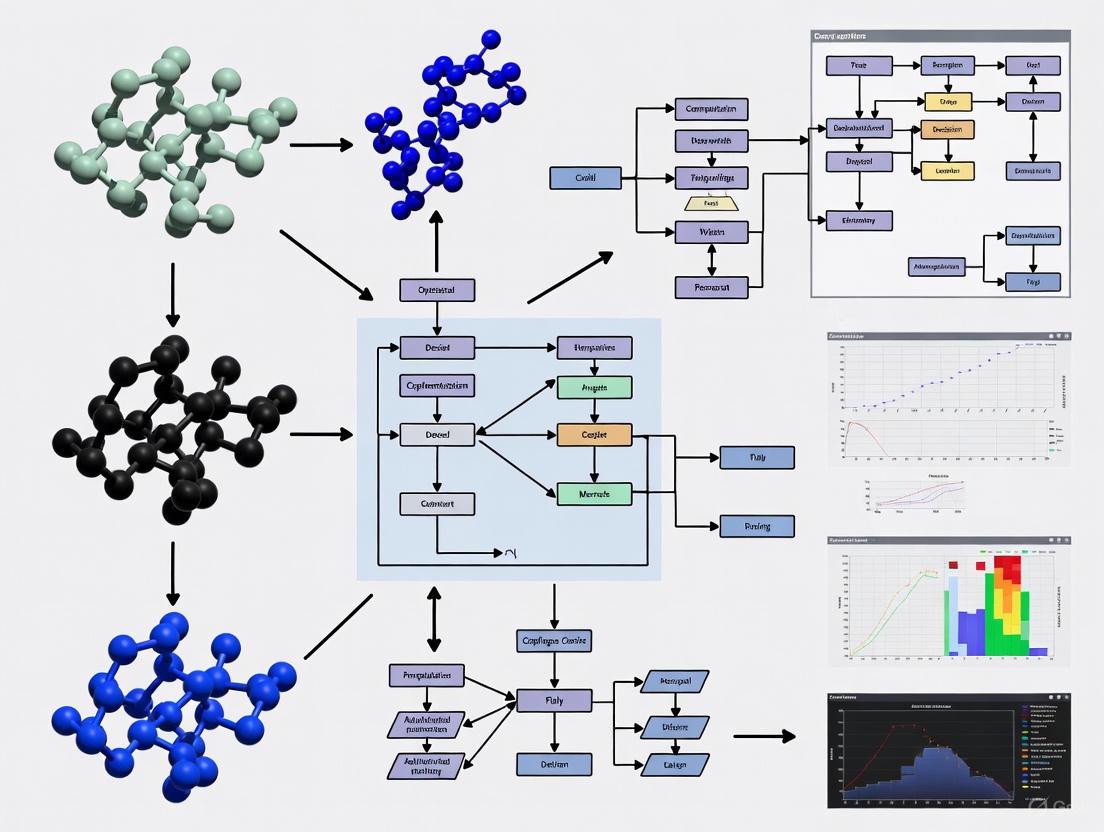
This article explores the latest computational frameworks that are revolutionizing the study and control of cellular self-organization.
Optimizing Cell Self-Organization: A Guide to Predictive Computational Frameworks
Abstract
This article explores the latest computational frameworks that are revolutionizing the study and control of cellular self-organization. Aimed at researchers, scientists, and drug development professionals, it details how machine learning techniques, particularly automatic differentiation, are being used to decode the genetic and biophysical rules guiding morphogenesis. We cover foundational concepts, practical methodologies for model implementation, strategies for troubleshooting and optimization, and a comparative analysis of different modeling approaches. The synthesis of these areas provides a comprehensive roadmap for leveraging computational models to predictively design tissues and understand disease, with profound implications for regenerative medicine and therapeutic development.
The Principles of Self-Organization: From Biological Complexity to Computational Optimization
Troubleshooting Guides
Guide 1: Addressing Variability in Organoid Cultures
Problem: High batch-to-batch variability in organoid morphology and differentiation.
- Potential Cause 1: Inconsistent Matrigel Quality
- Solution: Use lot-qualified, growth factor-reduced (GFR) Matrigel and avoid repeated thawing/refreezing. Ensure the Matrigel concentration is at least 8 mg/mL to create stable domes [1].
- Potential Cause 2: Stem Cell Population Instability
- Solution: Regularly monitor the expression of stem cell markers (e.g., LGR5+). Perform marker expression and karyotype analysis every 5-10 passages to ensure organoid quality and identity. Passage organoids before they become too large or necrotic, typically between 7-12 days [1].
- Potential Cause 3: Suboptimal Passaging
- Solution: For more uniform cultures, use single-cell passaging with reagents like TrypLE Express, supplemented with 10 µM ROCK inhibitor (Y-27632) to promote cell viability. This can produce more consistent results than mechanical dissociation [1].
Guide 2: Managing Computational Reproducibility
Problem: Inability to reproduce computational analyses of self-organization data.
- Potential Cause 1: Manual Data Handling and Non-Scripted Workflows
- Solution: Implement end-to-end automated computational workflows using tools like Snakemake, Nextflow, or Jupyter Notebooks. This avoids error-prone manual steps like spreadsheet manipulation [2].
- Potential Cause 2: Lack of Compute Environment Control
- Solution: Use containerization technologies (e.g., Docker, Singularity) to capture the complete computational environment, including all software dependencies and versions [2].
- Potential Cause 3: Inadequate Documentation
- Solution: Practice literate programming by combining code with human-readable narratives in R Markdown or Jupyter Notebooks. This ensures the analysis process is transparent and understandable [2].
Guide 3: Handling Contamination and Cell Health Issues
Problem: Microbial contamination or poor viability in organoid cultures.
- Potential Cause 1: Compromised Aseptic Technique
- Solution: Use biosafety cabinets and enclosed containers. Implement standardized protocols for tissue sampling and media preparation. Include regular checks for bacteria, fungi, yeast, and mycoplasma [3].
- Potential Cause 2: Improper Cryopreservation or Thawing
- Solution: Pre-treat organoids with ROCK inhibitor (Y-27632) before freezing. Use controlled freezing containers and optimized freezing media. When thawing, remove cryoprotectants promptly through centrifugation [1].
Frequently Asked Questions (FAQs)
Q1: What is the fundamental difference between a spheroid and an organoid? A1: Organoids are derived from stem cells or primary tissue, contain multiple cell types, exhibit complex structures, and have a theoretically unlimited lifespan when cultured in a hydrogel like Matrigel. Spheroids are derived from immortalized cell lines, typically consist of a single cell type, form simple aggregates, and are cultured as freely floating clusters in low-adhesion plates with a limited lifespan [1].
Q2: What are the key principles that make organoids a "complex system"? A2: Organoids exhibit several key principles of complex biological systems [4]:
- Self-organization: Stem cells can spontaneously form ordered structures without external guidance.
- Emergence: Complex patterns and functionalities (e.g., neural electrical activity, crypt-villus structures) arise from interactions between constituent cells.
- Nonlinearity: Small changes in culture conditions or genetic makeup can lead to disproportionately large effects on development.
- Adaptation: They can adjust and evolve in response to changing environmental conditions.
Q3: How can computational models help optimize cellular self-organization? A3: Computational frameworks can treat the control of cellular organization as an optimization problem. Techniques like automatic differentiation—originally developed for training neural networks—can be used to pinpoint how small changes in genetic networks or cellular signals affect the collective behavior of cells. This allows researchers to invert the problem and ask: "What cellular programming is needed to achieve a specific tissue function or shape?" [5]. Hybrid models that combine physics-based principles with data-driven approaches are also emerging [6].
Q4: What are the best practices for ensuring data quality in bioinformatics analyses of self-organization? A4: Adhere to the "Five Pillars of Reproducible Computational Research" [2]:
- Literate Programming: Combine code and narrative in documents (e.g., Jupyter Notebooks, R Markdown).
- Code Version Control and Sharing: Use Git and share code via public repositories.
- Compute Environment Control: Use containerization to manage software environments.
- Persistent Data Sharing: Archive data in stable, public repositories.
- Documentation: Thoroughly document all steps from data collection to analysis.
Q5: My organoids show high variability in size and shape after passaging. How can I reduce this? A5: To reduce variation:
- Use single-cell passaging with enzymatic dissociation (e.g., TrypLE) instead of mechanical "chunking" methods, ensuring to add a ROCK inhibitor to the media to support viability.
- Manually select and maintain organoids of similar sizes and morphologies during culture.
- Seed equivalent numbers of cells or organoid fragments per well to standardize starting conditions [1].
Q6: What are the critical components for a standard organoid culture medium? A6: While the exact formulation varies by organoid type, serum-free media is standard and often includes a base like Advanced DMEM/F12, supplemented with critical factors such as [1]:
- N-2 and B-27 supplements for essential nutrients.
- Growth factors like EGF, FGF, Noggin, and R-Spondin-1. These can be added as recombinant proteins or via conditioned media (e.g., from L-WRN cells).
- Small molecule inhibitors such as A-83-01, SB202190, and CHIR99021 to modulate key signaling pathways.
Table 1: Common Challenges in Organoid Culture and Recommended Quality Control (QC) Metrics
| Challenge | Recommended QC Metric | Frequency of Testing | Ideal Outcome / Acceptable Range |
|---|---|---|---|
| Genetic Drift & Misidentification [3] | STR Profiling / Cell Authentication | At initiation and every 10-15 passages [3] | Match to original cell line or tissue source |
| Loss of Stem Cell Population [1] | Marker Expression (e.g., LGR5+) | Every 5-10 passages [1] | Consistent expression of key stem cell markers |
| Microbial Contamination [3] | Mycoplasma Testing | Regularly (e.g., monthly) and for new incoming lines [3] | Negative for bacteria, fungi, yeast, and mycoplasma |
| Assay Variability [1] | Uniform Seeding (Single Cells) | With every experimental passage [1] | High viability post-seeding; consistent organoid size and number per well |
Table 2: Essential Research Reagent Solutions for Organoid Self-Organization Studies
| Reagent / Material | Function in Self-Organization Experiments | Key Considerations |
|---|---|---|
| GFR Matrigel [1] | Provides a 3D extracellular matrix (ECM) scaffold rich in signaling cytokines and structural proteins, essential for proper growth and patterning. | Use high concentration (≥8 mg/mL); qualify lots for consistency. |
| ROCK Inhibitor (Y-27632) [1] | Promotes cell survival during passaging, freezing, and thawing by inhibiting apoptosis, crucial for maintaining cell numbers for self-organization. | Add at 10 µM concentration during stressful manipulations. |
| N-2 & B-27 Supplements [1] | Provide essential nutrients and hormones for cell survival, growth, and neural differentiation, supporting the metabolic needs of complex structures. | Standard component of serum-free organoid media. |
| WNT Agonists (e.g., R-Spondin-1) [1] | Activates the WNT signaling pathway, a critical cue for stem cell maintenance and axial patterning during self-organization. | Can be used as recombinant protein or via conditioned media. |
| L-WRN Conditioned Media [1] | Cost-effective source of WNT-3A, R-Spondin-3, and Noggin, three key signaling molecules that direct intestinal and other organoid fate. | Must be titrated and quality-controlled for different organoid types. |
Experimental Protocols
Protocol 1: Establishing a Reproducible Organoid Passaging Workflow
This protocol aims to minimize variability for downstream analysis or expansion.
- Pre-conditioning: 1-2 hours before passaging, add ROCK inhibitor (Y-27632) to the culture media to a final concentration of 10 µM [1].
- Matrigel Dissolution: Aspirate the culture media from the well. Add an appropriate volume of Cell Recovery Solution or cold PBS to the Matrigel dome. Incubate at 4°C for 30-60 minutes to dissolve the Matrigel [1].
- Cell Collection and Washing: Gently pipette the dissolved Matrigel-cell mixture and transfer to a conical tube. Wash the well with cold basal media to collect any remaining organoids. Centrifuge the pooled suspension at 1100 rpm for 5 minutes. Carefully aspirate the supernatant, including the thin layer of dissolved Matrigel [1].
- Dissociation:
- For clump passaging: Resuspend the pellet in cold basal media and mechanically break up the organoids into small fragments by pipetting vigorously with a P1000 pipette tip.
- For single-cell passaging: Resuspend the pellet in a gentle enzymatic dissociation reagent like TrypLE Express and incubate at 37°C for 5-15 minutes. Neutralize with complete media [1].
- Centrifugation and Reseeding: Centrifuge again at 1100 rpm for 5 minutes. Aspirate the supernatant. Resuspend the cell pellet in a small volume of cold GFR Matrigel. Seed as domes in a pre-warmed plate and allow to polymerize for 20-30 minutes at 37°C. Finally, gently add complete organoid media containing ROCK inhibitor (if single-cells were made) on top of the dome [1].
Protocol 2: Implementing a Computational Reproducibility Pipeline
This protocol outlines steps for creating a reproducible analysis of self-organization data.
- Literate Programming Setup: Begin your analysis in a Jupyter Notebook or R Markdown document. Write the narrative and methodology alongside the code from the start [2].
- Version Control Initialization: Initialize a Git repository for your project. Make frequent, descriptive commits as the analysis progresses. Use a remote repository (e.g., GitHub, GitLab) for backup and sharing [2].
- Environment Capture: Create a container (e.g., Dockerfile) that specifies all operating system dependencies, software, and package versions required for the analysis. Alternatively, use a package manager like Conda to export the environment specification [2].
- Workflow Automation: Script the entire analysis from raw data ingestion to final figure and table generation. Use a workflow management system (e.g., Snakemake, Nextflow) or a master script to coordinate all steps. Set a fixed random seed for any stochastic algorithms [2].
- Data and Code Archiving: Upon completion, archive the final version of the code and the raw data in a persistent, public repository (e.g., Zenodo, Figshare) and link the two with a permanent DOI [2].
Signaling Pathways and Experimental Workflows
Diagram 1: Core self-organization process in organoids.
Diagram 2: Computational framework for predicting self-organization.
Troubleshooting Guides
Guide 1: Addressing Poor Predictive Performance in Morphogenesis Models
Problem: Your computational model of cellular self-organization fails to accurately predict the final tissue shape or structure.
Solutions:
- Check Gradient Calculations: If using automatic differentiation, verify that the gradients of your objective function with respect to genetic network parameters are computed correctly. Incorrect gradients will lead the optimization astray [5].
- Review Model Constraints: Ensure that physical constraints, such as mass conservation, limits on cell density, and realistic reaction kinetics, are properly implemented in your model. Overly simplified constraints can reduce predictive power [7].
- Calibrate with Experimental Data: Refine your model by calibrating it against experimental data. A model that is not calibrated on real biological data will struggle to make accurate predictions [5] [8].
Guide 2: Managing Computational Complexity in Large-Scale Models
Problem: The optimization process becomes computationally intractable when scaling to large networks or cell populations.
Solutions:
- Leverage Automatic Differentiation: Utilize automatic differentiation, a technique from machine learning, to efficiently compute gradients even in highly complex models. This is more efficient than traditional numerical methods for large problems [5] [8].
- Implement Parallel Computing: Harness parallel computing architectures to distribute the computational load, especially when simulating large cell colonies or running multiple parameter sets [9].
- Start with a Reduced Model: Begin with a simplified model that captures core network interactions before progressively adding complexity. This helps identify key drivers without immediate computational overload [7].
Guide 3: Controlling Charge Heterogeneity in Recombinant Protein Production
Problem: The charge variant profile of your monoclonal antibody (mAb) is inconsistent between batches, affecting therapeutic quality.
Solutions:
- Optimize Culture Conditions: Use Machine Learning (ML) models to identify the optimal combination of culture parameters (pH, temperature, duration) to minimize undesirable charge variants [10].
- Analyze Medium Components: Employ ML-driven analysis to understand the complex, non-linear effects of medium components (e.g., glucose, metal ions) on post-translational modifications that cause charge heterogeneity [10].
- Adopt a Quality-by-Design (QbD) Framework: Implement an adaptive, ML-driven optimization strategy aligned with QbD principles to proactively control critical quality attributes [10].
Frequently Asked Questions (FAQs)
FAQ 1: What is the core computational technique used to translate cell growth into an optimization problem? The core technique is automatic differentiation. Originally developed for training neural networks, it allows researchers to efficiently compute how small changes in a cell's genetic network or signaling pathways impact the emergent behavior of the entire cell collective. This transforms the process of understanding cell organization into a tractable optimization problem that a computer can solve [5] [8].
FAQ 2: How can we ensure that a computational model of the cell cycle is biologically relevant? Choosing the right modeling framework is crucial. The table below compares different computational paradigms to help you select the most appropriate one for your research goal.
| Modeling Paradigm | Key Strengths | Primary Applications | Key Considerations |
|---|---|---|---|
| Ordinary Differential Equations (ODEs) [9] | Captures deterministic dynamics of biochemical networks; well-established analytical methods. | Studying cyclin/CDK network dynamics, DNA replication and repair mechanisms [9]. | Requires accurate kinetic parameters; can become computationally heavy for large systems. |
| Agent-Based Models (ABMs) [9] [11] | Models individual cell behavior, heterogeneity, and spatial interactions within a tissue or tumor microenvironment. | Studying tumor-immune interactions, cell population dynamics, and spatial organization [9]. | High computational cost for large cell numbers; analysis can be complex. |
| Machine Learning (ML) Models [10] | Discovers complex, non-linear relationships in large datasets without requiring a pre-defined mechanistic model. | Optimizing cell culture conditions to control charge variants in mAbs; predicting cell behavior from data [10]. | Dependent on high-quality, large-scale data; model interpretability can be a challenge. |
FAQ 3: What are common pitfalls when applying machine learning to bioprocess optimization? Common pitfalls include:
- Insufficient Data Quality: ML models require large, high-quality datasets. Noisy or biased data will lead to unreliable predictions [10].
- Poor Model Interpretability: A "black box" model that predicts well but offers no biological insight is of limited use for understanding underlying mechanisms [10].
- Ignoring Nonlinear Interactions: Traditional methods like one-factor-at-a-time (OFAT) fail to capture complex interactions between process parameters, which ML is designed to handle [10].
FAQ 4: Can principles of cellular self-organization be applied beyond tissue engineering? Yes. The principles of self-organization, where local interactions give rise to global order, are observed across biological scales. For example, the "peak selection" model shows how modular structures in the brain (e.g., grid cell modules) and distinct species clusters in ecosystems can self-organize from a smooth gradient combined with local competitive interactions [12]. This suggests a universal principle that can inform computational models across neuroscience and ecology.
Experimental Protocols
Protocol 1: Differentiable Programming for Engineering Cellular Morphogenesis
This protocol outlines a computational method to discover genetic rules that guide cells into target shapes [5] [8].
1. Problem Formulation:
- Define Target Outcome: Specify the desired macroscopic outcome, such as a spheroid of a specific size or a horizontally elongated cell cluster.
- Formulate as Optimization: Frame the search for the genetic network that achieves this outcome as an optimization problem, where the goal is to minimize the difference between the simulated and target structures.
2. Model Setup:
- Define Cell Types: In the simulation, establish at least two cell archetypes (e.g., stationary "source cells" that emit growth factors and "proliferating cells" that divide in response) [8].
- Parameterize Gene Network: Create a model of a gene regulatory network where parameters (e.g., gene expression thresholds, interaction strengths) are the variables to be optimized.
3. Optimization via Automatic Differentiation:
- Simulate and Compare: Run the simulation and compare the resulting cell cluster shape to the target.
- Compute Gradients: Use automatic differentiation to efficiently calculate how each parameter in the gene network influences the final shape.
- Iterate and Converge: Update the network parameters based on the gradients to reduce the error. Repeat until the model reliably produces the target structure.
4. Validation and Analysis:
- Extract Rules: Analyze the optimized model to uncover the learned genetic rules. For example, it might reveal a motif where a receptor gene suppresses division in high-growth-factor regions [8].
- Experimental Testing: Synthesize cells with the prescribed genetic circuits and conduct real-world experiments to validate the computational predictions [8].
Protocol 2: Machine Learning-Driven Optimization of mAb Charge Heterogeneity
This protocol describes using ML to control a critical quality attribute (charge heterogeneity) in biopharmaceutical manufacturing [10].
1. Data Collection and Preprocessing:
- Gather Historical Data: Collect high-quality data from past bioreactor runs, including process parameters (pH, temperature, nutrient levels) and the resulting charge variant profiles (acidic, main, and basic species).
- Clean and Normalize Data: Preprocess the data to handle missing values and normalize features to a common scale.
2. Model Training and Validation:
- Select ML Algorithm: Choose a supervised learning regression algorithm (e.g., Random Forest, Gradient Boosting) capable of modeling non-linear relationships.
- Train Model: Use the historical data to train the model to predict the charge variant profile from the process parameters.
- Validate Model: Test the model's predictive accuracy on a held-out dataset not used during training.
3. Model Inversion for Optimization:
- Define Target Profile: Specify the ideal charge variant profile for your monoclonal antibody.
- Invert the Model: Use the trained ML model to identify the set of culture conditions (pH, temperature, duration, etc.) that are predicted to yield the target profile.
4. Implementation and Monitoring:
- Run Bioreactor: Execute a bioreactor run using the ML-prescribed conditions.
- Analyze Output: Measure the actual charge variant profile of the produced mAb.
- Refine Model: Use the results from this run to further refine and recalibrate the ML model, creating an adaptive optimization loop [10].
Visualizations
Diagram 1: Differentiable Programming Workflow for Cell Engineering
Diagram 2: Key Signaling in Growth Factor-Driven Morphogenesis
The Scientist's Toolkit: Research Reagent Solutions
| Item | Function in Research |
|---|---|
| Automatic Differentiation Libraries (e.g., PyTorch, JAX) | Enables efficient gradient computation for optimizing complex models of genetic networks and cellular interactions [5] [8]. |
| Cell Colony Simulators (e.g., gro simulator) | Provides an agent-based modeling environment to simulate the behavior and communication of individual cells in a growing colony, useful for testing genetic circuits [11]. |
| CHO (Chinese Hamster Ovary) Cell Lines | The industry standard host cell line for the production of recombinant therapeutic proteins, including monoclonal antibodies [10]. |
| Cation Exchange Chromatography (CEX) | An essential analytical technique for separating and quantifying the different charge variants (acidic, main, basic) of a monoclonal antibody [10]. |
| Fluorescent Ubiquitination-Based Cell Cycle Indicator (FUCCI) | A live-cell imaging tool that allows real-time visualization of cell cycle progression in individual cells, useful for validating cell cycle models [9]. |
Frequently Asked Questions & Troubleshooting
Q1: Our computational model fails to reproduce key experimental results on tissue morphogenesis. How can we diagnose the issue? This is often a problem of reproducibility (re-running the same analysis) versus replicability (obtaining consistent results with a new, independent setup) [13]. To diagnose:
- Action: First, check for computational reproducibility. Use the same raw data and code to rebuild the analysis files and implement the same statistical analysis [14]. A discrepancy at this stage points to issues in data processing, statistical tools, or accidental errors.
- Action: If computationally reproducible, the issue may be with replicability. Ensure your model and the experimental setup share a close fit between the hypothesis and the experimental design/data [14]. Inconsistencies here often prolong validation or terminate projects [14].
Q2: How can we effectively quantify the structural complexity of a self-organized cell cluster? Traditional single-scale entropy measures often overlook hierarchical patterns. A multiscale entropy framework is better suited for this task.
- Action: Apply spectral graph coarsening to your network representation of the cell cluster [15]. This method aggregates groups of connected nodes into supernodes, creating a hierarchy of reduced graphs that preserve key structural properties [15].
- Action: Compute a compression-based entropy measure at each scale of the reduced graph [15]. The evolution of entropy across scales reveals structural regimes and provides a more complete characterization of the cluster's complexity [15].
Q3: Our model successfully predicts cell behavior in isolation, but fails when cells interact in a cluster. What could be wrong? The problem likely lies in not fully capturing the rules that govern collective cellular behavior.
- Action: Reframe the control of cellular organization as an optimization problem [5]. Use automatic differentiation to efficiently compute how infinitesimal changes in a gene regulatory network influence the emergent behavior of the entire tissue [5] [8]. This helps the computer learn the genetic and biochemical rules cells follow to achieve a collective function [5].
Q4: How can we reduce the computational cost of calculating entropy for very large networks of cells? Calculating compression-based entropy is computationally expensive. A multiscale approach can significantly reduce this cost.
- Action: Perform entropy analysis on spectrally coarsened versions of your original network [15]. By working with significantly smaller graphs, you can obtain a useful entropy-based metric at a fraction of the computational cost, enabling the analysis of much larger networks [15].
Experimental Protocols & Methodologies
1. Protocol for Multiscale Entropy Analysis of a Cellular Network This protocol quantifies the structural complexity of a cell cluster across different hierarchical levels [15].
- Input: A graph
G=(V,E)representing the cell cluster, where nodes are cells and edges represent interactions. - Procedure:
- Graph Coarsening: Apply the spectral graph coarsening framework [5] [16] to
Gto produce a series of reduced graphsG_c. The Laplacian matrix of the coarsened graph is defined asL_c = C∓ L C+, whereCis the coarsening matrix andLis the original Laplacian [15]. - Graph Encoding: At each scale, encode the graph's adjacency matrix into a binary sequence.
- Entropy Calculation: Use a universal compression algorithm (e.g., arithmetic coding) on the binary sequence to estimate the compression-based entropy.
- Normalization: Normalize the entropy value at each scale using a randomized Erdös-Rényi graph baseline of the same size and density [15].
- Graph Coarsening: Apply the spectral graph coarsening framework [5] [16] to
- Output: A multiscale entropy profile showing how structural complexity evolves as the network is coarsened.
2. Protocol for Differentiable Programming of Cell Clusters This protocol uses automatic differentiation to discover the genetic rules that guide cells to self-organize into a target shape [5] [8].
- Input: A target tissue shape or collective cell behavior.
- Procedure:
- Model Setup: Construct a simulation with clusters of cells, categorizing them into types (e.g., stationary source cells and proliferating cells) [8].
- Gradient Computation: Use automatic differentiation to compute the gradient of the final tissue shape with respect to the parameters of the intracellular gene network. This reveals how small changes in genes affect the collective outcome [5] [8].
- Parameter Optimization: Iteratively adjust the gene network parameters to minimize the difference between the simulated and target morphogenesis.
- Rule Extraction: Analyze the optimized gene network to identify the regulatory motif (e.g., a receptor gene that activates upon sensing an external growth factor and suppresses cell division) [8].
- Output: A learned gene regulatory network that instructs cells to form the target structure.
The table below compares key entropy measures used to quantify complexity in biological systems.
Table 1: Entropy Measures for Quantifying Biological Complexity
| Entropy Measure | Scale of Application | Key Principle | Primary Use Case |
|---|---|---|---|
| Compression-based Graph Entropy [15] [17] | Network | Quantifies the information content needed to encode a graph's structure after compression. | Characterizing the structural complexity and predictability of networks, such as cell interaction networks. |
| Multiscale Graph Entropy [15] | Multiscale Network | Extends compression entropy by applying graph reduction, showing how complexity evolves across hierarchical scales. | Uncovering consistent entropy profiles and structural regimes (stable, increasing, hybrid) in hierarchical biological networks. |
| Local Entropy-Weighted Binary Pattern [16] | Image/Texture | Uses two-dimensional entropy to weight local binary patterns, enhancing feature discriminability. | Classifying textures in biological images, such as microscopic or medical images. |
| Local Entropy (for Financial Patterns) [18] | Time Series / Data Cluster | Measures the uncertainty or purity of outcomes within a local cluster of data points. | Identifying high-quality, non-overlapping patterns with consistent behavior; adaptable for analyzing dynamic cell behavior. |
The table below outlines common challenges in computational research on cellular self-organization and potential solutions.
Table 2: Troubleshooting Guide for Computational Bioengineering
| Problem Area | Specific Challenge | Proposed Solution | Underlying Principle |
|---|---|---|---|
| Reproducibility [14] [19] | Inability to duplicate prior results with the same materials and data. | Ensure full computational reproducibility by sharing and re-running the exact analytical dataset, computer code, and metadata [14]. | Reproducibility is a minimum necessary condition for a finding to be believable and informative [14]. |
| Model Generalization | Model works in simulation but not with new experimental data or conditions. | Test for replicability by developing an independent implementation or applying the model to a new, independently collected dataset [13]. | Replicability assesses whether the finding can be duplicated under different experimental conditions [13]. |
| Structural Complexity | Single-scale complexity measures fail to capture hierarchical tissue organization. | Implement a multiscale entropy framework using spectral graph coarsening to analyze complexity across scales [15]. | Real-world networks display patterns that are only apparent at certain scales; a multiscale tool better captures structural complexity [15]. |
| Predictive Control | Inability to inversely program cells to achieve a specific target shape. | Use automatic differentiation to translate morphogenesis into an optimization problem and discover required gene network rules [5] [8]. | Automatic differentiation efficiently computes gradients of complex functions, enabling the inversion of a predictive model to dictate cellular programming [5]. |
Workflow and Pathway Visualizations
The Scientist's Toolkit: Research Reagent Solutions
Table 3: Essential Computational Reagents for Optimizing Cell Self-Organization
| Tool / Reagent | Function / Explanation | Application Context |
|---|---|---|
| Automatic Differentiation [5] [8] | An algorithm that efficiently computes the gradient (sensitivity) of a complex function's output with respect to its inputs. | Core engine for inverting cell behavior models; determines how to change genetic inputs to achieve a target tissue output. |
| Spectral Graph Coarsening [15] | A graph reduction method that aggregates nodes, preserving the spectral properties of the original graph's Laplacian matrix. | Creates multiscale representations of cell networks for efficient entropy analysis and complexity profiling. |
| Compression-Based Entropy [15] [17] | An information-theoretic measure that estimates the structural complexity of a system by the length of its compressed binary encoding. | Quantifies the structural complexity and inherent predictability of cell interaction networks. |
| Differentiable Programming | A paradigm where entire simulation programs are made differentiable, allowing end-to-end gradient-based optimization. | Provides the framework for combining physical models of cell adhesion/mechanics with learnable gene networks. |
FAQs and Troubleshooting Guides
General Concepts
What are the key biological processes controlling cell self-organization? Cell self-organization is guided by the precise interplay of three core processes:
- Genetic Networks: Internal genetic programs that define a cell's potential behaviors and responses.
- Chemical Signaling: Molecules such as ligands and morphogens that transmit information between cells.
- Physical Forces: Mechanical cues like tension and compression that instruct cell fate and tissue shape.
A pivotal study revealed that chemical signals like BMP4 alone are insufficient to guide gastrulation; the transformation began only when cells were also under the correct mechanical conditions, demonstrating a fundamental interdependence [20].
Why should I use a computational model for my self-organization experiments? Computational models help translate the complex process of cell growth into an optimization problem a computer can solve. They can predict how small changes in genes or cellular signals affect the final tissue design, moving beyond trial-and-error approaches. A new framework using automatic differentiation can extract the rules cells follow to achieve a collective function, which could someday be used to design living tissues with specific shapes [5].
Troubleshooting Common Experimental Issues
My synthetic embryo model fails to generate the correct cell layers (e.g., mesoderm and endoderm). What could be wrong? This is a common issue where mechanical conditions are overlooked. As demonstrated in optogenetic studies, the failure to form mesoderm and endoderm can result from using unconfined, low-tension cell cultures even with proper BMP4 activation [20].
Troubleshooting Guide:
| Possible Cause | Diagnostic Check | Recommended Solution |
|---|---|---|
| Insufficient Mechanical Confinement | Check if cell colonies are allowed to spread freely without physical constraint. | Culture cells in confined colonies or embed them in tension-inducing hydrogels [20]. |
| Absence of Mechanosensory Protein Activity | Measure nuclear localization of YAP1. | Verify that nuclear YAP1, which acts as a molecular brake on gastrulation, is appropriately regulated by mechanical tension [20]. |
| Purely Biochemical Induction | Review protocol: are you relying solely on morphogens? | Ensure your experimental system integrates both biochemical (BMP4, WNT, Nodal) and physical priming steps [20]. |
I am analyzing a genetic network, but my tokenization of genomic "words" does not reveal meaningful patterns. What alternative methods exist? The common presuppositions that the genomic alphabet has only four letters and that words are always triplets can limit analysis. Consider an alternative "contextual tokenization" that uses a seven-symbol alphabet accounting for nucleotide degeneracy [21].
Comparison of Genomic Tokenization Methods:
| Method | Core Principle | Alphabet Size | "Word" Unit | Best Use Case |
|---|---|---|---|---|
| Frame Tokenization (TF) | Sliding window of fixed size n [21]. |
4 (A, T, C, G) | N-nucleotide sequences | Baseline analysis of texts with unknown punctuation. |
| Triplet Tokenization (TT) | Partitioning sequence into consecutive non-overlapping triplets [21]. | 4 (A, T, C, G) | Codons | Standard genetic code analysis. |
| Contextual Tokenization | Accounts for codon degeneracy based on nucleotide position [21]. | 7 (A, T, C, G, Y, X, ) | Variable length | Detecting deeper semiotic information and power-law distributions. |
Y (any purine), X (any pyrimidine), * (any nucleotide) [21].
How can I computationally extract the rules of self-organization from my experimental data? A modern approach uses automatic differentiation, a technique from machine learning, not to train neural networks but to analyze physics-based models of your system. This method allows you to efficiently compute how a small change in any part of a gene network would affect the collective behavior of the cell population, thereby "learning" the underlying rules [5].
Experimental Protocols
Detailed Protocol: Optogenetic Induction of Gastrulation with Mechanical Priming
This protocol allows remote control of embryonic development using light to activate key developmental proteins, enabling the study of mechanical forces [20].
Workflow Diagram: Optogenetic Gastrulation Induction
Key Materials:
- Human Embryonic Stem Cells (hESCs): The foundational cell type capable of forming all embryonic layers.
- Optogenetic BMP4 Construct: Genetically engineered system where BMP4 expression is controlled by light.
- Confinement Micropatterns/ Hydrogels: Substrates designed to impart specific mechanical tension to the cells.
- Immunofluorescence Assays: For detecting and quantifying the mechanosensory protein YAP1.
Methodology:
- Cell Engineering: Engineer human embryonic stem cells (hESCs) to express an optogenetic actuator for BMP4, allowing precise, light-controlled activation [20].
- Mechanical Priming: Plate the engineered cells into different mechanical environments:
- Control: Unconfined, low-tension culture dishes.
- Experimental: Confined colonies or hydrogel substrates that induce cellular tension [20].
- Optogenetic Induction: Apply a specific wavelength of light to the cultures to activate the BMP4 signaling pathway [20].
- Outcome Assessment: After 48-72 hours, analyze the cells for the presence of specific germ layers. Only samples under correct mechanical tension will robustly form mesoderm and endoderm. Quantify nuclear vs. cytoplasmic YAP1 as a readout of mechanical competence [20].
Detailed Protocol: Contextual Tokenization of Genomic Sequences
This method tests the hypothesis that the genomic alphabet contains seven semiotic symbols, leading to a more natural tokenization of genetic "words" that may follow a power-law distribution [21].
Workflow Diagram: Genomic Sequence Tokenization Analysis
Key Materials:
- Genomic Datasets: Coding sequences (CDS) from databases like NCBI. For robust analysis, use sequences of at least 3 Mbp in length [21].
- Computational Resources: Software or custom scripts (e.g., in Python/R) for sequence processing, tokenization, and statistical analysis.
- Reference Data: Artificially generated random nucleotide sequences of the same length as a negative control [21].
Methodology:
- Data Preparation: Download and compile coding sequences (CDS) from your organism of interest into a continuous text of 3 Mbp. Generate a control random sequence of the same length [21].
- Tokenization: Process the sequences using three different methods:
- Frame Tokenization (TF): Use a sliding window of a fixed size (e.g., 3-6 nucleotides) to extract "words" [21].
- Triplet Tokenization (TT): Divide the sequence into consecutive, non-overlapping three-nucleotide codons [21].
- Contextual Tokenization: Rewrite the sequence using a seven-symbol alphabet (A, T, C, G, Y, X, ), where the symbol meaning depends on its position in a codon (e.g., the third position in several codons is represented by '' meaning "any nucleotide"). Then, tokenize the sequence based on the occurrence of these asserted symbols [21].
- Frequency-Range Analysis: For each tokenization method, calculate the frequency of every unique word. Rank the words from most frequent (rank 1) to least frequent [21].
- Power-Law Assessment: Plot the frequency against the rank on a double logarithmic scale. A linear decay indicates conformity to Zipf's law, suggesting a meaningful, language-like structure. The method whose plot best fits a power law is likely the most semantically valid [21].
The Scientist's Toolkit: Research Reagent Solutions
| Research Area | Essential Reagent / Tool | Function |
|---|---|---|
| Genetic Networks | Contextual Tokenization Scripts | Enables analysis of genomic sequences with a seven-symbol alphabet to uncover deeper linguistic structures and power-law distributions [21]. |
| Chemical Signaling | Optogenetic Actuators (e.g., light-controlled BMP4) | Provides unprecedented spatiotemporal precision in activating specific signaling pathways during development, moving beyond static chemical addition [20]. |
| Physical Forces | Tension-Inducing Hydrogels / Micropatterned Substrates | Supplies the critical mechanical priming required for proper morphogenesis. Converts biochemical signals into successful, structured outcomes [20]. |
| Computational Integration | Automatic Differentiation Frameworks | A computational technique that efficiently inverts models to predict how to program cells (e.g., which genes to alter) to achieve a desired collective tissue shape [5]. |
| Mechanosensing Readouts | YAP/TAZ Localization Assays | A key biomarker (via immunofluorescence) to verify that cells are in a mechanically competent state (nuclear YAP) permissive for differentiation [20]. |
Methodologies in Action: Machine Learning and Hybrid Models for Predictive Control
Core Concepts: Automatic Differentiation in Computational Biology
What is Automatic Differentiation and why is it pivotal for modern computational biology?
Automatic Differentiation (AD) is a computational technique that uses chain rule to accurately and efficiently compute derivatives of functions expressed in a computer program. While it forms the backbone for training deep learning models by calculating gradients for optimization algorithms, its application has expanded significantly. In computational biology, AD translates the complex process of cell growth and self-organization into an optimization problem that computers can solve. It allows researchers to predict how small changes in genes or cellular signals affect the final tissue design or organizational outcome, enabling the inverse engineering of biological systems [5].
How is AD applied beyond neural networks in biological research?
AD is being repurposed for fundamental biological challenges. Harvard physicists have utilized AD to uncover the rules cells use to self-organize. Their computational framework can extract the genetic networks guiding cell behavior, influencing how cells chemically signal each other or the physical forces that make them stick together or pull apart. This approach provides a promising path toward achieving the predictive control needed to, in the future, engineer the growth of organs [5]. Similarly, AD has been used to model dynamics of chromosome organization in minimal bacterial cells, creating computational frameworks for systems of replicating bacterial chromosomes [22].
Technical Implementation Guide
What are the primary computational frameworks supporting AD?
Table: Key Deep Learning Frameworks Supporting Automatic Differentiation
| Framework | Primary Developer | Key Features | Best Suited For |
|---|---|---|---|
| TensorFlow | Production-scale deployment, extensive ecosystem | Industry applications, large-scale models | |
| PyTorch | Meta (Facebook) | Dynamic computation graphs, intuitive syntax | Research prototyping, academic use |
| JAX | Composable transformations, high-performance | Scientific computing, numerical research | |
| MXNet | Apache Foundation | Multi-language support, scalable distributed computing | Cross-platform applications |
These frameworks provide the essential infrastructure for implementing AD in both neural network training and biological system modeling [23].
What are the essential research reagents and computational tools?
Table: Essential Research Reagent Solutions for Cell Behavior Experiments
| Reagent/Tool | Function/Purpose | Application Example |
|---|---|---|
| Human Induced Pluripotent Stem Cells (hiPSCs) | Starting biological material for differentiation studies | Generating cortical neural networks |
| Crosslinked Gelatin Nanofiber Membranes | Substrate providing stiffness and permeability modulation | Promoting self-organization of neural clusters |
| CEN-SELECT System | Combines centromere inactivation with selection marker | Studying chromosome segregation errors |
| Associative GRN Model (AGRN) | Neural network-based framework storing gene expression profiles | Modeling cell-fate decisions and development |
| Variational Autoencoder (VAE) | Unsupervised learning for feature extraction and clustering | Analyzing cellular response to mechanical stimuli |
These tools enable both wet-lab experimentation and computational modeling of cell behavior [24] [25] [26].
Troubleshooting Common Experimental Challenges
Why does my model fail to predict accurate cell behavior patterns?
Issue: Models producing biologically implausible cell organization patterns or failing to converge.
Solutions:
- Verify Data Quality: Ensure single-cell expression data is properly normalized and batch effects are corrected. In calcium signaling studies, implement rigorous background subtraction and smoothing of fluorescence traces [26].
- Check Model Capacity: Increase network complexity gradually. For gene regulatory networks, ensure the associative memory model has sufficient capacity to store all developmental stage vectors [25].
- Adjust Optimization Parameters: Modify learning rates and regularization. Biological systems often require different optimization strategies than standard computer vision tasks.
- Validate with Known Pathways: Test models on well-established biological pathways before applying to novel systems.
How can I improve synchronization in neural network formation?
Issue: Differentiated neural cells fail to form synchronous clusters with coordinated activities.
Solutions:
- Optimize Substrate Properties: Use arrayed monolayers of crosslinked gelatin nanofiber membranes rather than glass substrates, as they provide better modulation of stiffness and permeability [24].
- Implement Automated Differentiation: Utilize automated systems to avoid undesired shaking that critically affects formation of synchronous neural clusters [24].
- Extend Differentiation Period: Allow sufficient time for neural precursor cells to develop inter-connected cortical neural clusters, typically requiring long-term culture maintenance.
- Verify Precursor Cell Quality: Ensure neural precursor cells are properly derived from hiPSCs with appropriate marker expression before plating on nanofiber membranes.
What are common data visualization pitfalls in cell behavior analysis?
Issue: Visualization fails to effectively communicate patterns in single-cell data or developmental trajectories.
Solutions:
- Apply Appropriate Color Palettes:
- Use qualitative palettes with varying hues for categorical data (e.g., different cell types)
- Use sequential palettes with varying luminance for continuous numeric data (e.g., expression levels)
- Use diverging palettes for data with a categorical boundary (e.g., upregulated/downregulated genes) [27]
- Limit Color Usage: Stick to seven or fewer colors in a single visualization to avoid overwhelming viewers [28].
- Ensure Accessibility: Check color choices for compatibility with color vision deficiencies by using tools that simulate different forms of colorblindness [27].
- Maintain Consistency: Use the same color associations throughout related visualizations (e.g., orange for safety performance, green for profit) [28].
Experimental Protocols
Protocol 1: Automated Differentiation of hiPSCs toward Synchronous Neural Networks
Purpose: Generate regular, inter-connected cortical neural clusters with synchronized activities from hiPSCs [24].
Materials:
- Human induced pluripotent stem cells (hiPSCs)
- Honeycomb microframe array with monolayer of crosslinked gelatin nanofiber membranes
- Neural induction medium
- Cell culture equipment with automated environmental control
Methodology:
- Neural Precursor Cell Derivation: Differentiate hiPSCs into neural precursor cells (NPCs) using standard neural induction protocols.
- Array Seeding: Place NPCs on the nanofiber membranes within honeycomb compartments.
- Automated Differentiation: Maintain cultures in automated system for extended period (typically 4-6 weeks) with minimal disturbance.
- Activity Monitoring: Assess neural activities through calcium imaging or electrode arrays to confirm synchronization.
Key Considerations:
- Most cells should localize to center areas of honeycomb compartments due to substrate modulation
- Regular, inter-connected clusters indicate successful self-organization
- Neural activities should show synchronization across clusters
- Compare against control substrates (glass, nanofiber-covered glass) to verify efficiency
Protocol 2: Chromosome Segregation Error Analysis Using CEN-SELECT
Purpose: Systematically interrogate structural landscape of missegregated chromosomes and their genomic consequences [29].
Materials:
- DLD-1 colorectal cancer cells (or other p53-inactivated line)
- CENP-A mutant cell lines with auxin-inducible degron system
- CRISPR/Cas9 components for NeoR gene insertion
- G418 selection antibiotic
- Fluorescence in situ hybridization (FISH) probes
Methodology:
- Cell Line Engineering:
- Insert neomycin-resistance gene (NeoR) at Y-chromosome AZFa locus using CRISPR/Cas9
- Integrate single-copy, doxycycline-inducible CENP-A constructs
Centromere Inactivation:
- Add indole-3-acetic acid (IAA) and doxycycline (DOX) to induce CENP-A degradation and replacement with mutant
Selection and Recovery:
- Apply G418 selection to identify cells retaining Y chromosome
- Wash out drugs to allow centromere reactivation
Structural Analysis:
- Perform metaphase spread preparations with chromosome painting
- Conduct whole-genome sequencing to identify rearrangement types
Key Considerations:
- Expect ~59% of cells to undergo Y chromosome loss within three days of centromere inactivation
- ~56% of retained Y chromosomes should localize to micronuclei
- Transient inactivation with selection reduces clonogenic survival by ~89%
- Majority of recovered cells (>90%) should show Y chromosome retention in main nucleus
Signaling Pathways and Experimental Workflows
Developmental Gene Regulatory Network Framework
Cell Behavior Analysis Pipeline Using Variational Autoencoders
Advanced Applications and Future Directions
How can I adapt these methods for drug development applications?
Target Identification: Use AD-optimized models to identify critical regulatory nodes in disease-associated gene networks. The AGRN framework can predict which transcription factors drive pathological cell states, suggesting intervention points [25].
Toxicity Screening: Implement chromosome segregation analysis to assess genomic instability potential of candidate compounds. The CEN-SELECT system provides a sensitive measure of structural chromosomal abnormalities [29].
Mechanism of Action Studies: Apply VAE-based analysis to classify cellular response patterns to different drug treatments, connecting short-term signaling events with long-term outcomes [26].
What are the computational requirements for implementing these approaches?
Hardware Considerations:
- GPUs: Essential for training large models, particularly for VAEs processing thousands of time series
- Memory: 16GB+ RAM recommended for whole-cell modeling and chromosome dynamics
- Storage: High-speed SSDs for large imaging datasets and sequencing files
Software Stack:
- Deep Learning Frameworks: TensorFlow or PyTorch for AD implementation
- Specialized Libraries: Cell tracking algorithms (modified Crocker and Grier), bioinformatics tools
- Visualization: Seaborn/Matplotlib for data visualization with perceptually uniform colormaps
As AD continues to bridge machine learning and biological discovery, these troubleshooting guidelines and experimental frameworks provide researchers with practical tools to advance the computational understanding of cell self-organization and behavior.
The integration of Agent-Based Modeling (ABM) with deep learning represents a paradigm shift in computational biology, moving from traditional, rule-based simulations to intelligent, predictive systems that can learn directly from experimental data. These hybrid frameworks are designed to optimize the understanding and control of cellular self-organization, a critical process in tissue development and regenerative medicine [5] [30] [8].
The following table summarizes the key characteristics of the primary computational frameworks used in this domain.
| Framework Name/Type | Primary Methodology | Key Application in Cell Self-Organization | Core Advantage |
|---|---|---|---|
| Differentiable Programming [5] [8] | Automatic Differentiation | Discovers genetic network rules for target morphogenesis (e.g., cluster elongation). | Translates cellular organization into an optimization problem; enables reverse-engineering of desired tissue shapes. |
| ABM + Deep Reinforcement Learning (DDQN) [30] | Double Deep Q-Network (DDQN) | Predicts dynamic cell migration (e.g., barotaxis) in response to environmental pressure gradients. | Learns cell behavior directly from experimental data without pre-defined rules; generalizes to new geometries. |
| NVIDIA PhysicsNeMo [31] | Physics-Informed Neural Networks (PINNs), Graph Neural Networks (GNNs) | Building scalable AI surrogate models and digital twins for biological systems. | Provides an open-source, enterprise-scale platform for combining physics-driven causality with simulation/observed data. |
| Generative AI + Active Learning [32] | Variational Autoencoder (VAE) with nested Active Learning cycles | Context: Drug Design - Optimizes molecular structures for target engagement (e.g., for CDK2, KRAS). | Generates novel, synthesizable, drug-like molecules by iteratively refining predictions with physics-based oracles. |
Frequently Asked Questions (FAQs)
Framework Selection and Design
Q1: When should I choose an ABM with Reinforcement Learning (RL) framework over a Differentiable Programming approach for my cell organization project?
The choice hinges on the specific biological question and the nature of the available data.
- ABM with RL is particularly powerful for modeling dynamic decision-making processes of individual cells in complex, heterogeneous environments. For example, it has been successfully used to model how a single cell decides its migration path based on continuously sensed pressure gradients (barotaxis) in a microfluidic device [30]. Use this framework when you have high-resolution, time-lapse data tracking individual cell behaviors and want the model to learn the optimal policy for cell actions.
- Differentiable Programming excels at reverse-engineering the underlying rules—often genetic or biochemical networks— that lead to an emergent tissue-level shape. The Harvard SEAS framework, for instance, optimized parameters to make a cell cluster elongate horizontally by learning a rule where a receptor gene suppresses division in response to a source cell's signal [5] [8]. Choose this framework when you have a target macroscopic outcome (e.g., a specific tissue shape) and need to discover the microscopic rules that can achieve it.
Q2: What is the role of a physics-based model in these hybrid frameworks?
Physics-based models provide a crucial causal backbone that enhances the robustness and generalizability of data-driven AI models. They ground the learning process in established physical principles, which is especially important when experimental data is sparse or expensive to obtain.
- As an Oracle: In the generative AI drug design framework, physics-based molecular docking simulations act as an "affinity oracle" to evaluate and filter generated molecules, ensuring they are physically plausible and have high predicted binding affinity [32].
- As the Environment: In the ABM-RL model for cell migration, a Computational Fluid Dynamics (CFD) simulation calculates the pressure field within the microchannel. This physically accurate environment serves as the input signal that the cell agent senses and responds to [30].
- As a Constraint: In NVIDIA PhysicsNeMo, physics-informed neural networks (PINNs) directly incorporate physical laws (in the form of partial differential equations) into the loss function of the neural network, guiding it to produce solutions that are not only data-driven but also physically consistent [31].
Implementation and Troubleshooting
Q3: My ABM-RL model is failing to converge during training. What are the common pitfalls?
Failure to converge in an ABM-RL setup like the DDQN used for cell migration can stem from several issues [30]:
- Poorly Designed Reward Function: The reward function is the primary guidance for the RL agent. If it does not accurately and incrementally reflect the desired biological behavior, the agent will not learn effectively. For example, the barotaxis model used a reward function that encouraged movement towards a goal location (outlet), which was aligned with the higher pressure gradient.
- Inadequate State Representation: The information you provide to the agent about its environment (the "state") must be sufficient for decision-making. In the successful model, the state was represented by pressure readings at multiple equidistant points around the cell membrane, effectively mimicking cellular mechanosensing. An overly simplistic state representation would lack the necessary information.
- Hyperparameter Tuning: RL algorithms are sensitive to hyperparameters such as the learning rate, discount factor, and exploration-exploitation schedule (e.g., epsilon decay). These must be carefully tuned for the specific problem. Refer to the published parameters from the barotaxis study as a starting point [30].
Q4: How can I ensure the genetic rules discovered by my differentiable model are biologically plausible and experimentally testable?
The output of a differentiable model is a computational proof-of-concept. Translating it into biology requires careful design and validation.
- Incorporate Prior Knowledge: Constrain the search space of possible genetic networks based on known biology. The model should explore plausible interactions (e.g., activation, suppression) rather than arbitrary functions.
- Analyze the Learned Motif: Examine the discovered rule for interpretable patterns. The Harvard model, for example, found an elegant motif where a receptor gene activated by an external signal suppressed cell division [8]. This is a biologically plausible negative feedback loop.
- Design Validation Experiments: The model's output should directly suggest a wet-lab experiment. For instance, if the model identifies a key receptor gene, the follow-up experiment would involve knocking down that gene and observing if the predicted disruption in self-organization (e.g., failed elongation) occurs [5] [8].
Troubleshooting Guides
Problem: Model Fails to Generalize to New Experimental Conditions
Symptoms: The model performs well on its training data but produces inaccurate predictions when applied to a new geometry, a different protein target, or slightly altered biochemical conditions.
Possible Causes and Solutions:
| Cause | Solution |
|---|---|
| Overfitting to Training Data | Implement stronger regularization techniques (e.g., L1/L2 regularization, dropout) within your neural networks. For generative models, actively promote diversity by using filters that penalize molecules too similar to those in the training set [32]. |
| Insufficient Physics Constraints | Move towards a more strongly physics-informed framework. Use NVIDIA PhysicsNeMo to build models that hard-code physical laws, or use physics-based simulations (CFD, molecular docking) as oracles to ground the predictions [31] [30] [32]. |
| Narrow Training Data Distribution | Ensure your training data encompasses a wide range of variability. Use data augmentation techniques for images or simulation data. In an AL cycle, explicitly sample from diverse regions of the parameter space to build a more robust model [32]. |
Problem: Computationally Prohibitive Training Times
Symptoms: Training a single model takes days or weeks, severely slowing down the research iteration cycle.
Possible Causes and Solutions:
| Cause | Solution |
|---|---|
| Inefficient Data Loading and Preprocessing | Utilize GPU-accelerated data pipelines (e.g., NVIDIA DALI) to ensure the GPU is never idle waiting for data. Precompute and cache expensive simulation results where possible. |
| Suboptimal Hardware Utilization | Leverage multi-GPU and distributed training frameworks. NVIDIA PhysicsNeMo is explicitly designed for scalable, multi-node training, enabling you to handle problems like a "50 million node mesh" [31]. |
| Overly Complex Model for the Task | Start with a simpler model architecture (e.g., a simpler NN in your ABM) and increase complexity only if needed. Consider using a pre-trained model from the NVIDIA NGC catalog and fine-tuning it for your specific problem, which can drastically reduce training time [31]. |
Experimental Protocols & Workflows
Workflow 1: Differentiable Programming for Optimizing Cell Cluster Morphogenesis
This protocol is based on the research from Harvard SEAS that reframes cellular self-organization as an optimization problem [5] [8].
Title: Differentiable Morphogenesis Workflow
Detailed Steps:
- Define Target Morphology: Quantitatively specify the desired outcome of the cell cluster, such as "achieve a horizontal elongation with a length-to-width ratio of 3:1" [5] [8].
- Initialize Computational Model:
- Build a simulation with two cell types: source cells (stationary, emit a growth factor) and proliferating cells (respond to the signal) [8].
- Parameterize the gene regulatory network that controls how proliferating cells respond to the growth factor. These parameters are the "knobs" the optimization will adjust.
- Run Simulation: Execute the model to simulate the growth and organization of the cell cluster over time.
- Calculate Loss: Compare the final simulated shape of the cluster to the target morphology defined in Step 1 using a loss function (e.g., Mean Squared Error on the shape metrics).
- Apply Automatic Differentiation: Use the automatic differentiation engine to compute the gradient of the loss function with respect to every parameter in the gene network. This identifies how each parameter influenced the final shape [5].
- Update Parameters: Adjust the gene network parameters using gradient-based optimization (e.g., Adam optimizer) to minimize the loss.
- Iterate: Repeat steps 3-6 until the simulation consistently produces the target morphology. The final set of parameters represents the learned genetic rules for achieving that shape.
Workflow 2: ABM with Deep RL for Predicting Cell Migration
This protocol outlines the process for training an intelligent agent to replicate cell migration behavior, as demonstrated in barotaxis research [30].
Title: ABM Reinforcement Learning Workflow
Detailed Steps:
- Define Microenvironment: Create a 2D or 3D geometry representing the experimental setup (e.g., a microfluidic channel with a bifurcation) [30].
- Compute Physics Field: Perform Computational Fluid Dynamics (CFD) simulations on the geometry to calculate the spatial pressure field, P(x), which will act as the environmental cue [30].
- Initialize ABM and RL Agent:
- ABM: Set up a simulation where a single cell agent can move through the environment.
- RL Agent: Implement a Double Deep Q-Network (DDQN). The agent's state is a vector of pressure values sensed at multiple points around the cell. Its actions are discrete movement directions [30].
- Training Loop:
- Observe: The cell agent senses the local pressure field.
- Act: The DDQN's neural network processes the state and outputs a probability for each action. The agent selects a migration direction (e.g., using an epsilon-greedy policy).
- Execute: The chosen action is executed in the ABM, moving the cell to a new location.
- Reward: The agent receives a reward. In the barotaxis model, this was based on moving closer to the goal (outlet). A large positive reward is given for success [30].
- Learn: The experience (state, action, reward, next state) is stored in a replay memory. The DDQN is periodically trained by sampling batches from this memory to update the network weights, improving its decision-making policy.
- Validation: After training, the model is validated by deploying the trained agent in new, unseen microdevice geometries and comparing its migration paths to experimental data [30].
The Scientist's Toolkit: Essential Research Reagents & Materials
The following table details key computational and experimental "reagents" essential for working with these hybrid frameworks.
| Item Name | Type | Function / Application | Example / Note |
|---|---|---|---|
| Automatic Differentiation Engine [5] | Software Library | The core computational tool that calculates gradients for optimization; enables the "differentiable" in differentiable programming. | Built into deep learning frameworks like PyTorch and JAX. |
| NVIDIA PhysicsNeMo [31] | Open-Source AI Framework | Provides a specialized toolkit for building, training, and deploying physics-ML models at scale across various domains (CFD, structural mechanics). | Includes model architectures like PINNs, GNNs, and Fourier Neural Operators. |
| Computational Fluid Dynamics (CFD) Solver [30] | Physics Simulation Software | Calculates pressure and fluid flow fields in a microenvironment; provides physical input signals for ABM-RL agents. | Used to simulate pressure gradients in microfluidic devices for barotaxis studies. |
| Double Deep Q-Network (DDQN) [30] | Reinforcement Learning Algorithm | Stabilizes training and prevents overestimation of Q-values in deep RL; used to train intelligent cell agents. | An enhancement of the classic Deep Q-Network. |
| Variational Autoencoder (VAE) [32] | Generative AI Model | Learns a compressed, continuous latent representation of molecular structures; enables generation of novel molecules. | Integrated with active learning for drug design. |
| Active Learning (AL) Cycles [32] | Machine Learning Strategy | Iteratively refines a model by selecting the most informative data points for evaluation, maximizing efficiency. | Uses "oracles" (e.g., docking scores, synthesizability filters) to guide molecular generation. |
| Microfluidic Device [30] | Experimental Platform | Provides a controlled in vitro environment with defined geometries and pressure gradients to study cell migration (e.g., barotaxis). | Enables collection of high-quality, quantitative data for model training and validation. |
This case study details the application of a novel computational framework to achieve a fundamental morphogenetic process: the guided horizontal elongation of a cell cluster. The research is situated within the broader thesis of optimizing cell self-organization through computational frameworks, which aims to reverse-engineer the local rules that enable cells to collectively form complex, pre-specified structures. The core innovation lies in reframing biological development as an optimization problem solvable with machine learning tools, specifically automatic differentiation. This approach allows researchers to efficiently discover the parameters of genetic networks that cells need to execute so that the entire system develops into a target shape, moving beyond traditional trial-and-error methods in bioengineering [5] [8]. The successful design of an elongating tissue demonstrates the potential of this methodology to inform experimental work in regenerative medicine and drug development, ultimately aiming for the in vitro growth of functional tissues.
The challenge of morphogenesis—how cells self-organize into functional tissues and organs—is a major unsolved problem in biology. Traditional experimental approaches often rely on manually crafted, qualitative rules, which can be slow and lack robustness [33]. The research presented here addresses this by leveraging a powerful computational technique: automatic differentiation (AD).
Originally developed for training deep neural networks, AD consists of algorithms that can efficiently compute the derivatives (sensitivities) of a complex system's output with respect to its inputs [5] [34]. In this biological context, the entire process of tissue growth—including cell division, mechanical interaction, and chemical signaling—is modeled as a computer simulation that is made to be "differentiable." This means the computer can determine precisely how a tiny change in a single parameter (e.g., the strength of a connection in a genetic network) will influence the final, emergent shape of the tissue [5] [33].
The ultimate goal is inverse design: specifying a desired tissue shape (like a horizontally elongated cluster) and allowing the computer to work backwards to discover the local cellular rules that will achieve it. This is formulated as an optimization problem where a loss function, quantifying the difference between the simulated and target structures, is minimized using gradient-based methods [34] [33].
Experimental Protocol & Methodology
Core Computational Model
The following workflow outlines the key components and steps of the differentiable simulation used to engineer morphogenesis.
Diagram 1: Differentiable Simulation Workflow
Forward Model of Tissue Growth
The system models a tissue as a collection of cells interacting in a 3D space [33].
- Cell Representation & Mechanics: Cells are modeled as soft spheres that interact via a Morse potential, which includes both repulsive (for volume exclusion) and attractive (for cell-cell adhesion) components [34] [33].
- Cell Lifecycle: Cells grow at a fixed rate until they reach a maximum size, after which they can stochastically divide, producing two daughter cells with half the volume of the mother [34] [33].
- Chemical Signaling: Cells can secrete and sense diffusible chemical factors (morphogens), creating concentration gradients across the tissue [34].
The Internal Genetic Network
Each cell contains a simplified internal genetic network that processes local information to make decisions.
- Inputs: The network receives inputs including local concentrations of morphogens, estimates of chemical gradients, and mechanical stress signals [34].
- Processing: The network consists of a set of genes with trainable excitatory or inhibitory couplings.
- Outputs: The network's output determines the cell's behavioral policies, primarily its division propensity and rates of chemical secretion [33].
Inverse Design via Optimization
The key to the framework is its ability to perform inverse design.
- Loss Function: For horizontal elongation, the objective was to minimize the squared sum of the x-coordinates of all cells, effectively penalizing cells for being close to the center and encouraging spread along the x-axis [33].
- Automatic Differentiation: The entire simulation is written using the JAX library, making it automatically differentiable. This allows for the efficient calculation of the gradient of the loss function with respect to every parameter in the genetic network [34] [33].
- Handling Stochasticity: Score-based methods like REINFORCE are used to manage the stochasticity of cell division events. Rewards and penalties are assigned to division actions to guide the optimization process [33].
Key Research Reagents and Computational Tools
Table 1: Essential Components for the Computational Experiment
| Item Name | Type | Function in the Experiment |
|---|---|---|
| Source Cells | Biological Model Component | Non-proliferating cells that secrete a diffusible morphogen to establish a chemical gradient [33]. |
| Proliferating Cells | Biological Model Component | Cells that sense the morphogen and use their internal genetic network to modulate their division propensity based on its concentration [33]. |
| Diffusible Morphogen | Modeled Chemical Factor | A signaling molecule that creates a concentration gradient, providing positional information to cells within the cluster [33]. |
| Genetic Network | Computational Model | A trainable, internal program for each cell that maps sensory inputs (morphogen level) to behavioral outputs (division propensity) [34] [33]. |
| JAX Library | Computational Tool | A high-performance numerical computing library used to implement the differentiable simulation and calculate gradients via automatic differentiation [33]. |
| Morse Potential | Physical Model | Defines the mechanical interactions between cells, including adhesion and repulsion, within the molecular dynamics simulation [34] [33]. |
The Learned Mechanism for Horizontal Elongation
The optimization process discovered an elegant and interpretable genetic network that drives horizontal elongation. The system was composed of two cell types: stationary source cells (marked red) that secrete a morphogen, and proliferating cells (marked gray) that sense the morphogen and decide when to divide [33].
The following diagram illustrates the core signaling pathway and cellular response that emerged from the optimization.
Diagram 2: Morphogen Gradient Signaling Pathway
The mechanism functions as a form of chemical-based positional control:
- Gradient Establishment: Source cells secrete a diffusible factor, creating a steady-state chemical gradient that is highest near the source cells and decreases with distance [33].
- Inhibitory Signaling: The learned genetic network in proliferating cells contains a strong inhibitory link from the morphogen sensor to the division output. This means high morphogen concentration strongly suppresses cell division [33].
- Spatial Patterning of Growth: Due to this inhibition, proliferating cells located in regions of high chemical concentration (proximal to the source) exhibit low division rates. Conversely, cells in regions of low chemical concentration (distal to the source) experience less inhibition and thus divide at a higher rate [33].
- Emergent Elongation: This spatial bias in division propensity concentrates growth at the distal end of the cluster, pushing the tissue outward and away from the source cells, resulting in a self-reinforcing process of horizontal elongation [33].
Troubleshooting Guides and FAQs
Frequently Asked Questions
Q1: The simulation fails to converge on an elongating shape. The cell cluster remains spherical. What could be wrong?
- A: This is often a problem with the initial conditions or the loss function. First, verify that your source cells and proliferating cells are correctly initialized in their distinct spatial compartments. Second, check the implementation of your loss function; for horizontal elongation, it should penalize the squared x-coordinates. Finally, review the learning rate of your optimizer—a rate that is too high can cause instability, while one that is too low can result in no learning.
Q2: The learned genetic network is overly complex and not interpretable. How can I simplify it?
- A: The research team employed network pruning as a standard post-processing step [34] [33]. After optimization, you can systematically remove all edges (connections) in the genetic network that have weights below a specific threshold. This simplifies the network to its functional "backbone" while preserving the optimized tissue-level behavior, making the core regulatory motif (like the strong inhibitory link) much clearer.
Q3: The growth is elongated but not robust; small perturbations cause malformed structures. How can I improve robustness?
- A: Robustness is a key challenge. Introduce stochasticity during the training process itself. Instead of training on a single, fixed initial condition, run the optimization across multiple simulations with minor variations in the starting configuration (e.g., slight random displacements of initial cell positions). This forces the model to learn a general policy that works across a family of similar scenarios, not just one specific instance.
Q4: How can I validate this computational model with real biological experiments?
- A: This framework is designed for direct experimental collaboration [5] [8]. The learned genetic network can be translated into a synthetic gene circuit to be engineered into real cells (e.g., using CRISPR/Cas9 [3]). The in silico predictions—such as the spatial pattern of cell division and the resulting elongated morphology—can then be tested in vitro using 3D cell culture systems [3]. A successful validation would show that the engineered cells self-organize into the predicted elongated structure when co-cultured with source cells.
Troubleshooting Table for Common Issues
Table 2: Common Computational Problems and Solutions
| Problem | Potential Causes | Recommended Solutions |
|---|---|---|
| Non-converging Loss | - Learning rate too high/low.- Insufficient simulation time.- Incorrect gradient calculation. | - Perform a learning rate sweep.- Increase the number of cell divisions per simulation.- Verify AD implementation using simple test cases. |
| Unrealistic Cell Overlap | - Repulsive component of the Morse potential is too weak.- Cell growth rate is too high. | - Adjust parameters of the physical interaction model to strengthen volume exclusion.- Reduce the cellular growth rate parameter. |
| No Chemical Patterning | - Morphogen diffusion rate is too high.- Morphogen degradation rate is too low. | - Lower the diffusion coefficient to create steeper gradients.- Introduce or increase the morphogen degradation rate. |
| Poor Generalization | - Overfitting to a single, specific initial condition. | - Implement training with randomized initial conditions to force learning of a generalizable rule. |
This case study demonstrates the successful application of a differentiable programming framework to engineer a fundamental morphogenetic process. By learning a simple, interpretable genetic network based on chemical inhibition, the computational model enabled a cell cluster to break symmetry and undergo controlled horizontal elongation. This mirrors developmental processes like limb bud outgrowth and provides a powerful example of how specifying a macroscopic goal can lead to the discovery of microscopic, executable cellular rules [8] [33].
The implications for research and drug development are profound. This approach can drastically accelerate the design of tissues for regenerative medicine and the creation of more physiologically relevant 3D organoids for disease modeling and drug screening [3] [8]. Future work will focus on scaling the framework to incorporate more complex shapes, multiple signaling pathways, and a wider variety of cell behaviors, steadily advancing toward the ultimate goal of predictively engineering functional human tissues and organs in vitro [5] [34].
Frequently Asked Questions (FAQs)
What is the core concept behind reverse-engineering a developmental outcome? Reverse-engineering in developmental biology treats the process of cellular self-organization as an optimization problem. The goal is to determine the optimal set of genetic parameters and cellular interaction rules that, when executed by cells, will lead to a specific, pre-defined tissue shape or organ function [5] [8]. It involves inverting the forward process of development to work backward from a desired morphological outcome to the required initial conditions.
My computational model is not converging on a biologically realistic solution. What should I check? First, verify that your model's constraints and energy functions accurately reflect the known biophysics of the system. For instance, in a model of the Drosophila wing disc, key parameters to check include those governing actomyosin contractility, cell volume penalties, and extracellular matrix (ECM) stiffness [35]. Second, ensure your optimization algorithm is appropriate for the high-dimensional parameter space; Bayesian Optimization or island Evolutionary Strategies are often more effective than simpler algorithms for these complex problems [35] [36].
Why is my inferred gene network failing to reproduce the target expression patterns in validation? This is often a data quality or quantity issue. Successful reverse-engineering relies more on the accurate timing and positioning of expression domain boundaries than on precisely measured expression levels [37]. Ensure your training data captures these crucial spatial-temporal features. Furthermore, the "curse of dimensionality" is a major challenge, where the number of genes (n) vastly exceeds the number of samples (m). Using prior knowledge to constrain the network's sparsity can help mitigate this [38].
What is the minimum amount of data required to successfully reverse-engineer a network? The minimal data requirement depends on the system's complexity. For the Drosophila gap gene network, research has shown that reverse-engineering can be successful with data of reduced accuracy, provided it captures the crucial features of expression domain boundaries. This significantly reduces the experimental effort required [37].
How can I improve the computational efficiency of the parameter optimization process? Utilize parallel and asynchronous optimization algorithms. For example, an asynchronous parallel island Evolution Strategy (piES) has been shown to be nearly 10 times faster than the best serial algorithm when run on 50 nodes, demonstrating significant speed-up and better scaling [36]. Additionally, employing surrogate models, like Gaussian Process Regression (GPR), can reduce the number of expensive simulations needed during optimization [35].
Troubleshooting Guides
Problem: Poor Fit Between Model Prediction and Experimental Tissue Shape
This occurs when the simulated tissue morphology does not adequately match the experimentally observed shape, indicating a discrepancy between the model's parameters and the true biological mechanisms.
Investigation and Resolution Protocol:
Verify the Objective Function:
- Action: The error metric used to compare the simulated and experimental shapes must be robust. Consider using the Fréchet distance, a measure of similarity between curves that has been proven effective for calibrating model parameters to define organ shape [35].
- Documentation: Record the chosen objective function and the final error value achieved.
Check Parameter Sensitivities:
- Action: Perform a global sensitivity analysis on your model. This identifies which parameters (e.g., those controlling basal actomyosin contractility or ECM stiffness) have the strongest influence on the final output shape. Focus your optimization efforts on these key parameters [35].
- Documentation: Create a table of model parameters and their relative influence on the output.
Validate with a Synthetic Dataset:
- Action: Benchmark your entire pipeline using a synthetic tissue shape generated with known model parameters. If the pipeline cannot recover these known parameters, the issue lies with the optimization setup rather than the biological model [35].
- Documentation: Note the success rate of parameter recovery in the benchmark test.
Problem: Optimization Algorithm Fails to Converge or is Excessively Slow
High-dimensional parameter spaces in complex biophysical models can lead to slow or failed convergence.
Investigation and Resolution Protocol:
Switch to a More Efficient Algorithm:
- Action: If using a method like Simulated Annealing, consider switching to an asynchronous parallel island Evolution Strategy (piES), which has demonstrated faster convergence and better scalability for gene network inference [36]. Alternatively, Bayesian Optimization (BO) with a Gaussian Process Regression (GPR) surrogate model is highly efficient for calibrating computationally expensive models [35].
Implement Algorithm Hybridization:
- Action: Leverage the fast initial convergence of a global algorithm like piES, then refine the solution with a local search method. This hybrid approach can increase both speed and accuracy [36].
Scale Computational Resources:
- Action: Ensure the optimization algorithm is designed for parallelization. Asynchronous algorithms exhibit very little communication overhead and can show near-linear speed-up with increasing numbers of processor nodes [36].
Problem: Inferred Gene Network is Too Dense or Biologically Implausible
The reverse-engineered network contains an unrealistically high number of connections, which may indicate overfitting or issues with the inference method.
Investigation and Resolution Protocol:
Incorporate Sparsity Constraints:
- Action: Genome-wide regulatory networks are inherently sparse [38]. Introduce regularization techniques (e.g., L1 regularization) into your model inference process to penalize and reduce the number of non-zero regulatory connections.
Integrate Prior Knowledge:
- Action: Use existing biological knowledge from databases to constrain potential interactions. Knowledge-based methods that integrate and evaluate prior regulations can significantly improve the plausibility of the inferred network [38].
Re-evaluate Data Requirements:
- Action: Ensure your expression data captures the critical features for network inference. For pattern-forming networks, the position and timing of expression domain boundaries are more informative than precise expression levels for determining regulatory structure [37].
Experimental Protocol: Reverse-Engineering a Spatial Gene Regulatory Network
The following protocol outlines the gene circuit method for reverse-engineering a developmental gene network from spatial expression data, as applied to the Drosophila gap gene system [37] [36].
1. Sample Preparation and Imaging
- Fixation: Collect and fix Drosophila embryos at the blastoderm stage using standard protocols (e.g., formaldehyde fixation) to preserve tissue structure and protein content.
- Staining: Use immunofluorescence with antibodies against the target transcription factors (e.g., Hunchback, Krüppel, Knirps, Giant) to visualize their spatial distribution. Alternatively, fluorescent whole-mount in situ hybridisation can be used for mRNA [37].
- Imaging: Image the stained embryos using confocal laser-scanning microscopy to obtain high-resolution, spatial expression data at nuclear resolution.
2. Image Processing and Data Quantification
- Image Segmentation: Use software to identify and outline individual nuclei within the embryo images.
- Time Classification: Classify each embryo into a precise temporal class based on its developmental age.
- Background Removal: Process images to remove non-specific background staining.
- Data Registration: Align expression data from multiple embryos to a standardized coordinate system (e.g., 35-92% of the antero-posterior axis) to remove embryo-to-embryo variability.
- Data Integration: Integrate the processed data into a comprehensive spatio-temporal dataset of gene expression concentrations. The critical output here is the quantitative measurement of expression domain boundaries [37].
3. Gene Circuit Modeling and Parameter Inference
- Model Formulation: Construct a gene circuit model, which is a set of ordinary differential equations representing the system. For N genes measured in M nuclei, the model for the concentration of gene a in nucleus i is [36]:
dGₐᵢ/dt = Rₐ * Φ( Σᵦ (wₐᵦ * Gᵦᵢ) + mₐ * Bcdᵢ + hₐ ) - λₐ * Gₐᵢ + Dₐ(n) * ∇²GₐᵢWhere:Rₐis the maximum synthesis rate.Φis a sigmoid regulation-expression function.wₐᵦis the regulatory weight (the key parameter to infer, representing activation/repression).mₐis the regulatory weight for the maternal factor Bicoid (Bcd).hₐis a threshold parameter.λₐis the decay rate.Dₐ(n)is the diffusion rate.
- Global Optimization: Use a parallel global optimization algorithm (e.g., asynchronous parallel island Evolution Strategy or Bayesian Optimization) to find the set of parameters (regulatory weights
wₐᵦ, etc.) that minimize the least-squares difference between the model output and the quantitative expression data [35] [36]. - Network Analysis: Analyze the resulting parameter set to determine the network structure (positive
wₐᵦfor activation, negative for repression) and its dynamical properties.
Research Reagent Solutions
Table 1: Essential research reagents and computational tools for reverse-engineering morphogenesis.
| Item Name | Function / Role | Example Application |
|---|---|---|
| Antibodies for Immunofluorescence | Visualization of specific transcription factor proteins in fixed tissue. | Staining for Hunchback, Krüppel in Drosophila embryos to obtain spatial expression data [37]. |
| Bayesian Optimization Framework | A machine learning pipeline to efficiently infer biophysical parameters from morphological data. | Calibrating a physics-based model of the Drosophila wing disc to match experimental shapes [35]. |
| Parallel Island Evolution Strategy (piES) | A high-performance global optimization algorithm for parameter estimation. | Inferring regulatory parameters in the gap gene network with high speed and reliability [36]. |
| Surface Evolver Software | A tool for modeling liquid surfaces shaped by surface tension and other energies. | Simulating the Drosophila wing disc cross-section by minimizing defined energy functions [35]. |
| Automatic Differentiation | A computational technique for efficiently calculating gradients of complex functions. | Uncovering genetic network rules that guide cell self-organization by assessing the impact of tiny parameter changes [5] [8]. |
| Gaussian Process Regression (GPR) | A non-parametric, probabilistic machine learning model used as a surrogate for expensive simulations. | Creating a computationally efficient emulator of a biological process within an optimization pipeline [35]. |
Experimental and Computational Workflows
Diagram 1: The core reverse-engineering pipeline, integrating experimental and computational phases.
Diagram 2: Key biophysical parameters optimized to match a simulated tissue shape to experimental data.
Overcoming Computational Hurdles: Optimization, Scaling, and Interpretability
FAQs: Core Concepts for Researchers
FAQ 1: What is the difference between interpretability and explainability in AI? While often used interchangeably, these terms have distinct meanings crucial for scientific rigor. Interpretability is the degree to which a human can understand the cause of a decision made by a model. It involves mapping an abstract concept from the model into a human-understandable form, allowing you to predict the model's results. Explainability is a stronger term that requires interpretability plus additional context; it's often associated with providing local explanations for individual predictions [39] [40]. In the context of optimizing cellular self-organization, interpretability might help you see which genetic parameter the model is most sensitive to, while explainability would provide a causal narrative for why a specific cluster morphology emerged.
FAQ 2: Why should we care about AI interpretability in biological research? Beyond mere curiosity, interpretability is a critical tool for scientific discovery and validation.
- Debugging and Auditing: It helps you understand why a model failed, for instance, if it uses an incorrect but dominant feature (like snow in an image) to classify a husky as a wolf. This directs you on how to fix the system [39].
- Safety and Robustness: For high-stakes applications, you need to be sure the model's learned abstraction is correct. Interpretability can reveal the model's internal logic, allowing you to probe for edge cases and potential failures before real-world application [39].
- Bias Detection: AI models can pick up biases from training data. Interpretability acts as a debugging tool to detect when a model might be producing unfair or discriminatory outcomes, which is vital for ethical research [39] [41].
- Knowledge Extraction: In computational biology, the model itself becomes a source of knowledge. Interpretable methods allow you to extract this knowledge—such as the key rules governing cell cluster formation—from the data and the model, advancing scientific understanding [39].
FAQ 3: Our AI model is highly accurate. Do we still need to worry about interpretability? Yes. A single metric like accuracy is an incomplete description for most real-world tasks [39]. An accurate model can still be:
- Brittle: Performing well on test data but failing on slight variations or edge cases encountered in production [42] [43].
- Biased: Delivering accurate results for the majority demographic but failing for underrepresented groups [42] [41].
- Unreliable: Lacking robustness, where small changes in input lead to large, unpredictable changes in output [39] [42]. Interpretability helps you validate that the model is accurate for the right reasons, ensuring its findings are scientifically sound and reliable [39].
Troubleshooting Common Experimental Issues
Problem 1: Unpredictable or Inconsistent Model Behavior Across Experiments
- Symptoms: The same model produces different results on seemingly identical input data; inability to reproduce findings; model performance degrades silently over time.
- Diagnosis: This is a classic challenge of non-deterministic AI systems. Traditional software testing, which assumes the same input always yields the same output, is inadequate here [43]. The problem can stem from probabilistic model design, subtle data shifts, or insufficient experiment tracking.
- Solution:
- Adopt Metamorphic Testing: Instead of testing for exact output values, test for relationships between inputs and outputs. For example, if increasing a specific growth factor parameter in your cellular model leads to a 10% larger cluster size, a similar parameter adjustment should produce a proportionally similar outcome [43].
- Implement AI-Assisted Test Generation: Use LLMs to generate a wide range of prompt variations and input scenarios to test your model's semantic understanding and robustness [43].
- Maintain Rigorous Experiment Tracking: Use tools like MLflow or Weights & Biases to log every experiment run, including hyperparameters, code versions, and data snapshots. This ensures full reproducibility [44].
Problem 2: The Model's Decisions Lack Transparency, Making Scientific Validation Difficult
- Symptoms: Inability to explain why a model suggested a specific genetic network configuration; stakeholders or peer reviewers are skeptical of the model's outputs; difficult to debug erroneous predictions.
- Diagnosis: The model is operating as a black box, and its internal decision-making process is opaque [39] [40]. This is common with complex deep learning models.
- Solution:
- Use Interpretability Tools: Integrate tools like SHAP (SHapley Additive exPlanations) or LIME (Local Interpretable Model-agnostic Explanations) into your analysis. These tools can quantify the contribution of each input feature (e.g., a gene expression level) to a final prediction, providing local explanations for individual outcomes [42] [43].
- Demand Explainable Outputs: Treat missing or incoherent explanations as test failures. For customer-facing or high-stakes research applications, ensure the system outputs include its reasoning chain where appropriate [43].
- Employ a Human-in-the-Loop (HITL): Design workflows that require human oversight for critical decisions. Ensure researchers can flag incorrect AI outputs, pause automated processes, and override decisions. This creates a feedback loop that improves both the model and human understanding [43].
Problem 3: The Model Performs Well in Testing but Fails in Real-World Application
- Symptoms: High performance on benchmark datasets but poor performance when deployed with real experimental data; the model is easily confused by noisy or out-of-distribution data.
- Diagnosis: This is often a failure of generalization, caused by issues like overfitting to training data, biased or non-diverse training datasets, or poorly designed evaluations that don't reflect the real-world task [44] [42].
- Solution:
- Build Strong, Diverse Test Datasets: Your test data must mirror the messiness of reality. Include representative samples, edge cases, adversarial examples, and out-of-distribution data. Use stratified sampling to ensure minority classes or conditions are well-represented [42].
- Rethink Your Benchmarks: Move beyond static benchmarks. Consider using dynamic evaluation systems or incorporating real-world failure cases from production back into your test suite. Be acutely aware of benchmark contamination, where test data inadvertently leaks into training data, inflating performance metrics [44].
- Test for Robustness: Subject your model to stress tests with high data loads, noisy inputs, and slightly perturbed data to ensure it remains stable and reliable under unpredictable conditions [42].
Experimental Protocols & Data Presentation
Quantitative Testing Metrics for AI Models
The table below summarizes key metrics to evaluate different aspects of your AI model's performance, which is essential for rigorous experimentation [42].
| Testing Focus Area | Key Quantitative Metrics | Brief Application in Cellular Research |
|---|---|---|
| Accuracy & Reliability | Precision, Recall, F1 Score, Accuracy | Measures how well the model predicts correct cell cluster shapes and identifies failed morphogenesis. |
| Fairness & Bias | Disparate Impact Analysis, Fairness Audits | Ensures model predictions (e.g., growth rates) are consistent across different simulated cell types or conditions. |
| Robustness | Performance drop under noisy inputs or adversarial attacks | Tests if the model maintains accuracy when cellular data is imperfect or contains minor artifacts. |
| Explainability | Feature Importance Scores (e.g., via SHAP), Fidelity of Explanations | Quantifies which genetic or biophysical parameters most influenced the prediction of a final tissue structure. |
Key Research Reagent Solutions for Computational Frameworks
In computational research, "reagents" are the software tools and data that power experiments. This table lists essential components for building and testing interpretable AI frameworks in cellular self-organization.
| Research Reagent | Function & Explanation |
|---|---|
| Automatic Differentiation Engine | A computational technique that efficiently calculates how small changes in model parameters (e.g., gene network weights) affect the final output (e.g., tissue shape). It is the core of training neural networks and optimizing complex systems [5] [8]. |
| Physics-Based Simulator | Software that models biophysical rules (e.g., cell adhesion, chemical diffusion). Provides a simulated environment to train and test AI models before wet-lab experimentation [8]. |
| Interpretability Toolkit | Software libraries like SHAP and LIME. They provide post-hoc explanations for black-box models, showing which inputs were most important for a specific prediction [42] [43]. |
| Differentiable Programming Framework | A programming paradigm (e.g., using JAX or PyTorch) that integrates automatic differentiation directly into the code, allowing entire simulations to be optimized end-to-end [5] [8]. |
Visualizing Strategies & Workflows
Diagram: From Black Box to Interpretable AI
This diagram illustrates a high-level workflow for addressing the "black box" problem, integrating strategies like SHAP/LIME and Human-in-the-Loop design.
Diagram: Optimizing a Cellular Self-Organization Model
This diagram maps the specific computational process of using automatic differentiation to extract genetic rules for cell behavior, directly relevant to the thesis context [5] [8].
Frequently Asked Questions (FAQs)
FAQ 1: What is the core computational challenge in optimizing cellular self-organization? The fundamental challenge is formalizing biological development as an optimization problem. The goal is to discover the "rules" or genetic networks that guide individual cell behavior (e.g., chemical signaling, physical adhesion) so that a desired, reproducible collective pattern or tissue shape emerges from the whole. This process involves balancing the need for pattern diversity with the requirement for high reproducibility across developmental runs, despite inherent biological noise [5] [45].
FAQ 2: How can I define an effective utility function for my patterning experiment? An effective utility function should quantitatively score the reproducibility of the resulting cell fate patterns. Information-theoretic measures, such as positional information—the mutual information between gene expression and cell position—are well-suited for this. This function can be optimized to ensure spatial patterns are precise and reproducible across an ensemble of simulations or experiments, thereby defining the "computational problem" your cellular system is solving [45].
FAQ 3: My model learns successfully in simulation but fails in the wet-lab. What could be wrong? This is often a problem of model miscalibration. A model might be optimizing for the wrong objective or may not account for all critical physical constraints present in a real biological environment. Ensure your computational model integrates key biophysical factors such as cellular adhesion, mechanical tension, and realistic diffusion rates for chemical signals. The closer your simulation is to the experimental conditions, the more predictive and translatable it will be [8].
FAQ 4: What are "Normative Theories" in the context of developmental models? Normative theories propose that a biological system can be understood by identifying the mathematical objective function (or utility function) it has evolved to optimize. At Marr's "computational level," development is framed as an information processing system whose goal is to transform identical cells into a patterned array of distinct cell types in a manner that is minimally variable across embryos. The normative approach provides a precise, testable hypothesis about a system's function, which can be optimization of positional information, for example [45].
FAQ 5: How do I handle the trade-off between exploring diverse patterns and ensuring a single, reproducible outcome? This trade-off can be managed by structuring your utility function. The primary objective should be to maximize the reproducibility of a target pattern. Pattern diversity can be explored by running the optimization multiple times with different initial conditions or constraints, treating each run as a separate optimization problem. This approach allows you to map the space of possible patterns while still ensuring each individual outcome is stable and reproducible [45].
Troubleshooting Guides
Issue 1: Poor Pattern Reproducibility
Symptoms: High variability in patterning outcomes despite identical starting conditions; patterns are unstable or degenerate over time.
| Potential Cause | Diagnostic Steps | Solution |
|---|---|---|
| Insufficient Constraints | Analyze the variance in your simulation outputs. Check if the utility function fully specifies all aspects of the target pattern. | Reformulate the utility function to include additional metrics, such as cell type count statistics or spatial correlation functions, to better constrain the solution space [45]. |
| Excessive Intrinsic Noise | Quantify signal-to-noise ratios in key signaling pathways (e.g., morphogen gradients). | In your model, implement algorithms used by biological systems, such as temporal integration or spatial averaging of signals, to filter out noise and improve decision-making precision [45] [46]. |
| Overly Complex Search Space | Perform a sensitivity analysis to see if small parameter changes lead to wildly different outcomes. | Simplify the initial gene network model to include only core regulatory motifs. Use a coarse-grained simulation to first find a promising region in parameter space before fine-tuning [5]. |
Issue 2: Optimization Failure or Slow Convergence
Symptoms: The optimization process does not find a satisfactory solution, or it takes an impractically long time to converge.
| Potential Cause | Diagnostic Steps | Solution |
|---|---|---|
| Inefficient Gradient Computation | Profile your code to see if gradient calculation is the bottleneck. | Employ Automatic Differentiation (AD), a technique that efficiently computes gradients even for highly complex models. AD is the backbone of modern deep learning and is now being applied to solve biological optimization problems [5] [8]. |
| Poorly Calibrated Optimization Algorithm | Check the learning curve for signs of oscillation or stagnation. | Tune hyperparameters like the learning rate. Consider using more advanced optimizers (e.g., Adam, L-BFGS) that are better at handling complex, non-convex landscapes common in biological models [5]. |
| Unrealistic Biological Parameters | Compare model parameters (e.g., diffusion coefficients, division rates) against established literature values. | Re-calibrate your model with experimentally measured parameters. Start optimization from a biologically plausible initial point rather than a random one [47]. |
Issue 3: Disconnect Between Model and Experimental Data
Symptoms: The model predicts a specific genetic circuit should produce a pattern, but experimental results do not match.
| Potential Cause | Diagnostic Steps | Solution |
|---|---|---|
| Missing Key Biological Rules | Compare the model's assumptions against known biology of your system. | Incorporate fundamental rules of tissue organization. Research suggests that rules governing cell division timing, order, direction, and cell lifespan are critical for maintaining tissue structure and could be missing from your model [47]. |
| Inaccurate Initial Conditions | Audit the setup of your in silico experiment against the wet-lab protocol. | Ensure that initial conditions in your simulation, such as the spatial arrangement of "source" and "proliferating" cells, precisely mirror those used in your biological experiments [8]. |
| Limited Model Predictive Power | Validate the model's predictions on a simpler, well-characterized biological system. | Adopt a hybrid approach. Use the computational framework to make a prediction, implement it in a simple pilot experiment, and then use the experimental results to refine and re-calibrate the model in an iterative loop [5] [8]. |
Experimental Protocols & Data
Protocol 1: Differentiable Programming for Morphogenesis Engineering
This protocol outlines a computational method to reverse-engineer the genetic programs needed to achieve a target tissue shape [5] [8].
- System Definition: Define a simulation of a cell cluster with at least two cell types: stationary source cells (emitting growth factors) and proliferating cells (responding to signals) [8].
- Model Formulation: Formalize the gene regulatory network (GRN) that governs cell behavior. Model how cells sense extracellular signals, process information, and decide to divide or change fate.
- Utility Function Specification: Define a utility function that quantifies how close a simulated pattern is to your target (e.g., an elongated cluster). This function is the core of the optimization [45].
- Gradient-Based Optimization: Use automatic differentiation to efficiently compute how small changes in the GRN parameters affect the utility function. Iteratively adjust parameters to maximize the utility.
- Circuit Extraction: Once optimized, analyze the learned GRN parameters to identify the core regulatory logic (e.g., activation/suppression motifs) that drives the formation of the target pattern [8].
- Experimental Validation: Synthesize the predicted genetic circuit in real cells and observe if the predicted pattern emerges, refining the model as needed.
Protocol 2: Quantifying Positional Information in Patterns
This protocol describes how to measure the reproducibility of a patterned outcome, which is essential for validating your utility function [45].
- Image Acquisition: Obtain high-resolution images of the final patterned tissue from multiple, independent experiments or simulation runs.
- Cell Fate Assignment: For each cell in the pattern, record its position and its fate (e.g., based on gene expression markers).
- Construct Probability Distributions: Calculate the probability ( P(fate | position) )—the likelihood of a cell having a specific fate given its location.
- Compute Mutual Information: Calculate the Positional Information (PI) as the mutual information between cell position and cell fate: ( PI = I(Position; Fate) = \sum{position, fate} P(position, fate) \log2 \frac{P(position, fate)}{P(position)P(fate)} ) A higher PI (in bits) indicates a more reproducible pattern.
Table 1: Key Parameters for a Sample Optimization (Elongated Cluster Formation)
The following table summarizes quantitative data from a successful application of Protocol 1 to engineer a horizontally elongated cell cluster [8].
| Parameter | Description | Value / State in Optimized Model |
|---|---|---|
| Source Cell Activity | Secretion rate of growth factor. | Constant, stationary emission. |
| Receptor Activation | Proliferating cell's receptor state upon sensing signal. | Activated by external growth factor. |
| Division Propensity | Probability of a cell undergoing division. | Suppressed by activated receptor gene. |
| Spatial Patterning | Resulting distribution of cell division. | Division concentrated at cluster extremities. |
| Emergent Shape | Final morphological outcome. | Horizontal elongation of cell cluster. |
Table 2: Research Reagent Solutions
A list of essential computational and conceptual "reagents" for this field.
| Item | Function in Research |
|---|---|
| Automatic Differentiation (AD) | A computational technique that efficiently calculates gradients (sensitivities) for complex models, enabling the optimization of gene networks against a utility function [5] [8]. |
| Normative Theory | A theoretical framework that posits a biological system is performing an optimization task. It provides the justification for your choice of utility function [45]. |
| Gene Regulatory Network (GRN) Model | A mathematical representation of the interactions between genes within a cell. It is the "controller" that is optimized to produce desired collective behavior [5] [45]. |
| Positional Information (PI) | An information-theoretic metric that quantifies the reproducibility of a spatial pattern. It serves as a powerful utility function for optimization [45]. |
| Reaction-Diffusion Model | A mechanistic model describing how chemicals (morphogens) diffuse and interact to create spatial patterns. It can form the biophysical basis for the simulation in an optimization pipeline [45]. |
| Marr's Levels of Analysis | A conceptual framework (Computational, Algorithmic, Implementation) that helps separate the goal of the system, the strategy it uses, and the physical mechanisms that execute it [45]. |
Workflow and Pathway Visualizations
Diagram 1: Computational Optimization Workflow
This diagram illustrates the iterative cycle of using a computational framework to discover genetic programs for target patterns.
Diagram 2: Core Signaling for Spatial Patterning
This diagram shows a simplified gene network motif that can lead to spatial patterning, such as the elongation of a cell cluster.
Troubleshooting Guides
FAQ 1: My 3D spatial model fails to replicate known biological structures. How can I improve its accuracy?
Issue: The model output does not match expected biological morphogenesis patterns observed in experimental data.
Solution: First, verify that your model incorporates both physical forces and chemical signaling between cells. A proof-of-concept 2D model might only consider one of these aspects. Implement a computational framework that treats cellular organization as an optimization problem, using tools like automatic differentiation to precisely calculate how small changes in cellular parameters affect the final 3D structure [5].
Experimental Protocol:
- Calibrate with Time-Lapse Data: Use single-cell time-lapse microscopy data to calibrate agent-based model parameters, ensuring they reflect real cell behavior [48].
- Incorporate Multi-Scale Data: Leverage multi-modal, multi-scale modeling approaches. Integrate data from different biological scales, from gene networks to tissue-level physical forces [49].
- Validate with a Known System: Test your model on a biological process with well-established 3D outcomes, such as the hydrodynamics of bacterial motility, where new quantitative phase imaging (QPI) methods provide ground-truth 3D data at kilohertz rates [50].
FAQ 2: My simulations are computationally prohibitive when scaled from 2D to 3D. What optimization strategies can I use?
Issue: The computational cost and time required for 3D simulations are too high for practical use.
Solution: Adopt a combination of advanced computing infrastructure and more efficient algorithms.
Key Strategies and Technologies: Table: Computational Solutions for Scaling to 3D
| Solution | Function | Implementation Example |
|---|---|---|
| GPU-Accelerated Tools [49] | Speeds up processing of large biological datasets (billions of data points). | NVIDIA Clara Open Models, CZI's virtual cells platform (VCP). |
| Modular, Multi-Layered Code [51] | Promotes robustness, scalability, and seamless interoperability across platforms. | SBMLNetwork's architecture with discrete standards, I/O, and core implementation layers. |
| Physics-Inspired Machine Learning [50] | Provides new avenues for investigation without the computational cost of traditional methods. | Fourier synthesis optical diffraction tomography (FS-ODT) for high-speed 3D imaging. |
| Workflow Management Systems [52] | Streamlines pipeline execution and provides error logs for debugging. | Nextflow, Snakemake. |
Experimental Protocol:
- Benchmark Your Tools: Use community benchmarks for multiscale modeling tools to select the most efficient software for your specific problem [48].
- Scale Data Processing: Leverage GPU-accelerated data processing to handle petabytes of cellular observation data, a prerequisite for building accurate 3D models [49].
- Start Simple: Begin with a simplified 3D simulation that captures the core physics, such as fluid-structure interactions using the Method of Regularized Stokeslets (MRS). Gradually increase complexity as you validate each step [53].
FAQ 3: How can I acquire 3D data at a speed fast enough to capture and validate the dynamics of cell self-organization?
Issue: Traditional 3D imaging methods are too slow or cause phototoxicity, damaging living samples.
Solution: Move beyond fluorescence microscopy for dynamic processes. Implement a label-free quantitative phase imaging (QPI) approach that measures sample density with minimal light [50].
Experimental Protocol:
- Adopt Fourier Synthesis ODT: This method uses multiple laser beams to create digital holograms of the sample at kilohertz rates (1,000 volumes per second). It is capable of recording the 3D refractive index at high speeds without high phototoxicity [50].
- Focus on the System's Physics: This method is particularly suited for capturing not just the cells, but also the physics of their environment, such as the fluid dynamics surrounding swimming bacteria [50].
- Validate with a Standardized Workflow: The diagram below outlines the key steps in this high-speed 3D imaging workflow.
FAQ 4: My 3D model visuals are not reproducible or interoperable across different software platforms. How can I fix this?
Issue: Visualization data is stored in custom, tool-specific formats, making it difficult to share or reproduce model diagrams.
Solution: Adopt and use community standards for storing and visualizing biological models. Do not rely on software-specific formats.
Experimental Protocol:
- Use Standards-Compliant Tools: Utilize software like SBMLNetwork, which builds directly on the SBML Layout and Render specifications. This ensures all visualization data (positions, colors, styles) is stored in a standard format alongside the model itself [51].
- Automate Diagram Generation: Leverage the biochemistry-specific auto-layout algorithms in SBMLNetwork. These use force-directed placement and role-aware Bézier curves to automatically generate clear, SBGN-compliant visualizations, reducing manual adjustment [51].
- Embed Visuals in the Model File: Store all visualization details in the same file as the core SBML model. This eliminates the need to manage multiple files and ensures the visual representation is always linked to the model components [51].
The Scientist's Toolkit: Research Reagent Solutions
Table: Essential Computational & Data Resources for 3D Cell Self-Organization Research
| Item | Function | Key Feature |
|---|---|---|
| Automatic Differentiation [5] | A computational technique to predict how small changes in genes or cellular signals affect the final 3D structure. | Originally built for AI, it is now used to solve cell organization as an optimization problem. |
| CZI's Virtual Cells Platform (VCP) [49] | An open-source platform to find and access data, models, and AI-powered biological analysis tools. | Hosts state-of-the-art virtual cell models and benchmarks, creating a unified ecosystem for research. |
| Fourier Synthesis ODT [50] | A label-free imaging method for high-speed 3D volumetric imaging of biological processes. | Records 3D refractive index at kilohertz rates with minimal phototoxicity. |
| SBMLNetwork [51] | A software library for standards-based visualization of biochemical models. | Automates generation of SBML/SBGN-compliant network diagrams, ensuring interoperability and reproducibility. |
| Method of Regularized Stokeslets (MRS) [53] | A mathematical modeling framework for simulating fluid-structure interactions at small scales. | Essential for modeling the physics of cellular motility and interaction with fluid environments. |
Advanced Technical Notes
Optimizing with Automatic Differentiation
The core computational challenge of moving from 2D to 3D can be reframed as an optimization problem. The following diagram illustrates how automatic differentiation is applied to iteratively refine a model's parameters until it produces a biologically accurate 3D output.
This process allows the computer to "learn" the rules cells must follow—in the form of genetic networks and physical parameters—for a desired collective 3D structure to emerge [5]. The ultimate goal is a predictive model that can answer: "I want a spheroid with these characteristics. How should I engineer my cells to achieve this?" [5]
Troubleshooting Guides
FAQ: Addressing Common Calibration Challenges
1. My computational model fails to replicate key features observed in my in vitro experiments. What is the first parameter I should check? This is often due to a miscalibration of parameters governing the core mechano-chemical interactions. For instance, in a 3D fibroblast migration model, you should prioritize calibrating parameters related to protrusion dynamics and the cellular response to chemoattractant gradients. In one study, nine model parameters were calibrated using Bayesian optimization, with a focus on those affecting the number of protrusions and the length of the longest protrusion, which were the key variables quantified from the experiments [54].
2. How can I assess if my model's predicted probabilities are well-calibrated?
You can use a reliability curve (also known as a calibration curve). This graph plots the model's predicted probabilities against the actual observed frequencies of the events from your experimental data. For a well-calibrated model, the points should lie close to the diagonal line (where predicted probability equals observed frequency). Points above the line indicate the model is underconfident, while points below indicate overconfidence [55] [56]. The ml-insights Python package is a useful tool for creating these plots with confidence intervals [55].
3. My model is overconfident, predicting probabilities very close to 0 or 1. What calibration technique should I use? For models exhibiting overconfidence, especially with sufficient data, Isotonic Regression is a powerful non-parametric calibration method. It fits a piecewise constant or piecewise linear function to map your initial predicted scores to better-calibrated probabilities. It has been shown to outperform simpler methods like Platt Scaling when there is enough data to support its fit [55] [56].
4. What is a common pitfall when splitting data for model calibration? A critical mistake is using the same dataset to calibrate your model and to test its calibration performance. This leads to data leakage and overoptimistic results. To avoid this, always split your experimental data into three distinct sets: a training set for model development, a validation set for performing the calibration (e.g., fitting the isotonic regressor), and a held-out test set for the final, unbiased evaluation of the model's calibrated performance [55].
5. How can I quantitatively measure the calibration error of my model? While Expected Calibration Error (ECE) is a common metric, it can be unstable and vary significantly with the number of bins used in its calculation [55]. A more robust alternative is to use log-loss (cross-entropy loss). Since log-loss heavily penalizes predictions that are both confident and incorrect, a lower log-loss after calibration generally indicates that the predicted probabilities are more truthful and reliable [55].
Detailed Methodologies for Key Experiments
Protocol 1: Parameter Calibration using Bayesian Optimization
This protocol is adapted from a study calibrating a 3D mesenchymal cell migration model [54].
- Objective: To automatically calibrate the parameters of a complex in silico model so that its output matches quantitative data from in vitro experiments.
- Experimental Setup:
- In Vitro Experiments: Culture fibroblasts embedded in a 3D collagen-based matrix (e.g., 2 mg/ml concentration). Treat with a chemoattractant like Platelet-Derived Growth Factor (PDGF). Using time-lapse microscopy, quantify key migratory features such as the number of cellular protrusions and the length of the longest protrusion.
- Computational Model:
- Implement a mechano-chemical model of 3D cell migration, for instance, using the tau-leaping algorithm to simulate stochastic behavior.
- The model should incorporate mechanical constraints from the ECM and chemical signaling (e.g., PDGF sensing via RTK receptors and intracellular PI3K signaling) [54].
- Calibration Workflow:
- Define Evaluation Metrics: Create metrics based on the Bhattacharyya coefficient to compare the in silico and in vitro distributions for each quantified variable (protrusion number and length).
- Set Up Bayesian Optimization (BO): Configure the BO process to test different parameter sets (e.g., 300 different parametrizations). The BO will intelligently explore the parameter space to find the set that minimizes the difference between the model output and experimental data.
- Select Optimal Parameters: The final parametrization is chosen based on a balance between the two evaluation metrics, ensuring the model accurately predicts all main features observed in vitro [54].
Protocol 2: Improving In Vitro to In Vivo Extrapolation (IVIVE) with Non-negative Matrix Factorization
This protocol is based on a strategy to deconvolve toxicogenomic data to better simulate in vivo conditions from in vitro data [57].
- Objective: To factor out the "inner-environmental" factors from in vivo gene expression data and use this information to correct in vitro data, thereby improving the simulation of in vivo outcomes.
- Data Collection:
- Conduct both in vivo (e.g., live-animal tests) and in vitro (e.g., cell cultures like HepG2) toxicogenomic (TGx) experiments.
- Collect genome-wide gene expression data (e.g., mRNA, microRNAs, lncRNAs) from both systems after exposure to the compound of interest.
- Computational Analysis:
- Apply Post-modified Non-negative Matrix Factorization (NMF): Use NMF, an unsupervised learning algorithm, to factorize the in vivo gene expression data matrix. The goal is to decompose it into factors representing the drug effect and the inner-environmental response (e.g., systemic physiological reactions not present in vitro).
- Simulate In Vivo Data: Use the extracted factors, particularly the one related to the inner environment, to transform the in vitro gene expression data. This correction generates a simulated in vivo profile from the in vitro input.
- Validation:
- Compare the similarity (e.g., using the P-Rank method) between the real in vivo data and the NMF-simulated data. The similarity should be higher than a direct comparison between real in vivo and uncorrected in vitro data [57].
Calibration Techniques Comparison
The table below summarizes common techniques for calibrating machine learning models, which can be applied to computational biology models requiring probability outputs.
| Technique | Best For | Methodology | Key Considerations |
|---|---|---|---|
| Platt Scaling [55] [56] | Small to medium-sized datasets. | Fits a logistic regression model to the classifier's original outputs. | Assumes a logistic relationship; can be inadequate for complex miscalibrations. |
| Isotonic Regression [55] [56] | Larger datasets where a non-parametric fit is needed. | Fits a piecewise constant or linear, non-decreasing function to the data. | More powerful than Platt scaling but requires more data to avoid overfitting. |
| Spline Calibration [55] | General-purpose, robust calibration. | Fits a smooth cubic polynomial to minimize a specified loss function. | Often performs well in practice and is a good default choice. |
| Bayesian Optimization [54] | Calibrating complex simulation models with multiple parameters. | Uses a probabilistic model to guide the search for the best parameter set that minimizes the discrepancy with experimental data. | Ideal for computationally expensive models where evaluating each parametrization is slow. |
Research Reagent Solutions
| Item | Function in Experiment |
|---|---|
| Fibroblasts [54] | Primary cell type used for studying 3D mesenchymal cell migration in vitro. |
| Collagen-based Matrix [54] | A 3D extracellular matrix (ECM) that provides a physiologically relevant scaffold for cell migration studies. |
| Platelet-Derived Growth Factor (PDGF) [54] | A key chemoattractant molecule used to stimulate directed cell migration and protrusion formation. |
| HepG2 Cells [57] | A common in vitro human liver cell line used in toxicogenomics (TGx) to study compound toxicity. |
Workflow and Signaling Pathway Diagrams
In Silico and In Vitro Integration Workflow
PDGF-Induced Migration Signaling
Model Calibration and Validation Process
Benchmarking Model Performance: Validation, Comparison, and Selection
Computational modeling plays an indispensable role in modern biology, providing a platform to test hypotheses and understand complex systems like tissue growth, renewal, and cancer progression [58] [59]. For researchers investigating cell self-organization, selecting the appropriate computational framework is a critical first step. This guide offers a detailed comparison of five prominent cell-based modeling approaches—Cellular Automata (CA), Cellular Potts (CP), Overlapping Spheres (OS), Voronoi Tessellations (VT), and Vertex Models (VM). Framed within the context of optimizing computational frameworks for cell self-organization research, it provides practical troubleshooting advice and experimental protocols to guide your in silico experiments.
At a Glance: Comparing Core Modeling Frameworks
The table below summarizes the fundamental characteristics of the five primary modeling frameworks, helping you identify the right tool for your biological question.
Table 1: Key Characteristics of Cell-Based Modeling Approaches
| Model Type | Spatial Structure | Cell Representation | Key Mechanics | Typical Applications | Primary Software/Platforms |
|---|---|---|---|---|---|
| Cellular Automata (CA) [58] | On-lattice | Single lattice site | Discrete, rule-based state changes | Large-scale population dynamics; simple proliferation | Chaste [60] |
| Cellular Potts (CP) [58] | On-lattice | Multiple lattice sites | Energy minimization; Metropolis algorithm | Cell sorting; morphogenesis; tumor growth | CompuCell3D, Morpheus, Chaste [58] [60] |
| Overlapping Spheres (OS) [58] | Off-lattice | Spherical or quasi-spherical particle | Center-based forces; Langevin equations | Non-packed tissues; early tumor growth | Chaste, Biocellion, PhysiCell [58] [61] [60] |
| Voronoi Tessellation (VT) [58] | Off-lattice | Polygonal/polyhedral tessellation | Forces applied at cell centers; defined by neighbor proximity | Epithelial tissues; plant tissues | Chaste, CellSys [58] [61] [60] |
| Vertex Model (VM) [58] [62] | Off-lattice | Polygon (2D) or Polyhedron (3D) | Forces applied at vertices; energy minimization of shared edges | Confluent epithelial sheets; morphogenesis | Chaste, Tissue Forge, cellGPU [62] [60] [63] |
Table 2: Key Software Platforms for Cell-Based Modeling
| Software | Supported Models | Key Features | Language/Interface |
|---|---|---|---|
| Chaste [60] | CA, CP, OS, VT, VM | Open-source; all five models in one framework; rigorous testing | C++, Python; via Docker container |
| CompuCell3D [59] [60] | CP | GUI; multi-scale modeling; strong community | Python, XML |
| Tissue Forge [62] | VM, Particle-based | Open-source; real-time visualization; interactive simulation | C, C++, Python, Jupyter Notebook |
| PhysiCell [60] | OS (Particle model) | Open-source; focused on biomedical applications | C++ |
| Biocellion [61] [60] | OS, VT | High-performance computing for large cell numbers | Custom DSL |
Frequently Asked Questions (FAQs)
1. Which model should I use to study tightly packed epithelial tissues, like a developing wing disc? For confluent epithelial monolayers where cell shape and mechanical forces are critical, the Vertex Model (VM) is often the most appropriate choice [62] [63]. VMs represent cells as polygons that share edges and vertices, allowing for a realistic representation of cell packing and the transmission of mechanical forces across the tissue. This makes them ideal for studying processes like cell rearrangement, tissue folding, and rigidity transitions [58] [63].
2. My simulation is running extremely slowly. How can I improve its performance? Performance bottlenecks depend on the model. For off-lattice models (OS, VT, VM), consider these steps:
- Check your timestep. A timestep that is too small will increase the number of iterations, while one that is too large can cause instability. Perform a convergence analysis to find an optimal value.
- Simplify the force calculations. In VM and OS models, ensure your force or energy functions are as simple as possible while still capturing the essential biology. Long-range interactions are computationally expensive.
- Utilize parallel computing. For large-scale simulations, platforms like Chaste (for some cell-centre models) and Biocellion are designed to run in parallel using MPI, which can drastically reduce computation time [60].
3. How can I integrate intracellular signaling with a cell-based model? This is a common goal in multi-scale modeling. A powerful approach is to use a hybrid framework.
- You can couple any of the spatial models (e.g., VM, CP) with a system of Ordinary Differential Equations (ODEs) that describe a internal gene regulatory network or signaling pathway [58] [64].
- Platforms like Tissue Forge and CompuCell3D are explicitly designed for this kind of integration, allowing you to define biochemical reactions within cells that are influenced by, and in turn influence, their spatial behavior [62] [59].
4. What is the difference between a Voronoi Tessellation (VT) model and a Vertex Model (VM)? This is a crucial distinction. While both produce polygonal representations of cells, their underlying mechanics are fundamentally different [58] [61]:
- In a Voronoi Tessellation model, the computational agents are the centers of the cells. The polygons are derived from these centers, and forces are applied to the centers. The cell boundaries are a secondary, geometric consequence.
- In a Vertex Model, the computational agents are the vertices (junctions) of the cell polygons. Forces are applied directly to these vertices, and the model explicitly tracks the evolution of the cell boundaries.
Troubleshooting Common Experimental Issues
Problem: Simulation becomes unstable, with cells exhibiting unrealistic overlapping or extreme velocities.
- Possible Cause 1: The numerical timestep is too large.
- Solution: Reduce the timestep size and re-run the simulation. The maximum stable timestep is often related to the stiffness of your force functions.
- Possible Cause 2: Unbalanced force parameters (e.g., excessively strong repulsion or weak adhesion).
- Solution: Re-scale your parameters to ensure they are biologically plausible. Consult literature for your specific cell type. Implement a parameter sensitivity analysis to understand how they interact.
Problem: A required topological transition (e.g., T1 transition for cell neighbor exchange) fails to occur in a Vertex Model.
- Possible Cause: The energy barrier for the transition is too high, or the algorithm detecting candidate edges for transition is not sensitive enough.
Problem: The model cannot achieve and maintain realistic cell sizes, with cells shrinking or expanding uncontrollably.
- Possible Cause: Incorrect balance between volume conservation/preferred area and adhesion/contractility parameters.
- Solution: In VM and CP models, this is typically governed by a target area/volume term and a perimeter/contact energy term. Increase the modulus of the area constraint term relative to the contractility and adhesion terms. Calibrate these parameters against static images of the tissue you are trying to model.
Experimental Protocol: Simulating Cell Sorting via Differential Adhesion
This protocol outlines how to implement a classic differential adhesion experiment using a Vertex Model in the Chaste environment [60], a common scenario for testing model behavior and probing self-organization.
1. Objective: To simulate the sorting of a mixed population of two cell types into distinct homotypic domains, driven by differences in their adhesion properties.
2. Methodology:
- Simulation Framework: Vertex Model in Chaste.
- Initialization:
- Create a 2D confluent sheet of cells, typically in a rectangular geometry.
- Randomly assign a specified fraction of cells as "Type A" and the remainder as "Type B."
- Model Formulation (Energy-based):
- The Hamiltonian (system energy) is defined for each cell. A common form is:
E = Σ_{Cells} [ K_A(A_i - A_0)^2 + K_P(P_i - P_0)^2 ] + Σ_{Edges} Λ_j * l_j - Where:
A_iandP_iare the area and perimeter of celli.A_0andP_0are their target values.K_AandK_Pare the area and perimeter modulus, representing resistance to volume change and actomyosin contractility.l_jis the length of edgej.Λ_jis the adhesive tension of edgej, which depends on the types of cells sharing the edge.
- The Hamiltonian (system energy) is defined for each cell. A common form is:
- Defining Differential Adhesion:
- The sorting behavior is driven by the edge tension parameter
Λ. - Set the values such that:
Λ_A-A > Λ_A-B = Λ_B-A > Λ_B-B - This creates an interfacial tension that drives the system to minimize the length of contacts between A and B cells, leading to sorting.
- The sorting behavior is driven by the edge tension parameter
- Simulation Execution:
- The system evolves by minimizing the total energy
Evia vertex motion. - The simulation runs until a steady-state configuration is reached (e.g., a complete sorted sphere-in-sphere or adjacent domains).
- The system evolves by minimizing the total energy
3. Required Analysis:
- Quantitative Metrics:
- Sorting Index: Measure the increase in homotypic (A-A, B-B) contacts over time.
- Domain Size: Track the growth of the largest contiguous cluster of A or B cells.
- Interface Length: Monitor the total length of the A-B boundary, which should decrease as sorting proceeds.
The workflow for this experiment, from setup to analysis, is summarized below.
Decision Framework: Selecting Your Modeling Approach
Use the following workflow to guide your choice of model based on the specific requirements of your research project.
Frequently Asked Questions (FAQs)
Q1: What is information-theoretic validation, and why is it critical for studying cellular self-organization?
Information-theoretic validation uses principles from information theory, such as entropy and mutual information, to quantitatively measure the order, predictability, and information content in self-organizing cellular systems [65]. In the context of optimizing computational frameworks for cell self-organization, it moves beyond qualitative assessments to provide robust, quantitative metrics. It allows researchers to measure how well a computational model captures the fidelity of biological patterns and to determine the fundamental limits of predictability in these complex systems [66].
Q2: My computational model of a growing tissue produces visually plausible shapes, but how can I quantify if its internal information flow matches biological reality?
You can leverage measures like Transfer Entropy to quantify the directional flow of information between different cell populations, such as from "source" to "proliferating" cells [65]. Furthermore, the irreducible error theorem states that the predictive accuracy of any model is fundamentally limited by the mutual information between its inputs and outputs [66]. By calculating this bound, you can assess if your model is extracting the maximum possible information from the system's parameters or if key variables are missing from your framework.
Q3: What are the most common information-theoretic metrics used in this field, and what do they measure?
The table below summarizes key metrics:
Table: Key Information-Theoretic Metrics for Validation
| Metric | Primary Function | Application in Self-Organization |
|---|---|---|
| Entropy | Quantifies uncertainty or disorder in a system [65]. | Measuring the randomness in initial cell positions or gene expression states. |
| Mutual Information | Measures the shared information or statistical dependence between two variables [66]. | Validating the coupling between a specific genetic circuit and the emergent tissue shape. |
| Transfer Entropy | Quantifies the directed (causal) flow of information from one process to another over time [65]. | Tracking information flow from signaling source cells to responding proliferating cells. |
| Kullback-Leibler (KL) Divergence | Measures how one probability distribution diverges from a second reference distribution [65]. | Comparing the distribution of cell clusters in a simulation against experimental data. |
| Rényi Mutual Information | A generalization of mutual information; used to establish a lower bound on predictive error [66]. | Determining the minimum possible error for predicting a morphological outcome. |
Q4: What does a high "irreducible error" in my model's prediction of an organoid shape indicate?
A high irreducible error, as defined by the irreducible error theorem, signifies a fundamental limit to your model's predictive accuracy [66]. This suggests that the dimensionless variables or parameters you are using as inputs do not share enough information with the output you are trying to predict. The solution is not to make your model more complex, but to re-examine your feature selection. You may be missing a critical biochemical or biophysical variable that drives the self-organization process [66] [67].
Troubleshooting Common Computational Issues
Issue 1: Model fails to achieve high pattern fidelity despite extensive parameter tuning.
- Symptoms: The simulated cell cluster does not form the desired elongated structure or target shape, even after adjusting numerous parameters.
- Diagnosis: The problem likely lies in the model's inability to capture the correct informational dependencies and constraints. The genetic network in your simulation may not be properly configured to suppress cell division in the correct spatial zones, a key mechanism for achieving elongation [8] [68].
- Solution:
- Implement Automatic Differentiation: Use this technique to perform a sensitivity analysis. It will efficiently compute how infinitesimal changes to each parameter in your gene regulatory network influence the final tissue shape, helping you identify the most critical "rule-setting" parameters [5] [8].
- Apply an Information-Theoretic Feature Selection: Use a method like IT-π to identify the dimensionless variables with the highest predictive power for your target outcome. This model-free approach ranks variables by their shared information with the output, ensuring your model is built on the most informative inputs [66].
Issue 2: Inability to scale simulations to large, multi-cellular systems without losing predictive power.
- Symptoms: Simulations become computationally intractable or produce unrealistic, homogenized patterns when the number of cells increases.
- Diagnosis: Traditional systems biology models face bottlenecks with high-dimensional interactions [8] [67]. The model may lack a decentralized mechanism for cells to dynamically adapt their functional properties based on local cues.
- Solution:
- Adopt a Cellular Plasticity Model: Implement a framework based on Turing patterns (reaction-diffusion dynamics). This allows individual cells to self-organize their phenotypic properties (e.g., stiffness, division rate) in response to local environmental stimuli and interactions with neighbors, enabling scalable, decentralized control [69].
- Leverage Differentiable Programming: Utilize modern AI hardware and software libraries designed for differentiable programming. This allows for end-to-end differentiable data analysis pipelines, making large-scale optimization feasible and enabling robust uncertainty quantification [70].
Issue 3: Difficulty in detecting and validating "critical transitions" or phase shifts in cell collective behavior.
- Symptoms: Inability to predict when a small change in a control parameter (e.g., nutrient level, adhesion strength) will cause a dramatic, system-wide shift in the cellular organization.
- Diagnosis: Standard metrics may not be sensitive to the precursors of these critical transitions.
- Solution:
- Calculate the Divergence Rate: Apply a "divergence rate" measure grounded in KL divergence and rate-distortion theory. This metric quantifies the rate of change in a system's behavior as a control parameter is varied. A sharp peak in the divergence rate reliably indicates a critical point [65].
Detailed Experimental Protocols
Protocol 1: Validating Morphogen Gradient Patterning using Information Dynamics
This protocol outlines how to quantify the fidelity of information transfer from a signaling source to a target cell population.
Table: Research Reagent Solutions for Morphogen Protocol
| Reagent/Material | Function |
|---|---|
| Source Cells (e.g., engineered signalers) | Act as stationary emitters of a specific morphogen or growth factor [8]. |
| Proliferating/Target Cells | Cells designed to respond to the morphogen signal by changing division rates or gene expression [68]. |
| Fluorescent Reporter Genes | Genetically encoded tags that visually indicate receptor activation and gene expression in target cells. |
| Automatic Differentiation Software (e.g., JAX, PyTorch) | Computational tool to efficiently calculate gradients and optimize parameters in the gene network model [5] [70]. |
Workflow:
- Model Setup: Construct a simulation with a cluster of cells, designating a subset as "source" cells that secrete a diffusible signal. The remaining "proliferating" cells should express a receptor gene that, when activated by the signal, influences their division probability [8] [68].
- Simulation & Data Collection: Run the simulation to achieve a target shape (e.g., horizontal elongation). Record time-series data of the morphogen concentration and the division events for each cell.
- Information-Theoretic Analysis: Calculate the Transfer Entropy from the signal concentration to the division events. This will quantify the directional information flow and identify the spatial range over which the signal effectively controls behavior [65].
- Validation: A successful model will show high transfer entropy in spatial regions where division is biologically required for the target shape, and low entropy where division is suppressed.
Protocol 2: Establishing Predictive Error Bounds using the IT-π Method
This protocol describes a model-free approach to determine the best possible predictive accuracy for a given set of input variables, guiding model selection and development.
Workflow:
- Variable Construction: For your self-organization problem (e.g., predicting final cluster size), define a set of dimensional input variables (e.g., initial cell count, adhesion strength, signal diffusion rate). Use the Buckingham-π theorem to construct a candidate set of dimensionless variables (Π-groups) [66].
- Data Collection: Run your computational model or collect experimental data to generate a dataset of these dimensionless inputs and the corresponding dimensionless output (e.g., final size / initial size).
- Apply IT-π: Use the IT-π algorithm to compute the Rényi mutual information between the candidate dimensionless inputs and the output. This measures their shared information content [66].
- Calculate Error Bound: The algorithm provides a lower bound on the predictive error, ( \epsilon{LB} ), achievable by *any* model using those inputs. A low ( \epsilon{LB} ) confirms your variables are sufficient. A high ( \epsilon_{LB} ) mandates a search for more informative variables [66].
Technical Support Center
Frequently Asked Questions (FAQs)
Q1: What are the main advantages of using tumor organoids over traditional 2D cell cultures for drug screening? Tumor organoids offer several key advantages: they replicate the 3D architecture and cell-to-cell interactions found in vivo, preserve patient-specific tumor heterogeneity, and demonstrate superior physiological relevance. Unlike 2D monolayers that lose original functions during passaging, organoids maintain proliferation, apoptosis, and differentiation capabilities, leading to more predictive drug response data [71] [72].
Q2: How can I improve the accuracy of segmentation for high-content imaging of 3D organoids? For robust 3D segmentation of compact organoid cells under real-world conditions, use AI-based tools like DeepStar3D, a pretrained CNN network based on StarDist principles. This approach is tailored for diverse image qualities, including varying resolutions and anisotropic voxels, and maintains accuracy despite variations in signal-to-noise ratio and nuclei density. Integrated platforms like 3DCellScope provide user-friendly interfaces for this multilevel segmentation [73].
Q3: What are the significant technical challenges in studying early human embryo development? Key challenges include limited access to embryonic materials, particularly between weeks 2-4 of development; difficulties in maintaining later-stage embryo development in vitro for experimental embryology; inability to model human embryo implantation effectively in culture; and restrictions on genetic manipulation of human embryos in many jurisdictions [74].
Q4: What computational methods can help identify rules for cellular self-organization? Powerful machine learning tools can translate cellular organization into optimization problems. The technique of automatic differentiation, originally built for training neural networks, can be applied to predict how small changes in genes or cellular signals affect the final tissue design. This computational framework can extract the genetic networks that guide collective cell behavior [5].
Q5: How can I implement high-throughput solutions for tumor organoid drug screening? Implement an integrated automated workflow utilizing microfluidics for organoid implantation, automated robots for drug treatment and detection, high-resolution 3D imaging for cell state analysis, and data analysis software for result processing. Standardized operating procedures (SOPs) across all steps are essential for ensuring reproducibility and reliability in high-throughput formats like 384-well plates [71].
Troubleshooting Guides
Issue 1: Low Cell Viability in Patient-Derived Tumor Organoid Cultures
Problem: Poor cell survival after tissue digestion and processing, leading to insufficient organoid formation.
Solutions:
- Optimize Digestion Protocol: Tailor enzymatic digestion times to specific cancer types; gastrointestinal tumors may require 1-2 hours, while fibrous breast tumor tissue may need 4-6 hours [71].
- Prevent Contamination: Add antibiotics (e.g., penicillin-streptomycin) to sample tubes during tissue sampling and transportation [71].
- Validate Cell Quality: Perform cell counting and viability assessments after generating single-cell suspensions before mixing with matrix gel [71].
Workflow Optimization:
Issue 2: Inaccurate Representation of Tumor Microenvironment in Organoid Models
Problem: Traditional tumor organoids lack dynamic interactions with TME components, limiting their physiological relevance.
Solutions:
- Implement Co-culture Strategies: Incorporate additional stromal cell components such as cancer-associated fibroblasts (CAFs), immune cells, or endothelial cells to better simulate tumor-stroma interactions [72].
- Use 3D Hydrogel Systems: Employ novel 3D hydrogels that emulate the mechanical characteristics of native tissues to support organoid and immune cell co-cultures [72].
- Add Critical Signaling Factors: Include essential growth factors and small molecule inhibitors (e.g., EGF for lung cancer organoids, R-Spondin-1 for stemness maintenance) to replicate key signaling pathways [71].
Issue 3: High Variability in Organoid Size and Morphology Affecting Experimental Reproducibility
Problem: Inconsistent organoid production with variable sizes and shapes, making large-scale production challenging.
Solutions:
- Standardize Protocols: Develop and adhere to standardized operating procedures (SOPs) from single-cell acquisition to drug screening and validation [71].
- Automate Processes: Utilize automated machinery for plating organoids in high-throughput formats (384-well plates or higher) to maintain consistent quality [71].
- Implement Quality Control: Use AI-based analytical platforms with automated machine vision algorithms to segment organoids and quantify morphological features consistently [75].
Issue 4: Computational Error Correction in Next-Generation Sequencing Data for Organoid Characterization
Problem: Sequencing errors in NGS data risk confounding downstream analysis of organoid models.
Solutions:
- Apply Error Correction Algorithms: Utilize tools like Coral, Bless, Fiona, or Lighter, noting that performance varies substantially across different dataset types [76].
- Use UMI-Based Protocols: Implement unique molecular identifier-based high-fidelity sequencing protocols (safe-SeqS) to eliminate sequencing errors by grouping reads based on UMI tags and generating consensus sequences [76].
- Benchmark Method Performance: Evaluate error correction tools using gain metrics, precision, and sensitivity specific to your data type, as no single method performs best on all data types [76].
Sequencing Error Correction Strategy:
Experimental Protocols & Data Tables
Table 1: High-Throughput Screening Workflow for Tumor Organoid Drug Testing
| Step | Protocol Description | Key Parameters | Quality Control Measures |
|---|---|---|---|
| Sample Acquisition | Collect tumor tissues from surgical specimens, puncture biopsies, or endoscopic biopsies | Tissue size: 1-5 mm³; Transport medium with antibiotics | Sterility check; Visual inspection for necrosis |
| Single-Cell Preparation | Enzymatic digestion using collagenase, DNAase, and hyaluronidase | Digestion time: 1-6 hours (cancer-dependent); Enzyme concentration optimization | Cell viability >80% via trypan blue exclusion; Single-cell confirmation |
| Organoid Culture | Mix single-cell suspension with matrix gel; Seed in well plates with cytokine-rich medium | Cell density: 500-10,000 cells/well; Growth factor cocktail composition | Daily morphological assessment; Contamination screening |
| Drug Screening | Treat organoids with compound libraries in automated high-throughput format | Drug concentration range: 1 nM-100 μM; Exposure time: 24-168 hours | Positive/negative controls; DMSO vehicle controls |
| Viability Assessment | 3D confocal imaging with AI analytics; Cell viability assays | Imaging timepoints: 0, 24, 48, 72 hours; Multiple focal planes | Automated segmentation; Signal normalization |
| Data Analysis | Machine vision algorithms for organoid segmentation and response quantification | Response metrics: IC50, AUC, max inhibition; Statistical significance: p<0.05 | Interplate normalization; Z'-factor >0.5 |
Table 2: Computational Error-Correction Methods for Sequencing Data
| Method | Algorithm Type | Best For | Advantages | Limitations |
|---|---|---|---|---|
| Coral | k-mer spectrum based | Whole genome sequencing data | Good balance of precision and sensitivity | Performance varies by dataset heterogeneity |
| Bless | k-mer counting with Bloom filters | Large datasets | Memory efficient | Less effective on highly heterogeneous data |
| Fiona | k-mer spectrum based | General purpose | User-friendly | Moderate performance on complex variants |
| Lighter | k-mer spectrum based | Various datasets | Fast processing | Requires parameter optimization |
| Racer | Reference-based | Targeted sequencing | High accuracy for known sequences | Limited to mapped regions |
| UMI-Based Protocol | Molecular barcoding | Low-frequency variant detection | Highest accuracy; eliminates PCR errors | Increased cost and computational requirements |
The Scientist's Toolkit: Research Reagent Solutions
Table 3: Essential Materials for Tumor Organoid and Embryo Development Research
| Category | Item | Function | Application Examples |
|---|---|---|---|
| Matrix Components | Matrigel/ECM analogs | Provides 3D scaffold for cell growth | Supports organoid formation and maintenance [71] |
| Growth Factors | EGF, FGF7, FGF10, R-Spondin-1, Noggin | Promotes cell proliferation and differentiation | Lung cancer organoids (EGF); Stemness maintenance (R-Spondin-1) [71] |
| Small Molecule Inhibitors | A83-01, SB202190 | Inhibits specific signaling pathways | Prevents epithelial-mesenchymal transition (A83-01) [71] |
| Digestion Enzymes | Collagenase, DNAase, Hyaluronidase | Dissociates tissue into single cells | Tumor tissue processing for organoid creation [71] |
| Staining Reagents | DAPI, NucBlue, actin/membrane binders | Visualizes cellular and nuclear structures | 3D imaging and segmentation of organoids [73] |
| Computational Tools | DeepStar3D, 3DCellScope, Automatic differentiation algorithms | Enables image analysis and predictive modeling | 3D segmentation; Optimization of self-organization rules [5] [73] |
Advanced Methodologies
Protocol 1: Establishing Co-culture Tumor Organoid Models with TME Components
Purpose: To create more physiologically relevant tumor organoids that incorporate elements of the tumor microenvironment.
Methodology:
- Isolate Stromal Cells: Obtain cancer-associated fibroblasts (CAFs), immune cells, or endothelial cells from patient samples or commercial sources.
- Optimize Co-culture Ratios: Establish optimal cell type ratios through pilot experiments (typically start with 1:1 to 1:5 tumor-stroma ratios).
- Combine Cell Populations: Mix tumor cells with stromal components before embedding in matrix gel, or add stromal cells to pre-formed organoids.
- Maintain with Specialized Media: Use media formulations that support both epithelial and stromal cell types, potentially requiring compromised conditions.
- Validate Model System: Verify cell-type interactions through immunohistochemistry, cytokine profiling, and functional assays [72].
Protocol 2: Computational Framework for Optimizing Cell Self-Organization
Purpose: To extract rules that cells follow during self-organization using machine learning tools.
Methodology:
- Data Collection: Gather high-quality quantitative data on cellular organization under standardized conditions.
- Implement Automatic Differentiation: Apply algorithms that efficiently compute complex functions to detect precise effects of small changes in gene networks.
- Model Calibration: Calibrate computational models with experimental data to ensure predictive accuracy.
- Inverse Design: Use inverted models to determine how to program cells to achieve specific organizational outcomes.
- Experimental Validation: Test computational predictions in biological systems and iterate based on results [5].
Computational Optimization Workflow:
Frequently Asked Questions
Framework Selection & Design
Q: What are the primary types of computational frameworks available for studying cell self-organization? A: Research in this field primarily utilizes three categories of frameworks, each with distinct strengths:
- Physics-based Models: These models use systems of differential or stochastic equations to quantitatively describe the biophysical interactions between cells, such as chemical signaling, adhesion, and mechanical forces [5] [8] [77]. They are often used for in-silico simulations of morphogenesis.
- Machine Learning (ML) / Optimization-based Models: These approaches, a recent innovation, reframe self-organization as an optimization problem. They use techniques like automatic differentiation to discover the genetic and biophysical "rules" cells follow to achieve a desired collective outcome [5] [8] [78].
- Rule-based Models: These models identify a minimal set of core behavioral rules (e.g., timing of cell division, direction of movement) that govern tissue structure and can be explored through computer simulation [47].
Q: How do I choose between a stochastic, deterministic, or heuristic optimization algorithm for my model? A: The choice depends on the nature of your model parameters and objective function. The table below compares common algorithm types used in computational biology [77]:
| Algorithm Type | Example | Best For | Key Considerations |
|---|---|---|---|
| Deterministic | Multi-start non-linear Least Squares (ms-nlLSQ) | Problems with continuous parameters and a continuous objective function. Fitting experimental time-series data. | Converges to a local minimum. Requires a well-defined, smooth objective function. |
| Stochastic | Random Walk Markov Chain Monte Carlo (rw-MCMC) | Models involving stochastic equations or simulations. Continuous or non-continuous objective functions. | Can converge to a global minimum. Useful for exploring complex parameter spaces with potential noise. |
| Heuristic | simple Genetic Algorithm (sGA) | Broad-range applications, including model tuning and biomarker identification. Problems with both discrete and continuous parameters. | Nature-inspired; does not guarantee a global optimum but is highly flexible. Effective for high-dimensional problems. |
Q: What is automatic differentiation and why is it significant for optimizing self-organization models? A: Automatic differentiation is a computational technique that efficiently calculates the gradient (sensitivity) of a complex function's output relative to its inputs. In the context of self-organization, it allows researchers to precisely determine how a tiny change in any part of a gene network or cellular signal would affect the final tissue structure [5] [8]. This transforms the process into a solvable optimization problem, enabling the reverse-engineering of developmental pathways.
Experimental Protocols & Benchmarking
Q: What is a robust methodology for designing experiments to optimize a biological protocol? A: A robust, iterative three-stage approach combines statistical response function modeling with robust optimization [79]:
- Experiment Design: Begin with a screening experiment to eliminate unimportant factors. Then, use a fractional factorial design to explore the response space, augmented with a center point to assess curvature. Finally, a center-face composite design can be used to estimate quadratic effects.
- Model Fitting: Use a mixed effects model to estimate factor effects and variance components. Identify and remove outliers, then select a parsimonious model by dropping insignificant terms.
- Robust Optimization: Apply a risk-averse optimization criterion (like Conditional Value-at-Risk) to select control factor settings that minimize cost while ensuring protocol performance is robust to experimental variations.
This workflow ensures the optimized protocol is both inexpensive and resilient to noise factors that are hard to control during production.
Diagram 1: Robust protocol optimization workflow.
Q: What are the essential guidelines for benchmarking a new computational method? A: High-quality benchmarking is crucial. Follow these key principles [80]:
- Define Purpose and Scope: Clearly state if the benchmark is a "neutral" comparison or for demonstrating a new method's merits.
- Comprehensive Method Selection: A neutral benchmark should include all available methods for a specific analysis, or define clear, unbiased inclusion criteria.
- Use Diverse Datasets: Incorporate both simulated data (with known ground truth) and real experimental data. Ensure simulations accurately reflect properties of real data.
- Avoid Bias: Do not over-tune your new method while using defaults for others. Use blinding strategies if possible.
- Contextualize Results: Summarize findings in the context of the benchmark's purpose, providing clear guidelines for method users.
Troubleshooting Common Computational Issues
Q: My model fails to converge during parameter optimization. What should I check? A:
- Parameter Constraints: Verify that you have set biologically plausible bounds (e.g., positive values for reaction rates) for all parameters. Unconstrained parameters can diverge [77].
- Objective Function Landscape: Your cost function may be non-convex with multiple local minima. Consider switching from a deterministic to a stochastic or heuristic algorithm (e.g., from ms-nlLSQ to rw-MCMC or sGA) to better navigate the complex parameter space [77].
- Model Identifiability: Check if your parameters are identifiable—different combinations of parameters might yield the same model output, making convergence impossible. Conduct a sensitivity analysis to detect this issue.
Q: The predicted tissue shape in my simulation does not match the desired outcome. How can I debug the model? A:
- Interrogate the Learned Rules: If using a differentiable model, leverage automatic differentiation to trace how specific genetic parameters influence the final shape. This can reveal if a suppressor is too strong or a growth signal is too weak [5] [8].
- Check Signaling Motifs: Analyze the learned gene network for logical regulatory motifs. For example, a common motif for elongation involves source cells emitting a signal that suppresses division in nearby cells, concentrating growth at the extremities [8].
- Validate with a Simpler System: Test your model on a simpler, well-understood morphogenetic pattern to ensure the core logic is sound before scaling to complex structures.
Diagram 2: Sample elongation signaling motif.
Q: How can I ensure my optimized protocol is robust to real-world experimental variation? A: Standard optimization can yield protocols sensitive to small variations. Instead, use a Robust Parameter Design (RPD) framework. Formulate the problem as minimizing cost subject to a probabilistic constraint on performance. This ensures the protocol performs well across a range of noise factors (e.g., temperature fluctuations, reagent lot variations) that are hard to control during production [79].
The Scientist's Toolkit: Research Reagent Solutions
The table below details key materials and computational tools used in the featured research on optimizing cell self-organization.
| Item / Tool | Function in Experiment | Key Characteristic / Application |
|---|---|---|
| Automatic Differentiation [5] [8] | A computational technique to efficiently calculate gradients. | Uncover genetic rules by predicting how small changes affect the whole system. Core to differentiable programming. |
| Reaction-Diffusion Model [69] | Mathematical framework describing how chemicals diffuse and react. | Used to simulate Turing patterns for self-organized spatial organization of cells and their phenotypes. |
| Foundational AI Model (e.g., LucaOne) [81] | A pre-trained model on massive nucleic acid and protein datasets. | Provides embeddings and few-shot learning for tasks involving DNA, RNA, or protein inputs, aiding in understanding biological principles. |
| Robust Optimization [79] | A mathematical framework for optimization under uncertainty. | Used to design biological protocols that are both inexpensive and robust to experimental variations. |
| Multi-Cellular Robot Platform (e.g., Loopy) [69] | A physical system to test self-organization models. | Provides a platform for physical validation of computational models of morphogenesis and cellular plasticity. |
| Conditional Value-at-Risk (CVaR) [79] | A risk measure used in optimization. | Serves as a criterion in robust optimization to ensure protocol performance with a margin of safety against failure. |
Conclusion
The integration of computational frameworks, particularly those powered by automatic differentiation and hybrid AI models, is fundamentally changing our ability to understand and engineer cellular self-organization. These approaches provide a unifying language to move beyond trial-and-error experimentation toward a predictive science of morphogenesis. The key takeaway is that by combining foundational biophysical principles with advanced machine learning, researchers can now not only simulate but also invert developmental scenarios to design living tissues with specific functions. The future of this field lies in tightening the feedback loop between in silico predictions and wet-lab experiments. This holds immense promise for revolutionizing regenerative medicine through the engineering of complex tissues and organs, advancing personalized drug screening with highly accurate disease models, and uncovering the principles of dysregulated growth in conditions like cancer, ultimately paving the way for novel therapeutic strategies.
References
- 1. Organoid Culture Frequently Asked Questions [https://www.sigmaaldrich.com/US/en/technical-documents/technical-article/cell-culture-and-cell-culture-analysis/3d-cell-culture/organoid-culture-faqs?srsltid=AfmBOorGJRgr0vaYs3TQRhN7xyHDG21NGGN7V_ENSEJBV8IbPDLsn9bj]
- 2. The five pillars of computational reproducibility: bioinformatics ... [https://pmc.ncbi.nlm.nih.gov/articles/PMC10591307/]
- 3. A Beginner's Guide to Cell Culture: Practical Advice for ... [https://pmc.ncbi.nlm.nih.gov/articles/PMC10000895/]
- 4. Organoids as complex (bio)systems - PMC - PubMed Central [https://pmc.ncbi.nlm.nih.gov/articles/PMC10485618/]
- 5. Optimizing How Cells Self-Organize [https://seas.harvard.edu/news/2025/08/optimizing-how-cells-self-organize]
- 6. A hybrid physics-based and data-driven framework for ... [https://www.sciencedirect.com/science/article/pii/S2589004223012415]
- 7. Mathematical properties of optimal fluxes in cellular reaction ... [https://journals.plos.org/ploscompbiol/article?id=10.1371/journal.pcbi.1011156]
- 8. Enhancing Cellular Self-Organization for Optimal Function [https://bioengineer.org/enhancing-cellular-self-organization-for-optimal-function/]
- 9. A comprehensive review of computational cell cycle models in ... [https://pmc.ncbi.nlm.nih.gov/articles/PMC11226463/]
- 10. Machine learning-driven optimization of culture conditions ... [https://pmc.ncbi.nlm.nih.gov/articles/PMC12355708/]
- 11. A Framework for Implementing Metaheuristic Algorithms ... [https://www.frontiersin.org/journals/bioengineering-and-biotechnology/articles/10.3389/fbioe.2021.660148/full]
- 12. How nature organizes itself, from brain cells to ecosystems [https://news.mit.edu/2025/how-nature-organizes-itself-from-brain-cells-to-ecosystems-0310]
- 13. What is Reproducibility and Replicability? - Tools for ... [https://libguides.uark.edu/ReproTools]
- 14. Conceptualizing, Measuring, and Studying Reproducibility [https://www.ncbi.nlm.nih.gov/books/NBK350355/]
- 15. Networks Multiscale Entropy Analysis [https://arxiv.org/html/2510.11524v1]
- 16. Multi scale supervised entropy weighted binary pattern for ... [https://www.nature.com/articles/s41598-025-11245-x]
- 17. Entropy measures for quantifying complexity in digital ... [https://www.sciencedirect.com/science/article/pii/S2589004225010260]
- 18. Entropy-Assisted Quality Pattern Identification in Finance [https://www.mdpi.com/1099-4300/27/4/430]
- 19. An in-depth investigation on the behavior of measures to ... [https://www.sciencedirect.com/science/article/pii/S0306457323000699]
- 20. Mechanical forces are key to embryonic self-organization [https://www.rockefeller.edu/news/38639-mechanical-forces-are-key-to-embryonic-self-organization]
- 21. Are There Seven Symbols for the Nucleotide-Based ... [https://www.mdpi.com/2076-3417/14/20/9176]
- 22. Dynamics of chromosome organization in a minimal bacterial ... [https://pubmed.ncbi.nlm.nih.gov/37621774/]
- 23. Top 10 Deep Learning Frameworks in 2025 [https://365datascience.com/trending/deep-learning-frameworks/]
- 24. of human induced pluripotent stem Automatic ... differentiation cells [https://pubmed.ncbi.nlm.nih.gov/35907558/]
- 25. A neural network-based model framework for cell-fate ... [https://www.nature.com/articles/s42003-024-05985-1]
- 26. Application of a variational autoencoder for clustering and ... [https://journals.plos.org/plosone/article?id=10.1371/journal.pone.0297947]
- 27. Choosing color palettes — seaborn 0.13.2 documentation [https://seaborn.pydata.org/tutorial/color_palettes.html]
- 28. Your Data Visualization Color Guide: 7 Best Practices | Sigma [https://www.sigmacomputing.com/blog/7-best-practices-for-using-color-in-data-visualizations]
- 29. Chromosome Segregation Errors Generate a Diverse ... [https://pmc.ncbi.nlm.nih.gov/articles/PMC6441390/]
- 30. Leveraging agent-based models and deep reinforcement ... [https://www.nature.com/articles/s41540-025-00576-0]
- 31. NVIDIA PhysicsNeMo [https://developer.nvidia.com/physicsnemo]
- 32. Optimizing drug design by merging generative AI with a ... [https://www.nature.com/articles/s42004-025-01635-7]
- 33. Engineering morphogenesis of cell clusters with ... [https://arxiv.org/html/2407.06295v3]
- 34. Engineering morphogenesis of cell clusters with ... [https://arxiv.org/html/2407.06295v1]
- 35. Reverse engineering morphogenesis through Bayesian ... [https://www.nature.com/articles/s41540-024-00375-z]
- 36. Reverse engineering a gene network using an asynchronous ... [https://bmcsystbiol.biomedcentral.com/articles/10.1186/1752-0509-4-17]
- 37. Efficient Reverse-Engineering of a Developmental Gene ... [https://journals.plos.org/ploscompbiol/article?id=10.1371/journal.pcbi.1002589]
- 38. Reverse Engineering of Genome-wide Gene Regulatory ... [https://pmc.ncbi.nlm.nih.gov/articles/PMC4412962/]
- 39. 2 Interpretability – Interpretable Machine Learning [https://christophm.github.io/interpretable-ml-book/interpretability.html]
- 40. What is interpretability in machine learning? [https://domino.ai/data-science-dictionary/interpretability]
- 41. When AI Gets It Wrong: Addressing AI Hallucinations and ... [https://mitsloanedtech.mit.edu/ai/basics/addressing-ai-hallucinations-and-bias/]
- 42. AI Model Testing in 2025: The Complete Guide [https://www.prismetric.com/ai-model-testing-guide/]
- 43. 10 Essential Practices for Testing AI Systems in 2025 [https://www.testmo.com/blog/10-essential-practices-for-testing-ai-systems-in-2025/]
- 44. The AI research experimentation problem [https://amplifypartners.com/blog-posts/the-ai-research-experimentation-problem]
- 45. Marr's three levels for embryonic development [https://arxiv.org/html/2510.24536v1]
- 46. The precision principle: driving biological self-organization [https://www.frontiersin.org/journals/network-physiology/articles/10.3389/fnetp.2025.1678473/full]
- 47. Computational biology unlocks rules of tissue self- ... [https://www.news-medical.net/news/20250715/Computational-biology-unlocks-rules-of-tissue-self-organization.aspx]
- 48. SysMod: Computational Modeling of Biological Systems [https://www.iscb.org/cms_addon/conferences/ismbeccb2025/searchable.php?track=SysMod&date=2025-07-22]
- 49. CZI, NVIDIA Accelerate Virtual Cell Model Development [https://chanzuckerberg.com/newsroom/nvidia-partnership-virtual-cell-model/]
- 50. Study unveils new possibility for studying biology in 3D [https://news.asu.edu/b/20250813-study-unveils-new-possibility-studying-biology-3d]
- 51. SBMLNetwork: A framework for standards-based visualization ... [https://journals.plos.org/ploscompbiol/article?id=10.1371/journal.pcbi.1013128]
- 52. Bioinformatics Pipeline Troubleshooting [https://www.meegle.com/en_us/topics/bioinformatics-pipeline/bioinformatics-pipeline-troubleshooting]
- 53. Mathematical Modeling, Computational Methods, and ... [https://www.nitmb.org/mathematical-modeling]
- 54. Integration of in vitro and in silico Models Using Bayesian Optimization With an Application to Stochastic Modeling of Mesenchymal 3D Cell Migration - PMC [https://pmc.ncbi.nlm.nih.gov/articles/PMC6142046/]
- 55. A Comprehensive Guide on Model Calibration [https://towardsdatascience.com/a-comprehensive-guide-on-model-calibration-part-1-of-4-73466eb5e09a/]
- 56. A Gentle Guide to Model Calibration | by Eshban Suleman [https://eshban9492.medium.com/a-gentle-guide-to-model-calibration-76101ce3696f]
- 57. Narrowing the Gap Between In Vitro and In Vivo Genetic Profiles by Deconvoluting Toxicogenomic Data In Silico - PMC [https://pmc.ncbi.nlm.nih.gov/articles/PMC6964707/]
- 58. Comparing individual-based approaches to modelling the self ... [https://pmc.ncbi.nlm.nih.gov/articles/PMC5330541/]
- 59. Computational modeling and simulation in oncology - PMC [https://pmc.ncbi.nlm.nih.gov/articles/PMC12411925/]
- 60. Chaste: Cancer, Heart and Soft Tissue Environment - PMC [https://pmc.ncbi.nlm.nih.gov/articles/PMC7614534/]
- 61. Derivation of continuum models from discrete ... [https://link.springer.com/article/10.1007/s00285-021-01697-w]
- 62. General, open-source vertex modeling in biological ... - Nature [https://www.nature.com/articles/s41598-023-45127-x]
- 63. Vertex models capturing subcellular scales in epithelial tissues [https://journals.plos.org/ploscompbiol/article?id=10.1371%2Fjournal.pcbi.1012993]
- 64. Agent-Based Modelling in Cellular Biology Are we flexible ... [https://arxiv.org/html/2511.12161v1]
- 65. Advancements in Information-Theoretic Methods for Data ... [https://pmc.ncbi.nlm.nih.gov/articles/PMC12294082/]
- 66. Dimensionless learning based on information [https://www.nature.com/articles/s41467-025-64425-8]
- 67. Challenges in structural approaches to cell modeling - PMC [https://pmc.ncbi.nlm.nih.gov/articles/PMC4976022/]
- 68. Enhancing Cellular Self-Organization for Optimal Function [https://scienmag.com/enhancing-cellular-self-organization-for-optimal-function/]
- 69. Cellular plasticity model for self-organized phenotypes in ... [https://www.nature.com/articles/s44182-025-00039-y]
- 70. U-M Annual Data Science & AI Summit 2025 - MIDAS [https://midas.umich.edu/events/midas-summit-2025-schedule/]
- 71. High-throughput solutions in tumor organoids - PMC - NIH [https://pmc.ncbi.nlm.nih.gov/articles/PMC11811636/]
- 72. Advancing cancer research through organoid technology [https://pmc.ncbi.nlm.nih.gov/articles/PMC11545094/]
- 73. Digitalized organoids: integrated pipeline for high-speed ... [https://www.nature.com/articles/s41592-025-02685-4]
- 74. Technical challenges of studying early human development [https://pmc.ncbi.nlm.nih.gov/articles/PMC10281548/]
- 75. Biological Modeling [https://www.tempus.com/life-sciences/biological-modeling/?srsltid=AfmBOorYsjM4rAciaOrrl8KNo-f3s8gMfuwaIt-YUkhsrmXagElwmLSC]
- 76. Benchmarking of computational error-correction methods for ... [https://genomebiology.biomedcentral.com/articles/10.1186/s13059-020-01988-3]
- 77. Optimization Algorithms for Computational Systems Biology [https://www.frontiersin.org/journals/applied-mathematics-and-statistics/articles/10.3389/fams.2017.00006/full]
- 78. New framework uses machine learning to model cellular ... [https://www.linkedin.com/posts/phys-org_optimizing-how-cells-self-organize-computational-activity-7364307105517895680-RLM-]
- 79. Robust Optimization of Biological Protocols - PMC [https://pmc.ncbi.nlm.nih.gov/articles/PMC4582800/]
- 80. Essential guidelines for computational method benchmarking [https://genomebiology.biomedcentral.com/articles/10.1186/s13059-019-1738-8]
- 81. Generalized biological foundation model with unified ... [https://www.nature.com/articles/s42256-025-01044-4]