miRNA-Activated CRISPR Editing: Programming Cell-Specific Therapeutics for Precision Medicine
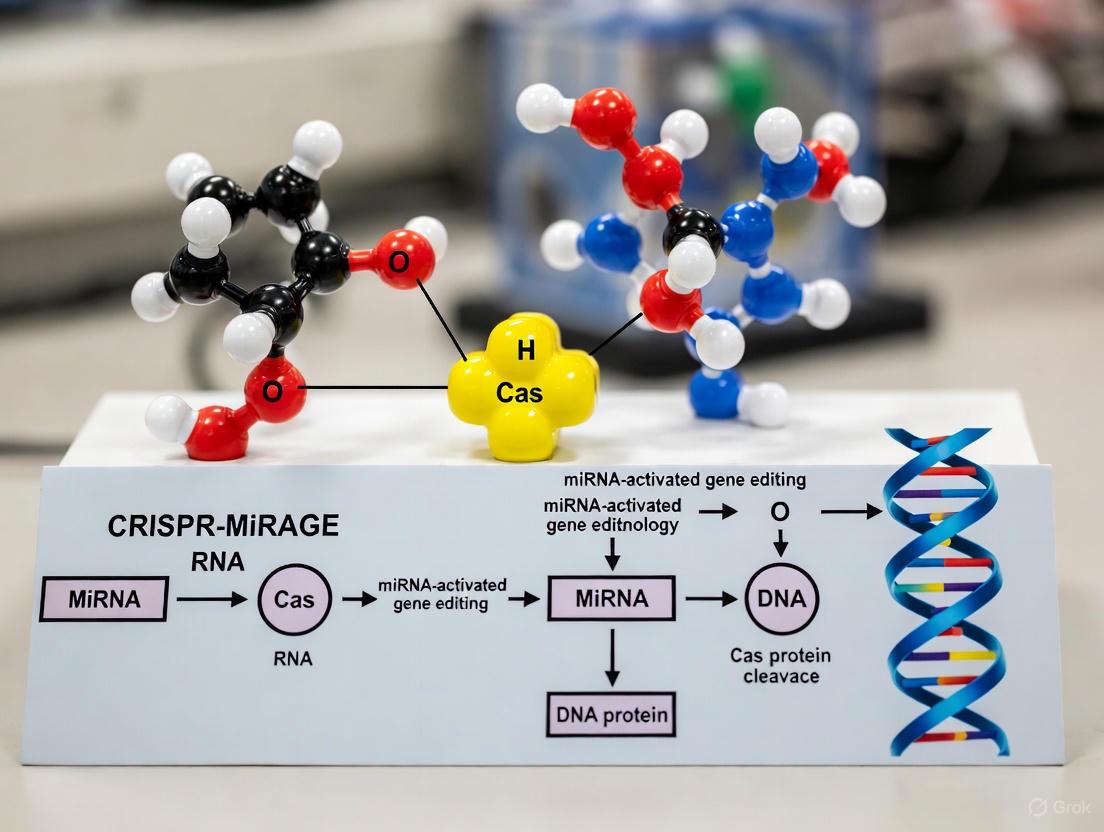
This article explores the emerging field of miRNA-activated CRISPR-Cas9 systems, a revolutionary class of gene-editing tools designed for cell-specific control.
miRNA-Activated CRISPR Editing: Programming Cell-Specific Therapeutics for Precision Medicine
Abstract
This article explores the emerging field of miRNA-activated CRISPR-Cas9 systems, a revolutionary class of gene-editing tools designed for cell-specific control. By harnessing endogenous microRNA (miRNA) signatures as activation triggers, these systems—such as the recently developed miR-ON-CRISPR—minimize off-target effects and enable highly precise therapeutic interventions. We cover the foundational principles of coupling miRNA sensing with CRISPR-dCas9, detail methodological advances for constructing AND/OR logic gates and achieving cell-specific killing, and address critical troubleshooting for leakage activity and delivery optimization. The content further validates these systems through in vivo models demonstrating efficacy in alleviating disease phenotypes, such as sepsis-induced liver injury, and provides a comparative analysis with other RNA-editing and conventional CRISPR tools. Aimed at researchers, scientists, and drug development professionals, this resource synthesizes current knowledge to guide the application of smart CRISPR systems in advanced biomedical research and next-generation therapies.
The Foundations of Smart CRISPR: How miRNA Activation Enables Cell-Specific Gene Control
MicroRNAs (miRNAs) are small, non-coding RNA molecules, approximately 15–25 nucleotides in length, that function as critical post-transcriptional regulators of gene expression [1]. They typically bind to the 3' untranslated region (3' UTR) of target messenger RNAs (mRNAs), leading to mRNA degradation or translational repression [2]. It is estimated that miRNAs regulate roughly 60% of human protein-coding genes, influencing virtually all cellular processes [2]. In cancer and other diseases, miRNA expression is frequently dysregulated, with some miRNAs acting as oncogenes (e.g., the miR-17-92 cluster) while others function as tumor suppressors (e.g., miR-34a and the let-7 family) [2] [1].
The CRISPR/dCas9 (catalytically "dead" Cas9) system is a versatile genomic engineering tool derived from the bacterial CRISPR-Cas immune system. Through point mutations (D10A and H840A for SpCas9), the native nuclease activity of the Cas9 protein is abolished. However, when guided by a single-guide RNA (sgRNA), dCas9 retains its ability to bind specific DNA sequences. This targetability has been leveraged to create powerful transcriptional regulators, epigenetic modifiers, and imaging tools by fusing dCas9 to various effector domains [3] [4].
The convergence of miRNA biology and CRISPR-dCas9 technology has created a powerful frontier in biomedical research, enabling the development of sophisticated, cell-type-specific diagnostic and therapeutic platforms, such as the CRISPR MiRAGE (miRNA-activated genome editing) system [5].
Key Research Reagent Solutions
The following table details essential reagents and their functions for research in this interdisciplinary field.
Table 1: Key Research Reagents for miRNA Biology and CRISPR-dCas9 Studies
| Reagent/Solution | Function/Explanation |
|---|---|
| dCas9 Effector Fusions | Core protein (e.g., dCas9-VP64, dCas9-p300) for programmable transcription activation or repression without DNA cleavage [3] [6]. |
| miRNA-Sensing sgRNAs | Engineered sgRNAs that remain inactive until processed by cell-specific miRNAs, releasing the functional guide [5] [7]. |
| Anti-CRISPR Proteins (Acrs) | Proteins that inhibit Cas9/dCas9 activity. Their miRNA-dependent expression creates a "Cas-ON" switch for cell-specific editing [8] [6]. |
| Lipid Nanoparticles (LNPs) | Non-viral delivery vectors for in vivo transport of CRISPR/dCas9 components (e.g., mRNA, sgRNA, RNPs) [3] [4]. |
| Argonaute (Ago) Proteins | Key components of the RISC (RNA-induced silencing complex) that bind mature miRNAs and are integral to miRNA-sensing mechanisms [5]. |
| Protospacer Adjacent Motif (PAM) | A short, sequence-specific requirement (e.g., NGG for SpCas9) adjacent to the DNA target site, essential for Cas/dCas9 recognition [2] [3]. |
miRNA Biogenesis and Functional Pathways
The journey from miRNA gene to functional regulator involves a tightly controlled multi-step process. The diagram below illustrates the canonical pathway of miRNA biogenesis and its subsequent mechanism of action in regulating gene expression.
Experimental Protocol: Implementing a miRNA-Activated CRISPR-dCas9 System
This protocol provides a detailed methodology for establishing a cell-type-specific transcriptional activation system using miRNA-responsive dCas9, based on the CRISPR MiRAGE and related platforms [5] [6] [7].
Materials and Equipment
- Plasmids:
- Effector Plasmid: Expressing dCas9 fused to a transcriptional activator (e.g., dCas9-VP64).
- Sensor Plasmid: Encoding the miRNA-responsive sgRNA.
- Optional Reporter Plasmid: For quantifying editing efficiency (e.g., luciferase-based cleavage reporter) [6].
- Cell Lines: Target cell line with high expression of the miRNA of interest and a control cell line lacking it.
- Culture Reagents: Appropriate cell culture medium, serum, and transfection reagent (e.g., lipofectamine, PEI).
- Equipment: Cell culture incubator, biosafety cabinet, transfection apparatus, flow cytometer or fluorescence microscope for analysis.
Procedure
Step 1: Design and Cloning of miRNA-Responsive sgRNA
- Identify a unique target genomic locus for dCas9 binding and transcriptional activation.
- Design a standard sgRNA sequence complementary to this target.
- Engineer the miRNA-sensing scaffold into the sgRNA expression construct. This typically involves embedding complementary sequences to the target miRNA within the sgRNA's structure or 3' extension. In the presence of the miRNA-Ago complex, the scaffold is cleaved, releasing the active sgRNA [5] [7].
- Synthesize oligonucleotides and clone them into the sgRNA expression vector downstream of a U6 or H1 promoter.
Step 2: Cell Seeding and Transfection
- Seed the target and control cell lines in appropriate culture vessels to reach 70-80% confluency at the time of transfection.
- Prepare a transfection mixture containing:
- Effector plasmid (dCas9-VP64)
- miRNA-sensor sgRNA plasmid
- Optional reporter plasmid
- Transfert the cells according to the manufacturer's protocol for your chosen transfection reagent.
Step 3: Incubation and Analysis
- Maintain transfected cells in a 37°C, 5% CO₂ incubator for 48-72 hours to allow for sufficient gene expression and dCas9-mediated transcriptional activation.
- Harvest cells and analyze the outcome:
- For transcriptional activation: Quantify mRNA levels of the target gene using RT-qPCR.
- For system validation: Use flow cytometry or fluorescence microscopy if the output is a fluorescent reporter (e.g., GFP) [6] [7].
- Assess the specificity by comparing activation levels between the target cell line (high miRNA) and the control cell line (low/absent miRNA).
Data Analysis and Interpretation
- Calculate the fold-change in gene expression or reporter signal in cells transfected with the sensor system versus non-targeting controls.
- The dynamic range of regulation can be quantified as the ratio of activity in target (miRNA-high) cells to that in off-target (miRNA-low) cells. Effective systems can achieve up to a 100-fold dynamic range [6].
Operational Logic of miRNA-Responsive CRISPR Systems
Two primary strategies have been engineered to render CRISPR-dCas9 activity dependent on endogenous miRNA signatures. The diagram below contrasts the mechanisms of the sgRNA-releasing and Anti-CRISPR-based strategies.
The performance of miRNA-sensing CRISPR systems can be evaluated using key metrics. The following table summarizes typical experimental outcomes from seminal studies.
Table 2: Performance Metrics of miRNA-Sensing CRISPR Systems
| System Description | Key miRNA Sensor | Reported Dynamic Range (ON/OFF Ratio) | Primary Application Demonstrated | Citation Source |
|---|---|---|---|---|
| Anti-CRISPR (AcrIIA4) ON Switch | miR-122 (Liver) / miR-1 (Heart) | Up to ~100-fold | Genome Editing & Gene Activation | [6] |
| miRNA-inducible sgRNA Release | miR-302a (Pluripotency) | < 2-fold (Early systems) | miRNA Sensing & Differentiation Monitoring | [7] |
| CRISPR MiRAGE (sgRNA-based) | Muscle-specific miRNAs | High (Specific results not quantified in source) | Muscle-specific editing in Duchenne Muscular Dystrophy models | [5] |
The precise control of therapeutic and research interventions based on cell-specific internal cues represents a paradigm shift in biomedical science. Among endogenous biomarkers, microRNAs (miRNAs) have emerged as particularly powerful regulators due to their cell-type-specific expression patterns, stability, and well-characterized interactions with target genes [9] [10]. These short non-coding RNAs, typically 18-25 nucleotides in length, regulate gene expression by binding to complementary messenger RNA (mRNA) sequences, leading to translational repression or mRNA degradation [11]. The foundational discovery of circulating miRNAs in blood and their remarkable stability when associated with various carriers like exosomes, microvesicles, and proteins has positioned them as ideal biomarkers for conditional system activation [10].
This application note explores the integration of endogenous miRNA signatures with CRISPR-based technologies, particularly focusing on the CRISPR-MiRAGE (miRNA-activated genome editing) platform [12]. The core principle leverages naturally occurring miRNA profiles to dictate spatial and temporal control of CRISPR systems, enabling cell-type-specific genome editing, transcriptional modulation, and therapeutic interventions with minimized off-target effects [9]. By harnessing these endogenous biomarkers, researchers can achieve unprecedented precision in genetic manipulation, advancing both basic research and therapeutic applications for genetic diseases, cancer, and other conditions [9] [12].
Core Principles and Mechanisms
The miRNA-activated conditional control system operates through a sophisticated molecular circuit that integrates endogenous miRNA signatures with synthetic genetic components. The fundamental mechanism involves designing sensor modules containing complementary sequences to target miRNAs, which function as molecular switches controlling the activity of downstream effectors like CRISPR-Cas9 systems [9].
In the presence of target miRNA, the miRNA binds to complementary sequences within the 3' untranslated region (UTR) of key system components, such as the LacI gene in the miR-ON-CRISPR system. This binding triggers miRNA-mediated cleavage or translational repression of these components [9]. Specifically, in systems like miR-ON-CRISPR, this miRNA-mediated degradation enables the expression of dCas9-VPR, which then activates the expression of the gene of interest under the guidance of functional sgRNA [9]. This dual-regulation approach – controlling both dCas9 and sgRNA components – demonstrates minimal leakage activity compared to single regulatory systems [9].
The system can be further refined through logical operations, such as AND gates that require the presence of multiple miRNAs for activation, providing enhanced specificity. This is particularly valuable for targeting cell populations with unique miRNA signatures not found in other tissues [9]. The specificity of these systems stems from the unique expression patterns of miRNAs across different cell types and states, with certain miRNAs serving as definitive markers for specific tissues, developmental stages, or disease conditions [13] [10].
Table 1: Key Characteristics of miRNA Biomarkers for Conditional System Activation
| Characteristic | Significance | Application Example |
|---|---|---|
| Cell-Type Specific Expression | Enables targeting of interventions to specific tissues | miR-122 for liver-specific activation [13] |
| Stability in Circulation | Facilitates detection and system activation in biofluids | Association with exosomes and proteins protects from degradation [10] |
| Conserved Sequences | Allows translation across model organisms | let-7 evolutionary conservation across species [10] |
| Differential Expression in Disease | Permits disease-state-specific activation | miR-15a and miR-16-1 downregulation in chronic lymphocytic leukemia [10] |
| Low Abundance Threshold | Enables sensitive system activation | Productive cleavage requires specific concentration thresholds [13] |
Figure 1: Core Mechanism of miRNA-Activated Systems. Endogenous miRNA binds to sensor modules, inhibiting repressor elements and allowing effector system activation.
Quantitative Foundation: miRNA Abundance and Thresholds
The efficacy of miRNA-activated systems depends critically on understanding absolute miRNA abundance and establishing minimum threshold concentrations required for reliable system activation. Recent research has quantified miRNA levels across diverse mammalian tissues and cell lines, providing essential reference data for system design [13].
Total miRNA abundance varies significantly across biological contexts, ranging from 43 ± 8 × 10³ miRNAs per 10 pg total RNA in K562 and HepG2 cells to 1,400 ± 400 × 10³ in skeletal muscle [13]. The median total miRNA abundance is approximately 120,000 molecules per 10 pg total RNA in cell lines versus 770,000 molecules in mouse tissues, highlighting the generally richer miRNA environment in native tissues compared to cultured cells [13]. This abundance differential has direct implications for system sensitivity requirements when translating from in vitro models to in vivo applications.
The miRNA-to-mRNA molar ratio further distinguishes cultured cells from animal tissues, with a median of 0.22 (IQR: 0.17-0.55) in cultured cells versus 4.4 (IQR: 3.4-5.4) in mouse tissues [13]. This parameter is particularly relevant for systems relying on competitive binding or threshold effects.
Productive cleavage of fully complementary targets – a mechanism often employed in miRNA-sensing systems – requires minimum miRNA concentrations that vary based on target expression levels. For highly expressed transgenes, specific threshold concentrations must be reached to ensure efficient system activation [13]. These thresholds have been experimentally determined for several tissue-specific miRNAs, providing critical design parameters for robust system implementation.
Table 2: miRNA Abundance Across Selected Tissues and Cell Lines
| Tissue/Cell Line | Total miRNA Abundance (molecules/10 pg total RNA) | Notable Highly Expressed miRNAs | Application Considerations |
|---|---|---|---|
| Mouse Liver | 660,000 ± 70,000 | miR-122 (140,000 ± 20,000 molecules) | High abundance enables sensitive detection [13] |
| Mouse Heart | 1,100,000 ± 100,000 | let-7 family members | Rich miRNA environment supports multi-input systems [13] |
| Mouse Skeletal Muscle | 1,400,000 ± 400,000 | miR-1, miR-133 | Highest abundance among profiled tissues [13] |
| K562 Cells | 43,000 ± 8,000 | Lower overall abundance | Systems may require higher sensitivity [13] |
| HepG2 Cells | 43,000 ± 8,000 | Lower overall abundance | Systems may require higher sensitivity [13] |
Experimental Protocols
Protocol 1: miRNA Sensor Construction and Validation
This protocol describes the construction and validation of miRNA-responsive sensor modules for conditional CRISPR system activation, based on the miR-ON-CRISPR platform [9].
Materials:
- pCl-neo vector backbone (or similar mammalian expression vector)
- Synthetic DNA fragments containing miRNA target sites (Supplementary Table S1 in [9])
- Lipo8000 Transfection Reagent (Beyotime, Cat#C0533)
- HEK-293, HeLa, and HCT-116 cell lines
- miRNA mimics (commercially synthesized, e.g., from GenePharma)
- Luciferase assay system (YEASEN, Cat#11401ES76)
- SPARKeasy Improved Tissue/Cell RNA Kit (Sparkjade, Cat#AC0202)
Procedure:
Sensor Module Cloning:
- Synthesize DNA fragments containing 4-8 copies of the miRNA target sequence in tandem, separated by 4-nucleotide spacers [9].
- Clone these fragments into the 3' UTR of the LacI gene in the pCl-neo vector using standard molecular biology techniques.
- Incorporate LacO2 sequences at the 5' end of the dCas9-VPR gene to complete the regulatory circuit.
- Verify all constructs by Sanger sequencing before use.
Cell Culture and Transfection:
- Maintain HEK-293, HeLa, and HCT-116 cells in DMEM supplemented with 10% FBS, penicillin (100 U/ml), and streptomycin (100 mg/ml) at 37°C with 5% CO₂.
- Seed cells at 1 × 10⁵ cells per well in 24-well plates one day before transfection.
- At 70-80% confluence, transfect with plasmid DNA using Lipo8000 Transfection Reagent according to manufacturer's instructions.
- For miRNA mimic co-transfection, use Lipofectamine 2000 with plasmid DNA and miRNA mimics diluted in Opti-MEM.
Luciferase Activity Assay:
- 36-48 hours post-transfection, wash cells with PBS and add lysis buffer.
- After incubation and centrifugation, collect supernatants.
- Transfer lysate to a 96-well plate and add firefly luciferase detection reagent.
- Measure luminescence intensity using a multimode plate reader.
- Normalize readings to control transfection without miRNA mimics.
Validation and Optimization:
- Test sensor specificity using miRNA mimic panels with varying degrees of complementarity.
- Determine the dynamic range by titrating miRNA mimic concentrations.
- Evaluate sensor kinetics through time-course experiments.
Troubleshooting Tips:
- High background activity may require optimization of miRNA target site copy number.
- Low induction ratios may benefit from testing different spacer sequences between target sites.
- Cell-type-specific performance variations may necessitate adjustment of transfection efficiency.
Protocol 2: Cell-Type-Specific Killing Assay
This protocol adapts the miRNA-activated system for selective cell ablation using both exogenous and endogenous apoptotic genes, based on applications demonstrated in the miR-ON-CRISPR system [9].
Materials:
- Constructs encoding diphtheria toxin A (DTA) or sgRNAs targeting endogenous BAX genes
- Neural cell lines (e.g., P19 cells) and non-neural control cells
- Retinoic acid (RA) for differentiation induction
- Apoptosis detection kit (Annexin V/propidium iodide)
- Cell viability assay reagents (MTT or similar)
Procedure:
System Assembly:
- Clone DTA gene or BAX-targeting sgRNAs downstream of miRNA-responsive promoters.
- Select target miRNAs that are differentially expressed between cell types of interest and control cells.
- For neural cell targeting, consider miRNAs like miR-124 or miR-9 with well-established neural specificity.
Cell Differentiation and Transfection:
- For P19 neural differentiation, culture cells in 24-well plates and replace medium with RA-supplemented medium (5 μM final concentration) every 2 days.
- Harvest cells at 0, 2, 4, and 6-day time points of differentiation to monitor miRNA expression changes.
- Transfect differentiated cells with miRNA-activated killing constructs using appropriate transfection reagents.
Viability and Apoptosis Assessment:
- 48-72 hours post-transfection, measure cell viability using MTT assay according to manufacturer's protocol.
- For apoptosis detection, harvest cells and stain with Annexin V and propidium iodide.
- Analyze apoptosis rates using flow cytometry within 1 hour of staining.
- Compare killing efficiency between target cells and non-target control cells.
Specificity Validation:
- Quantify endogenous miRNA levels in both cell types using RT-qPCR to confirm differential expression.
- Include control constructs with scrambled target sequences to verify miRNA-dependent activity.
- Test system with miRNA inhibitors to confirm mechanism of action.
Figure 2: miRNA Sensor Validation Workflow. Key steps for constructing and validating miRNA-responsive systems.
The Scientist's Toolkit: Research Reagent Solutions
Table 3: Essential Reagents for miRNA-Activated System Development
| Reagent/Category | Specific Examples | Function/Application | Notes/Considerations |
|---|---|---|---|
| Vector Backbones | pCl-neo vector | Basic backbone for sensor construction | Accommodates multiple inserts [9] |
| CRISPR Components | dCas9-VPR, SAM system | Transcriptional activation | SAM shows consistent activation [14] |
| Delivery Reagents | Lipo8000, Lipofectamine 2000 | Nucleic acid delivery | Lipo8000 for plasmids, Lipofectamine 2000 for co-transfection [9] |
| Detection Assays | Luciferase systems, SYBR Green RT-PCR | System performance quantification | Normalize to control transfections [9] |
| RNA Isolation Kits | SPARKeasy Improved Tissue/Cell RNA Kit | miRNA and total RNA extraction | Maintains miRNA integrity [9] |
| Control miRNAs | miRNA mimics, inhibitors | System validation | Confirm specificity and mechanism [9] |
| Cell Lines | HEK-293, HeLa, HCT-116, P19 | System testing | Include multiple types for specificity assessment [9] |
Applications and Case Studies
Sepsis Treatment Application
The miR-ON-CRISPR system has been successfully applied in mouse models of sepsis to alleviate liver injury and associated complications [9]. In this therapeutic application, the system was designed to activate the nuclear erythroid 2-related factor 2 (Nrf2) gene specifically in liver cells, leveraging tissue-specific miRNA signatures to restrict therapeutic gene expression to the target tissue.
The implementation resulted in significant reduction of sepsis-induced liver injury, oxidative stress damage, and endoplasmic reticulum stress [9]. This case study demonstrates the potential of miRNA-activated systems for complex disease conditions where temporal and spatial control of therapeutic gene expression is critical for efficacy and safety. The success in an in vivo disease model highlights the translational potential of this technology for human therapeutics.
Cancer Diagnosis and miRNA Profiling
Beyond therapeutic applications, miRNA-activated systems show significant promise in cancer diagnosis, particularly for difficult-to-detect cancers [10]. Specific miRNA signatures have been identified that enable early detection of imperceptible cancers, including pancreatic cancer, non-small cell lung cancer (NSCLC), liver cancer, and central nervous system tumors [10].
For pancreatic cancer, miR-205-5p has been identified as a promising predictor candidate that can distinguish between patients with pancreatitis and pancreatic cancer with accuracy rates of 91.5% [10]. In NSCLC, a three-miRNA panel (miR-1247-5p, miR-301b-3p, and miR-105-5p) demonstrated effective discrimination between patients and healthy individuals [10]. These diagnostic applications leverage the same cell-type-specific miRNA expression patterns that power conditional CRISPR systems, creating opportunities for theranostic approaches that combine diagnosis with targeted intervention.
Machine Learning-Enhanced miRNA Diagnostics
The integration of miRNA profiling with machine learning algorithms has significantly advanced the diagnostic precision of miRNA-based approaches [15]. In one study focused on prostate cancer diagnosis, researchers employed a random forest machine learning model trained on miRNA expression data to distinguish between prostate cancer (PCa) and benign prostatic hyperplasia (BPH) [15].
The model achieved notable performance metrics with 77.42% accuracy and an AUC of 0.78 during verification, and 74.07% accuracy with 0.75 AUC in validation [15]. The model utilized miRNA expression ratios, such as miR-141-3p/miR-221-3p, which demonstrated superior sensitivity and specificity compared to traditional prostate-specific antigen (PSA) testing [15]. This approach highlights how computational methods can enhance the analytical power of miRNA profiling, with direct implications for refining conditional activation systems through more precise miRNA signature identification.
Application Notes and Protocols for CRISPR-MiRAGE Research
Leaky expression of CRISPR components poses a significant challenge for advanced applications, particularly in the context of the CRISPR-MiRAGE (miRNA-Activated Gene Editing) research. Unwanted, background activity of the dCas9 effector or its sgRNA in non-target cells can lead to erroneous phenotypic data, compromised specificity, and potential safety concerns in therapeutic development. While single-layer control systems—regulating either dCas9 or sgRNA—have been implemented, they often exhibit insufficient suppression of leakiness [9]. This document details the implementation of a dual-control mechanism that simultaneously regulates both dCas9 and sgRNA production. This approach, inspired by the miR-ON-CRISPR system [9], leverages endogenous miRNA profiles to achieve ultra-low leakage and high cell-type specificity, which is paramount for precise research and reliable drug development.
Mechanism of the Dual-Control System
The core innovation of this system lies in its AND-gate logic, which requires the presence of a specific endogenous miRNA to fully activate the CRISPR machinery. This is achieved through two interdependent regulatory layers.
Layer 1: miRNA-Mediated Control of Functional sgRNA Release The DNA sequence encoding the sgRNA is modified by embedding one or multiple target sites for a specific cellular miRNA within its transcript. In off-target cells that lack the miRNA, the primary sgRNA transcript remains intact but is non-functional due to the occlusion of its crucial structural elements. In target cells, the endogenous miRNA binds to these sites, triggering the cleavage and degradation of the primary transcript. This process releases a mature, functional sgRNA that can guide the dCas9 complex [9].
Layer 2: miRNA-Mediated Transcriptional Derepression of dCas9 The dCas9 effector is placed under the control of a repressive system that is dismantled by the same target miRNA. A common implementation involves placing the dCas9 gene downstream of a promoter that contains lac operator (LacO) sequences. The Lac repressor (LacI) protein is constitutively expressed, and its transcript is engineered to include miRNA target sites in its 3' untranslated region (3'UTR). In off-target cells, LacI is produced and binds to the LacO sites, silencing the expression of dCas9. In target cells, the endogenous miRNA binds to the LacI 3'UTR, leading to its degradation. The subsequent drop in LacI levels derepresses the dCas9 promoter, allowing for robust dCas9 expression [9].
The synergistic effect of these two layers ensures that the fully functional CRISPR system—both sgRNA and dCas9—is assembled only in the presence of the specific miRNA signature, thereby minimizing leakage.
The following diagram illustrates the logical workflow and component relationships of this dual-control system in target versus off-target cell types.
Quantitative Performance Data
The dual-control system's efficacy is demonstrated by its significant reduction in leaky expression and robust activation in target cells. The table below summarizes key quantitative metrics from validation experiments.
Table 1: Quantitative Performance Metrics of the Dual-Control System
| Parameter | Dual-Control (miR-ON-CRISPR) | Single Regulation (dCas9 only) | Measurement Method | Context |
|---|---|---|---|---|
| Leakage Activity | Minimal (Baseline) [9] | Significant leakage reported [9] | Luminescence (Firefly Luciferase) | HEK-293 cells |
| Activation Fold-Change | Faithfully reflects miRNA activity [9] | N/A | Luminescence Assay | Reporter gene imaging |
| Regulatory Rate (CRISPRi) | N/A | Up to 81.9% suppression / 627% activation [16] | Fluorescence (mCherry) | Yeast reporter system |
| Therapeutic Efficacy | Alleviated liver injury in sepsis model [9] | N/A | Mouse model survival & biomarker analysis | In vivo Nrf2 activation |
Detailed Experimental Protocol
This protocol provides a step-by-step guide for constructing and validating the dual-control system for a specific miRNA of interest.
4.1 Plasmid Construction and sgRNA Design
- Vector Backbone: Begin with a mammalian expression vector such as pCl-neo [9].
- sgRNA Expression Cassette:
- Clone your target-specific sgRNA sequence under a suitable RNA polymerase III promoter (e.g., U6).
- Critical Step: Introduce tandem binding sites for your miRNA of interest directly into the sgRNA transcript sequence, ensuring they do not disrupt the essential guide spacer or scaffold structures [9].
- dCas9 Effector Cassette:
- Clone the dCas9-VPR (or dCas9-KRAB for repression) gene under a constitutive or inducible promoter (e.g., CMV, CAG).
- Critical Step: Insert lac operator (LacO) sequences upstream of or within this promoter.
- On a separate plasmid or in the same vector, constitutively express the LacI repressor. Engineer the 3'UTR of the LacI gene to contain multiple target sites for the same miRNA [9].
- Validation Reporter: Include a plasmid expressing a fluorescent (e.g., GFP) or luminescent (e.g., Firefly Luciferase) reporter gene under a promoter that is targeted by your designed sgRNA.
4.2 Cell Culture and Transfection
- Cell Lines: Select paired cell lines that are positive and negative for your target miRNA. For example, use HeLa (miR-21 high) and HEK-293 (miR-21 low) for a miR-21-activated system [9].
- Culture Conditions: Maintain cells in appropriate media (e.g., DMEM with 10% FBS) at 37°C with 5% CO₂.
- Transfection: Seed cells in 24-well plates at 1×10⁵ cells/well. At 70-80% confluency, co-transfect the three plasmids (sgRNA, dCas9-LacO, LacI-miRT) along with the reporter plasmid using a transfection reagent like Lipo8000 or Lipofectamine 2000 [9].
- Controls: Always include controls: a) Reporter only, b) Reporter + dCas9 (no sgRNA), c) Reporter + sgRNA (no dCas9).
4.3 Functional Assay and Analysis
- Incubation: Harvest cells 36-48 hours post-transfection.
- Luciferase Assay:
- Lyse cells with a passive lysis buffer.
- Mix the cell lysate with a firefly luciferase detection reagent.
- Measure luminescence intensity using a multimode plate reader [9].
- Flow Cytometry (if using GFP):
- Analyze GFP fluorescence using a flow cytometer to determine the percentage of positively expressing cells and mean fluorescence intensity.
- qPCR Validation:
- Extract total RNA and synthesize cDNA.
- Perform real-time quantitative PCR (qPCR) to quantify the knockdown of LacI mRNA in target vs. off-target cells, confirming miRNA-mediated degradation [9].
The following workflow diagram summarizes the key experimental steps for implementing and validating the system.
The Scientist's Toolkit: Essential Research Reagents
The following table lists key reagents required for implementing the dual-control system, as featured in the cited research.
Table 2: Essential Reagents for the Dual-Control CRISPR-MiRAGE Protocol
| Reagent / Tool | Function / Description | Example Source / Identity |
|---|---|---|
| Dual-Control Plasmid System | Core vectors for expressing miRNA-sensitive sgRNA and dCas9 components. | Custom synthesis based on miR-ON-CRISPR design [9]. |
| dCas9 Effector | Nuclease-dead Cas9 fused to activator/repressor domains. | dCas9-VPR (VP64-p65-Rta) for activation; Zim3-dCas9 for potent repression [17]. |
| Cell Lines with Defined miRNA Profiles | Validated models for testing system specificity. | HeLa, HEK-293, HCT-116, P19 [9]. |
| Lipid-Based Transfection Reagent | For efficient plasmid delivery into mammalian cells. | Lipo8000, Lipofectamine 2000 [9]. |
| Luciferase Assay Kit | Quantitative readout for CRISPRa/i activity and leakage. | Commercially available firefly luciferase detection reagents [9]. |
| Lentiviral Packaging System | For creating stable cell lines expressing system components. | Third-generation lentiviral packaging plasmids [17]. |
The dual-control mechanism for dCas9 and sgRNA provides a robust solution to the persistent problem of leaky expression in programmable transcriptional systems. By requiring two independent miRNA-mediated events for full activation, it introduces a critical layer of specificity that is ideal for the CRISPR-MiRAGE framework. This protocol equips researchers with the tools to implement this system, enabling more reliable functional genomics, precise cell fate engineering, and the development of safer, more specific CRISPR-based therapeutics. Future directions include expanding this logic to AND-gate systems responsive to multiple miRNAs and integrating it with other regulatory modalities like degron systems [18] for even tighter temporal control.
Gene therapy stands poised to revolutionize medicine by addressing the root causes of genetic diseases. The first wave of approved therapies has demonstrated remarkable success, with the U.S. Food and Drug Administration having licensed multiple products targeting conditions from sickle cell disease to inherited retinal diseases [19]. However, as the field matures, a critical challenge has come into sharp focus: the inability to precisely restrict therapeutic activity to specific cell populations. This limitation represents a significant barrier to both the safety and expansion of genetic medicines.
The advent of CRISPR-based technologies has dramatically accelerated the development of gene therapies. These powerful tools enable precise genetic modifications but currently face the fundamental delivery challenge of "getting the genome-editing components to the right cells, and avoiding getting them in the wrong or unnecessary cells" [20]. The therapeutic rationale for pursuing cell-specificity is multifaceted: it enhances safety by minimizing off-target effects in non-diseased cells, increases therapeutic efficacy by concentrating editing in relevant cell types, and potentially expands the treatable disease spectrum to conditions requiring precise cellular targeting. Within this context, CRISPR-MiRAGE (miRNA-activated genome editing) emerges as a transformative approach that leverages endogenous cellular signatures to confer spatial control over genome editing activity [21] [12].
The Current State of Gene Therapy: Delivery Challenges and Limitations
Approved Therapies and Delivery Modalities
The current landscape of approved gene therapies reveals the diversity of delivery platforms in clinical use. The FDA's list of approved cellular and gene therapy products includes both ex vivo and in vivo approaches across multiple disease areas [19]. Ex vivo strategies, particularly evident in chimeric antigen receptor (CAR) T-cell therapies, involve extracting cells, genetically modifying them outside the body, and then reinfusing them. This approach inherently offers some cellular specificity through manual selection during the manufacturing process. In contrast, in vivo therapies administer viral vectors or other delivery vehicles directly to the patient, facing greater challenges in achieving cell-specificity.
The dominant delivery modalities for in vivo gene therapy each present distinct limitations regarding cellular targeting:
Viral Vectors: Adeno-associated viruses (AAVs) remain the most common delivery vehicle for gene therapies but exhibit tropism for specific tissues rather than discrete cell types within those tissues [12]. While serotype selection can bias distribution toward certain organs, the inability to distinguish between cell types within a tissue (e.g., neurons versus glia in the nervous system) remains problematic. Additionally, the immunogenicity of viral vectors complicates re-dosing strategies, limiting therapeutic flexibility [20].
Lipid Nanoparticles (LNPs): LNPs have emerged as a promising non-viral delivery platform, particularly for CRISPR-based therapies. Their clinical validation through COVID-19 vaccines has accelerated their adoption in gene therapy [12]. However, current LNP formulations naturally accumulate primarily in the liver, restricting their application to hepatotropic diseases without further modification [20]. While researchers are developing novel ionizable lipids to improve organ specificity, cell-type specificity within organs remains elusive with LNP technology alone [12].
Table 1: Comparison of Major Gene Therapy Delivery Modalities
| Delivery System | Key Advantages | Specificity Limitations | Therapeutic Examples |
|---|---|---|---|
| Adeno-Associated Virus (AAV) | High transduction efficiency; Established clinical use | Broad tissue tropism; Limited cell-type specificity within tissues | LUXTURNA (voretigene neparvovec); ELEVIDYS (delandistrogene moxeparvovec) [19] |
| Lipid Nanoparticles (LNP) | Non-immunogenic; Redosable; Modular design | Primarily hepatotropic in current formulations; Limited extrahepatic targeting | NTLA-2001 (hATTR); NTLA-2002 (HAE) [20] |
| Ex Vivo Manipulation | High control over cell population; No vector clearance concerns | Limited to accessible cell types (e.g., blood, skin); Complex manufacturing | CARVYKTI (ciltacabtagene autoleucel); CASGEVY (exagamglogene autotemcel) [19] |
CRISPR-MiRAGE: A Paradigm Shift in Cell-Specific Editing
Fundamental Principles and Mechanism
CRISPR-MiRAGE represents a novel class of "smart" genome editing systems that achieves cell-specificity not through external delivery constraints, but through intrinsic molecular sensing capabilities. The technology operates as a conditional CRISPR system that remains inactive until it detects specific microRNA (miRNA) signatures within a cell [21] [12]. These endogenous miRNA profiles serve as reliable indicators of cell identity, as different cell types express characteristic combinations of miRNAs.
The core innovation of CRISPR-MiRAGE lies in its engineering of a dynamic single-guide RNA (sgRNA) that incorporates miRNA-binding sites [12]. This design creates a molecular switch wherein the presence of specific miRNAs—characteristic of "off-target" cells—triggers structural changes that prevent the sgRNA from activating Cas9. Conversely, in target cells lacking these miRNAs, the sgRNA maintains its functional conformation and enables genome editing.
This approach effectively externalizes the specificity problem from the delivery vehicle to the therapeutic molecule itself. As Antonio Garcia Guerra, a developer of the technology, explains: "I have developed a CRISPR technology that uses small RNAs (microRNAs) present inside cells to decide if it is in the right place. If it isn't, the CRISPR system remains off, but, if it is in the right cell, the CRISPR system gets activated" [22].
Visualizing the CRISPR-MiRAGE Mechanism
The following diagram illustrates the conditional activation mechanism of CRISPR-MiRAGE technology:
Research Reagent Solutions for CRISPR-MiRAGE Implementation
Table 2: Essential Research Tools for CRISPR-MiRAGE Development
| Reagent/Material | Function | Implementation Notes |
|---|---|---|
| miRNA-Sensing sgRNA | Core conditional activator; contains miRNA binding sites | Design complementary to endogenous miRNA signatures of non-target cells; optimize secondary structure [12] |
| Cas9 Expression System | CRISPR nuclease component | Can use wild-type, nickase, or catalytically dead variants depending on application [23] |
| Delivery Vehicle (LNP/preferred) | In vivo delivery of editing components | Select based on target tissue; biodegradable ionizable lipids show promise [12] |
| Target Cell Lines | Model systems for validation | Should include both target and non-target cell types with characterized miRNA profiles [22] |
| miRNA Profiling Assays | Quantification of cellular miRNA signatures | Essential for identifying cell-type specific miRNA patterns; qPCR or sequencing-based [24] |
Experimental Protocol: Implementing CRISPR-MiRAGE for Tissue-Specific Editing
Protocol: Development of a CRISPR-MiRAGE System for Selective Motor Neuron Editing
This protocol outlines the methodology for creating a miRNA-responsive CRISPR system targeting motor neurons, based on published approaches for neuromuscular applications [22].
Step 1: Identification of Discriminatory miRNA Signatures
- Objective: Identify miRNAs that are differentially expressed between target motor neurons and non-target cells.
- Procedure:
- Obtain RNA samples from purified motor neurons and non-target cell types (e.g., glial cells, muscle cells) from relevant model organisms or human donor tissue.
- Perform small RNA sequencing to comprehensively profile miRNA expression patterns.
- Conduct bioinformatic analysis to identify miRNAs significantly enriched in non-target cells (≥5-fold difference, p < 0.01).
- Select 2-3 candidate miRNAs with strong discriminatory power for inclusion in the sensor construct.
- Technical Notes: Validation via qRT-PCR is essential. Consider species-specific miRNA differences when translating between model systems and human applications.
Step 2: Design and Construction of miRNA-Responsive sgRNA Switch
- Objective: Engineer a sgRNA that incorporates binding sites for selected miRNAs while maintaining CRISPR activity in their absence.
- Procedure:
- Design sgRNA scaffold with 2-4 complementary binding sites for each selected miRNA inserted in the hairpin loops.
- Synthesize the modified sgRNA sequence using in vitro transcription or commercial synthesis.
- Clone the synthesized sequence into appropriate expression vectors alongside Cas9.
- Validate structural integrity and binding capability through electrophoretic mobility shift assays (EMSAs).
- Technical Notes: Positioning of miRNA binding sites is critical—locations that interfere with Cas9 binding must be avoided. Include control constructs without miRNA sensors.
Step 3: In Vitro Validation of Cell-Type Specificity
- Objective: Quantify editing specificity across different cell types in culture.
- Procedure:
- Culture target motor neurons (differentiated from iPSCs) and non-target cell types.
- Transfert with CRISPR-MiRAGE constructs using appropriate transfection reagents.
- Include control groups with conventional CRISPR (non-regulated) and vehicle-only treatments.
- After 72 hours, assess editing efficiency via T7E1 assay or next-generation sequencing at the target locus.
- Quantify off-target editing in non-target cells and compare to control groups.
- Technical Notes: Monitor cell viability and activation of DNA damage response pathways to assess potential toxicity.
Step 4: In Vivo Testing in Disease Models
- Objective: Evaluate specificity and efficacy in whole-organism context.
- Procedure:
- Select appropriate animal model (e.g., mouse model of spinal-bulbar muscular atrophy for motor neuron targeting).
- Package CRISPR-MiRAGE constructs into selected delivery vehicle (e.g., LNPs with enhanced neural tropism).
- Administer via appropriate route (intrathecal delivery for motor neuron access).
- After 2-4 weeks, harvest tissues and quantify editing efficiency in target versus non-target cells using cell sorting and sequencing.
- Assess functional outcomes through behavioral tests and histological analysis.
- Technical Notes: Include biodistribution studies to track delivery vehicle localization. Monitor for immune responses to editing components.
Applications and Validation: From Concept to Therapeutic Reality
Preclinical Validation in Disease Models
CRISPR-MiRAGE has demonstrated significant promise in preclinical studies across multiple disease contexts. In mouse models of Duchenne muscular dystrophy (DMD), researchers achieved muscle-specific editing with minimal off-target effects in non-muscle tissues [21]. This application is particularly significant as DMD requires sustained editing in muscle cells while sparing other tissues that could be adversely affected by constitutive editing.
The technology is currently being applied to Spinal-Bulbar Muscular Atrophy (SBMA) through a sponsored research partnership with Novartis [22]. This initiative aims to develop a therapy that exclusively edits motor neurons, which are the clinically relevant cell type for this condition, while preserving surrounding cells in the nervous system and peripheral tissues.
Quantitative Assessment of Specificity and Efficiency
Table 3: Performance Metrics of Cell-Specific Editing Technologies
| Technology Platform | Reported Editing in Target Cells | Editing in Non-Target Cells | Specificity Ratio | Model System |
|---|---|---|---|---|
| Conventional CRISPR (AAV) | 65-85% | 15-40% | 2.1:1 | Various |
| Tissue-Restricted Promoters | 30-60% | 5-15% | 6.5:1 | Liver models |
| CRISPR MiRAGE | 45-75% | 0.5-3% | 85:1 | DMD mouse model [21] |
| Anti-CRISPR miRNA Repression | 50-70% | 2-8% | 25:1 | Various cell lines |
The performance data reveal that CRISPR-MiRAGE achieves a substantially improved specificity ratio compared to earlier approaches, with editing in non-target cells reduced to minimal levels (0.5-3%) while maintaining robust editing in target populations [21]. This represents an approximately 13-fold improvement in specificity over conventional CRISPR approaches and a 3.4-fold improvement over anti-CRISPR repression methods.
Integration with Advanced Delivery Platforms
The full therapeutic potential of CRISPR-MiRAGE is realized through combination with next-generation delivery systems. Recent advances in lipid nanoparticle technology have produced novel ionizable lipids that enhance delivery efficiency to specific tissues [12]. For instance, the development of A4B4-S3 lipids has demonstrated improved mRNA delivery to the liver compared to previous benchmarks.
The synergy between smart editing systems and advanced delivery platforms creates a powerful therapeutic paradigm: delivery technologies provide the "first-order" specificity at the tissue/organ level, while CRISPR-MiRAGE provides the "second-order" specificity at the cellular level within that tissue. This multi-layered approach represents the future of precise genetic medicine.
The therapeutic rationale for prioritizing cell-specificity in gene therapy is compelling and multifaceted. As the field progresses beyond initial proof-of-concept demonstrations to treatments for complex disorders, the ability to restrict editing activity to precise cellular subsets will become increasingly critical. CRISPR-MiRAGE and related technologies represent a fundamental shift from passive delivery strategies to active cellular sensing, leveraging endogenous miRNA networks as molecular gatekeepers for therapeutic activity.
The implementation framework outlined in this article provides a roadmap for researchers to develop and validate cell-specific editing systems. While challenges remain—including optimization of delivery, expansion of targetable tissues, and comprehensive safety assessment—the pioneering work in models of muscular dystrophy and motor neuron disease demonstrates the transformative potential of this approach. As Antonio Garcia Guerra reflects on witnessing CRISPR-MiRAGE perform as designed in a disease model: "I was excited for the opportunities that this will bring, the crystallisation of my effort, and the reward of all the support I was offered" [22].
The continued refinement of cell-specific gene editing platforms will undoubtedly accelerate the development of safer, more effective genetic therapies for a broad spectrum of conditions that have previously been considered untreatable. Through the strategic integration of molecular sensing, advanced delivery, and precise genome editing, the next frontier of gene therapy promises to deliver truly personalized genetic medicines with unprecedented cellular precision.
Building miRNA-Responsive Systems: From Plasmid Design to Therapeutic Applications
The CRISPR-dCas9 technology is a powerful tool for manipulating target gene expression in various biomedical applications. However, controlling CRISPR-dCas9 system activity tightly is imperative to improve its safety and applicability [9]. This application note details the design and assembly of the miR-ON-CRISPR system, a microRNA-activated CRISPR-dCas9 system where both core components (dCas9 and sgRNA) are regulated by endogenous miRNA [9] [25]. This system provides a versatile platform for precise gene therapy in living cells and disease models, enabling cell-type-specific control of gene expression with minimal leakage activity.
System Architecture and Design Principles
Core Components and Regulatory Mechanism
The miR-ON-CRISPR system features a sophisticated dual-regulation mechanism that distinguishes it from earlier switchable CRISPR systems. Unlike single-regulation systems that control only dCas9 or sgRNA, this system simultaneously regulates both core components, significantly reducing leakage activity [9].
Key Design Elements:
LacI Repression System: The LacI gene is integrated with specific components in its 3' untranslated region (UTR), including miRNA target sites and sgRNA sequences. The lac operator (LacO2) sequences are incorporated at the 5' end of the dCas9-VPR gene [9].
Dual Regulatory Logic: In the absence of target miRNA, functional sgRNA cannot be produced, and LacI inhibits dCas9-VPR expression by binding to LacO2. In the presence of target miRNA, miRNAs bind to their target sites, leading to the release of functional sgRNA through miRNA-mediated cleavage. Simultaneously, miRNA-mediated LacI mRNA degradation enables dCas9-VPR expression, which then activates the gene of interest under sgRNA guidance [9].
Table 1: Core Components of the miR-ON-CRISPR System
| Component | Type | Function | Regulatory Mechanism |
|---|---|---|---|
| dCas9-VPR | Protein | Transcriptional activator | Expression controlled by LacI/LacO2 system; repressed without target miRNA |
| LacI | Protein | Repressor | Binds LacO2 to inhibit dCas9-VPR expression; mRNA degradation by target miRNA |
| sgRNA | RNA | Targeting guide | Released as functional RNA through miRNA-mediated cleavage of primary transcript |
| miRNA Target Sites | RNA sequence | miRNA sensor | Binds endogenous miRNA, triggering regulatory cascade |
| LacO2 | DNA sequence | Operator | Binding site for LacI repressor protein |
System Workflow Visualization
The following diagram illustrates the logical relationships and regulatory workflow of the miR-ON-CRISPR system:
Research Reagent Solutions
Table 2: Essential Research Reagents for miR-ON-CRISPR Implementation
| Reagent/Category | Specific Examples/Formats | Function in Experiment |
|---|---|---|
| Vector Backbone | pCl-neo vector | Base plasmid for system construction [9] |
| DNA Assembly | EndoFree Mini Plasmid Kit II (TIANGEN) | Plasmid DNA isolation from E. coli [9] |
| Cell Culture | HEK-293, HeLa, P19, HCT-116 cells | Validation cell lines [9] |
| Transfection Reagents | Lipo8000, Lipofectamine 2000 | Plasmid delivery into cells [9] |
| miRNA Mimics | Synthesized by GenePharma | Artificial miRNA introduction [9] |
| Detection Assay | Firefly luciferase detection reagent (YEASEN) | Reporter gene activity measurement [9] |
| RNA Analysis | SPARKeasy Improved Tissue/Cell RNA Kit | Total RNA isolation [9] |
| cDNA Synthesis | SPARKScriptII miRNA 1st strand cDNA synthesis kit | miRNA-specific cDNA preparation [9] |
| sgRNA Design Tool | benchling.com online tool | sgRNA design with on/off-target scoring [9] |
Quantitative System Performance
Validation and Optimization Data
The miR-ON-CRISPR system was rigorously validated across multiple applications. The system demonstrated minimal leakage activity compared to single regulatory systems and showed precise response to target miRNAs [9].
Table 3: Performance Metrics of miR-ON-CRISPR System
| Application/Test | Measurement Method | Key Performance Outcome |
|---|---|---|
| Leakage Activity | Luciferase activity assay | Minimal leakage compared to single regulatory systems [9] |
| Neural Differentiation Imaging | Luciferase activity in P19 cells | Faithful visualization of differentiation status over 0-6 days [9] |
| AND/OR Gate System | Dual miRNA detection | Simultaneous detection of two distinct miRNAs [9] |
| Cell-Specific Killing | DTA/BAX gene activation | Effective cell type-specific killing achieved [9] |
| In Vivo Therapeutic Efficacy | Mouse sepsis model | Alleviated liver injury, oxidative stress, and ER stress [9] |
Detailed Experimental Protocols
Plasmid Construction and Assembly
Objective: Construct the miR-ON-CRISPR plasmid with all regulatory components.
Procedure:
- DNA Fragment Synthesis: Obtain required DNA fragments (Supplementary Table S1 in [9]) from commercial suppliers (e.g., Tsingke Biotechnology Co., Ltd.)
- Vector Preparation: Clone synthesized fragments into the pCl-neo vector backbone
- Plasmid Isolation: Isolate plasmid DNA from E. coli using EndoFree Mini Plasmid Kit II [9]
- Sequence Verification: Perform sequencing on all final plasmids to ensure sequence fidelity (Tsingke Biotechnology Co., Ltd.) [9]
Critical Steps:
- Ensure proper insertion of miRNA target sites in the 3' UTR of the LacI gene
- Verify incorporation of LacO2 sequences at the 5' end of the dCas9-VPR gene
- Confirm sgRNA sequence integrity and positioning
Cell Culture and Transfection
Objective: Deliver miR-ON-CRISPR system into appropriate cell lines for validation.
Procedure:
- Cell Culture:
- Maintain HEK-293, HeLa, and P19 cells in DMEM with 10% FBS, penicillin (100 U/ml), and streptomycin (100 mg/ml)
- Maintain HCT-116 cells in RPMI1640 with same supplements [9]
- Culture all cells at 37°C with 5% CO₂
Transfection Preparation:
- Trypsinize cells and seed at 1 × 10⁵ cells per well in 24-well plates
- Transfect at 70-80% confluence
Plasmid Transfection:
- Dilute plasmid DNA in 25 μl Opti-MEM medium
- Add Lipo8000 Transfection Reagent and mix gently
- Add mixture to cells [9]
Co-transfection with miRNA Mimics:
- Use Lipofectamine 2000 for plasmid DNA and miRNA mimic co-transfection
- Dilute both components in Opti-MEM separately
- Mix with diluted Lipofectamine 2000
- Incubate and add to cells
- Replace culture medium after 6 hours [9]
sgRNA Design and Validation
Objective: Design effective sgRNAs with minimal off-target effects.
Procedure:
- Target Identification: Use online CRISPR design tool (https://benchling.com)
- sgRNA Design:
- Input target sequence into design tool
- Generate multiple sgRNA candidates
- Analyze on-target score and off-target score for each sgRNA [9]
- Selection Criteria: Consider both on-target and off-target scores comprehensively
- Experimental Validation: Test selected sgRNAs in relevant assay systems
Luciferase Activity Assay
Objective: Quantify system activation and miRNA activity.
Procedure:
- Cell Preparation: Transfect cells with miR-ON-CRISPR system and appropriate controls
- Incubation: Allow 36-48 hours post-transfection for gene expression
- Cell Lysis:
- Wash cells with PBS
- Add lysis buffer to lyse cells
- Incubate and centrifuge to collect supernatants [9]
- Measurement:
- Transfer lysate to 96-well plate
- Add firefly luciferase detection reagent (YEASEN, Cat:11401ES76)
- Measure luminescence intensity using multimode reader [9]
miRNA Activity Profiling
Objective: Monitor endogenous miRNA activity during cellular processes.
Procedure:
- Cell Differentiation Model:
- Prepare 5-μM retinoic acid (RA) stock solution in DMSO
- Dilute 1000-fold into DMEM medium
- Culture P19 cells in 24-well plates
- Replace medium with RA-supplemented medium every 2 days [9]
- Time-Course Sampling: Harvest P19 cells at 0, 2, 4, and 6-day time points of differentiation
- RNA Analysis:
- Extract total RNA using SPARKeasy Improved Tissue/Cell RNA Kit
- Synthesize cDNA using Reverse Transcription Kit from 500 ng total RNA
- For miRNA detection: Use SPARKScriptII miRNA 1st strand cDNA synthesis kit with stem-loop method [9]
Advanced System Configurations
AND/OR Logic Gate Implementation
The miR-ON-CRISPR system can be designed as an AND/OR gate system, enabling simultaneous detection of two distinct miRNAs [9]. This sophisticated configuration allows for more precise cell-type targeting based on multiple miRNA signatures.
Design Strategy:
- Implement multiple miRNA target sites in the regulatory regions
- Configure sgRNA release to require one (OR) or both (AND) miRNA activities
- Validate logic gate functionality using combinatorial miRNA mimic transfections
Therapeutic Applications
Cell Type-Specific Killing:
- Design sgRNAs targeting promoter regions of exogenous DTA genes or endogenous BAX genes
- Activate apoptosis specifically in target cell populations [9]
In Vivo Therapeutic Validation:
- Apply system in mouse models of sepsis
- Target nuclear erythroid 2-related factor 2 (Nrf2) gene activation
- Assess alleviation of liver injury, oxidative stress damage, and endoplasmic reticulum stress [9]
The miR-ON-CRISPR system represents a significant advancement in controllable CRISPR technology, offering researchers a powerful tool for cell-type-specific genetic manipulation with applications ranging from basic research to therapeutic development.
Engineering Logical AND Gates for Simultaneous Detection of Multiple miRNAs
The precise detection of specific cellular microRNA (miRNA) signatures is a cornerstone of modern molecular diagnostics and therapeutic development. These short, non-coding RNAs serve as ideal biomarkers for profiling cell type and state, yet their simultaneous detection within complex biological environments presents a significant technical challenge [26] [27]. The integration of miRNA sensing with CRISPR technologies has emerged as a powerful solution, enabling the construction of sophisticated genetic circuits that respond to intracellular cues with high specificity. This application note details the methodology for engineering logical AND gates within miRNA-activated CRISPR systems, focusing on two prominent platforms: the dual-component miR-ON-CRISPR system [9] [25] and the single-guide RNA-based CRISPR MiRAGE system [26] [27]. These systems facilitate cell-type-specific modulation of CRISPR activity by requiring the simultaneous presence of two distinct miRNAs to trigger a detectable output, such as gene editing or transcriptional activation. By framing this within the broader thesis of CRISPR-MiRAGE research, this protocol provides researchers and drug development professionals with standardized procedures for implementing these tools in basic research and preclinical therapeutic applications.
System Architectures and Working Principles
The miR-ON-CRISPR Platform
The miR-ON-CRISPR system represents a sophisticated, dual-regulation platform designed to minimize leakage activity and maximize specificity. Its core innovation lies in the simultaneous control of both the dCas9 effector and the single-guide RNA (sgRNA) component by endogenous miRNA activity [9] [25]. The system is constructed by integrating specific components into the 3' untranslated region (UTR) of the LacI gene, including miRNA target sites and sgRNA sequences, while lac operator (LacO2) sequences are incorporated at the 5' end of the dCas9-VPR gene [9].
In the absence of target miRNAs, the system remains in an "OFF" state through two parallel mechanisms: functional sgRNA is not produced, and the LacI repressor protein binds to LacO2 sequences, inhibiting the expression of dCas9-VPR. This dual repression strategy effectively minimizes baseline leakage activity. When the target miRNAs are present, they bind to their complementary sites within the construct, initiating a two-step activation process. First, miRNA-mediated cleavage releases the functional sgRNA. Second, miRNA-mediated degradation of LacI mRNA derepresses the dCas9-VPR expression system. The resulting dCas9-VPR/sgRNA complex then activates expression of the gene of interest (GOI) [9]. This platform has been successfully designed to function as an AND gate system, enabling the simultaneous detection of two distinct miRNAs, and has been validated in mouse models of sepsis to alleviate liver injury through activation of the Nrf2 gene [25].
The CRISPR MiRAGE Platform
The CRISPR MiRAGE (miRNA-activated genome editing) system utilizes a distinct architecture centered on a dynamic, miRNA-sensing guide RNA [26] [27]. This platform employs a single-guide RNA that directly senses miRNA complexed with Argonaute proteins, controlling downstream CRISPR activity based on the detected miRNA signature. The key differentiator of CRISPR MiRAGE is its reliance on a single regulatory component that integrates miRNA sensing directly into the guide RNA structure, simplifying system design while maintaining specificity.
In this system, the sgRNA is engineered to remain inactive until specific miRNAs bind and trigger a conformational change or release of the functional guide sequence. This design allows for tissue-specific activation of gene editing, as demonstrated in models of Duchenne muscular dystrophy where muscle-specific miRNA signatures triggered precise genome editing [26] [27]. The AND gate functionality is achieved by designing the sgRNA to require two different miRNA inputs for full activation, either through split activators or conditional structural changes that depend on multiple miRNA binding events.
Performance Metrics and Quantitative Data
The following tables summarize key performance characteristics of logical AND gate systems for multiple miRNA detection, as validated in recent studies.
Table 1: Performance Metrics of miRNA-Activated CRISPR Systems with AND Gate Logic
| System Name | miRNAs Detected | Application Context | Detection Output | Reported Efficacy |
|---|---|---|---|---|
| miR-ON-CRISPR [9] [25] | Configurable for two miRNAs | Cell state imaging; Sepsis therapy (mouse model) | Luciferase expression; Nrf2 activation | Faithful visualization of neural cell differentiation; Alleviated liver injury & oxidative stress |
| CRISPR MiRAGE [26] [27] | Configurable for muscle-specific miRNAs | Duchenne Muscular Dystrophy model | Genome editing | Muscle-specific activation of gene editing |
| Cascaded EC Logic Gate [28] | miR-21, miR-155, plus others | Cancer recognition (Pancreatic, Breast, Lung) | Electrochemical signal | Successful discrimination of cancer types via miRNA combinations |
| Cas12a DNA Nanomachine [29] | miRNA-21 & miRNA-155 | Cancer detection (cell samples) | Fluorescence from trans-cleavage | Detection limits: 9.00 pM (miR-21) and 42.00 pM (miR-155) |
Table 2: Technical Comparison of AND Gate Implementation Strategies
| Implementation Method | Core Mechanism | Key Advantages | Validated Readouts |
|---|---|---|---|
| Dual Component Regulation (miR-ON-CRISPR) [9] | miRNA controls both dCas9 & sgRNA production | Very low leakage; High specificity; Suitable for gene therapy | Luciferase assay; Cell-specific killing (DTA/BAX); qPCR for stress markers |
| Dynamic sgRNA (CRISPR MiRAGE) [26] [27] | miRNA binding alters sgRNA structure/function | Simpler design; Direct RNA sensing | Genome editing efficiency; Phenotypic rescue in disease models |
| Split Activator + Cas12a [29] | Two miRNAs assemble a functional Cas12a activator | High sensitivity; Compatible with electrochemical sensing | Fluorescence signal; Analysis in cell samples |
| Cascaded Electrochemical Circuit [28] | TDF probes & DNA logic gates on electrode | Multiple miRNA profiling; Potential for point-of-care diagnostics | Electrochemical current |
Experimental Protocols
Protocol 1: Implementing the miR-ON-CRISPR AND Gate System
This protocol outlines the procedure for constructing, validating, and applying the miR-ON-CRISPR system for simultaneous detection of two miRNAs in mammalian cells.
Materials Required:
- Plasmid vectors: pCl-neo backbone containing LacI gene with miRNA target sites and sgRNA sequences, and dCas9-VPR with LacO2 sequences
- Human cell lines (HEK-293, HeLa, HCT-116)
- Lipo8000 Transfection Reagent or Lipofectamine 2000
- miRNA mimics (e.g., from GenePharma)
- Luciferase assay system (e.g., YEASEN, Cat#11401ES76)
- RNA isolation kit (e.g., SPARKeasy Improved Tissue/Cell RNA Kit)
- cDNA synthesis kit (e.g., Reverse Transcription Kit, TianGen)
Procedure:
Plasmid Construction:
- Synthesize DNA fragments containing target sites for two specific miRNAs (e.g., miR-21 and miR-155) in tandem within the 3' UTR of the LacI gene on the pCl-neo vector.
- Incorporate LacO2 sequences at the 5' end of the dCas9-VPR gene on the same or a separate vector.
- Verify all plasmid sequences through Sanger sequencing.
Cell Culture and Transfection:
- Culture HEK-293, HeLa, or HCT-116 cells in DMEM or RPMI1640 medium supplemented with 10% FBS, penicillin, and streptomycin at 37°C with 5% CO₂.
- Seed cells in 24-well plates at a density of 1 × 10⁵ cells per well one day before transfection.
- At 70-80% confluence, transfect cells with the miR-ON-CRISPR plasmid DNA using Lipo8000 Transfection Reagent according to manufacturer's instructions.
- For miRNA mimic co-transfection, use Lipofectamine 2000 to deliver both plasmid DNA and miRNA mimics (e.g., 50 nM final concentration), replacing culture medium after 6 hours.
Luciferase Activity Assay:
- 36-48 hours post-transfection, wash cells with phosphate-buffered saline (PBS) and lyse with appropriate lysis buffer.
- Centrifuge lysates to collect supernatants.
- Transfer lysate to a 96-well plate and add firefly luciferase detection reagent.
- Measure luminescence intensity using a multimode plate reader.
Validation and Analysis:
- Compare luminescence signals between cells with and without miRNA mimic transfection.
- Test individual miRNAs and their combination to verify AND gate behavior (significant activation only when both miRNAs are present).
- For therapeutic applications, design sgRNAs targeting promoter regions of apoptosis genes (e.g., BAX) or therapeutic genes (e.g., Nrf2).
Protocol 2: CRISPR MiRAGE for Tissue-Specific Genome Editing
This protocol describes the implementation of CRISPR MiRAGE for cell-type-specific genome editing through miRNA-sensing guide RNAs in disease models.
Materials Required:
- Plasmid vectors expressing Cas9 nuclease and miRNA-responsive sgRNA
- Appropriate cell lines or animal models (e.g., Duchenne muscular dystrophy models)
- T7 Endonuclease I or SURVEYOR assay kit for mutation detection
- Next-generation sequencing reagents
- RNA immunoprecipitation (RIP) buffers for Argonaute protein studies
Procedure:
sgRNA Design and Construction:
- Design dynamic sgRNA structures that incorporate complementary sequences to two target miRNAs.
- Ensure the sgRNA remains inactive until both miRNAs bind and trigger conformational changes.
- Clone synthesized sgRNA sequences into appropriate Cas9 expression vectors.
Cell Transfection and Differentiation:
- Transfert relevant cell lines (e.g., myoblasts for muscular dystrophy models) with CRISPR MiRAGE constructs.
- For P19 neural differentiation studies: incubate cells with 5-μM retinoic acid (RA) in DMSO, replacing medium with RA-supplemented medium every 2 days for up to 6 days.
Genome Editing Assessment:
- Harvest cells 3-7 days post-transfection and extract genomic DNA.
- Amplify target genomic regions by PCR and analyze editing efficiency using T7E1 or SURVEYOR assays.
- Confirm precise editing patterns through next-generation sequencing of amplified products.
miRNA Sensing Validation:
- Perform RNA immunoprecipitation (RIP) using anti-Argonaute antibodies to validate miRNA binding to the engineered sgRNA.
- Analyze co-precipitated RNAs by qRT-PCR to confirm specific miRNA interactions.
The Scientist's Toolkit: Research Reagent Solutions
Table 3: Essential Research Reagents for miRNA-Activated CRISPR Systems
| Reagent / Tool | Function / Purpose | Example Sources / Specifications |
|---|---|---|
| dCas9-VPR Vector | Transcriptional activation of target genes | Clone into pCl-neo vector with LacO2 sequences [9] |
| LacI Repressor System | Suppresses dCas9 expression without miRNA input | Include LacO2 at 5' end of dCas9; LacI with miRNA targets in 3' UTR [9] |
| miRNA Target Site Oligos | Creates specificity for endogenous miRNAs | Synthesize complementary sequences to 1-2 miRNAs of interest [9] |
| sgRNA Scaffold | Base pairs with target DNA; scaffold binds dCas9 | Design using online tools (e.g., benchling.com); consider on/off-target scores [9] |
| miRNA Mimics | Positive control for system validation | Chemically synthesized double-stranded RNAs (e.g., from GenePharma) [9] |
| Lipofectamine 2000 | Co-transfection of plasmids and miRNA mimics | Suitable for DNA/RNA transfection in various cell lines [9] |
| Luciferase Assay System | Quantitative readout of system activity | Commercial kits (e.g., YEASEN Cat#11401ES76) [9] |
| Tetrahedral DNA Framework | Electrochemical sensing platform | Self-assembled from 4 single-stranded DNAs; immobilizes probes [28] |
Advanced Implementation and Troubleshooting
Logic Gate Configurations for Complex miRNA Profiling
Beyond simple AND gates, advanced logical operations can be implemented for sophisticated cellular targeting. The miR-ON-CRISPR platform can be configured as both AND and OR gate systems, enabling simultaneous detection of two distinct miRNAs with different logical outputs [9]. For example, in cancer recognition applications, researchers have implemented cascaded AND logic gates that require specific miRNA combinations to identify pancreatic cancer (miR-21, miR-155, and miR-6746), breast cancer (miR-21, miR-155, and miR-373), and lung cancer (miR-21, miR-155, miR-373, and let-7) [28].
Troubleshooting Common Implementation Issues
High Background Signal (Leakiness): The dual-regulation approach of miR-ON-CRISPR significantly reduces leakage compared to single-component systems [9]. If leakage persists, verify LacI-LacO2 interaction functionality and optimize miRNA target site positioning.
Low Activation Efficiency: Ensure miRNA expression levels are sufficient in target cells. Consider using sensitive detection methods like electrochemical sensors with tetrahedral DNA frameworks, which can achieve detection limits as low as 1 aM for specific miRNAs [28].
Cell-Type Specificity Validation: Always include multiple control cell lines with different miRNA expression profiles when testing AND gate systems. CRISPR MiRAGE has demonstrated successful muscle-specific activation in Duchenne muscular dystrophy models through appropriate miRNA selection [26] [27].
Therapeutic Application Optimization: For in vivo applications such as the sepsis model described [9] [25], optimize delivery vectors and dosage based on target tissue and disease timeline. Monitor therapeutic outcomes through relevant biomarkers (e.g., oxidative stress markers for Nrf2 activation).
The ability to visualize cell differentiation status in real-time provides a powerful tool for developmental biology, disease modeling, and regenerative medicine. The CRISPR-MiRAGE (miRNA-activated genome editing) platform enables this visualization by creating a dynamic link between endogenous microRNA (miRNA) signatures and CRISPR-mediated reporter gene activation [5]. This system leverages the cell type-specific expression patterns of miRNAs, which serve as natural biomarkers of cellular identity and state [9]. When integrated with a dCas9-based transcriptional activation system, these endogenous miRNA profiles can be harnessed to drive the expression of reporter genes, such as firefly luciferase, providing a quantifiable and imageable readout of cell differentiation status [9]. This application note details the methodology for employing CRISPR-MiRAGE to monitor and image the differentiation of neural cells, as demonstrated in proof-of-concept studies [9].
Key Research Reagent Solutions
The following table catalogues the essential materials and reagents required to implement this application.
Table 1: Essential Research Reagents for CRISPR-MiRAGE Reporter Assays
| Reagent/Resource | Function/Description | Example or Source |
|---|---|---|
| miR-ON-CRISPR Plasmid System | Core vector encoding the regulated dCas9-VPR and sgRNA components. | Custom construction based on published designs [9]. |
| dCas9-VPR Activator | Nuclease-deficient Cas9 fused to a strong transcriptional activator (VP64-p65-Rta). | Available from plasmid repositories (e.g., Addgene) [30]. |
| Cell Type-Specific miRNA-Sensing sgRNA | Single-guide RNA designed to sense target miRNA and direct dCas9-VPR to the reporter gene promoter. | Designed using online tools (e.g., Benchling) [9]. |
| Reporter Plasmid | Plasmid containing a firefly luciferase gene under a minimal promoter with target sites for the sgRNA. | Commercial sources or custom cloning. |
| Cell Line-Specific Culture Media | For maintenance and differentiation of the target cell line. | Dependent on cell type (e.g., DMEM for HEK-293, HeLa, P19) [9]. |
| Transfection Reagent | For plasmid delivery into mammalian cells. | Lipo8000, Lipofectamine 2000 [9]. |
| Luciferase Assay Kit | For quantifying reporter gene activation via luminescence. | Commercial kits (e.g., YEASEN) [9]. |
| Retinoic Acid (RA) | Differentiation inducer for P19 neural differentiation model. | Prepared in DMSO [9]. |
Experimental Workflow and Protocol
Workflow Diagram
The following diagram outlines the core experimental workflow for visualizing differentiation, from initial sensor design to final quantification.
Step-by-Step Protocol
Step 1: sgRNA Design and Plasmid Construction
- sgRNA Design: Design an effective sgRNA using online CRISPR design tools (e.g., benchling.com) to target the promoter region of your reporter gene, such as the firefly luciferase gene [9]. The goal is to select a guide with a high on-target score and low off-target score.
- Plasmid Preparation: Clone the required DNA fragments, including the sgRNA sequence and the dCas9-VPR gene with a 5' lac operator (LacO2), into an appropriate expression vector (e.g., pCl-neo vector) [9]. The miR-ON-CRISPR system is distinctive because it integrates miRNA target sites into the 3' untranslated region (UTR) of the LacI gene, creating the logic gate that controls the entire system [9].
- Validation: Sequence all final plasmids to ensure sequence fidelity [9].
Step 2: Cell Culture and Transfection
- Cell Culture: Maintain relevant cell lines (e.g., P19 cells for neural differentiation) in appropriate media (e.g., Dulbecco's Modified Eagle Medium (DMEM) supplemented with 10% fetal bovine serum (FBS) and antibiotics) at 37°C with 5% CO₂ [9].
- Transfection: One day prior to transfection, seed cells in a 24-well plate at a density of 1 × 10⁵ cells per well. At 70–80% confluence, transfect cells with the assembled miR-ON-CRISPR plasmid(s) using a transfection reagent like Lipo8000 according to the manufacturer's protocol [9]. For co-transfection with miRNA mimics, use Lipofectamine 2000 [9].
Step 3: Induction of Cell Differentiation
- Preparation of Inducer: Prepare a stock solution of retinoic acid (RA) in dimethyl sulfoxide (DMSO) and dilute it into the culture medium to the working concentration (e.g., 5 nM for P19 cells) [9].
- Differentiation Protocol: After transfection, replace the cell medium with RA-supplemented medium. Refresh the differentiation medium every 2 days. Harvest cells at various time points (e.g., day 0, 2, 4, and 6) to monitor changes in miRNA activity and differentiation status [9].
Step 4: Luciferase Activity Measurement
- Cell Lysis: At each chosen time point, wash the cells with phosphate-buffered saline (PBS) and add lysis buffer to lyse the cells. Following incubation and centrifugation, collect the supernatants [9].
- Luminescence Measurement: Transfer the lysate to a 96-well plate. Add a firefly luciferase detection reagent and immediately measure the luminescence intensity using a multimode plate reader [9].
Step 5: Data Analysis and Validation
- Data Normalization: Normalize luciferase luminescence data to total protein concentration or cell number for quantitative comparisons.
- Validation: Correlate luciferase activity with established markers of differentiation using techniques such as real-time quantitative PCR to validate the differentiation status inferred from the reporter [9].
Expected Results and Data Interpretation
Quantitative Data Output
The primary quantitative output of this application is the luminescence intensity from the firefly luciferase reporter, which directly correlates with the activity of the target miRNA and, by extension, the cell differentiation status.
Table 2: Example Data Structure from a Neural Differentiation Time-Course Experiment
| Differentiation Time Point | Average Luciferase Activity (RLU) | Standard Deviation | Inferred miRNA Activity | Interpreted Differentiation Status |
|---|---|---|---|---|
| Day 0 | 1,250 | 180 | Low | Precursor/Stem Cell |
| Day 2 | 15,400 | 2,100 | Medium | Early Differentiation |
| Day 4 | 85,500 | 9,500 | High | Mid-Stage Differentiation |
| Day 6 | 152,000 | 12,800 | Very High | Differentiated Neural Cell |
Analysis and Validation Methods
- Functional Analysis of Hits: Software tools like MAGeCK are considered the gold standard for the statistical analysis of CRISPR screen data, helping to identify significantly enriched or depleted sgRNAs [31].
- Validation of Editing: While next-generation sequencing (NGS) is the gold standard for validating CRISPR edits due to its high accuracy and sensitivity, alternative cost-effective methods like Synthego's ICE (Inference of CRISPR Edits) can be used. ICE analyzes Sanger sequencing data and provides results highly comparable to NGS (R² = 0.96), including editing efficiency and indel profiles [32].
Technical Notes and Troubleshooting
- Minimizing Leakage Activity: A key advantage of the dual-regulated miR-ON-CRISPR system is its minimal leakage activity compared to systems that regulate only dCas9 or sgRNA individually. This ensures a high signal-to-noise ratio during differentiation monitoring [9].
- Optimizing Delivery: The choice of delivery method is critical. For many cell types, lentiviral delivery is preferred for stable integration. However, for primary cells or those difficult to transfect, optimization of chemical transfection or electroporation is necessary [30] [33].
- Cell Type-Specific Adaptation: This protocol, demonstrated in P19 cells, can be adapted to other differentiation models by identifying and targeting a corresponding cell type-specific miRNA. The system can also be engineered as an AND/OR gate to simultaneously respond to two distinct miRNAs for higher specificity [9].
Targeted Cell Ablation by Activating Apoptotic Genes (DTA/BAX)
Targeted cell ablation is a powerful technique for studying cell function, modeling diseases, and developing therapeutic strategies. Within the context of CRISPR-MiRAGE (miRNA-activated genome editing), the specific induction of apoptosis in target cell populations can be achieved by coupling the expression of the pro-apoptotic protein BAX to endogenous miRNA signatures. BAX is a key executioner protein of the intrinsic apoptotic pathway, playing an indispensable role in mitochondrial outer membrane permeabilization (MOMP), a committed step in programmed cell death [34] [35]. When activated, BAX undergoes a conformational change, translocates to the mitochondria, and forms pores that lead to cytochrome c release, triggering a cascade of caspase activation and culminating in cell death [34] [36]. The dysregulation of BAX is implicated in numerous diseases, including cancer and degenerative disorders, making it a critical target for therapeutic intervention [35]. The CRISPR-MiRAGE platform provides a unique tool for the precise spatial and temporal control of BAX expression, enabling the selective ablation of cells based on their miRNA profile.
Key Experimental Findings and Supporting Data
The central role of BAX in mediating apoptosis across different physiological and experimental contexts is well-established. Key quantitative findings from the literature that support the feasibility of BAX-mediated cell ablation are summarized in the table below.
Table 1: Key Experimental Findings Supporting BAX-Mediated Apoptosis
| Experimental Context | Key Finding | Quantitative Result | Citation |
|---|---|---|---|
| In Vitro Chondrocyte Model | Bax silencing protects against Dexa-induced apoptosis. | Bax siRNA efficiently blocked Dexa-induced apoptosis in HCS-2/8 chondrocytic cell line. | [37] |
| In Vivo Mouse Model | Bax ablation protects from glucocorticoid-induced bone growth impairment. | Dexa reduced femur growth by 47% in wild-type vs. 8% in BaxKO female mice (p<0.01). | [37] |
| Genome-wide CRISPR Screen | Identification of VDAC2 as a critical facilitator of BAX function. | VDAC2 deletion rendered cells highly resistant to BAX-mediated killing by ABT-737. | [38] |
| Lipidomics and Apoptosis | Membrane lipid unsaturation promotes BAX pore activity. | Enrichment of polyunsaturated phosphatidylcholine and phosphatidylethanolamine species promotes BAX function. | [39] |
The following diagram illustrates the core signaling pathway of BAX-mediated intrinsic apoptosis, highlighting key regulatory steps and interactions as identified in the supporting literature.
Diagram 1: The Intrinsic Apoptotic Pathway and Key Regulation of BAX.
Detailed Experimental Protocol for BAX-Mediated Ablation via CRISPR-MiRAGE
This protocol details the steps to achieve miRNA-dependent cell ablation using a CRISPR-MiRAGE system designed to activate BAX expression.
Protocol Workflow
The following diagram outlines the major stages of the experimental workflow.
Diagram 2: Workflow for CRISPR-MiRAGE-Mediated BAX Ablation.
Step-by-Step Methodology
Step 1: Design and Cloning of the miRNA-Responsive BAX Activation System
- sgRNA Design: Design a single-guide RNA (sgRNA) to target a transcriptional activation system (e.g., dCas9-VPR) to the promoter region of the human BAX gene.
- miRNA-Sensing Element Incorporation: Engineer the sgRNA scaffold to include multiple tandem binding sites for the target miRNA. This is the core of the CRISPR-MiRAGE technology [26]. In cells expressing the miRNA, the miRNA-Argonaute complex will bind to these sites, disrupting the sgRNA structure and inhibiting Cas9 function, thereby preventing BAX activation.
- Vector Construction: Clone the modified, miRNA-responsive sgRNA into an appropriate expression vector. Co-clone or use a separate vector for the expression of the transcriptional activator (e.g., dCas9-VPR).
Step 2: Delivery into Target Cells
- Cell Culture: Maintain the target cell line (e.g., a cancer cell line with a characterized miRNA profile) under standard conditions.
- Transfection/Transduction: Deliver the CRISPR-MiRAGE BAX activation system into the cells using a suitable method (e.g., lentiviral transduction for primary cells or hard-to-transfect lines, or lipid nanoparticles for readily transfectable cells).
Step 3: Validation of System Function
- BAX Expression Analysis: 48-72 hours post-delivery, measure BAX mRNA levels using quantitative RT-PCR and BAX protein levels via western blotting. Compare cells with high vs. low levels of the target miRNA.
- miRNA Activity Profiling: Confirm the expression level of the target miRNA using miRNA qPCR or similar techniques.
Step 4: Functional Assessment of Cell Ablation
- Caspase Activation Assay: 96 hours post-delivery, measure the activation of effector caspases (Caspase-3/7) using luminescent or fluorescent assays. Expect a significant increase in caspase activity only in cells where the miRNA signature permits BAX expression.
- Mitochondrial Membrane Potential (ΔΨm): Use fluorescent dyes like TMRE (Tetramethylrhodamine, ethyl ester) to monitor mitochondrial health. A loss of ΔΨm is indicative of BAX-mediated MOMP and a key early event in apoptosis [39].
- Cell Viability and Death Assays: Quantify overall cell death using assays such as Annexin V/propidium iodide staining followed by flow cytometry, or long-term clonogenic survival assays.
The Scientist's Toolkit: Key Research Reagent Solutions
Table 2: Essential Reagents for Implementing BAX-Mediated Ablation
| Reagent / Tool | Function / Description | Application in Protocol |
|---|---|---|
| dCas9-VPR System | A catalytically "dead" Cas9 fused to a strong transcriptional activator (VPR). | Drives the expression of the endogenous BAX gene from its native promoter. |
| miRNA-Sensing sgRNA | A single-guide RNA with a modified scaffold containing tandem miRNA binding sites. | Confers miRNA-dependent control over the CRISPR system; core of MiRAGE technology [26]. |
| Recombinant BAX Protein | Purified, active BAX protein. | Served as a positive control in in vitro cytochrome c release assays from isolated mitochondria [38]. |
| BH3 Mimetics (e.g., Venetoclax) | Small molecules that inhibit anti-apoptotic proteins like BCL-2. | Can be used to "prime" cells for apoptosis by blocking the sequestration of BAX [36]. |
| VDAC2-Expressing Constructs | Plasmids for the expression of voltage-dependent anion channel 2. | Used to validate and enhance BAX function, as VDAC2 is a critical facilitator of BAX-mediated apoptosis [38]. |
| Caspase-3/7 Assay Kits | Luminescent or fluorescent substrates for activated caspases. | Quantitative measurement of the downstream execution phase of apoptosis. |
| TMRE / JC-1 Dye | Fluorescent dyes that accumulate in active mitochondria based on membrane potential. | Detection of mitochondrial membrane permeabilization, an early indicator of BAX activity [39]. |
Technical Notes and Optimization
- miRNA Selection: The choice of miRNA is critical. It should be highly and specifically expressed in the target cell population and have low or absent expression in non-target cells. Profiling of candidate miRNAs across relevant cell types is essential.
- Titration of Components: The ratio of dCas9-VPR to sgRNA expression can significantly impact efficiency and potential off-target activation. A titration experiment is recommended to find the optimal balance for robust, specific ablation.
- Combination Strategies: For cells that are resistant to apoptosis, consider combining the CRISPR-MiRAGE BAX system with BH3 mimetics (e.g., Venetoclax) [36] or agents that modulate the mitochondrial lipid environment to sensitize cells to BAX-mediated killing [39].
Application Notes
The miR-ON-CRISPR system represents a significant advancement in the quest for spatially controlled genome engineering. This system is engineered to minimize off-target activity and genotoxicity by restricting CRISPR function to specific cell types, using endogenous microRNA (miRNA) profiles as activation signals [9]. In the context of sepsis, a life-threatening condition characterized by organ dysfunction due to a dysregulated host response to infection, this technology has demonstrated therapeutic potential by activating the nuclear erythroid 2-related factor 2 (Nrf2) gene.
Therapeutic Rationale for Nrf2 Activation in Sepsis: The transcription factor Nrf2 is a master regulator of cellular antioxidant and detoxification responses [40]. Sepsis progression involves an uncoupling of pro- and anti-inflammatory responses, leading to a hyper-inflammatory phase with excessive generation of reactive oxygen species (ROS) that cause tissue and organ damage [40]. Preclinical studies in mouse models of sepsis have shown that the miR-ON-CRISPR system can be programmed to activate Nrf2, thereby alleviating sepsis-induced liver injury, oxidative stress damage, and endoplasmic reticulum stress [9]. This proof-of-concept establishes the feasibility of using miRNA-activated CRISPR systems for the treatment of inflammatory genetic diseases.
Key Experimental Data
The table below summarizes quantitative data from key in vivo experiments demonstrating the efficacy of the miR-ON-CRISPR system in a sepsis model.
Table 1: Summary of Key Experimental Findings in a Sepsis Model
| Experimental Metric | Model/System | Key Finding | Outcome |
|---|---|---|---|
| Liver Injury Alleviation | Mouse sepsis model | Activation of Nrf2 via miR-ON-CRISPR | Reduction in sepsis-induced liver pathology [9] |
| Oxidative Stress Mitigation | Mouse sepsis model | Activation of Nrf2 via miR-ON-CRISPR | Attenuation of oxidative stress damage [9] |
| Stress Response Modulation | Mouse sepsis model | Activation of Nrf2 via miR-ON-CRISPR | Amelioration of endoplasmic reticulum stress [9] |
Experimental Protocols
Protocol: In Vivo Mitigation of Sepsis-Induced Liver Injury
This protocol details the application of the miR-ON-CRISPR system to activate Nrf2 for the amelioration of sepsis pathology in a mouse model.
I. Objectives
- To test the therapeutic potential of the miR-ON-CRISPR system in an in vivo disease model.
- To assess the ability of Nrf2 activation to mitigate sepsis-induced liver injury, oxidative stress, and endoplasmic reticulum stress.
II. Materials
- Plasmid Construct: miR-ON-CRISPR plasmid designed for liver-specific miRNA and containing sgRNA targeting the promoter of the Nfe2l2 (Nrf2) gene [9].
- Control Plasmids: Appropriate controls including a scrambled sgRNA construct.
- Animal Model: Adult mice (e.g., C57BL/6) in which sepsis can be induced.
- Delivery Vehicle: Lipid Nanoparticles (LNPs) or adeno-associated viruses (AAVs) suitable for in vivo delivery of plasmid DNA [12].
- Reagents for Sepsis Induction: e.g., Lipopolysaccharide (LPS) or through cecal ligation and puncture (CLP).
- Reagents for Analysis: Kits for measuring liver enzymes (ALT, AST), markers of oxidative stress (e.g., glutathione levels, lipid peroxidation), and histological staining reagents.
III. Procedure
Pre-treatment with CRISPR System:
- Divide mice into experimental groups (e.g., treatment, disease control, healthy control).
- Systemically administer the Nrf2-targeting miR-ON-CRISPR construct and control constructs to the respective groups via hydrodynamic tail-vein injection or using LNPs/AAVs [9].
- Allow 24-48 hours for the system to become active in the target tissue.
Induction of Sepsis:
- Induce a state of sepsis in the treatment and disease control groups. This can be achieved via intraperitoneal injection of LPS or through the surgical procedure of cecal ligation and puncture (CLP) [40].
- Monitor the animals closely for signs of distress.
Sample Collection:
- At a predetermined endpoint post-sepsis induction (e.g., 24 hours), euthanize the animals and collect blood and liver tissue samples.
- Process the samples for subsequent analysis:
- Blood Serum: For measuring liver transaminases (ALT, AST) as indicators of liver injury.
- Liver Tissue Homogenate: For assessing markers of oxidative stress (e.g., glutathione assay, malondialdehyde levels for lipid peroxidation) and ER stress markers (e.g., via Western blot for CHOP, BIP).
- Fixed Liver Tissue: For histological examination (e.g., H&E staining) to visualize tissue architecture and injury.
IV. Data Analysis
- Compare the levels of liver enzymes, oxidative stress markers, and ER stress markers between the miR-ON-CRISPR treated group and the control groups. A significant reduction in these parameters in the treatment group indicates successful therapeutic mitigation.
- Perform statistical analysis (e.g., Student's t-test, ANOVA) to determine the significance of the findings.
Protocol: Validation of System Activity and Specificity
I. Luciferase Reporter Assay for miRNA Activity
- Objective: To confirm that the miR-ON-CRISPR system faithfully reports the activity of the target miRNA.
- Procedure:
- Co-transfect HEK-293 or other relevant cells with the miR-ON-CRISPR reporter plasmid (with a firefly luciferase gene as the output) and the target miRNA mimic or a negative control [9].
- After 36-48 hours, lyse the cells and measure luminescence intensity using a luciferase detection reagent and a multimode reader [9].
- Analysis: High luminescence in the presence of the miRNA mimic, and low luminescence (minimal leakage) in its absence, indicates a well-functioning system.
II. Quantitative PCR (qPCR) for Gene Expression
- Objective: To verify the upregulation of Nrf2 and its downstream target genes.
- Procedure:
- Analysis: Calculate fold-change in gene expression using the ΔΔCt method, normalizing to housekeeping genes.
Signaling Pathways and Workflows
Diagram: Nrf2 Pathway in Sepsis and CRISPR Intervention
Nrf2 Pathway and CRISPR Activation
Diagram: miR-ON-CRISPR System Workflow
miR-ON-CRISPR Activation Logic
The Scientist's Toolkit
Table 2: Essential Research Reagents for miR-ON-CRISPR Experiments
| Reagent / Tool | Function / Explanation | Example/Note |
|---|---|---|
| dCas9-VPR Vector | A nuclease-deficient Cas9 fused to transcriptional activation domains (VPR). Serves as the effector to upregulate target gene expression (e.g., Nrf2) [9]. | The vector's expression is controlled by a promoter containing lac operators for miRNA-mediated regulation. |
| miRNA-Responsive sgRNA Scaffold | The sgRNA is engineered with miRNA target sites in its 3'UTR. The presence of the target miRNA releases the functional sgRNA, providing a second layer of control [9]. | Allows for AND-gate logic when multiple miRNA target sites are incorporated. |
| Lac Repressor (LacI) System | Provides the "OFF" switch. LacI protein binds to LacO sites on the dCas9-VPR vector, blocking its expression in the absence of the target miRNA [9]. | The LacI gene itself contains the miRNA target sequences, linking its degradation to miRNA presence. |
| Lipid Nanoparticles (LNPs) | A non-viral delivery system for in vivo administration of CRISPR components. Crucial for translating in vitro designs into therapeutic in vivo applications [12]. | Biodegradable ionizable lipids (e.g., A4B4-S3) are being developed to improve delivery efficiency and safety [12]. |
| In Silico Off-Target Prediction Tools | Computational tools to design sgRNAs with maximal on-target and minimal off-target activity, a critical safety step [41]. | Examples include Cas-OFFinder (alignment-based) and cutting frequency determination (CFD) scoring [41]. |
| Experimental Off-Target Detection Methods | Methods to empirically identify unintended CRISPR activity after in silico design. | Includes cell-based (e.g., GUIDE-seq) and cell-free (e.g., CIRCLE-seq) methods; using multiple is recommended [41]. |
Overcoming Technical Hurdles: Strategies to Enhance Specificity and Efficacy
The development of miRNA-activated CRISPR systems, such as CRISPR MiRAGE (miRNA-activated genome editing), represents a significant breakthrough in achieving tissue-specific genome editing [26]. These systems are designed to remain inactive in non-target cells, where the specific miRNA is absent, and become activated only in target cells that express the miRNA. A paramount challenge in the practical application of this technology is leakage—the undesirable basal activity of the CRISPR machinery in the "OFF" state, which can lead to off-target editing and potential toxic effects [9] [42].
Leakage undermines the fundamental purpose of a conditional system, compromising both the specificity and safety of therapeutic interventions. This application note details the primary sources of leakage and provides validated, practical strategies to suppress it, enabling more precise and reliable genetic manipulation for research and therapeutic development.
Core Mechanisms of Leakage and Strategic Solutions
Leakage typically stems from two primary sources: the transcriptional/translational background of the Cas9/dCas9 protein and the sgRNA, and the inadequate silencing efficiency of the miRNA-responsive elements [9] [42]. The following sections outline key strategies to address these issues.
Dual-Regulation Framework: Coordinated Control of Cas9 and sgRNA
Regulating only a single component of the CRISPR system (either Cas9/dCas9 or the sgRNA) often results in insufficient OFF-state suppression. A more robust approach involves the simultaneous regulation of both core components.
- Strategy Principle: Implement a circuit where the expression of both the Cas9/dCas9 protein and the functional sgRNA is contingent upon the presence of the target miRNA. This creates a multi-layered control system that significantly reduces the probability of both components being co-expressed in non-target cells [9].
- Practical Implementation (miR-ON-CRISPR System):
- dCas9/VPR Regulation: The coding sequence for the transcriptional activator dCas9-VPR is placed downstream of a promoter containing lac operator (LacO) sequences. The Lac repressor (LacI) protein binds to these operators, physically blocking transcription in the absence of the target miRNA.
- sgRNA Regulation: The gene encoding the functional sgRNA is designed to include miRNA target sites within its 3' untranslated region (UTR).
- miRNA-Induced Activation: In target cells, the endogenous miRNA binds to the sites on the sgRNA transcript, leading to its cleavage and the release of the functional sgRNA. Concurrently, the miRNA mediates the degradation of the LacI mRNA. The loss of LacI protein allows for the expression of dCas9-VPR. The liberated sgRNA then guides dCas9-VPR to the target gene, activating its expression [9].
- Outcome: This dual-regulation framework has been demonstrated to minimize leakage activity compared to systems that regulate only dCas9 or sgRNA individually [9].
The following diagram illustrates the logic of this dual-control system in the presence and absence of the target miRNA.
Diagram 1: Dual-regulation system logic for leakage control. The system requires miRNA presence to activate both key components.
Post-Translational Leak Cancellation via Split RNA Switches
A novel strategy to address the problem of leaky translation involves engineering the output at the protein level using a split RNA switch system. This method is particularly effective for improving the ON/OFF ratio of miRNA-responsive ON switches.
- Strategy Principle: The protein of interest (e.g., dCas9) is split into two inactive fragments, each fused to a segment of a split intein. A separate "leak canceller" OFF switch produces a dominant-negative version of one fragment. In non-target cells, the leak canceller outcompetes the formation of functional proteins, while in target cells, functional protein splicing occurs [42].
- Practical Implementation:
- Split Protein System: Two ON switches are used. One encodes the N-terminal fragment of the output protein fused to the N-terminal split intein (
GOI^N-Intein^N). The other encodes the C-terminal fragment fused to the C-terminal split intein (Intein^C-GOI^C). - Leak Canceller: A third OFF switch encodes a mutated, inactive C-terminal fragment (
Intein^C-GOI^C_mut). This switch contains miRNA target sites in its 5' UTR, ensuring its expression is suppressed in miRNA+ target cells. - Competitive Splicing: In miRNA- non-target cells, all three switches exhibit low-level leaky expression. The dominant-negative
GOI^C_mutfragments efficiently bind to the leakedGOI^Nfragments via intein splicing, forming inactive complexes and canceling the leak. In miRNA+ target cells, the OFF switch is silenced, allowing only the functionalGOI^NandGOI^Cfragments to be expressed and spliced into a fully active protein [42].
- Split Protein System: Two ON switches are used. One encodes the N-terminal fragment of the output protein fused to the N-terminal split intein (
- Outcome: This system has been shown to improve the ON/OFF ratio of a miRNA-responsive switch from a modest few-fold to more than 25-fold, dramatically enhancing cell-type specificity [42].
The workflow below details the molecular mechanism of the split RNA switch system for leakage cancellation.
Diagram 2: Split RNA switch workflow for post-translational leakage control.
Optimization of Guide RNA (gRNA) Design and Delivery
The specificity of the gRNA itself is a critical factor in minimizing off-target effects, which can be perceived as a form of system leakage.
- gRNA Specificity Modifications:
- Truncated gRNAs (tru-gRNAs): Using gRNAs shorter than the standard 20 nucleotides can reduce off-target cleavage by tolerating fewer mismatches [43] [44].
- Chemical Modifications: Incorporating specific chemical modifications, such as 2'-O-methyl-3'-phosphonoacetate, into the gRNA backbone can significantly reduce off-target cleavage while maintaining high on-target activity [43].
- GG-X20 Design: Modifying the 5' end of the gRNA to begin with two guanines (creating a
ggX20sequence) has been shown to lessen the off-target effect and boost specificity [43].
- Delivery Method:
- Ribonucleoprotein (RNP) Delivery: The direct delivery of pre-assembled Cas9/gRNA ribonucleoprotein complexes, as opposed to plasmid DNA, reduces the temporal window of nuclease activity. This transient presence decreases the opportunity for off-target editing and is a recommended strategy to lower off-target effects [44] [45].
Table 1: Summary of Key Strategies for Tightening Basal Activity
| Strategy | Mechanism of Action | Key Components | Reported Outcome |
|---|---|---|---|
| Dual-Regulation (miR-ON-CRISPR) [9] | Coordinated miRNA-mediated control of both dCas9 and sgRNA expression. | LacI repressor, LacO operators, sgRNA with miRNA target sites. | Minimal leakage activity compared to single-component regulation. |
| Split RNA Switch [42] | Post-translational leak cancellation via competitive protein splicing. | Split inteins (e.g., NpuDnaE), fragmented protein, mutant "leak canceller". | >25-fold improvement in ON/OFF ratio. |
| gRNA Optimization [43] | Enhances binding specificity to the intended genomic target. | Truncated gRNAs, chemically modified gRNAs, ggX20 design. |
Significant reduction in off-target cleavage activities. |
| RNP Delivery [44] [45] | Limits the duration of nuclease activity within the cell. | Pre-complexed Cas9 protein and sgRNA. | Reduced off-target effects due to transient exposure. |
Experimental Protocol: Implementing a Split RNA Switch System
This protocol provides a step-by-step methodology for implementing the split RNA switch strategy to achieve tight, miRNA-responsive control of a gene of interest.
Plasmid Construction and sgRNA Design
Split Protein and Intein Cloning:
- Fragment the coding sequence of your effector protein (e.g., dCas9-VPR) into N-terminal (
GOI^N) and C-terminal (GOI^C) fragments. Rational fragmentation can be guided by known protein domain structures. - Fuse the
GOI^Nfragment to the N-terminal split intein (NpuDnaE^N) to create theGOI^N-Intein^Nexpression construct. - Fuse the
GOI^Cfragment to the C-terminal split intein (NpuDnaE^C) to create theIntein^C-GOI^Cexpression construct. Clone both into vectors containing a strong, constitutive promoter (e.g., CMV). - For the leak canceller, create a third construct encoding
Intein^C-GOI^C_mut, whereGOI^C_mutis a mutated, functionally dead version of the C-terminal fragment. Place this construct under a promoter of choice and insert multiple target sites for your miRNA of interest into the 5' UTR of this transcript [42].
- Fragment the coding sequence of your effector protein (e.g., dCas9-VPR) into N-terminal (
sgRNA Design:
- Design sgRNAs targeting your gene of interest using online tools (e.g., Benchling) that calculate on-target and off-target scores [9].
- Select sgRNAs with high on-target scores and minimal predicted off-target sites.
Cell Culture and Transfection
- Cell Seeding: Plate HEK293FT (or other relevant) cells at a density of 1 × 10^5 cells per well in a 24-well plate one day before transfection. Culture cells in DMEM supplemented with 10% FBS [9].
- Co-transfection:
- For each well, prepare a transfection mixture containing:
- The pair of split ON switch plasmids (
GOI^N-Intein^NandIntein^C-GOI^C). - The leak canceller OFF switch plasmid (
Intein^C-GOI^C_mut). - A reference plasmid (e.g., coding for iRFP670) for normalization.
- The pair of split ON switch plasmids (
- Use a transfection reagent like Lipo8000 or Lipofectamine 2000 according to the manufacturer's instructions [9].
- For each well, prepare a transfection mixture containing:
- miRNA Mimic Treatment: To simulate miRNA+ target cells, co-transfect with a synthetic miRNA mimic (e.g., miR-21-5p mimic) at a concentration of 20-50 nM. Use a non-targeting scrambled RNA as a negative control (NC mimic) for miRNA- conditions [42].
Validation and Functional Assay
- Flow Cytometry Analysis: 36-48 hours post-transfection, harvest the cells and analyze them using a flow cytometer.
- Measure the fluorescence of the output protein (e.g., hmAG1) and the reference protein (iRFP670).
- The ON/OFF ratio is calculated as the median fluorescence of the output in miRNA mimic-treated cells divided by the median fluorescence in NC mimic-treated cells [42].
- Functional Validation: To assess genome editing efficiency, transfer the validated system to your target cell model and measure the downstream effects (e.g., activation of a reporter gene, correction of a disease-associated mutation) using qPCR, Western blot, or next-generation sequencing.
The Scientist's Toolkit: Essential Reagents for Leakage Control
Table 2: Key Research Reagent Solutions
| Reagent / Component | Function in Leakage Control | Example & Notes |
|---|---|---|
| Split Intein System | Enables post-translational fusion of protein fragments, core to the split RNA switch. | NpuDnaE intein is widely used for its high splicing efficiency and flexibility regarding extein sequences [42]. |
| Lac Repressor (LacI) / Operator (LacO) | Provides a transcriptional block for dCas9, used in dual-regulation systems. | LacI protein binds LacO sequences inserted at the 5' end of the dCas9-VPR gene, inhibiting transcription until miRNA is present [9]. |
| miRNA Target Sites | The sensing domain that confers responsiveness to endogenous miRNA signatures. | Tandem repeats of the antisense sequence for the target miRNA are inserted into the 5' or 3' UTR of the gene to be regulated [9] [42]. |
| Chemically Modified gRNA | Increases nuclease resistance and can improve specificity, reducing off-target editing. | 2'-O-methyl-3'-phosphonoacetate modifications in the gRNA backbone have been shown to reduce off-target effects [43]. |
| High-Fidelity Cas9 Variants | Engineered Cas9 proteins with reduced off-target activity. | eSpCas9 and SpCas9-HF1 are mutants designed to minimize non-specific binding to DNA [43]. |
| Lipid Nanoparticles (LNPs) | A delivery vehicle for in vivo administration of CRISPR components, enabling transient RNP delivery. | LNPs formulated with novel ionizable lipids (e.g., A4B4-S3) can efficiently deliver mRNA-encoded editors to target organs like the liver [12]. |
Achieving tight control over basal activity is a critical milestone for the clinical translation of miRNA-activated CRISPR technologies. The strategies outlined here—dual-regulation of core components, post-translational leak cancellation with split RNA switches, and gRNA optimization—provide a comprehensive toolkit for researchers to design specific and safe conditional genome-editing systems. By systematically implementing these protocols, scientists can significantly advance the development of sophisticated, next-generation therapeutics for a wide range of human diseases.
The core challenge in CRISPR-Cas9 genome editing lies in designing single-guide RNAs (sgRNAs) that maximize on-target editing efficiency while minimizing off-target effects. This balance is particularly crucial in therapeutic applications like CRISPR-MiRAGE (miRNA-activated genome editing), where precision is paramount for achieving cell-type-specific editing without compromising safety [12]. The sgRNA sequence serves as the navigation system for the Cas9 nuclease, and its design directly determines the success and accuracy of the genomic intervention. This document provides a structured framework, integrating established rules and recent empirical data, to guide researchers in making informed sgRNA design choices for advanced research applications.
Core Principles of Optimized sgRNA Design
Effective sgRNA design requires simultaneous consideration of multiple sequence and structural factors that influence Cas9 binding and cleavage. The following principles are foundational.
Maximizing On-Target Efficiency
On-target activity is the measure of how efficiently an sgRNA directs Cas9 to create a double-strand break at its intended genomic site. Key determinants include:
- sgRNA Sequence Features: Early empirical studies of 1,841 sgRNAs identified specific sequence features that influence efficacy, leading to the formulation of initial design rules (Rule Set 1) [46]. Subsequent refinements have produced more accurate prediction algorithms.
- PAM Compatibility: The Protospacer Adjacent Motif (PAM) is absolutely required for Cas9 recognition and binding. For standard S. pyogenes Cas9 (SpCas9), the PAM sequence is NGG [47]. The target site must contain this motif.
- Algorithmic Prediction: Machine-learning algorithms have been developed to predict on-target activity by analyzing factors such as sgRNA:DNA melting temperature, the minimum free energy of the folded spacer sequence, and chromatin accessibility [47]. Tools like Rule Set 3 are among the latest used for determining on-target scores [47].
Minimizing Off-Target Effects
Off-target activity refers to non-specific editing at sites with sequence similarity to the target. Minimizing this is critical for experimental validity and therapeutic safety.
- Mismatch Tolerance: Wild-type SpCas9 can tolerate between three and five base pair mismatches between the sgRNA and the genomic DNA, especially if they are located distal to the PAM sequence [48].
- Off-Target Prediction: sgRNA design tools scan the genome for regions with sequence homology, allowing for a specified number of mismatches and alternative PAM sequences (e.g., NAG, NGA for SpCas9) [47]. The Cutting Frequency Determination (CFD) score is a key metric for predicting the potential for off-target activity at these sites [47].
- Functional Consequence: The risk of an off-target edit depends on its genomic location. Edits in protein-coding exons or oncogenes pose a far greater safety risk than those in intronic or intergenic regions [48].
Quantitative Comparison of sgRNA Design Algorithms and Libraries
The performance of sgRNA design rules is ultimately validated through large-scale genetic screens. Recent benchmark studies provide direct comparisons of different algorithms and library designs.
Table 1: Benchmark Performance of Genome-wide sgRNA Libraries in Essentiality Screens
| Library Name | Guides per Gene | Key Design Feature | Reported Performance |
|---|---|---|---|
| Vienna (top3-VBC) [49] | 3 | Guides selected by top VBC scores | Strongest depletion of essential genes; performance on par with larger, best-in-class libraries. |
| MinLib-Cas9 [49] | 2 | Minimal genome-wide design | Guides showed the strongest average depletion of essential genes in comparative analysis. |
| Avana [46] | 6 | Rule Set 1 | Outperformed GeCKOv2 library, identifying 59% of core essential genes vs. 29%. |
| Yusa v3 [49] | ~6 | Not specified | A well-performing larger library, but consistently outperformed by Vienna-top3 in essentiality and drug-gene interaction screens. |
| Croatan [49] | ~10 | Dual-targeting focus | A top-performing library, though larger; dual-targeting shows enhanced knockout but potential fitness cost. |
Table 2: Performance of Dual vs. Single-Targeting sgRNA Strategies
| Performance Metric | Single-Targeting Library | Dual-Targeting Library | Implications for Experimental Design |
|---|---|---|---|
| Knockout Efficiency | Strong (with high-quality guides) | Stronger | Dual-targeting can create a deletion between cut sites, more effectively generating a knockout. |
| Depletion of Essential Genes | Strong | Stronger | Improved functional knockout in negative selection screens [49]. |
| Effect on Non-Essential Genes | Neutral | Moderate depletion observed | May indicate a fitness cost due to increased DNA damage; caution advised in certain screens [49]. |
| Library Size | Smaller (e.g., 3 guides/gene) | Can be compact (e.g., 3 pairs/gene) | Dual-targeting offers a path for library compression while maintaining performance. |
A 2025 benchmark comparison demonstrated that libraries with fewer, high-quality guides can perform as well as or better than larger libraries. For instance, a library composed of the top 3 guides per gene selected by VBC scores (Vienna-single) showed stronger depletion of essential genes than the 6-guide Yusa v3 library [49]. This highlights that principled guide selection is more important than sheer quantity. Furthermore, dual-targeting libraries, where two sgRNAs target the same gene, can produce even stronger knockout effects, though a observed modest fitness cost in non-essential genes warrants further investigation [49].
Diagram 1: Dual vs Single-Targeting Strategy Selection.
Experimental Protocol for sgRNA Validation
While algorithms provide predictions, functional validation is the definitive method for confirming sgRNA efficiency and specificity. The following protocol is adapted from recent optimization studies.
Validation of On-Target Editing Efficiency
Objective: To accurately measure the INDEL (insertion/deletion) frequency induced by a candidate sgRNA at its intended target site.
Materials:
- Chemically synthesized and modified sgRNA (CSM-sgRNA) with 2’-O-methyl-3'-thiophosphonoacetate modifications at both ends to enhance stability [50].
- Cas9 nuclease (as mRNA, protein, or expressed from a plasmid).
- Appropriate delivery system (e.g., nucleofection for human pluripotent stem cells).
- Lysis buffer for genomic DNA extraction.
- PCR reagents and primers flanking the target site.
- Sanger sequencing services or T7 Endonuclease I (T7EI) assay reagents.
Method:
- Delivery: Co-deliver Cas9 and the candidate sgRNA into your target cell line. Optimize parameters such as cell-to-sgRNA ratio and nucleofection frequency. For example, in hPSCs, a repeated nucleofection 3 days after the first can boost editing rates [50].
- Harvest Genomic DNA: Allow 72-96 hours for editing to occur and cellular repair, then harvest cells and extract genomic DNA.
- Analyze INDELs:
- Sanger Sequencing & ICE Analysis: Amplify the target region by PCR and submit for Sanger sequencing. Analyze the resulting chromatograms using the Inference of CRISPR Edits (ICE) tool (ice.synthego.com). ICE deconvolutes the complex sequencing trace to provide an estimated editing efficiency [50].
- T7EI Assay: Use the GeneArt Genomic Cleavage Detection Kit or similar. Digest the heteroduplexed PCR products with T7EI, which cleaves at mismatches. Separate fragments by gel electrophoresis and quantify the band intensities to calculate the INDEL percentage [50] [47].
Validation: In an optimized hPSC-iCas9 system, this protocol achieved INDEL efficiencies of 82–93% for single-gene knockouts [50].
Assessment of Off-Target Effects
Objective: To identify and quantify unintended editing events at predicted off-target sites.
Materials:
- List of top potential off-target sites from design software (e.g., CRISPOR).
- PCR and Sanger sequencing primers for these candidate sites.
- (Optional) Reagents for more comprehensive methods like GUIDE-seq or CIRCLE-seq.
Method:
- Candidate Site Sequencing: From the same edited cell pool used for on-target analysis, perform PCR amplification of the top 5-10 predicted off-target sites (sites with the highest CFD scores) and subject them to Sanger sequencing. Analyze with ICE to detect any low-frequency INDELs [48].
- Functional Protein Check: For knockout experiments, even high INDEL rates may not translate to loss of protein function. Perform Western blotting to confirm protein ablation. One study identified an sgRNA with 80% INDELs that failed to eliminate ACE2 protein expression, highlighting this necessity [50] [51].
Diagram 2: sgRNA Experimental Validation Workflow.
Advanced Strategies for High-Fidelity Editing
Beyond basic design, several advanced strategies can further enhance specificity.
- High-Fidelity Cas Variants: Use engineered Cas9 nucleases like eSpCas9 or SpCas9-HF1. These "high-fidelity" variants have mutations that reduce tolerance for sgRNA:DNA mismatches, thereby lowering off-target effects, albeit sometimes at the cost of reduced on-target activity [48].
- Cas9 Nickases: Employ a dual-guide strategy using a Cas9 nickase (nCas9), which only cuts a single DNA strand. Two sgRNAs targeting opposite strands are required to create a double-strand break, dramatically increasing the specificity requirement and reducing off-target editing [48].
- Chemical Modifications: Synthetic sgRNAs with 2'-O-methyl analogs (2'-O-Me) and 3' phosphorothioate bonds (PS) show enhanced stability and reduced off-target activity while maintaining or improving on-target efficiency [48].
- Temporal Control: Using an inducible Cas9 system (e.g., doxycycline-inducible) limits the window of time that editing components are active, reducing the opportunity for off-target cleavage [50] [48].
Table 3: Key Research Reagent Solutions for sgRNA Optimization
| Reagent / Tool | Function | Example Use Case |
|---|---|---|
| Chemically Modified sgRNA (CSM-sgRNA) [50] | Enhanced stability and reduced innate immune response; can lower off-target effects. | Achieving high editing efficiency (>80%) in sensitive cell models like hPSCs. |
| Alt-R HDR Enhancer Protein [52] | Boosts homology-directed repair (HDR) efficiency. | Improving knock-in efficiency in hard-to-edit cells like iPSCs and hematopoietic stem cells. |
| Inducible Cas9 Cell Line (iCas9) [50] | Provides temporal control over Cas9 expression for reduced off-target effects. | Enabling controlled gene knockout in cell types where constitutive Cas9 is toxic. |
| Inference of CRISPR Edits (ICE) [48] | Free software for analyzing Sanger sequencing data to quantify editing efficiency. | Rapid, cost-effective validation of on-target and candidate off-target editing. |
| TrueDesign Genome Editor [47] | Online tool for sgRNA design incorporating Rule Set 3 and CFD off-target scoring. | Selecting optimal sgRNAs with high on-target and low off-target potential during experimental design. |
Optimizing sgRNA design is a critical, multi-faceted process. By leveraging empirically validated design rules, employing functional validation protocols, and utilizing advanced Cas9 systems and reagents, researchers can consistently achieve highly efficient and specific genome editing. The emergence of smaller, more efficient libraries and dual-targeting strategies further enhances the feasibility and power of CRISPR screens in complex models. For cutting-edge applications such as CRISPR-MiRAGE, where specificity is engineered into the sgRNA itself, these rigorous design and validation principles form the foundation for successful and reliable research outcomes.
{Article Content Start}
Delivery Challenges: Navigating Viral and Non-Viral Vectors (LNPs, AAVs) for In Vivo Use
The therapeutic application of CRISPR-based technologies, including advanced systems like CRISPR-MiRAGE (miRNA-activated genome editing), hinges on the efficient and safe in vivo delivery of editing machinery to target cells [12]. The selection of an appropriate delivery vector is as critical as the editing tool itself, dictating the therapy's efficacy, specificity, and safety profile. While viral vectors, particularly adeno-associated viruses (AAVs), are renowned for their high transduction efficiency and sustained expression, non-viral systems, especially lipid nanoparticles (LNPs), offer advantages in safety, manufacturing, and transient delivery. This Application Note provides a comparative analysis of AAV and LNP delivery platforms, supported by quantitative data, detailed protocols, and visual workflows, to guide researchers in selecting and implementing the optimal vector for in vivo CRISPR-MiRAGE applications.
Quantitative Vector Comparison
The choice between viral and non-viral vectors involves trade-offs across multiple parameters. The tables below summarize key characteristics to inform experimental design.
Table 1: Core Characteristics of AAV and LNP Vectors for In Vivo CRISPR Delivery
| Parameter | Adeno-Associated Virus (AAV) | Lipid Nanoparticle (LNP) |
|---|---|---|
| Payload Capacity | Limited (< ~4.7 kb) [53] | Larger capacity, suitable for Cas9 mRNA and gRNA [54] [55] |
| Immunogenicity | High; pre-existing immunity common, redosing difficult [53] [55] | Lower; enables multiple administrations (redosing) [20] [55] |
| Expression Kinetics | Long-term, stable expression (weeks to years) [53] | Transient, high expression (days) [55] |
| Manufacturing & Scalability | Complex, time-consuming process (several weeks) [55] | Rapid, scalable formulation (days to hours) [55] |
| Tropism & Targeting | High tissue specificity based on serotype [53] | Natural liver tropism; targeting other tissues requires engineering [20] [55] |
Table 2: Strategies to Overcome Vector Limitations in CRISPR Delivery
| Challenge | AAV-Specific Solutions | LNP-Specific Solutions |
|---|---|---|
| Packaging Limit | Use of compact Cas orthologs (SaCas9, CjCas9, Cas12f) [53]; Dual/triple AAV systems [53] [56] | Co-encapsulation of Cas9 mRNA and sgRNA in a single particle [54] |
| Immunogenicity & Redosing | Not typically feasible; requires switching serotypes [53] | Inherently feasible; supported by clinical data (e.g., multiple doses for CPS1 deficiency) [20] [55] |
| Off-Target Editing | Persistent nuclease expression may increase risk [53] | Transient expression reduces off-target exposure [55] |
| Off-Liver Targeting | Exploit natural serotype tropism (e.g., AAV9 for CNS) [53] | Conjugation with targeting ligands (e.g., DARPins for T-cells) [55] |
Experimental Protocols
This section outlines detailed methodologies for implementing AAV and LNP delivery in preclinical in vivo studies, incorporating strategies relevant to tissue-specific platforms like CRISPR-MiRAGE.
Protocol: AAV Vector Production for CRISPR Delivery
This protocol describes the production of recombinant AAV (rAAV) vectors for in vivo delivery of CRISPR components, adaptable for single or dual-vector systems to overcome packaging constraints [53].
Key Research Reagent Solutions:
- Plasmids: pAAV vector plasmid (containing transgene), pHelper plasmid, pRep/Cap plasmid (defining serotype, e.g., AAV8 for liver).
- Cells: HEK293T cells (for transfection).
- Media & Reagents: Polyethylenimine (PEI) transfection reagent, Dulbecco's Modified Eagle Medium (DMEM), Fetal Bovine Serum (FBS).
- Purification: Iodixanol gradient solutions, Benzonase endonuclease.
- Quality Control: qPCR for genome titer, SDS-PAGE for capsid purity.
Methodology:
- Cell Culture: Seed HEK293T cells in cell factories or hyperflasks to achieve 50-60% confluence at the time of transfection.
- Plasmid Transfection: Co-transfect the cells with the three plasmids (pAAV, pHelper, pRep/Cap) at an equimolar ratio using PEI. For a standard 10-layer cell factory, use a total of 1 mg DNA and 3 mg PEI.
- Harvest and Lysis: 72 hours post-transfection, harvest cells and lysate by centrifugation. Resuspend the cell pellet in a lysis buffer and subject to multiple freeze-thaw cycles.
- Purification:
- Treat the crude lysate with Benzonase (50 U/mL) for 30 min at 37°C to degrade unpackaged nucleic acids.
- Purify the virus using iodixanol density gradient ultracentrifugation.
- Concentrate and buffer-exchange the purified AAV using centrifugal filters (100 kDa MWCO).
- Quality Control & Titering:
- Determine the genomic titer (vg/mL) by quantitative PCR (qPCR) against a standard curve of the vector genome.
- Assess capsid protein purity and ratio via SDS-PAGE analysis.
- Confirm sterility and the absence of endotoxins.
Protocol: LNP Formulation for CRISPR RNP Delivery
This protocol details the formulation of LNPs encapsulating Cas9 mRNA and sgRNA for transient in vivo editing, leveraging microfluidic mixing for reproducible particle synthesis [56] [54].
Key Research Reagent Solutions:
- Lipids: Ionizable lipid (e.g., 244-cis, ALC-0315), phospholipid (DOPE), cholesterol, PEG-lipid (DMG-PEG2000) [56] [55].
- Nucleic Acids: Cas9 mRNA, chemically modified sgRNA (enhances stability) [57].
- Buffers: 7.0 mM citrate buffer (pH 5.0, with 20 mM NaCl) for the aqueous phase [56].
- Equipment: Microfluidic mixer (e.g., NanoAssemblr).
Methodology:
- Lipid Solution Preparation: Dissolve the ionizable lipid, phospholipid, cholesterol, and PEG-lipid at a molar ratio (e.g., 50:10:38.5:1.5) in ethanol to a final concentration of 10-12 mg/mL total lipids.
- Aqueous Solution Preparation: Combine Cas9 mRNA and sgRNA at a 1:1 (w/w) ratio in the citrate buffer (pH 5.0) [56].
- Microfluidic Mixing:
- Load the lipid and aqueous solutions into separate syringes.
- Set the total flow rate (TRF) to 12 mL/min with an aqueous-to-organic flow rate ratio (FRR) of 3:1.
- Initiate mixing to form LNPs via rapid nanoprecipitation.
- Dialysis and Concentration:
- Immediately dialyze the formed LNP suspension against a phosphate-buffered saline (PBS) solution (pH 7.4) for 24 hours to remove ethanol and buffer-exchange.
- Optionally, concentrate the LNPs using centrifugal filters.
- Characterization:
- Determine particle size, polydispersity index (PDI), and zeta potential using dynamic light scattering (DLS).
- Measure RNA encapsulation efficiency (EE%) using a Ribogreen assay.
- Validate editing efficiency in vitro before proceeding to in vivo studies.
Visualizing Workflows and Systems
The following diagrams, generated from DOT scripts, illustrate the core workflows and system architectures for the described protocols.
AAV vs LNP Delivery Mechanism
This diagram contrasts the fundamental mechanisms of CRISPR delivery and expression between AAV and LNP vectors.
LNP Formulation Workflow
This flowchart details the step-by-step process for formulating CRISPR-loaded LNPs via microfluidic mixing.
The Scientist's Toolkit
Table 3: Essential Research Reagents for Viral and Non-Viral CRISPR Delivery
| Reagent / Material | Function | Example & Notes |
|---|---|---|
| Ionizable Cationic Lipids | Critical for RNA encapsulation and endosomal escape in LNPs. | 244-cis: Biodegradable, low immunogenicity [56]. ALC-0315: Used in Comirnaty COVID-19 vaccine [55]. |
| Chemically Modified Guide RNAs | Enhances nuclease stability and allows for self-delivery. | Fully modified crRNAs with "protecting oligos" enable co-delivery with AAVs [57]. |
| Compact Cas Orthologs | Enables all-in-one packaging within AAV's limited capacity. | SaCas9, CjCas9, Cas12f [53]. |
| AAV Serotype Libraries | Determines tissue tropism and transduction efficiency. | AAV8: Strong liver tropism. AAV9: Broad tissue tropism, crosses BBB [53] [56]. |
| Targeting Ligands | Redirects vectors to specific cell types beyond natural tropism. | DARPins: Conjugated to LNPs to target human T-cells [55]. |
The successful in vivo application of sophisticated CRISPR tools like CRISPR-MiRAGE is intrinsically linked to the capabilities of its delivery vector. AAVs offer the benefit of durable editing, which is advantageous for monogenic diseases, but are constrained by immunogenicity and packaging limits. LNPs provide a transient, doseable, and more scalable platform, though their natural liver tropism must be actively engineered against for other targets. The protocols and data provided herein serve as a foundation for researchers to navigate these challenges. The optimal vector strategy will ultimately depend on the specific therapeutic context, including the target tissue, desired duration of editing, and the patient's immune status. Future progress will hinge on the continued development of engineered vectors with enhanced targeting specificity and improved safety profiles.
{Article Content End}
1. Introduction The efficacy of miRNA-sensing technologies, notably CRISPR MiRNA-activated Gene Editing (MiRAGE), is fundamentally constrained by the complex heterogeneity of the miRNA landscape in diseased cells. Two primary sources of this heterogeneity are miRNA editing—post-transcriptional nucleotide modifications that alter miRNA function and target specificity—and miRNA expression flux—dynamic changes in miRNA abundance across cell types, disease stages, and in response to therapy [58] [59]. This application note provides detailed protocols and analytical frameworks to account for these variables, ensuring the robust design and validation of CRISPR-MiRAGE systems for precise therapeutic development.
2. The Challenge: miRNA Heterogeneity in Diseased Cells 2.1 miRNA Expression Flux MiRNA profiles are not static; they exhibit significant temporal and spatial dynamics. In prion diseases, for example, specific miRNA subsets are elevated during preclinical (e.g., miR-124a-3p) versus terminal (e.g., miR-146a, let-7b) stages [58]. Furthermore, miRNAs can be selectively packaged into exosomes released from diseased cells, creating a distinct extracellular signature that differs from intracellular levels [58]. Such expression flux means that a miRNA intended as a cellular biomarker for a CRISPR-MiRAGE system must be rigorously validated for its consistent presence in the target cell population at the specific disease stage being treated.
2.2 miRNA Editing RNA editing, primarily mediated by ADAR (A-to-I) and APOBEC (C-to-U) enzymes, introduces single-nucleotide changes in primary miRNA (pri-miRNA) transcripts [59]. This editing can:
- Impair miRNA Maturation: Disrupt processing by Drosha/Dicer complexes.
- Alter miRNA Target Repertoire: Modify the seed sequence, thereby redirecting the miRNA to an entirely new set of messenger RNAs [59]. The frequency and functional impact of editing are often heightened under specific disease conditions, such as cancer and cellular stress, adding a layer of complexity to predicting miRNA activity.
Table 1: Impact of miRNA Heterogeneity on CRISPR-MiRAGE Development
| Heterogeneity Type | Potential Impact on CRISPR-MiRAGE | Consequence |
|---|---|---|
| Expression Flux | The target miRNA may be absent in a subset of target cells, leading to failed therapeutic activation. | Loss of efficacy; inability to treat all diseased cells. |
| Spatial/Temporal Variation | A miRNA biomarker may be present in non-target cells at a specific disease stage, leading to off-target editing. | Off-target effects and potential toxicity. |
| Editing (Seed Region) | Alters the mature miRNA sequence, preventing recognition by the MiRAGE sensor. | System fails to activate, even if the miRNA is highly expressed. |
| Editing (Non-Seed) | May affect miRNA stability and RISC loading, changing its effective concentration. | Unpredictable and variable activation of the therapeutic. |
3. Solutions and Experimental Protocols To mitigate these risks, the following protocols are recommended for the development and validation of any CRISPR-MiRAGE system.
3.1 Protocol 1: Comprehensive miRNA Profiling and Validation This protocol aims to identify and confirm a stable and highly specific miRNA biomarker for the target diseased cell population.
- Objective: To quantify the expression and cell-type specificity of candidate miRNAs, controlling for disease stage and accounting for extracellular release.
- Materials & Workflow:
- Sample Collection: Isolate cells and extracellular vesicles (e.g., exosomes) from:
- Target diseased tissue (at multiple disease stages if possible).
- Relevant non-target tissues (as controls).
- RNA Extraction: Use a phenol-chloroform phase separation combined with a silica-column-based method (e.g., miRVana miRNA isolation kit) for high recovery of small RNAs from both cells and exosomes [60].
- High-Throughput Sequencing: Perform small RNA-seq (e.g., Illumina platform) to obtain unbiased profiles of all miRNAs, including edited isoforms [60].
- Data Analysis:
- Differential Expression: Identify miRNAs significantly upregulated in target vs. non-target cells.
- Isoform Analysis: Use tools like REDItools or SAILOR to identify and quantify A-to-I and C-to-U editing events in miRNA sequences [59].
- Validation: Confirm expression levels and specificity of shortlisted candidates using RT-qPCR (TaqMan assays are recommended for their specificity) [60].
- Sample Collection: Isolate cells and extracellular vesicles (e.g., exosomes) from:
3.2 Protocol 2: Functional Validation of miRNA:CRISPR-MiRAGE Interaction This protocol tests whether the identified miRNA, including its major edited isoforms, can effectively activate the CRISPR-MiRAGE system.
- Objective: To verify the ON/OFF functionality and editing efficiency of the MiRAGE construct in vitro.
- Materials:
- Workflow:
- Cloning: Clone the sensor sequences for the candidate miRNA into the MiRAGE construct.
- Delivery: Co-transfect the MiRAGE construct and a reporter plasmid (e.g., encoding GFP) into target and non-target cells.
- Efficiency Assessment: After 48-72 hours, measure:
- Translation Output: Cas9 protein levels by western blot.
- Functional Editing: Indel frequency at the genomic target locus via T7E1 assay or next-generation sequencing [62].
- Selectivity Calculation: Quantify the ON/OFF ratio by comparing editing efficiency in target cells versus non-target cells. A high ratio indicates strong specificity [61].
Table 2: Key Reagents for CRISPR-MiRAGE Development and Validation
| Research Reagent | Function/Explanation | Example/Reference |
|---|---|---|
| miRVana miRNA Isolation Kit | Efficiently isolates small RNA-containing total RNA, ideal for miRNA sequencing and RT-qPCR. | Thermo Fisher Scientific, Cat# AM1560 [60] |
| Illumina Small RNA Prep Kit | Prepares sequencing libraries for the discovery and quantification of miRNAs and their edited isoforms. | Illumina, Cat# FC-102-1009 [60] |
| TaqMan MicroRNA Assays | Highly specific RT-qPCR method for validating the expression and abundance of mature miRNAs. | Applied Biosystems [60] |
| Modified mRNA (mod-mRNA) | CRISPR-Cas9 and switch components delivered as modified mRNA with pseudouridine to reduce immunogenicity. | TrinLink BioTechnologies NTPs [62] |
| Lipid Nanoparticles (LNPs) | A non-viral delivery system for in vivo delivery of CRISPR-mRNA and sgRNA. | Biodegradable ionizable lipids (e.g., SM-102, A4B4-S3) [12] |
| T7 Endonuclease I (T7E1) | An enzyme used to detect and quantify CRISPR-induced indel mutations in the target genomic DNA. | [62] |
4. Visualization of Workflows and Signaling Pathways
Diagram 1: miRNA Editing Impact on MiRAGE
Diagram 2: Experimental Workflow for Robust MiRAGE Design
5. Conclusion The successful translation of CRISPR-MiRAGE technology from concept to clinic hinges on a sophisticated understanding of the dynamic miRNA environment. By systematically profiling miRNA expression flux and accounting for the functional consequences of RNA editing through the described protocols, researchers can design more reliable and effective cell-type-specific gene therapies. This rigorous, data-driven approach is essential for minimizing off-target effects and maximizing therapeutic potential across a range of genetic disorders.
Benchmarking Performance: Validation in Models and Comparison to Existing Technologies
Within the broader thesis on CRISPR-MiRAGE (miRNA-activated gene editing) research, the faithful in vitro validation of miRNA activity is a critical cornerstone. This Application Note provides detailed protocols for quantifying miRNA activity in neural and cancer cell lines, serving as an essential step in confirming the specificity and efficacy of miRNA-responsive CRISPR systems. MicroRNAs are small non-coding RNAs that post-transcriptionally regulate gene expression by binding to target mRNAs, leading to their degradation or translational repression [63]. Their expression is highly cell-type-specific; for instance, in the central nervous system, over 116 miRNAs are differentially expressed by fivefold or more across neurons, astrocytes, oligodendrocytes, and microglia [64]. Similarly, dysregulated miRNA expression profiles are hallmarks of various cancers, making them valuable biomarkers and therapeutic targets [65] [66] [67]. This document outlines standardized methodologies to reliably report this activity, ensuring robust validation of miRNA-dependent editing platforms.
Key Principles of miRNA Biology and Validation
MicroRNAs are 19-24 nucleotide non-coding RNAs that guide the RNA-induced silencing complex (RISC) to complementary target sequences, primarily in the 3' untranslated region (UTR) of mRNAs, leading to transcriptional repression or mRNA degradation [63]. A crucial concept in validation is distinguishing between miRNA expression (abundance) and miRNA activity (functional repression of target genes) [68]. A cell may express a miRNA, but its activity can be context-dependent, influenced by the expression levels of its target mRNAs and other cellular components. Furthermore, miRNAs often function as "fine-tuners" of gene expression, and their regulatory impact can be non-linear [68] [63]. Validation for CRISPR-MiRAGE must therefore confirm that the observed phenotypic outcome (e.g., gene editing) is directly coupled to the functional activity of the target miRNA.
Summarized Quantitative Data from Literature
Table 1: Key Findings from miRNA Studies in Neural and Cancer Systems
| Cell Type / Model | Key miRNAs Studied | Experimental Manipulation | Major Quantitative Findings | Citation |
|---|---|---|---|---|
| Postnatal Rat Cortical Cells | miR-376a, miR-434 (neuron-enriched); miR-223, miR-146a, miR-19, miR-32 (glia-enriched) | Overexpression vs. Inhibition | Neuron-enriched miRNAs increased NSC differentiation into neurons by ~2-3 fold; glia-enriched miRNAs inhibited neuronal differentiation. 116 miRNAs differentially expressed >5x across 4 neural cell types. | [64] |
| Human Medullary Thyroid Cancer (MTC) Cell Lines (TT, MZ-CRC-1) | miR-21 (oncomiR) | Silencing with anti-miR-21 | Silencing reduced cell viability, increased PDCD4 tumor suppressor mRNA/protein, and reduced Calcitonin expression and secretion. Enhanced TKI-induced apoptosis. | [67] |
| Cervical Cancer (HeLa cells) | miR-216b-5p, miR-585-5p, miR-7641 | Knockdown with antagomiRs | Significant reductions in cell growth (>50%), colony formation, and a >2-fold decline in cell migration and invasion. | [66] |
| Osteosarcoma (MG-63 cell line) | hsa-miR-346 | Pre-miR-346 overexpression | Downregulated c-FLIP protein expression without changing its mRNA level, confirming post-transcriptional regulation. | [65] |
Table 2: Common Techniques for miRNA Quantification and Validation
| Method Category | Specific Technique | Key Metric | Throughput | Key Advantage | Key Limitation | |
|---|---|---|---|---|---|---|
| Hybridization-Based | Northern Blot (LNA probes) | Size and abundance of mature/pre-miRNA | Low | Gold standard; detects precursors; no amplification bias. | Low sensitivity and throughput; time-consuming. | [63] |
| Amplification-Based | RT-qPCR (TaqMan assays) | Ct value (Relative expression) | Medium-High | High sensitivity, specific, quantitative. | Requires specific probe design; measures abundance, not direct activity. | [64] [67] |
| Functional Reporter | Luciferase Reporter Assay | Luminescence Signal | Medium | Directly measures miRNA activity on a specific target sequence. | Does not report on endogenous targets; can be influenced by transfection efficiency. | N/A |
| Next-Generation Sequencing | Small RNA-seq | Read counts | Very High | Unbiased discovery; profiles all miRNAs. | Expensive; complex data analysis; measures abundance, not direct activity. | [63] |
| Computational Inference | miTEA-HiRes (from mRNA data) | mHG p-value (Activity score) | High | Infers activity from endogenous target expression; works with scRNA-seq/spatial data. | Indirect measurement; relies on quality of target gene set. | [68] |
Detailed Experimental Protocols
Protocol 1: Validating miRNA Activity Using Luciferase Reporter Assays
This protocol is fundamental for confirming the direct interaction between a miRNA and its target sequence cloned from a gene of interest, a critical step in validating the design of miRNA-responsive elements in CRISPR-MiRAGE constructs.
Workflow Overview:
Materials:
- Dual-Luciferase Reporter Assay System
- Reporter Plasmids: psicheck2 or pmirGLO vectors containing the gene of interest's 3'UTR.
- miRNA Modulators: Synthetic miRNA mimics (for gain-of-function) and inhibitors (antagomiRs, for loss-of-function).
- Cell Lines: Relevant neural (e.g., primary cortical cultures [64]) or cancer (e.g., HeLa, MG-63 [65] [66]) cell lines.
- Transfection Reagent: Lipofectamine RNAiMAX or similar.
Procedure:
- Clone the predicted miRNA target sequence from your gene of interest into the 3'UTR of a luciferase reporter plasmid (e.g., Firefly luciferase).
- Culture cells in appropriate media. For primary neural cultures, use neurobasal medium supplemented with B-27 [64]. For cancer lines like HeLa or MG-63, use DMEM with 10% FBS [65] [66].
- Seed cells in a 96-well plate at a density of 1-2 x 10^4 cells per well 24 hours before transfection.
- Prepare transfection complexes:
- Experimental Group: Co-transfect the reporter plasmid (e.g., 50 ng) with a miRNA mimic (e.g., 50 nM) or inhibitor (e.g., 100 nM).
- Control Groups:
- Reporter plasmid with a non-targeting mimic/inhibitor control.
- Reporter plasmid with a mutated target site.
- Transfect cells using a suitable transfection reagent according to the manufacturer's protocol.
- Incubate for 24-48 hours to allow for miRNA expression and target repression.
- Assay luciferase activity using the Dual-Luciferase Reporter Assay System. Lyse cells and measure Firefly luciferase activity, followed by Renilla luciferase activity for normalization.
- Analyze data. Normalize Firefly luminescence to Renilla luminescence for each well. A significant decrease in normalized luminescence in the mimic group (or increase in the inhibitor group) compared to controls confirms functional miRNA activity on the cloned target site.
Protocol 2: Quantifying Endogenous miRNA Activity via qPCR of Target Genes
This method assesses the functional consequence of miRNA activity by measuring the mRNA levels of its endogenous target genes.
Workflow Overview:
Materials:
- RNA Extraction Kit: TRIzol reagent or column-based kits (e.g., Zymo DirectZol RNA Miniprep) [67].
- cDNA Synthesis Kit: High-Capacity cDNA Reverse Transcription Kit for mRNA targets [64] [67].
- qPCR Master Mix: SYBR Green or TaqMan assays.
- Primers/Probes: Validated primers for miRNA target genes (e.g., PDCD4 for miR-21 [67]) and housekeeping genes (e.g., β-actin, GAPDH).
Procedure:
- Seed and transfect cells in a 12- or 24-well plate with miRNA mimic or inhibitor as described in Protocol 4.1. Include appropriate negative controls.
- Incubate for 48-72 hours to allow sufficient time for mRNA turnover.
- Extract total RNA using TRIzol or a similar reagent, following the manufacturer's protocol. Treat samples with DNase I to remove genomic DNA contamination. Quantify RNA purity and concentration using a spectrophotometer.
- Synthesize cDNA from 500 ng - 1 µg of total RNA using a reverse transcription kit.
- Perform qPCR using a real-time PCR system. Use 1-2 µL of cDNA per reaction in a 10-20 µL total volume. Run all reactions in triplicate.
- Thermocycling conditions (example for SYBR Green):
- Hold: 95°C for 10 min.
- 40 Cycles: 95°C for 15 sec, 60°C for 1 min.
- Melt Curve: 60°C to 95°C.
- Thermocycling conditions (example for SYBR Green):
- Analyze data using the comparative ΔΔCt method. Normalize the Ct values of the target gene to a housekeeping gene (ΔCt). Then, compare the ΔCt of the treated sample to the control (ΔΔCt). A significant decrease in target mRNA levels upon mimic transfection (or increase upon inhibitor transfection) confirms endogenous miRNA activity.
Protocol 3: Functional Validation through Phenotypic Assays
This protocol links miRNA activity to measurable cellular phenotypes, providing strong biological validation for CRISPR-MiRAGE outcomes.
Workflow for Cancer Cell Lines (Phenotypic Focus):
A. Cell Viability and Proliferation (e.g., in MTC or HeLa cells [66] [67])
- Seed and transfect cells in a 96-well plate as before.
- After 72-96 hours, measure viability. Add 10 µL of WST-1 or MTT reagent per well.
- Incubate for 1-4 hours at 37°C.
- Measure absorbance at 440 nm (WST-1) or 570 nm (MTT). A significant reduction in absorbance in cells transfected with a tumor-suppressive miRNA mimic (or an oncomiR inhibitor) indicates inhibition of proliferation.
B. Colony Formation Assay (e.g., in HeLa cells [66])
- Transfect cells in a 6-well plate.
- After 48 hours, trypsinize and re-seed a low density (500-1000 cells) into new 6-well plates.
- Culture for 7-14 days, changing the medium every 3-4 days.
- Fix and stain colonies with 0.5% crystal violet in 20% methanol for 30 minutes.
- Count colonies >50 cells. A reduction in colony number indicates impaired long-term proliferative capacity.
C. Cell Migration and Invasion (e.g., in HeLa cells [66])
- Use a Boyden chamber (Transwell) with a porous (8 µm) membrane.
- For invasion assays, coat the membrane with Matrigel.
- Starve cells for 24 hours post-transfection, then seed them in serum-free medium into the upper chamber.
- Place complete medium with serum in the lower chamber as a chemoattractant.
- Incubate for 24-48 hours. Then, fix cells on the lower membrane surface and stain with crystal violet.
- Count migrated/invaded cells under a microscope. A significant decrease indicates inhibition of migratory/invasive potential.
The Scientist's Toolkit: Essential Research Reagents
Table 3: Key Research Reagent Solutions for miRNA Validation
| Reagent / Tool | Function / Description | Example Use Case | Citation |
|---|---|---|---|
| Locked Nucleic Acid (LNA) probes | Chemically modified nucleotides that increase hybridization affinity and thermal stability for highly sensitive miRNA detection. | Northern blotting to detect and distinguish mature miRNAs from their precursors with high specificity. | [63] |
| miRNA Mimics & Inhibitors (AntagomiRs) | Synthetic small RNAs that either mimic endogenous miRNA function (mimics) or sequester and inhibit it (inhibitors). | Gain- or loss-of-function studies to validate miRNA activity in reporter assays and phenotypic experiments. | [64] [66] [67] |
| Dual-Luciferase Reporter Assay System | A system that allows simultaneous expression and measurement of two luciferase enzymes, enabling normalization and reliable quantification. | Validating direct interaction between a miRNA and its putative target sequence cloned into a reporter vector. | N/A |
| miRTarBase Database | A curated database of experimentally validated miRNA-target interactions (MTIs). | Curating a high-confidence list of target genes for a miRNA of interest to design validation experiments. | [65] [68] |
| miRDB / TargetScan / miRWalk | Online tools for in silico prediction of miRNA targets based on algorithms and conservation. | Generating initial hypotheses about which genes and pathways a miRNA might regulate. | [69] |
| Lipofectamine RNAiMAX | A proprietary transfection reagent optimized for the efficient delivery of small RNAs (like mimics/inhibitors) into a wide range of cell types. | Transfecting miRNA modulators into neural stem cells or cancer cell lines with high efficiency and low cytotoxicity. | [67] |
Integrated Data Analysis and Interpretation
Pathway and Network Analysis: Following the identification of miRNA targets, use functional enrichment tools like DAVID or Quick GO to analyze Gene Ontology (GO) terms and KEGG pathways [65] [70]. For example, in cervical cancer, target genes of a prognostic miRNA signature were enriched in PI3K-Akt signaling and T-cell differentiation pathways, revealing potential mechanistic insights [66]. This step is crucial for understanding the broader biological impact of the miRNA under study within the CRISPR-MiRAGE context.
Correlating Expression and Activity: It is essential to measure both miRNA expression levels (e.g., via RT-qPCR) and its functional activity (via reporter assays or target gene downregulation). Tools like miTEA-HiRes can infer miRNA activity directly from single-cell or spatial transcriptomics data by statistically testing whether the targets of a given miRNA are enriched among the most down-regulated genes in each cell or tissue spot [68]. This integrated approach provides a more comprehensive picture than expression data alone.
Troubleshooting Common Issues:
- Lack of Phenotype despite Confirmed Target Repression: Consider functional redundancy among miRNA family members. Transfecting inhibitors for multiple miRNAs in the same family may be necessary.
- High Background in Reporter Assays: Ensure the target site is specific and does not contain cryptic regulatory elements. Always use a mutated control target site.
- Low Transfection Efficiency: Optimize reagent:RNA ratio and cell seeding density. For hard-to-transfect cells like primary neurons, consider viral delivery systems.
Application Notes
This document details the application and protocol for using the microRNA-activated CRISPR-dCas9 system, termed miR-ON-CRISPR, for targeted gene therapy in a mouse model of sepsis-induced liver injury. The system demonstrates a novel therapeutic strategy by enabling cell type-specific activation of the nuclear erythroid 2-related factor 2 (Nrf2) gene, which alleviates oxidative stress, endoplasmic reticulum stress, and subsequent liver damage [9] [25].
Key Therapeutic Findings
The miR-ON-CRISPR system was designed to respond to endogenous miRNA signatures, providing high specificity and minimal off-target activity. In vivo application in mouse models yielded the following key outcomes [9]:
- Alleviation of Liver Injury: Successful and targeted activation of the Nrf2 gene in the liver resulted in a significant reduction in markers associated with sepsis-induced liver injury.
- Reduction of Oxidative Stress: The system effectively mitigated oxidative stress damage, a key pathological component of sepsis.
- Suppression of Endoplasmic Reticulum Stress: The therapeutic application also led to a notable alleviation of endoplasmic reticulum stress in the liver.
- Minimized Leakage Activity: The dual-regulation design, where both dCas9 and sgRNA production are controlled by target miRNA, ensured minimal system activity in off-target cells, enhancing safety [9].
Table 1: Summary of Quantitative Therapeutic Outcomes in Mouse Sepsis Model
| Therapeutic Parameter | Measured Outcome | Experimental Notes |
|---|---|---|
| Liver Injury | Significant alleviation | Assessed via standard histological and serum biomarkers. |
| Oxidative Stress Damage | Significant reduction | Measured through oxidative stress markers. |
| Endoplasmic Reticulum Stress | Significant alleviation | Evaluated via ER stress pathway markers. |
| System Leakage Activity | Minimal | Compared to single-regulation systems, demonstrating superior off-target control [9]. |
Experimental Protocols
Plasmid Construction for miR-ON-CRISPR System
The core miR-ON-CRISPR plasmid was constructed by cloning synthesized DNA fragments into a pCl-neo vector backbone [9].
- Key Components:
- LacI Gene with miRNA-Responsive Element: The 3' untranslated region (UTR) of the LacI repressor gene was modified to include target sites for specific endogenous miRNAs.
- sgRNA Cassette: The sequence for the sgRNA, designed to target the promoter region of the Nrf2 gene, was integrated into the construct.
- dCas9-VPR Expression Cassette: A lac operator (LacO2) sequence was placed at the 5' end of the dCas9-VPR (a transcription activation complex) gene.
- Mechanism of Action:
- In the absence of the target miRNA, the LacI protein is produced and binds to LacO2, repressing dCas9-VPR expression. Simultaneously, the functional sgRNA is not released, ensuring system inactivity.
- In the presence of the target miRNA, the miRNA binds to its target sites in the LacI 3'UTR, leading to LacI mRNA degradation. This de-represses dCas9-VPR expression. The miRNA binding also releases the functional sgRNA. The expressed dCas9-VPR complex then binds to the Nrf2 promoter via the sgRNA and activates its transcription [9].
In Vivo Delivery and Testing in Mouse Sepsis Model
Objective: To assess the efficacy of the miR-ON-CRISPR system in alleviating sepsis-induced liver injury.
Materials:
- Therapeutic Construct: Prepared miR-ON-CRISPR plasmid encoding the Nrf2-targeting system.
- Control Groups: Appropriate controls (e.g., empty vector, scramble sgRNA).
- Animal Model: Mice (e.g., C57BL/6) in which sepsis is induced.
- Delivery Vector: A suitable viral (e.g., adeno-associated virus) or non-viral delivery system for in vivo plasmid delivery.
Procedure:
- Sepsis Induction: Establish a mouse model of sepsis using a recognized method, such as cecal ligation and puncture (CLP) or lipopolysaccharide (LPS) injection.
- Therapeutic Administration: Administer the miR-ON-CRISPR therapeutic construct via a relevant route (e.g., tail vein injection for systemic delivery) post-sepsis induction. Ensure control groups receive the respective control material.
- Monitoring and Tissue Harvest: Monitor mice for signs of liver injury and overall health. At the predetermined experimental endpoint, euthanize the animals and harvest liver tissue and blood samples.
- Efficacy Analysis:
- Histological Analysis: Process liver tissues for histological staining (e.g., H&E) to assess tissue architecture and injury.
- Serum Biochemistry: Analyze blood samples for liver injury biomarkers (e.g., ALT, AST).
- Molecular Analysis: Isolate RNA and protein from liver tissues.
- Perform quantitative PCR (qPCR) to measure mRNA expression levels of Nrf2 and its downstream target genes.
- Perform Western Blotting to confirm increased Nrf2 protein levels.
- Use ELISA or other specific assays to quantify markers of oxidative stress and ER stress.
Validation of miRNA Activity and System Specificity
Objective: To confirm that the system is activated by the intended endogenous miRNA and operates in a cell type-specific manner.
Procedure:
- Cell Culture and Transfection:
- Luciferase Reporter Assay:
- Use a firefly luciferase reporter gene under the control of a promoter activated by dCas9-VPR.
- After 36-48 hours of transfection, lyse cells and measure luminescence intensity using a luciferase detection reagent and a multimode reader [9].
- RNA Analysis:
- Extract total RNA using a commercial kit [9].
- Synthesize cDNA and perform real-time quantitative PCR to quantify the expression of the activated gene of interest (e.g., Nrf2) and the target miRNA itself.
Signaling Pathway and Experimental Workflow
Diagram 1: miR-ON-CRISPR Therapeutic Workflow in Sepsis Model.
The Scientist's Toolkit: Research Reagent Solutions
Table 2: Essential Reagents and Materials for miR-ON-CRISPR Experimentation
| Item | Function / Application | Specific Example / Note |
|---|---|---|
| miR-ON-CRISPR Plasmid | Core therapeutic construct for miRNA-activated gene editing. | Custom clone into pCl-neo vector; contains miRNA target sites, sgRNA, and dCas9-VPR with LacO [9]. |
| Nrf2-specific sgRNA | Guides dCas9 to the promoter of the target gene (Nrf2). | Design using online tools (e.g., Benchling); validate on-target score [9]. |
| miRNA Mimics/Inhibitors | Validate system specificity and manipulate miRNA activity in vitro. | Co-transfect with plasmid to confirm miRNA-dependent activation [9]. |
| Lipofectamine 2000 | Transfection reagent for plasmid and miRNA mimic delivery into cell lines. | Used for in vitro co-transfection studies [9]. |
| Luciferase Reporter System | Quantify dCas9-VPR transcriptional activation activity. | Firefly luciferase reporter gene measured with detection reagent [9]. |
| qPCR Assays | Measure mRNA levels of target genes (Nrf2, downstream targets). | Requires RNA isolation and cDNA synthesis kits [9]. |
| In Vivo Delivery Vector | Deliver the CRISPR system into mouse liver. | Viral (e.g., AAV) or non-viral delivery systems can be explored. |
| Liver Injury Assay Kits | Assess therapeutic efficacy in vivo. | Kits for serum ALT, AST, and markers of oxidative/ER stress. |
The Clustered Regularly Interspaced Short Palindromic Repeats (CRISPR) system has emerged as a revolutionary genome-editing tool, with the CRISPR-Cas9 system being the most widely adopted platform for precise genetic modifications. Traditional constitutive CRISPR systems utilize a Cas nuclease guided by a synthetic single-guide RNA (sgRNA) to induce double-strand breaks at specific DNA sequences, leveraging the cell's endogenous repair mechanisms to achieve gene knockouts or knock-ins [71] [72]. While these systems offer unprecedented editing capabilities, their continuous activity across all cell types presents significant limitations for therapeutic applications, including off-target effects in non-target tissues and potential genotoxicity [6].
Recent innovations have focused on rendering CRISPR activity conditional upon endogenous cellular signals, with miRNA-activated CRISPR systems representing a particularly promising approach. These systems exploit the unique expression patterns of microRNAs (miRNAs)—small, non-coding RNAs that regulate gene expression post-transcriptionally—to restrict CRISPR activity to specific cell types or disease states [9] [6]. The miR-ON-CRISPR system represents one such advancement, where both core components (dCas9 and sgRNA) are regulated by endogenous miRNAs, demonstrating minimal leakage activity and high specificity [9]. Similarly, the CRISPR MiRAGE (miRNA-activated genome editing) platform utilizes dynamic sgRNAs that sense miRNA complexed with Argonaute proteins to control downstream CRISPR activity [26].
This Application Note provides a comprehensive comparative analysis between traditional constitutive CRISPR systems and emerging miRNA-activated CRISPR platforms, with a specific focus on their applications within CRISPR-MiRAGE miRNA-activated editing research. We present detailed experimental protocols, quantitative performance comparisons, and essential reagent solutions to facilitate the implementation of these technologies in basic research and therapeutic development.
Fundamental Operational Mechanisms
Traditional Constitutive CRISPR Systems operate through a relatively simple mechanism where the Cas nuclease (most commonly Cas9 from Streptococcus pyogenes) forms a ribonucleoprotein complex with a guide RNA that directs it to complementary DNA sequences adjacent to a Protospacer Adjacent Motif (PAM) [71] [72]. Upon binding, the Cas nuclease induces double-strand breaks (DSBs) that are subsequently repaired by the cell's endogenous DNA repair mechanisms—predominantly non-homologous end joining (NHEJ) or homology-directed repair (HDR) [73] [74]. This system provides continuous, unregulated editing activity that occurs irrespective of cell type or state, which while effective for many research applications, poses significant challenges for therapeutic implementations where precise cellular targeting is required.
miRNA-Activated CRISPR Systems incorporate sophisticated regulatory layers that conditionally control CRISPR activity based on endogenous miRNA signatures. The miR-ON-CRISPR system employs a dual-regulation strategy where: (1) functional sgRNA production is controlled by miRNA-mediated cleavage, and (2) dCas9-VPR expression is inhibited by LacI binding to LacO2 sequences in the absence of target miRNA [9]. When the target miRNA is present, it binds to miRNA target sites, leading to the release of functional sgRNA through miRNA-mediated cleavage and simultaneous degradation of LacI mRNA, which enables dCas9-VPR expression and subsequent activation of gene expression under sgRNA guidance [9]. This coordinated dual-regulation results in significantly reduced leakage activity compared to single-regulation systems.
Similarly, the CRISPR MiRAGE platform features a dynamic sgRNA that senses miRNA-Argonaute complexes, enabling tissue-specific activation of gene editing [26]. Alternative approaches, such as those described by [6], utilize miRNA-regulated expression of anti-CRISPR (Acr) proteins, where target sites for cell-specific miRNAs (e.g., miR-122 in hepatocytes or miR-1 in cardiomyocytes) are inserted into the 3'UTR of Acr transgenes, resulting in Acr knockdown and subsequent release of Cas9 activity exclusively in target cells.
Table 1: Fundamental Characteristics of CRISPR Systems
| Feature | Traditional Constitutive CRISPR | miRNA-Activated CRISPR |
|---|---|---|
| Regulatory Mechanism | Constitutive, unregulated activity | Conditional, miRNA-responsive |
| Core Components | Cas nuclease + sgRNA | miRNA-sensing machinery + Cas nuclease + sgRNA |
| Spatial Control | Limited (depends on delivery method) | High (leverages endogenous miRNA patterns) |
| Basal Activity (Leakiness) | High (continuously active) | Low (minimal leakage in non-target cells) |
| Therapeutic Safety Profile | Moderate (potential for off-target effects) | High (restricted to target cell populations) |
| Implementation Complexity | Low | Moderate to High |
| Multiplexing Capability | High (multiple gRNAs) | High (AND/OR logic gates possible) |
Quantitative Performance Comparison
Rigorous comparative analyses have revealed significant differences in performance metrics between traditional constitutive and miRNA-activated CRISPR systems. Editing efficiency, specificity, and dynamic range represent critical parameters for system evaluation and selection.
Editing Efficiency: Traditional CRISPR systems typically achieve higher absolute editing rates in permissive cell types (often 40-80% indel formation in successfully transfected cells), as they operate without regulatory constraints [73] [71]. In contrast, miRNA-activated systems demonstrate variable efficiency that correlates with endogenous miRNA abundance, typically achieving 20-60% editing in high-miRNA-expressing target cells, with significantly reduced activity (0.5-5%) in non-target cells where the miRNA is absent [9] [6]. The absolute efficiency is thus highly dependent on the specific miRNA biomarker profile and expression levels in the target tissue.
Specificity and Off-Target Effects: Traditional CRISPR systems exhibit documented sequence-dependent off-target effects, where the gRNA can bind to unintended DNA sequences with partial complementarity, leading to undesired mutations [71] [74]. While improved design tools and high-fidelity Cas variants have mitigated this issue, off-target effects remain a concern, particularly for therapeutic applications. miRNA-activated systems demonstrate superior cellular specificity, with recent studies showing up to ~100-fold higher activity in target versus non-target cells [6]. This enhanced specificity stems from the requirement for both successful delivery and the presence of specific miRNA signatures to activate the editing machinery.
Dynamic Range and Leakiness: The dynamic range (ratio of on-target to off-target activity) represents a crucial performance metric for conditional CRISPR systems. Traditional systems inherently lack a dynamic range as they are always active. Early single-regulation miRNA-responsive systems demonstrated limited dynamic ranges (<2-fold), but advanced dual-regulation platforms like miR-ON-CRISPR have achieved substantially improved performance, with dynamic ranges exceeding 50-100 fold in many experimental contexts [9] [6]. This impressive dynamic range is primarily attributable to sophisticated circuit designs that minimize basal leakage while maintaining robust activation in the presence of the appropriate miRNA cues.
Table 2: Quantitative Performance Metrics of CRISPR Systems
| Performance Metric | Traditional Constitutive CRISPR | miRNA-Activated CRISPR |
|---|---|---|
| Editing Efficiency in Target Cells | 40-80% (indel formation) | 20-60% (miRNA-dependent) |
| Editing in Non-Target Cells | 40-80% (non-specific) | 0.5-5% (minimal leakage) |
| Dynamic Range (On:Off Ratio) | 1:1 (no discrimination) | 50:1 to 100:1 |
| Off-Target Editing (Sequence-Dependent) | Moderate to High | Moderate to High |
| Cellular Specificity | Low (depends on delivery only) | High (miRNA-dependent) |
| Time to Maximal Activity | 24-48 hours | 48-72 hours (circuit dependent) |
Experimental Protocols
Protocol 1: Implementation of miRNA-Activated CRISPR System
Principle: This protocol describes the implementation of a dual-regulated miR-ON-CRISPR system for cell-type-specific genome editing or transcriptional activation, based on the platform developed by [9]. The system achieves minimal leakage through coordinated regulation of both dCas9 and sgRNA components by endogenous miRNAs.
Materials:
- Plasmid vectors encoding: (1) dCas9-VPR with 5' LacO2 sequences, (2) LacI gene with 3'UTR containing miRNA target sites, (3) sgRNA scaffold with embedded miRNA target sequences
- Appropriate cell lines (e.g., HEK-293, HeLa, HCT-116, P19)
- Lipofectamine 2000 or Lipo8000 transfection reagent
- Opti-MEM reduced serum medium
- miRNA mimics (for validation experiments)
- Luciferase reporter system (for efficiency quantification)
- RT-qPCR reagents for miRNA expression analysis
Procedure:
- System Design and Validation:
- Identify appropriate cell-type-specific miRNA signatures through literature review or miRNA expression profiling (e.g., miR-122 for hepatocytes, miR-1 for cardiomyocytes).
- Design miRNA target sequences complementary to the selected miRNAs and incorporate them into the 3'UTR of the LacI gene and the sgRNA scaffold.
- For the sgRNA component, design the target sequence to include the miRNA recognition elements that will be released upon miRNA-mediated cleavage.
Vector Assembly:
- Clone the dCas9-VPR coding sequence downstream of a constitutive promoter (e.g., CMV, EF1α), with LacO2 sequences inserted at the 5' end.
- Clone the LacI coding sequence with the selected miRNA target sites in its 3'UTR under a constitutive promoter.
- Clone the sgRNA scaffold containing miRNA target sequences under a U6 or H1 promoter.
- Assemble all components into appropriate delivery vectors (e.g., AAV vectors for in vivo applications).
Cell Transfection:
- Culture cells in appropriate medium (DMEM for HEK-293, HeLa, P19; RPMI-1640 for HCT-116) supplemented with 10% FBS, 100 U/ml penicillin, and 100 mg/ml streptomycin at 37°C with 5% CO₂.
- Seed cells at a density of 1×10⁵ cells per well in 24-well plates one day before transfection.
- For each transfection, dilute 500 ng of total plasmid DNA (equimolar ratios of each component) in 25 μl Opti-MEM.
- Dilute Lipofectamine 2000 or Lipo8000 in Opti-MEM (according to manufacturer's instructions) and combine with DNA solution.
- Incubate the mixture for 15-20 minutes at room temperature, then add to cells.
- Replace culture medium after 6 hours post-transfection.
Efficiency Assessment:
- Harvest cells 48-72 hours post-transfection for analysis.
- Quantify editing efficiency using T7 Endonuclease I (T7EI) assay, TIDE, or ICE analysis for genome editing applications [73].
- For transcriptional activation systems, measure target gene expression using RT-qPCR or reporter assays (e.g., luciferase activity).
- Validate cell-type specificity by testing the system in target versus non-target cell lines.
Troubleshooting:
- High background activity: Optimize miRNA target site copy number and positioning; consider incorporating additional miRNA target sites to enhance repression.
- Low induced activity: Verify miRNA expression levels in target cells; optimize sgRNA design for the target genomic locus; screen multiple sgRNAs.
- Variable performance across cell types: Titrate plasmid ratios and consider cell-specific delivery optimization.
Protocol 2: Assessment of Editing Efficiency and Specificity
Principle: This protocol describes comprehensive characterization of CRISPR system performance using a combination of T7 Endonuclease I (T7EI) assay, Tracking of Indels by Decomposition (TIDE), and Inference of CRISPR Edits (ICE) analysis to quantify editing efficiency and specificity [73].
Materials:
- Q5 Hot Start High-Fidelity 2X Master Mix
- Gel and PCR Clean-Up Kit
- T7 Endonuclease I (M0302, New England Biolabs)
- NEBuffer2
- Agarose gel electrophoresis system
- Ethidium Bromide or GelRed Nucleic Acid Stain
- Sanger sequencing facilities
- TIDE online analysis tool (http://shinyapps.datacurators.nl/tide/)
Procedure:
- PCR Amplification of Target Locus:
- Design primers flanking the CRISPR target site (amplicon size: 300-800 bp).
- Prepare PCR reaction: 1 μL template DNA (50-100 ng), 1 μL each primer (10 μM), 10.5 μL RNase-free water, and 12.5 μL Q5 Hot Start High-Fidelity 2X Master Mix.
- Run PCR with thermocycling conditions: initial denaturation at 98°C for 30 s; 30 cycles of 98°C for 10 s, 60°C for 30 s, 72°C for 30 s; final extension at 72°C for 2 min.
- Verify PCR products on 1% agarose gel with Ethidium Bromide or GelRed stain.
T7 Endonuclease I Assay:
- Purify PCR products using Gel and PCR Clean-Up Kit.
- Prepare heteroduplex formation: Denature purified PCR products at 95°C for 5 min, then slowly cool to room temperature (ramp rate: 0.1°C/s).
- Set up T7EI digestion: 8 μL purified PCR product, 1 μL NEBuffer2, 1 μL T7 Endonuclease I.
- Incubate at 37°C for 30 min.
- Run digested products on 2% agarose gel, image, and quantify band intensities using densitometry software.
- Calculate editing efficiency: % editing = 100 × (1 - √(1 - (b + c)/(a + b + c))), where a = intact band, b and c = cleavage products.
TIDE Analysis:
- Submit purified PCR products for Sanger sequencing.
- Obtain sequencing chromatograms in *.ab1 format.
- Upload wildtype (non-edited) and edited sample sequencing files to TIDE web tool.
- Set parameters: CRISPR cut site position (typically 3 bp upstream of PAM), decomposition window (100-200 bp around cut site), indel size range (typically 1-20 bp).
- TIDE algorithm will decompose the mixed sequence traces and provide quantitative estimation of indel frequencies and types.
ICE Analysis:
- Follow similar sequencing procedure as for TIDE.
- Use ICE webtool or standalone software with appropriate reference and experimental sequences.
- ICE provides similar indel quantification but uses a different decomposition algorithm that may offer advantages for certain editing patterns.
Data Interpretation:
- Compare editing efficiencies across different CRISPR systems (traditional vs. miRNA-activated) in target and non-target cell types.
- Calculate specificity ratio as (editing in target cells)/(editing in non-target cells).
- For comprehensive analysis, combine T7EI and sequencing-based methods to cross-validate results.
Diagram 1: Workflow comparison between miRNA-activated and traditional constitutive CRISPR systems, highlighting the conditional activation pathway in the miRNA-responsive system versus continuous activity in the traditional system.
The Scientist's Toolkit: Essential Research Reagents
Successful implementation of miRNA-activated CRISPR systems requires carefully selected reagents and components. The following table outlines essential research tools and their specific functions in developing and testing these advanced genome-editing platforms.
Table 3: Essential Research Reagents for miRNA-Activated CRISPR Systems
| Reagent/Category | Specific Function | Examples/Specifications |
|---|---|---|
| Cas9 Variants | Catalytic core of editing system | dCas9-VPR (transcriptional activation), HiFi Cas9 (reduced off-target effects), split-Cas9 systems |
| Guide RNA Scaffolds | Target recognition and complex formation | Modified sgRNA with embedded miRNA target sequences, F+E scaffold for enhanced stability |
| miRNA Response Elements | System regulation via endogenous miRNAs | Tandem miRNA target sites (e.g., 2xmiR-122, 2xmiR-1) in 3'UTR of regulatory components |
| Reporter Systems | Efficiency and specificity quantification | Luciferase (firefly/Renilla) reporters, fluorescent proteins (GFP, YFP, mCherry) |
| Delivery Vectors | Experimental system implementation | AAV vectors (for in vivo), lentiviral vectors (stable expression), plasmid vectors (transient expression) |
| Anti-CRISPR Proteins | Off-target control and system regulation | AcrIIA4 (SpyCas9 inhibition), AcrIIC1, AcrIIC3 (NmeCas9 inhibition) |
| Efficiency Assay Kits | Quantification of editing outcomes | T7 Endonuclease I assay, droplet digital PCR (ddPCR) kits, sequencing-based analysis tools |
| Cell Type-Specific Markers | Validation of targeting precision | Antibodies for cell-specific proteins, miRNA mimics/inhibitors, fluorescent cell trackers |
Applications in Biomedical Research and Therapeutics
The unique properties of miRNA-activated CRISPR systems enable sophisticated applications in both basic research and therapeutic development. In disease modeling, these systems facilitate cell-type-specific genetic perturbations, allowing researchers to dissect cell-autonomous versus non-autonomous disease mechanisms in complex co-culture systems or heterogeneous tissues [75]. For example, incorporating neural-specific miRNA responses (e.g., miR-124) enables restriction of CRISPR-mediated gene perturbations to neuronal populations in mixed neural cultures, providing more accurate modeling of neurodevelopmental disorders.
In therapeutic development, miRNA-activated CRISPR platforms offer enhanced safety profiles for gene therapy applications. The CRISPR MiRAGE system has demonstrated promising results in models of Duchenne muscular dystrophy, where muscle-specific editing was achieved through incorporation of muscle-specific miRNA response elements (e.g., miR-1, miR-206) [26]. Similarly, liver-specific therapies can be developed using hepatocyte-specific miRNAs (e.g., miR-122) to restrict editing to hepatic tissues, potentially reducing off-target effects in other cell types [6].
Cancer research represents another promising application area, where miRNA signatures of specific tumor subtypes can be leveraged to restrict therapeutic gene editing to malignant cells. The AND-gate capability of advanced miRNA-activated systems enables targeting of cells expressing multiple miRNA biomarkers, potentially increasing specificity for cancer cells while sparing healthy tissues [9] [75]. For example, a system responsive to both miR-21 (overexpressed in many cancers) and a tissue-specific miRNA could theoretically restrict editing to cancer cells within a specific tissue compartment.
Drug discovery platforms also benefit from these technologies, particularly in the development of more physiologically relevant high-throughput screening systems. By enabling cell-type-specific genetic perturbations in complex co-culture systems, miRNA-activated CRISPR platforms allow for screening campaigns that better mimic the cellular heterogeneity of human tissues and diseases.
Diagram 2: Regulatory logic of dual-regulated miRNA-activated CRISPR systems, illustrating the coordinated control of both dCas9 and sgRNA components in response to target miRNA presence or absence.
The development of miRNA-activated CRISPR systems represents a significant advancement in the evolution of genome-editing technologies, addressing critical limitations of traditional constitutive CRISPR platforms, particularly for therapeutic applications. By leveraging endogenous miRNA signatures to restrict editing activity to specific cell types, these systems demonstrate substantially improved cellular specificity and reduced off-target effects while maintaining robust editing efficiency in target cells.
The comparative analysis presented in this Application Note highlights the distinctive features and performance characteristics of both traditional and miRNA-activated CRISPR systems. While traditional constitutive systems remain valuable for many research applications where continuous editing activity is desirable, miRNA-activated platforms offer superior capabilities for applications requiring precise cellular targeting. The dual-regulation strategy employed in advanced systems like miR-ON-CRISPR demonstrates particularly impressive performance, with dynamic ranges exceeding 100-fold in optimized conditions.
As these technologies continue to evolve, we anticipate further refinements in circuit design, regulatory complexity, and delivery strategies that will expand their applications in both basic research and clinical settings. The integration of multiple miRNA responses to create sophisticated logic gates, combined with improved delivery vehicles and high-fidelity editing enzymes, will likely enable increasingly precise genetic interventions for research and therapeutic purposes.
Researchers implementing these systems should carefully consider their specific application requirements when selecting between traditional and miRNA-activated CRISPR platforms, weighing factors such as required specificity, efficiency, and implementation complexity. The protocols and reagents described herein provide a foundation for the successful implementation and characterization of these powerful genome-editing tools.
The advent of precise genetic engineering has ushered in a new era for biomedical research and therapeutic development. Within this landscape, two powerful strategies have emerged: DNA editing, which makes permanent changes to the genome, and RNA editing, which offers transient, reversible regulation of genetic information [76]. The REPRESS (RNA Editing of PRi-miRNA for Efficient Suppression of miRNA) system represents a significant advancement in the RNA editing toolbox, enabling programmable manipulation of primary microRNAs (pri-miRNAs) to direct stem cell differentiation and improve tissue regeneration [77]. This technology functions alongside other RNA-targeting modalities and DNA-editing approaches like CRISPR-MiRAGE (miRNA-activated genome editing), which allows for tissue-specific gene editing by leveraging endogenous miRNA signatures [12]. Understanding how these technologies complement each other is crucial for researchers and drug development professionals seeking to address complex biological questions and therapeutic challenges. This application note details the mechanistic basis, experimental protocols, and practical integration of REPRESS and related RNA editors with established DNA-editing methods.
Fundamental Mechanisms and Properties
Gene editing and RNA editing technologies enable precise manipulation of genetic information at the DNA and RNA levels, respectively, each with distinct functional characteristics and therapeutic implications [76].
Table 1: Comparison of DNA-Editing and RNA-Editing Approaches
| Feature | DNA Editing (e.g., CRISPR-Cas9) | RNA Editing (e.g., REPRESS, ADAR-based) |
|---|---|---|
| Molecular Target | Genomic DNA | Messenger RNA (mRNA) or primary miRNA (pri-miRNA) |
| Persistence of Effect | Permanent, heritable changes | Transient, reversible regulation |
| Core Mechanism | Programmable nucleases (Cas9) cause double-strand breaks; repair via NHEJ or HDR [76] [71] | Deaminase enzymes (e.g., ADAR2) chemically convert nucleotides (A-to-I) [78] [77] |
| Primary Applications | Gene knockouts, gene insertion, correction of pathogenic DNA mutations | Gene knockdown, modulation of splicing, correction of pathogenic RNA mutations, regulation of miRNA [76] [78] |
| Key Advantage | Permanent correction for monogenic disorders | Avoids risks of genomic integration; tunable and reversible effects [76] [78] |
| Primary Limitation | Risk of off-target genomic alterations; permanent effects may be undesirable | Effect is transient, requiring repeated administration; efficiency can be variable [76] [78] |
| Delivery Vehicles | Viral vectors (AAV, lentivirus), Lipid Nanoparticles (LNPs) [12] [20] | Viral vectors, LNPs, circular RNAs (e.g., for LEAPER) [76] |
DNA editing tools, such as CRISPR-Cas9, achieve permanent gene modification by introducing double-strand breaks in the target DNA, leveraging cellular repair mechanisms to create knockouts or insert new sequences [76] [71]. In contrast, RNA editing platforms like REPRESS utilize engineered systems, such as a fusion of deactivated Cas13 (dCas13) and the deaminase domain of ADAR2, to catalyze the conversion of adenosine (A) to inosine (I) in RNA substrates, which is interpreted as guanosine (G) by cellular machinery [78] [77]. This process allows for temporary modulation of gene expression without altering the underlying DNA sequence, making it particularly suitable for applications where permanent changes are undesirable, such as in treating acute conditions or modulating stem cell behavior [78] [77].
The REPRESS System for Pri-miRNA Editing
The REPRESS system was specifically developed to address a gap in the programmable RNA editing landscape: the regulation of pri-miRNAs [77]. Unlike other RNA editors designed for mRNA, REPRESS is uniquely engineered to target the secondary structure of pri-miRNAs. Its optimized design incorporates dRfxCas13d fused to a hyperactive ADAR2 deaminase domain (E488Q) via a 16-amino acid XTEN linker, guided by a crRNA with a 22-nucleotide spacer that binds perfectly to single-stranded regions near the basal junction of the pre-miRNA hairpin [77]. This design enables the deaminase to edit specific adenosines within the adjacent double-stranded stem, potentially disrupting Drosha/DGCR8 processing and leading to sustained attenuation of mature miRNA levels—up to 10 days with the improved iREPRESS version—without affecting host gene expression [77].
Experimental Protocols and Workflows
Protocol for Implementing the REPRESS System
The following detailed protocol enables researchers to apply the REPRESS system for targeted pri-miRNA editing in mammalian cells, based on the methodology established in the foundational publication [77].
Step 1: Plasmid Construction
- Clone the REPRESS editor by fusing the dRfxCas13d coding sequence to the human ADAR2 deaminase domain (E488Q mutant) using a 16-amino acid XTEN linker (sequence: XTEN). Flank the fusion gene with bipartite nuclear localization signals (bpNLS) to ensure nuclear localization for accessing pri-miRNA.
- For the crRNA expression plasmid, clone a 22-nucleotide spacer sequence into an appropriate vector (e.g., pD-crRNA for dRfxCas13d). The spacer must be perfectly complementary to the single-stranded region 5 nucleotides upstream of the basal junction of the target pre-miRNA hairpin. This targeting is distinct from mRNA-editing systems that require an intentional A-C mismatch.
Step 2: Cell Culture and Transfection
- Culture adherent cells (e.g., HEK293T, adipose-derived stem cells - ASCs) in appropriate medium. Seed cells in a 6-well plate at a density of 3 x 10^5 cells per well one day prior to transfection to achieve 70-80% confluency at the time of transfection.
- Co-transfect the REPRESS editor plasmid (1.5 µg) and the crRNA-expressing plasmid (1.5 µg) using a standard transfection reagent (e.g., Lipofectamine 3000), following the manufacturer's protocol.
Step 3: Validation and Analysis (48-72 hours post-transfection)
- RNA Extraction and Reverse Transcription: Extract total RNA using a commercial kit (e.g., TRIzol). Synthesize cDNA using a reverse transcription kit with random hexamers.
- Editing Efficiency Analysis: Amplify the target region from the cDNA by PCR using primers flanking the pre-miRNA hairpin. Quantify A-to-I editing efficiency by Sanger sequencing of the PCR amplicon, followed by chromatogram trace analysis or next-generation sequencing for a more quantitative assessment. Editing efficiency is calculated as the percentage of sequences showing G peaks (from A-to-I conversion) at the target adenosine.
- Functional Knockdown Validation: Quantify mature miRNA levels using quantitative RT-PCR (qRT-PCR) with TaqMan MicroRNA Assays. Normalize results to a housekeeping small RNA (e.g., U6 snRNA).
Protocol for a Comparative Study with CRISPR Knockdown
To directly evaluate how REPRESS complements DNA-editing approaches, the following protocol outlines a side-by-side comparison with CRISPR-based miRNA silencing.
Step 1: Experimental Design
- REPRESS Arm: Prepare REPRESS editor and crRNA plasmids as described in Section 3.1.
- CRISPR Knockdown Arm: Design a CRISPR-Cas9 system to target the genomic locus of the miRNA of interest. This requires a guide RNA (gRNA) plasmid or synthetic gRNA complexed with Cas9 protein (RNP) to target the promoter or the pri-miRNA sequence within the host gene.
Step 2: Cell Processing and Delivery
- Divide the cell culture (e.g., ASCs) into three groups: 1) REPRESS-transfected, 2) CRISPR-Cas9-transfected/nucleofected, and 3) Untreated control.
- For the CRISPR arm, deliver the components via nucleofection for high efficiency, especially in hard-to-transfect cells like primary stem cells.
Step 3: Longitudinal Monitoring and Phenotypic Analysis
- Time-Course Measurements: At days 3, 7, 14, and 21 post-treatment, harvest cells from each group for analysis.
- Molecular Analysis: Measure mature miRNA levels (qRT-PCR) and, for the CRISPR group, analyze genomic DNA by T7E1 assay or sequencing to confirm indel formation at the target site.
- Phenotypic Tracking: For studies on differentiation (e.g., osteogenic or chondrogenic), subject the treated cells to differentiation media at day 7 post-treatment. Monitor differentiation markers via immunostaining (e.g., collagen type II for chondrogenesis, osteocalcin for osteogenesis) and quantitative assays (e.g., Alcian Blue for glycosaminoglycans, Alizarin Red for calcium deposition).
Research Reagent Solutions
The following table catalogues essential materials and reagents required for implementing the REPRESS system and related editing technologies in a research setting.
Table 2: Key Research Reagents for RNA and DNA Editing Applications
| Reagent / Material | Function / Application | Example or Specification |
|---|---|---|
| dRfxCas13d-ADAR2DD Plasmid | Core editor protein expression for REPRESS | Plasmid with XTEN linker, bpNLS, constitutive promoter (e.g., EF1α) [77] |
| crRNA Expression Plasmid | Guides REPRESS to target pri-miRNA | Vector with U6 promoter, 22-nt spacer complementary to target [77] |
| Adipose-Derived Stem Cells (ASCs) | Model cell line for functional validation of pri-miRNA editing in differentiation | Primary human or rat ASCs, low passage (P3-P5) [77] |
| Lipid Nanoparticles (LNPs) | In vivo delivery vehicle for RNA editing components | Biodegradable ionizable lipids (e.g., A4B4-S3 formulation) [12] |
| CRISPR-Cas9 RNP | DNA-editing control; for creating permanent miRNA knockouts | Synthetic sgRNA complexed with purified SpCas9 protein [71] |
| miRNA Quantification Assay | Functional validation of editing efficiency | TaqMan MicroRNA Assay for specific mature miRNA [77] |
| Next-Generation Sequencing Kit | Unbiased assessment of editing efficiency and off-targets | RNA-seq library prep kit for transcriptome-wide analysis [78] [77] |
Integration with CRISPR-MiRAGE and Strategic Outlook
The REPRESS technology finds a distinct and complementary position within the broader framework of miRNA-regulated genome engineering, exemplified by platforms like CRISPR-MiRAGE. CRISPR-MiRAGE employs miRNA-sensing guide RNAs to confer tissue-specificity on CRISPR-Cas9 genome editing, useful for restricting therapeutic editing to target cell populations [12]. REPRESS operates on a different axis: instead of using miRNA to control a DNA editor, it directly targets the miRNA biogenesis pathway itself for sustained modulation. These strategies can be synergistically combined. For instance, REPRESS could be used to first create a cellular environment with attenuated levels of a specific miRNA, which could then enhance the specificity and activity of a CRISPR-MiRAGE system designed to be activated in that particular miRNA-low environment.
The strategic integration of transient RNA editing and permanent DNA editing enables powerful new R&D and therapeutic paradigms. REPRESS, with its unique ability to persistently dampen miRNA levels, is ideally suited for investigating miRNA function in disease models and for therapeutic applications in regenerative medicine, as demonstrated by its success in enhancing cartilage and bone formation from edited stem cells [77]. Looking forward, the combination of these technologies promises a more nuanced and layered approach to controlling genetic networks. A therapeutic pipeline could leverage REPRESS for initial, reversible target validation and phenotype screening in preclinical models, de-risking the subsequent application of permanent, tissue-specific CRISPR-based therapies for definitive cures. This cohesive toolbox, encompassing both DNA and RNA editors, empowers researchers to select the optimal tool based on the desired persistence of effect, safety profile, and specific biological question at hand.
Conclusion
miRNA-activated CRISPR editing represents a paradigm shift from constitutive to intelligent, cell-specific gene regulation. By leveraging endogenous miRNA profiles as built-in biosensors, these systems significantly enhance the safety and precision of CRISPR therapeutics, opening new avenues for treating complex diseases like cancer, neurodegenerative disorders, and systemic inflammatory conditions. The successful application in disease models, coupled with the ability to execute logical operations, underscores their transformative potential. Future efforts must focus on refining delivery systems for robust clinical translation, expanding the repertoire of targetable tissues using novel miRNA signatures, and navigating the regulatory pathway for these advanced therapeutic products. As the field progresses, the convergence of miRNA biology with CRISPR technology is poised to become a cornerstone of next-generation precision medicine.
References
- 1. Nanotechnology-leveraged CRISPR/Cas systems: icebreaking in trace cancer-related nucleic acids biosensing | Molecular Cancer | Full Text [https://molecular-cancer.biomedcentral.com/articles/10.1186/s12943-024-02222-5]
- 2. Targeting miRNA by CRISPR/Cas in cancer - PubMed Central [https://pmc.ncbi.nlm.nih.gov/articles/PMC10351202/]
- 3. CRISPR/Cas9 therapeutics: progress and prospects [https://www.nature.com/articles/s41392-023-01309-7]
- 4. CRISPR/Cas9 technology in tumor research and drug ... [https://www.frontiersin.org/journals/pharmacology/articles/10.3389/fphar.2025.1552741/full]
- 5. Publication Date [https://www.ovg.ox.ac.uk/publications/2080482/@@modal]
- 6. Cell-specific CRISPR–Cas9 activation by microRNA-dependent expression of anti-CRISPR proteins - PMC [https://pmc.ncbi.nlm.nih.gov/articles/PMC6648350/]
- 7. A microRNA-inducible CRISPR-Cas9 platform serves as a microRNA sensor and cell-type-specific genome regulation tool - PubMed [https://pubmed.ncbi.nlm.nih.gov/30804503/]
- 8. Cell-specific CRISPR-Cas9 activation by microRNA-dependent expression of anti-CRISPR proteins - PubMed [https://pubmed.ncbi.nlm.nih.gov/30982889/]
- 9. MiR-ON-CRISPR: a microRNA-activated CRISPR–dCas9 ... [https://pmc.ncbi.nlm.nih.gov/articles/PMC12539625/]
- 10. MicroRNAs: circulating biomarkers for the early detection of ... [https://www.nature.com/articles/s41388-024-03076-3]
- 11. Identification and Validation of Potential miRNAs, as ... [https://pmc.ncbi.nlm.nih.gov/articles/PMC7696689/]
- 12. The CRISPR therapeutics landscape in 2025 [https://www.kilburnstrode.com/knowledge/european-ip/the-crispr-therapeutics-landscape-in-2025]
- 13. Absolute quantification of mammalian microRNAs for ... [https://pmc.ncbi.nlm.nih.gov/articles/PMC12265943/]
- 14. A versatile, high-efficiency platform for CRISPR-based ... [https://www.nature.com/articles/s41467-023-36452-w]
- 15. Integrating miRNA profiling and machine learning for ... [https://www.nature.com/articles/s41598-025-99754-7]
- 16. Quantitative and modularized CRISPR/dCas9-dCpf1 dual ... [https://pmc.ncbi.nlm.nih.gov/articles/PMC10666755/]
- 17. Maximizing CRISPRi efficacy and accessibility with dual- ... [https://elifesciences.org/articles/81856]
- 18. Controlling CRISPR-Cas9 genome editing in human cells ... [https://www.sciencedirect.com/science/article/pii/S2162253125001945]
- 19. Approved Cellular and Gene Therapy Products [https://www.fda.gov/vaccines-blood-biologics/cellular-gene-therapy-products/approved-cellular-and-gene-therapy-products]
- 20. CRISPR Clinical Trials: A 2025 Update [https://innovativegenomics.org/news/crispr-clinical-trials-2025/]
- 21. CMN Weekly (24 January 2025) [https://crisprmedicinenews.com/news/cmn-weekly-24-january-2025-your-weekly-crispr-medicine-news/]
- 22. Antonio Garcia Guerra [https://www.idrm.ox.ac.uk/news-and-features/featured-profiles/antonio-garcia-guerra]
- 23. Advancing CRISPR genome editing into gene therapy clinical ... [https://pmc.ncbi.nlm.nih.gov/articles/PMC12094669/]
- 24. [PDF] Cell-type-specific genome editing with a microRNA ... [https://www.semanticscholar.org/paper/Cell-type-specific-genome-editing-with-a-switch-Hirosawa-Fujita/973a0b9a8a42f9185dc2b47984209e56d27e973e]
- 25. a microRNA-activated CRISPR-dCas9 system for precise ... [https://pubmed.ncbi.nlm.nih.gov/41118576]
- 26. Tissue-specific modulation of CRISPR activity by miRNA- ... [https://pubmed.ncbi.nlm.nih.gov/39844454/]
- 27. Tissue-specific modulation of CRISPR activity by miRNA- ... [https://research-portal.uu.nl/en/publications/tissue-specific-modulation-of-crispr-activity-by-mirna-sensing-gu]
- 28. Cascaded logic gate-based electrochemical analysis of ... [https://www.sciencedirect.com/science/article/abs/pii/S0956566325003422]
- 29. Magnetic Assisted DNA Logic Gate Nanomachine Based ... [https://pubmed.ncbi.nlm.nih.gov/39739998/]
- 30. Plan Your CRISPR Experiment [https://www.addgene.org/guides/crispr/plan-your-experiment/]
- 31. How To Analyze CRISPR Screen Data For Complete Beginners [https://ngs101.com/how-to-analyze-crispr-screen-data-for-complete-beginners-from-fastq-files-to-biological-insights/]
- 32. How to Pick the Best CRISPR Data Analysis Method for ... [https://www.synthego.com/guide/how-to-use-crispr/analysis-methods/]
- 33. Research Techniques Made Simple: CRISPR Genetic ... [https://pmc.ncbi.nlm.nih.gov/articles/PMC8525197/]
- 34. Bax-induced apoptotic cell death - PMC - PubMed Central - NIH [https://pmc.ncbi.nlm.nih.gov/articles/PMC33959/]
- 35. Directly targeting BAX for drug discovery: Therapeutic ... [https://www.sciencedirect.com/science/article/pii/S2211383524000480]
- 36. Targeting apoptotic pathways for cancer therapy - PMC [https://pmc.ncbi.nlm.nih.gov/articles/PMC11245162/]
- 37. Ablation of the Pro-Apoptotic Protein Bax Protects Mice from ... [https://journals.plos.org/plosone/article?id=10.1371/journal.pone.0033168]
- 38. VDAC2 enables BAX to mediate apoptosis and limit tumor ... [https://www.nature.com/articles/s41467-018-07309-4]
- 39. Lipid unsaturation promotes BAX and BAK pore activity ... [https://www.nature.com/articles/s41467-024-49067-6]
- 40. Nrf2—A Molecular Target for Sepsis Patients in Critical Care [https://pmc.ncbi.nlm.nih.gov/articles/PMC7766194/]
- 41. evaluating and mitigating off-target effects in CRISPR gene ... [https://pmc.ncbi.nlm.nih.gov/articles/PMC10883050/]
- 42. Split RNA switch orchestrates pre- and post-translational ... [https://www.nature.com/articles/s41467-025-60392-2]
- 43. Recent Advancements in Reducing the Off-Target Effect of ... [https://pmc.ncbi.nlm.nih.gov/articles/PMC10802171/]
- 44. Latest Developed Strategies to Minimize the Off-Target ... [https://doaj.org/article/e59067eea2374209a6f6273ed5954075]
- 45. Off-target effects in CRISPR/Cas9 gene editing [https://www.frontiersin.org/journals/bioengineering-and-biotechnology/articles/10.3389/fbioe.2023.1143157/full]
- 46. Optimized sgRNA design to maximize activity and minimize ... [https://pmc.ncbi.nlm.nih.gov/articles/PMC4744125/]
- 47. Tips to optimize sgRNA design - Life in the Lab [https://www.thermofisher.com/blog/life-in-the-lab/tips-to-optimize-sgrna-design/]
- 48. CRISPR Off-Target Editing: Prediction, Analysis, and More [https://www.synthego.com/blog/crispr-off-target-editing/]
- 49. A benchmark comparison of CRISPRn guide-RNA design ... [https://bmcgenomics.biomedcentral.com/articles/10.1186/s12864-025-11386-3]
- 50. Optimization of gene knockout approaches and sgRNA ... [https://www.nature.com/articles/s41598-025-24184-4]
- 51. Optimization of gene knockout approaches and sgRNA ... [https://pubmed.ncbi.nlm.nih.gov/41253931/?utm_source=FeedFetcher&utm_medium=rss&utm_campaign=None&utm_content=125m97__nL7-trC8hegpj0e5Ib2U6PBxHcdjn9mBoioOuOOQkh&fc=None&ff=20251119115323&v=2.18.0.post22+67771e2]
- 52. CMN Weekly (26 September 2025) [https://crisprmedicinenews.com/news/cmn-weekly-26-september-2025-your-weekly-crispr-medicine-news/]
- 53. innovations and challenges in rAAV vector-based CRISPR ... [https://www.nature.com/articles/s41434-025-00573-2]
- 54. Lipid-Nanoparticle-Based Delivery of CRISPR/Cas9 Genome ... [https://pmc.ncbi.nlm.nih.gov/articles/PMC9176214/]
- 55. Advancing gene editing: the role of lipid nanoparticles in ... [https://www.drugtargetreview.com/article/188056/advancing-gene-editing-the-role-of-lipid-nanoparticles-in-crispr-delivery/]
- 56. In vivo genome editing using 244-cis LNPs and low-dose ... [https://pmc.ncbi.nlm.nih.gov/articles/PMC10616378/]
- 57. Self-delivering CRISPR RNAs for AAV Co-delivery and ... [https://pmc.ncbi.nlm.nih.gov/articles/PMC10055305/]
- 58. Regulation of MicroRNAs-Mediated Autophagic Flux: A New ... [https://pmc.ncbi.nlm.nih.gov/articles/PMC5962651/]
- 59. Deciphering miRNAs' Action through miRNA Editing [https://www.mdpi.com/1422-0067/20/24/6249]
- 60. Protocols for the analysis of microRNA expression ... [https://pmc.ncbi.nlm.nih.gov/articles/PMC6727972/]
- 61. MicroRNA-responsive ON-OFF hybrid mRNA switch for ... [https://www.sciencedirect.com/science/article/pii/S2162253125001635]
- 62. Cell-type-specific genome editing with a microRNA ... [https://pmc.ncbi.nlm.nih.gov/articles/PMC5570128/]
- 63. Bringing MicroRNAs to Light: Methods for ... [https://www.frontiersin.org/journals/bioengineering-and-biotechnology/articles/10.3389/fbioe.2020.619583/full]
- 64. Comprehensive Expression Analyses of Neural Cell-Type ... [https://pmc.ncbi.nlm.nih.gov/articles/PMC6705001/]
- 65. Identification and validation of microRNAs and their targets ... [https://pmc.ncbi.nlm.nih.gov/articles/PMC6812317/]
- 66. Identification and validation of a miRNA-based prognostic ... [https://www.nature.com/articles/s41598-020-79337-4]
- 67. Validation of miRNAs as diagnostic and prognostic ... [https://www.frontiersin.org/journals/endocrinology/articles/10.3389/fendo.2023.1151583/full]
- 68. Inferring single-cell and spatial microRNA activity from ... [https://www.nature.com/articles/s42003-025-07454-9]
- 69. Comparative analysis of miRNA-mRNA interaction prediction ... [https://pmc.ncbi.nlm.nih.gov/articles/PMC12061445/]
- 70. Bioinformatic prediction, annotation and experimental ... [https://www.nature.com/articles/s41598-025-88689-8]
- 71. RNAi vs. CRISPR: Guide to Selecting the Best Gene ... [https://www.synthego.com/blog/rnai-vs-crispr-guide/]
- 72. CRISPR/Cas9 System: A Potential Tool for Genetic ... [https://pmc.ncbi.nlm.nih.gov/articles/PMC9244459/]
- 73. Comparative Analysis of Methods for Assessing On-Target ... [https://pmc.ncbi.nlm.nih.gov/articles/PMC11932317/]
- 74. Comparing Gene Editing Platforms: CRISPR vs. Traditional ... [https://blog.crownbio.com/comparing-gene-editing-platforms-crispr-vs-traditional-methods]
- 75. Targeting miRNA by CRISPR/Cas in cancer [https://mmrjournal.biomedcentral.com/articles/10.1186/s40779-023-00468-6]
- 76. Gene and RNA Editing: Revolutionary Approaches to Treating ... [https://pmc.ncbi.nlm.nih.gov/articles/PMC12516091/]
- 77. Programmable editing of primary MicroRNA switches stem ... [https://www.nature.com/articles/s41467-024-52707-6]
- 78. RNA editing: Expanding the potential of RNA therapeutics - PMC [https://pmc.ncbi.nlm.nih.gov/articles/PMC9824937/]