Microfluidics for Synthetic Biology: Advanced Tools for Biomanufacturing, Diagnostics, and Drug Development
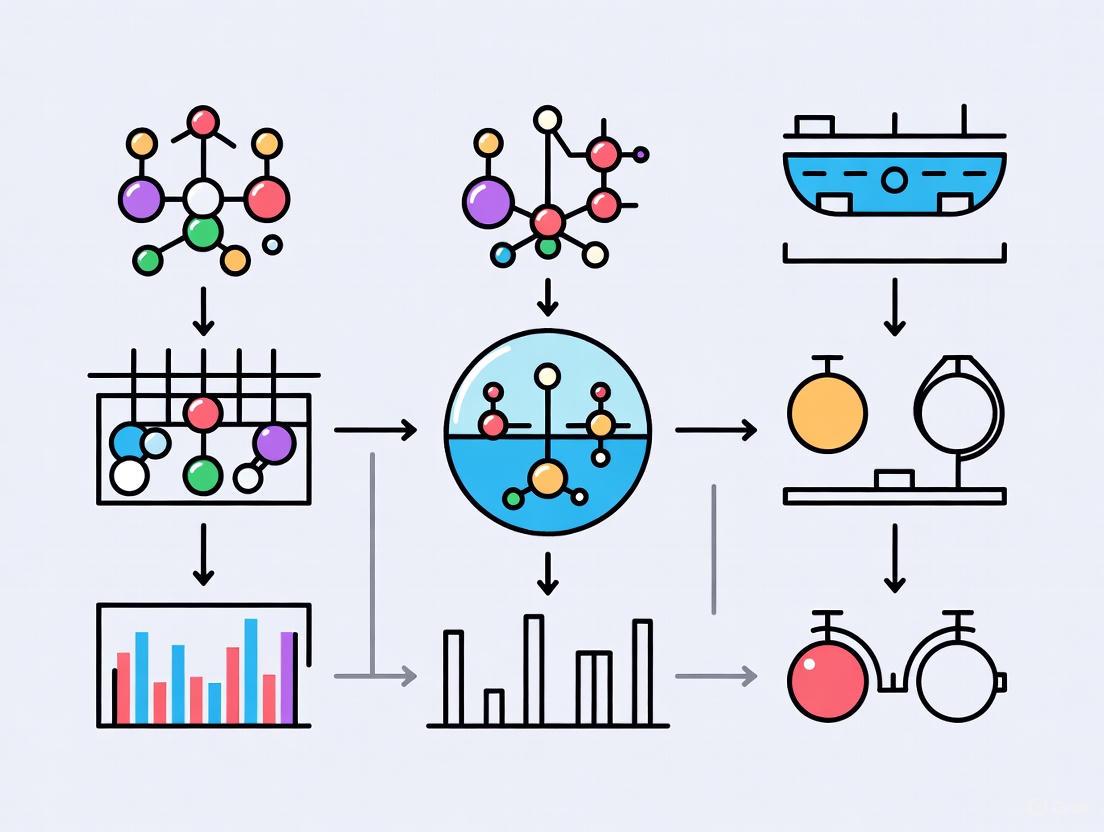
This article explores the transformative integration of microfluidics and synthetic biology, a convergence driving breakthroughs in biomedical research and industrial bioprocesses.
Microfluidics for Synthetic Biology: Advanced Tools for Biomanufacturing, Diagnostics, and Drug Development
Abstract
This article explores the transformative integration of microfluidics and synthetic biology, a convergence driving breakthroughs in biomedical research and industrial bioprocesses. Tailored for researchers and drug development professionals, it details how droplet-based and continuous-flow microfluidic platforms enable ultra-high-throughput screening, single-cell analysis, and precise biomolecule fabrication. The content covers foundational principles, diverse methodological applications—from enzyme evolution to organ-on-a-chip models—and provides practical solutions for common experimental challenges. By comparing microfluidic approaches to traditional methods and validating their enhanced performance, this review serves as a comprehensive guide for leveraging these powerful technologies to accelerate innovation in green biomanufacturing, therapeutic discovery, and precision medicine.
Microfluidics and Synthetic Biology: Principles, Synergies, and Core Advantages
Microfluidics is the science and technology of systems that process or manipulate small amounts of fluids (10⁻⁹ to 10⁻¹⁸ liters), using channels with dimensions of tens to hundreds of micrometers [1]. The behavior of fluids at this microscale is fundamentally different from macroscale behavior, characterized by low Reynolds numbers, resulting in laminar flow where fluids flow in parallel streams without turbulence [2] [1]. This unique physical environment allows for high specificity of chemical and physical properties, leading to more uniform reaction conditions and higher-grade products [1]. The field has evolved from foundational discoveries in capillary action and fluid dynamics to sophisticated applications in inkjet printheads, DNA chips, and lab-on-a-chip technology [1].
Synthetic biology, conversely, is an engineering discipline dedicated to designing and constructing novel biological systems and functions for useful purposes [3] [4]. It aims to create predictable and robust biological parts and systems, from genetic circuits to entire metabolic pathways, for applications ranging from drug development to sustainable biomaterial production [4]. A cornerstone methodology in synthetic biology is the iterative design-construct-test-analyze (DCTA) research cycle, which allows for the progressive refinement of biological systems [5].
The convergence of these two fields is natural and powerful. The inherent complexity of biological systems and the physical variations in biological behavior present significant challenges to synthetic biology [4]. Microfluidic technology addresses these challenges by providing tools for high-throughput, automated, and precise analysis and construction, thereby accelerating the entire synthetic biology research cycle [6] [5] [4]. By enabling the miniaturization of experiments, microfluidics reduces costs, time, and reagent consumption while increasing the resolution and accuracy of data collected from biological systems [5] [4].
Key Applications of Microfluidics in Synthetic Biology
Microfluidics enhances various aspects of synthetic biology, from fundamental cellular analysis to the construction of complex genetic programs. The table below summarizes the primary application areas where this technological convergence is making a significant impact.
Table 1: Key Application Areas of Microfluidics in Synthetic Biology
| Application Area | Key Function | Microfluidic Platform Examples | Impact on Synthetic Biology |
|---|---|---|---|
| Single-Cell & Population Analysis | Long-term monitoring of gene expression and growth of individual cells in precisely controlled environments [2]. | Microchemostats [2], Microfluidic arrays [4] | Enables study of population heterogeneity, gene expression noise, and dynamics of genetic oscillators unavailable to bulk measurement techniques like flow cytometry [2]. |
| Gene Expression & Regulation Dynamics | High-resolution profiling of cellular responses to rapid environmental changes and dynamic gene regulation [4]. | Droplet-based systems [4], Array-based devices with diffusive mixing [4] | Reveals distinct dynamics in gene expression and facilitates the functional assessment of synthetic biological parts under various stimuli [4]. |
| Cell-Free Synthetic Biology | Implementation of multi-step, long-term, and continuous cell-free reactions in miniature volumes [3]. | Microfluidic chemostats [3], Droplet compartments [3] | Allows for steady-state transcription-translation reactions, high-throughput characterization of biomolecular components, and the construction of artificial cells [3]. |
| Automated DNA Assembly & Construction | Automated assembly of DNA molecules from smaller fragments and subsequent transformation into hosts [5]. | 2D microvalve arrays [5], Platforms for Gibson Assembly & Isothermal Hierarchical DNA Construction (IHDC) [5] | Integrates and automates the "construct" phase of the DCTA cycle, reducing assembly time and labor while increasing throughput and reliability [5]. |
| Whole-Cell Analysis & Biosensing | On-chip functional assays, including growth, induction, and metabolic output analysis [5] [4]. | Integrated platforms with environmental control and detection [5] [4] | Provides a closed-loop system for the "test" and "analyze" phases of synthetic biology, enabling rapid debugging and reprogramming of biological systems [5]. |
Detailed Experimental Protocols
Protocol: Isothermal Hierarchical DNA Construction (IHDC) on a Microfluidic Platform
This protocol describes a method for automated, hierarchical assembly of long DNA molecules from shorter oligonucleotides, optimized for a programmable microfluidic platform using 2D microvalve array technology [5].
I. Principle IHDC is an isothermal DNA assembly method derived from Recombinase Polymerase Amplification (RPA) [5]. It takes two overlapping double-stranded DNA (dsDNA) fragments as input and produces an elongated dsDNA output. The method uses recombinase proteins to incorporate primers between the strands, which are then polymerase-elongated to produce single-stranded DNA (ssDNA). The overlapping ssDNA molecules hybridize, priming each other for overlap extension elongation to form dsDNA, which is subsequently amplified isothermally [5].
II. Equipment and Reagents
- Programmable Microfluidic Platform: Equipped with a 2D microvalve array chip, electronic pneumatic control system, and temperature regulation capable of maintaining isothermal conditions (e.g., 37°C) [5].
- Software: PR-PR programming language for laboratory automation or equivalent [5].
- IHDC Reagent Mix: Contains recombinase, polymerase, single-stranded DNA-binding protein, nucleotides, and cofactors in an appropriate buffer [5].
- DNA Inputs: Synthetic oligonucleotides or DNA fragments with designed overlapping regions.
- Elution Buffer: Low-EDTA TE buffer or nuclease-free water.
III. Procedure
- Chip Priming: Use the software to run a priming protocol, rinsing the microvalves with a cleansing solution to prevent cross-contamination [5].
- Reagent Loading: Assign and load reagents into the chip's designated input wells:
- Well A: IHDC Reagent Mix
- Well B: DNA Fragment 1
- Well C: DNA Fragment 2
- Well D: Elution Buffer [5]
- Reaction Execution:
- The software executes a transfer command, routing and mixing precise volumes (e.g., 150 nL per transfer) of the DNA fragments and reagent mix into a reaction chamber [5].
- The temperature control system maintains the chip at a constant 37°C for the reaction duration (15 minutes per hierarchical assembly step) [5].
- The process is repeated for each hierarchical step, with intermediate products being moved and mixed with new fragments according to the pre-designed construction tree [5].
- Product Recovery: Upon completion, the final assembled DNA product is transferred to an output well and eluted for collection [5].
IV. Analysis
- Analyze the intermediate and final DNA products using off-chip agarose gel electrophoresis to confirm the size and yield of the constructs [5].
- The assembled DNA can be integrated into a vector via on-chip Gibson Assembly for subsequent transformation [5].
The workflow for this automated DNA construction is illustrated below.
Protocol: Single-Cell Microchemostat Cultivation and Imaging
This protocol outlines the use of a microfluidic "microchemostat" device for long-term cultivation and high-resolution imaging of microbial cells, such as E. coli or S. cerevisiae, under dynamic environmental control [2].
I. Principle Microchemostat devices are designed with microscopic traps to physically confine individual cells while allowing fresh medium to perfuse continuously. This setup enables precise control over the cells' chemical environment and prevents the population from overgrowing the field of view. Combined with automated, high-resolution microscopy, it allows for the tracking of gene expression and morphological changes in single cells over multiple generations [2].
II. Equipment and Reagents
- Fabricated PDMS Microchemostat Device: Bonded to a glass coverslip, featuring an array of cell traps and integrated channels for medium and inducer inflow [2].
- Microscope System: Inverted microscope fully automated for stage movement, focus, and equipped with phase-contrast and fluorescence (e.g., GFP, RFP) capabilities. A sensitive CCD or sCMOS camera is required [2].
- Environmental Control: System for maintaining the chip at a constant temperature (e.g., 30°C for yeast).
- Medium Reservoirs: Source reservoirs for different media and inducers, connected to the chip via tubing. A system for modulating hydrostatic pressure or using syringe pumps is needed to control medium mixing and flow rates [2].
- Cell Sample: Late-log phase culture of the engineered microorganism.
III. Procedure
- Device Priming: Flush all channels of the microfluidic device with sterile, cell-free medium to remove bubbles and condition the surfaces [2].
- Cell Loading: Introduce the cell suspension into the device at a high flow rate to load cells into the traps. Subsequently, reduce the flow to the desired rate for the long-term experiment [2].
- Environmental Programming: Use the pressure modulation system to create dynamic environments. For example, to generate a time-varying inducer concentration, adjust the mixing ratio between a reservoir with plain medium and one with inducer [2].
- Automated Time-Lapse Imaging: Program the microscope to acquire images at regular intervals:
- Phase-contrast images every 1 minute to track cell growth and position.
- Fluorescence images every 5 minutes to monitor gene expression dynamics, minimizing phototoxicity [2].
- The microscope hardware automatically moves between multiple stage positions to image different chambers on the chip.
- Experiment Duration: Run the experiment for the desired period (typically 24-72 hours), ensuring medium reservoirs do not run dry [2].
IV. Data Analysis
- Use automated cell-tracking software to segment cells in each frame and link them across time, reconstructing lineage trees.
- Extract quantitative data for each cell over time, including size, morphology, and fluorescence intensity.
- Analyze data to reveal population heterogeneity, dynamic responses to environmental changes, and gene expression noise [2].
The experimental setup and workflow for microchemostat analysis are depicted below.
Essential Research Reagent Solutions
The following table catalogs key reagents and materials essential for executing the microfluidics-based synthetic biology protocols described above.
Table 2: Essential Research Reagents and Materials for Microfluidic Synthetic Biology
| Reagent/Material | Function/Description | Example Application/Note |
|---|---|---|
| Polydimethylsiloxane (PDMS) | Elastomeric polymer used for rapid prototyping of microfluidic devices via soft lithography; it is gas-permeable and optically clear [3]. | Standard material for building microchemostats and other chip designs for cell culture [2] [3]. |
| Cell-Free Transcription-Translation System | A crude cell lysate (e.g., from E. coli) or a reconstituted system (e.g., PURE) containing the necessary biochemical machinery for protein synthesis from DNA templates [3]. | Used in microfluidic chemostats for continuous, steady-state gene expression and for building artificial cells [3]. |
| Isothermal Assembly Mix (IHDC or Gibson) | A proprietary enzymatic mix containing recombinase, polymerase, and exonuclease for assembling overlapping DNA fragments in a single, isothermal reaction [5]. | Critical for automated, on-chip DNA construction of genetic circuits and combinatorial libraries [5]. |
| Fluorescent Proteins and Reporters | Genetically encoded proteins (e.g., GFP, RFP) whose expression is linked to promoter activity, serving as quantitative reporters of gene expression [2] [4]. | Enables real-time, non-invasive monitoring of synthetic circuit dynamics in single cells within microfluidic devices [2]. |
| Engineered Biological Cells | Model organisms (e.g., E. coli, S. cerevisiae) genetically modified to contain the synthetic genetic circuit or pathway under investigation. | The core subject of study; microfluidics provides a controlled environment to probe their function [2] [5]. |
Application Note: Harnessing Laminar Flow for Concentration Gradients
Physical Principle and Quantitative Profile
In microfluidic systems, the flow of fluids is predominantly laminar, characterized by parallel layers of fluid moving without mixing except by molecular diffusion [7]. This behavior is governed by a low Reynolds number (Re), a dimensionless quantity representing the ratio of inertial to viscous forces [7] [8].
- Reynolds Number Calculation:
Re = (ρ v L) / μρ= fluid density (kg/m³)v= fluid velocity (m/s)L= characteristic length of the channel, e.g., diameter (m)μ= dynamic viscosity of the fluid (Pa·s) [9]
- Flow Regime:
This laminar flow property allows two or more streams to flow side-by-side within a single microchannel, forming a stable interface where molecules exchange only by diffusion [8]. The predictable nature of this diffusion enables the creation of precise, stable concentration gradients, which are invaluable for studying cellular responses, chemical reactions, and gradient-sensitive biological processes [8].
Experimental Protocol: Generating a Linear Chemical Gradient
Objective: To create a stable, linear concentration gradient of a chemical across a microchannel for cell culture or chemical synthesis studies.
Materials:
- Microfluidic Chip: PDMS-based device with a "Y" or "tree" shaped channel network [7].
- Flow Control System: Pressure-driven pump (e.g., OB1 Pressure Controller) or volumetric syringe pumps [8].
- Reagents: Aqueous solution of your molecule of interest (e.g., a fluorescent dye for visualization) and a buffer solution.
- Analysis Equipment: Inverted microscope coupled with a CCD camera.
Procedure:
- Chip Priming: Introduce the buffer solution into the entire microfluidic network to remove air bubbles and ensure all channels are filled.
- Flow Rate Calculation: Based on your channel dimensions and desired diffusion profile, calculate the flow rate required to achieve a low Reynolds number (typically <<100). For a pressure controller, the relationship is
Flow rate = Pressure / Resistance, where resistance depends on channel geometry and fluid viscosity [8]. - Solution Loading: Load the molecule-of-interest solution into one inlet reservoir and the buffer solution into the other.
- Flow Initiation: Activate the flow control system to drive both fluids into the main channel at identical, low flow rates (e.g., 0.1 - 10 µL/min, depending on channel size). The fluids will flow side-by-side without turbulent mixing [8].
- Gradient Establishment: Allow the flow to stabilize for approximately 5-10 minutes. A steady-state interface will form between the two streams.
- Diffusion and Imaging: As the streams flow parallel, molecules from the solute stream will diffuse across the fluidic interface into the buffer stream, establishing a concentration gradient perpendicular to the flow direction. Capture images of the gradient using fluorescence microscopy.
- Validation: Quantify the gradient profile by measuring fluorescence intensity across the width of the channel.
Troubleshooting:
- Unstable Interface: Check for inconsistencies in flow rates from the two inlets. Ensure your pump provides stable, pulse-free flow.
- No Gradient Formed: The flow rate may be too high, reducing the time available for diffusion. Decrease the flow rate to increase the residence time of the fluid in the channel.
Application Note: Diffusion-Controlled Reactions in Cell-Free Synthetic Biology
Physical Principle and Quantitative Analysis
Molecular diffusion is the net movement of molecules from a region of higher concentration to a region of lower concentration due to random thermal motion [10]. In microfluidics, the absence of turbulence in laminar flow makes diffusion the primary mixing mechanism [8]. The timescale and extent of diffusion are critical for initiating and controlling biochemical reactions in confined spaces, such as in artificial cells or droplet-based reactors used in cell-free synthetic biology [3].
- Fick's First Law of Diffusion:
J = -D (dC/dx)J= diffusion flux (amount of substance per unit area per unit time)D= diffusion coefficient (m²/s)dC/dx= concentration gradient (mol/m⁴) [10]
- Diffusion Coefficients (Examples):
- Water (self-diffusion) at 25°C: 2.299 × 10⁻⁹ m²/s [10]
- Small molecules (e.g., glucose in water): ~10⁻⁹ m²/s
- Proteins (e.g., BSA in water): ~10⁻¹⁰ to 10⁻¹¹ m²/s
The following table summarizes key parameters for diffusion-based mixing in microfluidics:
Table 1: Key Parameters for Diffusion-Based Mixing in Microfluidics
| Parameter | Symbol | Typical Range in Microfluidics | Impact on Mixing |
|---|---|---|---|
| Diffusion Coefficient | D | 10⁻⁹ to 10⁻¹¹ m²/s | Larger D enables faster mixing. |
| Channel Width | w | 50 - 500 µm | Smaller width reduces mixing time. |
| Flow Velocity | v | 0.1 - 10 mm/s | Lower velocity increases residence time. |
| Characteristic Mixing Time | t | t ~ w² / D | Time required for significant mixing. |
Experimental Protocol: Initiating Cell-Free Protein Synthesis with Diffusive Reagent Mixing
Objective: To use controlled diffusion at a microfluidic interface to initiate a cell-free transcription-translation (TX-TL) reaction for protein synthesis [3].
Materials:
- Microfluidic Device: A chip featuring a chemostat or a multi-inlet channel for sustained reactions [3].
- Cell-Free System: Commercially available E. coli lysate-based or PURE (Protein synthesis Using Recombinant Elements) system [3].
- Reagents: DNA template encoding the protein of interest, NTPs, amino acids, and energy regeneration system components.
- Precision Flow Control System: Pressure controller capable of maintaining stable, low flow rates.
Procedure:
- Reagent Preparation: Reconstitute the cell-free master mix according to the manufacturer's protocol, but omit the DNA template. Keep the mix on ice to prevent premature reaction initiation.
- Template Preparation: Prepare a separate solution containing the DNA template.
- Device and Flow Setup: Prime the microfluidic device with a neutral buffer. Use the flow control system to establish stable, side-by-side laminar flow of the DNA template solution and the cell-free master mix.
- Reaction Initiation: As the two streams flow adjacently, DNA templates will diffuse from their stream into the master mix stream. Upon reaching a critical concentration within the master mix, the TX-TL reaction is initiated, leading to protein synthesis.
- Continuous Operation: For longer reactions, use a chemostat design where fresh reagents are continuously supplied, and waste products are removed, maintaining the reaction for hours [3].
- Output Monitoring: Monitor protein synthesis in real-time if using a fluorescent protein reporter (e.g., GFP). Collect output samples from the device outlet for further analysis (e.g., SDS-PAGE).
Troubleshooting:
- Low Protein Yield: Ensure the flow rates are slow enough to allow sufficient DNA diffusion. Check the activity of the cell-free system.
- Rapid Reaction Exhaustion: In a continuous-flow setup, optimize the flow rate to balance reagent replenishment and product dilution.
The Scientist's Toolkit: Essential Research Reagent Solutions
For researchers employing microfluidics in synthetic biology, the choice of materials and reagents is critical. The following table details key components and their functions.
Table 2: Essential Research Reagent Solutions for Microfluidics in Synthetic Biology
| Item | Function/Application | Key Considerations |
|---|---|---|
| Polydimethylsiloxane (PDMS) [7] [3] | Elastomeric polymer for rapid device prototyping via soft lithography. Ideal for cell culture due to gas permeability. | Highly permeable to water vapor and organic solvents; can absorb small hydrophobic molecules. |
| Cell-Free System (Lysate or PURE) [3] | Extracted cellular machinery for in vitro transcription and translation outside of living cells. | Lysate-based systems are complex but powerful; PURE systems are defined but more expensive. |
| Pressure-Driven Flow Controller [8] | Provides precise, pulse-free fluid actuation by applying air pressure to fluid reservoirs. | Offers faster response and better stability for complex networks compared to some syringe pumps. |
| Fluorinated Oil with Surfactants | Continuous oil phase for droplet-based microfluidics; surfactants stabilize aqueous droplets to prevent coalescence. | Biocompatibility with the biological reaction inside droplets must be confirmed. |
| Surface Passivation Agents (e.g., Pluronic F-127, BSA) | Coat channel walls to prevent nonspecific adsorption of proteins or DNA. | Essential for maintaining the activity of cell-free systems and avoiding clogging. |
Workflow and System Diagrams
Laminar Flow Gradient Generator Workflow
Microfluidic System for Cell-Free Synthesis
Microfluidics, the science and technology of manipulating fluids at the micron scale (one millionth of a meter), has emerged as a transformative tool at the intersection of engineering, biology, and chemistry [11]. This technology enables precise control of liquids within channels thinner than a strand of hair, allowing researchers to conduct experiments and diagnostics using minimal volumes of liquids, which leads to significant savings in cost, time, and resources [12]. The foundation of microfluidics lies in miniaturization and integration, where complex laboratory functions such as mixing, separation, and detection can be performed within compact devices known as "lab-on-a-chip" systems [12]. For the field of synthetic biology—which involves the design and modification of biological systems for specific functions by integrating disciplines like engineering, genetics, and computer science—microfluidics offers a powerful solution to longstanding challenges [13]. Despite the significant impact of synthetic biology in addressing global challenges across diverse domains, the field has faced difficulties in achieving precise, dynamic, and high-throughput manipulation of biological processes [13]. Microfluidics addresses these limitations by enabling controlled fluid handling at the microscale, which offers lower reagent consumption, faster analysis of biochemical reactions, automation, and high-throughput screening capabilities [13].
The integration of microfluidics with host organisms—including bacterial cells, yeast, fungi, animal cells, and cell-free systems—has proven instrumental in advancing synthetic biology applications [13]. By creating synthetic genetic circuits, pathways, and organisms within controlled environments, microfluidic platforms have become essential tools for understanding and engineering biological systems [13]. The technology's ability to provide excellent spatiotemporal control over the cellular microenvironment, coupled with short diffusion path lengths and operation at low volumes, increases sensitivity, lowers the Limit of Detection (LoD), and improves time-to-result of analytical assays [14]. These advantages are particularly valuable in bio-engineering applications where traditional methods face limitations in throughput, cost-effectiveness, and reproducibility. As microfluidics continues to evolve, it is positioned to play a central role in shaping modern science and technology, with the global microfluidics market projected to grow from USD 36.2 Billion in 2024 to approximately USD 102.9 Billion by 2033, reflecting a compound annual growth rate (CAGR) of 12.3% [12].
Microfluidic Advantages Over Conventional Methods
Microfluidics provides distinct advantages over conventional bio-engineering methods across three critical parameters: throughput, cost, and reproducibility. The technology's fundamental characteristics directly address limitations that have historically constrained synthetic biology and related fields.
Throughput Enhancement
Traditional macroscopic systems face significant challenges in achieving high-throughput experimentation due to manual handling requirements, slow processing times, and substantial reagent volumes. Microfluidics overcomes these limitations through parallelization and miniaturization. The ability to process numerous samples simultaneously in microfluidic devices dramatically increases experimental throughput [13]. For instance, in sperm selection for assisted reproduction, researchers have identified parallelization as a key solution to overcome low throughput in current microfluidic sperm selection chips [15]. Similarly, in CAR-T cell therapy manufacturing, microfluidic technology enables high-throughput quality control testing, which is crucial for monitoring critical quality attributes (CQAs) of the drug product [14]. The automation capabilities of microfluidic systems further enhance throughput by reducing manual intervention and enabling continuous operation.
Cost Reduction
The economic impact of microfluidics stems from multiple factors that collectively reduce the overall cost of bio-engineering processes. By operating at the microscale, these systems significantly minimize reagent and sample consumption, leading to substantial cost savings [13] [14]. This reduction in resource usage is particularly valuable when working with expensive reagents or rare biological samples. In the context of CAR-T cell therapy manufacturing, where the current cost of goods (COGs) includes 32% attributed to quality control testing alone, the implementation of microfluidic analytical methods could generate significant savings [14]. The miniaturized nature of microfluidic devices also reduces material costs for device fabrication, especially when using polymers like PDMS (Polydimethylsiloxane), which is not only cost-effective but also offers excellent biochemical performance and biocompatibility [11].
Improved Reproducibility
The precise fluid control achievable in microfluidic systems directly enhances experimental reproducibility—a critical requirement in both research and clinical applications. The laminar flow regime dominant at the microscale (characterized by low Reynolds numbers, typically Re < 2000) enables highly predictable fluid behavior [11]. This flow characteristic, where viscous forces dominate over inertial forces, allows for exact manipulation of fluids and cells, reducing experimental variability [13]. In applications such as droplet-based microfluidics, highly monodispersed alginate beads can be consistently generated, demonstrating the technology's capability for reproducible particle synthesis [16]. The automation potential of microfluidic systems further minimizes human error, contributing to more reliable and consistent outcomes across experiments [14].
Table 1: Quantitative Comparison of Conventional Methods vs. Microfluidic Approaches
| Parameter | Conventional Methods | Microfluidic Approaches | Improvement Factor |
|---|---|---|---|
| Reagent Consumption | Milliliter to liter ranges | Microliter to nanoliter ranges | 100-1000x reduction [14] |
| Analysis Time | Hours to days | Minutes to hours | 3-10x acceleration [14] |
| Experimental Throughput | Limited by manual processing | High through parallelization | 10-100x increase [13] |
| Device Footprint | Benchtop equipment requiring significant space | Compact "lab-on-a-chip" systems | 5-20x reduction [12] |
| Limit of Detection | Micromolar to nanomolar | Nanomolar to picomolar | 100-1000x improvement [14] |
Application Note 1: Microfluidic Quality Control in CAR-T Cell Therapy
Background and Significance
Chimeric Antigen Receptor (CAR) T-cell therapies have revolutionized the treatment of hematological cancers, achieving high remission rates in previously unresponsive patients [14]. However, the prohibitive cost of approximately USD 500k per treatment restricts accessibility for the broader patient population [14]. The complex and often labor-intensive manufacturing process itself accounts for USD 170-220k per batch, with quality control (QC) comprising approximately 32% of the total cost of goods (COGs) [14]. The current QC workflow for CAR-T cell manufacturing relies on multiple analytical techniques, including flow cytometry, microscopy, impedance-based real-time cell analysis, qPCR, and Enzyme-Linked Immunosorbent Assay (ELISA), which require trained scientists to operate and analyze results [14]. These conventional methods are not only time-consuming and expensive but also face challenges in standardization and reproducibility. Microfluidic technology offers a transformative approach to QC testing by integrating multiple analytical assays into automated devices with integrated readouts, thereby decreasing complexity while improving sensitivity, lowering the Limit of Detection (LoD), and enhancing time-to-result of analytical assays [14].
Experimental Protocol
Objective: To implement a microfluidic-based quality control platform for monitoring Critical Quality Attributes (CQAs) in CAR-T cell manufacturing, specifically focusing on identity, purity, and potency assessments.
Materials:
- OB1 pressure & flow controller (Elveflow) or equivalent microfluidic pressure control system
- Microfluidic device with integrated cell capture regions
- Cell culture media appropriate for T-cell maintenance
- CAR-T cell samples at various manufacturing stages
- Target cancer cell lines for cytotoxicity assessment
- Fluorescently labeled antibodies for CD3, CD4, CD8, and CAR-specific markers
- Viability dyes (e.g., propidium iodide)
- Cytokine detection reagents
Procedure:
Device Priming and Preparation:
- Connect the microfluidic device to the pressure controller following manufacturer's instructions.
- Prime the system with appropriate cell culture media, ensuring no air bubbles remain in the microchannels [16].
- Set the flow rate to 10-50 μL/min using the pressure controller and flow sensor feedback mechanism [16].
Sample Loading and Cell Capture:
- Introduce the CAR-T cell sample (100-500 μL volume) into the injection port.
- Utilize hydrodynamic focusing or surface capture methodologies to isolate individual cells within the microfluidic device [14].
- Allow cells to settle for 5-10 minutes under minimal flow conditions (1-5 μL/min).
Multiparameter Analysis:
- Viability Assessment: Introduce viability dye through a separate inlet and monitor fluorescence to distinguish live/dead cells.
- Phenotypic Characterization: Perfuse fluorescently labeled antibodies for CD3, CD4, CD8, and CAR-specific markers through the system.
- Cytotoxicity Assessment: Introduce target cancer cells at specific effector-to-target ratios and monitor cell death in real-time using impedance-based measurements or fluorescent markers [14].
Data Collection and Analysis:
- Acquire time-lapse images or continuous impedance measurements for 2-24 hours.
- Use integrated software to quantify fluorescence intensity, cell count, and cytotoxicity metrics.
- Calculate critical quality attributes including viability percentage, CAR+ expression, and specific cytotoxicity.
Troubleshooting Tips:
- If air bubbles form in the system, increase pressure briefly to flush them out or use dedicated bubble traps [16].
- For inconsistent cell capture, optimize surface functionalization or adjust flow rates to improve efficiency.
- If signal detection is weak, confirm reagent activity and consider increasing incubation time or concentration.
Results and Interpretation
The microfluidic QC platform enables simultaneous assessment of multiple CQAs from a single miniaturized device. Typical results should include:
- Viability: >70% for manufacturing process continuity [14]
- Identity: CAR+ expression >20% with precise cell counting and dosage determination [14]
- Potency: Specific cytotoxicity >10% against target cells, with dose-response relationship [14]
The integration of multiple analytical functions into a single microfluidic device significantly reduces the time-to-result from several days to hours while cutting reagent consumption by 10-100x compared to conventional methods. The automated operation minimizes operator-induced variability, enhancing reproducibility across batches. The continuous monitoring capability provides dynamic information about cell function that is not available from endpoint assays, offering richer data for manufacturing decisions.
Diagram 1: CAR-T Cell QC Workflow
Application Note 2: Microfluidic Sperm Selection for Assisted Reproduction
Background and Significance
Infertility treatment represents a significant challenge in healthcare, with obtaining functional sperm cells being the first crucial step to address male infertility [15]. Conventional sperm selection methods, such as wash and swim-up or density gradient centrifugation, often cause damage to sperm DNA and fail to efficiently isolate the most viable spermatozoa [15]. These limitations have prompted the development of advanced selection techniques, with microfluidics emerging as a promising solution. Microfluidic platforms leverage the unique physics of fluid behavior at the microscale, including laminar flow and low Reynolds numbers, to provide unprecedented opportunities for sperm selection [15]. Previous studies have demonstrated that microfluidic platforms can offer a novel approach to this challenge, with researchers attacking the problem from multiple angles using various sperm properties including self-motility, boundary following, rheotaxis, chemotaxis, and thermotaxis [15]. The technology enables the selection of sperm based on their physiological function and morphological integrity without subjecting them to damaging centrifugal forces, potentially maximizing the chance for successful pregnancy in assisted reproductive technology (ART) laboratories.
Experimental Protocol
Objective: To implement a microfluidic sperm selection protocol based on rheotaxis and chemotaxis properties for isolating highly motile and functional sperm for assisted reproduction.
Materials:
- Pressure-driven flow controller (e.g., Elveflow OB1)
- Custom-designed microfluidic sperm selection device
- Semen sample prepared by standard liquefaction procedure
- Sperm washing medium (commercial preparation)
- Sperm capacitation medium
- Chemoattractant solution (e.g., progesterone)
- Incubator maintained at 37°C with 5% CO2
- Phase-contrast or differential interference contrast microscope
Procedure:
Device Preparation:
- Sterilize the microfluidic device using UV light or appropriate sterilizing agents.
- Connect the device to the pressure controller and prime with sperm washing medium.
- Set up a chemotactic gradient by pre-loading one reservoir with chemoattractant solution.
Sample Processing:
- Introduce the prepared semen sample into the input reservoir.
- Apply precise pressure control (0.1-2 psi) to create a gradual flow gradient within the microchannels [15].
- Allow sperm to migrate through the device for 15-30 minutes under controlled temperature conditions.
Sperm Selection Mechanism:
- Utilize rheotaxis (the ability of sperm to swim against fluid flow) as a primary selection parameter [15].
- Incorporate chemotaxis (guidance by chemical gradients) to enhance selection of functional sperm [15].
- Exploit boundary following behavior where the most motile sperm tend to swim along channel walls.
Collection and Assessment:
- Collect the selected sperm population from the output reservoir.
- Assess sperm parameters including motility, morphology, and DNA fragmentation.
- Compare with conventionally prepared samples to validate selection efficiency.
Validation Methods:
- Computer-assisted sperm analysis (CASA) for motility parameters
- Sperm chromatin structure assay (SCSA) for DNA fragmentation
- Morphological assessment using strict Kruger criteria
- Clinical outcomes including fertilization rate and embryo quality
Troubleshooting Tips:
- If sperm recovery is low, optimize flow rates to balance selection stringency and yield.
- For inconsistent chemotactic response, verify chemoattractant activity and gradient stability.
- If device clogging occurs, pre-filter semen samples or adjust channel dimensions.
Results and Interpretation
Microfluidic sperm selection typically demonstrates significant improvements over conventional methods:
- Motility Enhancement: 2-3 fold increase in progressive motile sperm compared to initial sample [15]
- DNA Integrity: Significant reduction in DNA fragmentation index compared to conventional methods [15]
- Morphological Selection: Higher percentage of morphologically normal sperm in selected population
The exploitation of rheotaxis and chemotaxis in microfluidic devices enables selection of sperm based on their functional competence rather than merely density or swim-up capability. This functional selection correlates with improved fertilization outcomes and embryo quality. The parallelization of microfluidic devices addresses throughput limitations, making the technology suitable for clinical application where sufficient sperm numbers are required for procedures like in vitro fertilization (IVF) or intracytoplasmic sperm injection (ICSI). Future development directions include the integration of microfluidic sperm selection with subsequent ART steps toward fully integrated start-to-finish assisted reproductive technology systems [15].
Application Note 3: Droplet Microfluidics for High-Throughput Screening
Background and Significance
Droplet-based microfluidics has emerged as a powerful platform for high-throughput screening applications in synthetic biology and drug discovery. This technology enables the generation and manipulation of picoliter to nanoliter volume droplets, functioning as discrete microreactors for biological assays [16]. The generation of highly monodispersed droplets offers tremendous advantages including better control over small volumes of fluid, enhanced mixing, and high throughput experiments [16]. In the context of synthetic biology, droplet microfluidics facilitates the rapid testing of genetic circuits, enzyme variants, and metabolic pathways encapsulated within isolated compartments. Similarly, for drug discovery, particularly in antifungal screening, single spore encapsulation in droplets provides a breakthrough approach for fungicide discovery [16]. The ability to create millions of discrete reaction vessels in a short time dramatically accelerates the design-build-test-learn (DBTL) cycle in synthetic biology, addressing a critical bottleneck in conventional approaches where throughput is limited by manual handling, large reagent volumes, and slow processing times.
Experimental Protocol
Objective: To implement a droplet microfluidics platform for high-throughput screening of synthetic genetic circuits in yeast, enabling rapid characterization of circuit behavior under different conditions.
Materials:
- Pressure-driven droplet generation system (e.g., Elveflow OB1 with microfluidic droplet chip)
- Water-in-oil surfactant solution (e.g., 2% fluorosurfactant in HFE-7500)
- Aqueous phase containing yeast cells expressing genetic circuits
- Fluorescence-activated droplet sorting (FADS) system or equivalent
- Collection reservoirs for sorted droplets
- Incubation system for droplet culture
- Microscopy setup for droplet monitoring
Procedure:
Droplet Generation:
- Set up the microfluidic droplet device with appropriate surface treatment for stable droplet formation.
- Connect oil and aqueous phase reservoirs to the pressure controller.
- Pre-pressurize the system to 0.5-2 psi to establish stable flows without droplets [16].
- Adjust oil and aqueous phase pressure ratios to generate monodisperse droplets of 50-100 μm diameter.
- Collect emerging droplets in a storage reservoir for incubation.
Droplet Incubation and Monitoring:
- Transfer droplets to an incubation chamber maintained at appropriate temperature (30°C for yeast).
- Monitor droplet contents over time using time-lapse microscopy.
- Measure fluorescence output from genetic circuits at regular intervals.
Droplet Sorting:
- Set up fluorescence detection threshold based on desired circuit behavior.
- Implement sorting parameters in the FADS system to isolate droplets of interest.
- Collect sorted droplets in separate reservoirs for downstream analysis.
Downstream Analysis:
- Break sorted droplets to recover biological content.
- Plate cells on solid media for colony formation or proceed to molecular analysis.
- Sequence genetic circuits from sorted populations to validate design principles.
Troubleshooting Tips:
- If droplet size is inconsistent, check for pressure fluctuations and ensure surfactant is properly dissolved in oil phase.
- For unstable droplets, verify surface treatment of device and adjust surfactant concentration.
- If sorting efficiency is low, calibrate detection system and ensure proper droplet spacing.
Results and Interpretation
A typical droplet microfluidics screening experiment should yield:
- Droplet Generation Rate: 100-10,000 droplets per second depending on device design and flow parameters [16]
- Droplet Uniformity: Coefficient of variation <5% for diameter, ensuring consistent reaction volumes
- Encapsulation Efficiency: Single cell encapsulation following Poisson distribution statistics
- Sorting Purity: >90% recovery of desired variants in the sorted population
The encapsulation of individual cells or reactions in picoliter droplets reduces reagent consumption by 100-1000x compared to conventional microtiter plate-based screening. The high generation rate enables testing of library sizes that would be impractical with conventional methods, dramatically expanding the exploration of design space in synthetic biology. The compartmentalization prevents cross-contamination between reactions and enables the detection of weak signals that would be diluted in bulk measurements. The integration of droplet generation, incubation, and sorting in automated platforms significantly reduces hands-on time and improves reproducibility across experiments. Applications extend beyond genetic circuit characterization to include enzyme evolution, single-cell analysis, and combinatorial drug screening, demonstrating the versatility of droplet microfluidics as a platform technology for bio-engineering.
Diagram 2: Droplet Screening Workflow
Essential Research Reagent Solutions
The successful implementation of microfluidic applications in synthetic biology requires specific materials and reagents optimized for microscale operations. The selection of appropriate components is critical for achieving reliable and reproducible results.
Table 2: Essential Research Reagents and Materials for Microfluidic Applications
| Reagent/Material | Function/Application | Key Characteristics | Examples/Alternatives |
|---|---|---|---|
| PDMS (Polydimethylsiloxane) | Device fabrication | Biocompatible, gas permeable, optically transparent, inexpensive [11] | Sylgard 184, RTV615 |
| Thermoset Polyester (TPE) | Device fabrication for solvent resistance | Resistant to non-polar solvents, high mechanical strength [11] | Various thermoset polymers |
| Fluorosurfactants | Stabilization of water-in-oil emulsions | Prevents droplet coalescence, biocompatible [16] | EA-surfactant, Pico-Surf |
| HFE-7500 Oil | Continuous phase for droplet generation | Biocompatible, high oxygen permeability, low viscosity [16] | Fluorinated oils, Mineral oil |
| Pressure Controller | Precise fluid handling | Fast response, stable pressure control, programmability [16] | Elveflow OB1, Fluigent MFCS |
| Flow Sensors | Flow rate monitoring and feedback | High accuracy, compatibility with microfluidic flow rates [16] | Bronkhorst Coriolis, Elveflow BFS |
| Surface Modification Reagents | Channel surface functionalization | Enables cell adhesion or prevents fouling | Poly-L-lysine, PEG-silane, BSA |
Microfluidics technology has demonstrated significant potential in overcoming the traditional limitations of throughput, cost, and reproducibility in bio-engineering applications. By enabling precise fluid control at the microscale, this technology has transformed synthetic biology workflows, quality control in cell therapy manufacturing, sperm selection for assisted reproduction, and high-throughput screening platforms. The miniaturization inherent in microfluidic systems directly addresses cost barriers through dramatic reductions in reagent consumption, while automation and parallelization enhance both throughput and reproducibility. The integration of multiple processing and analysis steps into compact "lab-on-a-chip" devices streamlines experimental workflows and reduces human error, contributing to more reliable and standardized outcomes.
Looking forward, several emerging trends are poised to further expand the impact of microfluidics in bio-engineering. The development of increasingly sophisticated materials, including advanced polymers and hydrogels, will enhance device functionality and biocompatibility [11]. The integration of microfluidics with other emerging technologies such as 3D printing and artificial intelligence will enable more complex device architectures and intelligent experimental control [12]. In the clinical realm, the transition of microfluidic technologies from research tools to diagnostic and therapeutic applications represents a significant frontier, with point-of-care diagnostics and personalized medicine emerging as key growth areas [12]. For synthetic biology specifically, the convergence of microfluidics with cell-free systems and automated strain engineering platforms promises to accelerate the design-build-test-learn cycle, potentially reducing development timelines from years to months. As these technologies mature and overcome current challenges related to fabrication complexity and standardization, microfluidics is positioned to become an increasingly indispensable tool in the bio-engineering toolkit, driving innovations that address pressing challenges in healthcare, energy, and environmental sustainability.
Diagram 3: Synthetic Biology DBTL Cycle
Microfluidics, the science and technology of systems that process or manipulate small amounts of fluids (10⁻⁹ to 10⁻¹⁸ liters) using channels with dimensions of tens to hundreds of micrometers, has emerged as a distinct multidisciplinary field [17] [1]. This platform offers significant advantages for synthetic biology applications, including low reagent consumption, short analysis times, controlled reaction environments, and high-throughput experimentation capabilities [17] [18]. The characteristic laminar flow behavior and high surface-to-volume ratios at the microscale enable precise control over concentrations of molecules in space and time, facilitating faster reaction times and higher efficiency compared to macroscopic systems [17] [19]. This article provides a comprehensive overview of three core microfluidic modalities—droplet-based, continuous-flow, and organ-on-a-chip platforms—focusing on their fundamental operating principles, key applications in synthetic biology, and detailed experimental protocols for implementation.
Core Modalities and Operating Principles
Droplet-Based Microfluidics
Droplet-based microfluidic systems manipulate discrete volumes of fluids in immiscible phases with low Reynolds number, creating isolated microreactors ranging from nano- to femtoliter volumes [17] [20]. These systems utilize two immiscible phases: a continuous phase (the medium in which droplets flow) and a dispersed phase (the droplet phase), typically forming either water-in-oil (W/O) or oil-in-water (O/W) emulsions [20]. The key advantage of this approach lies in the ability to perform a large number of reactions in parallel without increasing device size or complexity, with generation rates reaching up to twenty thousand droplets per second [17].
Table 1: Primary Droplet Generation Methods in Microfluidics
| Method | Geometry | Droplet Size Range | Formation Rate | Key Controlling Parameters |
|---|---|---|---|---|
| Cross-flowing | T-junction, Y-junction | Usually >10 μm [20] | Up to 7 kHz [20] | Flow rate ratio, capillary number, channel dimensions [20] |
| Flow-focusing | Nozzle-like constraint | Several hundred nanometers [20] | Several hundred Hz to tens of kHz [20] | Fluid viscosity, channel geometry, flow rates [18] |
| Co-flowing | Concentric channels | Several hundred nanometers [20] | Up to tens of kHz [20] | Velocity ratio, interfacial tension, dripping/jetting regime [20] |
Droplet formation can be achieved through either passive or active methods. Passive methods, which rely solely on channel geometry and fluid dynamics, are more common due to their simpler device designs and ability to produce highly monodisperse droplets [20]. The size of generated droplets is primarily controlled by the flow rate ratio of the continuous and dispersed phases, interfacial tension between the two phases, and the geometry of the channels [20]. In microfluidic systems, droplet generation is characterized by the capillary number (Ca), which represents the ratio of viscous stress to interfacial tension [17]. The low Reynolds number flow regime (Re << 2300) ensures laminar flow within the system, which is essential for predictable droplet behavior [20].
Continuous-Flow Microfluidics
Continuous-flow microfluidics involves the control of a steady-state liquid flow through narrow channels or porous media, predominantly by accelerating or hindering fluid flow in capillary elements [1]. This modality maintains fluids in a continuous stream rather than discrete droplets, with actuation implemented through external pressure sources, external mechanical pumps, integrated mechanical micropumps, or combinations of capillary forces and electrokinetic mechanisms [1]. A significant characteristic at the microscale is the low Reynolds number, which results in strictly laminar flow where mixing occurs primarily through molecular diffusion at fluid interfaces rather than turbulence [19].
This laminar flow behavior enables the generation of precise concentration gradients that have been employed in studies of cell migration and chemical kinetics [17]. Continuous-flow systems are particularly well-suited for applications requiring steady-state conditions, such as chemical separations, continuous monitoring, and perfusion cell culture [1] [19]. However, these systems face challenges in scalability and flexibility, as permanently etched microstructures lead to limited reconfigurability and poor fault tolerance capability [1]. The fluid flow at any location within a continuous-flow system is dependent on the properties of the entire system, making integration and scaling inherently difficult [1].
Organ-on-a-Chip Platforms
Organ-on-a-chip platforms represent an advanced application of microfluidic technology that aims to mimic the structure and function of human organs in vitro. These devices typically incorporate continuous-flow principles to create physiologically relevant microenvironments for cultured cells and tissues [19]. While not explicitly detailed in the search results, these platforms represent a convergence of droplet-based and continuous-flow principles with advanced cell culture techniques, typically incorporating hydrodynamic trapping, perfusion systems, and precise environmental control to recreate organ-level functionality [19].
These devices enable researchers to cultivate small cell clusters or even single cells under defined environmental conditions with high spatio-temporal resolution, making them particularly valuable for drug screening, disease modeling, and reducing reliance on animal testing [18] [19]. The compartmentalized design allows for the establishment of physiological gradients, mechanical stimulation, and tissue-tissue interfaces that better recapitulate the in vivo environment compared to traditional cell culture systems [19].
Table 2: Comparison of Core Microfluidic Modalities
| Parameter | Droplet-Based | Continuous-Flow | Organ-on-a-Chip |
|---|---|---|---|
| Throughput | Very high (up to 10⁵ samples/day) [18] | Moderate | Low to moderate |
| Volume Range | Nanoliter to femtoliter [17] | Microliter to nanoliter | Microliter to nanoliter |
| Mixing Efficiency | High (via internal circulation) [20] | Low (diffusion-based) [19] | Variable (designed) |
| Reaction Time | Seconds or less [17] | Minutes to hours | Hours to days |
| Scalability | High (parallelization) [17] | Limited [1] | Moderate |
| Cell Culture Compatibility | Limited (encapsulation) | Good (perfusion) [19] | Excellent (microenvironment) [19] |
Applications in Synthetic Biology and Drug Development
High-Throughput Screening
Droplet-based microfluidics has revolutionized high-throughput screening (HTS) by enabling the analysis of thousands to millions of discrete reactions in dramatically reduced volumes and timeframes. Microfluidic HTS achieves a notable 10³ to 10⁶-fold decrease in the volume of bioassays compared to traditional procedures, with sample manipulation rates exceeding 500 Hz—significantly higher than robotic liquid handling which operates below 5 Hz [18]. This ultrahigh-throughput capability (up to 10⁵ samples per day) makes droplet platforms particularly suitable for screening large compound libraries, mutant libraries, and environmental samples [18].
The application of droplet-based microfluidics to genetic analysis has demonstrated significant utility in developing low-cost, efficient, and rapid workflows for DNA amplification, rare mutation detection, antibody screening, and next-generation sequencing [21]. By encapsulating single DNA molecules in droplets along with PCR reagents, researchers can perform digital PCR with exceptional sensitivity and precision, enabling absolute quantification of nucleic acids without the need for standard curves [21]. This approach has become a critical component of next-generation sequencing technologies and single-cell genomic analyses [21].
Single-Cell Analysis
Microfluidic cultivation devices allow the cultivation and analysis of small cell clusters or even single cells in microfluidic structures or droplets, ranging from microliter to picoliter volumes [19]. When combined with live-cell imaging, time-lapse microscopy enables the analysis of cellular behavior in a timely resolved manner, facilitating studies of cell-to-cell heterogeneity, aging and death, growth dynamics, cell cycle monitoring, gene expression, and metabolic processes [19]. Different chamber designs—including 3D, 2D, 1D (mother machines), and 0D configurations—provide varying degrees of spatial constraint for cellular growth and colony development, each optimized for specific experimental requirements [19].
Drug Delivery and Nanomaterial Synthesis
Droplet-based microfluidic systems have been successfully employed to directly synthesize particles and encapsulate many biological entities for biomedicine and biotechnology applications [17]. These platforms enable the production of highly monodisperse particles, double emulsions, hollow microcapsules, and microbubbles with precise control over size, composition, and release characteristics [17]. The ability to generate uniform nanoparticles and drug carriers in a continuous, scalable fashion positions microfluidics as a valuable tool for pharmaceutical development and formulation [17] [18].
Experimental Protocols
Protocol 1: Establishing a Droplet-Based Microfluidic Experiment
Objective: To create water-in-oil (W/O) emulsion droplets for high-throughput screening of enzymatic activity.
Materials:
- Microfluidic Device: PDMS-based flow-focusing droplet generator [17]
- Continuous Phase: Fluorinated oil with 2% (w/w) biocompatible triblock copolymer surfactant [20]
- Dispersed Phase: Aqueous solution containing substrate and buffer
- Equipment: Syringe pumps, tubing, microscope with high-speed camera
Procedure:
- Device Preparation: Fabricate PDMS device via soft lithography using standard photolithography methods [19]. Plasma-treat and bond to glass slide. Treat channels with hydrophobic coating if necessary.
- Phase Preparation: Filter both phases through 0.2 μm filters to remove particulates. Add surfactant to oil phase at 2% (w/w) concentration and mix thoroughly [20].
- System Priming: Load continuous phase into syringe and connect to device. Slowly prime device with continuous phase until all channels are filled and no air bubbles remain.
- Droplet Generation: Set continuous phase flow rate to 1000 μL/h and dispersed phase to 300 μL/h using syringe pumps. Observe droplet formation at flow-focusing junction under microscope.
- Droplet Collection: Collect emulsion in PCR tube or reservoir for downstream incubation or analysis.
- Optimization: Adjust flow rate ratios to achieve desired droplet size (typically 10-100 μm diameter). Monitor droplet uniformity using high-speed camera.
Troubleshooting:
- If droplets are not forming, check for channel blockages and ensure proper surface wettability.
- If droplet size is inconsistent, verify stable flow rates and consider adding additional surfactant.
- If droplets coalesce, increase surfactant concentration or check for proper stabilization.
Protocol 2: Microfluidic Cultivation for Single-Cell Analysis
Objective: To cultivate and monitor bacterial cells in a microfluidic device for single-cell analysis over multiple generations.
Materials:
- Microfluidic Device: PDMS-glass device with 2D cultivation chambers [19]
- Cell Preparation: Mid-log phase bacterial culture in appropriate medium
- Medium: Filter-sterilized growth medium
- Equipment: Syringe pump, microscope with environmental chamber, image analysis software
Procedure:
- Device Sterilization: Sterilize assembled microfluidic device by flushing with 70% ethanol, followed by sterile water and finally growth medium.
- Cell Loading: Dilute bacterial culture to OD₆₀₀ = 0.1 in fresh medium. Load cell suspension into device at low flow rate (50-100 μL/h) to allow cells to enter cultivation chambers via hydrodynamic trapping [19].
- Perfusion Cultivation: Once chambers are populated, switch to continuous medium perfusion at appropriate flow rate (typically 50-200 μL/h) to maintain nutrient supply and waste removal while minimizing shear stress.
- Environmental Control: Maintain device temperature at optimal growth condition using microscope environmental chamber or on-chip heating elements.
- Time-Lapse Imaging: Program microscope to acquire images at regular intervals (e.g., every 5-15 minutes) across multiple positions. Use phase contrast and/or fluorescence imaging as required.
- Data Analysis: Extract single-cell data (growth, division, morphology, fluorescence) using automated image analysis pipelines.
Troubleshooting:
- If cells do not enter traps, adjust flow rate or check trap dimensions relative to cell size.
- If cells escape from chambers, reduce chamber height or increase retention structure effectiveness.
- If nutrient gradients form, increase flow rate or redesign chamber geometry to improve mass transfer.
The Scientist's Toolkit: Essential Research Reagents and Materials
Table 3: Essential Materials for Microfluidic Experiments
| Category | Specific Items | Function/Purpose | Key Considerations |
|---|---|---|---|
| Chip Materials | Polydimethylsiloxane (PDMS) [17] | Primary material for rapid prototyping; biocompatible and transparent | Prone to swelling with organic solvents; requires surface treatment |
| Glass, Silicon [17] | Alternative materials with greater solvent resistance | Better for optical detection methods [17] | |
| Thiolene [17] | Polymer with superior chemical resistance | ||
| Surfactants | Triblock copolymer (PFPE-PEG-PFPE) [20] | Stabilizes aqueous droplets in fluorinated oil; biocompatible | Critical for preventing droplet coalescence; affects biochemical reactions |
| Fluorinated linear polyglycerols [20] | Customizable surfactant for specific applications | ||
| Continuous Phases | Fluorinated oils [20] | Carrier fluid for W/O emulsions; oxygen permeable | Biocompatible; reduces molecule extraction from aqueous phase |
| Hydrocarbon oils | Lower cost alternative for non-biological applications | Not compatible with living cells [20] | |
| Surface Chemistry | Pluronics, PEG-silanes | Prevents non-specific adsorption of biomolecules | Critical for maintaining protein activity and cell viability |
| Biological Components | Enzymes, nucleotides, antibodies | Core reagents for biochemical assays | Stability in confined volumes must be verified |
| Cell culture media | Supports growth and function of encapsulated cells | Must be compatible with surfactants and oils |
The three core microfluidic modalities—droplet-based, continuous-flow, and organ-on-a-chip platforms—offer complementary capabilities that address diverse needs in synthetic biology and drug development research. Droplet-based systems provide unparalleled throughput for screening and single-cell analysis, continuous-flow platforms enable precise environmental control for perfusion cultures and chemical synthesis, while organ-on-a-chip technologies bridge the gap between in vitro assays and in vivo physiology. As these technologies continue to mature and standardize, they promise to accelerate the pace of biological discovery and therapeutic development through increased efficiency, reduced costs, and enhanced biological relevance. The ongoing development of integrated systems that combine multiple modalities represents the next frontier in microfluidic technology, potentially enabling complete experimental workflows from single-cell analysis to tissue-level functionality assessment within unified platforms.
From Droplets to Data: Microfluidic Applications in Strain Engineering, Diagnostics, and Biomolecule Production
The transformation of engineered microbial cells constitutes a pivotal link in sustainable green biomanufacturing, which aims to replace traditional fossil-based chemical processing with sustainable cell factories for biofuel and commodity chemical production [22]. This transition fundamentally minimizes or prevents toxic pollutants and greenhouse gas emissions. A critical bottleneck in developing these microbial cell factories lies in the rapid acquisition of target strains, which requires the establishment of sophisticated high-throughput screening (HTS) strategies aimed at identifying desirable phenotypes such as enhanced enzyme activity and specific product yields [22].
Recent technological advancements have dramatically accelerated the screening process, moving from traditional microtiter plate-based methods that achieve approximately 10^6 variants per day toward ultrahigh-throughput approaches capable of analyzing up to 10^8 variants daily [22] [23]. These innovations are particularly crucial for navigating the immense combinatorial space of microbial diversity generated through random mutagenesis and directed evolution techniques. The integration of microfluidics, biosensors, and artificial intelligence has created a powerful ecosystem for optimizing strain performance beyond the limitations of mechanistic knowledge, ultimately reducing the time and cost required to obtain industrially attractive production levels [24].
Microfluidic Platforms for Ultrahigh-Throughput Screening
Droplet-Based Microfluidics (DMF) Technology
Droplet-based microfluidics (DMF) has emerged as a transformative technology for high-throughput screening, enabling the generation of discrete droplets using immiscible multiphase fluids at kHz frequencies [22]. Each droplet functions as an independent micro-reactor with a single strain encapsulated inside, facilitating distinct microbial analysis without cross-contamination. The environment within these picoliter to nanoliter droplets closely resembles conventional liquid medium, with sufficient oxygen supply for individual strain growth [22]. This compartmentalization greatly reduces reagent consumption and associated costs while providing uniform and tunable reaction environments.
The microfluidic platforms leverage laminar flow physics, characterized by low Reynolds numbers (Re < 1), which ensures highly predictable, parallel flow streams essential for reproducible experimental conditions [2]. Mainstream research typically employs single emulsion systems based on passive hydrodynamic pressure, with microchannel junctions classified into flow-focusing, cross-flow, and co-flow configurations [22]. The manufacturing of these microchemostats involves photolithographic processing of wafers followed by bonding of poly(dimethylsiloxane) (PDMS) chips to glass coverslips, creating devices with favorable air permeability and optical properties for cell observation [25] [2].
Detection Signals and Screening Modalities
Droplet microfluidics enables versatile detection approaches, expanding the variety of screenable strains and metabolites. The transparency of droplets allows accurate signal detection without interference for both intracellular and extracellular products [22]. Ordinary screening signals include fluorescence, absorbance, Raman spectrum, and mass spectrometry, with fluorescence-based sorting achieving rates up to 300 droplets per second [22].
When target products lack inherent detectable characteristics, researchers employ four main strategies to generate measurable signals:
- Fluorescent substrates for enzyme activity determination
- Fluorescent protein labeling of target compounds
- Fluorescent probe coupling with metabolic products
- Biosensors enabling sensing of target products [22]
A particularly innovative approach involves designing living biosensors where the production strain is co-embedded with a sensing strain that homogeneously responds to the former's products by emitting a fluorescent signal, indirectly reflecting targeted metabolite content [22]. This method is especially valuable for screening unexpected products or genetically difficult-to-manipulate engineered strains.
Comparative Analysis of High-Throughput Screening Platforms
Table 1: Performance comparison of major high-throughput screening platforms
| Method | Detection Signals | Sensitivity | Throughput | Key Applications |
|---|---|---|---|---|
| Microtiter Plates (MTP) | Fluorescence, Absorbance | Normal | 10^6/day | Standard screening, growth assays |
| Fluorescence-Activated Cell Sorting (FACS) | Fluorescence | High | 10^8/hour | Intracellular product detection |
| Droplet Microfluidics (DMF) | Fluorescence, Raman, Absorbance, Mass Spectrometry | High | 10^8/day | Extracellular secretions, enzyme activity, co-cultures |
Mutagenesis Methods for Library Generation
Atmospheric Room Temperature Plasma (ARTP) Mutagenesis
Atmospheric and Room Temperature Plasma (ARTP) mutagenesis has emerged as a powerful physical mutation technology for microbial strain improvement, operating at atmospheric pressure and room temperature using a helium plasma jet [26]. The system generates reactive oxygen and nitrogen species (RONS), including ions, electrons, radicals, and excited atoms that interact with cellular DNA, proteins, and membranes, triggering oxidative stress and DNA damage [26]. This damage rapidly activates the error-prone SOS repair pathway, introducing random mutations across the genome, including base substitutions, deletions, insertions, and chromosomal rearrangements [26].
ARTP offers significant advantages over traditional mutagenesis techniques, including higher mutation rates, greater safety, and avoidance of genetic modification concerns. The technology achieves higher mutation rates because the reactive species induce more extensive DNA damage compared to conventional methods like UV irradiation or chemical mutagens [26]. The workflow consists of three main stages: sample pretreatment, parameter optimization, and mutant screening. Cells in the logarithmic growth phase (typically OD600 0.6-0.8 for prokaryotes) are most suitable due to their high metabolic activity and sensitivity to external stimuli [26].
Table 2: Optimal ARTP exposure parameters for different microorganisms
| Organism Type | Power (W) | Helium Flow Rate (SLM) | Exposure Time | Optimal Lethality |
|---|---|---|---|---|
| Bacteria | 100-120 | 0-15 | 15-120 seconds | ~90% |
| Actinomycetes | 100-120 | 0-15 | 30-180 seconds | ~90% |
| Yeasts | 100-120 | 0-15 | 30-240 seconds | ~90% |
| Fungi | 100-120 | 0-15 | 60-360 seconds | ~90% |
| Microalgae | 100-120 | 0-15 | 5-150 seconds | ~90% |
In Vivo Continuous Directed Evolution
Recent advances in directed evolution have enabled continuous in vivo mutagenesis systems that simulate natural evolution in laboratory settings with reduced human intervention. These systems employ error-prone DNA polymerases and engineered DNA repair mechanisms to achieve targeted mutagenesis within living cells [23]. One innovative platform utilizes a thermo-sensitive inducible system based on engineered thermal-responsive repressor cI857 and genomic MutS mutants with temperature-sensitive defects for mutation fixation in Escherichia coli [23].
This system employs a two-plasmid approach: a low-copy mutator plasmid pSC101 carrying the mutator gene pol I under control of a thermal-responsive PR promoter, and a multicopy target plasmid pET28a containing ColE1 origin and genes of interest [23]. Temperature upshift to 37-42°C induces expression of error-prone DNA Pol I while simultaneously creating temporary defects in mismatch repair machinery, enabling increased plasmid mutagenesis rates. This platform has demonstrated approximately 600-fold increases in targeted mutation rates, significantly accelerating the evolution of biomolecules with improved or novel functions [23].
Integrated Experimental Protocols
Protocol 1: Droplet Microfluidics Screening for Enzyme Activity
Principle: This protocol describes a droplet-based microfluidic platform for rapid screening of enzyme activity at ultrahigh throughput, particularly suitable for hydrolytic enzymes like α-amylase [23]. The method encapsulates single cells in microdroplets containing fluorogenic substrates, enabling direct correlation between enzyme activity and fluorescence intensity.
Materials:
- Microfluidic droplet generator chip (flow-focusing design)
- Syringe pumps with high precision (0.1 µL/min resolution)
- Surfactant-containing oil phase (fluorinated oil with 2-5% PEG-PFPE block copolymer)
- Aqueous cell suspension (OD600 ≈ 0.5-1.0 in appropriate growth medium)
- Fluorogenic enzyme substrate (e.g., fluorescein-di-acetate derivatives)
- In-line droplet sorter (dielectrophoretic or acoustic)
- PDMS-glass hybrid microfluidic device
Procedure:
- Device Preparation: Fabricate microfluidic devices using standard photolithography and soft lithography. Use PDMS cured on SU-8 masters and bond to glass coverslips via oxygen plasma treatment [2].
- Droplet Generation: Prepare the aqueous phase containing cells, growth medium, and fluorogenic substrate. Mix with oil phase at flow-focusing junction with typical flow rates of 100-500 µL/h for aqueous phase and 300-800 µL/h for oil phase [22].
- Incubation: Collect droplets in sealed syringe or PTFE tubing and incubate at appropriate temperature (e.g., 30-37°C for most microbes) for 2-24 hours to allow enzyme expression and substrate conversion.
- Detection and Sorting: Re-inject droplets into sorting chip and analyze fluorescence at 100-1000 droplets/second. Apply electric fields (200-1000 V/cm) to sort droplets exceeding fluorescence threshold into collection channel [22].
- Recovery and Validation: Break collected droplets using perfluorooctanol or electrocoalescence. Plate cells on solid medium for colony formation and validate hits using conventional assays.
Applications: This protocol successfully identified an α-amylase mutant with 48.3% improved activity after iterative rounds of enrichment using microfluidic droplet screening [23].
Protocol 2: ARTP Mutagenesis and Screening for Metabolite Production
Principle: ARTP mutagenesis induces widespread genomic mutations through reactive species and DNA damage, generating diverse mutant libraries for metabolite overproduction [26]. When combined with biosensor-based screening, this approach enables rapid strain improvement for compounds like resveratrol.
Materials:
- ARTP mutagenesis system (e.g., ARTP-IIS or ARTP-IIIS models)
- High-purity helium gas (≥99.99%)
- Microbial cells in mid-logarithmic growth phase (OD600 ≈ 0.6-0.8)
- Phosphate buffer or 10% glycerol solution for cell washing
- Appropriate solid and liquid growth media
- Biosensor strain responsive to target metabolite
- Fluorescence-activated cell sorter (FACS)
Procedure:
- Sample Preparation: Harvest cells by centrifugation (5000 × g, 5 min) and wash twice with sterile phosphate buffer or 10% glycerol. Resuspend to concentration of 10^8-10^9 cells/mL [26].
- ARTP Treatment: Place 5-10 µL cell suspension on sterile carrier slide. Expose to plasma jet with optimal parameters: 100-120 W power, 2 mm distance, helium flow rate 10 SLM, with exposure time optimized for specific microbe (typically 30-120 s) [26].
- Post-Treatment Recovery: Transfer treated cells to recovery medium and incubate with shaking for 2-4 hours. Perform serial dilution and plate on solid medium to achieve 90% lethality rate.
- Biosensor Screening: For metabolite producers, co-culture with biosensor strain responsive to target compound. For resveratrol, use biosensor regulating fluorescent protein expression based on metabolite concentration [23].
- FACS Enrichment: Sort cells exhibiting highest fluorescence intensity using FACS. Collect top 0.1-1% of population for further validation.
- Validation: Cultivate sorted clones in shake flasks or microtiter plates and quantify metabolite production using HPLC or LC-MS.
Applications: This approach yielded a resveratrol-producing variant with 1.7-fold higher production when coupled with an in vivo biosensor and FACS screening [23].
The Scientist's Toolkit: Essential Research Reagents and Materials
Table 3: Key research reagent solutions for high-throughput screening
| Reagent/Material | Function | Application Examples | Key Characteristics |
|---|---|---|---|
| Fluorinated Oils with PEG-PFPE Surfactants | Continuous phase for droplet stabilization | Droplet microfluidics platforms | Biocompatible, prevents droplet coalescence, oxygen-permeable |
| Fluorogenic Enzyme Substrates | Generate detectable signals from enzyme activity | Detection of hydrolytic enzymes, oxidoreductases | Non-fluorescent until enzymatically cleaved |
| Transcriptional Factor-Based Biosensors | Report metabolite concentrations via fluorescence | Screening for metabolite overproducers | Specific binding to target metabolite, regulates reporter gene expression |
| Error-Prone DNA Polymerase I Mutants | In vivo mutagenesis for continuous evolution | Pol I* (D424A I709N A759R) with reduced fidelity | Targeted plasmid mutagenesis without genome alterations |
| Thermal-Responsive Repressor Systems | Regulate mutator expression in evolution systems | cI857* mutant for temperature-controlled evolution | Strong repression at 30°C, efficient induction at 37-42°C |
| Microfluidic Chip Materials (PDMS) | Device fabrication for cell encapsulation and sorting | Droplet generators, microchemostats | Optical clarity, gas permeability, flexibility |
Workflow and Pathway Diagrams
Integrated Screening Workflow
Biosensor Signaling Pathway
The integration of microfluidics, advanced mutagenesis, and intelligent screening systems has transformed high-throughput screening into a powerful engine for green biomanufacturing innovation. Droplet-based microfluidics provides unparalleled throughput for analyzing microbial diversity, while ARTP and in vivo evolution systems efficiently generate genetic variation. When combined with biosensors and AI-guided design, these technologies create accelerated DBTL (Design-Build-Test-Learn) cycles that rapidly converge toward optimized strains [24].
Future developments will likely focus on increasing integration and intelligence in screening platforms. Multi-modal sensors combining different detection methods, AI-driven experimental design, and portable screening devices represent promising directions [27]. As these technologies mature, they will further reduce the time and cost required to develop microbial cell factories for sustainable chemical production, ultimately advancing the transition from fossil-based to bio-based manufacturing ecosystems.
The advent of single-cell RNA sequencing (scRNA-seq) has revolutionized biological research by enabling the characterization of gene expression profiles at the individual cell level, thereby uncovering cellular heterogeneity that is obscured in bulk population studies [28]. This capability is particularly valuable in synthetic biology, where understanding and engineering biological systems requires precise control over cellular phenotypes [13]. Among the various technological approaches, droplet-based microfluidic systems have emerged as powerful tools for ultra-high-throughput scRNA-seq, allowing researchers to profile transcriptomes from thousands of cells in a single experiment [28] [29]. These systems leverage the principles of microfluidics to compartmentalize individual cells into nanoliter-sized droplets along with barcoded beads, creating isolated reaction chambers for reverse transcription and library preparation [28].
The integration of microfluidics with synthetic biology has created synergistic advancements, with microfluidic platforms providing the controlled fluid handling, automation, and high-throughput screening capabilities necessary to manipulate and analyze biological systems with unprecedented precision [13] [30]. This combination is addressing fundamental challenges across diverse domains including personalized medicine, bioenergy, and agriculture by enabling the dynamic regulation of genetic circuits, the optimization of metabolic pathways, and the characterization of synthetic organisms [13]. Within this technological landscape, Drop-Seq and InDrop have established themselves as foundational methods that leverage microfluidics to resolve cellular heterogeneity, each with distinct advantages and performance characteristics that make them suitable for different research applications in synthetic biology and drug development.
Fundamental Principles of Droplet-Based scRNA-seq
Drop-Seq and InDrop operate on similar fundamental principles, utilizing microfluidic devices to co-encapsulate individual cells with barcoded beads in water-in-oil droplets [28]. Each bead is coated with primers containing several key components: a poly(dT) sequence for mRNA capture, a cell barcode unique to each bead, a unique molecular identifier (UMI) to label individual mRNA molecules, and universal PCR handle sequences [28] [31]. After encapsulation, cells are lysed within the droplets, releasing mRNA that hybridizes to the barcoded primers. The droplets are subsequently broken, beads are collected, and reverse transcription is performed to create cDNA libraries where each transcript is tagged with its cell-specific barcode and molecular identifier [31]. This approach enables massive parallel sequencing of thousands of single cells, with computational demultiplexing to assign reads to their cell of origin based on the barcode sequences.
Performance Comparison of Droplet-Based Platforms
A systematic comparative analysis of the three major droplet-based scRNA-seq systems—InDrop, Drop-seq, and 10X Genomics Chromium—reveals distinct performance characteristics and technical considerations for each platform [28] [29]. The comparison, conducted using the same cell line and bioinformatics pipeline, provides directly comparable data on their relative strengths and limitations.
Table 1: Performance Comparison of Droplet-Based scRNA-seq Platforms
| Parameter | InDrop | Drop-Seq | 10X Genomics Chromium |
|---|---|---|---|
| Bead Material | Hydrogel | Brittle polystyrene | Deformable silica |
| Bead Encapsulation Efficiency | >80% (with deformable beads) | Typical Poisson distribution | >80% (with deformable beads) |
| Barcode Quality | ~25% effective reads | ~30% effective reads | ~75% effective reads |
| Sensitivity (Transcripts/Cell) | ~2,700 | ~8,000 | ~17,000 |
| Sensitivity (Genes/Cell) | ~1,250 | ~2,500 | ~3,000 |
| Technical Noise | Most severe | Moderate | Least severe |
| Cost Per Cell | $0.44-$0.47 | $0.44-$0.47 | $0.87 |
| Open Source Status | Completely open-source | Mostly open-source (except beads) | Proprietary |
The data reveals that 10X Genomics demonstrates superior performance in terms of sensitivity and data quality, capturing approximately 17,000 transcripts from 3,000 genes per cell on average, compared to 8,000 transcripts from 2,500 genes for Drop-seq and 2,700 transcripts from 1,250 genes for InDrop [28]. Additionally, 10X Genomics generates higher-quality barcodes, with approximately 75% of reads containing valid barcodes compared to 25-30% for the other platforms [28]. However, this enhanced performance comes at a significantly higher cost per cell ($0.87 for 10X Genomics versus $0.44-$0.47 for InDrop and Drop-seq) [28].
Beyond technical performance, the platforms differ in their reverse transcription protocols and amplification strategies. In Drop-seq, reverse transcription occurs after beads are released from droplets, while InDrop and 10X Genomics perform reverse transcription within the droplets [28]. The open-source nature of InDrop (including bead manufacturing) and Drop-seq (except for beads) provides greater flexibility for protocol modification and development compared to the proprietary 10X Genomics system [28]. These distinctions inform platform selection based on research priorities, whether prioritizing data quality, cost-effectiveness, or protocol customization.
Experimental Protocols and Methodologies
Drop-Seq Protocol Workflow
The Drop-seq protocol enables highly parallel analysis of mRNA transcripts from thousands of individual cells through a series of carefully optimized steps [31]:
Step 1: Microfluidic Device Preparation
- Fabricate or obtain a custom microfluidic device for droplet generation. The device should be cleaned and prepared according to established protocols, typically involving surface treatment to ensure proper hydrophobicity and fluid flow characteristics.
Step 2: Bead and Cell Preparation
- Resuspend barcoded magnetic beads (3' beads with PCR handle) in droplet generation oil at an appropriate concentration. The beads contain primers with a 30 bp oligo(dT) sequence, an 8 bp molecular index, a 12 bp cell barcode, and a universal PCR sequence [31].
- Prepare a single-cell suspension from the tissue or culture of interest, ensuring high viability (>90%) and appropriate concentration (typically 100-200 cells/μL). Filter the suspension through a 40 μm strainer to remove cell clumps and debris.
Step 3: Droplet Generation
- Load the bead suspension, cell suspension, and lysis buffer into separate syringes connected to the microfluidic device.
- Co-flow the solutions through the microfluidic device to generate droplets containing single cells, lysis buffer, and barcoded beads at the appropriate Poisson distribution concentration (typically ~10% occupancy for single cells).
- Collect droplets in a microcentrifuge tube. Under optimal conditions, the system can process up to 10,000 cells per day with library preparation costs of approximately $0.07 per cell [31].
Step 4: Cell Lysis and mRNA Capture
- Incubate the collected droplets to allow cell lysis and release of mRNA.
- Break the droplets using a destabilizing agent such as perfluoro-octanol to release the beads with captured mRNA.
- Recover beads magnetically and wash to remove oil and cellular debris.
Step 5: Reverse Transcription and Amplification
- Perform reverse transcription with template switching to generate cDNA strands with complete PCR handles.
- Amplify the cDNA library via PCR (typically 12-14 cycles) to generate sufficient material for sequencing.
- Purify the amplified library and assess quality using a Bioanalyzer or similar instrument.
Step 6: Sequencing Library Preparation
- Fragment the amplified cDNA to an appropriate size (typically ~300 bp) and add sequencing adapters using the Nextera XT Library Preparation Kit or similar system [31].
- Perform a final quality assessment and quantification before sequencing on an Illumina platform.
The following workflow diagram illustrates the complete Drop-Seq experimental process:
InDrop Protocol Modifications
The InDrop protocol shares similarities with Drop-seq but features several key distinctions that impact experimental execution:
Bead Composition and Release: InDrop utilizes hydrogel beads containing photocleavable primers. After droplet encapsulation and cell lysis, the primers are released via UV exposure rather than through bead dissolution [28]. This difference in bead chemistry and primer release mechanism represents a fundamental distinction between the platforms.
Reverse Transcription Timing: Unlike Drop-seq, where reverse transcription occurs after droplet breaking, InDrop performs reverse transcription within the intact droplets [28]. This approach maintains compartmentalization during the critical mRNA-to-cDNA conversion step.
Protocol Flexibility: As a completely open-source platform, InDrop offers greater flexibility for customization and optimization based on specific research needs [28]. Researchers can modify various protocol parameters, including bead manufacturing, barcode design, and amplification strategies.
Both protocols require careful optimization of cell concentration, bead-to-cell ratio, and droplet size to maximize single-cell capture efficiency while minimizing multiplets (droplets containing more than one cell). The optimal performance of these systems depends heavily on the quality of the starting cell suspension and precise control of microfluidic parameters.
Applications in Synthetic Biology and Drug Development
Resolving Cellular Heterogeneity in Complex Biological Systems
Drop-seq and related droplet-based scRNA-seq technologies have enabled unprecedented resolution in characterizing cellular heterogeneity in diverse biological contexts. A prominent application involves the study of mammalian digit tip regeneration, where single-cell RNA sequencing of over 38,000 cells from mouse digit tip blastemas revealed distinct cell types participating in the regenerative process [32]. This analysis identified differentiation trajectories of vascular, monocytic, and fibroblastic lineages during regeneration, confirming broad lineage restriction of progenitors while discovering 67 genes enriched in blastema fibroblasts, including the novel regeneration-specific gene Mest [32]. Such detailed characterization of heterogeneous cell populations provides critical insights for synthetic biology approaches aimed at engineering regenerative therapies.
In stem cell research, single-cell proteomics has emerged as a complementary approach to transcriptomics, with recent advances enabling the characterization of heterogeneity in mouse embryonic stem cell cultures under different conditions [33]. Sensitivity-tailored data-independent acquisition (DIA) methods have facilitated the identification of distinct subclusters with differential expression of key metabolic enzymes, highlighting how single-cell technologies can reveal functional heterogeneity that guides the design of synthetic biological systems [33].
Microfluidics-Enabled Synthetic Biology Applications
The integration of microfluidics with synthetic biology has created powerful platforms for addressing diverse challenges across multiple domains:
Table 2: Microfluidics-Enabled Synthetic Biology Applications
| Application Area | Specific Applications | Relevance to Drop-Seq/InDrop |
|---|---|---|
| Personalized Medicine | Drug testing on human skin equivalents [6], organ-on-chip models [30] [6], blood-cleansing devices for sepsis [6] | Characterization of cellular heterogeneity in disease models, identification of novel therapeutic targets |
| Bioenergy | Metabolic engineering of microorganisms for biofuel production [13], optimization of fermentation processes [6] | High-throughput screening of engineered microbial strains, analysis of metabolic heterogeneity |
| Agriculture | Engineering plant-microbe interactions [13], studying bacterial biofilm formation [6] | Single-cell analysis of microbial communities, characterization of plant cell types |
| Environmental Biotechnology | Analysis of aquatic microbial communities [6], study of soil microstructure and bacterial EPS [6] | Profiling functional diversity in environmental samples, monitoring community responses to perturbations |
These applications demonstrate how microfluidic platforms like Drop-Seq and InDrop extend beyond basic research to address practical challenges in synthetic biology and biomedical engineering. The ability to perform high-throughput single-cell analysis enables the characterization of synthetic genetic circuits, the optimization of metabolic pathways, and the validation of engineered biological systems across diverse host organisms including bacterial cells, yeast, fungi, animal cells, and cell-free systems [13].
Essential Research Reagents and Materials
Successful implementation of Drop-Seq and InDrop protocols requires careful selection and preparation of specific reagents and materials. The following table outlines key components and their functions in droplet-based single-cell RNA sequencing workflows:
Table 3: Essential Research Reagents for Droplet-Based scRNA-seq
| Reagent/Material | Function | Technical Considerations |
|---|---|---|
| Barcoded Beads | Cell-specific mRNA capture and barcoding | Drop-seq uses brittle polystyrene beads; InDrop uses hydrogel beads with photocleavable primers [28] |
| Microfluidic Device | Generation of monodisperse water-in-oil droplets | Custom fabrication required for Drop-seq and InDrop; channel design critical for single-cell encapsulation efficiency |
| Droplet Generation Oil | Formation of stable emulsion for compartmentalization | Must be compatible with cell viability and downstream breaking procedures |
| Cell Lysis Buffer | Release of intracellular mRNA while preserving RNA integrity | Typically contains detergent and RNase inhibitors; must be compatible with droplet stabilization |
| Reverse Transcription Mix | cDNA synthesis from captured mRNA | Includes reverse transcriptase, nucleotides, and template-switching oligonucleotides |
| PCR Reagents | Amplification of barcoded cDNA libraries | Number of cycles optimized to maintain representation while minimizing bias |
| Library Preparation Kit | Addition of sequencing adapters and sample indexing | Nextera XT commonly used for Drop-seq [31] |
| SPRI Beads | Size selection and purification of cDNA libraries | Critical for removing primers, adapter dimers, and other contaminants |
The selection and quality of these reagents directly impact data quality, with particular attention needed for bead preparation, enzyme activity, and buffer composition. The open-source nature of InDrop and Drop-seq provides flexibility for researchers to optimize and modify reagent formulations based on specific applications and resource constraints [28].
Technical Considerations and Implementation Challenges
Platform Selection Criteria
Choosing between droplet-based scRNA-seq platforms requires careful consideration of multiple factors beyond cost and performance metrics. The following diagram outlines the key decision factors and their relationships when selecting a single-cell RNA sequencing platform:
Sample Characteristics: For precious or limited cell samples, platforms with higher bead encapsulation efficiency (>80% for InDrop and 10X Genomics) are preferable to the Poisson distribution encapsulation of Drop-seq [28]. Studies requiring detection of low-abundance transcripts or comprehensive transcriptome coverage benefit from the superior sensitivity of 10X Genomics [28].
Resource Availability: The completely open-source nature of InDrop makes it ideal for laboratories with technical expertise for protocol optimization and customization [28]. Drop-seq offers a balance of cost-effectiveness and performance but requires custom microfluidics device fabrication [31]. 10X Genomics provides a standardized, commercially supported workflow but at a higher cost per cell [28].
Experimental Goals: Projects requiring high gene detection per cell (e.g., identifying subtle subpopulations) benefit from the higher sensitivity of 10X Genomics, which detects approximately 3,000 genes per cell compared to 1,250-2,500 for the other platforms [28]. Large-scale screening studies where cost is a primary concern may favor Drop-seq or InDrop [28].
Methodological Optimization Strategies
Successful implementation of droplet-based scRNA-seq requires attention to several technical aspects:
Cell Viability and Quality: High cell viability (>90%) is critical to minimize ambient RNA from dead cells that can contaminate sequencing libraries. Cell preparation protocols should minimize stress and preserve native transcriptional states.
Library Complexity and Sequencing Depth: Optimal sequencing depth depends on the biological question and cell type complexity. Typical recommendations range from 50,000-100,000 reads per cell, with increased depth required for detecting low-abundance transcripts or comprehensive transcriptome characterization.
Multiplexing and Sample Pooling: Incorporating sample-specific barcodes enables pooling of multiple samples in a single sequencing run, reducing costs and batch effects. The compatibility of each platform with multiplexing strategies should be considered during experimental design.
Data Quality Control: Implementation of rigorous QC metrics including sequencing saturation, barcode ranking, mitochondrial read percentage, and detection of empty droplets ensures interpretation of high-quality data.
The ongoing development of microfluidic technologies continues to address these challenges, with advances in platform design, reagent formulation, and computational analysis methods further enhancing the accessibility and reliability of single-cell RNA sequencing for synthetic biology applications [13] [30].
Synthetic biology aims to engineer biological systems for novel functionalities, with white biotechnology seeking to produce chemicals from renewable resources through engineered microbial cell factories [34]. A significant challenge in this field is the optimization of synthetic pathways, particularly when they contain multiple enzymatic steps with poor catalytic activity toward non-natural substrates [34]. Traditional optimization methods face limitations in throughput, cost, and scalability.
Droplet-based microfluidics has emerged as a transformative technology that addresses these bottlenecks by using monodisperse aqueous droplets in a continuous oil phase as independent microreactors [34] [35]. This approach enables ultrahigh-throughput biological assays with a 1,000-fold increase in speed and a 1,000,000-fold reduction in volume and cost compared to conventional microtitre plate methods [34]. This protocol details the application of droplet microfluidics for directed evolution of enzymes and optimization of complex synthetic pathways, specifically focusing on the production of high-value chemicals like 2,4 dihydroxybutyrate (DHB) and 1,3 propanediol (PDO) from glucose [34].
Technical Principle: Droplet Microfluidics for Synthetic Biology
Droplet-based microfluidic systems compartmentalize single cells or enzymatic reactions in picoliter to nanoliter water-in-oil droplets, enabling massive parallelization of biological experiments. The system operates through three core stages: (1) droplet generation and encapsulation, (2) incubation for cell growth or protein production, and (3) fluorescence-activated droplet sorting based on desired phenotypes [35].
The technology is particularly valuable for directed evolution campaigns and pathway optimization, where vast genetic libraries must be screened to identify rare variants with improved properties. Each droplet functions as an independent bioreactor, maintaining genotype-phenotype linkage while enabling quantitative screening based on fluorescent reporters [35].
Table 1: Key Advantages of Droplet-Based Microfluidics for Synthetic Biology
| Parameter | Traditional Microtitre Plates | Droplet Microfluidics | Improvement Factor |
|---|---|---|---|
| Throughput | ~103 samples per day | ~107 samples per day | 1,000-10,000x [34] |
| Volume per assay | ~10-100 µL | ~1-10 pL | 1,000,000x reduction [34] |
| Cost per assay | High | Minimal | Significant reduction [34] |
| Screening rate | Manual or robotic | 300 droplets/second | ~100x faster [35] |
| Enrichment factor | Moderate | 45.6-fold demonstrated | Significant improvement [35] |
Materials and Equipment
Research Reagent Solutions
Table 2: Essential Materials for Droplet-Based Directed Evolution
| Category | Specific Items | Function/Application |
|---|---|---|
| Microfluidic Device | PDMS-based droplet generator; Fluorescence-activated droplet sorter | Core platform for creating, manipulating, and sorting droplets [35] [3] |
| Continuous Phase | Fluorinated oil with biocompatible surfactants (2% w/w) | Forms immiscible phase to stabilize droplets and prevent coalescence [36] |
| Biological Components | Enzyme mutant libraries; Cell lysates (E. coli, Bacillus); PURE system | Provide transcriptional/translational machinery for gene expression [3] |
| Detection Reagents | Fluorogenic substrates; Environmentally-sensitive dyes; Antibody-based probes | Enable detection of enzymatic activity or product formation [35] |
| Strains/Plasmids | Bacillus licheniformis (for α-amylase production); E. coli pathway engineering strains | Host organisms for enzyme production and pathway implementation [35] |
Required Equipment
- Droplet microfluidics platform with flow pressure controller
- Inverted fluorescence microscope for droplet monitoring
- Photomultiplier tubes (PMT) or CCD cameras for fluorescence detection
- Temperature-controlled incubation chambers for droplet incubation
- Syringe pumps or pressure pumps for precise fluid handling
- Centrifuges for sample recovery
Protocol: Ultrahigh-Throughput Screening for Enzyme Evolution
This protocol adapts methodologies from the SYNPATHIC project and recent advances in droplet microfluidics [34] [35].
Droplet Generation and Cell Encapsulation
Workflow Diagram: Enzyme Screening in Droplets
Step 1: Preparation of Aqueous and Oil Phases
- Prepare the aqueous phase containing:
- Cell suspension (OD600 ≈ 0.1-0.5) of mutant library
- Fluorogenic enzyme substrate (50-200 µM)
- Cell-free transcription-translation system (if using cell-free approach)
- Buffer components (pH 7.4)
- Prepare the oil phase:
- Fluorinated oil with 2% (w/w) biocompatible surfactant
- Filter through 0.2 µm membrane to remove particulates
Step 2: Generation of Monodisperse Droplets
- Load aqueous and oil phases into separate syringes
- Connect syringes to droplet generation device
- Set flow rate ratios to achieve desired droplet size (typically 10-20 µm diameter)
- Aqueous phase flow rate: 100-500 µL/h
- Oil phase flow rate: 300-1500 µL/h
- Collect droplets in temperature-controlled collection chamber
Step 3: Incubation for Enzyme Expression and Activity
- Transfer droplets to temperature-controlled incubation chamber
- Incubate at appropriate temperature (e.g., 30°C for Bacillus strains)
- Incubation time: 1-4 hours for enzyme production and activity
- Maintain gentle agitation to prevent droplet sedimentation and coalescence
Fluorescence-Activated Droplet Sorting
Step 4: Detection and Sorting Setup
- Calibrate fluorescence detection system using control droplets (positive and negative)
- Set detection thresholds based on control samples
- Configure sorting parameters (deflection voltage, timing)
- Establish sorting rate of 200-300 droplets per second [35]
Step 5: Sorting Process
- Introduce droplets into sorting chip at appropriate concentration (< 20% to avoid doublets)
- Monitor droplet fluorescence in real-time using PMT detection
- Apply electrostatic deflection to sort droplets with fluorescence above threshold
- Collect sorted droplets in separate collection chamber containing breaking buffer
Step 6: Sample Recovery and Analysis
- Break sorted droplets using perfluorocarbon alcohol or droplet breaking buffer
- Recover cells by centrifugation (5,000 × g, 5 minutes)
- Plate on selective media for colony growth or proceed to further rounds of screening
- Sequence enriched variants to identify beneficial mutations
Protocol: Optimization of Synthetic Metabolic Pathways
This protocol addresses the optimization of complex synthetic pathways, such as the 8-reaction pathway for DHB and PDO production from malate [34].
Pathway Integration and Analysis
Workflow Diagram: Pathway Optimization Strategy
Step 1: Pathway Construction and Genomic Integration
- Design synthetic operons containing 3-8 genes for balanced expression
- Replace plasmid-based expression with genomic integration to enhance genetic stability [34]
- Use genome design software to optimize integration site based on:
- Genome layout and DNA 3-D conformation
- Co-regulation of genes in metabolic pathways
- Minimal impact on host cell physiology
Step 2: Identification of Rate-Limiting Steps
- Screen pathway variants with fluorescent reporters for intermediate metabolites
- Use multi-color detection to monitor multiple pathway nodes simultaneously
- Identify enzymatic steps with lowest turnover rates as targets for directed evolution
Step 3: Directed Evolution of Bottleneck Enzymes
- Apply droplet-based screening protocol (Section 4) to bottleneck enzymes
- Use fluorogenic substrates that mimic natural substrates when possible
- Screen for improved catalytic efficiency and specificity toward non-natural substrates [34]
Step 4: Combinatorial Assembly and Screening
- Reassemble optimized enzyme variants into full pathway context
- Screen for overall pathway productivity using end-product reporters
- Iterate through multiple rounds of optimization as needed
Quantitative Analysis of Pathway Performance
Table 3: Performance Metrics for Pathway Optimization
| Parameter | Measurement Method | Target Improvement | Typical Baseline |
|---|---|---|---|
| Product Titer | HPLC/MS analysis | >50% increase | Pathway-dependent |
| Production Rate | Time-course sampling | 2-5x improvement | Pathway-dependent |
| Specificity | Byproduct analysis | Reduced byproduct formation | Varies by enzyme |
| Genetic Stability | Serial passage without selection | >90% retention after 50 generations | <50% for plasmid-based [34] |
| Host Fitness | Growth rate monitoring | Minimal impact on growth | Varies significantly |
Applications and Validation
Case Study: α-Amylase Producer Screening
Validation of the droplet microfluidic platform for strain improvement demonstrated successful isolation of Bacillus licheniformis mutants with over 50% improvement in α-amylase productivity from a mutant library generated by atmospheric and room temperature plasma mutagenesis [35]. The selection achieved a 45.6-fold enrichment at a sorting rate of 300 droplets per second, highlighting the system's efficiency [35].
Case Study: Complex Pathway Optimization
The SYNPATHIC project applied these methodologies to optimize a challenging synthetic pathway containing 8 reaction steps, with 5 reactions catalyzed by non-natural enzymes [34]. Three of these enzymes exhibited very poor catalytic activity and specificity toward their non-natural substrates, making them ideal targets for the droplet-based screening approach outlined in this protocol.
Troubleshooting and Technical Notes
- Droplet non-uniformity: Check flow rates and surfactant concentration; ensure clean device fabrication
- Poor cell viability in droplets: Optimize surfactant biocompatibility; reduce incubation time if necessary
- Low signal-to-noise ratio: Increase substrate concentration; optimize fluorescent reporter design
- Coalescence during incubation: Increase surfactant concentration; reduce incubation temperature
- Low sorting efficiency: Calibrate detection thresholds; reduce droplet concentration to avoid doublets
The protocols described herein provide a robust framework for implementing droplet-based microfluidics in synthetic biology applications, enabling researchers to overcome traditional screening limitations and accelerate the development of optimized enzymes and metabolic pathways.
The convergence of microfluidics technology and synthetic biology is revolutionizing biomedical research, enabling unprecedented precision and control at the cellular and molecular levels. This application note details integrated methodologies for three cornerstone applications: digital PCR (dPCR) for genetic characterization, organoid development for physiologically relevant tissue modeling, and advanced screening platforms for therapeutic discovery. These technologies collectively provide researchers with powerful tools to overcome traditional limitations in sensitivity, physiological relevance, and throughput, thereby accelerating the transition from basic research to clinical applications.
Digital PCR for Genetic Characterization of Organoids
Principle and Advantages
Digital PCR (dPCR) provides absolute quantification of nucleic acids by partitioning samples into thousands of individual reactions, allowing detection of low-abundance targets with single-molecule sensitivity [37]. This makes it particularly valuable for characterizing organoids, where limited starting material yields very low genetic material concentrations that challenge conventional quantification methods [37]. Unlike qPCR, dPCR requires no calibration curves, reduces bias in epithelial marker quantification, and demonstrates enhanced reproducibility and lower detection limits [37].
Protocol: Genetic Characterization of Murine Duodenal Organoids
Sample Preparation
- Isolate duodenal crypts from 6-8 week-old ICR-(CD-1) mice through dissection and chelating buffer incubation [37].
- Seed crypts in Matrigel drops (5×10^4 cells/40 µL) and culture in organoid-specific medium with growth factors (Wnt3A, R-spondin1, EGF, Noggin, FGF-10) [37].
- Classify organoids as early (1-3 passages), intermediate (4-6 passages), or late (7+ passages) based on culture duration [37].
RNA Isolation and cDNA Synthesis
- Homogenize organoids or duodenal tissue (0.3 cm) in TRIzol reagent [37].
- Extract total RNA using RNeasy Mini Kit and quantify via fluorometric analysis (Qubit RNA HS Assay Kit) [37].
- Synthesize cDNA using SuperScript III First-Strand Synthesis SuperMix [37].
dPCR Analysis
- Prepare reaction mixtures using QIAcuity EG PCR Kit [37].
- Perform partitioning and amplification on a dPCR system (e.g., QIAcuity).
- Analyze partitions and apply Poisson statistics to calculate absolute copy numbers of epithelial markers [37].
Table 1: Key Advantages of dPCR for Organoid Characterization
| Parameter | dPCR | Traditional qPCR |
|---|---|---|
| Calibration Requirement | No standard curve needed | Requires calibration curve |
| Sensitivity | High (detects low-abundance targets) | Lower |
| Quantification | Absolute | Relative |
| Reproducibility | High | Moderate |
| Sample Input | Low (suitable for limited organoid material) | Higher requirements |
Organoid Development using Microfluidic Platforms
Organoid Culture Systems
Organoids are three-dimensional cultures that preserve the structure and cell composition of original tissues, providing physiologically relevant models for biomedical research [37]. Under specific growth factor guidance, adult stem cells differentiate and self-organize into structures replicating in vivo architecture, functionality, and genetic signatures [37]. Microfluidic systems enable precise control over the organoid microenvironment, enhancing reproducibility and scalability.
Protocol: Automated High-Throughput Organoid Culture
Platform Design
- Utilize a reversibly clamped two-layer microfluidic device with a 200-well array [38].
- Design chamber height (610 μm) to accommodate large mature organoids (~500 μm diameter) [38].
- Implement a multiplexer control device with solenoid valves for automated fluidic control [38].
Culture Process
- For patient-derived cancer cells (PDCCs): obtain samples via surgical resection, puncture, or liquid biopsy [39].
- Digest tumor tissue using collagenase, DNAase, and hyaluronidase to generate single-cell suspensions [40].
- Mix cell suspension with Matrigel and seed into microfluidic wells [38].
- Program automated medium delivery through multiplexer device with temporal control [38].
- Maintain cultures in humidified incubator (5% CO2, 37°C) with medium changes every 3 days [37].
Differentiation and Maintenance
- Supplement culture medium with tissue-specific growth factors and small molecule inhibitors:
- Passage organoids every 6 days using enzymatic dissociation (TrypLE Express) [37].
The Scientist's Toolkit: Essential Reagents for Organoid Culture
Table 2: Key Research Reagent Solutions for Organoid Development
| Reagent Category | Specific Examples | Function | Application Notes |
|---|---|---|---|
| Basal Medium | Advanced DMEM/F12 | Foundation for culture media | Supplement with GlutaMAX and HEPES [37] |
| Matrix Scaffold | Matrigel, Collagen I | 3D structural support for cells | Temperature-sensitive; requires cold handling [38] |
| Growth Supplements | B27, N2 | Provide essential nutrients | Serum-free defined supplements [37] |
| Stemness Factors | R-spondin1, Noggin | Maintain stem cell population | Required for intestinal organoid cultures [37] [40] |
| Differentiation Cues | EGF, FGF-10, FGF-7 | Promote tissue-specific differentiation | Varies by organoid type [40] |
| Small Molecule Inhibitors | A83-01, SB202190, Y-27632 | Inhibit differentiation or apoptosis | Y-27632 (Rho inhibitor) used first 3 days only [37] |
| Digestive Enzymes | Collagenase, TrypLE Express | Tissue dissociation and passaging | Concentration and time vary by tissue type [37] [40] |
Advanced Drug Screening Platforms
Microfluidic Screening Systems
Advanced screening platforms integrate microfluidics, automation, and real-time imaging to enable high-throughput assessment of therapeutic efficacy on organoids. These systems overcome limitations of traditional 2D cultures by preserving 3D architecture and cellular heterogeneity while allowing dynamic, combinatorial drug testing [38].
Protocol: Automated Drug Screening on Tumor Organoids
Platform Setup
- Employ a microfluidic device with 200-well array divided into 20 subsets for different patient samples [38].
- Connect to multiplexer control device with programmable solenoid valves [38].
- Pre-load drug solutions (up to 30 conditions) for automated delivery [38].
Screening Process
- Establish organoids from patient-derived cancer cells as described in Section 3.2 [39].
- After organoid maturation (typically 5-30 days, depending on type), initiate drug treatments [38] [41].
- Program dynamic drug exposure profiles (constant, pulsatile, sequential) via control software [38].
- Implement real-time imaging using phase contrast and fluorescence deconvolution microscopy [38].
Response Assessment
- For label-free screening: utilize high-speed live cell interferometry (HSLCI) to measure biomass changes [42].
- Apply machine learning-based segmentation and classification for single-organoid tracking [42].
- Quantify viability markers (ATP release, cleaved caspase-3) for endpoint validation [42].
- Harvest organoids for downstream genomic analysis (RNA sequencing) or immunohistochemistry [38].
Quantitative Data from Advanced Screening Platforms
Table 3: Performance Metrics of Advanced Screening Platforms
| Platform Feature | Performance Metric | Traditional Methods | Significance |
|---|---|---|---|
| Throughput | 200-500 organoids/device [38] | Limited by manual handling | Enables statistical significance |
| Temporal Resolution | Continuous monitoring over weeks [38] | Endpoint measurements only | Captures transient responses |
| Drug Consumption | Minimal volumes (µL range) [38] | mL range requirements | Reduces cost of expensive compounds |
| Single-Organoid Resolution | Yes (via HSLCI and ML) [42] | Population averages only | Identifies heterogeneous responses |
| Viability Assessment | Non-invasive biomass monitoring [42] | Destructive assays | Longitudinal tracking of same organoids |
| Culture Success Rate | >99% retention over 30 days [41] | Variable manual success | Enhanced reproducibility |
Integrated Workflow for Synthetic Biology Applications
The integration of dPCR, organoid technology, and advanced screening platforms creates a powerful pipeline for synthetic biology applications. This workflow enables researchers to genetically engineer biological systems, validate modifications through precise characterization, and functionally test outcomes in physiologically relevant models.
Integrated Protocol Overview
- Genetic Modification: Introduce synthetic gene circuits or pathway modifications using cell-free systems or viral vectors [3] [43].
- Validation: Apply dPCR for absolute quantification of genetic modifications and expression changes [37].
- Organoid Modeling: Incorporate modified cells into 3D organoid cultures using automated microfluidic platforms [38] [41].
- Functional Screening: Assess phenotypic consequences through automated drug screening and real-time imaging [38] [42].
- Iterative Design: Utilize quantitative data to refine genetic designs and optimize therapeutic strategies.
This integrated approach facilitates the engineering of biological systems with enhanced predictive value for human physiology, accelerating the development of novel therapeutics and personalized treatment strategies.
Microfluidic technology has emerged as a powerful enabler for synthetic biology, providing unprecedented control over biochemical processes at microscopic scales. This application note details the integration of cell-free protein synthesis (CFPS) and DNA assembly within microfluidic reactors, framing these methodologies within the broader thesis that microfluidics represents a foundational technology for accelerating synthetic biology research and applications. These in vitro systems decouple protein production and genetic circuit construction from cell viability constraints, enabling rapid prototyping of biological parts and systems [44] [45]. The precision fluid handling, massively parallel experimentation, and significantly reduced reagent volumes afforded by microfluidic platforms address key bottlenecks in traditional biological research workflows, making them particularly valuable for high-throughput drug discovery and diagnostic development [44] [5].
Microfluidic Cell-Free Protein Synthesis
Cell-free protein synthesis in microfluidic reactors transfers the transcription and translation machinery from inside living cells into an engineered micro-environment where biochemical reactions can be precisely controlled. This open system decouples protein production from cell growth and viability constraints, allowing direct manipulation of reaction conditions that would be toxic or lethal to living cells [44]. Microfluidic implementations of CFPS typically utilize channel-based or droplet-based architectures to miniaturize and parallelize reactions, with advanced designs incorporating semi-permeable membranes for continuous reagent exchange to extend reaction duration and improve protein yields [45].
A key advantage of microfluidic CFPS is the ability to produce therapeutic proteins that are difficult to express in vivo, including those containing non-canonical amino acids (ncAAs) or complex post-translational modifications [44]. This capability has significant implications for drug discovery, particularly for the development of targeted biologics such as antibody-drug conjugates (ADCs) and vaccines [44].
Protocol: CFPS in a Dual-Channel Membrane Bioreactor
Principle: This protocol describes CFPS in a dual-channel microfluidic bioreactor where a nanofabricated membrane separates parallel "reactor" and "feeder" channels, allowing continuous exchange of metabolites, energy substrates, and inhibitory by-products while retaining higher molecular weight components [45].
Table 1: Research Reagent Solutions for CFPS
| Reagent Solution | Composition/Type | Function in Protocol |
|---|---|---|
| CFPS Lysate | E. coli extract, wheat germ extract, or insect cell (Sf21) extract | Provides core transcriptional/translational machinery and necessary enzymes |
| Energy Mix | ATP, GTP, other NTPs, energy regeneration system (e.g., phosphoenolpyruvate) | Fuels transcription, translation, and aminoacyl-tRNA synthesis |
| Amino Acid Mixture | 20 canonical amino acids ± non-canonical amino acids (ncAAs) | Building blocks for protein synthesis; ncAAs enable novel functionality |
| DNA Template | Linear expression templates (LETs) or plasmid DNA encoding target protein | Genetic blueprint for protein synthesis; LETs bypass cloning steps |
| Feeding Buffer | Small molecules, nucleotides, energy substrates | Replenishes depleted reagents through membrane exchange |
Procedure:
- Device Preparation: Fabricate the polydimethylsiloxane (PDMS) or 3D-printed microfluidic device featuring a long, serpentine reactor channel separated from a parallel feeder channel by a semi-permeable membrane (tunable via plasma-enhanced chemical vapor deposition or atomic layer deposition) [45].
- Reaction Assembly: In the reactor channel, load the CFPS reaction mixture containing DNA template, lysate, energy mix, amino acids, and other essential components from Table 1.
- Feeder Channel Loading: Fill the feeder channel with feeding buffer to continuously supply small molecules and remove reaction by-products through the membrane.
- Incubation and Monitoring: Maintain the device at constant temperature (typically 30-37°C for E. coli systems). Monitor protein synthesis in real-time if using fluorescent reporters or periodically sample effluent for analysis.
- Product Harvesting: After appropriate incubation (typically several hours), collect the product from the reactor channel outlet. The device design retains the synthesized protein and transcriptional/translation machinery in the reactor channel while allowing diffusion of small molecules.
Technical Notes: This membrane-based bioreactor design has been shown to produce higher protein yields than conventional tube-based batch formats [45]. For membrane protein production (e.g., GPCRs), supplement reactions with appropriate detergents (e.g., Digitonin, Brij78) or utilize lysates containing endogenous microsomes to maintain protein solubility and function [44].
Quantitative Performance Data
Table 2: CFPS Applications and Performance in Microfluidic Systems
| Application | Protein Produced | System Type | Key Performance Metrics | Reference |
|---|---|---|---|---|
| ADC Development | IgG with ncAA incorporation | Hybrid in vivo/in vitro CFPS | 50-100% increase in mAb titers; successful cytotoxic conjugation | [44] |
| Vaccine Production | Glycoconjugate vaccines | E. coli CFPS with glycosylation machinery | Functional vaccines in lyophilized format for decentralized biomanufacturing | [44] |
| Membrane Protein Studies | Human GPCR (hOR17-4) | Wheat germ lysate + detergents | Successful purification; KD determination via SPR | [44] |
| General Protein Production | Model proteins | Dual-channel membrane bioreactor | Higher yields vs. conventional tube-based batch formats | [45] |
Figure 1: CFPS protocol workflow in a dual-channel membrane bioreactor, highlighting parallel channel loading and continuous exchange through a semi-permeable membrane.
Microfluidic DNA Assembly
DNA assembly in microfluidics encompasses various methods for constructing genetic circuits from oligonucleotides or larger DNA fragments within miniaturized reactors. These platforms leverage the principles of digital microfluidics (DMF) based on electrowetting or channel-based systems using pneumatically actuated valves to automate and scale down assembly reactions [46] [5]. The technology addresses one of synthetic biology's central challenges: the efficient, accurate construction of genetic sequences from smaller components. By reducing reaction volumes to nanoliter or microliter scales and automating fluid handling, microfluidic DNA assembly significantly decreases reagent costs and labor requirements while improving throughput and reproducibility [46] [47].
Different microfluidic approaches have been demonstrated for DNA construction, including polymerase-based assembly, Golden Gate assembly, Gibson assembly, and novel methods like Isothermal Hierarchical DNA Construction (IHDC) specifically developed for microfluidic environments [5]. These methods can be integrated with error-correction protocols to improve sequence fidelity, a critical consideration for synthetic biology applications [46].
Protocol: DNA Assembly with Error Correction on Digital Microfluidics
Principle: This protocol adapts bench-scale oligonucleotide assembly and error correction to a digital microfluidic (DMF) platform using electrowetting to manipulate discrete droplets containing DNA and reagents through all process steps [46].
Table 3: Research Reagent Solutions for DNA Assembly
| Reagent Solution | Composition/Type | Function in Protocol |
|---|---|---|
| Assembly Mix | T5 exonuclease, DNA polymerase, Taq DNA ligase, nucleotides | Gibson assembly components for isothermal fragment joining |
| Error Correction Mix | Endonucleases (e.g., Surveyor nuclease), specific buffers | Recognizes and cleaves mispaired DNA in heteroduplexes |
| PCR Master Mix | DNA polymerase (e.g., Phusion), MgCl₂, dNTPs, PEG 8000 | Amplifies assembled DNA fragments; requires optimization for DMF |
| Oligonucleotide Pool | 12+ overlapping oligonucleotides designed for target sequence | Building blocks for gene assembly; contain overlapping regions |
Procedure:
- Device Initialization: Program the DMF device (e.g., Mondrian platform) to route droplets through all protocol steps. The oil-filled chamber prevents droplet evaporation during operations [46].
- Gibson Assembly: Combine droplets containing oligonucleotide pool (12 oligonucleotides for a 339-bp fragment) with Gibson assembly mix in a 0.6-1.2 μL merged droplet. Incubate at 50°C for 30-60 minutes for isothermal assembly [46].
- PCR Amplification: Merge the assembly product droplet with PCR master mix. Thermocycle according to optimized parameters (note: DMF implementation may require additional MgCl₂, polymerase, or PEG 8000 versus bench protocols) [46].
- Error Correction: Combine the amplified product droplet with error correction mix. Incubate according to enzyme specifications to cleave mismatched DNA heteroduplexes.
- Product Recovery: Extract the final droplet from the device for sequence verification or subsequent cloning.
Technical Notes: Successful on-chip implementation requires supplementation with surfactants, molecular crowding agents, and often excess enzyme to counteract surface interactions effects in droplets [46]. One round of error correction on DMF reduced error frequency from approximately 4 errors/kb to 1.8 errors/kb in assembled fragments [46].
Alternative Protocol: Golden Gate Assembly in 3D Printed Fluidics
Principle: This cost-effective alternative utilizes 3D-printed microfluidic devices for Golden Gate DNA assembly, leveraging the advantages of rapid prototyping and minimal reagent consumption [47].
Procedure:
- Device Fabrication: Print fluidic devices using stereolithography (SLA) 3D printing or fused-deposition modeling (FDM) with channel widths as fine as 220 microns and reactor volumes of 490 nL [47].
- Reagent Loading: Load one inlet with linear DNA segments and another inlet with Golden Gate reagent mix (BsaI restriction enzyme, T4 Ligase in appropriate buffer) [47].
- On-Chip Mixing and Reaction: Pull both inputs into the device using an automated syringe pump, mixing via co-laminar diffusion. Incubate at room temperature for 90 minutes [47].
- Product Collection: Extract assembled DNA from device outlet for transformation into E. coli and analysis.
Technical Notes: 3D-printed devices offer per-unit costs ranging from $0.61 to $5.71, significantly lower than traditional PDMS fabrication [47]. Device designs are easily shared digitally, promoting protocol standardization and collaboration [47].
Quantitative Performance Data
Table 4: DNA Assembly Methods and Performance in Microfluidic Systems
| Assembly Method | Platform | Reaction Volume | Key Performance Metrics | Reference |
|---|---|---|---|---|
| Gibson Assembly + Error Correction | Digital Microfluidics (DMF) | 0.6-1.2 μL | Error reduction from 4 to 1.8 errors/kb; full automation | [46] |
| Golden Gate Assembly | 3D Printed Fluidics | 490 nL | Successful assembly and transformation; device cost: $0.61-$5.71 | [47] |
| Isothermal Hierarchical DNA Construction (IHDC) | Pneumatic Microvalve Array | 150 nL transfer precision | 754 bp construct in <2 hours; 15 min per hierarchical step | [5] |
| Programmable Order Polymerization (POP) | Digital Microfluidics | Not specified | Error rate: 2.22 errors/kb (1/450 bp) | [46] |
Figure 2: DNA assembly workflow in microfluidic reactors, showing key decision points for platform and methodology selection with integrated error correction.
Integrated Applications in Synthetic Biology
The true power of microfluidic in vitro systems emerges when CFPS and DNA assembly are integrated within automated platforms that encompass the entire synthetic biology research cycle: design, construction, testing, and analysis [5]. Such integrated systems enable rapid prototyping of genetic circuits and their protein products without continuous manual intervention.
Advanced platforms utilize 2D microvalve array technology with 150 nL transfer precision to automate multiple DNA assembly methods (Gibson, Golden Gate, IHDC), transformation into different hosts (E. coli and S. cerevisiae), and subsequent functional analysis including cell growth, gene expression induction, and output quantification [5]. These systems are managed by biology-friendly programming languages like PR-PR that translate user-defined operations into precise fluid handling commands, making sophisticated microfluidic automation accessible to biological researchers [5].
For drug discovery applications, integrated microfluidic systems enable high-throughput screening of protein variants produced by CFPS. The "deep screening" approach leverages microfluidics to rapidly identify therapeutic candidates with desired binding properties, as demonstrated by the discovery of antibody fragments with up to 5200-fold increased binding affinity using minimal library diversity [44]. Such capabilities position microfluidic in vitro systems as transformative platforms for accelerating biologics development and personalized medicine applications.
Navigating Practical Challenges: Solutions for Bubble Management, Fabrication, and Assay Integration
Air bubble formation is a pervasive and detrimental issue in microfluidic systems, particularly in sensitive, long-term applications such as synthetic biology research and perfusion cell culture. The presence of bubbles can obstruct microchannels, alter fluid flow dynamics, induce shear stresses that damage biological samples, and ultimately compromise experimental integrity [48] [49]. Successful microfluidic operation hinges on robust strategies to prevent bubble formation and effective methods for their removal. This application note details practical protocols and design considerations for mitigating bubble-related issues, framed within the context of advanced biological research. The strategies discussed herein are foundational for maintaining the precision and reliability required in fields like drug development and synthetic biology, where consistent fluidic control is paramount.
Theoretical Foundations: Why Bubbles Form and Persist
At the micro-scale, fluid dynamics are governed by phenomena distinct from macroscopic systems. The Reynolds number (Re), a dimensionless quantity representing the ratio of inertial forces to viscous forces, is typically very low (Re < 1), resulting in exclusively laminar flow [50]. In this regime, surface tension and capillary forces dominate over gravity, which explains why bubbles are not buoyant enough to rise and escape in narrow channels and can remain stubbornly trapped [51] [50].
Bubble formation is often triggered by:
- Temperature Fluctuations: Changes in ambient or operational temperature can cause dissolved gasses to come out of solution [48].
- Imperfect Priming: Incomplete filling of microfluidic channels during initial setup is a common source of entrapped air [48].
- Permeable Materials: Using porous materials like PDMS (Polydimethylsiloxane) without proper pre-treatment can lead to bubble generation [48].
Understanding these principles is the first step in designing effective bubble mitigation strategies, which can be broadly categorized into passive (degassing, design) and active (pressure control) methods.
Passive Prevention Strategies
Material Degassing and Preparation
For devices fabricated from gas-permeable polymers like PDMS, a critical preparatory step is the removal of dissolved gasses from the material matrix itself.
Protocol: PDMS Degassing Prior to Bonding
- Mix and Pour: After vigorously mixing PDMS base and curing agent (typically at a 10:1 weight ratio), air bubbles are inevitably trapped in the mixture [52].
- Initial Degassing: Place the uncured PDMS mixture in a desiccator or vacuum chamber. Apply a vacuum until the majority of large air bubbles rise and pop [52].
- Curing: Cure the degassed PDMS in an oven at ~70°C for at least two hours to solidify [52].
- Post-Curing Storage: Store the cured PDMS devices in a vacuum-sealed container or under liquid if possible to prevent reabsorption of air before experimental use.
Table 1: Comparison of Bubble Prevention and Removal Techniques
| Strategy | Mechanism | Best Use Case | Key Limitations |
|---|---|---|---|
| Material Degassing | Removes dissolved gas from device material before use | Preventive measure for PDMS-based devices | Does not address bubbles formed during experiment |
| Chip Design (Bubble Traps) | Physical barriers guide bubbles away from main channels | Integrated, equipment-free prevention for perfusion systems | Adds complexity to device design and fabrication |
| Pressure Control (Pulses) | Applies transient high pressure to dissolve/dislodge bubbles | Active removal of trapped bubbles in a sealed device | Requires a programmable pressure controller |
| In-Line Bubble Traps | Membrane allows gas, but not liquid, to escape | Active removal of bubbles from fluidic lines before the chip | Introduces additional dead volume in the system |
Microfluidic Chip Design: Integrating Bubble Traps
A highly effective passive strategy is the integration of a microscale bubble trap within the chip architecture. These devices function by providing a physical barrier that blocks bubbles while offering an alternative path for the liquid.
Protocol: Utilizing an Integrated PDMS Bubble Trap The following workflow outlines the operation of a bubble trap integrated with a main microfluidic cell culture system [49]:
- System Setup: Connect the inlet of the bubble trap-integrated device to your fluidic source (e.g., a medium reservoir).
- Priming: Slowly prime the entire system with buffer or culture medium to displace any initial air.
- Operation: During perfusion, the bubble trap will continuously capture air bubbles of up to 10 µL volume, preventing them from entering and obstructing the main culture chamber [49].
- Monitoring: The trapped bubbles accumulate in the designated trap section, which can be visually inspected. The presence of these captured bubbles does not alter the flow pattern in the main channels [49].
Active Bubble Removal Strategies
Application of Controlled Pressure Pulses
For bubbles that form within a sealed device, applying external pressure pulses can effectively dislodge or dissolve them.
Protocol: Removing Trapped Bubbles via Pressure Pulsing This method requires a programmable pressure-based flow control system, such as an OB1 MK3+ [48].
- Chip Pressurization: Seal both the inlet and outlet of the microfluidic chip. Applying high pressure to the entire system increases the solubility of the gas in the liquid, forcing the air in bubbles to dissolve [48].
- Pulse Generation: Using the instrument's software (e.g., Elveflow Smart Interface), apply a square wave pressure pattern to the inlet [48].
- Parameter Optimization:
- Amplitude: Adjust the pressure amplitude (e.g., 50-200 mbar) to create a strong enough shear force to detach the bubble from the channel wall without damaging the chip.
- Frequency: Tune the frequency of the pulses to find the resonant frequency that most effectively shakes the bubble loose.
- Dissolution: The combination of high pressure and agitation significantly accelerates the dissolution of the bubble into the liquid phase.
In-Line Microfluidic Bubble Traps
For bubbles introduced from fluidic lines or reservoirs, an in-line bubble trap installed just before the chip is a robust solution.
Protocol: Operating an In-Line Bubble Trap These devices use a gas-permeable membrane to remove bubbles from the fluidic path [48].
- Setup: Install the bubble trap in the fluidic line between your sample reservoir and the microfluidic chip.
- Passive Mode: As fluid flows through the trap, air bubbles encounter the membrane. The gas diffuses through the membrane out of the system, while the liquid is unable to pass [48].
- Active Mode (Enhanced): For maximum efficiency, connect a vacuum line from a pressure controller to the dedicated port on the bubble trap. This actively pulls gas out of the system, achieving near 100% debubbling for flows up to 60 mL/min [48].
- Validation: The effluent from the bubble trap is a continuous, bubble-free stream, which can be visually confirmed before the fluid enters the chip.
Table 2: Essential Research Reagent Solutions for Bubble Management
| Item | Function/Description | Example Application in Protocol |
|---|---|---|
| PDMS (Sylgard 184) | Silicone elastomer used to fabricate flexible, gas-permeable microfluidic devices. | Device fabrication and integrated bubble traps [52] [49]. |
| Programmable Pressure Controller (e.g., OB1 MK3+) | Provides precise, computer-controlled pressure to drive fluids and generate pressure pulses. | Active bubble removal via pressure pulsing [48]. |
| In-Line Bubble Trap | A module with a gas-permeable membrane for removing bubbles from fluid streams. | Debubbling fluid immediately before it enters the microfluidic chip [48]. |
| Negative Photoresist (e.g., SU-8) | A light-sensitive polymer used to create high-resolution molds on a silicon wafer. | Fabricating the master mold for microfluidic channels and bubble traps [52]. |
| Surface Passivation Reagent (e.g., PEG-silane) | A chemical treatment that modifies channel surface wettability to reduce bubble adhesion. | Pretreating channels to make them more hydrophilic and less prone to bubble trapping. |
Managing air bubbles is a critical, non-trivial aspect of microfluidic experiment design. A multi-layered approach is most effective: prevent bubbles through careful material preparation and intelligent chip design, and remove any remaining bubbles with active pressure control or in-line filtration. The protocols outlined here for degassing, using integrated and in-line bubble traps, and applying pressure pulses provide a comprehensive toolkit for researchers to maintain robust and reproducible fluidic control. By implementing these strategies, scientists can ensure the integrity of their long-term synthetic biology experiments and microfluidic perfusion cultures, paving the way for more reliable and high-quality research outcomes.
Microfluidic technology has emerged as a powerful enabler for synthetic biology applications, offering precise fluid control, reduced reagent consumption, and enhanced analytical capabilities. However, widespread adoption in research and drug development has been hampered by the high cost and complexity of traditional fabrication methods. The development of economical fabrication approaches and strategic material selection has become paramount for creating accessible, scalable, and high-performance platforms for biological assays [53] [54]. This application note details current protocols and material considerations essential for researchers aiming to implement these technologies in synthetic biology workflows, from genetic circuit characterization to cell-based screening.
The evolution of microfluidic fabrication has seen a dramatic shift from cleanroom-dependent processes to more accessible benchtop methods. Where photolithography once required capital investments exceeding hundreds of thousands of dollars, current approaches using 3D printing and PCB-based methods can reduce startup costs to under a thousand dollars while maintaining sufficient resolution for many biological applications [55] [54]. This democratization of fabrication aligns with the needs of synthetic biology, where rapid iteration and prototyping are essential for advancing research and development timelines in pharmaceutical and industrial biotechnology sectors.
Economical Fabrication Approaches: Comparative Analysis
The selection of an appropriate fabrication method depends on multiple factors, including required resolution, material properties, equipment accessibility, and project budget. The table below summarizes key characteristics of current economical approaches suitable for biological assays.
Table 1: Comparison of Economical Microfluidic Fabrication Approaches
| Fabrication Method | Minimum Channel Size (µm) | Setup Cost (USD) | Relative Cost per Device | Key Materials | Best Suited Applications |
|---|---|---|---|---|---|
| 3D-Printed Scaffolds [54] | 100×100 | $500-$3,000 | $0.10-$1 | PLA/PETG filament, PDMS | Educational tools, Rapid prototyping, Simple flow channels |
| PCB-Based Molding [55] | ~50 (copper thickness) | <$500 | $2-$5 | PCB substrate, PDMS | Intermediate complexity devices, Organ-on-chip models |
| Direct Ink Writing [56] | ~200 | $2,000-$5,000 | $5-$15 | Silicone resins, Elastomers | Customized device architectures, Integrated components |
| Capillary-Driven Devices [51] | 50-500 | <$100 | $0.50-$3 | Paper, PMMA, PDMS | Point-of-care diagnostics, Lateral flow assays |
Material extrusion (MEX) 3D printing with interconnecting scaffolds represents one of the most cost-effective approaches, with a 5,000-piece physical library of channel scaffolds printable for approximately \$0.50 [54]. This method dramatically lowers the barrier to entry for microfluidics research and education. For biological applications requiring higher resolution or specific material properties, PCB-based molding offers an excellent balance between cost and capability, leveraging established printed circuit board fabrication techniques to create master molds for PDMS devices without cleanroom requirements [55].
The economic impact of these approaches extends beyond initial fabrication. Capillary-driven systems eliminate the need for external pumping equipment, reducing both device complexity and operational costs [51]. This is particularly valuable for synthetic biology applications involving field deployment or point-of-care diagnostics, where equipment-free operation is essential. Similarly, paper-based microfluidics leverages inexpensive cellulose substrates to create disposable assay platforms that passively transport fluids through capillary action, further reducing the total cost of ownership [51] [53].
Detailed Experimental Protocols
Protocol 1: Fabrication of 3D-Printed Scaffolds for PDMS Molding
This protocol enables rapid prototyping of microfluidic devices using material extrusion 3D printing to create sacrificial scaffolds for PDMS molding, based on the negligible-cost fabrication method validated by Felton et al. [54].
Research Reagent Solutions and Materials:
- Polydimethylsiloxane (PDMS): Sylgard 184 elastomer kit (base and curing agent) for creating the final microfluidic device structure.
- PLA or PETG Filament: 1.75mm diameter for printing sacrificial scaffolds with standard material extrusion printers.
- Isopropyl Alcohol: For surface cleaning and post-processing.
- Glass Substrates: 75×25 mm microscope slides as device backing.
- Plasma Treatment System: For bond sealing (optional, for low-pressure applications).
Step-by-Step Procedure:
- Scaffold Design: Design channel network using CAD software (e.g., Fusion 360, SolidWorks). Export as STL file with interconnecting ends designed to "click-and-connect" for complex configurations.
- 3D Printing: Print scaffolds using standard MEX 3D printer with the following optimized parameters:
- Nozzle diameter: 100-250 µm
- Layer height: 50-80% of nozzle diameter
- Printing temperature: 195-220°C (PLA)
- Bed temperature: 50-60°C
- Print speed: 20-40 mm/s
- PDMS Preparation: Mix PDMS base and curing agent at 10:1 ratio by weight. Degas mixture under vacuum until bubbles are removed (~30 minutes).
- Molding Process: Arrange printed scaffolds on glass substrate. Pour degassed PDMS over scaffolds, ensuring complete immersion. Degas again briefly to remove air bubbles trapped around scaffolds.
- Curing: Cure at 65°C for 2 hours or room temperature for 24 hours.
- Scaffold Removal: Carefully dissect scaffold access points and gently pull out printed structures using tweezers, leaving behind channel imprints in PDMS.
- Bonding: Treat PDMS surface and a clean glass slide with oxygen plasma (30 seconds, 50 W) and bring into immediate contact for permanent bonding. For low-pressure applications (<5 psi), direct placement on glass without plasma may suffice.
Validation and Quality Control:
- Inspect channel morphology under microscope (50-100× magnification) for consistent cross-section and absence of defects.
- Test fluidic integrity by flowing deionized water at working pressure (typically 1-10 psi) and checking for leaks.
- Verify minimum achievable channel size of 100×100 µm with standard printer modifications [54].
Table 2: Troubleshooting Common Fabrication Issues
| Problem | Possible Cause | Solution |
|---|---|---|
| PDMS leakage at bonding interface | Incomplete plasma treatment or surface contamination | Ensure cleanroom conditions; extend plasma treatment duration |
| Scaffold difficult to remove | PDMS penetrated scaffold microstructure | Increase polymer infill percentage; apply release agent before molding |
| Channel deformation | Excessive pressure during scaffold removal | Use more flexible filament; create additional access points |
| Rough channel surfaces | Low printing resolution | Optimize printer calibration; reduce layer height |
Protocol 2: PCB-Based Master Fabrication for PDMS Devices
This protocol adapts standard printed circuit board fabrication to create reusable masters for PDMS-based microfluidic devices, based on the method demonstrated for biomedical applications [55].
Research Reagent Solutions and Materials:
- PCB Substrate: Single-sided copper clad laminate (standard 1.6 mm thickness).
- Ferric Chloride Etchant: 98% anhydrous FeCl₃ solution for copper etching.
- Acetone: For toner removal and surface cleaning.
- Glossy Photo Paper: For toner transfer masking.
- PDMS: Sylgard 184 elastomer kit for device replication.
Step-by-Step Procedure:
- Channel Pattern Design: Create microfluidic channel layout using PCB design software (e.g., KiCad, Eagle) or general-purpose vector graphics software. Print mirror image of design at 1200 dpi or higher resolution on glossy side of photo paper using laser printer.
- PCB Preparation: Cut copper clad laminate to desired size. Clean copper surface with acetone and scrub with steel wool until shiny.
- Toner Transfer: Place printed design toner-side down on copper surface. Apply even pressure and heat (∼150°C) using an iron or heat press for 5-10 minutes. Cool gradually and soak in water to remove paper backing.
- Etching: Immerse PCB in ferric chloride solution (40% w/v) with gentle agitation until unmasked copper is completely dissolved. Rinse thoroughly with deionized water.
- Toner Removal: Clean patterned PCB with acetone to remove toner mask, revealing copper channel structures.
- Surface Passivation: Apply mold release agent (e.g., trichloro(1H,1H,2H,2H-perfluorooctyl)silane) via vapor deposition to facilitate PDMS release.
- PDMS Casting: Pour degassed PDMS (10:1 base to curing agent) over PCB master. Cure at 65°C for 2 hours.
- Device Release: Carefully peel cured PDMS from PCB master. Drill inlet/outlet ports using biopsy punches (0.5-1.5 mm diameter).
- Bonding: Bond to glass or another PDMS layer using oxygen plasma treatment.
Method Notes:
- Channel height is determined by copper thickness (typically 35 µm for standard PCB).
- Minimum feature size of ∼50 µm achievable with high-resolution toner transfer.
- PCB masters can typically produce 20-50 PDMS replicas before significant degradation [55].
Visualization of Fabrication Workflows
Diagram 1: Economical fabrication methods for biological assays
Material Selection for Biological Assays
Material compatibility is crucial for successful biological assays in microfluidic devices. The table below summarizes key material options and their properties relevant to synthetic biology applications.
Table 3: Material Selection Guide for Biological Assays
| Material | Key Properties | Compatibility with Biological Assays | Fabrication Methods | Typical Applications |
|---|---|---|---|---|
| PDMS [55] [53] | Gas permeable, Biocompatible, Optical transparency | Excellent for cell culture, Protein adsorption issues | Soft lithography, Molding | Organ-on-chip, Single-cell analysis, Gradient generation |
| PMMA [56] [51] | Rigid, Good optical clarity, Low cost | Good for molecular assays, Limited for long-term cell culture | Laser ablation, CNC milling | Diagnostic cartridges, Disposable devices |
| Paper [51] [53] | Porous, Wickling by capillary action, Very low cost | Ideal for lateral flow, Limited multiplexing capability | Wax printing, Cutting | Point-of-care diagnostics, Lateral flow assays |
| PLA [54] | Low cost, Biodegradable, Rigid | Limited biocompatibility without treatment | 3D printing, Molding | Educational devices, Disposable components |
PDMS remains the material of choice for most cell-based assays in synthetic biology due to its excellent gas permeability, optical transparency for microscopy, and biocompatibility [53]. However, researchers should be aware of its hydrophobic nature and tendency to absorb small molecules, which can be mitigated through surface treatment protocols. For applications requiring higher throughput or disposable format, paper and PLA substrates offer cost-effective alternatives, particularly when integrated with capillary-driven fluidics [51].
Surface treatment protocols are often essential for optimizing material performance in biological contexts. PDMS devices can be rendered hydrophilic through oxygen plasma treatment (30-60 seconds, 50-100 W) or through chemical modification with silane chemistry. For synthetic biology applications involving genetic material, surface passivation with bovine serum albumin (BSA) or Pluronic surfactants can prevent nucleic acid adhesion and maintain assay integrity [53] [57].
Application in Synthetic Biology Workflows
The integration of economical microfluidic platforms with synthetic biology has enabled advanced capabilities in genetic circuit characterization, pathway optimization, and cell-free systems. Next-generation bioanalysis platforms integrate microfluidics with automation and smart readout systems, creating powerful tools for precise manipulation of biological systems [58] [53].
Diagram 2: Microfluidic integration in synthetic biology workflows
For genetic circuit characterization, microfluidic devices enable real-time monitoring of promoter activity and gene expression dynamics in response to precisely controlled inducer concentrations [58]. The ability to generate stable concentration gradients and perform rapid media switching makes these platforms particularly valuable for quantifying transfer functions of synthetic genetic circuits. Similarly, in metabolic pathway engineering, microfluidic droplet generators can compartmentalize individual cells or pathways in picoliter volumes, enabling high-throughput screening of enzyme variants or pathway configurations under precisely controlled conditions [53] [59].
The compatibility of economical fabrication methods with advanced detection modalities further enhances their utility in synthetic biology. Integration with microscopy, fluorescence detection, and even mass spectrometry provides rich datasets for modeling and optimizing synthetic biological systems. As these fabrication approaches continue to mature, they promise to accelerate the design-build-test-learn cycles fundamental to advancing synthetic biology applications in pharmaceutical development, chemical production, and diagnostic technologies [60] [53].
Microfluidics technology has become a foundational tool in synthetic biology, enabling the precise manipulation of fluids and cells at the microscale for applications ranging from biosensing to artificial cell development [3] [61] [62]. However, the successful implementation of these systems is often challenged by two critical biocompatibility concerns: cell culture damage and protein aggregation within microchannels. These issues can compromise experimental integrity, reduce device functionality, and lead to misleading scientific conclusions. This application note provides a structured framework and detailed protocols to identify, quantify, and mitigate these challenges, ensuring reliable and reproducible results in synthetic biology research.
The confined geometry of microchannels can exacerbate biocompatibility issues not typically encountered in traditional macroscale systems. Material toxicity, shear stress, and surface-induced protein denaturation pose significant threats to cell viability and protein stability [63]. Furthermore, the complex workflows involved in device fabrication and operation introduce multiple potential failure points. A systematic approach to biocompatibility, as outlined in international standards such as ISO 10993, is therefore essential from the earliest stages of device design and material selection [64] [65].
Biocompatibility Testing Framework for Microfluidic Systems
A comprehensive biocompatibility assessment for microfluidic devices requires a multi-faceted strategy that evaluates both material cytotoxicity and protein compatibility. The framework below outlines the core testing workflow, which progresses from material screening to functional validation within operational devices.
Core Testing Workflow
The following diagram illustrates the logical sequence for a comprehensive biocompatibility assessment, integrating both cellular and protein-level evaluations.
This workflow ensures that materials are not only non-toxic in a standard culture well but also compatible with the dynamic flow conditions and unique surface-to-volume ratios of microfluidic environments.
Quantitative Cytotoxicity and Hemocompatibility Assessment
Initial biocompatibility profiling involves quantitative assessment of cell viability and hemolytic potential after exposure to device materials or extracts. The following table summarizes standard quantitative assays and their typical results for biocompatible materials.
Table 1: Summary of Quantitative Biocompatibility Assays and Expected Outcomes for Non-Toxic Materials
| Assay Type | Key Measurement | Application in Microfluidics | Target Acceptance Threshold | Reference Method |
|---|---|---|---|---|
| MTS Assay | Mitochondrial activity (Cell viability) | Screening leachates from PDMS/cured resins | >70% cell viability relative to control | [64] |
| MTT Assay | Mitochondrial dehydrogenase activity | Quantifying cytotoxicity of device extracts | >70% cell viability relative to control | [65] |
| Hemocompatibility | Hemolysis (RBC lysis) | Testing blood-contacting devices (e.g., synthetic vasculature) | <5% hemolysis | [65] |
| Apoptosis Assay | Percentage of apoptotic cells | Assessing subtle cellular stress from channel confinement | Statistically insignificant increase vs. control | [64] |
These assays provide a critical baseline. For instance, one study on human pancreas-derived biomaterials established a safe concentration range for a solubilized ECM material by confirming cell viability remained above 70% across three different cell lines (HEK293, A549, Jurkat) using the MTS assay [64]. The MTT assay, recommended by ISO 10993-5:2009, offers a quantitative advantage by minimizing analyst interpretation and enabling high-throughput screening in 96-well plates [65].
Understanding and Characterizing Protein Aggregation
Protein aggregation represents a major failure mode in microfluidic systems, leading to channel clogging, surface fouling, and loss of protein function, especially in cell-free synthetic biology applications [66] [3].
Mechanisms and Pathways of Protein Aggregation
The diagram below outlines the primary pathways leading to irreversible protein aggregation, a critical consideration for microfluidic systems handling sensitive biologicals.
The primary drivers of aggregation in microchannels are colloidal instability (self-association of otherwise folded proteins) and structural aggregation (misfolding leading to irreversible intermolecular β-sheet formation) [66]. The large surface-area-to-volume ratio of microchannels can accelerate these processes by facilitating protein-surface interactions and increasing shear stresses.
Analytical Techniques for Aggregation Detection
Detecting early-stage aggregation is crucial for preventive management. The following table compares key analytical methods for monitoring protein aggregation.
Table 2: Analytical Techniques for Detecting and Characterizing Protein Aggregation
| Technique | Primary Measurement | Key Advantage | Key Limitation | Suitability for Microfluidics |
|---|---|---|---|---|
| Microfluidic Modulation Spectroscopy (MMS) | Secondary structure (α-helix, β-sheet) | High sensitivity to intermolecular β-sheets; 30x more sensitive than FTIR | Specialized equipment required | High - can analyze eluted solution from device |
| Size Exclusion Chromatography (SEC) | Hydrodynamic size | Quantifies soluble aggregate population | Alters sample; cannot distinguish aggregate types | Medium - requires sample collection |
| Circular Dichroism (CD) | Secondary structure | Detects conformational changes | Low sensitivity; requires transparent samples | Low - requires specific sample prep |
| Dynamic Light Scattering (DLS) | Particle size distribution | Measures sub-visible aggregates | Low resolution in polydisperse samples | Medium - can be integrated on-chip |
MMS has emerged as a particularly powerful tool because it can detect the formation of intermolecular β-sheets, a key signature of irreversible structural aggregates, with high sensitivity [66]. This allows researchers to pinpoint the specific conditions (e.g., pH, shear rate, surface material) that trigger aggregation within a microfluidic system.
Detailed Experimental Protocols
Protocol 1: Standardized Fabrication of PDMS Substrates for Cell Culture
Polydimethylsiloxane (PDMS) is widely used in microfluidics, but its properties must be carefully controlled to ensure biocompatibility [63].
Goal: To fabricate PDMS substrates with tunable stiffness (kPa to MPa) that are sterile, non-cytotoxic, and suitable for cell culture. Materials:
- Sylgard 184 or Sylgard 527 silicone elastomer kit (e.g., Dow)
- Laboratory balance, vacuum desiccator, plasma treater (optional)
- Curing molds (e.g., Petri dishes)
- 70% ethanol, phosphate-buffered saline (PBS)
- Cell culture facility with sterile hood
Procedure:
- Mixing & Curing: Precisely weigh the silicone base and curing agent in the desired ratio. For softer substrates (kPa range), use Sylgard 527 at a 1:1 base-to-curing-agent ratio. For stiffer substrates (MPa range), use Sylgard 184 at a 10:1 ratio. Mix thoroughly for at least 5 minutes until fully homogeneous.
- Degassing: Place the mixed PDMS in a vacuum desiccator for 30-45 minutes until all bubbles are removed. Incomplete degassing leads to porous, inconsistent substrates.
- Curing: Pour the degassed PDMS into a mold and cure in a 65-80°C oven for 2-4 hours. Thickness should be controlled for mechanical testing consistency.
- Surface Hydrophilization: To overcome PDMS's hydrophobicity, treat the cured surface with oxygen plasma (50 W, 30-60 seconds) or UV/ozone. This critical step dramatically improves cell attachment.
- Sterilization: Under a sterile hood, immerse the PDMS substrates in 70% ethanol for 15-20 minutes. Rinse thoroughly with sterile PBS before seeding cells. UV sterilization can also be used but may slightly alter surface chemistry.
- Quality Control: Verify sterility by incubating a test substrate in cell culture medium for 24 hours and checking for contamination. Confirm stiffness using a micro-indenter or atomic force microscope.
Expected Results: Properly fabricated PDMS substrates should be optically clear, bubble-free, and mechanically consistent. Cell viability should be >90% after 24 hours of culture, with normal adhesion and spreading morphology [63].
Protocol 2: MTS Cytotoxicity Testing of Device Extracts
This quantitative assay evaluates the cytotoxic potential of leachable chemicals from microfluidic device materials.
Goal: To quantify the cytotoxic effect of material extracts on mammalian cells. Materials:
- Test material (e.g., cured PDMS, other polymers)
- Cell line (e.g., HEK293, A549, or Jurkat)
- Cell culture medium with serum
- MTS reagent (e.g., Promega CellTiter 96 AQueous One Solution)
- 96-well plate, CO₂ incubator, plate reader
Procedure:
- Extract Preparation: Prepare a 100 mg/mL extract by incubating the test material in complete cell culture medium for 24 hours at 37°C. Prepare a control with medium alone.
- Cell Seeding: Seed cells in a 96-well plate at a density of 1x10⁴ cells per well and incubate for 24 hours to allow attachment.
- Exposure: Replace the medium in test wells with the material extract. Include wells with fresh medium (negative control) and a cytotoxic agent like Triton X-100 (positive control).
- Incubation & Development: Incubate the plate for 24 hours at 37°C. Add MTS reagent to each well and incubate for 1-4 hours.
- Quantification: Measure the absorbance at 490 nm using a plate reader.
- Calculation: Calculate cell viability as a percentage: (Absorbance of test sample / Absorbance of negative control) x 100%.
Expected Results: A biocompatible material will show cell viability ≥70% relative to the negative control, as recommended by ISO 10993-5 [64] [65].
Protocol 3: Assessing Protein Aggregation via Microfluidic Modulation Spectroscopy (MMS)
This protocol uses MMS to detect early signs of stress-induced protein aggregation relevant to microfluidic flow conditions.
Goal: To detect and quantify changes in protein secondary structure indicative of aggregation under microfluidic-relevant stress conditions. Materials:
- Protein of interest (e.g., IgG1 monoclonal antibody)
- MMS instrument (e.g., RedShiftBio)
- Microfluidic device or components for stress testing
- Appropriate buffers
Procedure:
- Sample Preparation: Prepare the protein in its formulation buffer. Divide into two aliquots: one unstressed (control) and one to be stressed (e.g., by subjecting to multiple passes through a test microchannel, agitation, or heat).
- MMS Measurement: Load both control and stressed samples into the MMS instrument. The system automatically handles sample loading and modulation across the microfluidic flow cell.
- Spectral Acquisition: Collect infrared spectra, focusing on the amide I region (1600-1700 cm⁻¹), which is sensitive to protein secondary structure.
- Data Analysis: Analyze the spectra for specific markers of aggregation:
- A decrease in native α-helix and parallel β-sheet content.
- An increase in anti-parallel β-sheet signal, characteristic of intermolecular β-sheets in aggregates.
Expected Results: A stable, non-aggregating protein will show nearly identical MMS spectra before and after stress. A developing aggregation issue will manifest as a statistically significant increase in the anti-parallel β-sheet signal [66].
The Scientist's Toolkit: Key Reagents and Materials
Successful implementation of the above protocols requires specific reagents and materials. The following table outlines essential items for a biocompatible microfluidics workflow.
Table 3: Essential Research Reagents and Materials for Biocompatible Microfluidics
| Item Category | Specific Examples | Function/Purpose | Key Considerations |
|---|---|---|---|
| Base Elastomers | Sylgard 184, Sylgard 527 (Dow) | Fabrication of microfluidic devices and cell culture substrates | Stiffness tunability (kPa to MPa), optical clarity, gas permeability [63] |
| Cell Viability Assays | MTS (Promega), MTT Reagents | Quantitative measurement of cytotoxicity | Colorimetric output, suitable for high-throughput screening, aligns with ISO 10993 [64] [65] |
| Surface Treatment | Oxygen Plasma, UV/Ozone Treaters | Render PDMS hydrophilic for improved cell adhesion and fluidics | Effects are temporary; optimize timing for cell seeding [63] |
| Aggregation Analytics | MMS Platform (RedShiftBio) | Sensitive detection of protein secondary structure changes | Gold standard for detecting early, irreversible aggregates [66] |
| Sterilization Agents | 70% Ethanol, UV Light Source | Decontaminate devices before cell culture | Ethanol immersion is most common; ensure complete rinsing [63] |
| Biomimetic Hydrogels | Decellularized ECM (dsECM) | Provide a physiologically relevant microenvironment for cells | Enhances function of encapsulated cells like pancreatic islets [64] |
Ensuring biocompatibility in microfluidic systems is a critical, multi-step process that requires careful attention to both cellular and protein-level interactions. By adopting the structured framework and detailed protocols outlined in this application note—from standardized PDMS fabrication and quantitative cytotoxicity testing to sensitive protein aggregation detection—researchers can effectively mitigate the risks of cell culture damage and channel clogging. This proactive approach to biocompatibility is foundational to advancing robust and reliable synthetic biology applications, from next-generation biosensors to complex artificial cell systems, ensuring that technological capabilities are matched by biological fidelity.
The advancement of microfluidics technology has created unprecedented opportunities in synthetic biology applications, from the construction of artificial cells to high-throughput screening of engineered genetic circuits. A critical enabler of this progress is the seamless integration of powerful detection and readout modalities within microfluidic platforms. These integrated systems provide the essential data required for characterizing and optimizing synthetic biological systems. This document presents detailed application notes and protocols for leveraging three cornerstone analytical techniques—fluorescence detection, mass spectrometry, and AI-driven analysis—within microfluidic environments specifically designed for synthetic biology research. The compact nature of microfluidic devices, coupled with their minimal reagent consumption and capacity for automation, makes them particularly well-suited for the iterative design-build-test-learn cycles that underpin synthetic biology [67]. By providing standardized methodologies for these integrated approaches, we aim to equip researchers with the tools necessary to accelerate the development of novel biosynthetic pathways, diagnostic tools, and therapeutic agents.
Detection Modalities: Principles and Microfluidic Integration
The selection of an appropriate detection method is paramount and depends on the specific analytical requirements of the synthetic biology application, including the target analyte, required sensitivity, and need for multiplexing.
Fluorescence Detection
Principle: Fluorescence-based detection operates on the principle of exciting a fluorophore with light at a specific wavelength and measuring the emitted light at a longer, lower-energy wavelength. This method is widely used for detecting proteins, nucleic acids, and metabolites through labeling with fluorescent dyes, quantum dots, or the use of intrinsic fluorescent proteins like GFP.
Microfluidic Integration: In microfluidic systems, fluorescence detection is typically integrated using miniaturized optical components, including light-emitting diodes (LEDs) or lasers for excitation, and photomultiplier tubes (PMTs) or photodiodes for emission detection. The shallow depth of microchannels minimizes background scatter, enhancing signal-to-noise ratios. Droplet-based microfluidics particularly benefits from fluorescence, as it allows for the high-throughput screening of millions of discrete reactions, such as cell lysates or enzymatic assays, at rates exceeding thousands of droplets per second [68] [67]. The high specificity and sensitivity of fluorescence make it ideal for tracking gene expression dynamics in real-time within synthetic circuits.
Mass Spectrometry (MS)
Principle: Mass spectrometry identifies and quantifies molecules based on their mass-to-charge ratio (m/z). It provides detailed information on molecular structure and composition, making it invaluable for analyzing metabolites, proteins, and other small molecules without the need for fluorescent labeling.
Microfluidic Integration: Coupling microfluidics with MS is frequently achieved through electrospray ionization (ESI) interfaces, where the microfluidic chip itself can be designed to form the ESI tip [69]. This setup allows the eluate from the chip to be directly introduced into the mass spectrometer. MALDI-MS (Matrix-Assisted Laser Desorption/Ionization Mass Spectrometry) is another powerful combination, where a microfluidic device can prepare samples for offline MALDI analysis, enabling the detection of proteins, peptides, and nucleic acids [69]. The integration significantly reduces sample and reagent volumes, increases analysis speed, and enhances sensitivity for trace-level analysis, which is crucial for detecting low-abundance metabolites in engineered biological systems [69].
AI-Driven Analysis
Principle: Artificial Intelligence (AI) and Machine Learning (ML) algorithms analyze complex, high-dimensional data generated by microfluidic systems to identify patterns, predict outcomes, and optimize experimental parameters.
Microfluidic Integration: AI is not a sensor but a data analysis layer that can be integrated with the data streams from fluorescence or MS detectors. For instance, machine learning models can be trained on fluorescence data to automatically classify cell types or metabolic states within droplets [68]. In environmental monitoring, AI algorithms have been used to analyze fluorescence signals to predict heavy metal concentrations like mercury with high accuracy [69]. This integration enables real-time decision-making, adaptive experimental control, and the extraction of meaningful insights from large datasets that would be intractable for human analysis, thereby closing the loop in the synthetic biology design cycle [67].
Table 1: Comparison of Key Detection Modalities for Microfluidic Systems
| Feature | Fluorescence Detection | Mass Spectrometry | AI-Driven Analysis |
|---|---|---|---|
| Primary Use | Detection of labeled biomolecules (proteins, DNA), live-cell imaging | Label-free identification and quantification of metabolites, proteins | Pattern recognition, predictive modeling, data optimization |
| Sensitivity | High (can detect single molecules) | Very High (trace-level analysis possible) | Dependent on quality and quantity of input data |
| Multiplexing Capability | High (multiple colors) | Moderate (via m/z separation) | High (can process multiple data streams) |
| Throughput | Very High (especially in droplet systems) | Moderate to High | Very High (automated data processing) |
| Key Integration Method | Miniaturized optics (LEDs, PMTs) | Electrospray Ionization (ESI) microchips | Software integration with detector output |
| Best for Synthetic Biology | Real-time gene expression monitoring, high-throughput screening | Metabolomic profiling, pathway validation | Accelerating design-build-test-learn cycles |
Research Reagent Solutions
The following reagents and materials are essential for implementing the detection methodologies described in this document.
Table 2: Essential Research Reagents and Materials
| Item | Function/Application |
|---|---|
| Quantum Dots (QDs) | Semiconductor nanocrystals used as fluorescent labels with size-tunable emission and high photostability for multiplexed biomarker detection [68]. |
| Gold Nanoparticles (AuNPs) | Nanoparticles that enhance electrochemical and optical signals in biosensors; used for signal amplification in both fluorescence and MS applications [68]. |
| Chromatographic Resins | Used within microfluidic chips for solid-phase extraction and separation of analytes, such as uranium/actinides, prior to MS analysis [69]. |
| Specific Antibodies/Molecular Probes | Immobilized on microfluidic chip surfaces or on magnetic beads for the affinity-based capture of target biomarkers from complex samples like blood or urine [68]. |
| Magnetic Beads | Used for solid-phase extraction and purification of samples (e.g., for chemical warfare agent detection) on digital microfluidic (DMF) devices before MS analysis [69]. |
| Fluorescent Dyes (e.g., for cell viability) | Used to stain cells or biomarkers within microfluidic droplets for high-throughput fluorescence-activated screening and sorting. |
| Engineered Cell Lysates | The core biological material containing the synthetic genetic circuits or pathways to be tested and analyzed in vitro [67]. |
Experimental Protocols
Protocol: High-Throughput Screening of Gene Expression using Droplet Microfluidics and Fluorescence
Objective: To encapsulate single cells or cell lysates containing synthetic genetic circuits into microdroplets and monitor gene expression output via fluorescence.
Materials:
- Microfluidic droplet generation chip
- Syringe pumps and tubing
- Fluorescent dye or reporter plasmid
- Continuous phase oil (e.g., fluorinated oil with surfactant)
- Aqueous phase containing cells/lysates
- Fluorescence microscope with high-speed camera or on-chip flow cytometer
Method:
- Chip Priming: Load the continuous phase oil into a syringe and connect it to the oil inlet of the microfluidic chip. Prime the chip channels to remove air bubbles.
- Droplet Generation: Load the aqueous phase containing the engineered cells or cell lysates and the fluorescent reporter into a separate syringe. Connect it to the aqueous inlet. Using syringe pumps, set the flow rates of the oil and aqueous phases to achieve stable droplet generation. Typical droplet volumes range from 0.05 pL to 1 nL [69].
- Encapsulation & Incubation: Collect the droplets in a capillary tube or off-chip reservoir. Incubate the emulsion at the appropriate temperature to allow for gene expression.
- Fluorescence Detection: Re-inject the droplets into a detection chip or place the reservoir under a fluorescence microscope. Measure the fluorescence intensity of each droplet.
- Data Analysis: Use software to correlate fluorescence intensity with gene expression activity. For sorting, integrate a dielectrophoresis or piezoelectric sorter to isolate droplets with desired fluorescence levels.
Protocol: Metabolite Analysis via Microfluidic-MS Coupling
Objective: To separate and identify metabolites from a engineered microbial culture directly using a microfluidic device coupled to an ICP-MS or ESI-MS.
Materials:
- Microfluidic chip with integrated ionization interface (e.g., ESI tip)
- ICP-MS or ESI-MS system
- Syringe pump
- Nitric acid solutions (for ICP-MS)
- Sample containing metabolites
Method:
- Chip Preparation: If the chip contains solid-phase extraction regions (e.g., chromatographic resins), condition the resin with an appropriate buffer [69].
- Sample Loading & Separation: Introduce the sample (e.g., lysed microbial culture) into the microfluidic chip using a syringe pump. On-chip pumps and valves can be used to direct the sample through separation channels or over functionalized surfaces that capture specific analytes.
- Elution and Ionization: Elute the captured analytes using a specific solvent or concentration of acid (e.g., different concentrations of nitric acid for elemental separation) [69]. The eluate is directly sprayed into the mass spectrometer via the integrated ESI interface.
- MS Data Acquisition: Operate the mass spectrometer in the appropriate mode (e.g., full scan, selected ion monitoring) to detect the m/z ratios of the eluted metabolites.
- Data Interpretation: Identify metabolites based on their known m/z ratios and quantify them using pre-established calibration curves.
Workflow Diagrams
The following diagram illustrates the integrated experimental and data analysis workflow for a synthetic biology project utilizing microfluidics.
Synthetic Biology Workflow Integrating Detection and AI
This workflow outlines the core cycle in AI-enhanced synthetic biology. The process begins with the Design and Build of genetic constructs. These are tested in a Microfluidic Experiment, where outputs are measured via Fluorescence Detection and/or Mass Spectrometry. The raw data from these detectors is consolidated during Data Acquisition. This data is then processed by AI-Driven Analysis, which generates Actionable Insights to inform the next cycle of design, creating a closed-loop, iterative optimization process [69] [67].
The integration of fluorescence detection, mass spectrometry, and AI-driven analytics with microfluidic platforms creates a powerful, synergistic toolkit for advancing synthetic biology research. Fluorescence offers unparalleled throughput for screening, MS provides definitive label-free chemical identification, and AI unlocks the potential of the complex datasets generated. The protocols and guidelines provided here serve as a foundation for researchers to implement these technologies, enabling more rapid characterization of synthetic biological systems, optimization of complex pathways, and ultimately, the development of novel biological solutions to pressing challenges in health and industry. Future developments will likely focus on increasing the modularity and interoperability of these systems, making sophisticated analysis more accessible to the broader research community.
In the field of synthetic biology, microfluidic technologies have emerged as a foundational platform for enabling high-throughput experimentation, precise fluid manipulation, and miniaturization of biological assays [3] [61]. However, maintaining assay reliability presents significant challenges, primarily through evaporation of nanoliter volumes and cross-contamination between parallel reactions. These issues can compromise data integrity, experimental reproducibility, and ultimately hinder technological advancement in synthetic biology applications ranging from cell-free systems to directed evolution [3] [70]. This application note provides detailed protocols and methodologies to address these critical challenges, framed within the context of microfluidics for synthetic biology research. We focus on practical, implementable solutions for researchers, scientists, and drug development professionals working at this innovative interface.
Fundamental Challenges in Microfluidic Assay Reliability
Evaporation in Microscale Systems
At the microscale, where surface forces dominate over volumetric forces, evaporation becomes a critical concern due to the high surface-to-volume ratio of microfluidic systems [51]. The minimal fluid volumes (nanoliter to picoliter) used in these platforms can undergo significant concentration changes, osmotic stress, and reaction inhibition due to even minor evaporative losses [71]. In capillary-driven systems, which are prized for their equipment-free operation, evaporation at open air-liquid interfaces presents a particular challenge that must be actively managed [51].
Cross-Contamination Pathways
Cross-contamination in microfluidic systems can occur through multiple pathways, including diffusion between adjacent droplets, inadequate washing between sequential samples, or unintended mixing during droplet generation and manipulation [72] [70]. In high-throughput synthetic biology applications such as directed evolution or single-cell analysis, where thousands of parallel reactions are screened simultaneously, even minimal cross-contamination can yield false positives or negatives, potentially leading to erroneous conclusions about enzyme performance or cellular function [70].
Material Considerations for Evaporation and Contamination Control
Table 1: Microfluidic Chip Materials and Their Properties Relevant to Assay Reliability
| Material | Advantages for Reliability | Limitations | Best Applications |
|---|---|---|---|
| Polydimethylsiloxane (PDMS) | Excellent gas permeability enables degassing; optical clarity for detection; flexibility for valve integration | Inherent permeability leads to evaporation; can absorb hydrophobic molecules causing contamination | Cell culture studies; prototyping; applications requiring oxygen permeability [73] |
| Thermoplastics (PMMA, PC, PS) | Low permeability reduces evaporation; surface modification capabilities; disposable to prevent carryover | Limited chemical resistance; may require complex fabrication | Diagnostic devices; high-throughput screening; single-use applications [73] |
| Glass/Silicon | Chemically inert minimizing adsorption; minimal permeability; excellent thermal stability | Fragility; higher cost; complex fabrication | Capillary electrophoresis; chemical synthesis; high-temperature applications [73] |
| Paper-based | Low cost; disposable nature prevents cross-contamination; wicking action enables flow | Susceptible to environmental humidity; limited sensitivity; evaporation at edges | Point-of-care diagnostics; lateral flow assays [73] |
| Hydrogel | Biocompatible; aqueous environment minimizes interfacial evaporation; can act as diffusion barrier | Limited mechanical strength; potential for swelling | Cell encapsulation; tissue engineering; biomolecular release studies [73] |
Protocols for Evaporation Control
Capillary Pump Design with Controlled Evaporation
Capillary-driven systems represent a promising approach for managing evaporation in passive microfluidic devices. The following protocol outlines a method for implementing controlled evaporation based on Peltier element regulation:
Device Fabrication:
- Fabricate microfluidic networks comprising filling ports, sealed microchannels, and open capillary pumps using standard soft lithography or micromachining techniques [71].
- Select appropriate substrate materials based on evaporation characteristics (refer to Table 1).
Peltier Element Integration:
- Position one Peltier element underneath the filling ports set to cooling mode (approximately 5-10°C below ambient) to prevent evaporation at the source [71].
- Mount a second Peltier element underneath the capillary pumps set to heating mode (approximately 10-15°C above ambient) to induce controlled evaporation.
- Connect both Peltier elements to a programmable temperature controller for precise regulation.
System Calibration:
- Characterize flow rates using tracer particles or dye solutions at various temperature differentials.
- Establish a calibration curve relating Peltier temperature settings to flow rates (typically ranging from 30 pL/s to 1.2 nL/s) [71].
- Program the temperature controller to maintain the desired flow rate based on experimental requirements.
Experimental Implementation:
- Introduce liquids to filling ports, allowing capillary forces to initially fill the networks.
- Activate the Peltier elements according to predetermined protocols.
- Monitor fluid volumes periodically to verify expected flow rates and adjust temperature settings if necessary.
This method achieves precise flow control while maintaining 90% of a 0.6 μL solution in an open filling port for 60 minutes, significantly reducing evaporative losses compared to unmanaged open systems [71].
Oil Encapsulation for Droplet-Based Systems
In droplet microfluidics, oil encapsulation provides a physical barrier against evaporation:
Oil Phase Preparation:
- Select appropriate carrier oil based on compatibility with biological assays (typically fluorinated oils for biocompatibility).
- Add surfactants (1-2% w/w) such as PFPE-PEG block copolymers to stabilize droplets and prevent coalescence [72].
- Degas the oil mixture prior to use to remove dissolved gases that might form bubbles.
Droplet Generation:
- Utilize flow-focusing geometries to generate highly monodisperse droplets with coefficients of variation below 5% [72].
- Maintain appropriate flow rate ratios (typically 1:5 to 1:10 dispersed-to-continuous phase) to ensure complete encapsulation.
- Collect droplets in storage reservoirs with excess oil phase to maintain continuous protection.
Long-Term Storage:
- Maintain storage chips or reservoirs at constant temperature to minimize thermal gradients that could drive evaporation.
- For extended experiments (>24 hours), consider periodic replenishment of the oil phase or use of saturated environments to maintain droplet integrity.
Protocols for Cross-Contamination Prevention
Droplet Microfluidics with Passive Generation Methods
Droplet microfluidics provides inherent protection against cross-contamination by physically isolating reactions in discrete compartments. The following protocol details droplet generation using passive methods:
Table 2: Comparison of Passive Droplet Generation Methods for Contamination Control
| Method | Droplet Size Range | Generation Frequency | Advantages for Contamination Control | Limitations |
|---|---|---|---|---|
| Cross-flow (T-junction) | 5-180 μm | ~2 Hz | Simple structure; small, uniform droplets | Prone to clogging; high shear force [72] |
| Co-flow | 20-63 μm | 1300-1500 Hz | Low shear force; simple structure; lower cost | Larger droplets; poor uniformity [72] |
| Flow-focusing | 5-65 μm | ~850 Hz | High precision; wide applicability; high frequency | Complex structure; difficult to control [72] |
| Step emulsion | 38-110 μm | ~33 Hz | High monodispersity; simple structure | Low frequency; droplet size hard to adjust [72] |
Protocol for Flow-Focusing Droplet Generation:
Chip Preparation:
- Select or fabricate a flow-focusing microfluidic chip with appropriate channel dimensions (typically 20-100 μm width).
- Treat channel surfaces with appropriate coatings to achieve desired wettability (hydrophobic for aqueous droplets in oil).
- Connect inlet tubing to precision syringe pumps for both continuous and dispersed phases.
Droplet Generation Parameters:
- Set flow rates for continuous phase (oil) and dispersed phase (aqueous sample) according to desired droplet size.
- Typical flow rate ratios range from 2:1 to 10:1 (continuous:dispersed phase).
- Monitor droplet formation using high-speed microscopy to ensure monodispersity (coefficient of variation <5%).
Contamination Prevention Measures:
- Include spacing droplets (empty or buffer-filled) between sample droplets when processing different reagents.
- Implement droplet sorting mechanisms (e.g., dielectrophoresis, acoustic sorting) to remove aberrant droplets.
- Incorporate washing steps between different samples by flowing cleaning solutions through all channels.
Quality Control:
- Regularly sample droplets for cross-contamination testing using fluorescent markers.
- Monitor droplet size consistency as an indicator of stable flow conditions.
- Document any instances of droplet fusion or irregular behavior for system troubleshooting.
Surface Passivation and Cleaning Protocols
Surface adsorption can lead to carryover contamination between experiments. The following passivation protocol minimizes this risk:
Surface Cleaning:
- Rinse new or reused chips with 1% Hellmanex III solution for 30 minutes.
- Follow with sequential rinses with deionized water, ethanol, and again deionized water (5 minutes each).
- Dry channels under filtered nitrogen or air stream.
Surface Passivation:
- For glass/silicon chips: Treat with silane-PEG compounds (1-5 mM in ethanol) for 2 hours to create a non-fouling surface.
- For PDMS chips: Fill with 1% Pluronic F127 or bovine serum albumin (BSA) solution for 1 hour to block hydrophobic sites.
- For thermoplastic chips: Use appropriate commercial surface treatments such as SigmaCote for specific polymers.
Validation Testing:
- Test passivation efficacy using fluorescently-labeled BSA or other relevant proteins.
- Quantify adsorption reduction through fluorescence intensity measurements before and after passivation.
- Establish baseline values for acceptable background signal specific to your detection method.
The Scientist's Toolkit: Essential Research Reagent Solutions
Table 3: Key Reagents and Materials for Reliable Microfluidic Assays
| Reagent/Material | Function | Application Notes | Supplier Examples |
|---|---|---|---|
| Fluorinated Oils (HFE-7500, FC-40) | Carrier phase for droplet microfluidics | Low solubility for biomolecules; compatible with cell cultures; add surfactants for stability | 3M, RAN Biotechnologies |
| PFPE-PEG Surfactants | Stabilize droplets against coalescence | Typically used at 1-2% w/w in carrier oil; critical for preventing droplet fusion | RAN Biotechnologies, Sphere Fluidics |
| Pluronic F127 | Surface passivation agent | Blocks hydrophobic interactions; reduces protein adsorption; use at 0.1-1% concentration | Sigma-Aldrich, Thermo Fisher |
| Silane-PEG Compounds | Create non-fouling surfaces | Forms covalent bonds with glass/silicon; effective for 5-10 uses before repassivation | Creative PEGWorks, Nanocs |
| Hellmanex III | Precision cleaning solution | Effective at removing biological residues; use as 1-2% solution followed by thorough rinsing | Hellma Analytics |
| Bovine Serum Albumin (BSA) | Blocking agent for surface passivation | Affordable and effective; may interfere with some protein assays; use at 1-5% concentration | Various biological suppliers |
| Temperature-Regulated Peltier Elements | Evaporation control | Enable precise temperature control for capillary pumps; typically ±0.1°C precision | Various electronics suppliers |
Integrated Workflow for Reliable Synthetic Biology Applications
The following integrated protocol combines evaporation control and cross-contamination prevention for synthetic biology applications such as cell-free systems or directed evolution:
Integrated Protocol Steps:
Material Selection and Chip Design:
- Select chip material based on application requirements (refer to Table 1).
- Design microfluidic architecture incorporating appropriate droplet generation geometry (refer to Table 2).
- Include necessary features for evaporation control (capillary pumps, oil reservoirs).
Chip Preparation:
- Execute cleaning protocol (Section 5.2, Step 1).
- Perform surface passivation (Section 5.2, Step 2).
- Validate passivation efficacy (Section 5.2, Step 3).
Evaporation Control Implementation:
- For droplet-based systems: Prepare oil phase and establish droplet generation.
- For capillary systems: Set up Peltier elements and calibrate flow rates.
- Verify evaporation control by measuring droplet sizes or flow rates over time.
Experimental Execution:
- Introduce samples following appropriate spacing protocols.
- Monitor system performance throughout experiment.
- Document any deviations from expected behavior.
Quality Assurance:
- Post-experiment, test for cross-contamination using appropriate controls.
- Verify minimal evaporation through volume measurements or concentration assays.
- Maintain detailed records for reproducibility.
This integrated approach ensures reliable performance of microfluidic systems for sensitive synthetic biology applications, enabling researchers to obtain reproducible results with minimal technical artifacts.
Benchmarking Performance: How Microfluidics Compares to and Enhances Traditional Biological Methods
In the rapidly advancing field of synthetic biology, the demand for experimental methods that are both high-throughput and highly sensitive has never been greater. Traditional manual techniques, while foundational, often struggle to meet the scale and precision required for modern drug discovery and bioengineering applications. Microtiter plates, also known as microplates, have long served as a cornerstone technology in this space, enabling the parallel processing and rapid data acquisition essential for high-throughput screening (HTS) [74]. These systems, comprising integrated readers, washers, and incubators, have dramatically increased experimental throughput compared to manual methods.
However, the emergence of microfluidics technology presents a paradigm shift, offering unprecedented miniaturization and control. This application note provides a quantitative comparison of the throughput and sensitivity characteristics of manual techniques, microtiter plate systems, and emerging microfluidic platforms. Framed within the context of synthetic biology applications, we present structured data and detailed protocols to guide researchers and drug development professionals in selecting and implementing the optimal technological approach for their specific experimental needs.
Quantitative Technology Comparison
The performance of manual techniques, microtiter plate systems, and microfluidics can be directly compared across several key operational parameters. The following tables summarize these quantitative differences, highlighting the progressive improvements in miniaturization, speed, and sensitivity.
Table 1: Overall Technology Platform Comparison
| Parameter | Manual Techniques | Microtiter Plate Systems | Droplet Microfluidics |
|---|---|---|---|
| Typical Sample Volume | mL to µL range | 100-200 µL (96-well); 5-50 µL (384/1536-well) [75] | Femtoliters to Nanoliters [76] |
| Theoretical Throughput (Samples/Day) | 10s - 100s | Thousands (96-well) to Hundreds of Thousands (1536-well) [74] | Millions of droplets [76] |
| Detection Sensitivity (Cell-based Assay) | Limited by manual counting | ~280 fluorescent cells (imaging); ~560-2250 cells (standard readers) [77] | High sensitivity for rare biomarkers and single cells [76] |
| Assay Multiplexing Capability | Low | Medium (multiple detection modes) | High (single-cell encapsulation and analysis) [58] |
| Liquid Handling | Manual pipetting | Automated washers, dispensers [74] | Integrated micro-pumps and valves |
| Environmental Control | Incubators (bulk) | Precision incubators (CO₂, O₂, humidity) [74] | On-chip temperature and gas control |
Table 2: Microplate Reader Detection Mode Performance
| Detection Mode | Principle | Common Applications | Sensitivity & Notes |
|---|---|---|---|
| Absorbance | Measures light absorption by a sample [75] | ELISAs, protein/nucleic acid quantification, enzyme activity assays [75] | Lower sensitivity; subject to interference from sample turbidity [78] |
| Fluorescence Intensity (FI) | Measures light emitted after excitation at a specific wavelength [74] [75] | Cell-based assays, calcium flux, immunoassays | High sensitivity; wide dynamic range [74] [78] |
| Luminescence | Measures light from chemical/bioluminescent reactions [74] [75] | Reporter gene assays, ATP quantification (cell viability) [75] | Very high sensitivity; no excitation light source required [74] |
| Time-Resolved Fluorescence (TRF/TR-FRET) | Measures long-lived fluorescence after excitation pulse [75] | Drug screening, binding assays | Extremely low background; robust for miniaturization [74] [75] |
| Fluorescence Polarization (FP) | Measures polarization change of emitted light [75] | Molecular binding assays, receptor-ligand interactions | Homogeneous (no wash steps); ideal for binding kinetics [75] |
Experimental Protocols
Protocol 1: Microtiter Plate-Based Light Transmission Aggregometry
This protocol adapts a conventional platelet aggregation assay for high-throughput microtiter plates, demonstrating a direct replacement for a manual technique [79].
Application: Assessment of platelet functionality, crucial for studying hemostasis, thrombosis, and screening antithrombotic therapies [79].
Research Reagent Solutions:
- Platelets: Isolated from human whole blood, resuspended in Tyrode's buffer or plasma at 3.0 x 10⁸ platelets/mL [79].
- Agonists: Protease-activated receptor peptides (PAR1-AP, PAR4-AP), thrombin, collagen. Prepare a dose-response range in buffer [79].
- Microplate: Half-area clear bottom 96-well plate [79].
- Buffer: Tyrode's buffer (for washed platelets) or Platelet Poor Plasma (PPP) for blanking [79].
Methodology:
- Platelet Preparation: Collect whole blood via clean venipuncture into sodium citrate vacutainers. Prepare Platelet-Rich Plasma (PRP) by centrifugation. For washed platelets, isolate platelets via further centrifugation and resuspend in Tyrode's buffer. Allow platelets to rest for 30 minutes post-resuspension [79].
- Plate Loading: Aliquot the platelet suspension into the wells of the pre-warmed (37°C) half-area 96-well plate. Include control wells with buffer/PPP for blanking [79].
- Agonist Addition & Kinetics: Add the chosen agonist to the wells using a multichannel pipette or the plate reader's integrated injectors. Immediately place the plate into the pre-warmed (37°C) microplate reader.
- Data Acquisition: Shake the plate continuously for 5-10 minutes. Measure the absorbance at 405 nm (for washed platelets) or 595 nm (for PRP) at regular intervals (e.g., every 30 seconds) [79].
- Data Analysis: Calculate the percentage of aggregation for each sample using the formula:
- Aggregation (%) = [(At - A0) / (Amax - A0)] x 100
- Where
A0is the initial absorbance,Atis the absorbance at timet, andAmaxis the maximum absorbance achieved with a maximal agonist concentration [79].
Protocol 2: High-Throughput Fluorescent Cellular Screen
This protocol outlines a cell-based screening campaign to identify compounds that modulate the expression of a target protein (e.g., VCAM-1), comparing the performance of plate readers and imagers [77].
Application: Primary fluorescent cellular screening of compound libraries for drug discovery [77].
Research Reagent Solutions:
- Cells: Pooled Human Umbilical Vein Endothelial Cells (HUVECs).
- Inducer: Tumor Necrosis Factor-alpha (TNF-α) to prime cells for baseline VCAM-1 expression.
- Assay Kit: Antibody against target protein (e.g., VCAM-1) and a fluorophore-conjugated secondary antibody.
- Microplate: Black 384-well plate with tissue culture-treated, clear bottom.
- Fixative and Stain: 4% Paraformaldehyde in PBS, DAPI counterstain.
Methodology:
- Cell Culture and Treatment: Seed HUVECs into the 384-well plate and culture until desired confluence. Treat cells with an optimized, sub-maximal concentration of TNF-α to induce baseline target protein expression.
- Compound Addition: Add the library of small molecule compounds to the wells. Include controls for maximal induction (high control) and inhibition (low control).
- Immunofluorescence Staining: Fix cells with 4% paraformaldehyde. Permeabilize if targeting an intracellular antigen. Incubate with the primary antibody, followed by the fluorophore-conjugated secondary antibody. Counterstain nuclei with DAPI.
- Signal Detection:
- Plate Reader Mode: Measure the whole-well fluorescence intensity using a multi-mode microplate reader (e.g., PerkinElmer EnVision). Set appropriate excitation/emission wavelengths for the fluorophore.
- Imaging Mode: Image the plate using a high-throughput microscope (e.g., GE IN Cell 1000). Acquire multiple images per well (e.g., 4 fields/well with a 10x objective) to compile a well measurement from cell-by-cell metrics [77].
- Data Analysis:
- For plate reader data, normalize raw fluorescence values to controls and calculate Z' factors to assess assay quality.
- For image data, use segmentation algorithms to identify cells and quantify the mean fluorescence intensity per cell or the percentage of positive cells. Gate out artifacts and dead cells based on morphology and DAPI staining [77].
Technology Selection and Decision Pathways
Choosing the right technology depends on the specific requirements of the synthetic biology application. The following diagram outlines a logical decision-making process.
The Scientist's Toolkit: Research Reagent Solutions
Successful implementation of high-throughput assays relies on a core set of reagents and materials. The following table details essential components for the featured experiments.
Table 3: Essential Research Reagent Solutions for Microplate-Based Assays
| Item | Function | Application Example |
|---|---|---|
| Half-Area Clear Bottom 96-/384-Well Plates | Maximizes signal while minimizing reagent volume in absorbance-based assays. | Light transmission aggregometry; cell-based assays [79]. |
| Black/Opaque-Walled Microplates | Minimizes cross-talk between wells in fluorescence and luminescence assays. | Fluorescent cellular screens; luminescent reporter assays [77]. |
| Fluorescent Dyes (e.g., Ca²⁺-sensitive dyes) | Report on dynamic cellular processes in real-time. | Measuring cytosolic calcium mobilization in platelets or engineered cells [79]. |
| Luciferase/Luciferin Reagent | Generates luminescent signal proportional to ATP concentration. | Cell viability/cytotoxicity assays; real-time dense granule secretion [79]. |
| Lanthanide Chelates/Dyes (e.g., Eu³⁺, Tb³⁺) | Enable Time-Resolved Fluorescence (TRF) by emitting long-lasting signals, eliminating short-lived background. | TR-FRET binding assays for drug screening [74] [75]. |
| Automated Microplate Washer | Performs precise and reproducible aspiration/dispensing cycles to remove unbound reagents, critical for high signal-to-noise. | ELISA; immunoassays; wash steps in cell-based protocols [74]. |
The quantitative comparisons and detailed protocols presented herein demonstrate a clear evolution in bioanalytical methodology. Manual techniques provide foundational principles but are eclipsed by microtiter plate systems in throughput, reproducibility, and quantitative rigor. Microplate-based systems, with their diverse detection modes and robust integration, offer a powerful and accessible platform for the vast majority of high-throughput screening needs in synthetic biology and drug development.
However, for applications demanding the absolute highest sensitivity, single-cell resolution, or the analysis of vanishingly rare biological events, microfluidics technology represents the cutting edge. As microfluidic devices become more integrated and user-friendly, their potential to further revolutionize high-throughput screening is immense. The optimal choice of technology is not a matter of superiority but of strategic alignment with specific experimental goals, sample constraints, and desired information depth.
In the rapidly advancing field of synthetic biology, the development and implementation of novel analytical tools must be underpinned by rigorous data validation. Microfluidic technology has emerged as a powerful platform for synthetic biology applications, offering unparalleled advantages in automation, miniaturization, and high-throughput screening. However, for these emerging technologies to gain widespread acceptance in research and drug development, establishing robust correlation with established traditional methods is paramount. This application note provides a detailed framework for the systematic validation of microfluidic assay data through correlation studies with gold-standard techniques, specifically Enzyme-Linked Immunosorbent Assay (ELISA) and Transmission Electron Microscopy (TEM). By providing standardized protocols and validation metrics, this document aims to support researchers in building confidence in microfluidic technologies for critical applications in synthetic biology research and development.
Comparative Performance Metrics: Microfluidics vs. Traditional Assays
Quantitative correlation data is essential for establishing the validity of new analytical platforms. The following table summarizes key performance metrics from recent studies comparing microfluidic immunoassays with conventional ELISA.
Table 1: Performance Comparison between Microfluidic and Conventional ELISA Platforms
| Assay Platform | Target Analyte | Assay Time | Sample Volume | Limit of Detection (LOD) | Dynamic Range | Correlation Coefficient with Conventional ELISA |
|---|---|---|---|---|---|---|
| Microfluidic Disk (Optical Pickup) [80] | C-Reactive Protein (CRP) | ~20 minutes | Information Missing | 2 ng mL⁻¹ | Information Missing | Information Missing |
| Pump/Valve Controlled LOC Device [81] | Cardiac Troponin I (cTnI) | 15 minutes | 30 µL | 4.88 pg/mL | Information Missing | Information Missing |
| Centrifugal Microsystem [82] | SARS-CoV-2 Nucleocapsid Protein | 75 minutes | Information Missing | Information Missing | Information Missing | Information Missing |
| Microfluidic Microplate (Opti96) [83] | Anti-SARS-CoV-2 IgG/IgM | <70 minutes | 5 µL | Information Missing | Information Missing | κ = 0.89-0.94 (Almost perfect agreement) |
| Gyrolab Microfluidic Platform [84] | Various (e.g., mAbs in PK studies) | ~1 hour | 5-10 µL | Improved sensitivity vs. ELISA | Broader dynamic range vs. ELISA | High reproducibility demonstrated |
| Conventional ELISA | Varies | 4-6 hours [84] [82] | 100-200 µL [84] | Reference Value | Reference Value | N/A |
Experimental Protocols for Data Correlation
Protocol A: Correlation Study for Protein Quantification (Microfluidic vs. Traditional ELISA)
This protocol outlines the steps for validating a microfluidic immunoassay for protein detection against a conventional ELISA, suitable for quantifying synthetic biology outputs like recombinant protein expression.
1. Sample Preparation:
- Obtain or express the target protein (e.g., a recombinant antibody or enzyme).
- Prepare a dilution series of the protein sample in the relevant biological matrix (e.g., serum, cell culture supernatant) covering the expected concentration range. Use the same stock solution for both microfluidic and conventional assays.
- For Microfluidic ELISA: Dilute samples as required by the specific platform. Typical sample volumes are 1-10 µL [84] [83].
- For Conventional ELISA: Follow kit instructions, typically requiring 50-100 µL per well [84].
2. Parallel Assay Execution:
- Microfluidic ELISA Protocol (Generic Workflow):
- Step 1: Load capture antibody into the microchannel or onto the functionalized surface [81] [85].
- Step 2: Flush/Wash with an appropriate buffer (e.g., PBS with 0.05% Tween 20). Microfluidic systems often use simplified flush steps instead of traditional washing [83].
- Step 3: Introduce the prepared sample into the microfluidic device. Incubation times are typically short, often 10 minutes or less, due to enhanced mass transfer [81] [83].
- Step 4: Flush/Wash to remove unbound analytes.
- Step 5: Introduce the enzyme-labeled detection antibody. Incubate for a defined period (e.g., 10 minutes) [83].
- Step 6: Flush/Wash thoroughly.
- Step 7: Add chemifluorescent (e.g., [83]) or colorimetric (e.g., [82]) substrate. Incubate for signal development (e.g., 15 minutes).
- Step 8: Detect signal using a compatible reader (e.g., fluorescence plate reader [83] or integrated UV-Vis spectrometer [82]).
- Conventional ELISA Protocol (Reference Method):
- Step 1: Coat a 96-well microplate with capture antibody overnight at 4°C.
- Step 2: Wash the plate 3-5 times with wash buffer.
- Step 3: Block the plate with a protein-based blocking buffer (e.g., BSA) for 1-2 hours at room temperature.
- Step 4: Wash as before.
- Step 5: Add the prepared samples and standards. Incubate for 1-2 hours at room temperature.
- Step 6: Wash as before.
- Step 7: Add enzyme-conjugated detection antibody. Incubate for 1-2 hours at room temperature.
- Step 8: Wash as before.
- Step 9: Add colorimetric (e.g., TMB) or chemiluminescent substrate. Incubate for 15-30 minutes in the dark.
- Step 10: Stop the reaction (if necessary) and read the absorbance or luminescence with a plate reader.
3. Data Analysis and Correlation:
- Generate standard curves for both assays and calculate the concentration of unknown samples.
- Perform linear regression analysis of the concentrations obtained by the microfluidic assay (y-axis) versus those obtained by the conventional ELISA (x-axis).
- Calculate key statistical metrics: Pearson correlation coefficient (r), slope, intercept, and coefficient of determination (R²). A Deming regression may be more appropriate if both methods have measurement error.
- Assess agreement using Bland-Altman analysis to identify any potential bias.
Protocol B: Sample Analysis for Synthetic Biology Workflows
This protocol integrates microfluidic validation within a synthetic biology design-construct-test-analyze cycle, such as for analyzing expressed proteins from constructed genetic circuits [5].
1. Design and Construction:
- Design DNA constructs encoding the target protein(s) using specialized software.
- Use an automated microfluidic platform for DNA assembly (e.g., via Isothermal Hierarchical DNA Construction or Gibson Assembly) and transformation into a host (e.g., E. coli or S. cerevisiae) [5].
2. Testing and Functional Analysis:
- On the microfluidic platform, control cellular growth and induce gene expression.
- Lyse cells and analyze the proteogenic or metabolic output using an on-chip immunoassay as described in Protocol A [5].
3. Data Validation:
- In parallel, culture larger volumes of the same transformed hosts in parallel.
- Purify the target protein from these cultures and characterize it using the conventional ELISA (Protocol A) and TEM if particle size or morphology is relevant (e.g., for virus-like particles).
- Correlate the quantitative data from the on-chip microfluidic assay with the offline, conventional analyses.
Experimental Workflow and Signaling Pathways
The following diagram illustrates the logical workflow for designing and executing a data validation study comparing microfluidic and traditional assays.
Validation Workflow
This diagram outlines the signal transduction pathway in an ELISA, which is fundamental to both conventional and many microfluidic immunoassays.
ELISA Signaling Pathway
The Scientist's Toolkit: Research Reagent Solutions
Table 2: Essential Reagents and Materials for Microfluidic-Traditional Assay Correlation
| Item | Function/Application | Specific Examples |
|---|---|---|
| Microfluidic Device | The core platform that miniaturizes and automates the assay. | Gyrolab Bioaffy CD [84], Centrifugal Microfluidic Disc [82], PDMS-based Pump/Valve Chip [81], Thin-layered Microfluidic Channel [85]. |
| Capture & Detection Antibodies | Provide specificity for the target analyte in immunoassays. | Anti-N protein IgG for SARS-CoV-2 detection [83], Anti-CRP antibody [80], Antibodies specific to recombinant protein outputs. |
| Enzyme-Substrate System | Generates a detectable signal (colorimetric, fluorescent, chemiluminescent). | Horseradish Peroxidase (HRP) with TMB [82] or chemifluorescent substrate [83]. |
| Fluorescence Plate Reader | Detects fluorescent signals from microfluidic or plate-based assays. | Synergy HT Plate Reader (for microfluidic microplate detection) [83]. |
| Automated Microfluidic Controller | Provides precise control over fluidic operations (pumping, valving, incubation). | Systems with integrated pneumatic controls [5] or centrifugal spinners [82]. |
| Blocking Buffers | Reduce non-specific binding to improve assay sensitivity and reduce background. | SuperBlock blocking buffer in PBS [82], BSA-based solutions. |
| Wash Buffers | Remove unbound reagents between assay steps. | PBS with surfactants (e.g., Tween 20). |
Within synthetic biology, the precise characterization of protein interactions—including binding affinity, stoichiometry, and complex formation—is fundamental to the design and validation of novel biological systems. Microfluidic Diffusional Sizing (MDS) has emerged as a powerful solution-phase technique that enables the analysis of these interactions under native conditions, without requiring surface immobilization or sample purification [86] [87]. This case study details the experimental protocols and presents quantitative data validating MDS for measuring protein-protein interactions, focusing on a specific application: the characterization of secretory neutralizing antibodies against the SARS-CoV-2 spike protein [88]. The ability of MDS to function in complex biological fluids like saliva underscores its significant potential for accelerating synthetic biology applications, from diagnostic biosensor development to the engineering of therapeutic proteins.
Theoretical Principle of Microfluidic Diffusional Sizing
The operational principle of MDS is based on measuring the hydrodynamic radius (Rh) of a molecule through its diffusion coefficient in a laminar flow environment [86]. In an MDS analysis, a stream of fluorescently labeled analyte and an auxiliary buffer stream are introduced side-by-side into a microfluidic channel, where they co-flow laminarly without convective mixing. Analyte molecules diffuse laterally into the buffer stream at a rate inversely proportional to their size, as described by the Stokes-Einstein equation. Smaller molecules diffuse more rapidly, while larger complexes diffuse more slowly [86] [89].
After a defined period of travel along the channel, the two streams are split, and the fluorescence intensity in each stream is measured. The ratio of the fluorescence signals in the two outlet channels is directly related to the analyte's diffusion coefficient, which is used to calculate its Rh [86] [87]. When a labeled protein binds to a partner, the formation of a complex results in an increased Rh, which MDS detects. By titrating the binding partner and monitoring the change in apparent size, a binding isotherm can be constructed, allowing for the determination of the dissociation constant (KD), stoichiometry, and active concentration [88] [87].
The following diagram illustrates the core workflow and decision logic of an MDS experiment:
Validation Case Study: Neutralizing Antibody Affinity Against SARS-CoV-2
Background and Objective
Secretory antibodies in mucosal surfaces, such as saliva, serve as a critical first line of defense against pathogens like SARS-CoV-2. A key objective in immunology and therapeutic development is to quantify the affinity and concentration of these neutralizing antibodies, which block the interaction between the viral spike protein and the human ACE2 receptor [88]. Traditional serological assays and virus neutralization tests can be limited by their need for immobilization, lengthy procedures, or high biosafety containment. This case study validates the use of MDS to directly quantify the affinity of secretory neutralizing antibodies in saliva for the SARS-CoV-2 spike trimer and its receptor-binding domain (RBD) [88].
Experimental Protocol
Materials and Reagents
Table 1: Key Research Reagent Solutions
| Reagent | Function/Significance in Experiment | Source |
|---|---|---|
| Recombinant SARS-CoV-2 Spike Trimer and RBD | Target antigens for neutralizing antibodies | ExcellGene [88] |
| Recombinant ACE2 and Anti-Spike Antibody (mAb-J08) | Positive control and reference binding partners | ExcellGene [88] |
| Alexa Fluor 647 NHS Ester | Fluorophore for covalent labeling of proteins | Thermo Fisher Scientific [88] |
| Pooled and Individual Donor Saliva | Complex biological matrix for analysis | Lee Biosolutions & IRB-approved collection [88] |
| Glyco-DIBMA, DDDG Amphiphiles | For forming nanodiscs from native membranes | Glycon Biochemicals [90] |
| Nile Blue | Fluorophore for non-covalent labeling of lipid nanoparticles | Commercial suppliers [90] |
Step-by-Step Methodology
A. Sample Preparation
- Saliva Processing: Filter saliva samples through a 0.2 µm filter to remove cells and debris. For some assays, treat with 1% Triton X-100 for one hour at room temperature to inactivate virus and reduce viscosity [88].
- Protein Labeling: Label ACE2 and spike RBD proteins with Alexa Fluor 647 dye. Incubate the protein with the NHS ester dye at a 3:1 (dye-to-protein) molar ratio overnight at 4°C. Remove excess dye using a desalting column [88].
- Alternative Labeling for Lipids (FULL-MDS): For analyzing membrane proteins in nanodiscs, use the FULL-MDS protocol. Incubate the nanodisc sample with Nile blue dye at a final concentration of 25–50 nM. The dye partitions spontaneously into the hydrophobic core of the lipid nanoparticles without covalent binding [90].
B. MDS Measurement and Binding Assay
- System Setup: Prime the MDS instrument (e.g., Fluidity One-M) and microfluidic chip according to the manufacturer's instructions [87].
- Baseline Size Measurement: Introduce the fluorescently labeled protein (e.g., ACE2 or spike trimer) alone into the sample inlet and buffer into the auxiliary inlet. Measure the baseline Rh [88].
- Titration Series: Pre-mix the labeled protein with a series of concentrations of the unlabeled binding partner (e.g., saliva containing antibodies or a recombinant monoclonal antibody). incubate to reach binding equilibrium.
- Complex Size Measurement: Introduce each mixture into the MDS instrument and measure the apparent Rh at each point in the titration series [88].
- Data Collection: The instrument automatically records the fluorescence intensities at the two outlets and calculates the Rh for each sample. The entire titration series can be completed in approximately 25 minutes [87].
Results and Data Analysis
The data analysis involves fitting the observed change in Rh as a function of the binding partner concentration to a binding model, yielding the KD and binding site concentration [88].
The change in hydrodynamic radius is modeled using the following equation, which accounts for the equilibrium between free and bound species:
Table 2: Quantitative MDS Data from SARS-CoV-2 Antibody Validation Study
| Analyte | Binding Partner | Measured Hydrodynamic Radius (Rh) of Complex (nm) | Dissociation Constant (KD) | Key Experimental Condition |
|---|---|---|---|---|
| ACE2 (Labeled) | Spike RBD | 4.6 (increase from ACE2 alone) | Not reported (qualitative) | Proof-of-concept in buffer [88] |
| ACE2 (Labeled) | Saliva from convalescent patient | Increased Rh observed | Qualitative assessment demonstrated | Direct measurement in filtered saliva [88] |
| Spike Trimer (Labeled) | Saliva from convalescent patient | Not specified | Affinity and binding site concentration quantified | Quantitative assay in patient saliva [88] |
| Monoclonal Antibody J08 | Spike Trimer | Not specified | 2.1 nM | Positive control, purified system [88] |
The study successfully demonstrated that MDS could qualitatively assess the presence of neutralizing antibodies in patient saliva by detecting a size increase upon the formation of the antibody-spike complex. Furthermore, it advanced to a quantitative assay, determining both the affinity (KD) and the concentration of active binding sites for the neutralizing antibodies directly in saliva, without the need for purification [88].
Advanced Applications in Synthetic Biology
The utility of MDS extends beyond soluble proteins to include challenging targets highly relevant to synthetic biology.
- Analysis of Membrane Proteins in Lipid Nanodiscs: MDS, combined with the FULL-MDS labeling technique, enables the sizing of membrane proteins directly in native nanodiscs or crude cell extracts. This allows synthetic biologists to study membrane protein interactions and complex formation in a near-native lipid environment, which is crucial for designing functional synthetic cellular systems [90] [91].
- Single-Molecule Digital Sizing (smMDS): The recent development of single-molecule MDS (smMDS) pushes the sensitivity limit to the femtomolar range. This allows for the sizing of individual proteins and complexes within highly heterogeneous mixtures, providing unparalleled resolution for characterizing polydisperse samples like protein aggregates or condensates, which are common challenges in synthetic biology and biopharmaceutical development [89] [92].
- Characterization of Protein Aggregates and Amyloid Fibrils: MDS has been used to monitor the formation of α-synuclein amyloid fibrils and size protein oligomers. This is critical for quality control of protein-based therapeutics and for studying disease mechanisms, as aggregation can be a bottleneck in the production of stable synthetic biological parts [86] [89].
This case study validates MDS as a robust and versatile method for quantifying protein interactions. Its principal advantages for synthetic biology research include:
- Native Solution Measurements: The immobilization-free, solution-phase approach minimizes artifacts and allows for the study of proteins in their functional state [87] [93].
- Operation in Complex Matrices: The ability to measure specific interactions directly in crude backgrounds like saliva, serum, and cell lysates bypasses tedious purification steps and accelerates the testing of synthetic biological components in realistic environments [88] [87].
- Multi-Parameter Output: A single, rapid experiment provides simultaneous data on size, affinity, stoichiometry, and concentration, offering a comprehensive view of the molecular interaction [87].
In conclusion, Microfluidic Diffusional Sizing provides a powerful and validated toolkit for the rigorous characterization of protein interactions. Its unique combination of specificity, sensitivity, and applicability to complex samples makes it an indispensable technology for advancing synthetic biology, from foundational research on novel protein designs to the development of advanced diagnostics and therapeutics.
The cellular microenvironment, comprising biochemical, physical, and structural signals, directly governs cell behavior, fate, and function [94]. Advanced microfluidic technologies now provide unprecedented control over these parameters, enabling the creation of in vivo-like microenvironments for synthetic biology and drug development [95]. This application note details how controlled microenvironments and fluid flow impact cellular responses, presenting quantitative data, detailed protocols for creating such systems, and standardized workflows for data analysis to ensure research reproducibility and insight.
In native tissues, cells reside within a complex cellular microenvironment, a local milieu containing physical and chemical signals that directly and indirectly influence cellular behavior [94]. This microenvironment includes the extracellular matrix (ECM), surrounding cells, cytokines, hormones, and local physical properties such as stiffness and topography [94]. The interaction between cells and their microenvironment is bidirectional; cells continually remodel the ECM, which in turn regulates cellular activity [94].
Microfluidic technology, the science of manipulating small fluid volumes (microliter to picoliter) within microfabricated channels, has emerged as a powerful tool for replicating and studying these complex microenvironments in vitro [95]. Its relevance to synthetic biology is profound, enabling automated, miniaturized, and highly controlled platforms for applications ranging from DNA assembly to organ-on-chip models [95] [46]. The key advantages of using microfluidics in this context include:
- Precise Spatial and Temporal Control: Creation of stable biochemical gradients and application of physiological shear stresses.
- Miniaturization and High-Throughput: Drastic reduction of reagent consumption and cell numbers, facilitating high-throughput screening of drug candidates or genetic constructs [95].
- 3D Microphysiological Systems: Facilitation of more physiologically relevant 3D cell cultures and organ-on-chip models compared to traditional 2D cultures [95].
- Automation: Integration of multiple experimental steps—such as DNA assembly, amplification, and error correction—into a single, automated, "set-up-and-walk-away" protocol [46].
Experimental Findings and Data Presentation
Understanding cellular responses requires quantifying how changes in the microenvironment alter cell state. The following data, derived from studies on fiber-reinforced microenvironments and high-parameter flow cytometry, illustrates this relationship.
Spatial Patterning of Cellular Mechanoresponse
A 2024 study investigated how bovine mesenchymal stromal cells (MSCs) respond to a stiff synthetic fiber embedded within a soft fibrin gel, a model fiber-reinforced microenvironment. Researchers analyzed correlations between cell-fiber distance and two key parameters: morphological conformity and nuclear YAP localization (a key indicator of mechanosensing) [96].
Table 1: Correlation between Cell-Fiber Distance and Cellular Responsivity
| Cellular Response Parameter | Correlation with Distance from Fiber (R² Value) |
|---|---|
| Morphological Conformity | 0.01043 |
| Nuclear YAP Localization | 0.05542 |
The weak correlations (low R² values) highlighted significant cellular heterogeneity, suggesting that distance alone was a poor predictor of response [96]. To decipher this complexity, a machine-learning approach using principal component analysis (PCA) and clustering was employed, classifying cells into three distinct groups based on 23 input parameters related to cell shape and mechanoresponse [96].
Table 2: Spatial Distribution of Mechanoresponsive Cell Clusters
| Cell Cluster Classification | Description | Prevalence in Zone 0-75 µm from Fiber | Prevalence in Zone 225-300 µm from Fiber |
|---|---|---|---|
| High Response (HR) | High morphological conformity and YAP signaling | 61% | Lower prevalence |
| Medium Response (MR) | Intermediate morpho-mechanoresponse | Moderate prevalence | Moderate prevalence |
| Low Response (LR) | Low morphological conformity and YAP signaling | Lower prevalence | 55% |
The data in Table 2 demonstrates a clear spatial patterning of cellular responsivity, with highly responsive cells predominantly located near the fiber and low-response cells farther away. Furthermore, the study found that gel stiffness primarily influenced the level of mechanoresponse, while the capacity for matrix remodeling (fibrinolysis) influenced the localization of responding cells [96].
High-Dimensional Analysis of Cell Populations
Flow cytometry is a cornerstone technique for assessing cellular responses, generating vast amounts of single-cell data. The following table summarizes the core data representations used in its analysis.
Table 3: Flow Cytometry Data Representation Formats
| Graph Type | Use Case | Data Presented | Example Interpretation |
|---|---|---|---|
| Histogram | Single-parameter analysis | Signal intensity (x-axis) vs. Count (y-axis) | A right-ward shift in fluorescence intensity indicates higher target expression [97]. |
| Scatter Plot (Dot, Density, Contour) | Multi-parameter analysis & Gating | Two parameters (e.g., FSC vs. SSC, or CD3 vs. CD4) | Quadrant analysis identifies single-positive (CD3+CD4- or CD4+CD3-) and double-positive (CD3+CD4+) populations [97]. |
With the advent of spectral flow cytometry and panels exceeding 30 colors, high-dimensional data analysis has become essential. Automated algorithms like t-SNE, UMAP, and FlowSOM are now required to unbiasedly explore data, identify novel cell populations, and compare clusters between experimental groups in a reproducible manner [98].
Detailed Experimental Protocols
Protocol 1: Automated DNA Assembly with Error Correction on a DMF Platform
This protocol adapts Gibson Assembly for a digital microfluidics (DMF) platform, automating gene synthesis from oligonucleotides for synthetic biology applications [46].
- Principle: Electrowetting-on-dielectric (EWOD) is used to move, merge, and mix nanoliter droplets on a cartridge, automating reagent handling and enzymatic reactions [46].
- Key Advantage: Replaces labor-intensive manual pipetting and tube transfers with a "set-up-and-walk-away" automated process, significantly reducing hands-on time and human error [46].
Workflow Diagram: Automated DNA Assembly & Error Correction
Materials and Reagents
- Mondrian DMF System (or equivalent DMF device) [46]
- DMF Cartridge
- Oligonucleotide Pool (e.g., 12 oligos for a 339-bp gene) [46]
- Gibson Assembly Master Mix (T5 exonuclease, DNA polymerase, Taq DNA ligase) [46]
- PCR Master Mix (e.g., Phusion polymerase, MgCl₂, dNTPs) [46]
- Error Correction Enzyme Kit (e.g., mismatch-cleaving endonuclease) [46]
- Molecular Crowding Agents (e.g., PEG 8000) [46]
- Surfactant (e.g., Pluronic F-68)
Step-by-Step Procedure
- Reagent Loading: Dispense all reagents—oligonucleotide pool, Gibson mix, PCR mix, error correction enzymes—into designated reservoirs on the DMF cartridge [46].
- On-Chip Gibson Assembly:
- Program the device to merge the oligonucleotide droplet with the Gibson Assembly Master Mix droplet.
- Incubate the combined droplet at 50°C for 30-60 minutes on a integrated heater bar to assemble the oligonucleotides into the full-length double-stranded DNA fragment [46].
- On-Chip PCR Amplification:
- Merge the assembly product droplet with the PCR Master Mix droplet. Note: On-chip PCR often requires optimization, typically needing supplemental MgCl₂, polymerase, and PEG 8000 [46].
- Perform thermocycling on the device using integrated heaters to amplify the assembled DNA product.
- On-Chip Error Correction:
- Merge the amplified product droplet with the error correction enzyme mix.
- Incubate at the specified temperature (e.g., 37°C) to cleave DNA molecules containing errors from the original oligonucleotide synthesis.
- Product Recovery: Transport the final droplet to an output reservoir. Use a pipette to recover the error-corrected DNA assembly for downstream applications (e.g., cloning, sequencing) [46].
Protocol 2: Workflow for High-Dimensional Flow Cytometry Data Analysis
This protocol standardizes the preparation and analysis of high-dimensional data from spectral flow cytometry, ensuring reproducible and unbiased results [98].
Workflow Diagram: Spectral Flow Cytometry Data Analysis
Prerequisites and Software
- Spectral Flow Cytometer (e.g., Cytek Aurora)
- Single-Stain Controls: Essential for proper unmixing. Use either stained beads or cells for each fluorophore in the panel [98].
- Controls: Unstained cells, FMO (fluorescence-minus-one) controls, and biological reference samples for batch correction [98].
- Software: R programming environment with packages like
flowCore,CATALYST, andFlowSOM[98].
Step-by-Step Procedure
- Data Acquisition & Unmixing:
- Acquire data for all single-stain controls and experimental samples using consistent instrument settings.
- Use the instrument's software (e.g., SpectroFlo) to perform spectral unmixing, generating a standard flow cytometry file (FCS) for each sample [98].
- Quality Control & Cleaning:
- Load the FCS files into R.
- Perform quality control to remove technical artifacts, doublets, and dead cells. Gating can be performed manually or algorithmically [98].
- Data Transformation:
- Apply a transformation (e.g., logicle or arcsinh) to all fluorescence channels to stabilize variance and bring all markers onto a similar scale for analysis [98].
- Batch Effect Correction:
- If data was acquired over multiple runs, use reference control samples or algorithm-based methods to correct for technical variation between batches [98].
- Subsampling and Clustering:
- For large datasets, subsample events to reduce computational load.
- Use an algorithm like FlowSOM to perform high-dimensional clustering, automatically identifying cell populations present in the data [98].
- Dimensionality Reduction and Visualization:
- Run t-SNE or UMAP on the data to create 2D maps that visualize the high-dimensional relationships between cells.
- Overlay cluster identities or marker expression levels onto these maps to interpret the results [98].
The Scientist's Toolkit: Research Reagent Solutions
Table 4: Essential Materials for Microenvironment and Flow Studies
| Item | Function/Application |
|---|---|
| Poly(dimethylsiloxane) (PDMS) | Elastomeric polymer used for rapid prototyping of microfluidic devices via soft lithography [95]. |
| Flexdym | Biocompatible, thermoplastic alternative to PDMS; enables cleanroom-free fabrication [95]. |
| Fibrin Gels | Tunable, soft 3D hydrogel for mimicking ECM; stiffness modulated by fibrinogen concentration [96]. |
| Synthetic Fibers (e.g., PGCL) | Used in fiber-reinforced hydrogels to introduce anisotropy and mechanical heterogeneity for studying cell mechanosensing [96]. |
| Brilliant Stain Buffer Plus | Mitigates fluorescence spillover between dyes in polychromatic flow cytometry panels, crucial for panel integrity [98]. |
| UltraComp eBeads | Used to generate high-quality single-stain controls for flow cytometry, improving unmixing accuracy [98]. |
| Molecular Crowding Agents (PEG 8000) | Essential for optimizing enzymatic reactions (e.g., PCR, assembly) in microfluidic droplets by mimicking crowded cellular conditions [46]. |
| Aprotinin | Serine protease inhibitor used to modulate fibrin gel remodeling capacity by inhibiting fibrinolysis, affecting cell migration and response [96]. |
Microfluidics, the science of manipulating small volumes of fluids (microliter to picoliter range) within micrometer-scale channels, is revolutionizing synthetic biology research [95]. This technology enables the development of lab-on-a-chip (LoC) devices that integrate and automate complex laboratory workflows onto a single, miniaturized platform [95]. For researchers and drug development professionals, adopting microfluidics presents a significant paradigm shift, offering potential for substantial cost savings, increased experimental throughput, and enhanced accessibility to advanced experimental capabilities. This application note provides a detailed cost-benefit analysis focused on reagent consumption and operational costs, alongside practical protocols for implementing microfluidic technology within synthetic biology research applications such as DNA assembly, genetic circuit construction, and cellular analysis [99].
Quantitative Cost-Benefit Analysis
The economic advantage of microfluidics is primarily driven by massive miniaturization of reaction volumes, which directly translates to reduced consumption of precious reagents and samples.
Table 1: Quantitative Comparison of Reagent Consumption and Costs
| Parameter | Traditional Bench Protocol | Microfluidic Protocol | Relative Reduction/Cost Impact |
|---|---|---|---|
| Typical Reaction Volume | 10 - 100 µL | 1 nL - 10 nL | 1,000 to 10,000-fold |
| Reagent Cost per Reaction | $X (Baseline) | ~$X / 1,000 | Up to 99.9% cost reduction |
| Sample Quantity Required | High (e.g., mL for cell culture) | Low (e.g., µL for single-cell analysis) | Preserves valuable biological samples |
| Chemical Waste Generated | High volume | Minimal volume | Reduces disposal costs and environmental footprint |
| Experiment Throughput | 10s - 100s of reactions per day | 1,000s - 10,000s of reactions per day | Drastically lower cost per data point |
Beyond direct reagent savings, microfluidics impacts broader operational costs and efficiencies in the research lab.
Table 2: Analysis of Broader Operational Costs and Benefits
| Cost/Benefit Category | Traditional Methods | Microfluidic Approach | Net Impact & Notes |
|---|---|---|---|
| Initial Investment (Capital) | Standard lab equipment (pipettes, thermocyclers) | Microfluidic controller, specific chips, possibly fabrication setup | Higher initial cost for microfluidics, but declining with open-source options [99]. |
| Labor & Time Costs | Mostly manual processes; low to moderate throughput. | Highly automated, parallelized workflows; high throughput. | Significant long-term savings in personnel time and faster project cycles. |
| Experimental Outcomes | Population-average data; limited condition testing. | High-resolution, single-cell data; vast parameter space exploration. | Major qualitative benefit leading to more robust and insightful biological conclusions. |
| Protocol Automation | High risk of human error in repetitive tasks. | Integrated, automated workflows minimize user intervention [95]. | Improved reproducibility and data quality, reducing costs associated with experimental error. |
Experimental Protocols for Synthetic Biology Applications
Protocol: DNA Assembly using an Open-Source Microfluidic System
This protocol utilizes a ring-mixer device and tabletop controller from the Metafluidics open-source repository to automate and miniaturize standard DNA assembly methods such as Gibson Assembly and Golden Gate [99].
The Scientist's Toolkit: Research Reagent Solutions
| Item Name | Function in the Protocol |
|---|---|
| Microfluidic Ring-Mixer Chip (PDMS) | The core device for performing the DNA assembly reaction. Its channels and chambers enable precise mixing of nanoliter-volume reagents. |
| Tabletop Microfluidic Controller | A device that provides programmable pressure inputs to control fluid movement through the chip's channels [99]. |
| DNA Assembly Master Mix | A commercial or laboratory-prepared enzyme mix containing, for example, DNA ligase, exonuclease, and polymerase for Gibson Assembly. |
| DNA Fragments (Vector & Insert) | The purified DNA parts to be assembled, diluted to a high concentration in nuclease-free water or buffer. |
| Surface Treatment Solution (e.g., PEG-silane) | A solution used to coat the microfluidic channels to prevent adsorption of enzymes and DNA to the chip walls. |
Detailed Methodology:
- Chip Preparation: Secure the ring-mixer chip in its holder. Connect the input channels to reservoirs containing the DNA assembly master mix, vector DNA, and insert DNA using appropriate tubing. Connect the output channel to a collection reservoir.
- Device Priming: Using the controller, apply low pressure to the buffer line to fill the device channels and remove air bubbles. Ensure all channels are fully primed.
- Reagent Loading and Mixing: Program the controller to inject specific, nanoliter volumes of the master mix, vector, and insert into the ring-mixer chamber. Activate the mixing function, which typically involves alternating pressure pulses to drive the fluids in a circular motion for diffusion-based mixing [95].
- Incubation: Once mixed, the reaction plug is transported to a designated on-chip incubation loop or the output reservoir. The entire chip is then transferred to a thermal cycler for the required incubation (e.g., 50°C for 60 minutes for Gibson Assembly).
- Product Collection & Analysis: After incubation, the reaction product is flushed from the output reservoir with a small volume of buffer (e.g., 5 µL). The product is then transformed into competent E. coli cells, and transformation efficiency is assessed via colony counting, following standard molecular biology protocols.
Protocol: Single-Cell Analysis using Droplet-Based Microfluidics
This protocol outlines the generation of water-in-oil droplets to encapsulate individual cells for high-throughput analysis, such as single-cell RNA sequencing or digital PCR [95].
Detailed Methodology:
- Chip Priming and Phase Preparation: Use a droplet-generation chip (e.g., a flow-focusing design). Load the aqueous phase, containing the cell suspension at a carefully titrated dilution to ensure Poisson statistics for single-cell encapsulation, into one syringe. Load the oil phase (e.g., fluorinated oil with a surfactant) into another syringe.
- Droplet Generation: Use syringe pumps to infuse the aqueous and oil phases into the chip at precisely controlled flow rates. At the flow-focusing junction, the continuous oil phase shears the aqueous stream, generating monodisperse droplets, each acting as an isolated microreactor [95].
- Cell Encapsulation & Lysis: As droplets form, individual cells are encapsulated within them. Subsequently, the droplets flow through a long, on-chip channel or are collected off-chip and incubated. If the aqueous phase contains a lysis buffer, the cells will lyse, releasing their contents into the droplet for subsequent analysis.
- Droplet Collection & Processing: The generated emulsion is collected from the output port into a tube for downstream processing, which may include thermocycling for in-droplet PCR or breaking the emulsion to retrieve the genetic material.
Workflow and System Visualization
The following diagrams, created using Graphviz and adhering to the specified color and contrast guidelines, illustrate the core experimental workflow and the architecture of an open-source microfluidics ecosystem.
Figure 1: A generalized workflow for conducting a synthetic biology experiment, such as DNA assembly, on a microfluidic chip.
Figure 2: The open-source microfluidics ecosystem, showing how community-driven repositories like Metafluidics lower barriers to access by providing designs, fabrication specs, and operational software [99].
Conclusion
The integration of microfluidics with synthetic biology marks a paradigm shift, offering unparalleled precision, throughput, and miniaturization for biological research and development. This synergy is already yielding significant advances in creating more efficient biomanufacturing processes, powerful diagnostic tools, and sophisticated disease models. Key takeaways include the critical role of droplet microfluidics in screening and single-cell analysis, the utility of continuous-flow systems for precise biophysical studies, and the importance of addressing practical challenges like bubble management for robust experimentation. Future progress hinges on developing more user-friendly and standardized platforms, deeper integration with artificial intelligence for data analysis, and the continued convergence with other technologies like electronics and nanotechnology to create intelligent, hybrid bio-systems. These advancements promise to further accelerate the development of personalized medicine, sustainable bioproduction, and novel therapeutics, solidifying the role of microfluidics as an indispensable tool in the synthetic biology toolkit.
References
- 1. - Wikipedia Microfluidics [https://en.wikipedia.org/wiki/Microfluidics]
- 2. for Microfluidics : From Design to Execution - PMC Synthetic Biology [https://pmc.ncbi.nlm.nih.gov/articles/PMC4836382/]
- 3. Frontiers | A comprehensive review of Microfluidic approaches in cell-free synthetic biology [https://www.frontiersin.org/journals/synthetic-biology/articles/10.3389/fsybi.2024.1397533/full]
- 4. Microfluidic Technologies for Synthetic Biology - PMC [https://pmc.ncbi.nlm.nih.gov/articles/PMC3131579/]
- 5. End-to-end automated microfluidic platform for synthetic biology: from design to functional analysis | Journal of Biological Engineering | Full Text [https://jbioleng.biomedcentral.com/articles/10.1186/s13036-016-0024-5]
- 6. Development and Application of Microfluidics in Synthetic Biology [https://link.springer.com/chapter/10.1007/978-981-15-0081-7_19]
- 7. Understanding Laminar : A Key Concept in Fluid... - Elveflow Flow [https://elveflow.com/microfluidic-reviews/laminar-flow-capillary-flow/]
- 8. Understanding Fluid Handling in Microfluidic Devices [https://elveflow.com/microfluidic-applications/fluid-handling/]
- 9. The Benefits of Small Length Scales in Microscale ... - OpenWetWare [https://openwetware.org/wiki/The_Benefits_of_Small_Length_Scales_in_Microscale_Systems_-_Duy_Nguyen]
- 10. - Wikipedia Molecular diffusion [https://en.wikipedia.org/wiki/Molecular_diffusion]
- 11. : A short Microfluidics - Elveflow applications review [https://elveflow.com/microfluidic-reviews/microfluidics-applications-a-short-review/]
- 12. Market Size, Share, Trend Analysis | CAGR of 12.3% Microfluidics [https://media.market.us/microfluidics-market-news-2025/]
- 13. Integrating microfluidics and synthetic : advancements and... biology [https://pubmed.ncbi.nlm.nih.gov/38712893/]
- 14. Frontiers | The potential of microfluidic cell analysis in CAR T cell... [https://www.frontiersin.org/journals/bioengineering-and-biotechnology/articles/10.3389/fbioe.2025.1613836/full]
- 15. : The future of sperm selection in assisted reproduction Microfluidics [https://pubmed.ncbi.nlm.nih.gov/38148634/]
- 16. Microfluidic application notes - Elveflow [https://elveflow.com/microfluidic-application-notes/]
- 17. Droplet microfluidics: fundamentals and its advanced applications - PMC [https://pmc.ncbi.nlm.nih.gov/articles/PMC9055587/]
- 18. Microfluidics for High Throughput Screening of Biological Agents and Therapeutics | Biomedical Materials & Devices [https://link.springer.com/article/10.1007/s44174-024-00169-1]
- 19. How to Perform a Microfluidic Cultivation Experiment—A Guideline to Success - PMC [https://pmc.ncbi.nlm.nih.gov/articles/PMC8699335/]
- 20. - Droplet - Wikipedia based microfluidics [https://en.wikipedia.org/wiki/Droplet-based_microfluidics]
- 21. From single-molecule detection to next-generation sequencing... [https://pmc.ncbi.nlm.nih.gov/articles/PMC7087872/]
- 22. - High of microbial throughput in large-scale... screening strains [https://pmc.ncbi.nlm.nih.gov/articles/PMC10037112/]
- 23. Ultrahigh- throughput -assisted in vivo directed evolution for... screening [https://biotechnologyforbiofuels.biomedcentral.com/articles/10.1186/s13068-024-02457-w]
- 24. Strain design optimization using reinforcement learning - PMC [https://pmc.ncbi.nlm.nih.gov/articles/PMC9200333/]
- 25. Microfluidics for synthetic biology: from design to execution - PubMed [https://pubmed.ncbi.nlm.nih.gov/21601093/]
- 26. Current breakthroughs and advances in atmospheric room temperature... [https://bioresourcesbioprocessing.springeropen.com/articles/10.1186/s40643-025-00907-3]
- 27. Label-Free High - Throughput in the Real World: 5 Uses... Screening [https://www.linkedin.com/pulse/label-free-high-throughput-screening-real-world-5-uses-n1dff]
- 28. Comparative analysis of droplet-based ultra-high-throughput single-cell RNA-seq systems - preLights [https://prelights.biologists.com/highlights/comparative-analysis-droplet-based-ultra-high-throughput-single-cell-rna-seq-systems/]
- 29. Comparative Analysis of Droplet-Based Ultra-High-Throughput Single-Cell RNA-Seq Systems - PubMed [https://pubmed.ncbi.nlm.nih.gov/30472192/]
- 30. Frontiers | Editorial: Advanced microfluidics for synthetic ... biology [https://www.frontiersin.org/journals/bioengineering-and-biotechnology/articles/10.3389/fbioe.2024.1440206/full]
- 31. Drop-Seq [https://www.illumina.com/science/sequencing-method-explorer/kits-and-arrays/drop-seq.html]
- 32. and lineage restriction during mouse digit tip... Cellular heterogeneity [https://pmc.ncbi.nlm.nih.gov/articles/PMC7186907/]
- 33. Exploration of cell state heterogeneity using single - cell proteomics... [https://www.nature.com/articles/s41467-023-41602-1?error=cookies_not_supported&code=ffef934a-6b64-4bd5-9f6f-2ed471bb9176]
- 34. Robust engineering and directed of evolution by... synthetic pathways [https://anr.fr/Project-ANR-14-CE06-0024]
- 35. Ultrahigh- throughput screening of industrial enzyme-producing strains... [https://pubmed.ncbi.nlm.nih.gov/35259275/]
- 36. Size control and oscillations of active droplets in synthetic cells [https://www.nature.com/articles/s41467-025-57240-8?error=cookies_not_supported&code=8b47386a-fb10-4077-9757-fc1a87bc0984]
- 37. characterizes epithelial cell populations in murine... Digital PCR [https://pmc.ncbi.nlm.nih.gov/articles/PMC11906084/]
- 38. Automated microfluidic platform for dynamic and combinatorial drug ... [https://www.nature.com/articles/s41467-020-19058-4?error=cookies_not_supported&code=8a08bbf3-8a04-43ac-88c5-c716b375aa04]
- 39. Frontiers | Advancements and challenges in culturing patient-derived cancer cells for personalized therapeutics [https://www.frontiersin.org/journals/lab-on-a-chip-technologies/articles/10.3389/frlct.2025.1663420/full]
- 40. High-throughput solutions in tumor organoids: from culture to drug screening - PMC [https://pmc.ncbi.nlm.nih.gov/articles/PMC11811636/]
- 41. A fully automated high-throughput workflow for 3D-based chemical... [https://elifesciences.org/articles/52904]
- 42. Drug screening at single-organoid resolution via bioprinting and interferometry | Nature Communications [https://www.nature.com/articles/s41467-023-38832-8]
- 43. Cell-Free Approaches in Synthetic Biology Utilizing Microfluidics [https://www.mdpi.com/2073-4425/9/3/144]
- 44. Cell-free protein synthesis platforms for accelerating drug discovery - PMC [https://pmc.ncbi.nlm.nih.gov/articles/PMC11929937/]
- 45. Toward Microfluidic for Reactors - Cell at the... Free Protein Synthesis [https://pubmed.ncbi.nlm.nih.gov/26690885/]
- 46. with error correction on a droplet digital microfluidics... DNA assembly [https://bmcbiotechnol.biomedcentral.com/articles/10.1186/s12896-018-0439-9]
- 47. in 3D Printed Fluidics | PLOS One DNA Assembly [https://journals.plos.org/plosone/article?id=10.1371/journal.pone.0143636]
- 48. Avoid air during your bubbles experiments - Elveflow microfluidic [https://elveflow.com/microfluidic-applications/avoid-air-bubbles-during-your-microfluidic-experiments/]
- 49. of Prevention formation in a air perfusion cell... bubble microfluidic [https://pubmed.ncbi.nlm.nih.gov/19212816/]
- 50. Microfluidics for Synthetic Biology: From Design to Execution - PMC [https://www.ncbi.nlm.nih.gov/pmc/articles/PMC4836382/]
- 51. Frontiers | Capillary microfluidics for diagnostic applications... [https://www.frontiersin.org/journals/lab-on-a-chip-technologies/articles/10.3389/frlct.2025.1502127/full]
- 52. On-Chip Octanol-Assisted Liposome Assembly for Bioengineering [https://www.jove.com/t/65032/on-chip-octanol-assisted-liposome-assembly-for-bioengineering]
- 53. Next-Generation Microfluidics for Biomedical Research and... [https://pmc.ncbi.nlm.nih.gov/articles/PMC10683381/]
- 54. Negligible-cost microfluidic device fabrication using 3D-printed interconnecting channel scaffolds | PLOS One [https://journals.plos.org/plosone/article?id=10.1371/journal.pone.0245206]
- 55. Design and Fabrication of Low-cost Microfluidic Channel for Biomedical Application | Scientific Reports [https://www.nature.com/articles/s41598-020-65995-x]
- 56. Cost-Effective Manufacturing of Microfluidics Through the Utilization of Direct Ink Writing | Prajitna | Emerging Science Journal [https://www.ijournalse.org/index.php/ESJ/article/view/2631]
- 57. Sample preparation: the weak link in microfluidics -based biodetection... [https://pmc.ncbi.nlm.nih.gov/articles/PMC7088034/]
- 58. Frontiers | Editorial: Next generation bioanalysis by... [https://www.frontiersin.org/journals/bioengineering-and-biotechnology/articles/10.3389/fbioe.2025.1535365/full]
- 59. Microfluidic Devices for Drug Assays - PMC [https://www.ncbi.nlm.nih.gov/pmc/articles/PMC6023517/]
- 60. Market Synthetic | Industry Forecasts Biology Research 2025 [https://www.gminsights.com/industry-analysis/synthetic-biology-market]
- 61. Opportunities for microfluidic technologies in synthetic biology - PubMed [https://pubmed.ncbi.nlm.nih.gov/19474079/]
- 62. Editorial: Advanced microfluidics for synthetic biology and/or biomedical applications - PMC [https://pmc.ncbi.nlm.nih.gov/articles/PMC11239540/]
- 63. A comprehensive protocol for PDMS fabrication for use in cell culture | PLOS One [https://journals.plos.org/plosone/article?id=10.1371/journal.pone.0323283]
- 64. Frontiers | Comprehensive biocompatibility profiling of human... [https://www.frontiersin.org/journals/bioengineering-and-biotechnology/articles/10.3389/fbioe.2025.1518665/full]
- 65. Test Methods - Pacific BioLabs Biocompatibility [https://pacificbiolabs.com/biocompatibility-test-methods]
- 66. Detect & Prevent with MMS | RedShiftBio Protein Aggregation [https://www.redshiftbio.com/measurements/aggregation]
- 67. Harnessing Digital and Droplet Microfluidics to Advance Synthetic ... [https://spectrum.library.concordia.ca/id/eprint/993493/]
- 68. biosensors for biomarker Microfluidic in body fluids: a key... detection [https://biomarkerres.biomedcentral.com/articles/10.1186/s40364-024-00697-4]
- 69. Advanced Mass for Trace-Level Hazmat Spectrometry Analysis [https://www.azolifesciences.com/article/Next-Generation-Mass-Spectrometry-Coupled-with-Microfluidics-for-Trace-Level-Hazmat-Analysis.aspx]
- 70. Ingenious integration of synthetic biology and droplet microfluidics - ScienceDirect [https://www.sciencedirect.com/science/article/abs/pii/S1385894725066513]
- 71. Continuous flow in open microfluidics using controlled evaporation [https://pubmed.ncbi.nlm.nih.gov/16286965/]
- 72. Innovative Advances in Droplet Microfluidics - PMC [https://pmc.ncbi.nlm.nih.gov/articles/PMC12384975/]
- 73. Microfluidic Biosensors: Enabling Advanced Disease Detection - PMC [https://pmc.ncbi.nlm.nih.gov/articles/PMC11945667/]
- 74. High- Throughput Microplate Systems: Readers, Washers, and... [https://www.labx.com/resources/high-throughput-microplate-systems-readers-washers-and-incubators-for-modern-laboratory/5572]
- 75. Plate reader - Wikipedia [https://en.wikipedia.org/wiki/Plate_reader]
- 76. Droplet microfluidics for high- sensitivity and high- throughput ... [https://pubmed.ncbi.nlm.nih.gov/29797414/]
- 77. A Comparative Analysis of Standard Microtiter Plate Reading Versus Imaging in Cellular Assays - PMC [https://pmc.ncbi.nlm.nih.gov/articles/PMC2956680/]
- 78. How to Choose the Right Microplate Readers | Paracor Medical [https://paracormedical.com/microplate-readers/]
- 79. Platelet functional testing via high- throughput -based... microtiter plate [https://pmc.ncbi.nlm.nih.gov/articles/PMC9983762/]
- 80. An optical pickup enzyme-linked immunosorbent assay (ELISA) with a microfluidic disk - PubMed [https://pubmed.ncbi.nlm.nih.gov/35540764/?dopt=Abstract]
- 81. Fully integrated rapid microfluidic device translated from conventional 96-well ELISA kit | Scientific Reports [https://www.nature.com/articles/s41598-021-81433-y]
- 82. Development of a high-throughput centrifugal microsystem for enzyme-linked immunosorbent assay to detect SARS-CoV-2 - ScienceDirect [https://www.sciencedirect.com/science/article/abs/pii/S1385894723035398]
- 83. Performance evaluation of microfluidic microplate-based fluorescent ELISA for qualitative detection of SARS-CoV-2–specific IgG and IgM | Scientific Reports [https://www.nature.com/articles/s41598-024-67977-9]
- 84. How to Address ELISA Challenges in Preclinical PK Studies with... [https://www.gyrosproteintechnologies.com/spinblog/how-to-address-elisa-challenges-in-preclinical-pk-studies-with-advanced-microfluidic-technology]
- 85. Enzyme-linked immunosorbent assay utilizing thin-layered microfluidics - Analyst (RSC Publishing) [https://pubs.rsc.org/en/content/articlelanding/2019/an/c9an01491h]
- 86. Microfluidic diffusional sizing - Wikipedia [https://en.wikipedia.org/wiki/Microfluidic_diffusional_sizing]
- 87. Microfluidic Diffusional Sizing (MDS) [https://fluidic.com/microfluidic-diffusional-sizing-technology/]
- 88. (MDS) Measurements of Secretory... Microfluidic Diffusional Sizing [https://link.springer.com/article/10.1007/s10439-024-03478-0]
- 89. Single-molecule digital sizing of proteins in... | Nature Communications [https://www.nature.com/articles/s41467-024-50825-9?error=cookies_not_supported&code=2538a48a-fe75-44bc-a379-51d8f14115ab]
- 90. FULL-MDS: Fluorescent Universal Lipid Labeling for Microfluidic ... [https://pmc.ncbi.nlm.nih.gov/articles/PMC9850350/]
- 91. Microfluidic diffusional sizing probes lipid nanodiscs formation - ScienceDirect [https://www.sciencedirect.com/science/article/pii/S0005273620300419]
- 92. of Single-Molecule Proteins Microfluidic Diffusional Sizing [https://www.ufluidix.com/blog/advancements-in-protein-sizing-with-single-molecule-microfluidic-diffusional-sizing/]
- 93. What is Microfluidic ? Diffusional Sizing [https://www.selectscience.net/video/what-is-microfluidic-diffusional-sizing]
- 94. What is the Cellular ? Microenvironment [https://www.news-medical.net/life-sciences/What-is-the-Cellular-Microenvironment.aspx]
- 95. in Microfluidics : 2025 , Trends & How It Work Applications [https://eden-microfluidics.com/news-events/microfluidics-overview/]
- 96. Revealing Early Spatial Patterns of Cellular Responsivity in... [https://pubmed.ncbi.nlm.nih.gov/38517095/]
- 97. How to Interpret Flow Cytometry Data | Fortis Life Sciences [https://www.fortislife.com/resources/antibody-resources/how-to-interpret-flow-cytometry-data]
- 98. Frontiers | How to Prepare Spectral Flow Cytometry Datasets for High Dimensional Data Analysis: A Practical Workflow [https://www.frontiersin.org/journals/immunology/articles/10.3389/fimmu.2021.768113/full]
- 99. Open-source, community-driven microfluidics ... | Nature Biotechnology [https://www.nature.com/articles/nbt.3873?error=cookies_not_supported&code=0f00decb-3d58-4c65-a6ab-154f420dadd7]