Microfluidic Platforms for Single-Cell Synthetic Biology: Revolutionizing Cellular Analysis and Engineering
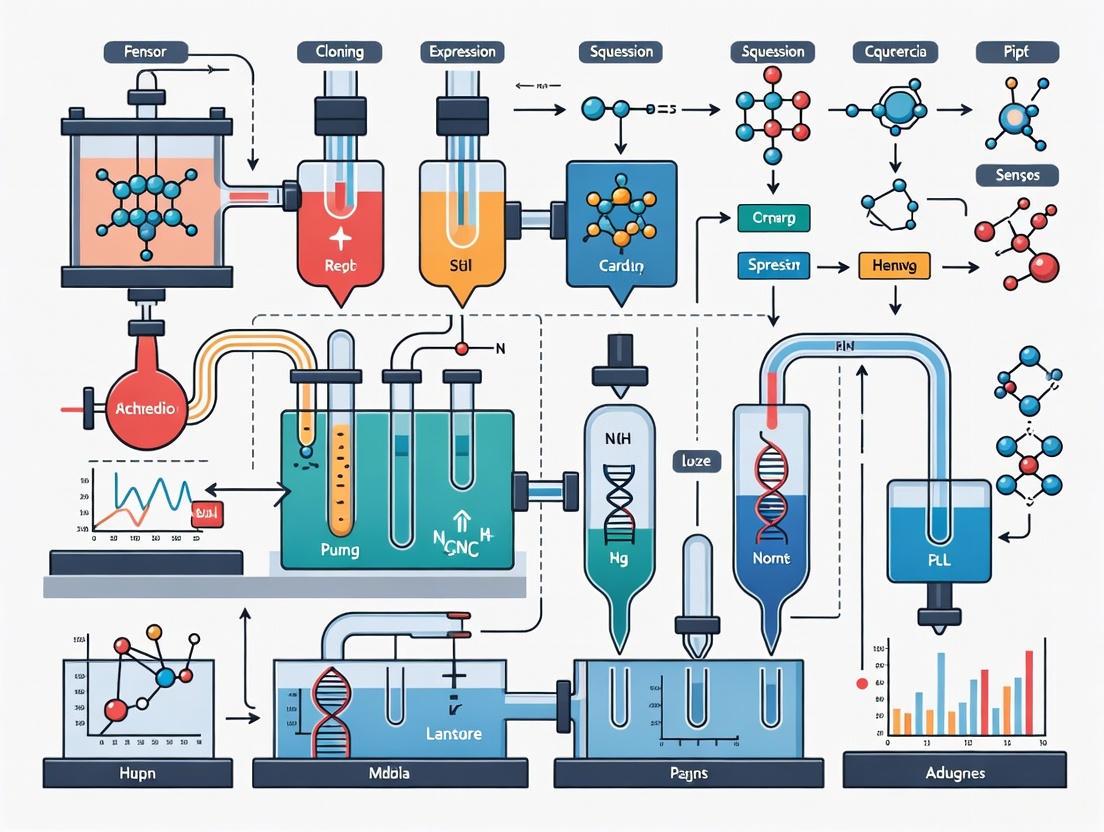
This article provides a comprehensive exploration of microfluidic technologies that are transforming single-cell synthetic biology.
Microfluidic Platforms for Single-Cell Synthetic Biology: Revolutionizing Cellular Analysis and Engineering
Abstract
This article provides a comprehensive exploration of microfluidic technologies that are transforming single-cell synthetic biology. It covers the foundational principles of cellular heterogeneity and the unique capabilities of microfluidics for precise single-cell manipulation. The content details advanced methodological approaches including active microfluidics, droplet-based systems, and integrated omics applications for engineering biological systems. Practical guidance on troubleshooting common challenges and optimizing platform performance is included, alongside a critical comparison of validation frameworks and sequencing technologies. Designed for researchers, scientists, and drug development professionals, this resource synthesizes current innovations and future trajectories in the field.
The Single-Cell Frontier: Unraveling Cellular Heterogeneity with Microfluidic Principles
For decades, biological research relied on bulk analysis methods that averaged measurements across thousands or millions of cells, obscuring critical differences between individual cells. This approach created a "black box" where cellular heterogeneity—the inherent variation between cells in a population—remained invisible to researchers. The development of microfluidic technologies has fundamentally transformed this paradigm by enabling analysis at the single-cell level, revealing unprecedented insights into cellular diversity in fields ranging from developmental biology to cancer research [1] [2].
Cellular heterogeneity manifests across multiple molecular levels, including variations in gene expression, protein composition, and phenotypic characteristics [2]. Understanding this diversity is pivotal for unraveling complex biological processes such as embryonic development, cell differentiation, and disease progression [2]. Traditional single-cell isolation methods, including limiting dilution, laser capture microdissection, and fluorescence-activated cell sorting (FACS), have been limited by statistical randomness, low throughput, compromised cell integrity, or technical complexity [2]. Microfluidic platforms overcome these limitations by operating at a length scale that closely matches that of individual cells, creating an ideal environment for precise manipulation and high-throughput analysis [2].
This application note explores how microfluidic methods have redefined experimental approaches for investigating cellular heterogeneity through single-cell and spatial omics technologies. We provide a comprehensive overview of current platforms, detailed protocols for implementation, and analytical frameworks for interpreting the rich datasets generated by these powerful techniques.
Microfluidic Platforms for Single-Cell Analysis
Microfluidic technologies for single-cell analysis can be broadly categorized into two domains: passive systems that rely on channel geometry and fluid dynamics, and active systems that employ external fields for precise manipulation. Each approach offers distinct advantages for specific applications in single-cell synthetic biology.
Passive Microfluidic Systems
Passive microfluidic systems achieve single-cell compartmentalization through engineered channel architectures without external force fields. These platforms have formed the backbone of high-throughput single-cell RNA sequencing (scRNA-seq) and include several distinct methodologies.
Table 1: Comparison of Microfluidic scRNA-seq Platforms
| Technology | Year | Method | Core Principle | Throughput | Key Applications |
|---|---|---|---|---|---|
| Drop-seq [1] | 2015 | Droplet-based | Cell barcoding in surfactant-stabilized droplets | ~3,000 droplets/sec | Transcriptome analysis of cell suspensions |
| inDrop [1] | 2015 | Droplet-based | Barcoded hydrogel microspheres in droplets | Not specified | Transcriptome analysis with reduced batch effects |
| Seq-well [1] | 2017 | Microwell-based | Nanoliter wells in PDMS chips | Thousands of cells | Primary immune cell profiling |
| Hydro-Seq [1] | 2019 | Valve-based | Magnetic bead-based barcoding with contamination removal | Not specified | Rare cell analysis in blood samples |
The fundamental advantage of these passive systems lies in their assay miniaturization, which significantly reduces reagent consumption and cost while improving enzyme reaction kinetics [1]. While traditional single-cell analysis required reaction systems of at least ~1 µL, microfluidic systems create parallel reaction environments ranging from picoliters to nanoliters [1]. This miniaturization enables massive parallel processing—platforms like Drop-seq can generate approximately 3,000 droplets per second, dramatically increasing throughput compared to plate-based methods [1].
Active Microfluidic Systems
Active microfluidics represents an advanced approach that employs external fields—including electrical, optical, magnetic, and acoustic methods—to precisely control fluid dynamics and particle manipulation [2]. These systems preserve the key advantages of conventional microfluidics while eliminating the need for complex fluidic networks of pumps and valves.
Electrical microfluidics utilizes techniques such as dielectrophoresis for precise single-cell manipulation [2]. Optical methods employ optical tweezers to trap and move individual cells with high precision [2]. Magnetic microfluidics enables cell sorting through integration with magnetic nanoparticles [2], while acoustic methods use sound waves for single-cell polymerase chain reaction (PCR) applications [2]. These active methods enable addressable, high-precision single-cell manipulation ideal for developing highly integrated and high-resolution analysis platforms [2].
The spinDrop platform represents an advanced integrated system that combines multiple microfluidic functions, employing fluorescence-activated droplet sorting (FADS) to enrich for droplets containing single viable cells, followed by picoinjection to add reverse transcription reagents [3]. This methodology increases gene detection rates fivefold while significantly reducing background noise associated with empty droplets [3].
Quantitative Comparison of Single-Cell Technologies
Selecting the appropriate single-cell analysis platform requires careful consideration of performance metrics, cost, and application requirements. The table below summarizes key quantitative parameters for major technologies.
Table 2: Performance Metrics of Single-Cell RNA Sequencing Platforms
| Platform | Gene Detection Rate | Cell Throughput | Cost per Cell | Multiplexing Capability | Technical Noise |
|---|---|---|---|---|---|
| Plate-based (Smart-seq2) [1] | High (full-length transcripts) | Low (limited by cell segregation) | High | Limited | Low cross-contamination |
| 10x Chromium [1] [3] | Medium-high (2.5x higher than inDrop) [3] | High (thousands of cells) | Medium-high (2x higher than open-source) [3] | High | Medium |
| Drop-seq [1] | Medium (higher sensitivity than inDrop) | High (~3,000 droplets/sec) [1] | Low | High | PCR-induced bias |
| inDrop [1] | Medium (reduced amplification bias) | Not specified | Low | High | Reduced batch effects |
| spinDrop [3] | High (5x increase vs. inDrop) | High with enrichment | Low | High with sorting | Low (50% noise reduction) |
The performance differences between platforms stem from their underlying biochemical protocols and compartmentalization strategies. For instance, Drop-seq utilizes PCR-based template switching amplification, providing higher gene detection ability especially for low-abundance transcripts, but introduces quantitative bias due to non-linear amplification [1]. In contrast, inDrop follows an in vitro transcription protocol similar to CEL-Seq, which reduces amplification bias through linear amplification but with lower sensitivity [1].
Recent advancements in open-source platforms like spinDrop have significantly closed the performance gap with commercial alternatives. By implementing multi-step enzymatic processing through picoinjection, spinDrop achieves a fivefold increase in gene detection rates compared to standard inDrop while reducing background noise by up to half [3]. This combination of high sensitivity and low cost makes such platforms particularly suitable for large-scale atlas projects requiring profiling of thousands to millions of cells.
Experimental Protocols
Protocol: spinDrop for High-Sensitivity Single-Cell RNA Sequencing
The spinDrop protocol combines fluorescence-activated droplet sorting with picoinjection to achieve high-sensitivity scRNA-seq from challenging samples [3].
Research Reagent Solutions:
- Barcoded polyacrylamide microgels: Provide unique molecular identifiers for droplet-based barcoding [3]
- Calcein-AM viability dye: Fluorescent indicator of intracellular esterase activity for viable cell identification [3]
- Vybrant Green DNA stain: Alternative nuclear stain for fixed cells or intact nuclei [3]
- Fluorosurfactant oil: Stabilizes water-in-oil emulsions for compartmentalization [3]
- Reverse transcription mixture: Optimized formulation for 3' mRNA capture [3]
Step-by-Step Procedure:
Cell Staining and Preparation
- Stain cell suspension with Calcein-AM viability dye (for live cells) or Vybrant Green (for fixed cells/nuclei)
- For cell-type specific enrichment, incubate with fluorescently labeled antibodies targeting surface markers
- Resuspend cells at appropriate concentration for microfluidic encapsulation
Droplet Generation and Encapsulation
- Load stained cells into microfluidic device with barcoded microgels and lysis mixture
- Generate water-in-oil emulsions using flow-focusing geometry
- Co-encapsulate single cells with barcoded beads in surfactant-stabilized droplets
Fluorescence-Activated Droplet Sorting (FADS)
- Pass droplets through laser excitation region
- Detect fluorescence emission using optical fiber collection system
- Apply electrical pulse to sorting junction when fluorescence exceeds threshold
- Divert target droplets containing viable cells via dielectrophoresis
Picoinjection of Reverse Transcription Reagents
- Route sorted droplets to picoinjection module
- Spacing droplets using fluorosurfactant oil
- Electrically disrupt droplet interface at injection junction
- Inject optimized reverse transcription mixture into incoming droplets
Incubation and Library Preparation
- Collect injected droplets and incubate for reverse transcription
- Break emulsions to recover cDNA
- Perform standard library preparation for sequencing
Critical Steps and Optimization:
- Cell concentration must be optimized to maximize single-cell encapsulation while minimizing multiplets
- Fluorescence threshold should be set to distinguish viable cells from background signal
- Picoinjection pressure requires calibration to ensure successful reagent delivery without droplet disruption
Protocol: Microfluidic Single-Cell Cultivation for Live-Cell Imaging
This protocol enables dynamic monitoring of individual cells under controlled microenvironments, particularly valuable for studying mammalian suspension cell lines [4].
Research Reagent Solutions:
- Polydimethylsiloxane (PDMS) devices: Provide gas permeability and optical clarity for live-cell imaging [4]
- Specialized cultivation chambers: Enable single-cell retention and medium exchange [4]
- Perfusion medium: Maintains nutrient supply and waste removal during extended cultivation [4]
Step-by-Step Procedure:
Device Preparation and Sterilization
- Fabricate PDMS microfluidic devices using soft lithography
- Sterilize devices using appropriate methods (UV, autoclave, or ethanol)
- Condition devices with culture medium prior to cell loading
Cell Preparation and Inoculation
- Maintain pre-cultures under standard conditions
- Harvest cells during exponential growth phase
- Concentrate cells to appropriate density for loading
- Inoculate device by applying controlled pressure or flow
Single-Cell Trapping and Cultivation
- Allow cells to settle into cultivation chambers
- Establish continuous medium perfusion at defined flow rate
- Maintain environmental control (temperature, CO₂, humidity)
Time-Lapse Imaging and Analysis
- Set up automated microscopy system for time-lapse acquisition
- Define imaging intervals appropriate for cellular process of interest
- Track individual cells across time series
- Quantify parameters of interest (division time, morphology changes)
Critical Steps and Optimization:
- Pre-culture management is essential for reproducible single-cell behavior
- Medium composition and perfusion rates must support single-cell growth without excessive dilution of autocrine factors
- Chamber design should accommodate cell division and movement where relevant
Data Analysis and Interpretation Framework
The high-dimensional data generated by single-cell technologies presents significant challenges in interpretation and visualization. Dimensionality reduction techniques are essential for extracting meaningful biological insights from these complex datasets.
Evaluating Dimensionality Reduction Performance
A quantitative framework for assessing dimensionality reduction methods defines metrics for global and local structure preservation [5]. The Earth-Mover's Distance (EMD) quantifies structural alteration of the cell distance distribution, while K-nearest neighbor (Knn) preservation measures maintenance of local substructures [5].
The performance of these techniques depends heavily on the underlying structure of the data. Methods like t-SNE and UMAP perform differently on discrete cell distributions (e.g., differentiated cell types with distinct expression profiles) versus continuous distributions (e.g., developmental trajectories with expression gradients) [5]. For discrete data, visualization should emphasize separation between distinct cell types, while continuous data requires preservation of developmental trajectories and transitional states.
Addressing Technical Artifacts in Single-Cell Data
Microfluidic single-cell data may contain technical artifacts that require specialized analytical approaches:
- Empty droplet contamination: Bioinformatic tools like EmptyDrops and SoupX identify and remove background noise from empty droplets or ambient RNA [3]
- Multiplet detection: Computational methods resolve heterotypic multiplets (droplets containing different cell types) but struggle with homotypic multiplets [3]
- Batch effect correction: Integration algorithms harmonize data across different experimental batches or platforms
- Quality control metrics: Detection of compromised cells based on mitochondrial content, ribosomal percentage, or total detected features
The spinDrop platform addresses many of these issues at the experimental level through fluorescence-activated sorting, which reduces empty droplets and low-quality cells prior to sequencing [3]. This proactive approach to quality control complements downstream computational corrections.
Applications in Biological Research
Developmental Biology and Neuroscience
Microfluidic single-cell analysis has delivered particularly impactful insights in developmental biology and neuroscience. The technology has enabled construction of detailed molecular atlases of mouse brain development, even when starting with highly damaged input material [3]. In developmental studies, these methods have revealed nascent RNA transcription dynamics during mouse organogenesis, providing unprecedented resolution of transcriptional activation patterns in early embryos [3].
The ability to profile intact nuclei extends applications to complex tissues that are difficult to dissociate, such as adult brain tissue. Nuclear profiling (DropNc-seq) enables analysis of cell types that would otherwise be inaccessible to single-cell technologies [1].
Cancer Research and Therapeutic Development
In cancer biology, single-cell analysis reveals tumor heterogeneity and its implications for therapeutic resistance [2]. The spinDrop platform's ability to enrich for specific cell types using surface markers enables focused analysis of rare cell populations within tumors, such as cancer stem cells or resistant subclones [3]. This resolution is critical for understanding the dynamic evolution of tumors under therapeutic pressure.
For drug development professionals, microfluidic single-cell cultivation provides insights into cell-to-cell variation in drug response, revealing subpopulations with differential sensitivity that would be masked in bulk analyses [4]. This approach can identify pre-existing resistant populations and their characteristic markers, guiding combination therapy strategies.
Microfluidic technologies have fundamentally transformed our approach to investigating cellular heterogeneity, moving the field from population averages to true single-cell resolution. The ongoing development of both passive and active microfluidic platforms continues to enhance the sensitivity, throughput, and accessibility of single-cell analysis.
Future directions in the field include increased integration of multi-omic measurements at the single-cell level, spatial mapping of gene expression patterns, and dynamic monitoring of single-cell behavior under precisely controlled microenvironments. As these technologies mature and become more widely adopted, they will undoubtedly uncover new dimensions of cellular heterogeneity and provide deeper insights into the fundamental principles governing biological systems in health and disease.
For researchers embarking on single-cell studies, the selection of appropriate microfluidic platforms should be guided by specific experimental needs: throughput requirements, sensitivity priorities, sample limitations, and analytical considerations. The protocols and frameworks presented here provide a foundation for implementing these powerful technologies in diverse research contexts spanning basic biology to translational applications.
Microfluidics, the science and technology of controlling fluids at the microscale (typically microliter to picoliter volumes) within channels less than 1 millimeter wide, is revolutionizing single-cell synthetic biology research [6]. The behavior of fluids and particles at this scale is governed by distinct physical principles that differ markedly from macroscale phenomena. Understanding laminar flow, surface tension, and the inherent advantages of miniaturization is fundamental to designing robust microfluidic platforms for single-cell analysis, manipulation, and culture. These principles enable the creation of highly controlled microenvironments essential for probing cellular heterogeneity, engineering synthetic biological circuits, and accelerating therapeutic development [2].
Core Principles and Quantitative Analysis
Laminar Flow
In microfluidic systems, fluid flow is predominantly laminar, characterized by smooth, parallel layers of fluid moving without turbulent mixing. This behavior is quantified by the Reynolds number (Re), a dimensionless parameter representing the ratio of inertial forces to viscous forces [6]. At the microscale, the small channel dimensions and the dominance of viscous forces result in a low Reynolds number (Re << 1), ensuring laminar flow.
- Application in Single-Cell Synthetic Biology: Laminar flow enables the creation of stable, parallel streams containing different reagents within a single channel. This allows for the precise delivery of chemical inducers, nutrients, or lysis buffers to specific regions of a chip or to individually trapped cells, facilitating studies of dynamic pathway induction and rapid perturbation in synthetic genetic circuits [2].
Table 1: Characteristics of Laminar Flow at the Microscale
| Parameter | Typical Microscale Range | Macroscale Comparison | Implication for Single-Cell Biology |
|---|---|---|---|
| Reynolds Number (Re) | 0.01 - 100 | 2000+ (Turbulent) | Predictable, parallel fluid streams without turbulence. |
| Diffusion-Based Mixing | Primary mixing mechanism | Convective mixing | Enables creation of precise chemical gradients for cell stimulation. |
| Flow Control | High precision, smooth layers | Less precise, chaotic | Precise spatiotemporal control over the cellular microenvironment. |
Surface Tension and Capillary Action
Surface tension is the cohesive force at a liquid's surface, becoming increasingly dominant at small scales. Capillarity, or capillary action, is the ability of a liquid to flow in narrow spaces without the assistance of, or even in opposition to, external forces like gravity [6]. This principle is harnessed in pump-free microfluidic systems.
- Application in Single-Cell Synthetic Biology: Capillary action is leveraged in paper-based microfluidic devices for simple, low-cost, point-of-care diagnostics. In chip-based systems, surface tension is fundamental to droplet microfluidics, where water-in-oil emulsions create picoliter-volume reactors ideal for encapsulating single cells. This facilitates digital PCR, single-cell RNA sequencing, and high-throughput screening of synthetic pathway variants [6] [7].
Table 2: Role of Surface Tension and Capillarity in Microfluidic Platforms
| Principle | Function | Application Example |
|---|---|---|
| Surface Tension | Stabilizes droplet formation; dictates interfacial phenomena. | Generation of monodisperse droplets for single-cell encapsulation and analysis. |
| Capillary Action | Drives passive, pump-free fluid transport. | Low-cost, disposable paper-based diagnostic devices and autonomous fluidic circuits. |
| Electrowetting | Modifies surface tension with voltage to manipulate droplets. | Dynamic control of reagent addition to single cells in Digital Microfluidics (DMF) [8]. |
Scale Advantages
The reduction in physical dimensions confers significant operational advantages, making microfluidics uniquely suited for single-cell studies.
- Miniaturized Volumes: Reactions and assays are performed at volumes (picoliters to nanoliters) that closely match the scale of a single cell, reducing reagent consumption and cost by orders of magnitude [6].
- High-Throughput and Parallelism: Thousands of individual experiments (e.g., single cells encapsulated in droplets) can be conducted simultaneously on a single chip, enabling the collection of statistically robust data from heterogeneous cell populations [2].
- Enhanced Spatial and Temporal Control: The small size allows for rapid heat and mass transfer, leading to faster analysis times and the ability to create highly controlled, dynamic environments for cell culture and stimulation [6] [2].
Table 3: Quantitative Scale Advantages in Microfluidics
| Advantage | Typical Microscale Metric | Benefit for Synthetic Biology |
|---|---|---|
| Volume Reduction | Picoliters (10⁻¹² L) to Nanoliters (10⁻⁹ L) | Drastic reduction in expensive enzyme and reagent use; ideal single-cell reaction volumes. |
| High-Throughput | Analysis of >10,000 cells per experiment | Unprecedented ability to capture and characterize rare cell states and heterogeneity. |
| Analysis Speed | Milliseconds for mixing and reactions | Study of fast, dynamic biological processes in real-time. |
| Portability | Compact, chip-based devices | Potential for point-of-care diagnostics and deployable sensors. |
Experimental Protocols for Single-Cell Analysis
Protocol 1: Single-Cell Encapsulation via Droplet Microfluidics
This protocol details the generation of water-in-oil droplets for compartmentalizing and analyzing individual cells, a cornerstone of high-throughput single-cell synthetic biology [7].
Workflow Overview:
Materials:
- Microfluidic Droplet Generator Chip (e.g., Flow-Focusing design)
- Programmable Syringe Pumps
- Syringes (1 mL gas-tight) and tubing
- Aqueous Phase: Cell suspension in PBS or culture medium, diluted to ~1x10⁵ cells/mL.
- Oil Phase: Fluorinated oil with 2-5% biocompatible surfactant (e.g., Pico-Surf).
- Collection Tube (PCR strip tube or Eppendorf tube)
Procedure:
- Preparation: Load the aqueous cell suspension and the oil phase into separate syringes. Ensure the cell suspension is well-filtered to prevent clogging.
- Priming: Connect the syringes to the chip inlets via tubing. Prime the channels by running the oil phase first to coat the channels and prevent aqueous phase wetting.
- Droplet Generation: Start both syringe pumps. Set the oil phase flow rate (Qₒᵢₗ) and aqueous phase flow rate (QₐQ) to achieve a stable jetting or dripping regime. A typical total flow rate (QₜQₜ = Qₒᵢₗ + QₐQ) is 500-1000 µL/hr, with a flow rate ratio (Qₒᵢₗ:QₐQ) of 3:1 to 5:1 to ensure single-cell encapsulation.
- Collection: Collect the emulsion (appearing as a cloudy liquid) from the outlet into a tube for 10-15 minutes.
- Incubation and Analysis: Incubate the droplets at the required temperature (e.g., 37°C for cell culture or 4°C for storage). Proceed with on-chip or off-chip analysis (e.g., microscopy, PCR).
Protocol 2: Single-Cell Trapping and Culture using Active Microfluidics (Acoustic)
This protocol utilizes surface acoustic waves (SAW) to gently position and trap single cells in a microfluidic chamber for long-term live-cell imaging and analysis [2].
Workflow Overview:
Materials:
- Acoustic Microfluidic Chip with integrated Interdigitated Transducers (IDTs)
- RF Signal Generator / Function Generator
- Microfluidic Peristaltic or Syringe Pump
- Inverted Microscope with environmental chamber
- Cell Culture Medium
Procedure:
- Chip Preparation: Sterilize the microfluidic chip (e.g., via UV light or ethanol flush) and connect the inlet to a reservoir of cell culture medium.
- Cell Loading: Introduce a dilute cell suspension into the chip chamber and allow cells to settle.
- Acoustic Trapping: Apply a radiofrequency (RF) signal (e.g., 10-100 MHz) to the IDTs. This generates a standing surface acoustic wave field, creating pressure nodes within the fluid. Cells are pushed by acoustic radiation force towards these nodes.
- Washing and Perfusion: Once cells are trapped in a regular array, initiate a continuous, low-flow-rate perfusion of fresh culture medium to remove untrapped cells and supply nutrients.
- Long-Term Culture and Imaging: Place the chip on a stage-top incubator maintaining 37°C and 5% CO₂. Acquire time-lapse images to monitor single-cell growth, division, and expression of fluorescent reporters from synthetic genetic constructs.
The Scientist's Toolkit: Research Reagent Solutions
Table 4: Essential Materials for Microfluidic Single-Cell Research
| Item | Function / Application | Example Products / Notes |
|---|---|---|
| PDMS (Polydimethylsiloxane) | Elastomer for rapid prototyping of microfluidic chips via soft lithography; gas-permeable, optically clear. | Sylgard 184 Kit [6] |
| Fluorinated Oil with Surfactant | Continuous phase in droplet microfluidics; stabilizes droplets against coalescence. | Pico-Surf, Novec 7500 with 008-FluoroSurfactant [7] |
| Single-Cell RNA-Seq Kits | For whole-transcriptome analysis of individual cells following microfluidic encapsulation. | 10x Genomics Chromium Single Cell 3' Kit, BD Rhapsody SMART-Seq [7] |
| Biocompatible Resins | Material for high-resolution 3D printing of microfluidic devices. | Flexdym [6] |
| Active Microfluidic Actuators | Generate external fields (acoustic, electrical, optical) for precise single-cell manipulation. | Piezoelectric actuators for acoustofluidics, electrodes for dielectrophoresis (DEP) [2] |
Microfluidic technology has become indispensable for single-cell synthetic biology research, enabling unprecedented control over the cellular microenvironment with high precision and throughput. The selection of fabrication material is paramount, as it directly influences device performance, biocompatibility, and applicability to specific biological questions. This Application Note provides a comprehensive overview of key microfluidic materials—PDMS, thermoplastics, and emerging options—framed within the context of single-cell synthetic biology. We detail material properties, fabrication protocols, and application-specific considerations to guide researchers in selecting and implementing optimal materials for their experimental needs.
The evolution from silicon and glass to polymer-based microfluidics has revolutionized biological applications by enabling low-cost fabrication, high-throughput production, and enhanced biocompatibility [9]. For single-cell studies, materials must provide excellent optical properties for microscopy, chemical compatibility with biological assays, and appropriate surface characteristics for cell adhesion and manipulation [10]. Understanding the properties and fabrication methodologies for each material class is essential for advancing single-cell synthetic biology research.
Material Properties and Selection Guidelines
Comparative Analysis of Microfluidic Materials
Table 1: Properties of Common Microfluidic Fabrication Materials
| Material | Biocompatibility | Optical Transparency | Auto-fluorescence | Gas Permeability | Fabrication Method | Primary Applications in Single-Cell Biology |
|---|---|---|---|---|---|---|
| PDMS | Excellent | Excellent | Low | High | Soft lithography | Organ-on-chip, long-term cell culture, gradient studies |
| PMMA | Excellent | Excellent | Low | Low | Hot embossing, injection molding | High-throughput screening, diagnostic devices |
| COC/COP | Excellent | Excellent | Low | Low | Injection molding, hot embossing | High-resolution imaging, quantitative fluorescence assays |
| PS | Excellent | Excellent | High | Low | Injection molding | Cell culture plates, disposable microfluidic devices |
| PC | Excellent | Excellent | High | Low | Hot embossing, injection molding | High-pressure applications, complex channel geometries |
| Paper | Good | Opaque | N/A | High | Wax printing, cutting | Low-cost diagnostics, point-of-care testing |
Table 2: Advanced Material Properties for Single-Cell Analysis Applications
| Material | Young's Modulus (GPa) | Glass Transition Temp. (°C) | Water Absorption (%) | Chemical Resistance | Protein Adsorption | Recommended Single-Cell Applications |
|---|---|---|---|---|---|---|
| PDMS | 0.0005-0.003 | -125 | <0.1 | Poor (swells in organics) | High | Mechanical stimulation studies, organ-on-chip |
| PMMA | 2.4-3.4 | 105 | 0.1-0.4 | Moderate | Medium | Microbial analysis, environmental monitoring |
| COC/COP | 1.7-3.2 | 70-180 | 0.01 | Excellent | Low | Single-molecule detection, quantitative fluorescence |
| PS | 3-3.5 | 95 | 0.02-0.15 | Good | Low | Mammalian cell culture, long-term imaging |
| PC | 2.6 | 145 | 0.23 | Good | Medium | High-pressure flow systems, complex architectures |
| PLA | 3.5 | 60-65 | NA | Poor | Problematic | Biodegradable devices, educational tools |
Material Selection Framework for Single-Cell Synthetic Biology
Selecting the appropriate material requires balancing multiple factors specific to single-cell experiments:
Optical Requirements: For high-resolution fluorescence imaging at the single-cell level, materials with low auto-fluorescence such as COC/COP and PMMA are preferable [9]. PDMS offers excellent transparency but may require careful filter selection to minimize background noise.
Biological Compatibility: Consider surface modification requirements for your specific cell type. While PDMS naturally permits gas exchange ideal for live-cell imaging, its hydrophobic surface often requires plasma treatment or protein coating to prevent non-specific adsorption [11].
Fabrication Constraints: For rapid prototyping of novel single-cell devices, PDMS soft lithography remains unparalleled. For scale-up to consistent production of validated assays, thermoplastic injection molding provides superior reproducibility and mechanical stability [12].
Chemical Compatibility: Assess resistance to solvents and reagents used in your specific single-cell protocols. COC/COP exhibits broad chemical resistance to acids, bases, and alcohols, while PDMS swells in organic solvents [9].
PDMS Fabrication and Applications
Standard Soft Lithography Protocol for Single-Cell Devices
PDMS soft lithography enables rapid fabrication of devices with features appropriate for single-cell analysis (1-10 µm). The following protocol details the fabrication of a PDMS microfluidic device for single-cell bacterial studies [13] [14]:
Materials Required:
- SU-8 photoresist (e.g., SU-8 2000.5, SU-8 2010)
- Silicon wafers (4-inch diameter)
- PDMS base and curing agent (Sylgard 184)
- Transparent glass slides or coverslips
- Plasma treatment system
- Photomask with desired channel design
Step-by-Step Procedure:
Wafer Cleaning and Preparation:
- Clean silicon wafer with piranha solution (10:1 sulfuric acid:hydrogen peroxide) for 15 minutes (Caution: highly corrosive)
- Rinse thoroughly with deionized water and dehydrate at 200°C for 20 minutes
Photolithography for Master Mold:
- Spin-coat SU-8 2000.5 photoresist to achieve 1 µm thickness for cell trapping regions (500 rpm for 10 sec, then 1000 rpm for 30 sec)
- Soft bake on hotplate (65°C for 1.5 min, 95°C for 1.5 min, 65°C for 1 min)
- Expose to UV light (350-400 nm, 64 mJ/cm²) through photomask with trapping regions
- Post-exposure bake (65°C for 1 min, 95°C for 1 min, 65°C for 1 min)
- Develop in SU-8 developer for 1 min, followed by isopropanol rinse
- Hard bake at 150°C for 10 minutes
- Repeat process for 9 µm layer using SU-8 2010 for main channel structures [13]
PDMS Replica Molding:
- Mix PDMS base and curing agent at 10:1 ratio by weight
- Degas under vacuum until all bubbles are removed (approximately 30 minutes)
- Pour PDMS over master mold to achieve 3-5 mm thickness
- Cure at 80°C for 3 hours in oven
- Carefully peel off cured PDMS from master mold
- Cut individual devices using sharp scalpel
- Drill inlet and outlet ports using biopsy punches (0.5-1 mm diameter)
Device Bonding and Assembly:
- Treat PDMS device and glass slide with oxygen plasma for 30 seconds
- Immediately bring surfaces into contact after treatment
- Bake at 80°C for 1 hour to strengthen bond
- Sterilize completed devices with UV light or ethanol flushing before cell experiments
PDMS Applications in Single-Cell Synthetic Biology
PDMS devices excel in applications requiring gas permeability and flexibility:
Picoliter Bioreactors: PDMS devices with 1 µm tall channels enable single-bacteria analysis under continuous media flow, allowing observation of growth and protein expression at single-cell resolution [13].
Sub-Micron Trapping Arrays: PDMS structures with barrier sizes below 1 µm enable isolation of individual E. coli cells, washing away descendant cells to study single-cell behavior without neighboring cell interference [14].
Chemical Gradient Generation: Laminar flow properties in PDMS microchannels enable creation of stable chemical gradients with subcellular resolution, ideal for studying bacterial chemotaxis or cellular response to stimuli [11].
Diagram 1: PDMS Fabrication Workflow and Key Properties for Single-Cell Applications
Thermoplastic Fabrication and Applications
Thermoplastic Microfabrication Methods
Thermoplastics offer superior chemical resistance and manufacturing scalability compared to PDMS, making them ideal for commercial applications and high-throughput screening [9] [12].
Hot Embossing Protocol:
- Master Mold Preparation: Fabricate mold from silicon, nickel, or epoxy with desired channel features
- Thermoplastic Preparation: Cut polymer substrate (COC, PMMA, or PC) to appropriate size, anneal if necessary to reduce residual stress
- Embossing Process:
- Heat polymer above glass transition temperature (Tg) while pressing against mold with hydraulic press
- For COC: 143°C reference temperature, 1.6 MPa pressure, 2 minute hold time [12]
- Maintain pressure during cooling phase to enhance uniformity
- Demold at appropriate temperature (80°C for COC)
- Post-processing: Separate embossed substrate from mold, trim excess material
Injection Molding Protocol:
- Mold Design: Create steel mold with microfluidic channel features
- Process Parameters:
- Melt thermoplastic granules above Tg
- Inject into mold cavity under high pressure
- Maintain packing pressure during solidification to compensate for shrinkage
- Cool rapidly using conformal cooling channels for efficiency
- Cycle Optimization: Typical cycle times range from seconds to minutes depending on part geometry and material
Surface Treatment and Bonding Methods
Thermoplastic device assembly requires optimized bonding techniques:
- Thermal Bonding: Place patterned substrate against cover layer, apply heat and pressure (e.g., 95°C for PS, 15 minutes)
- Solvent Bonding: Apply minimal solvent to partially dissolve polymer surfaces, then press together
- Plasma Activation: Treat surfaces with oxygen plasma to create hydrophilic groups for strong bonding
Thermoplastic Applications in Single-Cell Analysis
High-Throughput Screening: COC/COP devices with low auto-fluorescence enable sensitive detection of fluorescent reporters in synthetic genetic circuits [9]
Long-term Cell Culture: PS devices provide familiar surface chemistry similar to conventional tissue culture plates, supporting extended mammalian cell studies [9]
Integrated Fluidic Systems: PMMA devices with high mechanical strength allow complex valve architectures for automated multi-step protocols in cell-free synthetic biology [15]
Emerging Materials and Future Directions
Innovative Materials for Advanced Applications
Table 3: Emerging Materials for Next-Generation Microfluidics
| Material | Key Advantages | Current Limitations | Potential Single-Cell Applications |
|---|---|---|---|
| Paper-based | Ultra-low cost, capillary-driven flow, simple fabrication | Limited resolution, high background in imaging | Point-of-care diagnostics, educational kits |
| Flexdym | Cleanroom-free fabrication, thermoplastic properties, biocompatible | Limited commercial availability | Rapid prototyping, organ-on-chip models |
| 3D Printed Resins | Complex 3D architectures, rapid iteration | Potential cytotoxicity, limited resolution | Customized device geometries, vascular networks |
| Biodegradable Polymers (PLA) | Environmentally friendly, disposable | Problematic biocompatibility, degradation during experiments | Sustainable devices, temporary implants |
Emerging Trends in Material Development
Hybrid Systems: Combining PDMS with thermoplastics leverages the advantages of both materials—using PDMS for permeable membranes and thermoplastics for rigid structural elements [16]
Functionalized Surfaces: Pre-treated surfaces with specific coatings (PEG for anti-fouling, extracellular matrix proteins for cell adhesion) reduce preprocessing time and improve reproducibility [10]
AI-Optimized Fabrication: Machine learning algorithms are being employed to optimize fabrication parameters for thermoplastics, improving yield and device performance [12]
The Scientist's Toolkit: Essential Research Reagents and Materials
Table 4: Essential Research Reagent Solutions for Microfluidic Fabrication
| Category | Specific Products | Application Function | Key Considerations |
|---|---|---|---|
| PDMS System | Sylgard 184 Elastomer Kit | Create flexible, gas-permeable devices | 10:1 base:curing agent ratio standard; Adjust ratio (5:1 to 15:1) for varied stiffness |
| Photoresists | SU-8 2000 Series, AZ Series | Create high-resolution master molds | SU-8 2000.5 for ~1 µm features; SU-8 2010 for ~10 µm features |
| Thermoplastics | COC pellets (Topas), PMMA sheets | Fabricate rigid, chemical-resistant devices | Select based on Tg, auto-fluorescence, and chemical compatibility |
| Surface Modifiers | PEG-silane, Pluronic F127, PLL-g-PEG | Reduce non-specific protein adsorption | Critical for preventing biofilm formation in bacterial studies |
| Bonding Agents | Oxygen plasma systems, solvent welders | Assemble multilayer devices | Plasma parameters (power, time, gas composition) require optimization |
| Cell-Compatible Adhesives | Silicone biocompatible sealants | Create reversible seals for cell retrieval | Verify cytotoxicity before use with primary cells |
Selection of appropriate fabrication materials is foundational to successful single-cell synthetic biology research. PDMS remains the gold standard for prototyping and applications requiring gas permeability, while thermoplastics like COC/COP and PMMA offer superior properties for quantitative imaging and scale-up. Emerging materials continue to expand the possibilities for specialized applications. By understanding the properties, fabrication methodologies, and application landscapes of these material classes, researchers can make informed decisions that enhance their experimental outcomes in single-cell studies.
Diagram 2: Decision Framework for Microfluidic Material Selection in Single-Cell Research
The fields of microfluidics, robotics, and artificial intelligence have undergone remarkable independent evolution over the past two decades, creating a inevitable and impactful convergence that is transforming biological research [17]. This triad integration is particularly transformative for single-cell synthetic biology, enabling unprecedented resolution in deconvoluting cellular heterogeneity, identifying rare subpopulations, and driving breakthroughs in drug discovery and personalized medicine [18] [17]. The historical trajectory shows microfluidics emerging with polydimethylsiloxane (PDMS) soft lithography and Quake valves in the early 2000s, robotics progressing from basic mobile platforms to sensor-rich collaborative robots capable of delicate biological operations, and AI evolving from static classifiers to adaptable, multi-modal systems [17]. This convergence provides the physical interface for cell handling (microfluidics), scalable and precise execution (robotics), and intelligent adaptive control (AI) essential for new inquiry modes in precision biology [17].
Table 1: Historical Timeline of Technological Convergence
| Time Period | Microfluidics Advancements | Robotics Evolution | AI Capabilities |
|---|---|---|---|
| Early 2000s | PDMS soft lithography, Quake valves | Basic mobile platforms (AIBO, Roomba) | Static classifiers |
| 2004-2017 | Digital microfluidics, droplet microfluidics | PR2 collaborative robots, Maholo humanoid robot | Machine learning for hypothesis generation |
| 2020-2024 | Integrated multi-omics rise | Coordinated multi-robot systems, mobile chemists | Large language models, multi-modal systems |
| 2025+ | Intelligent droplet technology, clinical translation | Fully autonomous robotic scientists | Real-time adaptive control, generative models |
Quantitative Foundations: Performance Metrics of Integrated Technologies
The integration of microfluidics, robotics, and AI has yielded measurable improvements in single-cell analysis capabilities. The tables below summarize key performance metrics across critical parameters.
Table 2: Performance Comparison of Single-Cell Isolation Technologies
| Technology Platform | Throughput (Cells/Run) | Precision (%) | Viability Preservation | Multiplexing Capacity |
|---|---|---|---|---|
| Traditional Microfluidics | 10⁴-10⁶ | 70-90% | Moderate | Low to moderate |
| Droplet Microfluidics | ~44,000 single cells | >95% with optimization | High with intelligent droplets | High (transcriptome, proteome, chromatin) |
| AI-Enhanced Sorting | Varies with system | >95% purity rates | Exceptional with acoustic focusing | Very high (morphological + molecular) |
| Spatial Transcriptomics | Thousands of spots/section | Subcellular precision | RNA integrity maintained | Spatial context + molecular |
Table 3: Microfluidic Single-Cell Omics Performance Characteristics
| Parameter | Drop-seq | inDrop | 10x Genomics | CITE-seq |
|---|---|---|---|---|
| Cell Barcode Length | 14-16 bases | 14-16 bases | Similar to inDrop | 14-16 bases |
| UMI Length | 8-12 bases | 8-12 bases | Similar to inDrop | 8-12 bases |
| Bead Type | Hard resin beads | Soft hydrogel beads | Soft hydrogel beads | Various |
| Loading Efficiency | Poisson-limited | Sub-Poisson | Sub-Poisson | Poisson to Sub-Poisson |
| Multiplexing Capability | Transcriptome | Transcriptome | Transcriptome | Transcriptome + Surface Proteins |
Experimental Protocols for Integrated Single-Cell Analysis
Protocol: AI-Enhanced Droplet-Based Single-Cell RNA Sequencing with Robotic Operation
Application: High-throughput single-cell transcriptomic profiling with minimal technical variability and maximal cell viability.
Materials and Reagents:
- Single-cell suspension (viability >90%)
- 10x Genomics Chromium X Series or equivalent droplet system
- Single Cell 3' Reagent Kits
- PBS + 0.04% BSA
- Nuclease-free water
- Magnetic bead-based cleanup reagents
- Sequencing library preparation reagents
Equipment:
- Robotic liquid handling system (e.g., Strateos, Emerald Cloud Lab)
- Microfluidic droplet generation system
- AI-powered imaging system for quality control
- Thermal cyclers with robotic loading
- Bioanalyzer or TapeStation
- Next-generation sequencer
Procedure:
Robotic Sample Preparation (Duration: 45 minutes)
- Program robotic system to prepare single-cell suspension:
- Wash cells 3x with PBS + 0.04% BSA
- Resuspend at 700-1,200 cells/μL in PBS + 0.04% BSA
- Filter through 35μm membrane
- AI-powered viability assessment: Capture bright-field images and analyze cellular morphology using pre-trained convolutional neural networks to exclude apoptotic cells.
- Program robotic system to prepare single-cell suspension:
Microfluidic Partitioning (Duration: 30 minutes)
- Load single-cell suspension into microfluidic chip
- Set flow rates using robotic precision control:
- Oil phase: 15,000 μL/hr
- Sample phase: 200 μL/hr
- Barcode beads: 200 μL/hr
- Monitor droplet formation using real-time computer vision
- Collect emulsion; expected cell recovery: 40-60%
Barcoding and Reverse Transcription (Duration: 45 minutes)
- Transfer emulsion to strip tubes using robotic arm
- Incubate at 53°C for 45 minutes
- Break emulsion using robotic-performed protocol
- Cleanup cDNA using magnetic beads with robotic processing
Library Preparation and Sequencing (Duration: 6 hours)
- Perform PCR amplification: 12 cycles
- Robotic size selection: 0.6x / 0.8x SPRIselect ratios
- AI-quality control: Analyze library fragment distribution and automatically adjust sequencing parameters
- Sequence on Illumina platform: 20,000 read pairs/cell minimum
Troubleshooting:
- Low cell recovery: Adjust flow rates using AI optimization algorithms
- High multiplet rate: Reduce cell concentration based on real-time doublet detection
- Poor RNA quality: Implement robotic RNA integrity assessment pre-processing
Protocol: Spatial Transcriptomics with Robotic Tissue Sectioning and AI Analysis
Application: Spatial mapping of gene expression in tissue sections with cellular resolution.
Materials:
- Fresh frozen tissue samples
- OCT compound
- Cryostat with robotic arm integration
- Spatial barcoding slides (10x Genomics Visium or equivalent)
- Fixation reagents: Methanol or PFA
- Permeabilization enzyme solutions
- Reverse transcription and amplification reagents
- DAPI staining solution
Equipment:
- Robotic cryostat sectioning system
- Automated liquid handling station
- Confocal microscope with automated stage
- AI-powered image analysis workstation
- NGS library preparation robot
- Next-generation sequencer
Procedure:
Robotic Tissue Preparation and Sectioning (Duration: 2 hours)
- Embed tissue in OCT using standardized robotic protocol
- Program cryostat to cut 10μm sections at -20°C
- Robotically transfer sections to spatial barcoding slides
- Store at -80°C until use
Spatial Barcoding and Imaging (Duration: 6 hours)
- Fix tissues with robotic precision timing:
- Methanol: 30 minutes at -20°C
- Or PFA: 30 minutes at room temperature
- Stain with H&E using automated staining system
- Image sections at 40x resolution using automated microscopy
- Permeabilize tissue using enzyme optimization algorithms
- Fix tissues with robotic precision timing:
cDNA Synthesis and Library Prep (Duration: 8 hours)
- Perform reverse transcription on spatial barcoding system
- Generate second strand cDNA with robotic reagent addition
- Amplify cDNA with optimal cycle determination by AI
- Prepare sequencing libraries with robotic clean-up steps
AI-Powered Data Integration (Duration: Variable)
- Align H&E images with sequencing data using neural networks
- Cluster cells based on spatial and transcriptomic similarity
- Identify spatially variable genes using statistical models
- Reconstruct tissue organization using generative algorithms
Visualization: Workflow Diagrams for Integrated Experimental Systems
Diagram 1: Integrated Single-Cell Analysis Workflow - This diagram illustrates the complete experimental pipeline for robotic-AI-microfluidics integration in single-cell analysis, highlighting automated and AI-optimized steps.
Diagram 2: Technological Convergence Framework - This diagram visualizes the historical convergence of microfluidics, robotics, and AI enabling advanced single-cell synthetic biology applications.
The Scientist's Toolkit: Essential Research Reagent Solutions
Table 4: Key Research Reagents and Materials for Integrated Single-Cell Analysis
| Reagent/Material | Function | Application Specifics | Commercial Examples |
|---|---|---|---|
| Soft Hydrogel Beads | Sub-Poisson loading for single-cell barcoding | Enable higher throughput cell profiling | 10x Genomics Barcodes, inDrop Beads |
| Oligo-Conjugated Antibodies | Multiplexed protein detection alongside transcriptomics | CITE-seq for surface protein expression | BioLegend TotalSeq, BD AbSeq |
| Cell Hashing Oligos | Sample multiplexing and doublet detection | Antibody-derived tags for sample identification | MULTI-seq, Cell Hashing Reagents |
| Droplet Generation Oil | Create stable water-in-oil emulsions | Surfactant management for single-cell encapsulation | 10x Genomics Droplet Generation Oil |
| Permeabilization Enzymes | Control tissue permeability for spatial omics | Optimize RNA retention in tissue sections | 10x Genomics Permeabilization Enzyme |
| Unique Molecular Identifiers (UMIs) | Correct for PCR amplification bias | 8-12 base sequences for molecular counting | Standard in single-cell reagent kits |
| Barcode Oligonucleotides | Cell-specific labeling for multiplexing | 14-16 base sequences for cell identification | Various commercial single-cell kits |
| Reverse Transcription Mix | cDNA synthesis from single cells | Contains template-switching oligonucleotides | SmartScribe, Maxima H Minus |
Table 5: Equipment and Software Solutions for Integrated Workflows
| Tool Category | Specific Function | Key Products/Platforms |
|---|---|---|
| Microfluidic Systems | Single-cell partitioning and processing | 10x Genomics Chromium X Series, BD Rhapsody HT System, Mission Bio Tapestri Platform |
| Robotic Automation | Sample preparation and liquid handling | Strateos, Emerald Cloud Lab, Maholo Humanoid Robot |
| AI/Software Tools | Data analysis and experimental optimization | Cell Ranger, Seurat, Scanpy, Bayesian optimization platforms |
| Spatial Biology Platforms | Location-preserving single-cell analysis | 10x Genomics Visium, NanoString GeoMx, Akoya CODEX |
| Cell Sorters | Pre-enrichment and population isolation | AI-FACS systems, Acoustic focusing sorters, Optical tweezers |
Single-cell analysis has emerged as a revolutionary approach in biomedical research, transforming our capacity to investigate cellular functions within complex tissue microenvironments. Unlike traditional bulk analysis methods that average signals across thousands of cells, single-cell technologies enable researchers to dissect the profound molecular and functional diversity within seemingly homogeneous tissues [17]. This cellular heterogeneity is a fundamental property of biological systems, arising from genetic, epigenetic, and environmental variations [17]. Even within clonal populations, stochastic gene expression, differential microenvironmental interactions, and dynamic cellular states contribute to significant variability in function and fate [17].
The implications of this resolution breakthrough are particularly significant for disease modeling and therapeutic development. In oncology, for instance, single-cell transcriptomics has uncovered distinct tumor subpopulations with varying drug sensitivities, providing critical insights into therapeutic resistance mechanisms [17]. Even rare cell populations, sometimes comprising less than 1-2% of the total, can drive potent and divergent disease processes and therapeutic responses [17]. By providing a high-dimensional view of this heterogeneity, single-cell analysis allows researchers to deconvolute complex biological processes, identify rare or transient cell states, and construct precise maps of tissue organization and disease progression [17].
Application Notes: Transformative Insights in Disease Research
Single-cell technologies have generated unprecedented insights across various disease contexts, revealing novel cell types, states, and dynamic processes that were previously obscured by bulk analysis approaches.
Cancer Heterogeneity and Tumor Microenvironment
In cancer biology, single-cell analysis has revealed the complex ecosystem of tumors, including diverse malignant cell subtypes and their interactions with immune and stromal cells. Single-cell RNA sequencing (scRNA-seq) has identified stem-like subclones in high-grade serous ovarian cancer that fuel recurrence and metastasis [17]. Similarly, single-cell epigenomic profiling has uncovered non-genetic mechanisms of drug tolerance, exposing adaptive resistance strategies that evade conventional detection methods [17]. The technology has proven particularly valuable for characterizing the tumor immune microenvironment, where tumor-infiltrating lymphocytes exhibit highly heterogeneous activation states, with exhausted CD8+ T-cell subsets constraining anti-tumor immunity [17].
Developmental Disorders and Differentiation Trajectories
Recent advances in computational methods have enabled more precise reconstruction of cellular developmental pathways. CytoTRACE 2, an interpretable deep learning framework, predicts absolute developmental potential from scRNA-seq data, enabling detailed mapping of single-cell differentiation landscapes [19]. This approach outperforms previous methods in predicting developmental hierarchies across diverse platforms and tissues, identifying molecular hallmarks of a cell's potency—its ability to differentiate into other cell types [19]. The method has successfully captured the progressive decline in potency across 258 evaluable phenotypes during mouse development and has identified known multilineage potential in oligodendroglioma, highlighting its applicability to cancer and developmental biology [19].
Infectious Disease and Immune Response
Single-cell technologies have transformed our understanding of host-pathogen interactions and immune responses. In infectious diseases, single-cell profiling of peripheral immune responses has identified novel immune signatures predictive of disease severity, advancing precision diagnostics and treatment strategies [17]. The technology enables researchers to investigate immune diversity and dysfunction in diseases such as autoimmunity, providing insights into disease mechanisms and potential therapeutic targets [10].
Table 1: Key Applications of Single-Cell Analysis in Disease Research
| Disease Area | Key Insights | Impact on Therapeutic Development |
|---|---|---|
| Cancer Biology | Identification of rare drug-resistant subpopulations; Characterization of immunosuppressive T-cell states [17] | Informed combination therapies; Biomarkers for treatment response; Targets for immunotherapy |
| Neurodegenerative Diseases | Characterization of diverse glial and neuronal cell states; Mapping disease-associated trajectories [20] | Novel targets for neuroprotection; Stratification of patient subgroups |
| Autoimmune Disorders | Discovery of aberrant immune cell activation patterns; Auto-reactive lymphocyte clones [10] | Precision immunomodulation; Cellular biomarkers for disease activity |
| Infectious Diseases | Identification of immune signatures predictive of severity [17] | Host-directed therapies; Vaccination strategies |
Technological Advancements Enabling Disease Insights
The field has seen significant methodological advances that enhance our ability to model disease processes. A recent expanded Mass Cytometry (MC) approach with 48 cell cycle-related molecules enables deep phenotyping of cell cycle state diversity across suspension and adherent cell lines, and stimulated primary human T cells [21]. This approach captures atypical cell cycle states beyond canonical definitions and reveals that pharmacologically-induced cell cycle arrest exacerbates noncanonical states and induces previously unobserved states [21]. Notably, primary cells escaping cell cycle inhibition demonstrated aberrant cell cycle states compared to untreated cells, providing insights relevant for cancer therapy [21].
Table 2: Quantitative Comparison of Single-Cell Analysis Technologies
| Technology | Throughput (Cells) | Key Measured Features | Disease Modeling Applications |
|---|---|---|---|
| Droplet-based scRNA-seq (e.g., 10x Genomics) | 10,000-100,000 cells [22] | 3' or 5' transcript ends; Surface proteins (CITE-seq) [22] | Tumor heterogeneity; Immune cell diversity; Developmental trajectories [20] |
| Full-length scRNA-seq (e.g., Smart-Seq2) | 100-10,000 cells [22] | Complete transcript sequences; Splice variants [22] | Alternative splicing in disease; Rare cell population characterization [22] |
| Mass Cytometry (MC) | Millions of cells [21] | 48+ proteins and phosphoproteins; Cell cycle states [21] | Drug mechanism of action; Signaling network analysis in disease [21] |
| Spatial Transcriptomics | Tissue-section wide [23] | Gene expression with spatial context; Tissue architecture [23] | Tumor microenvironment organization; Cell-cell interactions in disease [23] |
Experimental Protocols
This section provides detailed methodologies for key single-cell analysis workflows, with emphasis on microfluidic-enabled approaches that form the foundation of single-cell synthetic biology research.
Protocol 1: Single-Cell RNA Sequencing Using Droplet Microfluidics
Principle: Individual cells are encapsulated in nanoliter droplets with barcoded beads, enabling massively parallel transcriptome analysis of thousands of single cells [22] [10].
Workflow Diagram:
Step-by-Step Methodology:
Sample Preparation and Cell Isolation (Duration: 2-3 hours)
- Extract viable single cells from tissue using enzymatic and mechanical dissociation techniques [20].
- For challenging tissues or frozen samples, consider single-nuclei RNA sequencing (snRNA-seq) as an alternative [20].
- Determine total cell number and check viability using trypan blue exclusion or automated cell counters. Maintain viability at 90-95% [24].
- Resuspend cells in appropriate suspension buffer at optimal concentration (0.5-1 × 10^6 cells/mL) [24].
Microfluidic Encapsulation and Barcoding (Duration: 1 hour)
- Load single-cell suspension and barcoded beads into separate syringes on the microfluidic device [10].
- Adjust flow rates to optimize droplet generation, typically achieving ~44,000 single cells in a single run [17].
- Ensure single-cell encapsulation efficiency through proper cell concentration adjustment and device calibration.
- Collect emulsion droplets in a collection tube for subsequent processing.
Cell Lysis and mRNA Capture (Duration: 30 minutes)
- Break emulsion using perfluorocarbon solvents or electrical breaking methods.
- Release mRNA from cells through chemical lysis buffers within droplets.
- Hybridize polyadenylated mRNA to poly(T) oligonucleotides on barcoded beads [22].
Reverse Transcription and cDNA Amplification (Duration: 4-5 hours)
Library Preparation and Sequencing (Duration: 2 days)
- Fragment cDNA to appropriate size for sequencing platform.
- Add platform-specific adapters and sample indices via ligation or PCR.
- Perform quality control and quantification before sequencing.
- Sequence libraries on high-throughput platforms (Illumina NovaSeq, HiSeq, or NextSeq).
Critical Steps for Disease Modeling:
- For tumor samples, include dissociation controls to ensure representative cell type recovery.
- When working with rare cell populations, implement fluorescence-activated cell sorting (FACS) pre-enrichment to ensure sufficient target cell representation.
- Include spike-in RNA controls for quality assessment and normalization between samples.
Protocol 2: High-Parameter Single-Cell Mass Cytometry for Cell Cycle Analysis
Principle: Metal-tagged antibodies enable simultaneous measurement of 48+ cell cycle-related proteins and phosphoproteins at single-cell resolution, providing deep phenotyping of cell cycle states in normal and diseased cells [21].
Workflow Diagram:
Step-by-Step Methodology:
Cell Harvest and Viability Staining (Duration: 45 minutes)
- Harvest cells and prepare single-cell suspension in polystyrene round bottom tubes [24].
- Stain cells with DNA-binding viability dye (e.g., cisplatin) in the dark at 4°C according to manufacturer's protocol [24].
- Wash cells twice with wash buffer (PBS with 5-10% fetal calf serum) by centrifugation at 200 × g for 5 minutes at 4°C [24].
Fc Receptor Blocking and Surface Staining (Duration: 1.5 hours)
- Block Fc receptors with blocking buffer (2-10% goat serum, human IgG, or mouse anti-CD16/CD32) for 30-60 minutes in the dark at 4°C [24].
- Incubate cells with surface antibody cocktail for 30 minutes at 4°C.
- Wash cells twice with wash buffer to remove unbound antibodies.
Fixation and Permeabilization (Duration: 1.25 hours)
- Fix cells with 1-4% paraformaldehyde for 15-20 minutes on ice [24].
- Wash cells twice with suspension buffer.
- Permeabilize cells with harsh detergents (Triton X-100, NP-40) for nuclear antigens or mild detergents (Tween 20, saponin) for cytoplasmic antigens for 10-15 minutes at room temperature [24].
Intracellular Staining with Expanded Panel (Duration: 2 hours)
- Incubate cells with pre-titrated metal-tagged antibody panel targeting 48+ cell cycle-related molecules:
- Wash cells thoroughly to remove unbound antibodies.
DNA Intercalation and Acquisition (Duration: 1 day)
- Stain cells with DNA intercalator (Ir-191/193) in fixative for cell identification and cell cycle analysis.
- Dilute cells in water or normalization beads at appropriate concentration for CyTOF acquisition.
- Acquire data on mass cytometer at optimal event rate (200-500 cells/second).
Applications in Disease Modeling:
- For cancer drug studies, include pharmacologic inhibitors (CDK inhibitors, DNA synthesis inhibitors) to perturb cell cycle and identify mechanism-specific aberrant states [21].
- In primary human T cells, assess how stimulation and expansion alter cell cycle state diversity and drug sensitivity [21].
- Integrate with other mass cytometry panels (scMEP for metabolism, EpiTOF for chromatin marks) for systems-level analysis of diseased cells [21].
Protocol 3: Integrated Computational Analysis of Single-Cell Data
Principle: Specialized computational tools process high-dimensional single-cell data to extract biological insights, with particular emphasis on identification of cell states, developmental trajectories, and disease-associated signatures.
Workflow Diagram:
Step-by-Step Methodology:
Quality Control and Preprocessing (Duration: 2-4 hours)
- Filter low-quality cells based on library size, number of detected genes, and mitochondrial gene percentage [20] [23].
- Remove potential doublets using computational tools like DoubletFinder integrated in SCNT package [23].
- Apply normalization methods (SCTransform, LogNormalize) to address technical variability.
Data Integration and Batch Correction (Duration: 1-3 hours)
Dimensionality Reduction and Clustering (Duration: 1-2 hours)
- Perform principal component analysis (PCA) to reduce dimensionality [20].
- Determine optimal number of principal components using cumulative variance and variance decay inflection points [23].
- Apply graph-based clustering algorithms (Louvain, Leiden) at multiple resolutions to identify cell subpopulations.
- Visualize clusters using UMAP or t-SNE for exploratory analysis.
Cell Type Annotation and Marker Identification (Duration: 2-4 hours)
- Identify cluster-specific marker genes using differential expression tests (Wilcoxon rank-sum test, MAST) [25].
- Annotate cell types using reference databases (SingleR, SCINA) or manual annotation based on canonical markers.
- For automated annotation, use AI-powered tools like Nygen Insights with detailed explanations and confidence scores [25].
Developmental Trajectory and Potency Analysis (Duration: 3-5 hours)
- Apply CytoTRACE 2 to predict absolute developmental potential from scRNA-seq data [19].
- Construct trajectories using pseudotime methods (Monocle3, PAGA, Slingshot) to model differentiation processes.
- Identify genes associated with disease progression or treatment response along trajectories.
Advanced Applications in Disease Research:
- For cancer ecosystems, conduct cell-cell communication analysis (CellChat, NicheNet) to map interaction networks in tumor microenvironment.
- Integrate with spatial transcriptomics data using SCNT package to map cell states within tissue architecture [23].
- Perform gene set enrichment analysis to identify dysregulated pathways in disease-specific cell states.
The Scientist's Toolkit: Essential Research Reagent Solutions
Successful single-cell analysis requires carefully selected reagents and materials optimized for specific applications. The following table details essential solutions for single-cell disease modeling studies.
Table 3: Essential Research Reagent Solutions for Single-Cell Analysis
| Reagent/Material | Function | Application Notes |
|---|---|---|
| Viability Dyes (7-AAD, DAPI, TOPRO3) [24] | Distinguish live/dead cells based on membrane integrity | Critical for excluding dead cells that bind antibodies nonspecifically; Choose dyes with non-overlapping emission spectra [24] |
| Fc Receptor Blocking Reagents (goat serum, human IgG, anti-CD16/CD32) [24] | Prevent nonspecific antibody binding | Essential for reducing background in intracellular staining; Species-specific optimization required [24] |
| Fixation Solutions (1-4% PFA, methanol, acetone) [24] | Preserve cellular structure and epitopes | PFA preferred for surface markers; methanol/acetone for intracellular targets; epitope sensitivity varies [24] |
| Permeabilization Detergents (Triton X-100, saponin, Tween-20) [24] | Enable antibody access to intracellular targets | Harsh detergents (Triton) for nuclear antigens; mild detergents (saponin) for cytoplasmic targets [24] |
| Barcoded Beads (10x Genomics, Parse Biosciences) [22] [10] | Single-cell multiplexing and mRNA capture | Enable massively parallel analysis; platform-specific selection required [22] |
| Metal-tagged Antibodies (MaxPar Antibodies) [21] | High-parameter protein detection by mass cytometry | Enable 48+ parameter cell cycle and signaling analysis; require validation for specific applications [21] |
| Nucleic Acid Intercalators (IdU, Ir-191/193) [21] | DNA content measurement and cell identification | Critical for cell cycle analysis and doublet discrimination in mass cytometry [21] |
| Single-Cell Analysis Software (Nygen, BBrowserX, SCNT) [25] [23] | Data processing, visualization, and interpretation | Nygen offers AI-powered annotation; SCNT provides spatial analysis; selection depends on analysis needs [25] [23] |
Single-cell analysis has fundamentally transformed our approach to disease modeling and therapeutic development by revealing the intricate heterogeneity within biological systems. The protocols and technologies outlined in this article provide researchers with powerful tools to investigate disease mechanisms at unprecedented resolution, identify novel therapeutic targets, and develop more effective treatment strategies. As microfluidic methods continue to evolve and integrate with synthetic biology approaches, single-cell analysis will play an increasingly central role in advancing precision medicine and overcoming therapeutic challenges in complex diseases.
Advanced Microfluidic Systems: Techniques and Applications in Synthetic Biology
In single-cell synthetic biology, understanding and leveraging cellular heterogeneity is paramount. Active microfluidic manipulation has emerged as a powerful technological paradigm, enabling precise, high-throughput, and non-invasive control of individual cells within customized microenvironments [2] [26]. Unlike conventional tools or passive microfluidics, these methods employ external fields—electrical, optical, magnetic, and acoustic—to isolate, trap, sort, and pattern cells with exceptional accuracy [27] [28]. This capability is foundational for advanced synthetic biology workflows, including the construction of minimal synthetic cells, the analysis of gene circuit dynamics in individual hosts, and the high-throughput screening of engineered biocatalysts. This document provides detailed application notes and standardized protocols for employing these techniques within a research program focused on microfluidic methods for single-cell synthetic biology.
Active Microfluidic Methods: Principles and Applications
Active microfluidics represents a sophisticated approach to fluid and cell manipulation, distinguished by its use of integrated external force fields to control the position and movement of individual cells [2]. The following table summarizes the core principles and primary synthetic biology applications of the four main active methods.
Table 1: Core Active Microfluidic Methods for Single-Cell Manipulation
| Method | Fundamental Principle | Key Single-Cell Synthetic Biology Applications |
|---|---|---|
| Electrical | Uses non-uniform electric fields (dielectrophoresis, DEP) or electrode actuation (digital microfluidics, DMF) to exert forces on cells or droplets based on their intrinsic electrical properties [2] [26]. | - Sorting engineered cells based on dielectric phenotypes [2].- Single-cell electroporation for molecule delivery [27].- Digital microfluidics for automated, picoliter-scale cell culture and assays [29]. |
| Optical | Employs highly focused laser beams (optical tweezers) to trap and move cells via photon momentum transfer, enabling non-contact manipulation [2] [27]. | - Precise positioning of single cells for cell-cell interaction studies [27].- Isolating rare, engineered cells based on morphological features [7].- Microfluidic growth chambers with full spatial control for dynamic phenotyping [2]. |
| Magnetic | Utilizes magnetic fields to manipulate cells, typically after labeling with magnetic nanoparticles or based on intrinsic magnetic properties [2] [27]. | - Isolation of specific cell types from heterogeneous cultures using magnetic labels.- High-purity selection of rare cell populations [2].- Studying mechanobiology by applying controlled magnetic forces. |
| Acoustic | Applies ultrasonic standing waves (e.g., Surface Acoustic Waves, SAW) to generate pressure nodes that trap or align cells based on their size, density, and compressibility [2] [27] [30]. | - Gentle, label-free sorting of sensitive synthetic cells (e.g., protoplasts, vesicles) [7] [30].- Focusing cells into a single stream for high-throughput imaging or encapsulation [30].- Enriching rare particles with high accuracy and viability [30]. |
Detailed Experimental Protocols
Protocol 1: Dielectrophoretic (DEP) Trapping and Single-Cell Electroporation
This protocol details the use of microelectrodes to trap a single cell and perform electroporation for introducing genetic material, a critical step in synthetic biology.
Research Reagent Solutions & Materials Table 2: Essential Reagents and Materials for DEP Protocol
| Item | Function/Description | Example/Note |
|---|---|---|
| DEP Microfluidic Chip | Device with integrated microelectrodes for generating non-uniform electric fields. | Can be fabricated via soft lithography [10] or purchased commercially. |
| Function Generator | Instrument to apply AC voltage at specific frequency and amplitude. | Frequency choice is cell-type and medium dependent [2]. |
| Inverted Microscope | For real-time, visual monitoring of the trapping and electroporation process. | Should be equipped with a high-speed camera. |
| Cell Suspension | The sample containing the cells to be engineered. | Density should be optimized to facilitate single-cell trapping. |
| Electroporation Buffer | Low-conductivity buffer to ensure efficient DEP trapping and electroporation. | Must be isotonic to maintain cell viability. |
| Genetic Payload | Plasmid DNA, siRNA, or other molecules to be delivered into the cell. | Fluorescently tagged for downstream validation. |
Step-by-Step Methodology
- Chip Priming: Flush the microfluidic channels with the electroporation buffer to remove air bubbles and condition the surface.
- DEP Trapping: a. Introduce the cell suspension into the inlet reservoir. b. Apply a low flow rate to deliver cells to the electrode region. c. Activate the function generator to apply an AC signal (e.g., 10 Vpp, 1 MHz). Cells will be drawn towards the electrode edges by positive dielectrophoresis (pDEP). d. Adjust the flow rate and voltage until a single cell is stably trapped within the target electrode set.
- Single-Cell Electroporation: a. Once trapped, flush the channel with a solution containing the genetic payload to replace the cell suspension. b. Apply a series of short, high-voltage DC pulses (e.g., 50 V, 1 ms duration, 5 pulses) across the electrodes to transiently permeabilize the trapped cell's membrane. c. Immediately after pulsing, flush the channel with fresh culture medium to remove the payload solution and replenish the cell.
- Post-Processing: a. Deactivate the AC signal to release the cell. b. Use a low flow rate to transport the electroporated cell to an on-chip culture chamber or an off-chip collection vial for further incubation and analysis. c. Confirm transfection efficiency via fluorescence microscopy if a tagged payload was used.
Protocol 2: Acoustic-Actuated Enrichment of Target Cells
This protocol describes an integrated system using acoustic focusing for cell alignment and subsequent droplet sorting for the high-throughput, high-accuracy enrichment of target cells, such as those expressing a synthetic circuit [30].
Research Reagent Solutions & Materials Table 3: Essential Reagents and Materials for Acoustic Enrichment Protocol
| Item | Function/Description | Example/Note |
|---|---|---|
| SAW Microfluidic Chip | Chip with interdigitated transducers (IDTs) to generate surface acoustic waves. | Integrated with droplet generation and sorting modules [30]. |
| RF Signal Generator | Drives the IDTs to create standing acoustic waves. | - |
| Optical Fiber Setup | Integrated into the chip for detecting cells or droplets based on fluorescence or scatter. | Tapered fibers can enhance detection sensitivity [30]. |
| Droplet Generation Oil | The continuous phase for generating water-in-oil emulsions. | - |
| Aqueous Cell Suspension | The dispersed phase containing cells in culture medium. | - |
| Deflection Electrodes | For charging and electrostatically deflecting droplets containing target cells. | Can be cast from low-temperature phase-change metal [30]. |
Step-by-Step Methodology
- Droplet Encapsulation: a. Co-inject the aqueous cell suspension and droplet generation oil into the flow-focusing droplet generator on the chip. b. Adjust flow rates to generate monodisperse droplets, a subset of which will contain single cells.
- Acoustic Focusing: a. As droplets flow through the channel, activate the SAW device. The acoustic standing wave will focus the droplets into a single, narrow stream at the channel's center. b. This precise alignment is critical for ensuring consistent and accurate interrogation in the subsequent detection step [30].
- Optical Detection & Decision: a. Position the stream of droplets so they pass through the spot created by the integrated optical fibers. b. As each droplet passes, the detection system measures its optical signal (e.g., fluorescence from a reporter protein). c. A real-time algorithm processes the signal. If the signal exceeds a predefined threshold (indicating a target cell), a trigger is sent to the sorting unit [30].
- Droplet Sorting: a. The charging electrode applies a charge to the droplet identified as containing a target cell. b. The charged droplet then passes between a pair of high-voltage deflection plates, causing it to deviate from the main stream into a collection channel. c. Neutral, non-target droplets continue straight into the waste channel.
- Collection: Collect the sorted droplets from the outlet port. The target cells can be subsequently broken out of the droplets for downstream culture or omics analysis.
Workflow Visualization
The following diagram illustrates the integrated acoustic-optical-electrical sorting workflow described in Protocol 2.
Diagram 1: Integrated Acoustic-Optical-Electrical Sorting
Performance Comparison and Selection Guidelines
Selecting the appropriate active microfluidic method depends on the specific requirements of the synthetic biology experiment. The following table provides a quantitative comparison to guide this decision.
Table 4: Performance Comparison of Active Microfluidic Methods
| Method | Throughput | Cell Viability | Resolution/ Precision | Key Advantages | Key Limitations |
|---|---|---|---|---|---|
| Electrical (DEP) | Medium | Medium-High | Sub-micron [2] | - Label-free- Can use intrinsic properties- High precision | - Sensitive to medium conductivity- Potential for Joule heating |
| Optical (Tweezers) | Low (Single-cell) | High (with low laser power) | Nanometer [2] | - Excellent precision- Non-contact- Versatile manipulation | - Very low throughput- Risk of photodamage |
| Magnetic | High | High | Single-cell [2] | - High throughput- High viability- Compatible with complex media | - Often requires cell labeling- Limited by magnetic tag quality |
| Acoustic | High (≈1000s droplets/sec) [29] | Very High [7] | Single-cell [30] | - Extremely gentle (label-free)- High throughput- Excellent viability preservation | - Resolution limited by wavelength- Device design can be complex |
Selection Guidelines for Synthetic Biology:
- For high-content single-cell analysis and transfections: Use digital microfluidics (Electrical) or microfluidic droplet platforms for a good balance of throughput and information depth [7].
- When maximum cell viability is crucial (e.g., for subsequent culture of primary synthetic cells): Acoustic sorting systems provide exceptional gentle processing [7].
- For precise, non-contact positioning and force measurement (e.g., studying synthetic cell mechanics): Optical tweezers are ideal, despite their lower throughput [27].
- For high-throughput isolation based on secreted products: Magnetic-activated sorting or acoustic droplet sorting integrated with a reporter system are highly effective.
Active microfluidic manipulation provides the precise control necessary to interrogate and engineer biology at its most fundamental unit: the single cell. The integration of these electrical, optical, magnetic, and acoustic methods into synthetic biology workflows is overcoming the limitations of bulk analyses, enabling the dissection of heterogeneity, the deterministic construction of cellular systems, and the rapid screening of engineered functions. As these platforms continue to evolve, becoming more integrated with AI-driven control systems [29] and multi-omic readouts, they will undoubtedly accelerate the pace of discovery and application in synthetic biology and drug development.
Droplet-based microfluidics has emerged as a foundational technology in modern biological research, enabling the high-throughput analysis of single cells with unprecedented scale and precision. This approach facilitates the compartmentalization of individual cells within picoliter- to nanoliter-sized droplets, functioning as isolated microreactors for a vast array of applications including single-cell genomics, drug discovery, and synthetic biology. The core principle involves the use of microfluidic channels to generate monodisperse water-in-oil emulsions, allowing thousands to millions of single cells to be processed in parallel with minimal reagent consumption [31] [32]. The subsequent sections of this application note detail the fundamental principles, provide validated experimental protocols, and present a detailed toolkit for implementing these powerful methods in a research setting.
Core Principles and System Components
The performance of a droplet-based microfluidic system is governed by the interplay of several core principles and components. The design of the microfluidic chip geometry directly dictates the mechanism of droplet formation and the initial characteristics of the emulsion. Concurrently, the surface chemistry of the device and the physical properties of the fluids must be carefully controlled to ensure droplet stability throughout the experiment.
Droplet Generation Mechanisms
Three primary microfluidic geometries are employed for droplet generation, each suited to specific applications and offering distinct advantages [32].
Table 1: Common Droplet Generator Geometries
| Geometry | Working Principle | Typical Droplet Size | Key Applications |
|---|---|---|---|
| T-Junction | Two immiscible phases intersect perpendicularly, with shear forces from the continuous phase pinching off droplets [32]. | 50 - 200 µm | Basic encapsulation, chemical synthesis |
| Flow-Focusing | A dispersed phase (e.g., aqueous cell suspension) is injected into a cross-junction where it is pinched and focused by a continuous phase (e.g., oil), resulting in highly monodisperse droplets [32]. | 10 - 100 µm | Single-cell sequencing, digital PCR |
| Co-Flow | The dispersed and continuous phases flow coaxially, with droplets forming due to controlled shear stress along the interface [32]. | 20 - 150 µm | Synthesis of core-shell structures, polymersomes |
Key Design and Stability Considerations
- Channel Geometry: Channel dimensions, typically 10–100 µm in width, significantly influence droplet size and stability. A uniform aspect ratio (height-to-width) is critical for controlling flow behavior and droplet breakup to produce monodisperse emulsions [32].
- Wettability and Surface Coating: Material selection and surface treatment are paramount. Hydrophobic materials (e.g., PDMS with FluoST treatments) are preferred for water-in-oil systems, whereas hydrophilic coatings (e.g., PEGylated surfaces) facilitate the generation of oil-in-water droplets [32].
- Emulsification and Stability: Surfactants are essential additives to the continuous oil phase. They reduce interfacial tension during formation and, crucially, prevent droplet coalescence (merging) and Ostwald ripening (growth of large droplets at the expense of small ones) over time. Biocompatible surfactants like FluoSurf are specifically designed for bio-applications, ensuring droplet integrity even under thermocycling conditions such as those used in digital PCR [32].
Application Note: Single-Cell RNA Sequencing (scRNA-seq)
Workflow and Experimental Protocol
The following protocol describes the standard workflow for droplet-based single-cell RNA sequencing, as implemented in commercial platforms like 10x Genomics, which evolved from pioneering methods such as Drop-seq and inDrop [31].
Workflow Overview:
- Single-Cell Encapsulation & Lysis: A suspension of single cells is co-encapsulated with barcoded magnetic beads and lysis reagent into droplets.
- mRNA Capture & Barcoding: Within each droplet, the cell is lysed, and released mRNA transcripts are hybridized to the barcoded primers on the beads.
- Reverse Transcription (RT): The mRNA is reverse-transcribed into cDNA, incorporating the unique cell barcode and a Unique Molecular Identifier (UMI) onto each transcript.
- Breakdown & Library Prep: The emulsion is broken, and the barcoded cDNA is purified, amplified, and prepared for sequencing.
- Sequencing & Bioinformatics: Libraries are sequenced, and bioinformatic pipelines are used to demultiplex the data based on barcodes and UMIs, assigning transcripts to their cell of origin.
Detailed Protocol: Cell Encapsulation and Barcoding
This protocol assumes the use of a commercial droplet system (e.g., 10x Genomics Chromium) and prepared single-cell suspensions.
Preparation:
- Cell Suspension: Prepare a single-cell suspension in a compatible buffer (e.g., PBS + 0.04% BSA). Aim for a target cell recovery of 1,000-10,000 cells. The concentration should be optimized to minimize doublets (two cells in one droplet); follow manufacturer guidelines (e.g., ~1,000 cells/µl for 10x Genomics) [31].
- Barcoded Beads & Reagents: Thaw and prepare the Master Mix containing RT reagents, nucleotides, and enzymes. Vortex and spin down the barcoded gel beads.
- Microfluidic Chip & Oil: Load a clean chip into the controller. Fill a syringe with the recommended Droplet Generation Oil.
Loading and Droplet Generation:
- Precisely load the prepared cell suspension and Master Mix into the designated wells on the microfluidic chip.
- Load the Droplet Generation Oil into its specified well.
- Run the droplet generation protocol on the controller. The instrument will create a water-in-oil emulsion where, statistically, a high proportion of droplets contain a single bead and a single cell.
On-Bead Reaction (Reverse Transcription):
- Carefully collect the emulsion from the chip's output well and transfer it to a PCR tube.
- Incubate the emulsion in a thermal cycler using the following program to facilitate cell lysis and reverse transcription within the droplets:
- 53°C for 45 minutes (Reverse Transcription)
- 85°C for 5 minutes (Enzyme inactivation)
- Hold at 4°C
Post-Reaction Processing:
- The emulsion can be stored at 4°C for several hours or proceed directly to droplet breaking.
- Add the provided Recovery Agent to the emulsion to break the droplets and release the barcoded cDNA beads.
- Purify the cDNA-bearing beads using a magnet and proceed with cDNA amplification and library construction as per the manufacturer's instructions.
Quality Control and Validation
Rigorous quality control is essential for generating reliable single-cell data. The species-mixing experiment is the gold-standard validation for detecting and quantifying cell doublets [31].
- Principle: Cells from different species (e.g., human and mouse) are mixed in a known ratio (e.g., 50:50) and processed together through the entire scRNA-seq workflow.
- Analysis: In the resulting data, "heterotypic doublets" (droplets containing one human and one mouse cell) are easily identified because their transcriptomes contain a significant proportion of reads from both species.
- Calculation: The observed rate of heterotypic doublets is used to infer the total doublet rate (including homotypic doublets, e.g., human-human), which cannot be distinguished from singlets by sequence alone. This allows researchers to benchmark and report the doublet rate for their specific experimental conditions [31].
Table 2: Key Performance Metrics in Droplet-based scRNA-seq
| Parameter | Target / Acceptable Range | Method of Measurement / Control |
|---|---|---|
| Cell Viability | >90% (pre-encapsulation) | Trypan Blue exclusion, flow cytometry |
| Cell Doublet Rate | 0.5 - 8% (depends on cell load) | Species-mixing experiment [31] |
| Cells Captured | 1,000 - 10,000 per run | Barcode rank plot ("knee" and "inflection" points) |
| Mean Reads per Cell | 20,000 - 100,000 | Sequencing depth analysis |
| Median Genes per Cell | 1,000 - 5,000 | Post-sequencing bioinformatic analysis |
| Ambient RNA Contamination | Minimized | Bioinformatics tools (e.g., SoupX, DecontX) |
Advanced Applications and Innovations
Multi-Omic Profiling in Droplets
The droplet microfluidic platform is highly adaptable for multimodal single-cell analysis, moving beyond transcriptomics to create a more comprehensive molecular view of each cell.
- CITE-seq (Cellular Indexing of Transcriptomes and Epitopes by Sequencing): This method allows for the simultaneous measurement of surface protein abundance and gene expression from the same single cell. Antibodies conjugated to oligonucleotide barcodes are used to label cells prior to encapsulation. During droplet-based scRNA-seq, these antibody-derived tags (ADTs) are co-barcoded with the cellular mRNA, enabling paired transcriptome and proteome analysis on a cell-by-cell basis [31].
- Perturbation Sequencing: Technologies like CRISPR droplet sequencing (CROP-seq) are integrated with droplet platforms to link genetic perturbations (e.g., CRISPR sgRNAs) to transcriptional outcomes in pooled screens. Cells expressing sgRNAs are encapsulated, and the sgRNA sequence is captured alongside the transcriptome, revealing the functional impact of targeted gene knockouts [31] [33].
Microfluidics-Free Single-Cell Genomics
A recent and significant innovation is the development of microfluidics-free methods, such as Particle-templated Instant Partition Sequencing (PIP-seq). This approach replaces specialized microfluidic chips with simple vortexing to create monodisperse emulsions [33].
- Principle: Cells, barcoded hydrogel beads, and lysis reagents are mixed in a standard laboratory tube or well plate. Upon vortexing, the beads themselves act as templates for the formation of uniform droplets around them.
- Advantages: This method offers remarkable scalability, from few to millions of cells, and can process hundreds of samples in parallel in well plates without expensive instruments. It maintains high data quality comparable to microfluidic platforms, as demonstrated in cell line mixing studies and complex tissue atlas projects [33].
- Implications: PIP-seq and similar technologies greatly democratize access to high-throughput single-cell genomics, enabling point-of-collection processing and integration with high-throughput robotic systems [33].
The Scientist's Toolkit: Essential Reagents and Materials
Successful implementation of droplet-based microfluidics requires careful selection of reagents and materials. The following table outlines key components and their functions.
Table 3: Essential Research Reagent Solutions for Droplet-Based Microfluidics
| Item | Function / Description | Example Products / Notes |
|---|---|---|
| Microfluidic Chip | Device containing micrometric channels for droplet generation. | 10x Genomics Chromium Chip, Dolomite Bio Chip, custom PDMS/glass chips [32]. |
| Continuous Phase Oil | The immiscible, oil-based carrier fluid for droplet formation. | Fluorinated oils (eveflow FluoOil, 3M Fluorinert); Silicone oils [32]. |
| Surfactant | Stabilizes droplets, prevents coalescence. Critical for experiment longevity. | Emulseo FluoSurf, PEG-PFPE amphiphilic block copolymers [32]. |
| Barcoded Beads | Hydrogel beads (e.g., polyacrylamide) functionalized with oligonucleotides containing cell barcodes and UMIs. | 10x Genomics Gel Beads, inDrop hydrogel beads [31] [33]. |
| Surface Treatment | Coating for microfluidic channels to control wettability and prevent bio-fouling. | FluoST for hydrophobicity (water-in-oil), PEG-silane for hydrophilicity (oil-in-water) [32]. |
| Lysis Reagent | Reagent to rupture the cell membrane and release RNA/DNA within the droplet. | Proteinase K (used in PIP-seq) [33], non-enzymatic commercial formulations. |
| Single-Cell Library Prep Kit | Reagents for reverse transcription, cDNA amplification, and library construction. | 10x Genomics Single Cell 3' Reagent Kits, DOGMA-seq kits for multiomics [31]. |
Active-Matrix Digital Microfluidics (AM-DMF) represents a transformative technology for automating and miniaturizing complex biological procedures, particularly within the field of single-cell synthetic biology. Unlike conventional microfluidics, AM-DMF employs a programmable array of individually addressable electrodes to manipulate discrete picoliter- to microliter-sized droplets on a two-dimensional surface [29]. This architecture enables precise control over thousands of droplets in parallel, facilitating high-throughput operations such as sample dispensing, transport, mixing, splitting, and incubation within a miniaturized lab-on-a-chip format [34]. The technology's compatibility with various detection modalities (optical, electrochemical) and its ability to integrate with advanced artificial intelligence tools make it a powerful platform for developing fully automated workflows for single-cell analysis and synthetic biology applications [29].
For synthetic biologists, AM-DMF addresses critical challenges in single-cell manipulation by overcoming the limitations of traditional platforms that often suffer from low throughput, high cost, and heavy reliance on manual intervention [29]. The programmability of electrode arrays allows for dynamic reconfiguration of experimental protocols without physical changes to the chip architecture, enabling flexible and adaptive experimental designs essential for probing cellular heterogeneity and engineering novel biological systems at the single-cell level.
Key Performance Metrics of AM-DMF Platforms
The implementation of AM-DMF systems has demonstrated significant advantages over traditional methods for single-cell manipulation. Quantitative evaluations of recently developed platforms reveal remarkable improvements in efficiency and accuracy, as summarized in Table 1.
Table 1: Performance Metrics of an Advanced AM-DMF Platform for Single-Cell Sample Manipulation (SCSM)
| Performance Parameter | Metric Achieved | Significance and Advantage |
|---|---|---|
| Sample Processing Throughput | 1,600-1,700 droplets/hour | Enables high-throughput screening and analysis of single cells [29] |
| Single-Cell Sample Generation Rate | >25% | Much higher than existing platforms, improving efficiency in generating single-cell droplets [29] |
| Model Identification Precision | >98% | Enhances reliability of single-cell recognition and analysis [29] |
| Cell Recognition Accuracy (AP75test) | 91.9% (Three-class method) | Represents a 1.0% improvement over two-class methods; improves identification of cells at droplet edges [29] |
| Droplets with Edge-Occluded Cells | ~20% of all droplets | Highlights the importance of advanced detection methods for accurate analysis [29] |
These performance metrics underscore the capability of AM-DMF systems to address the pressing need for automated, efficient, and reliable platforms in single-cell research. The integration of object detection and large language models (LLMs) has been pivotal in achieving these advancements, enabling intelligent decision-making and path planning that surpasses manual operation [29].
Experimental Protocols for AM-DMF Workflows
Protocol: Automated Single-Cell Sample Manipulation (SCSM) Workflow
This protocol describes the procedure for intelligent single-cell manipulation on an AM-DMF platform enhanced with object detection and LLMs, achieving a high single-cell sample generation rate and identification precision [29].
I. Materials and Reagents
- AM-DMF Chip: Fabricated with an active-matrix electrode design (e.g., 57-68 driving electrodes, ~2.2 mm × ~2.2 mm each) with integrated thin-film transistors [29] [35].
- Cell Suspension: Prepared in appropriate biological medium compatible with the cells under study.
- Carrier Oil: Fluorocarbon oil supplemented with a block copolymer surfactant (e.g., 0.01-0.5% w/v Tetronic 90R4 or PEG-PFPE) to stabilize aqueous droplets [35] [36].
- Instrumentation: Programmable DMF actuation system (e.g., DropBot or similar) with integrated optical microscope and camera for real-time monitoring [29] [35].
II. Workflow Procedure
Device Priming and Initialization
- Assemble the DMF device, ensuring the top and bottom plates are properly aligned and spaced (e.g., ~190 μm gap) [35].
- Prime the chip with the carrier oil to fill the entire chamber and establish a continuous oil phase.
- Initialize the control software and the LLM-based droplet path generation (DPG) model. Define the experimental objectives and constraints (e.g., target locations for sorted cells, avoidance of cross-contamination) within the model.
Droplet Generation and Dispensing
- Load the cell suspension onto the designated reservoir electrode.
- Use the DPG model to generate an efficient path plan for generating nanoliter-scale droplets containing cells.
- Execute the plan by applying a sequence of electrical potentials to the electrode array, causing droplet dispensing and movement from the reservoir.
Real-Time Cell Identification and Classification
- Acquire real-time images of the droplets on the chip using the integrated microscope and camera.
- Process the images with the three-class object detection algorithm (trained to identify "droplet," "cell," and "oil bubble") [29].
- The algorithm achieves high precision (>98%) by distinguishing cells from similarly appearing oil bubbles, a common source of error. It is particularly effective at identifying cells obscured at droplet edges, which constitute approximately 20% of all droplets [29].
Single-Cell Droplet Sorting and Routing
- Based on the identification results, the system classifies droplets as empty, containing a single cell, or containing multiple cells.
- The LLM-DPG model automatically calculates optimal, collision-free paths to route identified single-cell droplets to pre-defined target locations on the chip for further analysis or culture.
- This automated path planning eliminates the need for manual editing, which becomes increasingly inefficient as droplet numbers grow [29].
Downstream Processing and Analysis
- Once single-cell droplets are routed to their target locations, initiate on-chip operations such as cell lysis, reagent mixing, or incubation for subsequent genomic, transcriptomic, or proteomic analysis [36].
- The locations of specific cells are recorded, enabling tracking and correlation of single-cell data.
III. Troubleshooting and Optimization
- Low Single-Cell Rate: Adjust cell concentration in the initial suspension to optimize the Poisson distribution for single-cell encapsulation.
- Oil Bubble Interference: Ensure the three-class detection model is properly implemented to mitigate misidentification of bubbles as cells, improving recognition accuracy by up to 1.0% in terms of AP75test [29].
- Bead Retention in Magnetic Protocols: When working with magnetic beads for immunoassays (e.g., Simoa), use the dedicated "bead-densifying electrode" technique to capture low numbers of beads (e.g., ~5,000) with high retention and minimal residual volume [35].
Protocol: Magnetic Bead Processing for Digital Immunoassays
This protocol outlines the use of DMF for processing magnetic beads in ultrasensitive digital immunoassays (e.g., Simoa), enabling the detection of low-abundance proteins with minimal bead counts and large sample volumes [35].
I. Materials and Reagents
- Superparamagnetic Beads: Coated with capture antibodies (e.g., 2.7 μm diameter, Quanterix) [35].
- Sample and Reagents: Protein sample, biotinylated detection antibody, enzyme conjugate (e.g., streptavidin-β-galactosidase), and fluorogenic substrate.
- Assay Buffer: Phosphate-buffered saline (PBS) containing surfactant (e.g., 0.01% w/v Tetronic 90R4).
II. Workflow Procedure
Large Volume Sample Loading
- For dilute samples, employ a virtual channel or sequential loading of small liquid segments to process large volumes (up to 100 μL) on the DMF chip, overcoming the standard ~1 μL unit volume limitation [35].
On-Chip Bead Incubation and Mixing
- Merge the droplet containing the magnetic beads with the large-volume sample droplet on the electrode array.
- Activate a sequence of electrodes to transport the combined droplet back and forth, ensuring continuous mixing for efficient antigen capture during incubation.
Bead Washing and Solution Exchange
- Position the droplet over the bead-densifying electrode (a specialized, often circular, ~1 mm diameter electrode) [35].
- Engage a magnetic field (e.g., using a neodymium magnet positioned beneath the chip) to capture and hold the magnetic beads against the electrode surface.
- Move the supernatant waste droplet away to a waste electrode.
- Merge a clean wash buffer droplet with the immobilized beads, then disengage the magnet to resuspend the beads. Re-engage the magnet to recapture the beads and remove the wash droplet. Repeat as needed.
Elution or Final Resuspension
- After the final wash, merge a small elution buffer droplet or the fluorogenic substrate droplet with the immobilized beads.
- Release the magnetic field to resuspend the beads, forming a concentrated bead-in-droplet mixture ready for detection, for instance, by transferring to a microwell array for Simoa analysis [35].
Workflow Visualization and System Architecture
The automated workflow for intelligent single-cell manipulation on an AM-DMF platform integrates several advanced components, as depicted in the following diagram.
Figure 1: Automated Single-Cell Manipulation Workflow on an AM-DMF Platform. The process integrates LLM-based path planning with real-time object detection for intelligent droplet control [29].
The core architecture of an Active-Matrix Digital Microfluidics chip, which enables this high level of programmability, is based on an array of electrodes controlled by an active switching network, as illustrated below.
Figure 2: Active-Matrix Digital Microfluidics (AM-DMF) Chip Architecture. The active-matrix design allows each electrode to be individually controlled, enabling parallel manipulation of thousands of droplets [29] [34].
The Scientist's Toolkit: Essential Research Reagent Solutions
Successful implementation of DMF-based workflows relies on a set of key reagents and materials optimized for microfluidic operation. Table 2 catalogs essential components and their functions.
Table 2: Essential Research Reagents and Materials for DMF Experiments
| Reagent/Material | Function and Role | Application Notes and Examples |
|---|---|---|
| Carrier Oil | Forms immiscible continuous phase to encapsulate and stabilize aqueous droplets; prevents evaporation and cross-contamination. | Fluorocarbon oil is commonly used for single-cell assays due to good permeability and biocompatibility [36]. |
| Surfactants | Stabilizes droplets by reducing interfacial tension; prevents fusion and coalescence during transport. | Block copolymers like PEG-PFPE are frequently chosen for their good stability. Tetronic 90R4 is also used in concentrations of 0.01-0.5% w/v [35] [36]. |
| Superparamagnetic Beads | Solid-phase support for biomolecule capture (e.g., antibodies, DNA); enables separation and washing via magnetic fields. | Beads of ~2.7 μm diameter, coated with capture antibodies, are used for sensitive digital immunoassays like Simoa [35]. |
| Surface Coatings | Creates a hydrophobic and bio-inert interface on the chip; facilitates droplet motion and reduces non-specific adsorption. | Common coatings include Parylene C as a dielectric layer, topped with a fluoropolymer like FluoroPel for hydrophobicity [35]. |
| Cell Suspension Media | Aqueous medium for transporting cells and reagents on the chip; must be compatible with both biological content and electrowetting. | Standard biological media (e.g., PBS) are often used, supplemented with surfactants to facilitate droplet actuation [29] [35]. |
Single-cell multi-omics technologies have revolutionized biological research by enabling the comprehensive characterization of cellular states through transcriptomic, epigenomic, and proteomic profiling at single-cell resolution [37]. These technologies have significantly deepened our understanding of cell functions and disease mechanisms from various omics perspectives [37]. The integration of single-cell datasets presents unique challenges due to varied feature correlations and technology-specific limitations [37]. As high-throughput single-cell technologies continue to develop rapidly and data resources accumulate, there is an increasing need for computational methods that can integrate information from different modalities to perform joint analysis and gain a more comprehensive understanding of cellular states and functions [37].
Microfluidic platforms have become indispensable in single-cell analysis, enabling high-throughput spatial segregation of single cells and precise control over cellular environments at the microscale [2] [38]. The integration of droplet microfluidics with single-cell analysis has transformed traditional workflows, allowing researchers to encapsulate single cells with barcoded beads for highly parallel sequencing analyses [39]. These technological advances have propelled the fast-paced innovation and development of data integration methods, leading to a critical need for their systematic categorization, evaluation, and benchmarking [40].
Computational Frameworks for Multi-omics Integration
Categories of Integration Methods
Single-cell multimodal omics data integration can be categorized into four distinct types based on input data structure and modality combination [40]:
- Vertical integration: Combines multiple omics data measured from the same single cells
- Diagonal integration: Also known as cross-modality integration, aligns different single-cell modalities with distinct features from different cells
- Mosaic integration: Handles datasets with multiple omics layers where some cells have multiple modalities measured while others have only one
- Cross integration: Addresses integration of data across different technologies or platforms
Benchmarking of Integration Methods
Comprehensive benchmarking studies have evaluated numerous integration methods across multiple tasks and datasets. A 2025 Registered Report in Nature Methods systematically benchmarked 40 integration methods across 64 real datasets and 22 simulated datasets [40]. The evaluation considered seven common computational tasks: dimension reduction, batch correction, clustering, classification, feature selection, imputation, and spatial registration.
Table 1: Performance of Selected Vertical Integration Methods in Benchmarking Studies
| Method | Algorithm Type | Data Modalities | Key Strengths | Limitations |
|---|---|---|---|---|
| MOFA+ | Matrix factorization | Transcriptomic, epigenetic | GPU enables scalability to millions of cells; captures moderate non-linear relationships | Can only capture moderate non-linear relationships [41] |
| scMVAE | Variational autoencoder | Transcriptomic, epigenetic | Flexible framework for diverse joint-learning strategies | No guiding principles for choosing learning strategy for specific datasets [41] |
| BABEL | Autoencoder translating between modalities | Transcriptomic, proteomic, epigenetic | Efficient interoperable design for cross-modality prediction | Performance limited by mutual information shared between input modalities [41] |
| Seurat v4 | Weighted averaging of nearest neighbor graphs | Transcriptomic, proteomic | Interpretable modality weights representing technical quality and importance | Requires dimension reduction; not compatible with categorical or binary input [41] |
| GLUE | Graph-linked unified embedding | Transcriptomic, epigenomic | Models regulatory interactions explicitly; superior performance in benchmarks | May suffer from undertraining with very small datasets (<1,000 cells) [42] |
| scMODAL | Deep learning with feature links | Transcriptomic, epigenomic, proteomic | Effective with limited linked features; preserves biological information | Requires prior knowledge of some feature relationships [37] |
Emerging Advanced Frameworks
GLUE (Graph-Linked Unified Embedding) represents a breakthrough approach that models regulatory interactions across omics layers explicitly [42]. This framework uses a knowledge-based "guidance graph" where vertices correspond to features of different omics layers and edges represent signed regulatory interactions. For example, when integrating scRNA-seq and scATAC-seq data, positive edges connect accessible regions to their putative downstream genes [42]. Systematic benchmarking has demonstrated that GLUE achieves superior performance in terms of biology conservation and omics mixing, decreasing alignment error by 1.5 to 3.6-fold compared to the second-best method across various datasets [42].
scMODAL is a deep learning framework tailored for single-cell multi-omics data alignment using feature links [37]. It integrates datasets with limited known positively correlated features by leveraging neural networks and generative adversarial networks to align cell embeddings while preserving feature topology. scMODAL demonstrates state-of-the-art performance in both unwanted variation removal and biological information preservation even when very few linked features are available [37].
Experimental Protocols for Multi-omics Integration
Protocol 1: Vertical Integration of CITE-seq Data Using scMODAL
Application: Integration of paired transcriptome and surface protein data from the same cells [37].
Materials:
- CITE-seq dataset containing RNA counts and ADT counts
- Computing environment with Python and scMODAL package installed
- Prior knowledge of protein-gene relationships for linked features
Procedure:
Data Preprocessing
- Normalize RNA counts using scran or SCTransform
- Normalize ADT counts using centered log-ratio (CLR) transformation
- Select highly variable genes (2,000-5,000) and all ADT markers
- Compile linked features matrix using known gene-protein relationships
Model Configuration
- Initialize scMODAL with two encoders for RNA and ADT modalities
- Set latent dimension to 30-50
- Configure adversarial training parameters: learning rate = 0.001, batch size = 512
- Set MNN (mutual nearest neighbor) pair parameters: k = 20
Model Training
- Train for 500-2,000 epochs with early stopping
- Monitor discriminator loss and MNN distance for convergence
- Validate integration using clustering metrics and biological conservation
Downstream Analysis
- Extract integrated latent representation
- Perform clustering and visualization (UMAP/t-SNE)
- Conduct differential expression analysis
- Perform cross-modality imputation if needed
Troubleshooting Tips:
- If integration fails to align modalities, increase the number of MNN pairs
- If biological information is lost, adjust the weight of geometric preservation loss
- For large datasets, increase batch size and decrease learning rate
Protocol 2: Diagonal Integration of scRNA-seq and scATAC-seq Using GLUE
Application: Integration of unpaired transcriptome and chromatin accessibility data [42].
Materials:
- scRNA-seq dataset (gene expression matrix)
- scATAC-seq dataset (peak accessibility matrix)
- Reference genome annotation for guidance graph construction
- GLUE software package (Python)
Procedure:
Guidance Graph Construction
- Download regulatory interactions from public databases (ENCODE, Roadmap Epigenomics)
- Define positive edges between ATAC peaks and genes in promoter/gene body regions
- Optionally include negative edges for repressive interactions
- Validate graph completeness and coverage
Data Preprocessing
- For scRNA-seq: normalize, log-transform, and select highly variable genes
- For scATAC-seq: create gene activity scores from peak data and normalize
- Handle batch effects if multiple libraries/donors are present
GLUE Model Setup
- Initialize omics-specific encoders and decoders
- Configure adversarial alignment parameters
- Set training parameters: learning rate = 0.001, iterations = 10,000
Model Training and Validation
- Train model until convergence of alignment and reconstruction losses
- Validate using integration consistency score
- Assess cell-type alignment accuracy using known markers
Regulatory Inference
- Extract feature embeddings from trained model
- Identify significant gene-peak associations
- Construct cell-type-specific regulatory networks
Validation Methods:
- Calculate FOSCTTM (fraction of samples closer than true match) for dataset with ground truth
- Assess conservation of known cell-type markers in integrated space
- Evaluate mixing of batches or technical replicates
Protocol 3: Microfluidic Single-Cell Multiplexing for Multi-omics
Application: Generation of single-cell multi-omics data using droplet microfluidics [39].
Materials:
- Droplet microfluidics system (commercial or custom)
- Single-cell suspension (viability >90%)
- Barcoded gel beads for each omics modality
- Partitioning oil and surfactants
- Lysis buffer compatible with downstream assays
Procedure:
Chip Preparation
- Clean microfluidic channels with appropriate solvents
- Prime channels with carrier oil
- Calibrate flow rates for all inlets
Sample Preparation
- Prepare single-cell suspension at optimal concentration (100-1,000 cells/μL)
- Prepare barcoded beads according to manufacturer's protocol
- Mix lysis buffer with biochemical reagents for targeted assays
Droplet Generation
- Set flow rates to achieve monodisperse droplet formation
- Typical flow rates: aqueous phase 200-400 μL/h, oil phase 600-1,200 μL/h
- Monitor droplet formation and stability microscopically
- Collect droplets in appropriate storage tubes
Post-processing
- Break emulsions according to protocol
- Recover nucleic acids or other analytes
- Proceed to library preparation for each modality
Quality Control:
- Assess droplet encapsulation efficiency using control beads
- Measure cell viability after encapsulation
- Quantify barcode diversity and recovery rates
Microfluidic Applications in Synthetic Biology
High-Throughput Strain Characterization
Droplet microfluidics enables ultra-high-throughput screening of synthetic biology constructs by encapsulating individual engineered cells into picoliter-scale droplets [39]. Each droplet serves as an independent microreactor, allowing parallel characterization of thousands of genetic variants. This approach is particularly valuable for profiling complex phenotypes such as metabolic pathway activity, gene expression dynamics, and protein production [39].
Table 2: Microfluidic Platforms for Single-Cell Multi-omics in Synthetic Biology
| Platform Type | Key Features | Compatible Omics | Throughput | Applications in Synthetic Biology |
|---|---|---|---|---|
| Droplet Microfluidics | Water-in-oil emulsions, barcoded beads | Transcriptomics, Proteomics | >10,000 cells/run | High-throughput screening, enzyme evolution, pathway optimization [39] |
| Active Microfluidics (Electrical) | Dielectrophoresis, electrowetting | Transcriptomics, Proteomics | Medium (100-1,000 cells) | Cell sorting, precise single-cell manipulation, electrorotation-based analysis [2] |
| Active Microfluidics (Acoustic) | Surface acoustic waves, acoustophoresis | Transcriptomics, Proteomics | High (>1,000 cells) | Gentle cell handling, label-free sorting, integrated culture and analysis [2] |
| Active Microfluidics (Magnetic) | Magnetic bead labeling, magnetophoresis | Proteomics, Metabolomics | Medium (100-1,000 cells) | Rare cell isolation, sequential analysis, multi-parameter sorting [2] |
| Active Microfluidics (Optical) | Optical tweezers, optoelectronic tweezers | Transcriptomics, Proteomics | Low (<100 cells) | Precise single-cell manipulation, spatial organization, long-term tracking [2] |
Integration with Single-Cell Multi-omics
Advanced active microfluidic platforms enable integrated single-cell analysis by combining isolation, culture, manipulation, and analysis on a single device [2]. These systems employ external fields (electrical, optical, magnetic, acoustic) for precise single-cell manipulation without complex fluidic networks [2]. The technology facilitates the creation of highly integrated, high-throughput, and high-resolution single-cell analysis platforms that are essential for comprehensive characterization of synthetic biological systems.
The Scientist's Toolkit: Essential Research Reagents and Materials
Table 3: Essential Research Reagent Solutions for Single-Cell Multi-omics Integration
| Reagent/Material | Function | Application Notes | Example Vendors/Products |
|---|---|---|---|
| Barcoded Gel Beads | Single-cell multiplexing through unique molecular identifiers | Compatible with 10x Genomics, Drop-seq, or in-house protocols; ensure barcode diversity | 10x Genomics Chromium Barcodes, Parse Biosciences Evercode Barcodes |
| Partitioning Oils & Surfactants | Stable droplet formation and prevention of coalescence | Optimize for cell type and downstream processing; biocompatibility critical | Dolomite Bio Droplet Generation Oil, Bio-Rad Droplet Generation Oil for Probes |
| Single-Cell Enzymatic Master Mixes | Cell lysis and molecular tagging | Designed for specific workflows (CITE-seq, MULTI-seq); optimize concentration | 10x Genomics Master Mix, BioLegend TotalSeq Antibodies |
| Cross-modality Integration Software | Computational alignment of multi-omics datasets | Choose based on data type and integration category; consider scalability | GLUE, scMODAL, Seurat WNN, MOFA+ |
| Microfluidic Chips | Single-cell encapsulation and processing | Select based on throughput requirements and compatibility with readout technology | Dolomite Microfluidic Chips, Micronit Microfluidic Chips, Custom PDMS devices |
| Viability Stains | Assessment of cell integrity pre-encapsulation | Use membrane-impermeant dyes; avoid interference with downstream assays | Propidium Iodide, DAPI, SYTOX stains |
| Nucleic Acid Purification Kits | Recovery of analytes after droplet processing | Optimize for low input amounts; maintain molecular complexity | Zymo Research Clean & Concentrator, Qiagen MinElute PCR Purification |
| Single-Cell Normalization Reagents | Technical variation removal and data quality control | Include spike-in RNAs or DNAs for quality monitoring; use ERCC RNA Spike-In Mix | External RNA Controls Consortium (ERCC) spikes |
Single-cell multi-omics integration represents a transformative approach for understanding cellular heterogeneity and regulatory mechanisms in synthetic biology systems. The combination of advanced microfluidic platforms for data generation and sophisticated computational methods for data integration enables researchers to obtain a comprehensive view of cellular states that cannot be achieved through single-modality analyses.
As the field continues to evolve, several emerging trends are shaping future developments. Scalability remains a critical challenge as datasets grow to millions of cells, necessitating more efficient algorithms and computational frameworks [42] [40]. The integration of additional modalities, particularly spatial information and live-cell imaging data, will provide deeper insights into the relationship between molecular profiles and cellular behavior [2]. Furthermore, the application of artificial intelligence and machine learning continues to enhance both experimental design and data analysis, promising more automated and insightful multi-omics integration pipelines [43].
For researchers embarking on single-cell multi-omics projects, selection of appropriate integration methods should be guided by the specific biological question, data characteristics, and analytical goals. Benchmarking studies provide valuable guidance, but method performance can vary significantly across different datasets and biological contexts [40]. As microfluidic technologies continue to advance, enabling even more sophisticated multi-omic profiling at the single-cell level, the development of robust, scalable, and accurate integration methods will remain essential for unlocking the full potential of single-cell synthetic biology research.
Microfluidic technology has emerged as a powerful tool in drug development, enabling researchers to investigate cellular heterogeneity with unprecedented resolution. Traditional bulk analysis methods mask cell-to-cell differences, potentially obscuring rare subpopulations responsible for drug resistance or therapeutic failure [44]. Microfluidic single-cell analysis (MSCA) platforms address this limitation by combining precise fluid control in micron-scale channels with high-throughput single-cell manipulation capabilities [45]. These systems facilitate the miniaturization of complex biological assays, reducing reagent consumption while accelerating analytical processes through increased surface-to-volume ratios [45]. The integration of microfluidics in drug development pipelines has transformed approaches to target identification, compound screening, and resistance mechanism studies, providing insights that bridge molecular discoveries with clinical applications.
The versatility of microfluidic systems allows for customized channel networks that can be designed for application-specific requirements, enabling highly quantifiable data collection from thousands of parallel single-cell analyses [45]. This technological advancement is particularly valuable in oncology and infectious disease research, where cellular heterogeneity plays a crucial role in treatment outcomes. By compartmentalizing individual cells in nanoliter-to-picoliter volumes, microfluidic devices create controlled microenvironments for studying dynamic cellular processes, including signaling pathway activation, drug uptake, and resistance development [45] [46]. The following sections detail specific applications of microfluidics in target identification, drug screening, and resistance studies, providing experimental protocols and analytical frameworks for implementation in drug development workflows.
Target Identification through Functional Genomic Screening
CRISPRi-Microfluidics Screening Platform
The integration of CRISPR interference (CRISPRi) with droplet microfluidics enables genome-scale loss-of-function screening for identifying genetic determinants that enhance therapeutic protein production or drug sensitivity. This platform combines pooled single-guide RNA (sgRNA) libraries targeting entire genomes with fluorescence-activated droplet sorting to identify high-producing variants [47]. The method is particularly valuable for identifying novel targets in bacterial hosts for antibiotic development or optimizing microbial cell factories for biotherapeutic production.
Table 1: Key Components for CRISPRi-Microfluidics Screening
| Component | Function | Specifications |
|---|---|---|
| Genome-scale sgRNA Library | Enables targeted gene repression | Covers 99.7% of protein-coding genes [47] |
| dCas9 Expression System | Provides programmable transcriptional repression | nuclease-dead Cas9 variant [47] |
| Droplet Generation Chip | Encapsulates single cells | Forms monodisperse water-in-oil emulsions [47] |
| Fluorescent Labeling System | Reports on protein production/target engagement | Enzyme-independent fluorescence conversion [47] |
| Dielectrophoresis Sorter | Enriches high-producing variants | Fluorescence-activated with 1000x throughput increase [47] |
Experimental Protocol: Genome-Scale Target Identification
Step 1: Library Construction and Cell Preparation
- Clone genome-scale sgRNA library into appropriate vector backbone (e.g., pD9SG for Corynebacterium glutamicum) [47]
- Transform library into expression host containing dCas9 system
- Culture transformed library in selective medium to mid-log phase (OD600 ≈ 0.5-0.6)
- Wash and resuspend cells in appropriate buffer for microfluidic encapsulation
Step 2: Droplet Encapsulation and Culture
- Prepare aqueous phase containing cells, barcoded hydrogel templates, and lysis reagents
- Generate monodisperse droplets using flow-focusing microfluidic geometry
- Incubate droplets to allow cell growth and protein production (temperature and duration species-dependent)
- Add fluorescence-activated reporter to detect product formation or target engagement
Step 3: Droplet Sorting and Hit Validation
- Sort droplets based on fluorescence intensity using dielectrophoresis
- Collect top 0.1-1% of high-producing variants for downstream analysis
- Break pooled droplets and recover cells for expansion
- Isolate genomic DNA and sequence sgRNA regions to identify enriched targets
- Validate hits individually in secondary assays
Diagram 1: CRISPRi-microfluidics screening workflow for target identification. The process connects library construction to hit identification through droplet-based single-cell analysis.
Application in Redox Regulator Identification
This platform identified previously unknown redox-response transcription factors (including RshA and CosR) as critical enhancers of therapeutic protein production in bacteria [47]. Individual perturbation of these targets increased production of single-domain antibody fragments (VHH) by 2.3- to 3.2-fold, demonstrating how microfluidics-enabled functional genomics can reveal non-obvious cellular determinants for therapeutic optimization.
High-Throughput Drug Screening Platforms
Microfluidic Architectures for Compound Screening
Microfluidic systems enable high-throughput drug screening by miniaturizing assay volumes while maintaining physiological relevance. Various architectures have been developed to address specific screening needs, each offering distinct advantages for different applications in drug discovery.
Table 2: Microfluidic Platforms for Drug Screening Applications
| Platform Type | Throughput | Key Advantages | Applications |
|---|---|---|---|
| Droplet Microfluidics | High (Thousands of droplets/sec) | Minimal reagent use, single-cell resolution | Compound libraries, synergy studies [45] [36] |
| Valve-Based Microfluidics (mLSI) | Medium (Hundreds of chambers) | Precise temporal control, complex stimuli patterns | Signaling dynamics, combination therapies [36] [48] |
| Microwell Arrays | Medium (Thousands of wells) | Simple operation, compatible with standard imaging | Long-term culture, phenotypic screening [36] |
| Hydrodynamic Traps | Low-Medium (Tens to hundreds of traps) | Continuous perfusion, real-time imaging | Resistance development, temporal signaling [49] [48] |
Experimental Protocol: Droplet-Based Combination Screening
Step 1: Device Preparation and Compound Loading
- Fabricate flow-focusing droplet generator in PDMS using standard soft lithography
- Prepare compound solutions in DMSO at 100x final concentration
- Load compounds into separate syringes with precision pumps
- Prepare cell suspension at optimized density (2-5×10^6 cells/mL)
Step 2: Droplet Generation and Incubation
- Co-flow aqueous phase (cells + medium) with oil phase (fluorocarbon with 2-5% surfactant)
- Generate droplets at 1-10 kHz frequency with uniform size (≈50-100 μm diameter)
- Collect droplets in PTFE tubing or off-chip incubation chamber
- Incubate at 37°C with mild agitation for assay-specific duration (4-72 hours)
Step 3: Viability Assessment and Recovery
- Inject fluorescent viability indicator (e.g., calcein-AM/propidium iodide)
- Incubate 30-60 minutes for signal development
- Analyze droplet fluorescence using flow-through cytometer or microscope
- Sort hits using dielectrophoresis or other active sorting methods
- Break droplets and recover viable cells for downstream analysis
Application in Combination Therapy Screening
Droplet microfluidics has been particularly valuable for screening drug combinations against heterogeneous cancer populations. By encapsulating single cells with precise compound ratios, researchers can identify synergistic pairs that overcome compensatory pathways. The technology has revealed heterogeneous responses to targeted therapies in leukemia and breast cancer models, enabling identification of combination approaches that prevent resistance emergence [45].
Resistance Mechanism Studies
Microfluidic Antibiotic Susceptibility Testing (AST)
Rapid phenotypic antibiotic susceptibility testing at the single-cell level enables the identification of resistant subpopulations and the study of resistance mechanisms. Microfluidic platforms overcome the limitations of conventional AST by reducing detection time from days to hours through single-cell analysis in confined volumes [46].
Step 1: Device Design and Bacterial Loading
- Fabricate microchannels with cell traps optimized for bacterial dimensions (≈1-5 μm)
- Treat channels with appropriate coating to prevent non-specific adhesion
- Dilute clinical samples or bacterial cultures to 10^4-10^6 CFU/mL
- Load bacterial suspension into device using precision pressure or flow control
Step 2: Antibiotic Exposure and Growth Monitoring
- Perfuse growth media with and without antibiotics through parallel channels
- Maintain constant flow (50-500 nL/min) to ensure nutrient delivery and waste removal
- Acquire time-lapse phase contrast images every 2-5 minutes
- Track individual cell growth and division for 1-4 hours
Step 3: Data Analysis and MIC Determination
- Analyze images using automated cell tracking software
- Calculate growth rates by measuring cell area expansion or division time
- Compare growth rates between antibiotic and control channels
- Determine MIC based on significant growth inhibition (≥80% reduction)
Diagram 2: Microfluidic antibiotic susceptibility testing workflow. The red path highlights the capability to identify resistant subpopulations within heterogeneous samples.
Application in Clinical Urinary Tract Infection Isolates
This approach has been successfully applied to urinary tract infection pathogens, correctly classifying susceptible and resistant uropathogenic Escherichia coli isolates in 49 clinical samples in less than 30 minutes total assay time [46]. The system detected heterogeneous responses to fluoroquinolones in seemingly homogeneous populations, revealing pre-existing resistant subclones that could expand under antibiotic selection pressure.
The Scientist's Toolkit
Research Reagent Solutions
Table 3: Essential Research Reagents for Microfluidic Single-Cell Analysis
| Reagent/Category | Function | Examples/Specifications |
|---|---|---|
| Barcoded Hydrogel Beads | Nucleic acid capture | Polyacrylamide with poly(T) sequences, ~10^8 unique barcodes [33] |
| Surfactants | Droplet stabilization | PEG-PFPE block copolymer (2-5% in fluorocarbon oil) [36] |
| Viability Indicators | Cell viability assessment | Calcein-AM (live), propidium iodide (dead), resazurin (metabolic) [45] |
| Lysis Reagents | Single-cell disruption | Proteinase K (temperature-activated), Triton X-100 (0.1-1%) [44] [33] |
| Reverse Transcription Mix | cDNA synthesis | Template-switching oligonucleotides, UMIs, barcoded primers [33] |
Microfluidic technologies have established themselves as indispensable tools in modern drug development, particularly for applications requiring single-cell resolution and high-throughput capabilities. The platforms and protocols described herein enable researchers to identify novel therapeutic targets, screen compound libraries with minimal reagent consumption, and unravel complex resistance mechanisms that undermine treatment efficacy. As these technologies continue to evolve, their integration into standard drug development workflows promises to accelerate the discovery of more effective therapeutics while addressing the critical challenge of treatment resistance in cancer and infectious diseases.
Synthetic biology aims to (re)design biological systems for useful purposes, with a core objective being the optimization of biological pathways for enhanced metabolite production. Traditional methods for pathway engineering and optimization often face limitations in throughput, cost, and the ability to capture single-cell heterogeneity. Microfluidic technologies, particularly droplet microfluidics, have emerged as powerful tools to overcome these bottlenecks. These systems enable the compartmentalization of biological reactions or single cells into picoliter to nanoliter droplets, functioning as millions of isolated micro-reactors. This approach is revolutionizing synthetic biology by facilitating ultra-high-throughput screening, single-cell analysis, and the precise control of cellular microenvironments, thereby accelerating the design-build-test-learn cycle for pathway optimization and metabolite engineering [39].
Application Note: High-Throughput Optimization of Metabolic Pathways
Background and Principle
The optimization of metabolic pathways for metabolite production requires screening vast genetic libraries to identify high-performing constructs or mutant enzymes. Conventional screening methods are slow, low-throughput, and consume significant reagents. Droplet microfluidics addresses these issues by enabling the encapsulation of single cells or cell-free systems, each harboring a distinct pathway variant, into individual droplets. These droplets can then be subjected to incubation and analysis at rates exceeding thousands of droplets per second, allowing for the rapid interrogation of entire libraries [39].
Key Advantages
- Ultra-High Throughput: Enables screening of >10⁸ variants per day.
- Low Reagent Consumption: Reduces reagent volumes by 10⁶-fold compared to microtiter plates.
- Single-Cell Resolution: Resolves cellular heterogeneity, ensuring the recovery of rare, high-producing cells.
- Integrated Workflow: Combines encapsulation, incubation, and sorting into a seamless process [39].
The following table summarizes a quantitative comparison between conventional and microfluidic-based screening methods:
Table 1: Comparison of Pathway Screening Platforms
| Parameter | 96-Well Plate | Flow Cytometry | Droplet Microfluidics |
|---|---|---|---|
| Throughput (samples/day) | ~10³ | ~10⁷ | >10⁸ |
| Volume per Assay | 100-200 µL | 10-100 µL | 1-10 pL |
| Single-Cell Resolution | No | Yes | Yes |
| Reagent Cost per Assay | High | Medium | Very Low |
| Temporal Monitoring | Limited | No | Yes [39] |
Protocol: Droplet-Based Screening for Enzyme Evolution
Experimental Workflow
This protocol details the use of droplet microfluidics for the directed evolution of an enzyme to enhance the flux of a key metabolic pathway.
Step 1: Library Generation and Encapsulation
- Generate a diverse library of enzyme variants via error-prone PCR or other mutagenesis techniques [39].
- Prepare an aqueous phase containing the DNA library, cell-free protein synthesis (CFPS) system (e.g., E. coli extract or PURE system), and a fluorogenic enzyme substrate. The CFPS system allows for in vitro transcription and translation of the enzyme variants [50] [39].
- Use a droplet microfluidic chip (e.g., flow-focusing geometry) to encapsulate the aqueous phase into monodisperse droplets (~10-20 µm diameter) using an immiscible carrier oil containing surfactants for stabilization [39].
- Collect the emulsion and incubate off-chip at a controlled temperature (e.g., 30-37°C) for 1-4 hours to allow for protein expression and enzymatic reaction.
Step 2: Incubation and Signal Generation
- During incubation, expressed enzyme variants catalyze the conversion of the substrate within their respective droplets.
- The reaction produces a fluorescent product, the intensity of which is proportional to the enzyme's activity.
Step 3: High-Throughput Sorting and Analysis
- Reinject the emulsion into a droplet-sorting microfluidic chip.
- As droplets pass through a laser-induced fluorescence (LIF) detection point, their fluorescence is measured.
- Apply an electrical or piezoelectric sorting trigger to deflect droplets exceeding a predefined fluorescence threshold into a collection outlet.
- Recover the genetic material from the sorted, high-activity droplets for analysis (e.g., sequencing) and downstream validation [39].
Research Reagent Solutions
Table 2: Essential Reagents for Droplet-Based Screening
| Reagent/Material | Function | Example & Notes |
|---|---|---|
| Cell-Free Protein Synthesis System | Provides transcription/translation machinery for in vitro gene expression. | E. coli S30 extract [50]. PURE system for reduced background [50]. |
| Fluorogenic Substrate | Serves as the enzyme's target; fluorescence indicates successful activity. | Substrate-specific (e.g., fluorescein diacetate for esterases). Must be membrane-permeable if using cells. |
| Carrier Oil & Surfactant | Forms the continuous phase to generate and stabilize aqueous droplets. | Fluorinated oil (e.g., HFE-7500) with 1-2% PEG-PFPE surfactant [39]. |
| Microfluidic Chip | Microfabricated device for droplet generation, manipulation, and sorting. | PDMS-based flow-focusing or T-junction chips [39]. |
Diagram 1: High-throughput pathway optimization workflow.
Application Note: Dynamic Single-Cell Metabolomics for Pathway Analysis
Background and Principle
Understanding pathway efficiency requires more than just measuring end-point metabolite concentrations; it requires insights into metabolic flux. Stable isotope tracing coupled with single-cell metabolomics provides a powerful method for dynamic metabolic activity profiling. This technique involves feeding cells with nutrients containing stable isotopes (e.g., ¹³C-glucose) and tracking the incorporation of these labels into downstream metabolites over time at the single-cell level. This reveals the actual flow of nutrients through interconnected metabolic networks, uncovering heterogeneous metabolic activities within a cell population that are masked in bulk analyses [51].
Key Applications in Pathway Optimization
- Identification of Rate-Limiting Steps: Pinpoints slow enzymatic reactions in a synthetic pathway.
- Discovery of Metabolic Branching: Reveals how nutrients are partitioned between different pathways.
- Characterization of Cell-Cell Interactions: Elucidates how microbial consortia or tumor-stroma interactions alter metabolic fluxes [51].
Protocol: Dynamic Metabolite Flux Analysis at Single-Cell Resolution
Experimental Workflow
This protocol utilizes a high-throughput single-cell mass spectrometry platform for dynamic isotope tracing.
Step 1: Cell Culture and Isotope Labeling
- Culture cells directly co-cultured if studying interactions.
- Replace the standard culture medium with a medium containing a stable isotope-labeled nutrient (e.g., [U-¹³C]-glucose).
- Incubate for defined time points (e.g., 0, 15, 30, 60 minutes) to track metabolic kinetics [51].
Step 2: High-Throughput Single-Cell Data Acquisition
- Use an integrated platform like organic mass cytometry coupled with Dean flow-based single-cell dispersion.
- Introduce the cell suspension into the system, where individual cells are encapsulated into droplets or sprayed.
- Each single cell is rapidly analyzed by mass spectrometry to obtain an untargeted metabolomic profile, detecting the mass-to-charge ratio (m/z) of hundreds of metabolites from each cell [51].
Step 3: Data Processing and Isotope Tracing
- Process the raw data with a dedicated pipeline (e.g., a custom Python program) to:
- Annotate metabolites by matching accurate mass to databases (e.g., HMDB).
- Construct an isotopologue peaks library for each annotated metabolite.
- Extract intensities for all labeled isotopologue peaks and correct for natural isotope abundance.
- Calculate the Labeling Enrichment (LE) and Mass Isotopomer Distribution (MID) for each metabolite in every single cell [51].
- Use this data to reconstruct metabolic fluxes and visualize heterogeneous metabolic activities.
Research Reagent Solutions
Table 3: Essential Reagents for Dynamic Single-Cell Metabolomics
| Reagent/Material | Function | Example & Notes |
|---|---|---|
| Stable Isotope Tracer | Labels metabolic networks to enable flux analysis. | [U-¹³C]-Glucose, ¹⁵N-Ammonium chloride. Purity >99% [51]. |
| Sheath Liquid with Internal Standard | Medium for cell introduction and signal calibration in MS. | Contains internal standard (e.g., 2-Chloro-L-phenylalanin) for stability validation [51]. |
| Single-Cell MS Platform | Instrumentation for high-throughput single-cell metabolomic data acquisition. | Organic mass cytometry or CyESI-MS systems [51]. |
| Data Processing Software | For untargeted isotope tracing analysis and LE/MID calculation. | Homemade Python programs or adapted platforms like MetTracer [51]. |
Diagram 2: Dynamic single-cell metabolomics workflow.
Application Note: Cell-Free Systems for Toxic Metabolite Production
Background and Principle
Pathways that produce toxic metabolites often fail in whole-cell systems because the product inhibits cell growth or viability. Cell-free synthetic biology circumvents this issue by utilizing purified transcriptional and translational machinery in an open test tube environment without living cells. This system is ideal for prototyping pathways and producing proteins or metabolites that are toxic, proteolytically unstable, or require non-natural amino acids [50].
Key Advantages of Cell-Free Systems
- Bypass Toxicity: Produce toxic compounds without compromising host cell viability.
- Rapid Testing: Express pathway enzymes in hours, not days.
- Direct Control: Precisely adjust reaction conditions (pH, cofactors, energy).
- Open System: Allows for the easy incorporation of non-natural components [50].
Table 4: Comparison of Common Cell-Free Protein Synthesis Systems
| System Type | Protein Yield | Key Features | Ideal for Pathway Applications |
|---|---|---|---|
| E. coli Extract | High (mg/mL) | Cost-effective, well-established tools. | High-level expression of bacterial pathway enzymes. |
| Wheat Germ Extract | High (mg/mL) | Excellent for complex, multidomain eukaryotic proteins. | Expression of plant-origin cytochrome P450s. |
| Rabbit Reticulocyte Lysate | Low (µg) | Specialized for higher eukaryotic protein folding. | Functional expression of mammalian enzymes. |
| PURE System | Moderate | Defined, minimal background; no proteases/nucleases. | Precose studies of minimal synthetic pathways [50]. |
Concluding Remarks
The integration of microfluidic platforms with cell engineering and synthetic biology provides an unparalleled toolkit for optimizing metabolic pathways and understanding metabolite production. Droplet microfluidics enables the ultra-high-throughput screening necessary for navigating vast genetic design spaces, while dynamic single-cell metabolomics offers a deep, functional readout of metabolic flux and heterogeneity. Together, these methods move beyond static, population-averaged measurements, allowing researchers to deconstruct and engineer biological systems with unprecedented precision and speed. The continued development and application of these technologies are poised to dramatically accelerate advances in green biomanufacturing, therapeutic development, and fundamental biological research.
Overcoming Technical Challenges: Optimization Strategies for Robust Single-Cell Analysis
The translation of microfluidic technology from academic research to industrial applications in single-cell synthetic biology presents critical scalability and manufacturing challenges. While microfluidic devices enable precise single-cell analysis and manipulation—providing unparalleled insights into cellular heterogeneity for synthetic biology applications—their development often remains constrained at the laboratory prototyping stage due to manufacturing limitations [52]. The journey from concept to commercially viable product involves navigating a complex process chain encompassing design refinement, material selection, production scaling, and quality assurance. This application note provides a structured framework and detailed protocols to bridge this critical gap, enabling researchers to design microfluidic systems that maintain functionality and reliability while transitioning from laboratory prototyping to industrial-scale production for single-cell synthetic biology applications.
Scalable Manufacturing Methods for Microfluidic Devices
Selecting appropriate manufacturing methods is crucial for successful technology translation. The table below summarizes key manufacturing technologies, their comparative advantages, and ideal use cases across the development cycle.
Table 1: Microfluidic Device Manufacturing Methods for Scaling from Prototyping to Production
| Manufacturing Method | Typical Application Phase | Key Advantages | Throughput & Scale Considerations | Material Options |
|---|---|---|---|---|
| PDMS Soft Lithography [11] | Laboratory Prototyping | Rapid prototyping, high biocompatibility, oxygen permeability, transparency | Low throughput; manual intensive; suitable for 5-50 devices [52] | PDMS (elastomer) |
| 3D Printing [6] [53] | Advanced Prototyping | Rapid design iterations, custom geometries, cleanroom-free | Medium speed; limited resolution; higher per-unit cost [53] | Resins, Flexdym [6] |
| Hot Embossing [6] | Pilot Scale & Production | Industrial-scale replication, consistent quality | High throughput for 100-1,000 devices [52] | Thermoplastics (e.g., PS, PMMA, PC) [52] |
| Injection Molding [53] [52] | Mass Production | Very high throughput, low per-unit cost at scale | High initial tooling cost; economical for >10,000 units [52] | Thermoplastics [52] |
The manufacturing workflow progresses through clearly defined phases, each with distinct objectives and requirements, as visualized below:
Figure 1: Microfluidic Device Manufacturing Workflow. The process transitions from initial design validation through to full commercial production, with each phase requiring specific manufacturing approaches.
For synthetic biology applications requiring high-throughput single-cell analysis, active microfluidics utilizing external fields (electrical, optical, magnetic, acoustic) offer significant advantages by replacing complex fluidic networks with integrated control systems, thereby simplifying device architecture and enhancing scalability [2].
Experimental Protocols for Single-Cell Analysis at Scale
Protocol: Hydrogel-Based Virtual Microfluidics for Single-Cell Genomics
This protocol adapts the Virtual Microfluidics technique [54] for scalable single-cell analysis in synthetic biology applications, enabling compartmentalization without complex engineered systems.
Principle: Hydrolytically degradable Polyethylene Glycol (PEG) hydrogels create nanoscale compartments that immobilize individual cells and their amplified products, enabling massively parallel single-cell analysis with minimal equipment.
Table 2: Research Reagent Solutions for Hydrogel-Based Single-Cell Analysis
| Reagent/Material | Function | Specifications |
|---|---|---|
| 8-arm PEG-NB | Hydrogel matrix formation | MW ~20 kDa, functionalized with norbornene groups [54] |
| Peptide Crosslinker | Protease-degradable crosslinking | CGRGDS~K~C, ~99% purity [54] |
| Lithium Phenyl-2,4,6-trimethylbenzoylphosphinate (LAP) | Photoinitiator | 0.05% (w/v) in PBS, protect from light [54] |
| Proteinase K (PK) | Thermal-activated cell lysis | 20 mg/mL stock, >30 U/mg activity [54] |
| Barcoded Polyacrylamide Beads | mRNA capture and barcoding | 100 μm diameter, 10^8 unique barcodes [54] |
Step-by-Step Procedure:
PEG Hydrogel Preparation:
- Prepare prepolymer solution: 10% (w/v) 8-arm PEG-NB in PBS.
- Add LAP photoinitiator to 0.05% (w/v) final concentration.
- Add peptide crosslinker at 1:1 molar ratio (thiol:ene).
- Mix thoroughly by pipetting, avoiding bubble formation.
Cell Encapsulation:
- Resuspend cell pellet (from synthetic biology application) in prepolymer solution at 200,000-500,000 cells/mL.
- Pipette 50 μL aliquots into appropriate mold (well plate or custom chamber).
- Photocrosslink using UV light (365 nm, 5-10 mW/cm²) for 60 seconds.
Cell Lysis and mRNA Capture:
- Flood hydrogel with lysis buffer containing 100 μg/mL Proteinase K.
- Incubate at 65°C for 20 minutes to activate PK and lyse cells.
- Introduce barcoded polyacrylamide beads functionalized with poly(T) sequences.
- Incubate at room temperature for 60 minutes with gentle agitation.
Hydrogel Degradation and Bead Recovery:
- Add degradation buffer (50 mM DTT in Tris-HCl, pH 8.0).
- Incubate at 37°C for 30 minutes with agitation until hydrogel fully dissolves.
- Collect beads by centrifugation at 500 × g for 5 minutes.
- Proceed to reverse transcription and library preparation per standard single-cell RNA-seq protocols.
Troubleshooting:
- Low cell capture efficiency: Optimize cell density and ensure thorough mixing before crosslinking.
- High doublet rate: Reduce cell concentration to achieve Poisson distribution favoring single cells.
- Incomplete mRNA capture: Verify bead functionality and increase incubation time.
Protocol: Templated Emulsification for High-Throughput Single-Cell Barcoding
Particle-templated instant partition sequencing (PIP-seq) [33] provides a microfluidics-free approach for scalable single-cell analysis, ideal for processing hundreds to thousands of samples in parallel.
Principle: Self-assembly of monodispersed droplets using barcoded hydrogel particles as templates enables massive parallelization of single-cell compartmentalization without microfluidic instrumentation.
Procedure:
Prepare Barcoded Hydrogel Templates:
- Suspend barcoded polyacrylamide beads (35 μL for 3,500 cells) in lysis buffer containing Proteinase K.
Emulsification:
- Mix cell suspension (in synthetic biology application) with bead suspension.
- Add to appropriate volume of partitioning oil (2 mL for 15 mL tube).
- Vortex vigorously for 2 minutes at room temperature to form stable emulsion.
Cell Lysis and Barcoding:
- Incubate emulsion at 65°C for 15 minutes to activate Proteinase K.
- Hold emulsion at 0°C for up to 24 hours if processing interruption is needed.
Break Emulsion and Recover cDNA:
- Add recovery buffer to break emulsion.
- Purify barcoded beads using magnetic separation or filtration.
- Proceed to reverse transcription and amplification.
Applications in Synthetic Biology: This method is particularly suitable for screening synthetic genetic circuits across large cell populations, characterizing cell-to-cell variation in gene expression, and identifying rare clones with desired phenotypes in engineered microbial communities.
The experimental workflow for these scalable single-cell analysis methods follows a structured path from sample preparation to data analysis:
Figure 2: Scalable Single-Cell Analysis Workflow. The process enables parallel processing of thousands to millions of cells using either hydrogel-based compartmentalization or templated emulsification approaches.
Design for Manufacturing: Strategies for Scalable Microfluidic Devices
Successful translation of microfluidic devices from research prototypes to commercial products requires implementing Design for Manufacturing (DFM) principles early in the development process. The following strategies address common scalability challenges:
Material Selection and Biocompatibility
Material choice profoundly impacts both manufacturing scalability and experimental performance in synthetic biology applications:
PDMS Limitations at Scale: While polydimethylsiloxane (PDMS) remains the gold standard for laboratory prototyping due to its oxygen permeability, transparency, and ease of fabrication [11], it presents significant challenges for mass production, including absorption of small hydrophobic molecules [11], water vapor permeability affecting osmolarity [11], and labor-intensive manufacturing processes [52].
Thermoplastics for Production: Transition to thermoplastics such as polystyrene (PS), polycarbonate (PC), or cyclic olefin copolymer (COC) for scale-up offers advantages including [52]:
- Compatibility with high-throughput injection molding
- Reduced material cost per device
- Enhanced chemical resistance
- Superior mechanical properties for integrated fluidic connections
Advanced Materials: Emerging materials like Flexdym [6] offer biocompatibility with thermoplastic processability, bridging the gap between PDMS performance and manufacturing practicality.
Design Principles for Scale-Up
Implement these design strategies to facilitate manufacturing scale-up:
Minimize Complexity: Reduce the number of components and material types to streamline assembly [52]. Complex integration of multiple reaction chambers, biosensors, and microchannels significantly increases manufacturing challenges [52].
Standardize Connections: Implement uniform port sizes and geometries compatible with automated fluid handling systems.
Design for Molding: Avoid undercuts, incorporate draft angles (>3°), and maintain uniform wall thickness to facilitate demolding and ensure consistent part quality.
Tolerance Management: Define critical dimensions with appropriate tolerances—typical feature sizes should maintain ±10 μm tolerance for channels >100 μm [52].
Assembly Strategy: Design for automated bonding methods (thermal, ultrasonic, or adhesive) rather than manual plasma treatment [52].
The following diagram illustrates the key considerations for transitioning from laboratory prototyping to mass production:
Figure 3: Scaling Strategy: Laboratory to Production. Successful scale-up requires addressing divergent priorities between research and manufacturing environments through deliberate design, material, and process strategies.
Integrated Manufacturing Process Chain
Navigating the complete manufacturing process chain requires careful planning at each development phase:
Table 3: Manufacturing Process Chain Across Development Phases
| Development Phase | Primary Manufacturing Method | Volume Range | Key Objectives | Timeline |
|---|---|---|---|---|
| Concept Development | 3D Printing [53] | 1-5 devices | Proof-of-concept validation | 1-2 weeks |
| Laboratory Prototyping | PDMS Soft Lithography [11] | 5-50 devices [52] | Biological validation, assay development | 2-4 weeks |
| Pre-Clinical Validation | Pilot-scale Injection Molding [52] | 100-1,000 devices [52] | Process development, design for manufacturing | 1-3 months |
| Clinical Validation | Production Injection Molding [52] | 1,000-10,000 devices [52] | Regulatory compliance, manufacturing consistency | 3-6 months |
| Mass Production | High-volume Injection Molding [52] | >10,000 devices [52] | Cost optimization, quality assurance, automation | 6-12 months setup |
The complete manufacturing workflow integrates multiple parallel processes that must be carefully coordinated:
Figure 4: Integrated Manufacturing Process Chain. Successful scale-up requires parallel development of tooling, materials, and production processes coordinated with the device design phase.
Scalable manufacturing of microfluidic devices for single-cell synthetic biology requires strategic planning across the entire development pipeline. By implementing Design for Manufacturing principles early, selecting materials compatible with production processes, and leveraging appropriate scale-up methodologies, researchers can successfully transition microfluidic technologies from laboratory prototypes to commercially viable products. Emerging trends including active microfluidics [2], microfluidics-free single-cell analysis [33], and integrated quality control systems [55] will further enhance scalability while maintaining the precision required for single-cell synthetic biology applications. The protocols and frameworks presented herein provide a practical roadmap for addressing critical scalability challenges, enabling broader adoption of microfluidic technologies in industrial synthetic biology applications.
The advancement of microfluidic methods for single-cell synthetic biology research is fundamentally constrained by the choice of materials used in device fabrication. The selected material dictates a device's performance, reliability, and biological relevance by influencing critical parameters such as biocompatibility, molecule absorption, and optical clarity. Within the context of a broader thesis on microfluidics for single-cell research, this document establishes detailed application notes and protocols to guide researchers and drug development professionals in making informed material selections. These guidelines are critical for experiments requiring high-fidelity single-cell analysis, where material-cell interactions can significantly impact experimental outcomes, from maintaining cell viability to ensuring accurate optical detection.
Material Properties and Selection Criteria
Selecting the appropriate material requires a balanced consideration of its physical, chemical, and optical properties in relation to the specific biological application.
Quantitative Material Comparison
The following table summarizes the key properties of common materials used in microfluidic device fabrication for single-cell research.
Table 1: Quantitative Comparison of Common Microfluidic Materials
| Material | Biocompatibility / Cell Viability | Absorption of Small Hydrophobic Molecules | Optical Transparency | Gas Permeability | Mechanical Pressure Limit | Primary Fabrication Method |
|---|---|---|---|---|---|---|
| PDMS | High (good for long-term culture) [56] [57] | High (significant absorption) [56] | High (transparent down to ~230 nm) [58] | High (excellent for cells) [56] | Low (2-2.5 bars) [56] | Soft Lithography [49] [58] |
| PMMA | High [56] | Low (good chemical resistance) [56] | High (excellent clarity, similar to glass) [56] | Low (lacks permeability) [56] | High (rigid, durable) [56] | Hot Embossing, Injection Molding [56] |
| Flexdym | High [56] | Low (chemically stable) [56] | Information Missing | Information Missing | High (mechanically robust) [56] | Hot Embossing [56] |
| Alginate-based Hydrogels | High (non-toxic, biodegradable) [56] | Information Missing | Information Missing | Hydrophilic (mimics extracellular environment) [56] | Information Missing | Gelation (e.g., with Ca²⁺ ions) [56] |
| Glass | High (excellent chemical resistance) [59] [58] | Very Low (inert) [59] | Very High (excellent for imaging) [58] | None [56] | High (brittle) [59] | Photolithography & Etching [59] [58] |
Analysis of Material-Specific Trade-offs
- PDMS (Polydimethylsiloxane): Despite its widespread use, PDMS has a critical limitation for drug studies: it absorbs small hydrophobic molecules, which can drastically alter the effective concentration of compounds in cell culture media and compromise drug delivery assays [56]. Its gas permeability is beneficial for long-term cell culture but its low mechanical strength and limited pressure tolerance (≈2 bars) restrict its use in high-throughput or high-pressure applications [56].
- Thermoplastics (PMMA, Flexdym): These materials offer superior chemical resistance and mechanical robustness compared to PDMS, making them suitable for industrial applications and scaling [56]. However, their lack of gas permeability can be a significant drawback for certain cell culture applications where gas exchange is critical [56].
- Alginate-based Hydrogels: These natural polymers are ideal for creating biologically relevant microenvironments, supporting 3D cell culture, and encapsulating cells or biomolecules in droplet microfluidics [56]. Their biodegradable and non-toxic nature ensures safety in biological research [56].
- Glass and Silicon: These materials provide excellent optical properties and chemical inertness, making them suitable for applications requiring high-resolution imaging or harsh chemical conditions [59] [58]. Their fabrication, however, is often more complex and expensive compared to polymer-based alternatives [59].
Experimental Protocols
The following protocols outline detailed methodologies for fabricating and utilizing microfluidic devices, with material considerations at their core.
Protocol 1: Fabrication of a PDMS Microchemostat for Single-Cell Analysis
This protocol details the creation of a PDMS-based microchemostat device, ideal for tracking single-cell trajectories over long durations (24-72 hours) under precisely controlled dynamic environments [49].
1. Research Reagent Solutions Table 2: Essential Materials for PDMS Microchemostat Fabrication
| Item | Function / Explanation |
|---|---|
| SU-8 Photoresist | A negative-tone epoxy resist used to create a master mold with high-aspect-ratio features on a silicon wafer via photolithography [58]. |
| PDMS Pre-polymer & Curing Agent | (e.g., Sylgard 184). The elastomer base that, when mixed and cured, forms the flexible, transparent body of the microfluidic device [58]. |
| Oxygen Plasma System | Used to activate the PDMS and glass surfaces, creating irreversible bonding between the two layers and sealing the microchannels [49] [58]. |
| #1.5 Glass Coverslip | Serves as the rigid, optically clear substrate to which the patterned PDMS layer is bonded, allowing for high-resolution microscopy [49]. |
2. Step-by-Step Procedure
Part A: Photolithographic Master Mold Fabrication
- Wafer Cleaning: Clean a silicon wafer sequentially with acetone, isopropanol, and deionized water, then dry with nitrogen.
- Photoresist Spin-Coating: Spin-coat SU-8 photoresist onto the wafer to achieve the desired thickness (e.g., 20-100 µm) for your channel dimensions.
- Soft Bake: Perform a soft bake on a hotplate according to the SU-8 datasheet to evaporate the solvent.
- UV Exposure & Post-Exposure Bake: Expose the photoresist to UV light through a photomask containing the device design. Follow with a post-exposure bake to crosslink the exposed regions.
- Development: Develop the wafer in SU-8 developer solution to remove unexposed photoresist, revealing the final master mold pattern.
- Hard Bake & Silanization: Hard bake the mold to improve its robustness. For easier PDMS release, vapor-phase silanize the mold with (tridecafluoro-1,1,2,2-tetrahydrooctyl)-1-trichlorosilane for about an hour.
Part B: PDMS Device Replication and Bonding
- PDMS Mixing & Degassing: Thoroughly mix PDMS pre-polymer and curing agent at a 10:1 ratio. Place the mixture in a desiccator or chamber to degas until all bubbles are removed.
- Molding & Curing: Pour the degassed PDMS over the master mold. Cure in an oven at 70°C for 3 hours, 80°C for 2 hours, or 95°C for 1 hour [58].
- Peeling & Cutting: Once cured, carefully peel the solidified PDMS slab off the mold. Use a scalpel to cut out individual devices.
- Inlet/Outlet Creation: Use a biopsy punch to create fluidic inlets and outlets in the PDMS device.
- Plasma Bonding: Treat the patterned side of the PDMS slab and a clean glass coverslip with oxygen plasma for 30-45 seconds. Immediately bring the activated surfaces into contact to form an irreversible bond.
- Post-Bonding Annealing: Optional: Bake the bonded device at 80°C for 10-15 minutes to strengthen the bond.
3. Workflow Visualization
Protocol 2: spinDrop Platform for High-Sensitivity Single-Cell RNA-seq
This protocol leverages a multi-step droplet microfluidic workflow to maximize single-cell sequencing information content. It combines fluorescence-activated droplet sorting (FADS) with picoinjection to enhance sensitivity and reduce background noise [3].
1. Research Reagent Solutions Table 3: Essential Materials for the spinDrop Platform
| Item | Function / Explanation |
|---|---|
| Calcein-AM Viability Dye | A cell-permeant dye converted by intracellular esterases in live cells to a green-fluorescent Calcein. Used as the sorting criterion for FADS [3]. |
| Barcoded Polyacrylamide Microgels | Beads containing DNA barcodes for labeling the mRNA from a single cell, enabling pooled sequencing and transcriptome deconvolution (e.g., inDrop v3 barcoding) [3]. |
| Fluorosurfactant | A surfactant dissolved in the carrier oil to stabilize the water-in-oil emulsions, preventing droplet coalescence during generation, sorting, and incubation [3]. |
| Picoinjection RT Mixture | A reverse transcription (RT) cocktail containing enzymes and reagents. It is injected into sorted droplets to decouple cell lysis from RT, boosting RNA capture [3]. |
| Iodixanol | A compound used to tune the refractive index (RI) of the water phase to match that of the oil phase, reducing background light scattering in label-free optical detection schemes [60]. |
2. Step-by-Step Procedure
Part A: Device Priming and Droplet Generation
- Cell Staining: Stain the cell suspension with Calcein-AM (for viability) or appropriate fluorescent antibodies (for cell-type specific enrichment) [3].
- Microfluidic Device Setup: Prime the flow-focusing droplet generation device with fluorosurfactant oil.
- Co-encapsulation: Flow the stained cell suspension, barcoded microgels, and lysis mixture into the device to generate water-in-oil droplets, each ideally containing a single cell and a microgel [3].
Part B: Fluorescence-Activated Droplet Sorting (FADS)
- Laser-Induced Fluorescence: As droplets flow past an optical fiber, excite them with a blue laser.
- Signal Detection: Collect the emitted fluorescence (e.g., green for live cells) via a second optical fiber connected to a detection system.
- Dielectrophoretic Sorting: When a droplet's fluorescence exceeds a set threshold (indicating a viable single cell), trigger an electrical pulse. This activates electrodes, which use dielectrophoresis to divert the target droplet from the waste stream into the collection channel [3].
Part C: Picoinjection and Incubation
- Droplet Transfer: Route the sorted droplets into a picoinjector module, spaced with fluorosurfactant oil.
- Reagent Injection: As each droplet passes the picoinjection junction, electrically disrupt its interface and inject the optimized RT reaction mixture [3].
- Off-Chip Incubation: Collect the injected droplets into a PCR tube and incubate off-chip to complete the reverse transcription reaction before de-emulsification and library preparation [3].
3. Workflow Visualization
The Scientist's Toolkit
This section consolidates key reagents and materials critical for the successful execution of microfluidic experiments in single-cell synthetic biology.
Table 4: Essential Research Reagent Solutions for Microfluidic Single-Cell Analysis
| Reagent/Material | Critical Function |
|---|---|
| PDMS (Sylgard 184) | The gold-standard elastomer for rapid prototyping of gas-permeable, optically clear devices for cell culture [56] [57] [58]. |
| SU-8 Photoresist | Enables the creation of high-resolution master molds for soft lithography, defining the microchannel architecture [58]. |
| Fluorosurfactants | Stabilizes water-in-oil emulsions in droplet microfluidics, which is essential for preventing coalescence during high-throughput operations [3]. |
| Barcoded Beads (Microgels) | Provides unique molecular barcodes for tagging cellular contents (e.g., mRNA) within individual droplets, enabling multiplexed single-cell sequencing [3]. |
| Refractive Index Matching Fluids | (e.g., Iodixanol). Adjusts the RI of the aqueous phase to minimize background scattering in label-free optical detection within droplets [60]. |
| Calcein-AM | A cell-permeant fluorescent viability dye used as an intracellular marker for sorting live cells in fluorescence-activated droplet sorting (FADS) [3]. |
Technical variability is a significant challenge in single-cell synthetic biology research, where precise measurements at the cellular level are crucial for drawing accurate biological conclusions. In microfluidic-based single-cell studies, technical variability can arise from numerous sources including instrumentation, reagent quality, environmental conditions, and protocol execution. This variability directly impacts the reproducibility of experimental findings, with studies indicating that over 70% of researchers have been unable to reproduce other scientists' experiments, and approximately 60% could not reproduce their own findings [61]. For single-cell analysis specifically, technical artifacts such as unintended double-cell capture in microfluidic devices can lead to both false positives and false negatives in gene expression data [62]. This application note provides detailed protocols and strategies to identify, quantify, and minimize technical variability specifically within the context of microfluidic methods for single-cell synthetic biology, enabling more robust and reproducible research outcomes.
Technical variability in microfluidic single-cell analysis arises from both experimental and analytical sources. At the experimental level, factors such as cell handling procedures, reagent quality, microfluidic device performance, and environmental conditions contribute significantly to measurement noise. During analysis, data processing algorithms and normalization methods can introduce additional variability. The table below categorizes and describes major sources of technical variability in single-cell microfluidics research:
Table 1: Major Sources of Technical Variability in Single-Cell Microfluidics
| Category | Specific Source | Impact on Data | Control Strategy |
|---|---|---|---|
| Sample Preparation | Cell viability, concentration, and handling time | Viability under 90% can skew population distributions [17] | Standardize protocols; use viability thresholds |
| Reagents | Enzyme activity, buffer composition, reagent age | Varying cDNA synthesis yields due to oxidation of solutions [63] | Use fresh aliquots; quality control testing |
| Instrumentation | Microfluidic device variation, flow rate stability, droplet size | Coefficient of variation (CV) in droplet volumes can reach 1-10% [17] | Regular calibration; use same instrument for replicates |
| Environmental | Room temperature fluctuations, incubation timing | 50% more incubation time allows many more molecular interactions [63] | Use temperature-controlled blocks vs. room temperature |
| Data Analysis | Cell doublet identification, normalization methods | Machine learning classifiers can improve singlet identification [62] | Implement barcoding strategies and standardized pipelines |
A critical source of variability specific to single-cell RNA sequencing is the inaccurate identification of single cells versus doublets (multiple cells captured together). This fundamental limitation can lead to significant artifacts in downstream analysis [62]. The relationship between these variability sources and their impacts can be visualized through the following workflow:
Protocols for Minimizing Technical Variability
Protocol: Microfluidic Device Operation for Consistent Single-Cell Capture
Principle: Ensure consistent cell loading and capture efficiency across experimental replicates to minimize cell-to-cell technical variation [17] [55].
Materials:
- Single-cell suspension (viability >90%)
- Appropriate microfluidic device (e.g., 10X Genomics, Sphere Fluidics)
- Syringe pumps or pressure controllers with calibrated flow rates
- Cell culture medium or appropriate suspension buffer
- Trypan blue or fluorescent viability dyes
- Hemocytometer or automated cell counter
Procedure:
- Cell Preparation:
- Harvest cells maintaining >90% viability as determined by trypan blue exclusion.
- Centrifuge cell suspension at consistent speed and duration (note RCF, not just RPM) [63].
- Resuspend cells at optimal density for your specific microfluidic system (typically 700-1,200 cells/μL).
- Keep cells on ice until loading to minimize physiological changes.
Device Priming:
- Prime microfluidic channels with appropriate buffer according to manufacturer specifications.
- Ensure no air bubbles are present in the system before cell loading.
- Verify stable flow rates using calibrated instrumentation before introducing cells.
Cell Loading and Capture:
- Load cell suspension avoiding introduction of air bubbles.
- Maintain constant temperature throughout the process using temperature-controlled blocks.
- Monitor cell capture efficiency microscopically if possible.
- Collect outlet fractions to verify cell capture rates and calculate efficiency.
Quality Assessment:
Troubleshooting Tips:
- If cell viability is low (<85%), optimize cell preparation protocol to minimize stress.
- If clogging occurs, filter cells through appropriate mesh size (30-40μm) before loading.
- If doublet rate is high, adjust cell concentration or flow rates accordingly.
Protocol: Reagent Preparation and Quality Control for Single-Cell Assays
Principle: Maintain reagent consistency to minimize batch-to-batch variability in single-cell reactions [63] [61].
Materials:
- High-purity biochemical reagents
- Nuclease-free water
- Automated liquid handlers (optional but recommended)
- Aliquot tubes
- Quality control assays (e.g., spectrophotometry, gel electrophoresis)
Procedure:
- Master Mix Preparation:
- Prepare fresh working solutions from powder or concentrated stocks for each experiment.
- Create a single master mix for each reagent condition to minimize pipetting error.
- Use calibrated pipettes and perform reverse pipetting for viscous solutions.
- Keep master mixes on ice until use to maintain stability.
Aliquoting and Storage:
- Aliquot reagents into single-use volumes to avoid freeze-thaw cycles.
- Store aliquots at recommended temperatures with proper documentation.
- Use vacuum-sealed containers when possible to prevent oxidation [63].
- Implement a first-in-first-out inventory system.
Quality Control:
- Perform functional QC on critical reagents (e.g., enzyme activity assays).
- Record lot numbers for all reagents to enable tracking of performance variations.
- Compare new reagent lots side-by-side with previous lots before full implementation.
Validation:
- Test each new reagent batch using a standardized control experiment.
- Compare results to established historical controls for consistency.
- Document any deviations and adjust protocols accordingly.
Technical Solutions and Their Quantitative Impacts
Implementing specific technical solutions can significantly reduce variability in single-cell microfluidics. The table below summarizes key approaches and their measurable impacts on data quality:
Table 2: Technical Solutions for Variability Reduction and Their Efficacy
| Solution Category | Specific Approach | Implementation | Impact Measurement |
|---|---|---|---|
| Instrument Calibration | Regular flow rate verification | Monthly calibration of pumps and pressure controllers | CV reduction from >10% to <2% in droplet volumes [17] |
| Process Automation | Robotic liquid handling | Automated sample preparation and reagent dispensing | Reduction in volume variation from manual pipetting (5-10% to <1% CV) [17] |
| Cell Authentication | Barcoding and singlet identification | Nucleic acid barcoding of individual cells before sequencing | Machine learning classifiers improve singlet identification accuracy by >30% [62] |
| Reagent Management | Single-use aliquots, fresh preparation | Avoid repeated freeze-thaw cycles; make solutions fresh | Prevents oxidation-related efficiency losses of up to 40% over 2 weeks [63] |
| Environmental Control | Fixed-temperature incubation | Use water baths or heat blocks instead of room temperature | Reduces incubation variation from ±2°C to ±0.5°C [63] |
| Data Standardization | Automated doublet detection | Implementation of standardized bioinformatic pipelines | Reduces false positives in differential expression by 15-25% [62] |
The implementation of these solutions creates a comprehensive quality control system that minimizes technical variability at multiple experimental stages:
The Scientist's Toolkit: Research Reagent Solutions
Successful minimization of technical variability requires careful selection and management of research reagents. The following table outlines essential materials and their functions in single-cell microfluidics research:
Table 3: Essential Research Reagents for Single-Cell Microfluidics
| Reagent Category | Specific Examples | Function | Quality Control Measures |
|---|---|---|---|
| Cell Viability Markers | Trypan blue, Propidium iodide, Fluorescent viability dyes | Distinguish live/dead cells for quality assessment | >90% viability threshold before loading [17] |
| Nucleic Acid Barcodes | SNP-enabled barcodes, Lipid-tagged indices | Unique identification of individual cells and reactions | Enable singlet identification with machine learning [62] |
| Surface Treatments | PEG-based coatings, Blocking reagents, Surfactants | Prevent cell adhesion and non-specific binding | Maintain consistent flow rates and reduce clogging |
| Lysis Reagents | Detergent-based buffers, Enzyme cocktails | Release intracellular contents while preserving macromolecules | Standardize lysis efficiency across batches |
| Reverse Transcription Mixes | Custom oligo-dT/random primers, Template switching enzymes | Convert RNA to cDNA for sequencing applications | Test with RNA standards; use consistent vendor [63] |
| Amplification Reagents | Polymerase mixes, dNTPs, Custom primers | Amplify limited starting material for detection | Validate with control templates; minimize amplification bias |
Minimizing technical variability in microfluidic single-cell analysis requires a comprehensive approach addressing both experimental and analytical sources of variation. Through implementation of standardized protocols, rigorous reagent quality control, instrument calibration, and advanced computational methods for data processing, researchers can significantly improve the reproducibility of their findings. As single-cell technologies continue to evolve toward increased application in therapeutic development and manufacturing [55], these strategies for variability reduction become increasingly critical for generating robust, reliable scientific data that can effectively translate from basic research to clinical applications.
Application Note: An Integrated Microfluidic Platform for Single-Cell Analysis
Single-cell analysis has emerged as a transformative approach in biomedical research, enabling the investigation of cellular heterogeneity with unprecedented resolution. Unlike bulk analysis, which averages signals across a population, single-cell techniques dissect the molecular and functional diversity within seemingly homogeneous tissues, crucial for identifying rare subpopulations that drive disease progression and therapeutic resistance [17]. Microfluidics is central to this advancement, providing precise single-cell isolation, manipulation, and cellular profiling within microscale channels that handle fluids in small amounts [64] [17]. However, limitations in automation, reliability, and technical barriers hinder its widespread adoption. This application note details the design and protocol for an integrated system that combines advanced fluidic handling, on-chip detection, and AI-driven data analysis, framed within a broader thesis on microfluidic methods for single-cell synthetic biology research.
System Architecture and Workflow
The integrated system conceptualized here unifies three core modules: a fluidic handling unit for precise cell manipulation, a detection module for real-time sensing, and an AI-powered data analysis engine. This convergence is essential for enabling new modes of inquiry in precision biology [17]. The following diagram illustrates the logical workflow and data relationships within this integrated system.
Key Performance Metrics
The table below summarizes the quantitative performance data for critical unit operations within the integrated microfluidic system, based on current technological capabilities.
Table 1: Performance Metrics of Integrated Microfluidic System Components
| System Unit | Key Parameter | Reported Performance | Significance |
|---|---|---|---|
| Droplet Encapsulation | Single-Cell Efficiency | 70–90% [17] | Ensures reliable analysis at the single-cell level |
| Throughput | ~44,000 cells/run [17] | Enables high-throughput, large-scale cellular profiling | |
| Droplet Volume CV | ≤1% [17] | Provides reliable and consistent single-cell manipulation | |
| On-Chip Detection | Limit of Detection (LoD) | Significantly lowered vs. conventional methods [65] | Increases assay sensitivity |
| Process Integration | Time-to-Result | Improved vs. conventional QC [65] | Accelerates decision-making in manufacturing |
Experimental Protocol: Integrated Single-Cell Potency and Viability Analysis
This protocol provides a detailed methodology for assessing critical quality attributes (CQAs) like potency and viability in single cells, such as CAR T-cells, using an integrated microfluidic approach.
The Scientist's Toolkit: Research Reagent Solutions
The following table details the essential materials and reagents required to execute the featured experimental workflow.
Table 2: Essential Research Reagents and Materials
| Item Name | Function / Application | Specific Example / Note |
|---|---|---|
| Polydimethylsiloxane (PDMS) | Microfluidic chip fabrication; excellent transparency and gas permeability [66]. | Biocompatible and ideal for biological applications; can be bonded with glass. |
| Target Cell Line | Serves as the target in the cytotoxicity (potency) assay. | E.g., CD19+ NALM-6 cells for anti-CD19 CAR T-cell testing. |
| Fluorescent Cell Viability Dyes | Label target cells for real-time, on-chip monitoring of cell death. | Compatible with imaging systems like Incucyte. |
| Cell Culture Media | Provides nutrients and maintains cell viability during on-chip co-culture. | E.g., RPMI-1640 supplemented with serum. |
| Electrode Chips (Impedance) | Enable label-free, real-time detection of cell killing in co-culture. | xCELLigence platform is a commercial example [65]. |
| ELISA / ELLA Kits | Detect and quantify cytokine secretion (e.g., IFN-γ) as a potency marker. | Automated immunoassays like ELLA improve time-to-result [65]. |
Step-by-Step Procedure
Module 1: Microfluidic Single-Cell Encapsulation and Co-Culture
Principle: Leverage droplet microfluidics to create controlled microenvironments for individual effector-target cell pairs, enabling high-throughput analysis [17].
Procedure:
- Chip Priming: Flush the PDMS microfluidic device with an inert, biocompatible surfactant solution (e.g., 1% PFPE-PEG surfactant in HFE-7500 oil) to passivate the channels and prevent unwanted cell adhesion.
- Sample Preparation:
- Prepare a suspension of effector cells (e.g., CAR T-cells) at a density of 1–2 x 10^6 cells/mL in appropriate culture media.
- Prepare a suspension of target cells, pre-labeled with a fluorescent viability dye according to the manufacturer's instructions, at a density of 1–2 x 10^6 cells/mL.
- Droplet Generation:
- Load the cell suspensions into separate syringes and mount them onto a pressure-based or syringe pump fluidic control system [64].
- Co-flow the two aqueous streams with the continuous oil phase into the droplet generator chip.
- Adjust flow rates to optimize for single-cell encapsulation. A typical flow rate ratio is 1:5 (aqueous:oil) with total flow rates between 10–50 µL/min.
- Collect the resulting emulsion droplets (containing single effector-target cell pairs) in a sterile, sealed tube and incubate at 37°C, 5% CO2 for the duration of the assay (e.g., 6–24 hours).
Module 2: Multi-Modal On-Chip Detection
Principle: Integrate complementary detection methods to monitor different aspects of cell function and viability in real-time [65] [66]. The workflow for this multi-modal detection is outlined below.
Procedure:
- Real-Time Impedance Monitoring:
- For chips with integrated microelectrodes, transfer the droplet emulsion or a separate aliquoted co-culture into the impedance measurement chamber.
- Connect the chip to an impedance analyzer (e.g., xCELLigence system).
- Continuously monitor the cell index (a measure of impedance) every 15 minutes for the duration of the co-culture. A decreasing cell index indicates loss of cell adhesion and viability (i.e., target cell killing).
- Endpoint Fluorescence Imaging:
- After the co-culture period, flow the droplets through an on-chip or off-chip fluorescence detection zone.
- Use a smartphone-integrated CMOS sensor [66] or a confocal microscope to acquire high-resolution fluorescence images of each droplet.
- Quantify the fluorescence intensity, where a high signal indicates dead target cells.
Module 3: AI-Driven Data Analysis and Integration
Principle: Utilize deep learning models to automate data interpretation, classify cell states, and generate predictive insights from the complex, high-dimensional data generated [17].
Procedure:
- Data Pre-processing:
- Impedance Data: Normalize the cell index time-series data to the starting value (T0).
- Imaging Data: Use a convolutional neural network (CNN) to automatically identify droplets, segment cells, and quantify fluorescence intensity. Correct for background fluorescence and light attenuation.
- Cell Classification and Potency Scoring:
- Train a supervised machine learning model (e.g., a random forest classifier or a support vector machine) using features extracted from the impedance curves (e.g., area under the curve, time to 50% decrease) and fluorescence intensity.
- The model should classify each effector-target pair into categories such as "potent killing," "delayed killing," or "no killing."
- Calculate an overall Potency Score for the cell product batch based on the percentage of "potent killing" events.
- Data Integration and Reporting:
- Aggregate results from all analyzed droplets.
- Generate a comprehensive report including viability (%), target cell lysis (%), and the computed Potency Score, ready for Quality Control (QC) release.
Troubleshooting and Notes
- Low Single-Cell Encapsulation Efficiency: Ensure cell suspensions are well-filtered (e.g., through a 40 µm strainer) to avoid clumps. Optimize flow rates and channel geometry to stabilize droplet generation.
- High Background Fluorescence: Titrate the viability dye concentration to achieve an optimal signal-to-noise ratio. Ensure all reagents and the chip itself have low autofluorescence.
- AI Model Under-Performance: Manually label a larger training set of data. Augment the training data by applying transformations (rotation, scaling) to improve model robustness. Consider using generative models to correct for batch effects [17].
The integration of microfluidic systems with single-cell analysis has revolutionized synthetic biology by enabling unprecedented resolution in studying cellular heterogeneity. These advanced microfluidic platforms, particularly active microfluidics employing electrical, optical, magnetic, and acoustic methods, allow for precise manipulation of the complete cellular microenvironment at subcellular resolution [2]. This precise control facilitates high-throughput spatial segregation of single cells, generating massive, high-dimensional datasets that capture intricate details of cellular responses in dynamic environments [49] [11]. However, this data deluge presents significant computational challenges, as single-cell RNA sequencing (scRNA-seq) data typically consists of ~20,000 genes across thousands to millions of cells, creating extremely sparse matrices where technical noise and batch effects can obscure true biological signals [67] [68]. Within this context, this application note provides a structured framework of computational strategies and practical protocols to manage high-dimensional single-cell data, specifically tailored for researchers operating at the intersection of microfluidics and synthetic biology.
Computational Tool Ecosystem for Single-Cell Analysis
The computational landscape for single-cell analysis has evolved into a sophisticated ecosystem of specialized tools designed to address specific challenges in high-dimensional data processing. These tools form interconnected workflows that transform raw sequencing data into biological insights.
Table 1: Foundational Computational Tools for scRNA-seq Analysis
| Tool Name | Primary Function | Key Features | Applicable Data Types |
|---|---|---|---|
| Cell Ranger | Raw Data Preprocessing | Transforms FASTQ to count matrices; uses STAR aligner | scRNA-seq, Multiome (RNA+ATAC) |
| Scanpy | Comprehensive Analysis | Python-based; scalable to millions of cells; full analysis workflow | scRNA-seq, Spatial Transcriptomics |
| Seurat | Comprehensive Analysis | R-based; robust data integration; multimodal support | scRNA-seq, CITE-seq, Spatial Transcriptomics |
| scvi-tools | Deep Generative Modeling | Probabilistic modeling; superior batch correction; transfer learning | scRNA-seq, scATAC-seq, CITE-seq |
| Harmony | Batch Effect Correction | Scalable integration; preserves biological variation | Multiple scRNA-seq batches |
| CellBender | Ambient RNA Removal | Deep learning to distinguish signal from background noise | Droplet-based scRNA-seq |
| Velocyto | RNA Velocity | Quantifies spliced/unspliced transcripts to infer future states | scRNA-seq with dynamics |
| Monocle 3 | Trajectory Inference | Graphs developmental trajectories and lineage branching | Time-series scRNA-seq |
For specialized single-cell Hi-C data, which suffers from severe sparsity, embedding tools must overcome unique computational challenges. A comprehensive 2025 benchmark study evaluated thirteen embedding methods across ten biological applications, revealing that performance varies significantly based on biological context and data resolution [69].
Table 2: Performance of Selected scHi-C Embedding Tools (Adapted from [69])
| Embedding Tool | Methodology | Best Performance Context | Computational Efficiency |
|---|---|---|---|
| Higashi | Deep Hypergraph Network | Versatile across applications | Moderate memory demand |
| Va3DE | Convolutional Neural Network | High-resolution applications | Scalable to large cell numbers |
| SnapATAC2 | Matrix/Tensor Decomposition | Solid overall performance | Lower computational burden |
| scHiCluster | Matrix Decomposition | Early embryogenesis datasets | Efficient for standard analyses |
| InnerProduct | Matrix Similarity | Cell cycle data (circular patterns) | Computationally efficient |
Integrated Protocol for Computational Analysis of Microfluidic Single-Cell Data
Stage 1: Experimental Design and Sample Preparation
Microfluidic Platform Selection and Setup
- Active Microfluidic Device Preparation: Fabricate PDMS microfluidic devices using soft lithography as described in [11]. For active manipulation, integrate electrodes (for electrical methods), waveguides (for optical tweezers), or acoustic transducers based on your experimental needs [2].
- Cell Suspension Preparation: Dissociate tissues to create high-quality single-cell suspensions using validated protocols [70]. For fixed samples, consider the Flex Gene Expression assay compatibility [70]. Determine cell viability (>90% recommended) and count using hemocytometer or automated cell counters.
- On-Chip Cell Capture and Culture: Load cell suspension into the microfluidic device. For active microfluidics, utilize external fields to position individual cells in designated traps or chambers [2]. Establish continuous medium flow at appropriate shear stress (typically 0.1-1 dyn/cm²) to maintain cell viability while preventing unintended differentiation [49] [11].
Stage 2: Single-Cell Library Preparation and Sequencing
Single-Cell Partitioning and Barcoding
- Platform Selection: Choose appropriate partitioning technology based on scale and sample type. For high-throughput studies (10,000-1,000,000 cells), droplet-based systems (10x Genomics Chromium) are ideal [71] [70]. For smaller-scale studies with imaging requirements, microfluidic chamber-based systems (Fluidigm C1) may be preferable.
- GEM Generation and Reverse Transcription: On the Chromium platform, combine single cells, barcoded gel beads, and RT reagent to form Gel Beads-in-emulsion (GEMs) [70]. Within each GEM, cells are lysed, and mRNA transcripts are barcoded with unique molecular identifiers (UMIs) during reverse transcription.
- Library Preparation and Sequencing: Amplify barcoded cDNA and construct sequencing libraries following manufacturer protocols. For 10x Genomics, use the Cell Ranger pipeline to demultiplex raw base call files and generate feature-barcode matrices [70]. Sequence to an appropriate depth (typically 20,000-50,000 reads per cell).
Stage 3: Computational Data Processing and Analysis
Quality Control and Preprocessing
- Initial Data Processing:
- Quality Control Metrics: Filter cells based on:
- Number of detected genes (remove cells with <200 or >6000 genes)
- UMI counts (remove outliers)
- Mitochondrial gene percentage (remove cells with >20% mtDNA)
- Ambient RNA Removal: Apply CellBender to remove technical background:
Batch Correction and Normalization
- Compositional Data Normalization: For scRNA-seq data, consider Compositional Data Analysis (CoDA) approaches like centered-log-ratio (CLR) transformation, which treats transcript abundance as relative proportions and can improve downstream analysis [68].
- Batch Effect Correction: When integrating multiple datasets, apply Harmony integration:
Dimensionality Reduction and Clustering
- High-Dimensional Visualization: Apply dimensionality reduction techniques to project data into 2D or 3D space for visualization and exploration. Principal Component Analysis (PCA) provides linear projection, while t-SNE and UMAP offer non-linear alternatives that often better preserve local structure [72].
- Cell Clustering: Use graph-based clustering methods (Louvain, Leiden) to identify cell populations. Optimize resolution parameter to match biological expectations.
Advanced Analysis: Trajectory Inference and Multi-Omic Integration
Trajectory Analysis with RNA Velocity
- Spliced/Unspliced RNA Quantification: Use Velocyto to quantify nascent (unspliced) and mature (spliced) transcripts from your aligned BAM files:
- Velocity Vector Field: Project velocity vectors onto your UMAP embedding to visualize predicted future states and directionality of cellular transitions.
Multi-Omic Data Integration
- scHi-C Data Processing: For single-cell Hi-C data, use appropriate embedding tools based on your biological question. Higashi or Va3DE generally perform well across applications, while scHiCluster excels for embryogenesis datasets [69].
- Cross-Modal Integration: Leverage Seurat's anchoring methods or scvi-tools' multimodal capabilities to integrate transcriptomic with epigenomic data (e.g., scATAC-seq, scHi-C).
Advanced Applications and Specialized Computational Strategies
Noise Reduction in High-Dimensional Single-Cell Data
Technical noise, particularly the dropout effect where genes are expressed but not detected, represents a significant challenge in single-cell analysis. The RECODE (resolution of the curse of dimensionality) method and its enhanced version iRECODE provide comprehensive noise reduction by applying high-dimensional statistical analysis to distinguish true biological signals from technical artifacts [67]. iRECODE simultaneously reduces both technical and batch noise with high accuracy and low computational cost, enabling detection of rare cell populations and subtle biological changes critical for understanding complex processes in synthetic biology [67].
Spatial Transcriptomics Integration
Microfluidic platforms enable precise spatial control of cellular microenvironments, and computational tools now extend this spatial context to transcriptomic analysis. Squidpy provides comprehensive functionality for spatial data analysis, including:
- Spatial neighborhood graph construction
- Ligand-receptor interaction analysis
- Spatial clustering and pattern detection Integration with spatial transcriptomics platforms (10x Visium, MERFISH, Slide-seq) allows correlation of spatial position with gene expression patterns, bridging microfluidic manipulation with tissue context [73].
Research Reagent Solutions for Single-Cell Analysis
Table 3: Essential Research Reagents and Platforms
| Reagent/Platform | Function | Application Notes |
|---|---|---|
| 10x Genomics Chromium | Single-cell Partitioning | High-throughput (80K-960K cells/kit); GEM-X technology reduces multiplet rates |
| PDMS Microfluidic Devices | Cell Culture & Manipulation | Biocompatible, gas-permeable; enables precise microenvironment control |
| SMARTer Chemistry | mRNA Capture & Amplification | High-sensitivity cDNA amplification for low-input samples |
| Unique Molecular Identifiers (UMIs) | Molecular Counting | Distinguishes biological duplicates from technical amplification duplicates |
| Fixed Sample Reagents | Sample Preservation | Flex Gene Expression protocol enables FFPE and fixed whole blood analysis |
| Barcoded Antibodies | Protein Surface Marker Detection | CITE-seq integration for simultaneous RNA and protein measurement |
The integration of sophisticated microfluidic platforms with advanced computational tools creates a powerful pipeline for single-cell synthetic biology research. Active microfluidic devices provide unprecedented control over cellular microenvironments, while the computational framework outlined here enables extraction of meaningful biological insights from the resulting high-dimensional data. As both fields continue to advance, with microfluidics offering greater manipulation precision and computational methods providing more sophisticated analysis capabilities, researchers are positioned to tackle increasingly complex questions in cellular heterogeneity, lineage tracing, and dynamic response monitoring. The protocols and tools detailed in this application note provide a foundation for managing data overload while maximizing the biological discovery potential of single-cell studies in synthetic biology.
Benchmarking Performance: Validation Frameworks and Technology Comparisons
In single-cell synthetic biology, cellular heterogeneity is a fundamental characteristic that influences everything from foundational biological mechanisms to therapeutic outcomes. Microfluidic technologies have emerged as powerful platforms for investigating this heterogeneity, enabling high-resolution single-cell manipulation and analysis. However, the unique advantages of these systems—including miniaturization, massive parallelization, and precise fluid control—introduce distinct technical challenges that must be rigorously characterized through standardized validation metrics [2] [10]. Establishing robust metrics for sensitivity, accuracy, and technical variability is therefore not merely beneficial but essential for generating biologically meaningful and reproducible data.
The convergence of microfluidics, robotics, and artificial intelligence is transforming the landscape of single-cell research, driving innovations in drug discovery and personalized medicine [17]. As these technologies advance toward automated cloud labs and intelligent robotic scientists, the implementation of standardized validation protocols becomes increasingly critical for ensuring data reliability and cross-platform comparability [17]. This document provides a comprehensive framework for establishing these vital validation metrics within the context of microfluidic single-cell analysis, with specific applications in synthetic biology and drug development.
Defining Key Validation Metrics
Sensitivity
Sensitivity in microfluidic single-cell analysis refers to the minimum number of RNA transcripts or protein molecules that can be reliably detected from an individual cell. This metric determines a platform's ability to resolve low-abundance molecules and distinguish subtle biological differences between cells [1]. Factors influencing sensitivity include reagent delivery efficiency, amplification bias, and the effectiveness of molecular capture systems. For example, in droplet-based scRNA-seq methods, sensitivity can be quantified by the number of genes detected per cell, with higher numbers indicating greater analytical depth [1].
Accuracy
Accuracy represents a system's capacity to measure true biological signals while minimizing technical artifacts such as amplification bias, index hopping, and cell multiplet formation [1] [33]. It encompasses both the specificity of molecular detection (correct identification of target molecules) and the fidelity of quantitative measurements (correct reflection of relative abundances). Accuracy is particularly challenged in single-cell workflows by the minute quantities of starting material and substantial amplification requirements. Cross-species mixing studies, where cells from different organisms (e.g., mouse and human) are mixed and processed together, provide a robust approach for quantifying accuracy by measuring interspecies transcript leakage [33].
Technical Variability
Technical variability encompasses the non-biological fluctuations introduced during sample processing, including batch effects, cell viability differences, and inconsistencies in library preparation [17] [1]. In microfluidic systems, additional sources of technical variability include droplet size heterogeneity, channel clogging, and flow rate fluctuations. This metric is typically distinguished from biological variability through replicate analysis of technical controls, such as cell lines or synthetic RNA spikes. Monitoring technical variability is crucial for distinguishing true biological signals from experimental noise, especially when investigating rare cell populations or subtle phenotypic differences.
Quantitative Metrics for Microfluidic Single-Cell Platforms
The performance of microfluidic single-cell platforms can be quantitatively assessed across multiple parameters. The table below summarizes typical metrics for various technological approaches.
Table 1: Performance Metrics of Microfluidic Single-Cell Analysis Platforms
| Platform Type | Sensitivity (Genes/Cell) | Single-Cell Encapsulation Efficiency | Cell Viability | Doublet Rate | Reference |
|---|---|---|---|---|---|
| Droplet-based (Drop-seq) | 5,000-10,000 | 30-50% (Poisson-limited) | >90% | 2-10% (concentration-dependent) | [1] |
| Droplet-based (inDrop) | 15,000-25,000 | 30-50% (Poisson-limited) | >90% | 2-10% (concentration-dependent) | [1] |
| Valve-based Microfluidics | 10,000-15,000 | 70-90% | >85% | 0.5-5% | [1] |
| Microwell-based | 8,000-12,000 | 60-80% | >80% | 1-5% | [1] |
| Microfluidics-free (PIP-seq) | Comparable to 10x Chromium | >95% (via image-activated sorting) | >95% | ~6% (includes barcode reuse) | [33] [74] |
| Image-Activated Cell Sorting | N/A | >85% purity | >95% | <5% | [74] [75] |
Additional quantitative metrics essential for platform validation include:
Table 2: Additional Essential Validation Parameters
| Parameter | Definition | Acceptable Range | Impact on Data Quality | |
|---|---|---|---|---|
| Transcript Capture Efficiency | Percentage of cellular mRNA captured during reverse transcription | 5-20% (technology-dependent) | Affects detection sensitivity and quantitative accuracy | [1] |
| Cross-Contamination Rate | Percentage of foreign transcripts appearing in a cell's transcriptome | <3% | Critical for accuracy in mixed-species experiments | [33] |
| Amplification Bias | Coefficient of variation in technical replicates | <15% | Impacts quantitative accuracy across expression levels | [1] |
| UMI Saturation | Percentage of observed UMIs relative to theoretical maximum | >50% | Indicates sequencing depth adequacy | [1] |
Experimental Protocols for Metric Validation
Protocol 1: Cross-Species Mixing Study for Assessing Accuracy and Cross-Contamination
Purpose: To quantify platform accuracy and measure cross-contamination between samples [33].
Materials:
- Human and mouse cell lines (e.g., HEK293 and 3T3 cells)
- Standard cell culture reagents
- Microfluidic scRNA-seq platform and associated reagents
- Next-generation sequencer
Procedure:
- Culture human (HEK293) and mouse (3T3) cells separately under standard conditions.
- Mix cells in approximately equal proportions (e.g., 50:50) to create a heterogeneous suspension.
- Process the mixed cell suspension using the standard microfluidic scRNA-seq workflow.
- Sequence the libraries following platform-specific recommendations.
- Bioinformatic Analysis:
- Align sequencing reads to a combined human (GRCh38) and mouse (GRCm39) reference genome.
- Classify each cell as human, mouse, or multiplet based on the species origin of >90% of transcripts.
- Calculate the cross-contamination rate as the percentage of human transcripts in mouse cells and vice versa.
- Quantify the doublet rate as the percentage of cells containing significant proportions of both human and mouse transcripts.
Validation Metrics:
- Cross-contamination rate should be <3% for high-quality platforms [33].
- Doublet rate should correspond to expected values based on cell loading concentration.
Protocol 2: Sensitivity Assessment Using Synthetic RNA Spikes
Purpose: To determine the detection sensitivity and dynamic range of the microfluidic platform.
Materials:
- Cells of interest
- ERCC (External RNA Controls Consortium) synthetic RNA spikes or similar standards
- Microfluidic platform and scRNA-seq reagents
- Next-generation sequencer
Procedure:
- Prepare a dilution series of ERCC RNA spike-ins covering a range of concentrations (e.g., from 10^6 to 10^1 copies per cell).
- Add the spike-in mixture to cell lysis buffer at a known concentration.
- Process cells using the standard microfluidic scRNA-seq workflow, ensuring spike-ins are incorporated during the lysis step.
- Sequence libraries and analyze data:
- Count the number of detected endogenous genes per cell.
- Plot observed versus expected spike-in molecules to assess quantitative accuracy.
- Calculate the limit of detection as the lowest spike-in concentration consistently detected above background.
- Determine the technical coefficient of variation for each spike-in concentration.
Validation Metrics:
- Number of genes detected per cell (varies by platform, see Table 1).
- Limit of detection (should be ≤10 transcripts for sensitive platforms).
- Technical coefficient of variation (<15% across medium-to-high abundance spikes).
Protocol 3: Image-Activated Cell Sorting for Single-Cell Validation
Purpose: To achieve deterministic single-cell encapsulation and validate cell quality before processing [74] [75].
Materials:
- Microfluidic device with integrated imaging and sorting capabilities
- Cell suspension
- Fluorescent viability stains (optional)
- Computer vision system with real-time processing
Procedure:
- Prepare a single-cell suspension at an appropriate concentration (typically 1-5×10^6 cells/mL).
- Load cells into the microfluidic device and generate droplets.
- Implement real-time image acquisition as droplets pass through the detection region.
- Apply computer vision algorithms (e.g., PP-YOLO neural network) to detect and classify cells based on:
- Number of cells per droplet
- Cell viability (if using fluorescent stains)
- Morphological parameters (size, circularity)
- Activate sorting mechanism (e.g., dielectrophoresis) to direct droplets containing single, viable cells to the collection outlet.
- Verify sorting accuracy by re-imaging droplets in the collection channel.
Validation Metrics:
- Single-cell encapsulation purity (>85%) [74].
- Cell viability preservation (>95%) [75].
- Processing speed (up to 0.9 ms per image for rapid sorting) [75].
- Classification accuracy (>98.5% for cell detection) [75].
Visualization of Experimental Workflows
Workflow for Microfluidic Single-Cell Analysis Validation
Workflow for Microfluidic Single-Cell Analysis Validation
Microfluidic Single-Cell Analysis Integration
Microfluidic Single-Cell Analysis Integration
The Scientist's Toolkit: Essential Research Reagent Solutions
Table 3: Essential Reagents and Materials for Microfluidic Single-Cell Analysis Validation
| Category | Specific Product/Technology | Function in Validation | Key Considerations | |
|---|---|---|---|---|
| Reference Materials | ERCC RNA Spike-In Mix | Sensitivity quantification | Provides known concentration standards for detection limit assessment | [1] |
| Cross-Species Cell Mixtures (Human/Mouse) | Accuracy and contamination assessment | Enables measurement of cross-contamination between samples | [33] | |
| Microfluidic Materials | PDMS (Polydimethylsiloxane) | Device fabrication | Optical transparency, gas permeability, but may absorb small molecules | [10] [49] |
| Thermoplastics (PMMA, COC) | Commercial device production | Chemical inertness, suitability for mass production | [10] | |
| Cell Handling Reagents | Barcoded Hydrogel Beads | Single-cell indexing | Critical for droplet-based scRNA-seq; contain unique barcodes | [1] [33] |
| Proteinase K | Temperature-activated cell lysis | Enables controlled lysis timing in bulk emulsification methods | [33] | |
| Detection Systems | PP-YOLO Neural Network | Image-based cell classification | Enables real-time cell detection with >98.5% accuracy | [75] |
| Dual-Camera Imaging System | Brightfield & fluorescence imaging | Allows simultaneous morphological and molecular assessment | [74] |
The establishment of rigorous validation metrics for sensitivity, accuracy, and technical variability is fundamental to advancing microfluidic single-cell research in synthetic biology and drug development. As these technologies continue to evolve toward greater automation and integration with artificial intelligence, standardized validation protocols will ensure the reliability, reproducibility, and biological relevance of the data generated. The frameworks and methodologies presented here provide researchers with practical tools for characterizing platform performance, enabling informed technology selection and facilitating cross-platform comparisons. Through implementation of these validation standards, the scientific community can more effectively harness the power of microfluidic single-cell analysis to unravel cellular heterogeneity and drive innovations in therapeutic development.
Single-cell RNA sequencing (scRNA-seq) has become an indispensable tool for dissecting cellular heterogeneity, unraveling cell states, and identifying novel cellular subpopulations. Its application within microfluidic-based synthetic biology research enables unprecedented resolution for analyzing genetic circuits and cellular responses in precisely controlled microenvironments [76] [49] [77]. A critical, yet often underexplored, factor in the experimental pipeline is the choice of sequencing platform, which can significantly impact data quality, cost, and ultimately, biological interpretation. This Application Note provides a structured, data-driven comparison between two prominent short-read sequencing platforms—Illumina's HiSeq and the BGISEQ-500—for scRNA-seq applications, delivering detailed protocols and quantitative benchmarks to guide researchers and drug development professionals.
The fundamental technologies powering the Illumina HiSeq and BGISEQ-500 platforms differ, leading to distinct library preparation and sequencing workflows. The Illumina platform employs a sequencing-by-synthesis (SBS) approach, where bridge-amplified DNA clusters on a flow cell are sequenced through iterative cycles of fluorescently-labeled nucleotide incorporation and imaging [76]. In contrast, the BGISEQ-500 utilizes combinatorial Probe-Anchor Synthesis (cPAS). This method involves creating circularized DNA templates that undergo rolling circle amplification to produce DNA nanoballs (DNBs), which are then immobilized and sequenced on a flow cell [76] [78].
A landmark 2019 study provided the first systematic comparison of these platforms for scRNA-seq, creating a standardized resource for the community [76] [79]. The experimental design was comprehensive:
- Cell Lines: Mouse Embryonic Stem Cells (mESCs) and human K562 cells were used as model systems.
- scRNA-seq Protocols: Both the SMARTer and Smart-seq2 protocols were performed on the Fluidigm C1 microfluidic system to generate single-cell cDNA.
- Spike-in Controls: RNA spike-ins (ERCC and SIRV) were included to provide a ground truth for assessing sensitivity and accuracy.
- Matched Sample Design: The same single-cell cDNA samples were used to prepare libraries for both sequencing platforms, allowing for a direct and fair comparison and minimizing biological variability.
- Sequencing Modes: Both single-end and paired-end reads were generated.
The following workflow diagram illustrates the key stages of this comparative experiment:
Quantitative Performance Comparison
The study employed rigorous metrics to evaluate platform performance. Sensitivity, or the molecular detection limit, was defined as the minimum number of RNA spike-in molecules required for a 50% detection probability. Accuracy was measured as the Pearson correlation (R) between the estimated spike-in expression from sequencing and the known input concentration [76].
Table 1: Key Performance Metrics for scRNA-seq
| Metric | Illumina HiSeq | BGISEQ-500 | Notes |
|---|---|---|---|
| Sensitivity (Detection Limit) | 21 - 47 molecules | Slightly lower (better) | BGISEQ-500's superior depth lowered the detection limit [76]. |
| Accuracy (Spike-in Correlation) | R = 0.66 - 0.70 | R = 0.66 - 0.70 | Platforms showed highly comparable correlation with ground truth [76]. |
| Technical Variability | Low | Low | Both platforms showed high intra-platform reproducibility [76] [78]. |
| Mean High-Quality Reads per Cell | Not Specified | ~82.45 million | BGISEQ-500 data had 96.06% high-quality reads, 90.56% bases ≥ Q30 [78]. |
| Detected Genes per Cell | >5,000 | >7,500 | Higher sequencing depth on BGISEQ-500 increased gene detection [76]. |
Table 2: Technical and Practical Considerations
| Feature | Illumina HiSeq | BGISEQ-500 |
|---|---|---|
| Core Technology | Sequencing-by-Synthesis (SBS) | Combinatorial Probe-Anchor Synthesis (cPAS) |
| Key Process | Bridge amplification on flow cell | DNA Nanoball (DNB) generation & loading |
| Reported Cost per Gb | Baseline | 40-60% of HiSeq cost |
| Throughput | High | ~2x Higher than HiSeq 4000 |
| Fragment Size Distribution | Comparable | Comparable, slightly larger fragments |
The Scientist's Toolkit: Essential Reagents and Materials
Table 3: Key Research Reagent Solutions for scRNA-seq Benchmarking
| Item | Function / Description | Role in Experimental Workflow |
|---|---|---|
| Fluidigm C1 System | Integrated microfluidic circuit for automated single-cell capture, lysis, RT, and cDNA pre-amplification [76] [49]. | Provides a standardized, high-quality source of single-cell cDNA, minimizing technical noise from manual processing. |
| SMARTer / Smart-seq2 Kits | scRNA-seq library preparation protocols designed for full-length transcript coverage [76] [1]. | Generate the cDNA libraries that are the direct input for sequencing platform comparison. |
| ERCC & SIRV Spike-in RNAs | Synthetic RNA molecules with known sequences and concentrations added to cell lysis buffer [76]. | Serve as an internal "ground truth" for quantitatively benchmarking sensitivity and accuracy across platforms. |
| Poly-dimethylsiloxane (PDMS) | An elastomeric, transparent, and gas-permeable polymer [49] [11] [77]. | The most common material for fabricating custom microfluidic devices for upstream single-cell culture and perturbation. |
| Particle-templated Instant Partitions (PIPs) | Hydrogel particles for emulsifying single cells into droplets for massively parallel scRNA-seq [80]. | Enables high-throughput, cost-effective single-cell encapsulation and barcoding (e.g., in Illumina's Single Cell 3' RNA Prep). |
Detailed Experimental Protocol
This protocol is adapted from the benchmark study [76] and general microfluidic practices [49] [11].
Part I: Single-Cell Capture and cDNA Synthesis on a Microfluidic System
- Chip Priming: Load a Fluidigm C1 microfluidic chip (or equivalent PDMS device) according to the manufacturer's instructions. Prime the chip with the appropriate cell suspension medium.
- Cell Loading: Load a prepared single-cell suspension at a optimized concentration (e.g., 100-300 cells/µL) onto the chip. Use microscopy to confirm single-cell occupancy in each capture site and identify empty or multiple-cell chambers.
- Cell Lysis and Reverse Transcription: Immediately after confirmation, run the C1 script for automated cell lysis, mRNA capture by oligo-dT primers, and reverse transcription within the individual microchambers.
- cDNA Pre-amplification: Perform PCR-based pre-amplification of the cDNA directly on the chip to generate sufficient material for library construction.
- cDNA Harvesting: Carefully harvest the amplified cDNA from each individual chamber into a 96-well plate. This "matched cDNA" is the common starting material for all downstream library preps.
Part II: Library Preparation for Sequencing
- cDNA Fragmentation: Fragment the harvested single-cell cDNA using a focused-ultrasonication system (e.g., Covaris E220) to a target size of 200-500 bp.
- Library Construction:
- For Illumina HiSeq: Use a standard library prep kit. The process involves end-repair, A-tailing, and ligation of indexed Illumina adapters. This is followed by limited-cycle PCR to enrich for successfully ligated fragments.
- For BGISEQ-500: The process involves multiple sequential rounds of adaptor ligation and circularization to create a final circular DNA library template [76] [78].
- Library Quality Control: Purify the libraries and assess their quality, concentration, and size distribution using an instrument such as a Bioanalyzer.
Part III: Sequencing and Data Analysis
- Template Preparation:
- Illumina: Denature the libraries and load onto the HiSeq flow cell for cluster generation by bridge amplification.
- BGISEQ-500: Use the circularized library for rolling circle amplification to create DNBs, which are then loaded onto the patterned flow cell [76].
- Sequencing: Sequence the libraries. The benchmark study used 100 bp paired-end reads on HiSeq and SE100 mode on BGISEQ-500, but parameters can be adjusted.
- Bioinformatic Analysis:
- Quality Control: Process raw reads using tools like FastQC. Trim low-quality bases and adapter sequences.
- Alignment: Map reads to a reference genome (e.g., GRCm38 for mouse) and transcriptome using a splice-aware aligner (e.g., STAR).
- Quantification: Generate a count matrix (e.g., using featureCounts) or normalized expression values (e.g., TPM) for each gene in each cell.
- Benchmarking: Using the spike-in data, calculate sensitivity (via logistic regression) and accuracy (Pearson correlation) as defined in Section 3.
Integration with Microfluidic Synthetic Biology Research
The choice of sequencing platform is a critical downstream decision that must align with upstream microfluidic design. PDMS-based microchemostats and traps allow for precise environmental control and long-term, single-cell tracking, generating dynamic data on gene expression noise and cellular responses to synthetic genetic circuits [49] [11]. The high reproducibility and accuracy of both Illumina and BGISEQ-500 platforms make them suitable for quantifying the outputs of these experiments. Furthermore, emerging microfluidic methods like droplet-based scRNA-seq (e.g., Drop-seq, inDrop) benefit from the high throughput and lower cost of BGISEQ-500, enabling the screening of thousands of cells subjected to different synthetic perturbations [1] [80]. The following diagram illustrates this integrated multi-omics vision for synthetic biology:
For single-cell transcriptomics applications, particularly within microfluidic synthetic biology workflows, both the Illumina HiSeq and BGISEQ-500 platforms demonstrate high and comparable performance in terms of sensitivity, accuracy, and technical reproducibility. The primary differentiator is cost, with the BGISEQ-500 offering a significant reduction per gigabase sequenced. This cost-effectiveness, combined with its high throughput and data quality, makes the BGISEQ-500 a compelling and viable alternative to Illumina for large-scale scRNA-seq projects, such as those generating massive atlases or screening complex genetic perturbations. Researchers can select either platform with confidence, basing their final decision on specific project requirements, including budget, throughput needs, and institutional access.
Microfluidic technology has emerged as a revolutionary tool for single-cell synthetic biology research, enabling precise manipulation and analysis of individual cells within picoliter to nanoliter volumes [44]. The ability to control fluids and cells at the microscale provides unprecedented advantages for studying cellular heterogeneity, engineering synthetic biological systems, and accelerating therapeutic development [45] [55]. Single-cell synthetic biology research demands techniques that can handle vast cellular diversity, enable high-throughput screening, and provide precise environmental control—requirements that align perfectly with microfluidic capabilities [81] [55].
This assessment examines four principal microfluidic modalities—continuous, digital, droplet, and trap-based systems—evaluating their technical principles, advantages, limitations, and specific applications in single-cell synthetic biology. Understanding these modalities empowers researchers to select optimal platforms for specific experimental needs, from pathway characterization and genetic circuit assembly to engineered cell screening [55].
Comparative Analysis of Microfluidic Modalities
Table 1: Comprehensive Comparison of Microfluidic Modalities for Single-Cell Analysis
| Modality | Driving Principle | Key Advantages | Key Limitations | Primary Single-Cell Synthetic Biology Applications |
|---|---|---|---|---|
| Continuous Flow | Pressure-driven flow in microchannels [82] | Precise flow/reaction control, real-time monitoring, consistent results, minimal sample loss [82] | Complex fabrication, clogging risk with particulates, difficult scaling, limited throughput for single-cell isolation [82] [44] | Long-term single-cell culture & observation [82], organ-on-a-chip models [82], studying cellular responses to sustained chemical gradients |
| Digital Microfluidics | Electrostatic forces on discrete droplets [82] | Programmable droplet control, low reagent consumption, high flexibility for dynamic assays, addressable reaction sites [82] | Electrode fouling, high cost, limited droplet volume range, potential biocompatibility issues with high voltages | Synthetic circuit assembly via droplet merging, multi-step enzymatic assays, high-complexity protocol automation |
| Droplet Microfluidics | Immiscible phase separation to form water-in-oil droplets [44] | Ultra-high throughput (thousands per second), nanoliter volumes, minimal cross-contamination, massive parallelization [44] [45] | Difficult droplet recovery & analysis, reagent exchange challenges, bio-incompatible oils may affect cell viability | High-throughput screening of genetic variants [55], single-cell encapsulation for sequencing [44], directed evolution of enzymes [45] |
| Trap-Based Microfluidics | Physical or hydrodynamic barriers to capture single cells [44] | Maintains spatial-temporal information, enables long-term tracking, facilitates medium exchange and staining | Limited throughput compared to droplets, potential for trap clogging, complex channel designs required | Single-cell cloning for monoclonality assurance [55], longitudinal studies of synthetic circuit dynamics, cell division tracking |
Table 2: Technical Specifications and Performance Metrics
| Modality | Typical Throughput (cells) | Volume per Reaction | Temporal Resolution | Integration with Omics | Ease of Automation |
|---|---|---|---|---|---|
| Continuous Flow | 10 - 100 | Microliters to nanoliters | Seconds to milliseconds (real-time) | Medium (compatible with in-situ detection) | Medium |
| Digital Microfluidics | 100 - 1,000 | Nanoliter to picoliter | Minutes | Medium (requires electrode integration) | High |
| Droplet Microfluidics | 10⁴ - 10⁶ | Nanoliter to picoliter | Seconds (end-point analysis) | High (direct link to scRNA-seq) [44] | Medium |
| Trap-Based Microfluidics | 100 - 10,000 | Nanoliter | Minutes to hours (semi-continuous) | Medium (compatible with lysis on chip) | Low to Medium |
The Scientist's Toolkit: Essential Research Reagent Solutions
Table 3: Key Reagents and Materials for Microfluidic Single-Cell Experiments
| Reagent/Material | Function | Application Examples & Considerations |
|---|---|---|
| PDMS (Polydimethylsiloxane) | Elastomeric polymer for chip fabrication; transparent, gas-permeable, biocompatible [83] | Ideal for organ-on-chip and cell culture devices; can absorb small hydrophobic molecules [83] |
| SU-8 Photoresist | Negative epoxy-based photoresist for creating high-aspect-ratio molds on silicon wafers [83] | Standard for soft lithography master molds; determines channel height and geometry |
| Fluorinated Oil with Surfactants | Carrier phase for droplet microfluidics; stabilizes droplets and prevents coalescence [44] | Essential for water-in-oil droplet generation; biocompatible surfactants maintain cell viability |
| Whole Genome/Transcriptome Amplification Kits | Amplifies minimal nucleic acids from single cells to quantifiable levels [44] | Critical for single-cell genomics (WGA) and transcriptomics (WTA) downstream analysis [84] [44] |
| Cell Staining Dyes (Live/Dead, Cytosolic) | Visualizes cell viability, location, and basic physiological status | Calcein-AM (live), Propidium Iodide (dead), CellTracker for longitudinal studies |
| Barcoded Beads & Primers | Enables single-cell multiplexing for high-throughput sequencing [44] | Encapsulated with single cells in droplets for scRNA-seq (e.g., 10X Genomics) |
Experimental Protocols for Single-Cell Synthetic Biology
Protocol: High-Throughput Screening of Synthetic Genetic Circuits Using Droplet Microfluidics
Application: Encapsulation of single engineered cells to measure gene expression output from genetic circuits in a high-throughput manner [45] [44].
Materials:
- PDMS microfluidic device for droplet generation
- Syringe pumps with high precision
- Fluorinated oil (e.g., HFE 7500) with 2% biocompatible surfactant (e.g., PEG-PFPE)
- Engineered bacterial or yeast cells in mid-log growth phase
- Fluorescent reporters or substrates corresponding to circuit output
Procedure:
- Device Priming: Flush droplet generation chip channels with fluorinated oil using a syringe pump at 500 μL/hour for 10 minutes to remove air bubbles and condition the channels.
- Cell Preparation: Concentrate cell culture to ~10⁶ cells/mL in appropriate growth medium containing any necessary fluorescent substrates.
- Droplet Generation:
- Load aqueous cell suspension into one syringe and surfactant-oil mixture into another.
- Connect syringes to chip inlets via microfluidic tubing.
- Co-inject aqueous and oil phases at optimized flow rates (typical ratio 1:3 aqueous:oil) to generate monodisperse droplets of 50-100 μm diameter.
- Collect droplets in a sealed PCR tube or microfluidic storage device.
- Incubation & Imaging: Incubate droplets at appropriate temperature (e.g., 30°C for yeast) for 4-24 hours. Image droplets using fluorescence microscopy to quantify circuit output.
- Droplet Sorting & Recovery (Optional): Use a fluorescence-activated droplet sorter (FADS) to recover droplets containing cells with desired characteristics for further culture or sequencing.
Troubleshooting Tips:
- If droplet size is inconsistent, check for channel clogging and ensure steady flow rates.
- If cell viability is low, try different surfactant formulations or reduce surfactant concentration.
- For low encapsulation efficiency, adjust cell concentration to target ~10% of droplets containing cells based on Poisson distribution.
Protocol: Longitudinal Monitoring of Single-Cell Circuit Dynamics Using Trap-Based Microfluidics
Application: Tracking temporal gene expression patterns in individual cells containing synthetic genetic circuits over multiple hours or days [44].
Materials:
- Microfluidic device with single-cell trapping array (e.g., microwells, hydrodynamic traps)
- Automated time-lapse microscopy system with environmental control
- PDMS chips bonded to glass coverslips for high-resolution imaging
Procedure:
- Chip Preparation: Sterilize trap-based microfluidic chip by UV exposure for 30 minutes. Flush with cell-compatible medium.
- Cell Loading:
- Introduce cell suspension at high concentration (~10⁷ cells/mL) into device inlet.
- Apply flow rate of 5-10 μL/min to push cells into trapping regions.
- Reduce flow rate to 0.5-1 μL/min once >80% of traps are occupied.
- Medium Perfusion & Experimental Setup:
- Switch to appropriate growth medium with or without inducers for synthetic circuit activation.
- Maintain constant perfusion at 0.5-1 μL/min throughout experiment using syringe pump.
- Place entire device on temperature-controlled microscope stage.
- Time-Lapse Imaging:
- Program automated microscopy to capture brightfield and fluorescence images at 10-30 minute intervals across multiple positions.
- Continue imaging for desired duration (typically 12-72 hours).
- Image Analysis:
- Use cell tracking software (e.g., CellProfiler, TrackMate) to segment cells and track lineages.
- Extract fluorescence intensity time courses for each cell to analyze circuit dynamics.
Troubleshooting Tips:
- If cells escape from traps, reduce perfusion flow rate.
- For focus drift during long experiments, use hardware autofocus systems.
- If nutrient depletion occurs, ensure adequate medium supply and gas exchange through PDMS.
Workflow and Decision Pathways
Microfluidic Modality Selection Pathway for Single-Cell Synthetic Biology Applications
Integrated Experimental Workflow for Single-Cell Analysis
Integrated Experimental Workflow for Single-Cell Synthetic Biology
Future Perspectives and Intelligent Microfluidics
The integration of artificial intelligence (AI) with microfluidics represents the next frontier in single-cell synthetic biology [85]. AI-driven systems can automate experimental design, optimize fluidic parameters in real-time, and analyze complex single-cell data beyond human capability [85]. Machine learning algorithms are already being applied to predict droplet sizes, classify cell types based on morphological features, and control microfluidic valves autonomously [85]. For synthetic biology applications, this enables closed-loop design-build-test-learn cycles where single-cell data from one experiment directly informs the next design iteration.
The future of microfluidics in synthetic biology points toward increasingly integrated and automated systems that combine multiple modalities on a single platform [55]. We anticipate systems that can perform single-cell isolation, genetic engineering, phenotypic screening, and sorting in fully integrated workflows. As these technologies mature, they will dramatically accelerate the engineering of biological systems for therapeutic applications, bioproduction, and fundamental biological discovery [45] [55].
In the rapidly advancing field of single-cell synthetic biology, microfluidic methods have enabled unprecedented resolution in profiling cellular heterogeneity. However, a significant challenge persists: the lack of standardization across diverse technological platforms compromises data reproducibility and comparability. Single-cell RNA sequencing (scRNA-seq) technologies have established themselves as key tools for dissecting genetic sequences at the level of single cells, revealing cellular diversity and allowing for the exploration of cell states and transformations with exceptional resolution [86]. Unlike bulk sequencing, which provides population-averaged data, scRNA-seq can detect cell subtypes or gene expression variations that would otherwise be overlooked [86].
The convergence of microfluidics, robotics, and artificial intelligence is transforming single-cell analysis, enabling new modes of inquiry in precision biology and clinical diagnostics [17]. As the field progresses toward automated, high-throughput platforms such as "cloud labs," the need for robust standardization methodologies becomes increasingly critical [17]. Cross-platform standardization using spike-ins and reference materials addresses this need by providing calibrated standards that correct for technical variability, enabling reliable biological interpretations from single-cell data across different laboratories and experimental systems.
The Scientific Basis for Standardization in Single-Cell Analysis
Technical Variability in Microfluidic Platforms
Microfluidic technologies for single-cell analysis exhibit substantial technical variability that necessitates standardization. These platforms precisely manipulate and control fluids at the microscale level, integrating principles from engineering, physics, chemistry, and biology to create miniaturized systems capable of performing various analytical, diagnostic, and biological assays [17]. However, key parameters affecting data quality vary significantly across platforms:
- Cell encapsulation efficiency: Microfluidic devices enable the isolation and manipulation of single cells with precision ranging from 70-90% [17]
- Reverse transcription efficiency: Critical for cDNA yield and library quality
- Amplification bias: Particularly pronounced in low-input single-cell reactions
- Batch effects: Systematic technical artifacts that confound biological signals
This variability is particularly problematic when comparing data across different microfluidic approaches, such as droplet-based systems (e.g., 10x Chromium, inDrop, Drop-seq) versus plate-based methods or the emerging microfluidics-free approaches like PIP-seq (Particle-templated Instant Partition Sequencing) [33].
Impact on Biological Interpretation
Without proper standardization, technical variability can lead to erroneous biological conclusions. In cancer research, for example, single-cell transcriptomics has uncovered distinct tumor subpopulations with varying drug sensitivities, providing critical insights into therapeutic resistance [17]. Even a small fraction of drug-resistant cells (sometimes less than 1-2% of the population) can drive disease progression and treatment failure [17]. Accurate identification of these rare populations depends on minimizing technical artifacts through rigorous standardization protocols.
Spike-Ins: Theory and Implementation
Principles of Spike-In Normalization
Spike-ins are synthetic nucleic acids (RNA or DNA) added to single-cell lysates in known quantities before library preparation. They serve as internal controls that enable:
- Quality control assessment of sample processing
- Normalization of technical variability between samples
- Quantification of absolute transcript abundance
- Detection efficiency measurement across platforms
The fundamental principle relies on the predictable relationship between the input amount of spike-in molecules and their sequencing output, allowing for the discrimination of technical noise from biological variation.
Experimental Protocol: Implementation of Spike-In Controls
Materials Required:
- External RNA Controls Consortium (ERCC) spike-in mix or similar commercial preparation
- Nuclease-free water
- Precision pipettes capable of microliter volumes
- Microfluidic device or single-cell platform
Procedure:
Spike-In Preparation:
- Thaw ERCC spike-in mix on ice
- Prepare a 1:100 dilution in nuclease-free water
- Aliquot and store at -80°C to avoid freeze-thaw cycles
Cell Processing with Spike-Ins:
- Add 1-5 μL of diluted spike-in mix to cell suspension
- Target approximately 0.5-1% of total expected RNA content
- Mix thoroughly by gentle pipetting
- Immediately proceed to single-cell encapsulation
Microfluidic Encapsulation:
Downstream Processing:
- Proceed with standard scRNA-seq protocol
- Include spike-in sequences during library preparation
Data Analysis:
- Map reads to combined genome and spike-in reference
- Calculate spike-in derived quality metrics
- Apply normalization based on spike-in counts
Quality Assessment Using Spike-In Metrics
Spike-ins enable rigorous quality control through several key metrics:
Table 1: Quality Metrics Derived from Spike-In Controls
| Metric | Calculation | Interpretation | Optimal Range |
|---|---|---|---|
| Spike-in Detection Rate | Percentage of spike-in species detected | Measures technical sensitivity | >90% |
| Spike-in Correlation | Correlation between expected and observed spike-in counts | Assesses quantitative accuracy | R² > 0.95 |
| Spike-in CV² | Coefficient of variation squared | Distinguishes technical from biological variation | Platform-dependent |
| Spike-in Slope | Slope of log(observed) vs log(expected) | Indicates capture efficiency | Close to 1.0 |
Reference Materials: Biological Standards for Platform Calibration
Types and Applications of Reference Materials
While spike-ins control for technical variability in individual samples, reference materials standardize performance across experiments and platforms. Common reference materials include:
- Commercial Cell Lines: Well-characterized lines (e.g., HEK293T, K562) processed across platforms
- Synthetic Cells: Engineered particles with defined RNA content
- Primary Cell Pools: Cryopreserved primary cells with documented composition
These materials enable cross-platform normalization when processed alongside experimental samples or in separate calibration experiments.
Implementation Protocol: Cross-Platform Standardization
Materials Required:
- Certified reference material (e.g., commercially available or core facility-provided)
- Platform-specific reagents
- Alignment buffers for cross-platform integration
Procedure:
Experimental Design:
- Include reference material in each experimental batch
- Process reference material using identical protocol as test samples
- Randomize processing order to avoid batch effects
Sample Processing:
- For microfluidic platforms: Process reference material through complete workflow
- Example: For spinDrop platform, stain with Calcein-AM, encapsulate with barcoded microgels, sort via FADS, and picoinject reverse transcription mixture [3]
- For fixed samples: Use DNA stain (Vybrant Green) instead of viability dye [3]
Data Collection:
- Sequence reference material alongside experimental samples
- Ensure sufficient sequencing depth for robust comparison
Cross-Platform Integration:
- Use reference material expression profiles to align datasets
- Apply batch correction algorithms using reference material as anchor
- Validate integration using known biological features
Performance Benchmarking with Reference Materials
Reference materials enable quantitative benchmarking of platform performance:
Table 2: Platform Performance Comparison Using Reference Materials
| Performance Metric | Droplet Microfluidics | Microfluidics-Free (PIP-seq) | Plate-Based |
|---|---|---|---|
| Cells Processed | 104-106 cells/run [17] | 3,500-1M+ cells, scalable with container volume [33] | 102-103 cells/run |
| Cell Throughput | ~44,000 single cells in a single run [17] | Thousands of samples or millions of cells processed in minutes [33] | Limited by well number |
| Gene Detection | Varies by platform: inDrop (lower), 10x (higher) [3] | Comparable to commercial microfluidic platforms [33] | Highest per cell |
| Doublet Rate | ~0.5-5% (platform-dependent) | ~6% collision rate (includes doublets and barcode reuse) [33] | Minimal with imaging |
| Cost per Cell | $0.05-1.00 | Reduced cost while maintaining sensitivity [3] | $1-10 |
| Multiplexing Capacity | Limited without hashing | Compatible with multiomics measurements [33] | Limited |
Integrated Workflow for Comprehensive Standardization
Combined Implementation Strategy
For maximal reproducibility, implement both spike-ins and reference materials in a complementary framework:
- Spike-ins control for technical variation within experiments
- Reference materials standardize across experiments and platforms
- Combined approach enables both normalization and calibration
Visualizing the Standardization Workflow
The following diagram illustrates the integrated standardization workflow combining both spike-ins and reference materials:
The Scientist's Toolkit: Essential Reagents for Standardization
Table 3: Research Reagent Solutions for Cross-Platform Standardization
| Reagent/Material | Function | Application Notes |
|---|---|---|
| ERCC Spike-In Mix | External RNA controls for normalization | Add to cell lysis buffer; use consistent dilution across samples |
| UMI Barcoded Beads | Single-cell barcoding and mRNA capture | Platform-specific (e.g., inDrop v3 barcoding scheme) [3] |
| Viability Stains (Calcein-AM) | Live cell identification for sorting | Used in fluorescence-activated droplet sorting (FADS) [3] |
| DNA Stains (Vybrant Green) | Nuclear integrity assessment | Alternative to viability stains for fixed cells or nuclei [3] |
| Proteinase K | Cell lysis and nucleic acid release | Activated at 65°C after emulsification [33] |
| Fluorosurfactant | Droplet stabilization and spacing | Enables picoinjection for multi-step reactions [3] |
| Barcoded Hydrogel Templates | Cell compartmentalization and barcoding | Core component of PIP-seq workflow [33] |
| Reference Cell Lines | Cross-platform performance standards | Use well-characterized lines (HEK293T) for consistency |
Applications in Single-Cell Synthetic Biology Research
Enhancing Automated Workflows
The integration of standardization approaches is particularly valuable in automated synthetic biology platforms. Microfluidic systems enable the automated control of cellular growth, gene expression induction, and proteogenic and metabolic output analysis [87]. Standardization with spike-ins and reference materials ensures reproducibility across automated runs, which is essential for reliable design-build-test-learn cycles in synthetic biology.
Enabling Multi-Omics Integration
Standardization approaches facilitate the integration of multi-omics data, which is increasingly important in synthetic biology. PIP-seq, for example, is compatible with multiomics measurements and can accurately characterize cell types in human tissue compared to commercial microfluidic platforms [33]. Spike-ins and reference materials provide the normalization framework needed to combine transcriptomic, proteomic, and epigenetic data from the same cells.
Cross-platform standardization using spike-ins and reference materials represents a critical foundation for advancing single-cell synthetic biology research. As microfluidic technologies continue to evolve toward greater automation and integration with artificial intelligence [17], robust standardization methodologies will ensure that the biological insights generated are reproducible and comparable across laboratories and platforms.
The implementation of these standardization approaches requires careful experimental design and execution but pays substantial dividends in data quality and reliability. By adopting the protocols and frameworks outlined in this application note, researchers in synthetic biology and drug development can enhance the rigor of their single-cell studies and accelerate progress toward transformative biological applications.
Application-specific validation represents a critical framework for ensuring that analytical methods and tools perform reliably within their intended operational context. In single-cell microfluidic systems, validation demonstrates that the platform consistently produces accurate, reproducible results for specific biological applications—from basic research to clinical diagnostics and manufacturing quality control. The fundamental principle is that performance in one application does not predict performance in another, necessitating rigorous, context-specific testing [88].
Within microfluidic methods for single-cell synthetic biology, validation ensures that the platform can precisely control the cellular microenvironment, capture high-quality single-cell data, and maintain cell viability and function throughout experiments. As these technologies transition from research tools to clinical and manufacturing applications, the validation requirements become increasingly stringent, incorporating regulatory standards such as GxP, FDA guidelines, and EMA requirements that govern therapeutic development and manufacturing [89] [90].
Core Principles of Validation
Hierarchical Validation Framework
A comprehensive validation strategy for microfluidic single-cell platforms incorporates multiple assessment levels:
- Technical Validation: Confirms the platform operates according to design specifications, including fluidic control, thermal stability, and optical alignment.
- Analytical Validation: Demonstrates the method's performance characteristics, including accuracy, precision, sensitivity, and specificity for the intended measurement.
- Clinical/Biological Validation: Establishes that the method detects biologically relevant endpoints and correlates with clinical outcomes where applicable [89].
For single-cell analysis, this hierarchical approach ensures that measurements at the single-cell level truly reflect biological heterogeneity rather than technical artifacts.
Performance Metrics for Single-Cell Platforms
Key metrics for validating single-cell microfluidic platforms include:
Table 1: Key Performance Metrics for Single-Cell Microfluidic Platforms
| Metric Category | Specific Metrics | Target Values | Application Considerations |
|---|---|---|---|
| Separation Efficiency | Single-cell capture rate, Purity | >90% single cells, <5% multiplets | Varies by cell type and application [2] |
| Viability Maintenance | Post-capture viability, Functionality | >85% viability maintained | Context-dependent for therapeutic applications [55] |
| Analytical Performance | Sensitivity, Specificity, Reproducibility | Application-specific thresholds | Must be established for each biological question [89] |
| Throughput | Cells processed per hour, Experimental duration | Matches experimental needs | Trade-offs with resolution and complexity [49] |
Validation in Research Settings
Research-Use Antibody Validation
Antibodies used in single-cell analysis require rigorous application-specific validation. Western blotting serves as a primary validation step to determine whether an antibody recognizes the denatured target antigen, indicated by a single band at the expected molecular weight. However, performance in Western blotting does not predict functionality in applications requiring detection of native proteins, such as immunoprecipitation or immunohistochemistry [88].
For single-cell microfluidic applications, antibodies should be validated using the same sample types and preparation protocols as the intended experiments. This includes testing across multiple cell or tissue lysates representing diverse biological conditions. Validation workflows for challenging targets like post-translationally modified proteins require additional strategies, including treatment with pathway-specific activators/inhibitors, genetic knockout controls, and peptide inhibition assays [88].
Microfluidic Platform Qualification
Research-grade microfluidic platforms require systematic qualification:
Essential Research Reagents and Materials
Table 2: Essential Research Reagents for Single-Cell Microfluidic Experiments
| Reagent Category | Specific Examples | Function | Validation Considerations |
|---|---|---|---|
| Surface Treatments | PEG, PLL-g-PEG, BSA | Prevent non-specific adhesion | Batch-to-batch consistency, concentration optimization |
| Cell Viability Markers | Calcein AM, Propidium Iodide, SYTOX | Assess membrane integrity | Compatibility with microfluidic materials, staining kinetics |
| Extracellular Matrix | Collagen, Fibronectin, Matrigel | Mimic tissue microenvironment | Coating uniformity, stability under flow |
| Detection Antibodies | Phospho-specific, Surface markers | Identify cell states | Specificity verification, cross-reactivity screening |
| Viability Reagents | Metabolic dyes, Membrane integrity probes | Functional assessment | Dynamic range, toxicity with prolonged exposure |
Validation in Clinical Settings
Clinical Validation Framework
Clinical validation establishes that a test accurately identifies or predicts a clinical condition or biological state. For microfluidic single-cell platforms transitioning to clinical applications, this requires demonstrating clinical validity (accuracy in identifying the condition) and clinical utility (improvement in patient outcomes) [89].
Key components include:
- Analytical Accuracy: Evaluating discrimination accuracy using metrics such as sensitivity, specificity, and area under the receiver operating characteristic (AUROC) curve [89].
- Calibration Accuracy: Assessing how closely predicted probabilities match actual probabilities, which is especially important for algorithms providing diagnostic probabilities [89].
- Generalizability Testing: Validating performance across diverse patient populations and clinical settings to address limited generalizability common in AI-assisted diagnostic tools [89].
Regulatory Requirements for Clinical Applications
Clinical applications must comply with regulatory standards including FDA guidelines ("General Principles of Software Validation"), EMA requirements, and GxP standards (Good Clinical Practice, Good Laboratory Practice) [90]. These require documented evidence that the platform performs consistently as intended in real-world clinical scenarios.
Randomized clinical trials represent the ideal approach for demonstrating clinical utility, though diagnostic case-control and cohort studies provide important preliminary validation [89].
Clinical Translation Workflow
Validation in Manufacturing Settings
Manufacturing Quality Control Applications
Single-cell microfluidic technologies play increasingly important roles in manufacturing quality control, particularly for advanced therapy medicinal products (ATMPs) where cells constitute the therapeutic product [55]. Applications include:
- Monoclonality Assurance: Providing traceability of cell lines back to a single progenitor cell, addressing regulatory requirements for provenance [55].
- Critical Quality Attribute Assessment: Quantifying vector copy number in cell therapies and other quality attributes requiring single-cell resolution [55].
- Process Monitoring: Tracking cell population heterogeneity throughout manufacturing processes.
Validation for Manufacturing Applications
Manufacturing applications require more stringent validation than research uses, emphasizing reproducibility, scalability, and robustness. Key considerations include:
- Standardization: Developing standardized protocols and acceptance criteria for consistent performance.
- Automation: Implementing automated processes to minimize operator-dependent variability.
- Quality Systems: Adhering to Good Manufacturing Practice (GMP) standards with comprehensive documentation.
- Change Control: Establishing procedures for managing modifications to validated processes.
Validation must demonstrate that the microfluidic platform maintains performance characteristics across multiple operators, equipment, and production batches.
Detailed Experimental Protocols
Protocol 1: Validation of Single-Cell Capture Efficiency
Purpose: Quantify the efficiency of single-cell capture in a microfluidic device.
Materials:
- Microfluidic device (PDMS or other material)
- Cell suspension of known concentration
- Appropriate cell culture media
- Trypan blue or fluorescent viability stain
- Microscope with imaging capability
- Flow control system (pressure- or syringe pump-based)
Procedure:
- Prepare cell suspension at optimized density (typically 1-5 × 10^6 cells/mL depending on device geometry).
- Load cell suspension into the device using predetermined flow rates.
- Allow cells to settle/trap for device-specific duration.
- Image multiple device regions using phase contrast microscopy.
- Count captured cells, differentiating between single cells, multiple cells per site, and empty sites.
- Calculate capture efficiency: (Single cells / Total sites) × 100%.
- Calculate purity: (Single cells / Total captured cells) × 100%.
- Repeat across multiple devices (n≥3) and operators to establish reproducibility.
Validation Criteria:
- Single-cell capture efficiency >90% for most applications
- Purity (single cells/total captured) >95%
- Coefficient of variation <15% across devices and operators
Protocol 2: Validation of Dynamic Stimulation Capability
Purpose: Verify precise control of temporal chemical patterns in microfluidic chemostats.
Materials:
- Microfluidic device with perfusion capability
- Two or more source solutions with different dye concentrations
- Fluorescent dye for visualization
- Microscope with fluorescence capability
- Image analysis software
Procedure:
- Prepare source solutions with different fluorescent dye concentrations.
- Prime device with first solution until stable flow established.
- Image outlet region to establish baseline fluorescence.
- Switch to second solution while continuously imaging.
- Quantify fluorescence intensity change over time.
- Calculate solution exchange time (10-90% intensity transition).
- Repeat for reverse transition.
- Test multiple flow rates relevant to biological applications.
Validation Criteria:
- Solution exchange time appropriate for biological application (typically <30 seconds)
- Minimal mixing artifacts at fluid interfaces
- Reproducible kinetics across multiple cycles
Protocol 3: Validation of Single-Cell Viability Maintenance
Purpose: Confirm that microfluidic environment maintains cell viability and function.
Materials:
- Cell suspension
- Viability stains (Calcein AM for live cells, Propidium Iodide or SYTOX for dead cells)
- Microfluidic device with environmental control
- Appropriate cell culture media
- Control culture plates
Procedure:
- Load cell suspension into device under optimized conditions.
- Maintain cells in device with continuous perfusion of appropriate media.
- At predetermined time points (0, 24, 48, 72 hours), introduce viability stains.
- Incubate with stains for device-optimized duration (typically 15-45 minutes).
- Image multiple device regions using appropriate fluorescence channels.
- Count live (Calcein-positive) and dead (membrane-impermeant dye-positive) cells.
- Calculate viability percentage at each time point.
- Compare with parallel static culture controls.
Validation Criteria:
- Maintained viability >85% for duration of experiment
- No significant difference from control culture conditions
- Normal morphology and expected proliferation rates
Data Analysis and Interpretation
Statistical Considerations for Validation Studies
Appropriate statistical analysis is crucial for validation studies:
- Sample Size: Include sufficient biological and technical replicates to detect clinically relevant differences.
- Data Distribution: Assess normality of data before selecting statistical tests.
- Correlation Analysis: Use appropriate correlation coefficients (Pearson for normally distributed data, Spearman for non-parametric data).
- Multivariate Analysis: Employ multivariate approaches when assessing multiple parameters simultaneously.
Documentation Requirements
Comprehensive documentation is essential for validation at all stages:
Table 3: Validation Documentation Requirements
| Document Type | Purpose | Application Context |
|---|---|---|
| Validation Plan | Outline scope, approach, resources, timelines | Research, Clinical, Manufacturing |
| Standard Operating Procedures | Detailed step-by-step protocols | Research, Clinical, Manufacturing |
| Requirements Traceability Matrix | Map requirements to specific tests | Clinical, Manufacturing |
| Test Protocols and Reports | Document test execution and results | Research, Clinical, Manufacturing |
| Validation Summary Report | Comprehensive summary of validation activities | Clinical, Manufacturing |
Application-specific validation of microfluidic platforms for single-cell analysis requires a systematic, hierarchical approach that evolves as applications transition from research to clinical and manufacturing settings. By implementing rigorous, context-appropriate validation strategies, researchers can ensure that their single-cell microfluidic platforms generate reliable, meaningful data that advances scientific understanding and improves patient outcomes in synthetic biology applications.
Conclusion
Microfluidic methods have fundamentally transformed single-cell synthetic biology by providing unprecedented resolution in analyzing and engineering cellular systems. The convergence of precise fluidic control, diverse manipulation techniques, and integrated multi-omics approaches has enabled researchers to decode cellular heterogeneity with remarkable precision. As these technologies mature, addressing scalability, standardization, and data integration challenges will be crucial for transitioning from research tools to clinical and manufacturing applications. Future directions point toward increased automation through robotic integration, enhanced AI-driven data interpretation, and expanded applications in advanced therapies and synthetic biology. These advancements promise to accelerate drug discovery, enable personalized medicine approaches, and unlock new frontiers in cellular engineering, ultimately reshaping biomedical research and therapeutic development.
References
- 1. Advances in Microfluidic Single-Cell RNA Sequencing and ... [https://pmc.ncbi.nlm.nih.gov/articles/PMC12029715/]
- 2. Empowering single-cell analysis with emerging active ... [https://www.sciencedirect.com/science/article/abs/pii/S0142961225005368]
- 3. spinDrop: a droplet microfluidic platform to maximise single ... [https://www.nature.com/articles/s41467-023-40322-w]
- 4. Protocol for microfluidic single-cell cultivation and live ... [https://pubmed.ncbi.nlm.nih.gov/38824641/]
- 5. A Quantitative Framework for Evaluating Single-Cell Data ... [https://pmc.ncbi.nlm.nih.gov/articles/PMC7305633/]
- 6. Microfluidics in 2025: Applications, Trends & How It Work [https://eden-microfluidics.com/news-events/microfluidics-overview/]
- 7. Cell Isolation Methods 2025: Single-Cell Technologies Guide [https://semionics.com/cell-isolation-methods-2025-guide/]
- 8. Lab-on-a-Chip and Microfluidics World Congress 2025 [https://www.selectbioconferences.com/loacwc2025]
- 9. Advances in microfluidic devices made from thermoplastics ... [https://pmc.ncbi.nlm.nih.gov/articles/PMC5654984/]
- 10. Microfluidics and Single-Cell Analysis - Medical Micro Molding [https://www.medicalmicromolding.com/microfluidics-and-single-cell-analysis-revolutionizing-precision-biology/]
- 11. for Microfluidic : Concepts and methodologies - Elveflow cell biology [https://elveflow.com/microfluidic-reviews/concepts-and-methodologies/]
- 12. The Fabrication and Bonding of Thermoplastic Microfluidics [https://www.mdpi.com/1996-1944/15/18/6478]
- 13. Picoliter Bioreactor for Microbial Microfluidic - Single Analysis... cell [https://pmc.ncbi.nlm.nih.gov/articles/PMC4044959/]
- 14. Polydimethylsiloxane ( PDMS ) Sub-Micron Traps for Single - Cell ... [https://colab.ws/articles/10.3390/mi4040357]
- 15. A comprehensive review of Microfluidic approaches in cell- ... [https://www.frontiersin.org/journals/synthetic-biology/articles/10.3389/fsybi.2024.1397533/full]
- 16. Emerging Trends in Microfluidics [https://elveflow.com/microfluidic-reviews/emerging-trends-in-microfluidics/]
- 17. Transforming microfluidics for single-cell analysis with robotics ... [https://pmc.ncbi.nlm.nih.gov/articles/PMC12587405/]
- 18. Transforming microfluidics for single-cell analysis with ... [https://pubmed.ncbi.nlm.nih.gov/41190506/?utm_source=FeedFetcher&utm_medium=rss&utm_campaign=None&utm_content=161WTD0KV8_jVME-cADgRamkLSHyGP4XV5Tinopyy93kT3rIMS&fc=None&ff=20251105211350&v=2.18.0.post22+67771e2]
- 19. Improved reconstruction of single-cell developmental ... [https://www.nature.com/articles/s41592-025-02857-2]
- 20. Clinical application of single‐cell RNA sequencing in disease ... [https://pmc.ncbi.nlm.nih.gov/articles/PMC12576031/]
- 21. A deep single cell mass cytometry approach to capture ... [https://www.nature.com/articles/s41467-025-63883-4]
- 22. Navigating single-cell RNA-sequencing: protocols, tools ... [https://pmc.ncbi.nlm.nih.gov/articles/PMC12085826/]
- 23. SCNT: an R package for data analysis and visualization of ... [https://bmcbioinformatics.biomedcentral.com/articles/10.1186/s12859-025-06209-x]
- 24. Flow Cytometry Protocol | Abcam [https://www.abcam.com/en-us/technical-resources/protocols/flow-cytometry-for-intracellular-and-extracellular-targets]
- 25. Powerful scRNA-seq Data Analysis Tools in 2025 [https://www.nygen.io/resources/blog/single-cell-scrna-seq-multi-omics-data-analysis-tools]
- 26. Empowering single-cell analysis with emerging active ... [https://pubmed.ncbi.nlm.nih.gov/40818325/]
- 27. Microfluidic Single-Cell Manipulation and Analysis [https://pmc.ncbi.nlm.nih.gov/articles/PMC6412357/]
- 28. Microstructure-based techniques for single-cell ... [https://www.sciencedirect.com/science/article/abs/pii/S0165993620301692]
- 29. LLMs- and object detection-enhanced active-matrix digital ... [https://www.nature.com/articles/s41378-025-00962-y]
- 30. Integration of acoustic, optical, and electrical methods in ... [https://www.nature.com/articles/s44172-025-00427-0]
- 31. Concepts and new developments in droplet-based single-cell ... [https://pmc.ncbi.nlm.nih.gov/articles/PMC11568944/]
- 32. Droplet-Based Microfluidics : An Intuitive Design Guideline [https://eden-microfluidics.com/news-events/droplet-based-microfluidics-a-design-guideline/]
- 33. Microfluidics-free single-cell genomics with templated ... [https://www.nature.com/articles/s41587-023-01685-z]
- 34. Active-matrix digital microfluidics design for field ... [https://www.sciencedirect.com/science/article/pii/S2589004224005455]
- 35. A digital microfluidic approach to increasing sample ... [https://pmc.ncbi.nlm.nih.gov/articles/PMC11849296/]
- 36. Microfluidic design in single-cell sequencing and ... [https://pmc.ncbi.nlm.nih.gov/articles/PMC10545941/]
- 37. scMODAL: a general deep learning framework for ... [https://www.nature.com/articles/s41467-025-60333-z]
- 38. Microfluidics for Cell Biology: Applications, Benefits & ... [https://elveflow.com/microfluidics-for-cell-biology/]
- 39. Ingenious integration of synthetic biology and droplet ... [https://www.sciencedirect.com/science/article/abs/pii/S1385894725066513]
- 40. Multitask benchmarking of single-cell multimodal omics ... [https://www.nature.com/articles/s41592-025-02856-3]
- 41. Computational Methods for Single-cell Multi-omics ... [https://pmc.ncbi.nlm.nih.gov/articles/PMC10025765/]
- 42. Multi-omics single-cell data integration and regulatory ... [https://www.nature.com/articles/s41587-022-01284-4]
- 43. Editorial: Advanced microfluidics for synthetic biology and/ ... [https://www.frontiersin.org/journals/bioengineering-and-biotechnology/articles/10.3389/fbioe.2024.1440206/full]
- 44. Microfluidics applications for high-throughput single cell ... [https://jnanobiotechnology.biomedcentral.com/articles/10.1186/s12951-021-01045-6]
- 45. Recent advances in microfluidic single-cell analysis and its ... [https://www.sciencedirect.com/science/article/abs/pii/S0165993622002795]
- 46. Microfluidic systems for rapid antibiotic susceptibility tests ... [https://pmc.ncbi.nlm.nih.gov/articles/PMC8159419/]
- 47. CRISPRi-microfluidics screening enables genome-scale ... [https://www.sciencedirect.com/science/article/pii/S1096717622001537]
- 48. Microfluidic chip for precise trapping of single cells and ... [https://www.nature.com/articles/s44172-022-00019-2]
- 49. Microfluidics for Synthetic Biology: From Design to Execution [https://pmc.ncbi.nlm.nih.gov/articles/PMC4836382/]
- 50. Cell-Free Approaches in Synthetic Biology Utilizing ... [https://pmc.ncbi.nlm.nih.gov/articles/PMC5867865/]
- 51. Dynamic single-cell metabolomics reveals ... [https://www.nature.com/articles/s41467-025-59878-w]
- 52. Perspectives in translating microfluidic devices from ... [https://pmc.ncbi.nlm.nih.gov/articles/PMC8933055/]
- 53. PRIMDEx: Prototyping rapid innovation of microfluidics ... [https://www.sciencedirect.com/science/article/pii/S2472630325000846]
- 54. Virtual Microfluidics for digital quantification and single-cell ... [https://pmc.ncbi.nlm.nih.gov/articles/PMC5007149/]
- 55. The future of single-cell microfluidics in cell engineering [https://www.labiotech.eu/in-depth/single-cell-microfluidics-cell-engineering/]
- 56. Biocompatible Polymers in Microfluidics: Applications & ... [https://elveflow.com/blog/biocompatible-polymers-in-microfluidics-applications-insights/]
- 57. Microfluidic Biochips for Single‐Cell Isolation and ... [https://pmc.ncbi.nlm.nih.gov/articles/PMC11267386/]
- 58. Recent advances in microfluidic platforms for single-cell ... [https://pmc.ncbi.nlm.nih.gov/articles/PMC7434086/]
- 59. Emerging Trends in Microfluidic Biomaterials [https://pmc.ncbi.nlm.nih.gov/articles/PMC12112458/]
- 60. Label-free single-cell analysis in microdroplets using a ... [https://www.sciencedirect.com/science/article/abs/pii/S0956566324001532]
- 61. Six factors affecting reproducibility in life science research ... [https://www.nature.com/articles/d42473-019-00004-y]
- 62. Improving Measurement of Gene Expression in Single Cells [https://news.feinberg.northwestern.edu/2024/06/25/improving-measurement-of-gene-expression-in-single-cells/]
- 63. How to Minimize Variation and Achieve Reproducibility [https://bitesizebio.com/23799/how-to-minimize-variation-and-achieve-reproducibility/]
- 64. Understanding Fluid Handling in Microfluidic Devices [https://elveflow.com/microfluidic-applications/fluid-handling/]
- 65. The potential of microfluidic cell analysis in CAR T ... [https://www.frontiersin.org/journals/bioengineering-and-biotechnology/articles/10.3389/fbioe.2025.1613836/full]
- 66. Microfluidic Sensors Integrated with Smartphones for ... [https://pmc.ncbi.nlm.nih.gov/articles/PMC12298308/]
- 67. iRECODE: A New Computational Method That Brings ... [https://ashbi.kyoto-u.ac.jp/news_research/20786/]
- 68. Compositional data modeling of high-dimensional single ... [https://pmc.ncbi.nlm.nih.gov/articles/PMC12539173/]
- 69. A comprehensive benchmark of single-cell Hi-C ... [https://www.nature.com/articles/s41467-025-64186-4]
- 70. Single cell RNA-seq: An introductory overview and tools for ... [https://www.10xgenomics.com/blog/single-cell-rna-seq-an-introductory-overview-and-tools-for-getting-started]
- 71. A practical guide to single-cell RNA-sequencing for ... [https://genomemedicine.biomedcentral.com/articles/10.1186/s13073-017-0467-4]
- 72. Techniques for Visualizing High Dimensional Data [https://serendipidata.com/posts/visualizing-high-dimensional-data.html]
- 73. Top 10 Bioinformatics Tools for scRNA-seq in 2025 [https://neovarsity.org/blogs/top-bioinformatics-tools-for-scrna-seq]
- 74. Image-Based Single Cell Sorting Automation in Droplet ... [https://www.nature.com/articles/s41598-020-65483-2]
- 75. Research on cell detection method for microfluidic single ... [https://aimspress.com/article/doi/10.3934/mbe.2023185?viewType=HTML]
- 76. Comparative analysis of sequencing technologies for single ... [https://genomebiology.biomedcentral.com/articles/10.1186/s13059-019-1676-5]
- 77. How single-cell immunology is benefiting from microfluidic ... [https://www.nature.com/articles/s41378-020-0140-8]
- 78. Assessment of the cPAS-based BGISEQ-500 platform for ... [https://pmc.ncbi.nlm.nih.gov/articles/PMC5848809/]
- 79. Comparative analysis of sequencing technologies for ... [https://pubmed.ncbi.nlm.nih.gov/30961669/]
- 80. Illumina's high-throughput single-cell CRISPR prep makes ... [https://www.illumina.com/company/news-center/feature-articles/illumina-s-high-throughput-single-cell-crispr-prep-makes-gene-ed.html]
- 81. Single-Cell Microfluidics: A Primer for Microbiologists - PMC [https://pmc.ncbi.nlm.nih.gov/articles/PMC11514030/]
- 82. Advancements and Future Perspectives of Microfluidic ... [https://pmc.ncbi.nlm.nih.gov/articles/PMC12442622/]
- 83. Microfluidics and microfluidic devices : a review [https://elveflow.com/microfluidic-reviews/microfluidics-and-microfluidic-device-a-review/]
- 84. Single-Cell Analysis with Microfluidics [https://www.standardbio.com/area-of-interest/single-cell-analysis/single-cell-analysis-with-microfluidics]
- 85. Intelligent microfluidics: From automation to decision-making [https://microfluidics-innovation-center.com/reviews/intelligent-microfluidics-from-automation-to-decision-making/]
- 86. Advancements in single-cell RNA sequencing and spatial ... [https://www.frontierspartnerships.org/journals/acta-biochimica-polonica/articles/10.3389/abp.2025.13922/full]
- 87. End-to-end automated microfluidic platform for synthetic biology [https://jbioleng.biomedcentral.com/articles/10.1186/s13036-016-0024-5]
- 88. Evolving strategies for application-specific validation of ... [https://www.ddw-online.com/evolving-strategies-for-application-specific-validation-of-research-use-antibodies-1169-201310/]
- 89. Key Principles of Clinical Validation, Device Approval, and ... [https://pmc.ncbi.nlm.nih.gov/articles/PMC7909857/]
- 90. A Guide to Validating R (Shiny) Applications in Pharma [https://www.appsilon.com/post/shiny-app-validation-pharma]