Managing Immune Responses in CRISPR Therapy: Strategies for Safety and Efficacy in Clinical Translation
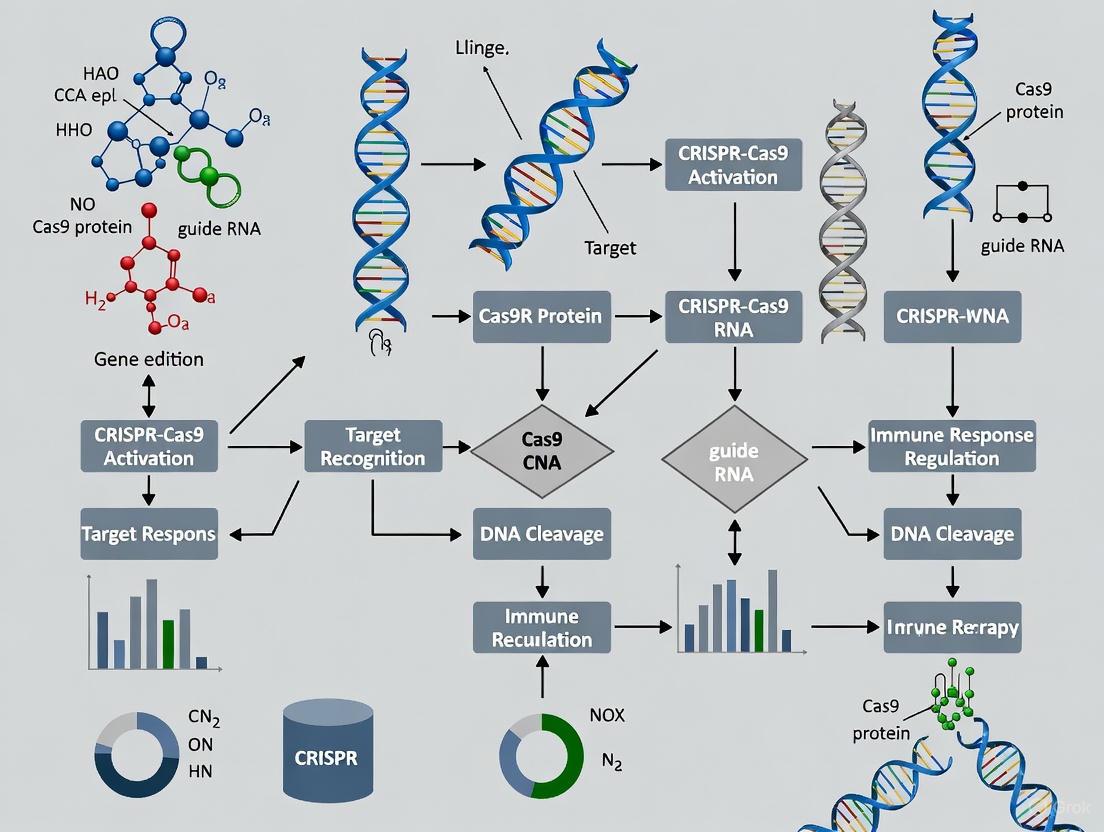
The clinical success of CRISPR-based therapies is critically dependent on managing their interaction with the human immune system.
Managing Immune Responses in CRISPR Therapy: Strategies for Safety and Efficacy in Clinical Translation
Abstract
The clinical success of CRISPR-based therapies is critically dependent on managing their interaction with the human immune system. This article provides a comprehensive overview for researchers and drug development professionals on the challenges and solutions related to the immunogenicity of CRISPR components. We explore the foundational science of pre-existing and therapy-induced immune responses against bacterial-derived Cas proteins, detail methodological advances in delivery systems and editing approaches that mitigate these risks, and analyze optimization strategies including immune-silenced Cas enzymes and transient expression platforms. Finally, we examine validation data from recent clinical trials and comparative studies of editing platforms, offering a roadmap for translating groundbreaking CRISPR science into safe, effective, and widely applicable human therapies.
The Immune Barrier: Understanding Pre-existing and Adaptive Immunity to CRISPR Systems
Foundational Knowledge: FAQs on CRISPR Immunity
What is pre-existing immunity to CRISPR-Cas proteins? Pre-existing immunity refers to the fact that adaptive immune systems of many individuals already have memory B cells and T cells that recognize Cas proteins before any CRISPR-based therapy is administered. This occurs because the most commonly used Cas proteins, such as SpCas9 and SaCas9, are derived from ubiquitous bacteria (Streptococcus pyogenes and Staphylococcus aureus) that humans are exposed to through common infections or colonization [1] [2] [3].
Why is pre-existing immunity a concern for CRISPR therapies? Pre-existing immunity poses two primary risks:
- Impact on Efficacy: Neutralizing antibodies can bind to and inactivate the CRISPR therapeutic before it reaches the target cells. Memory T cells can recognize and eliminate cells that are expressing the Cas protein, thereby negating the therapy's effect [4] [2] [3].
- Safety Concerns: A rapid immune response upon administration can lead to inflammation, tissue damage (e.g., hepatotoxicity), or other adverse events. The infusion of Cas9-specific T cells has been shown to lyse Cas9-expressing cells in vitro, demonstrating this potential safety risk [2] [3].
Does the delivery method influence the immune risk? Yes, the delivery method is a critical factor.
- In vivo delivery (especially with viral vectors like AAV): Carries a higher risk as the Cas protein is produced inside the patient's cells, making those cells potential targets for Cas9-specific T cells [4] [2].
- Ex vivo delivery: The risk from pre-existing immunity is considered lower. Cells are edited outside the body, and the Cas protein is only present transiently. The edited cell product is then infused back into the patient [1].
Are there pre-existing antibodies against other CRISPR enzymes, like Cas13? Yes. Surprisingly, pre-existing antibody and T cell responses have also been detected against RfxCas13d, an RNA-editing enzyme derived from the bacterium Ruminococcus flavefaciens. The prevalence and magnitude of these responses are comparable to those against SaCas9 and SpCas9. This is likely due to cross-reactivity with Cas13d proteins from related Ruminococcus species that are common human gut commensals [5] [3].
Troubleshooting Guides & Experimental Protocols
Guide 1: Detecting Pre-existing Anti-Cas Antibodies
Problem: Researchers need to screen human serum for pre-existing antibodies against Cas proteins to assess patient eligibility for in vivo therapy or to interpret preclinical results in animal models.
Solution: Use a validated, direct Enzyme-Linked Immunosorbent Assay (ELISA).
Detailed Protocol (based on [1]):
- Coat Plates: Immobilize purified recombinant Cas9 protein (e.g., SpCas9 or SaCas9) onto an ELISA plate.
- Block: Add a blocking buffer (e.g., BSA or non-fat milk) to prevent non-specific binding.
- Add Serum Sample: Dilute the human serum sample 1:20 in assay buffer and add to the plate. This dilution was determined to be the minimum required to minimize matrix interference while maintaining ≥80% of the assay's dynamic range [1].
- Detect Bound Antibodies: Add horseradish peroxidase (HRP)-conjugated Protein G, which binds to human IgG antibodies.
- Develop and Read: Add a colorimetric HRP substrate and measure the absorbance at 450nm.
- Determine Positivity: Compare sample absorbance to a predetermined screening cut point. This cut point is established statistically using a training set of at least 48 drug-naive serum samples to control the false-positive rate at 5% [1].
Troubleshooting Tips:
- High Background: Ensure the blocking step is thorough and that washing steps are performed correctly. Test different serum dilutions to optimize the signal-to-noise ratio.
- Variable Results: Include a standard curve of a known anti-Cas9 antibody (e.g., rabbit polyclonal or mouse monoclonal) in every run to control for assay performance and allow for quantification [1].
Guide 2: Detecting Pre-existing Cas-Reactive T Cells
Problem: Assessing the presence and functionality of pre-existing T cells that can recognize Cas9 is crucial, as they can directly eliminate edited cells.
Solution: Use a T cell proliferation and cytokine analysis assay.
Detailed Protocol (based on [5]):
- Isolate PBMCs: Collect peripheral blood mononuclear cells (PBMCs) from fresh human blood.
- Stimulate T Cells: Culture PBMCs in the presence of recombinant Cas protein (e.g., SpCas9, SaCas9, or RfxCas13d). Use recombinant GFP or ovalbumin as a negative control and a pool of viral peptides (CEF) as a positive control.
- Measure Proliferation: After several days in culture, measure antigen-induced T cell proliferation. This can be done by flow cytometry using dye dilution assays (e.g., CFSE).
- Characterize Cytokine Response (Optional but Recommended): Re-stimulate the expanded T cells with Cas protein-pulsed autologous antigen-presenting cells. Use intracellular cytokine staining and flow cytometry to detect the production of inflammatory cytokines (e.g., IFN-γ, TNF-α, IL-17) in CD4+ and CD8+ T cell populations [5].
- Assess Cytotoxic Potential (Optional): To specifically evaluate CD8+ T cell cytotoxicity, stimulate PBMCs with overlapping 15-mer peptides spanning the entire Cas protein and measure the surface expression of CD107a, a degranulation marker [5].
Prevalence of Pre-existing Immunity in Healthy Donors
The tables below summarize key findings from multiple studies on the prevalence of pre-existing adaptive immunity to various CRISPR effector proteins. Note the variability between studies, which can be attributed to differences in assay sensitivity, format (e.g., Western Blot vs. ELISA), and the donor population.
Table 1: Prevalence of Pre-existing Antibodies
| Cas Protein | Source Bacterium | Prevalence Range | Key Citations |
|---|---|---|---|
| SpCas9 | Streptococcus pyogenes | 2.5% - 95% | [1] [3] |
| SaCas9 | Staphylococcus aureus | 10% - 95% | [1] [3] |
| RfxCas13d | Ruminococcus flavefaciens | ~89% | [5] |
Table 2: Prevalence of Pre-existing T Cell Responses
| Cas Protein | Source Bacterium | Prevalence (CD4+ and/or CD8+ T cells) | Key Citations |
|---|---|---|---|
| SpCas9 | Streptococcus pyogenes | 57% - 95% | [2] [3] |
| SaCas9 | Staphylococcus aureus | Majority of donors | [2] |
| Cas12a/Cpf1 | Acidaminococcus sp. | Majority of donors | [2] [3] |
| RfxCas13d | Ruminococcus flavefaciens | >90% (CD4+), ~73% (CD8+) | [5] |
Research Reagent Solutions
Table 3: Essential Reagents for Immune Monitoring of CRISPR Therapeutics
| Reagent / Material | Function in Experiment | Example Application |
|---|---|---|
| Recombinant Cas Protein | Antigen source for stimulating T cells or coating plates for ELISA. | Detecting antibodies and T cell responses against SpCas9, SaCas9, or RfxCas13d [1] [5]. |
| HRP-conjugated Protein G | Detection reagent in ELISA; binds to human IgG antibodies. | Used in direct ELISA to detect anti-Cas antibodies in human serum [1]. |
| Overlapping Peptide Libraries | Sets of 15-mer peptides covering the entire protein sequence. | Used to map specific T cell epitopes and to stimulate CD8+ T cells via the MHC class I pathway [5]. |
| IFN-γ ELISPOT Kit | To detect and enumerate individual T cells secreting IFN-γ upon antigen stimulation. | A standard functional assay for quantifying Cas9-specific T cell responses [2]. |
| Flow Cytometry Antibodies | Antibodies against CD3, CD4, CD8, CD107a, and cytokines (IFN-γ, TNF-α, IL-17). | Used to phenotype proliferating T cells and assess their functional cytokine profile and cytotoxic potential [5]. |
Visualizing Immune Mechanisms and Workflows
Immune Response to CRISPR-Cas9
T-Cell Response Detection Workflow
Mitigation Strategies: Current Research Directions
How can the risk of immunogenicity be managed? Several strategies are being actively researched to mitigate the immune risks of CRISPR therapies:
- Patient Screening: Screening patients for pre-existing antibodies and T cells against the specific Cas protein prior to therapy enrollment [1] [2].
- Immunosuppression: Using transient immunosuppressive drugs around the time of treatment to dampen the adaptive immune response [2].
- Engineering Low-Immunogenicity Cas Proteins: Using computational and structure-based design to create novel Cas9 and Cas12 variants that lack the immunodominant epitopes recognized by human T cells. Early studies have shown this can significantly reduce immune responses while retaining editing efficiency [6].
- Utilizing Regulatory T Cells (Tregs): Exploring the potential of inducing or administering Cas9-specific Treg cells to promote immune tolerance rather than activation [2].
- Delivery Method Selection: Using non-viral delivery methods like Lipid Nanoparticles (LNPs) for transient expression, which may be less immunogenic than viral vectors and even allow for re-dosing [7].
Frequently Asked Questions (FAQs)
1. What are the primary sources of immunogenicity in CRISPR-Cas9 therapies? The immunogenicity in CRISPR-Cas9 therapies primarily stems from two key components:
- The Cas9 Nuclease: Derived from bacteria (e.g., Streptococcus pyogenes), the Cas9 protein is a foreign antigen to the human immune system. This can trigger pre-existing or therapy-induced adaptive immune responses (T-cell and antibody-mediated) [8] [9].
- The Delivery Vectors: Viral vectors, particularly adenovirus and adeno-associated virus (AAV), are highly efficient at delivering CRISPR components but can also provoke strong immune reactions. Lentiviral systems can also cause issues, as persistent expression of Cas9 and resistance markers has been shown to trigger excessive tumor immune rejection in allograft models, potentially leading to experimental failure [10] [8].
2. Why does the bacterial origin of Cas proteins pose a problem for clinical applications? The bacterial origin of Cas proteins is a significant concern because a large portion of the human population has pre-existing immunity against these bacterial proteins. This is due to previous exposure to the common bacteria (like S. pyogenes or S. aureus) from which the Cas proteins are derived. This pre-existing immunity can lead to:
- Rapid clearance of edited cells by the immune system.
- Reduced therapeutic efficacy as Cas9-expressing cells are destroyed.
- Potential safety issues, including inflammatory and other adverse immune reactions [8].
3. What are the consequences of immune responses against CRISPR components? Immune recognition can have several negative impacts on the safety and success of a CRISPR-based therapy:
- Compromised Efficacy: Immune-mediated clearance of cells treated with CRISPR can render the therapy ineffective [8].
- Toxicity and Inflammation: Triggering innate or adaptive immune responses can lead to harmful inflammatory events [8].
- Experimental Bias: In research settings, immune rejection of edited cells (e.g., in animal models) can lead to prolonged timelines, increased data variability, and biased outcomes, potentially causing experimental failure [10].
4. What strategies can mitigate immunogenicity related to viral vectors? Several advanced strategies are being developed to overcome immunogenicity from viral vectors:
- Optimized Lentiviral Systems: The v2-Blast-lox2272 (VL)-adenovirus expressing Cre recombinase (AdCre) system is a novel platform designed to excise exogenous elements (like Cas9 and resistance markers) after gene knockout. This system has been shown to effectively reduce tumor immune rejection in allograft models, improving the reliability of research outcomes [10].
- Using Non-Viral Delivery: Lipid nanoparticles (LNPs) are a promising non-viral alternative. Because LNPs do not trigger the immune system like viruses do, they open up the possibility for re-dosing a therapy, which is typically not feasible with viral vectors [7].
- Vector Engineering: Engineering the viral vectors to be less recognizable by the immune system or using specific serotypes with lower prevalence in humans can also help reduce immunogenicity [11].
5. How can researchers mitigate immunogenicity of the Cas9 protein itself? Research is focused on several engineering solutions to make Cas9 "invisible" to the immune system:
- Epitope Engineering: Modifying the specific parts of the Cas9 protein (epitopes) that are recognized by the immune system to evade detection [8].
- Nucleic Acid Modifications: Using modified RNA to deliver the Cas9 protein (e.g., mRNA) can sometimes reduce its immunogenicity compared to protein delivery [8].
- Using Novel Cas Orthologs: Exploring Cas proteins from less common bacteria that the human population has not been exposed to, thereby reducing the risk of pre-existing immunity [9].
The Scientist's Toolkit: Research Reagent Solutions
The following table details key reagents and their functions for managing immunogenicity in CRISPR research.
| Research Reagent / Tool | Primary Function in Managing Immunogenicity |
|---|---|
| VL-AdCre System [10] | An optimized lentiviral platform that allows for the efficient excision of exogenous Cas9 and marker genes after knockout, preventing prolonged immune stimulation. |
| Lipid Nanoparticles (LNPs) [7] | A non-viral delivery method that avoids the strong immune responses associated with viral vectors and allows for potential re-dosing of CRISPR therapeutics. |
| Cas12a (Cpf1) [9] | An alternative to Cas9 from a different bacterial source; its smaller size and different sequence can help circumvent pre-existing immunity to Cas9. |
| Deimmunized Cas9 Variants [8] | Engineered Cas9 proteins where immunogenic epitopes have been mutated or removed to reduce recognition by the human immune system. |
| AAV Serotype Library [11] | A collection of different AAV capsids; screening allows selection of serotypes with lower pre-existing antibody prevalence in the target population. |
Experimental Data & Protocols
Table 1: Summary of Key Findings on Immunogenicity from Recent Studies
| Study Focus / System | Key Finding / Quantitative Result | Implication for Immunogenicity |
|---|---|---|
| Lentiviral CRISPR/Cas9 System [10] | Triggers "excessive tumor immune rejection" in allograft models. | Persistent Cas9 expression creates a significant barrier to in vivo research and therapy. |
| VL-AdCre Optimized System [10] | Effectively reduced tumor immune rejection; improved reliability. | Validates that removing immunogenic elements post-editing is a viable strategy. |
| LNP Delivery (hATTR trial) [7] | First report of participants safely receiving multiple doses of an in vivo CRISPR therapy. | LNPs avoid the anti-vector immunity that prevents re-dosing with viral vectors. |
| Pre-existing Cas9 Immunity [8] | A "potential challenge for in vivo therapies"; pre-existing antibodies and T-cells identified. | Highlights the need for patient screening and the use of low-immunogenicity Cas variants. |
Detailed Protocol: Assessing Immune Rejection in an Allograft Model Using the VL-AdCre System
This protocol is adapted from research aimed at overcoming tumor immune rejection induced by the standard CRISPR/Cas9 lentiviral system [10].
Objective: To evaluate the efficacy of the VL-AdCre system in preventing immune-mediated rejection of CRISPR-edited cells in a murine allograft model.
Materials:
- Cells: The target cancer cell line of interest.
- Viral Vectors:
- v2-Blast-lox2272 (VL) lentiviral vector encoding SpCas9, a blastocystin resistance marker, and your target sgRNA. Critical elements are flanked by lox2272 sites.
- Adenovirus expressing Cre recombinase (AdCre).
- Animals: Immunocompetent mice (e.g., C57BL/6).
- Reagents: Cell culture media, polybrane, puromycin, PBS, tissue dissociation kit, flow cytometry antibodies.
Methodology:
- Cell Transduction and Selection:
- Transduce the target cancer cells with the VL lentiviral vector.
- 48 hours post-transduction, select for successfully transduced cells using blasticidin. Maintain selection pressure for 5-7 days to generate a stable polyclonal population.
- Validate gene knockout efficiency via genomic DNA PCR and sequencing or Western blot.
Excision of Exogenous Elements:
- Infect the stable, edited cell pool with AdCre at a predetermined multiplicity of infection (MOI).
- Confirm the excision of the Cas9 and blastocystin resistance casettes by PCR 96-120 hours post-infection.
In Vivo Allograft and Monitoring:
- Divide the cells into two groups:
- Group A (Control): VL-edited cells without AdCre treatment.
- Group B (Test): VL-edited cells with AdCre treatment.
- Subcutaneously inject an equal number of cells from each group into the flanks of immunocompetent mice.
- Monitor tumor growth 2-3 times per week by caliper measurement. Calculate tumor volume using the formula: V = (length × width²) / 2.
- Terminate the experiment at a predefined endpoint (e.g., tumor volume > 1500 mm³ or after 4-6 weeks).
- Divide the cells into two groups:
Expected Outcome:
- Group A (Control) tumors are expected to be rejected or show significantly stunted growth due to immune recognition of the persistently expressed foreign antigens (Cas9, blastocystin).
- Group B (Test) tumors, where immunogenic elements have been excised, are expected to engraft and grow progressively, similar to unedited control cells. This demonstrates the avoidance of immune rejection [10].
Troubleshooting:
- Low Excision Efficiency: Titrate the AdCre MOI. Ensure the lox2272 sites are functional and accessible.
- No Tumor Growth in Either Group: Verify the tumorigenicity of the parental cell line in your mouse strain. The cell dose may need to be optimized.
Signaling Pathways and Workflows
Diagram 1: Immunogenicity Pathways in CRISPR Therapy. This diagram outlines the logical sequence from the initial triggers (bacterial Cas9, viral vectors) through immune system activation, leading to the negative consequences for therapeutic efficacy and research reliability [10] [8].
Diagram 2: Immunogenicity Mitigation Workflow. This chart illustrates the main strategic approaches to overcome immune responses against Cas proteins and viral vectors, leading to improved experimental and therapeutic outcomes [7] [10] [8].
FAQs on CRISPR Immunogenicity
What are the main components of a CRISPR therapeutic that can trigger an immune response?
A CRISPR therapeutic consists of three main components, each with the potential to be immunogenic [12]:
- CRISPR Effector Proteins (e.g., Cas9, Cas12a): These are large bacterial proteins foreign to the human body. They can induce both effector and memory adaptive immune responses (antibodies and T cells) [12].
- Guide RNA (gRNA): gRNAs can trigger the innate immune system by interacting with intracellular pattern recognition receptors. This is particularly true for in vitro transcribed (IVT) gRNAs with a 5'-triphosphate group [12].
- Delivery Vector (e.g., AAV): Viral vectors, especially Adeno-Associated Viruses (AAV), are targets for both pre-existing and inducible adaptive immune responses [12].
Why is pre-existing immunity to Cas proteins a concern for CRISPR therapeutics?
Pre-existing immunity is a significant concern because a substantial portion of the human population may already have antibodies and/or T cells that recognize commonly used Cas proteins like SpCas9 (from Streptococcus pyogenes) and SaCas9 (from Staphylococcus aureus) [12]. This is due to previous exposure to these ubiquitous bacteria. If a patient has pre-existing immunity, it can lead to:
- Reduced Therapeutic Efficacy: The immune system may rapidly clear the CRISPR components before they can perform their gene-editing function [12].
- Potential Safety Issues: A swift immune reaction could cause inflammation, cytotoxicity, or other adverse events [12].
Table 1: Prevalence of Pre-existing Adaptive Immunity to CRISPR Effectors in Healthy Donors
| CRISPR Effector | Source Organism | Antibody Prevalence (%) | T Cell Response Prevalence (%) | Study (Sample Size) |
|---|---|---|---|---|
| SpCas9 | Streptococcus pyogenes | 2.5% - 95% | 67% - 96% | Various [12] |
| SpCas9 | Streptococcus pyogenes | 58% | 67% | Charlesworth et al. (n=125/18) [12] |
| SpCas9 | Streptococcus pyogenes | 5% | 83% | Ferdosi et al. (n=143/12) [12] |
| SaCas9 | Staphylococcus aureus | 4.8% - 95% | 70% - 100% | Various [12] |
| Cas12a | Acidaminococcus sp. | N/A | 100% | Wagner et al. (n=6) [12] |
How can I detect and measure immune responses against CRISPR components in pre-clinical models?
Immune responses can be evaluated using standard immunological assays [12]:
- Humoral (Antibody) Response: Measure antigen-specific antibodies in serum or other bodily fluids (e.g., vitreous fluid for ocular treatments) using techniques like ELISA. This detects pre-existing and therapy-induced antibodies [12].
- Cellular (T cell) Response: Detect T cell activation, typically by isolating peripheral blood mononuclear cells (PBMCs) from subjects and stimulating them with Cas protein peptides. A positive response is often measured by interferon-γ (IFN-γ) enzyme-linked immunospot (ELISpot) assay or intracellular cytokine staining [12].
What strategies can be used to mitigate the immunogenicity of CRISPR therapeutics?
Several strategies are being explored to manage immune responses [12]:
- Ex Vivo Gene Editing: Editing cells outside the body (e.g., T cells, hematopoietic stem cells), washing them, and confirming minimal Cas9 protein levels before infusion into the patient. This largely avoids a systemic immune response to the CRISPR machinery [12].
- Protein Engineering: Creating "immunosilenced" or deimmunized Cas variants by mutating the immunodominant T cell and B cell epitopes to reduce their recognition by the immune system, while retaining nuclease activity [12].
- Delivery Method and Regimen Optimization: Using non-viral delivery methods (e.g., lipid nanoparticles, RNPs) can reduce immunogenicity compared to viral vectors. Transient expression systems and single-dose administration can also limit immune exposure [12].
- Immunosuppression: Short-term use of immunosuppressive drugs around the time of treatment may help blunt the immune response, though this carries its own risks [12].
Troubleshooting Guides
Problem: Suspected Pre-existing Immunity Reducing Therapeutic Efficacy
Potential Causes and Solutions:
- Cause: High pre-existing antibody titers neutralizing the therapeutic.
- Solution: Screen potential patients or animal model donors for pre-existing antibodies and T cell reactivity against the specific Cas protein you are using. Consider excluding seropositive subjects from initial studies or selecting a Cas ortholog with lower seroprevalence [12].
- Cause: Pre-existing memory T cells causing a rapid cytotoxic response.
- Solution: As a long-term strategy, utilize engineered Cas proteins with mutated immunodominant T cell epitopes [12].
Problem: Innate Immune Activation and Cytotoxicity Following Transfection
Potential Causes and Solutions:
- Cause: Use of in vitro transcribed (IVT) gRNAs with 5'-triphosphates.
- Solution: Switch to chemically synthesized, modified gRNAs. Chemically synthesized guides are produced with a 5'-hydroxyl group, which is less immunogenic. Furthermore, specific terminal modifications (e.g., 2'-O-methyl) can enhance stability and further reduce immune stimulation [13].
- Cause: Delivery method or high concentration of nucleic acids triggering sensors.
- Solution: Optimize the delivery protocol. Consider using ribonucleoprotein (RNP) complexes (pre-assembled Cas protein and gRNA). RNP delivery is transient and can lead to high editing efficiency with potentially lower off-target effects and reduced immune stimulation compared to plasmid DNA transfection [13].
Table 2: Research Reagent Solutions for Mitigating Immunogenicity
| Research Reagent | Function | Key Advantage for Immunogenicity |
|---|---|---|
| Chemically Modified sgRNA | Synthetic guide RNA with stabilizing molecular modifications | Reduces innate immune activation by avoiding 5'-triphosphate groups; decreases cytotoxicity [13] |
| Ribonucleoprotein (RNP) | Pre-complexed Cas protein and guide RNA | Enables transient, "DNA-free" editing; reduces exposure to foreign nucleic acids, lowering immune stimulation [13] |
| High-Fidelity Cas9 Variants | Engineered Cas proteins with improved specificity | Reduces off-target editing; some engineered versions may also include deimmunizing mutations [14] |
| Immunosilenced Cas9 | Protein-engineered Cas9 with altered epitopes | Designed to evade pre-existing T-cell and antibody recognition, potentially allowing re-dosing [12] |
| Non-Viral Delivery Vectors | Lipid Nanoparticles (LNPs), electroporation | Avoids immune responses commonly associated with viral vectors (e.g., AAV) [15] |
Experimental Protocols
Protocol 1: Detecting Pre-existing Anti-Cas9 Antibodies via ELISA
This protocol outlines a method for screening serum for pre-existing antibodies against Cas9 proteins [12].
- Coat Plate: Coat a 96-well ELISA plate with 100 µL per well of purified, recombinant Cas9 protein (e.g., SpCas9 or SaCas9) at 1-5 µg/mL in carbonate-bicarbonate coating buffer. Incubate overnight at 4°C.
- Block: Wash the plate 3 times with PBS containing 0.05% Tween-20 (PBST). Block non-specific binding sites with 200 µL per well of a blocking buffer (e.g., 5% non-fat dry milk or BSA in PBST) for 1-2 hours at room temperature.
- Add Serum: Wash plate 3 times with PBST. Add 100 µL of diluted test serum, positive control serum (from immunized animals), and negative control serum (from naïve animals) to designated wells. Typical starting dilution is 1:50 or 1:100 in blocking buffer. Incubate for 2 hours at room temperature or overnight at 4°C.
- Add Detection Antibody: Wash plate 3-5 times with PBST. Add 100 µL per well of an enzyme-conjugated secondary antibody specific for the host species' IgG (e.g., HRP-conjugated anti-human IgG) diluted in blocking buffer. Incubate for 1 hour at room temperature, protected from light.
- Develop and Read: Wash plate 3-5 times with PBST. Add 100 µL of a colorimetric HRP substrate (e.g., TMB). Incubate until color develops and then stop the reaction with stop solution. Immediately measure the absorbance at the appropriate wavelength (e.g., 450nm) using a plate reader.
Protocol 2: Assessing Cas9-Specific T Cell Responses via IFN-γ ELISpot
This protocol is used to detect T cells that produce IFN-γ in response to Cas9 protein stimulation, indicating a cellular immune response [12].
- Plate Preparation: Coat a 96-well PVDF-backed ELISpot plate with an anti-IFN-γ capture antibody according to the manufacturer's instructions. Incubate overnight at 4°C. Block the plate with complete cell culture media for at least 1 hour at 37°C.
- PBMC Isolation and Seeding: Isolate Peripheral Blood Mononuclear Cells (PBMCs) from donor blood using density gradient centrifugation (e.g., Ficoll-Paque). Seed PBMCs into the pre-coated ELISpot plate at a density of 2-4 x 10^5 cells per well in a volume of 100-200 µL.
- Stimulate Cells: Add stimuli to the wells:
- Test Condition: Overlapping peptides spanning the entire Cas9 protein (e.g., 15-mers overlapping by 11 amino acids) at a final concentration of 1-2 µg/mL per peptide.
- Positive Control: Phytohemagglutinin (PHA) or a CD3/CD28 antibody.
- Negative Control: Cells with media only or an irrelevant protein/peptide.
- Incubate: Incubate the plate for 24-48 hours in a humidified 37°C, 5% CO2 incubator. Do not disturb the plate during this time.
- Detect Spots: After incubation, carefully remove the cells and follow the manufacturer's protocol for the ELISpot kit. This typically involves a series of washes, followed by incubation with a biotinylated detection antibody, then an enzyme-streptavidin conjugate, and finally a precipitating substrate solution to develop visible spots.
- Analyze: Once spots are fully developed, stop the reaction and air-dry the plate. Count the spots using an automated ELISpot reader system. Each spot represents a single IFN-γ-secreting T cell.
Immune Recognition Pathways
The following diagrams illustrate the key pathways through which the innate and adaptive immune systems recognize CRISPR-Cas components.
Immunogenicity, the immune system's reaction to foreign substances, presents a significant challenge for in vivo CRISPR-based therapies. The core components of the CRISPR system—including Cas effector proteins derived from bacteria and the delivery vectors that carry them—can trigger both innate and adaptive immune responses in patients [12] [8]. For researchers and therapy developers, understanding and managing these immune responses is critical for transitioning treatments from preclinical models to successful clinical applications.
The bacterial origin of CRISPR nucleases means many patients have pre-existing immunity. Approximately 58-95% of healthy individuals have detectable antibodies against SpCas9 (Streptococcus pyogenes Cas9), while 78-95% have antibodies against SaCas9 (Staphylococcus aureus Cas9) [12]. Similarly, pre-existing T cell responses are widespread, with studies detecting reactivity in 67-100% of donors for SpCas9 and SaCas9, and even for newer systems like Cas12a and RfxCas13d [12]. This pre-existing immunity, combined with immune responses induced after administration, can compromise therapy safety, reduce efficacy, and limit treatment persistence.
Immunogenicity Troubleshooting Guide
Common Problems and Strategic Solutions
| Problem | Underlying Cause | Potential Solutions |
|---|---|---|
| Rapid clearance of therapy | Pre-existing antibodies against Cas protein or delivery vector (e.g., AAV) neutralize the treatment before it reaches target cells [12]. | Use engineered, low-immunogenicity Cas variants [16] [17]; Switch to non-viral delivery (e.g., LNPs) [7]; Consider immunosuppression (short-term). |
| Loss of editing efficiency | Immune recognition of edited cells or immune-mediated destruction of therapy-containing cells [12] [8]. | Implement epitope silencing via protein engineering [16]; Use ex vivo editing where possible; Employ Cas proteins from less prevalent bacterial sources. |
| Inflammatory toxicities | Innate immune activation by gRNAs or delivery vectors, or adaptive immune response to foreign Cas proteins [12]. | Use chemically synthesized gRNAs with 5'-hydroxylation to minimize innate sensing [12]; Utilize LNP delivery to avoid viral vector immunity [7]. |
| Inability to re-dose | Development of neutralizing antibodies after initial dose prevents effective re-administration [12]. | Develop a panel of orthologous Cas proteins with minimal cross-reactivity for sequential use; Utilize LNP delivery, which may allow for re-dosing [7]. |
Frequently Asked Questions (FAQs)
Q1: How can I test for pre-existing immunity to Cas proteins in my preclinical models? Pre-existing immunity can be assessed through several methods. For humoral immunity (antibodies), techniques like ELISA can detect anti-Cas9 antibodies in serum [12]. For cellular immunity, T cell responses can be measured using ELISpot assays, which detect cytokine release from T cells upon exposure to Cas9-derived peptides [16]. When using immunocompetent mouse models, consider "humanized" models that express human MHC molecules to better predict human immune responses [16].
Q2: Our in vivo therapy shows good initial editing but the effect wanes quickly. Could immunogenicity be the cause? Yes, this is a classic sign of immunogenicity. The initially edited cells may be recognized and eliminated by the immune system. Potential solutions include using immunosilenced Cas variants [16] [17] or transient immunosuppression to allow edited cells to establish. Alternatively, ex vivo editing approaches, where cells are edited outside the body before transplantation, can circumvent this issue as they avoid direct exposure of the Cas protein to the immune system [12].
Q3: Are there delivery systems that are less immunogenic than AAV? Yes, lipid nanoparticles (LNPs) are a promising alternative. While AAV vectors can trigger both pre-existing and inducible adaptive immune responses [12], LNPs are less immunogenic and do not trigger the same memory immune responses. This characteristic potentially allows for re-dosing, as demonstrated in clinical trials for hATTR where participants received a second, higher dose [7].
Q4: We need to use a common Cas9 like SpCas9. How can we mitigate its high immunogenicity risk? For highly immunogenic proteins like SpCas9, consider epitope engineering. This process involves identifying immunodominant epitopes (short peptide sequences recognized by T cells) and introducing point mutations to disrupt immune recognition while maintaining protein function. This structure-guided computational approach has successfully created Cas9 variants with significantly reduced immunogenicity [16] [17].
Quantitative Data on Pre-existing Immunity
Table 1: Prevalence of Pre-existing Adaptive Immunity to CRISPR Effectors in Healthy Donors
| Study | CRISPR Effector | Source Organism | Antibody Prevalence (%) | T Cell Response Prevalence (%) |
|---|---|---|---|---|
| Charlesworth et al. (2019) | Cas9 | S. pyogenes (SpCas9) | 58 | 67 [12] |
| Charlesworth et al. (2019) | Cas9 | S. aureus (SaCas9) | 78 | 78 [12] |
| Simhadri et al. (2018) | Cas9 | S. pyogenes (SpCas9) | 2.5 | N/A [12] |
| Simhadri et al. (2018) | Cas9 | S. aureus (SaCas9) | 10 | N/A [12] |
| Ferdosi et al. (2019) | Cas9 | S. pyogenes (SpCas9) | 5 | 83 [12] |
| Tang et al. (2022) | Cas13d | R. flavefaciens (RfxCas13d) | 89 | 96 (CD8+) / 100 (CD4+) [12] |
Experimental Protocols for Assessing Immunogenicity
Protocol: Mapping Immunodominant Epitopes (MAPPs Analysis)
This protocol is used to identify specific peptide sequences within a protein that are presented by MHC molecules and can trigger T cell responses [16].
- Cell Transfection: Transfect HLA-A*0201-expressing cells (e.g., MDA-MB-231) with a plasmid encoding the Cas protein of interest (e.g., SaCas9 or AsCas12a).
- MHC-Peptide Complex Isolation: Lyse the cells and immunoprecipitate the MHC class I molecules using specific antibodies.
- Peptide Elution and Identification: Acid-elute the bound peptides from the MHC complex and analyze them via liquid chromatography-tandem mass spectrometry (LC-MS/MS).
- Bioinformatic Analysis: Identify the sequenced peptides and map them back to the original Cas protein sequence to nominate putative immunodominant epitopes.
Protocol: Evaluating T Cell Response with ELISpot
The Enzyme-Linked Immunospot (ELISpot) assay measures T cell activation in response to specific antigens [16].
- PBMC Isolation: Isolate Peripheral Blood Mononuclear Cells (PBMCs) from healthy human donors, preferably those with relevant HLA types (e.g., HLA-A*0201).
- Peptide Stimulation: Seed PBMCs into plates coated with capture antibodies (e.g., against IFN-γ). Stimulate the cells with synthesized peptides corresponding to the wild-type or mutant Cas epitopes.
- Detection and Visualization: After an incubation period (typically 24-48 hours), remove the cells and add a biotinylated detection antibody, followed by an enzyme-conjugated streptavidin. Add a precipitating substrate to produce colored spots at the sites of cytokine secretion.
- Analysis: Count the spots, each representing a single reactive T cell. A significant reduction in spot formation with mutant peptides indicates successful reduction of immunogenicity.
Workflow Diagram: Engineering Low-Immunogenicity Nucleases
The following diagram illustrates the logical workflow for creating and validating Cas proteins with reduced immunogenicity.
Research Reagent Solutions
Table 2: Key Reagents and Resources for Immunogenicity Management
| Reagent / Resource | Function / Application | Example / Note |
|---|---|---|
| Low-Immunogenicity Cas Variants | Engineered nucleases with mutated immunodominant epitopes to evade T cell recognition. | SaCas9.Redi.1, .2, .3; AsCas12a Redi variants [16] [17]. |
| LNP Delivery System | Non-viral delivery vector with low immunogenicity profile, allows potential re-dosing. | Used in Intellia's in vivo hATTR and HAE trials [7]. |
| HLA-A*0201 Transgenic Cells | Cell line for MAPPs analysis to identify human-relevant immunogenic epitopes. | e.g., MDA-MB-231 line [16]. |
| Humanized Mouse Models | Immunocompetent mouse models with human immune system components for preclinical testing. | MHC class I/II humanized mice [16]. |
| Chemically Modified gRNA | gRNA synthesized to minimize innate immune sensing via pattern recognition receptors. | Use 5'-hydroxylated gRNAs instead of in vitro transcribed 5'-triphosphate gRNAs [12]. |
| ELISpot Kit | Tool for quantifying T cell responses to Cas proteins or specific epitopes. | Critical for measuring cellular immunogenicity [16]. |
Immunogenicity is no longer an insurmountable barrier for CRISPR therapy, but rather a manageable parameter that must be addressed through intelligent molecular design and strategic delivery. The field is rapidly advancing with concrete solutions, including engineered low-immunogenicity nucleases [16] [17], optimized delivery vectors like LNPs [7], and robust preclinical immunogenicity screening protocols [12] [16]. By integrating these tools and methodologies into the standard therapeutic development pipeline, researchers can significantly enhance the safety profile, therapeutic efficacy, and persistence of CRISPR-based treatments, ultimately accelerating their successful translation to the clinic.
Delivery and Editing Strategies to Circumvent Immune Recognition
Fundamental Concepts and Definitions
What are the core differences between ex vivo and in vivo CRISPR delivery?
CRISPR-based gene editing can be administered via two principal routes: ex vivo and in vivo. These approaches differ fundamentally in their methodology, which directly influences their immunological implications.
Ex Vivo Delivery involves extracting cells from a patient, genetically modifying them outside the body using CRISPR-Cas9, and then reinfusing the edited cells back into the patient [18] [19]. This approach is considered a cell therapy. A prominent example is Casgevy (exagamglogene autotemcel), an FDA-approved therapy for sickle cell disease and transfusion-dependent beta-thalassemia, where hematopoietic stem cells are harvested, edited to increase fetal hemoglobin production by targeting the BCL11A gene, and reinfused after the patient's native bone marrow cells are cleared [18].
In Vivo Delivery involves directly administering the CRISPR-Cas9 components into the patient's body using viral or non-viral vectors to edit cells internally [18] [20]. The components—the Cas nuclease and guide RNA (gRNA)—are packaged into delivery vehicles such as adeno-associated viruses (AAVs) or lipid nanoparticles (LNPs) and injected systemically or locally [11] [20]. EDIT-101, an investigational therapy for Leber Congenital Amaurosis type 10 (LCA10), exemplifies this approach. It uses an AAV5 vector delivered via subretinal injection to carry SpCas9 and two gRNAs into retinal cells to excise a mutation in the CEP290 gene [20].
Table: Core Characteristics of Ex Vivo and In Vivo Delivery Approaches
| Feature | Ex Vivo Delivery | In Vivo Delivery |
|---|---|---|
| Basic Principle | Cells edited outside the body and then transplanted | Cells edited directly inside the patient's body |
| CRISPR Component Delivery | Typically via electroporation or viral vectors in vitro [19] [11] | Utilizes viral vectors (e.g., AAV) or non-viral vectors (e.g., LNPs) [11] [20] [21] |
| Typical Cargo Format | Ribonucleoprotein (RNP) complexes, mRNA, or DNA [21] | DNA (for viral vectors) or mRNA/protein (for non-viral vectors) [21] |
| Key Approved/Advanced Therapeutic Example | Casgevy (for sickle cell disease and beta-thalassemia) [18] | EDIT-101 (for Leber Congenital Amaurosis) [20] |
Immunological Mechanisms and Challenges
What specific immune responses are triggered by each delivery method?
The immune system presents a significant challenge to CRISPR therapies, with the nature of the response varying significantly between ex vivo and in vivo approaches. The following diagram outlines the key immunological pathways involved.
The immune response to CRISPR therapeutics has three primary sources: the Cas effector protein, the guide RNA (gRNA), and the delivery vector [12].
1. Immunity to Cas Proteins Cas9 proteins, such as the commonly used SpCas9 and SaCas9, are derived from bacteria (Streptococcus pyogenes and Staphylococcus aureus, respectively) that frequently colonize or infect humans. Consequently, a significant proportion of the general population has pre-existing adaptive immunity [12] [22].
- Pre-existing Antibodies: Studies report a wide range of prevalence for anti-SpCas9 antibodies (2.5% to 95%) and anti-SaCas9 antibodies (4.8% to 95%) in healthy individuals [12].
- Pre-existing Cellular Immunity: T-cell responses are a greater concern for in vivo therapies, as they can directly kill edited cells. Pre-existing T cells against SpCas9 and SaCas9 have been detected in 67% to 100% of healthy donors [12]. For in vivo delivery, sustained expression of the bacterial Cas9 protein can (re-)activate these T cells and B cells, leading to the destruction of the successfully edited cells, thereby nullifying the therapeutic benefit [8] [22].
2. Immunity to Delivery Vectors
- Viral Vectors (AAV): AAV vectors, while less immunogenic than other viruses, can still be targets of both pre-existing and induced adaptive immune responses. Neutralizing antibodies can prevent the vector from reaching its target cells, while T-cell responses against the viral capsid can lead to clearance of transduced cells [12] [20].
- Non-Viral Vectors (LNPs): Lipid nanoparticles used for mRNA or RNP delivery can also trigger innate immune responses, though they generally present fewer immunogenicity concerns related to adaptive immunity compared to viral vectors [21].
3. Key Immunological Differences Between Approaches The central immunological distinction between the two methods lies in the control and duration of Cas9 exposure to the immune system.
Ex Vivo Editing: This approach allows for transient exposure to CRISPR components. Cells can be edited using pre-assembled RNP complexes, which have a short half-life and are degraded by the cell's natural machinery. This minimizes the presence of the Cas9 protein in the final cell product before reinfusion [21]. A clinical trial for CRISPR-edited T cells reported no detection of anti-Cas9 antibodies post-infusion, as the edited cells contained minimal residual Cas9 protein [12]. The primary risk is immune rejection of the transplanted cells if they present Cas9 peptides, but this can be mitigated by ensuring Cas9 clearance.
In Vivo Editing: This method often leads to prolonged Cas9 expression, especially when using viral vectors like AAV that enable long-term transgene expression. This sustained exposure significantly increases the risk of activating both pre-existing and naive Cas9-specific T cells, potentially resulting in the elimination of therapeutically edited cells [12] [22]. The initial inflammatory signals from the delivery vector itself can further potentiate this immune activation.
Table: Comparative Immunological Challenges of Ex Vivo and In Vivo Delivery
| Immune Challenge | Ex Vivo Delivery | In Vivo Delivery |
|---|---|---|
| Pre-existing Immunity to Cas9 | Can be mitigated by clearing Cas9 protein pre-infusion [12] | Major concern; can lead to destruction of edited cells [22] |
| Risk of Immune Rejection | Moderate (dependent on residual Cas9 antigen) [12] | High (due to sustained intracellular Cas9 expression) [8] |
| Vector Immunogenicity | Lower concern (vectors used in culture) | High concern for viral vectors (e.g., AAV) [12] [20] |
| gRNA-Induced Innate Immunity | Controllable via use of synthetic, modified gRNAs [12] | More challenging to control; depends on delivery system [12] |
| Therapeutic Window for Immune Suppression | Short-term around infusion may be sufficient | May require longer-term suppression, which is less desirable [22] |
Frequently Asked Questions (FAQs) & Troubleshooting
FAQ 1: Our team is planning an in vivo CRISPR trial. Should we pre-screen patients for pre-existing immunity to Cas9?
Answer: Yes, pre-screening is highly recommended for in vivo therapies. Pre-existing cellular immunity to Cas9 is prevalent in the human population. Evidence shows that 67% to 100% of healthy individuals have pre-existing T cells responsive to SpCas9 or SaCas9 [12] [22]. Administering a therapy that leads to sustained Cas9 expression to a patient with pre-existing Cas9-specific cytotoxic T lymphocytes (CTLs) carries a high risk of the edited cells being destroyed, resulting in therapeutic failure. Screening allows for patient stratification or the implementation of aggressive mitigation strategies, such as transient immunosuppression, for high-risk individuals [22].
FAQ 2: We are detecting low editing efficiency in our ex vivo experiment. Could immunogenicity be a factor?
Answer: While less common, immunogenicity can still play a role ex vivo. The more likely cause for low efficiency is related to the delivery method and cargo format.
- Troubleshooting Steps:
- Switch Cargo Format: If you are using plasmid DNA (which has prolonged expression), switch to Ribonucleoprotein (RNP) complexes. RNPs are active immediately upon delivery, show higher editing efficiency in many primary cells, and are rapidly degraded, minimizing off-target effects and residual antigen presentation post-transplantation [21].
- Optimize Delivery Parameters: If using electroporation, optimize voltage and pulse parameters for your specific cell type. Suboptimal conditions can cause low delivery efficiency or high cell death, reducing the yield of successfully edited cells [11].
- Check gRNA Quality: Ensure your gRNA is chemically synthesized and modified to reduce innate immune activation (e.g., lacking 5'-triphosphates) and to improve stability [12].
FAQ 3: What are the most promising strategies to mitigate immunogenicity for in vivo CRISPR therapies?
Answer Several innovative strategies are being developed to overcome the hurdle of immunogenicity in vivo:
- Use of Novel Cas Variants: Explore Cas proteins derived from non-human commensal bacteria (e.g., Campylobacter jejuni Cas9 or Neisseria meningitidis Cas9) or engineered variants with lower immunogenic potential [20]. Ultra-compact effectors like IscB and TnpB are also promising due to their small size and potentially reduced immunogenicity [20].
- Epitope Engineering: Identify and mutate immunodominant T-cell epitopes in the Cas9 protein to create "immunosilenced" or "deimmunized" variants that are not recognized by the human immune system [12] [8].
- Vector and Promoter Selection: Use less inflammatory vectors like AAV and pair them with tissue-specific promoters. This restricts Cas9 expression to the target tissue and avoids expression in antigen-presenting cells, thereby reducing immune activation [22].
- Transient Expression Systems: Utilize non-viral delivery methods, such as LNPs, to deliver Cas9 as mRNA or RNP. This results in a short burst of Cas9 expression, limiting the window for immune system recognition [8] [21].
- Targeting Immune-Privileged Sites: Initial clinical trials can focus on immune-privileged organs (e.g., the eye via subretinal injection) or tolerogenic organs (e.g., the liver) to minimize immune responses [20] [22].
Experimental Protocols for Immunogenicity Assessment
Protocol 1: Assessing Pre-existing Humoral Immunity to Cas9
Objective: To detect pre-existing anti-Cas9 antibodies in patient serum prior to therapy enrollment.
- Coating: Immobilize recombinant Cas9 protein (e.g., SpCas9, SaCas9) onto a high-binding ELISA plate.
- Blocking: Incubate with a blocking buffer (e.g., PBS with 1% BSA) to prevent non-specific binding.
- Sample Incubation: Add diluted patient serum samples and appropriate controls (positive control: serum from an immunized subject; negative control: naive serum).
- Detection: Incubate with a enzyme-conjugated secondary antibody specific for human IgG (or other Ig isotypes).
- Signal Development: Add a colorimetric substrate and measure the absorbance. A signal significantly above the negative control indicates the presence of pre-existing anti-Cas9 antibodies [12].
Protocol 2: Detecting Pre-existing Cellular Immunity to Cas9
Objective: To evaluate the presence of Cas9-reactive T cells in patient peripheral blood mononuclear cells (PBMCs).
- PBMC Isolation: Isolate PBMCs from fresh patient blood via density gradient centrifugation.
- Stimulation Culture: Seed PBMCs in a culture plate and stimulate them with a pool of overlapping peptides spanning the entire sequence of the Cas9 protein to be used.
- Positive and Negative Controls: Include positive control wells stimulated with a mitogen (e.g., PHA) and negative control wells with no stimulus or an irrelevant protein.
- Detection (ELISpot): After 24-48 hours, use an Enzyme-Linked Immunospot (ELISpot) assay to detect T cells secreting interferon-gamma (IFN-γ) upon antigen recall. The number of spot-forming units (SFUs) indicates the frequency of reactive T cells [12] [22].
- Alternative Detection (Flow Cytometry): As an alternative, cells can be analyzed by flow cytometry after stimulation (using a protein transport inhibitor) to detect intracellular cytokine (e.g., IFN-γ, TNF-α) production in CD4+ and CD8+ T cells [12].
The Scientist's Toolkit: Key Reagent Solutions
Table: Essential Research Reagents for Investigating CRISPR Immunogenicity
| Reagent / Solution | Function / Application | Key Considerations |
|---|---|---|
| Recombinant Cas9 Proteins (SpCas9, SaCas9) | Antigens for detecting pre-existing antibodies (ELISA) and for stimulating T cells (ELISpot/FACS) [12]. | Ensure high purity and endotoxin-free preparation to avoid non-specific immune activation. |
| Overlapping Peptide Libraries | A pool of 15-mer peptides overlapping by 11 amino acids, covering the full Cas9 sequence. Used to stimulate and detect Cas9-specific T cells [12]. | Custom libraries can be designed to focus on predicted immunodominant epitopes. |
| Human IgG ELISA Kit | Quantification of anti-Cas9 antibody titers in patient serum/plasma [12]. | Can be adapted into a Cas9-specific ELISA by using Cas9 as the capture antigen. |
| Human IFN-γ ELISpot Kit | Gold-standard for detecting and enumerating antigen-reactive T cells at the single-cell level [12]. | Highly sensitive; allows for functional assessment of cellular immunity. |
| Ribonucleoprotein (RNP) Complexes | The complex of Cas9 protein and guide RNA. The preferred cargo for ex vivo editing to minimize immunogenicity and off-target effects [21]. | Commercially available as pre-assembled, high-fidelity complexes. |
| Ionizable Lipid Nanoparticles (LNPs) | A leading non-viral delivery platform for in vivo delivery of CRISPR components as mRNA or RNP, enabling transient expression [23] [21]. | Novel formulations (e.g., SORT LNPs) are being developed for extrahepatic delivery to tissues like spleen and lung. |
| AAV Vectors with Tissue-Specific Promoters | Viral vectors for in vivo delivery. Tissue-specific promoters (e.g., muscle-specific CK8) restrict Cas9 expression to target tissue, reducing systemic immunogenicity [20] [22]. | Serotype choice (e.g., AAV8, AAV9) is critical for determining tissue tropism. |
Frequently Asked Questions (FAQs)
FAQ 1: What are the primary immune challenges when using AAV for CRISPR therapy? The two primary immune challenges are pre-existing immunity and immune responses triggered by the therapy itself. A significant proportion of the human population has pre-existing neutralizing antibodies and T cells against both AAV capsids and the bacterial Cas9 protein due to previous environmental exposures. One study found that 78% of humans have an immune response to SaCas9 [24]. When pre-existing immunity is present, the administration of AAV-CRISPR can trigger a robust cytotoxic CD8+ T cell response that eliminates the transduced, genome-edited cells, compromising therapy efficacy and safety [24].
FAQ 2: How can I deliver large CRISPR cargo that exceeds AAV's packaging capacity? The ~4.7 kb packaging limit of AAV can be overcome through several innovative strategies:
- Use Smaller Cas Orthologs: Replace the commonly used SpCas9 (~4.2 kb) with compact alternatives such as SaCas9 (3.3 kb), CjCas9, or Cas12b/c [25] [26].
- Implement Split AAV Systems: Utilize a "split intein" system where the Cas9 protein is divided into two parts, each packaged into a separate AAV vector. The full-length, functional protein is reconstituted inside the co-infected target cell via protein trans-splicing [25].
- Employ Dual-Vector Homologous Recombination: For integrating large transgenes, two AAV donors can be co-transduced. The first donor integrates part of the transgene and is designed to be a target for a second CRISPR-mediated homologous recombination event that integrates the remaining sequence from the second donor [27].
FAQ 3: Which AAV serotype should I select for my experiment? Serotype selection is critical for targeting specific tissues. The table below summarizes the tropism of commonly used AAV serotypes based on data from [26] and [28].
| Tissue Type | Recommended AAV Serotypes |
|---|---|
| Liver | AAV8, AAV9, AAV-DJ, AAVrh10 |
| Central Nervous System (CNS) | AAV1, AAV2, AAV5, AAV8, AAV9, AAV-PHP.eB |
| Skeletal Muscle | AAV1, AAV8, AAV9 |
| Retina | AAV2, AAV5, AAV8, AAV2-QuadYF |
| Heart | AAV1, AAV8, AAV9, AAVrh10 |
| Kidney | AAV2, AAV8, AAV9 |
Troubleshooting Guides
Problem: Loss of Edited Cells After Initial Successful Editing
Potential Cause: Cell-mediated immune rejection driven by pre-existing or therapy-induced cytotoxic T cells targeting Cas9-expressing hepatocytes [24].
Supporting Evidence: In a mouse model with pre-existing SaCas9 immunity, AAV-CRISPR delivery led to initial editing, followed by a surge of CD8+ T cells in the liver, apoptosis of edited cells, and a complete loss of AAV genomes and edited cells within 12 weeks [24].
Solutions:
- Screen for Pre-existing Immunity: Prior to therapy, screen patient sera for neutralizing antibodies against the chosen AAV serotype and the Cas nuclease.
- Use Immunosuppression: Consider transient immunosuppressive regimens around the time of vector administration to dampen the T cell response.
- Employ Minimally Immunogenic Cas Variants: Utilize engineered, low-immunogenicity Cas proteins. Recent research has successfully engineered SaCas9.Redi variants with point mutations in immunodominant epitopes, which significantly reduce T cell reactivity while maintaining wild-type editing efficiency [16].
Problem: Low Editing Efficiency Due to Pre-existing Anti-AAV Antibodies
Potential Cause: Humoral immunity from pre-existing neutralizing antibodies (NAbs) can bind to the AAV capsid and prevent cellular transduction [29].
Solutions:
- Serotype Switching: Use a rare human serotype or engineered capsid (e.g., AAV-DJ) to which the population has low seroprevalence [26] [28].
- Plasmapheresis: Use immunoglobulin-clearing enzymes to temporarily reduce NAb titers before administration [29].
- Capsid Engineering: Utilize capsids engineered to evade neutralizing antibodies.
Problem: Inefficient Delivery and Editing in a Specific Tissue
Potential Cause: The selected AAV serotype has poor tropism for your target tissue [28] [29].
Solutions:
- Select a Tropism-Enhanced Serotype: Refer to the serotype table in FAQ #3 and select a serotype with documented high transduction for your target tissue (e.g., AAV-PHP.eB for CNS, AAV-PHP.S for PNS) [26].
- Use Tissue-Specific Promoters: Incorporate a promoter that drives expression specifically in your target cell type (e.g., synapsin for neurons) to restrict off-target editing.
- Employ Localized Administration: For accessible organs like the eye or liver, use localized delivery methods (e.g., subretinal injection for the retina) to achieve high local titers and limit systemic exposure [30].
Experimental Protocols
Protocol: In Vivo Genome Editing in Mouse Liver Using AAV-CRISPR
This protocol is adapted from methods used in [24] and [30].
1. Vector Design and Packaging:
- CRISPR Nuclease: Select a nuclease that fits into AAV. For targets requiring a small footprint, use SaCas9 (packaged with its sgRNA into a single AAV)[ccitation:2] [26].
- Promoter: Use a liver-specific promoter (e.g., TBG) to restrict expression to hepatocytes.
- AAV Serotype: Package the construct into AAV8 or AAV9, which have high tropism for mouse liver [26].
- Control: Include a control AAV expressing a fluorescent reporter (e.g., GFP) under the same promoter to monitor transduction efficiency.
2. Animal Pre-screening and Immunization (Optional):
- To model pre-existing immunity, immunize mice with SaCas9 protein (e.g., 25 µg) mixed with adjuvant one week before AAV administration [24].
3. AAV Administration:
- Inject mice intravenously (via tail vein) with a high dose of AAV (e.g., 1x10^11 to 1x10^12 vector genomes per mouse).
4. Monitoring and Analysis:
- Efficiency: Harvest liver tissue at multiple time points (e.g., 1, 2, 4, 6, and 12 weeks). Isolate genomic DNA and use targeted deep sequencing to quantify indel formation at the target locus.
- Immunogenicity:
- Flow Cytometry: Digest liver tissue to create a single-cell suspension. Stain for immune cell markers (CD45, CD3, CD4, CD8) to quantify T cell infiltration [24].
- Histology: Perform TUNEL staining on liver sections to detect apoptotic cells. Stain for Ki-67 to assess compensatory proliferation/regeneration [24].
- Serum Biochemistry: Measure serum Alanine Transaminase (ALT) levels as a marker of liver damage [24].
Protocol: Assessing Pre-existing Immunity to Cas9
1. Humoral Immunity (Antibody Detection):
- Method: Enzyme-Linked Immunosorbent Assay (ELISA).
- Procedure:
- Coat a plate with recombinant Cas9 protein (e.g., SaCas9).
- Incubate with serial dilutions of patient or mouse serum.
- Detect bound IgG antibodies using an enzyme-conjugated secondary antibody.
- Output: Titers of anti-Cas9 antibodies [24] [16].
2. Cellular Immunity (T Cell Response):
- Method: Enzyme-Linked Immunospot (ELISpot) Assay [16].
- Procedure:
- Isolate Peripheral Blood Mononuclear Cells (PBMCs) from donor blood.
- Seed PBMCs into a plate coated with an antibody against IFN-γ.
- Stimulate cells with pools of predicted immunodominant peptides from Cas9.
- After incubation, detect spots representing IFN-γ-secreting T cells.
- Output: Frequency of Cas9-reactive T cells.
Diagrams and Workflows
Immune Clearance of AAV-Transduced Cells
Engineering Low-Immunogenicity Cas Nucleases
The Scientist's Toolkit: Research Reagent Solutions
| Reagent / Tool | Function / Application | Key Features / Examples |
|---|---|---|
| SaCas9 & Compact Cas Orthologs | Nuclease for AAV-CRISPR; enables single-vector delivery with sgRNA. | SaCas9 (3.3 kb), CjCas9 (984 aa), Nme2Cas9 (1,082 aa); recognize different PAM sequences [25] [26]. |
| Engineered Low-Immunogenicity Cas9 | Reduces T cell-mediated clearance of edited cells; improves safety. | SaCas9.Redi variants (e.g., L9A/I934T/L1035A); contain point mutations in immunodominant epitopes [16]. |
| AAV Serotypes (Tropism-Optimized) | Enables efficient transduction of specific target tissues. | AAV8/9/DJ (Liver), AAV-PHP.eB (CNS), AAV2-QuadYF (Retina), AAV2-retro (Peripheral nerves) [26] [28]. |
| Split Intein AAV System | Delivers large cargo (e.g., SpCas9, base editors) by splitting it across two AAVs. | Reconstitutes full-length protein in target cells via protein trans-splicing [25]. |
| Dual AAV Homologous Recombination System | Enables site-specific integration of large transgenes (>4.7 kb). | Uses two AAV donors that undergo consecutive CRISPR-mediated HR events to fuse a large cassette in the genome [27]. |
For researchers in CRISPR therapy, managing the immune response to gene-editing components is a significant hurdle. Viral vectors, while efficient, can trigger pre-existing immunity and pose safety concerns. Lipid Nanoparticles (LNPs) have emerged as a leading non-viral delivery platform, offering a more controllable and potentially less immunogenic alternative. This guide addresses common experimental challenges and provides targeted solutions for optimizing LNP performance in your research.
▎Troubleshooting Guides
Problem 1: High Immunogenicity or Inflammatory Response In Vivo
Potential Causes and Solutions:
- Cause: Immune recognition of LNP components, particularly the ionizable lipid or PEG-lipid.
- Solution: Optimize the ionizable lipid structure. Lipids with pKa values between 6.0-6.5 are more efficiently protonated in the acidic endosome, improving efficacy and potentially reducing the immunogenic profile. Incorporating stereopure ionizable lipids (e.g., C12-200-S) has been shown to improve delivery efficiency and may lower immune activation compared to racemic mixtures [31].
- Action: Test a panel of ionizable lipids with varying pKa values and structures in your immunogenicity assays.
- Cause: Presence of anti-PEG antibodies causing accelerated blood clearance (ABC) and reduced efficacy upon repeated dosing.
- Solution: Explore PEG-lipid alternatives or adjust the molar percentage and chain length of the PEG-lipid in your formulation [31] [32]. A lower PEG-lipid content can reduce ABC, but may compromise nanoparticle stability. Consider transiently modulating the immune system with pre-dose medications in animal models, as is done clinically with Onpattro (patisiran) [33].
- Action: For repeat-dose studies, monitor for the ABC phenomenon by tracking pharmacokinetics. Formulate a backup LNP with a reduced PEG-lipid ratio or a different PEG structure.
Problem 2: Low Endosomal Escape and Poor Editing Efficiency
Potential Causes and Solutions:
- Cause: The ionizable lipid in your formulation does not efficiently disrupt the endosomal membrane.
- Solution: Select or design an ionizable lipid with a pKa optimized for the endosomal pH range (5.5-6.3). Lipids that are neutral at physiological pH but acquire a positive charge in the endosome are critical for membrane fusion and payload release [34] [31]. Cone-shaped, multi-tailed ionizable lipids can enhance this disruptive capability [31].
- Action: Use a computational model to pre-screen lipid designs for predicted pKa and fusogenic properties before synthesis.
- Cause: Inefficient release of the CRISPR-Cas9 ribonucleoprotein (RNP) or mRNA into the cytoplasm.
- Solution: Incorporate helper lipids that promote non-bilayer structures. For example, DOPE (1,2-dioleoyl-sn-glycero-3-phosphoethanolamine) has a conical shape that facilitates the transition from a bilayer to a hexagonal phase, aiding endosomal escape [31]. Modifying cholesterol with hydroxycholesterol derivatives (e.g., 7α-hydroxycholesterol) has also been shown to improve endosomal escape by altering endosomal trafficking [31].
- Action: Systemically vary the ratios of helper lipids (DOPE vs. DSPC) and cholesterol derivatives in a Design of Experiments (DoE) approach to find the optimal composition for your cell type.
Problem 3: Off-Target Liver Accumulation
Potential Causes and Solutions:
- Cause: Standard LNPs naturally accumulate in the liver via apolipoprotein E (ApoE) binding and uptake by hepatocytes.
- Solution: Implement the SORT (Selective Organ Targeting) methodology. By adding a supplemental SORT molecule (cationic, anionic, or ionizable) to the standard four-component LNP, you can actively redirect biodistribution to lungs, spleen, or other tissues [33].
- Action: If your target is not the liver, incorporate a SORT molecule (e.g., a permanently cationic lipid) during formulation and measure biodistribution in vivo.
- Cause: Lack of active targeting to extrahepatic tissues.
- Solution: Functionalize the LNP surface with targeting ligands, such as antibodies, nanobodies, or designed ankyrin repeat proteins (DARPins). A landmark study demonstrated that anti-CD7/anti-CD3 targeted LNPs could achieve up to 90% expression in human T cells, a major advancement for in vivo CAR-T generation [35].
- Action: For cell-specific targeting, conjugate a validated targeting ligand (e.g., an anti-CD7 nanobody for T cells) to the LNP surface using a post-insertion technique [35].
▎Frequently Asked Questions (FAQs)
FAQ 1: How do LNPs fundamentally reduce immune activation compared to viral vectors?
LNPs offer two key advantages. First, they have a lower inherent immunogenicity than viral vectors, which often have pre-existing immunity in the population. Second, and crucially, they enable transient expression of the CRISPR machinery. Unlike some viral vectors that can lead to long-term, stable expression of the Cas9 protein, LNP-delivered mRNA results in high but short-lived expression. This transient activity window significantly reduces the likelihood of persistent immune stimulation and off-target editing [34].
FAQ 2: Can LNPs be re-dosed, and what are the key considerations?
Yes, the lower immunogenicity of LNPs makes re-dosing a possibility, which is often not feasible with viral vectors. However, the primary challenge is potential reactogenicity or the development of anti-PEG antibodies, which can accelerate clearance of subsequent doses [31]. Preclinical studies in non-human primates have shown that consistent pharmacokinetics and pharmacodynamics can be maintained with repeated LNP dosing, supporting this strategy [34]. Careful formulation to minimize PEG-related immunogenicity is essential for successful re-dosing regimens.
FAQ 3: What are the critical quality attributes (CQAs) to monitor for LNP consistency and low immunogenicity?
Key CQAs include:
- Particle Size and PDI: Aim for a mean diameter of 50-120 nm with a low polydispersity index (PDI <0.2) to ensure batch-to-batch consistency and predictable in vivo behavior [34] [36].
- Encapsulation Efficiency: Should be high (>90-95%) to protect the nucleic acid payload and minimize immune activation by naked RNA [35] [37].
- pKa of the Ionizable Lipid: Should be between 6.0-6.5 for optimal endosomal escape and function [31]. Rigorous characterization using DLS, NTA, RiboGreen assays, and TEM is recommended [36].
The tables below consolidate key quantitative data from recent research to aid in experimental design and benchmarking.
Table 1: LNP Components and Their Impact on Efficacy and Immune Response
| Component | Typical Molar % | Primary Function | Impact on Immune Response |
|---|---|---|---|
| Ionizable Lipid | ~50% | Encapsulation, endosomal escape | Key driver; structure and pKa can influence inflammatory response via TLR interaction [37] [31]. |
| Phospholipid (e.g., DSPC) | ~10% | Structural integrity | Generally low immunogenicity; helps form stable bilayer [37] [31]. |
| Cholesterol | ~38.5% | Stability, fluidity modulation | Low immunogenicity; derivatives (e.g., Hchol) can improve delivery [37] [31]. |
| PEG-lipid | ~1.5% | Stability, size control, circulation time | Can elicit anti-PEG antibodies, leading to ABC upon re-dosing [31] [33]. |
Table 2: Performance Metrics of Advanced LNP Formulations in Preclinical Studies
| LNP Type / Application | Key Metric | Result | Reference / System |
|---|---|---|---|
| Personalized CRISPR Therapy | Development & Administration Time | <6 months | [34] |
| T cell-Targeted LNP (NCtx) | Binding & Expression in Human CD8+ T cells | ~98% binding, ~90% expression | [35] |
| Stereopure Ionizable Lipid | In Vivo mRNA Delivery Increase | Up to 6.1-fold vs. racemic control | [31] |
| Hydroxycholesterol-Modified LNP | mRNA Delivery Efficiency Increase | 1.8 to 2.0-fold in primary human T cells | [31] |
▎Detailed Experimental Protocols
Protocol 1: Assessing LNP-Induced Immune Activation In Vitro
This protocol outlines steps to evaluate the immunostimulatory profile of novel LNP formulations.
- Cell Seeding: Seed appropriate reporter cells (e.g., HEK-Blue hTLR4, hTLR7, hTLR8) or primary immune cells like human peripheral blood mononuclear cells (PBMCs) in a 96-well plate.
- LNP Treatment: Treat cells with a range of LNP concentrations (e.g., 0.1-100 µg/mL total lipid). Include controls: blank LNPs (without cargo), positive controls (e.g., LPS for TLR4, R848 for TLR7/8), and negative controls (media only).
- Incubation: Incubate for 16-24 hours at 37°C and 5% CO₂.
- Readout Measurement:
- Reporter Cells: Measure secreted embryonic alkaline phosphatase (SEAP) activity in the supernatant using a spectrophotometer.
- PBMCs: Collect supernatant and analyze cytokine levels (e.g., IFN-α, IFN-γ, IL-6, TNF-α) via ELISA or multiplex bead-based assays.
- Flow Cytometry: Analyze cells for activation markers (e.g., CD25, CD69) using flow cytometry.
- Data Analysis: Normalize data to controls and determine the EC₅₀ for immune activation. Compare your novel LNP formulations to benchmark LNPs.
Protocol 2: Evaluating Endosomal Escape Efficiency
A critical assay for determining the functional efficacy of CRISPR-LNP formulations.
- Cell Seeding: Seed adherent cells (e.g., HEK-293, HeLa) in a glass-bottom imaging dish.
- Transfection: Treat cells with LNPs encapsulating a reporter mRNA (e.g., eGFP) at a predetermined optimal concentration.
- Staining: After 4-6 hours, incubate cells with a lysosomal dye (e.g., LysoTracker Red) for 30-60 minutes.
- Fixation and Imaging: Gently wash cells, fix with 4% paraformaldehyde, and mount for imaging.
- Confocal Microscopy and Analysis: Acquire high-resolution z-stack images using a confocal microscope. Co-localization of eGFP signal (green) with lysotracker signal (red) indicates trapped cargo. Strong, diffuse cytosolic eGFP signal with little co-localization indicates successful endosomal escape. Quantify using Pearson's correlation coefficient or Mander's overlap coefficient.
▎LNP Immune Activation Pathway
The following diagram illustrates the key pathways through which LNPs can trigger an innate immune response, a central consideration for troubleshooting.
▎Research Reagent Solutions
Table 3: Essential Materials for LNP Formulation and Characterization
| Reagent / Material | Function / Application | Key Considerations |
|---|---|---|
| Ionizable Lipids (e.g., ALC-0315, DLin-MC3-DMA) | Core component for nucleic acid encapsulation and endosomal escape. | pKa is a critical parameter; screening a library is often necessary [34] [31]. |
| Microfluidic Device | Enables reproducible, scalable LNP formulation via rapid mixing. | Gold standard for producing homogeneous, stable LNPs with high encapsulation efficiency (>90%) [36] [37]. |
| Dynamic Light Scattering (DLS) | Instrument for measuring LNP hydrodynamic size, PDI, and zeta potential. | Essential CQA monitoring; aim for PDI <0.2 for monodisperse populations [36]. |
| RiboGreen Assay | Fluorescent dye-based quantification of encapsulation efficiency. | Requires a detergent to disrupt LNPs and measure total RNA, compared to free RNA in intact LNPs [36] [32]. |
| GalNAc Ligand | Targeting ligand for hepatocyte-specific delivery via ASGPR binding. | Well-established for liver targets; can be conjugated directly to siRNA or incorporated into LNPs [32]. |
| Targeting Ligands (e.g., DARPins, scFv) | Enables active targeting to specific cell types (e.g., T cells). | Crucial for extrahepatic delivery; conjugated to LNP surface, often via PEG-lipid tether [34] [35]. |
Frequently Asked Questions (FAQs)
Q1: What are the primary advantages of using base editing and prime editing over traditional CRISPR-Cas9 for therapeutic research?
Base editing and prime editing are considered "next-generation" CRISPR technologies because they avoid creating double-strand breaks (DSBs) in DNA [38]. Traditional CRISPR-Cas9 relies on inducing DSBs, which can lead to unintended insertions, deletions (indels), and chromosomal rearrangements [39]. Base editors directly convert one base pair to another (e.g., C•G to T•A or A•T to G•C) using a deaminase enzyme fused to a Cas protein that nicks DNA or is catalytically dead [38]. Prime editing uses a Cas9 nickase fused to a reverse transcriptase and is programmed with a specialized prime editing guide RNA (pegRNA) to directly write new genetic information into the genome [39]. Both methods significantly reduce off-target effects and unwanted byproducts compared to DSB-dependent editing, making them safer and more precise for therapeutic applications [39] [38].
Q2: How can immune responses to bacterial-derived Cas proteins impact my in vivo editing experiments, and what strategies can mitigate this?
Pre-existing immunity to Cas proteins is a significant consideration for in vivo therapies. Studies have detected antibodies against S. aureus Cas9 (SaCas9) in 79% and against S. pyogenes Cas9 (SpCas9) in 65% of healthy human donors [40]. Cellular immunity (T-cells) has also been observed [40]. This immunity poses a risk that the immune system could eliminate the CRISPR-corrected cells, rendering the treatment ineffective.
Mitigation strategies include [40]:
- Transient Expression: Using transient delivery methods like lipid nanoparticles (LNPs) to deliver Cas9-gRNA complexes as ribonucleoproteins (RNPs) or mRNA, rather than viral vectors that cause long-term expression. This shortens the exposure window to the immune system [40] [7].
- Target Tissue Selection: Conducting initial therapies in immune-privileged (e.g., eye) or tolerogenic (e.g., liver) tissues [40].
- Promoter Selection: Using tissue-specific promoters to prevent Cas9 expression in antigen-presenting cells [40].
- Immunosuppression: Employing short-term immune suppression around the time of treatment administration [40].
- Novel Cas Variants: Sourcing novel Cas proteins from bacteria that humans are less commonly exposed to, which may have lower pre-existing immunity [40].
Q3: What delivery challenges are specific to base editors and prime editors, and how can they be addressed?
Delivering base editors and prime editors is challenging due to their large size. Prime editors are especially bulky as they combine a Cas9 nickase with a reverse transcriptase enzyme [39]. This large size often exceeds the packaging capacity of common viral vectors like adeno-associated virus (AAV), which is limited to about 4.7 kb [11].
Potential solutions include:
- Viral Vector Splitting: Splitting the editor into two parts and delivering them with dual AAVs [11].
- Non-Viral Delivery: Using lipid nanoparticles (LNPs) to deliver mRNA encoding the editors or the pre-assembled protein as RNPs [7]. LNPs have been successfully used for in vivo prime editing in clinical settings [7].
- Compact Editor Development: Engineering smaller Cas proteins and reverse transcriptase variants to create more compact editors that fit into single AAVs [39]. For example, the PE6 system includes compact RT variants for better delivery [39].
Q4: Are there any GMP-grade reagents available for developing therapies with these novel editors?
Yes, the transition from research to clinic requires reagents manufactured under Current Good Manufacturing Practice (cGMP) to ensure purity, safety, and efficacy. The demand for these reagents is high, and supply can be a challenge [41]. Key GMP reagents include:
- GMP-grade guide RNAs: Chemically synthesized sgRNAs or pegRNAs with modifications that enhance stability and reduce immune stimulation [13] [41].
- GMP-grade Cas Nucleases: High-purity Cas9, base editor, or prime editor proteins [41].
- Donor DNA Templates: For knock-in approaches that may accompany editing [41].
Working with a vendor that provides true GMP-grade (not just "GMP-like") reagents and can support the entire development pipeline from research to clinic is critical for overcoming regulatory hurdles [41].
Troubleshooting Guides
Guide 1: Addressing Low Editing Efficiency
Low editing efficiency is a common hurdle. The table below outlines potential causes and solutions.
| Problem Area | Potential Cause | Recommended Solution |
|---|---|---|
| Guide RNA Design | Suboptimal pegRNA or sgRNA design with poor activity or secondary structures. | - Design and test 2-3 guide RNAs per target to identify the most efficient one [13].- Use bioinformatics tools to optimize the primer binding site (PBS) and reverse transcriptase template (RTT) for pegRNAs [39]. |
| Cellular Delivery | Inefficient delivery of editing machinery into the cell nucleus. | - For ex vivo work, use electroporation of RNPs [11] [13].- For in vivo work, optimize LNP formulations or use high-capacity viral vectors like lentivirus [11] [7]. |
| Editor Expression | Insufficient or transient expression of the editor protein. | - Ensure delivery method provides adequate expression levels and duration.- For prime editing, use engineered pegRNAs (epegRNAs) with RNA stability motifs to reduce degradation [39]. |
| Cell Type/State | Innate cellular factors (e.g., low division rate) or restrictive chromatin state. | - Optimize the cell cycle; some editors work better in dividing cells.- Consider PE3/PE5 systems that include an additional sgRNA to nick the non-edited strand, encouraging the cell to use the edited strand as a repair template and boosting efficiency [39]. |
Guide 2: Managing Immune and Cellular Responses
Managing the immune response is critical for successful in vivo application. The following workflow outlines a strategic approach to mitigate these risks.
Guide 3: Improving Specificity and Reducing Off-Target Effects
While base and prime editors are more precise than Cas9, they can still have off-target effects.
Problem: Unwanted bystander edits in base editing.
- Cause: Base editors have a narrow "editing window" (typically 4-5 nucleotides). If multiple targetable bases (e.g., cytosines for CBEs) are present within this window, all may be edited [39].
- Solution: Choose a guide RNA that positions the disease-relevant base within the editing window while keeping other editable bases outside it. If not possible, use a high-fidelity base editor version or switch to prime editing, which offers superior single-base resolution [39] [38].
Problem: Off-target editing at similar DNA sequences.
- Cause: The guide RNA may bind to genomic loci with sequences similar to the intended target.
- Solution:
- Use computational prediction: Select guide RNAs with minimal off-target potential using bioinformatic tools [13].
- Deliver as RNP: Ribonucleoprotein (RNP) complexes of Cas protein and guide RNA are cleared quickly by the cell, reducing the time for off-target editing to occur compared to plasmid DNA delivery [13].
- Use high-fidelity Cas variants: Engineered Cas9 proteins with enhanced specificity are available and should be incorporated into editor designs [38].
Quantitative Data and Editor Comparisons
Table 1: Evolution and Performance of Prime Editor Systems
The following table summarizes the development of prime editing systems, highlighting key improvements in editing efficiency. Editing frequencies are approximate and based on data from HEK293T cells [39].
| Editor Version | Key Components & Modifications | Typical Editing Frequency | Primary Innovation |
|---|---|---|---|
| PE1 | nCas9(H840A) + M-MLV RT | ~10-20% | Initial proof-of-concept system [39]. |
| PE2 | nCas9(H840A) + Engineered M-MLV RT | ~20-40% | Optimized reverse transcriptase for improved stability and processivity [39]. |
| PE3 | PE2 system + Additional sgRNA to nick non-edited strand | ~30-50% | Dual nicking strategy enhances efficiency by directing cellular repair to use the edited strand [39]. |
| PE4/PE5 | PE2/PE3 system + MLH1dn (inhibits MMR) | ~50-80% | Suppression of the mismatch repair (MMR) pathway increases editing efficiency and reduces indel formation [39]. |
| PE6 | Compact RT variants or engineered Cas9 variants + epegRNAs | ~70-90% | Improved delivery potential (smaller size) and pegRNA stability [39]. |
Table 2: Comparison of DSB-Free Genome Editing Modalities
This table provides a high-level comparison of the main DSB-free editing technologies.
| Feature | Base Editing | Prime Editing | CRISPRa/i (Epigenome Editing) |
|---|---|---|---|
| Primary Function | Convert one base pair to another (C>T, A>G, etc.) [38]. | All 12 base-to-base conversions, small insertions, deletions [39]. | Modulate gene expression without changing DNA sequence [38]. |
| Key Components | dCas9 or nCas9 + Deaminase Enzyme [38]. | nCas9 + Reverse Transcriptase + pegRNA [39]. | dCas9 + Transcriptional Activator/Repressor [38]. |
| Therapeutic Application | Correcting point mutations that cause disease [38]. | Correcting a wide range of pathogenic mutations, including point mutations, insertions, and deletions [39]. | Up- or down-regulating genes for diseases where protein level, not sequence, is the issue [38]. |
| Key Limitation | Restricted to specific base changes; bystander edits [39]. | Large size complicates delivery; efficiency can be variable [39]. | Does not correct underlying genetic mutations; changes are often reversible [38]. |
Essential Research Reagent Solutions
The table below lists key reagents and their functions for conducting experiments with DSB-free editors.
| Reagent / Material | Function in Experiment | Key Considerations |
|---|---|---|
| Chemically Modified sg/pegRNA | Guides the editor to the specific DNA target site. | Chemical modifications (e.g., 2'-O-methyl) improve stability, increase editing efficiency, and reduce immune stimulation compared to unmodified or IVT guides [13]. |
| Editor Plasmid or mRNA | Provides the genetic code for the base editor or prime editor protein inside the cell. | mRNA or protein delivery offers transient expression, reducing off-target risks and immune exposure compared to plasmid DNA [40] [7]. |
| Ribonucleoprotein (RNP) Complex | Pre-assembled complex of Cas protein and guide RNA. | RNP delivery leads to high editing efficiency, rapid degradation, and significantly reduced off-target effects [13]. Ideal for ex vivo therapies. |
| Lipid Nanoparticles (LNPs) | A delivery vehicle for in vivo administration of editor mRNA or RNPs. | LNPs avoid the immunogenicity concerns of viral vectors and allow for re-dosing, as demonstrated in clinical trials [7]. They naturally target the liver. |
| GMP-Grade Components | Cas proteins, guide RNAs, and donor templates manufactured for clinical use. | Essential for regulatory approval. Ensure vendors supply true GMP-grade (not "GMP-like") reagents with full documentation for clinical trial applications [41]. |
FAQs: Choosing and Optimizing Transient Delivery Systems
Q1: What are the core advantages of using mRNA or RNP over DNA-based delivery for in vivo CRISPR therapy?
The primary advantage is reduced antigen exposure, which minimizes immune responses. mRNA and RNP systems are transient by nature, meaning the CRISPR machinery is present in cells for a short duration. This limits the time during which the immune system can detect and mount a response against foreign antigens like the Cas9 protein [42]. RNP delivery, in particular, is noted for being "transient and therefore less immunogenic" compared to gene delivery methods [42]. This transient nature also eliminates the risk of insertional mutagenesis that can occur with DNA-based delivery [42].
Q2: I am concerned about immunogenicity. Should I choose mRNA or RNP delivery?
RNP delivery is generally considered less immunogenic. Because pre-assembled Cas9 protein and sgRNA are delivered directly, there is no transcription or translation step inside the cell that could trigger intracellular immune sensors [43]. A 2025 study further highlighted that protein-based CRISPR delivery presents "minimal immunogenicity" as the Cas9 protein is only present for a short duration [43]. While mRNA is also transient, its delivery can still trigger innate immune responses; however, this can be mitigated by using nucleoside-modified mRNA, which suppresses immune recognition [44].
Q3: What are the main delivery vehicles for in vivo mRNA and RNP delivery, and how do I choose?
The most advanced and widely used vehicles are Lipid Nanoparticles (LNPs) and Virus-Like Particles (VLPs). The choice depends on your target organ and specificity needs.
- Lipid Nanoparticles (LNPs): Excellent for liver-targeted delivery. When administered systemically, LNPs naturally accumulate in the liver [7]. They have proven successful in multiple clinical trials for liver-based diseases [7]. They are also versatile and can be used to deliver both mRNA and RNPs [44] [42].
- Virus-Like Particles (VLPs): A highly promising platform for RNP delivery that can be engineered for cell-specific targeting. A 2025 system called RIDE demonstrated that VLPs can be "readily reprogrammed to target dendritic cells, T cells and neurons" [43]. This makes them superior for applications requiring delivery to specific cell types beyond the liver.
Q4: I am getting low gene editing efficiency with RNP delivery. How can I improve this?
Low efficiency in RNP delivery often stems from poor cellular uptake and endosomal trapping. Here are key troubleshooting strategies:
- Optimize the delivery vector: For LNPs, focus on the composition. The use of ionizable lipids that are pH-switchable aids in endosomal escape, a critical step for RNP function [44]. For VLPs, ensure proper packaging of the RNP complex [43].
- Verify RNP quality and assembly: Use high-quality, purified Cas9 protein and synthetic sgRNA. The molar ratio of protein to sgRNA during pre-assembly is critical for forming functional complexes.
- Consider vector-specific issues: If using a newly developed VLP system, confirm that the packaging efficiency of the RNP is high. The RIDE system, for example, uses MS2 stem loops in the gRNA and MS2-coat modified Gag proteins to ensure specific and efficient RNP packaging [43].
Q5: Can I re-dose a patient with an mRNA or RNP-based CRISPR therapy?
Yes, this is a significant advantage over viral vector delivery. Because mRNA and RNP systems are transient and do not typically elicit a strong immune memory against the vector, re-dosing is feasible. In a landmark case, an infant with a genetic disease safely received three doses of LNP-delivered CRISPR therapy [7]. Similarly, in a clinical trial for hATTR, participants received a second infusion of the LNP-based therapy without issue [7]. This is generally considered too dangerous with viral vectors due to intense immune reactions.
Experimental Protocols for Key Workflows
Protocol 1: Delivering CRISPR-Cas9 via LNP-Encapsulated mRNA
This protocol outlines a method to edit the MYOC gene in a mouse model of glaucoma, as demonstrated in a recent study [45].
1. Principle LNPs protect Cas9 mRNA from degradation and facilitate its cellular uptake and endosomal escape upon intravenous or intracameral injection, leading to transient Cas9 expression and gene editing.
2. Reagents and Materials
- Cas9 mRNA: In vitro-transcribed, nucleoside-modified mRNA encoding Cas9, purified to remove immunostimulatory contaminants [44].
- sgRNA: Synthetic sgRNA targeting the mutant MYOC gene.
- Lipid Nanoparticles: Composed of an ionizable lipid, phospholipid, cholesterol, and PEG-lipid [44] [45].
- Animal Model: A mouse model carrying the mutant MYOC gene.
3. Procedure
- Step 1: Prepare LNP Formulation. Mix the lipid components in ethanol at an optimized molar ratio. Combine Cas9 mRNA in an aqueous buffer. Rapidly mix the two solutions using a microfluidic device to form LNPs encapsulating the mRNA [44].
- Step 2: Purify and Characterize. Dialyze the LNP formulation against PBS to remove residual ethanol. Determine particle size, polydispersity, and encapsulation efficiency.
- Step 3: In Vivo Administration. Administer a single intracameral injection of LNPs (dose: e.g., 2 µg mRNA in 5 µL total volume) into the mouse eye [45].
- Step 4: Analysis. After 2-4 weeks, assess editing efficiency by sequencing the MYOC locus in trabecular meshwork cells. Measure intraocular pressure and evaluate the reduction in toxic protein accumulation [45].
Protocol 2: Cell-Type Specific Gene Editing using VLP-Delivered RNP
This protocol is based on the RIDE system for targeting retinal pigment epithelium (RPE) cells to treat ocular neovascularization [43].
1. Principle Engineered virus-like particles (VLPs), pseudotyped with a specific envelope protein (VSV-G), are used to deliver pre-assembled Cas9-sgRNA RNP complexes to specific cell types in vivo.
2. Reagents and Materials
- Cas9 Protein: Purified, recombinant Cas9.
- Modified sgRNA: sgRNA targeting the Vegfa gene, with two MS2 stem loops incorporated into its backbone.
- Plasmids: For VLP production: MS2-coated Gag, VSV-G (for RPE tropism), and other lentiviral packaging plasmids [43].
- Cell Line: 293T cells for VLP production.
3. Procedure
- Step 1: Produce VLPs. Co-transfect 293T cells with the plasmids encoding MS2-Gag, VSV-G, and other necessary components. Simultaneously, add pre-assembled RNP (Cas9 protein + MS2-modified sgRNA) to the culture medium. The VLPs will package the RNP during assembly [43].
- Step 2: Harvest and Concentrate. Collect the cell culture supernatant 48-72 hours post-transfection. Concentrate the VLPs via ultracentrifugation and quantify via p24 ELISA.
- Step 3: In Vivo Administration. Perform a subretinal injection of the purified RIDE VLPs (e.g., 1x10^8 TU) into a laser-induced mouse model of retinal vascular disease [43].
- Step 4: Analysis. After 1-2 weeks, analyze the RPE/choroid tissue for:
- Editing Efficiency: Indel frequency at the Vegfa locus using T7E1 assay or NGS.
- Therapeutic Effect: Measure VEGF-A protein levels (expect ~60% decrease) and quantify the area of choroidal neovascularization via IB4 staining (expect ~43% reduction) [43].
Data Presentation
Table 1: Quantitative Comparison of CRISPR Delivery Formats
This table summarizes key performance metrics for different CRISPR delivery formats to aid in selection, based on data from recent literature [42] [43].
| Delivery Format | Editing Efficiency | Immunogenicity | Risk of Insertional Mutagenesis | Duration of Action | Key Applications & Notes |
|---|---|---|---|---|---|
| RNP (VLP) | High (Comparable to LV) [43] | Low [43] | None [42] | Short (Days) [43] | Cell-specific targeting (e.g., neurons, T cells) [43] |
| RNP (LNP) | Moderate to High [43] | Low [42] | None [42] | Short (Days) | Liver-targeted delivery; some toxicity concerns [44] |
| mRNA (LNP) | Moderate [42] | Moderate (can be reduced with modified nucleosides) [44] | None [42] | Short (Days) | Liver-targeted delivery; successful in multiple clinical trials [7] |
| Viral (AAV) | High [42] | High [42] [43] | Low to Moderate [42] | Long-term (Potentially permanent) | Packaging size limit (~4.7 kb) is a constraint [42] |
| Plasmid DNA | Moderate [42] | Moderate [42] | Moderate [42] | Transient, but longer than mRNA/RNP | N/A |
Table 2: Research Reagent Solutions for Transient CRISPR Delivery
A toolkit of essential reagents and their functions for implementing mRNA and RNP-based delivery systems.
| Reagent / Material | Function in Delivery | Key Considerations |
|---|---|---|
| Nucleoside-Modified mRNA | Encodes the Cas9 protein; modified nucleosides (e.g., 2ʹ-O-methyl) reduce immune activation and enhance stability [44]. | Requires stringent purification (e.g., HPLC) to remove dsRNA contaminants [44]. |
| Ionizable Lipids | A key component of LNPs; promotes encapsulation, cellular uptake, and endosomal escape at low pH [44]. | Head and tail group modifications can improve organ selectivity and reduce toxicity [44]. |
| MS2-Modified sgRNA | Enables specific packaging of RNP into VLPs; the MS2 stem loops bind to MS2-coat proteins fused to the Gag protein in the VLP [43]. | Stem loops must be placed in positions that do not interfere with Cas9 binding or gRNA function [43]. |
| Polyethylenimine (PEI) | A cationic polymer that condenses nucleic acids into polyplexes for delivery; used for both mRNA and DNA [44]. | Can have higher cytotoxicity compared to other polymers; lower molecular weight variants may be better tolerated [46]. |
| VLP Packaging Plasmids | Set of plasmids encoding structural (Gag), enzymatic (Pol), and envelope (VSV-G) proteins required to produce virus-like particles [43]. | The envelope protein (e.g., VSV-G) can be swapped to alter cellular tropism [43]. |
The Scientist's Toolkit: Visualization of Workflows
The following diagrams illustrate the logical relationships and workflows for the key delivery systems discussed.
Diagram 1: RNP Delivery via Programmable VLPs
Diagram 2: mRNA Delivery via Lipid Nanoparticles (LNPs)
Engineering Solutions and Clinical Protocols for Immune Evasion
The bacterial origin of CRISPR-Cas systems presents a significant challenge for their therapeutic application in humans. A major roadblock is pre-existing immunity; because the Cas9 protein from Streptococcus pyogenes (SpCas9) is derived from a common bacterium, a substantial proportion of the human population already has immune defenses against it [47] [12]. Studies have detected pre-existing anti-SpCas9 antibodies in at least 5% of healthy individuals and pre-existing Cas9-specific T-cell immunity in the majority (57%-95%) of people [47] [12]. This immunogenicity can lead to reduced therapy efficacy and potential safety issues. This technical guide explores computational and engineering strategies to create deimmunized Cas enzymes, providing troubleshooting advice for researchers developing these advanced tools.
Core Concepts: Pre-existing Immunity to Cas9
The adaptive immune response, particularly T-cell immunity, is a primary concern for in vivo CRISPR therapies. CD8+ T cells recognize short peptide fragments (epitopes) presented on the cell surface by Major Histocompatibility Complex (MHC) class I molecules. When a cell expresses a foreign protein like Cas9, these epitopes can flag the cell for destruction.
The table below summarizes key findings from studies investigating pre-existing immunity to CRISPR effector proteins.
Table 1: Documented Pre-existing Immune Responses to CRISPR Effector Proteins in Healthy Donors
| CRISPR Effector | Source Organism | Pre-existing Antibodies (%) | Pre-existing T-cell Responses (%) | Reference |
|---|---|---|---|---|
| SpCas9 | Streptococcus pyogenes | 5% | 83% | [47] |
| SpCas9 | Streptococcus pyogenes | 58% | 67% | [12] |
| SaCas9 | Staphylococcus aureus | 10% | 78% | [12] |
| Cas12a | Acidaminococcus sp. | N/A | 100% | [12] |
| RfxCas13d | Ruminococcus flavefaciens | 89% | 96% (CD8+) | [12] |
Experimental Guide: Epitope Identification and Deimmunization
The following diagram illustrates the core workflow for designing and testing deimmunized Cas enzymes.
Step 1: Computational Prediction of T-cell Epitopes
Objective: To identify potential immunogenic peptides within the SpCas9 sequence that are likely to be presented by common MHC class I alleles [47].
- Methodology:
- Select Target HLA Allele: Begin with a high-frequency allele like HLA-A*02:01, present in a large percentage of the population [47].
- Use an Enhanced Prediction Algorithm: Employ a model that incorporates multiple factors beyond simple MHC binding affinity. The successful model referenced in the search results integrated:
- Normalized HLA binding score (Sb): Predicts how strongly a peptide binds to the MHC groove. A lower Sb indicates higher binding affinity [47].
- Immunogenicity score (Si): Incorporates the hydrophobicity of T-cell receptor (TCR) contact residues. Peptides with more hydrophobic TCR contacts have higher Si and are more immunogenic [47].
- Generate a Ranked List: Screen the entire SpCas9 protein sequence for 9-mer peptides. Plot the Sb vs. Si scores for all predicted peptides to prioritize those with high binding affinity (low Sb) and high immunogenicity potential (high Si) [47].
Step 2: Experimental Validation of Immunodominant Epitopes
Objective: To confirm which computationally predicted epitopes trigger an immune response in human immune cells.
- Methodology:
- Peptide Synthesis: Synthesize the top ~38 predicted peptides [47].
- IFN-γ ELISpot Assay:
- Isolate PBMCs: Obtain Peripheral Blood Mononuclear Cells (PBMCs) from multiple healthy, HLA-A*02:01-positive donors.
- Stimulate Cells: Incubate PBMCs with pools of 3-4 synthesized peptides.
- Detect Response: Use an Enzyme-Linked Immunospot (ELISpot) assay to detect interferon-gamma (IFN-γ) secretion, indicating T-cell activation in response to specific peptide pools [47].
- Deconvolve Positive Pools: Test individual peptides from reactive pools to identify the specific immunodominant epitopes (e.g., SpCas9240–248 and SpCas9615-623, termed peptides α and β) [47].
- Flow Cytometry Confirmation: For definitive proof, expand T-cells from donors by co-culturing PBMCs with peptide-pulsed autologous antigen-presenting cells (APCs). Use HLA-peptide pentamers (e.g., HLA-A*02:01/β pentamer) and flow cytometry to quantify the percentage of CD8+ T cells specific for the epitope [47].
Step 3: Protein Engineering to Silence Epitopes
Objective: To mutate the immunodominant epitopes to abolish T-cell recognition while preserving Cas9's catalytic activity.
- Methodology:
- Target Anchor Residues: Focus mutations on the P2 and P9 anchor residues of the epitope. These residues are critical for binding to the MHC molecule and are also involved in TCR recognition [47].
- Design Mutations: Substitute the amino acids at the anchor positions. The goal is to disrupt MHC binding enough to prevent presentation without destabilizing the overall protein structure.
- Test Mutated Peptides: Confirm reduced immunogenicity by repeating the T-cell assays (ELISpot and pentamer staining) using the mutated peptide (e.g., β2). A successful mutation will show a drastic reduction or elimination of CD8+ T-cell activation [47].
Step 4: Functional Validation of engineered Cas9
Objective: To ensure the mutated, deimmunized Cas9 protein retains its gene-editing function and specificity.
- Methodology:
- In Vitro Cleavage Assay: Test the mutated Cas9 protein's ability to cleave target DNA sequences in a cell-free system.
- Cell-Based Editing Assay: Transfert mammalian cells with plasmids or RNPs encoding the mutated Cas9 and appropriate sgRNAs. Measure editing efficiency at the target locus (e.g., via T7E1 assay, TIDE analysis, or NGS).
- Specificity Analysis: Assess off-target activity using methods like GUIDE-seq or targeted deep sequencing to confirm that the mutations did not alter the enzyme's specificity [47].
Table 2: Essential Reagents and Computational Tools for Deimmunization Research
| Reagent / Resource | Function / Description | Example Tools / Sources |
|---|---|---|
| Computational Prediction Tools | Predict MHC-binding peptides and immunogenic epitopes from protein sequences. | IEDB Analysis Resource, NetMHCpan, and custom algorithms incorporating TCR contact hydrophobicity [47]. |
| ELISpot Kit | Detect antigen-specific T-cell responses (e.g., IFN-γ secretion) at the single-cell level. | Commercial IFN-γ ELISpot kits (e.g., Mabtech, BD Biosciences). |
| MHC Pentamers | Precisely identify and isolate T-cells with specificity for a defined peptide-MHC complex. | HLA-A*02:01 pentamers from companies like ProImmune or Immudex. |
| Protein Expression System | Produce recombinant wild-type and mutated Cas9 proteins for functional and immune assays. | E. coli expression systems followed by affinity purification (e.g., His-tag). |
| sgRNA Design Tools | Design and evaluate sgRNAs for functional testing of engineered Cas9 variants. | CRISPOR, CHOPCHOP, CRISPR RGEN Tools [48]. |
Troubleshooting FAQs
Q1: Our deimmunized Cas9 variant shows a significant drop in editing efficiency. What could be the cause?
- A: Mutations introduced to disrupt epitopes might be located in functionally critical regions of the protein. The immunodominant epitopes for SpCas9 are located in the REC lobe, which is involved in sgRNA and DNA binding [47]. Check if your mutations are in a structurally or functionally sensitive area. Consider:
- Alternative Mutation Sites: If possible, try mutating different residues within the same epitope that are less critical for function.
- Structure-Guided Design: Use available Cas9 protein structures to guide mutations toward surface-exposed residues unlikely to affect the catalytic core.
- Combinatorial Testing: Create and screen a small library of variants with different mutations to find one that balances reduced immunogenicity with retained activity.
Q2: We successfully silenced a known immunodominant epitope, but still detect T-cell responses to our engineered Cas9 in some donors. Why?
- A: This is a common challenge. The immune system is highly diverse. You may have successfully silenced one immunodominant epitope for a common HLA allele (e.g., HLA-A*02:01), but other, potentially subdominant, epitopes restricted by other HLA alleles may still be present [47] [12]. The solution is an iterative process:
- Broaden Epitope Screening: Use computational tools to predict epitopes for a wider range of high-frequency HLA alleles (e.g., HLA-A*02:01, A*01:01, B*07:02).
- Experimental Mapping with Diverse Donors: Repeat the T-cell epitope mapping (Step 2) using PBMCs from donors with diverse HLA haplotypes to identify these additional epitopes.
- Multi-Epitope Silencing: Engineer a Cas9 variant that combines mutations to silence multiple immunodominant epitopes simultaneously.
Q3: What are the key differences between addressing antibody (humoral) vs. T-cell (cellular) immunity?
- A: The strategies differ significantly, as summarized below.
Table 3: Mitigating Humoral vs. Cellular Immune Responses to Cas9
| Aspect | Antibody (B-cell) Response | T-cell Response |
|---|---|---|
| Target | B cells recognize conformational (3D) epitopes on the surface of the native protein. | T cells recognize linear peptide sequences presented by MHC. |
| Primary Risk | Neutralization of the therapy before it reaches target cells; rapid clearance. | Destruction of the transfected/transduced cells that are expressing the therapeutic protein. |
| Mitigation Strategy | More challenging for in vivo delivery. Options include using rare Cas orthologs (e.g., from non-pathogenic bacteria) or transient immunosuppression [12]. | Epitope deletion/silencing via mutation of linear peptide sequences, as described in this guide [47]. |
Q4: Are there delivery methods that can help circumvent pre-existing immunity?
- A: Yes, the choice of delivery system is crucial. Lipid Nanoparticles (LNPs) have shown promise as they are less immunogenic than viral vectors like AAV [7]. A key advantage of LNP delivery is the potential for re-dosing, which is often impossible with AAV due to strong anti-vector immunity [7]. For ex vivo therapies (e.g., CAR-T cells), where cells are edited outside the body, you can carefully control the duration of Cas9 expression and confirm minimal residual protein before infusion to avoid immune recognition of the transplanted cells [12].
FAQs and Troubleshooting Guides
Q1: Why should we source Cas proteins from non-human commensal bacteria?
Sourcing Cas orthologs from non-human commensal bacteria is a primary strategy to circumvent pre-existing immune responses in human patients. A significant portion of the human population has pre-existing immunity to commonly used Cas proteins like Streptococcus pyogenes Cas9 (SpCas9) due to past exposure to these bacteria [17]. This immunity can trigger immune reactions against the CRISPR therapy, leading to potential side effects and reduced treatment efficacy [17]. Using Cas proteins from bacteria that do not naturally colonize humans can minimize this risk.
Troubleshooting Guide: Assessing Pre-existing Immunity
| Step | Action | Purpose | Common Issues & Solutions |
|---|---|---|---|
| 1. In Silico Analysis | Screen candidate Cas protein sequences for known human T-cell and B-cell epitopes using immunoinformatics tools. | To predict potential immunogenicity before experimental testing. | Issue: High predicted immunogenicity. Solution: Prioritize other candidates or plan for protein engineering. |
| 2. In Vitro Assay | Incubate candidate Cas proteins with human peripheral blood mononuclear cells (PBMCs) from multiple donors. | To measure T-cell activation (e.g., via IFN-γ ELISpot) in a diverse human population. | Issue: Positive T-cell response in many donors. Solution: Exclude the candidate from further development. |
| 3. In Vivo Validation | Use humanized mouse models to test the immune response to the Cas protein. | To confirm low immunogenicity in a complex, functional immune system. | Issue: Immune response detected in vivo. Solution: Return to protein engineering to de-immunize the candidate. |
Q2: What are the key properties of Cas orthologs to consider beyond immunogenicity?
When selecting a Cas ortholog, a multi-factorial assessment is crucial. The goal is to balance immunogenicity with editing efficiency, specificity, and deliverability.
Table 1: Quantitative Comparison of Cas Orthologs and Engineered Variants [49]
| Protein / Variant | Source Organism | Size (aa) | PAM Sequence | Editing Efficiency | Reported Off-Target Rate | Key Features & Applications |
|---|---|---|---|---|---|---|
| SpCas9 | Streptococcus pyogenes | 1368 | NGG | High | Standard | First widely used Cas9; high activity but common pre-existing immunity [17]. |
| SpCas9 Nickase | Engineered (SpCas9) | 1368 | NGG | High (in pairs) | Significantly Reduced | Creates single-strand breaks; requires paired guide RNAs for DSB, drastically reducing off-target effects [49]. |
| SpCas9-VQR | Engineered (SpCas9) | 1372 | NGAN or NGAG | High | Similar to SpCas9 | Engineered PAM specificity, expanding the targetable genomic range [49]. |
| SpCas9-EQR | Engineered (SpCas9) | 1372 | NGAG | High | Similar to SpCas9 | Another PAM variant for increased targeting flexibility [49]. |
| SpCas9-VRER | Engineered (SpCas9) | 1372 | NGCG | High | Similar to SpCas9 | PAM variant further diversifying the available target sites [49]. |
| SaCas9 | Staphylococcus aureus | ~1053 | NNGRRT | High | Standard | Smaller size than SpCas9, advantageous for viral delivery (e.g., AAV) [49] [17]. |
| Engineered SpCas9 (Immune-Evasive) | Engineered (SpCas9) | ~1368 | NGG | High (Retained) | Standard | Minimally immunogenic; has specific immunogenic epitopes removed while retaining function [17]. |
| Engineered SaCas9 (Immune-Evasive) | Engineered (SaCas9) | ~1053 | NNGRRT | High (Retained) | Standard | Minimally immunogenic; designed to evade immune detection for safer in vivo use [17]. |
Q3: Our engineered Cas protein shows low editing efficiency despite low immunogenicity. How can we improve it?
This is a common trade-off in protein engineering. Immunogenicity-reducing mutations can sometimes affect protein stability, folding, or catalytic activity.
Troubleshooting Guide: Balancing Low Immunogenicity and High Efficiency
| Symptom | Possible Cause | Proposed Solution |
|---|---|---|
| Low editing efficiency in human cells | 1. Disruption of key catalytic domains. 2. Protein misfolding or instability. 3. Inefficient nuclear localization. | 1. Site-directed mutagenesis: Re-introduce catalytic activity via structure-guided mutagenesis without restoring immunogenic epitopes. 2. Codon optimization: Optimize the gene sequence for human cells to improve expression. 3. Add nuclear localization signals (NLS): Ensure efficient nuclear entry. |
| High off-target rate | Reduced binding specificity due to engineered mutations. | Use high-fidelity or hyper-accurate engineered variants of your de-immunized Cas protein as a starting template for further engineering [49]. |
| Poor protein expression | The de-immunized sequence may contain codons that are rare in human cells or may be prone to degradation. | 1. Codon optimization is critical. 2. Fuse with stability domains or use directed evolution to select for stable, functional mutants. |
Q4: What is a detailed protocol for testing the immunogenicity of a newly discovered Cas ortholog?
The following protocol outlines a comprehensive pipeline for assessing the immunogenic potential of a candidate Cas protein.
Experimental Protocol: Immunogenicity Profiling of a Novel Cas Ortholog
Objective: To systematically evaluate the potential of a candidate Cas nuclease to elicit immune responses using in silico, in vitro, and in vivo methods.
I. Materials and Reagents
- Candidate Cas Protein: Purified, endotoxin-free protein.
- Bioinformatics Tools: Immune epitope database (IEDB) analysis tools.
- Human PBMCs: From a diverse set of healthy donors.
- Cell Culture Media: RPMI-1640, FBS, Penicillin-Streptomycin.
- Assay Kits: IFN-γ ELISpot kit, flow cytometry antibodies (CD4, CD8, CD69, etc.).
- Animal Model: Humanized immune system mice.
II. Methodology
Step 1: In Silico Epitope Mapping
- Input the amino acid sequence of the candidate Cas protein into the IEDB consensus tool for predicting binding to common HLA class I and II alleles.
- Identify peptides with high predicted binding affinity. These are potential T-cell epitopes.
- Troubleshooting: If numerous strong epitopes are predicted, consider engineering the protein to remove these sequences before proceeding to costly experimental work.
Step 2: In Vitro T-Cell Activation Assay
- Isolate PBMCs from multiple human donors.
- Seed PBMCs in plates and stimulate with:
- Test: Candidate Cas protein (multiple concentrations).
- Positive Control: Anti-CD3/CD28 beads or PHA.
- Negative Control: An irrelevant protein or media alone.
- After 24-48 hours, analyze T-cell activation by:
- ELISpot: Measure IFN-γ secretion to indicate antigen-specific T-cell response.
- Flow Cytometry: Stain for CD4, CD8, and activation markers (e.g., CD69, CD137).
- Troubleshooting: High background in negative control may indicate endotoxin contamination. Ensure all proteins are purified to high quality and are endotoxin-free.
Step 3: In Vivo Immunogenicity Testing
- Administer the candidate Cas protein (formulated in an appropriate delivery vehicle like LNP) to humanized mice.
- Include a control group receiving a known immunogenic Cas protein (e.g., SpCas9).
- Monitor for:
- Humoral response: Measure anti-Cas antibody titers in serum over 2-4 weeks using ELISA.
- Cellular response: Re-challenge mice and harvest splenocytes to re-stimulate with Cas protein and measure T-cell proliferation and cytokine production.
- Troubleshooting: Lack of immune response in humanized mice could be due to model limitations. Use a positive control to ensure the model is functioning correctly.
Q5: How can we deliver these engineered Cas systems to target specific bacteria in complex environments like the gut?
Delivery to specific bacterial populations in situ requires sophisticated vector engineering. A landmark study demonstrated the use of engineered phage-derived particles for this purpose [50].
Experimental Protocol: Engineering Phage-Derived Particles for Bacterial Gene Editing [50]
Objective: To modify a target bacterial population (e.g., E. coli) colonizing the mouse gut using a base editor delivered by a engineered phage particle.
I. Materials and Reagents
- Engineered Phage Vector: Based on phage λ, with chimeric tail fibers (e.g., λ-P2 STF) to broaden host range via OmpC receptor [50].
- Cosmid Payload: Contains the base editor (ABE or CBE) and a sgRNA expression cassette. Uses a non-replicative origin (e.g., from a phage-inducible chromosomal island) for safety [50].
- Production Strain: E. coli with a helper plasmid providing the necessary primase for cosmid replication in trans during production [50].
- Target Bacterial Strain: The E. coli or K. pneumoniae strain to be edited.
II. Methodology
- Vector Production: Produce phage particles by inducing the production strain. The particles package the cosmid payload.
- Payload Design: The cosmid expresses the base editor but lacks the ability to replicate in the target bacterium, ensuring the editing machinery is transient and the transgene is not maintained [50].
- In Vitro Validation: Transduce the target bacteria at varying MOI. Measure editing efficiency via plating on selective media (if editing a resistance gene) or by sequencing the target locus. Efficiencies >99% have been achieved [50].
- In Vivo Delivery: Administer the phage particles orally or rectally to mice colonized with the target bacteria.
- Efficiency Assessment: After several days, collect fecal samples or gut contents. Plate bacteria and sequence the target locus in individual colonies to determine the percentage of the population that was edited. A single dose can achieve >90% editing efficiency [50].
The Scientist's Toolkit: Research Reagent Solutions
Table 2: Essential Materials for Cas Ortholog Discovery and Engineering
| Reagent / Material | Function | Example & Application Notes |
|---|---|---|
| Phage Display Library | To discover novel Cas proteins with desired properties from metagenomic samples. | Pan for binders to specific DNA PAM sequences or to select for stable variants under denaturing conditions. |
| Directed Evolution System | To engineer improved or altered properties in Cas proteins (e.g., altered PAM, reduced size, enhanced fidelity). | Use systems like E. coli or yeast-based selection to link cell survival to nuclease activity. |
| Humanized Mouse Model | To test the immunogenicity and in vivo efficacy of engineered Cas therapies in a model with a human-like immune system. | Critical for pre-clinical validation of immune-evasive Cas proteins [17]. |
| Lipid Nanoparticles (LNPs) | A delivery vehicle for in vivo CRISPR therapy, particularly effective for targeting the liver. | Allows for systemic administration and, importantly, potential re-dosing, as they are less immunogenic than viral vectors [7]. |
| Engineered Phage Particles | To deliver CRISPR payloads to specific bacterial populations in situ, such as in the gut microbiome. | Used for precise editing of bacterial genes without killing the target strain, for research or therapeutic purposes [50]. |
| Non-replicative DNA Cosmid | A DNA payload that expresses the editor but does not replicate in target cells. | Enhances safety by preventing the spread of transgenes in environmental or clinical applications [50]. |
Experimental and Conceptual Workflows
The following diagrams illustrate key processes and decision pathways in Cas ortholog engineering.
Cas Ortholog Engineering Workflow
Immune Response to CRISPR Therapy
Troubleshooting Guides and FAQs
Frequently Asked Questions (FAQs)
Q1: Why is tissue-specific promoter selection critical for in vivo CRISPR-Cas9 therapies? Tissue-specific promoters are vital for limiting the expression of the CRISPR machinery, particularly the Cas9 protein, to the target tissue. This confinement serves two main purposes: it enhances on-target editing efficiency by concentrating the therapeutic effect and, crucially, it reduces potential immunogenicity by preventing Cas9 expression in antigen-presenting cells, thereby minimizing the risk of activating pre-existing anti-Cas9 immune responses [22].
Q2: What defines an "immunoprivileged" or "tolerogenic" tissue, and why are they advantageous targets? Immunoprivileged sites (e.g., the eye, brain, testis) and tolerogenic tissues (e.g., the liver) are characterized by active and passive mechanisms that suppress or deviate from standard immune responses [51] [52].
- Immunoprivileged Sites: These tissues, like the eye, can actively induce systemic antigen-specific tolerance (a phenomenon known as anterior chamber-associated immune deviation or ACAID) and express surface molecules like FasL that can induce apoptosis in activated immune cells [52].
- Tolerogenic Tissues: The liver is particularly adept at inducing antigen-specific tolerance, making it a favorable target for gene therapies where long-term expression is desired without a destructive immune response [22]. Targeting these tissues for CRISPR therapy leverages their natural ability to dampen immune reactions, which can help mitigate immune responses against the bacterial-derived Cas9 protein [22].
Q3: What quantitative data exists on pre-existing immunity to common Cas effectors? Pre-existing adaptive immunity to Cas proteins is widespread in the human population due to previous bacterial exposures. The table below summarizes findings from multiple studies on healthy human donors [12].
Table 1: Pre-existing Adaptive Immune Responses to CRISPR Effectors in Healthy Donors
| Study | CRISPR Effector | Source Organism | Pre-existing Antibodies (%) | Pre-existing T-cell Responses (%) |
|---|---|---|---|---|
| Simhadri et al. (2018) | Cas9 | S. pyogenes (SpCas9) | 2.5% | N/A |
| Cas9 | S. aureus (SaCas9) | 10% | N/A | |
| Charlesworth et al. (2019) | Cas9 | S. pyogenes (SpCas9) | 58% | 67% |
| Cas9 | S. aureus (SaCas9) | 78% | 78% | |
| Ferdosi et al. (2019) | Cas9 | S. pyogenes (SpCas9) | 5% | 83% |
| Wagner et al. (2019) | Cas9 | S. pyogenes (SpCas9) | N/A | 95% |
| Cas12a | Acidaminococcus sp. | N/A | 100% | |
| Tang et al. (2022) | Cas9 | S. pyogenes (SpCas9) | 95% | 96% (CD8+) / 92% (CD4+) |
| Cas9 | S. aureus (SaCas9) | 95% | 96% (CD8+) / 88% (CD4+) | |
| Shen et al. (2022) | Cas9 | S. aureus (SaCas9) | 4.8% | 70% |
Q4: What are the primary strategies to mitigate Cas9 immunogenicity during therapeutic development? Multiple integrated strategies are being explored to manage immune responses [12] [8] [22]:
- Epitope Engineering: Identifying and mutating immunodominant T-cell epitopes in Cas9 to create "immunosilenced" or "deimmunized" variants while retaining nuclease activity [12].
- Optimal Delivery Systems: Using less inflammatory vectors like Adeno-Associated Virus (AAV) and selecting administration routes (e.g., intravascular) that minimize immune activation. Transient delivery methods, such as Ribonucleoprotein (RNP) complexes or mRNA, are also preferred as they shorten Cas9 exposure [12] [22].
- Targeted Tissue Selection: As this guide emphasizes, directing therapies to immune-privileged or tolerogenic tissues is a key strategic choice [22].
- Immunosuppression: Transient use of corticosteroids or other immunosuppressive drugs around the time of treatment can dampen potential immune reactions [22].
Troubleshooting Common Scenarios
Scenario 1: Suspected Immune Clearance of Edited Cells in an In Vivo Model
- Problem: Following in vivo delivery of CRISPR components, the initial editing signal is detected but rapidly declines, and histological analysis shows immune cell infiltration at the target site.
- Investigation & Solution:
- Confirm Pre-existing Immunity: Test the model's pre-treatment serum for anti-Cas9 antibodies and peripheral blood mononuclear cells (PBMCs) for Cas9-reactive T-cells using ELISpot or intracellular cytokine staining [12] [22].
- Switch Cas9 Variant: If pre-existing immunity is confirmed, consider switching to a less common Cas ortholog (e.g., from a non-human commensal bacterium) or a pre-validated, deimmunized Cas9 variant [12].
- Modify Delivery Protocol: Shift from a persistent delivery system (e.g., plasmid DNA) to a transient one (e.g., mRNA or RNP). Ensure the use of a tightly tissue-specific promoter that avoids expression in antigen-presenting cells [53] [22].
- Implement Immunosuppression: Introduce a short course of immunosuppressive drugs (e.g., corticosteroids) at the time of treatment to blunt the adaptive immune response [22].
Scenario 2: Inefficient Editing in the Target Tissue Despite High Transduction
- Problem: The delivery vector successfully transduces the target tissue (e.g., as measured by a reporter gene), but the level of genome editing is low.
- Investigation & Solution:
- Verify Promoter Activity: Ensure the tissue-specific promoter is functional in your target cell type. The promoter should be validated in a relevant cell line or animal model prior to the main experiment.
- Check Component Integrity: If delivering Cas9 as mRNA or RNP, confirm the components have not degraded. For RNP delivery, use freshly prepared complexes [53].
- Optimize Delivery Timing: If co-delivering Cas9 mRNA and sgRNA separately, the timing is critical. The sgRNA may degrade before the Cas9 protein is fully translated. A single delivery of the pre-formed RNP complex can circumvent this issue and often yields higher editing efficiency [53].
Experimental Protocols
Protocol 1: Validating Tissue-Restricted Expression of a Cas9 Construct
Objective: To confirm that a chosen promoter drives Cas9 expression exclusively in the target tissue in vivo. Materials:
- Cas9 expression construct (e.g., AAV vector) with the tissue-specific promoter.
- Control construct with a ubiquitous promoter (e.g., CAG, CBA).
- Experimental animal model.
- Appropriate injection equipment for your target tissue (e.g., intravascular, sub-retinal, stereotactic).
- Lysis buffers, RNA extraction kit, cDNA synthesis kit.
- qPCR reagents and primers for Cas9 and a housekeeping gene.
- Tissue collection supplies.
Method:
- Administration: Divide animals into two groups. Administer the test construct (tissue-specific promoter) to the experimental group and the control construct (ubiquitous promoter) to the control group.
- Tissue Collection: After a predetermined period (e.g., 1-2 weeks), euthanize the animals and collect the following tissues:
- Target tissue (e.g., liver, retina)
- Off-target tissues (e.g., spleen, lymph nodes, heart, muscle)
- RNA Extraction and cDNA Synthesis: Homogenize each tissue sample. Isolate total RNA and synthesize cDNA.
- Quantitative PCR (qPCR): Perform qPCR using primers specific to the Cas9 transgene. Normalize Cas9 expression levels in each tissue to a housekeeping gene (e.g., GAPDH, Actin).
- Analysis: Compare the normalized Cas9 expression levels. Successful tissue-specific targeting is indicated by high Cas9 expression in the target tissue and minimal-to-undetectable expression in off-target tissues for the test construct, unlike the control construct.
Protocol 2: Detecting Pre-existing Anti-Cas9 T Cell Responses
Objective: To assess the presence of Cas9-reactive T cells in donor blood samples prior to therapy. Materials:
- Fresh or frozen PBMCs from human donors or animal models.
- Cas9 protein (SpCas9, SaCas9, etc.) or a pool of predicted immunodominant Cas9 peptides [12].
- Positive control (e.g., anti-CD3 antibody).
- IFN-γ ELISpot kit or flow cytometry reagents for intracellular cytokine staining (ICS).
- Cell culture media and reagents.
Method (ELISpot):
- Plate Coating: Coat an ELISpot plate with an anti-IFN-γ capture antibody.
- PBMC Stimulation: Seed PBMCs into the wells. Set up the following conditions:
- Test Condition: PBMCs + Cas9 protein/peptide pool.
- Positive Control: PBMCs + anti-CD3.
- Negative Control: PBMCs + media alone.
- Incubation: Incubate the plate for 24-48 hours to allow T cell activation and cytokine secretion.
- Detection: Follow the kit protocol to detect captured IFN-γ with a biotinylated detection antibody, enzyme conjugate, and a precipitating substrate. This results in spots forming wherever a reactive T cell was seated.
- Analysis: Enumerate the spots using an ELISpot reader. A significant increase in spot-forming units (SFUs) in the test condition compared to the negative control indicates a pre-existing T cell response to Cas9 [12].
Visualizing the Strategy
The following diagram illustrates the core logical relationship between promoter selection, tissue targeting, and the resulting impact on efficacy and safety.
Strategic Logic for Mitigating Cas9 Immunogenicity
The Scientist's Toolkit: Research Reagent Solutions
Table 2: Essential Reagents for Developing Immune-Minimized CRISPR Therapies
| Reagent / Tool Category | Specific Examples & Functions | Key Consideration |
|---|---|---|
| CRISPR Delivery Form | Plasmid DNA (pDNA): Economical, stable, but persistent expression can increase immunogenicity [53]. mRNA: Transient expression, lower immunogenicity than pDNA, but requires careful timing with gRNA [53]. Ribonucleoprotein (RNP): Cas9 protein pre-complexed with sgRNA. Offers rapid action, high efficiency, and minimal off-target effects due to short cellular presence, reducing immunogenicity risk [53]. | RNP is often the preferred form for in vivo delivery to minimize immune exposure. |
| Tissue-Specific Promoters | Liver: TBG, ApoE/hAAT. Muscle: CK8, MHCK7. Neuron: Synapsin, NSE. General: Promoters that avoid expression in antigen-presenting cells (APCs). | The promoter must be validated for specificity and strength in the target species and cell type [22]. |
| Deimmunized Cas Variants | Engineered SpCas9 or SaCas9 with mutated immunodominant T-cell epitopes. Function is retained while reducing host immune recognition [12]. | Requires validation of on-target editing efficiency compared to wild-type Cas9. |
| Detection & Validation Kits | Genomic Cleavage Detection Kit: For verifying on-target editing efficiency at the endogenous locus [54]. ELISpot/ICS Kits: For detecting antigen-specific T-cell responses (e.g., against Cas9) [12]. | Critical for pre-clinical assessment of both efficacy (editing) and safety (immunogenicity). |
Your Questions: Answered
This technical support guide addresses common challenges in managing immune responses for in vivo CRISPR therapy research, helping you to design more effective and safer experimental regimens.
Q1: How do short-term and long-term immunosuppression strategies differ in their goals for a CRISPR clinical trial?
- Short-Term Strategy: The primary goal is to prevent an acute immune reaction against the CRISPR-Cas machinery (like the Cas9 protein) and the delivery vector (such as AAV or LNP) immediately following administration. This is a transient approach aimed at enabling efficient initial genome editing and cell engraftment.
- Long-Term Strategy: The goal shifts to managing persistent risks, such as controlling chronic immune activation against edited cells or transplanted tissues, and mitigating the long-term side effects of the immunosuppressive drugs themselves. The focus is on maintaining tolerance and ensuring the durability of the therapeutic effect [55] [12].
Q2: What are the critical parameters for monitoring tacrolimus-based immunosuppression in a preclinical study?
Tacrolimus is a common calcineurin inhibitor (CNI) used in research. Monitoring involves both pharmacokinetic and pharmacodynamic parameters [56].
Table: Key Monitoring Parameters for Tacrolimus
| Parameter | Description | Considerations for Preclinical Studies |
|---|---|---|
| Trough Level (C0) | The drug concentration immediately before the next dose. | In kidney transplant models, a target of 5–8 ng/mL is often used for rejection prophylaxis. Targets may need adjustment for other organs or to mitigate nephrotoxicity [55]. |
| Time in Therapeutic Range | The percentage of time drug levels stay within the target window. | Maintaining >60% time in the therapeutic range (e.g., 5–10 ng/mL) is associated with significantly reduced risk of de novo donor-specific antibodies (DSA) and graft loss [55]. |
| Calcineurin Phosphatase Activity | A pharmacodynamic measure of the drug's effect on its target in PBMCs. | This functional assay can better predict graft function and nephrotoxicity than drug levels alone, though it requires specialized protocols [56]. |
Q3: We are using an AAV vector for in vivo delivery. How significant is the risk of pre-existing immunity to Cas proteins, and how can we screen for it?
The risk is substantial. Cas proteins like SpCas9 and SaCas9 are derived from common bacteria (Streptococcus pyogenes and Staphylococcus aureus), leading to widespread pre-existing adaptive immunity in the general population [12].
Table: Pre-existing Immunity to CRISPR Effectors in Healthy Donors
| CRISPR Effector | Source Organism | Pre-existing Antibodies (%) | Pre-existing T-cell Responses (%) |
|---|---|---|---|
| SpCas9 | Streptococcus pyogenes | 2.5% - 95%* | 67% - 95% |
| SaCas9 | Staphylococcus aureus | 4.8% - 95%* | 78% - 100% |
| Cas12a | Acidaminococcus sp. | N/A | 100% |
Prevalence varies significantly between studies due to differences in assay sensitivity and donor populations [12].
Screening Protocol: To assess pre-existing immunity in your model system:
- Antibody Detection: Use an enzyme-linked immunosorbent assay (ELISA) with the specific Cas protein (e.g., SpCas9) as the capture antigen.
- T-cell Assay: Isolate peripheral blood mononuclear cells (PBMCs) and stimulate them with Cas protein-derived peptides. Measure T-cell activation via interferon-gamma ELISpot or intracellular cytokine staining [12].
Q4: Our in vivo CRISPR editing efficiency is lower than expected. Could an immune response be the cause, and how can we troubleshoot this?
Yes, a rapid immune response can clear the CRISPR-Cas components or the edited cells before the editing process is complete. Here is a troubleshooting workflow [12] [7]:
- Confirm Immune Involvement:
- Measure Inflammatory Cytokines: Check serum or plasma levels of cytokines (e.g., IFN-γ, IL-6, TNF-α) shortly after vector administration.
- Check for Cas-Specific T-cells: Re-challenge PBMCs isolated post-treatment with Cas peptides to see if an adaptive response was primed.
- Modify the CRISPR Component:
- Use "Immunosilenced" Variants: Consider engineered Cas9 proteins with mutated immunodominant T-cell epitopes to reduce immune recognition [12].
- Optimize the Immunosuppression Regimen:
- Initiate Sooner: Start immunosuppression before administering the CRISPR therapy to create a tolerogenic environment.
- Combine Agents: Use a short-term, multi-drug regimen. For example, a combination of a calcineurin inhibitor (like tacrolimus) with an antimetabolite (like mycophenolate) can effectively suppress T-cell activation and proliferation [55] [56].
Q5: What are the emerging immunosuppression options that are relevant for durable in vivo gene editing therapies?
Research is moving towards non-calcineurin inhibitor (CNI) based regimens to avoid long-term nephrotoxicity and other side effects [55].
- Belatacept: A CD80/86 blocker that inhibits T-cell costimulation. It is an FDA-approved CNI-free option that has shown superior long-term kidney function in transplant patients compared to cyclosporin, though it carries a higher risk of early acute rejection [55].
- mTOR Inhibitors (e.g., Sirolimus, Everolimus): These can be used with low-dose tacrolimus to minimize CNI exposure. They also have the added benefit of potentially reducing the development of squamous cell skin cancer [55].
- Lipid Nanoparticle (LNP) Delivery: The use of LNPs instead of viral vectors like AAV is a key advancement. LNPs are less immunogenic and do not trigger the same strong memory immune responses, making re-dosing a possibility, as demonstrated in recent clinical cases [7].
The Scientist's Toolkit: Research Reagent Solutions
Table: Essential Reagents for Immune Monitoring in CRISPR Therapy Research
| Reagent / Assay | Primary Function | Application in Troubleshooting |
|---|---|---|
| ELISA Kits (for Cas proteins) | Detect and quantify anti-Cas antibodies in serum. | Screening for pre-existing humoral immunity; confirming an antibody response post-treatment [12]. |
| IFN-γ ELISpot Kits | Measure Cas-specific T-cell responses by quantifying IFN-γ secreting cells. | Detecting pre-existing and therapy-induced cellular immunity [12]. |
| Liquid Chromatography-Mass Spectrometry (LC-MS/MS) | Gold-standard method for precise therapeutic drug monitoring (TDM) of immunosuppressants like tacrolimus [56]. | Ensuring accurate drug level measurements to maintain target trough concentrations and avoid toxicity. |
| Calcineurin Phosphatase Activity Assay | A functional pharmacodynamic assay that measures the inhibition of the target enzyme in PBMCs [56]. | Assessing the biological effect of CNIs beyond mere drug levels; useful for optimizing dosing regimens. |
| Flow Cytometry Panels (for T-cell phenotyping) | Identify and quantify different T-cell populations (e.g., effector T-cells, regulatory T-cells). | Monitoring immune status and the specific effects of immunosuppressive drugs on the immune system [56]. |
Experimental Pathways and Workflows
The following diagrams illustrate key immune pathways targeted by immunosuppressive drugs and a logical workflow for troubleshooting immunogenicity in CRISPR experiments.
Calcineurin Inhibitor Pathway
CRISPR Immunogenicity Troubleshooting
The Critical Role of Pre-Existing Immunity in CRISPR Therapeutics
Why is assessing pre-existing immunity to CRISPR components a critical step in clinical trial design?
Pre-existing adaptive immune responses to Cas proteins pose a significant challenge for in vivo CRISPR gene therapies. These responses can negatively impact both the safety and efficacy of the treatment. The CRISPR-Cas system components, particularly the Cas9 effector proteins, are derived from bacteria (e.g., Streptococcus pyogenes and Staphylococcus aureus) that commonly colonize or infect humans. Consequently, a substantial proportion of the general population has pre-existing immunity, including both antibodies and antigen-specific T cells, against these bacterial proteins [12] [22].
This pre-existing immunity can lead to two major problems:
- Reduced Efficacy: Immune responses can rapidly clear the therapy or destroy the gene-edited cells, rendering the treatment ineffective [24].
- Safety Concerns: Immune activation can cause inflammatory reactions and tissue damage. In a mouse model, pre-existing immunity to SaCas9 led to a robust CD8+ T cell response that eliminated the edited hepatocytes in the liver [24].
Therefore, patient screening and stratification based on pre-existing Cas immunity are essential for mitigating risks, interpreting clinical trial outcomes, and developing strategies to manage immunogenicity.
How common are pre-existing immune responses to Cas proteins in humans?
Multiple studies have detected pre-existing humoral and cellular immunity to commonly used Cas orthologs in healthy adult populations. The reported prevalence varies, but the data consistently shows that immune responses are widespread. The table below summarizes key findings from the literature.
Table 1: Prevalence of Pre-Existing Immune Responses to Cas Proteins in Healthy Humans
| Study | CRISPR Effector | Source Organism | Pre-existing Antibodies (%) | Pre-existing T Cell Responses (%) | Individuals Tested (n) |
|---|---|---|---|---|---|
| Simhadri et al. (2018) [12] | SpCas9 | S. pyogenes | 2.5 | N/A | 200 |
| SaCas9 | S. aureus | 10 | N/A | 200 | |
| Charlesworth et al. (2019) [12] | SpCas9 | S. pyogenes | 58 | 67 | 125 (Abs), 18 (T cell) |
| SaCas9 | S. aureus | 78 | 78 | 125 (Abs), 18 (T cell) | |
| Wagner et al. (2019) [12] | SpCas9 | S. pyogenes | N/A | 95 | 45 |
| SaCas9 | S. aureus | N/A | 100 | 6 | |
| Ferdosi et al. (2019) [12] | SpCas9 | S. pyogenes | 5 | 83 | 143 (Abs), 12 (T cell) |
| Tang et al. (2022) [12] | SpCas9 | S. pyogenes | 95 | 96 (CD8+), 92 (CD4+) | 19 (Abs), 24 (T cell) |
| SaCas9 | S. aureus | 95 | 96 (CD8+), 88 (CD4+) | 19 (Abs), 24 (T cell) | |
| Shen et al. (2022) [12] | SaCas9 | S. aureus | 4.8 | 70 | 123 (Abs), 10 (T cell) |
The variation in reported prevalence can be attributed to differences in the sensitivity of detection assays, the specific antigenic regions (epitopes) tested, and the geographical background of the donor population [12].
Methodologies for Detecting Pre-Existing Immunity
What are the standard experimental protocols for assessing pre-existing Cas immunity?
A comprehensive pre-trial assessment should evaluate both the humoral (antibody) and cellular arms of the adaptive immune system.
Detecting Anti-Cas9 Antibodies
Protocol Overview: Enzyme-Linked Immunosorbent Assay (ELISA)
The ELISA is a standard and robust method for quantifying specific antibodies in serum or plasma.
- Coating: A 96-well plate is coated with a purified, recombinant Cas9 protein (e.g., SpCas9 or SaCas9).
- Blocking: The plate is blocked with a protein-based buffer (e.g., BSA or casein) to prevent non-specific binding.
- Sample Incubation: Diluted patient serum samples are added to the wells. If anti-Cas9 antibodies are present, they will bind to the immobilized antigen.
- Detection Antibody Incubation: A secondary antibody conjugated to an enzyme (e.g., Horseradish Peroxidase, HRP) is added. This antibody is specific to human immunoglobulin (e.g., IgG).
- Signal Development: A colorimetric substrate for the enzyme is added. The enzymatic reaction produces a color change.
- Quantification: The reaction is stopped, and the absorbance is measured. The signal intensity is proportional to the amount of antibody present in the sample. Results are typically compared to a standard curve or a pre-defined positive control to determine seropositivity [12].
Detecting Cas9-Specific T Cells
Protocol Overview: Enzyme-Linked Immunospot (ELISpot) or Intracellular Cytokine Staining (ICS)
These assays measure T cell function by detecting the production of cytokines upon re-stimulation with Cas9 antigens.
- Cell Isolation: Peripheral Blood Mononuclear Cells (PBMCs) are isolated from patient blood samples.
- Antigen Stimulation:
- Peptide Pools: PBMCs are stimulated with overlapping peptide pools that span the entire sequence of the Cas9 protein. This ensures that T cells recognizing different epitopes are activated.
- Full Protein: Alternatively, the full Cas9 protein can be used, which requires processing and presentation by antigen-presenting cells within the PBMC population.
- Assay Execution:
- ELISpot: Cells are plated on a membrane coated with an antibody against a cytokine (e.g., Interferon-gamma, IFN-γ). Where a T cell is activated and secretes the cytokine, a "spot" is formed on the membrane. Each spot represents a single reactive T cell.
- ICS: Cells are stimulated in the presence of a protein transport inhibitor. They are then stained for cell surface markers (e.g., CD4, CD8) and intracellular cytokines (e.g., IFN-γ, TNF-α), which can be analyzed by flow cytometry. This allows for the identification of which T cell subset (CD4+ or CD8+) is responding.
- Analysis: The frequency of Cas9-reactive T cells is calculated and compared to unstimulated (negative) controls [12] [22].
Mitigation Strategies and Troubleshooting FAQs
What can be done if a potential trial participant has pre-existing Cas immunity?
Table 2: Strategies to Mitigate the Impact of Pre-Existing Cas Immunity
| Strategy | Description | Considerations |
|---|---|---|
| Patient Stratification & Exclusion | Screen and enroll only patients who are seronegative and T cell-negative for the specific Cas ortholog used in the therapy. | A straightforward approach but may severely limit patient population, especially for common Cas proteins like SpCas9 and SaCas9. |
| Use of Novel or Engineered Cas Orthologs | Employ Cas proteins derived from bacteria that are less prevalent in humans or engineer "immunosilenced" variants with mutated immunodominant T cell epitopes. | Shows promise in preclinical studies [12]. Requires de novo development and characterization. |
| Transient Expression & Non-Viral Delivery | Deliver Cas9 as mRNA or ribonucleoprotein (RNP) via LNPs instead of using viral vectors that cause long-term expression. | Shortens exposure time, potentially evading a full-blown T cell response. LNPs are less immunogenic than AAV [7] [22]. |
| Immunosuppression | Administer transient immunosuppressive drugs (e.g., corticosteroids) around the time of treatment. | Can blunt the initial immune response. Long-term suppression is undesirable. Often used in AAV gene therapy [22]. |
| Ex Vivo Editing | For cell therapies (e.g., CAR-T), editing is performed on cells outside the body. Cas9 protein can be cleared before infusion, minimizing immune exposure. | Effectively bypasses the issue of pre-existing immunity in the patient [12]. |
Frequently Asked Questions
Q: Our pre-clinical mouse studies showed excellent editing efficiency and no adverse events. Why is human immunogenicity a concern? A: Mice housed in specific pathogen-free facilities do not have natural exposure to S. pyogenes or S. aureus, and therefore lack pre-existing immunity to Cas9. Studies have shown that mice with pre-existing immunity to SaCas9 mounted a destructive CD8+ T cell response that eliminated edited liver cells, a phenomenon that would be missed in immunologically naïve mice [24]. Pre-clinical models often fail to recapitulate the human immune landscape.
Q: Which is more critical to test for, antibodies or T cells? A: Both are important, but T cells are often considered a greater threat to the persistence of edited cells. Antibodies can potentially neutralize the therapy upon administration, but cytotoxic CD8+ T cells are responsible for seeking out and destroying cells that express the Cas9 protein, leading to a loss of therapeutic benefit [24] [22]. A comprehensive screen should include both assays.
Q: Has pre-existing immunity been an issue in ongoing clinical trials? A: Evidence is still emerging. For ex vivo therapies (e.g., Casgevy for sickle cell disease), it is less of a concern. For in vivo therapies, some trials are reporting strategies to manage it. For instance, in the NTLA-2001 trial for hATTR, the therapy is delivered via lipid nanoparticles (LNPs), which are less immunogenic than viral vectors. Furthermore, one trial reported safely re-dosing patients with an LNP-delivered CRISPR therapy, which is typically too dangerous with viral vectors due to immune reactions [7]. This suggests that the delivery method is a key factor.
The Scientist's Toolkit: Key Reagents for Immune Assessment
Table 3: Essential Reagents for Pre-Existing Immunity Assays
| Reagent / Material | Function | Application Notes |
|---|---|---|
| Recombinant Cas9 Protein | The target antigen for detecting antibodies (ELISA) and for stimulating T cells. | Must be high-purity and endotoxin-free. Ortholog-specific (SpCas9, SaCas9). |
| Cas9 Overlapping Peptide Pools | A library of short peptides covering the entire Cas9 sequence. Used to stimulate T cells to identify responses to any potential epitope. | Preferred over single peptides for comprehensive screening. |
| Human Serum/Plasma | The sample matrix for antibody detection. | Requires collection and storage under sterile conditions. |
| Peripheral Blood Mononuclear Cells (PBMCs) | The primary cells used for T cell functional assays (ELISpot, ICS). | Must be processed from fresh blood or viably frozen. |
| Anti-Human IgG, HRP-conjugated | The detection antibody in ELISA for bound anti-Cas9 antibodies. | Confirms the isotype of the antibody response. |
| Anti-Cytokine Antibodies (e.g., anti-IFN-γ) | For capturing and detecting cytokines secreted by activated T cells in ELISpot and ICS. | Key to measuring the functional T cell response. |
Clinical Trial Outcomes and Platform Performance Benchmarks
Clinical Evidence and Observed Immune Responses
Data from pivotal clinical trials provide direct evidence of how immune responses manifest and are managed in CRISPR-based therapies.
Table 1: Documented Immune Responses in Key Clinical Trials
| Trial / Therapy | Therapy Type & Delivery | Target Condition | Observed Immune Response & Management |
|---|---|---|---|
| Casgevy [7] | Ex vivo editing (Cas9) of CD34+ hematopoietic stem and progenitor cells | Sickle Cell Disease (SCD) & Transfusion-dependent Beta Thalassemia (TDT) | No significant immune complications reported from the edited cell product. Conditioning chemotherapy (myeloablation) required pre-infusion. |
| Intellia's hATTR Trial [7] | In vivo LNP delivery of CRISPR-Cas9 systemically | Hereditary Transthyretin Amylabosis (hATTR) | Mild or moderate infusion-related reactions common. Successful re-dosing demonstrated, indicating no preclusive anti-Cas9 immunity. |
| Personalized CRISPR for CPS1 Deficiency [7] | In vivo LNP delivery, personalized therapy | CPS1 Deficiency (rare genetic disease) | No serious side effects. Patient safely received three doses, demonstrating LNP delivery may circumvent viral vector immune challenges. |
Pre-Clinical and Mechanistic Insights into Immunogenicity
Understanding the root causes of immunogenicity is critical for troubleshooting. The bacterial origin of CRISPR effectors is a primary factor.
Table 2: Prevalence of Pre-Existing Immunity to CRISPR Effectors in Healthy Donors
| CRISPR Effector | Source Bacterium | Pre-existing Antibodies (%) | Pre-existing T-cell Responses (%) |
|---|---|---|---|
| SpCas9 [12] | Streptococcus pyogenes | 2.5% - 95% | 67% - 95% |
| SaCas9 [12] | Staphylococcus aureus | 4.8% - 95% | 78% - 100% |
| Cas12a [12] | Acidaminococcus sp. | Not Specified | ~100% |
Immune Detection Pathways
The following diagram illustrates the primary pathways through which CRISPR-Cas components can trigger immune responses.
Methodologies for Immune Response Detection and Analysis
Robust experimental protocols are essential for characterizing immune responses to CRISPR components.
Protocol: Detecting Pre-existing Anti-Cas9 Antibodies
Method: ELISA (Enzyme-Linked Immunosorbent Assay) [12]
- Coating: Immobilize purified Cas9 protein (e.g., SpCas9, SaCas9) onto an ELISA plate.
- Blocking: Incubate with a blocking buffer (e.g., PBS with BSA or non-fat milk) to prevent non-specific binding.
- Sample Incubation: Add diluted human serum/plasma from test subjects. Include positive and negative control sera.
- Detection: Add enzyme-conjugated secondary antibody specific for human IgG/IgM.
- Signal Development: Add enzyme substrate and measure absorbance. Compare signals to a predefined cutoff value to determine seropositivity.
Protocol: Detecting Pre-existing Cas9-Specific T-Cell Responses
Method: IFN-γ ELISpot (Enzyme-Linked Immunospot Assay) [12]
- Plate Preparation: Coat a PVDF-membrane plate with an anti-IFN-γ capture antibody.
- Cell Seeding: Seed peripheral blood mononuclear cells (PBMCs) from test subjects into wells.
- Antigen Stimulation: Stimulate cells with pools of overlapping peptides covering the entire Cas9 protein sequence. Include positive (e.g., PHA) and negative (media only) control wells.
- Incubation: Incubate for 24-48 hours to allow T-cell activation and cytokine secretion.
- Detection: Add a biotinylated detection antibody against IFN-γ, followed by enzyme-conjugated streptavidin.
- Spot Visualization: Add a precipitating substrate. Spots, each representing a single reactive T-cell, are counted using an automated ELISpot reader.
Strategies for Mitigating Immunogenicity
Multiple strategies are being developed to overcome the challenge of immune responses.
Table 3: Strategies to Mitigate CRISPR Immunogenicity
| Strategy | Mechanism | Example/Status |
|---|---|---|
| Ex Vivo Editing & Wash [12] | Edited cells are washed prior to infusion, minimizing residual Cas9 protein. | Used in Casgevy; no significant immune events attributed to Cas9. |
| Immunosuppressive Regimens [12] | Suppresses immune system around time of dosing to prevent reaction. | Common in gene and cell therapy; requires careful risk-benefit analysis. |
| Engineered "Immunosilent" Cas Proteins [17] | Computational protein design to remove immunodominant T-cell epitopes. | Engineered Cas9 and Cas12 variants show reduced immune response in mice. |
| Delivery with LNPs vs. Viral Vectors [7] | LNPs are less immunogenic than AAV and do not prevent re-dosing. | Key feature in Intellia's hATTR and personalized CPS1 deficiency trials. |
Immunogenicity Mitigation Workflow
The following diagram outlines a logical decision workflow for selecting immunogenicity mitigation strategies based on the therapy type.
The Scientist's Toolkit: Key Reagents & Materials
Table 4: Essential Research Reagents for Immune Response Analysis
| Reagent / Material | Function in Experiment | Key Considerations |
|---|---|---|
| Purified Cas Proteins (SpCas9, SaCas9) [12] | Antigen for detecting pre-existing antibodies (ELISA) or stimulating T-cells (ELISpot). | High purity is critical. Consider using catalytically inactive "dead" Cas9 (dCas9) for safety. |
| Overlapping Peptide Libraries [12] | Cover the entire Cas protein sequence to comprehensively map T-cell epitopes. | Typically 15-amino-acid peptides overlapping by 10-11 amino acids. |
| Anti-Human IFN-γ Antibody Pair [12] | Capture and detect IFN-γ cytokine secreted by activated T-cells in ELISpot. | Validated for use in ELISpot; low background is essential. |
| Lipid Nanoparticles (LNPs) [7] | In vivo delivery of CRISPR ribonucleoprotein (RNP) or mRNA with lower immunogenicity. | Preferable when re-dosing is anticipated; tropism for liver is high. |
| Engineered Cas Effectors [17] | "Immunosilent" variants of Cas9/Cas12 with reduced potential to trigger immune responses. | Must verify that gene-editing efficiency is retained post-engineering. |
FAQs and Troubleshooting Guide
Q: A significant number of my donor PBMC samples show pre-existing T-cell responses to Cas9 in ELISpot. How can I proceed with therapy development? A: This is a common finding [12]. Your options include:
- Screen Patients: Exclude individuals with strong pre-existing immunity from initial clinical trials.
- Use Immunosuppression: Employ transient immunosuppressive regimens around the time of treatment.
- Switch Effectors: Develop therapies using engineered, "immunosilent" Cas variants that evade T-cell recognition [17].
Q: We are developing an in vivo therapy and are concerned that pre-existing antibodies against our AAV delivery vector will neutralize it. What are our options? A: This is a major limitation of AAV vectors. Strategies to overcome this include:
- Screen for Seronegative Patients: Enroll only patients without neutralizing antibodies to the specific AAV serotype.
- Use Rare Serotypes: Employ less common AAV serotypes with lower seroprevalence in the human population.
- Consider Alternative Delivery: Explore non-viral delivery methods, such as Lipid Nanoparticles (LNPs), which are less prone to this issue and allow for potential re-dosing [7].
Q: Our in vivo CRISPR treatment causes infusion-related reactions in animal models. What is the likely cause and how can we manage it? A: Infusion reactions are often linked to the immune system's recognition of the delivery vehicle or CRISPR payload. This was observed in the Intellia hATTR trial and was manageable [7].
- Cause: This could be due to innate immune activation by the LNP or RNA components, or a complement activation-related pseudoallergy (CARPA).
- Management: In clinical trials, these are typically managed by slowing the infusion rate and pre-medicating with corticosteroids and antihistamines.
Immunogenicity of CRISPR Therapeutics—Critical Considerations for Clinical Translation
The development of CRISPR-based therapeutics represents a revolutionary advance in biomedical science, offering unprecedented potential for treating genetic disorders, cancers, and other diseases. However, the clinical translation of these therapies faces a significant hurdle: immunogenicity. CRISPR system components, particularly Cas proteins derived from bacterial sources, can trigger both innate and adaptive immune responses in human patients. These immune reactions can compromise therapeutic efficacy, limit re-dosing options, and potentially cause adverse events. Understanding, measuring, and mitigating these immunological responses is therefore critical for researchers and drug development professionals working to bring CRISPR therapies to the clinic. This technical support center provides essential troubleshooting guides and FAQs to help navigate these complex immunogenicity challenges.
Quantitative Data on Pre-existing Immunity to CRISPR Components
Table 1: Pre-existing Adaptive Immune Responses to CRISPR Effector Proteins in Healthy Donors
| Study | CRISPR Effector | Source Organism | Antibody Prevalence (%) | T-cell Response Prevalence (%) | Number of Individuals Tested |
|---|---|---|---|---|---|
| Simhadri et al. (2018) | Cas9 | S. pyogenes | 2.5% | N/A | 200 [12] |
| Simhadri et al. (2018) | Cas9 | S. aureus | 10% | N/A | 200 [12] |
| Charlesworth et al. (2019) | Cas9 | S. pyogenes | 58% | 67% | 125 (Abs), 18 (T-cell) [12] |
| Charlesworth et al. (2019) | Cas9 | S. aureus | 78% | 78% | 125 (Abs), 18 (T-cell) [12] |
| Ferdosi et al. (2019) | Cas9 | S. pyogenes | 5% | 83% | 143 (Abs), 12 (T-cell) [12] |
| Wagner et al. (2019) | Cas9 | S. pyogenes | N/A | 95% | 45 [12] |
| Wagner et al. (2019) | Cas12a | Acidaminococcus sp. | N/A | 100% | 6 [12] |
| Tang et al. (2022) | Cas9 | S. pyogenes | 95% | 96%/92% (CD8+/CD4+) | 19 (Abs), 24 (T-cell) [12] |
| Tang et al. (2022) | Cas13d | R. flavefaciens | 89% | 96%/100% (CD8+/CD4+) | 19 (Abs), 24 (T-cell) [12] |
Experimental Protocols for Immunogenicity Assessment
FAQ: How should I design pre-clinical immunogenicity testing for my CRISPR therapeutic?
Answer: A comprehensive immunogenicity assessment should evaluate both pre-existing immunity and therapy-induced immune responses through standardized protocols:
Pre-existing Immunity Screening:
- Test serum samples from representative human donors for anti-Cas antibodies using ELISA or PhIP-Seq assays [12] [57]
- Evaluate T-cell responses through interferon-γ ELISpot or intracellular cytokine staining after stimulating PBMCs with Cas protein peptides [12]
- Include assessment of potential cross-reactivity with human proteins
Post-Treatment Immune Monitoring:
- Measure anti-drug antibodies (ADAs) at baseline and multiple time points after treatment [57]
- Evaluate T-cell activation markers (CD69, CD25) and cytokine production (IFN-γ, IL-2, IL-6) following exposure to CRISPR components [12]
- Assess potential epitope spreading through comprehensive epitope mapping
Functional Impact Assessment:
- Test whether immune responses neutralize editing efficiency in cellular models
- Evaluate impact of immune responses on pharmacokinetics and biodistribution
- Assess potential for complement activation or antibody-dependent cellular cytotoxicity
FAQ: What methods are available for detecting immune responses to CRISPR components?
Answer: Researchers can employ these established methodologies:
Phage Immunoprecipitation Sequencing (PhIP-Seq)
- Purpose: Comprehensive identification of antibody responses to CRISPR components [57]
- Workflow: Create a custom PhIP-Seq assay library with overlapping peptides covering all CRISPR therapeutic components; incubate with patient serum; immunoprecipitate antibody-bound peptides; sequence and map identified epitopes [57]
- Advantage: Allows high-throughput, cost-effective detection while identifying specific immunogenic components [57]
T-cell Activation Assays
- Purpose: Measure cellular immune responses to CRISPR proteins
- Workflow: Isolate PBMCs from donors; stimulate with Cas protein peptides; measure activation via ELISpot (IFN-γ production), flow cytometry (activation markers), or proliferation assays [12]
- Critical Consideration: Include positive controls (CEF peptide pool) and negative controls (unstimulated cells)
Neutralization Assays
- Purpose: Determine if immune responses impair CRISPR function
- Workflow: Incute Cas protein with patient serum containing antibodies; measure editing efficiency in cellular models compared to negative control serum; calculate percentage neutralization [12]
Figure 1: Immune Response Pathways to CRISPR Therapeutics
Mitigation Strategies for CRISPR Immunogenicity
FAQ: What strategies can I employ to reduce immunogenicity of CRISPR therapeutics?
Answer: Several approaches have demonstrated promise in mitigating immune responses:
Cas Protein Engineering
- Epitope Silencing: Modify immunodominant T-cell and B-cell epitopes while preserving catalytic activity [12] [8]
- Example: Both SpCas9 and SaCas9 variants with "immunosilenced epitopes" have been developed and tested [12]
- Rationale: Reduce T-cell activation and antibody recognition while maintaining editing function
Delivery System Optimization
- Lipid Nanoparticles (LNPs): Shown to enable re-dosing without severe immune reactions in clinical trials [7]
- Ex Vivo Editing: Avoids direct exposure of therapeutic to immune system; confirmed minimal Cas9 protein in final product before infusion [12]
- Vector Selection: Consider AAV serotypes with lower seroprevalence or alternative delivery methods
Immunosuppression Regimens
- Transient Suppression: Short-course corticosteroids or other immunosuppressants during initial exposure
- Consideration: Balance benefits against risks of increased infection or other side effects
Table 2: Immunogenicity Mitigation Strategies and Their Applications
| Strategy | Mechanism | Evidence | Considerations |
|---|---|---|---|
| Cas Engineering | Modifying immunodominant epitopes | Engineered SpCas9 and SaCas9 with immunosilenced epitopes developed [12] | Must preserve editing efficiency and specificity |
| LNP Delivery | Avoids viral vector immunity; different biodistribution | Multiple dosing demonstrated in clinical trials (e.g., baby KJ, Intellia hATTR trial) [7] | Primarily targets liver; organ-specific LNP variants in development [7] |
| Ex Vivo Editing | Limits in vivo exposure to Cas protein | Cas9-specific immune responses detected but no immediate adverse events in clinical trial [12] | Requires confirmation of minimal Cas9 protein in final product [12] |
| Source Selection | Use of Cas proteins from non-ubiquitous bacteria | Pre-existing immunity even to RfxCas13d from R. flavefaciens detected [12] | Sequence homology to human commensals may limit benefit |
The Scientist's Toolkit: Key Research Reagents
Table 3: Essential Reagents for CRISPR Immunogenicity Research
| Reagent/Category | Function | Examples/Specifications |
|---|---|---|
| PhIP-Seq Assay Components | Comprehensive antibody epitope mapping | Custom peptide libraries with overlapping inserts covering CRISPR components [57] |
| ELISpot Kits | T-cell response quantification | Human IFN-γ ELISpot with Cas protein peptide pools; include positive and negative controls [12] |
| Flow Cytometry Panels | Immune cell phenotyping | Antibodies for T-cell activation markers (CD69, CD25, CD134), memory subsets, intracellular cytokines [12] |
| Cas Protein Variants | Reduced immunogenicity testing | Engineered SpCas9 and SaCas9 with immunosilenced epitopes [12] |
| LNP Formulations | Alternative delivery system | Liver-tropic LNPs for in vivo delivery; tissue-specific variants in development [7] |
Figure 2: Immunogenicity Testing Workflow
Clinical Translation Considerations
FAQ: What are the key immunogenicity considerations when advancing CRISPR therapeutics to the clinic?
Answer: Successful clinical translation requires addressing these critical aspects:
Pre-existing Immunity Screening in Trial Design
- Screen potential participants for pre-existing anti-Cas immunity during enrollment [12]
- Consider stratifying patients based on immune status to evaluate impact on efficacy
- Monitor immune responses throughout trial with standardized assays
Dosing Strategy
Long-term Monitoring
- Implement extended follow-up for delayed immune responses
- Monitor for potential impact of immune responses on edited cell persistence
- Assess potential autoimmune reactions through comprehensive autoantibody screening
Immunogenicity remains a significant challenge in the clinical development of CRISPR therapeutics, with pre-existing immunity detected against commonly used Cas proteins in a substantial proportion of the population. However, through comprehensive immune assessment, strategic mitigation approaches, and careful clinical trial design, researchers can advance these promising therapies while managing immunological risks. The tools and strategies outlined in this technical resource provide a foundation for developing safer, more effective CRISPR-based treatments that can ultimately realize their transformative potential for patients.
CRISPR-Cas systems, derived from bacterial immune systems, have revolutionized genome editing. However, their bacterial origin presents a significant challenge for therapeutic applications: immunogenicity. When administered to patients, these bacterial proteins can be recognized by the host immune system, potentially triggering adverse immune reactions that can compromise both safety and efficacy. This technical resource examines the comparative immunogenic potential of the most widely used CRISPR systems—Cas9 and Cas12a—alongside emerging novel editors, providing troubleshooting guidance and experimental protocols for researchers navigating this complex landscape.
FAQ: Key Concepts on CRISPR Immunogenicity
What does "immunogenicity" mean in the context of CRISPR therapies? It refers to the ability of the CRISPR system components (like the Cas nuclease) to provoke an unwanted immune response in the patient. This includes both pre-existing immunity from past bacterial infections and immunity induced by the therapeutic itself [12].
Why is pre-existing immunity a concern? Many Cas proteins come from common bacteria (e.g., S. pyogenes and S. aureus). Studies show a significant proportion of the healthy population has pre-existing antibodies and T cells reactive to Cas9, which could potentially clear the therapy before it has a chance to work or cause inflammatory side effects [12].
Which components of a CRISPR therapeutic can trigger an immune response? The main components are: 1) The Cas effector protein (a foreign bacterial protein), 2) The guide RNA (can trigger innate immune sensors), and 3) The delivery vector (e.g., AAV, which itself can be immunogenic) [12].
Quantitative Comparison of Immunogenic Potential
The table below summarizes key quantitative data on the immunogenic potential of different CRISPR nucleases, providing a baseline for comparative analysis.
Table 1: Comparative Immunogenicity Profiles of CRISPR Nucleases
| Nuclease | Source Organism | Pre-existing Antibody Prevalence (%) | Pre-existing T-cell Response Prevalence (%) | Key Immunogenic Epitopes Identified |
|---|---|---|---|---|
| SpCas9 | Streptococcus pyogenes | 2.5 - 95% [12] | 67 - 95% [12] | Multiple HLA-A*02:01 epitopes reported [12] |
| SaCas9 | Staphylococcus aureus | 4.8 - 95% [12] | 78% [12] | 8-GLDIGITSV-16, 926-VTVKNLDVI-934, 1034-ILGNLYEVK-1050 [16] |
| AsCas12a | Acidaminococcus sp. | Data Limited | ~100% (in small cohort) [12] | 210-RLITAVPSL-218, 277-LNEVLNLAI-285, 971-YLSQVIHEI-979 [16] |
| OpenCRISPR-1 | AI-generated | Not Applicable (Novel Protein) | Predicted Low (No known natural homologs) | Engineered de novo to avoid known immune epitopes [58] |
Troubleshooting Note: The wide ranges in antibody prevalence, particularly for SpCas9 and SaCas9, are attributed to differences in assay sensitivity and donor populations across studies. Consistency in assay selection is critical for direct comparison.
Experimental Protocols for Assessing Immunogenicity
This section provides detailed methodologies for key experiments used to evaluate the immunogenicity of CRISPR components.
Protocol 1: Mapping T-cell Epitopes via MHC-Associated Peptide Proteomics (MAPPs)
Objective: To identify specific peptide sequences (epitopes) from a Cas nuclease that are presented by Major Histocompatibility Complex (MHC) class I molecules and can be recognized by CD8+ T cells [16].
Workflow:
Materials & Reagents:
- Cells: HLA-A*0201-expressing MDA-MB-231 cell line (or other relevant HLA-typed line) [16].
- Plasmids: Vectors for expressing the Cas nuclease of interest (e.g., SaCas9, AsCas12a).
- Antibodies: Anti-MHC Class I antibody for immunoprecipitation.
- LC-MS/MS System: For peptide sequencing.
Procedure:
- Cell Transfection: Culture and transfect the cell line with the Cas nuclease expression plasmid.
- Cell Lysis and Immunoprecipitation: Lyse the cells and isolate MHC class I complexes using a specific antibody.
- Peptide Elution: Acid-elute the bound peptides from the MHC complexes.
- LC-MS/MS Analysis: Separate and sequence the eluted peptides using liquid chromatography-tandem mass spectrometry.
- Data Analysis: Map the identified peptide sequences back to the source Cas nuclease protein sequence to define immunodominant epitopes.
Protocol 2: Evaluating T-cell Reactivity with ELISpot Assay
Objective: To functionally validate the immunogenicity of predicted epitopes by measuring interferon-gamma (IFN-γ) release from activated T-cells [16].
Workflow:
Materials & Reagents:
- PBMCs: Peripheral Blood Mononuclear Cells from healthy, HLA-typed donors.
- Peptides: Synthetic peptides corresponding to wild-type and engineered mutant Cas epitopes.
- ELISpot Kit: Human IFN-γ ELISpot kit (e.g., including capture/detection antibodies, streptavidin-enzyme conjugate, and substrate).
- Plate Reader: For automated spot counting.
Procedure:
- PBMC Isolation: Isolate PBMCs from donor blood using Ficoll density gradient centrifugation.
- Plate Preparation: Coat an ELISpot plate with an IFN-γ capture antibody and block.
- Cell Stimulation: Seed PBMCs into the plate and stimulate with the candidate peptides. Include positive (e.g., PHA) and negative (media alone) controls.
- Detection: After incubation, add a biotinylated detection antibody, followed by a streptavidin-enzyme conjugate.
- Visualization and Analysis: Add a precipitating substrate to develop spots. Count the spots, where each spot represents a single IFN-γ-secreting T cell that was activated by the peptide.
Strategies for Mitigating Immunogenicity
Several advanced strategies have been developed to engineer CRISPR systems with reduced immunogenicity.
Engineered Low-Immunogenicity Variants
A primary strategy involves rational protein engineering to remove immunogenic epitopes while retaining nuclease function.
Table 2: Engineered Low-Immunogenicity Nuclease Variants
| Nuclease Variant | Base Nuclease | Engineering Strategy | Key Mutations | Reported Outcome |
|---|---|---|---|---|
| SaCas9.Redi.1 [16] | SaCas9 | Structure-guided mutation of immunodominant epitopes | L9A, I934T, L1035A | Retained wild-type editing efficiency; significantly reduced immune response in humanized mouse model [16]. |
| OpenCRISPR-1 [58] | De novo AI design | AI-generated protein, not derived from a known natural sequence | >400 mutations from SpCas9 | Comparable/better activity & specificity vs. SpCas9; no known natural homologs to trigger pre-existing immunity [58]. |
| Stealth CRISPR/Cas9 [59] | SpCas9 | Transient exposure & selection of edited cells (no permanent Cas9) | N/A (Methodological) | Evaded immune system in mice, allowing accurate tumor metastasis studies [59]. |
Troubleshooting Note: When using engineered variants like SaCas9.Redi.1, always validate on-target editing efficiency and specificity for your specific target locus, as performance can vary across genomic contexts.
Visualizing the Epitope Engineering Strategy
The following diagram illustrates the rational design cycle for creating low-immunogenicity nucleases.
The Scientist's Toolkit: Key Research Reagents
Table 3: Essential Reagents for CRISPR Immunogenicity Research
| Reagent / Material | Function / Application | Example Use Case |
|---|---|---|
| HLA-Typed PBMCs | Source of human T-cells for in vitro immunogenicity assays. | Evaluating T-cell reactivity to Cas epitopes in ELISpot assays [16]. |
| MHC Class I Antibody | Immunoprecipitation of peptide-MHC complexes. | Isulating presented peptides for epitope mapping via MAPPs [16]. |
| Synthetic Peptides | Represent wild-type or mutant Cas protein sequences. | Stimulating T-cells in ELISpot or other T-cell activation assays [16]. |
| Humanized Mouse Models | In vivo models with a human-like immune system. | Testing immune responses to CRISPR therapies in a live organism [16]. |
| AI-Designed Nuclease | Novel editor with no evolutionary history in humans. | Testing the hypothesis that novel proteins can evade pre-existing immunity [58]. |
| Lipid Nanoparticles (LNPs) | Non-viral delivery vehicle for in vivo CRISPR therapy. | Delivery method that may allow for re-dosing due to lower immunogenicity vs. AAV [7]. |
FAQ: Advanced Questions and Clinical Translation
Can I re-dose a patient with the same CRISPR therapy if needed? This depends heavily on the delivery method. With viral vectors like AAV, re-dosing is often impossible due to strong anti-vector immunity. However, early data using Lipid Nanoparticles (LNP) for delivery show promise, as LNPs do not trigger the immune system like viruses. There are reports of patients safely receiving multiple doses of LNP-delivered CRISPR therapy [7].
Beyond engineering the nuclease, what other strategies can reduce immunogenicity? Two key strategies are: 1) Delivery Route: Local administration or delivery to immunoprivileged sites (e.g., the eye) can reduce systemic immune exposure. 2) Transient Delivery: Using mRNA or pre-assembled Ribonucleoprotein (RNP) complexes instead of DNA vectors limits the duration of Cas protein expression, reducing the window for immune activation.
How are clinical trials addressing the immunogenicity challenge? For ex vivo therapies (cells edited outside the body), a common strategy is to ensure minimal levels of Cas9 protein are present in the final product before infusion back into the patient [12]. For in vivo therapies, trials carefully monitor patients for signs of immune reactions, and the field is moving towards the use of engineered, low-immunogenicity nucleases.
For researchers and drug development professionals, the ability to administer multiple doses of a therapy—redosing—is a critical tool for achieving and maintaining therapeutic efficacy. In the field of CRISPR-based medicines, lipid nanoparticles (LNPs) are emerging as a uniquely capable delivery platform that enables repeated administration, a feature that is severely limited with traditional viral vectors. This technical resource center provides a detailed examination of the redosing potential of LNP-delivered CRISPR therapies, offering experimental data, protocols, and troubleshooting guides framed within the critical context of managing immune responses.
Foundational Concepts: Why LNPs Enable Redosing
FAQ: What makes LNPs more suitable for redosing than viral vectors like AAV?
The core advantage of LNPs lies in their lower and more manageable immunogenicity profile. Viral vectors, such as Adeno-Associated Viruses (AAV), often trigger strong, persistent immune responses against their viral capsids. After an initial dose, the body develops neutralizing antibodies that effectively inactivate subsequent doses, preventing therapeutic effects [34]. In contrast, LNP systems are synthetic, non-viral particles. Their components, particularly modern ionizable lipids, are biodegradable and do not elicit the same potent, long-lasting immune memory [60] [61]. This fundamental difference allows for the possibility of safe and effective re-administration.
FAQ: How does transient expression from LNP delivery relate to redosing and safety?
CRISPR components delivered via LNP as mRNA are transiently expressed. The Cas9 protein and guide RNA are functional for a short period (days) before being degraded by the cell's natural processes [60]. This limits the window for potential off-target editing events, which is a significant safety concern. If the initial editing efficiency is insufficient, the transient nature of the effect makes redosing a necessary strategy to achieve a cumulative therapeutic benefit without the prolonged off-target risk associated with viral vectors that can express CRISPR components for months or years [34].
Key Evidence and Experimental Data
The following table summarizes quantitative data from key pre-clinical and clinical studies demonstrating the redosing potential of LNP-delivered therapies.
Table 1: Summary of Key Redosing Studies with LNP-Delivered Therapies
| Study Model | Target / Disease | Dosing Regimen | Key Outcome | Citation |
|---|---|---|---|---|
| Mouse (C57BL/6J) | Duchenne Muscular Dystrophy (DMD) | Repeated intramuscular injections | Stable genomic exon skipping; Cumulative dystrophin restoration without loss of efficacy [60]. | [60] |
| Mouse & Rat | Transthyretin (Ttr) Amyloidosis | Single LNP administration | >97% serum TTR knockdown persisted for at least 12 months [62]. | [62] |
| Clinical Trial (hATTR) | Hereditary Transthyretin Amyloidosis | Second, higher dose offered to initial low-dose group | Successful re-administration demonstrated; supported by low LNP immunogenicity [7]. | [7] |
| Clinical Case Study | CPS1 Deficiency (Infant) | Three escalating IV doses | No serious adverse events; improvement in symptoms with each dose [7]. | [7] |
To aid in the selection of appropriate ionizable lipids for redosing studies, the table below catalogs key research reagents and their functions.
Table 2: Research Reagent Solutions for LNP-CRISPR Formulation
| Reagent / Component | Function / Role | Considerations for Redosing |
|---|---|---|
| Ionizable Lipid (e.g., TCL053, ALC-0315, ALC-0307) | Critical for mRNA encapsulation and endosomal escape; protonates in acidic endosome to release payload [60] [34]. | Low immunogenicity is key. Modern biodegradable lipids (e.g., TCL053) show favorable profiles for repeated administration [60]. |
| Chemically Modified sgRNA | Guides Cas9 to the target genomic sequence. | Specific modification patterns are critical for high levels of in vivo activity and stability, directly impacting efficacy per dose [62]. |
| PEG-Lipid (e.g., ALC-0159) | Stabilizes the LNP particle during formulation and storage; modulates pharmacokinetics and biodistribution [34]. | Rapidly dissociates in vivo to prevent repeated dosing interference; selection balances stability and function [34]. |
| Structural Lipids (Phospholipid, Cholesterol) | Form the structural backbone of the LNP, influencing integrity and fusion with cell membranes [61]. | Consistent quality and composition are essential for batch-to-batch reproducibility in multi-dose regimens. |
Experimental Protocols for Assessing Redosing
Protocol 1: Evaluating Repeat Administration in a Murine Model
This protocol is adapted from studies on Duchenne Muscular Dystrophy (DMD) and provides a framework for assessing cumulative editing and immunogenicity [60].
1. LNP Formulation:
- CRISPR Payload: Co-encapsulate Cas9 mRNA and chemically modified sgRNA targeting your gene of interest in separate LNPs. Use an optimized ionizable lipid like TCL053.
- Formulation Method: Utilize microfluidic mixing to form stable, homogeneous LNPs (50-100 nm) composed of the ionizable lipid, phospholipid, cholesterol, and PEG-lipid [60] [61].
2. In Vivo Administration and Analysis:
- Animal Model: Use a relevant mouse model (e.g., mdx for DMD).
- Dosing Schedule: Administer the first intramuscular (IM) or intravenous (IV) injection of LNP-CRISPR. Plan a second injection after a predetermined interval (e.g., 2-4 weeks) to allow for immune response development.
- Efficacy Analysis:
- Primary Endpoint: Quantify indel rates at the target locus using next-generation sequencing (NGS) of genomic DNA from the target tissue (e.g., muscle, liver) after each dose and at the end of the study.
- Secondary Endpoint: Assess functional recovery (e.g., dystrophin restoration by Western blot, serum TTR levels by ELISA).
- Immunogenicity Analysis:
- Anti-Cas9 Antibodies: Collect serum samples pre-injection and post-each dose. Measure anti-Cas9 IgG and IgM titers using an enzyme-linked immunosorbent assay (ELISA).
- Cytokine Profiling: Analyze serum for pro-inflammatory cytokines (e.g., IFN-γ, IL-6) post-dosing.
- LNP Immunogenicity: Note that the low immunogenicity of the LNP system itself is a key enabler, allowing repeated administration where AAV vectors cannot [60].
The diagram below visualizes the experimental workflow and the logical relationship between dosing, efficacy assessment, and immunogenicity analysis.
Protocol 2: Profiling Preexisting and Therapy-Induced Immune Responses
Understanding the host's immune status is critical for predicting redosing success.
1. Pre-Study Screening:
- Human Donors / Animal Models: Screen serum for preexisting antibodies against the Cas protein (e.g., SaCas9, SpCas9) and the LNP components (challenging but area of research) before initiating the study [60] [63].
- Methods: Use standard ELISA or surface plasmon resonance (SPR).
2. Post-Treatment Immune Monitoring:
- Timing: Collect blood samples at baseline, 7 days, and 14 days after each LNP-CRISPR dose.
- T-cell Assays: Isulate peripheral blood mononuclear cells (PBMCs) and perform T-cell proliferation assays or ELISpot to detect Cas9-specific T-cell responses.
- Clinical Chemistry: Monitor standard liver enzymes (ALT, AST) and other organ function markers to detect signs of inflammation or toxicity, as these can be indirect indicators of an immune reaction [7] [64].
Troubleshooting Common Redosing Challenges
Issue: Observed Loss of Efficacy Upon Repeated Dosing
- Potential Cause 1: Neutralizing Anti-Cas9 Humoral Response. The immune system has generated antibodies that bind and neutralize the Cas9 protein upon re-administration.
- Mitigation Strategy:
- Potential Cause 2: Anti-PEG Immunity. Development of antibodies against the polyethylene glycol (PEG) lipid component of the LNP.
- Mitigation Strategy: Explore alternative PEG-lipids with different polymer structures or utilize novel LNP formulations that are PEG-free [34].
Issue: Signs of Immune Toxicity (e.g., Elevated Cytokines, Organ Inflammation) After Initial Dose
- Potential Cause: A robust innate and/or adaptive immune response has been triggered by the LNP components or the CRISPR payload.
- Mitigation Strategy:
- Utilize Immunomodulation: Consider a prophylactic regimen of corticosteroids or other immunomodulatory drugs around the time of infusion to dampen the acute immune response. This strategy is sometimes used in clinical trials for LNP and viral vector therapies [64].
- Optimize LNP Formulation: Reformulate LNPs using next-generation, highly biodegradable ionizable lipids demonstrated to have lower immunogenic potential (e.g., TCL053) [60].
The following diagram illustrates the decision-making process for diagnosing and addressing redosing failure.
The body of evidence firmly establishes LNP as a superior delivery platform for enabling repeat administration of CRISPR therapies compared to viral vectors. The key to this capability is the low immunogenicity of modern LNP systems, which allows researchers and clinicians to pursue "dosing to effect" strategies. This is particularly vital for treating genetic diseases where high editing thresholds are necessary for a cure, or for conditions that may require ongoing therapeutic intervention.
Future advancements will focus on further engineering LNP formulations to target tissues beyond the liver and to exhibit even more favorable immune tolerance profiles. As the field moves forward, the rigorous pre-clinical assessment of immune responses outlined in this guide will remain a cornerstone of the safe and effective clinical translation of redosable LNP-CRISPR medicines.
FAQs: Core Immunology Concepts for CRISPR Therapeutics
Q1: What are the primary immune-related risks associated with CRISPR/Cas9 therapies? The primary risks stem from both pre-existing and de novo immune responses to the CRISPR system components and their delivery vehicles. A significant concern is pre-existing immunity against Cas9 proteins; studies have detected anti-Cas9 IgG antibodies in 79% and 65% of healthy human donors for S. aureus Cas9 (SaCas9) and S. pyogenes Cas9 (SpCas9), respectively, with cellular immunity also being present [22]. Furthermore, immunogenicity of viral vectors, particularly Adeno-Associated Viruses (AAV), is a major hurdle. Over 90% of humans have pre-existing binding antibodies to some AAV serotypes, which can neutralize the vector and prevent transduction, even upon first administration [66]. Finally, on-target and off-target editing can trigger DNA damage responses and introduce mutations that may be immunogenic or oncogenic [67] [68].
Q2: How does the immune system recognize and respond to AAV vectors used for CRISPR delivery? The immune response to AAV vectors involves both humoral and cellular arms. The capsid of the AAV vector is a key target. Preexisting anti-capsid antibodies can neutralize the vector, while the capsid itself can be processed and presented by antigen-presenting cells, leading to the activation of capsid-specific T cells [66] [69]. These T cells can then eliminate transduced cells that display capsid-derived peptides on their MHC molecules, leading to loss of transgene expression and potential toxicity. Research from the FDA's Gene Transfer and Immunogenicity Branch is focused on characterizing these T cell responses and developing strategies to mitigate them, for instance, by identifying and "silencing" promiscuous T-cell epitopes within the capsid [66].
Q3: What is the significance of pre-existing Cas9 immunity, and how can it be managed? Pre-existing cellular immunity to Cas9 poses a direct threat to the persistence of CRISPR-corrected cells in vivo. If cytotoxic T lymphocytes (CTLs) specific for Cas9 are activated, they can destroy the very cells that the therapy aimed to correct, rendering the treatment ineffective [22]. Mitigation strategies include:
- Patient Screening: Excluding patients with pre-existing anti-Cas9 T cells from clinical trials.
- Vector and Promoter Selection: Using less inflammatory vectors like AAV and employing tissue-specific promoters to restrict Cas9 expression to the target organ, avoiding antigen-presenting cells.
- Transient Expression: Delivering Cas9 as transient mRNA or protein rather than using DNA vectors that lead to long-term expression.
- Immunosuppression: Using short-term immunosuppressive regimens (e.g., corticosteroids) around the time of treatment to blunt T cell activation [22].
- Novel Cas Proteins: Sourcing Cas proteins from bacteria with lower human seroprevalence or engineering epitopes to evade immune recognition [22].
Q4: What FDA guidance exists for the immunogenicity assessment of gene therapy products? While there is a recognized need for more GTMP-specific guidance [70], the FDA has issued several relevant documents. The "Human Gene Therapy Products Incorporating Human Genome Editing" guidance was finalized in January 2024, and other drafts like "Potency Assurance for Cellular and Gene Therapy Products" (December 2023) are critical [71]. The FDA's research priorities, as outlined by its scientists, emphasize developing sensitive assays to monitor cellular and humoral immune responses against vectors like AAV and understanding the mechanisms of inflammatory toxicities in products like CAR-T cells [66] [69]. A novel "plausible mechanism" pathway has also been proposed to accelerate bespoke therapies for ultra-rare diseases, which requires confirming the treatment hits its target and improves outcomes [72].
Troubleshooting Guides
Guide 1: Addressing Pre-existing Immunity in Clinical Trial Design
Problem: A planned clinical trial for an AAV-delivered CRISPR therapy faces the challenge of pre-existing anti-AAV and anti-Cas9 immunity in the patient population, which risks poor efficacy and potential adverse events.
Investigation & Resolution Workflow:
Steps:
- Patient Pre-screening: Implement a screening protocol to evaluate potential participants for pre-existing immunity.
- Assay for Anti-AAV Neutralizing Antibodies (NAbs): Use in vitro cell-based assays to detect and quantify NAbs against the specific AAV serotype used in your therapy. The FDA's research branch uses highly sensitive, high-throughput T cell assays for such characterizations [66].
- Assay for Anti-Cas9 Immunity:
- Stratify or Exclude Patients: Define inclusion/exclusion criteria based on established thresholds for NAb titers and T cell reactivity.
- Implement Mitigation Strategy: Based on the prevalence and level of immunity, choose an appropriate strategy. This may involve selecting an alternative AAV serotype with lower seroprevalence, employing a short course of immunosuppression during vector administration, or using a novel Cas protein with lower immunogenicity [22].
Guide 2: Investigating Loss of Therapeutic Effect Post-Treatment
Problem: Following in vivo administration of a CRISPR therapy, initial transgene expression is observed but is lost after several weeks, suggesting a potential cell-mediated immune response against the transduced cells.
Investigation & Resolution Workflow:
Steps:
- Monitor Transgene Expression: Quantify the kinetics of transgene expression decline in preclinical models.
- Analyze Immune Infiltrate: Perform immunohistochemistry or flow cytometry on target tissue to detect the presence of T cells and other immune cells.
- Formulate Hypotheses: The loss of expression is often linked to a T cell response against the AAV capsid or the therapeutic transgene product itself [66] [69].
- Confirm with Antigen-Specific T Cell Assays: Isolate T cells from the host and re-stimulate them with capsid peptides or transgene protein. Assays like IFN-γ ELISpot or proliferation assays can confirm reactivity. Research at the FDA uses such methods to characterize responses to deamidated AAV capsids [66].
- Develop Deimmunized Variants: Based on identified immunodominant epitopes, engineer the capsid or transgene to remove T cell epitopes (e.g., through rational immunosilencing) while maintaining function [66].
Experimental Protocols
Protocol 1: Detection of Pre-existing Anti-Cas9 T Cell Responses
Objective: To detect and quantify pre-existing CD4+ and CD8+ T cell responses against SaCas9 or SpCas9 in human peripheral blood mononuclear cells (PBMCs).
Materials:
- Fresh or cryopreserved PBMCs from donors.
- Cas9 protein (SaCas9 and SpCas9) or overlapping peptide libraries covering the full Cas9 sequence.
- T cell media (e.g., RPMI-1640 with 10% human AB serum).
- IFN-γ ELISpot kit or flow cytometry antibodies for intracellular cytokine staining (ICS; e.g., anti-IFN-γ, anti-CD4, anti-CD8).
- Positive control (e.g., anti-CD3/CD28 beads, PHA).
- Negative control (DMSO for peptides, or equivalent protein).
Methodology:
- PBMC Preparation: Thaw and rest cryopreserved PBMCs overnight in T cell media.
- Stimulation: Seed PBMCs into plates and stimulate with:
- Negative Control: Media alone.
- Positive Control: Anti-CD3/CD28 beads.
- Cas9 Antigens: Cas9 protein (e.g., 1-10 µg/mL) or peptide pools (e.g., 1 µg/mL per peptide).
- Incubation: Incubate for 24-48 hours (for ICS) or 40 hours (for ELISpot).
- Detection:
- ELISpot: Develop plates according to manufacturer's instructions. Count spots representing IFN-γ-secreting cells.
- ICS: Add a protein transport inhibitor (e.g., Brefeldin A) for the last 4-6 hours of incubation. Stain for surface markers (CD3, CD4, CD8), then fix, permeabilize, and stain for intracellular IFN-γ. Analyze by flow cytometry.
- Analysis: A response is typically considered positive if the number of spot-forming cells (ELISpot) or the frequency of cytokine-positive T cells (ICS) exceeds the negative control by a predefined threshold (e.g., 2-fold increase and statistically significant).
Protocol 2: Off-Target Editing Analysis Using GUIDE-seq
Objective: To identify genome-wide off-target sites of a CRISPR/Cas9 ribonucleoprotein (RNP) complex in a cell culture model.
Materials:
- Target cell line (e.g., HEK293T).
- Cas9 protein and synthesized sgRNA.
- GUIDE-seq dsODN oligo (tagged double-stranded oligodeoxynucleotide).
- Transfection reagent (e.g., Lipofectamine CRISPRMAX).
- Genomic DNA extraction kit.
- PCR and NGS library preparation reagents.
- GUIDE-seq data analysis software.
Methodology:
- Transfection: Co-transfect cells with the Cas9-sgRNA RNP complex and the GUIDE-seq dsODN using a recommended transfection reagent.
- Harvest: Incubate for 48-72 hours, then harvest cells and extract genomic DNA.
- Library Preparation:
- Shear the genomic DNA.
- Perform PCR to amplify genomic sequences that have incorporated the GUIDE-seq tag.
- Prepare a sequencing library for next-generation sequencing (NGS).
- Sequencing and Data Analysis: Sequence the library and use the published GUIDE-seq computational pipeline to align sequences and identify off-target integration sites. The method is highly sensitive and has a low false-positive rate, making it suitable for preclinical safety assessment [67].
Data Presentation
Table 1: Comparison of Methods for Detecting CRISPR Off-Target Effects
| Method | Principle | Advantages | Disadvantages | Best Use Case |
|---|---|---|---|---|
| GUIDE-seq [67] | Integration of a dsODN into DSBs followed by NGS. | Highly sensitive, low false positive rate, genome-wide. | Limited by transfection efficiency. | Gold standard for in vitro off-target profiling in transfected cells. |
| CIRCLE-seq [67] | In vitro cleavage of circularized, sheared genomic DNA by Cas9 RNP. | Ultra-sensitive, low background, does not require living cells. | Purely in vitro; may not reflect cellular chromatin state. | Early-stage, high-throughput gRNA screening in a cell-free system. |
| Digenome-seq [67] | In vitro cleavage of purified genomic DNA by Cas9 RNP followed by whole-genome sequencing. | Highly sensitive, uses purified DNA. | Expensive, requires high sequencing coverage, in vitro only. | Off-target profiling without cellular constraints. |
| Whole Genome Sequencing (WGS) [67] | Sequencing the entire genome of edited and control cells. | Comprehensive, unbiased, detects all variant types. | Very expensive, requires deep sequencing to find rare events. | Comprehensive safety assessment of clonal cell lines, especially for clinical applications. |
Table 2: Prevalence of Pre-existing Immunity to Common CRISPR Components
| Component | Type of Immunity | Prevalence in Human Population | Key Implications for Therapy |
|---|---|---|---|
| S. aureus Cas9 (SaCas9) [22] | Humoral (Antibodies) | 79% | Risk of rapid neutralization of therapy; potential ADCC/ADCP. |
| Cellular (T-cells) | 46% | Risk of CTL-mediated killing of edited cells. | |
| S. pyogenes Cas9 (SpCas9) [22] | Humoral (Antibodies) | 65% | Risk of rapid neutralization of therapy; potential ADCC/ADCP. |
| Cellular (T-cells) | 0% (but see note) | Reported as 0% but with potential for low-frequency responses. | |
| AAV Vectors [66] | Humoral (Neutralizing Antibodies) | >90% (to some serotypes) | Prevents initial transduction, excluding many patients from treatment. |
Note: The 0% T cell reactivity to SpCas9 may be due to assay sensitivity limitations, and low-frequency responses might still exist [22].
The Scientist's Toolkit: Research Reagent Solutions
| Reagent / Material | Function in Immunogenicity Assessment |
|---|---|
| Overlapping Peptide Libraries | Cover the entire sequence of a protein (e.g., Cas9, AAV capsid proteins) to comprehensively map T cell epitopes in ELISpot or ICS assays. |
| IFN-γ ELISpot Kits | A sensitive functional assay to detect and enumerate antigen-reactive T cells based on cytokine secretion. Critical for screening pre-existing immunity. |
| Flow Cytometry Antibodies (for ICS) | Antibodies against CD3, CD4, CD8, and cytokines (e.g., IFN-γ, TNF-α, IL-2) to phenotype and functionally characterize antigen-specific T cells. |
| Adeno-Associated Virus (AAV) Serotypes | Different serotypes (e.g., AAV2, AAV8, AAV9) have different tropisms and prevalence of pre-existing antibodies, allowing for vector selection to bypass immunity. |
| High-Fidelity Cas9 Variants | Engineered Cas9 nucleases (e.g., eSpCas9, SpCas9-HF1) with reduced off-target activity, a key safety parameter mandated by FDA guidance [71] [73]. |
| Guide RNA Chemical Modifications | Modifications like 2'-O-methyl analogs and phosphorothioate bonds can improve gRNA stability and reduce off-target effects [73]. |
| CRISPR Off-target Prediction Software | In silico tools (e.g., Cas-OFFinder, CIRCLE-seq analysis pipeline) are essential for nominating potential off-target sites for focused analysis [67]. |
Conclusion
Managing immune responses is no longer a peripheral concern but a central challenge in the clinical development of CRISPR therapies. The integration of foundational immunology, advanced delivery methodologies, protein engineering, and careful clinical validation has created a multi-pronged strategy to overcome this hurdle. Key takeaways include the viability of LNP delivery for redosing, the promise of deimmunized Cas enzymes engineered to evade T-cell recognition, and the reduced immunogenicity risk of transient editing systems. Looking forward, the field must prioritize the development of standardized immunogenicity assays, explore combination strategies that pair immune-silenced editors with targeted delivery, and conduct long-term monitoring of patients in clinical trials. Successfully navigating the immune landscape will be paramount for unlocking the full therapeutic potential of CRISPR, enabling treatments for common chronic diseases and ensuring the safety of lifelong cures.
References
- 1. Prevalence of Pre-existing Antibodies to CRISPR-Associated ... [https://pmc.ncbi.nlm.nih.gov/articles/PMC6070699/]
- 2. Cas9-directed immune tolerance in humans—a model to ... [https://www.nature.com/articles/s41434-021-00232-2]
- 3. Immunogenicity of CRISPR therapeutics—Critical ... [https://www.frontiersin.org/journals/bioengineering-and-biotechnology/articles/10.3389/fbioe.2023.1138596/full]
- 4. AAV-CRISPR Gene Editing Is Negated by Pre-existing ... [https://www.sciencedirect.com/science/article/pii/S1525001620301982]
- 5. Pre-existing adaptive immunity to the RNA-editing enzyme ... [https://www.nature.com/articles/s41591-022-01848-6]
- 6. Scientists engineer CRISPR enzymes that evade ... [https://mcgovern.mit.edu/2025/01/10/scientists-engineer-crispr-enzymes-that-evade-the-immune-system/]
- 7. CRISPR Clinical Trials: A 2025 Update [https://innovativegenomics.org/news/crispr-clinical-trials-2025/]
- 8. Peeling back the layers of immunogenicity in Cas9-based ... [https://www.sciencedirect.com/science/article/pii/S1525001625005350]
- 9. Leveraging CRISPR gene editing technology to optimize ... [https://www.nature.com/articles/s41375-024-02444-y]
- 10. An Optimized Platform Overcomes Excessive Tumor ... [https://pubmed.ncbi.nlm.nih.gov/40865049/]
- 11. Challenges and Opportunities in the Application of CRISPR ... [https://pmc.ncbi.nlm.nih.gov/articles/PMC12503735/]
- 12. Immunogenicity of CRISPR therapeutics—Critical ... [https://pmc.ncbi.nlm.nih.gov/articles/PMC9978118/]
- 13. 5 tips when starting a CRISPR-Cas9 experiment | IDT [https://www.idtdna.com/page/support-and-education/decoded-plus/quick-tips-when-starting-a-crispr-experiment/]
- 14. The role of CRISPR-Cas9 and CRISPR interference ... [https://www.sciencedirect.com/science/article/abs/pii/S156899722500076X]
- 15. CRISPR/Cas9 technology in tumor research and drug ... [https://www.frontiersin.org/journals/pharmacology/articles/10.3389/fphar.2025.1552741/full]
- 16. Rational engineering of minimally immunogenic nucleases ... [https://www.nature.com/articles/s41467-024-55522-1]
- 17. Scientists engineer CRISPR enzymes that evade ... [https://www.broadinstitute.org/news/scientists-engineer-crispr-enzymes-evade-immune-system]
- 18. CRISPR Technologies for In Vivo and Ex Vivo Gene Editing [https://www.ncbi.nlm.nih.gov/books/NBK609557/]
- 19. Ex Vivo Cell-Based CRISPR/Cas9 Genome Editing for ... [https://pmc.ncbi.nlm.nih.gov/articles/PMC7035593/]
- 20. innovations and challenges in rAAV vector-based CRISPR ... [https://www.nature.com/articles/s41434-025-00573-2]
- 21. CRISPR Delivery Methods: Cargo, Vehicles, and Challenges [https://www.synthego.com/blog/delivery-crispr-cas9/]
- 22. Cas9 immunity creates challenges for CRISPR gene ... [https://www.nature.com/articles/s41467-018-05843-9]
- 23. In vivo gene delivery to immune cells - PMC [https://pmc.ncbi.nlm.nih.gov/articles/PMC11316639/]
- 24. AAV-CRISPR Gene Editing Is Negated by Pre-existing ... [https://pmc.ncbi.nlm.nih.gov/articles/PMC7264438/]
- 25. Overcoming the AAV Size Limitation for CRISPR Delivery [https://blog.addgene.org/a-match-made-in-heaven-crispr/cas9-and-aav]
- 26. AAV CRISPR Vector [https://en.vectorbuilder.com/resources/vector-system/pAAV_1sagRNA_saCas9.html]
- 27. CRISPR-mediated Integration of Large Gene Cassettes ... [https://pmc.ncbi.nlm.nih.gov/articles/PMC5568673/]
- 28. Adeno-Associated Viral (AAV) Vector Guide [https://www.addgene.org/guides/aav/]
- 29. CRISPR/Cas Meets AAV: Navigating the Complexities of ... [https://us.progen.com/post/CRISPR-Cas-Meets-AAV-Navigating-the-Complexities-of-Gene-Editing-Delivery]
- 30. Use of AAV Vectors for CRISPR-Mediated In Vivo Genome ... [https://pmc.ncbi.nlm.nih.gov/articles/PMC6730636/]
- 31. Recent Advances in Lipid Nanoparticles and Their Safety ... [https://pmc.ncbi.nlm.nih.gov/articles/PMC11510967/]
- 32. Navigating the intricate in-vivo journey of lipid ... [https://jnanobiotechnology.biomedcentral.com/articles/10.1186/s12951-024-02972-w]
- 33. Five Challenges Of Applying Lipid Nanoparticles As Delivery ... [https://us.progen.com/post/Five-Challenges-Of-Applying-Lipid-Nanoparticles-As-Delivery-Tools-For-Therapeutic-Agents]
- 34. Advancing gene editing: the role of lipid nanoparticles in ... [https://www.drugtargetreview.com/article/188056/advancing-gene-editing-the-role-of-lipid-nanoparticles-in-crispr-delivery/]
- 35. T cell-specific non-viral DNA delivery and in vivo CAR-T ... [https://pmc.ncbi.nlm.nih.gov/articles/PMC12258353/]
- 36. Lipid nanoparticle (LNP) manufacturing: Challenges & ... [https://www.susupport.com/blogs/knowledge/lipid-nanoparticle-lnp-manufacturing-challenges-solutions]
- 37. A complete guide to understanding Lipid nanoparticles (LNP) [https://insidetx.com/resources/reviews/complete-guide-to-understanding-lipid-nanoparticles-lnp/]
- 38. Beyond the Double-Stranded Cut: Evolution of CRISPR ... [https://www.synthego.com/blog/beyond-crispr-methods/]
- 39. Emerging trends in prime editing for precision genome ... [https://pmc.ncbi.nlm.nih.gov/articles/PMC12322275/]
- 40. Cas9 immunity creates challenges for CRISPR gene ... [https://pmc.ncbi.nlm.nih.gov/articles/PMC6115392/]
- 41. CRISPR Cell and Gene Therapies: Key Challenges in ... [https://www.synthego.com/blog/crispr-cell-gene-therapy-obstacles/]
- 42. In Vivo Delivery of CRISPR/Cas9 for Therapeutic Gene ... [https://pmc.ncbi.nlm.nih.gov/articles/PMC5846329/]
- 43. Customizable virus-like particles deliver CRISPR–Cas9 ... [https://www.nature.com/articles/s41565-024-01851-7]
- 44. Advancements and challenges in mRNA ... [https://pmc.ncbi.nlm.nih.gov/articles/PMC11402252/]
- 45. CMN Weekly (17 October 2025) [https://crisprmedicinenews.com/news/cmn-weekly-17-october-2025-your-weekly-crispr-medicine-news/]
- 46. Troubleshooting Transfection: Common Problems and Solutions [https://www.yeasenbio.com/blogs/cell/troubleshooting-transfection-common-problems-and-solutions]
- 47. Multifunctional CRISPR-Cas9 with engineered ... [https://www.nature.com/articles/s41467-019-09693-x]
- 48. Computational Tools and Resources for CRISPR/Cas ... [https://pmc.ncbi.nlm.nih.gov/articles/PMC10372911/]
- 49. CRISPR-Cas orthologues and variants - PubMed Central - NIH [https://pmc.ncbi.nlm.nih.gov/articles/PMC5569134/]
- 50. In situ targeted base editing of bacteria in the mouse gut [https://www.nature.com/articles/s41586-024-07681-w]
- 51. lessons from immune privileged sites and tissues - PubMed [https://pubmed.ncbi.nlm.nih.gov/8769158/]
- 52. Immune privilege or privileged immunity? [https://www.nature.com/articles/mi200827]
- 53. CRISPR/Cas9 Genome Editing for Tissue‐Specific In ... - PMC [https://pmc.ncbi.nlm.nih.gov/articles/PMC10323670/]
- 54. CRISPR-Based Genome Editing Support—Troubleshooting [https://www.thermofisher.com/us/en/home/technical-resources/technical-reference-library/genome-editing-support-center/crispr-based-genome-editing-support/crispr-based-genome-editing-support-troubleshooting.html]
- 55. - Long Management: Opportunities and... Term Immunosuppression [https://pmc.ncbi.nlm.nih.gov/articles/PMC8455033/]
- 56. Immunosuppression Monitoring—What Clinician Needs to ... [https://pmc.ncbi.nlm.nih.gov/articles/PMC10333948/]
- 57. CRISPR-Cas9 Immunogenicity Testing [https://www.cdilabs.com/services/crispr-cas9-immunogenicity]
- 58. Design of highly functional genome editors by modelling ... [https://www.nature.com/articles/s41586-025-09298-z]
- 59. New stealth CRISPR method reduces immune interference ... [https://www.drugtargetreview.com/news/190813/new-stealth-crispr-method-reduces-immune-interference-in-tumours/]
- 60. Low immunogenicity of LNP allows repeated ... [https://www.nature.com/articles/s41467-021-26714-w]
- 61. Lipid-Nanoparticle-Based Delivery of CRISPR/Cas9 Genome ... [https://pmc.ncbi.nlm.nih.gov/articles/PMC9176214/]
- 62. Report A Single Administration of CRISPR/Cas9 Lipid ... [https://www.sciencedirect.com/science/article/pii/S2211124718301827]
- 63. Measurement and clinical interpretation of CRISPR off- ... [https://www.nature.com/articles/s41588-025-02428-3]
- 64. Non-clinical safety considerations on genome editing using ... [https://www.sciencedirect.com/science/article/pii/S2352304225002740]
- 65. CMN Weekly (14 March 2025) - Your ... [https://crisprmedicinenews.com/news/cmn-weekly-14-march-2025-your-weekly-crispr-medicine-news/]
- 66. Immunogenicity of Gene Therapy Products [https://www.fda.gov/vaccines-blood-biologics/science-research-biologics/immunogenicity-gene-therapy-products]
- 67. Off-target effects in CRISPR/Cas9 gene editing - PMC [https://pmc.ncbi.nlm.nih.gov/articles/PMC10034092/]
- 68. Strategies to overcome the main challenges of the use of ... [https://molecular-cancer.biomedcentral.com/articles/10.1186/s12943-021-01487-4]
- 69. Assessing Immunogenicity of Products for Gene Therapy ... [https://www.fda.gov/vaccines-blood-biologics/science-research-biologics/assessing-immunogenicity-products-gene-therapy-and-t-cell-therapy]
- 70. Current regulatory requirements for assessment of ... [https://www.sciencedirect.com/science/article/pii/S2666379125004951]
- 71. Cellular & Gene Therapy Guidances [https://www.fda.gov/vaccines-blood-biologics/biologics-guidances/cellular-gene-therapy-guidances]
- 72. FDA unveils new regulatory roadmap for bespoke drug ... [https://www.biopharmadive.com/news/fda-plausible-mechanism-pathway-n-of-1-crispr/805235/]
- 73. CRISPR Off-Target Editing: Prediction, Analysis, and More [https://www.synthego.com/blog/crispr-off-target-editing/]