Engineering Biology: How Organ-on-a-Chip Platforms Are Revolutionizing Synthetic Biology Research
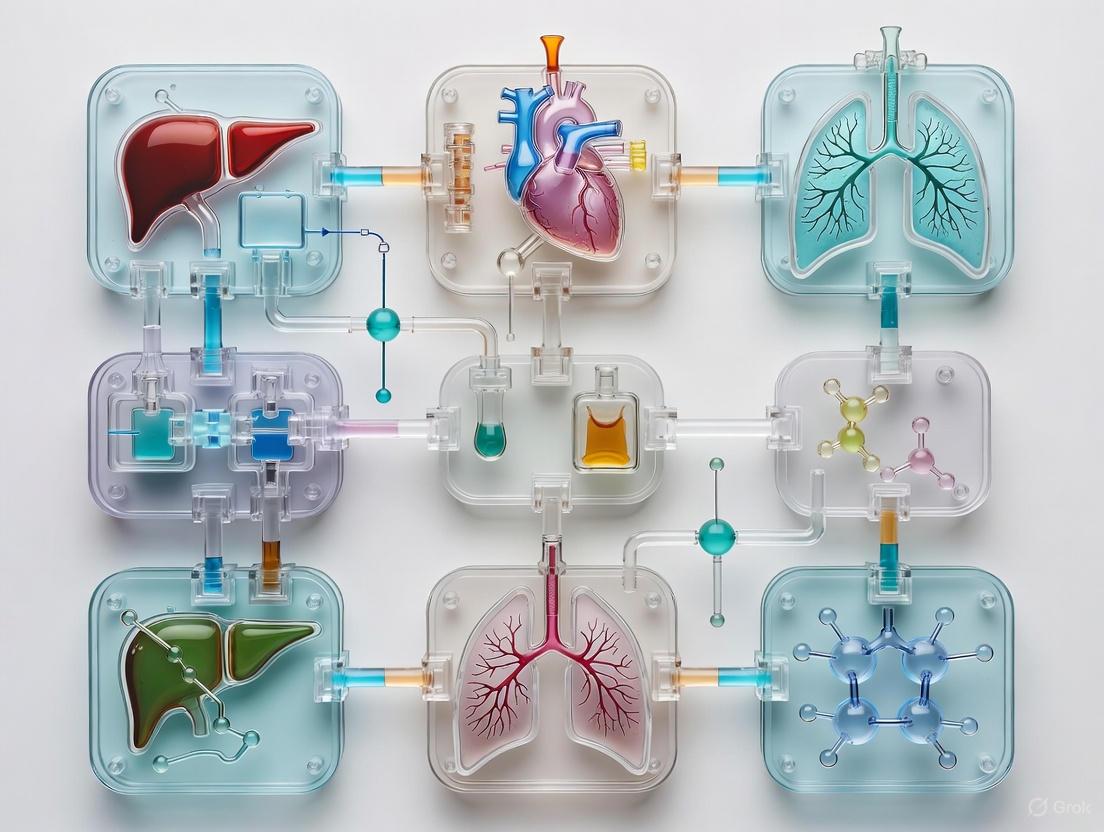
This article explores the transformative convergence of organ-on-a-chip (OOC) technology and synthetic biology, offering a comprehensive guide for researchers and drug development professionals.
Engineering Biology: How Organ-on-a-Chip Platforms Are Revolutionizing Synthetic Biology Research
Abstract
This article explores the transformative convergence of organ-on-a-chip (OOC) technology and synthetic biology, offering a comprehensive guide for researchers and drug development professionals. We examine the foundational principles of OOCs as engineered microphysiological systems, detail methodological approaches for integrating synthetic genetic circuits, address key troubleshooting challenges for model fidelity, and provide validation frameworks comparing OOCs to traditional models. By bridging controlled microenvironments with programmable biology, this synergy creates unprecedented opportunities for predictive human disease modeling, drug screening, and personalized medicine, ultimately aiming to reduce reliance on animal models and accelerate therapeutic discovery.
The Convergence of Synthetic Biology and Microphysiological Systems
Organ-on-a-Chip (OOC) technology represents a transformative approach in biomedical research, enabling the recapitulation of organ-level physiology and functionality within microengineered systems. These microfluidic devices contain engineered or natural miniature tissues grown under precisely controlled conditions that better mimic human physiology compared to traditional methods [1]. Unlike organoids, which form spontaneously and primarily recapitulate developmental processes, OOCs are engineered from the ground up to display specific functional properties of whole organs, such as barrier function, mechanical actuation, or metabolic activity [2]. This technical guide explores the core principles, design considerations, and experimental applications of OOC technology within the context of synthetic biology research, providing researchers and drug development professionals with a comprehensive framework for implementing these advanced in vitro models.
The fundamental distinction between OOCs and other model systems lies in their engineered complexity and control. While two-dimensional (2D) static cultures lack physiological relevance and animal models suffer from species differences, OOCs provide a human-reducible platform that captures essential aspects of tissue and organ function without attempting to reproduce entire organs at their original scale [3]. By combining advances in tissue engineering, microfabrication, and biomaterials, OOC systems have emerged as a promising alternative to bridge the gap between conventional in vitro models and human clinical trials [3] [4].
Core Principles and Definitions
Fundamental Characteristics of Organ-on-a-Chip Systems
Organ-on-a-Chip systems are defined by several key characteristics that distinguish them from traditional cell culture and organoid models. First, they incorporate microfluidic perfusion to deliver nutrients, remove waste, and expose cells to fluid shear stresses reminiscent of physiological conditions [5]. Second, they recreate tissue-tissue interfaces and mechanical forces such as cyclic strain (breathing motions) and fluid flow that are essential for maintaining tissue-specific functions [2] [6]. Third, they enable spatial organization of multiple cell types in a physiologically relevant architecture, often through the use of membrane-separated compartments or 3D extracellular matrices [1] [7].
The design philosophy of OOCs follows a reductionist approach, focusing on recreating the minimal functional unit of an organ that serves a specific research purpose. For instance, a lung-on-a-chip might recreate the alveolar-capillary interface for gas exchange studies [2], while a liver-on-a-chip might emphasize hepatocyte polarization and metabolic function [3]. This targeted functionality makes OOCs particularly valuable for drug development, disease modeling, and synthetic biology applications where specific physiological responses need to be measured in a human-relevant system.
Comparative Analysis of Model Systems
Table 1: Comparison of Organ-on-a-Chip Technology with Traditional Model Systems
| Specification | Organ-on-a-Chip | Conventional 2D Cell Culture | Organoids |
|---|---|---|---|
| Microenvironment | Dynamic fluid flow, mechanical cues, 3D architecture | Static, flat surface, limited cell-cell interactions | Self-organized 3D structure, limited mechanical cues |
| Physiological Relevance | High (recapitulates tissue interfaces, flow, and mechanical strains) | Low (oversimplified environment) | Moderate (developmental processes, limited functional maturation) |
| Control & Reproducibility | High (precise control over cellular organization and parameters) | High (standardized conditions) | Variable (self-organization leads to heterogeneity) |
| Throughput & Scalability | Moderate to high (compatible with automation and screening) | High (well-established for screening) | Moderate (challenging to standardize for HTS) |
| Complexity | Engineered complexity (designed tissue structures and interfaces) | Low complexity | Emergent complexity (self-organizing structures) |
| Primary Applications | Drug screening, disease modeling, toxicity testing, mechanistic studies | Basic research, initial drug screening, genetic studies | Developmental biology, disease modeling, personalized medicine |
The table above highlights the distinctive position of OOC technology in the experimental landscape. While 2D cultures offer simplicity and high-throughput capability, and organoids provide emergent complexity that mirrors developmental processes, OOCs occupy a unique niche with their engineered physiological relevance and precise experimental control [2] [5]. This makes them particularly suited for synthetic biology applications where predictable, measurable outputs are essential for testing designed genetic circuits or engineered tissues.
Design and Engineering Considerations
Materials and Fabrication Methods
The selection of materials and fabrication techniques is crucial for developing functional OOC platforms. Polydimethylsiloxane (PDMS) remains the dominant material in OOC fabrication due to its gas permeability, optical transparency, biocompatibility, and ease of replication via soft lithography [2] [3] [5]. However, PDMS has limitations, including absorption of small hydrophobic molecules and potential leaching of uncrosslinked oligomers, which has prompted exploration of alternative materials such as thermoplastic polymers (PMMA, PS, TPU) and hydrogels for more specialized applications [5].
Recent advances have introduced 3D printing as a fabrication method that offers improved reproducibility and accessibility for non-specialist laboratories [8]. For instance, a 2024 study demonstrated a 3D-printed multi-compartment platform with integrated impeller pumps that eliminated complex tubing arrangements, significantly enhancing user-friendliness while maintaining precise fluid control [8]. This trend toward standardization and accessibility is critical for broader adoption of OOC technology across the research community.
Key Design Modalities for Organ-on-a-Chip Systems
Table 2: Primary Design Modalities in Organ-on-a-Chip Technology
| Design Mode | Key Features | Representative Organs | Technical Considerations |
|---|---|---|---|
| Membranous Mode | Porous membrane separating fluid compartments; enables study of barrier function and trans-epithelial transport | Lung alveoli, blood-brain barrier, kidney tubules | Membrane porosity, material biocompatibility, electrical resistance measurements |
| Multicellular Co-culture | Multiple cell types in shared or connected chambers; enables cell-cell signaling and interactions | Liver sinusoid, bone marrow, tumor microenvironment | Cell ratio optimization, compartmentalization strategies, soluble factor exchange |
| Muscle Bundle | Tissues anchored between fixed points; enables measurement of contractile force and response to electrical stimulation | Cardiac muscle, skeletal muscle | Attachment point design, force measurement integration, electrical pacing capability |
| Mixed-form Chips | Combination of multiple modes; often incorporates organoids or tissue explants under perfusion | Brain organoids, lymph node models, tumor models | Integration complexity, scalability, analytical challenges |
The design modality selection depends directly on the biological questions being addressed and the functional readouts required. For instance, membranous designs are ideal for studying barrier integrity and transport phenomena, while muscle bundle configurations are essential for evaluating contractile function and pharmacological responses in cardiac or skeletal tissues [7].
Experimental Workflow for Organ-on-a-Chip Development
The development and implementation of an OOC platform follows a systematic workflow that integrates design, fabrication, biological integration, and analysis. The diagram below illustrates this multi-stage process:
Experimental Protocols and Case Studies
Bone Marrow-on-a-Chip for Toxicity Assessment
The bone marrow-on-a-chip platform exemplifies how OOC technology can recapitulate complex physiological functions for predictive toxicology. This model addresses the critical need for human-relevant systems to study hematopoiesis and drug-induced myelosuppression [6].
Experimental Protocol:
- Device Fabrication: Microfluidic device created with a vascular channel and parallel tissue channel separated by a porous membrane
- Cell Seeding: Endothelial cells seeded in the vascular channel; CD34⁺ hematopoietic progenitor and stromal cells embedded in fibrin gel within the tissue channel
- Perfusion Culture: Continuous medium perfusion established at physiologically relevant flow rates (0.1-10 µL/min)
- Tissue Maturation: System maintained for 2-4 weeks to support differentiation of multiple blood cell lineages
- Toxicity Testing: Exposure to chemotherapeutic agents or radiation at clinically relevant doses
- Analysis: Assessment of lineage-specific depletion, cellular viability, and functional alterations [6]
Key Findings:
- The platform accurately recapitulated clinical hematologic toxicities, including granulocytic lineage suppression after chemotherapeutic exposure
- When seeded with patient-derived cells from Shwachman-Diamond syndrome patients, the model reproduced disease-specific phenotypes including impaired neutrophil maturation
- The system maintained functional hematopoiesis for over four weeks, significantly longer than conventional static cultures [6]
Spinal Cord-on-a-Chip for Neurodegenerative Disease Modeling
A spinal-cord organ-chip (SC-Chip) demonstrates the application of OOC technology to study complex neurodegenerative diseases like amyotrophic lateral sclerosis (ALS) using patient-specific cells [6].
Experimental Protocol:
- iPSC Differentiation: Induced pluripotent stem cells (iPSCs) from ALS patients and healthy controls differentiated into spinal motor neurons
- Device Setup: Two adjacent microchannels separated by a porous membrane
- Cell Seeding: Motor neurons seeded in one channel; induced brain microvascular endothelial cells (iBMECs) seeded in the adjacent channel to form a blood-brain barrier-like interface
- Perfusion Culture: Continuous medium perfusion applied to both channels
- Functional Assessment: Measurement of neuron survival, morphology, synaptic activity, and barrier integrity over several weeks
- Molecular Analysis: Bulk and single-cell RNA sequencing to identify disease-associated transcriptional changes [6]
Key Findings:
- The perfused SC-Chip supported enhanced maturation and survival of human motor neurons compared to static cultures
- ALS patient-derived chips revealed disease-specific alterations in glutamatergic signaling, metabolic regulation, and neurofilament accumulation not detected in traditional systems
- The integrated blood-brain-like barrier exhibited functional permeability properties, enabling study of barrier dysfunction in ALS pathology [6]
Multi-Organ Systems for Systemic Response Analysis
Advanced OOC platforms now incorporate multiple organ compartments linked through vascular perfusion to study inter-organ communication and systemic drug responses. These multi-organ chips represent the cutting edge of OOC technology, enabling researchers to capture complex physiological interactions that cannot be observed in isolated systems [1] [3].
Experimental Protocol:
- Individual Organ Compartment Design: Development of specialized modules for each organ of interest (e.g., liver, gut, kidney)
- Fluidic Coupling: Connection of organ compartments via microfluidic channels simulating vascular circulation
- Common Media Perfusion: Use of shared circulating medium to mimic blood-mediated communication
- Real-time Monitoring: Integration of sensors for continuous measurement of metabolic parameters, barrier integrity, and functional outputs
- System Validation: Demonstration of stable homeostasis and organ-specific responses across compartments
- Pharmacokinetic Studies: Administration of compounds with sequential measurement of metabolism, distribution, and organ-specific effects [3]
Key Findings:
- Multi-organ systems have demonstrated recirculating metabolite transport and organ-organ signaling that mimics in vivo responses
- These platforms have shown improved prediction of human pharmacokinetics and toxicity profiles compared to single-organ models
- Linked systems have successfully modeled complex physiological processes such as gut-liver axis interactions and neurovascular coupling [3] [4]
The Scientist's Toolkit: Essential Research Reagents and Materials
Table 3: Key Research Reagent Solutions for Organ-on-a-Chip Applications
| Reagent/Material | Function | Application Examples | Technical Considerations |
|---|---|---|---|
| PDMS (Polydimethylsiloxane) | Elastomeric polymer for device fabrication; gas permeable, optically transparent | Universal material for rapid prototyping via soft lithography | Absorption of small hydrophobic molecules; potential leaching of uncrosslinked oligomers |
| Primary Human Cells | Patient-specific or donor-derived cells maintaining original phenotype and function | Disease modeling, personalized medicine, toxicity assessment | Limited availability, donor-to-donor variability, finite lifespan in culture |
| iPSCs (Induced Pluripotent Stem Cells) | Patient-derived reprogrammed cells with differentiation potential | Disease modeling, genetic disorders, personalized drug screening | Differentiation efficiency, batch-to-batch variability, genetic stability |
| Extracellular Matrix Hydrogels | Biomatrix providing 3D structural support and biochemical cues | Tissue morphogenesis, cell migration studies, barrier formation | Matrix composition, stiffness, batch variability, polymerization conditions |
| Parylene C | Biocompatible coating for 3D-printed devices | Surface modification for improved cell compatibility and reduced compound absorption | Coating uniformity, thickness optimization, adhesion to substrate |
| Microfluidic Pumps | Precision fluid handling for perfusion culture | Maintenance of steady flow rates, compound administration, shear stress control | Flow rate accuracy, pulsatility, miniaturization, integration options |
The selection of appropriate reagents and materials is critical for successful OOC implementation. Researchers must consider factors such as biological relevance, compatibility with analytical methods, and practical constraints related to availability, cost, and reproducibility when designing their experimental systems [8] [5] [6].
Analytical Methods and Data Integration
Functional Assessment Techniques
A key advantage of OOC platforms is the ability to integrate multiple analytical approaches to comprehensively evaluate tissue function. Real-time, non-invasive monitoring techniques are particularly valuable for capturing dynamic responses to experimental perturbations.
Barrier Integrity Assessment:
- Transendothelial/Transepithelial Electrical Resistance (TEER): Continuous measurement of barrier integrity using integrated electrodes
- Fluorescent Tracer Flux: Quantification of permeability using molecular probes of varying sizes
- Imaging-Based Analysis: Confocal assessment of tight junction organization and continuity
Metabolic and Functional Monitoring:
- Metabolite Analysis: Measurement of glucose consumption, lactate production, and organ-specific metabolites
- Oxygen Consumption: Real-time monitoring of oxygen levels using integrated sensors
- Contractile Function: Video-based analysis of cardiac or skeletal muscle contraction frequency and force
- Electrical Activity: Microelectrode arrays for recording neuronal or cardiac electrophysiology [1] [7]
Molecular Analysis Integration
OOC platforms are compatible with a wide range of molecular analysis techniques, enabling researchers to connect tissue-level functions with underlying molecular mechanisms. Endpoint analyses typically require device disassembly or fluid sampling, while some non-destructive methods allow repeated measurements over time.
Omics Integration:
- Transcriptomics: RNA sequencing of retrieved cells to identify gene expression changes
- Proteomics: Analysis of secreted proteins in effluents or cell lysates
- Metabolomics: Comprehensive profiling of metabolites in circulating media
- Single-Cell Analysis: Integration with single-cell RNA sequencing to resolve cellular heterogeneity [7] [6]
Data Management and Computational Integration
The complexity and multidimensionality of OOC data necessitate robust computational infrastructure for data management and analysis. Specialized databases such as the BioSystics Analytics Platform (BAP) and the organ-on-a-chip database (Ocdb) have been developed to support study design, data storage, visualization, and analysis [7].
These platforms address the critical need for standardized data formats and analytical workflows in the OOC field, enabling meta-analyses across different platforms and experimental conditions. Integration with computational modeling approaches, including physiologically based pharmacokinetic (PBPK) models, further enhances the predictive power of OOC systems by extrapolating in vitro results to in vivo outcomes [7].
Organ-on-a-Chip technology represents a paradigm shift in biological research, offering engineered microphysiological systems that bridge the gap between traditional cell culture and animal models. By recapitulating critical aspects of human physiology—including tissue-tissue interfaces, mechanical forces, and vascular perfusion—OOCs provide a human-relevant platform for drug development, disease modeling, and synthetic biology applications.
The distinctive value proposition of OOCs lies in their engineered functionality and precise environmental control, which differentiates them from both static cultures and self-organizing organoids. As the technology continues to mature, key challenges remain in standardization, scalability, and analytical complexity. However, recent advances in modular design, user-friendly fabrication, and integrated analysis are addressing these limitations and accelerating adoption across the research community.
For synthetic biology applications specifically, OOCs offer an ideal testbed for engineered genetic circuits and cellular therapies, providing a more physiologically relevant environment than traditional culture systems while maintaining the experimental control necessary for rigorous validation. As these platforms become increasingly accessible and sophisticated, they promise to transform our approach to understanding human biology and developing novel therapeutics.
Organ-on-a-Chip (OOC) technology represents a revolutionary approach in synthetic biology and biomedical research, enabling the emulation of human organ functions on microengineered platforms. By integrating principles from tissue engineering, microfabrication, and biomaterials science, OOCs create biomimetic microenvironments that replicate key aspects of human physiology and disease. These microphysiological systems have gained significant traction as next-generation experimental platforms for investigating human pathophysiology and evaluating therapeutic interventions, potentially overcoming the limitations of conventional 2D cell cultures and animal models [1] [9]. The core architecture of any OOC platform rests upon three fundamental components: cells that perform organ-specific functions, scaffolds that provide structural and biochemical support, and bioreactors that maintain physiological conditions and enable functional assessments. This technical guide examines each component in detail, providing synthetic biology researchers and drug development professionals with a comprehensive framework for designing and implementing physiologically relevant OOC systems.
Cells: The Living Engineers
Cells serve as the primary functional units within OOC platforms, responsible for executing organ-specific tasks and responding to pharmacological stimuli. The selection and maturation of appropriate cell sources are critical for establishing biologically relevant models.
Multiple cell sources can be utilized in OOC platforms, each offering distinct advantages for synthetic biology applications:
- Primary human cells: Isolated directly from human tissues, these cells maintain native functionality but have limited expansion capability and donor-to-donor variability [2].
- Induced pluripotent stem cells (iPSCs): Patient-specific cells reprogrammed to pluripotency then differentiated into target lineages, enabling personalized disease modeling and drug testing [1]. iPSCs allow for the creation of patient-specific models that account for genotypic differences between individuals [10].
- Cell lines: Immortalized cells (e.g., Caco-2 for intestine, HepG2 for liver) offer unlimited expansion capacity but may exhibit altered functionality compared to primary cells [1].
A key advancement in OOC development has been the implementation of co-culture systems that incorporate multiple cell types to better replicate the native tissue microenvironment. The supporting cells (fibroblasts, pericytes, vasculature) in the stromal environment largely determine tissue functionality through molecular and physical signaling and deposition of extracellular matrix [2]. For instance, a gut-on-a-chip model demonstrated enhanced differentiation of intestinal epithelial cells when co-cultured with vascular endothelial cells and microbial flora under fluid flow and peristalsis-like motions [1].
Cell Maturation and Phenotypic Stability
Achieving and maintaining mature, adult-like phenotypes in OOC models remains a significant challenge. Three primary approaches have been developed to enhance tissue maturation:
- Developmental engineering: Utilizing developmental cues and extended culture times to guide cells through maturation processes [2].
- Biomimetic engineering: Replicating key aspects of the in vivo environment through mechanical stimuli, 3D culture, and multiple cell types [2].
- Bioactivation: Actating specific pathways through endogenous signaling, environmental stimuli, or transcription factors [2].
Table 1: Strategies for Enhancing Cell Maturity in OOC Platforms
| Strategy | Key Features | Examples | Considerations |
|---|---|---|---|
| Developmental Engineering | Uses developmental cues, extended culture duration | Kidney glomerulus maturation [2] | Time-intensive, may require complex signaling pathways |
| Biomimetic Engineering | Replicates in vivo environment (mechanical stimuli, 3D architecture) | Breathing motions in lung-on-a-chip [2]; Fluid perfusion in vascularized models [1] | Requires specialized equipment, complex device design |
| Bioactivation | Activates specific pathways via signaling or transcription factors | Enhanced contractility in cardiac muscle [2] | Precise control required, potential for off-target effects |
Scaffolds: The Synthetic Extracellular Matrix
Scaffolds provide the three-dimensional structural framework that supports cell attachment, proliferation, and tissue organization in OOC platforms, mimicking the native extracellular matrix (ECM).
Biomaterial Selection and Properties
The ideal scaffold material must balance biocompatibility, mechanical properties, and manufacturability. Several biomaterials are commonly used in OOC applications:
- Polydimethylsiloxane (PDMS): A silicone-based elastomer widely used due to its optical clarity, gas permeability, and ease of fabrication via soft lithography [1] [2]. Limitations include hydrophobic surface and potential absorption of small molecules.
- Natural polymers: Collagen, fibrin, and hyaluronic acid derivatives provide biological recognition sites that support cell adhesion and function [1]. For example, RGD-modified hyaluronic acid hydrogels have been shown to improve mesenchymal stem cell resilience to ischemic conditions [1].
- Synthetic biodegradable polymers: Poly(lactic-co-glycolic acid) (PLGA) and poly(ε-caprolactone) (PCL) offer tunable mechanical properties and degradation rates [2].
- Decellularized extracellular matrix: Retains native tissue-specific biochemical composition and architecture, providing an optimal microenvironment for cell growth [2].
Scaffold Fabrication Techniques
Advanced fabrication methods enable precise control over scaffold architecture and properties:
- Soft lithography: Enables creation of microfluidic channels and chambers using PDMS molded from photolithographically patterned masters [1] [2].
- Vat photopolymerization 3D printing: Techniques including stereolithography (SLA) and digital light processing (DLP) create highly precise porous structures from biocompatible photo-crosslinkable resins [11]. These methods are particularly valuable for fabricating gradient scaffolds that mimic complex tissue interfaces like osteochondral tissue [11].
- Microfabrication: Allows creation of culture spaces and channels with micron-scale resolution to control cellular organization and fluid flow patterns [12] [2].
Table 2: Scaffold Fabrication Techniques for OOC Applications
| Fabrication Method | Resolution | Materials Compatible | Key Applications |
|---|---|---|---|
| Soft Lithography | ~1 μm | Primarily PDMS | Microfluidic channels, membrane-integrated devices [2] |
| Stereolithography (SLA) | 25-100 μm | Photocrosslinkable resins (PEGDA, GelMA) | High-precision porous scaffolds, anatomical structures [11] |
| Digital Light Processing (DLP) | 10-50 μm | Photocrosslinkable resins | Gradient scaffolds, complex 3D architectures [11] |
| Two-Photon Polymerization | <100 nm | Photopolymers | Nanoscale features, detailed tissue mimics [11] |
Advanced Scaffold functionalities
Emerging scaffold technologies incorporate dynamic and responsive capabilities:
- Adaptive-responsive biomaterials: Scaffolds that can sense and respond to cellular and environmental signals, enabling a shift from predetermined properties to dynamically changing microenvironments [2].
- Bioactive functionalization: Incorporation of adhesion peptides, growth factors, or enzymatic cleavage sites to guide cell behavior [11].
- Mechanical gradient scaffolds: Architectures with spatially varying stiffness to mimic tissue interfaces such as the bone-cartilage junction [11].
Bioreactors: The Dynamic Culture Environment
Bioreactors in OOC platforms provide the dynamic culture environment necessary to maintain tissue viability and function, incorporating fluid flow, mechanical stimuli, and real-time monitoring capabilities.
Microfluidic Design and Perfusion Systems
Microfluidic circuits form the foundation of OOC bioreactors, enabling precise control over the cellular microenvironment:
- Continuous perfusion: Mimics blood flow, enhancing nutrient delivery, waste removal, and molecular transport compared to static culture [1] [2]. Perfusion systems have been shown to enhance the differentiation of Caco-2 cells into intestinal epithelium with physiological architectures and functions [1].
- Shear stress control: Applied fluid shear influences cell morphology and function, particularly important for endothelial cells, renal tubules, and hepatic models [2].
- Multi-tissue integration: Interconnected microfluidic circuits allow coupling of multiple organ models through vascular perfusion of a shared blood substitute, enabling study of organ-organ interactions and systemic diseases [2] [13].
Practical implementation requires careful consideration of bubble traps, proper control of temperature, and gas equilibration in media to maintain cell viability and experimental reproducibility [1].
Mechanical Stimulation
Many OOC platforms incorporate mechanical forces to better mimic the native tissue environment:
- Cyclic stretching: Applied to simulate breathing motions in lung models [2] or pulsatile flow in vascular systems.
- Compressive loading: Used in cartilage and bone models to emulate physiological loading conditions.
- Peristalsis-like motions: Incorporated in gastrointestinal models to enhance physiological relevance [1].
The application of these biomechanical cues has been demonstrated to enhance tissue maturation and function. For example, breathing motions in a lung-on-a-chip model enhanced recruitment of circulating immune cells to the inflamed alveolar-capillary interface [2].
Bioreactor Types and Performance
Different bioreactor designs offer varying capabilities for OOC applications:
- Spinner flask bioreactors: Provide convective mixing through magnetic stirring, demonstrating enhanced cell proliferation (60% increase at day 7), alkaline phosphatase activity (2.4 times higher at day 14), and mineralization (6.6 times higher calcium deposition at day 21) compared to static cultures in bone tissue engineering [14]. Limitations include uneven nutrient distribution within scaffolds and exposure of cells to potentially stressful shear forces [14].
- Perfusion bioreactors: Utilize continuous medium flow through scaffolds, promoting more homogeneous cell distribution and reducing shear stress compared to spinner flasks [14].
- Rotating wall vessel bioreactors: Provide low-shear environments by maintaining constructs in free-fall through the culture medium, though they may show reduced performance for certain tissues like bone [14].
Table 3: Comparison of Bioreactor Systems for OOC Applications
| Bioreactor Type | Mechanism | Shear Stress | Nutrient Transport | Applications |
|---|---|---|---|---|
| Spinner Flask | Convective mixing via stirring | High at scaffold surface | Limited penetration into scaffolds | Bone tissue engineering, initial cell seeding [14] |
| Perfusion System | Continuous flow through scaffold | Controlled, uniform | Enhanced intra-scaffold transport | Vascularized tissues, barrier models [1] [14] |
| Rotating Wall Vessel | Free-fall simulation | Low, uniform | Diffusion-dominated | 3D microtissues, cell aggregates [14] |
| Microfluidic OOC | Laminar flow in microchannels | Precise control | Efficient at microscale | Multi-tissue systems, organ-organ interactions [1] [2] |
Integrated Sensing and Monitoring
Real-time monitoring of OOC platforms is essential for ensuring microenvironmental homeostasis and assessing tissue functionality. Integrated biosensors provide continuous, non-invasive data collection.
Electrochemical Biosensors
Electrochemical biosensors offer high sensitivity and easy integration with microfluidic systems:
- Dissolved oxygen sensors: Based on detection of current produced from oxygen reduction reaction [10]. Continuous monitoring of DO concentrations can be achieved with microelectrode arrays using amperometric concentration of oxygen reduction [10].
- Metabolite sensors: Amperometric sensors quantify electrons produced by redox reactions of glucose or lactate, with reported sensitivities of 322 ± 41 nA mM−1 mm−2 for glucose and 443 ± 37 nA mM−1 mm−2 for lactate [10].
- Transepithelial/transendothelial electrical resistance (TEER): Measures electrical resistance across cellular barriers to assess integrity and function in real-time [10]. Gold electrodes integrated into polycarbonate substrates have enabled TEER monitoring of blood-brain barrier models for at least one week of culture [10].
- Impedance spectroscopy (EIS): Enables detection of specific biomarkers using antibodies or aptamers, achieving low limits of detection (e.g., 0.09 ng/mL for albumin, 0.01 ng/mL for GST-α, and 0.024 ng/mL for CK-MB) [10].
Optical Biosensors
Optical sensing modalities provide label-free, minimally invasive monitoring:
- pH sensing: Microfluidic optical pH sensing platforms detect light absorbed by phenol red in culture media, with absorption increasing as pH rises [10].
- Oxygen monitoring: Based on photoluminescence quenching effect of oxygen, utilizing ruthenium- and metalloporphyrin-based fluorophores with high quenching constants [10].
- Surface plasmon resonance (SPR): Detects biomolecule binding through changes in refractive index, with nanohole array-enhanced SPR achieving detection of vascular endothelial growth factor with LOD of 145 pg/mL [10].
The Scientist's Toolkit: Essential Research Reagents and Materials
Successful OOC platform development requires careful selection of research reagents and materials. The following table outlines essential components for establishing physiologically relevant systems.
Table 4: Essential Research Reagents and Materials for OOC Platform Development
| Category | Specific Examples | Function | Application Notes |
|---|---|---|---|
| Cell Sources | Primary human hepatocytes, iPSC-derived cardiomyocytes, Caco-2 intestinal cells | Provide organ-specific functionality | Consider donor variability, differentiation efficiency, and phenotypic stability [1] [2] |
| Scaffold Materials | PDMS, collagen, fibrin, hyaluronic acid, PLGA, decellularized ECM | 3D structural support, biochemical signaling | Balance biocompatibility with manufacturability; consider mechanical properties [1] [2] [11] |
| Surface Modifiers | RGD peptides, fibronectin, laminin, ECM protein coatings | Enhance cell adhesion and function | Crucial for synthetic materials like PDMS [1] |
| Culture Media | Organ-specific formulations, vascular perfusion medium | Nutrient supply, physiological maintenance | May require different compositions for multi-organ systems [2] |
| Biosensing Elements | Antibodies for biomarkers, enzyme substrates (glucose oxidase), fluorescent dyes | Real-time monitoring of microenvironment and tissue function | Ensure compatibility with microfluidic integration [10] |
| Fabrication Materials | Photoresists (SU-8), PEGDA, GelMA, silicone elastomers | Device and scaffold fabrication | Consider optical properties, stiffness, and gas permeability [1] [11] |
The continued advancement of OOC technology hinges on addressing several key challenges while leveraging emerging opportunities. Future developments will likely focus on enhancing functional integration across multiple organ systems, improving predictive capacity for human physiological responses, and establishing standardized validation protocols to ensure reliability and reproducibility [12] [13]. The integration of patient-specific iPSCs with OOC technology presents particularly promising opportunities for personalized medicine and drug development [1] [2].
From a synthetic biology perspective, OOC platforms provide an ideal testbed for implementing engineered genetic circuits within physiologically relevant human microtissues. This convergence enables researchers to not only observe biological processes but to actively program and manipulate cellular responses within organ-like contexts. As these technologies mature, they have the potential to dramatically accelerate drug discovery, reduce reliance on animal models, and ultimately deliver more effective, personalized therapeutics [9] [13].
In conclusion, the synergistic integration of cells, scaffolds, and bioreactors forms the foundation of robust OOC platforms that can faithfully replicate human physiology. By carefully selecting and optimizing each component, researchers can create increasingly sophisticated models that bridge the gap between conventional in vitro systems and complex in vivo environments, opening new frontiers in synthetic biology and pharmaceutical development.
The convergence of synthetic biology and organ-on-a-chip (OoC) technologies is creating a revolutionary paradigm in biomedical research and drug development. OoCs are microfluidic devices that culture living human cells in continuously perfused, micrometer-sized chambers to simulate physiological functions of organs and tissues [1]. By integrating synthetic biology's engineering principles—including genetically encoded reporters, biosensors, and genetic circuits—researchers can transform these living systems into sophisticated, data-rich platforms. This synergy enables real-time monitoring of complex cellular behaviors and responses within a human-relevant, physiologically active context, thereby accelerating the drug discovery pipeline and reducing reliance on traditional animal models [15] [16].
The adoption of these advanced in vitro models is being driven by significant shifts in the regulatory landscape towards New Approach Methodologies (NAMs) [15]. Furthermore, OoC technology holds the potential to make biomedical research more equitable by reducing global disparities in research capacity [16]. This technical guide details the core synthetic biology tools that are empowering researchers to build more predictive and human-relevant biological systems.
Reporter Systems for Real-Time Monitoring
Reporter systems are fundamental synthetic biology tools that generate a quantifiable signal in response to a specific cellular event. Their integration into OOCs allows for non-destructive, longitudinal monitoring of gene expression, protein localization, and cell fate decisions within dynamic microenvironments.
Key Characteristics and Applications
- Continuous Data Acquisition: Unlike endpoint assays, reporters facilitate the continuous tracking of biological processes over the entire duration of an experiment, which is crucial for capturing rare or transient events in organ-level models.
- High-Content Readouts: When coupled with automated imaging systems, such as those in Emulate's AVA Emulation System, reporter assays can generate vast, high-dimensional datasets ideal for machine learning [17]. A single typical 7-day experiment can yield over 30,000 time-stamped data points [17].
- Multiplexing Capability: By utilizing reporters with distinct spectral properties (e.g., GFP, RFP, luciferase), multiple pathways or cell types can be monitored simultaneously within a single OoC, providing a systems-level view of intercellular communication.
Table 1: Common Reporter Systems and Their Applications in OoC Research
| Reporter Type | Detection Modality | Temporal Resolution | Primary Applications in OoC | Key Considerations |
|---|---|---|---|---|
| Fluorescent Proteins (e.g., GFP, RFP) | Fluorescence microscopy | Real-time to minutes | Gene expression dynamics, protein localization, cell fate tracking | Requires transparent chips; can be phototoxic; signal is relative |
| Luciferase | Bioluminescence | Minutes to hours | Low-background gene expression reporting, drug efficacy screening | No external excitation needed; highly sensitive; requires substrate addition |
| Secreted Alkaline Phosphatase (SEAP) | Colorimetric/Luminescent assay of effluent | Hours | Monitoring secreted factors, inflammatory responses | Enables non-invasive sampling of microfluidic effluent [17] |
| pH/Metabolic Indicators | Fluorescence intensity/FRET | Seconds to minutes | Metabolic activity, glycolytic flux, organ-level toxicity | Reports on cellular physiology and health in tissues |
Biosensors for Analyzing Signaling and Metabolism
Biosensors are engineered modules that detect and report the presence or concentration of a specific intracellular or extracellular molecule. They are indispensable for quantifying dynamic biochemical changes within the complex tissue microenvironments of OoCs.
Principles and Design Strategies
Biosensors typically consist of a sensing domain (e.g., a ligand-binding protein or promoter) and an output domain (e.g., a fluorescent protein). Genetically Encoded (GE) biosensors are directly integrated into the cellular genome, allowing for real-time tracking in specific cell types within a co-culture. The design and operation of a biosensor workflow in an OoC involves several critical steps, from molecular engineering to data acquisition.
Diagram 1: Biosensor Development Workflow
Functional Classes of Biosensors in OoCs
- Metabolite Biosensors: These sensors detect small molecules like glucose, lactate, or ATP. They are critical for monitoring the metabolic status of tissues, such as in liver-on-a-chip models used for drug-induced liver injury (DILI) prediction [17].
- Ion Biosensors: GE biosensors for calcium (e.g., GCaMP), potassium, and other ions can report on neuronal activity in brain-on-a-chip models or cardiotoxicity in heart-on-a-chip systems.
- Kinase Activity Biosensors: These sensors reveal the dynamics of key signaling pathways (e.g., MAPK, AKT) in response to drug treatments or disease modeling, providing mechanistic insights into drug action.
Genetic Circuits for Programming Cellular Behavior
Genetic circuits represent the pinnacle of synthetic biology's application in OoCs. These are assemblies of interconnected genetic elements (promoters, repressors, activators) designed to perform complex, pre-programmed functions within a cell, enabling sophisticated control over cellular behavior for advanced experimental modeling.
Circuit Design and Logic in Physiological Contexts
The power of genetic circuits lies in their ability to implement Boolean logic operations (AND, OR, NOT) within cells. This allows for the creation of cell-based assays that respond only to specific combinations of stimuli, dramatically increasing specificity and predictive power. For instance, a circuit could be designed to trigger apoptosis only in the presence of two distinct disease biomarkers.
Diagram 2: Two-Input AND Gate Genetic Circuit
Advanced Circuit Applications in Disease Modeling and Therapy
- Closed-Loop Therapeutic Circuits: Future applications involve circuits that can detect a disease state (e.g., inflammation) and autonomously produce and deliver a therapeutic molecule (e.g., an anti-inflammatory cytokine) in a feedback-controlled manner, essentially creating a "smart" organoid within the OoC.
- Cell-Cell Communication Circuits: Using quorum-sensing modules from bacteria or engineered mammalian signaling systems, circuits can be distributed across different cell types within a multi-tissue OoC. This allows for the study of complex inter-organ signaling, such as gut-liver or brain-periphery axes [17] [1].
- Oncology Models: Genetic circuits can be used to engineer tumor cells that report on specific oncogenic signaling pathways, metastatic potential, or response to immunotherapies in a tumor-microenvironment-on-a-chip.
Experimental Protocols for OoC Integration
The successful integration of synthetic biology tools into OoCs requires standardized protocols that account for the unique constraints and opportunities of microphysiological systems.
Protocol: Validating a Biosensor in a Liver-Chip for Toxicity Screening
This protocol outlines the steps for establishing a liver-on-a-chip model with a genetically encoded biosensor to screen for compound-induced toxicity.
Step 1: Cell Line Engineering
- Procedure: Transduce primary human hepatocytes or HepG2 cells with a lentiviral vector encoding a biosensor for a key stress pathway (e.g., Nrf2 oxidative stress pathway). Use a selectable marker (e.g., puromycin) to generate a stable polyclonal cell line.
- Critical Note: Validate biosensor functionality in 2D culture using known activators before proceeding to 3D OoC culture.
Step 2: OoC Inoculation and Culture
- Procedure: Seed the biosensor-expressing hepatocytes into the parenchymal channel of a commercially available liver-chip (e.g., Emulate's Liver-Chip or CN Bio's PhysioMimix Liver model) [15] [17]. Introduce relevant non-parenchymal cells (e.g., Kupffer cells) into the same or an adjacent channel if modeling a complex tissue. Allow the tissue to mature for 5-7 days under continuous perfusion with appropriate media.
Step 3: Compound Dosing and Data Acquisition
- Procedure: Introduce the test compound(s) into the microfluidic flow at physiologically relevant concentrations. For repeat-dose toxicity studies, use the system's recirculating media capabilities to maintain compound exposure [15].
- Data Collection: Use automated, time-lapse microscopy (a feature of platforms like the AVA Emulation System [17]) to track biosensor activation (e.g., fluorescence intensity/nuclear translocation) every few hours over several days.
Step 4: Endpoint Analysis and Multi-omics Integration
- Procedure: At the end of the experiment, recover cells from the chip for downstream analysis.
- Transcriptomics: Isolate RNA for RNA-seq to validate biosensor responses against global gene expression changes.
- Metabolomics: Analyze collected effluent media to measure metabolic byproducts and assess functional impairment.
- Data Correlation: Correlate the kinetic biosensor data with the endpoint omics data to build a comprehensive model of compound toxicity.
The Scientist's Toolkit: Key Research Reagent Solutions
Table 2: Essential Materials and Reagents for Synthetic Biology OoC Experiments
| Item/Category | Function/Description | Example Use Case in OoC |
|---|---|---|
| CN Bio PhysioMimix Core | A benchtop OOC platform supporting single-organ, multi-organ, and higher-throughput configurations [15]. | Used for creating human-relevant liver, kidney, or multi-organ models for ADME/Tox studies. |
| Emulate Chip-S1/Chip-R1 | Microfluidic consumables; Chip-R1 is a non-PDMS, rigid chip with low drug absorption [17]. | Ideal for ADME and toxicology applications where compound loss to the chip material is a concern. |
| Lentiviral Transduction Particles | For efficient and stable gene delivery into primary and stem cells, enabling creation of reporter/biosensor cell lines. | Generating stable hepatocyte cell lines expressing cytochrome P450 reporters for metabolism studies. |
| Cytoscape Software | An open-source platform for visualizing complex molecular interaction networks [18]. | Integrating and visualizing multi-omics data (e.g., from transcriptomics and proteomics) generated from OoC experiments. |
| EuGeneCiD/EuGeneCiM Tools | Computational tools for the design and modeling of genetic circuits in synthetic biology [19]. | In silico design and optimization of genetic circuits before their assembly and testing in OoC models. |
| Hydrogel Matrices (e.g., Collagen, Matrigel) | Provide a 3D extracellular matrix environment that supports complex tissue morphogenesis and function [17] [1]. | Creating in vivo-like environments for intestinal, brain, or tumor models within microfluidic chips. |
The integration of synthetic biology tools with organ-on-a-chip technology is moving biomedical research into a new era of predictive precision. Reporters, biosensors, and genetic circuits provide the necessary "eyes" and "brains" to observe and control complex biological processes within human-relevant tissues. As these tools become more sophisticated and their adoption more widespread, they will undoubtedly play a central role in de-risking drug candidates, personalizing therapeutic strategies, and fundamentally expanding our understanding of human physiology and disease. The future will see a tighter integration of computational design tools, automated OoC platforms, and advanced synthetic biology modules, ultimately leading to the development of fully programmable, human-based experimental systems.
The field of tissue engineering (TE) has undergone a profound evolution, transitioning from simple cell-scaffold constructs (TE 1.0) to bioinspired, inductive materials (TE 2.0), and finally to the current era of dynamic, personalized microphysiological systems (TE 3.0). This progression is characterized by increasing biological fidelity and functional complexity, largely driven by advances in organ-on-a-chip (OOC) technology and synthetic biology. OOC platforms, which are microfluidic devices lined with living human cells that recapitulate organ-level structures and functions, have emerged as a powerful experimental framework for synthetic biology research. They provide the precise, controllable environments necessary to deploy synthetic genetic circuits, study their behavior in human-relevant tissue contexts, and iterate design principles. This whitepaper details the core principles, technological pillars, and experimental methodologies of the contemporary TE paradigm, framing them within the context of their application to advanced in vitro modeling and therapeutic development.
The classic Tissue Engineering Paradigm, as defined in the early 1990s, involves the combination of living cells, a scaffold or matrix, and physiochemical stimuli to create biological substitutes that restore, maintain, or improve tissue function [20]. Over the past three decades, this paradigm has evolved through distinct generations, each marked by increasing sophistication.
- TE 1.0 focused on the foundational principle of combining cells with passive, biocompatible scaffolds to create three-dimensional (3D) tissue constructs, primarily for reparative and regenerative purposes [21]. The primary challenge was achieving sufficient cell viability and integration with host tissues.
- TE 2.0 introduced bioactive second-generation biomaterials. These scaffolds were designed not only for structural support but also to elicit a controlled interaction with the host tissue environment, often through tailored biodegradation and the inclusion of signaling molecules to guide cellular behavior [21].
- TE 3.0, the current generation, is defined by smart, biomimetic systems that are both osteoconductive and osteoinductive. A key feature of TE 3.0 is the shift toward creating in vitro models that replicate the dynamic, multi-tissue interactions of human biology for drug screening, disease modeling, and personalized medicine [21] [20]. This generation is characterized by the integration of TE principles with OOC technology, advanced biosensing, and synthetic biology tools to create predictive human-on-a-chip systems.
The following diagram illustrates the logical progression and defining focus of each generation within the Tissue Engineering Paradigm.
Figure 1: The logical evolution of the Tissue Engineering paradigm, from foundational constructs to predictive human models.
Core Principles and Components of the Modern TE Paradigm
The modern TE 3.0 paradigm rests on three essential pillars, often termed the "Three S's": Scaffolding, Seeding, and Stimuli [22]. When integrated within an OOC platform, these components enable the creation of highly sophisticated models for synthetic biology research.
Scaffolding: Engineering the Microenvironment
The scaffold serves as a synthetic extracellular matrix (ECM), providing the 3D architectural and mechanical context for the cells. In TE 3.0, scaffold design has moved beyond simple structural support to actively direct cell fate.
- Material Selection and Properties: The choice of biomaterial is critical and depends on the target tissue. Ceramics and their composites are typically used for hard tissues like bone due to their high stiffness and load-bearing properties, while polymers and hydrogels are employed for soft tissues [20]. Material properties such as elastic modulus, degradation rate, and ligand density are tuned to match the healthy or pathological state of the tissue being modeled [20].
- Biofunctionalization: Scaffolds are often modified with bioactive molecules, such as the RGD peptide sequence, to promote specific cell interactions like adhesion and spreading [20]. For synthetic biology applications, materials can be further engineered to release inducters or reporters in response to specific genetic circuit outputs.
- Fabrication for OOC: Within OOC devices, scaffolds are often microfabricated or consist of hydrogel matrices injected into the microfluidic channels. This allows for the precise creation of tissue-specific geometries, such as the porous membrane separating epithelial and endothelial layers in a lung-on-chip model, which mimics the critical alveolar-capillary interface [23] [24].
Seeding: Sourcing and Incorporating Cells
The cell source determines the genetic background and the fundamental biological capacity of the engineered tissue.
- Primary Cells: These cells, isolated directly from human tissue (e.g., skin biopsies), are highly specific but can be slow-growing, difficult to isolate, and have a limited lifespan in culture [22].
- Induced Pluripotent Stem Cells (iPSCs): The discovery of iPSCs represented a revolutionary advance for TE 3.0 [22]. Somatic cells can be reprogrammed into a pluripotent state and then differentiated into virtually any cell type. This provides a versatile, self-renewing cell source that is particularly powerful for creating patient-specific chips for personalized medicine and modeling rare genetic disorders [25] [26].
- Co-cultures: Advanced models increasingly involve multiple cell types cultured in the same device to replicate tissue-tissue interfaces and paracrine signaling. For example, a liver-on-chip model for non-alcoholic steatohepatitis (NASH) might co-culture hepatocytes, Kupffer cells, endothelial cells, and stellate cells to capture the full spectrum of disease pathology [23].
Stimuli: Providing Biochemical and Biophysical Cues
Cells in native tissues reside in a dynamic environment filled with mechanical and chemical signals. Recapitulating these cues is essential for achieving functional maturity in engineered tissues.
- Biochemical Stimuli: This includes the controlled presentation of growth factors, hormones, and cytokines. In OOCs, these can be introduced via the perfused medium in a precise, time-dependent manner to mimic physiological or disease-state concentrations.
- Biophysical Stimuli: OOC technology excels at applying physiologically relevant mechanical forces. This includes fluid shear stress on endothelial cells, cyclic strain to mimic breathing motions in a lung-on-chip, or compressive forces in a joint-on-chip model [23] [17]. These cues are critical for maintaining cellular phenotype and function and are difficult to replicate in standard 3D cultures.
- Bioreactors: For macroscopic tissue constructs, sophisticated bioreactors are used to provide these dynamic stimuli. In OOCs, the microfluidic device itself acts as a miniaturized, perfused bioreactor [22].
Table 1: Core Components of the Tissue Engineering 3.0 Paradigm
| Component | TE 1.0 / 2.0 Approach | TE 3.0 Advanced Approach | Relevance to OOC & Synthetic Biology |
|---|---|---|---|
| Scaffolding | Passive or bioactive bulk materials (e.g., PLA, collagen sponges) | Biomimetic, tunable hydrogels; Decellularized ECM; Microfabricated structures in chips | Provides mechanical and chemical context for synthetic genetic circuits; Can be designed to sense and respond. |
| Seeding | Primary cells; Embryonic stem cells | Patient-specific iPSCs; Complex co-cultures of multiple organ-specific cells | Enables creation of genetically diverse, patient-specific models; Foundation for introducing synthetic gene networks. |
| Stimuli | Static culture; Simple mechanical loading in bioreactors | Dynamic perfusion; Application of physiological shear stress, cyclic strain, and electrical fields in OOCs | Provides essential cues for tissue maturation; Allows for controlled perturbation of synthetic systems. |
The Scientist's Toolkit: Essential Reagents and Materials
The experimental realization of TE 3.0 models, particularly for OOC platforms, relies on a specific set of research reagents and tools.
Table 2: Key Research Reagent Solutions for Organ-on-Chip and Tissue Engineering
| Item | Function | Example in Practice |
|---|---|---|
| Microfluidic Chip | The core platform containing microchannels and chambers to house cells and perfuse media. Materials include PDMS and newer low-absorption plastics (e.g., Chip-R1). | Emulate's "Chip-S1" with stretchable membrane to mimic breathing motions in a lung model [17]. |
| Tunable Hydrogels | Synthetic or natural 3D matrices (e.g., Matrigel, collagen, PEG-based) that provide a scaffold for cell growth and can be engineered with specific mechanical and biochemical properties. | Used to embed cells in a 3D configuration within OOC channels, such as in a liver-on-chip model [20]. |
| Induced Pluripotent Stem Cells (iPSCs) | A versatile, patient-specific cell source that can be differentiated into a wide variety of target cells for populating chips. | Used to create personalized models for disease study and drug testing, such as a personalized synovium-cartilage chip for osteoarthritis [17] [26]. |
| Specialized Culture Media | A universal blood-mimetic medium that supports multiple cell types simultaneously is a key challenge. Often requires custom mixtures or 1:1 ratios of different media. | Critical for maintaining the viability of different organ-specific cells in a multi-organ-chip system [23]. |
| Bioactive Factors | Growth factors, cytokines, and differentiation cocktails used to direct stem cell differentiation and maintain mature cell phenotypes in culture. | Essential for differentiating iPSCs into the desired cell type, such as hepatocytes for a liver-on-chip [25]. |
Experimental Workflow: From Chip Design to Analysis
Developing a functional tissue model within an OOC platform involves a multi-stage, iterative process. The workflow below outlines the key steps for establishing a validated system, using the example of a liver-on-chip for toxicology studies.
Figure 2: A generalized experimental workflow for developing and utilizing an organ-on-chip model.
Detailed Methodologies for Key Workflow Steps:
- Chip Design and Fabrication: Select a chip architecture that replicates the key functional unit of the target organ. For a liver-on-chip, this typically involves two parallel channels separated by a porous membrane. The top channel is seeded with hepatocytes to mimic the parenchymal tissue, while the bottom channel is lined with endothelial cells to represent a blood vessel [23]. Fabrication often uses soft lithography with polymers like PDMS, though newer chips use minimally drug-absorbing plastics (e.g., Emulate's Chip-R1) for improved toxicology and ADME studies [17].
- Cell Sourcing and Preparation: Isolate primary human hepatocytes or differentiate human iPSCs into hepatocyte-like cells using a defined protocol. A typical differentiation protocol involves a multi-stage process:
- Definitive Endoderm Induction: Culture iPSCs with Activin A (100 ng/mL) for 5 days.
- Hepatic Specification: Switch to media containing BMP-4 and FGF-2 for 5 days to specify hepatic progenitor cells.
- Hepatocyte Maturation: Culture cells with HGF and Oncostatin M for an additional 10-15 days to promote functional maturation. Assess maturity by measuring albumin secretion, urea synthesis, and CYP450 activity [25] [26].
- Seeding and Culture Initiation: Prepare the chip by sterilizing (e.g., UV light, ethanol) and coating the membrane with ECM proteins like collagen IV. Introduce a suspension of mature hepatocytes into the top channel at a high density (e.g., 10-20 million cells/mL) and allow them to adhere and form a confluent layer under static conditions for 4-24 hours.
- Application of Physiochemical Stimuli: Connect the chip to a microfluidic perfusion system. Begin perfusing hepatocyte maintenance medium through the vascular (bottom) channel at a low flow rate (e.g., 0.02-0.05 mL/hour) to establish a nutrient gradient and apply a low, physiological level of fluid shear stress to the endothelial cells. The system is maintained at 37°C and 5% CO₂.
- Experimental Intervention and Analysis: After a stabilization period (5-7 days), introduce the drug candidate or toxic compound (e.g., 100 µM Acetaminophen) into the perfusion medium. For synthetic biology applications, this step could involve inducing a pre-loaded genetic circuit with a small molecule. Monitor the system in real-time using automated, high-resolution imaging. Collect effluent from the outlet channels daily for analysis of biomarkers (e.g., ALT, Albumin). At the endpoint, extract the cells for transcriptomic (RNA-seq) and proteomic analysis to uncover mechanisms of toxicity or circuit function [17].
The Future is Integrated: Multi-Organ Systems and Regulatory Adoption
The frontier of TE 3.0 lies in linking single OOCs to create Multi-Organ-Chip (MOC) systems, also known as "human-on-a-chip" or "body-on-a-chip" platforms [23]. These systems are designed to model systemic drug distribution, metabolism, and multi-organ toxicity.
- MOC Configurations: There are two primary designs: 1) a modular system where distinct single-organ chips (e.g., liver, heart, lung) are connected via tubing, allowing fluid to circulate between them, and 2) an integrated system where multiple organ chambers are fabricated within a single device, connected by microfluidic channels [23]. An example of the latter is a platform that links gut, liver, heart, kidney, lung, skin, and brain chips to emulate the complex network of human physiology [23].
- Applications in Predictive Toxicology: A serially connected liver-heart-lung chip demonstrated that administration of the lung toxin bleomycin caused adverse effects in cardiac organoids. This was attributed to the release of cardiotoxic inflammatory cytokines from the lungs, a systemic effect that would be difficult to observe in isolated culture systems [23].
- Regulatory Impact and Future Prospects: The predictive power of OOC technology is driving regulatory change. The US FDA has announced plans to phase out mandatory animal testing for certain drugs, deeming human organoid and OOC models more sensitive and pertinent [25]. The passage of the FDA Modernization Act 2.0 in 2022, which was supported by OOC data, explicitly authorizes the use of these non-animal methods [24]. Future development will focus on standardizing protocols, creating universal blood-mimetic media, and further integrating these systems with AI and machine learning for advanced data analysis [23].
The journey from TE 1.0 to TE 3.0 represents a paradigm shift from creating simple replacement tissues to engineering complex, dynamic in vitro human models. The convergence of tissue engineering with organ-on-a-chip technology has created a robust and versatile experimental framework. For the field of synthetic biology, this provides an unparalleled platform to test and validate genetic circuits within the context of realistic human tissue architecture and systemic interaction. As these models continue to increase in complexity and fidelity, they are poised to fundamentally transform drug development, disease research, and the pursuit of personalized medicine by providing truly human-relevant insights.
Organ-on-a-Chip (OOC) technology represents a paradigm shift in biomedical research, offering an in vitro platform that recapitulates the complex microenvironments and physiological functions of human organs. By leveraging microengineering and tissue engineering principles, OOCs bridge the critical gap between traditional 2D cell cultures, animal models, and human physiology. For synthetic biology research, these platforms provide a sophisticated, human-relevant testbed for designing and validating genetic circuits and engineered biological systems. This guide details the core advantages of OOC technology, focusing on the triumvirate of physiological relevance, perfusion, and mechanical cues that underpin their predictive power.
Physiological Relevance: Recapitulating the Human Microenvironment
The foremost advantage of OOC technology is its ability to create in vivo-like conditions in an in vitro setting. This goes beyond simple cell culture by reconstructing the intricate tissue architectures, cell-cell interactions, and biochemical gradients found in living organs.
Architectural and Functional Mimicry
OOCs are designed to emulate the minimal functional unit of an organ, rather than the entire organ itself. This involves creating 3D microarchitectures that are critical for organ-specific function [2]. For instance, a lung-on-a-chip incorporates a porous, flexible membrane seeded on one side with alveolar epithelial cells and on the other with pulmonary capillary endothelial cells, thereby reconstituting the critical alveolar-capillary interface [1] [27]. This level of structural organization is unattainable in conventional 2D cultures and allows for the study of complex physiological processes like gas exchange and inflammatory responses to pathogens.
Incorporation of Multiple Cell Types
Physiologically relevant models often require the co-culture of different cell types to mimic the stromal environment that largely determines tissue functionality [2]. A liver-on-a-chip, for example, may incorporate not only hepatocytes but also Kupffer cells, stellate cells, and endothelial cells to recapitulate hepatic functions and interactions fully [28]. This cellular heterogeneity enables the study of cell-cell signaling, immune responses, and other interdependent processes that are central to both organ function and synthetic biology system behavior.
Biochemical Gradient Control
Microfluidic systems within OOCs enable the precise generation of spatial and temporal biochemical gradients of oxygen, growth factors, and metabolites [27] [28]. These gradients are fundamental to numerous physiological and pathological processes, such as stem cell differentiation, wound healing, and tumor metastasis. The ability to control and monitor these gradients in real-time provides synthetic biologists with a powerful tool to probe how engineered genetic circuits respond to dynamic environmental signals.
Table 1: Key Aspects of Physiological Relevance in Different Organ-on-a-Chip Models
| Organ Model | Key Structural Elements | Cell Types Utilized | Mimicked Physiological Functions |
|---|---|---|---|
| Lung-on-a-Chip [1] [27] | Porous elastic membrane separating alveolar and capillary channels | Alveolar epithelial cells, Pulmonary endothelial cells | Barrier function, Inflammatory response to pathogens, Gas exchange |
| Liver-on-a-Chip [28] | 3D hydrogel scaffolds or microchannels with perfusion | Hepatocytes, Kupffer cells, Stellate cells, Endothelial cells | Drug metabolism, Protein synthesis, Toxin clearance, Bile secretion |
| Kidney-on-a-Chip [27] [28] | Microchannels with a porous membrane supporting tubular structures | Renal proximal tubular epithelial cells, Glomerular cells, Endothelial cells | Glomerular filtration, Tubular reabsorption, Electrolyte balance |
| Brain-on-a-Chip [28] | Microchannels connecting neuronal and vascular compartments | Neurons, Astrocytes, Microglia, Endothelial cells | Neural network activity, Blood-brain barrier function, Neuroinflammation |
| Gut-on-a-Chip [1] | Microchannel with a porous membrane, subject to peristalsis-like motions | Intestinal epithelial cells (e.g., Caco-2), Endothelial cells, Commensal bacteria | Nutrient absorption, Mucosal barrier function, Host-microbiome interactions |
Perfusion: The Dynamics of Fluid Flow
Static cell culture is a poor representation of the dynamic human body, where cells are continuously bathed in flowing fluids like blood and lymph. OOCs integrate microfluidic perfusion to overcome this limitation, creating a more physiologically accurate and sustainable environment.
Enhanced Nutrient and Waste Exchange
Continuous perfusion of culture medium through microchannels ensures convective transport of nutrients and oxygen to the cells, while simultaneously removing metabolic waste products [27]. This is a significant improvement over static cultures, which rely on slow diffusion and often develop necrotic cores in 3D constructs. The result is enhanced cell viability, differentiation, and the maintenance of tissue-specific functions over extended periods, which is crucial for long-term synthetic biology studies [28]. For example, primary human hepatocytes in a perfused microfluidic system showed a significant increase in albumin production compared to static culture conditions [27].
Recreation of Vascular Flow and Shear Stress
The flow of fluid over the surface of endothelial cells generates fluid shear stress, a critical mechanical cue that regulates cell morphology, signaling, and function [27] [29]. In vascularized OOC models, perfusion creates physiological levels of shear stress that promote the formation of a mature, quiescent endothelium [28]. Furthermore, perfusion enables the study of immune cell recruitment and extravasation under dynamic conditions that mimic blood flow [17].
Pharmacokinetic and Pharmacodynamic (PK/PD) Studies
Perfusion is indispensable for modeling the systemic delivery of compounds. It allows for the precise control of drug concentration and exposure time, enabling researchers to study key PK/PD parameters such as absorption, distribution, metabolism, and excretion in a more realistic context [27] [28]. When multiple organ-chips are linked through a shared perfusate, they form a "human-on-a-chip" system that can predict organ-organ interactions and systemic toxicity [1] [30].
Table 2: Quantitative Parameters for Perfusion in Organ-on-a-Chip Systems
| Parameter | Typical Range in OOCs | Physiological Relevance | Key Impact on Cell/Tissue Behavior |
|---|---|---|---|
| Fluid Shear Stress [27] | 0.2 - 20 dyn/cm² | Mimics capillary and venous blood flow | Regulates endothelial cell alignment, inflammatory activation, and barrier integrity |
| Flow Rate [28] | µL/h to mL/h ranges | Enables controlled nutrient/waste exchange | Maintains long-term cell viability and tissue-specific function (e.g., hepatic albumin production) |
| Medium Residence Time | Seconds to minutes per chip | Determines compound exposure duration | Critical for accurate modeling of drug metabolism and toxicity kinetics |
Experimental Protocol: Establishing a Perfused Gut-on-a-Chip
This protocol is adapted from methods used to create a human gut-on-a-chip that experiences intestinal peristalsis-like motions and flow [1].
- Chip Preparation: Fabricate a microfluidic device composed of two parallel microchannels separated by a porous, flexible PDMS membrane using soft lithography techniques [1] [27].
- Surface Functionalization: Coat the central membrane with an extracellular matrix (ECM) protein, such as collagen IV, to promote cell adhesion and differentiation.
- Cell Seeding:
- Introduce a suspension of human intestinal epithelial cells (e.g., Caco-2) into the upper microchannel.
- Introduce human vascular endothelial cells into the lower microchannel.
- Allow cells to adhere to the membrane under static conditions for several hours.
- Initiation of Perfusion:
- Connect the chip to a microfluidic perfusion system.
- Begin a continuous flow of cell culture medium through both the upper and lower channels at a low flow rate (e.g., 30-60 µL/h).
- The flow rate can be gradually increased to the desired level over several days to acclimate the cells.
- Application of Mechanical Strains:
- Activate a vacuum system connected to the side chambers of the chip to apply cyclic suction (e.g., 10% strain, 0.15 Hz) to the side walls, rhythmically stretching and relaxing the central membrane. This mimics the peristaltic motions of the human intestine.
- Culture and Monitoring: Culture the cells under these dynamic conditions for 10-14 days to allow for full differentiation into a mature intestinal epithelium with physiological architectures (e.g., villi and crypt domains) and functions [1]. Monitor barrier integrity regularly via transepithelial electrical resistance (TEER) measurements and effluent sampling.
Diagram 1: Gut-on-a-Chip Workflow. The protocol progresses from chip preparation to the establishment of a mature, functional tissue under combined perfusion and mechanical strain.
Mechanical Cues: The Biomechanical Environment
Cells in their native environment are constantly exposed to a variety of biomechanical stimuli. The incorporation of these cues is a defining feature of advanced OOC systems and is often critical for eliciting truly physiological responses from cultured tissues.
Types of Mechanical Stimuli
OOCs can be designed to apply various active and passive mechanical cues:
- Cyclic Strain: This involves rhythmic stretching and relaxation of the cell substrate to mimic processes like breathing in the lungs [1] [29] or peristalsis in the gut [1]. The pioneering lung-on-a-chip demonstrated that applying cyclic strain to the alveolar interface is essential for recapitulating a physiological inflammatory response and for studying ventilator-induced lung injury [1] [29].
- Fluid Shear Stress: As discussed under perfusion, this is a key regulator of vascular and endothelial biology [27] [29].
- Substrate Stiffness: The mechanical compliance (softness or rigidity) of the substrate on which cells grow is a passive cue that can direct stem cell differentiation and influence disease states, such as the stiffening of the liver in fibrosis [29].
Mechanobiology and Drug Responses
The integration of mechanical forces is not merely for structural mimicry; it fundamentally alters cell biology. Mechanotransduction—the process by which cells convert mechanical stimuli into biochemical signals—can regulate cell behavior and, importantly, modulate responses to pharmaceuticals [29]. For instance, the efficacy of an anti-inflammatory HDAC6 inhibitor was nullified when chondrocytes were exposed to biomechanical strain, highlighting how a drug's effectiveness can be dependent on the biomechanical environment [29]. Similarly, breathing motions in a lung-on-a-chip model were shown to downregulate EGFR signaling in cancer cells, leading to accumulation of tumor cells resistant to tyrosine kinase inhibitors [29].
Table 3: Mechanical Cues in Different Organ-on-a-Chip Models
| Mechanical Cue | Representative Organ Models | Method of Application in OOC | Key Physiological and Experimental Outcomes |
|---|---|---|---|
| Cyclic Tensile Strain [1] [29] | Lung, Gut, Heart, Muscle | Application of vacuum to side chambers to stretch a flexible membrane | Enhances tissue differentiation, recapitulates inflammatory responses, and can alter drug efficacy. |
| Fluid Shear Stress [27] [29] | Vasculature, Kidney, Liver | Controlled perfusion of medium through microchannels | Promotes endothelial cell polarization, improves barrier function, enables study of platelet adhesion. |
| Substrate Stiffness [29] | Bone, Cartilage, Tumor models | Use of hydrogels or polymers with tunable elastic moduli | Directs stem cell lineage specification; can switch cellular response to biochemical signals (e.g., TGF-β1). |
| Compression [29] | Cartilage, Bone | Integrated actuators to apply direct pressure | Mimics joint loading; anabolic or catabolic response depends on magnitude/frequency. |
The Scientist's Toolkit: Essential Research Reagents and Materials
Table 4: Key Materials and Reagents for Organ-on-a-Chip Research
| Item | Function/Description | Example Uses |
|---|---|---|
| PDMS (Polydimethylsiloxane) [5] [27] | An elastomeric polymer used for rapid prototyping of microfluidic chips due to its transparency, gas permeability, and flexibility. | Fabricating stretchable membranes for lung- and gut-on-a-chip models. |
| Chip-R1 Rigid Chip [17] | A commercially available non-PDMS chip made from minimally drug-absorbing plastics. | Ideal for ADME and toxicology studies where drug absorption by PDMS can skew results. |
| Extracellular Matrix (ECM) Hydrogels [2] | Natural or synthetic hydrogels (e.g., collagen, Matrigel, fibrin) that provide a 3D scaffold mimicking the in vivo basement membrane. | Supporting 3D cell growth and tissue morphogenesis in various organ models. |
| Primary Human Cells [5] [2] | Cells isolated directly from human tissue, offering high physiological relevance. | Creating patient-specific or disease-specific models. |
| Human Induced Pluripotent Stem Cells (iPSCs) [1] [2] | Patient-derived cells that can be differentiated into any cell type, enabling personalized medicine approaches. | Generating cardiomyocytes for heart-on-a-chip or neurons for brain-on-a-chip from specific individuals. |
| Microfluidic Perfusion Pumps [30] [28] | Systems that provide precise, continuous flow of culture medium through microchannels. | Maintaining long-term cultures and applying fluid shear stress. |
Diagram 2: Mechanotransduction Signaling. Mechanical forces are sensed by cells and transduced into biochemical signals, leading to functional changes including altered responses to drugs.
Building and Programming Synthetic Biological Circuits in OOCs
Organ-on-a-Chip (OOC) technology represents a groundbreaking convergence of microengineering, cell biology, and synthetic biology that enables the precise replication of human organ-level physiology within microfluidic devices. These systems contain engineered or natural miniature tissues grown inside microfluidic chips designed to control cell microenvironments and maintain tissue-specific functions [1]. The integration of synthetic biology—the design and construction of new biological entities or systems—with OOC technology creates powerful platforms for investigating human pathophysiology, metabolic processes, and the effects of therapeutics on the human body.
The fundamental architecture of an OOC device typically consists of microfluidic channels, chambers, and often porous membranes that guide the spatial organization of cells and tissues to closely mimic the in vivo microenvironment [31]. By incorporating synthetically engineered biological components, researchers can program these systems to respond to specific physiological cues, report on cellular states in real-time, or dynamically control microenvironmental conditions. This fusion of technologies enables the creation of highly sophisticated models that surpass the capabilities of conventional 2D cell cultures or animal models, offering unprecedented opportunities for drug development, toxicology testing, and personalized medicine [23].
Material Selection for Synthetic Biology-Oriented OOCs
The selection of appropriate materials is critical for the successful integration of synthetic biology with OOC platforms, as material properties directly impact device fabrication, biological functionality, and experimental outcomes.
Key Material Properties and Considerations
When selecting materials for OOC development, researchers must evaluate multiple characteristics to ensure compatibility with both synthetic biology components and physiological relevance. Surface properties such as roughness and wettability significantly affect cell adhesion and migration, while mechanical properties including stiffness influence later stages of cell growth and differentiation [31]. Biocompatibility is essential to maintain cellular viability and function, while gas permeability enables proper oxygen and carbon dioxide exchange—a critical factor for maintaining physiological conditions. Optical transparency facilitates real-time imaging and monitoring of synthetic biological reporters, and manufacturability determines the feasibility of fabricating complex microfluidic features [1] [31].
Material choice must also align with the intended synthetic biology applications. For systems incorporating engineered microbial communities, materials must resist biofilm formation and enable compartmentalization. For genetic circuits responsive to chemical inducers, material chemical compatibility must be preserved to prevent absorption or degradation of signaling molecules.
Comparative Analysis of OOC Materials
Table 1: Material options for Organ-on-a-Chip fabrication
| Material | Key Advantages | Limitations | Synthetic Biology Compatibility |
|---|---|---|---|
| PDMS | High gas permeability, optical transparency, flexibility, biocompatibility, ease of fabrication [31] | Hydrophobicity, small molecule absorption, potential leaching of uncrosslinked oligomers [31] | Excellent for oxygen-sensitive circuits; problematic for small molecule inducers/reporters |
| Thermoplastic Polymers (PS, PC, PMMA) | Excellent optical clarity, rigidity, reduced small molecule absorption, mass production capability [31] | Limited gas permeability, requires specialized fabrication equipment, surface modification often needed for cell adhesion [31] | Superior for chemical signaling circuits; may require additional aeration strategies |
| Hydrogels (Collagen, Fibrin, Matrigel) | Biocompatibility, mimic native extracellular matrix, support 3D tissue architecture, tunable mechanical properties [31] | Low mechanical strength, batch-to-batch variability, potential immunogenicity (animal-derived) [31] | Ideal for 3D tissue models and spatial organization of synthetic circuits |
| Engineered Natural Polymers (Cellulose) | Biocompatibility, biodegradability, structural versatility, capacity for genetic modification [32] | Limited track record in microfluidics, requires adaptation of fabrication methods | Excellent for programmable biomaterials and responsive drug delivery systems [32] |
Surface Treatment and Functionalization Strategies
Surface treatment is essential to ensure biocompatibility and guide cell behavior in OOC devices. Pluronic acid treatment passivates chip surfaces to prevent unwanted cell attachment in 3D spheroid or organoid cultures, preserving tissue architecture [31]. Protein and extracellular matrix (ECM) coatings enhance cell adhesion to create confluent monolayers that mimic physiological barriers like intestinal epithelium or the blood-brain barrier [31].
For synthetic biology applications, advanced micropatterning techniques enable precise spatial control over cell organization. This capability is particularly valuable for establishing synthetic microbial communities with defined geometries or creating tissue interfaces that guide the development of physiological structures. Additionally, covalent immobilization of signaling molecules or synthetic substrates can create microenvironments that selectively activate genetic circuits in specific regions of the device, enabling spatial control of synthetic system behavior.
Fabrication Techniques for OOC Devices
The fabrication of OOCs has evolved significantly, with traditional methods now complemented by emerging technologies that offer enhanced capabilities for integrating synthetic biological components.
Conventional Microfabrication Methods
Soft lithography using polydimethylsiloxane (PDMS) remains the most widely used fabrication technique for OOCs, enabling rapid prototyping of devices with micron-scale features [1]. The process involves creating a master mold, typically via photolithography, then casting and curing PDMS against this mold. The resulting PDMS layer is bonded to glass or another PDMS layer after oxygen plasma treatment to create enclosed microfluidic channels [31].
Replica molding and injection molding offer alternative approaches for device fabrication. While replica molding shares similarities with soft lithography, injection molding is better suited for mass production of thermoplastic devices, though with higher initial tooling costs [31]. Each method presents distinct advantages for synthetic biology integration: soft lithography enables rapid iteration of designs for testing different genetic circuit configurations, while injection molding provides reproducibility needed for standardized synthetic biological components.
Advanced Manufacturing: 3D Bioprinting and Beyond
Three-dimensional bioprinting has emerged as a transformative technology for OOC fabrication, enabling the direct deposition of cells and biomaterials in precise 3D architectures within microfluidic devices [33]. Nozzle-based bioprinting methods extrude bioinks through microscale nozzles, while optical-based techniques use light-material interactions to crosslink hydrogels with cellular precision [31].
For synthetic biology applications, 3D bioprinting enables the spatial patterning of different engineered cell types to create tissue-level models with defined synthetic circuits occupying distinct niches. This capability is particularly valuable for building multi-tissue systems where communication between engineered tissues is mediated by synthetic signaling pathways. The integration of 3D bioprinting with OOCs facilitates the investigation of previously inaccessible biological problems by enabling the reconstruction of complex tissue interfaces that more accurately mimic human physiology [33].
Table 2: Fabrication techniques for Organ-on-a-Chip devices
| Fabrication Method | Resolution | Throughput | Key Applications in Synthetic Biology |
|---|---|---|---|
| Soft Lithography | 1-100 μm | Medium (prototyping) | Rapid iteration of device designs for testing synthetic circuits; creation of compartmentalized chambers for engineered cocultures |
| Injection Molding | >50 μm | High (production) | Standardized devices for validated synthetic biological modules; high-throughput screening of genetic circuit performance |
| Nozzle-Based 3D Bioprinting | 50-200 μm | Low to medium | Spatial patterning of multiple engineered cell types; creation of perfusable vascular structures with synthetically modified endothelial cells |
| Optical-Based 3D Bioprinting | 1-20 μm | Low | High-precision placement of specialist synthetic cells; fabrication of complex tissue architectures with subcellular precision |
Hybrid and Multi-Material Fabrication Approaches
Increasingly, advanced OOC devices employ hybrid fabrication strategies that combine multiple materials and techniques to achieve optimal performance. These approaches might integrate thermoplastic structural elements with hydrogel tissue compartments, or combine traditionally fabricated microfluidic channels with 3D bioprinted tissue constructs.
For synthetic biology applications, hybrid approaches enable the creation of devices with specialized compartments optimized for different functions: engineered bacterial communities might be housed in one region with specific surface properties that promote stability, while mammalian tissues grown in hydrogels occupy adjacent compartments. Such multi-material devices represent the cutting edge of OOC technology, offering unprecedented capability to model the complex interactions between different engineered biological systems.
Integrating Synthetic Biology with OOC Platforms
The successful integration of synthetic biology components into OOC devices requires careful consideration of design principles, implementation strategies, and operational parameters.
Design Principles for Synthetic Biological Circuits in OOCs
Synthetic biological systems for OOC integration range from simple reporter constructs to complex genetic circuits that perform computation, pattern formation, or dynamic control of cellular behavior. When designing these systems for OOC applications, several principles are particularly important. Orthogonality ensures that synthetic genetic circuits do not interfere with host cellular processes or native gene regulation, which is especially critical in complex multi-tissue systems. Modularity enables the creation of genetic parts and devices that can be readily recomposed for different applications, facilitating the adaptation of synthetic systems to various OOC platforms.
Environmental sensing capabilities allow synthetic circuits to respond to physiologically relevant cues such as metabolic markers, inflammatory cytokines, or mechanical stimuli. For instance, synthetic biology-driven cellulose nanoparticles have been engineered to respond to the acidic pH of tumors, selectively releasing therapeutic agents at specific sites [32]. Robustness ensures reliable circuit performance despite environmental fluctuations and cellular context variations, which is essential for obtaining reproducible data in OOC experiments.
Implementation and Workflow
The implementation of synthetic biology in OOCs follows a structured workflow that begins with circuit design and computational modeling to predict system behavior. This is followed by DNA assembly and cell engineering to create the biological components, which are then introduced into the OOC device. Device operation and monitoring phases collect data on system performance, which informs further design refinements.
Operational Considerations for Synthetic Biology OOCs
Operating OOCs with integrated synthetic biological components requires attention to several key parameters. Media composition must support both the viability of the cellular components and the proper function of synthetic genetic circuits, which can be particularly challenging in multi-tissue systems with different nutritional requirements [31]. Strategies include using optimized co-culture media or compartmentalizing different cell types with permeable membranes that allow exchange of signaling molecules while maintaining distinct media conditions.
Physical stimulation parameters such as fluid flow rates and mechanical stretching must be optimized to maintain tissue functionality while not disrupting synthetic circuit operation. For instance, gut-on-a-chip models that experience intestinal peristalsis-like motions and flow demonstrate enhanced differentiation of intestinal epithelium with physiological architectures and functions [1]. Environmental control of temperature, pH, and gas concentrations is essential for maintaining both tissue health and predictable synthetic circuit function, as many synthetic biological components are sensitive to these parameters.
The Scientist's Toolkit: Essential Research Reagents and Materials
Successful development of OOCs for synthetic biology research requires specific reagents and materials optimized for this interdisciplinary field.
Table 3: Essential research reagents and materials for synthetic biology OOCs
| Category | Specific Examples | Function | Application Notes |
|---|---|---|---|
| Structural Materials | PDMS, PS, PC, PET | Device fabrication and structural support | Select based on gas exchange needs, optical properties, and chemical compatibility with synthetic biology components [31] |
| Bioactive Matrices | Collagen, Fibrin, Matrigel, engineered hydrogels | Provide 3D extracellular matrix for tissue development | Choose based on compatibility with synthetic cells; synthetic matrices offer better definition for reproducible genetic circuit performance [31] |
| Surface Modifiers | Pluronic acid, fibronectin, collagen, synthetic peptides | Control cell adhesion and spatial organization | Micropatterning enables precise geometrical control of synthetic microbial communities or tissue interfaces [31] |
| Engineered Biological Components | Reporter cells, quorum sensing systems, optogenetic tools, therapeutic protein producers | Execute synthetic biological functions | Select orthogonal systems that minimize cross-talk with host signaling pathways; inducible systems offer temporal control [32] |
| Universal Culture Media | Custom formulations blending specialized media | Support diverse cell types in multi-tissue systems | Particularly challenging for multi-organ systems; often requires compromise or compartmentalization [23] |
Future Perspectives and Emerging Trends
The field of OOCs for synthetic biology is rapidly evolving, with several emerging trends poised to significantly advance capabilities. Multi-organ systems represent a growing frontier, with platforms now linking gut, liver, heart, kidney, lung, skin, brain, and blood-brain-barrier chips with vascular channels to create more comprehensive models of human physiology [23]. These systems enable the study of complex inter-organ interactions and systemic effects of synthetic biological interventions.
Advanced manufacturing technologies including high-resolution 3D bioprinting and automated fabrication are making OOC production more reproducible and accessible [33]. These advancements will facilitate the creation of more complex tissue architectures that better mimic human physiology and provide more relevant environments for testing synthetic biological systems.
Personalized medicine applications are emerging as a particularly promising direction, with patient-derived cells being used to create individualized models for drug testing and disease modeling. This approach is especially valuable for rare genetic disorders, where OOCs can provide patient-specific platforms for evaluating therapeutic interventions [23].
The convergence of synthetic biology with advanced materials science is creating new opportunities for responsive systems. For instance, the integration of synthetic biology with cellulose-based materials has led to groundbreaking advancements in smart drug release and delivery systems that respond dynamically to specific physiological cues [32]. Similar principles can be applied to OOCs to create materials that actively participate in the synthetic biological functions of the system.
As the field progresses, standardization of materials, fabrication processes, and operational protocols will be essential for enabling reproducibility and comparability across different research platforms [23]. Such standardization will accelerate the adoption of OOC technology in synthetic biology research and ultimately in drug development and regulatory evaluation processes.
The fidelity of any Organ-on-a-Chip (OOC) model is fundamentally determined by the biological relevance of its cellular components. Selecting appropriate cell sources is therefore a critical first step in designing microphysiological systems that accurately recapitulate human physiology and disease states for synthetic biology and drug development research. The three primary cell sources—primary cells, immortalized cell lines, and induced pluripotent stem cells (iPSCs)—each offer distinct advantages and limitations in terms of biological relevance, scalability, reproducibility, and technical accessibility [34] [35]. The convergence of these cell technologies with microfabrication and tissue engineering has enabled the creation of sophisticated human organ models that surpass the capabilities of conventional two-dimensional cultures and animal models [35] [1].
The emerging paradigm in synthetic biology research involves the strategic integration of these cell sources to leverage their respective strengths while mitigating their weaknesses. This comprehensive guide examines the technical characteristics of each cell type, provides methodologies for their implementation in OOC platforms, and presents a framework for selecting optimal cell sources based on research objectives and experimental requirements. Furthermore, we explore how engineered solutions such as deterministic reprogramming and gene editing are advancing the field toward more predictive and reproducible human tissue models.
Primary Cells
Strengths and Applications: Primary cells, isolated directly from human or animal tissues, maintain native cell morphology, physiological behaviors, and key functional characteristics of their tissue of origin [34]. This preservation of innate functionality makes them particularly valuable for research requiring high biological fidelity, especially in fields such as neuroscience, immunology, and developmental biology where cellular context and native signaling pathways are crucial [34]. When available, human primary cells are often considered the gold standard for physiological relevance in early-stage functional studies and mechanistic research [34] [35].
Limitations and Technical Challenges: The use of primary cells presents significant practical challenges, including limited availability of human tissue, difficult extraction procedures, and inherently finite expansion capacity [34] [35]. Primary cells typically undergo phenotypic changes and functional decline after only a few passages in vitro. Furthermore, primary cells from human sources demonstrate considerable donor-to-donor variability, introducing experimental noise and reducing reproducibility [34]. When animal-derived primary cells (typically rodent) are used as alternatives, fundamental species-specific differences in gene expression, regulation, and splicing can compromise translational relevance [34].
Immortalized Cell Lines
Strengths and Applications: Immortalized cell lines, such as SH-SY5Y, MCF-7, and HeLa cells, offer practical advantages for large-scale screening applications due to their unlimited replicative capacity, ease of culture, and rapid proliferation [34]. These characteristics make them well-suited for high-throughput assays, functional genomics, and preliminary screening studies where scalability and robustness are prioritized [34]. Their genetic uniformity also helps minimize biological variability in reductionist studies of specific pathways.
Limitations and Technical Challenges: Most immortalized cell lines are derived from cancerous tissues and are consequently optimized for proliferation rather than physiological function [34]. This results in often non-physiological characteristics that limit their predictive power. For example, SH-SY5Y neuroblastoma cells exhibit immature neuronal features and typically fail to form functional synapses, lacking consistent expression of key ion channels and receptors [34]. The translational limitations of cell lines are evidenced by the high failure rate of drug candidates in clinical trials—approximately 97% of CNS-targeted drug candidates entering Phase 1 trials never reach market, reflecting fundamental gaps in preclinical model predictivity [34].
Induced Pluripotent Stem Cells (iPSCs)
Strengths and Applications: Human iPSCs represent a breakthrough technology that combines the human relevance of primary cells with the expandability of cell lines [36]. Generated through the reprogramming of somatic cells (typically fibroblasts or blood cells) to a pluripotent state, iPSCs can be expanded indefinitely and differentiated into most somatic cell types [36]. This provides an unlimited, patient-specific source of human cells for modeling development and disease, performing drug screening, and developing cell therapies [36]. The ability to derive iPSCs from patients with specific genetic backgrounds enables creation of disease models that capture human-specific pathophysiology [36] [37].
Limitations and Technical Challenges: Despite their promise, iPSC technologies face challenges related to differentiation efficiency, functional maturation, and heterogeneity [37]. Many iPSC-derived lineages lose epigenetic markers during derivation and exhibit immature characteristics compared to their adult counterparts [35]. Traditional directed differentiation protocols can be time-consuming and variable, introducing batch-to-batch inconsistency that limits scalability [34]. Additionally, iPSCs carry potential risks of tumorigenicity if improperly differentiated cells remain in the final population, necessitating rigorous quality control [37].
Table 1: Comparative Analysis of Cell Sources for Organ-on-a-Chip Applications
| Parameter | Primary Cells | Cell Lines | iPSC-Derived Cells |
|---|---|---|---|
| Biological Relevance | High (native morphology/function) | Low (often non-physiological, cancer-derived) | Medium to High (human-specific, functional characterization possible) |
| Reproducibility | Low (high donor-to-donor variability) | High (genetically uniform) | Medium to High (depends on differentiation protocol) |
| Scalability | Low (limited expansion capacity) | High (unlimited expansion) | High (unlimited expansion of iPSCs) |
| Ease of Use | Low (technically complex, short lifespan) | High (simple culture protocols) | Medium (requires differentiation expertise) |
| Time to Assay | Weeks (post-dissection) | 24-48 hours (after thawing) | ~10 days (post-thaw differentiation) |
| Human Relevance | High (if human-derived); Low (if rodent-derived) | Variable (often non-human origin) | High (human-derived) |
| Cost Effectiveness | Low (expensive to acquire/maintain) | High (inexpensive to maintain) | Medium (initial investment high) |
Table 2: Quantitative Comparison of Performance Metrics Across Cell Sources
| Performance Metric | Primary Cells | Cell Lines | iPSC-Derived Cells | ioCells [34] |
|---|---|---|---|---|
| Gene Expression Variability | High (15-30% donor variation) | Low (<5% when controlled) | Medium (10-20% batch variation) | Very Low (<2% across lots) |
| Scalability | Low (millions/cell preparation) | High (billions easily achieved) | Medium (millions to billions) | High (billions/manufacturing run) |
| Functional Maturity | High (native tissue) | Low (immature characteristics) | Medium (requires maturation) | High (validated for function) |
| Experimental Timeline | Weeks (including isolation) | Days | 2-4 weeks (including differentiation) | ~10 days (post-thaw) |
Cell Source Integration in Organ-on-a-Chip Design
Fundamental Design Principles for Cell Integration
The effective integration of cell sources into OOC platforms requires careful consideration of both the biological requirements of the cells and the engineering constraints of the microfluidic device. Successful OOC design begins with identifying the minimal functional unit of the target organ that recapitulates the key physiological functions relevant to the research question [35] [1]. This functional unit then informs selection of appropriate cell types and their spatial organization within the microdevice.
Microfluidic platforms enable precise control over the cellular microenvironment, including biochemical gradients, fluid shear stress, mechanical forces, and cell-cell interactions [35] [38]. Different cell sources have distinct requirements for these parameters to maintain phenotype and function. Primary cells often require specific ECM compositions and signaling cues to preserve their native characteristics ex vivo [35]. iPSC-derived cells typically need precisely timed biochemical cues and biomechanical stimulation to achieve proper maturation and functionality [35] [38]. Even cell lines can demonstrate improved physiological relevance when cultured under appropriate microfluidic conditions that better mimic the in vivo environment [35].
Strategic Selection Framework
Choosing the optimal cell source involves balancing multiple factors including research objectives, required biological complexity, available resources, and technical capabilities:
- Use primary cells when: Studying complex native tissue functions, requiring fully mature cellular phenotypes, and when donor variability itself is a subject of investigation (e.g., personalized medicine applications) [34] [35].
- Use cell lines when: Conducting high-throughput screening, studying specific pathways in isolation, requiring high reproducibility, and when resources or technical expertise for primary or iPSC culture are limited [34].
- Use iPSC-derived cells when: Modeling human-specific diseases, studying developmental processes, requiring patient-specific genetics, or when human primary tissue is unavailable [36] [35]. iPSCs are particularly valuable for creating isogenic pairs through gene editing to study disease mechanisms [35].
Increasingly, advanced OOC models incorporate multiple cell sources within the same device to create more comprehensive tissue models. For example, a blood-brain barrier chip might combine primary brain microvascular endothelial cells with iPSC-derived neurons and astrocyte cell lines to recapitulate the neurovascular unit [17] [38].
Diagram 1: Cell source selection workflow for OOC platforms
Experimental Protocols for Cell Implementation
iPSC Reprogramming and Differentiation Protocol
Reprogramming Method Selection: Multiple reprogramming methods exist for generating iPSCs, each with distinct advantages and limitations. Episomal reprogramming is currently preferred for clinical-grade iPSC generation due to non-integrating characteristics and rapid transgene clearance [37]. Sendai viral vectors offer high efficiency but require extensive screening to confirm viral clearance [37]. mRNA reprogramming provides a non-integrating alternative but necessitates repeated transfections and interferon suppression [37].
Standardized Differentiation Using opti-ox Technology: Traditional directed differentiation methods for iPSCs are often variable and inefficient. The opti-ox (optimized inducible overexpression) technology enables deterministic cell programming through precise transcription factor regulation [34]. This approach involves:
- Genetic Engineering: Introduction of inducible cassettes encoding lineage-specific transcription factors into safe harbor loci in iPSCs [34].
- Clonal Selection: Isolation of genetically uniform master cell lines with consistent transgene integration [34].
- Deterministic Differentiation: Synchronized, uniform differentiation upon induction of transcription factor expression, yielding highly consistent cell populations with <2% gene expression variability across batches [34].
This method produces ready-to-use cryopreserved cells that are assay-ready within days of thawing, expressing appropriate markers and demonstrating validated functionality [34].
Primary Cell Isolation and Culture Protocol
Isolation from Tissue Sources: Primary cell isolation requires careful technique to preserve viability and functionality:
- Tissue Acquisition: Secure fresh tissue samples through ethical sources with appropriate consent and regulatory compliance [35].
- Mechanical Disaggregation: Carefully mince tissue using sterile scalpels or mechanical dissociators while keeping samples hydrated in appropriate buffer solutions [35].
- Enzymatic Digestion: Use tissue-specific enzyme cocktails (e.g., collagenase, trypsin, dispase) with optimized concentration, temperature, and duration to dissociate cells without damaging surface receptors [35].
- Cell Separation: Isolate target cell populations using density gradient centrifugation, immunomagnetic selection, or fluorescence-activated cell sorting (FACS) [35].
- Phenotype Validation: Confirm cell identity and purity through flow cytometry, immunocytochemistry, or functional assays before experimental use [35].
Microfluidic Culture Optimization: Primary cells in OOC platforms often require specialized culture conditions:
- ECM Functionalization: Coat microfluidic channels with appropriate extracellular matrix proteins (e.g., collagen, fibronectin, laminin) at optimal concentrations to mimic native tissue environment [35] [1].
- Perfusion Establishment: Implement physiologically relevant flow rates gradually to allow cellular adaptation while preventing detachment [1].
- Co-culture Configuration: When modeling tissue interfaces, establish appropriate cell ratios and spatial orientation to enable proper cell-cell signaling [35] [38].
Multi-Cell Type Integration Protocol
Staggered Seeding Approach: Complex OOC models containing multiple cell types often require sequential seeding to establish proper tissue architecture:
- Foundation Layer: First, seed structural or support cells (e.g., fibroblasts, endothelial cells) and allow initial attachment and matrix deposition [38].
- Functional Layer: Introduce parenchymal or functional cells (e.g., hepatocytes, neurons) after foundation establishment [38].
- Interface Development: Allow appropriate time for cell-cell communication and tissue self-organization before applying physiological stimuli [38].
Functional Validation Assays: Confirm proper model development through:
- Barrier Function: Measure transepithelial/transendothelial electrical resistance (TEER) where applicable [1] [38].
- Marker Expression: Verify cell-type specific protein expression through immunostaining [34] [38].
- Metabolic Activity: Assess tissue-specific functions (e.g., albumin production for liver models, neurotransmitter release for neuronal models) [34] [38].
Advanced Engineering and Synthetic Biology Approaches
Deterministic Cell Programming for Enhanced Reproducibility
A significant limitation of traditional iPSC differentiation is batch-to-batch variability. Deterministic cell programming using technologies like opti-ox addresses this challenge by enabling precise, uniform differentiation of iPSCs into target cell types [34]. This approach involves:
- Precise Genetic Engineering: Targeted integration of inducible transcription factor cassettes into genomic safe harbor sites using recombinase-mediated cassette exchange [34].
- Synchronized Differentiation: Population-wide synchronous differentiation upon induction, in contrast to the stochastic, heterogeneous differentiation in conventional protocols [34].
- Quality Control: Comprehensive characterization of resulting cells for identity, purity, and function, including transcriptomic profiling, marker expression analysis, and functional assays [34].
This methodology produces consistently defined human cells (such as ioCells) with transcriptomic profiles that are nearly identical across manufacturing lots, enabling reproducible experimental outcomes essential for drug discovery and multi-site studies [34].
Gene Editing for Disease Modeling and Cell Enhancement
CRISPR-Cas9 and other gene editing technologies enable precise genetic manipulation of iPSCs for enhanced OOC applications:
- Disease Modeling: Introduction of disease-associated mutations into healthy iPSCs to create isogenic pairs that differ only at the locus of interest, enabling controlled studies of disease mechanisms [35] [37].
- Reporter Lines: Integration of fluorescent or luminescent reporter genes under control of cell-type specific promoters to enable real-time monitoring of cell fate and function [38].
- Hypoimmune Modifications: Genetic engineering to reduce immunogenicity by knocking out HLA genes and introducing CD47 overexpression to evade immune rejection, enabling allogeneic cell therapies [39] [37].
- Safety Enhancements: Incorporation of suicide genes or safety switches that allow elimination of potentially tumorigenic cells, addressing one of the key safety concerns with iPSC-derived therapies [37].
Diagram 2: Genetic engineering applications for enhanced OOC models
The Scientist's Toolkit: Essential Research Reagents and Materials
Table 3: Key Research Reagent Solutions for Cell Source Integration
| Reagent/Material | Function | Application Notes |
|---|---|---|
| Reprogramming Factors (OSKM: Oct4, Sox2, Klf4, c-Myc) | Somatic cell reprogramming to iPSCs | Multiple delivery methods available: episomal vectors (safety advantage), Sendai virus (efficiency advantage), mRNA (integration-free) [36] [37] |
| opti-ox System Components | Deterministic cell programming | Includes engineered iPSCs with inducible transcription factors in safe harbor loci; enables uniform differentiation [34] |
| Y-27632 (ROCK inhibitor) | Enhances cell survival after thawing and passaging | Particularly critical for single-cell cloning of iPSCs and primary cell culture; reduces anoikis [37] |
| Matrigel/ECM Proteins | Provides substrate for cell attachment and signaling | Tissue-specific ECM combinations enhance phenotypic maintenance; synthetic alternatives reduce batch variability [35] [1] |
| Microfluidic Chips (PDMS, polymer-based) | 3D microenvironment for tissue maturation | PDMS common but absorbs small molecules; new materials (e.g., Chip-R1) minimize drug absorption for ADME/toxicology [17] [35] |
| Cell Culture Media (specialized formulations) | Supports specific cell types and functions | Tissue-specific media essential for phenotype maintenance; defined, xeno-free formulations preferred for clinical applications [34] [35] |
| Small Molecule Inhibitors/Activators | Directs cell differentiation and function | Critical for guiding iPSC differentiation; enables fully chemical reprogramming approaches [36] [37] |
| cGMP Manufacturing Systems | Clinical-grade cell production | Essential for therapeutic applications; includes standardized protocols, quality controls, and documentation [37] |
Future Perspectives and Concluding Remarks
The strategic integration of iPSCs, primary cells, and engineered cell lines in Organ-on-a-Chip platforms represents a transformative approach for synthetic biology research and drug development. As these technologies mature, we anticipate several key developments:
First, the convergence of deterministic reprogramming, gene editing, and automated microfluidic systems will enable creation of increasingly complex multi-tissue models with enhanced predictability and reproducibility [34] [17] [38]. Systems like Emulate's AVA Emulation System already demonstrate the potential for high-throughput OOC experimentation with 96 independent Organ-Chip samples in a single run, generating millions of data points suitable for AI and machine learning analysis [17].
Second, the regulatory landscape is evolving to accommodate these human-relevant models. The FDA Modernization Act 2.0 now formally authorizes the use of non-animal methods, including OOC technology, for drug safety and efficacy testing [24]. This regulatory shift, combined with endorsements of New Approach Methodologies (NAMs) by regulatory agencies, is accelerating the adoption of OOC platforms in pharmaceutical development [34] [24].
Finally, the integration of patient-specific iPSCs with OOC technology enables unprecedented opportunities for personalized medicine and rare disease modeling [35] [38]. The ability to create individualized organ models from patients' own cells represents a paradigm shift in how we study disease pathogenesis and develop tailored therapeutic interventions.
In conclusion, the thoughtful selection and integration of cell sources—leveraging the distinct advantages of primary cells, iPSCs, and cell lines while mitigating their limitations—is fundamental to advancing Organ-on-a-Chip technology. As these platforms continue to evolve, they promise to bridge the translational gap between preclinical studies and clinical outcomes, ultimately enabling more predictive modeling of human physiology and disease.
The convergence of synthetic biology with microphysiological systems represents a paradigm shift in biomedical research and drug development. Organ-on-a-Chip (OoC) technology has emerged as a transformative platform that mimics human organ pathophysiology in microfluidic devices cultured with living human cells, overcoming the limitations of traditional 2D cell cultures and animal models that often fail to accurately predict human pharmacological responses [40] [41]. These microengineered devices replicate the structural and functional aspects of human organs and tissues in vitro, creating physiologically relevant environments for studying drug effects and disease mechanisms [41]. When integrated with synthetic genetic circuits—engineered biological systems that control cellular behavior—OoC platforms become powerful tools for dynamic drug testing and pathway analysis.
Genetic circuits are designed using synthetic biology principles to reprogram cellular functions, enabling cells to sense environmental cues, process information, and execute programmed responses [42]. These circuits can be configured as drug-induced systems that activate therapeutic gene expression in response to specific chemical inducers, or as pathway reporters that monitor intracellular signaling events in real-time. The implementation of these circuits within OoC environments allows researchers to study biological processes within human-relevant tissue contexts, providing more predictive data for drug development while reducing reliance on animal models [40] [41]. This technical guide comprehensively outlines the design principles, implementation methodologies, and analytical frameworks for utilizing genetic circuits in OoC platforms, with specific emphasis on drug-induced systems and pathway reporters for synthetic biology research.
Fundamental Principles of Genetic Circuit Design
Core Components of Synthetic Genetic Circuits
Synthetic genetic circuits consist of modular DNA components that function together to process biological signals and generate defined outputs. These circuits typically incorporate several key elements: promoters that initiate transcription in response to specific inducters or cellular signals; coding sequences for effector proteins, reporter molecules, or regulatory elements; and regulatory elements that fine-tune circuit behavior through feedback loops or Boolean logic operations [42]. For drug-induced systems, inducible promoters serve as the central component that translates chemical inputs into genetic outputs. These promoters can be engineered to respond to small molecule inducters such as tetracycline, rapamycin, or abscisic acid, allowing precise temporal control over gene expression [42].
Pathway reporter circuits are designed to monitor the activity of specific signaling pathways within cells. These circuits typically utilize minimal promoters containing response elements for transcription factors that become activated in target pathways. For example, circuits responsive to nuclear factor kappa B (NF-κB) incorporate NF-κB recognition motifs to monitor inflammatory signaling [42], while circadian reporters use E'-box elements to track circadian rhythm variations [42]. The output of these reporter circuits is typically a measurable signal such as luminescence, fluorescence, or secreted enzymes that can be quantified to assess pathway activity over time. Advanced circuit designs incorporate multiple input sensing capabilities, such as dual-responsive circuits that simultaneously monitor circadian and inflammatory signals using OR-gate logic for more comprehensive biological profiling [42].
Integration with Organ-on-a-Chip Technology
The integration of genetic circuits with OoC technology requires careful consideration of both biological and engineering parameters. OoC devices are microfluidic structures that imitate the functionalities of individual human organs, serving as mimicry tools for drug response and reproducibility studies [41]. These platforms provide dynamic fluid flow, mechanical stimulation, and tissue-relevant organization that significantly enhance the physiological relevance of genetic circuit readouts compared to conventional static cell cultures [12] [41]. The microfluidic environment of OoC devices enables precise control over inducer concentration gradients, temporal exposure patterns, and waste removal—all critical factors for proper genetic circuit function.
From a practical perspective, genetic circuits can be introduced into OoC systems through various methods, including lentiviral transduction [42], stable cell line integration, or—in more advanced setups—through the use of induced pluripotent stem cells (iPSCs) that are differentiated into target tissues after genetic modification [42]. The optical transparency of many OoC devices facilitates real-time monitoring of reporter outputs using luminescence or fluorescence detection systems [41]. This capability for continuous, non-invasive monitoring is particularly valuable for capturing dynamic biological processes such as circadian rhythms [42] or oscillatory signaling patterns that would be difficult to assess through endpoint measurements alone.
Table 1: Core Components of Genetic Circuits for OoC Applications
| Component Type | Key Elements | Function in Circuit | Common Variants |
|---|---|---|---|
| Inducible Promoters | Response elements, minimal promoter | Initiate transcription in response to specific inducers | Tetracycline-responsive, rapamycin-responsive, ABA-inducible |
| Pathway-Responsive Elements | Transcription factor binding sites | Sense activation of specific signaling pathways | NF-κB, AP-1, CREB, E'-box, SRE |
| Reporter Modules | Luciferase, fluorescent proteins, secreted enzymes | Generate measurable output signals | Firefly luciferase, GFP, mCherry, SEAP |
| Regulatory Elements | miRNA binding sites, degradation tags | Fine-tune expression dynamics and stability | miRNA targets, degrons, translational control elements |
Drug-Induced Systems: Design and Implementation
System Architecture and Configuration
Drug-induced genetic circuits are designed to activate therapeutic gene expression in response to specific chemical inducers, creating controlled systems for protein production and cellular response. These systems typically employ a modular architecture consisting of a sensing module that detects the inducer molecule, a processing module that interprets this signal, and an output module that produces the desired biological effect [42]. The sensing module commonly features engineered transcription factors that undergo conformational changes or nuclear translocation upon binding their specific inducer molecules. For instance, tetracycline-controlled systems utilize the Tet repressor protein (TetR) or reverse Tet transactivator (rtTA), which bind to tetO operator sequences in the presence of tetracycline or doxycycline to activate downstream gene expression.
More advanced drug-induced systems incorporate features for precise temporal and dose-dependent control. These include circuitry for auto-regulatory feedback to maintain homeostasis, amplification cascades to enhance sensitivity to low inducer concentrations, and logic gates to process multiple inputs simultaneously [42]. The output module typically encodes therapeutic proteins such as cytokines, growth factors, or neutralizing antibodies, but can also produce reporter proteins for system characterization and optimization. For OoC applications, drug-induced systems must be optimized to function within the specific tissue context and microfluidic environment of the chip, considering factors such as cell-type specific expression, inducer penetration through tissue layers, and potential interference from culture media components.
Experimental Implementation Protocol
The implementation of drug-induced systems in OoC platforms follows a systematic protocol to ensure reliable and reproducible function:
Circuit Assembly and Validation:
- Vector Construction: Assemble genetic circuits using standard molecular biology techniques such as Gibson Assembly [42] or Golden Gate cloning. For the dual-responsive circuit described in the search results, this involves combining inflammatory-responsive elements (NF-κB recognition motifs) with circadian-responsive elements (E'-box sequences) upstream of a minimal CMV promoter [42].
- Initial Validation: Test circuit functionality in conventional 2D cell cultures before moving to OoC platforms. Transfert the construct into appropriate cell lines and characterize dose-response relationships, kinetics of induction, and background expression levels.
- Lentivirus Production: For stable integration, package the genetic circuit into lentiviral vectors using second-generation packaging systems. Transfert HEK293T cells with the psPAX2 packaging vector, pMD2.G envelope protein vector, and your expression vector using calcium phosphate precipitation [42]. Collect and filter the viral supernatant 48-72 hours post-transfection, then concentrate if necessary.
- Cell transduction: Transduce target cells at the appropriate stage of differentiation. For iPSC-derived cartilage models, perform transduction at the pre-differentiated iPSC stage using a multiplicity of infection (MOI) of approximately 3 in media supplemented with 4 μg/mL polybrene for 24 hours [42].
OoC Integration and Testing:
- Chip Seeding: Seed the genetically modified cells into the OoC device according to established protocols for the specific organ model. For cartilage chips, this may involve pellet culture systems with 250,000 cells per pellet maintained in chondrogenic media for 21 days [42].
- System Synchronization: Prior to testing, synchronize cells as needed for time-dependent circuits. For circadian-responsive systems, synchronize cells with 100 nM dexamethasone for one hour, then culture in media without dexamethasone or growth factors [42].
- Induction and Monitoring: Introduce the chemical inducer through the microfluidic channels at defined concentrations and flow rates. Monitor output signals in real-time using appropriate detection systems. For bioluminescence reporting, use phenol-free media supplemented with 100 μM Firefly D-Luciferin and record at 15-minute intervals in a light-protected, CO₂-controlled incubator [42].
Table 2: Characterization Parameters for Drug-Induced Systems in OoC
| Parameter | Assessment Method | Optimal Range | Significance |
|---|---|---|---|
| Induction Fold-Change | Luminescence/Fluorescence ratio (+inducer/-inducer) | >50-fold for tight systems | Circuit dynamic range and leakiness |
| Response Time | Time-course measurements post-induction | 2-6 hours (varies by system) | Kinetic performance for therapeutic applications |
| Dose Response | Output across inducer concentrations | EC₅₀ appropriate to drug safety profile | Sensitivity and tunability of the system |
| Long-Term Stability | Output measurement over extended culture | Consistent for >2 weeks | Durability for chronic disease modeling |
| Cell-Type Specificity | Comparison across different cell types | High in target cells | Precision for tissue-specific applications |
Pathway Reporters for Signaling Analysis
Design Principles for Pathway-Specific Reporters
Pathway reporter circuits are engineered to monitor the activation status of specific intracellular signaling pathways in real-time, providing dynamic information about cellular responses to environmental stimuli, drug treatments, or disease states. These reporters typically consist of pathway-responsive promoters driving expression of easily quantifiable reporter genes [42]. The design process begins with identification of transcription factors that become activated in the target pathway and characterization of their DNA binding sites. For example, inflammatory pathway reporters utilize promoters containing NF-κB recognition motifs to monitor activation of the NF-κB signaling cascade [42], while circadian reporters use E'-box elements to track the core molecular clock [42].
Effective pathway reporters must balance several design considerations: specificity for the target pathway while minimizing cross-reactivity with related signaling cascades; sensitivity to detect physiologically relevant levels of pathway activation; dynamic range to capture both subtle modulations and strong activations; and kinetic properties that match the temporal dynamics of the native pathway. To enhance specificity, designers often incorporate multiple copies of response elements and include minimal promoter elements that reduce background activation from unrelated transcription factors. The choice of reporter protein significantly impacts performance—luminescent reporters like luciferase offer high sensitivity and broad dynamic range without background autofluorescence, while fluorescent proteins enable single-cell resolution and spatial analysis when combined with microscopy [42].
Implementation for Real-Time Monitoring in OoC
The integration of pathway reporters into OoC platforms enables continuous, non-invasive monitoring of signaling dynamics within physiologically relevant tissue contexts. Implementation follows a structured approach:
Reporter Selection and Optimization:
- Element Selection: Choose response elements specific to your target pathway. For inflammatory signaling, use NF-κB recognition motifs derived from promoters of inflammatory-responsive genes (Infb1, Il6, Mcp1, Adamts5, and Cxcl10) [42]. For circadian monitoring, select E'-box elements from the Per2 promoter [42].
- Vector Assembly: Construct reporter vectors using the selected response elements positioned upstream of a minimal promoter and the reporter gene. For dual-responsive systems, combine different response elements (e.g., NF-κB and E'-box) to monitor multiple pathways simultaneously [42].
- Validation: Thoroughly characterize reporter performance in conventional culture systems before OoC integration. Test pathway specificity using known activators and inhibitors, determine response kinetics, and establish the signal-to-noise ratio.
OoC Integration and Data Acquisition:
- Cell Engineering: Introduce the reporter construct into target cells using lentiviral transduction [42] or stable cell line generation. For iPSC-based systems, perform genetic modification at the pluripotent or early differentiation stage to ensure uniform reporter expression across the differentiated tissue.
- Chip Seeding and Maturation: Seed engineered cells into the OoC device and allow tissue maturation under appropriate microfluidic conditions. For cartilage models, this involves 21-day pellet culture in chondrogenic media supplemented with TGF-β3 [42].
- Real-Time Monitoring: Implement continuous monitoring systems compatible with the OoC platform. For luminescence detection, use specialized incubators with built-in photomultiplier tubes or microscopes equipped with sensitive CCD cameras. Maintain cells in phenol-free media supplemented with luciferin substrate for bioluminescence reporters [42].
- Stimulus Application: Apply pathway-specific stimuli through the microfluidic channels while maintaining appropriate flow rates and shear stresses relevant to the tissue type. For inflammatory challenges, use cytokines like IL-1β at concentrations of 0.1-1 ng/mL [42].
- Data Analysis: Process raw reporter data to extract quantitative parameters such as activation kinetics, oscillation characteristics (for circadian reporters), and dose-response relationships.
Advanced Applications: Dual-Responsive Systems
Implementation of Multi-Input Genetic Circuits
Dual-responsive genetic circuits represent a significant advancement in synthetic biology for OoC applications, enabling cells to respond to multiple environmental cues simultaneously. These sophisticated systems incorporate sensing modules for different input signals that converge to regulate output expression through logical operations such as AND, OR, or NOT gates [42]. A prominent example described in the search results is the dual-responsive circuit that senses both inflammatory signals (through NF-κB response elements) and circadian cues (through E'-box elements) using OR-gate logic [42]. This configuration enables basal-level circadian output with enhanced stimulus-responsive output during inflammatory challenges, making it particularly valuable for modeling complex disease conditions like rheumatoid arthritis where both daily rhythms and flare-up events influence disease activity [42].
The implementation of dual-responsive circuits requires careful engineering of composite promoters that maintain responsiveness to each input signal without interference. In the NF-κB.E'box promoter design, five NF-κB recognition motifs were positioned directly upstream of three tandem E'-boxes, followed by a minimal CMV promoter [42]. This architecture allows transcription factors from both pathways to independently access their binding sites and initiate transcription. The OR-gate logic ensures that activation of either pathway is sufficient to drive expression, providing robustness in dynamic biological environments where one signaling pathway might be compromised. For instance, in inflammatory conditions where circadian regulation is often disrupted [42], the inflammatory responsiveness maintains therapeutic output.
Experimental Protocol for Dual-Responsive Circuits
The development and implementation of dual-responsive genetic circuits follows an extended protocol that builds upon the methods for single-input systems:
Circuit Design and Cloning:
- Component Selection: Identify response elements for each target pathway. For inflammatory-circadian circuits, select five NF-κB recognition motifs from inflammatory-responsive genes and three tandem E'-boxes from the Per2 promoter [42].
- Vector Construction: Use Gibson Assembly to combine the response elements. Digest the base vector with appropriate restriction enzymes (e.g., SpeI for E'box vectors), then assemble with PCR-amplified NF-κB elements containing homology arms [42].
- Sequence Verification: Confirm correct insertion by Sanger sequencing using primers specific to the junction regions between different response elements.
Functional Characterization:
- Dual Stimulation Assays: Test circuit functionality under different stimulation conditions—circadian synchronization alone, inflammatory challenge alone, and combined stimuli. For circadian characterization, synchronize cells with 100 nM dexamethasone for one hour before recording in dexamethasone-free media [42]. For inflammatory challenge, use IL-1β at 0.1-1 ng/mL concentration [42].
- Kinetic Profiling: Monitor output dynamics using real-time bioluminescence recording at 15-minute intervals in optimized media containing 100 μM Firefly D-Luciferin [42].
- Therapeutic Validation: For therapeutic circuits, measure biological output such as interleukin-1 receptor antagonist (IL-1Ra) production during inflammatory challenge in differentiated tissues [42].
Table 3: Advanced Genetic Circuit Configurations for OoC Applications
| Circuit Type | Input Signals | Logic Operation | Application Examples | Output Measurements |
|---|---|---|---|---|
| Dual-Responsive | Inflammatory + Circadian | OR-gate | Arthritis flare monitoring | IL-1Ra production, Tissue protection |
| Dual-Responsive | Mechanical + Chemical | AND-gate | Mechanopharmacological studies | Custom therapeutic expression |
| Feedback-Controlled | Pathway activity + Timer | NOT-gate | Homeostasis maintenance | Oscillation damping, Set-point maintenance |
| Multi-Scale | Acute + Chronic signals | Priority encoder | Complex disease modeling | Staged therapeutic response |
The Scientist's Toolkit: Essential Research Reagents
Successful implementation of genetic circuits in OoC platforms requires carefully selected reagents and materials that ensure reproducibility and physiological relevance. The following toolkit encompasses essential components from circuit construction through functional analysis in microphysiological systems:
Table 4: Research Reagent Solutions for Genetic Circuit Implementation
| Category | Specific Reagents | Function | Application Notes |
|---|---|---|---|
| Molecular Cloning | Gibson Assembly master mix, Restriction enzymes (SpeI), Homology arm primers | Circuit construction and assembly | Ensure proper element orientation in composite promoters [42] |
| Viral Production | psPAX2 packaging vector, pMD2.G envelope vector, Calcium phosphate, Polybrene | Lentivirus production for stable integration | Optimize MOI for each cell type; typically ~3 for chondrogenic cells [42] |
| Cell Culture | iPSC culture media, Dulbecco’s Modified Eagle Medium-high glucose (DMEM-HG), Chondrogenic media supplements (ITS+, TGF-β3, BMP-4) | Cell maintenance and differentiation | Follow staged differentiation protocols for tissue-specific models [42] |
| Synchronization & Stimulation | Dexamethasone (100 nM), IL-1β (0.1-1 ng/mL), Firefly D-Luciferin (100 μM) | Circuit synchronization and activation | Use dexamethasone pulse (1 hour) for circadian synchronization [42] |
| Detection Reagents | Luciferin substrate, GFP/mCherry imaging reagents, IL-1Ra ELISA kits | Output measurement and validation | Use phenol-free media for bioluminescence recording [42] |
| OoC Materials | PDMS chips, Microfluidic pumps, Tubing connections, Gelatin coatings | Platform for physiological culture | Select chip design appropriate for tissue type and readout requirements |
Analytical Methods and Data Interpretation
Quantitative Analysis of Genetic Circuit Performance
The quantitative assessment of genetic circuit function in OoC platforms requires specialized analytical approaches that account for the dynamic nature of both the genetic components and the microphysiological environment. For drug-induced systems, key performance parameters include induction kinetics (time to reach peak expression after inducer application), dose-response relationships (output level as a function of inducer concentration), and leakiness (background expression in the absence of inducer) [42]. These parameters are influenced by both circuit design and OoC operating conditions, particularly flow rates that affect inducer delivery and waste removal. For pathway reporters, critical metrics include sensitivity (minimum detectable pathway activation), dynamic range (ratio between maximal and minimal output), and specificity (response to target pathway versus related pathways) [42].
Advanced analytical methods are particularly important for complex circuit behaviors such as oscillations in circadian reporters or biphasic responses in dual-input systems. For circadian circuits, periodogram analysis or cosine fitting can quantify rhythm parameters including period, phase, amplitude, and damping rate [42]. Dual-responsive circuits require characterization of both individual input responses and their interactions, often involving factorial experimental designs that systematically vary both inputs. In all cases, normalization strategies are crucial for distinguishing true circuit performance from confounding factors such as cell growth differences, viability changes, or environmental perturbations within the OoC device.
Integration with OoC Data Outputs
The integration of genetic circuit readouts with other OoC data streams enables comprehensive biological understanding but requires careful methodological consideration. OoC platforms increasingly incorporate multiple sensor types including trans-epithelial electrical resistance (TEER) electrodes, oxygen and pH sensors, and mechanical force sensors that provide complementary information about tissue function and environment [12] [41]. Genetic circuit outputs must be interpreted in the context of these parameters—for example, inflammatory reporter activity should be correlated with barrier integrity measurements in gut-on-chip models, or metabolic activity in liver-on-chip systems.
Temporal alignment of different data streams is particularly important when genetic circuits report on rapidly changing processes like signaling pathway activation. Simultaneous monitoring of multiple circuit outputs (e.g., both inflammatory and circadian reporters) can reveal interactions between different biological processes, but requires spectral separation of reporter signals or staggered measurement protocols [42]. For therapeutic assessment, circuit-mediated production of biological drugs like IL-1Ra should be correlated with functional outcomes such as tissue protection in arthritis models [42]. This multi-parameter approach maximizes the information obtained from each OoC experiment, accelerating the drug development process through more predictive human-relevant data.
The integration of genetic circuits with organ-on-chip technology represents a powerful convergence of synthetic biology and microphysiological engineering that is transforming biomedical research and drug development. Drug-induced systems provide precise spatiotemporal control over therapeutic protein production, while pathway reporters enable real-time monitoring of signaling dynamics in human-relevant tissue contexts [42]. The implementation of these technologies requires careful attention to both biological design principles and engineering parameters, with optimized protocols for circuit assembly, cell engineering, and OoC operation.
Looking forward, several emerging trends promise to further enhance the capabilities of genetic circuits in OoC platforms. The integration of artificial intelligence for experimental design optimization and data analysis can address the challenges of managing and interpreting the large datasets generated by these systems [41]. Advances in multi-omics technologies enable comprehensive molecular profiling that complements genetic circuit readouts, providing deeper insights into circuit performance and biological effects [41]. The development of increasingly complex circuit architectures with sophisticated logic operations will enhance the physiological relevance of these systems, better capturing the complexity of human biology and disease [42]. As these technologies mature, they will accelerate the shift toward more predictive, human-relevant drug development while reducing reliance on animal models, ultimately contributing to more effective and personalized therapeutic strategies [40] [41].
Organ-on-a-Chip (OOC) technology represents a transformative approach in drug discovery, enabling the simulation of human organ-level physiology and pathophysiology within microfluidic devices. These systems address critical limitations of traditional preclinical models by providing human-relevant data on drug absorption, distribution, metabolism, excretion, and toxicity (ADME-Tox) early in the development pipeline. By replicating the dynamic mechanical microenvironment and multicellular architecture of human tissues, OOCs bridge the gap between conventional cell culture, animal models, and clinical outcomes [43] [24]. The integration of OOC technology into ADME-Tox assessment frameworks is particularly valuable for evaluating complex inter-organ interactions, species-specific effects, and the safety profiles of new therapeutic modalities, including biologics and oligonucleotides, where animal models often show limited predictive capacity [17] [44].
The foundational principle of OOC technology lies in its ability to emulate human organ functionality through microscale engineering. These devices typically incorporate living human cells within perfusable microchambers that experience physiologically relevant fluid shear stress, mechanical stretching, and tissue-tissue interfaces [24]. This controlled yet dynamic environment promotes the formation of organ-specific structures and functions that more accurately mirror human biology than static culture systems. For synthetic biology research, OOCs provide a unique testbed for evaluating engineered biological systems within realistic human physiological contexts, enabling more predictive assessment of therapeutic efficacy and safety prior to clinical investigation.
Current Applications in ADME-Tox and Efficacy Assessment
Single-Organ Models for Targeted ADME-Tox Profiling
Single-organ chips enable detailed investigation of drug behavior and toxicity within specific organ systems. These models have become invaluable tools for assessing organ-specific drug effects and metabolism with human relevance.
Table 1: Key Single-Organ Models and Their ADME-Tox Applications
| Organ Model | Primary Cell Types | Key ADME-Tox Applications | Notable Features |
|---|---|---|---|
| Liver-on-a-Chip [44] | Primary hepatocytes, Kupffer cells, endothelial cells | - Drug metabolism studies- Toxicity screening (DILI)- Metabolite identification- Enzyme induction/inhibition | - Functional CYP450 activity >4 weeks- Reproduces zonation patterns- Human-specific metabolite detection |
| Gut-on-a-Chip [44] | Intestinal epithelial cells, goblet cells, endothelial cells | - Absorption potential (Fa)- Gut metabolism- Transporter effects- Barrier integrity assessment | - Forms crypt-villus architecture- Mucus secretion- Physiologic permeability |
| Lung-on-a-Chip [44] | Alveolar/bronchial epithelial cells, endothelial cells | - Inhaled drug absorption- Particle toxicity- Infection response- Barrier function | - Air-liquid interface- Breathing motions via mechanical stretch- Region-specific models (bronchial/alveolar) |
| Kidney-on-a-Chip [17] | Proximal tubule epithelial cells, podocytes | - Nephrotoxicity screening- Renal clearance prediction- Transporter-mediated interactions | - Glomerular filtration function- Active reabsorption secretion- Barrier selectivity |
| Blood-Brain Barrier (BBB)-on-a-Chip [17] | Brain microvascular endothelial cells, astrocytes, pericytes | - CNS penetration assessment- Neurotoxicity evaluation- Transporter effects at BBB | - Physiologically restrictive barrier- Expression of key transporters (P-gp, BCRP) |
Liver-on-a-chip models have demonstrated particular utility in predicting drug-induced liver injury (DILI), a major cause of drug attrition. CN Bio's PhysioMimix DILI Assay Kit exemplifies this application, enabling the identification of hepatotoxicity markers and the study of chronic drug exposure effects over several weeks [44] [45]. These systems maintain functional cytochrome P450 and other metabolic activities far longer than conventional hepatocyte cultures, supporting both acute and chronic toxicity assessments. Similarly, gut-on-a-chip models replicate the intestinal epithelium's absorptive functions and barrier properties, providing more accurate predictions of oral drug bioavailability than traditional Caco-2 assays [44].
Multi-Organ Systems for Integrated Pharmacokinetic-Pharmacodynamic Analysis
Interconnected multi-organ chips represent a significant advancement in modeling systemic drug effects and organ-organ crosstalk, crucial for predicting human pharmacokinetic profiles and efficacy.
Table 2: Established Multi-Organ Models for ADME-Tox Assessment
| Organ Combination | Linking Methodology | Key Applications | Data Output |
|---|---|---|---|
| Gut/Liver-on-a-Chip [43] [44] | Shared microfluidic circulation | - Oral bioavailability prediction- First-pass metabolism- Enterohepatic recirculation | - Parent drug/metabolite kinetics- Route comparison (oral vs. IV) |
| Lung/Liver-on-a-Chip [44] | Recirculating medium with controlled flow rates | - Inhaled drug PK/PD- Systemic exposure from lung absorption- Organ crosstalk in inflammation | - Absorption through lung barrier- Hepatic metabolite generation |
| BBB/Liver/Kidney-on-a-Chip [44] | Medium recirculation with sampling ports | - CNS drug distribution- Systemic clearance prediction- Metabolite toxicity assessment | - Brain penetration kinetics- Combined hepatic/renal elimination |
The gut-liver model exemplifies the power of multi-organ systems for ADME-Tox applications. This configuration enables researchers to study first-pass metabolism, where a drug is absorbed through the intestinal barrier and immediately transported to the liver compartment, replicating the physiological pathway of orally administered compounds [43] [44]. The open system design allows serial sampling of circulating drugs and metabolites to generate concentration-time profiles, providing critical data for predicting human pharmacokinetic parameters. These integrated systems have demonstrated the ability to detect human-specific metabolites that might be missed in animal studies, addressing a key limitation in traditional preclinical screening [44].
Experimental Protocols and Methodologies
Establishing a Gut-Liver Axis Model for Oral Drug Bioavailability
The gut-liver model provides a human-relevant system for predicting oral drug absorption and hepatic metabolism. Below is a detailed protocol for establishing and applying this model for bioavailability estimation.
Gut-Liver Chip Experimental Workflow
Platform Selection and Preparation
- Hardware: Select a microfluidic platform with minimal non-specific binding properties. Cyclic olefin copolymer (COC)-based systems are preferred over polydimethylsiloxane (PDMS) due to reduced drug absorption [44]. The PhysioMimix system provides appropriate fluid volumes (up to 1mL per chip) for kinetic measurements.
- Gut Chip Preparation: Coat microfluidic channels with extracellular matrix (e.g., collagen IV) prior to cell seeding. The intestinal compartment should be configured to permit an air-liquid interface to mimic the gut lumen [44].
- Liver Chip Preparation: Coat channels with collagen I to promote hepatocyte attachment and polarization. Ensure the system design accommodates medium perfusion to deliver nutrients and remove waste products.
Cell Seeding and Differentiation
- Gut Epithelium: Seed Caco-2 cells (or primary intestinal epithelial cells) mixed with HT29-MTX goblet cells at a ratio of 9:1 at a density of 2×10^6 cells/mL. Allow cells to adhere for 2 hours before initiating slow perfusion (0.02 μL/s) with intestinal epithelium culture medium [44].
- Liver Compartment: Seed primary human hepatocytes at 1.5×10^6 cells/mL with non-parenchymal cells (Kupffer cells, hepatic stellate cells) at a 4:1 ratio in hepatocyte maintenance medium. Allow 4 hours for attachment before beginning perfusion.
- Tissue Maturation: Maintain both tissues under flow for 7-10 days to establish mature phenotypes. Monitor gut barrier integrity via transepithelial electrical resistance (TEER) measurements (>300 Ω×cm² indicates competent barrier). Assess liver functionality through albumin and urea production rates.
System Interconnection and Experimental Setup
- Fluidic Linking: Connect the gut and liver chips using a microfluidic circulatory system that allows controlled medium flow between compartments. The volume of the circulatory circuit should be scaled to approximate physiological gut-liver blood flow ratios.
- Medium Selection: Use a serum-free defined medium compatible with both intestinal and hepatic tissues, supplemented with necessary growth factors and hormones.
- Baseline Sampling: Collect effluent from both compartments prior to drug administration to establish baseline metabolite and biomarker levels.
Drug Dosing and Sampling Protocol
- Oral Simulation: Introduce the drug candidate to the gut lumen compartment at physiologically relevant concentrations (typically 1-100 μM). For comparison, intravenous administration can be simulated by direct introduction to the circulatory medium.
- Serial Sampling: Collect samples from the shared circulatory medium at predetermined timepoints (e.g., 0, 0.5, 1, 2, 4, 8, 12, 24 hours post-dosing). Maintain sterile conditions throughout sampling.
- Environmental Control: Ensure the entire system remains at 37°C in a humidified 5% CO2 atmosphere during the experiment.
Analytical Endpoints and Data Analysis
- Parent Drug and Metabolite Quantification: Use LC-MS/MS to measure drug and metabolite concentrations in sampled medium. Generate concentration-time profiles for kinetic analysis.
- Barrier Integrity Assessment: Monitor TEER throughout the experiment and conduct post-experiment immunohistochemistry for tight junction proteins (ZO-1, occludin).
- Toxicity Evaluation: Measure organ-specific damage biomarkers (e.g., ALT/AST for liver damage, LDH for general cytotoxicity) in effluent samples.
- Metabolic Capacity: Assess CYP450 activities using substrate probes (e.g., testosterone for CYP3A4) and metabolite formation rates.
High-Throughput Toxicity Screening Using Liver-Chip Models
Advanced OOC platforms now enable higher-throughput toxicity assessment, crucial for compound prioritization in early discovery.
Liver-Chip Toxicity Screening Workflow
High-Throughput Platform Configuration
- System Selection: Utilize a high-throughput OOC platform such as the AVA Emulation System with 96-organ chip capacity for parallel compound testing [17].
- Chip Preparation: Employ minimally drug-absorbing chips like the Chip-R1 Rigid Chip with modified channel designs to apply physiologically relevant shear stress [17].
- Standardized Cell Sources: Use cryopreserved primary human hepatocytes from qualified donors with documented metabolic competence to ensure reproducibility.
Automated Dosing and Monitoring
- Compound Logistics: Prepare test compounds in 8-point half-log dilution series in DMSO, maintaining final DMSO concentration below 0.1%.
- Dosing Regimen: Implement automated liquid handling for compound administration to both parenchymal and vascular channels.
- Continuous Monitoring: Employ automated microscopy for daily brightfield and fluorescence imaging, tracking morphological changes and functional endpoints.
Multi-Parametric Toxicity Endpoints
- Viability Metrics: Quantify cell death via lactate dehydrogenase (LDH) release and viability using calcein-AM staining.
- Mitochondrial Function: Assess membrane potential with tetramethylrhodamine ethyl ester (TMRE) and reactive oxygen species production with H2DCFDA.
- Liver-Specific Dysfunction: Measure albumin and urea synthesis rates as functional markers, and evaluate bile acid transport (BSEP inhibition) for cholestasis prediction.
- Steatosis Assessment: Quantify lipid accumulation using LipidTOX or similar fluorescent probes.
Integration with Computational Approaches and AI
The combination of OOC experimental data with computational models creates a powerful synergistic framework for ADME-Tox prediction. Artificial intelligence and machine learning algorithms enhance the value of OOC-generated data by identifying complex patterns and enabling in silico predictions.
Machine Learning for ADME Property Prediction
Machine learning models trained on large-scale historical ADME data can predict key properties such as solubility, permeability, and metabolic stability [46] [45]. These models utilize molecular descriptors and structural fingerprints to estimate ADME parameters, serving as a preliminary filter before OOC testing. Graph neural networks (GNNs), including FP-GNN (Fingerprint-based Graph Neural Network), have demonstrated improved accuracy in predicting molecular properties related to ADME-Tox profiles [45]. When combined with OOC data, these models can be continuously refined to improve their predictive capabilities for novel compound classes.
AI-Driven Experimental Design and Data Analysis
The rich, multimodal data generated by OOC platforms (imaging, omics, metabolic measurements) provides ideal training data for AI systems. A typical 7-day OOC experiment can generate >30,000 time-stamped data points, creating opportunities for machine learning applications [17]. AI algorithms can:
- Optimize testing concentrations and sampling schedules based on early kinetic data
- Identify subtle morphological changes in high-content imaging data predictive of toxicity
- Integrate multi-omics data (transcriptomics, proteomics) from OOC experiments to elucidate mechanisms of toxicity
- Predict clinical pharmacokinetic parameters from OOC-derived absorption and metabolism data
Essential Research Reagents and Materials
Successful implementation of OOC technology for ADME-Tox studies requires careful selection of reagents, cells, and platforms. The table below details key components of the "scientist's toolkit" for organ-on-chip research.
Table 3: Essential Research Reagents and Materials for OOC ADME-Tox Studies
| Category | Specific Examples | Function/Application | Selection Considerations |
|---|---|---|---|
| Cell Sources [44] | Primary human hepatocytes, intestinal epithelial cells, brain microvascular endothelial cells | Recreate human physiology with relevant metabolic capacity and transporter expression | Donor variability, metabolic competence, availability, cost; Primary cells generally preferred over cell lines |
| Extracellular Matrix [44] | Collagen I, Collagen IV, Matrigel, fibrin-based hydrogels | Provide structural support and biochemical cues for tissue maturation and function | Tissue-specific requirements, compatibility with microfluidic systems, polymerization method |
| Culture Media [44] | Hepatocyte maintenance medium, intestinal epithelium medium, serum-free circulatory medium | Support viability and functionality of specific cell types during experiments | Formulation stability, compatibility between different tissue types in multi-organ systems |
| Microfluidic Platforms [17] [44] | PhysioMimix System, AVA Emulation System, Emulate Organ-Chips | Provide hardware foundation for chip operation, perfusion control, and environmental regulation | Throughput needs, compatibility with imaging systems, material composition (prefer COC over PDMS) |
| Chip Consumables [17] | Chip-R1 Rigid Chip, Chip S1 Stretchable Chip | Microfluidic devices that house cells and enable fluid flow; specific designs for different applications | Low drug binding properties, optical clarity for imaging, channel geometry for appropriate shear stress |
| Analytical Tools [47] | LC-MS/MS systems, ELISA kits, high-content imagers, TEER measurement systems | Quantify drug/metabolite concentrations, assess barrier integrity, evaluate toxicity endpoints | Sensitivity, compatibility with small volume samples, throughput capacity |
Organ-on-a-chip technology is rapidly evolving from an exploratory research tool to an established platform for human-relevant ADME-Tox assessment. The field is moving toward higher-throughput systems, improved physiological complexity, and deeper integration with computational approaches. Several key trends are shaping the future application of OOCs in drug discovery:
Enhanced Physiological Relevance: Next-generation OOCs are incorporating immune cells, gut microbiome components, and nervous system elements to better capture the complexity of human biology. These advanced models will improve predictions of immunotoxicity, neurotoxicity, and organ-organ crosstalk [17]. The development of patient-specific chips using induced pluripotent stem cells (iPSCs) further enables personalized ADME-Tox assessment and population variability modeling.
Regulatory Acceptance: The passage of the FDA Modernization Act 2.0 in 2022 authorizes the use of non-animal methods, including OOC technology, for drug safety testing [24]. This regulatory shift is accelerating the adoption of OOCs by pharmaceutical companies and encouraging further validation studies. The inclusion of OOC data in Investigational New Drug (IND) applications, as demonstrated by Cantex Pharmaceuticals for a COVID-19 drug, establishes a precedent for regulatory use of OOC-generated evidence [24].
Integration with Synthetic Biology: For synthetic biology research, OOCs provide essential testbeds for evaluating engineered biological systems in realistic human physiological contexts. These platforms enable assessment of how synthetic genetic circuits, engineered cellular therapies, and novel biological constructs function in tissue-like environments with appropriate cellular interactions, metabolic constraints, and physiological pressures.
In conclusion, organ-on-a-chip technology has established a robust foundation for transforming ADME-Tox and efficacy assessment in drug discovery. By providing human-relevant data early in the development process, these systems enable better candidate selection, reduce late-stage attrition, and ultimately contribute to safer, more effective therapeutics. As the technology continues to mature through improved engineering, standardized protocols, and computational integration, OOCs are poised to become central tools in the drug development pipeline, advancing both conventional pharmaceuticals and innovative synthetic biology approaches.
Multi-organ chips, also known as microphysiological systems (MPS), represent a revolutionary synthetic biology research platform that enables the study of complex physiological interactions between different organ tissues within a controlled microfluidic environment [48]. By connecting miniature engineered organ models through microfluidic circulatory systems, these platforms replicate the systemic responses and organ crosstalk that are fundamental to human physiology and disease progression but challenging to study using traditional single-tissue models [49] [3]. This technology has emerged as a powerful alternative to animal models, which often fail to accurately predict human physiological responses due to species-specific differences [3]. The capacity to model human-specific inter-organ communication makes multi-organ chips particularly valuable for pharmaceutical development, disease modeling, and toxicological assessment, potentially bridging the critical gap between conventional in vitro studies and human clinical trials [48] [3].
The fundamental principle underlying multi-organ chips is their ability to emulate the dynamic biochemical signaling between physically separated organs that occurs in the human body through circulating blood, hormones, cytokines, and extracellular vesicles [48]. This inter-organ crosstalk regulates essential physiological processes including metabolic homeostasis, inflammatory responses, tissue repair mechanisms, and systemic drug responses [48]. By recreating these interactions in vitro, researchers can investigate complex systemic diseases, evaluate organ-specific drug toxicities, and study the pharmacokinetic and pharmacodynamic profiles of compounds with unprecedented human relevance [49] [3].
Fundamentals of Multi-Organ Crosstalk
Biological Mechanisms of Inter-Organ Communication
In vivo, organs communicate through multiple sophisticated mechanisms despite not being physically connected. This crosstalk is mediated by soluble factors including cytokines, growth factors, hormones, and metabolites, as well as cellular components such as extracellular vesicles and circulating cells [48]. These signaling entities travel through the circulatory system, creating a complex network of inter-organ communication that maintains systemic homeostasis and coordinates responses to pathogens, toxins, and other perturbations.
One of the most characterized examples of systemic interaction is the Absorption-Distribution-Metabolism-Excretion-Toxicity (ADMET) process that orally administered compounds undergo [48]. This process involves coordinated function across multiple organs: the intestine for absorption, the liver for metabolism, the bloodstream for distribution, and the kidneys for excretion. Multi-organ chips specifically designed to model these interactions incorporate microfluidic connections between relevant organ compartments, enabling researchers to study the complex transformation of compounds as they traverse different tissue environments [48].
Table 1: Primary Mediators of Inter-Organ Crosstalk in Multi-Organ Chips
| Mediator Type | Specific Examples | Biological Functions | Role in Multi-Organ Chips |
|---|---|---|---|
| Soluble Factors | Cytokines, Growth factors, Hormones, Metabolites | Immune regulation, Tissue repair, Metabolic homeostasis | Recapitulate endocrine signaling between connected organ compartments |
| Extracellular Vesicles | Exosomes, Microvesicles | Intercellular communication, Biomolecule transport | Enable exchange of genetic material and proteins between organ models |
| Circulating Cells | Immune cells, Stem cells | Immune surveillance, Tissue regeneration | Model immune responses and stem cell homing across different tissues |
Engineering Principles for Multi-Organ Platforms
The design of multi-organ chips requires careful consideration of several engineering parameters to ensure physiological relevance and experimental utility. These systems typically consist of separate organ chambers interconnected by microfluidic channels that simulate blood circulation [48] [3]. The chips are fabricated from biocompatible materials, most commonly polydimethylsiloxane (PDMS), a flexible polymer that offers gas permeability, optical transparency, and ease of manufacturing through soft lithography techniques [3].
Critical design parameters include:
- Scaling Factors: Organ compartments must be sized according to physiological ratios to ensure appropriate tissue-mass relationships and realistic metabolite exchange [3].
- Fluidic Dynamics: Microfluidic systems must generate flow rates and shear stresses that mimic those found in human vasculature [48].
- Barrier Function: Selective permeable membranes often separate tissue compartments to recreate physiological barriers like the endothelial lining of blood vessels [3].
- Modularity: Advanced platforms offer flexible configurations that allow researchers to connect different organ combinations based on their specific research questions [48].
The TissUse HUMIMIC platform, for instance, incorporates on-chip microfluidic channels that directly connect organ compartments to simulate systemic circulation and support long-term dynamic co-culture [48]. Similarly, Emulate's technology enables mechanical stimulation through flexible membranes to recreate organ-specific biophysical cues such as breathing motions or peristalsis [17].
Commercial Multi-Organ Chip Platforms
The growing interest in multi-organ systems has spurred the development of several commercial platforms, each with distinctive features tailored to different research applications. These systems vary in their design principles, operational capabilities, and specific research strengths.
Table 2: Commercial Multi-Organ Chip Platforms and Their Applications
| Platform | Key Features | Research Applications | Noted Advantages |
|---|---|---|---|
| TissUse HUMIMIC | Direct microfluidic connections between organ compartments | Gut-liver, liver-brain, liver-kidney crosstalk [48] | Supports long-term dynamic co-culture; options for automation |
| Emulate Organ-Chip | Flexible membranes for mechanical stimulation | Lung, intestine, vascular models; IBD; toxicology [17] | Recreates organ-specific biophysical cues; high-throughput capabilities with AVA system [17] |
| CN Bio PhysioMimix | Liver-focused multi-organ systems under continuous flow | ADME, metabolism studies [48] | Optimized for liver-based applications |
| MIMETAS OrganoPlate | Phaseguides for membrane-free co-cultures; pump-free perfusion | High-throughput screening, barrier models [48] | 3-lane plate format enabling parallel experiments |
| Axion BioSystems Omni | Real-time electrophysiological monitoring | Neural activity, chemotaxis studies [48] | Emphasis on electrophysiological data collection |
Recent advancements in commercial systems have focused on increasing throughput and reproducibility. For instance, Emulate's recently launched AVA Emulation System represents a next-generation platform designed specifically for high-throughput Organ-Chip experiments, combining microfluidic control for 96 Organ-Chip "Emulations" with automated imaging and a self-contained incubator [17]. This system addresses a critical bottleneck in the field by enabling researchers to move from pilot studies to robust, reproducible data generation at a scale suitable for pharmaceutical applications.
Experimental Design and Methodologies
Establishing Multi-Organ Circulatory Systems
Creating a functional multi-organ chip begins with the careful design of the microfluidic network that will connect the individual organ compartments. The experimental workflow involves several critical stages that must be optimized to ensure physiological relevance and experimental robustness.
A critical consideration in experimental design is the physiological scaling of organ compartments. Rather than recreating organs at their actual size, researchers calculate relative tissue sizes based on functional parameters such as metabolic capacity or tissue perfusion rates. For instance, in a gut-liver-kidney model, the intestinal compartment might be scaled based on absorption surface area, the liver compartment on metabolic capacity, and the kidney compartment on filtration requirements [48]. This ensures that the relative functional capacities of each organ model approximate human physiology despite the miniature scale.
Key Research Reagent Solutions
Successful implementation of multi-organ chip experiments requires carefully selected biological materials and reagents that support the complex tissue models and their interactions.
Table 3: Essential Research Reagents for Multi-Organ Chip Studies
| Reagent Category | Specific Examples | Function in Multi-Organ Chips |
|---|---|---|
| Extracellular Matrix | Collagen, Matrigel, fibrin, synthetic hydrogels | Provides 3D scaffolding for tissue organization and cell signaling |
| Cell Culture Media | Specialized organ-specific media, common circulation media | Supports viability and function of multiple tissue types simultaneously |
| Cell Sources | Primary cells, iPSC-derived cells, organoids | Creates physiologically relevant human tissue models |
| Sensing Reagents | TEER electrodes, fluorescent dyes, biosensors | Monitors tissue barrier integrity and functional parameters |
| Analysis Reagents | ELISA kits, PCR reagents, sequencing kits | Enables molecular analysis of inter-organ signaling |
The choice of cell sources is particularly critical for creating physiologically relevant models. While immortalized cell lines offer practical advantages, there is increasing use of primary human cells and iPSC-derived cells that better capture human physiology and genetic diversity [48]. For instance, researchers at Queen Mary University of London developed a personalized synovium-cartilage chip using patient-derived cells to model individual-specific inflammation patterns in osteoarthritis [17]. Similarly, the use of patient-derived organoids in multi-organ systems enables the creation of personalized disease models that account for individual genetic variations [17].
Quantitative Parameters in Multi-Organ Studies
The successful operation of multi-organ chips depends on maintaining precise control over environmental parameters and physiological conditions. The following table summarizes key quantitative parameters that must be optimized and monitored in multi-organ chip experiments.
Table 4: Key Quantitative Parameters for Multi-Organ Chip Operation
| Parameter Category | Specific Metrics | Typical Ranges/Values | Measurement Techniques |
|---|---|---|---|
| Fluidic Parameters | Flow rate, Shear stress, Residence time | 0.1-100 µL/hour, 0.1-10 dyn/cm² | Flow sensors, Computational modeling |
| Environmental Controls | Temperature, pH, O₂/CO₂ levels | 37°C, pH 7.4, 5% CO₂ | Integrated sensors, Sampling |
| Tissue Integrity | Transepithelial/Transendothelial Electrical Resistance (TEER) | >500 Ω·cm² for barriers | Impedance spectroscopy, Electrodes |
| Metabolic Activity | Glucose consumption, Albumin production (liver), Urea production | Organ-specific functional markers | Effluent analysis, Biochemical assays |
| Molecular Exchange | Cytokine levels, Metabolite concentrations, Drug compounds | pg-ng/mL for cytokines | ELISA, MS, HPLC |
Advanced platforms now incorporate automated monitoring systems that track these parameters in real-time. For example, Emulate's AVA Emulation System combines microfluidic control with automated imaging, generating >30,000 time-stamped data points during a typical 7-day experiment [17]. This high-dimensional data capture enables researchers to construct detailed kinetic profiles of inter-organ communication and system responses to perturbations.
Signaling Pathways in Multi-Organ Crosstalk
The molecular basis of inter-organ communication involves complex signaling pathways that can be systematically studied using multi-organ chip platforms. The following diagram illustrates key signaling pathways that have been successfully modeled in multi-organ systems.
The gut-liver-axis represents one of the most extensively studied signaling pathways in multi-organ chips. Research using TissUse HUMIMIC systems has demonstrated how bile acids and dietary metabolites produced in the intestinal compartment directly influence hepatic function, including regulation of cytochrome P450 enzymes critical for drug metabolism [48]. Similarly, studies of the liver-brain axis have revealed how ammonia and other neuroactive metabolites generated in the liver can cross the blood-brain barrier and affect neuronal function, providing insights into hepatic encephalopathy and other neurological complications of liver disease [48].
Inflammatory pathways represent another major area of investigation. Models incorporating immune components have elucidated how cytokine signaling between different organ compartments can create systemic inflammatory states reminiscent of human sepsis or autoimmune conditions [48]. For instance, researchers have demonstrated that inflammatory triggers in one tissue compartment can lead to coordinated immune responses across multiple connected organs, reproducing key aspects of systemic inflammatory response syndrome.
Applications in Drug Development and Disease Modeling
Advancing Pharmaceutical Development
Multi-organ chips are reshaping the pharmaceutical development pipeline by providing human-relevant preclinical models that can better predict clinical outcomes. These systems are being integrated at multiple stages of drug development, from early target identification and lead optimization to preclinical safety assessment [3].
Major pharmaceutical companies have begun incorporating multi-organ chips into their development workflows. For example:
- Boehringer Ingelheim has qualified human Alveolus Lung-Chip models for antibody-drug conjugate (ADC) safety assessment, particularly for patients with specific risk factors [17].
- Pfizer has developed a Lymph Node-Chip capable of predicting antigen-specific immune responses, representing a significant advancement for preclinical immunotoxicity testing [17].
- UCB has validated Kidney-Chip models for antisense oligonucleotide de-risking, addressing the safety concerns associated with this emerging therapeutic modality [17].
These applications demonstrate how multi-organ chips can address specific challenges in modern drug development, particularly for complex biologics, targeted therapies, and modalities with unique safety concerns.
Modeling Complex Disease Pathologies
Beyond pharmaceutical applications, multi-organ chips enable the study of complex multi-system diseases that involve coordinated dysfunction across multiple organ systems. Notable examples include:
- Inflammatory Bowel Disease (IBD): Researchers from AbbVie, Institut Pasteur, and London South Bank University have used Intestine-Chip models to study the impact of therapeutic interventions on goblet cells and barrier integrity in IBD, revealing novel aspects of gut-liver-immune axis interactions in this condition [17].
- Metastatic Cancer: Queen Mary University of London has developed bone metastasis models integrated with multi-omics tools for tracking osteolytic changes, enabling the study of how different organ microenvironments influence cancer cell behavior and treatment response [17].
- Infectious Diseases: Institut Pasteur has created comprehensive infection models using lung-derived airway and alveolar organoids cultured on chips, demonstrating strain-specific infectivity of pathogens like Streptococcus pneumoniae and SARS-CoV-2, and revealing how localized infections can trigger systemic responses [17].
These disease models leverage the capacity of multi-organ systems to replicate the complex pathophysiology of human conditions that involve multiple tissue types and systemic signaling, providing insights that would be difficult or impossible to obtain using traditional model systems.
Technical Challenges and Future Directions
Despite significant progress, the widespread adoption of multi-organ chips faces several technical challenges that active research seeks to address. These include the need for improved vascular integration to better replicate the human circulatory system, standardization of organ scaling principles, long-term stability of co-cultured tissues, and development of non-invasive monitoring techniques that can provide continuous functional readouts without disrupting system homeostasis [48] [3].
Future developments in the field are likely to focus on several key areas:
- Increased Complexity: Integration of more organ models, immune components, and microbial communities to better represent human physiological complexity.
- Personalization: Greater use of patient-specific cells and tissues to create individualized models for precision medicine applications.
- Automation and Standardization: Development of more robust, user-friendly platforms that can be more easily adopted by non-specialist researchers [17].
- Integration with AI: Leveraging machine learning approaches to analyze the complex, high-dimensional data generated by these systems for improved prediction of human responses [17].
The recent passage of the FDA Modernization Act 2.0, which authorizes the use of non-animal methods including organ-on-a-chip technology for drug safety testing, represents a significant regulatory milestone that will likely accelerate the adoption and further development of these systems [24]. As the technology continues to mature, multi-organ chips are poised to become an increasingly central platform for studying systemic biology and advancing human-relevant therapeutic development.
Navigating Technical Hurdles and Enhancing Model Fidelity
Addressing Reproducibility and Standardization Challenges
Organ-on-a-Chip (OoC) technology represents a paradigm shift in synthetic biology research, offering sophisticated in vitro models that replicate human organ-level physiology within microfluidic devices [1]. These systems integrate engineered or natural miniature tissues cultured inside chips designed to control cell microenvironments and maintain tissue-specific functions [1]. For synthetic biology applications, OoC platforms provide a crucial testbed for evaluating engineered genetic circuits, biosensors, and cellular therapies within physiologically relevant contexts. However, the transformative potential of this technology is constrained by significant challenges in reproducibility and standardization that must be addressed to enable robust scientific discovery and regulatory acceptance [50] [51].
The reproducibility crisis in OoC technology stems from multiple sources, including variations in device fabrication, extracellular matrix (ECM) composition, cell sourcing, and culture conditions [52]. Without standardized protocols, data generated from different OoC platforms remain difficult to compare or replicate, limiting their utility in drug development and synthetic biology applications [53]. This technical guide examines the core challenges and provides a detailed framework for addressing reproducibility and standardization barriers, with specific methodologies and benchmarking criteria essential for advancing OoC applications in synthetic biology research.
Core Reproducibility Challenges in OoC Platforms
Material and Fabrication Variability
The foundation of OoC reproducibility begins with consistent device manufacturing. Polydimethylsiloxane (PDMS) remains the dominant material for OoC fabrication due to its optical clarity, gas permeability, and ease of prototyping [52]. However, PDMS exhibits significant batch-to-batch variability and can absorb small molecules, potentially altering drug pharmacokinetics in screening applications [51]. These material characteristics introduce uncontrolled variables that compromise experimental reproducibility, particularly in synthetic biology studies where precise quantification of genetic circuit behavior is essential.
Alternative fabrication materials including thermoplastics (e.g., PMMA, polystyrene) offer more consistent properties and reduced compound absorption but present challenges in biocompatibility and integration with complex microfluidic architectures [52]. Surface treatment methodologies further contribute to variability, with plasma treatment, ECM protein coating, and chemical modification protocols often lacking inter-laboratory consistency. This material variability directly impacts cell behavior and experimental outcomes, creating substantial barriers to reproducing synthetic biology experiments across different OoC platforms.
Biological Component Inconsistencies
Biological elements introduce multiple sources of variability into OoC systems. Cell sourcing represents a critical factor, with options including primary cells, immortalized cell lines, and induced pluripotent stem cells (iPSCs) each presenting distinct advantages and reproducibility challenges [52]. iPSCs offer patient-specific modeling capabilities but demonstrate considerable line-to-line variability in differentiation efficiency and functional maturity [52]. Stem cell-derived organoids often more closely resemble fetal rather than adult tissue at the transcriptome level, limiting their physiological relevance [52].
The extracellular matrix microenvironment further compounds biological variability. Matrigel, a commonly used basement membrane extract, suffers from batch-to-batch composition inconsistencies that significantly influence cell morphology, differentiation, and tissue functionality [52]. The transition to defined synthetic hydrogels offers improved reproducibility but often at the expense of biological complexity. Additionally, protocol variations in organoid generation—whether using ECM scaffolds, spinning bioreactors, or low-adhesion wells—contribute to functional differences in resulting tissues [52]. For synthetic biology applications, these biological inconsistencies can mask the true performance of engineered genetic circuits or cellular therapies.
Table 1: Key Sources of Biological Variability in OoC Platforms
| Variability Source | Impact on Reproducibility | Potential Mitigation Strategies |
|---|---|---|
| Cell Source (Primary vs. iPSC vs. Cell Lines) | Functional maturity differences; Donor-to-donor variability; Differentiation efficiency variations | Standardized differentiation protocols; Comprehensive cell characterization; Use of validated cell lines |
| Extracellular Matrix (Matrigel vs. Synthetic Hydrogels) | Batch-to-batch composition differences; Variable mechanical properties; Inconsistent bioactivity | Defined synthetic hydrogels; Rigorous ECM batch testing; Standardized characterization methods |
| Organoid Generation Method (Scaffold-based vs. Scaffold-free) | Size and morphology variations; Differentiated cell type proportions; Functional capacity differences | Automated organoid production; Standardized size selection criteria; Functional maturity assessment |
Culture and Environmental Control Limitations
Maintaining consistent microenvironmental conditions represents another critical challenge in OoC reproducibility. Perfusion systems vary significantly between platforms, leading to differences in shear stress, nutrient gradients, and waste removal that profoundly influence cellular responses [53]. A quantitative meta-analysis comparing cell models under perfusion versus static cultures revealed that while specific biomarkers in certain cell types (e.g., CYP3A4 in CaCo2 cells) responded strongly to flow, the overall gains from perfusion were relatively modest and showed poor reproducibility between studies [53]. This suggests that current perfusion systems lack the standardization necessary for predictable outcomes.
Environmental control extends beyond fluid dynamics to include gas exchange, temperature stability, and mechanical stimulation parameters. The integration of sensors for real-time monitoring of oxygen, pH, and metabolic biomarkers remains non-standardized across platforms, making it difficult to compare results between different OoC systems [54]. For synthetic biology applications where engineered cellular behaviors are often sensitive to environmental cues, this lack of environmental control standardization introduces significant confounding variables that compromise experimental reproducibility.
Standardization Frameworks and Methodologies
Current Standardization Initiatives
Global efforts to address OoC standardization have gained significant momentum, with regulatory bodies and standards organizations recognizing the urgent need for established protocols and characterization standards. The European Commission's Joint Research Centre has identified standardisation needs in the OoC domain and contributed to creating a dedicated CEN-CENELEC Focus Group, which has developed a roadmap with key recommendations for future standardization activities [50]. This initiative highlights the importance of global collaboration and suggests working with the International Organization for Standardization (ISO), which has recently established a new Subcommittee on 'Microphysiological systems and Organ-on-Chip' (ISO/TC 276/SC2) [50].
The standardization roadmap identifies several priority areas including standard methods for characterizing materials used in OoCs, assessing biocompatibility, and establishing performance benchmarks for specific organ functions [50]. These developments create a critical foundation for synthetic biology research, providing common frameworks for evaluating engineered biological systems across different laboratories and platforms. The roadmap specifically emphasizes that once standards for OoC are available, they can be used by both industry and regulators to evaluate these devices for safety assessment of chemicals, efficacy testing of new drugs, and personalized medicine applications [50].
Characterization Protocols and Benchmarking
Establishing robust characterization protocols is fundamental to OoC standardization. The following methodologies provide critical benchmarking data for assessing OoC performance and reproducibility:
Microfluidic Parameter Characterization: Standardized measurement of fluid flow rates, shear stress, and pressure gradients within microfluidic channels is essential for comparing platforms across laboratories. Protocols should specify flow visualization techniques, particle image velocimetry settings, and computational fluid dynamics validation methods [51]. For synthetic biology applications, particular attention should be paid to characterizing mass transport of signaling molecules that may influence engineered genetic circuits.
Barrier Function Integrity Assessment: For OoC models incorporating epithelial or endothelial barriers (e.g., gut, lung, blood-brain barrier), standardized measurement of transepithelial/transendothelial electrical resistance (TEER) using integrated electrodes provides a critical quality metric. Protocols should specify electrode placement, measurement frequency, and acceptance criteria for barrier integrity [52]. These standards are particularly relevant for synthetic biology systems designed to sense or modulate barrier function.
Functional Biomarker Quantification: Standardized assays for organ-specific functions enable cross-platform validation of OoC performance. Examples include albumin and urea production for liver chips, albumin reabsorption for kidney chips, and beat frequency analysis for heart chips [53]. For synthetic biology applications, additional standards for characterizing engineered functions (e.g., reporter expression, therapeutic molecule production) should be established. The meta-analysis by [53] identified only 26 biomarkers that were analysed in at least two different articles for a given cell type, highlighting the urgent need for consensus on core biomarker panels.
Table 2: Essential Characterization Protocols for OoC Standardization
| Characterization Category | Key Parameters | Standardized Methods | Acceptance Criteria |
|---|---|---|---|
| Microfluidic Performance | Flow rate consistency; Shear stress distribution; Pressure gradients; Bubble formation | Flow visualization; Particle image velocimetry; Computational fluid dynamics validation | <10% deviation from design specifications; Consistent shear stress across device replicates |
| Barrier Integrity | Transepithelial/transendothelial electrical resistance (TEER); Paracellular permeability; Tight junction formation | Integrated electrode measurements; Fluorescent dextran flux; Immunofluorescence for junction proteins | TEER values consistent with physiological ranges; <5% coefficient of variation across devices |
| Organ-specific Function | Metabolic activity (e.g., albumin, urea); Enzymatic activity (e.g., CYP450); Electrical/mechanical activity (e.g., beating) | ELISA/qPCR; Mass spectrometry; Microelectrode array; Contractility analysis | Biomarker levels within physiological ranges; Appropriate stimulus-response profiles |
Experimental Design and Reporting Standards
Standardized experimental design is crucial for generating comparable data across OoC platforms. Key considerations include:
Appropriate Controls: OoC experiments should incorporate both positive and negative controls relevant to the specific application. For drug testing, this includes reference compounds with known effects; for synthetic biology applications, appropriate controls may include non-engineered cells or cells with control circuits [53]. The meta-analysis by [53] revealed that only 146 of 464 articles on perfused cell culture contained correct controls and quantified data, highlighting a significant methodological gap in the field.
Sample Sizing and Replication: Statistical power analysis should determine the number of biological replicates (different cell batches) and technical replicates (same cells in different devices) needed to detect meaningful effects. Current literature shows considerable variation in replication practices, undermining result reliability [53]. Standards should specify minimum replication requirements for different application types.
Data Reporting Standards: Minimum information standards should be developed for reporting OoC experiments, including device specifications, material properties, cell sources, culture conditions, and analytical methods. These standards enable proper interpretation and replication of experiments across laboratories [51]. For synthetic biology applications, additional reporting of genetic circuit design parameters and component characterization should be included.
Advanced Technologies for Enhancing Reproducibility
Biofabrication and Automation
Advanced biofabrication technologies offer promising approaches to address reproducibility challenges in OoC platforms. Bioprinting enables precise, automated deposition of cells and biomaterials in spatially controlled configurations, reducing operator-dependent variability [54]. Convergence of bioprinting with OoC platforms allows precise distribution of different cell types on physiologically relevant extracellular matrices while maintaining control of biophysical culture parameters [54]. This approach has been used to establish various humanized models including liver, kidney, and vascular systems with improved consistency.
Droplet microfluidics represents another automation strategy with significant potential for standardizing organoid production. This technique offers high efficiency, desirable size consistency, and reduced requirements for cells and reagents [52]. Systems have been developed for high-throughput generation of spheroids and organoids with improved uniformity compared to manual production methods [52]. For synthetic biology, automated microfluidic systems enable precise control over the introduction of inducers and sampling of outputs from engineered genetic circuits.
Integrated Sensing and Monitoring
Real-time, non-destructive monitoring technologies are essential for standardizing OoC assessment and ensuring consistent performance across platforms. Integration of physical, chemical, and biological sensors directly into OoC devices enables continuous tracking of microenvironmental conditions and tissue responses [54]. Physical sensors monitor parameters including temperature, pressure, and flow rates; chemical sensors track oxygen, pH, and glucose levels; biological sensors assess metabolic activity, impedance, and specific biomarker secretion [54].
Multimodal imaging approaches combined with OoC platforms provide comprehensive functional assessment while maintaining standardization. Techniques including standard brightfield and fluorescent imaging, multiphoton imaging, calcium signaling detection, bioluminescence imaging, and light sheet microscopy have been successfully applied to microfluidic systems [54]. The miniaturization of imaging chambers in OoC devices offers advantages including precise molecule manipulation, control over physicochemical microenvironments, higher sample concentration, and increased signal-to-noise ratio [54]. For synthetic biology applications, these integrated sensing capabilities are particularly valuable for monitoring the dynamics of engineered genetic circuits in response to physiological cues.
Data Integration and Artificial Intelligence
The complexity and high-dimensional data generated by OoC platforms necessitate advanced computational approaches for standardization and analysis. Artificial intelligence (AI) and machine learning algorithms can identify patterns and relationships within complex OoC datasets that may not be apparent through conventional analysis [54]. These approaches are particularly valuable for extracting meaningful information from high-content imaging data and multi-parameter sensor readings.
Standardized data formats and metadata schemas are essential for enabling cross-platform data integration and comparative analysis. Development of OoC-specific ontologies and data models facilitates the aggregation of results across different laboratories and platforms, supporting the identification of reproducible phenotypes and responses [54]. For synthetic biology applications, integration of OoC data with computational models of genetic circuit behavior creates powerful feedback loops for refining and predicting system performance in physiologically relevant contexts.
Research Reagent Solutions for Standardized OoC Platforms
Table 3: Essential Research Reagents for Standardized OoC Applications
| Reagent Category | Specific Examples | Function in OoC Platforms | Standardization Considerations |
|---|---|---|---|
| Cell Sources | Induced Pluripotent Stem Cells (iPSCs); Primary tissue-specific cells; Immortalized cell lines | Provide biological functionality; Patient-specific modeling; High-throughput screening | Standardized differentiation protocols; Comprehensive characterization; Genetic stability monitoring |
| Extracellular Matrix | Matrigel; Collagen-based hydrogels; Synthetic PEG-based hydrogels; Fibrin | Provide 3D support structure; Present biochemical cues; Enable morphogenesis | Batch-to-batch consistency testing; Defined composition formulations; Mechanical property specification |
| Microfluidic Materials | PDMS; Thermoplastics (PMMA, PS); Glass; Hydrogel precursors | Device structural material; Perfusable channels; Tissue chambers | Small molecule absorption testing; Biocompatibility validation; Surface treatment standardization |
| Culture Media | Basal media; Growth factor supplements; Differentiation cocktails; Metabolic indicators | Nutrient supply; Specific phenotype induction; Functional assessment | Component concentration standards; Supplement purity specifications; Stability testing protocols |
| Sensing Reagents | Oxygen-sensitive nanoparticles; pH indicators; Metabolic dye assays; ELISA reagents | Microenvironment monitoring; Functional assessment; Biomarker quantification | Cross-platform validation; Sensitivity thresholds; Dynamic range specifications |
Addressing reproducibility and standardization challenges is paramount for realizing the full potential of Organ-on-a-Chip technology in synthetic biology research and drug development. The multifaceted approach encompassing standardized materials characterization, biological component validation, environmental control, and data reporting provides a framework for generating reliable, comparable data across platforms and laboratories. Global standardization initiatives led by organizations including ISO and CEN-CENELEC are establishing essential foundations for quality control and performance assessment [50].
Emerging technologies including biofabrication, integrated sensing, and artificial intelligence offer promising pathways for enhancing reproducibility while maintaining physiological relevance [54]. The convergence of these technologies with OoC platforms enables automated, monitored systems that reduce operator-dependent variability and provide comprehensive functional assessment. For synthetic biology applications, standardized OoC platforms provide essential testbeds for evaluating engineered biological systems in physiologically relevant contexts, creating crucial feedback loops between design, implementation, and performance assessment.
As the field continues to evolve, maintaining a balance between technological innovation and standardization will be essential. Early attention to standards development, coupled with flexible frameworks that accommodate rapid technological advances, will accelerate the adoption of OoC platforms across research and regulatory applications. Through collaborative efforts addressing these reproducibility and standardization challenges, OoC technology is poised to transform synthetic biology research, drug development, and personalized medicine.
Organ-on-a-Chip (OOC) technology represents a revolutionary approach in synthetic biology and drug development, enabling researchers to replicate human organ-level physiology on microscale devices. These microfluidic systems contain engineered or natural miniature tissues grown under controlled microenvironments to maintain tissue-specific functions, offering a promising alternative to traditional 2D cell cultures and animal models that often fail to accurately predict human physiological responses [55] [1]. The convergence of microfluidics, tissue engineering, and lab-on-a-chip technologies has positioned OOC platforms as transformative tools for pharmaceutical development, disease modeling, and personalized medicine [55].
Polydimethylsiloxane (PDMS) has emerged as the predominant material for OOC fabrication due to its exceptional properties, including high optical clarity, excellent gas permeability, biocompatibility, and ease of fabrication [56] [57]. The elastomeric nature of PDMS allows for the application of mechanical forces that mimic physiological conditions, such as breathing motions in lung-on-chip models [55]. Furthermore, its simplicity for rapid prototyping using soft lithography techniques has made it accessible to academic laboratories worldwide [58].
Despite these advantageous properties, PDMS presents a critical limitation that threatens the reliability and accuracy of OOC studies: the sorption of small molecules [59] [57]. This "PDMS Problem" manifests as the absorption and adsorption of hydrophobic compounds, particularly pharmaceuticals, distorting drug concentration responses and compromising experimental outcomes [57] [60]. The exceptionally high surface-to-volume ratio in microfluidic systems exacerbates this issue, making it a fundamental challenge that researchers must address to ensure data integrity in OOC applications [59].
The PDMS Sorption Problem: Mechanisms and Impact
Fundamental Mechanisms of Small Molecule Sorption
The sorption of small molecules in PDMS-based OOC systems occurs through two primary mechanisms: surface adsorption and bulk absorption. Adsorption involves the compound adhering to the PDMS surface through hydrophobic interactions, while absorption entails the diffusion of molecules into the polymer matrix itself [59] [57]. The dissolution of a drug from cell culture medium into PDMS is quantitatively described by the partition coefficient (P), defined as P = CPDMS/Cmed, where CPDMS is the drug concentration in PDMS and Cmed is the concentration in the cell culture medium [57].
This sorption process is governed by Fick's laws of diffusion, where molecules initially adsorb to the channel wall before diffusing into the bulk polymer down a concentration gradient [57]. The extent of sorption depends on multiple factors, including the lipophilicity of the compound (often quantified as logP), molecular weight, rotatable bond count, hydrogen bond acceptor count, and topological polar surface area (TPSA) [59]. Lipophilic molecules with high logP values demonstrate particularly strong affinity for PDMS, leading to substantial concentration discrepancies in microfluidic environments.
Quantitative Analysis of Compound Loss in PDMS
Recent investigations have systematically quantified the dramatic sorption behavior of pharmaceutically relevant compounds in PDMS-based systems. The following table summarizes recovery data from microfluidic studies comparing PDMS with alternative materials:
Table 1: Compound Recovery in PDMS vs. Cyclic Olefin Copolymer (COC) after 24-hour Incubation
| Compound | logP | Recovery in PDMS (%) | Recovery in COC (%) | Key Properties Influencing Sorption |
|---|---|---|---|---|
| Caffeine | -0.07 | ~98% | ~100% | Low lipophilicity, minimal sorption |
| Primidone | 0.91 | ~85% | ~90% | Low lipophilicity, moderate sorption |
| Melatonin | 1.60 | ~40% | ~85% | Moderate lipophilicity, high sorption in PDMS |
| Mexiletine | 2.15 | ~25% | ~80% | Moderate lipophilicity, high sorption in PDMS |
| Amlodipine | 3.00 | 2.8% | 18.1% | High lipophilicity, significant sorption in both |
| Imipramine | 4.80 | 0.038% | 31.5% | High lipophilicity, extreme sorption in PDMS |
| Loperamide | 5.13 | <0.1% | ~30% | High lipophilicity, extreme sorption in PDMS |
Data adapted from Scientific Reports (2025) [59]
The data demonstrates a clear trend of increasing compound loss with rising lipophilicity. For highly lipophilic compounds like imipramine (logP = 4.80), the concentration in PDMS devices can decrease from 100 μM to 0.0384 μM—a reduction of over three orders of magnitude [59]. This substantial compound loss fundamentally compromises drug response studies and toxicity assessments in OOC platforms.
Impact on Drug Development and Toxicological Assessment
The practical implications of PDMS sorption extend across the drug development pipeline, affecting lead optimization, toxicity screening, and pharmacokinetic modeling. In toxicological studies, PDMS absorption has been shown to complicate the characterization of organophosphorus compounds, with significant implications for accurate risk assessment [60]. The distortion of pharmacokinetic and pharmacodynamic data leads to inaccurate predictions of drug efficacy, dosing, and safety profiles [59].
Furthermore, the absorption of compounds into PDMS bulk material creates a reservoir effect, causing slow release of molecules during washout phases and potentially leading to cross-contamination between experimental runs [59]. This phenomenon has been quantitatively demonstrated in washout studies, where the cumulative clearance of lipophilic compounds like loperamide (logP = 5.13) was only 37.8% in PDMS compared to 71.5% in cyclic olefin copolymer (COC) over 5 hours [59].
Material Innovation Strategies
Alternative Polymer Systems
The limitations of PDMS have spurred investigation into alternative polymer systems with improved chemical stability and reduced small molecule absorption. These materials offer varying properties suitable for different OOC applications:
Table 2: Alternative Materials for Organ-on-Chip Fabrication
| Material | Key Properties | Advantages | Limitations | Applications |
|---|---|---|---|---|
| Cyclic Olefin Copolymer (COC) | Chemical stability, excellent optical properties, transparency in UV spectrum | Low sorption of small molecules, compatibility with injection molding | Less elastic than PDMS, lower gas permeability | High-content screening, drug absorption studies |
| Polymethylmethacrylate (PMMA) | Rigid, transparent, low cost | Reduced small molecule absorption, excellent optical clarity | Brittle, limited oxygen permeability | Simple microfluidic structures, disposable chips |
| Polycarbonate (PC) | High impact strength, good temperature resistance | Durable, suitable for complex designs | Autofluorescence issues for imaging | Multi-organ chip systems |
| Polystyrene (PS) | Standard cell culture material, biocompatible | Familiar surface chemistry, suitable for cell adhesion | Requires special fabrication techniques | Surface-based assays, endothelial models |
| Polyimide (PI) | Thermal stability, mechanical strength | Suitable for embedded sensors, durable | Opaque, specialized fabrication | Specialized applications requiring instrumentation |
Data compiled from PMC (2022) and Scientific Reports (2025) [59] [55]
Cyclic olefin copolymer has emerged as a particularly promising alternative, demonstrating significantly reduced sorption of lipophilic molecules while maintaining excellent optical properties crucial for microscopic analysis [59]. In comparative studies, COC devices showed substantially higher recovery rates for lipophilic compounds—31.5% for imipramine compared to 0.038% in PDMS—highlighting its potential for pharmacokinetic studies where accurate concentration maintenance is critical [59].
PDMS Surface Modification and Functionalization
For applications where PDMS remains the material of choice due to its gas permeability or elastomeric properties, surface modification strategies present an approach to mitigate small molecule sorption:
Surface Modification Workflow
Recent advances have demonstrated successful PDMS functionalization using ozone treatment combined with the heterofunctional crosslinker sulfo-SANPAH (SS) [61]. This one-step physicochemical modification method transitions the PDMS surface from hydrophobic to hydrophilic, with contact angle measurements decreasing from 101.4° for native PDMS to 20.8° after extracellular matrix deposition [61]. The resulting surface enhances cell adhesion and barrier function establishment under laminar flow conditions, enabling long-term cultures of sensitive primary cells such as human liver sinusoidal endothelial cells and hepatocytes [61].
Other surface modification approaches include:
- Plasma oxidation followed by silanization with compounds like 3-aminopropyltriethoxysilane
- Chemical vapor deposition of hydrophilic polymers
- Surface grafting with polyethylene glycol (PEG) to create non-fouling surfaces
- Protein coating with collagen, fibronectin, or other extracellular matrix components
These surface treatments primarily address protein adsorption and cell adhesion issues, but their effectiveness against small molecule absorption varies, with bulk absorption remaining a challenge for highly lipophilic compounds even in surface-modified PDMS devices.
Hybrid and Composite Approaches
Advanced material strategies employ hybrid systems that combine the benefits of PDMS with alternative materials or barrier coatings. These include:
- PDMS-glass hybrids that minimize the PDMS volume in contact with media
- Thin-film PDMS layers supported on rigid polymer substrates
- Nano-composite PDMS incorporating fillers that reduce small molecule permeability
- Multilayer devices with internal coatings of chemically resistant polymers
Each approach represents a trade-off between PDMS's beneficial properties and the need for chemical compatibility with the compounds under investigation.
Experimental Approaches for Quantification and Compensation
Analytical Methods for Sorption Quantification
Accurately quantifying compound loss to PDMS requires specialized analytical approaches. Current methodologies include:
Table 3: Analytical Methods for Sorption Quantification
| Method | Principle | Sensitivity | Throughput | Applications |
|---|---|---|---|---|
| HPLC-MS | Separation followed by mass spectrometric detection | High (μM to nM) | Medium | Quantitative recovery studies, metabolite analysis |
| UV-Vis Spectroscopy | Absorption measurement at specific wavelengths | Medium (μM range) | High | Direct concentration measurement in outflow |
| Fluorescence Spectroscopy | Emission intensity measurement | High (nM range) | High | Real-time monitoring with fluorescent compounds |
| IR Spectroscopy | Chemical bond vibration detection | Low (% range) | Low | Material characterization, degradation studies |
Data compiled from Scientific Reports (2025) and Lab Chip (2021) [59] [57]
High-performance liquid chromatography-mass spectrometry (HPLC-MS) has emerged as the gold standard for recovery studies, enabling precise quantification of compound concentrations after exposure to PDMS under controlled conditions [59]. This approach allows researchers to establish sorption profiles for specific compound libraries and develop structure-activity relationships that predict absorption behavior based on molecular descriptors.
Computational Modeling of Drug Distribution
To compensate for PDMS absorption effects, researchers have developed sophisticated computational models that simulate spatial and temporal drug concentration profiles within PDMS OOC devices:
Computational Modeling Approach
This combined simulation and experimental approach incorporates absorption, adsorption, convection, and diffusion parameters to model changes in drug levels over time and space [57]. By experimentally measuring the diffusivity of compounds in PDMS and determining partition coefficients through mass spectrometric analysis of outflow concentrations, researchers can estimate the effective logP range and simulate cellular drug exposure despite absorption effects [57].
The methodology employs 3D finite element modeling of the complete OOC geometry, including fluidic channels, porous membranes, and cell layers. This approach has been successfully applied to simulate concentrations of the antimalarial drug amodiaquine in human Lung Airway Chips, providing quantitative estimates of actual cellular drug exposure during SARS-CoV-2 therapeutic studies [57].
Protocol: Experimental Quantification of PDMS Sorption
Objective: Quantify the sorption behavior of test compounds in PDMS microfluidic devices under static conditions.
Materials:
- PDMS devices (fabricated using standard soft lithography)
- Control material devices (COC preferred)
- Test compounds (covering a range of logP values)
- HPLC-MS system with appropriate columns
- Controlled incubation environment (37°C, 95% humidity)
- Standard solution for reference calibration
Procedure:
- Prepare 100 μM solutions of each test compound in appropriate cell culture medium.
- Introduce solutions into PDMS and control material devices (n≥4).
- Incubate for 24 hours under static conditions at 37°C and 95% humidity.
- Collect solutions from devices and prepare for HPLC-MS analysis.
- Analyze samples using optimized HPLC-MS methods for each compound.
- Normalize signals to reference samples not exposed to device materials.
- Calculate recovery percentages based on peak areas compared to reference.
- Perform statistical analysis to determine significance between materials.
Data Analysis:
- Calculate mean recovery and standard deviation for each compound-material combination
- Perform redundancy analysis (RDA) to identify molecular properties correlating with recovery
- Generate heatmaps visualizing recovery patterns across compound libraries
- Establish structure-activity relationships for prediction of sorption behavior
This protocol enables systematic characterization of compound-specific sorption behavior, providing essential data for experimental design and interpretation in PDMS-based OOC studies [59].
The Scientist's Toolkit: Research Reagent Solutions
Table 4: Essential Materials for PDMS Sorption Research
| Category | Specific Reagents/Materials | Function/Application | Key Considerations |
|---|---|---|---|
| Reference Compounds | Caffeine (logP=-0.07), Mexiletine (logP=2.15), Imipramine (logP=4.80), Loperamide (logP=5.13) | Sorption calibration standards | Cover a range of lipophilicities; pharmaceutically relevant |
| PDMS Preparation | Sylgard 184 Silicone Elastomer Kit, Curing Agent | Device fabrication | Basecrosslinker ratio affects properties; optimize for application |
| Alternative Materials | Cyclic Olefin Copolymer (COC), PMMA, Polystyrene | Low-sorption control devices | Consider fabrication method, optical properties, gas permeability |
| Surface Modification | Sulfo-SANPAH, 3-aminopropyltriethoxysilane, PEG-silane | PDMS functionalization | Sulfo-SANPAH provides stable hydrophilic surface for cell culture |
| Analytical Standards | Deuterated internal standards, Mobile phase additives | HPLC-MS quantification | Ensure complete compound separation and sensitive detection |
| Cell Culture | Primary hepatocytes, Liver sinusoidal endothelial cells, Appropriate media | Biological validation | Primary cells often more sensitive to compound concentration changes |
Data compiled from multiple sources [59] [61] [57]
The "PDMS problem" represents a critical challenge in the evolving field of organ-on-chip technology, with significant implications for drug development and synthetic biology applications. While PDMS offers unparalleled advantages for prototyping and physiological mimicry, its tendency to absorb small molecules compromises data accuracy and reproducibility, particularly for lipophilic compounds central to pharmaceutical development.
The path forward requires a multifaceted approach: (1) continued development of alternative materials with improved chemical stability; (2) implementation of surface modification strategies to reduce compound absorption in PDMS; (3) widespread adoption of computational modeling to compensate for absorption effects; and (4) comprehensive compound characterization to establish predictive models of sorption behavior.
With the recent passage of the FDA Modernization Act 2.0 in 2023, which no longer mandates animal testing for new drugs, OOC technologies are poised for increased utilization in pharmaceutical development [58]. Addressing the PDMS sorption problem is therefore not merely an academic exercise but a necessary step toward realizing the full potential of these innovative platforms to revolutionize drug discovery and development.
Achieving Cellular Maturity and Complexity in a Microenvironment
The pursuit of physiological relevance in in vitro models represents a central challenge in biomedical research. Organ-on-a-Chip (OOC) technology has emerged as a transformative platform that leverages microfluidic engineering, tissue engineering, and cell biology to create miniature organ models with enhanced cellular maturity and structural complexity. This whitepaper provides an in-depth technical examination of the strategies employed within OOC systems to recapitulate the dynamic cellular microenvironment. We detail the core design principles—including biomechanical stimulation, vascular perfusion, and multi-tissue integration—that drive functional maturation. Furthermore, we present standardized protocols and analytical frameworks for the design and validation of these advanced microphysiological systems, positioning them as indispensable tools for synthetic biology research, drug development, and precision medicine.
Traditional two-dimensional (2D) cell cultures fail to replicate the three-dimensional (3D) architecture and dynamic interactions of living tissues, leading to distorted cell behavior and a loss of tissue-specific functionality [62]. Similarly, while 3D organoids capture some aspects of in vivo organ structure, they often suffer from limited maturation, high heterogeneity, and the development of necrotic cores due to diffusive nutrient limitations [63] [64]. The central thesis of this guide is that the precise engineering of the cellular microenvironment within Organ-on-a-Chip systems is the key to overcoming these barriers. By reconstituting critical physiological cues—such as fluid shear stress, cyclic strain, and parenchymal–vascular interactions—OOC technology enables researchers to achieve unprecedented levels of cellular maturity and complexity in an in vitro setting [63] [1].
The regulatory landscape is increasingly supportive of these advanced models. The FDA Modernization Act 2.0, enacted in 2022, permits the use of OOC data as standalone preclinical evidence for investigational new drug applications, marking a pivotal shift away from the mandatory use of animal models [62]. This primer serves as a technical guide for scientists and drug development professionals aiming to harness the power of OOC technology to build more predictive and human-relevant testbeds for synthetic biology and therapeutic discovery.
Core Principles for Engineering the Microenvironment
The enhanced maturity and functionality observed in OOC models are the result of deliberately engineered systems that mimic key aspects of the native cellular environment.
Biomechanical Stimulation
Cells in vivo are continuously exposed to biomechanical forces, including fluid shear stress and cyclic strain, which are integral to their development and homeostatic function.
- Perfusion and Shear Stress: The application of controlled, perfused flow through microfluidic channels does more than just improve nutrient delivery. It exposes cells to physiologically relevant levels of fluid shear stress, which is a potent regulator of cell morphology and function. For instance, flow has been shown to induce the differentiation of intestinal epithelial cells, including enhanced mucus secretion [65]. A quantitative meta-analysis confirmed that specific cell types, particularly those from vascular walls, intestine, and liver, show strong biomarker responses to flow, with CYP3A4 activity in Caco-2 cells and PXR mRNA levels in hepatocytes being induced more than two-fold [65].
- Cyclic Strain: For organs like the lung and heart, mimicking cyclic mechanical deformation is critical. Advanced OOC systems incorporate flexible membranes that can be rhythmically stretched and relaxed using pneumatic or mechanical actuators. This "breathing" motion has been demonstrated to enhance the maturation and function of alveolar epithelial cells in a lung-on-a-chip model [1].
Recapitulating Tissue-Tissue Interfaces
A hallmark of OOC technology is its ability to spatially pattern different cell types to model functional organ units. The most common design involves two overlapping microchannels separated by a porous, extracellular matrix (ECM)-coated membrane [1] [66]. This architecture allows for the co-culture of, for example, epithelial cells on one side and endothelial cells on the other, closely mimicking tissue interfaces like the alveolar-capillary barrier in the lung or the tubular-vascular interface in the kidney [1]. This setup enables the study of complex cross-talk and barrier function in a way that is impossible in standard culture formats.
Overcoming Diffusion Limits via Vascularization
A major limitation of larger 3D organoids is the development of necrotic cores due to insufficient diffusion of oxygen and nutrients. OOC technology addresses this by creating perfusable vascular networks. This can be achieved through several methods:
- Lining microchannels with endothelial cells to create a surrogate blood vessel that perfuses the surrounding tissue [63].
- Guiding the self-assembly of endothelial cells and supporting pericytes into capillary-like structures within a 3D ECM hydrogel [62] [64]. This active perfusion mimics the function of native vasculature, supporting the viability and growth of thicker, more complex tissues and enabling the delivery of immune cells or therapeutics in a physiologically realistic manner [63].
Table 1: Quantitative Effectiveness of Key Microenvironmental Cues in OOC Models
| Microenvironmental Cue | Key Functional Outcome | Quantitative Improvement | Reference Model |
|---|---|---|---|
| Perfused Flow | Induction of CYP3A4 metabolic activity | >2-fold increase | Caco-2 Intestine-on-a-Chip [65] |
| Perfused Flow | Upregulation of PXR mRNA levels | >2-fold increase | Hepatocyte-on-a-Chip [65] |
| Patient-Derived Organoids | Drug response prediction accuracy | >87% accuracy (Colorectal Cancer) | PDO-on-a-Chip [62] |
| Vascularized Tumor Chip | Study of angiogenic dynamics & drug efficacy | Enabled analysis of perfusion-based vs. static drug delivery | Vascularized Patient-Derived Tumor Organoid Chip [62] |
Experimental Protocols for Advanced OOC Models
Protocol 1: Establishing a Vascularized Organoid-on-a-Chip
This protocol outlines the process for creating a perfusable vascular network to support a tissue organoid, enhancing its maturation and longevity [62] [63].
Chip Fabrication and Preparation:
- Fabricate a microfluidic device from PDMS using standard soft lithography techniques. The design should feature a central gel chamber (e.g., 1-2 mm wide) flanked by two parallel media perfusion channels.
- Sterilize the device using autoclaving or UV ozone treatment.
- Treat the surface of the central gel chamber with a plasma cleaner to make it hydrophilic and facilitate gel adhesion.
Hydrogel Loading and Cell Encapsulation:
- Prepare a cold, liquid solution of ECM hydrogel (e.g., Matrigel or collagen type I).
- Mix the hydrogel with human umbilical vein endothelial cells (HUVECs) and human lung fibroblasts at a ratio of 2:1 (e.g., 10 million HUVECs/mL to 5 million fibroblasts/mL).
- Carefully pipette the cell-laden hydrogel mixture into the central gel chamber, ensuring it fills the space completely without introducing bubbles.
- Incubate the device at 37°C for 20-30 minutes to allow for complete gel polymerization.
Initiation of Perfusion and Culture:
- Once the gel is set, introduce endothelial cell growth medium into the two side perfusion channels.
- Connect the chip to a microfluidic perfusion system (e.g., a syringe pump or hydrostatic gravity-driven system) to initiate continuous flow at a low shear stress (0.5–1.0 dyne/cm²).
- Culture the chip under standard conditions (37°C, 5% CO₂) for 5-7 days. During this time, a self-assembled, perfusable capillary network will form within the hydrogel.
Tissue Organoid Integration:
- On day 7, pre-formed organoids (e.g., liver, tumor) can be embedded into a second layer of hydrogel injected atop the established vascular network or introduced via a dedicated injection port.
- Continue perfusive culture, allowing the organoids to interact with and be nourished by the adjacent microvasculature.
The following workflow diagram illustrates this multi-step experimental process:
Protocol 2: Multi-Organoid Platform for Metastasis Studies
This protocol describes the creation of a multi-organoid chip to study organ-specific metastasis, such as lung cancer spreading to the brain [62].
Device Design and Fabrication:
- Fabricate a microfluidic device with at least two distinct tissue chambers ("Lung" upstream, "Brain" downstream) connected by a microfluidic channel that mimics circulatory flow.
- Incorporate individual access ports for each chamber and a common perfusion circuit.
Organoid Generation and Loading:
- Generate lung organoids from patient-derived or cell-line-derived lung cancer cells using standard 3D culture protocols.
- Generate brain organoids from induced pluripotent stem cells (iPSCs) directed toward a cortical fate.
- Embed individual lung and brain organoids in their respective, pre-coated chambers using a defined ECM hydrogel.
System Interconnection and Perfusion:
- Connect the chip to a peristaltic or pneumatic pump to establish unidirectional, recirculating flow between the chambers.
- Use a serum-free, defined medium suitable for both organoid types.
- Maintain the system under flow for several weeks to allow for the spontaneous invasion of circulating tumor cells from the "lung" chamber and their subsequent extravasation and colonization in the "brain" chamber.
Downstream Analysis:
- Monitor the system in real-time using live-cell imaging through the optically transparent PDMS.
- At endpoint, recover organoids from individual chambers for fixative-free -omics analysis (e.g., RNA-seq) to identify pathways involved in site-specific colonization and drug resistance.
Table 2: Research Reagent Solutions for OOC Development
| Reagent / Material | Function in Protocol | Technical Notes |
|---|---|---|
| Polydimethylsiloxane (PDMS) | Elastomeric polymer for chip fabrication; optically transparent, gas-permeable, and biocompatible. | Prone to absorption of small hydrophobic molecules; surface treatment often required for hydrogel adhesion [5] [1]. |
| Matrigel / Basement Membrane Extract | Defined, animal-free hydrogels are increasingly preferred to reduce batch-to-batch variability. | Serves as a 3D extracellular matrix (ECM) scaffold to support cell growth and self-organization [63] [64]. |
| Primary Human Endothelial Cells (e.g., HUVECs) | Lining of microchannels to form vascular networks and tissue-tissue barriers. | Co-culture with stromal cells (e.g., fibroblasts) is critical for stable vasculature formation [63]. |
| Induced Pluripotent Stem Cells (iPSCs) | Source for generating patient-specific organoids (e.g., brain, heart, liver). | Enables creation of isogenic multi-tissue models and study of human-specific disease processes [64]. |
| Microfluidic Perfusion System (Syringe/Pump) | Provides continuous, controlled medium flow to deliver nutrients and apply biomechanical cues. | Gravity-driven (pumpless) systems offer a simpler, low-shear alternative for certain applications [65]. |
Integration with Synthetic Biology and Data Management
The OOC platform is uniquely suited for integration with synthetic biology tools. The precise control over the microenvironment allows for the stable introduction and analysis of synthetic gene circuits within cells cultured in a physiologically relevant context. Researchers can use OOCs to test how synthetic constructs designed for drug production, biosensing, or controlled cell differentiation behave under conditions that mimic key aspects of human physiology, such as metabolic zonation in the liver or gradient-dependent patterning in developing tissues [7].
The complexity of OOC systems generates large, multi-modal datasets, including high-content imaging, transcriptomics, and real-time sensor readouts. Specialized databases like the BioSystics Analytics Platform (BAP) and the Organ-on-a-Chip Database (Ocdb) have been developed to help researchers design experiments, store, visualize, and analyze this complex data, facilitating meta-analyses and the development of computational models to predict human physiology [7].
The diagram below illustrates the iterative cycle of design, experimentation, and data analysis that underpins the use of OOCs in synthetic biology research.
Organ-on-a-Chip technology has fundamentally advanced our ability to recreate critical aspects of human cellular microenvironments in vitro. By systematically applying biomechanical forces, enabling 3D vascular perfusion, and facilitating multi-tissue interactions, this platform drives engineered tissues toward greater functional maturity and complexity that surpasses conventional 2D cultures and simple 3D organoids. The standardized protocols and analytical frameworks presented herein provide a roadmap for researchers in synthetic biology and drug development to leverage these sophisticated models. As the field progresses through technological standardization and deeper integration with patient-derived cells and synthetic biology, OOCs are poised to become the premier platform for predictive human physiology modeling, accelerating the transition to more effective and personalized therapeutics.
Integrating Real-Time Sensing and Monitoring Capabilities
Organ-on-a-Chip (OoC) technology represents a revolutionary approach in biomedical engineering that mimics human physiological environments on microfabricated platforms. These systems simulate key aspects of human organ functionality, providing unprecedented opportunities for drug development, disease modeling, and synthetic biology research. A significant advancement in this field involves the integration of real-time sensing capabilities that enable continuous monitoring of cellular behaviors and microenvironmental parameters. This integration addresses a critical technological gap that has traditionally limited the temporal resolution and predictive power of OoC systems [67]. Unlike conventional endpoint assays that provide only snapshot data, integrated sensors facilitate dynamic observation of physiological processes, including immune responses, metabolic activities, and tissue barrier functions, under precisely controlled conditions.
The convergence of OoC technology with advanced sensing methodologies aligns with recent regulatory shifts, including the FDA's 2025 initiative to prioritize non-animal testing methods, underscoring the growing importance of these platforms in predictive toxicology and pharmacology [68]. For synthetic biology applications, real-time monitoring provides essential feedback mechanisms for engineered biological systems, enabling researchers to quantify dynamic responses to genetic modifications and environmental perturbations. This technical guide examines the current state of sensor-integrated OoC platforms, detailing design principles, implementation methodologies, and applications specifically framed for synthetic biology research contexts.
Sensor Technologies for OoC Applications
Physical and Metabolic Parameter Monitoring
Continuous monitoring of fundamental physical and metabolic parameters provides crucial information about cell viability and microenvironmental conditions. Advanced OoC platforms now incorporate miniaturized sensors for tracking key biomarkers:
- Oxygen Sensing: Integrated optical or electrochemical sensors enable real-time monitoring of dissolved oxygen levels, allowing researchers to maintain physiologically relevant conditions and study cellular responses to hypoxia [69].
- pH Monitoring: Microfabricated pH sensors track acidification rates in the extracellular microenvironment, serving as indirect indicators of cellular metabolism and glycolytic activity [69].
- Transepithelial/Transendothelial Electrical Resistance (TEER): Integrated electrodes measure impedance across cellular barriers, providing non-invasive quantification of barrier integrity and function in real time [69] [1].
Biochemical Sensing Modalities
Monitoring specific biomolecules requires specialized sensing approaches tailored for microfluidic environments:
- Immunosensors: These affinity-based sensors employ immobilized antibodies for specific protein detection. Recent work demonstrates rGO immunosensor arrays on printed circuit boards (PCB) for interleukin-6 (IL-6) detection in breast cancer models, achieving detection in the physiologically relevant pg/mL to ng/mL range seen in inflammatory conditions [67].
- Electrochemical Sensors: These platforms detect redox-active species or binding events through changes in electrical properties. Examples include systems for monitoring liver-specific proteins and drug metabolism profiles [67].
- Optical Sensing Systems: Fluorescence-based detection methods enable monitoring of cardiac-specific proteins for drug-induced cardiotoxicity assessment, while SERS (Surface-Enhanced Raman Spectroscopy) platforms have demonstrated IL-6 detection from LPS-stimulated A549 cells [67].
Table 1: Quantitative Performance Metrics of Sensing Modalities in OoC Platforms
| Sensing Modality | Target Analytes | Detection Range | Temporal Resolution | Key Applications |
|---|---|---|---|---|
| Optical Oxygen Sensors | Dissolved O₂ | 0-100% air saturation | Continuous | Metabolic profiling, hypoxia studies |
| Immunosensors (rGO-based) | Cytokines (e.g., IL-6) | pg/mL to μg/mL | Minutes to hours | Inflammation monitoring, immune response |
| TEER Electrodes | Barrier integrity | 0-3000 Ω·cm² | Continuous | Epithelial/endothelial barrier function |
| Fluorescence-based Biosensors | Cardiac proteins | nM to μM range | Seconds to minutes | Cardiotoxicity screening |
| Amperometric ELISA | IL-6, TNF-α | pg/mL range | 30-60 minutes | Muscle inflammation models |
Implementation Frameworks and Design Considerations
Integration Strategies and Material Selection
Successful sensor integration requires careful consideration of spatial arrangement and material compatibility:
- Modular Integration: Downstream placement of biosensor units preserves cultured cell integrity while enabling direct, real-time detection of secreted analytes. This strategic arrangement facilitates continuous monitoring without disrupting the cellular microenvironment [67].
- Fabrication Materials: Polydimethylsiloxane (PDMS) remains widely used for microfluidic chambers due to its gas permeability and optical transparency, while printed circuit boards (PCB) provide cost-effective, scalable platforms for sensor integration [67] [2].
- Scaffold Integration: Sensors can be incorporated within extracellular matrix mimics, including synthetic PEG hydrogels with tunable stiffness and decellularized tissue-specific ECM hybrids that provide native biochemical cues [68].
Manufacturing and Scaling Considerations
Addressing production challenges is essential for broader adoption of sensor-integrated OoC systems:
- Commercial Fabrication: Utilizing commercially fabricated PCB components addresses cost efficiency and manufacturing scale-up challenges, potentially reducing research and development costs by 10-30% [12] [67].
- Standardization Protocols: As of 2025, systematic reviews identify key design principles for microphysiological platforms, emphasizing the need for standardized validation approaches to ensure reliability and biological relevance [12].
- High-Throughput Compatibility: Recent platforms demonstrate scalability to 64 microfluidic chips in a microtiter plate format, enabling compatibility with automated liquid handling systems and phenotypic screening of thousands of compounds [70].
Experimental Protocols for Sensor-Integrated OoC Studies
Protocol: Immunosensor Integration for Cytokine Monitoring
This protocol outlines the methodology for incorporating reduced graphene oxide (rGO) immunosensors for real-time IL-6 detection in breast cancer models [67]:
Sensor Fabrication:
- Modify commercially fabricated PCB substrates with rGO to create the transducer surface.
- Functionalize sensors using streptavidin-biotin chemistry, immobilizing biotinylated anti-IL-6 antibodies onto the streptavidin-modified surface.
- Block non-specific binding sites with bovine serum albumin (BSA).
Microfluidic Chamber Preparation:
- Fabricate PDMS microfluidic perfusion chambers (MPC) using replica molding techniques.
- Incorporate porous polyester membranes (ipCELLCULTURE) to support cell culture.
- Bond PDMS components to glass substrates or sensor-integrated platforms using oxygen plasma treatment.
Cell Culture and System Integration:
- Seed MCF-7 breast cancer cells onto the membrane at a density of 1-2×10^5 cells/cm².
- Culture cells in DMEM supplemented with 10% FBS, L-glutamine, and penicillin/streptomycin.
- Maintain perfusion at flow rates of 50-100 µL/hour to mimic physiological shear stress.
- Connect the MPC module in series with the biosensor array, ensuring medium flows through cultured cells before reaching detection channels.
Real-Time Monitoring and Data Acquisition:
- Establish baseline measurements in non-stimulated conditions.
- Introduce experimental stimuli (e.g., therapeutic compounds, inflammatory agents).
- Continuously monitor impedance changes or optical signals corresponding to IL-6 binding.
- Calibrate against standard curves generated with recombinant IL-6.
Protocol: High-Throughput Angiogenesis Screening with Multiparameter Assessment
This protocol adapts a phenotypic screening approach for assessing anti-angiogenic compounds in a high-throughput OoC setup [70]:
Platform Preparation:
- Utilize OrganoPlate 3-lane 64 platform with 64 microfluidic chips on a microtiter plate footprint.
- Load collagen gel precursor into central lanes, confined by Phaseguides.
- Allow gelation to occur under controlled conditions (37°C, 5% CO₂).
Microvessel Formation:
- Seed endothelial cells at optimized density (e.g., HUVECs at 2×10^6 cells/mL).
- Place plate on interval rocker to generate perfusion flow.
- Culture for 3-5 days to form 3D tubules.
Compound Screening:
- Add 1537 protein kinase inhibitors together with pro-angiogenic factor cocktail.
- Include vehicle controls and reference inhibitors (e.g., Sunitinib).
- Maintain perfusion throughout exposure period (24-72 hours).
Multiparameter Readout Acquisition:
- Fix cells and stain for actin and nuclei.
- Acquire images through high-content microscopy.
- Quantify angiogenic sprouting by measuring maximum travel distance of nuclei.
- Assess tubule toxicity through expert visual scoring of actin network integrity on a 4-point scale.
The Scientist's Toolkit: Essential Research Reagents and Materials
Table 2: Key Research Reagent Solutions for Sensor-Integrated OoC Platforms
| Category | Specific Product/Model | Function/Application | Key Characteristics |
|---|---|---|---|
| Microfluidic Platform | OrganoPlate 3-lane 64 | High-throughput screening | 64 chips on microtiter footprint, compatible with automation |
| Biosensor Substrate | PCB with rGO modification | Electrochemical sensing | Commercial scalability, cost-effective manufacturing |
| Cell Culture Membrane | ipCELLCULTURE porous polyester | Barrier formation support | Transparent, biocompatible, porous structure |
| Extracellular Matrix | Matrigel, PEG hydrogels | 3D structural support | Tunable stiffness, bioactive motifs |
| Detection Antibodies | Biotinylated anti-IL-6 | Specific cytokine capture | High affinity, compatible with streptavidin surfaces |
| Signal Transduction | Streptavidin-modified surfaces | Antibody immobilization | Oriented binding, preserved antibody function |
| Perfusion Controller | Interval rocker platforms | Flow generation | Simulates physiological shear stress |
Signaling Pathways in Inflammation Models
The IL-6 signaling pathway represents a key inflammatory mechanism frequently monitored in sensor-integrated OoC platforms. Understanding this pathway is essential for interpreting real-time cytokine data in synthetic biology applications involving immune response engineering.
Applications in Synthetic Biology and Drug Development
High-Throughput Phenotypic Screening
Sensor-integrated OoC platforms enable comprehensive compound evaluation through multiparameter assessment:
- Efficacy and Toxicity Profiling: Simultaneous monitoring of therapeutic effects (e.g., reduced angiogenic sprouting) and adverse responses (e.g., microvessel integrity loss) provides integrated safety profiles early in discovery [70].
- Pathway Identification: Large-scale screens of kinase inhibitors (1537 compounds) have identified novel anti-angiogenic targets, with 44 of 53 hits previously unassociated with angiogenic pathways, demonstrating the target discovery potential [70].
- Biologically Comprehensive Assays: These systems address reductionistic limitations of traditional screening by providing human, physiologically relevant contexts, potentially reducing clinical failure rates that exceed 90% for chronic diseases [70].
Systemic Biology and Multi-Organ Integration
Advanced OoC platforms now support interconnected tissue models for studying complex physiological interactions:
- Organ-Organ Communication: Vascularly linked multi-tissue systems enable investigation of sequential processes like absorption, distribution, metabolism, and excretion (ADME) of compounds [68].
- Body-on-Chip Systems: Integrated platforms comprising intestine, liver, and blood-brain barrier tissues model systemic pharmacokinetics and pharmacodynamics, particularly valuable for synthetic biology constructs requiring whole-body distribution assessment [1] [2].
- Inflammation and Immune Response Modeling: Real-time cytokine monitoring facilitates study of immune cell signaling and inflammatory cascades in engineered biological systems [67].
Future Perspectives and Concluding Remarks
The integration of real-time sensing capabilities represents a transformative advancement in OoC technology, particularly for synthetic biology applications requiring dynamic feedback and control. Future developments will likely focus on several key areas:
- Increased Multiplexing: Expanding the number of simultaneously monitored parameters through multi-analyte sensor arrays and multimodal detection systems.
- Enhanced Spatial Resolution: Incorporating micro-patterned sensors for mapping gradient formation and heterogeneous cellular responses within OoC devices.
- Closed-Loop Control Systems: Integrating sensor data with actuation mechanisms to create self-regulating microphysiological environments that maintain homeostasis or execute programmed responses.
- Standardization and Validation: Establishing quality metrics and performance standards for sensor-integrated OoCs to enhance reproducibility and regulatory acceptance.
As these technologies mature, sensor-integrated OoC platforms will play an increasingly central role in bridging synthetic biology constructs with human physiological contexts, enabling more predictive assessment of engineered biological systems before clinical translation.
Organ-on-a-Chip (OoC) technology represents a revolutionary approach in synthetic biology and biomedical research, enabling the replication of critical physiological and pathophysiological processes of human organs in vitro [71]. These microphysiological systems (MPS) incorporate human tissues that exhibit physiological structure and function within a precisely controlled microenvironment featuring vasculature-like perfusion [72]. The fundamental scaling principle underlying OoC technology is that it does not replicate entire organs, but rather the repeating functional units that constitute them [71]. For example, a lung-on-a-chip mimics the human alveolar repeat unit, incorporating layers of human alveolar epithelial cells, extracellular matrix (ECM)-coated materials, and endothelial cells, while introducing mechanical signals like cyclic stretching to simulate breathing movements [71].
The drive toward high-throughput screening (HTS) capabilities in OoC systems addresses a critical need in pharmaceutical research and development, where conventional methods face significant limitations. The biopharmaceutical industry currently spends approximately 10-15 years and $2.6 billion on average to develop a single new medicine, with only 12% of new molecular entities that enter clinical trials ultimately receiving FDA approval [72]. High-throughput OoC (HT-OoC) platforms combine physiological relevance with the scalability of a single chip, enabling automation and streamlining of research processes to address these inefficiencies [72]. This technological evolution supports a "quick win, fast fail" approach in drug discovery, allowing researchers to resolve technical uncertainties earlier in the development process [72].
High-Throughput Screening Platforms and Configurations
Evolution from Single Chips to High-Throughput Systems
Traditional OoC platforms primarily utilized one or a few chips within dedicated environments, limiting their application primarily to preclinical testing [72]. The transition to high-throughput systems has been enabled through parallelization – increasing the number of replicates per chip – and the development of standardized form factors compatible with automated laboratory equipment [72]. Modern HT-OoC development has focused on batch processing for perfusion, sampling, and cell injection; scaling up using standard well plates; sensor integration; and online analysis [72].
The OrganoPlate platform exemplifies this evolution, offering various formats to accommodate different culture setups and facilitate the development of complex 3D tissue, organ, and disease models [72]. This platform has demonstrated robustness and amenability to screening assays, making it one of the most versatile systems available [72]. The technology supports the creation of unique tissue cultures and applications through several microfluidic designs and dedicated instruments, with each plate featuring configurations that enable cultivation of tissues within an ECM and perfused tubules adjacent to an ECM of choice, without the need for artificial membranes [72].
Commercial HT-OoC Platforms
The market for OoC technologies is expanding rapidly, with the global organ-on-a-chip market size projected to grow from $227.40 million in 2025 to approximately $3,448.33 million by 2034, representing a compound annual growth rate (CAGR) of 35.27% [73]. This growth is fueled by increasing adoption across pharmaceutical and biotechnology companies, which constituted 73% of the end-user market share in 2024 [73].
Table 1: Leading Commercial HT-OoC Platforms and Their Characteristics
| Platform Type | Representative Companies | Key Features | Applications |
|---|---|---|---|
| Hydrogel Patterning-based HT-OoC | AIM Biotech, MIMETAS, Qureator Inc. | ECM-based patterning without artificial membranes | 3D angiogenesis assays, barrier integrity studies |
| Membrane-based HT-OoC | Emulate, Dynamic42 GmbH, PREDICT96-ALI (Draper Laboratory) | Artificial membranes separating cellular compartments | Alveolar-capillary barrier models, drug transport studies |
| Non-sacrificial/Sacrificial material-based HT-OoC | Nortis Bio, Dr. Jennifer Lewis' platforms (Wyss Institute) | Advanced biomaterials for 3D structuring | Complex tissue modeling with vascularization |
| Multi-chamber-based HT-OoC (compatible with transwells) | TissUse GmbH, CN Bio, Kirkstall Ltd. | Interconnected organ systems | Multi-organ interaction studies, ADME profiling |
| Microwell-/Milliwell-based HT-OoC | Curi Bio, Hesperos Inc., MISO Chip | Miniaturized well formats | High-content screening, toxicity testing |
Table 2: OrganoPlate Platform Configurations for High-Throughput Applications
| Type | Chip Count | Channel Configuration | Key Features and Applications |
|---|---|---|---|
| Two-lane 96 | 96 independent chips | One in-gel culture channel + one perfusion channel | Direct access to apical tubule lumen; perfusion and addition of cells, compounds, and stimuli |
| Three-lane 40 | 40 independent chips | One in-gel culture channel + two perfusion channels | Application of compounds and stimuli to both apical and basolateral sides of culture |
| Three-lane 64 | 64 independent chips | One in-gel culture channel flanked by two perfusion channels | Designed for automation workflows; direct access to apical and basal tubule lumen |
| Graft | 64 independent chips | Three adjacent channels + one open grafting chamber | Direct access to vascularized tissues; grafting of additional cellular components |
The implementation of these platforms has enabled remarkable screening capabilities, as demonstrated by MIMETAS's execution of a 1,546-compound screen using a robust 3D angiogenic sprouting assay in the OrganoPlate platform [74]. This achievement highlights how HT-OoC systems combine physiological relevance with scalability to enable automation, facilitating upscaling and streamlining of research processes [74].
Scaling Principles for Multi-Organ Systems
Allometric Scaling for Physiological Relevance
When developing multi-OoC systems – often called "body-on-a-chip" – a critical consideration is the appropriate scaling of each organ component to ensure physiologically relevant interactions. The fundamental challenge is modeling, testing, and learning about the communication and control of biological systems with individual organs-on-chips that are one-thousandth or one-millionth the size of adult organs (milliHuman or microHuman scale) [75]. Allometric scaling, which describes inter-species variation of organ size and properties, provides initial guidance for this process [75].
The allometric scaling equation follows the power law:
M = AMbB
Where M is the organ mass, A and B are organ-specific coefficients, and Mb is the body mass [75]. This approach has been used to determine appropriate scaling for various organs in coupled systems, though it presents limitations for certain applications where functional scaling may be more appropriate than strict mass-based scaling [75].
Table 3: Allometric Scaling Parameters for Human Organs (60 kg reference)
| Organ | Coefficient A | Exponent B | Human Mass (g) | Organ/Body Mass % | milliHuman Mass (g) | microHuman Mass (mg) |
|---|---|---|---|---|---|---|
| Liver | 33.2 | 0.93 | 1496 | 2.5% | 2.4 | 3.9 |
| Brain | 85 | 0.66 | 1268 | 2.1% | 13 | 139 |
| Lungs | 9.7 | 0.94 | 455 | 0.76% | 0.69 | 1.0 |
| Heart | 5.2 | 0.97 | 276 | 0.46% | 0.34 | 0.42 |
| Kidneys | 6.3 | 0.87 | 222 | 0.37% | 0.54 | 1.3 |
| Pancreas | 2.0 | 0.91 | 83 | 0.14% | 0.15 | 0.29 |
| Spleen | 1.5 | 0.85 | 49 | 0.081% | 0.14 | 0.39 |
| Thyroid | 0.15 | 1.12 | 15 | 0.025% | 0.0064 | 0.0028 |
| Adrenals | 0.53 | 0.7 | 9.3 | 0.016% | 0.07 | 0.59 |
| Pituitary | 0.03 | 0.49 | 0.00081% | 0.0044 | 0.040 |
Functional Scaling Considerations
While allometric scaling provides a valuable starting point, it has limitations for microphysiological systems. A significant challenge is that certain organs do not scale proportionally – for instance, the large human brain size and its allometric scaling exponent would produce a microBrain that has twice the body mass of the microHuman [75]. Similarly, key physiological parameters like heart rates and blood circulation times cannot be directly scaled from animal models, as human cells might not function properly when placed in organs sized to a mouse scale [75].
An alternative approach conceptualizes OoCs as interconnected "histological sections" of an adult human rather than attempting to create miniature versions of complete organs [75]. This perspective acknowledges that cells in OoCs may not operate with the same efficiency as cells in vivo, making it more realistic to construct systems that reflect small fractions of an adult human [75]. This approach particularly benefits synthetic biology applications where precise control over biological functions is more critical than exact anatomical replication.
The circulating fluid volume in multi-organ systems presents another critical scaling consideration, with approximately 5 mL required for a milliHuman system and 5 μL for a microHuman system [75]. This constraint directly impacts the design of pumps, valves, and analytical instruments required to maintain and study these systems [75].
Experimental Protocols and Implementation
Workflow for High-Throughput Screening
The workflow for implementing high-throughput screening using OoC platforms follows a systematic process that integrates engineering, biological, and computational components. The process begins with chip design and fabrication, typically using materials like polydimethylsiloxane (PDMS) through soft lithography techniques [71] [1]. PDMS remains the most commonly used material due to its transparency, biocompatibility, and physical properties that facilitate rapid responses to external stimuli [71].
Cell source selection represents a critical step, with options including primary cells, induced pluripotent stem cells (iPSCs), and organoids [1]. A significant challenge in this phase is obtaining sufficient high-quality human cells, with experts reporting that only 10-20% of purchased human cells meet the quality standards required for OOC studies [76]. Following cell selection, 3D tissue formation occurs within the microfluidic environment, leveraging the platform's capabilities to create physiologically relevant structures [72] [74].
Compound dosing and treatment phases benefit from the microfluidic nature of HT-OoC systems, which enable precise control over concentration gradients and exposure timelines [72]. Real-time monitoring incorporates advanced sensing technologies, with recent platforms integrating micro-sensors to provide continuous, real-time data on metabolic byproducts, electrical impedance, and mechanical strain [73]. Endpoint analysis typically includes high-content imaging, molecular analyses, and functional assessments [74], with subsequent data integration supporting computational modeling of physiological and pharmacological responses [75].
Scaling and Interconnection Methodology
Implementing multi-organ systems requires meticulous attention to scaling and interconnection methodologies. The process begins with selecting an appropriate scaling strategy, choosing between allometric (mass-based), functional (activity-based), or histological section (modular) approaches based on the specific research objectives [75]. This decision directly influences the subsequent determination of circulating fluid volume, which must be carefully calculated to maintain physiological relevance while accommodating technical constraints [75].
Individual organ fabrication follows established OoC protocols but with particular attention to achieving the target scale determined in previous steps [71]. The system interconnection phase represents a critical technical challenge, requiring the establishment of vascular perfusion that enables communication between organ components while maintaining appropriate flow rates and pressure relationships [75] [1]. Finally, functional validation and optimization ensure that the coupled system exhibits the intended physiological responses and interactions, with particular attention to organ-organ interactions that result from factors in the blood and lymph [75].
Research Reagent Solutions for HT-OoC
Table 4: Essential Research Reagents and Materials for HT-OoC Implementation
| Reagent/Material | Function | Examples and Specifications |
|---|---|---|
| PDMS (Polydimethylsiloxane) | Primary material for chip fabrication | Transparent, biocompatible elastomer fabricated via soft lithography [71] |
| ECM (Extracellular Matrix) Hydrogels | Provide 3D scaffolding for cell growth | Collagen I, Matrigel, fibrin; often pre-seeded in plates for robustness [72] |
| Primary Human Cells | Foundation for organ-specific models | Limited availability (10-20% high quality); requires diverse sourcing [76] |
| iPSCs (Induced Pluripotent Stem Cells) | Patient-specific model development | Differentiated into organ-specific cell types; enables personalized medicine [1] |
| Organoids | Self-organizing 3D microtissues | ASC-derived organoids preserve donor characteristics ex vivo [72] |
| Universal Cell Culture Medium | Support multiple cell types in multi-organ systems | Typically without red blood cells; must balance diverse requirements [75] |
| Microsensors | Real-time monitoring of tissue function | Measure metabolic byproducts, electrical impedance, mechanical strain [73] |
Future Perspectives and Challenges
The field of high-throughput OoC technology continues to evolve rapidly, with several emerging trends shaping its development. There is a pronounced shift from single-organ to multi-organ models that better replicate complex human physiology by simulating inter-organ communication [73]. These systems are vital for understanding systemic disorders, drug metabolism, and toxicity across multiple organ systems [73]. Concurrently, advancements in stem cell engineering and microfluidics provide human-derived cells and dynamic, 3D microenvironments to sustain and mature these cells, creating more physiologically accurate models [73].
The integration of artificial intelligence and machine learning for predictive modeling and data analysis represents another significant technological shift, enhancing the functionality and scalability of these platforms [73]. These computational approaches facilitate the design of more sophisticated experiments and the extraction of meaningful insights from complex screening data.
Despite these promising developments, challenges remain in achieving wider adoption of HT-OoC technologies. Key limitations include the complexity of replicating intricate organ structures, which leads to high development and manufacturing costs, lack of standardization, and restricted scalability [73] [76]. Additionally, limited data sharing between competing companies and unclear federal guidance on how the technology can meet regulatory requirements present significant barriers [76]. Ongoing research addresses these challenges through continued technical innovation, validation studies, and policy development to support the integration of HT-OoC systems into mainstream drug development and synthetic biology research.
Benchmarking OOC Performance Against Established Models
Organ-on-a-Chip (OOC) technology represents a paradigm shift in biomedical engineering, leveraging microfluidic devices to create dynamic, three-dimensional microenvironments that simulate human organ physiology [12] [77]. This meta-analysis systematically evaluates the functional gains achieved by OOC platforms when compared to traditional two-dimensional (2D) cell culture systems, contextualized within synthetic biology research frameworks. The transition from static 2D cultures to microphysiological systems addresses critical limitations in predictive accuracy and physiological relevance that have long constrained drug development and disease modeling [12] [1].
Traditional 2D cell cultures, while simple and well-established, fail to recapitulate the complex tissue architectures, biochemical gradients, and mechanical cues characteristic of living organs [77] [78]. This discrepancy often results in misleading data during preclinical testing, contributing to high drug attrition rates in clinical trials [79]. In contrast, OOCs can independently control or highly couple complicated microenvironmental factors, including dynamic fluids, mechanical stresses, 3D topography, and oxygen gradients, to mimic ecological niches of human native organs [38]. The integration of OOC technology into synthetic biology workflows enables more precise manipulation of biological systems, facilitating the development of engineered tissues with enhanced physiological functionality for applications ranging from drug screening to personalized medicine [12] [38].
Quantitative Analysis of Functional Superiority
Comparative Performance Metrics
Table 1: Quantitative comparison of key functional parameters between OOC and traditional 2D culture systems
| Functional Parameter | Traditional 2D Cultures | Organ-on-Chip Systems | Documented Functional Gain |
|---|---|---|---|
| Predictive Accuracy for Drug-Induced Liver Injury | ~50-60% sensitivity [79] | 87% sensitivity, 100% specificity [79] | >35% increase in sensitivity |
| Cell Morphology & Differentiation | Flat, dedifferentiated morphology [77] [78] | In vivo-like 3D structure and spontaneous differentiation [38] [80] | Formation of functional tissue units (e.g., intestinal villi) |
| Cellular Lifespan & Viability | Limited due to static conditions, metabolic waste accumulation [77] | Enhanced via continuous perfusion, timely nutrient renewal [38] [77] | Enables long-term culture (weeks) for chronic studies |
| Barrier Function Integrity | Compromised, inconsistent [78] | Physiologically relevant barrier properties [38] [80] | Improved TEER values mimicking in vivo conditions |
| Drug Metabolism Capacity | Reduced metabolic enzyme activity [80] | Enhanced cytochrome P450 activity and drug metabolism [80] | Better prediction of human pharmacokinetics |
| Multicellular Interactions | Limited co-culture capabilities [78] | Controlled spatial arrangement of multiple cell types [38] [77] | Recapitulation of organ-level responses |
Mechanistic Advantages of OOC Systems
The functional gains demonstrated in Table 1 stem from fundamental mechanistic advantages of OOC technology. Microfluidic channels enable perfusion culture that provides continuous nutrient delivery and waste removal, maintaining tissue viability for extended periods [38] [77]. The application of physiological mechanical stimuli – including cyclic stretch to mimic breathing in lung chips and peristalsis in gut chips – promotes tissue maturation and function [12] [80]. Furthermore, OOCs facilitate the establishment of physiological tissue-tissue interfaces (e.g., alveolar-capillary barrier) and vascular perfusion that are crucial for nutrient transport, immune cell trafficking, and realistic drug distribution studies [38].
The capacity to create spatiotemporal biochemical gradients within OOC devices enables the study of complex cellular processes such as angiogenesis, cancer metastasis, and immune cell migration in response to chemotactic signals [78]. These capabilities are particularly valuable for synthetic biology applications, where engineered genetic circuits often function within complex microenvironments that cannot be adequately modeled in traditional 2D systems [38].
Experimental Methodology & Protocols
Standardized OOC Workflow
Protocol Details for Key Functional Assays
Barrier Integrity Assessment
Transepithelial/Transendothelial Electrical Resistance (TEER) Measurement
- Objective: Quantify formation and integrity of cellular barriers (e.g., intestinal epithelium, blood-brain barrier) [80]
- Procedure:
- Culture cells to confluence on porous membrane within OOC device
- Insert microelectrodes into apical and basal microchannels
- Apply alternating current (typically < 100 µA) and measure voltage difference
- Calculate TEER using formula: TEER (Ω×cm²) = (Rtotal - Rblank) × Membrane Area
- Monitor regularly throughout experiment duration
- Advantage over 2D: Enables real-time, non-destructive monitoring without disrupting cellular microenvironment [38]
Metabolic Competence Evaluation
Cytochrome P450 Activity Assay
- Objective: Assess metabolic functionality, particularly in liver-on-chip models [80]
- Procedure:
- Administer model substrates (e.g., testosterone for CYP3A4) to perfusion medium
- Collect effluent at timed intervals
- Quantify metabolite formation using LC-MS/MS
- Normalize to total cellular protein content or DNA
- Advantage over 2D: Maintains higher levels of metabolic enzyme expression and activity compared to conventional cultures [80]
Signaling Pathways in Mechanotransduction
Essential Research Reagents & Materials
Table 2: Key research reagent solutions for OOC experimentation
| Reagent Category | Specific Examples | Functional Role | Considerations for OOC vs. 2D |
|---|---|---|---|
| Chip Materials | Polydimethylsiloxane (PDMS), glass, synthetic polymers [77] | Microfabrication substrate with optical clarity and gas permeability | PDMS absorption of small molecules requires surface treatment or alternative materials |
| Extracellular Matrix | Collagen, Matrigel, fibrin, synthetic hydrogels [77] [80] | Provides 3D scaffolding that mimics native tissue microenvironment | Enables complex 3D tissue morphogenesis not possible in 2D |
| Cell Sources | Primary cells, induced pluripotent stem cells (iPSCs), cell lines [38] [80] | Recapitulates physiological or disease-specific phenotypes | iPSCs enable patient-specific models for personalized medicine |
| Surface Modifiers | Pluronic acid, ECM protein coatings, oxygen plasma treatment [77] | Controls cell adhesion and prevents non-specific protein adsorption | Critical for patterning different cell types in defined spatial arrangements |
| Perfusion Media | Tissue-specific culture media, blood surrogate solutions [38] | Provides nutrients, soluble factors, and mechanical stimulation | Continuous flow enables physiological shear stress and metabolite clearance |
| Biosensors | TEER electrodes, oxygen sensors, metabolic flux probes [38] [79] | Real-time monitoring of tissue functionality and responses | Non-destructive longitudinal assessment superior to endpoint assays in 2D |
Technological Integration in Synthetic Biology
The synergy between OOC technology and synthetic biology creates powerful platforms for engineering biological systems with enhanced precision. OOCs provide the physiological context necessary for testing synthetic genetic circuits in realistic microenvironments, addressing a significant limitation of traditional 2D systems [38]. Key integration points include:
Vascularized Microphysiological Systems
The incorporation of engineered vasculature within OOC devices enables the study of systemic transport phenomena and immune cell trafficking that are crucial for evaluating therapeutic efficacy [38]. Synthetic biology approaches can be used to engineer endothelial cells with specific adhesion molecules or signaling capabilities to create specialized vascular barriers with controlled permeability properties [38].
Multi-Organ Microfluidic Networks
The development of interconnected multi-organ chips allows for the study of organ-organ interactions and systemic drug metabolism that more accurately reflect human physiology [38] [81]. These systems are particularly valuable for synthetic biology applications involving distributed biological computation across different tissue types or for evaluating the systemic effects of engineered therapeutic cells [38].
This meta-analysis demonstrates that OOC platforms provide substantial functional gains over traditional 2D cultures across multiple physiological parameters, including predictive accuracy, tissue maturation, metabolic competence, and barrier function. These advantages stem from the ability of OOC systems to replicate critical aspects of the native tissue microenvironment, including dynamic fluid flow, physiological mechanical forces, and spatially organized tissue architectures.
For synthetic biology research, OOC technology offers an essential bridge between genetic circuit design and physiological functionality, enabling more accurate assessment of engineered biological systems in contexts that approximate human physiology. The continued refinement of OOC platforms, including the integration of advanced biosensors, patient-specific cells, and multi-organ networks, promises to further enhance their utility for drug development, disease modeling, and personalized medicine applications [38] [79]. As these technologies mature, they are poised to significantly reduce the reliance on animal models while providing more human-relevant data for biological research and therapeutic development.
The landscape of biomedical research is being reshaped by the development of advanced in vitro models that better replicate human physiology. Organ-on-a-chip (OOC) and organoid technologies represent two pioneering approaches in this domain, collectively known as microphysiological systems (MPS) [82]. These systems address critical limitations of traditional two-dimensional (2D) cell cultures and animal models by providing more physiologically relevant human tissue models [82] [83]. While both technologies aim to mimic organ structures and functions, they differ fundamentally in their design principles, capabilities, and applications. OOCs are microfluidic devices that simulate the dynamic microenvironment and mechanical forces of living organs [82] [1], whereas organoids are three-dimensional (3D) structures derived from stem cells that self-organize to recapitulate key aspects of organ development and cellular organization [82] [38]. This whitepaper provides a comprehensive technical comparison of these complementary platforms within the context of synthetic biology research, detailing their distinctive strengths, methodological considerations, and integrated applications.
Organoids: Self-Organizing Stem Cell-Derived Structures
Organoids are 3D miniature organ-like structures that form through the self-organization of stem cells under defined culture conditions [38] [26]. Their development leverages the innate self-assembly capacity of either adult stem cells (ASCs) or induced pluripotent stem cells (iPSCs) [82] [68]. ASC-derived organoids are typically generated by isolating epithelial stem cells from biopsies or surgical tissue and embedding them in an extracellular matrix to support 3D growth and self-organization [68]. In contrast, iPSCs offer higher cellular diversity and can generate more complex tissue models through directed differentiation protocols that mimic developmental signals [82] [68].
The core methodology for organoid generation involves embedding stem cells in a gel-like extracellular matrix (ECM), typically Matrigel, which provides structural support and biochemical cues [82] [68]. This 3D culture environment requires specific media formulations tailored to the target organ type, often involving multiple growth factors, signaling activators, and inhibitors to guide differentiation along specific lineages [82]. Non-adherent microwell plates and hanging drop cultures are also utilized to facilitate 3D spheroid formation [82]. This intricate setup enables organoids to develop tissue-specific features such as epithelial layers, glandular structures, and neuronal networks, making them particularly valuable for studying development, disease modeling, and personalized medicine [82] [38].
Organs-on-Chips: Engineered Microfluidic Microenvironments
Organ-on-a-chip technology represents a bioengineered approach to replicating organ-level functions using microfluidic devices designed to simulate tissue-tissue interfaces, mechanical forces, and chemical gradients found in human organs [82] [1]. These systems typically house different cell types in compartmentalized microenvironments that mimic the complex interplay present in living tissues [82]. OOCs are generally fabricated from optically transparent, biocompatible materials like polydimethylsiloxane (PDMS), featuring microchannels often separated by semipermeable membranes or embedded in ECM gels [82] [80].
The fundamental innovation of OOC technology lies in its ability to incorporate dynamic fluid flow and mechanical cues that replicate physiological conditions [38] [1]. Microfluidic flow enables efficient transport of nutrients and waste removal while providing physiological shear stress that enhances tissue maturation and function [38]. These platforms can integrate various mechanical actuations, including rhythmic stretching to mimic breathing lung movements, peristalsis-like motions for intestinal models, and cyclic strain for cardiac tissues [82] [38]. Originating from advances in microfluidics and tissue engineering, OOC technology offers more physiologically relevant in vitro models compared to traditional 2D cell cultures or static 3D organoids by establishing human-relevant ecological niches that guide cell morphogenesis and functional organization [82] [38].
Table 1: Fundamental Characteristics of Organoids and Organs-on-Chips
| Feature | Organoids | Organs-on-Chips |
|---|---|---|
| Fundamental Principle | Self-organization of stem cells [82] [38] | Bioengineering of microfluidic cell culture environment [82] [1] |
| Starting Materials | Adult stem cells (ASCs) or induced pluripotent stem cells (iPSCs) [82] [68] | Primary cells, cell lines, iPSC-derived cells, or organoid fragments [38] [68] |
| Structural Foundation | ECM scaffolds (e.g., Matrigel, synthetic hydrogels) [82] [68] | Microfabricated channels and membranes (e.g., PDMS) [82] [1] |
| Key Microenvironmental Features | Biochemical gradients; Cell-cell and cell-ECM interactions [38] | Dynamic fluid flow, mechanical forces, spatiotemporal control [82] [38] |
| Self-Organization Capacity | High (emergent structures) [38] | Low to moderate (engineered structures) [82] |
| Physiological Relevance | High genetic and histological fidelity [82] [38] | High functional mimicry of mechanical and biochemical niches [82] [38] |
Technical Comparison and Methodological Considerations
Design, Fabrication, and Culture Methodologies
The fabrication processes for organoids and OOCs involve distinctly different technical approaches, materials, and equipment requirements. Organoid generation primarily relies on biological self-assembly processes, where the core methodology involves encapsulating stem cells in ECM hydrogels [68]. The standard protocol utilizes Matrigel as the scaffold, though research is increasingly exploring defined synthetic alternatives such as polyethylene glycol (PEG) hydrogels functionalized with adhesive peptides like RGD and laminin-111 to improve reproducibility and regulatory compliance [68]. Culture media require precise formulation with specific growth factor combinations (e.g., EGF, Noggin, R-spondin for intestinal organoids) to maintain stemness and guide differentiation [68]. The process typically involves embedding cells in ECM droplets in multi-well plates, with media changes every 2-4 days and passaging every 1-4 weeks depending on the organoid type [68].
In contrast, OOC fabrication employs microengineering techniques to create controlled microenvironments. Soft lithography using PDMS is the most common method, requiring cleanroom facilities and specialized equipment to mold intricate microfluidic channels [82]. Alternative fabrication approaches include photolithography, etching, 3D printing, and laser cutting [82] [38]. The typical OOC device consists of multiple PDMS layers bonded to glass or other substrates, often incorporating porous membranes to separate different tissue compartments [1]. These devices are connected to external or integrated perfusion systems that provide continuous medium flow, with flow rates carefully controlled to achieve physiologically relevant shear stresses [82] [1]. Operational setups often include pneumatic systems to apply mechanical strains that mimic physiological movements [1].
Performance and Analytical Outputs
The analytical capabilities and performance characteristics of organoids and OOCs differ significantly, influencing their appropriate application domains. Organoids excel in modeling multicellular complexity and histological fidelity, often containing multiple cell types found in native tissues arranged in proper spatial organization [38]. They demonstrate particular strength in capturing patient-specific characteristics when derived from individual biopsies, making them valuable for personalized medicine applications [38] [26]. However, organoids face challenges with batch-to-batch variability in size, shape, and cellular composition, which can affect experimental reproducibility [68]. They also often lack defined vascular networks and may develop necrotic cores in larger structures due to diffusion limitations [82] [38].
OOCs address several of these limitations by providing precise environmental control and enabling real-time monitoring of tissue functions [1] [80]. The continuous perfusion in OOCs supports enhanced tissue viability and maturation during long-term culture [82] [38]. These systems uniquely allow for the application and measurement of mechanical forces and the establishment of stable chemical gradients, enabling study of barrier functions, drug transport, and mechanotransduction processes [1]. However, OOCs typically have lower throughput compared to simpler organoid cultures, and their increased complexity requires more specialized expertise for operation and data interpretation [80]. The predominance of surface effects in microfluidic environments can also create challenges for certain experimental applications [80].
Table 2: Performance Characteristics and Limitations of Organoids and OOCs
| Parameter | Organoids | Organs-on-Chips |
|---|---|---|
| Cellular Diversity | High (emergent multicellularity) [38] [68] | Controlled (engineered cocultures) [82] |
| Microenvironmental Control | Low (static culture, self-organized gradients) [82] | High (dynamic flow, mechanical cues, defined gradients) [82] [38] |
| Reproducibility | Moderate to low (batch variability) [68] | High (engineered consistency) [82] |
| Scalability & Throughput | Moderate (suitable for medium-throughput screening) [26] | Lower (complex operation limits throughput) [80] |
| Lifespan/Long-term Culture | Weeks to months (with passaging) [68] | Weeks to months (continuous perfusion) [82] [38] |
| Vascularization | Limited (emerging methods) [38] | Engineered (vascular channels with endothelial lining) [38] |
| Key Limitations | Heterogeneity, necrotic cores, limited scale-up [82] [68] | Low throughput, technical complexity, cost [82] [80] |
Complementary Applications in Biomedical Research
Disease Modeling and Drug Development
Organoids and OOCs offer complementary strengths for disease modeling and therapeutic development, often addressing different aspects of the drug discovery pipeline. Organoids have demonstrated exceptional utility in cancer research and modeling genetic diseases due to their ability to maintain patient-specific genomic and histopathological features [82] [26]. Patient-derived cancer organoids can predict individual responses to chemotherapy and targeted therapies, enabling personalized treatment selection [26]. Similarly, organoids from patients with genetic disorders like cystic fibrosis have been used to model disease mechanisms and test candidate therapeutics at the individual level [26]. The high biological fidelity of organoids makes them particularly valuable for target identification and validation studies in early drug discovery [26].
OOC technology provides distinct advantages for drug safety assessment and efficacy testing by incorporating physiological relevance often lacking in conventional models [82] [80]. These systems can replicate complex organ-level responses to pharmaceutical compounds, including drug metabolism, transport, and toxicity profiles [80]. For instance, liver-on-chip models enable prediction of drug-induced liver injury through assessment of hepatotoxicity, metabolic function, and albumin/urea production [80]. Kidney chips can simulate glomerular filtration and tubular reabsorption to evaluate nephrotoxicity [80]. The ability of OOCs to mimic tissue-tissue interfaces and incorporate mechanical forces makes them particularly valuable for studying barrier functions (e.g., intestinal, blood-brain) and drug permeability [1] [80].
The Emergence of Organoids-on-Chips Integration
The convergent integration of organoids and OOC technologies represents a groundbreaking approach to overcome the limitations of each system individually [82] [38]. Organoids-on-chips (OrgOCs) combine the biological complexity of organoids with the controlled microenvironment and perfusion capabilities of microfluidic platforms [82] [38]. This hybrid approach addresses key challenges in organoid technology by providing enhanced vascular perfusion, mechanical stimulation, and improved nutrient/waste exchange, which promotes better maturation and reduces necrotic core formation [82] [38].
OrgOC systems enable the establishment of more physiologically relevant models for studying organ-organ interactions and systemic drug responses [82] [38]. By linking different organoid types through microfluidic perfusion, researchers can create simplified "human-body-on-chip" models that simulate multi-organ pharmacokinetics and pharmacodynamics [38]. These integrated systems show particular promise for modeling complex disease processes and conducting more predictive preclinical assessments of drug efficacy and toxicity [82] [38]. The enhanced control and monitoring capabilities of chip platforms also improve the reproducibility and analytical depth of organoid cultures, facilitating higher-content screening applications [38].
Diagram: Organoids-on-Chips Integrated Workflow. This workflow illustrates the convergence of organoid biology with microfluidic engineering to create enhanced physiological models.
Essential Research Reagents and Materials
The experimental protocols for organoid and OOC research require specialized reagents and materials to support the complex culture environments these systems demand. The following table details key components of the "scientist's toolkit" for working with these advanced microphysiological platforms.
Table 3: Essential Research Reagents and Materials for Organoid and OOC Research
| Reagent/Material | Function | Examples & Applications |
|---|---|---|
| Extracellular Matrix (ECM) | Provides 3D structural support and biochemical cues for cell growth and organization [68] | Matrigel (standard); Synthetic PEG hydrogels (defined alternative); Peptide-functionalized hydrogels [68] |
| Stem Cell Sources | Foundation for self-organization and differentiation in organoids [68] | iPSCs (developmental modeling, genetic diseases); ASCs (adult tissue modeling, personalized medicine) [68] |
| Specialized Media Formulations | Maintains stemness or directs differentiation along specific lineages [82] [68] | Growth factor cocktails (Wnt, R-spondin, Noggin for intestinal models); Organ-specific differentiation factors [68] |
| Microfluidic Chip Materials | Forms the structural platform for OOC devices [82] [1] | PDMS (most common); PMMA, glass; Perfusable membranes for tissue-tissue interfaces [82] [1] |
| Perfusion Systems | Provides dynamic fluid flow and nutrient delivery in OOCs [82] [1] | Syringe pumps, pneumatic systems; Microfluidic flow controllers; Medium reservoirs [82] [1] |
| Biosensors & Functional Assays | Monitors tissue viability, function, and response to perturbations [1] [80] | TEER electrodes (barrier integrity); Metabolic assays; Real-time imaging; Metabolite detection [80] |
Future Directions and Regulatory Considerations
The continued evolution of organoid and OOC technologies is being shaped by several converging trends, including regulatory changes favoring human-relevant testing methods. Recent U.S. Food and Drug Administration (FDA) initiatives, including the FDA Modernization Act 2.0 (2022), have removed the mandatory animal testing requirement for certain applications and explicitly recognized the potential of microphysiological systems in drug evaluation [68] [83]. This regulatory shift is accelerating the adoption and validation of these technologies for preclinical safety and efficacy assessment [68] [26].
Technical innovations are also driving the field forward. The integration of artificial intelligence (AI) with organoid and OOC data is emerging as a powerful strategy to extract deeper insights from complex datasets and identify patterns that might escape conventional analysis [84]. Advances in 3D bioprinting are enabling more precise spatial control over cell placement and tissue architecture in both organoid and OOC platforms [38] [68]. The development of defined, xeno-free culture materials addresses reproducibility concerns and regulatory requirements for clinical translation [68]. Additionally, the creation of standardized, quality-controlled organoid biobanks is expanding access to well-characterized models for broader research communities [38].
Standardization remains a critical challenge for both technologies. For organoids, efforts focus on reducing batch-to-batch variability through defined media and matrices, while OOCs require standardized operating procedures and analytical endpoints to enable cross-laboratory comparisons [68] [1]. The convergence of organoid and OOC technologies into OrgOCs represents perhaps the most promising direction, combining biological fidelity with engineering control to create increasingly sophisticated models of human physiology and disease [82] [38]. As these platforms continue to mature, they are poised to transform biomedical research, drug development, and ultimately the practice of precision medicine.
Diagram: Future Directions in MPS Research. Converging trends in regulation, technology, and standardization are shaping the future of microphysiological systems.
Organoids and organs-on-chips represent complementary rather than competing approaches in the landscape of microphysiological systems. Organoids excel in capturing the genetic and histological complexity of human tissues, making them ideal for developmental biology, disease modeling, and personalized medicine applications [82] [38]. In contrast, OOC devices provide unparalleled control over the cellular microenvironment, enabling replication of organ-level functions through incorporation of dynamic fluid flow, mechanical forces, and tissue-tissue interfaces [82] [1]. The ongoing convergence of these technologies into organoids-on-chips represents a promising direction that leverages the strengths of both platforms [82] [38]. As regulatory frameworks evolve to embrace these human-relevant models and standardization efforts address current limitations, these technologies are poised to significantly transform biomedical research, drug development, and ultimately clinical practice through more predictive, personalized therapeutic approaches.
Validating Predictive Capacity for Human Physiology and Toxicity
The failure of conventional preclinical models to accurately predict human physiological and toxicological responses remains a primary obstacle in drug development and synthetic biology research. Organ-on-a-chip (OOC) microphysiological systems have emerged as promising platforms that recapitulate critical aspects of human organ physiology through microfluidic culture of living cells in controlled microenvironments. This technical guide examines current validation frameworks, quantitative benchmarks, and experimental methodologies for establishing the predictive capacity of OOC platforms. By synthesizing data from regulatory evaluations, industry adoption case studies, and peer-reviewed research, we provide a comprehensive roadmap for researchers seeking to validate OOC systems for human physiology and toxicity assessment. The whitepaper further explores how validated OOC platforms integrate within synthetic biology research paradigms to advance predictive toxicology, drug development, and personalized medicine applications.
The fundamental challenge driving OOC validation is the documented inadequacy of existing preclinical models. Traditional two-dimensional cell cultures lack the physiological context of living tissues, while animal models demonstrate poor predictivity for human responses due to interspecies differences [4]. This validation gap has profound consequences: approximately 30% of drugs fail during human trials due to toxicity despite passing preclinical animal testing [85]. Furthermore, genomic studies have revealed that mouse models poorly mimic human inflammatory diseases, with correlation coefficients as low as 0.04 for certain conditions [4].
Within synthetic biology research, where engineered biological systems increasingly interface with human physiology, this predictive failure presents particular challenges. The FDA Modernization Act 2.0 and 3.0 have established a new regulatory framework that formally permits human-relevant model data to replace animal testing in certain contexts [86]. Concurrently, the Government Accountability Office (GAO) has explicitly called for "fit-for-purpose validation" and "cross-platform standardization" of microphysiological systems [86]. These developments have accelerated the need for rigorous, standardized validation approaches that establish OOCs as credible tools for predicting human physiology and toxicity.
Validation Frameworks and Quantitative Performance Assessment
Principles of Fit-for-Purpose Validation
Effective OOC validation follows a fit-for-purpose paradigm rather than attempting to recapitulate entire organ systems. As articulated by AIM Biotech's Lizzy Crist, "You don't need to recreate the entire human body–or even every component of a specific organ–to generate meaningful human data" [86]. This approach focuses validation on specific biological functions the model is designed to capture, such as vascular barrier integrity, metabolic competence, or immune cell trafficking.
The NIH-led Microphysiological Systems (MPS) program has advanced comparability studies and validation frameworks through collaborative initiatives. These efforts establish quantitative benchmarks that demonstrate both structural and functional fidelity to human physiology [86]. Validation should be data-driven, transparent, and directly tied to intended use, providing clarity that regulatory agencies require [86].
Quantitative Performance Benchmarks for Major Organ Systems
Substantial validation data has emerged for several organ systems, particularly those central to drug metabolism and toxicity. The table below summarizes key performance metrics from validated OOC models:
Table 1: Validation Performance Metrics for Select Organ-on-Chip Systems
| Organ System | Validation Context | Key Performance Metrics | Predictive Accuracy | Reference |
|---|---|---|---|---|
| Liver-Chip | Drug-induced liver injury (DILI) | Identification of hepatotoxic compounds missed by animal models | 87% sensitivity, 100% specificity in identifying human DILI compounds | [85] |
| Multi-organ Systems | Pharmacokinetic profiling | Prediction of human bioavailability and clearance | Improved accuracy versus animal models for human ADME prediction | [87] |
| Proximal Tubule Kidney-Chip | Nephrotoxicity | Expression of key transporters, toxic responses at physiological concentrations | Appropriate toxic responses to known nephrotoxicants | [85] |
| Duodenum Intestine-Chip | Intestinal toxicity | Recreation of intestinal tissue and physiological behaviors | Superior to Caco-2 models in predicting intestinal toxicity | [85] |
The Liver-Chip validation represents one of the most comprehensive cases. In studies conducted against IQ MPS guidelines, the Emulate human Liver-Chip correctly identified 87% of drugs that cause drug-induced liver injury in humans despite passing animal testing evaluations, while maintaining 100% specificity (no false positives) [85]. This performance demonstrates the potential for OOCs to address a critical failure point in drug development.
Validation Against Clinical Responses
The most compelling validation comes from studies replicating known human clinical responses. For example, when the TAK-875 drug candidate was tested retrospectively after being discontinued in Phase III trials due to DILI, the Liver-Chip reproduced the mitochondrial dysfunction, oxidative stress, and innate immune response observed in susceptible patients [85]. Similarly, OOCs have successfully recapitulated human clinical responses to drugs, radiation, toxins, and infectious pathogens [4].
Multi-organ systems enable validation of complex physiological interactions. Systems linking gut, liver, and other organs have demonstrated capability to reproduce whole-body inter-organ physiology and host-microbiome interactions that mirror human responses [4]. These systems show particular promise for predicting human-specific metabolite formation and systemic toxicity patterns that emerge from organ-organ crosstalk.
Experimental Methodologies for Predictive Validation
Structural and Functional Validation Workflows
Establishing predictive capacity requires orthogonal validation methodologies assessing both structural fidelity and functional competence. The following workflow outlines a comprehensive validation approach:
Protocol: Validating Barrier Function and Transport Capacity
Purpose: Assess physiological barrier formation and molecular transport functionality Materials:
- OOC platform with appropriate epithelial/endothelial co-culture
- TEER measurement equipment or fluorescent tracer molecules
- Target compounds (specific to organ function)
- Mass spectrometry or HPLC for quantification
Procedure:
- Establish Co-culture: Seed relevant cell types (e.g., primary hepatocytes with endothelial cells for liver model) in appropriate ratio and culture for 5-7 days to establish mature tissue structures [85]
- Measure Barrier Integrity:
- For electrically active barriers: Perform daily transepithelial/transendothelial electrical resistance (TEER) measurements
- For other barriers: Use fluorescently-labeled dextrans or inulin to quantify paracellular transport
- Compare values to established physiological ranges [4]
- Assess Transporter Function:
- Administer substrate compounds for key transporters (e.g., OATPs, P-gp, BCRP)
- Quantify directional transport and accumulation using LC-MS/MS
- Compare kinetics to known human in vivo values [88]
- Validate Metabolic Competence:
- Measure basal cytochrome P450 activities using probe substrates (e.g., midazolam for CYP3A4)
- Assess induction potential using known inducers (e.g., rifampin for CYP3A4)
- Quantify metabolite formation rates compared to human hepatocyte data [87]
Validation Criteria:
- TEER values within physiological range (organ-specific)
- Appropriate polarized transport (efflux ratios 2-5 for typical P-gp substrates)
- Metabolic clearance rates within 2-fold of human in vivo values
Protocol: Compound Toxicity Prediction Validation
Purpose: Establish OOC predictive capacity for human toxicological responses Materials:
- Reference compounds with known human toxicity profiles (3-5 toxic, 3-5 non-toxic)
- Multiplexed viability/toxicity assays (ATP content, LDH release, caspase activity)
- High-content imaging capability
- Transcriptomic analysis tools (RNA sequencing)
Procedure:
- Dose-Response Profiling:
- Treat OOCs with reference compounds across clinically relevant concentrations (including Cmax multiples)
- Assess multiple endpoints at relevant timepoints (24h, 72h, 7-day for chronic effects)
- Include positive and negative controls on each plate [85]
- Mechanistic Toxicity Assessment:
- For hepatotoxicity models: Measure mitochondrial function (ATP content), oxidative stress (GSH/GSSG), and lipid accumulation
- For nephrotoxicity models: Quantify brush border enzyme release (GGT, ALP) and transporter inhibition
- For cardiotoxicity: Assess contractility changes and structural damage [89]
- Biomarker Correlation:
- Analyze effluents for clinical biomarkers (ALT, AST for liver; BUN, KIM-1 for kidney)
- Compare biomarker release patterns to known human responses [87]
- Transcriptomic Signature Validation:
- Perform RNA sequencing on compound-treated chips
- Compare gene expression signatures to known human toxicity pathways
- Assess enrichment of relevant pathways (e.g., oxidative stress, apoptosis, DNA damage) [90]
Validation Criteria:
- ≥80% sensitivity and specificity for known human toxicants
- Appropriate rank-ordering of compound toxicity
- Recapitulation of human-specific toxicities missed by animal models
Implementation Tools and Research Reagents
Successful OOC validation requires specialized tools and reagents optimized for microphysiological environments. The following table details essential components for predictive capacity assessment:
Table 2: Essential Research Reagents for Organ-on-Chip Validation Studies
| Reagent Category | Specific Examples | Function in Validation | Considerations |
|---|---|---|---|
| Primary Cell Sources | Primary human hepatocytes, renal proximal tubule epithelial cells, donor-matched endothelial cells | Provide human-relevant responses with native phenotype and metabolic competence | Require 3D validation for growth and function; donor variability management [87] |
| ECM and Scaffolding Materials | Fibrin, collagen I, PDMS-free scaffolds (e.g., CN Bio's organ-specific plates) | Provide physiological 3D microenvironment for tissue maturation | PDMS absorption can affect compound bioavailability; matrix composition influences differentiation [2] |
| Tissue-Specific Media Formulations | Liver culture media with hormonal priming, gut media with differentiation factors | Support maintenance of tissue-specific phenotypes and functions | Must balance nutritional support with differentiation cues; often require custom formulation [87] |
| Functional Assay Kits | Barrier integrity assays, metabolic probe substrates, transporter activity assays | Quantify physiological functionality against benchmarks | Must be optimized for microfluidic volumes; compatibility with chip materials essential [85] |
| Reference Compounds | Known hepatotoxicants (acetaminophen, troglitazone), nephrotoxicants (cisplatin, gentamicin) | Establish predictive performance benchmarks | Should span multiple mechanisms; include clinical concentrations [85] |
The integration of sensor technologies and artificial intelligence represents an emerging frontier in OOC validation. Real-time biosensors enable continuous monitoring of metabolic byproducts, electrical impedance, and mechanical strain [73]. Meanwhile, AI and machine learning approaches are being applied to optimize culture conditions, track cellular behaviors, and process complex multimodal data streams to enhance predictive validation [90].
Technological Implementation and System Selection
Platform Architecture Considerations
Selecting appropriate OOC platforms requires matching system capabilities to validation objectives. The technology landscape spans from simplified perfusion systems to complex instrumented platforms with varying trade-offs in physiological fidelity, throughput, and operational complexity [86]. Platform selection should consider:
- Microfluidic design: Perfused systems better mimic vascular delivery and clearance compared to static cultures [1]
- Material composition: PDMS-free platforms minimize compound absorption issues [87]
- Scalability: Systems compatible with standard automation enable larger validation studies [86]
- Multi-organ capability: Interconnected systems enable validation of organ-organ interactions and systemic toxicity [4]
Commercial platforms such as AIM Biotech's idenTx and organiX, Emulate's Organ-Chips, and CN Bio's PhysioMimix offer validated starting points with demonstrated predictive capacity in specific contexts of use [86] [85] [87].
Integration with Synthetic Biology Workflows
For synthetic biology applications, OOC validation must address unique requirements including:
- Biosensor integration for real-time monitoring of engineered system function
- Specialized readouts for synthetic circuit performance in physiological contexts
- Compatibility with engineered biological components (modified cells, synthetic organisms)
- Extended culture capabilities for monitoring long-term stability of synthetic systems
The validation framework should be adapted to assess how synthetic biology constructs behave in human physiological environments, including performance stability, immune recognition, and unintended interactions with host physiology.
Validating the predictive capacity of organ-on-chip systems for human physiology and toxicity represents a critical enabling step for transforming drug development and synthetic biology research. The frameworks, methodologies, and benchmarks outlined in this whitepaper provide researchers with structured approaches to establish credible, human-relevant models that bridge current preclinical gaps. As the field advances, key challenges remain in standardizing validation protocols across platforms, increasing cellular complexity to include immune and stromal components, and demonstrating reproducibility across laboratories [2]. The integration of AI-driven analysis and high-content multimodal profiling will further enhance predictive accuracy and mechanistic insight [90]. Through continued rigorous validation against human clinical data, OOC platforms are positioned to become indispensable tools for predicting human physiological and toxicological responses, ultimately enabling safer, more effective therapeutic interventions and more reliable synthetic biology applications.
This technical guide examines the critical interplay between hepatic cytochrome P450 (CYP450) enzyme induction and intestinal barrier function within the context of advanced organ-on-a-chip platforms. Through specific case studies and experimental protocols, we demonstrate how gut-liver axis interactions significantly influence drug metabolism, toxicity profiles, and chemical biotransformation. The integration of these physiological systems in microphysiological models provides unprecedented opportunities for synthetic biology applications, enabling more accurate prediction of human responses while reducing reliance on traditional animal models. We present detailed methodologies for evaluating CYP450 induction, assessing gut barrier integrity, and modeling their reciprocal interactions, along with essential research tools and reagents for implementing these approaches in sophisticated organ-on-a-chip systems.
The gut-liver axis represents a bidirectional relationship between the gastrointestinal tract and the liver, facilitated primarily by the portal circulation. This connection allows substances absorbed from the intestine to directly affect hepatic function, while liver-derived metabolites secreted into bile can subsequently influence intestinal homeostasis. Within synthetic biology research, recreating this physiological relationship in vitro presents both a challenge and opportunity for advancing drug development and toxicity assessment.
Central to this axis is the intestinal barrier, a complex structure composed of epithelial cells joined by tight junctions, covered by a mucus layer, and supported by immune components. This barrier selectively permits nutrient absorption while restricting pathogen translocation. When compromised, increased intestinal permeability allows elevated levels of microbial products like lipopolysaccharide (LPS) to reach the liver via the portal vein, potentially triggering inflammatory responses that modulate hepatocyte function, including cytochrome P450 enzyme activity [91] [92].
The hepatic cytochrome P450 system comprises a superfamily of enzymes responsible for metabolizing approximately 70-80% of clinically used drugs [93]. These enzymes are predominantly expressed in hepatocytes and exhibit variable inducibility in response to xenobiotics. CYP induction occurs primarily through nuclear receptor activation (PXR, CAR, AhR), leading to increased transcription of genes encoding CYP enzymes such as CYP1A2, CYP2B6, CYP2C9, and CYP3A4 [94] [95]. This induction can significantly alter drug disposition, potentially leading to therapeutic failure or increased metabolite-mediated toxicity.
Key Mechanisms and Interactions
CYP450 Induction Pathways
Cytochrome P450 induction occurs through specific receptor-mediated mechanisms that enhance enzyme transcription and translation. The primary pathways include:
PXR (Pregnane X Receptor) Activation: This nuclear receptor responds to diverse xenobiotics and upregulates CYP3A4, CYP2B6, and CYP2C enzymes, in addition to drug transporters. PXR activation represents the most common pathway for CYP induction, particularly for pharmaceuticals [94].
CAR (Constitutive Androstane Receptor) Activation: Initially active in the absence of ligand, CAR is regulated by both direct activators and indirect mechanisms that promote nuclear translocation. It primarily induces CYP2B6 and to some extent CYP3A4 [94].
AhR (Aryl Hydrocarbon Receptor) Activation: This receptor responds to planar aromatic hydrocarbons and induces CYP1A1, CYP1A2, and CYP1B1 enzymes [94].
These induction pathways can significantly increase the metabolic clearance of co-administered drugs, potentially diminishing their therapeutic efficacy. Additionally, enhanced CYP activity may elevate the production of reactive metabolites, increasing the risk of hepatotoxicity [94] [93].
Table 1: Primary Nuclear Receptors Mediating CYP450 Induction
| Nuclear Receptor | Primary CYP Targets | Prototypical Inducers | Cellular Consequences |
|---|---|---|---|
| PXR (Pregnane X Receptor) | CYP3A4, CYP2B6, CYP2C8/9/19 | Rifampin, Hyperforin (St. John's Wort) | Enhanced phase I metabolism of substrate drugs, potential drug interactions |
| CAR (Constitutive Androstane Receptor) | CYP2B6, CYP3A4 | Phenobarbital, CITCO | Increased clearance of CYP2B6 substrates, altered detoxification pathways |
| AhR (Aryl Hydrocarbon Receptor) | CYP1A1, CYP1A2, CYP1B1 | Omeprazole, TCDD, Benzo[a]pyrene | Enhanced activation of procarcinogens, altered estrogen metabolism |
Gut Barrier Components and Assessment
The intestinal barrier consists of multiple protective layers and cellular structures that collectively regulate substance passage:
Epithelial Cell Layer: A single layer of enterocytes interspersed with goblet cells (mucin producers), Paneth cells (antimicrobial peptide secretors), and enteroendocrine cells [91].
Tight Junction Complexes: Multiprotein structures including zonula occludens-1 (ZO-1), occludin, and claudins that seal the paracellular space between epithelial cells [91].
Mucus Layer: A glycoprotein-rich secretion that forms a physical and chemical barrier between luminal contents and epithelial cells [91].
Immunological Components: Including secreted IgA, resident macrophages, and intraepithelial lymphocytes that provide immune surveillance [91].
Barrier integrity can be compromised by various factors including inflammatory mediators, pathogenic bacteria, and certain pharmaceuticals. Assessment methods include:
Histological Evaluation: Using H&E staining and Alcian blue/periodic acid-Schiff (AB-PAS) staining to visualize epithelial damage and goblet cell distribution [91].
Immunohistochemistry for Tight Junction Proteins: Staining for ZO-1 and occludin to evaluate junctional complex integrity [91].
Permeability Measurements: Using fluorescently-labeled dextran (e.g., FD4000) to quantify macromolecular translocation across the intestinal epithelium [91].
Serological Markers: Measuring circulating endotoxins (LPS) or bacterial DNA indicating bacterial translocation [91].
Bidirectional Gut-Liver Interactions
The gut and liver engage in complex bidirectional communication that significantly influences drug metabolism and toxicity:
Liver-to-Gut Direction: Hepatically-derived reactive metabolites can be excreted into bile and transported to the intestine, where they may cause direct enterocyte damage. Research on pyrrolizidine alkaloids (e.g., retrorsine) demonstrates that liver-generated reactive metabolites cause intestinal epithelium damage and disrupt barrier function [91].
Gut-to-Liver Direction: Intestinal inflammation or barrier compromise increases portal venous delivery of pathogen-associated molecular patterns (PAMPs) like LPS to the liver. These factors can activate Kupffer cells (liver macrophages) to produce pro-inflammatory cytokines (IL-1β, IL-6, TNF-α) that downregulate CYP450 expression and function [92].
Inflammatory Signaling Impact: Cytokine-mediated downregulation of CYPs involves multiple signaling pathways including MAPK, PI3K, and JAK/STAT, ultimately affecting nuclear receptor function (particularly RXR) and reducing CYP transcription [92]. This can significantly alter drug metabolism during inflammatory conditions.
The following diagram illustrates the key mechanisms in the gut-liver axis that influence CYP450 metabolism and barrier function:
Case Study: Pyrrolizidine Alkaloid-Induced Hepatotoxicity and Enterotoxicity
Experimental Model and Design
A compelling case study demonstrating gut-liver axis interactions involves the investigation of retrorsine (RTS), a representative pyrrolizidine alkaloid (PA). PAs are common phytotoxins with documented human hepatotoxicity that require metabolic activation by cytochrome P450 enzymes to generate reactive intermediates [91].
Animal Models:
- Male C3H mice (18-20g, 8-12 weeks old) were divided into four experimental groups (n=5 per group): control, RTS-only, DSS-only (dextran sulfate sodium, to induce colitis), and RTS+DSS [91].
- Chronic PA exposure was established by oral administration of retrorsine at a non-acutely toxic dose (20 mg/kg body weight/day) for 14 weeks [91].
- Chronic colitis was induced via intermittent administration of DSS (3% w/v in drinking water) in multi-cycle treatments, with each cycle consisting of 7 days of DSS water followed by 14 days of normal drinking water [91].
Table 2: Experimental Groups for Retrorsine Gut-Liver Axis Study
| Group | Treatment 1 | Treatment 2 | Purpose of Group |
|---|---|---|---|
| Control | Normal saline (oral) | Normal drinking water | Baseline measurements |
| RTS-only | Retrorsine (20 mg/kg/day) | Normal drinking water | Isolate PA effects |
| DSS-only | Normal saline (oral) | DSS cycles (3% in water) | Isolate colitis effects |
| RTS+DSS | Retrorsine (20 mg/kg/day) | DSS cycles (3% in water) | Evaluate combined effects |
Key Findings and Implications
Liver-to-Gut Toxicity:
- RTS administration induced significant intestinal epithelium damage and disrupted intestinal barrier function, demonstrating that PA toxicity extends beyond the liver to the gastrointestinal tract [91].
- Using tissue-selective ablation models, researchers determined that hepatic P450s, not intestinal P450s, were essential for PA bioactivation [91].
- Bile-cannulation studies in rats confirmed that liver-derived reactive PA metabolites were transported via bile into the intestine to exert enterotoxicity [91].
Gut-to-Liver Modulation:
- DSS-induced colitis increased hepatic endotoxin levels and depleted hepatic reduced glutathione (GSH), thereby suppressing the PA detoxification pathway [91].
- Compared to RTS-exposed normal mice, colitic mice displayed more severe RTS-induced hepatic vasculature damage, fibrosis, and steatosis [91].
- This demonstrates that pre-existing intestinal inflammation exacerbates PA-induced liver injury, highlighting the importance of gut barrier function in chemical hepatotoxicity [91].
The experimental workflow for studying these gut-liver interactions is summarized below:
Organ-on-a-Chip Platforms for Gut-Liver Axis Modeling
Organ-on-a-chip (OoC) technology utilizes microfluidic systems to culture living cells in microenvironmentsthat recapitulate key aspects of human organ physiology. These platforms provide unprecedented opportunities to model gut-liver axis interactions under highly controlled conditions that bridge the gap between traditional cell culture and animal models [17] [24].
Key Technological Features:
- Microfluidic Architecture: Clear, flexible polymer devices about the size of a USB drive containing hollow microfluidic channels that can be lined with living human organ cells and vascular cells [24].
- Physiological Emulation: Capacity to recreate tissue-tissue interfaces, mechanical cues (e.g., peristalsis, breathing motions), and vascular perfusion that influence cellular function [24].
- Real-time Monitoring: Integrated sensors and imaging capabilities allow longitudinal assessment of barrier integrity, metabolic activity, and tissue responses [17].
Recent Advancements:
- The AVA Emulation System enables high-throughput Organ-Chip experiments with 96 independent chips in a single run, dramatically increasing experimental capability [17].
- Chip-R1 Rigid Chips feature minimally drug-absorbing plastics ideal for ADME and toxicology applications, with modified designs that enable physiologically relevant shear stress application [17].
- Multi-organ platforms can fluidically link specialized chips to create "Human-on-a-Chip" systems that predict inter-organ metabolic interactions [24].
Application Case Studies
Inflammatory Bowel Disease (IBD) Modeling:
- AbbVie utilized an Intestine-Chip to study therapeutic impacts on goblet cells and barrier integrity in IBD [17].
- Institut Pasteur developed an intestinal inflammation-on-chip model to identify novel IBD therapies [17].
- London South Bank University explored hydrogel-based IBD cell therapy efficacy in an Intestine-Chip model [17].
Liver and Kidney Safety Assessment:
- Boehringer Ingelheim and Daiichi Sankyo advanced Liver-Chip systems for cross-species drug-induced liver injury (DILI) prediction and comparative liver toxicity studies [17].
- UCB validated a Kidney-Chip model for antisense oligonucleotide de-risking, highlighting the utility of OoC technology for novel therapeutic modalities [17].
Blood-Brain Barrier Modeling:
- Bayer developed a BBB-Chip for translational studies, bridging in vitro prediction and in vivo outcomes for CNS drug development [17].
- AFRL (U.S. Air Force Research Laboratory) used Brain-Chip platforms with machine learning to detect neurotoxin exposure and evaluate interventions [17].
Experimental Protocols
CYP450 Induction Assessment
In Vitro CYP450 Induction Protocol Using HepaRG Cells [95]:
Cell Culture Preparation:
- Maintain HepaRG cells in appropriate growth medium at 37°C with 5% CO₂.
- Differentiate HepaRG cells for 2 weeks in differentiation medium before induction studies.
- Plate cells in 96-well plates at optimal density for experimental endpoints.
Test Compound Exposure:
- Prepare serial dilutions of test compounds in DMSO (final concentration ≤0.1%).
- Include appropriate positive controls: Omeprazole (CYP1A2), Phenobarbital (CYP2B6), Rifampicin (CYP3A4).
- Expose cells to test compounds for 48-72 hours with medium refreshment at 24-hour intervals.
CYP Activity Measurement:
- After treatment, incubate cells with CYP-selective probe substrates cocktail:
- CYP1A2: Phenacetin
- CYP2B6: Bupropion
- CYP3A4: Testosterone/Midazolam
- Incubate for predetermined time (typically 30-60 minutes).
- Collect supernatant and quantify metabolite formation using LC-MS/MS:
- CYP1A2: Acetaminophen formation
- CYP2B6: Hydroxybupropion formation
- CYP3A4: 6β-hydroxytestosterone formation
- After treatment, incubate cells with CYP-selective probe substrates cocktail:
Data Analysis:
- Normalize metabolite formation rates to protein content.
- Calculate fold-induction relative to vehicle control.
- Determine EC₅₀ values for inducers using nonlinear regression.
Gut Barrier Integrity Assessment
Intestinal Barrier Function Evaluation Protocol [91]:
Histological Processing:
- Collect intestinal segments and flush with ice-cold PBS.
- Inflate tissues with formalin fixative by intraluminal injection.
- Prepare "Swiss rolls" by longitudinally opening intestines and rolling with mucosa facing inward.
- Fix in formalin for 12 hours, then embed in paraffin.
- Section at 5μm thickness and mount on slides.
Histological Staining:
- H&E Staining: Standard hematoxylin and eosin staining for general morphology assessment.
- AB-PAS Staining: Alcian Blue and Periodic Acid-Schiff staining for mucin-secreting goblet cells:
- Deparaffinize and rehydrate sections.
- Apply Alcian Blue 8GX for 15 minutes, counterstain with Nuclear Fast Red.
- Treat with periodic acid for 5 minutes, then stain with Schiff's reagent for 15 minutes.
- Counterstain with hematoxylin, dehydrate, and coverslip.
Immunohistochemistry for Tight Junctions:
- Perform antigen retrieval on deparaffinized sections.
- Block endogenous peroxidase and nonspecific binding sites.
- Incubate with primary antibodies against ZO-1 and occludin.
- Apply appropriate secondary antibodies and detection system.
- Counterstain with hematoxylin and evaluate by microscopy.
Permeability Measurement:
- Orally administer fluorescein isothiocyanate-conjugated dextran (FD4000) at 500 mg/kg body weight.
- Sacrifice animals 4 hours post-administration.
- Collect blood samples and measure fluorescence intensity (excitation: 485 nm, emission: 535 nm).
- Calculate intestinal permeability based on serum FD4000 concentration.
The Scientist's Toolkit: Essential Research Reagents
Table 3: Key Research Reagents for Gut-Liver Axis Studies
| Reagent/Category | Specific Examples | Research Application | Technical Notes |
|---|---|---|---|
| CYP450 Inducers | Rifampicin (CYP3A4), Phenobarbital (CYP2B6), Omeprazole (CYP1A2) | Positive controls for induction studies; mechanistic investigations | Use at appropriate concentrations validated for specific model systems |
| CYP450 Substrates | Testosterone (CYP3A4), Bupropion (CYP2B6), Phenacetin (CYP1A2) | Reaction phenotyping; enzyme activity assessment | Monitor specific metabolites for each CYP pathway |
| Barrier Assessment Tools | FD4 (4kDa FITC-dextran), HRP, Lucifer Yellow | Intestinal permeability measurement | Molecular size determines paracellular vs. transcellular pathway assessment |
| Tight Junction Markers | Anti-ZO-1, Anti-occludin, Anti-claudin antibodies | Immunohistochemical evaluation of barrier integrity | Proper fixation and antigen retrieval critical for quality staining |
| Inflammation Inducers | Dextran Sulfate Sodium (DSS), Lipopolysaccharide (LPS), TNF-α | Modeling inflammatory conditions affecting gut-liver axis | Dose and duration determine acute vs. chronic inflammation models |
| Cytokine Analysis | IL-6, IL-1β, TNF-α ELISA kits, Multiplex immunoassays | Quantifying inflammatory responses | Measure both tissue and circulating levels for comprehensive assessment |
| Cell Models | HepaRG cells, Primary human hepatocytes, Caco-2 cells, Organ-on-chip systems | In vitro modeling of hepatic and intestinal functions | Consider species differences and donor variability in primary cells |
The integration of liver CYP450 induction studies with gut barrier function assessment represents a critical advancement in predictive toxicology and drug development. The case study on pyrrolizidine alkaloids demonstrates that hepatotoxicants can directly damage the intestinal barrier via liver-derived metabolites, while pre-existing gut inflammation can significantly modulate chemical hepatotoxicity through glutathione depletion and enhanced susceptibility [91]. These reciprocal interactions underscore the importance of evaluating both organ systems in chemical safety assessment.
Organ-on-a-chip technology provides unprecedented opportunities to model these complex interactions with human-relevant systems that overcome species-specific limitations of animal models [17] [24]. The ability to fluidically couple individual organ models with precise environmental control enables investigators to dissect specific mechanisms governing gut-liver crosstalk. Future developments in multi-organ platforms, integrated biosensing, and patient-specific cells will further enhance the predictive capacity of these systems.
For synthetic biology applications, gut-liver axis models offer exciting possibilities for engineering biological systems that can detect, process, and respond to chemical signals across tissue boundaries. These advances will accelerate the development of safer pharmaceuticals, more accurate toxicity screening platforms, and novel biocatalytic systems that leverage the complementary functions of hepatic metabolism and intestinal barrier protection.
Regulatory Acceptance and the Path to Replacing Animal Models
The field of preclinical drug development is undergoing a profound transformation. For decades, animal models have served as the default standard, yet their limited predictive value for human outcomes continues to slow drug development and contribute to high attrition rates [96]. Recent regulatory milestones, however, signal a decisive shift toward New Approach Methodologies (NAMs), including organ-on-a-chip (OOC) technologies. The FDA Modernization Act 2.0 (2022) removed the statutory mandate for animal testing in new drug approvals, allowing sponsors to submit NAM-based data instead [97]. This was followed in April 2025 by the FDA announcing a phased plan to prioritize non-animal testing methods for drug evaluation, particularly for monoclonal antibody therapies [98] [99]. Concurrently, the National Institutes of Health (NIH) has prioritized human-relevant models and funding for microphysiological systems (MPS) [86].
These changes reflect growing recognition that the high failure rates of drug candidates – up to 90% of those performing well in animals fail in human trials – necessitate more human-predictive tools [97]. OOC technology, which incorporates human cells in microfluidic devices to mimic organ-level functionality, sits at the intersection of synthetic biology, bioengineering, and regulatory science. This whitepaper examines the current state of regulatory acceptance for OOCs, outlines validated experimental methodologies, and provides a roadmap for researchers navigating the path toward replacing animal models.
Current Regulatory Landscape and Key Milestones
Policy Framework and Agency Initiatives
Global regulatory agencies are establishing frameworks to facilitate the adoption of human-relevant models. The U.S. Government Accountability Office (GAO) published a comprehensive assessment in May 2025 evaluating OOC benefits and adoption challenges [76] [97]. This report concluded that while OOCs can complement and partially replace animal testing, they are not yet sufficiently validated to serve as full replacements, highlighting the need for continued development of standards and validation studies [76].
The FDA's ISTAND pilot program represents a pivotal mechanism for regulatory qualification of novel tools. In a landmark development, Emulate's Liver-Chip S1 was accepted into this program, marking the first organ-on-chip technology to achieve this milestone and demonstrating regulatory willingness to evaluate OOCs for specific contexts of use [96]. Furthermore, the Interagency Coordinating Committee on the Validation of Alternative Methods (ICCVAM) has articulated ambitious goals to reduce mammalian testing by 2035 [97].
Remaining Regulatory Challenges
Despite progress, significant regulatory uncertainties persist. Experts report that regulators generally have lower familiarity with OOCs compared to conventional methods, and guidance on how specific OOCs can replace traditional animal studies often remains unclear [76]. This creates challenges for developers and end-users in designing studies that will meet regulatory requirements.
The GAO report identifies several systemic barriers, including limited availability of high-quality human cells, with experts noting that only 10-20% of purchased human cells are of sufficient quality for OOC studies [76]. Additionally, insufficient validation studies and performance benchmarks, along with limited data sharing due to intellectual property concerns, hinder the ability to establish robust evidence of OOC predictive value [76].
Table 1: Key Regulatory Milestones and Policies Supporting OOC Adoption
| Year | Policy/Milestone | Key Aspect | Impact on OOC Field |
|---|---|---|---|
| 2022 | FDA Modernization Act 2.0 | Removed statutory requirement for animal testing for new drugs | Opened legal pathway for OOC data in submissions [97] |
| 2025 | FDA Monoclonal Antibody Roadmap | Plan to replace animal testing for mAb therapies with NAMs | Created specific use case for OOC implementation [98] |
| 2025 | GAO Report (GAO-25-107335) | Assessment of OOC benefits and adoption challenges | Provided policy options to address technical barriers [76] |
| 2025 | NIH Funding Priorities | Prioritization of human-based research technologies | Increased research funding and validation studies [98] |
| 2025 | ISTAND Qualification (Emulate) | First OOC (Liver-Chip S1) accepted into FDA ISTAND program | Established regulatory precedent for OOC qualification [96] |
Technical Validation and Standardization
Validation Frameworks and Fit-for-Purpose Models
For OOC technologies to gain regulatory acceptance, they must demonstrate robust validation for specific contexts of use (COU). Rather than attempting to recreate entire human organs, successful validation strategies focus on modeling defined biological functions with clear, quantitative benchmarks [86]. This "fit-for-purpose" approach aligns with GAO recommendations and regulatory expectations, providing clarity that enhances scientific and regulatory confidence [86] [76].
The FDA's ISTAND program provides a pathway for qualification of drug development tools, including OOCs, for specific COUs. This process requires extensive evidence generation across multiple parameters [96]. Similarly, initiatives like the FNIH's VQN program bring together MPS developers, biopharma teams, and regulatory experts to define validation and qualification strategies [86].
Diagram 1: OOC Qualification Pathway. This workflow outlines the key stages for achieving regulatory qualification of organ-on-chip platforms for specific contexts of use, integrating both technical validation and regulatory review phases.
Experimental Protocols for OOC Validation
Liver-Chip Toxicity Assessment Protocol
The following protocol outlines a standardized approach for assessing drug-induced liver injury using liver-on-chip platforms, based on validated methodologies from leading OOC providers [87]:
Platform Setup: Utilize a perfused microfluidic system with a PDMS-free multi-chip plate design. The system should accommodate 3D cell culture under continuous, recirculating fluid flow (approximately 0.2-0.5 μL/min) to maintain hepatocyte function. Prime fluidic channels with appropriate extracellular matrix (e.g., collagen I) before cell seeding [87].
Cell Seeding and Culture: Seed primary human hepatocytes (e.g., 1 million cells/mL) into the parenchymal channel along with non-parenchymal cells (Kupffer cells and hepatic stellate cells) in a 3:1:1 ratio in the stromal channel to model liver complexity. Maintain cultures for 7-14 days with periodic medium sampling to assess baseline function through albumin production, urea synthesis, and cytochrome P450 activity (CYP3A4, CYP2C9) [87].
Compound Dosing and Assessment: Introduce test compounds at clinically relevant concentrations (typically 0.1-100 μM) through the perfusion system. Include known hepatotoxins (e.g., acetaminophen, troglitazone) as positive controls and compounds with clean safety profiles as negative controls. Apply continuous dosing for 7-14 days to model chronic exposure, with periodic sampling for biomarker analysis [87].
Endpoint Analysis:
- Functional Metrics: Measure albumin secretion (human ELISA), urea production (colorimetric assay), and CYP450 activity (luciferase-based assays) at 24, 48, 72-hour intervals.
- Viability and Injury Markers: Quantify lactate dehydrogenase (LDH) release, ATP content, and glutathione depletion.
- Histological Assessment: Fix chips for immunostaining of hepatocyte markers (albumin, HNF4α), bile canaliculi (MRP2), and apoptotic markers (cleaved caspase-3).
- Transcriptomic Analysis: Recover cells for RNA sequencing to evaluate gene expression changes in stress response pathways.
Multi-Organ ADME Profiling Protocol
This protocol describes the integration of intestine, liver, and kidney chips to model systemic drug absorption, distribution, metabolism, and excretion:
System Configuration: Link individual organ modules via microfluidic channels to create a physiologically relevant recirculating flow (total volume 1-2 mL). Set flow rates to approximate in vivo organ perfusion: intestinal module (30 μL/min), liver module (5 μL/min), and kidney module (10 μL/min) [99] [87].
Tissue Modeling:
- Intestine Chip: Seed primary intestinal epithelial cells or intestinal organoids on a porous membrane under flow conditions to develop polarized villus structures with tight junctions.
- Liver Chip: Implement the liver model as described in section 3.2.1.
- Kidney Chip: Seed primary renal proximal tubule epithelial cells in channels coated with laminin/collagen IV to form polarized tubules with brush border enzymes.
Compound Administration and Sampling: Introduce compounds orally (through intestinal module) or intravenously (directly into circulatory reservoir). Collect serial samples from the circulatory compartment over 24-72 hours for LC-MS/MS analysis of parent compound and metabolites [99].
Pharmacokinetic Analysis: Calculate key ADME parameters including bioavailability, clearance rates, metabolite formation, and area under the curve (AUC). Compare results to clinical data to validate predictive capability.
Implementation Strategies for Drug Development
Integration into Preclinical Workflows
Successful implementation of OOC technology requires strategic integration into existing drug development pipelines. Leading pharmaceutical companies are adopting a phased approach, initially using OOCs for secondary screening to complement rather than immediately replace animal studies [86] [87]. This hybrid strategy allows for internal validation and building confidence in OOC data while maintaining regulatory compliance.
The most effective applications focus on specific decision points where OOCs provide superior human predictivity compared to animal models. These include:
- Early hepatotoxicity screening to eliminate compounds with human-specific toxicity profiles before advancing to animal studies [96]
- Assessment of human-specific drug modalities (e.g., bispecific antibodies, oligonucleotide therapies) that may not have cross-reactive targets in animal species [87]
- Investigation of clinical failure mechanisms when animal models cannot explain adverse events observed in human trials [87]
- Species selection for traditional toxicology by comparing human and animal OOC responses to identify the most relevant toxicology species [87]
Table 2: OOC Applications Across Drug Development Stages
| Development Stage | Primary OOC Application | Key Readouts | Impact on Animal Use |
|---|---|---|---|
| Target Discovery | Disease modeling for target validation | Pathophysiological phenotypes, biomarker expression | Reduces animal use in early proof-of-concept studies [87] |
| Lead Optimization | Safety & efficacy screening of lead compounds | Cytotoxicity, functional impairment, therapeutic indices | Enables triaging of candidates before animal testing [87] |
| Preclinical ADME | Multi-organ pharmacokinetic profiling | Bioavailability, metabolite formation, clearance | Provides human-relevant data to supplement animal PK [99] |
| Toxicology | Investigative toxicology for clinical failures | Mechanistic insights into human-specific adverse effects | Explains discordance between animal and human responses [87] |
The Scientist's Toolkit: Essential Research Reagents and Platforms
Selection of appropriate platforms and reagents is critical for generating reproducible, high-quality OOC data. The following table summarizes key solutions validated in peer-reviewed studies and commercial applications:
Table 3: Essential Research Reagent Solutions for OOC Applications
| Reagent Category | Specific Examples | Function & Application | Considerations |
|---|---|---|---|
| Extracellular Matrices | Matrigel, synthetic PEG hydrogels, collagen I, laminin-rich gels | Provide 3D scaffolding for tissue morphogenesis and cell-matrix interactions | Matrigel is biologically active with batch variability; defined synthetic hydrogels improve reproducibility [99] |
| Cell Sources | Primary cells, iPSC-derived cells, tissue-derived organoids | Recreate tissue-specific functionality and patient-specific responses | Primary cells have limited expansion capacity; iPSCs enable genetic manipulation but may have immature phenotypes [99] |
| Specialized Media | Organ-specific differentiation & maintenance media | Support phenotypic stability and organ-specific functions | Must be optimized for microfluidic environments with reduced serum content [99] [87] |
| Microfluidic Platforms | PhysioMimix, Emulate AVA, AIM Biotech idenTx/organiX | Provide physiological fluid flow, mechanical cues, and multi-organ linking | Platform choice depends on throughput needs, biological complexity, and compatibility with analytical methods [86] [87] |
| Biosensing Systems | TEER electrodes, oxygen sensors, automated imagers | Monitor tissue barrier integrity, metabolic activity, and morphological changes | Integration of real-time sensors enhances data collection without disrupting culture conditions [99] |
Emerging Technologies and Convergence
The future of OOC technology lies in its convergence with artificial intelligence and synthetic biology. AI-driven design of OOC experiments and analysis of complex multimodal data can accelerate validation and enhance predictive capabilities [100] [101]. Machine learning algorithms trained on OOC outputs combined with clinical data can identify novel biomarkers and improve the design of OOC systems through in silico optimization [101].
Advances in stem cell biology and gene editing are enabling the creation of more sophisticated patient-specific and disease-specific models. The integration of immune system components into OOCs represents a particular frontier, with recent progress in modeling human-specific immune responses to vaccines and immunotherapeutics [101]. Furthermore, the development of body-on-a-chip systems that link multiple organ chips to model whole-body responses remains an active area of research, though significant technical challenges around scaling and physiological relevance persist [98] [76].
Diagram 2: OOC Technology Development Pathway. This diagram illustrates the evolution from current single-organ chips toward future human-relevant replacement systems, highlighting key technological enablers at each stage.
The regulatory acceptance of organ-on-chip technologies is advancing rapidly, driven by both scientific innovation and policy evolution. The path to replacing animal models will proceed through a hybrid phase where OOCs complement rather than immediately replace animal studies, gradually increasing their contribution to regulatory submissions as validation evidence accumulates [98] [86]. Success will require addressing key challenges including standardization, validation for specific contexts of use, and generation of robust comparative data with existing methods [76].
For researchers and drug development professionals, strategic integration of OOC technology should focus on well-defined applications where human relevance is paramount and current models fall short. Continued collaboration between academia, industry, and regulators through initiatives like the ISTAND program and precompetitive consortia will be essential to establish the standards and evidence base needed for broader regulatory acceptance [96] [86] [76]. As these efforts mature, OOC technology is poised to fundamentally transform preclinical drug development, offering more human-predictive tools that accelerate the delivery of safer, more effective therapies while ultimately reducing reliance on animal models.
Conclusion
The integration of organ-on-a-chip platforms with synthetic biology is poised to redefine biomedical research by creating highly controllable, human-relevant model systems. This synergy addresses critical limitations of traditional models, offering enhanced physiological mimicry, real-time monitoring via embedded biosensors, and the ability to probe complex biological questions with genetic precision. Future advancements hinge on overcoming standardization and material challenges, further incorporating patient-specific iPSCs for personalized medicine, and developing sophisticated multi-organ 'human-on-a-chip' systems. As regulatory agencies like the FDA begin to accept these technologies, the continued convergence of engineering and biology promises to accelerate drug discovery, improve safety assessment, and ultimately usher in a new era of predictive and personalized healthcare.
References
- 1. A guide to the organ-on-a-chip [https://www.nature.com/articles/s43586-022-00118-6]
- 2. Organs on a chip models for biological research - PMC [https://pmc.ncbi.nlm.nih.gov/articles/PMC8417425/]
- 3. Organ-on-a-Chip: A new paradigm for drug development - PMC [https://pmc.ncbi.nlm.nih.gov/articles/PMC7990030/]
- 4. Human organs-on-chips for disease modelling, drug ... [https://www.nature.com/articles/s41576-022-00466-9]
- 5. Organ-On-A-Chip: An Emerging Research Platform - PMC [https://pmc.ncbi.nlm.nih.gov/articles/PMC10653779/]
- 6. Using Organ-on-a-Chip Technology to Unlock Patient ... [https://emulatebio.com/using-organ-on-a-chip-technology-to-unlock-patient-derived-precision-medicine/]
- 7. Organ-On-A-Chip Database Revealed—Achieving the Human ... [https://pmc.ncbi.nlm.nih.gov/articles/PMC9687773/]
- 8. A 3D-printed multi-compartment organ-on-chip platform with a ... [https://pmc.ncbi.nlm.nih.gov/articles/PMC11633827/]
- 9. Organ-on-a-chip microengineering for bio-mimicking ... [https://www.sciencedirect.com/science/article/pii/S2590137022000887]
- 10. State of the art in integrated biosensors for organ-on-a-chip ... [https://pmc.ncbi.nlm.nih.gov/articles/PMC10193909/]
- 11. Vat photo-polymerization 3D printing of gradient scaffolds ... [https://www.sciencedirect.com/science/article/pii/S1742706125003678]
- 12. State-of-the-Art Organ-on-Chip Models and Designs ... [https://pmc.ncbi.nlm.nih.gov/articles/PMC12383757/]
- 13. Organ-on-chip technology: Opportunities and challenges [https://www.sciencedirect.com/science/article/pii/S2665906924000023]
- 14. Spinner Flasks and bone tissue engineering [https://www.cellexpansiondevices.com/spinner-flasks-and-bone-tissue-engineering-the-opportunities-and-critical-issues/]
- 15. CN Bio unveils first all in one organ on a chip platform [https://www.drugdiscoverynews.com/cn-bio-unveils-first-all-in-one-organ-on-a-chip-platform-16733]
- 16. Organs on chips could make biomedical research more ... [https://www.nature.com/articles/d41586-025-02569-9]
- 17. Expanding the Frontiers of Human Biology with Organ-on-a ... [https://emulatebio.com/expanding-the-frontiers-of-human-biology-with-organ-on-a-chip-technology-highlights-from-the-2025-mps-world-summit/]
- 18. A survey of visualization tools for biological network analysis [https://pmc.ncbi.nlm.nih.gov/articles/PMC2636684/]
- 19. Using EuGeneCiD and EuGeneCiM computational tools for ... [https://www.sciencedirect.com/science/article/pii/S2666166721005268]
- 20. Tissue Engineering Approaches in the Design of Healthy and ... [https://pmc.ncbi.nlm.nih.gov/articles/PMC5526851/]
- 21. Bone Regeneration Based on Tissue Engineering ... [https://www.nature.com/articles/boneres201317]
- 22. Scaffolding, Seeding, Stimuli - The three S's of Tissue ... [https://www.sterlitech.com/blog/post/scaffolding-seeding-stimuli-the-three-ss-of-tissue-engineering?srsltid=AfmBOopgi16oDvR0h8aym2xI0mRMRsu_ZAzFxQnxTyYPhzv7muTPjIJF]
- 23. Organ-on-chip technology: Opportunities and challenges [https://pmc.ncbi.nlm.nih.gov/articles/PMC11446384/]
- 24. Human Organs-on-Chips - Wyss Institute [https://wyss.harvard.edu/technology/human-organs-on-chips/]
- 25. Latest advancements in organ-on-a-chip technology - PMC [https://pmc.ncbi.nlm.nih.gov/articles/PMC12163327/]
- 26. Organoids and organs-on-chips: Recent advances ... [https://www.sciencedirect.com/science/article/abs/pii/S2666634025000947]
- 27. Physiologically relevant organs on chips - PMC [https://pmc.ncbi.nlm.nih.gov/articles/PMC4481737/]
- 28. Exploring Organ-on-a-Chip Technology: A comprehensive ... [https://elveflow.com/microfluidic-reviews/exploring-organ-on-a-chip-technology-a-comprehensive-review/]
- 29. Mechanical Stimulation: A Crucial Element of Organ-on-Chip ... [https://pmc.ncbi.nlm.nih.gov/articles/PMC7758201/]
- 30. Organ-on-a-chip innovations, applications, and future ... [https://microfluidics-innovation-center.com/reviews/organ-on-a-chip-technology-innovations-applications/]
- 31. A Comprehensive Review of Organ-on-a-Chip Technology ... [https://www.mdpi.com/2079-6374/14/5/225]
- 32. Synthetic biology innovations in designing cellulose-based ... [https://bioresources.cnr.ncsu.edu/resources/synthetic-biology-innovations-in-designing-cellulose-based-smart-drug-delivery-systems/]
- 33. Developing 3D bioprinting for organs-on-chips [https://pubs.rsc.org/en/content/articlelanding/2025/lc/d4lc00769g]
- 34. Primary cells vs. cell lines: Is it not time for something better? [https://www.bit.bio/blog/primary-cells-vs-cell-lines]
- 35. Organs on a chip: a fast-track for engineered human tissues in ... [https://pmc.ncbi.nlm.nih.gov/articles/PMC5837068/]
- 36. Induced pluripotent stem cells (iPSCs) [https://www.nature.com/articles/s41392-024-01809-0]
- 37. The Challenges to Advancing Induced Pluripotent Stem ... [https://pmc.ncbi.nlm.nih.gov/articles/PMC10768945/]
- 38. Human organoids-on-chips for biomedical research and ... [https://pmc.ncbi.nlm.nih.gov/articles/PMC10758054/]
- 39. Current Landscape of FDA Stem Cell Approvals and Trials ... [https://www.reprocell.com/blog/current-landscape-of-fda-stem-cell-approvals-and-trials-2023-2025]
- 40. Revolutionizing drug development: harnessing the potential of... [https://pubmed.ncbi.nlm.nih.gov/37180709/]
- 41. Organs-on-Chips: Revolutionizing Biomedical Research [https://www.mdpi.com/2673-4125/5/3/38]
- 42. Dual-responsive synthetic gene circuit for dynamic biologic ... [https://jbioleng.biomedcentral.com/articles/10.1186/s13036-025-00519-7]
- 43. Organs-on-a-chip: Current applications and consideration ... [https://pubmed.ncbi.nlm.nih.gov/29398302/]
- 44. Organ on a chip Models | Single & Multi Organ Chip [https://cn-bio.com/organ-models/]
- 45. Innovative Breakthroughs in ADME Toxicology: Paving the ... [https://cell4pharma.com/innovative-breakthroughs-in-adme-toxicology/]
- 46. Computational toxicology in drug discovery: applications of ... [https://pmc.ncbi.nlm.nih.gov/articles/PMC12499773/]
- 47. A Guide to In Vitro ADME Testing in Drug Development [https://labtesting.wuxiapptec.com/2022/06/23/in-vitro-adme-testing-in-drug-developmenta-short-guide/]
- 48. Exploring Multi‐Organ Crosstalk via the TissUse HUMIMIC ... [https://pmc.ncbi.nlm.nih.gov/articles/PMC12503007/]
- 49. Multiorgan-on-a-Chip: A Systemic Approach To Model and ... [https://www.sciencedirect.com/science/article/pii/S0167779920303097]
- 50. Setting out a roadmap for standardisation of organ-on-chip ... [https://joint-research-centre.ec.europa.eu/jrc-news-and-updates/setting-out-roadmap-standardisation-organ-chip-technology-2025-01-13_en]
- 51. Standardisation needs for organ on chip devices [https://pubmed.ncbi.nlm.nih.gov/34251386/]
- 52. Organoid-on-a-chip: Current challenges, trends, and future ... [https://pmc.ncbi.nlm.nih.gov/articles/PMC10613095/]
- 53. A quantitative meta-analysis comparing cell models in ... [https://pubmed.ncbi.nlm.nih.gov/37217582/]
- 54. Frontiers | Guiding organs - on - chips towards applications: a balancing... [https://www.frontiersin.org/journals/lab-on-a-chip-technologies/articles/10.3389/frlct.2024.1376964/full]
- 55. Breakthroughs and Applications of Organ-on-a-Chip Technology [https://pmc.ncbi.nlm.nih.gov/articles/PMC9180073/]
- 56. Recent trends of biomaterials and biosensors for organ-on- ... [https://www.sciencedirect.com/science/article/pii/S2405886622000124]
- 57. Simulating drug concentrations in PDMS microfluidic organ ... [https://pmc.ncbi.nlm.nih.gov/articles/PMC8440455/]
- 58. Roadblocks confronting widespread dissemination and ... [https://pmc.ncbi.nlm.nih.gov/articles/PMC11180125/]
- 59. Sorption and release of small molecules in PDMS ... [https://www.nature.com/articles/s41598-025-97111-2]
- 60. The suitability of a polydimethylsiloxane-based (PDMS) ... [https://www.sciencedirect.com/science/article/abs/pii/S0378427423010615]
- 61. A Simple Approach for Biomimetic Long-Term Cell Cultures [https://pubmed.ncbi.nlm.nih.gov/40171739/]
- 62. Frontiers | Application and development of Organ-on-a-Chip technology in cancer therapy [https://www.frontiersin.org/journals/oncology/articles/10.3389/fonc.2025.1643230/full]
- 63. Frontiers | Organoids-on-a-chip: microfluidic technology enables culture of organoids with enhanced tissue function and potential for disease modeling [https://www.frontiersin.org/journals/bioengineering-and-biotechnology/articles/10.3389/fbioe.2025.1515340/full]
- 64. From organoids to organoids-on-a-chip: Current applications and challenges in biomedical research - PMC [https://pmc.ncbi.nlm.nih.gov/articles/PMC11970821/]
- 65. A quantitative meta-analysis comparing cell models in ... [https://www.nature.com/articles/s41598-023-35043-5]
- 66. Organ-on-a-chip technology for nanoparticle research [https://nanoconvergencejournal.springeropen.com/articles/10.1186/s40580-021-00270-x]
- 67. An Organ-on-a-Chip Modular Platform with Integrated ... [https://www.mdpi.com/2072-666X/16/7/740]
- 68. Organ-on-a-Chip: A Roadmap for Translational Research in ... [https://pmc.ncbi.nlm.nih.gov/articles/PMC12610883/]
- 69. Organ chips with integrated multifunctional sensors enable ... [https://www.sciencedirect.com/science/article/pii/S0956566324006894]
- 70. Phenotypic screening in Organ-on-a-Chip systems [https://pmc.ncbi.nlm.nih.gov/articles/PMC10881651/]
- 71. Design strategy primer for organ-on-chips - PMC [https://pmc.ncbi.nlm.nih.gov/articles/PMC12582083/]
- 72. State-of-the-art in high throughput organ-on-chip for ... [https://pmc.ncbi.nlm.nih.gov/articles/PMC12149869/]
- 73. Organ-on-a-Chip Market Size to Hit USD ... [https://www.precedenceresearch.com/organ-on-a-chip-market]
- 74. High-Throughput 3D Angiogenesis Assay for Screening [https://www.mimetas.com/resources/high-throughput-phenotypic-screening-with-organ-on-a-chip-a-perfused-3d-microfluidic-angiogenesis-assay]
- 75. Scaling and systems biology for integrating multiple organs-on ... [https://pmc.ncbi.nlm.nih.gov/articles/PMC3818688/]
- 76. Human Organ-On-A-Chip: Technologies Offer Benefits ... [https://www.gao.gov/products/gao-25-107335]
- 77. A Comprehensive Review of Organ-on-a-Chip Technology ... [https://pmc.ncbi.nlm.nih.gov/articles/PMC11118005/]
- 78. Organ-on-a-chip [https://en.wikipedia.org/wiki/Organ-on-a-chip]
- 79. Organs On Chips Market Size, Share | Industry Report [2032] [https://www.fortunebusinessinsights.com/organs-on-chips-market-114512]
- 80. Organs-on-Chips: Research Progress, Challenges, and ... [https://www.sinobiological.com/resource/organoid-review/organoids-on-chips]
- 81. The Top 20 Innovative Organ-on-a-Chip Companies in 2026 [https://www.scispot.com/blog/top-20-most-innovative-organ-on-a-chip-companies-in-the-world]
- 82. Organoids VS Organ-on-a-chip: A Comparative Review ... [https://elveflow.com/microfluidic-reviews/organoids-vs-organ-on-a-chip/]
- 83. Replacing Animal Testing with Stem Cell-Organoids [https://link.springer.com/article/10.1007/s12015-024-10723-5]
- 84. When artificial intelligence (AI) meets organoids and organs ... [https://www.the-innovation.org/article/doi/10.59717/j.xinn-life.2024.100115]
- 85. Organ-Chips for Toxicology Assessment [https://emulatebio.com/toxicology/]
- 86. Organ-on-Chip in 2025: In the Spotlight After the NIH, FDA, ... [https://www.hmbioconsulting.com/post/organ-on-chip-in-2025-in-the-spotlight-after-the-nih-fda-and-gao-push]
- 87. PhysioMimix® Core Microphysiological System MPS [https://cn-bio.com/physiomimix-core/]
- 88. The application of organ-on-chip models for the prediction ... [https://www.sciencedirect.com/science/article/pii/S1043661823002098]
- 89. Organ-on-a-chip for assessing environmental toxicants [https://pmc.ncbi.nlm.nih.gov/articles/PMC5474140/]
- 90. Organ-on-a-chip meets artificial intelligence in drug evaluation [https://pmc.ncbi.nlm.nih.gov/articles/PMC10465229/]
- 91. The key role of gut–liver axis in pyrrolizidine alkaloid- ... [https://pmc.ncbi.nlm.nih.gov/articles/PMC8727778/]
- 92. Inflammatory signaling on cytochrome P450-mediated drug ... [https://www.frontiersin.org/journals/pharmacology/articles/10.3389/fphar.2022.1043836/full]
- 93. A Review of CYP-Mediated Drug Interactions [https://www.mdpi.com/2218-273X/14/1/99]
- 94. Induction of hepatic cytochrome P450 enzymes [https://pubmed.ncbi.nlm.nih.gov/17968743/]
- 95. Induction of human cytochrome P450 enzyme activities by ... [https://www.sciencedirect.com/science/article/pii/S0300483X25002598]
- 96. Regulatory Green Light: Using Organ-on-a-Chip ... [https://emulatebio.com/resources/regulatory-green-light-using-organ-on-a-chip-technology-to-meet-evolving-fda-expectations/]
- 97. New Drug Approvals: “Human Organ-on-a-Chip” GAO ... [https://www.jdsupra.com/legalnews/new-drug-approvals-human-organ-on-a-5844397/]
- 98. Will organ-on-chip replace animal testing? [https://dynamic42.com/will-organ-on-chip-replace-animal-testing/]
- 99. Organ-on-a-Chip: A Roadmap for Translational Research ... [https://www.mdpi.com/1422-0067/26/21/10753]
- 100. The convergence of AI and synthetic biology: the looming ... [https://www.nature.com/articles/s44385-025-00021-1]
- 101. Artificial intelligence-, organoid-, and organ-on-chip-powered ... [https://pmc.ncbi.nlm.nih.gov/articles/PMC12615408/]