CRISPR Off-Target Detection: A Comprehensive Guide to Methods, Tools, and Best Practices
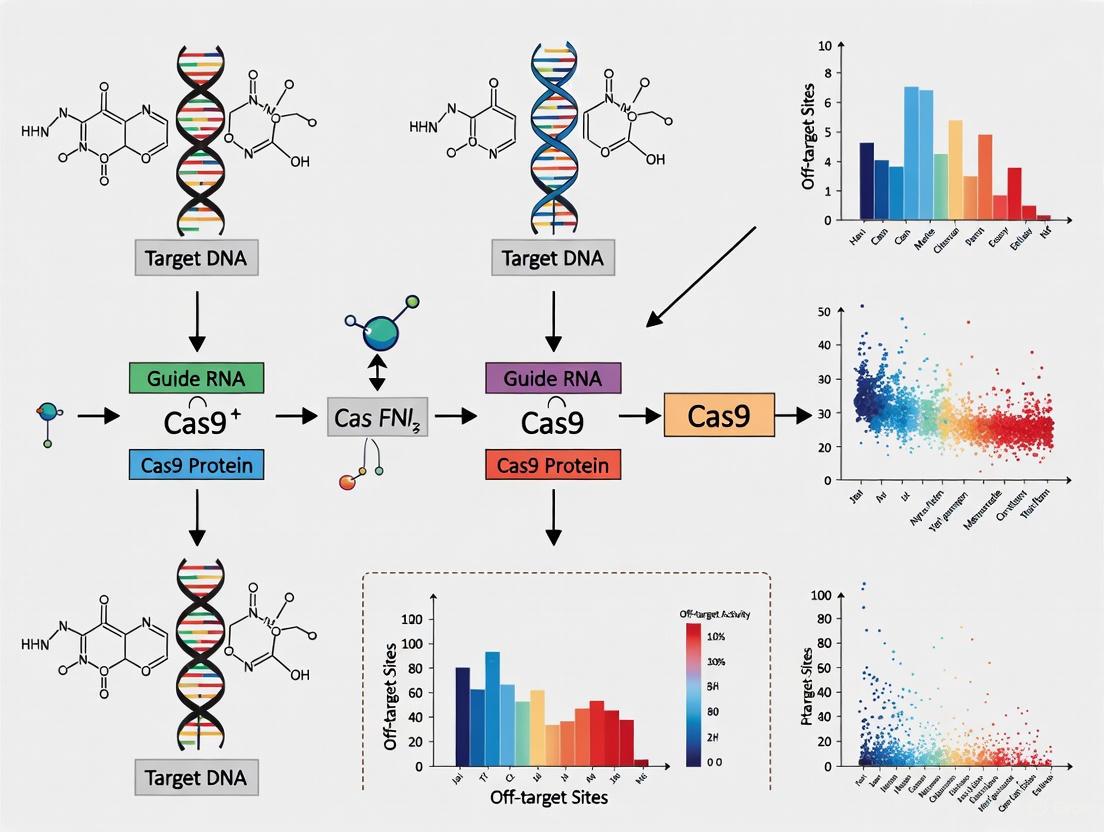
This article provides a detailed overview of the current landscape of CRISPR off-target detection, a critical challenge for research and therapeutic development.
CRISPR Off-Target Detection: A Comprehensive Guide to Methods, Tools, and Best Practices
Abstract
This article provides a detailed overview of the current landscape of CRISPR off-target detection, a critical challenge for research and therapeutic development. It covers the foundational mechanisms behind off-target effects, explores a comprehensive suite of in silico, biochemical, and cellular detection methodologies, and outlines strategies for optimization and troubleshooting. Aimed at researchers, scientists, and drug development professionals, the content synthesizes the latest technological advancements and regulatory considerations to guide the selection, validation, and implementation of robust off-target assessment protocols, ultimately enhancing the safety and precision of gene-editing applications.
Understanding CRISPR Off-Target Effects: Mechanisms, Risks, and Why Detection is Non-Negotiable
Clustered Regularly Interspaced Short Palindromic Repeats (CRISPR)-Cas9 system has revolutionized biological research and therapeutic development by enabling precise genome modifications. However, off-target editing remains a significant hurdle for its clinical translation. Off-target editing refers to the non-specific activity of the Cas nuclease at genomic sites other than the intended target, leading to unintended DNA sequence alterations [1]. These unintended edits can confound experimental results in research settings and pose critical safety risks in therapeutic applications, including potential activation of oncogenes or disruption of essential genes [2] [1].
The CRISPR-Cas9 system's specificity is primarily guided by the sequence complementarity between the single-guide RNA (sgRNA) and the target DNA, along with recognition of a protospacer adjacent motif (PAM) sequence [2]. However, evidence demonstrates that CRISPR-Cas9 can tolerate mismatches between the sgRNA and target DNA, particularly in the PAM-distal region, with studies showing off-target cleavage even with up to six base pair mismatches [2]. Additional factors contributing to off-target effects include DNA/RNA bulges and genetic variations across populations that may create novel off-target sites [2] [3].
Mechanisms and Consequences of Off-Target Editing
Molecular Mechanisms of Off-Target Activity
The precision of CRISPR-Cas9 editing is governed by multiple molecular interactions that can deviate from their intended target under specific conditions. PAM recognition flexibility is a primary contributor to off-target effects. While the most commonly used Streptococcus pyogenes Cas9 (SpCas9) recognizes the canonical 'NGG' PAM, it can also tolerate non-canonical variants such as 'NAG' and 'NGA', albeit with lower efficiency [2]. This flexibility enables Cas9 to engage with a broader range of genomic sites than intended.
sgRNA-DNA mismatch tolerance represents another significant mechanism. The seed region—the PAM-proximal 10-12 nucleotides of the sgRNA—is crucial for specific recognition and cleavage [2]. However, mismatches in the distal region of the sgRNA binding site are more readily tolerated, with the 3' end of the sgRNA playing a critical role in accurate target recognition [2]. The system can also accommodate DNA/RNA bulges, where extra nucleotide insertions create imperfect complementarity between the sgRNA and target DNA [2].
Epigenetic factors significantly influence off-target susceptibility. Sites with open chromatin configurations, marked by specific histone modifications (H3K4me3, H3K27ac) and accessible chromatin (as detected by ATAC-seq), demonstrate heightened vulnerability to off-target editing [4]. Furthermore, genetic diversity across individuals, including single nucleotide polymorphisms (SNPs), can either abolish editing at intended targets or create novel off-target sites by altering sequence complementarity [2] [3].
Functional Consequences of Unintended Edits
The functional impact of off-target editing varies considerably depending on the genomic context and the specific application of CRISPR technology.
In research applications, off-target effects can compromise experimental validity by introducing confounding variables that obscure phenotype-genotype correlations [1]. This is particularly problematic in functional genomics studies where precise gene knockout is essential for drawing accurate conclusions about gene function.
In therapeutic contexts, the consequences are more severe. Unintended edits in protein-coding regions can disrupt tumor suppressor genes or activate oncogenes, potentially initiating carcinogenesis [2] [1]. The FDA has specifically highlighted concerns about off-target effects during the review of CRISPR-based therapies like Casgevy, noting that individuals with rare genetic variants may be at elevated risk [1].
Beyond single-gene effects, off-target editing can induce chromosomal rearrangements including translocations, large deletions, and inversions [3]. These structural variations pose substantial genotoxicity concerns and are technically challenging to detect using standard sequencing approaches. The use of viral delivery vectors introduces additional risks, with documented cases of vector integration at both on-target and off-target sites, further complicating the safety profile of in vivo gene therapies [3].
Methodologies for Off-Target Detection and Analysis
Computational Prediction Methods
Computational approaches represent the first line of defense against off-target effects, enabling researchers to select optimal sgRNAs before experimental validation. Early algorithms focused primarily on sequence similarity between the sgRNA and potential genomic targets, but contemporary methods have evolved to incorporate additional features.
Deep learning models have demonstrated superior performance in off-target prediction. DNABERT represents a significant advancement—a BERT-based model pre-trained on the entire human genome that learns the fundamental "language" of DNA [4]. When integrated with epigenetic features (H3K4me3, H3K27ac, and ATAC-seq) in the DNABERT-Epi model, it achieves competitive or superior performance compared to five state-of-the-art methods across seven distinct off-target datasets [4]. The model's ablation studies quantitatively confirmed that both genomic pre-training and epigenetic feature integration significantly enhance predictive accuracy [4].
Multi-dataset training approaches address the challenge of data heterogeneity across experimental platforms. The CRISPRon-ABE and CRISPRon-CBE models implement a novel strategy that trains simultaneously on multiple datasets while explicitly labeling each data point's origin [5]. This allows users to tailor predictions to specific base editors and experimental conditions, substantially improving base-editing outcome predictions [5].
Traditional bioinformatics tools continue to play an important role in sgRNA design. Software such as CRISPOR employs specialized algorithms to rank potential gRNAs based on their predicted on-target to off-target activity ratio, helping researchers select guides with minimal off-target potential [1].
Table 1: Comparison of Computational Off-Target Prediction Methods
| Method | Underlying Technology | Key Features | Performance Advantages | Limitations |
|---|---|---|---|---|
| DNABERT-Epi [4] | Transformer architecture + epigenetic features | Pre-trained on human genome, integrates chromatin accessibility & histone marks | 4.8× protein clusters across CRISPR-Cas families vs natural; enhanced accuracy with epigenetic data | Requires epigenetic data which may not be available for all cell types |
| CRISPRon-ABE/CRISPRon-CBE [5] | Deep convolutional neural networks | Multi-dataset training with dataset-of-origin labeling | Enables prediction tuning for specific experimental conditions; outperforms DeepABE/CBE, BE-HIVE | Primarily optimized for base editors ABE7.10, ABE8e, BE4 |
| Traditional scoring algorithms (e.g., CRISPOR) [1] | Sequence similarity + thermodynamic profiling | sgRNA ranking based on on-target/off-target ratio | Fast computation; user-friendly interfaces | Limited by sequence features alone; may miss context-dependent effects |
Experimental Detection Assays
Experimental validation of off-target activity is essential for comprehensive risk assessment, particularly for therapeutic applications. Detection methods can be broadly categorized into in vitro, in cellula (cellular), and in vivo approaches, each with distinct advantages and limitations.
In vitro assays include methods like Digenome-seq, which involves in vitro digestion of genomic DNA using Cas9/sgRNA complexes (sgRNPs) followed by next-generation sequencing to identify cleavage sites [2]. CIRCLE-seq offers enhanced sensitivity for genome-wide CRISPR-Cas9 nuclease off-target profiling [6]. These methods provide controlled environments for initial off-target screening but may not fully recapitulate cellular contexts.
In cellula (cellular) assays better model the intracellular environment. GUIDE-seq enables genome-wide profiling of off-target cleavage by capturing double-strand breaks in living cells [6] [2]. BLESS (Direct in situ breaks labelling, streptavidin enrichment and next-generation sequencing) detects nuclease-induced double-strand breaks in fixed cells through biotinylated junction labeling [2]. CHANGE-seq reveals both genetic and epigenetic effects on CRISPR-Cas9 genome-wide activity and can profile how human genetic variation affects Cas9 off-target activity [6].
Comprehensive approaches include whole-genome sequencing (WGS), which represents the most thorough method for detecting off-target effects and chromosomal abnormalities [1]. However, its significant cost and computational demands make it less practical for routine screening. Targeted sequencing methods like CAST-seq were specifically designed to identify and quantify chromosomal rearrangements resulting from CRISPR editing [1].
Table 2: Experimental Methods for Off-Target Detection
| Method | Type | Principle | Sensitivity | Key Applications |
|---|---|---|---|---|
| Digenome-seq [2] | In vitro | In vitro Cas9 digestion of genomic DNA + NGS | Genome-wide, high | Initial screening of sgRNA specificity |
| GUIDE-seq [6] [2] | In cellula | Captures DSBs in living cells via oligo integration | Genome-wide, medium-high | Comprehensive off-target profiling in cellular models |
| BLESS [2] | In cellula | Labels DSBs in fixed cells with biotinylated junctions | Genome-wide, medium | Detection of nuclease-induced breaks in specific cell states |
| CIRCLE-seq [6] | In vitro | Highly sensitive in vitro screen for off-targets | Genome-wide, very high | Sensitive identification of potential off-target sites |
| CHANGE-seq [6] | In vitro/in cellula | Profiles genetic/epigenetic effects on Cas9 activity | Genome-wide, high | Understanding population-scale genetic variation impact |
| Whole Genome Sequencing [1] | In cellula/in vivo | Comprehensive sequencing of entire genome | All genomic alterations, lower coverage | Gold standard for comprehensive risk assessment |
Experimental Protocols for Key Detection Methods
GUIDE-seq Protocol [2]:
- Transfect cells with sgRNA/Cas9 components alongside a proprietary, double-stranded oligodeoxynucleotide (dsODN) tag.
- Allow 48-72 hours for cellular uptake, double-strand break formation, and tag integration at break sites.
- Harvest genomic DNA and fragment using restriction enzymes or sonication.
- Capture tag-integrated fragments using biotinylated probes complementary to the dsODN tag.
- Prepare sequencing libraries from enriched fragments and perform high-throughput sequencing.
- Map integration sites to the reference genome to identify off-target cleavage locations.
Digenome-seq Protocol [2]:
- Isolate genomic DNA from target cells and purify to remove nucleases.
- Perform in vitro cleavage by incubating genomic DNA with preassembled Cas9-sgRNA ribonucleoprotein (RNP) complexes.
- Run cleaved DNA fragments on agarose gels to confirm digestion efficiency.
- Prepare sequencing libraries directly from cleaved DNA, leveraging the uniform ends created by Cas9 cleavage.
- Sequence using next-generation sequencing platforms.
- Map cleavage sites to the reference genome by identifying sites with sequence reads starting at the same position, indicating Cas9 cleavage.
CHANGE-seq Protocol [6]:
- Generate sequencing libraries from genomic DNA before cleavage.
- Perform in vitro Cas9 cleavage on the libraries.
- Capture and sequence cleaved fragments using a biotinylated oligonucleotide that binds to the overhang created by Cas9.
- Analyze results to identify cleavage sites while accounting for genetic and epigenetic contextual factors.
Emerging Technologies and Future Directions
AI-Designed Genome Editors
Artificial intelligence is revolutionizing CRISPR technology by enabling the design of novel genome editors with enhanced specificity. Large language models (LMs) trained on biological diversity at scale have successfully generated functional gene editors that diverge significantly from natural sequences [7]. The OpenCRISPR-1 editor, designed using this approach, exhibits compatibility with base editing while being 400 mutations away from SpCas9 in sequence space [7].
These AI-generated editors leverage protein language models fine-tuned on curated datasets of CRISPR operons. One research effort mined 26 terabases of assembled genomes and metagenomes to create the CRISPR-Cas Atlas containing over 1.2 million CRISPR-Cas operons [7]. The generated Cas9-like sequences showed only 56.8% average identity to any natural sequence while maintaining phylogenetic diversity and structural features conducive to function [7].
Advanced Base Editing Systems
Base editing technologies represent a promising approach to minimize off-target effects by avoiding double-strand breaks. However, these systems still face challenges with bystander editing within the activity window [5]. Recent advances in deep learning models specifically address this limitation through multi-dataset training approaches.
The CRISPRon-ABE and CRISPRon-CBE models demonstrate how labeling each gRNA by its dataset of origin enables effective training across multiple datasets without forcing them onto a single unified scale [5]. This approach captures the full spectrum of editing outcomes, including efficiency and bystander effects, allowing researchers to select gRNAs that maximize intended editing while minimizing unintended modifications [5].
Epigenetic Integration
The incorporation of epigenetic features represents a significant advancement in prediction accuracy. Studies quantitatively confirm that integrating chromatin accessibility (ATAC-seq) and histone modification marks (H3K4me3, H3K27ac) with sequence-based models provides statistically significant improvements in off-target prediction [4]. Advanced interpretability techniques, including SHAP and Integrated Gradients, have identified specific epigenetic marks and sequence-level patterns that influence prediction outcomes, offering biological insights into the model's decision-making process [4].
The Scientist's Toolkit: Essential Research Reagents
Table 3: Key Research Reagents for Off-Target Assessment
| Reagent/Resource | Category | Function | Example Sources/Applications |
|---|---|---|---|
| High-fidelity Cas9 variants | Engineered nuclease | Reduced off-target cleavage while maintaining on-target activity | SpCas9-HF1, eSpCas9 [2] |
| Modified sgRNAs | Optimized guide RNA | Chemical modifications reduce off-target activity | 2'-O-methyl analogs (2'-O-Me), 3' phosphorothioate bond (PS) modifications [1] |
| Epigenetic data | Informational resource | Enhances prediction accuracy by incorporating chromatin context | ATAC-seq, H3K4me3, H3K27ac datasets [4] |
| CHANGE-seq kit | Detection assay | Reveals genetic and epigenetic effects on genome-wide Cas9 activity | Identification of population-specific variant effects [6] |
| GUIDE-seq tag | Detection reagent | Captures double-strand breaks in living cells for genome-wide off-target mapping | dsODN tag for integration at cleavage sites [2] |
| DNABERT-Epi model | Computational tool | Pre-trained DNA foundation model with epigenetic integration | State-of-the-art off-target prediction [4] |
| CRISPRon models | Computational tool | Base editing prediction with multi-dataset training | CRISPRon-ABE for adenine base editors, CRISPRon-CBE for cytosine base editors [5] |
| OpenCRISPR-1 | AI-designed nuclease | Novel editor with optimal specificity-efficiency balance | AI-generated Cas9 variant [7] |
The comprehensive characterization of off-target editing remains a critical requirement for advancing CRISPR technologies from research tools to therapeutic applications. While significant progress has been made in detection methodologies—spanning computational prediction, experimental validation, and AI-driven editor design—a standardized framework for off-target assessment would strengthen the field [3]. The evolving landscape of CRISPR off-target detection reflects a maturation of the technology, moving from simple mismatch counting to sophisticated integrative models that account for sequence context, epigenetic landscape, and cellular environment. As these methods continue to improve, they pave the way for safer, more precise genome editing across research and clinical applications.
The CRISPR-Cas9 system has revolutionized genetic engineering by providing an unprecedented ability to modify genomes with simplicity and precision. However, its potential for widespread therapeutic application is critically challenged by off-target effects—unintended cleavages at genomic sites resembling the intended target. These off-target events can lead to detrimental consequences, including the activation of oncogenes or disruption of tumor suppressors, posing significant safety risks in clinical settings [8] [1]. A comprehensive understanding of the molecular mechanisms driving off-target activity is therefore fundamental to advancing the safety and efficacy of CRISPR-based technologies. This guide examines the core principles governing off-target cleavage, focusing on three primary molecular mechanisms: mismatch tolerance, DNA/RNA bulges, and protospacer adjacent motif (PAM) flexibility, providing researchers with a detailed comparison of the underlying processes and their experimental characterization.
Core Molecular Mechanisms of Off-Target Cleavage
Mismatch Tolerance and Positional Effects
Mismatch tolerance refers to the ability of the Cas9-sgRNA complex to bind and cleave DNA targets even when the sgRNA does not perfectly complement the target DNA sequence. The position of a mismatch within the sgRNA:DNA hybrid is a critical determinant of its impact on cleavage efficiency.
- The Seed Region: The PAM-proximal 10–12 nucleotide region of the sgRNA, known as the "seed region," is crucial for specific recognition and cleavage of target DNA [2]. Mismatches within this seed region are typically less tolerated and significantly reduce cleavage efficiency. In contrast, mismatches in the PAM-distal region are more readily accommodated, with studies showing that Cas9 can cleave targets even with up to six base pair mismatches in this distal region [2] [9].
- Energetics and Stability: The influence of mismatch position is linked to the energetics of the RNA–DNA hybrid. The binding and unwinding of the DNA duplex initiate from the PAM site, making the stability of the PAM-proximal hybrid paramount for successful cleavage. Mismatches in this region destabilize the initial binding complex, often aborting the cleavage process [8].
Table 1: Impact of Mismatch Position on Cas9 Cleavage Efficiency
| Mismatch Position | Tolerance Level | Impact on Cleavage | Molecular Rationale |
|---|---|---|---|
| PAM-proximal (Seed Region, ~10-12 nt) | Low | Often abolishes cleavage | Compromises initial DNA binding and unwinding; critical for R-loop formation. |
| PAM-distal Region | High | Can be tolerated (up to 6 mismatches) | Has less impact on the initial binding stability; may affect final cleavage kinetics. |
| Central Region | Intermediate | Variable reduction | Can disrupt the structural conformation of the Cas9-sgRNA-DNA complex. |
The following diagram illustrates how mismatch tolerance varies along the length of the sgRNA:DNA hybrid.
DNA and RNA Bulges
Beyond simple base substitutions, off-target cleavage can occur at sites with indels in the target DNA or the sgRNA itself, leading to structures known as bulges.
- DNA Bulges: These occur when one or more extra nucleotides are present in the target DNA strand, with no complementary bases in the sgRNA. The Cas9-sgRNA complex can sterically accommodate these insertions, leading to cleavage at unintended sites [2] [10].
- RNA Bulges: Conversely, extra nucleotides in the sgRNA sequence with no complement in the DNA target can also form bulges that are tolerated by the Cas9 machinery [10].
The tolerance for bulges adds a significant layer of complexity to off-target prediction, as the sequence homology between the sgRNA and off-target site is not linear. This necessitates sophisticated computational models that can account for these structural anomalies [10].
PAM Tolerance and Flexibility
The Protospacer Adjacent Motif (PAM) is a short, specific DNA sequence adjacent to the target site that is essential for Cas9 recognition and activation. While the canonical PAM for the commonly used Streptococcus pyogenes Cas9 (SpCas9) is 5'-NGG-3', the enzyme exhibits flexibility in its PAM recognition.
- Non-Canonical PAM Recognition: SpCas9 has been demonstrated to tolerate non-canonical PAM sequences such as NAG and NGA, albeit with lower binding and cleavage efficiency compared to the NGG PAM [2]. This flexibility dramatically expands the universe of potential off-target sites within the genome.
- Engineered Cas9 Variants: The development of PAM-relaxed or "PAM-less" Cas9 variants, such as SpRY and SpCas9-NG, has broadened the target range for therapeutic applications [2]. However, this reduced PAM stringency inherently increases the potential for off-target activity, as a larger genomic space becomes eligible for Cas9 binding and cleavage [2].
Table 2: Comparison of PAM Specificity Across Cas9 Variants
| Cas9 Variant | Source | Canonical PAM | Non-Canonical PAMs | Impact on Off-Target Risk |
|---|---|---|---|---|
| SpCas9 (Wild-type) | S. pyogenes | NGG | NAG, NGA | Moderate; limited by strict PAM but known mismatch tolerance. |
| SaCas9 | S. aureus | NNGRRT | - | Lower; longer PAM sequence reduces potential target sites. |
| NmCas9 | N. meningitidis | NNNNGATT | - | Lower; longer PAM sequence reduces potential target sites. |
| SpCas9-NG | Engineered | NG | - | Higher; relaxed PAM greatly increases number of potential off-target sites. |
| SpRY | Engineered | NRN > NYN | - | Highest; near PAM-less targeting maximizes scope and off-target risk. |
Experimental Detection and Analysis of Off-Target Mechanisms
A variety of experimental methods have been developed to detect and quantify off-target effects, each with unique strengths and applications in profiling the mechanisms described above.
Table 3: Key Experimental Methods for Genome-Wide Off-Target Detection
| Method | Detection Principle | Input Material | Key Strength | Key Limitation |
|---|---|---|---|---|
| CHANGE-seq [4] [11] | In vitro detection of DSBs via circularization and tagmentation | Purified genomic DNA | Ultra-high sensitivity; comprehensive profiling of PAM and mismatch tolerance. | Lacks cellular context (chromatin, repair). |
| GUIDE-seq [10] [9] [11] | Incorporation of a tag into DSBs in living cells | Living cells | Captures off-targets in a biologically relevant cellular environment. | Requires efficient delivery of a double-stranded oligo tag. |
| CIRCLE-seq [10] [9] [11] | In vitro selection of cleaved DNA via circularization and exonuclease digestion | Purified genomic DNA | Extremely high sensitivity; requires low DNA input. | Biochemical context may overestimate biologically relevant off-targets. |
| DISCOVER-seq [10] [11] | Detection of MRE11 repair protein binding at DSB sites in cells | Living cells | Identifies off-targets that are actively repaired in vivo; non-invasive. | Lower sensitivity compared to in vitro methods. |
| Digenome-seq [2] [9] [11] | Whole-genome sequencing of Cas9-digested genomic DNA | Purified genomic DNA | Unbiased, genome-wide mapping without prior enrichment. | Requires very deep sequencing coverage; high cost. |
Detailed Experimental Protocol: CHANGE-seq
CHANGE-seq (Circularization for High-throughput Analysis of Nuclease Genome-wide Effects by Sequencing) is a sensitive in vitro method widely used for mechanistic studies due to its ability to comprehensively map Cas9 cleavage patterns [4] [11].
Workflow:
- Genomic DNA Extraction and Fragmentation: High-quality genomic DNA is isolated from target cells and mechanically sheared.
- In Vitro Cleavage: The sheared DNA is incubated with pre-assembled Cas9-sgRNA ribonucleoprotein (RNP) complexes under optimal reaction conditions.
- End-Repair and A-tailing: The cleaved DNA ends are repaired and a single adenosine (A) overhang is added.
- Adaptor Ligation: A biotinylated adaptor is ligated to the A-tailed ends of the DNA fragments.
- Circularization: The adaptor-ligated DNA fragments are circularized using a single-stranded DNA splint.
- Exonuclease Digestion: Linear, unligated DNA is degraded by exonucleases, enriching for successfully cleaved and tagged fragments.
- Fragmentation and Streptavidin Enrichment: The circularized DNA is fragmented, and biotin-containing fragments are captured using streptavidin beads.
- Library Amplification and Sequencing: The enriched fragments are amplified and prepared for high-throughput sequencing, allowing for the precise identification of cleavage sites.
The workflow of CHANGE-seq and other key methods can be visualized as follows:
The Scientist's Toolkit: Essential Reagents and Solutions
This section details key reagents and computational tools essential for studying CRISPR off-target mechanisms.
Table 4: Essential Research Reagents and Solutions for Off-Target Analysis
| Tool / Reagent | Function | Application Note |
|---|---|---|
| High-Fidelity Cas9 (e.g., eSpCas9, SpCas9-HF1) | Engineered nuclease variants with reduced mismatch tolerance. | Critical for mitigating off-target effects in functional experiments; often trade-off with on-target efficiency [2] [1]. |
| Chemically Modified sgRNA (e.g., 2'-O-Methyl analogs) | Synthetic sgRNAs with enhanced stability and reduced off-target binding. | Modifications like 2'-O-Me and phosphorothioate bonds can improve specificity and editing efficiency [1]. |
| Cas-OFFinder | Algorithm for genome-wide search of potential off-target sites. | Allows customization of PAM sequences, mismatch numbers, and bulge types for comprehensive in silico prediction [9]. |
| CCLMoff / DNABERT-Epi | Deep learning models for off-target prediction. | Integrates sequence information and epigenetic features (e.g., chromatin accessibility) for enhanced predictive accuracy [4] [10]. |
| CHANGE-seq Kit | Commercialized reagent kits for in vitro off-target profiling. | Standardizes the sensitive detection of genome-wide nuclease activity, ideal for preclinical safety assessment [4] [11]. |
The molecular mechanisms of off-target cleavage—governed by mismatch tolerance, bulge structures, and PAM flexibility—are inherent to the biology of the CRISPR-Cas9 system. A rigorous, multi-faceted approach is required to understand and mitigate these risks. This involves leveraging high-fidelity Cas9 variants and optimally designed sgRNAs during experimental design, and employing a combination of sensitive in vitro methods like CHANGE-seq for broad discovery, followed by cell-based assays like GUIDE-seq or DISCOVER-seq for validation in a physiological context. As the field advances, the integration of sophisticated computational models that incorporate genomic and epigenetic data will be crucial for the development of safer, more precise CRISPR-based therapeutics, ultimately enabling their successful translation into clinical applications.
While the CRISPR-Cas9 system has revolutionized genetic engineering with its precision and programmability, much of the safety research has traditionally focused on simple indels (insertions and deletions) at off-target sites. However, a growing body of evidence indicates that structural variations (SVs) and complex chromosomal rearrangements represent a more significant, though often overlooked, risk profile in therapeutic applications. Structural variations are defined as genomic alterations exceeding 50 base pairs, encompassing deletions, duplications, inversions, translocations, and more complex rearrangements [12] [13]. These large-scale mutations can disrupt multiple genes, alter gene dosage, reposition regulatory elements, and destabilize genomes in ways that simple indels cannot [12].
The detection of these variants requires specialized methodologies beyond standard short-read sequencing, as SVs frequently span repetitive regions or involve complex architectures that challenge conventional analysis pipelines [13] [14]. This comparative guide examines the detection methodologies for identifying CRISPR-induced structural variations, evaluates their performance characteristics, and provides experimental frameworks for comprehensive risk assessment in therapeutic development.
Mechanisms and Implications of Structural Variants in CRISPR Editing
Origins and Classes of Structural Variants
CRISPR-Cas9 induces structural variations through several mechanistic pathways. The primary trigger is the creation of double-strand breaks (DSBs), which are subsequently repaired by cellular mechanisms that can introduce errors. The non-homologous end joining (NHEJ) pathway frequently results in small indels, but can also generate larger structural variants when multiple breaks occur simultaneously or when repair is error-prone [12]. More complex rearrangements arise through replication-based mechanisms such as microhomology-mediated break-induced replication (MMBIR) and fork stalling and template switching (FoSTeS), which can produce intricate patterns including duplications, triplications, and inversions [12].
In the context of CRISPR-Cas9 editing, these mechanisms can operate at both on-target and off-target sites. A 2022 study demonstrated that 6% of editing outcomes in zebrafish founders were structural variants ≥50 bp, occurring at both on-target and off-target sites [15]. These SVs were not limited to simple deletions but included complex rearrangements. Notably, these mutations were heritable, with 9% of offspring carrying structural variants [15].
Table: Classification of Structural Variants and Their Potential Impacts
| Variant Type | Size Range | Formation Mechanisms | Potential Functional Consequences |
|---|---|---|---|
| Deletions | 50 bp - several Mb | NHEJ, MMBIR | Gene disruption, haploinsufficiency |
| Duplications | 50 bp - several Mb | FoSTeS, MMBIR | Gene dosage changes, gene fusions |
| Inversions | 50 bp - several Mb | NHEJ, MMBIR | Disruption of regulatory elements |
| Translocations | Large scale | Mis-repair of multiple DSBs | Oncogenic fusion genes |
| Complex Rearrangements | Highly variable | Chromothripsis, MMBIR | Simultaneous multiple gene disruptions |
Functional Consequences of Structural Variants
The functional impact of structural variants extends far beyond simple gene disruption. SVs can exert pathogenic effects through several distinct mechanisms:
Gene Dosage Alterations: Copy-number variants (deletions and duplications) can directly alter the expression of dosage-sensitive genes. This is particularly significant in genomic disorders where specific gene thresholds must be maintained [12].
Gene Fusions: Translocations and other rearrangements can create novel chimeric genes when two originally separate genes are joined. This mechanism is well-established in cancer, with fusions such as BCR-ABL1 in chronic myeloid leukemia serving as prime examples [12].
Regulatory Landscape Disruption: SVs can reposition enhancers, silencers, and other regulatory elements relative to their target genes, leading to aberrant gene expression. This often occurs through disruption of topologically associating domains (TADs), which are key organizational units of the 3D genome [12]. For instance, SVs altering the TAD structure at the WNT6/IHH/EPHA4/PAX3 locus have been associated with human limb malformations [12].
Chromosomal Catastrophes: Complex events like chromothripsis (localized chromosomal shattering) and chromoplexy (interconnected translocations) can introduce massive genomic instability with potentially oncogenic consequences [12]. These events have been identified in various contexts, including following CRISPR-Cas9 editing [15].
Comparative Analysis of Structural Variant Detection Methods
Sequencing-Based Detection Platforms
The accurate detection of structural variations requires specialized approaches that overcome the limitations of conventional short-read sequencing. The table below compares the primary technologies used for SV detection:
Table: Comparison of Structural Variant Detection Platforms
| Technology | Optimal SV Size Range | Key Strengths | Principal Limitations | Best Suited Applications |
|---|---|---|---|---|
| Short-Read WGS | 50 bp - 1 Mb | Cost-effective, high throughput | Limited in repetitive regions, misses complex SVs | Initial screening, small variant detection |
| Long-Read Sequencing (PacBio, ONT) | 50 bp - full chromosomes | Resolves complex regions, identifies balanced SVs | Higher cost, requires more DNA | Comprehensive SV discovery, phased genomes |
| Optical Genome Mapping | >500 bp | Genome-wide coverage, detects balanced rearrangements | Limited small SV sensitivity, specialized equipment | Cytogenetics, chromosomal rearrangements |
| Chromosomal Microarray | >50 kb | Established clinical utility, robust | Misses small SVs, balanced rearrangements | First-tier clinical testing for CNVs |
Recent benchmarking studies reveal significant differences in the performance of long-read sequencing technologies. An evaluation of PacBio HiFi, Oxford Nanopore Technologies (ONT), and PacBio CLR data from the same individual demonstrated that SV caller performance varies by sequencing technology [14]. The study found that Sniffles detected the highest number of SVs across platforms (13,567 deletions and 13,913 insertions in HiFi data), but with greater platform-specific variability compared to cuteSV and PBSV [14].
Performance Benchmarking of SV Calling Tools
The accurate identification of structural variants depends heavily on the computational tools used for detection. A comprehensive 2025 benchmarking study evaluated eight long-read SV callers on cancer samples with established truth sets [13]. The research revealed that different algorithms exhibit distinct strengths depending on variant type and genomic context.
For somatic SV detection in cancer genomes, the study employed cuteSV, Sniffles2, Delly, DeBreak, Dysgu, NanoVar, SVIM, and Severus [13]. Each tool demonstrated unique characteristics: cuteSV (v2.1.0) excelled in sensitive SV detection in long-read data; Sniffles2 (v2.2) proved versatile across data types; while Severus (v0.1.1) specialized in somatic SV calling by utilizing long-read phasing capabilities [13].
Critically, the study found that combining multiple callers significantly enhanced validation rates of true somatic SVs compared to any single tool [13]. This multi-caller approach mitigated the false positives that frequently arise from technical artifacts or alignment errors, particularly in regions with low sequencing coverage or complex architectures.
Experimental Protocols for Comprehensive Off-Target Assessment
Workflow for SV Detection in CRISPR Experiments
The following diagram illustrates a comprehensive experimental workflow for detecting structural variations in CRISPR-Cas9 editing studies:
Diagram 1: Experimental workflow for comprehensive SV detection in CRISPR editing studies.
Detailed Methodological Approaches
Long-Range Amplicon Sequencing for Targeted Validation
For focused investigation of specific loci, long-range amplicon sequencing provides a targeted approach with high sensitivity:
Primer Design: Design primers flanking the on-target and predicted off-target sites, creating amplicons of 2.6-7.7 kb that encompass the Cas9 cleavage site [15].
PCR Amplification: Use high-fidelity polymerases to amplify target regions from edited samples and appropriate controls.
Long-Read Sequencing: Sequence PCR products using PacBio Sequel system to obtain highly accurate (>QV20) long reads [15].
Variant Analysis: Process reads using specialized software (e.g., SIQ) to detect and quantify editing outcomes, filtering false positives by comparison with uninjected controls [15].
This approach was successfully employed in zebrafish models, revealing that adult founder fish are highly mosaic in somatic and germ cells, with 69.2% of F0 fish showing on-target editing and multiple distinct mutation events within single individuals [15].
Whole-Genome Approaches for Unbiased Discovery
For comprehensive, genome-wide SV detection without prior site selection:
Library Preparation: Prepare high molecular weight DNA libraries using appropriate kits for the selected sequencing platform (PacBio or Oxford Nanopore) [13].
Sequencing: Achieve minimum 30x coverage using long-read technologies to ensure adequate sensitivity for SV detection [14].
Alignment: Map reads to the reference genome using specialized aligners such as minimap2 (v2.22) with platform-specific parameters [13].
Multi-Tool SV Calling: Implement multiple SV callers with consistent minimum size thresholds (≥50 bp) to maximize detection sensitivity [13].
Somatic Identification: For tumor-normal comparisons, use specialized somatic callers like Severus or apply subtraction methods using SURVIVOR to merge VCF files and distinguish somatic from germline variants [13].
The Scientist's Toolkit: Essential Research Reagents and Solutions
Table: Key Research Reagents and Solutions for SV Detection in CRISPR Studies
| Reagent Category | Specific Examples | Function and Application | Technical Considerations |
|---|---|---|---|
| Long-Range PCR Kits | PrimeSTAR GXL, KAPA HiFi | Amplification of large target regions for SV validation | Requires high-fidelity enzymes for accurate amplification |
| Long-Read Sequencing Kits | PacBio SMRTbell, ONT Ligation | Library preparation for long-read sequencing | Input DNA quality critical for optimal performance |
| SV Calling Software | cuteSV, Sniffles, DeBreak | Computational detection of SVs from sequencing data | Multi-caller approaches recommended for comprehensive detection |
| Validation Reagents | Sanger Sequencing, qPCR | Confirmation of putative SVs | Essential for verifying computational predictions |
| Genome Assembly Tools | Canu, Flye, hifiasm | De novo assembly for complex SV resolution | Computational resource-intensive |
| In vitro Cleavage Assays | Nano-OTS, GUIDE-seq | Pre-validation of off-target activity | Cell-free systems may not fully recapitulate in vivo context |
Discussion and Future Perspectives
The comprehensive detection of structural variations represents a critical challenge in therapeutic CRISPR development. While current methodologies have significantly improved our ability to identify these complex mutations, important limitations remain. No single technology currently captures the full spectrum of CRISPR-induced genomic alterations with perfect sensitivity and specificity. Consequently, a layered approach combining complementary methods provides the most robust safety assessment.
Emerging technologies such as optical genome mapping (OGM) offer promising alternatives for detecting large-scale rearrangements without sequencing. A 2023 study demonstrated that OGM shows 100% concordance with chromosomal microarray analysis for pathogenic copy-number variants while additionally identifying balanced rearrangements and providing structural information that arrays cannot [16]. This capability to determine the architecture of duplications and complex CNVs represents a significant advancement for cytogenomic applications.
Future directions in the field include the development of integrated bioinformatics pipelines that combine multiple detection signals, the creation of more accurate reference databases of polymorphic SVs to reduce false positives, and the implementation of long-read sequencing as a standard component of safety assessment in therapeutic development. As CRISPR-based therapies advance toward clinical application, comprehensive assessment of structural variations must become an integral component of the safety evaluation framework, ensuring that the benefits of gene editing are not compromised by unanticipated genomic consequences.
The approval of the first CRISPR-based therapy, exa-cel (CASGEVY), for sickle cell disease in 2023 marked a pivotal moment for genomic medicine, intensifying regulatory focus on the comprehensive assessment of off-target effects [11]. The U.S. Food and Drug Administration (FDA) now explicitly recommends employing multiple methods, including genome-wide analyses, to measure off-target editing events during product development [11] [17]. For researchers and drug development professionals, navigating the complex landscape of available detection technologies is no longer purely an academic exercise but a critical regulatory requirement directly tied to patient safety and therapeutic efficacy.
Off-target effects occur when the CRISPR-Cas system cleaves DNA at unintended genomic locations, potentially leading to detrimental consequences such as chromosomal rearrangements, oncogene activation, or tumorigenesis [2]. The FDA's heightened scrutiny, particularly regarding the adequacy of genetic databases for diverse patient populations and sample sizes in clinical trials, underscores the necessity of robust, validated off-target assessment strategies [11]. This guide provides a comparative analysis of current methodologies, their experimental protocols, and their alignment with evolving regulatory expectations for the development of safe and effective CRISPR-based therapies.
A Comparative Framework for Off-Target Detection Methods
Off-target detection methods can be broadly categorized by their fundamental approach, which dictates their strengths, limitations, and appropriate place in the development pipeline. The following table summarizes the core characteristics of these approaches.
Table 1: Fundamental Approaches to Off-Target Analysis
| Approach | Description | Detection Context | Key Strengths | Key Limitations |
|---|---|---|---|---|
| In Silico (Biased) | Computational prediction of off-target sites based on sequence homology [11]. | Predicted sites from genome sequence and models [11]. | Fast, inexpensive; useful for initial gRNA design and prioritization [11]. | Predictions only; does not capture chromatin, DNA repair, or cellular nuclease activity [11] [2]. |
| Biochemical (Unbiased) | In vitro assays using purified genomic DNA and Cas nuclease to map cleavage sites [11] [2]. | Naked DNA (lacks chromatin structure) [11]. | Ultra-sensitive, comprehensive, and standardized; reveals a broad spectrum of potential sites [11]. | May overestimate cleavage due to lack of biological context; cannot confirm in vivo relevance [11]. |
| Cellular (Unbiased) | Assays performed in living or fixed cells to map double-strand breaks (DSBs) [11]. | Native chromatin and active DNA repair machinery [11]. | Reflects true cellular activity; identifies biologically relevant edits [11]. | Requires efficient delivery; generally less sensitive than biochemical methods; may miss rare sites [11]. |
| In Situ (Unbiased) | Techniques that label and capture DSBs within the native nuclear architecture [11]. | Chromatinized DNA in its native nuclear location [11]. | Preserves genome architecture; captures breaks in situ [11]. | Technically complex, lower throughput, and variable sensitivity [11]. |
Detailed Comparison of Key Genome-Wide Unbiased Assays
For regulatory submissions, unbiased, genome-wide methods are increasingly expected to complement biased approaches. The following tables detail prominent biochemical and cellular assays.
Table 2: Comparison of Biochemical NGS-Based Off-Target Assays
| Assay | General Description | Sensitivity | Input DNA | Key Enrichment Step |
|---|---|---|---|---|
| DIGENOME-seq [11] [2] | Purified genomic DNA is treated with Cas9/sgRNA RNP and cleavage sites are detected via whole-genome sequencing. | Moderate (requires deep sequencing) [11]. | Micrograms of genomic DNA [11]. | None; direct WGS of digested DNA [11]. |
| CIRCLE-seq [11] | Circularized genomic DNA is treated with Cas9/sgRNA, followed by exonuclease digestion to enrich linearized cleavage products. | High (lower sequencing depth needed than DIGENOME-seq) [11]. | Nanograms of genomic DNA [11]. | Circularization and exonuclease treatment [11]. |
| CHANGE-seq [11] | An improved version of CIRCLE-seq using a tagmentation-based library prep for reduced bias and higher sensitivity. | Very High (can detect rare off-targets with reduced false negatives) [11]. | Nanograms of genomic DNA [11]. | DNA circularization + tagmentation [11]. |
| SITE-seq [11] | Uses biotinylated Cas9 RNP to capture cleavage sites on genomic DNA, followed by sequencing. | High (strong enrichment of true cleavage sites) [11]. | Micrograms of genomic DNA [11]. | Biotin-streptavidin pulldown of cleaved fragments [11]. |
Table 3: Comparison of Cellular NGS-Based Off-Target Assays
| Assay | General Description | Input Material | Sensitivity | Detects Indels | Detects Translocations |
|---|---|---|---|---|---|
| GUIDE-seq [11] | A double-stranded oligonucleotide is incorporated into DSBs in living cells, followed by amplification and sequencing. | Cellular DNA from edited, tagged cells [11]. | High for off-target DSB detection [11]. | No [11] | No [11] |
| DISCOVER-seq [11] | Uses ChIP-seq to map the recruitment of the DNA repair protein MRE11 to cleavage sites in cells. | Cellular DNA; ChIP-seq of MRE11 [11]. | High (captures real nuclease activity) [11]. | No [11] | No [11] |
| UDiTaS [11] | An amplicon-based NGS assay to quantify indels, translocations, and vector integration at targeted loci. | Genomic DNA from edited cells [11]. | High for indels and rearrangements at targeted loci [11]. | Yes [11] | Yes [11] |
| BLESS [11] [2] | Direct in situ labeling of DSB ends with biotin linkers in fixed/permeabilized cells, followed by capture and sequencing. | Fixed cells; in situ DNA labeling [11]. | Moderate (limited by labeling efficiency) [11]. | No [11] | No [11] |
| HTGTS [11] | Captures translocations from programmed DSBs to map nuclease activity genome-wide. | Cellular DNA after nuclease expression [11]. | Moderate (depends on translocation frequency) [11]. | No [11] | Yes [11] |
Experimental Protocols for Key Assays
- DNA Preparation: Isolate and purify genomic DNA from the target cell type.
- In Vitro Cleavage: Incubate the genomic DNA with the Cas9/sgRNA ribonucleoprotein (RNP) complex under optimized reaction conditions.
- Circularization: Ligate the digested DNA fragments into circular molecules.
- Exonuclease Digestion: Treat with exonuclease to degrade linear DNA, enriching for circularized molecules that contain cleavage sites.
- Fragmentation & Adapter Ligation (Tagmentation): Use a tagmentation enzyme (e.g., Tn5 transposase) to simultaneously fragment the DNA and ligate sequencing adapters, reducing library preparation bias.
- PCR Amplification & Sequencing: Amplify the resulting libraries and perform next-generation sequencing.
- Bioinformatic Analysis: Map sequencing reads to the reference genome to identify and quantify off-target cleavage sites.
GUIDE-seq Protocol [11]:
- Cell Transfection: Co-transfect cells with plasmids or RNP complexes encoding the Cas9/sgRNA and a proprietary double-stranded oligodeoxynucleotide (dsODN) tag.
- Tag Incorporation: The dsODN tag is captured and integrated into CRISPR-Cas9-induced double-strand breaks in vivo.
- Genomic DNA Extraction: Harvest cells and isolate genomic DNA 2-3 days post-transfection.
- Library Preparation & Sequencing: Shear the genomic DNA and prepare sequencing libraries. The incorporated dsODN tag serves as a priming site for PCR amplification, enriching for fragments that contain DSBs.
- Bioinformatic Analysis: Analyze sequencing data to identify genomic locations where the dsODN tag was integrated, revealing off-target sites.
The FDA Perspective and Patient Safety
Evolving Regulatory Guidance
The FDA's final guidance, "Human Gene Therapy Products Incorporating Human Genome Editing," issued in January 2024, provides specific recommendations for Investigational New Drug (IND) applications [17]. It emphasizes the need for comprehensive information on product design, manufacturing, nonclinical safety assessment, and clinical trial design to evaluate the safety and quality of genome-edited products [17]. A central tenet of this guidance is the recommendation to use multiple methods to profile and validate off-target editing, moving beyond purely in silico predictions [11] [18] [6]. The FDA's review of exa-cel highlighted two key shortcomings of a purely biased approach: the potential lack of diversity in reference genomes, which may not adequately represent the target patient population (e.g., people of African descent for sickle cell disease), and concerns about statistical power from small sample sizes [11]. This underscores the necessity of incorporating unbiased, genome-wide methods during preclinical development.
A Practical Framework for Clinical Risk Assessment
A recent perspective advocates for a practical, weighted framework to evaluate off-target safety, acknowledging that "perfect" therapeutics with zero off-targets do not exist [6]. The clinical interpretation must be grounded in a benefit-risk assessment, weighing the risk of off-target edits against the severity of the target disease and the potential therapeutic benefit [6]. Key considerations include:
- Therapeutic Context: Ex vivo edited cell therapies (like exa-cel) allow for quality control and selection of correctly edited cells, mitigating risk. In vivo therapies, where editing occurs directly in the patient, carry a higher safety threshold as edits cannot be removed [1].
- Variant-Aware Analysis: Genetic diversity (e.g., Single Nucleotide Polymorphisms - SNPs) can create novel off-target sites in individual patients [2] [6]. Assessment methods must account for population genetic variation to ensure safety across diverse patient cohorts.
- On-Target Safety: The focus must extend beyond off-targets to include "on-target, off-tumor" effects and the potential for on-target editing to generate harmful structural variants like large deletions and translocations [1] [6].
The Scientist's Toolkit: Essential Research Reagents and Solutions
Successful off-target analysis requires careful selection of reagents and tools. The following table details key components of the experimental toolkit.
Table 4: Essential Reagents and Tools for Off-Target Analysis
| Item / Solution | Function / Description | Relevance to Off-Target Analysis |
|---|---|---|
| High-Fidelity Cas9 Variants (e.g., eSpCas9, SpCas9-HF1, HypaCas9) [19] | Engineered Cas9 proteins with reduced off-target activity while maintaining on-target efficiency. | Used in the therapeutic construct itself to minimize the risk of off-target editing from the outset. |
| Chemically Modified Synthetic gRNAs [1] | gRNAs with modifications (e.g., 2'-O-methyl analogs) to increase stability and editing efficiency, and reduce off-target effects. | Improves the specificity of the editing system, simplifying the off-target detection profile. |
| CHANGE-seq / CIRCLE-seq Kits | Commercial or optimized laboratory protocols for performing these sensitive in vitro biochemical assays. | Enables ultra-sensitive, genome-wide discovery of potential off-target sites in a controlled, cell-free system. |
| GUIDE-seq dsODN Tag [11] | A proprietary double-stranded oligodeoxynucleotide that integrates into DSBs within living cells. | The core reagent for the GUIDE-seq protocol, allowing for unbiased identification of off-target sites in a cellular context. |
| Next-Generation Sequencing (NGS) Platforms | Essential for the read-out of nearly all modern, unbiased off-target detection methods. | Provides the high-throughput data required for genome-wide mapping of cleavage events. |
| Computational Design & Analysis Tools (e.g., CRISPOR, Cas-OFFinder) [11] [20] | Software for gRNA design, off-target prediction, and analysis of NGS data from detection assays. | Critical for initial gRNA selection and for the bioinformatic analysis of sequencing data to identify and quantify off-target sites. |
The path to clinical approval for CRISPR-based therapies demands a rigorous, multi-faceted approach to off-target assessment. Relying on any single method is insufficient from both a scientific and regulatory standpoint. A robust safety strategy integrates in silico predictions with highly sensitive, unbiased biochemical methods (like CHANGE-seq) for broad discovery, followed by validation in biologically relevant cellular models (like GUIDE-seq or DISCOVER-seq) [11] [6]. This data must then be interpreted within a clinical risk-benefit framework that considers patient-specific genetic variation and the nature of the disease [6]. As the FDA continues to refine its expectations, adopting this comprehensive and phased approach to off-target analysis is not just a technical challenge but a fundamental clinical and regulatory imperative for ensuring the safety of the next generation of genetic medicines.
A Practical Guide to Off-Target Detection Assays: From In Silico Prediction to Genome-Wide Analysis
The application of the CRISPR-Cas9 system in gene therapy and functional genomics represents a pivotal advancement in life sciences, particularly for treating monogenic human genetic diseases with the potential for long-term therapeutic effects from a single intervention [10]. However, the transformative potential of CRISPR technology is tempered by a significant challenge: the CRISPR-Cas9 system can tolerate mismatches and DNA/RNA bulges at target sites, leading to unintended cleavage at off-target genomic locations [10]. These off-target effects pose substantial challenges for therapeutic development, potentially causing inadvertent gene-editing outcomes that may compromise both efficacy and safety [10] [11].
In silico prediction tools have emerged as essential resources for addressing these challenges by providing prior knowledge during sgRNA design, enabling researchers to forecast and mitigate potential off-target effects before conducting wet-lab experiments [10]. This guide provides a comprehensive comparison of contemporary computational tools for sgRNA design and off-target risk assessment, focusing specifically on the next-generation deep learning framework CCLMoff alongside established tools like Cas-OFFinder. By evaluating their underlying algorithms, performance metrics, and practical applications, we aim to equip researchers with the knowledge needed to select appropriate tools for specific experimental contexts within the broader framework of CRISPR off-target detection methodologies.
Methodological Approaches to In Silico Off-Target Prediction
Computational methods for off-target prediction have evolved significantly, leveraging comprehensive datasets generated by next-generation sequencing (NGS)-based detection approaches to construct predictive models [10]. These tools can be categorized into four major groups based on their underlying principles:
- Alignment-based approaches were the first computational methods to introduce mismatch patterns into off-target prediction, including tools such as Cas-OFFinder, CHOPCHOP, and GT-Scan [10]. These approaches employ different alignment methods to improve genome-wide scanning efficiency but may lack predictive accuracy for complex mismatch patterns.
- Formula-based methods such as CCTop and the MIT CRISPR tool assign different mismatch weights to PAM-distal and PAM-proximal regions to aggregate the contribution of mismatches at different positions [10].
- Energy-based methods including CRISPRoff present an approximate binding energy model for the Cas9-gRNA-DNA chimeric complex [10].
- Learning-based methods such as CCLMoff, DeepCRISPR, and CRISPR-Net automatically extract sequence information from training datasets to determine genomic patterns of off-target sites [10]. These deep learning-based methods currently represent the state-of-the-art in off-target effect prediction.
Table 1: Classification of Major In Silico Off-Target Prediction Tools
| Tool Category | Representative Tools | Core Algorithm | Key Advantages | Primary Limitations |
|---|---|---|---|---|
| Alignment-based | Cas-OFFinder, CHOPCHOP, GT-Scan | Genome alignment with mismatch tolerance | Fast genome-wide scanning; straightforward implementation | Limited predictive accuracy for complex patterns |
| Formula-based | CCTop, MIT CRISPR tool | Weighted mismatch scoring based on position | Interpretable scoring system; position-specific effects | May oversimplify biological complexity |
| Energy-based | CRISPRoff | Binding energy approximation | Biophysical modeling of interactions | Computationally intensive; model approximations |
| Learning-based | CCLMoff, DeepCRISPR, CRISPR-Net | Deep learning; language models | High accuracy; automatic feature extraction; strong generalization | Requires substantial training data; complex implementation |
The following diagram illustrates the evolutionary relationship and methodological progression between these different categories of tools:
Diagram 1: Evolution of in silico off-target prediction methodologies, showing progression from simple alignment to advanced deep learning approaches.
Tool-Specific Analysis: Architecture and Implementation
CCLMoff: A Deep Learning Framework with Language Model Integration
CCLMoff (CRISPR/Cas Language Model for Off-Target Prediction) represents a significant advancement in off-target prediction through its incorporation of a pretrained RNA language model from RNAcentral [10] [21]. This deep learning framework captures mutual sequence information between sgRNAs and target sites and is trained on a comprehensive, updated dataset encompassing 13 genome-wide off-target detection technologies from 21 publications [10].
The architectural foundation of CCLMoff adopts a question-answering framework where the sgRNA sequence serves as the question stem and the target site candidate acts as the answer [10]. The model processes input through the following workflow:
- Input Processing: The sgRNA sequence and candidate target site are tokenized at the nucleotide level, with the DNA target site transformed into pseudo-RNA by substituting thymine (T) with uracil (U) to accommodate the RNA language model [10].
- Sequence Encoding: A special token [SEP] separates the sgRNA and pseudo-RNA candidate before their input embeddings are processed by an encoder composed of 12 transformer blocks initialized using the RNA-FM model pretrained on 23 million RNA sequences from RNAcentral [10].
- Classification: The final hidden layer state of the transformer encoder, specifically the [CLS] token, is fed into a Multilayer Perceptron (MLP) to generate a score representing the likelihood that the candidate sequence is an off-target site for the sgRNA [10].
CCLMoff demonstrates superior performance over state-of-the-art models across various scenarios and exhibits strong cross-dataset generalization ability [10] [21]. Model interpretation analysis reveals that CCLMoff successfully captures the biological importance of the seed region for off-target prediction, validating its analytical capabilities [10].
Table 2: Key Features and Capabilities of CCLMoff
| Feature Category | Specific Capabilities | Implementation Details |
|---|---|---|
| Architecture | Transformer-based language model | 12 transformer blocks initialized with RNA-FM |
| Training Data | Comprehensive off-target dataset | 13 genome-wide detection technologies from 21 publications |
| Input Processing | Handles both sgRNA and target sequences | DNA converted to pseudo-RNA (T→U) for language model compatibility |
| Output | Off-target likelihood score | Binary classification via MLP on [CLS] token embeddings |
| Additional Features | Epigenetic integration (CCLMoff-Epi) | Incorporates CTCF, H3K4me3, chromatin accessibility, DNA methylation |
| Availability | Open-source implementation | Publicly available at github.com/duwa2/CCLMoff [21] |
Cas-OFFinder: Genome-Wide Alignment with Mismatch Tolerance
Cas-OFFinder operates as an alignment-based tool that identifies potential off-target sites by searching for genomic sequences similar to the intended target while allowing for mismatches and DNA bulges [10]. Unlike learning-based approaches, Cas-OFFinder employs a pattern-based matching algorithm that systematically scans the genome for sequences meeting user-defined similarity thresholds.
The tool permits users to specify constraints on the number of mismatches and bulges, typically configured to allow up to 6 mismatches and 1 bulge during off-target site identification [10]. This approach effectively reduces the sampling space for negative samples and provides challenging examples to enhance model discrimination capabilities when used in conjunction with learning-based approaches [10].
While Cas-OFFinder provides comprehensive genome-wide scanning capabilities, its alignment-based methodology may lack the predictive accuracy of more advanced learning-based approaches, as it primarily relies on sequence similarity rather than learning complex patterns from experimental data.
Performance Benchmarking and Experimental Validation
Quantitative Performance Assessment
Rigorous benchmarking of CRISPR-Cas9 guide design tools remains challenging due to the limited consensus among existing tools and their varying performance across different datasets [22]. However, several studies have provided insights into the relative performance of different algorithmic approaches.
A comprehensive benchmark of 18 computational CRISPR-Cas9 guide design methods revealed significant variation in computational performance, output characteristics, and guide selection [22]. The study found that only five tools had computational performance that would allow them to analyse an entire genome within a reasonable time without exhausting computing resources [22]. Furthermore, there was wide variation in the guides identified, with some tools reporting every possible guide while others filtered for predicted efficiency [22].
CCLMoff has demonstrated superior performance in thorough evaluations, accurately identifying off-target sites and displaying strong cross-dataset generalization ability [10]. When benchmarked against existing deep learning-based models, CCLMoff shows enhanced prediction accuracy, particularly due to its incorporation of the pretrained RNA language model and training on a more comprehensive dataset [10].
Table 3: Performance Comparison of Off-Target Prediction Tools
| Performance Metric | CCLMoff | Cas-OFFinder | Traditional Learning-Based Tools |
|---|---|---|---|
| Prediction Accuracy | Superior performance in identification | Limited to sequence similarity | Variable performance; often dataset-dependent |
| Generalization Ability | Strong cross-dataset generalization | Consistent across datasets | Often limited to specific detection approaches |
| Computational Efficiency | Moderate (requires GPU for optimal performance) | High (efficient genome scanning) | Variable (model-dependent) |
| Bulge Consideration | Supports DNA/RNA bulges | Supports DNA bulges | Limited support in earlier tools |
| Epigenetic Context | Supported in CCLMoff-Epi variant | Not incorporated | Rarely incorporated |
| Interpretability | High (identifies seed region importance) | Low (alignment-based output) | Variable (model-dependent) |
Experimental Validation Protocols
Validation of in silico prediction tools typically employs a combination of experimental approaches, each with distinct strengths and limitations [11]. The following experimental methods are commonly used for validating computational predictions:
- Biochemical, NGS-based off-target assays including CIRCLE-seq, CHANGE-seq, and SITE-seq utilize purified genomic DNA and engineered nucleases to directly map potential cleavage sites without cellular influences [10] [11]. These approaches offer high sensitivity and comprehensiveness but may overestimate editing activity compared to in vivo conditions [11].
- Cellular NGS-based off-target assays such as GUIDE-seq, DISCOVER-seq, and UDiTaS assess nuclease activity directly in living or fixed cells, capturing the influence of chromatin structure, DNA repair pathways, and cellular context on editing outcomes [10] [11]. These methods provide biologically relevant insights but may have lower sensitivity than biochemical assays [11].
The experimental workflow for validating in silico predictions typically follows this sequence:
Diagram 2: Experimental validation workflow for CRISPR off-target predictions, progressing from computational prediction to functional assessment.
Recent advancements in validation methodologies include AID-seq, a high-throughput in vitro off-target detection method that demonstrates high sensitivity and precision while enabling simultaneous evaluation of multiple guide RNAs [23]. Such methods facilitate large-scale validation of computational predictions and contribute to training more accurate prediction models.
Practical Implementation and Research Applications
Integration in sgRNA Design Workflows
In silico prediction tools play increasingly critical roles in comprehensive sgRNA design workflows, particularly for therapeutic applications where off-target effects present significant safety concerns. The integration of these tools follows a logical progression:
- Initial Screening: Cas-OFFinder and similar alignment-based tools provide rapid genome-wide identification of potential off-target sites based on sequence similarity [10].
- Refined Prediction: CCLMoff and other learning-based tools offer more accurate off-target likelihood predictions by leveraging deep learning models trained on comprehensive experimental datasets [10] [21].
- Experimental Validation: Biochemical and cellular assays confirm computationally predicted off-target sites, with iterative refinement of prediction models based on validation results [11].
This integrated approach enables researchers to design sgRNAs with optimized on-target efficiency while minimizing off-target risks, ultimately enhancing the safety and efficacy of CRISPR-based interventions.
Table 4: Essential Research Reagents and Computational Resources for Off-Target Assessment
| Resource Category | Specific Tools/Reagents | Function in Off-Target Assessment |
|---|---|---|
| In Silico Prediction Tools | CCLMoff, Cas-OFFinder, CRISPOR | Computational prediction of potential off-target sites based on sequence and epigenetic features |
| Experimental Validation Assays | GUIDE-seq, CIRCLE-seq, AID-seq | Experimental detection and verification of actual off-target editing events |
| Genomic Resources | Reference genomes (hg38, etc.), Epigenetic annotation databases | Provide context for prediction and validation, including chromatin accessibility and histone modifications |
| Cell Line Models | HCT116, HT-29, RKO, SW480, HEK293T | Standardized cellular systems for evaluating sgRNA activity and specificity [24] [25] |
| Benchmark Libraries | Vienna library, Brunello, Yusa v3 | Curated sgRNA collections with performance data for tool validation and comparison [24] |
| Analysis Software | MAGeCK, Chronos, ICE, CRISPResso2 | Computational analysis of screening data and editing outcomes [24] [26] |
The field of in silico prediction for CRISPR off-target effects continues to evolve rapidly, with several emerging trends shaping its future development. The integration of artificial intelligence and large language models represents a particularly promising direction, as demonstrated by the development of AI-generated gene editors such as OpenCRISPR-1, which exhibits comparable or improved activity and specificity relative to SpCas9 despite being 400 mutations away in sequence [7].
Future advancements will likely focus on several key areas:
- Enhanced Model Generalization: Improving performance across diverse cell types, experimental conditions, and delivery methods.
- Multi-modal Data Integration: Incorporating epigenetic, transcriptional, and structural features to enhance prediction accuracy.
- Therapeutic Application Focus: Optimizing models specifically for clinical development, including consideration of human genetic diversity.
- Real-time Prediction Capabilities: Developing more computationally efficient implementations for high-throughput screening applications.
In conclusion, in silico prediction tools have become indispensable components of the CRISPR technology ecosystem, with CCLMoff representing a significant advancement through its incorporation of pretrained language models and comprehensive training data. While alignment-based tools like Cas-OFFinder continue to provide value for initial screening, learning-based approaches offer superior accuracy and generalization capabilities. As CRISPR-based therapies advance toward clinical application, the continued refinement of these computational tools will be essential for ensuring both efficacy and safety, ultimately fulfilling the transformative potential of genome editing in treating human disease.
The clinical translation of CRISPR-Cas9 genome editing necessitates comprehensive understanding of nuclease specificity, as unintended "off-target" mutations pose significant safety concerns for therapeutic applications [27] [28]. While cell-based methods capture editing in biological contexts, biochemical methods using purified genomic DNA provide unparalleled sensitivity for discovering potential cleavage sites that may occur too infrequently to detect in living cells [27] [11]. Among these, three principal in vitro techniques—Digenome-seq, CIRCLE-seq, and CHANGE-seq—enable genome-wide, unbiased identification of CRISPR-Cas9 off-target effects without limitations imposed by cellular delivery efficiency, viability, or chromatin context [27] [29] [11]. This guide provides an objective comparison of these key biochemical methods, supported by experimental data, to inform researchers and drug development professionals in selecting appropriate profiling strategies for their therapeutic genome editing programs.
All three methods leverage purified genomic DNA and Cas9 nuclease under controlled conditions to map potential cleavage sites, but employ distinct strategies to enrich for and identify these sites [11]. The following table summarizes their core characteristics and performance metrics.
Table 1: Comprehensive Comparison of Biochemical Off-Target Detection Methods
| Feature | Digenome-seq | CIRCLE-seq | CHANGE-seq |
|---|---|---|---|
| General Principle | Whole-genome sequencing of Cas9-cleaved genomic DNA without enrichment [27] [11] | Circularization of genomic DNA followed by Cas9 cleavage and exonuclease enrichment [27] [11] | Tn5 transposase-based tagmentation for efficient library construction from circularized DNA [29] |
| Sensitivity | Moderate; requires extensive sequencing depth (~400 million reads) [27] | High; identifies rare off-targets with ~100-fold fewer reads than Digenome-seq [27] | Very high; improved sequencing efficiency and reduced false negatives compared to CIRCLE-seq [29] |
| Input DNA | Micrograms of genomic DNA [11] | Nanograms of genomic DNA [11] | Nanograms of genomic DNA; 5-fold lower input than CIRCLE-seq [29] |
| Key Enrichment Step | None (direct sequencing) [11] | Circularization & exonuclease digestion to remove linear DNA [27] | DNA circularization + tagmentation [29] |
| Workflow Complexity | Lower | High; multiple reactions and steps [29] | Low; streamlined, automation-compatible [29] |
| Throughput | Low | Low | High; enables profiling of hundreds of sgRNAs [29] |
| Estimated Signal-to-Noise Enhancement | Baseline | ~180,000-fold better than Digenome-seq [27] | Further improved over CIRCLE-seq [29] |
Experimental Data and Validation
Head-to-Head Performance Comparisons
Direct comparisons between these methods reveal significant differences in detection capabilities. When profiling the same sgRNA targeted to the human HBB gene, CIRCLE-seq identified 26 of the 29 off-target sites found by Digenome-seq, plus 156 additional novel sites [27]. The high background noise in Digenome-seq necessitates stringent bioinformatic filters that likely exclude genuine off-target sites with lower read support [27]. In a study comparing CIRCLE-seq and CHANGE-seq across ten SpCas9 target sites, CHANGE-seq demonstrated on-target read counts and number of detected sites that were greater than or equal to CIRCLE-seq in 9 out of 10 cases [29]. The reproducibility between CHANGE-seq technical replicates was also high (R² > 0.9) [29].
Correlation with Cell-Based Methods and In Vivo Relevance
A critical question is whether the high sensitivity of in vitro methods comes at the cost of biological relevance. Experimental evidence suggests this is not the case. For six different gRNAs previously characterized by the cell-based GUIDE-seq method, CIRCLE-seq detected all or all but one off-target site found in cells [27]. Importantly, CIRCLE-seq also identified many more bona fide off-target sites that were validated to be mutated in human cells but missed by the cell-based method due to its lower sensitivity [27]. Similarly, CHANGE-seq identified most off-target sites found by GUIDE-seq across multiple targets [29]. This demonstrates that biochemical methods can comprehensively capture the sites susceptible to Cas9 cleavage, providing a more complete risk profile.
Detailed Experimental Protocols
CIRCLE-seq Workflow
The CIRCLE-seq method involves the following key steps, designed to dramatically reduce background noise [27]:
- Genomic DNA Preparation: High-quality genomic DNA is isolated from the cell type of interest.
- DNA Shearing and End-Repair: DNA is fragmented by sonication or enzymatic digestion, and ends are repaired to create blunt ends.
- Circularization: Blunt-ended fragments are self-ligated using DNA ligase in a low-concentration intramolecular reaction to form single-stranded circles.
- Exonuclease Digestion: Linear DNA molecules (unligated fragments) are degraded with exonuclease, enriching for successfully circularized DNA.
- Cas9 Cleavage: The circularized DNA library is incubated with preassembled Cas9-gRNA ribonucleoprotein (RNP) complexes.
- Adapter Ligation and Sequencing: Cas9 cleavage linearizes circular DNA molecules, creating double-stranded breaks with ligatable ends. Sequencing adapters are ligated to these ends, and the library is amplified and sequenced.
The following diagram illustrates the core CIRCLE-seq workflow:
CHANGE-seq Workflow
CHANGE-seq was developed to address the labor-intensive and low-throughput nature of CIRCLE-seq [29]. Its optimized protocol leverages a tagmentation step:
- Tagmentation: Genomic DNA is simultaneously fragmented and tagged with adapters using a custom Tn5 transposase.
- Gap Repair: The "gaps" in the tagged DNA are filled in via a polymerase reaction.
- Circularization: The tagmented DNA fragments are circularized via intramolecular ligation.
- Cas9 Cleavage and Linearization: Circularized DNA is treated with Cas9-gRNA RNP. Cleavage linearizes the circles.
- Library Amplification: Linearized fragments are PCR amplified using primers complementary to the integrated adapters.
- Sequencing: The final library is purified and sequenced.
The CHANGE-seq workflow is summarized below:
Digenome-seq Workflow
The Digenome-seq protocol is comparatively simpler [27] [11]:
- In Vitro Cleavage: Purified genomic DNA is treated with Cas9-gRNA RNP complex.
- Whole-Genome Sequencing: The entire digested DNA sample is subjected to whole-genome sequencing without any enrichment for cleaved fragments.
- Bioinformatic Analysis: Sequencing reads are aligned to the reference genome. Cleavage sites are identified bioinformatically by looking for loci where multiple reads start or end at the same genomic position, corresponding to the Cas9 cut site.
Implementation Guide for Research and Development
The Scientist's Toolkit: Essential Research Reagent Solutions
Successful implementation of these profiling methods requires specific reagents and tools. The following table outlines key solutions and their functions.
Table 2: Essential Reagents and Tools for Biochemical Off-Target Profiling
| Reagent / Tool | Function | Method Applicability |
|---|---|---|
| High-Fidelity DNA Ligase | Catalyzes intramolecular circularization of DNA fragments, a critical enrichment step. | CIRCLE-seq, CHANGE-seq |
| ATP-Dependent Exonuclease | Degrades linear DNA molecules, enriching the final library for successfully circularized DNA. | CIRCLE-seq |
| Tn5 Transposase | Simultaneously fragments DNA and inserts sequencing adapters ("tagmentation"), streamlining library prep. | CHANGE-seq |
| High-Specificity Cas9 Nuclease | Generates double-stranded breaks at cognate and off-target sites. HiFi variants reduce false positives. | All Methods |
| In Vitro Transcribed sgRNA | Provides full-length guide RNA; avoids truncated guides from chemical synthesis that can confound results. | All Methods |
| BLENDER / Custom Bioinformatics Pipeline | Analyzes sequencing data to identify and score off-target sites with nucleotide-level precision. | All Methods (DISCOVER-Seq) |
Application in the Therapeutic Development Pipeline
Each biochemical method fits strategically into the drug development workflow:
- Early Discovery & sgRNA Screening: The high throughput of CHANGE-seq makes it ideal for profiling hundreds of candidate sgRNAs early in development to select leads with the best specificity profiles [29]. Its scalability also facilitates the generation of large datasets for training machine learning prediction models like CCLMoff [30].
- Lead Candidate Characterization: For a deep, sensitive analysis of a final lead sgRNA candidate, CIRCLE-seq provides a highly comprehensive off-target landscape, useful for regulatory documentation [27].
- Risk Assessment and Validation: While biochemical methods offer high sensitivity, regulatory guidance like that from the FDA recommends using multiple methods [11]. Thus, off-target sites nominated by Digenome-seq, CIRCLE-seq, or CHANGE-seq should be subsequently validated in therapeutically relevant cells using targeted amplicon sequencing (e.g., rhAmpSeq) [31].
Biochemical methods for CRISPR off-target detection provide an essential, highly sensitive tool for profiling the genome-wide activity of gene editors. Digenome-seq offers a straightforward approach but suffers from high background and lower sensitivity. CIRCLE-seq significantly enhanced sensitivity through its innovative circularization strategy, establishing itself as a robust method for comprehensive off-target discovery. CHANGE-seq represents a major advancement in throughput and efficiency, leveraging tagmentation to enable scalable profiling suitable for large-scale sgRNA selection and model training. For researchers and drug developers, the choice of method depends on the specific application: Digenome-seq for initial explorations, CIRCLE-seq for deep characterization of final candidates, and CHANGE-seq for high-throughput screening and building predictive tools. Integrating these in vitro findings with targeted validation in biologically relevant systems creates a powerful framework for ensuring the safety of CRISPR-based therapeutics.
Accurately identifying CRISPR-Cas off-target effects is paramount for therapeutic development, as unintended edits may pose significant safety risks. While biochemical methods offer high sensitivity using purified DNA, they lack the biological context of living cells. Cellular methods (in situ) address this limitation by detecting double-strand breaks (DSBs) within their native cellular environment, preserving the influences of chromatin architecture, DNA repair pathways, and nuclear organization. These methods provide critical insights into which potential off-target sites are actually accessible and edited under physiological conditions. This guide objectively compares three prominent cellular methods—GUIDE-seq, DISCOVER-seq, and BLESS—examining their methodologies, performance characteristics, and applications in therapeutic development [32] [11].
The following table summarizes the core characteristics of each method:
Table 1: Core Characteristics of GUIDE-seq, DISCOVER-seq, and BLESS
| Feature | GUIDE-seq | DISCOVER-seq | BLESS |
|---|---|---|---|
| Core Principle | Captures DSBs via NHEJ-mediated integration of a dsODN tag [33] | Maps DSBs via ChIP-seq of the endogenous repair protein MRE11 [34] [35] | Labels DSB ends in situ with biotinylated linkers in fixed cells [36] [11] |
| Detection Context | Living cells | Living cells or tissues [34] | Fixed cells or tissue sections [36] |
| Key Reagent | Double-stranded oligodeoxynucleotide (dsODN) with phosphorothioate modifications [33] | Antibody against MRE11 [34] | Biotinylated adapter oligonucleotides [36] |
| Resolution | Nucleotide-level [33] | Single-nucleotide precision [34] [35] | Single-nucleotide resolution [36] |
| Primary Application | Genome-wide off-target profiling in cell lines [33] [11] | Off-target discovery in primary cells, iPSCs, and in vivo models [34] [37] | Mapping endogenous and exogenous DSBs in low-input samples and tissues [36] |
Methodological Deep Dive: Workflows and Protocols
GUIDE-seq (Genome-wide, Unbiased Identification of DSBs Enabled by Sequencing)
The GUIDE-seq workflow begins with transfecting cells with plasmids encoding the CRISPR-Cas9 components along with a blunt, double-stranded oligodeoxynucleotide (dsODN) tag. When a DSB occurs, this dsODN is integrated into the break site via the non-homologous end joining (NHEJ) repair pathway. Genomic DNA is then extracted, sheared, and processed using a specific amplification strategy called Single-Tail Adapter/Tag (STAT)-PCR. This method uses one primer annealing to the integrated dsODN and another to a single-tailed sequencing adapter, enabling specific amplification of DNA fragments adjacent to the DSB sites for sequencing and mapping [33].
Diagram 1: GUIDE-seq workflow involves dsODN tag integration into DSBs and targeted amplification.
DISCOVER-Seq (Discovery of In Situ Cas Off-targets and VERification by Sequencing)
DISCOVER-Seq leverages the cell's natural DNA damage response. After CRISPR-Cas9 induces a DSB, the MRN complex, including the MRE11 protein, is recruited to the site. In this method, cells are harvested at a specific time point after editing, and chromatin immunoprecipitation (ChIP) is performed using an antibody against MRE11. The immunoprecipitated DNA fragments are then sequenced. The resulting reads show a characteristic pattern, clustering around the precise Cas9 cut site, allowing for single-nucleotide resolution mapping of both on-target and off-target activity. The bioinformatics pipeline BLENDER is used to identify significant peaks of MRE11 binding genome-wide [34] [35]. The recent DISCOVER-Seq+ enhancement uses an inhibitor of DNA-dependent protein kinase catalytic subunit (DNA-PKcs) to prolong MRE11 residence at DSBs, significantly boosting the signal and sensitivity of off-target detection [37].
Diagram 2: DISCOVER-seq workflow utilizes MRE11 recruitment to DSBs, with an optional step for enhanced sensitivity.
BLISS (Breaks Labeling In Situ and Sequencing)
BLISS is characterized by its ability to work on fixed cells and tissue sections. Samples are fixed and immobilized on a solid surface, minimizing sample loss. DSBs are then processed in situ: the ends are blunted and ligated to an adapter oligonucleotide containing a T7 promoter, Illumina sequencing adapters, and a unique molecular identifier (UMI). After DNA extraction, the regions flanking the DSBs are linearly amplified using T7 in vitro transcription, which reduces amplification biases compared to PCR. The UMIs allow for accurate quantification of DSB events by distinguishing unique breaks from PCR duplicates. This workflow enables highly sensitive, quantitative mapping of DSBs from low-input samples, including clinical tissue sections [36].
Diagram 3: BLISS workflow features in situ labeling on a solid surface and UMI-based quantification.
Comparative Performance and Experimental Data
Sensitivity and Specificity
Quantitative comparisons reveal critical differences in the performance of each method. DISCOVER-Seq+, with the aid of DNA-PKcs inhibition, demonstrated a marked increase in sensitivity, discovering up to five times more off-target sites in primary human cells and mouse models compared to its standard version [37]. GUIDE-seq is recognized for its high sensitivity and low false-positive rate in cell lines, successfully identifying known and novel off-target sites, including those missed by computational prediction [33] [32]. BLISS provides quantitative data on DSB frequency and has been validated to detect both endogenous and exogenous breaks, with sensitivity sufficient to profile off-targets of Cas9 and Cpf1 (Cas12a) in low-input samples [36].
Table 2: Experimental Performance and Validation Data
| Method | Reported Sensitivity | Key Validation Findings | False Positive Rate |
|---|---|---|---|
| GUIDE-seq | Highly sensitive in amenable cell lines [33] | >80% of GUIDE-seq sites showed detectable indels by amplicon sequencing (123/132 sites validated) [33] | Low false positive rate [11] |
| DISCOVER-seq | Capable of finding sites with ≥0.3% indels [35] | All identified off-target sites showed higher indel rates than background in validated cases [35] | Low systematic false positives; uses controls without Cas9 for subtraction [34] |
| DISCOVER-Seq+ | Up to 5x more sensitive than DISCOVER-Seq [37] | For FANCF site 2 gRNA: 15 target sites identified vs. 2 with DISCOVER-Seq; indel validation confirmed new sites [37] | Low (average 1.7% of initial sites removed as false positives) [37] |
| BLISS | High; estimated 80-100 DSBs/cell in KBM7 cells, correlating with γH2A.X foci counts [36] | Precisely localized on-target Cas9 cuts and reproduced known telomeric end patterns [36] | Quantitative via UMIs; background controlled by molecular barcoding [36] |
Applications and Limitations in Practice
The choice of method often depends on the specific experimental model and research question. GUIDE-seq is a powerful tool for comprehensive off-target screening in cell lines that can be transfected, making it ideal for initial gRNA selection and nuclease evaluation [33] [11]. However, its reliance on efficient NHEJ-mediated integration of an exogenous dsODN can be a limitation in hard-to-transfect primary cells.
DISCOVER-Seq and DISCOVER-Seq+ shine in more physiologically relevant models. Because they track an endogenous DNA repair protein, they are applicable to a wide range of systems, including patient-derived induced pluripotent stem cells (iPSCs) and in vivo animal models [34] [37] [35]. A key limitation is the requirement for a sufficient number of cells (typically ≥5 million) and higher sequencing depth [34].
BLISS offers unique versatility for profiling DSBs in fixed cells and archived tissue sections, requiring low input material. It is ideal for studying endogenous genomic fragility and nuclease activity in a spatial context [36]. The main challenges are technical complexity and potential variability in labeling efficiency.
Table 3: Applications and Key Limitations
| Method | Optimal Applications | Key Advantages | Key Limitations |
|---|---|---|---|
| GUIDE-seq | Off-target profiling in transferable cell lines; gRNA and nuclease selection [33] [11] | High sensitivity; nucleotide-level resolution; does not require specialized antibodies [33] [32] | Limited by transfection efficiency; requires delivery of exogenous dsODN [32] [11] |
| DISCOVER-seq | Off-target discovery in primary cells, iPSCs, and in vivo; preclinical safety assessment [34] [35] | Works in vivo and in primary cells; uses endogenous repair machinery; no exogenous tag delivery needed [34] [37] | Requires large cell numbers (≥5x10^6); higher sequencing depth; time-sensitive [34] |
| BLISS | Mapping endogenous/exogenous DSBs in low-input samples, tissue sections; spatial DSB analysis [36] | Works on fixed cells/tissues; low-input requirement; quantitative via UMIs; preserves spatial context [36] | Technically complex; may have variable labeling efficiency [36] [11] |
Essential Research Reagents and Tools
Successful implementation of these cellular methods depends on specific, high-quality reagents.
Table 4: Key Research Reagent Solutions
| Reagent / Tool | Function | Example / Note |
|---|---|---|
| dsODN Tag (GUIDE-seq) | Integrated into DSBs to tag their location for amplification and sequencing. | 34 bp blunt-ended, phosphorylated dsODN with phosphorothioate linkages at ends for stability [33]. |
| Anti-MRE11 Antibody (DISCOVER-seq) | Binds MRE11 protein for chromatin immunoprecipitation of repair sites. | Commercial human/mouse cross-reactive antibody is available and validated [34] [35]. |
| DNA-PKcs Inhibitor (DISCOVER-Seq+) | Enhances MRE11 residence at DSBs by blocking NHEJ repair, boosting signal. | Ku-60648 or Nu7026 can be used [37]. |
| BLISS Adapter | Ligated to DSB ends in situ; contains UMI for quantification and T7 promoter. | Double-stranded DNA oligo with T7 promoter, sequencing adapters, and a random UMI sequence [36]. |
| Bioinformatics Pipeline | Analyzes sequencing data to identify and quantify DSB sites. | GUIDE-seq: custom pipeline from authors [33]. DISCOVER-seq: BLENDER [34]. BLISS: UMI-based deduplication pipeline [36]. |
The Clustered Regularly Interspaced Short Palindromic Repeats (CRISPR) system has revolutionized genetic engineering, but its therapeutic application is constrained by off-target effects—unintended modifications at genomic sites other than the intended target. These off-target edits occur when the Cas9 nuclease tolerates mismatches between the guide RNA (gRNA) and genomic DNA, potentially leading to detrimental consequences such as chromosomal rearrangements or oncogene activation [32] [2]. As CRISPR-based therapies advance clinically, the U.S. Food and Drug Administration (FDA) now recommends using multiple methods, including genome-wide analysis, to measure off-target editing events [11]. Next-Generation Sequencing (NGS) has emerged as the technological cornerstone for comprehensive off-target assessment, providing the precision, sensitivity, and scalability required to ensure the safety of genetic therapies [31] [38]. This guide examines how different NGS approaches, from targeted amplicon sequencing to whole-genome sequencing, form an integrated ecosystem for characterizing CRISPR editing fidelity across research and development pipelines.
Classification of CRISPR Off-Target Detection Methods
CRISPR off-target detection methodologies can be broadly categorized into three paradigms: in silico prediction, biochemical in vitro assays, and cellular in situ assays. Each approach offers distinct advantages and limitations, making them complementary for a comprehensive off-target assessment strategy.
Table 1: Classification of Major CRISPR Off-Target Detection Methods
| Category | Examples | Principle | Strengths | Limitations |
|---|---|---|---|---|
| In Silico (Biased) | Cas-OFFinder, CRISPOR, CCTop | Computational prediction based on sequence homology to the gRNA [39] [32]. | Fast, inexpensive, no lab work; ideal for initial gRNA design and screening [11]. | Relies on a priori knowledge; misses off-targets affected by chromatin structure or genetic variation [11] [32]. |
| Biochemical (Unbiased) | CIRCLE-seq, CHANGE-seq, Digenome-seq, SITE-seq, AID-seq [23] | Cas9 cleavage of purified genomic DNA followed by NGS of cut sites [11] [39]. | Ultra-sensitive, comprehensive, standardized; detects rare off-targets without cellular constraints [11] [2]. | Uses naked DNA; may overestimate biologically relevant cleavage due to lack of cellular context [11]. |
| Cellular (Unbiased) | GUIDE-seq, DISCOVER-seq, UDiTaS, BLISS, HTGTS | Detection of double-strand breaks (DSBs) in living or fixed cells [11] [39] [32]. | Captures off-targets in physiological context with native chromatin and repair mechanisms [11]. | Lower sensitivity for rare edits; requires efficient delivery into cells; technically complex [11]. |
The following diagram illustrates the decision-making workflow for selecting an appropriate off-target detection method based on experimental goals and resources:
NGS-Based Off-Target Detection Methods: Principles and Workflows
Biochemical (In Vitro) NGS Methods
Biochemical methods employ purified genomic DNA and Cas9-gRNA complexes to identify potential cleavage sites in a controlled, cell-free environment. These assays offer exceptional sensitivity, capable of detecting off-target sites with frequencies below 0.001% [11] [39].
CIRCLE-seq (Circularization for In Vitro Reporting of Cleavage Effects by Sequencing) is among the most sensitive biochemical methods. Its workflow involves:
- DNA Circularization: Purified genomic DNA is sheared and circularized.
- In Vitro Cleavage: Circularized DNA is treated with Cas9-gRNA ribonucleoprotein (RNP) complexes.
- Enrichment: Linear DNA fragments resulting from Cas9 cleavage are enriched via exonuclease digestion that degrades uncut circular DNA.
- Library Prep & NGS: Enriched fragments are prepared for next-generation sequencing [11] [39] [32].
CHANGE-seq represents an improved version utilizing a tagmentation-based library preparation for higher sensitivity and reduced bias [11]. These methods are particularly valuable for early-stage gRNA screening and comprehensive risk assessment, though their findings require subsequent validation in cellular models to establish biological relevance.
Cellular (In Situ) NGS Methods
Cellular methods capture CRISPR off-target activity within the native nuclear environment, accounting for influences from chromatin architecture, DNA repair pathways, and cellular context.
GUIDE-seq (Genome-wide, Unbiased Identification of DSBs Enabled by Sequencing) is a widely adopted cellular method that:
- Tag Integration: Transfected double-stranded oligodeoxynucleotides (dsODNs) are incorporated into double-strand breaks (DSBs) in living cells.
- Genomic DNA Extraction: DNA is harvested from edited cells.
- Library Prep & NGS: Sequencing libraries are prepared with primers specific to the integrated dsODN tags, enabling genome-wide profiling of off-target cleavage sites [11] [31] [32].
DISCOVER-seq (Discovery of In Situ Cas Off-Targets and Verification by Sequencing) leverages endogenous DNA repair mechanisms by using the MRE11 repair protein as a biomarker for Cas9-induced breaks. Chromatin immunoprecipitation of MRE11 (ChIP-seq) enables mapping of off-target sites in vivo, offering high biological relevance [11] [39].
Table 2: Comparison of Key NGS-Based Off-Target Detection Assays
| Assay | Type | Input Material | Sensitivity | Detects Indels | Key Advantage |
|---|---|---|---|---|---|
| CIRCLE-seq | Biochemical | Purified genomic DNA (ng) | <0.0017% [39] | No | Ultra-sensitive; minimal input required |
| CHANGE-seq | Biochemical | Purified genomic DNA (ng) | Very High [11] | No | Reduced bias; high sensitivity |
| GUIDE-seq | Cellular | Living cells | ~0.1% [39] | No | Captures cellular context with high sensitivity |
| DISCOVER-seq | Cellular | Living cells | ~0.3% [39] | No | In vivo detection using endogenous repair markers |
| UDiTaS | Cellular | Genomic DNA from edited cells | High [11] | Yes | Detects indels, translocations, and vector integration |
| Digenome-seq | Biochemical | Purified genomic DNA (μg) | ~0.1% [39] | No | Direct WGS of digested DNA; no enrichment needed |
NGS Technology Platforms: From Targeted Amplicon to Whole-Genome Sequencing
Targeted Amplicon Sequencing
Targeted amplicon sequencing provides a cost-effective, highly sensitive approach for focused assessment of known on-target and off-target loci. This method utilizes polymerase chain reaction (PCR) to amplify specific genomic regions of interest, which are then sequenced with high coverage depth.
The rhAmpSeq CRISPR Analysis System (IDT) exemplifies an end-to-end amplicon sequencing solution that:
- Enables multiplexed amplification of hundreds of on- and off-target sites in a single reaction
- Employs unique molecular barcodes to analyze thousands of samples simultaneously
- Provides a cloud-based data analysis pipeline for quantification of editing efficiency [31]
Amplicon sequencing is particularly valuable for validation studies following initial genome-wide discovery, allowing researchers to quantitatively monitor editing frequencies at nominated off-target sites across large experimental cohorts. It provides both qualitative and quantitative information about insertion/deletion (indel) profiles and can accurately determine the percentage of alleles that have undergone successful homology-directed repair (HDR) [31].
Whole-Genome Sequencing (WGS)
Whole-genome sequencing represents the most comprehensive approach for unbiased off-target discovery, theoretically capable of identifying all types of genomic alterations, including single nucleotide variants, indels, and structural variations.
Applications of WGS in CRISPR off-target detection include:
- Unbiased discovery of off-target sites that escape prediction algorithms
- Detection of large structural variations and chromosomal rearrangements
- Identification of sgRNA-independent off-target effects [38]
While WGS provides unparalleled comprehensiveness, its utility is constrained by technical limitations, including the need for extremely high sequencing coverage to detect low-frequency edits, high cost, and substantial computational requirements for data analysis [32] [38]. Recent advancements such as AID-seq have demonstrated improved sensitivity and precision for off-target detection while maintaining a genome-wide scope [23].
Experimental Design and Protocol Considerations
Integrated Workflow for Comprehensive Off-Target Assessment
A robust off-target assessment strategy typically combines multiple NGS approaches in a phased workflow:
Key Experimental Parameters and Controls
When designing CRISPR off-target detection experiments, several critical parameters require careful consideration:
- Cell Type Selection: Use biologically relevant cell types that reflect the chromatin state and gene expression profiles of the target tissue [11]
- Guide RNA Design: Consider high-fidelity Cas9 variants and optimized sgRNA designs to minimize off-target potential [2]
- Genetic Diversity: Account for population genetic variation that may create or eliminate off-target sites in different individuals [6] [2]
- Sequencing Depth: Employ sufficient coverage based on the detection method—amplicon sequencing often requires >10,000x coverage for low-frequency variant detection, while WGS may need >50x for comprehensive variant calling [31] [38]
- Control Samples: Include appropriate controls (untreated cells, non-targeting guides) to distinguish background mutation rates from true CRISPR-induced edits
Table 3: Key Research Reagent Solutions for CRISPR Off-Target Analysis
| Category | Example Products | Function & Application |
|---|---|---|
| CRISPR-Cas9 Systems | Alt-R CRISPR-Cas9 System (IDT), Alt-R CRISPR-Cas12a System [31] | Engineered Cas9 and Cas12a nucleases with improved specificity and efficiency for various PAM requirements. |
| Off-Target Detection Kits | rhAmpSeq CRISPR Analysis System (IDT) [31] | End-to-end solution for design, deployment, and analysis of targeted amplicon sequencing for on- and off-target interrogation. |
| NGS Library Prep | Illumina DNA Prep | Library preparation reagents compatible with various NGS platforms for whole-genome and targeted sequencing applications. |
| Bioinformatics Tools | CRISPOR, Cas-OFFinder, DeepCRISPR [39] [32] | Computational tools for gRNA design, off-target prediction, and analysis of NGS data from off-target detection assays. |
| Control Materials | NIST Genome Editing Reference Materials [11] | Standardized reference materials and controls for assay validation and cross-laboratory reproducibility. |
The comprehensive analysis of CRISPR off-target effects relies on a multifaceted NGS approach that strategically employs both genome-wide discovery methods and targeted validation assays. Biochemical methods like CIRCLE-seq offer unparalleled sensitivity for initial risk assessment, while cellular methods such as GUIDE-seq and DISCOVER-seq provide critical biological context. Targeted amplicon sequencing enables cost-effective, quantitative monitoring of nominated sites across experimental conditions, whereas whole-genome sequencing remains the gold standard for unbiased comprehensive assessment. As CRISPR therapeutics advance toward clinical application, integrating these complementary NGS technologies throughout the development pipeline—from gRNA selection to final safety assessment—will be essential for ensuring therapeutic efficacy and patient safety. The evolving regulatory landscape, exemplified by the FDA's recent guidance, underscores the necessity of robust, NGS-based off-target profiling for the successful translation of CRISPR-based therapies from bench to bedside [11] [6].
Strategies to Minimize and Mitigate Off-Target Activity for Safer Genome Editing
The propensity of the wild-type Streptococcus pyogenes Cas9 (WT-SpCas9) nuclease to exhibit off-target activity at sites with sequence similarity to the intended target remains a significant challenge for both basic research and therapeutic applications of CRISPR technology [32] [40]. The management of these off-target effects is crucial for the advancement of precise genome editing, particularly in clinical settings where unintended mutations could have serious consequences [41] [42]. In response, structure-guided engineering has produced several high-fidelity Cas9 variants with substantially improved specificity profiles.
This guide objectively compares three prominent high-fidelity variants—eSpCas9(1.1), SpCas9-HF1, and HiFi Cas9—by examining their underlying mechanisms, quantitative performance data from key studies, and practical experimental considerations for their application. These variants represent a critical evolution in CRISPR technology, moving the field toward the precision required for safe and effective gene therapies, including the recently FDA-approved Casgevy for sickle cell disease [41].
Molecular Mechanisms of Enhanced Fidelity
The improved specificity of these engineered nucleases is achieved through distinct structural modifications that alter the energy of interaction between the Cas9-sgRNA complex and the target DNA.
- eSpCas9(1.1) was rationally designed based on the "positive charge neutralization" strategy. It contains three mutations (K848A, K1003A, R1060A) that reduce the positive charge of a groove in the Cas9 protein that binds the non-target DNA strand. This reduction destabilizes the non-target strand and makes the complex more sensitive to mismatches, particularly in the PAM-distal region, by favoring the re-annealing of the DNA strands when complementarity is imperfect [43].
- SpCas9-HF1 was engineered via an "excess energy" hypothesis. It contains four mutations (N497A, R661A, Q695A, Q926A) that disrupt positively charged residues responsible for making non-specific contacts with the phosphate backbone of the target DNA strand. By weakening these energetically favorable but sequence-agnostic interactions, the complex becomes more dependent on perfect sgRNA-DNA pairing for stable binding and cleavage [44] [43].
- HiFi Cas9, developed later, is another high-fidelity variant that has demonstrated enhanced specificity while maintaining robust on-target activity for a majority of sgRNAs, making it a promising candidate for sensitive applications [45].
The following diagram illustrates the strategic approaches and key mutation sites responsible for the enhanced fidelity of these variants.
Comparative Performance Analysis
On-target Efficiency and Off-target Reduction
Direct comparisons of on-target activity and genome-wide specificity assessments reveal the performance profiles of these variants. The following table summarizes quantitative findings from studies that utilized diverse experimental methods, including EGFP disruption assays, T7 Endonuclease I (T7EI) assays, and genome-wide off-target detection methods like GUIDE-seq.
Table 1: Comparative Performance of High-Fidelity Cas9 Variants
| Variant | On-target Efficiency (vs. WT-SpCas9) | Genome-wide Off-target Reduction | Key Supporting Evidence |
|---|---|---|---|
| eSpCas9(1.1) | Retained high activity for most targets tested [46] [43]. | Significant reduction, with no detectable off-targets at known sites for some sgRNAs [43]. | BLESS method showed decreased off-target effects genome-wide [43]. |
| SpCas9-HF1 | >70% activity for 86% (32/37) of sgRNAs tested; some sgRNAs showed no activity [44]. | Near-elimination; GUIDE-seq detected zero off-targets for 6 of 7 sgRNAs that had off-targets with WT-SpCas9 [44]. | GUIDE-seq and targeted sequencing confirmed undetectable or minimal off-target indels [44]. |
| HiFi Cas9 | Robust for ~80% of sgRNAs; ~20% associated with significant loss of efficiency [45]. | Sequence-dependent off-target reduction; maintains high specificity [45]. | High-throughput viability screens and a synthetic paired sgRNA-target system [45]. |
sgRNA Compatibility and Sequence Dependence
A critical finding across multiple studies is that the performance of high-fidelity variants is more sensitive to sgRNA structure and sequence context than the wild-type nuclease.
- Sensitivity to 5' sgRNA Modifications: A major practical limitation of eSpCas9(1.1) and SpCas9-HF1 is their incompatibility with commonly used 5' guanine (G) extensions in sgRNAs, which are often added to comply with the U6 promoter's transcription initiation requirement. These variants perform optimally only with perfectly matching 20-nucleotide spacers. Adding a matching 5' G is more detrimental to their activity than a mismatched one [46] [47].
- Sequence-Dependent Efficiency Loss: The on-target activity of high-fidelity variants, including HiFi and LZ3, is strongly influenced by the sgRNA sequence. Approximately 20% of sgRNAs can show a significant loss of efficiency when complexed with HiFi or LZ3 variants. This loss is linked to specific sequence contexts, particularly in the seed region and at positions 15–18, which interact with the REC3 domain of Cas9 where many fidelity-enhancing mutations are located [45].
- Promoter Selection to Expand Targeting: The use of the mouse U6 (mU6) promoter, which can initiate transcription with an 'A' in addition to a 'G', can expand the range of genomic sites accessible to high-fidelity nucleases by eliminating the mandatory 5' G requirement, thereby preserving their high activity [48].
Experimental Protocols for Specificity Assessment
The rigorous evaluation of high-fidelity nucleases relies on robust experimental methods. Below are detailed protocols for key assays cited in the comparative studies.
EGFP Disruption Assay
This method quantitatively measures nuclease activity by targeting an EGFP reporter gene.
- Cell Preparation: Seed cells (e.g., N2a.EGFP or HEK293T) stably expressing an EGFP reporter in an appropriate multi-well plate.
- Transfection: Co-transfect the cells with plasmids expressing the high-fidelity Cas9 variant and an EGFP-targeting sgRNA. Include controls (e.g., wild-type Cas9 and non-targeting sgRNA).
- Incubation: Allow genome editing to proceed for 3-5 days.
- Flow Cytometry Analysis: Harvest cells and analyze using a flow cytometer. The loss of EGFP fluorescence indicates successful induction of insertion/deletion (indel) mutations.
- Data Calculation: The percentage of EGFP-negative cells in the variant nuclease group is normalized to that of the wild-type SpCas9 group to calculate relative on-target efficiency [46] [44].
GUIDE-seq (Genome-wide, Unbiased Identification of DSBs Enabled by Sequencing)
This is a highly sensitive, genome-wide method for profiling off-target sites.
- dsODN Tag Transfection: Co-transfect cells with plasmids encoding the Cas9 variant and sgRNA, along with a proprietary, blunt-ended, double-stranded oligodeoxynucleotide (dsODN) tag.
- Tag Integration: The dsODN tag is integrated into Cas9-induced double-strand breaks (DSBs) in the cellular genome via the non-homologous end joining (NHEJ) pathway.
- Genomic DNA Extraction and Library Preparation: Harvest cells after ~48 hours and extract genomic DNA. Shear the DNA and perform PCR amplification using one primer specific to the integrated dsODN tag and another targeting the genomic context, thereby selectively amplifying tag-integrated sites.
- Sequencing and Analysis: Subject the PCR products to next-generation sequencing. Map the sequencing reads to the reference genome to identify all DSB locations, which represent both on-target and off-target cleavage sites [44].
T7 Endonuclease I (T7EI) Mismatch Cleavage Assay
This assay provides a rapid, PCR-based method to assess nuclease activity at specific genomic loci.
- Genomic DNA Extraction: Extract genomic DNA from transfected cells.
- PCR Amplification: Amplify the genomic region surrounding the target site using specific primers.
- DNA Denaturation and Re-annealing: Denature the PCR products and slowly re-anneal them. This allows the formation of heteroduplex DNA—where an indel-containing strand pairs with a wild-type strand—creating a DNA bulge.
- T7EI Digestion: Treat the re-annealed DNA with T7 Endonuclease I, which cleaves at the heteroduplex bulges.
- Gel Electrophoresis: Separate the digestion products by gel electrophoresis. Cleaved bands indicate the presence of indels, and their intensity relative to the parental band allows for quantification of the editing efficiency [44].
Table 2: Key Research Reagent Solutions for High-Fidelity Nuclease Studies
| Reagent/Resource | Function/Description | Example Application |
|---|---|---|
| Plasmid Backbones | Lentiviral or all-in-one expression vectors for Cas9 variants and sgRNAs. | Stable cell line generation (lentiCas9-Puro) or transient transfection [45]. |
| EGFP Reporter Cell Line | A cellular model where nuclease activity is quantified by loss of fluorescence. | Direct comparison of on-target efficiency between variants (e.g., N2a.EGFP cells) [46]. |
| GUIDE-seq dsODN Tag | A short, double-stranded DNA oligo that tags DSBs for genome-wide identification. | Unbiased detection of off-target cleavage sites [44]. |
| U6 Promoter Vectors (hU6/mU6) | Plasmids for sgRNA expression. mU6 expands targetable sites by initiating with 'A' or 'G'. | Optimizing sgRNA design for high-fidelity nucleases to avoid 5' mismatches [48]. |
| Computational Prediction Tools (e.g., DeepHF) | Online tools incorporating machine learning to predict sgRNA activity for specific Cas9 variants. | In silico design and prioritization of highly active sgRNAs for eSpCas9(1.1) and SpCas9-HF1 [48]. |
The development of eSpCas9(1.1), SpCas9-HF1, and HiFi Cas9 represents a paradigm shift in managing CRISPR off-target effects. While no single variant is universally superior for all targets, each offers a substantial reduction in off-target activity, albeit with a potential trade-off in on-target efficiency for a subset of sgRNAs. The choice of variant must be guided by the specific target sequence, with careful sgRNA design and promoter selection being paramount for success. Future research will likely focus on further optimizing the balance between fidelity and efficiency, developing more accurate predictive models, and engineering next-generation variants that are less sensitive to sgRNA sequence constraints, thereby solidifying the path toward safer therapeutic genome editing.
The precision of CRISPR-based genome editing hinges critically on the design of the guide RNA (gRNA). While the CRISPR-Cas9 system has revolutionized biomedical research and therapeutic development, its potential is tempered by the risk of off-target effects—unintended edits at genomic sites similar to the target sequence. Extensive evidence confirms that CRISPR-Cas9 can induce such off-target mutations, potentially compromising experimental validity and clinical safety [49]. The design of the gRNA serves as the primary determinant of editing specificity, positioning it as a fundamental component in mitigating this risk [1].
Optimizing gRNA design involves a multi-faceted approach, balancing on-target efficiency with off-target minimization. Key modifiable parameters include the gRNA's length, its GC content, and the incorporation of specific chemical modifications to its backbone [1] [50]. These factors collectively influence the stability of the gRNA, its affinity for the target DNA, and its interaction with the Cas nuclease. Furthermore, the emergence of artificial intelligence (AI) has provided powerful new tools for predicting gRNA behavior, enabling a more sophisticated and predictive approach to design [51] [52]. This guide objectively compares these advanced strategies, providing a structured framework for researchers and drug development professionals to optimize gRNA design within a rigorous safety context.
Core gRNA Parameters and Optimization Strategies
The physical and chemical properties of a gRNA directly govern its performance. The following parameters are critical for designing a highly specific and efficient guide.
gRNA Length
The length of the gRNA's targeting sequence (crRNA) is a primary lever for controlling specificity.
- Standard Length (20 nucleotides): Conventional gRNAs are typically 20 nucleotides long. While this generally provides sufficient specificity, it can sometimes allow for off-target binding at sites with several mismatches.
- Shorter gRNAs (Truncated Guides): Using shorter gRNAs, often 17-18 nucleotides in length, is a validated strategy to reduce off-target activity. These "truncated guides" strengthen the requirement for a perfect sequence match, particularly in the critical "seed region" adjacent to the Protospacer Adjacent Motif (PAM). This reduced tolerance for mismatches can drastically lower off-target cleavage while often retaining robust on-target activity [1].
GC Content
The GC content of the gRNA sequence affects the stability of the DNA-RNA hybrid formed during target recognition.
- Optimal Range: A GC content between 40% and 60% is generally considered ideal [1].
- Low GC Content (<40%): Guides with low GC content may form less stable hybrids with the target DNA, leading to reduced on-target editing efficiency.
- High GC Content (>80%): While high GC content can stabilize binding and potentially increase on-target efficiency, it also raises the risk of off-target editing. An excessively stable guide might bind promiscuously to near-complementary sites in the genome [1] [53]. Therefore, balancing high on-target efficiency with specificity is key.
Chemical Modifications
Chemically synthesized gRNAs can be stabilized with specific molecular alterations that protect them from degradation and modulate their activity. These modifications are typically added to the 5' and 3' ends of the gRNA molecule but are avoided in the seed region to prevent impairing target hybridization [50].
The table below summarizes the most common and effective chemical modifications used in gRNA design.
Table 1: Key Chemical Modifications for Enhanced gRNA Performance
| Modification Type | Description | Primary Function | Impact on Editing |
|---|---|---|---|
| 2'-O-Methyl (2'-O-Me) [50] | Addition of a methyl group (-CH₃) to the 2' hydroxyl of the ribose sugar. | Protects gRNA from exonuclease degradation; increases molecular stability. | Enhances on-target efficiency, particularly in primary cells; can improve specificity. |
| Phosphorothioate (PS) Bonds [50] | Substitution of a non-bridging oxygen with sulfur in the phosphate backbone. | Increases resistance to nuclease degradation; stabilizes the gRNA. | Improves gRNA lifespan and editing efficiency; often used in tandem with 2'-O-Me. |
| 2'-O-Methyl-3'-Phosphonoacetate (MP) [50] | A combined modification to the ribose and phosphate backbone. | Provides enhanced stability and alters binding kinetics. | Demonstrated to reduce off-target editing while maintaining high on-target efficiency. |
The strategic application of these modifications, particularly at the vulnerable ends of the gRNA molecule, was a breakthrough for CRISPR editing in clinically relevant primary human cells, such as T cells and hematopoietic stem cells [50].
Comparative Analysis of gRNA Design Tools and Algorithms
The selection of an optimal gRNA sequence is now heavily supported by computational tools that predict both on-target efficiency and off-target risk. These tools leverage large-scale datasets and increasingly sophisticated algorithms, including machine learning models.
Table 2: Comparison of gRNA Design and Analysis Platforms
| Tool / Platform | Primary Function | Key Features | Strengths & Experimental Validation |
|---|---|---|---|
| CCTop [54] | gRNA design & off-target prediction | Identifies candidate gRNAs and potential off-target sites. | Used in studies achieving stable INDEL efficiencies of 82-93% for single-gene knockouts in hPSCs. |
| CRISPOR [1] | gRNA design & off-target prediction | Integrates multiple scoring algorithms; provides off-target scores. | Helps select guides with a high on-target to off-target activity ratio; widely cited. |
| Benchling [54] | gRNA design & molecular biology suite | User-friendly interface with integrated gRNA scoring algorithms. | In a systematic evaluation, it provided the most accurate predictions for effective sgRNAs. |
| ICE (Inference of CRISPR Edits) [1] | Sequencing data analysis | Analyzes Sanger sequencing data to determine editing efficiency and profile indels. | Cited in >400 publications; offers robust, free analysis compatible with any species. |
| AI/Deep Learning Models (e.g., CRISPRon, DeepCRISPR) [51] [52] | Predictive gRNA design | Uses deep neural networks to learn complex sequence determinants of activity and specificity from large datasets. | Can integrate epigenetic context; demonstrates superior prediction accuracy compared to rule-based methods. |
Experimental Protocols for gRNA Validation
After in silico design, experimental validation of gRNA efficiency and specificity is essential. The following protocol, derived from optimized systems in human pluripotent stem cells (hPSCs), provides a reliable methodology.
Objective: To experimentally determine the indel formation efficiency of a designed gRNA.
Materials:
- Doxycycline-inducible spCas9-expressing hPSC line (hPSCs-iCas9)
- Chemically synthesized and modified (CSM) sgRNA (e.g., with 2'-O-Me-3'-thiophosphonoacetate modifications)
- 4D-Nucleofector System (Lonza) with P3 Primary Cell Nucleofector Kit
- Doxycycline
- Lysis buffer for genomic DNA extraction
- PCR reagents
- Sanger sequencing services
- ICE analysis tool (Synthego) or TIDE
Method:
- Cell Preparation: Culture hPSCs-iCas9 and treat with Doxycycline to induce Cas9 expression.
- Nucleofection: Dissociate cells into a single-cell suspension. For a single nucleofection, combine 5 µg of CSM-sgRNA with the cell pellet (8 x 10⁵ cells) in nucleofection buffer. Electroporate using program CA-137.
- Optional Repeated Nucleofection: To increase editing efficiency, perform a second nucleofection 3 days after the first, following the same procedure.
- Harvest and Extract DNA: Harvest cells 3-5 days after the final nucleofection. Extract genomic DNA from the pooled cell population.
- PCR and Sequencing: Amplify the target genomic locus by PCR and submit the products for Sanger sequencing.
- Analysis: Analyze the sequencing chromatograms using the ICE or TIDE algorithm to quantify the percentage of indels in the pooled cell population. Efficiencies exceeding 80% can be consistently achieved with this optimized protocol [54].
Workflow for Detecting Ineffective gRNAs and Off-Target Effects
A streamlined workflow that integrates Western blotting is critical for identifying gRNAs that produce high indel rates but fail to knock out the target protein—a phenomenon observed in some cases, such as with an sgRNA targeting exon 2 of ACE2 [54]. The following diagram illustrates this integrated validation workflow.
Successful execution of gRNA optimization experiments requires a suite of reliable reagents and tools. The following table details key solutions used in the cited research.
Table 3: Research Reagent Solutions for gRNA Optimization Studies
| Item | Function in Experiment | Key Features & Examples |
|---|---|---|
| Synthetic gRNA with Chemical Modifications [54] [50] | Directs Cas9 to the specific genomic target; modified versions enhance stability and specificity. | Chemically synthesized guides with 2'-O-Me and PS modifications at 5' and 3' ends. Superior to in vitro transcribed (IVT) guides for functional studies. |
| Inducible Cas9 Cell Line [54] | Provides tunable control over nuclease expression, minimizing prolonged exposure and thus reducing off-target effects. | e.g., Doxycycline-inducible spCas9-hPSC line. Allows for controlled, short-term expression of Cas9. |
| Nucleofection System [54] | Enables highly efficient delivery of CRISPR ribonucleoprotein (RNP) complexes or gRNAs into hard-to-transfect cells. | e.g., 4D-Nucleofector X Kit (Lonza). Essential for achieving high editing rates in primary and stem cells. |
| Editing Analysis Software (ICE/TIDE) [54] [1] | Quantifies editing efficiency from Sanger sequencing data without the need for deep sequencing. | ICE (Synthego) provides a rapid, robust analysis of INDEL percentages and is species-agnostic. |
| AI-Powered gRNA Design Platforms [51] | Predicts on-target activity and off-target risks with high accuracy by learning from large-scale experimental data. | Models like CRISPRon integrate sequence and epigenetic features to rank candidate guides. |
The journey toward perfectly specific CRISPR editing is ongoing, but significant strides have been made through rational gRNA design. The interplay of gRNA length, GC content, and strategic chemical modifications provides a powerful toolkit for enhancing specificity without sacrificing efficiency. As the field progresses, the integration of explainable AI models promises to further demystify the rules of gRNA behavior, enabling the design of safer and more effective therapeutics [51] [52]. For clinical applications, a multi-pronged approach—combining computational prediction with chemical optimization and rigorous experimental validation—will be essential to ensure that the transformative potential of CRISPR technology is realized with the highest possible safety standards.
The clinical application of CRISPR-based genome editing holds immense promise for treating a wide range of genetic diseases. However, the genotoxic risk associated with off-target effects of conventional CRISPR-Cas9 nucleases, which create double-strand breaks (DSBs) at unintended genomic locations, presents a significant safety concern [32] [28]. DSBs can lead to unwanted insertions, deletions (indels), and even chromosomal rearrangements, potentially activating oncogenes or disrupting tumor suppressor genes [32] [2]. In response, the field has developed advanced editing platforms—including base editing, prime editing, and Cas9 nickases—that operate via distinct mechanisms to minimize these risks by avoiding conventional DSB pathways. This guide provides an objective comparison of these alternative platforms, focusing on their mechanisms, off-target profiles, and supporting experimental data, to inform researchers and drug development professionals in their therapeutic development efforts.
Platform Mechanisms and Editing Outcomes
The fundamental difference between these platforms lies in their DNA modification strategies and the resulting repair requirements.
Table 1: Comparison of Alternative Genome Editing Platforms
| Platform | Core Components | DNA Lesion Initiated | Primary Editing Outcomes | Theoretical Editing Scope |
|---|---|---|---|---|
| Cas9 Nickase (nCas9) | Cas9 with inactivated RuvC or HNH nuclease domain [55] | Single-Strand Break ("Nick") | Can be used in pairs for HDR; reduces, but may not eliminate, DSBs [1] | Dependent on paired nicking or fusion to other enzymes |
| Base Editor (BE) | nCas9 (D10A) fused to deaminase enzyme (e.g., APOBEC, TadA) [56] | Single-Strand Break | C→T or A→G conversions within a narrow editing window (~4-5 nucleotides) [56] | Limited to specific transition mutations; prone to bystander edits [56] |
| Prime Editor (PE) | nCas9 (H840A) fused to Reverse Transcriptase, programmed with pegRNA [56] [57] | Single-Strand Break | All 12 possible base-to-base conversions, small insertions, deletions [56] [57] | Highest versatility for precise edits without donor DNA template |
The following diagram illustrates the core mechanistic workflows for Base Editing and Prime Editing, highlighting how they achieve precision without creating double-strand breaks.
Quantitative Comparison of Off-Target Risks
A critical step in evaluating any editing platform is the empirical measurement of its off-target activity. Various methods, each with strengths and limitations, are used for this purpose [32] [2].
Table 2: Experimental Off-Target Assessment Data
| Editing Platform | Assessment Method | Key Experimental Finding | Reported Off-Target Indel Frequency |
|---|---|---|---|
| High-Fidelity Cas9 Nuclease | Targeted NGS of sites nominated by multiple in silico & empirical tools (GUIDE-seq, CIRCLE-seq, etc.) [58] | In primary human HSPCs, off-targets were "exceedingly rare" (<1 site/gRNA); all tools showed high sensitivity with HiFi Cas9 [58] | Variable, but significantly reduced vs. wild-type SpCas9 [1] |
| nCas9 (H840A) | Digenome-seq (in vitro) [55] | Surprisingly, nCas9 (H840A) can create DSBs in vitro, cleaving both DNA strands [55] | Can be significant due to residual DSB activity [55] |
| Engineered nCas9 (H840A+N863A) | Digenome-seq (in vitro) [55] | The double mutant eliminated DSB formation in vitro, acting as a pure nickase [55] | Greatly reduced compared to nCas9 (H840A) [55] |
| Prime Editor (PE2/PE3) | PE-tag (genome-wide in vitro) [59] | PE-tag identified very few off-target sites, confirming high specificity; off-target rates influenced by pegRNA design [59] | Generally low; PE3 system can show increased indels vs. PE2 due to dual nicking [55] [57] |
Detailed Experimental Protocols for Off-Target Detection
To ensure the safety of novel gene therapies, regulatory agencies like the FDA often require thorough off-target characterization [1]. Below are detailed methodologies for two key genome-wide detection techniques cited in the data.
Digenome-Seq Protocol
Digenome-seq is a highly sensitive, in vitro method for identifying off-target sites of nucleases and nickases.
- Principle: Genomic DNA is extracted and treated with the CRISPR ribonucleoprotein (RNP) complex in a test tube. The enzyme cleaves the DNA at its target and off-target sites. This purified, cleaved DNA is then subjected to whole-genome sequencing (WGS). The resulting sequences are aligned to a reference genome, and cleavage sites are identified by looking for reads with identical 5' ends [2].
- Key Steps:
- Genomic DNA Extraction: Isolate high-molecular-weight genomic DNA from a cell line of interest (e.g., HEK293T).
- In Vitro Cleavage: Incubate the purified genomic DNA with pre-complexed Cas9 protein (or nickase variant) and sgRNA.
- Whole-Genome Sequencing: Sequence the digested DNA to high coverage. A control sample of untreated genomic DNA is sequenced in parallel.
- Bioinformatic Analysis: Map sequencing reads to the reference genome. Use specialized algorithms (e.g., Digenome-score) to call cleavage sites based on the accumulation of reads with abrupt 5' ends [55].
- Application in Platform Comparison: This method was crucial for revealing that the commonly used nCas9 (H840A) retains the ability to create unexpected DSBs at off-target sites, a risk that was mitigated by the engineered double-mutant nCas9 (H840A+N863A) [55].
PE-Tag Protocol
PE-tag is a recently developed genome-wide method specifically designed to identify off-target sites of prime editors.
- Principle: A prime editor (PE2) protein, complexed with a pegRNA encoding a specific "tag" sequence, is used to treat purified genomic DNA. At sites of prime editing activity (both on- and off-target), the reverse transcriptase incorporates this tag into the genome. The DNA is then tagmented (fragmented and tagged with sequencing adapters) by Tn5 transposase. PCR amplification using one primer binding to the incorporated tag and another to the adapter enriches for DNA fragments that were modified by the PE, which are then identified by next-generation sequencing (NGS) [59].
- Key Steps:
- In Vitro Prime Editing: Incubate purified genomic DNA with PE2 protein and a synthetic pegRNA. The pegRNA's RTT region is designed to include a unique amplification tag.
- Tagmentation: Fragment the DNA and add sequencing adapters using Tn5 transposase. The adapters contain unique molecular identifiers (UMIs).
- Selective Amplification: Perform PCR with primers specific to the PE-added tag and the Tn5 adapter. This ensures only PE-modified fragments are amplified.
- Sequencing and Analysis: Sequence the amplicons and map the reads to the reference genome to identify the genomic locations of PE activity. UMIs help distinguish unique editing events from PCR duplicates [59].
- Application in Platform Comparison: This method confirmed the high specificity of prime editors and demonstrated that off-target editing rates are influenced by factors like the length of the homology arm in the pegRNA, providing a direct method to profile PE safety [59].
The Scientist's Toolkit: Essential Reagents and Solutions
Success in genome editing and its validation relies on a suite of specialized reagents and tools.
Table 3: Key Research Reagent Solutions
| Reagent / Tool | Function | Example Use-Case |
|---|---|---|
| High-Fidelity Cas9 Variants | Engineered Cas9 proteins (e.g., HiFi Cas9, eSpCas9) with reduced off-target cleavage while maintaining on-target activity [58] [1]. | Ex vivo editing of therapeutic cell populations like HSPCs to enhance safety [58]. |
| Chemically Modified gRNAs | Synthetic guide RNAs with 2'-O-methyl and phosphorothioate modifications to improve stability and reduce off-target interactions [1]. | Used in both research and clinical-grade editing to increase efficiency and specificity. |
| Engineered pegRNAs (epegRNAs) | pegRNAs with a 3' RNA pseudoknot structure that protects the RT template from degradation, thereby increasing prime editing efficiency [57]. | Boosting the performance of prime editing systems across diverse genomic loci and cell types. |
| PE-Tag Kit Components | Recombinant PE2 protein, optimized pegRNAs for tagging, and Tn5 transposase kits adapted for the protocol [59]. | Genome-wide identification of prime editing off-target sites for preclinical safety assessment. |
| Dominant-Negative MMR Inhibitors | Proteins like dominant-negative MLH1dn that temporarily suppress mismatch repair to increase prime editing efficiency and product purity [56] [57]. | Used in PE4 and PE5 systems to bias cellular resolution of the edited DNA heteroduplex toward the desired outcome. |
Base editing, prime editing, and genuine Cas9 nickases represent a significant evolution toward safer and more precise genome editing. While no technology is entirely without risk, the quantitative data and advanced detection methods summarized here provide researchers with a framework for selecting and validating the most appropriate platform for their specific application. As the field moves toward clinical translation, a rigorous, empirically driven understanding of the off-target profiles of these tools—using validated protocols like Digenome-seq and PE-tag—will be paramount for developing effective and safe genetic therapies.
The therapeutic application of CRISPR gene editing has moved from science fiction to clinical reality, marked by the recent approval of the first CRISPR-based therapies. However, the safety and efficacy of these treatments are profoundly influenced by the conditions under which editing occurs. For researchers and drug development professionals, optimizing these parameters is crucial for minimizing off-target effects—unintended edits at genomically similar sites—which remain a primary safety concern. This guide provides a comparative analysis of how delivery vehicles, cargo formats, and expression duration interact to influence editing outcomes, with a specific focus on their implications for off-target activity. As the FDA now recommends using multiple methods, including genome-wide analysis, to measure off-target events, understanding how to control editing conditions has never been more critical for therapeutic development [11].
CRISPR Cargo Formats: A Comparative Analysis
The biological format in which CRISPR components are delivered into cells significantly impacts editing precision, kinetics, and potential for off-target effects. The three primary formats—plasmid DNA (pDNA), messenger RNA (mRNA), and ribonucleoprotein (RNP)—each present distinct advantages and limitations for therapeutic applications.
Table 1: Comparative Analysis of CRISPR Cargo Formats
| Cargo Format | Composition | Mechanism of Action | Stability | Editing Kinetics | Off-Target Risk | Key Considerations |
|---|---|---|---|---|---|---|
| Plasmid DNA (pDNA) | DNA plasmid encoding Cas9 and gRNA [60]. | Must enter nucleus for transcription to mRNA, then translation to protein [60]. | High stability [60]. | Slow; requires transcription and translation [60]. | Higher risk due to prolonged Cas9 expression [60]. | - Cost-effective and simple to construct.- Risk of genomic integration.- Prolonged activity window increases off-target potential. |
| mRNA | In vitro transcribed mRNA for Cas9; separate gRNA [60]. | Directly translated in the cytoplasm into Cas9 protein [60]. | Moderate stability; can be enhanced with nucleotide modifications [60]. | Faster than pDNA; requires only translation [60]. | Moderate risk; transient expression reduces off-target window [60]. | - Avoids risk of genomic integration.- Requires efficient delivery of two RNA components.- Shorter activity duration than pDNA. |
| Ribonucleoprotein (RNP) | Pre-assembled complex of Cas9 protein and gRNA [61] [60]. | Immediate activity upon nuclear localization; no transcription or translation needed [60]. | Low stability; susceptible to proteases and RNases [60]. | Fastest; immediate DNA cleavage activity [60]. | Lowest risk; highly transient activity minimizes off-target effects [61] [60]. | - Immediate activity and rapid clearance.- Considered optimal for precise editing.- Most direct and efficient delivery strategy. |
The following diagram illustrates the functional pathways and key differentiators of these cargo formats within a cell:
Delivery Vehicles for CRISPR Components
The vehicle used to deliver CRISPR cargo into cells is as critical as the cargo itself. The choice of vehicle determines the efficiency, tissue specificity, and potential immunogenicity of the editing process. The main delivery strategies can be broadly categorized into viral vectors and non-viral nanoparticles.
Table 2: Comparison of CRISPR Delivery Vehicles
| Delivery Vehicle | Mechanism | Cargo Capacity | Immunogenicity & Safety | Editing Persistence | Therapeutic Applications |
|---|---|---|---|---|---|
| Adeno-Associated Virus (AAV) | Infects cells and delivers genetic cargo without genomic integration [61]. | Limited (~4.7 kb); often requires smaller Cas orthologs or dual-vector systems [61] [60]. | Mild immune response; FDA-approved for some therapies [61]. | Long-term expression possible [61]. | - In vivo gene therapy.- Preclinical disease models. |
| Lentivirus (LV) | Integrates into host genome for stable expression [61]. | Large (~10 kb); can package full-length CRISPR systems [61] [60]. | Safety concerns regarding insertional mutagenesis [61]. | Long-term, stable expression [61]. | - In vitro studies and animal models.- Ex vivo cell engineering (e.g., CAR-T). |
| Lipid Nanoparticles (LNPs) | Synthetic particles that encapsulate cargo and fuse with cell membranes [61]. | Versatile; can deliver pDNA, mRNA, or RNP [61]. | Minimal safety concerns; successfully used in COVID-19 vaccines [61] [62]. | Transient expression [62]. | - In vivo delivery (particularly to liver).- Enables re-dosing [62]. |
| Virus-Like Particles (VLPs) | Engineered viral capsids lacking viral genetic material [61]. | Limited by capsid size [61]. | Non-integrating and non-replicative; favorable safety profile [61]. | Transient delivery [61]. | - Cell and tissue-specific delivery.- Emerging therapeutic candidate. |
Expression Duration and Its Critical Role in Off-Target Effects
The duration of Cas9 nuclease activity within cells is a paramount factor influencing the fidelity of genome editing. Prolonged expression of CRISPR components directly correlates with increased off-target editing, as the extended activity window provides more opportunities for Cas9 to engage with sites of partial complementarity.
The cargo format is a primary determinant of expression kinetics. RNP complexes, being pre-formed and protein-based, exhibit the most transient activity, often degrading within hours to a few days. This rapid clearance is a key reason for their superior specificity. mRNA delivery results in Cas9 expression that typically lasts for several days, while pDNA, especially when delivered via integrating viral vectors like lentivirus, can lead to persistent expression for weeks [60].
Emerging clinical data underscores the relationship between delivery format, expression duration, and safety. The successful use of Lipid Nanoparticles (LNPs) for in vivo delivery in recent trials, such as the personalized treatment for CPS1 deficiency and Intellia Therapeutics' programs for hATTR and HAE, highlights a strategic shift toward transient delivery systems. LNPs enable not only initial targeting but also potential re-dosing, as evidenced by patients safely receiving multiple infusions to increase editing efficiency without the severe immune reactions associated with viral vectors [62]. This contrasts with viral vectors, which often preclude re-dosing due to immune sensitization.
Furthermore, the push for enhanced precision must account for recent findings that strategies to improve editing efficiency can introduce new risks. For instance, the use of DNA-PKcs inhibitors to favor Homology-Directed Repair (HDR) has been shown to exacerbate on-target genomic aberrations, including kilobase- and megabase-scale deletions, and dramatically increase the frequency of chromosomal translocations at off-target sites by a thousand-fold [63]. This illustrates that tuning one parameter of editing conditions can have profound and unexpected consequences on genomic integrity.
Experimental Protocols for Off-Target Assessment
Robust assessment of off-target effects is a regulatory expectation. The assays can be categorized as biochemical (in vitro) or cellular (in vivo), each providing complementary data for a comprehensive safety profile.
Biochemical Assays (e.g., CIRCLE-seq, CHANGE-seq)
Principle: These are ultra-sensitive in vitro methods that use purified genomic DNA incubated with Cas9 nuclease (or RNP) to map potential cleavage sites without the influence of cellular context [11].
Protocol Overview:
- DNA Isolation and Processing: Genomic DNA is isolated and, in the case of CIRCLE-seq, circularized.
- In Vitro Digestion: The DNA is treated with Cas9 RNP complexes.
- Enrichment of Cleaved Fragments: Linear DNA (containing the cleavage products) is separated from uncut circular DNA via exonuclease digestion [11].
- Library Preparation and Sequencing: The enriched fragments are processed into sequencing libraries (CHANGE-seq uses a tagmentation-based method for efficiency) and subjected to next-generation sequencing (NGS) [11].
- Bioinformatic Analysis: Sequencing reads are aligned to a reference genome to identify all sites of Cas9 cleavage.
Utility in Development: Biochemical assays are excellent for broad, ultra-sensitive discovery of potential off-target sites during the pre-clinical candidate selection phase, as they can reveal a comprehensive spectrum of sites for subsequent validation [11].
Cellular Assays (e.g., GUIDE-seq, DISCOVER-seq)
Principle: These methods detect double-strand breaks (DSBs) that occur in living cells, thereby capturing the effects of native chromatin structure, DNA repair pathways, and cellular physiology [11].
Protocol Overview:
- Cell Editing and Tagging: Cells are edited with the CRISPR system. GUIDE-seq involves co-delivering a double-stranded oligonucleotide tag that incorporates into DSBs. DISCOVER-seq leverages the natural recruitment of the DNA repair protein MRE11 to break sites [11].
- Genomic DNA Extraction: After a short incubation, genomic DNA is harvested from the cells.
- Library Preparation and Sequencing: For GUIDE-seq, tagged genomic loci are enriched and sequenced. For DISCOVER-seq, MRE11-bound DNA fragments are isolated via Chromatin Immunoprecipitation (ChIP) before sequencing [11].
- Data Analysis: Bioinformatics pipelines identify genomic locations where the tag (GUIDE-seq) or MRE11 (DISCOVER-seq) is enriched, indicating a DSB.
Utility in Development: Cellular assays are critical for validating the biological relevance of off-target sites identified by biochemical methods. They reveal which potential sites are actually cleaved in a therapeutically relevant cell type [11].
The workflow below maps the strategic application of these key assays in the drug development process:
The Scientist's Toolkit: Essential Reagents and Materials
Successfully executing off-target assessments requires a suite of specialized reagents and tools. The following table details key solutions for a robust analysis workflow.
Table 3: Essential Research Reagent Solutions for Off-Target Analysis
| Reagent / Material | Function | Application Examples |
|---|---|---|
| High-Fidelity Cas9 Variants | Engineered Cas9 proteins with reduced off-target activity while maintaining on-target efficiency [63]. | - SpCas9-HF1- eSpCas9- HiFi Cas9 |
| Purified Cas9 Nuclease | Recombinantly produced, high-purity Cas9 protein for RNP complex formation [60]. | - RNP-based transfection.- Biochemical off-target assays (CIRCLE-seq). |
| Synthetic, Modified gRNA | Chemically synthesized gRNAs with site-specific modifications (e.g., phosphorothioate, 2'-O-methyl) to enhance stability and reduce off-target effects [60]. | - Used with RNP or mRNA cargo formats. |
| Lipid Nanoparticles (LNPs) | A clinically validated non-viral delivery system for in vivo delivery of CRISPR mRNA or RNP [61] [62]. | - In vivo preclinical studies in animal models. |
| Genome-Wide Off-Target Detection Kits | Commercial kits that provide optimized reagents and protocols for methods like GUIDE-seq or CIRCLE-seq. | - Standardized workflow for unbiased off-target discovery. |
| Next-Generation Sequencing (NGS) Library Prep Kits | Kits specifically designed for preparing sequencing libraries from enriched DNA fragments in off-target assays. | - All NGS-based off-target detection methods. |
| Bioinformatic Analysis Tools | Software and algorithms for analyzing NGS data to identify and quantify on- and off-target editing events. | - CRISPOR (for guide design and off-target prediction) [11].- Specialized pipelines for GUIDE-seq/CIRCLE-seq data. |
The journey of a CRISPR therapy from concept to clinic is paved with critical decisions regarding editing conditions. The evidence clearly demonstrates that the trifecta of cargo format, delivery vehicle, and expression duration is not merely a technical detail but a fundamental determinant of specificity and safety. Transient delivery formats like RNP and mRNA, particularly when deployed via advanced LNPs, offer a favorable balance of efficiency and safety by minimizing the off-target activity window. For researchers and drug developers, a rigorous, multi-faceted off-target assessment strategy—leveraging both sensitive biochemical discovery assays and biologically relevant cellular validation methods—is non-negotiable. As the field advances with promising in vivo therapies and personalized treatments, mastering the control of editing conditions will remain the cornerstone of developing safe and effective CRISPR-based medicines.
Navigating the Assay Landscape: How to Select, Validate, and Compare Detection Methods
The clinical translation of CRISPR-based therapies represents one of the most significant advancements in modern medicine, yet off-target effects remain a substantial barrier to safe and reliable therapeutic development [28] [62]. The revolutionary approval of Casgevy for sickle cell disease and beta-thalassemia has accelerated the need for comprehensive off-target profiling, with regulatory agencies like the FDA now recommending multiple detection methods, including genome-wide analysis [62] [11]. These off-target effects occur when the CRISPR-Cas9 system cleaves unintended genomic sites with sequence similarity to the intended target, potentially leading to deleterious consequences such as activation of oncogenes or disruption of essential genes [4] [2]. The scientific community has developed two fundamentally distinct philosophical approaches to address this challenge: biased methods that predict potential off-target sites based on computational models and sequence similarity, and unbiased methods that empirically discover off-target sites through experimental screening without prior assumptions [11] [64]. This guide provides an objective comparison of these approaches, detailing their methodological frameworks, performance characteristics, and appropriate applications within therapeutic development pipelines.
Methodological Foundations: Core Principles and Mechanisms
Biased Approaches: Prediction Through Computational Modeling
Biased methods, often termed "hypothesis-driven" approaches, rely on in silico prediction tools that identify potential off-target sites by scanning reference genomes for sequences with homology to the single-guide RNA (sgRNA) [64]. These algorithms evaluate factors including sequence similarity, PAM recognition rules, and thermodynamic properties to generate a ranked list of potential off-target sites for empirical validation [4] [2]. The underlying assumption is that off-target activity primarily occurs at genomic locations with substantial sequence complementarity to the sgRNA.
Advanced biased methods now incorporate deep learning models trained on vast genomic datasets. For instance, DNABERT represents a transformative approach that applies natural language processing to DNA sequences, having been pre-trained on the entire human genome to understand contextual nucleotide relationships [4]. The integration of epigenetic features such as chromatin accessibility (ATAC-seq), active promoters (H3K4me3), and enhancers (H3K27ac) further enhances prediction accuracy by accounting for the influence of chromatin state on Cas9 binding and cleavage efficiency [4].
Unbiased Approaches: Discovery Through Empirical Screening
Unbiased methods employ experimental techniques to identify off-target cleavage events across the entire genome without prior assumptions about potential sites [11] [64]. These approaches can be broadly categorized into biochemical methods using purified genomic DNA and cellular methods conducted in living cells:
Biochemical approaches (e.g., CIRCLE-seq, CHANGE-seq) isolate genomic DNA and expose it to Cas9-sgRNA complexes in vitro, then sequence the resulting cleavage products to map potential off-target sites [4] [11]. These methods benefit from standardized conditions and exceptional sensitivity but lack the biological context of native chromatin and cellular repair mechanisms.
Cellular approaches (e.g., GUIDE-seq, DISCOVER-seq) detect double-strand breaks (DSBs) as they occur in actual target cells, capturing the effects of chromatin architecture, DNA repair pathways, and nuclear organization [11] [64]. These methods provide greater biological relevance but typically exhibit lower sensitivity compared to biochemical techniques and require efficient delivery of editing components and detection reagents.
Table 1: Fundamental Characteristics of Biased and Unbiased Approaches
| Characteristic | Biased Approaches | Unbiased Approaches |
|---|---|---|
| Underlying Principle | Prediction based on sequence similarity and computational models | Empirical discovery through genome-wide experimental screening |
| Detection Basis | sgRNA-DNA homology, PAM rules, epigenetic features | Direct detection of nuclease-induced double-strand breaks |
| Genomic Coverage | Limited to predicted sites | Genome-wide without prior assumptions |
| Biological Context | Limited or computationally inferred | Preserved in cellular methods; absent in biochemical methods |
| Primary Applications | sgRNA selection, early-stage risk assessment | Comprehensive safety profiling, clinical validation |
Experimental Protocols and Workflows
Biased Approach Protocol: DNABERT-Epi Implementation
The DNABERT-Epi methodology represents the state-of-the-art in computational off-target prediction, integrating genomic pre-training with epigenetic feature inclusion [4]:
Data Acquisition and Preprocessing:
- Obtain off-target datasets from curated repositories (e.g., Yaish et al.)
- Process epigenetic features (H3K4me3, H3K27ac, ATAC-seq) from relevant databases (GEO: GSE149363)
- For each potential off-target site, extract signal values within a 1000bp window centered on the cleavage site (±500bp)
- Apply outlier capping at Q1 - 1.5IQR and Q3 + 1.5IQR boundaries
- Perform Z-score normalization across the entire dataset
- Divide normalized signals into 100 bins of 10bp each, calculating average signals per bin to generate 300-dimensional epigenetic vectors
Model Architecture and Training:
- Utilize DNABERT model pre-trained on human genomic sequences
- Concatenate sequence representations with processed epigenetic feature vectors
- Implement cross-validation strategies with strict separation of training and test datasets
- Address class imbalance through random downsampling of negative classes (typically to 20% of original size) while maintaining untouched test sets
Validation and Interpretation:
- Apply SHAP and Integrated Gradients for model interpretability
- Identify specific epigenetic marks and sequence patterns influencing predictions
- Benchmark against established methods (CrisprGO, Cas-OFFinder) using standardized performance metrics
Unbiased Approach Protocols: CHANGE-seq and GUIDE-seq
CHANGE-seq (Biochemical Method) CHANGE-seq provides a highly sensitive in vitro method for genome-wide off-target profiling [4] [11]:
Library Preparation:
- Extract genomic DNA from relevant cell types (e.g., CD4+/CD8+ T cells)
- Incubate purified DNA with Cas9-sgRNA ribonucleoprotein (RNP) complexes
- Blunt the resulting DNA ends and ligate with adapters
- Perform tagmentation to fragment DNA and incorporate sequencing adapters
- Amplify libraries via PCR and sequence using high-throughput platforms
Data Analysis:
- Map sequencing reads to reference genome
- Identify cleavage sites by detecting clustered read ends with specific alignment patterns
- Filter background noise using control samples without RNP treatment
- Annotate identified off-target sites with genomic features and epigenetic contexts
GUIDE-seq (Cellular Method) GUIDE-seq enables genome-wide profiling of DSBs in living cells [11]:
Cell Transfection and Tag Integration:
- Transfect cells with sgRNA-Cas9 constructs and double-stranded oligonucleotide tags
- Allow cellular repair mechanisms to incorporate tags at DSB sites
- Extract genomic DNA after 72 hours
Library Preparation and Sequencing:
- Fragment DNA via sonication or enzymatic digestion
- Capture tag-integrated fragments using pull-down assays
- Prepare sequencing libraries and perform high-throughput sequencing
Data Analysis:
- Map tag-integrated sites across the genome
- Identify significant clusters of tag integration sites
- Filter out background signals using control samples
- Validate prominent off-target sites through targeted sequencing
Diagram 1: Workflow comparison of biased and unbiased off-target detection methods.
Comparative Performance Analysis
Technical Specifications and Performance Metrics
Table 2: Comprehensive Comparison of Off-Target Detection Methods
| Parameter | Biased (In Silico) | Unbiased Biochemical | Unbiased Cellular |
|---|---|---|---|
| Theoretical Basis | Sequence homology, machine learning models | In vitro cleavage of purified genomic DNA | Detection of DSBs in living cells |
| Example Methods | DNABERT-Epi, Cas-OFFinder, CRISPOR | CHANGE-seq, CIRCLE-seq, DIGENOME-seq | GUIDE-seq, DISCOVER-seq, UDiTaS |
| Sensitivity | Limited by prediction algorithms | Very high (detects rare off-targets) | Moderate to high (depends on delivery efficiency) |
| Specificity | Varies by algorithm; false positives common | May overestimate biologically relevant sites | High (reflects actual cellular activity) |
| Biological Context | None (computational prediction only) | No chromatin influence | Native chromatin, repair pathways, cellular environment |
| Throughput | Very high (computational scaling) | Moderate (library preparation required) | Lower (cell culture requirements) |
| Resource Requirements | Computational infrastructure | Sequencing resources, biochemical reagents | Cell culture facilities, sequencing |
| Key Limitations | Misses structurally dissimilar off-targets | May identify sites not cleaved in cells | May miss rare off-targets, requires efficient delivery |
Quantitative Performance Benchmarking
Recent comprehensive benchmarking studies provide empirical comparisons of method performance. DNABERT-Epi, which integrates pre-trained genomic language models with epigenetic features, demonstrates superior performance compared to previous computational tools, achieving competitive or superior performance against five state-of-the-art methods across seven distinct off-target datasets [4]. Ablation studies quantitatively confirmed that both genomic pre-training and epigenetic integration significantly enhance predictive accuracy [4].
In experimental comparisons, biochemical methods like CHANGE-seq demonstrate exceptional sensitivity, detecting rare off-target sites that may be missed by cellular methods. However, this sensitivity comes at the cost of specificity, as these methods typically identify substantially more potential off-target sites than are subsequently validated in cellular contexts [4] [11]. Cellular methods like GUIDE-seq typically identify fewer total off-target sites but with higher biological relevance, as these represent actual cleavage events in physiologically relevant environments [11].
The Scientist's Toolkit: Essential Research Reagents and Solutions
Table 3: Key Research Reagents and Experimental Materials
| Reagent/Material | Function | Application Context |
|---|---|---|
| Purified Genomic DNA | Substrate for in vitro cleavage assays | Biochemical unbiased methods (CHANGE-seq, CIRCLE-seq) |
| Cas9 Nuclease | Engineered versions (SpCas9, high-fidelity variants) | All experimental approaches; specificity varies by variant |
| Lipid Nanoparticles (LNPs) | In vivo delivery of CRISPR components | Cellular methods, particularly for therapeutic development |
| Oligonucleotide Tags | DSB labeling and capture | GUIDE-seq and related tagging approaches |
| Epigenetic Datasets | Chromatin accessibility, histone modification maps | Enhanced prediction in biased methods (DNABERT-Epi) |
| Next-generation Sequencing Platforms | Genome-wide readout of cleavage sites | All unbiased methods and validation of biased predictions |
| Cell Line Panels | Genetically diverse cellular models | Cellular methods assessing impact of genetic variation |
Integrated Applications in Therapeutic Development
The complementary strengths of biased and unbiased approaches justify their sequential implementation throughout therapeutic development pipelines. Early-stage sgRNA screening benefits tremendously from computational approaches, enabling researchers to evaluate hundreds of potential sgRNAs rapidly and cost-effectively [4] [52]. The most promising candidates then progress to biochemical unbiased methods for comprehensive in vitro profiling, identifying a broader spectrum of potential off-target sites without biological constraints [11].
Lead therapeutic candidates require validation using cellular unbiased methods in physiologically relevant cell types, including primary human cells when possible [11] [6]. This step confirms which predicted off-target sites demonstrate actual cleavage activity in biological systems and may reveal additional context-dependent off-target events not predicted by computational models.
Recent clinical developments highlight the importance of this comprehensive approach. The FDA's review of Casgevy emphasized concerns about database representation for diverse populations and recommended genome-wide unbiased studies during preclinical development [62] [11]. The emergence of personalized CRISPR therapies, such as the case of an infant with CPS1 deficiency treated with a bespoke in vivo therapy, further underscores the need for robust off-target assessment tailored to individual genetic backgrounds [62].
Diagram 2: Integration of off-target detection methods throughout therapeutic development.
The evolving landscape of CRISPR therapeutics demands sophisticated off-target assessment strategies that leverage both biased and unbiased approaches throughout the development pipeline. Biased computational methods offer unparalleled efficiency for initial sgRNA screening and design optimization, while unbiased experimental methods provide essential empirical validation of biologically relevant off-target activity. The most comprehensive safety profiles emerge from the strategic integration of both approaches, beginning with computational prediction, progressing through biochemical discovery, and culminating in cellular validation using physiologically relevant models.
As CRISPR therapeutics expand toward more common conditions such as cardiovascular disease and amyloidosis, and as delivery technologies like lipid nanoparticles enable more sophisticated targeting approaches, the field continues to advance toward more precise and predictable editing systems [62]. Artificial intelligence-designed editors such as OpenCRISPR-1 demonstrate the potential for protein engineering to enhance specificity while maintaining high on-target activity [7]. However, regardless of technological advancements, comprehensive off-target assessment remains an essential component of therapeutic development, ensuring that the revolutionary benefits of CRISPR medicine are not compromised by unintended genomic consequences.
The therapeutic application of CRISPR-based gene editing represents a monumental advance in modern medicine, exemplified by the recent approval of the first CRISPR therapies for sickle cell disease and transfusion-dependent beta thalassemia [11] [62]. However, the potential for unintended, off-target edits remains a significant concern for both research and clinical development [11] [6]. Accurately detecting these off-target effects is paramount for assessing the safety profile of any CRISPR-based therapeutic [6] [63]. Off-target detection assays have consequently evolved into a diverse toolkit, with methodologies spanning computational prediction, biochemical analysis, cellular systems, and in situ mapping [11]. Each approach offers distinct advantages and limitations in sensitivity, workflow complexity, and biological relevance, creating a critical need for researchers to understand which assay is most appropriate for their specific application within the drug development pipeline.
This guide provides an objective comparison of current gold-standard off-target detection methods. It synthesizes experimental data to outline the operational principles, performance metrics, and clinical utility of each major assay, framed within the broader context of ensuring the safety of CRISPR-based therapeutics. As the field progresses, with over 100 clinical trials underway and regulatory scrutiny intensifying, the choice of off-target assay has never been more critical [62] [6] [65]. This analysis aims to equip researchers, scientists, and drug development professionals with the knowledge to select the optimal assay or combination of assays to thoroughly evaluate off-target risk.
Off-target detection methods can be broadly categorized into four strategic approaches, each with a unique position in the continuum of off-target evaluation [11]. The following diagram illustrates the typical workflow and decision points in selecting and applying these different assay types.
Typical Workflow for Off-Target Assessment (Created with BioRender.com)
In silico prediction: This computational approach uses genome sequence data and algorithms to predict potential off-target sites based on sequence similarity to the guide RNA and protospacer adjacent motif (PAM) rules [11]. Tools like Cas-OFFinder and CRISPOR are fast and inexpensive, providing an initial risk assessment during guide RNA design [11]. However, they cannot capture biological factors like chromatin structure or DNA repair dynamics and may miss unexpected sites [11].
Biochemical assays: Methods like CIRCLE-seq and CHANGE-seq utilize purified genomic DNA and Cas nuclease in a controlled in vitro environment to map cleavage sites [11]. These are highly sensitive, comprehensive, and standardized genome-wide assays that can reveal a broad spectrum of potential off-target sites [11]. A key limitation is that they lack cellular context and may overestimate biologically relevant cleavage [11].
Cellular assays: Techniques such as GUIDE-seq and DISCOVER-seq are conducted in living, edited cells [11]. They capture off-target editing within the native context of chromatin structure and active DNA repair pathways, thereby identifying edits that are most likely to be biologically relevant [11]. Their sensitivity can be lower than biochemical methods, and they require efficient delivery of editing components [11].
In situ assays: Approaches like BLISS and END-seq map DNA breaks in fixed cells, preserving the spatial architecture of the genome [11]. This allows for the capture of breaks in their native nuclear location but often comes with increased technical complexity and lower throughput [11].
Comparative Performance Analysis of Major Assays
The following tables provide a detailed comparison of the general approaches and specific, widely-used assays, summarizing their key characteristics, performance data, and applications.
Table 1: Comparison of General Off-Target Analysis Approaches
| Approach | Example Assays/Tools | Input Material | Detection Context | Key Strengths | Key Limitations |
|---|---|---|---|---|---|
| In silico | Cas-OFFinder, CRISPOR [11] | Genome sequence + models [11] | Predicted sites (sequence-based) [11] | Fast, inexpensive; useful for guide design [11] | Predictions only; no biological context captured [11] |
| Biochemical | CIRCLE-seq, CHANGE-seq, DIGENOME-seq [11] | Purified genomic DNA [11] | Naked DNA (no chromatin) [11] | Ultra-sensitive, comprehensive, standardized [11] | May overestimate cleavage; lacks biological context [11] |
| Cellular | GUIDE-seq, DISCOVER-seq, UDiTaS [11] | Living cells (edited) [11] | Native chromatin & repair [11] | Reflects true cellular activity [11] | Requires efficient delivery; less sensitive [11] |
| In situ | BLISS, END-seq, GUIDE-tag [11] | Fixed cells or nuclei [11] | Chromatinized DNA in native location [11] | Preserves genome architecture [11] | Technically complex; lower throughput [11] |
Table 2: Detailed Comparison of Biochemical NGS-Based Off-Target Assays
| Assay | General Description | Reported Sensitivity | Input DNA | Key Enrichment Step |
|---|---|---|---|---|
| DIGENOME-seq | Treats purified genomic DNA with nuclease, then detects cleavage sites by whole-genome sequencing [11] | Moderate (requires deep sequencing) [11] | Micrograms of genomic DNA [11] | None (direct WGS of digested DNA) [11] |
| CIRCLE-seq | Uses circularized genomic DNA and exonuclease digestion to enrich nuclease-induced breaks [11] | High sensitivity (lower sequencing depth needed) [11] | Nanograms of genomic DNA [11] | Circularization → exonuclease removes linear DNA [11] |
| CHANGE-seq | Improved version of CIRCLE-seq with tagmentation-based library prep [11] | Very high sensitivity (detects rare off-targets) [11] | Nanograms of genomic DNA [11] | DNA circularization + tagmentation [11] |
| SITE-seq | Uses biotinylated Cas9 RNP to capture cleavage sites on genomic DNA [11] | High sensitivity [11] | Micrograms of genomic DNA [11] | Biotinylated Cas9 pulls down cleaved DNA [11] |
Table 3: Detailed Comparison of Cellular NGS-Based Off-Target Assays
| Assay | General Description | Sensitivity & Detection | Input DNA | Detects Translocations? | Detects Indels? |
|---|---|---|---|---|---|
| GUIDE-seq | Incorporates a double-stranded oligonucleotide at DSBs, followed by sequencing [11] | High sensitivity for off-target DSB detection [11] | Cellular DNA from edited, tagged cells [11] | No [11] | Yes [11] |
| DISCOVER-seq | Recruitment of DNA repair protein MRE11 to cleavage sites by ChIP-seq [11] | High; captures real nuclease activity genome-wide [11] | Cellular DNA; ChIP-seq of MRE11 [11] | No [11] | No [11] |
| UDiTaS | Amplicon-based NGS assay to quantify indels, translocations, and vector integration [11] | High for indels and rearrangements at targeted loci [11] | Genomic DNA from edited cells [11] | Yes [11] | Yes [11] |
| HTGTS | Captures translocations from programmed DSBs to map nuclease activity [11] | Moderate (dependent on translocation frequency) [11] | Cellular DNA after nuclease expression [11] | Yes [11] | No [11] |
Experimental Protocols for Key Assays
CHANGE-seq: A Biochemical Method for Genome-Wide Off-Target Profiling
CHANGE-seq (Circularization for High-throughput Analysis of Nuclease Genome-wide Effects by Sequencing) is a highly sensitive in vitro method for identifying Cas nuclease cleavage sites across the entire genome [11].
Detailed Workflow:
- Genomic DNA Preparation: Extract and purify genomic DNA from relevant cell types (e.g., patient-derived cells). The required input is in the nanogram range [11].
- In Vitro Cleavage Reaction: Incubate the purified genomic DNA with the pre-complexed Cas nuclease and guide RNA ribonucleoprotein (RNP) complex under optimal reaction conditions.
- Blunt-End Ligation and Circularization: The cleaved DNA ends are repaired to form blunt ends. A double-stranded adapter is ligated to these ends, and the DNA is then circularized. This step enriches for fragments that have been cleaved by the nuclease [11].
- Exonuclease Digestion: Treat the reaction with an exonuclease that degrades linear DNA molecules. The circularized DNA, which contains the cleavage sites, is protected and thus enriched [11].
- Tagmentation-based Library Prep: The circularized DNA is fragmented and prepared for sequencing using a tagmentation-based protocol (e.g., with Tn5 transposase), which reduces bias and improves sensitivity compared to earlier methods [11].
- High-Throughput Sequencing and Bioinformatics: Sequence the resulting libraries on a next-generation sequencing platform. Bioinformatics pipelines are then used to map the sequencing reads back to the reference genome, identifying the precise locations of nuclease cleavage with very high sensitivity to detect even rare off-target events [11].
GUIDE-seq: A Cellular Method for Detecting Biologically Relevant Off-Targets
GUIDE-seq (Genome-wide, Unbiased Identification of DSBs Enabled by Sequencing) is a cellular assay that detects double-strand breaks (DSBs) in living cells by capturing the integration of a tagged oligonucleotide [11].
Detailed Workflow:
- Cell Transfection/Nucleofection: Co-deliver the CRISPR-Cas9 components (e.g., plasmid DNA, mRNA, or RNP) along with a short, double-stranded oligonucleotide tag (the "GUIDE-seq tag") into the target cells. Efficient delivery is critical for success [11].
- Cellular Editing and Tag Integration: Inside the cell, when Cas9 induces a DSB at either an on-target or off-target site, the cellular DNA repair machinery, specifically the non-homologous end joining (NHEJ) pathway, incorporates the GUIDE-seq tag into the break [11].
- Genomic DNA Extraction and Shearing: After a period of incubation (typically 2-3 days), harvest the cells and extract genomic DNA. Shear the DNA to an appropriate fragment size for library construction.
- Library Preparation and Enrichment: Prepare a sequencing library from the sheared DNA. The tag-specific primer is used to selectively enrich and amplify fragments that contain the integrated GUIDE-seq tag, ensuring that only DSB sites are sequenced [11].
- High-Throughput Sequencing and Analysis: Sequence the amplified libraries. Bioinformatics analysis identifies genomic locations flanked by the tag sequence, providing a genome-wide map of CRISPR-Cas9 cleavage sites that occurred in the living cell, reflecting the influence of chromatin accessibility and DNA repair [11].
The Scientist's Toolkit: Essential Reagents and Solutions
Successful execution of off-target assays requires specific reagents and tools. The following table details key solutions for researchers.
Table 4: Key Research Reagent Solutions for Off-Target Analysis
| Reagent / Solution | Function in Assay | Example Use Cases |
|---|---|---|
| Purified Cas Nuclease | The active enzyme that induces double-strand breaks. Quality and purity are critical for consistent results in both biochemical and cellular assays. | CHANGE-seq, CIRCLE-seq, GUIDE-seq [11] |
| Synthetic Guide RNA (gRNA) | Directs the Cas nuclease to specific genomic loci. Must be highly pure and free of contaminants. | All listed assays [11] |
| Genomic DNA (Purified) | The substrate for in vitro cleavage in biochemical assays. Source DNA should be representative of the target cell type. | CHANGE-seq, DIGENOME-seq, SITE-seq [11] |
| GUIDE-seq Oligo Tag | A short, double-stranded, phosphorothioate-modified oligonucleotide that is incorporated into DSBs by cellular repair machinery for detection. | GUIDE-seq [11] |
| Adapter Ligases & Exonucleases | Enzymes used to prepare and enrich DNA fragments for sequencing in biochemical assays. | CIRCLE-seq, CHANGE-seq [11] |
| Tagmentation Enzyme Mix | A transposase-based solution (e.g., Tn5) that simultaneously fragments DNA and adds sequencing adapters, streamlining library prep. | CHANGE-seq [11] |
| NGS Library Prep Kits | Reagent kits tailored for preparing sequencing libraries from the specific products of off-target assays. | All NGS-based assays [11] |
| Bioinformatics Pipelines | Specialized software and algorithms for analyzing sequencing data to identify and quantify on- and off-target editing events. | CHANGE-seq analysis, GUIDE-seq analysis [11] |
The choice of an off-target detection assay is not one-size-fits-all but must be strategically aligned with the stage of research and the specific safety questions being addressed. Biochemical assays like CHANGE-seq offer unparalleled sensitivity for broad, early-stage discovery and risk assessment, identifying even rare potential off-target sites [11]. In contrast, cellular assays like GUIDE-seq and DISCOVER-seq provide critical data on biological relevance by capturing edits that occur in the native cellular environment, making them essential for pre-clinical validation [11].
The evolving regulatory landscape, as seen in the FDA's feedback on the first CRISPR therapy, underscores the necessity of using multiple complementary methods [11] [6]. A robust off-target assessment strategy might begin with in silico prediction to inform guide selection, proceed with a sensitive biochemical assay for comprehensive discovery, and culminate in a cellular assay to confirm which identified sites are edited in therapeutically relevant cells. Furthermore, as CRISPR therapies advance, assessing complex structural variations beyond simple indels is becoming increasingly important [63]. By understanding the comparative strengths and limitations of each assay detailed in this guide, researchers can design a tiered testing strategy that rigorously evaluates the safety of CRISPR-based therapeutics, paving a smoother path from bench to bedside.
The transition of CRISPR-based therapies from research tools to approved medicines necessitates robust validation pipelines that align with evolving regulatory expectations. With the first CRISPR-based medicine, Casgevy, now approved and over 40 clinical trials underway, the focus on comprehensive off-target characterization has never been greater [62] [1]. The U.S. Food and Drug Administration (FDA) has responded to this new therapeutic class with updated guidance documents, including the January 2024 final guidance on "Human Gene Therapy Products Incorporating Human Genome Editing" and multiple draft guidances scheduled for 2025 covering postapproval safety monitoring and innovative clinical trial designs for small populations [66]. Simultaneously, the agency is developing new regulatory pathways, such as the "plausible mechanism" pathway for bespoke therapies, which creates both opportunities and challenges for developers [67]. This evolving landscape demands validation strategies that are both scientifically rigorous and regulatory-aware, particularly for off-target editing assessment – a key safety concern highlighted in FDA therapy reviews [1].
This guide provides a comparative analysis of CRISPR off-target detection methodologies, experimental protocols for their implementation, and a framework for aligning these strategies with current regulatory expectations to build a comprehensive validation pipeline.
Comparative Analysis of Off-Target Detection Methods
Method Categories and Operational Principles
CRISPR off-target detection methods fall into three primary categories: in silico prediction tools, cell-free empirical methods, and cell-based empirical methods. In silico tools (COSMID, CCTop, Cas-OFFinder) use algorithms to predict potential off-target sites based on sequence homology to the guide RNA [58]. These tools scan reference genomes for sequences with similarity to the target sequence, allowing for mismatches and bulges, then rank candidates based on predicted cleavage likelihood. Cell-free empirical methods (CIRCLE-Seq, SITE-Seq) employ purified genomic DNA incubated with CRISPR ribonucleoproteins (RNPs) to identify potential cleavage sites in a controlled environment without cellular constraints [58]. Cell-based empirical methods (GUIDE-Seq, DISCOVER-Seq) operate within living cellular systems, capturing off-target events that occur in the context of chromatin structure, DNA repair mechanisms, and cell cycle status [58].
Performance Comparison of Detection Methods
Recent comparative studies in primary human hematopoietic stem and progenitor cells (HSPCs) using high-fidelity Cas9 with 20-nt gRNAs provide critical performance data for major detection methods [58]. The table below summarizes the key characteristics and performance metrics of these methods.
Table 1: Performance Comparison of CRISPR Off-Target Detection Methods
| Method | Type | Sensitivity | Positive Predictive Value (PPV) | Required Input | Identifies Unknown Sites | Clinical Application |
|---|---|---|---|---|---|---|
| COSMID | In silico | High | High | gRNA sequence only | No | Early gRNA screening |
| CCTop | In silico | Moderate | Moderate | gRNA sequence only | No | Early gRNA screening |
| GUIDE-Seq | Cell-based | High | High | Cells + RNP | Yes | Preclinical safety |
| DISCOVER-Seq | Cell-based | High | High | Cells + RNP | Yes | Preclinical safety |
| CIRCLE-Seq | Cell-free | High | Moderate | Purified genomic DNA | Yes | Preclinical assessment |
| SITE-Seq | Cell-free | Lower | Moderate | Purified genomic DNA | Yes | Preclinical assessment |
This comparative analysis reveals that refined bioinformatic algorithms can maintain both high sensitivity and PPV, potentially enabling efficient identification of potential off-target sites without compromising thorough examination [58]. Notably, in clinically relevant editing of primary HSPCs, empirical methods did not identify off-target sites that were not also identified by bioinformatic methods, supporting the utility of computational approaches in therapeutic development [58].
Experimental Protocols for Off-Target Assessment
Integrated Workflow for Comprehensive Off-Target Analysis
A robust validation pipeline integrates multiple complementary methods across the development lifecycle. The following workflow diagram illustrates a comprehensive approach to off-target assessment aligned with regulatory expectations:
Protocol 1: Cell-Based Off-Target Detection Using GUIDE-Seq
GUIDE-seq (Genome-wide, Unbiased Identification of DSBs Enabled by Sequencing) is a highly sensitive method for detecting double-strand breaks in cellular contexts [58] [1].
Materials and Reagents:
- Cas9 protein and synthetic guide RNA (or expression plasmids)
- GUIDE-seq oligonucleotide tag (double-stranded, phosphorothioate-modified)
- Transfection reagent (lipofection or nucleofection)
- PCR amplification reagents
- Next-generation sequencing library preparation kit
Procedure:
- Oligonucleotide Tag Integration: Co-deliver CRISPR RNP complex and GUIDE-seq tag into target cells using appropriate transfection method. For primary cells, nucleofection typically yields higher efficiency.
- Genomic DNA Extraction: Harvest cells 72 hours post-transfection. Extract high-molecular-weight genomic DNA using silica column-based methods.
- Tag-Specific PCR Amplification: Fragment DNA (200-500bp) and perform PCR using tag-specific primer and primers targeting known on-target site as positive control.
- Library Preparation and Sequencing: Prepare sequencing libraries from amplified products. Sequence on Illumina platform (minimum 5 million read pairs per sample).
- Data Analysis: Map reads to reference genome, identify tag integration sites, and statistically evaluate significant off-target sites.
Validation: Include untreated controls and samples without oligonucleotide tag to identify background signals. Validate top candidate off-target sites through targeted amplicon sequencing.
Protocol 2: Cell-Free Off-Target Detection Using CIRCLE-Seq
CIRCLE-Seq provides a highly sensitive, cell-free approach to identify potential off-target sites without cellular constraints [58] [1].
Materials and Reagents:
- Purified genomic DNA (target cell type if available)
- Cas9 protein and synthetic guide RNA
- Circligase ssDNA ligase
- Fragmentation enzymes (dsDNA Fragmentase)
- Exonuclease III and VII
- PCR amplification and cleanup reagents
Procedure:
- Genomic DNA Circularization: Shear genomic DNA to ~300bp fragments. Circularize using Circligase to form single-stranded DNA circles.
- CRISPR Cleavage: Incubate circularized DNA with CRISPR RNP complex in appropriate reaction buffer (3 hours, 37°C).
- Exonuclease Digestion: Treat with exonuclease III and VII to degrade linear DNA fragments, enriching for cleaved circles.
- Library Preparation: Linearize remaining circles and prepare sequencing libraries with unique dual indices.
- Sequencing and Analysis: Sequence on Illumina platform. Analyze data using CIRCLE-seq analysis pipeline to identify cleavage sites.
Validation: Compare identified sites with in silico predictions. Include no-protein controls to exclude background cleavage.
Protocol 3: Targeted Amplicon Sequencing for Off-Target Validation
Targeted sequencing provides quantitative measurement of editing frequencies at candidate off-target sites [58] [68].
Materials and Reagents:
- Primers for candidate off-target sites (including on-target control)
- High-fidelity DNA polymerase
- PCR purification reagents
- NGS library preparation reagents
- Quantitative DNA quality control tools
Procedure:
- Primer Design: Design amplicons (150-250bp) flanking each candidate off-target site and on-target site.
- PCR Amplification: Perform first-round PCR with site-specific primers using high-fidelity polymerase.
- Indexing PCR: Add Illumina compatible indices and sequencing adapters in second PCR round.
- Library Pooling and Sequencing: Quantify, normalize, and pool libraries. Sequence with minimum 100,000 reads per amplicon.
- Variant Analysis: Use CRISPR-specific analysis tools (CRISPRESSO, ICE) to quantify insertion/deletion frequencies.
Validation: Include positive controls with known editing frequencies and negative controls from untreated samples.
Alignment with FDA Guidelines and Regulatory Expectations
Current FDA Guidance Framework
The FDA has established a comprehensive guidance framework for cell and gene therapy products, with several recent and upcoming guidances specifically addressing genome editing [66]. The following table summarizes key relevant guidances for off-target assessment:
Table 2: Relevant FDA Guidance Documents for CRISPR Off-Target Assessment
| Guidance Document Title | Status | Release Date | Key Implications for Off-Target Assessment |
|---|---|---|---|
| Human Gene Therapy Products Incorporating Human Genome Editing | Final Guidance | 1/2024 | Recommendations for assessing off-target editing in clinical trials |
| Postapproval Methods to Capture Safety and Efficacy Data for Cell and Gene Therapy Products | Draft Guidance | 9/2025 | Post-market safety monitoring requirements |
| Innovative Designs for Clinical Trials of Cellular and Gene Therapy Products in Small Populations | Draft Guidance | 9/2025 | Flexible trial designs for rare diseases |
| Considerations for the Development of Chimeric Antigen Receptor (CAR) T Cell Products | Final Guidance | 1/2024 | Relevant for ex vivo editing applications |
| Preclinical Assessment of Investigational Cellular and Gene Therapy Products | Final Guidance | 11/2013 | Foundational preclinical safety requirements |
The "Plausible Mechanism" Pathway for Bespoke Therapies
The FDA recently unveiled a new regulatory pathway - the "plausible mechanism" pathway - designed to accelerate treatments for ultra-rare diseases that may affect individuals or very small populations [67]. This pathway, inspired by cases like baby KJ's personalized CRISPR treatment for CPS1 deficiency, requires:
- Demonstration that the therapy targets the known biological cause of the disease
- Well-characterized historical data on disease natural history
- Confirmation via biopsy or preclinical tests that the treatment successfully edits its target and improves outcomes
- Accumulation of evidence showing continued benefit without serious harm
For bespoke therapies following this pathway, off-target assessment may leverage existing data from similar editing systems and focus on high-confidence predicted sites rather than comprehensive novel discovery.
Strategic Approach to FDA-Aligned Off-Target Assessment
Building on the comparative method analysis and experimental protocols, a robust, regulatory-aligned validation pipeline should include:
1. Risk-Based Method Selection: The choice of off-target assessment methods should be justified based on the specific therapeutic context. For in vivo therapies, comprehensive assessment using both cell-free and cell-based methods is recommended. For ex vivo therapies where clonal selection is possible, targeted sequencing of in silico-predicted sites may be sufficient when coupled with appropriate controls.
2. Clinical Trial-Staged Approach:
- Early-Phase Trials: Focus on comprehensive off-target discovery using multiple complementary methods
- Late-Phase Trials: Validate absence of editing at high-confidence sites in relevant animal models
- Post-Marketing: Implement monitoring for potential long-term effects
3. Analytical Validation: Establish assay performance characteristics including sensitivity, specificity, and limit of detection for off-target detection methods. The FDA now expects demonstration that off-target detection methods can reliably identify editing events at frequencies as low as 0.1% for certain applications [1].
The Scientist's Toolkit: Essential Research Reagents
Table 3: Essential Research Reagents for CRISPR Off-Target Assessment
| Reagent/Category | Specific Examples | Function | Considerations for Regulatory Alignment |
|---|---|---|---|
| Cas Variants | HiFi Cas9, Cas12a | Engineered nucleases with reduced off-target activity | HiFi Cas9 demonstrates reduced off-targets while maintaining on-target efficiency [58] |
| Guide RNA Modifications | 2'-O-methyl analogs (2'-O-Me), 3' phosphorothioate bonds (PS) | Increase stability and reduce off-target editing | Chemical modifications can reduce off-target edits by >50% while increasing on-target efficiency [1] |
| Delivery Vehicles | Lipid nanoparticles (LNPs), AAV | In vivo delivery of editing components | LNPs enable transient expression, reducing off-target risk; allow re-dosing [62] |
| Bioinformatic Tools | CRISPOR, COSMID | Guide selection and off-target prediction | COSMID demonstrates high PPV; essential for initial risk assessment [58] |
| Detection Kits | GUIDE-seq, CIRCLE-seq kits | Empirical off-target identification | Commercial kits can improve reproducibility for regulatory submissions |
| Reference Materials | Edited control cell lines | Assay validation | Critical for demonstrating analytical validity of detection methods |
The rapidly evolving landscape of CRISPR therapeutics demands validation strategies that are both scientifically rigorous and regulatory-aware. A robust off-target assessment pipeline should leverage the complementary strengths of multiple detection methods, selecting an appropriate strategy based on therapeutic approach, clinical phase, and specific risk factors. The increasing regulatory clarity from FDA, including both formal guidance documents and novel pathways for bespoke therapies, provides a framework for developing efficient yet comprehensive safety assessments.
As clinical experience with CRISPR therapies grows – with now over 50 active clinical trial sites for Casgevy alone and promising results emerging for in vivo applications – the validation approaches continue to mature [62] [69]. The recent demonstration that refined bioinformatic algorithms can maintain high sensitivity and positive predictive value suggests future pipelines may efficiently combine computational and empirical methods without compromising safety [58]. This progress, coupled with evolving regulatory pathways, enables a more efficient translation of CRISPR therapies from bench to bedside while maintaining the rigorous safety standards required for human therapeutics.
The advent of CRISPR-based genetic therapies represents a paradigm shift in the treatment of previously untreatable genetic disorders, with Casgevy (exagamglogene autotemcel) emerging as the first FDA-approved therapy utilizing CRISPR/Cas9 technology [70]. Despite this groundbreaking achievement, off-target effects—unintended edits at genomic locations other than the intended target—remain a primary safety concern that must be addressed throughout clinical development [6] [32]. These off-target events occur when the CRISPR system tolerates mismatches between the guide RNA (gRNA) and DNA, potentially leading to unwanted mutations that may compromise therapeutic precision and patient safety [32] [2]. The clinical and regulatory assessment of off-target risk requires a multifaceted approach combining computational prediction, experimental validation, and careful benefit-risk consideration based on the specific therapeutic context [6].
Casgevy: A Paradigm for Off-Target Assessment in Clinical Application
Mechanism and Therapeutic Approach
Casgevy employs an innovative indirect strategy for treating sickle cell disease (SCD) and transfusion-dependent β-thalassemia (TDT). Rather than directly correcting the disease-causing mutations in the β-globin gene, Casgevy utilizes CRISPR/Cas9 to disrupt an erythroid-specific enhancer region of the BCL11A gene, a transcriptional repressor of fetal hemoglobin (HbF) [71]. This approach effectively reactulates HbF production, which compensates for the defective adult hemoglobin in SCD and TDT patients [72] [71]. The therapeutic strategy involves collecting a patient's CD34+ hematopoietic stem cells, performing CRISPR editing ex vivo, and then reinfusing the modified cells following myeloablative conditioning [70] [71].
Table: Casgevy Clinical Trial Outcomes for Sickle Cell Disease
| Parameter | Result | Trial Details |
|---|---|---|
| Patients Evaluable | 31 of 44 with sufficient follow-up | Single-arm, multi-center trial |
| Freedom from Severe VOCs | 29/31 (93.5%) | For at least 12 consecutive months during 24-month follow-up |
| Successful Engraftment | 100% | No graft failure or rejection reported |
| Most Common Side Effects | Low platelets/white blood cells, mouth sores, nausea, musculoskeletal pain, abdominal pain | Consistent with chemotherapy and underlying disease |
Off-Target Assessment Strategy for Casgevy
The regulatory evaluation of Casgevy by the FDA and MHRA included comprehensive off-target risk assessment. Rather than pursuing "perfect" specificity, regulators applied a benefit-risk framework that considered the severe nature of SCD and TDT against the potential risks of off-target editing [6]. The assessment strategy included:
- Computational prediction of potential off-target sites using in silico tools based on sequence similarity to the target site [71]
- Experimental validation using sensitive assays to detect off-target activity [71]
- Long-term monitoring of patients in ongoing studies to evaluate potential late-emerging safety concerns [70]
Notably, the clinical trial results demonstrated a compelling efficacy profile, with 93.5% of evaluable SCD patients achieving freedom from severe vaso-occlusive crises for at least 12 consecutive months, and all treated patients achieving successful engraftment with no graft failure or rejection [70]. This robust clinical benefit supported the favorable benefit-risk assessment despite theoretical off-target concerns.
Methodologies for Off-Target Detection and Analysis
A comprehensive toolkit of experimental methods has been developed to detect and quantify CRISPR off-target effects, each with distinct advantages, limitations, and appropriate applications throughout the therapeutic development pipeline.
Computational Prediction Methods
In silico prediction tools represent the first line of screening for potential off-target sites during gRNA design and selection [32] [1]. These algorithms identify genomic locations with sequence similarity to the intended target, prioritizing sites for further experimental validation.
Table: Computational Prediction Tools for CRISPR Off-Target Effects
| Method | Key Features | Applications | Limitations |
|---|---|---|---|
| Cas-OFFinder [32] | Adjustable sgRNA length, PAM type, mismatch/bulge tolerance | Initial gRNA screening; off-target nomination | Biased toward sgRNA-dependent effects |
| FlashFry [32] | High-throughput analysis; provides GC content information | Large-scale gRNA library design | Limited epigenetic consideration |
| CCTop [32] | Based on mismatch distances to PAM sequence | Off-target ranking and prioritization | Does not fully account for cellular context |
| DeepCRISPR [32] | Incorporates sequence and epigenetic features | Enhanced prediction accuracy in biological systems | Requires complex training data |
Experimental Detection Methods
Experimental methods for off-target detection can be categorized into cell-free, cell-culture-based, and in vivo approaches, each offering different levels of biological relevance and sensitivity.
Table: Experimental Methods for Detecting CRISPR Off-Target Effects
| Method | Principle | Sensitivity | Key Applications |
|---|---|---|---|
| Digenome-seq [32] [2] | In vitro digestion of genomic DNA with Cas9/sgRNA complexes followed by whole genome sequencing | High | Genome-wide off-target profiling; does not require reference genome |
| GUIDE-seq [32] [1] | Integration of double-stranded oligodeoxynucleotides into double-strand breaks followed by sequencing | High | Comprehensive off-target mapping in living cells |
| CIRCLE-seq [32] [1] | Circularization of sheared genomic DNA, incubation with Cas9/sgRNA, linearization and sequencing | Very High | Ultra-sensitive biochemical off-target profiling |
| DISCOVER-seq [32] [1] | Utilizes DNA repair protein MRE11 for chromatin immunoprecipitation followed by sequencing | Medium-High | In vivo off-target detection in animal models or primary cells |
| BLESS/BLISS [32] [2] | Direct in situ capture and labeling of double-strand breaks | Medium | Snapshots of off-target activity at specific timepoints |
| Whole Genome Sequencing [32] [1] | Sequencing entire genome before and after editing | Comprehensive but low-resolution | Detection of large structural variations and chromosomal rearrangements |
Experimental Workflow Visualization
The following diagram illustrates a comprehensive off-target assessment workflow integrating computational and experimental methods:
Figure 1. Integrated workflow for comprehensive off-target assessment in therapeutic development, progressing from computational prediction to experimental validation in increasingly complex biological systems.
The Scientist's Toolkit: Essential Reagents and Methods
Successful off-target assessment requires a combination of specialized reagents, computational tools, and experimental methodologies. The following table details key resources essential for comprehensive off-target evaluation in therapeutic development.
Table: Essential Research Reagent Solutions for Off-Target Analysis
| Reagent/Tool | Function | Application Context |
|---|---|---|
| High-Fidelity Cas9 Variants (eSpCas9, SpCas9-HF1) [32] [2] | Engineered nucleases with reduced off-target activity | Therapeutic development requiring enhanced specificity |
| Chemically Modified gRNAs [1] | 2'-O-methyl analogs and phosphorothioate bonds to reduce off-target effects | Clinical gRNA design to improve specificity |
| Cas9 Nickase Systems [32] [2] | Paired nicking systems requiring two adjacent binding events for DSB formation | Research and therapeutic applications demanding high precision |
| Next-Generation Sequencing Platforms [32] [2] | High-throughput detection of editing outcomes | Comprehensive off-target screening and validation |
| Bioinformatic Analysis Pipelines (CRISPOR, ICE) [32] [1] | gRNA design, off-target prediction, and editing efficiency analysis | Experimental design and data interpretation across all stages |
Next-Generation Strategies for Enhanced Specificity
Beyond detection methods, several strategic approaches have been developed to minimize off-target effects in CRISPR-based therapeutics, focusing on both nuclease engineering and delivery optimization.
Novel Nuclease Systems
The development of high-fidelity Cas9 variants represents a significant advancement in reducing off-target effects while maintaining on-target efficiency [32] [1]. These include:
- eSpCas9 and SpCas9-HF1: Engineered versions with reduced non-specific DNA binding, enhancing specificity through altered DNA-protein interactions [32] [2]
- Cas12a (Cpf1): An alternative to Cas9 with different PAM requirements and cleavage mechanisms, offering complementary specificity profiles [32] [1]
- Base Editors: CRISPR systems that catalyze direct chemical conversion of one DNA base to another without double-strand breaks, significantly reducing off-target indels [6] [1]
Delivery Optimization and Regulatory Considerations
The method and duration of CRISPR component delivery significantly impact off-target profiles. Short-term expression of editing components through ribonucleoprotein (RNP) delivery, as employed in Casgevy, reduces the window for off-target activity compared to plasmid-based approaches [1] [71]. Regulatory agencies now require thorough off-target characterization, including assessment of how human genetic diversity may influence editing specificity through population-specific off-target sites [6].
The following diagram illustrates the mechanism of Casgevy's targeted approach and potential off-target concerns:
Figure 2. Casgevy's therapeutic mechanism targeting the BCL11A enhancer to increase fetal hemoglobin, alongside potential off-target risks requiring comprehensive assessment.
The approval of Casgevy represents a watershed moment for CRISPR-based therapies and establishes a precedent for comprehensive off-target assessment in clinical development [70] [71]. The field continues to evolve with enhanced detection methods, improved computational prediction algorithms incorporating genetic diversity and epigenetic information, and next-generation editing systems with inherent higher specificity [6] [32]. As the therapeutic landscape expands beyond ex vivo applications to in vivo genome editing, the rigorous off-target assessment framework established by Casgevy will remain essential for ensuring patient safety while advancing transformative genetic medicines.
The ongoing challenge lies in balancing the imperative for safety with the urgency for treatments in severe genetic diseases, recognizing that "perfect" therapeutics may not be attainable, but continually improved specificity remains essential for the responsible advancement of CRISPR-based medicines [6].
Conclusion
The safe and effective translation of CRISPR technologies hinges on a thorough and multi-faceted approach to off-target detection. A robust strategy must integrate predictive in silico tools with sensitive, genome-wide experimental methods to capture the full spectrum of potential unintended edits, from single-nucleotide mutations to large structural variations. As the field advances, the adoption of high-fidelity systems, refined gRNA design, and standardized validation pipelines will be paramount. Future directions will be shaped by the integration of artificial intelligence for improved prediction, the development of even more sensitive detection assays, and the establishment of universal standards, collectively ensuring that CRISPR's transformative potential is realized with the highest degree of precision and safety in biomedical and clinical research.
References
- 1. CRISPR Off-Target Editing: Prediction, Analysis, and More [https://www.synthego.com/blog/crispr-off-target-editing/]
- 2. Methods for detecting off-target effects of CRISPR/Cas9 [https://www.sciencedirect.com/science/article/abs/pii/S0734975025002368]
- 3. Off-target effects in CRISPR-Cas genome editing for ... [https://pmc.ncbi.nlm.nih.gov/articles/PMC12329535/]
- 4. Improved CRISPR/Cas9 off-target prediction with DNABERT ... [https://pmc.ncbi.nlm.nih.gov/articles/PMC12611124/]
- 5. Breaking: Deep learning multi-dataset training improves ... [https://crisprmedicinenews.com/news/breaking-deep-learning-multi-dataset-training-improves-crispr-base-editing-predictions/]
- 6. Measurement and clinical interpretation of CRISPR off- ... [https://www.nature.com/articles/s41588-025-02428-3]
- 7. Design of highly functional genome editors by modelling ... [https://www.nature.com/articles/s41586-025-09298-z]
- 8. Off-target interactions in the CRISPR-Cas9 Machinery [https://www.sciencedirect.com/science/article/pii/S2405580825002213]
- 9. Off-target effects in CRISPR/Cas9 gene editing [https://www.frontiersin.org/journals/bioengineering-and-biotechnology/articles/10.3389/fbioe.2023.1143157/full]
- 10. A versatile CRISPR/Cas9 system off-target prediction tool ... [https://www.nature.com/articles/s42003-025-08275-6]
- 11. BLOG: Selecting the Right Gene Editing Off-Target Assay [https://seqwell.com/guide-to-selecting-right-gene-editing-off-target-assay/]
- 12. Structural Variants: Mechanisms, Mapping, and Interpretation ... [https://pmc.ncbi.nlm.nih.gov/articles/PMC12385565/]
- 13. Benchmarking long-read structural variant calling tools and ... [https://www.nature.com/articles/s41598-025-92750-x]
- 14. Comprehensive detection of structural variations in long ... [https://www.nature.com/articles/s41598-025-24477-8]
- 15. CRISPR-Cas9 induces large structural variants at on-target ... [https://pmc.ncbi.nlm.nih.gov/articles/PMC8810904/]
- 16. Comparative Benchmarking of Optical Genome Mapping ... [https://pubmed.ncbi.nlm.nih.gov/37895217/]
- 17. Human Gene Therapy Products Incorporating ... [https://www.fda.gov/regulatory-information/search-fda-guidance-documents/human-gene-therapy-products-incorporating-human-genome-editing]
- 18. Understanding FDA Cell and Gene Therapy Guidance [https://www.synthego.com/blog/fda-cell-and-gene-therapy-guidance/]
- 19. CRISPR Guide [https://www.addgene.org/guides/crispr/]
- 20. A benchmark of computational CRISPR-Cas9 guide design ... [https://pmc.ncbi.nlm.nih.gov/articles/PMC6738662/]
- 21. duwa2/CCLMoff [https://github.com/duwa2/CCLMoff]
- 22. A benchmark of computational CRISPR-Cas9 guide design ... [https://journals.plos.org/ploscompbiol/article?id=10.1371/journal.pcbi.1007274]
- 23. Massively parallel CRISPR off-target detection enables ... [https://www.sciencedirect.com/science/article/pii/S2666634023001630]
- 24. A benchmark comparison of CRISPRn guide-RNA design ... [https://bmcgenomics.biomedcentral.com/articles/10.1186/s12864-025-11386-3]
- 25. Benchmark Software and Data for Evaluating CRISPR ... [https://pubmed.ncbi.nlm.nih.gov/38165445/]
- 26. Insights on Analyzing CRISPR Edits [https://www.synthego.com/blog/crispr-analysis-benchmark/]
- 27. CIRCLE-seq: a highly sensitive in vitro screen for genome- ... [https://pmc.ncbi.nlm.nih.gov/articles/PMC5924695/]
- 28. Off-target effects in CRISPR-Cas genome editing for ... [https://www.sciencedirect.com/science/article/pii/S2162253125001908]
- 29. CHANGE-seq reveals genetic and epigenetic effects on ... - PMC [https://pmc.ncbi.nlm.nih.gov/articles/PMC7652380/]
- 30. A versatile CRISPR/Cas9 system off-target prediction tool ... [https://pmc.ncbi.nlm.nih.gov/articles/PMC12144082/]
- 31. CRISPR off-target detection with NGS | IDT [https://www.idtdna.com/pages/technology/crispr/crispr-genome-editing/crispr-detection/next-generation-sequencing]
- 32. Off-target effects in CRISPR/Cas9 gene editing - PMC [https://pmc.ncbi.nlm.nih.gov/articles/PMC10034092/]
- 33. GUIDE-Seq enables genome-wide profiling of off-target ... [https://pmc.ncbi.nlm.nih.gov/articles/PMC4320685/]
- 34. CRISPR off-target detection with DISCOVER-Seq - PMC [https://pmc.ncbi.nlm.nih.gov/articles/PMC7305837/]
- 35. DISCOVER-Seq: Unbiased Detection of CRISPR Off-Targets [https://www.cd-genomics.com/biomedical-ngs/resource/discover-seq-unbiased-detection-crispr-off-targets.html]
- 36. BLISS is a versatile and quantitative method for genome ... [https://www.nature.com/articles/ncomms15058]
- 37. Improving the sensitivity of in vivo CRISPR off-target ... [https://www.nature.com/articles/s41592-023-01840-z]
- 38. CRISPR Genome Editing & NGS | Off-target analysis and ... [https://www.illumina.com/techniques/popular-applications/genome-editing.html]
- 39. Benchmarking and integrating genome-wide CRISPR off ... [https://pmc.ncbi.nlm.nih.gov/articles/PMC7672467/]
- 40. CRISPR/Cas9 therapeutics: progress and prospects [https://www.nature.com/articles/s41392-023-01309-7]
- 41. Advancing CRISPR genome editing into gene therapy clinical ... [https://pmc.ncbi.nlm.nih.gov/articles/PMC12094669/]
- 42. Advancements in CRISPR/Cas systems for disease treatment [https://www.sciencedirect.com/science/article/pii/S2211383525003132]
- 43. Enhancing CRISPR Targeting Specificity with eSpCas9 ... [https://blog.addgene.org/enhancing-crispr-targeting-specificity-with-espcas9-and-spcas9-hf1]
- 44. High-fidelity CRISPR-Cas9 variants with undetectable ... [https://pmc.ncbi.nlm.nih.gov/articles/PMC4851738/]
- 45. Guide-specific loss of efficiency and off-target reduction ... [https://pmc.ncbi.nlm.nih.gov/articles/PMC10570041/]
- 46. Crossing enhanced and high fidelity SpCas9 nucleases to ... [https://pmc.ncbi.nlm.nih.gov/articles/PMC6389135/]
- 47. Crossing enhanced and high fidelity SpCas9 nucleases to ... [https://genomebiology.biomedcentral.com/articles/10.1186/s13059-017-1318-8]
- 48. Optimized CRISPR guide RNA design for two high-fidelity ... [https://www.nature.com/articles/s41467-019-12281-8]
- 49. Methods for detecting off-target effects of CRISPR/Cas9 [https://pubmed.ncbi.nlm.nih.gov/41213415/]
- 50. Demystifying CRISPR gRNA Chemical Modifications [https://www.synthego.com/blog/chemically-modified-grna/]
- 51. Artificial Intelligence for CRISPR Guide RNA Design [https://arxiv.org/html/2508.20130v1]
- 52. Review Advancing CRISPR with deep learning [https://www.sciencedirect.com/science/article/pii/S2162253125002458]
- 53. Comprehensive approaches to design efficient gRNA for ... [https://pmc.ncbi.nlm.nih.gov/articles/PMC12259558/]
- 54. Optimization of gene knockout approaches and sgRNA ... [https://www.nature.com/articles/s41598-025-24184-4]
- 55. Prime editing with genuine Cas9 nickases minimizes ... [https://www.nature.com/articles/s41467-023-37507-8]
- 56. Emerging trends in prime editing for precision genome ... [https://pmc.ncbi.nlm.nih.gov/articles/PMC12322275/]
- 57. Prime Editing: Adding Precision and Flexibility to CRISPR ... [https://blog.addgene.org/prime-editing-crisp-cas-reverse-transcriptase]
- 58. Comparative analysis of CRISPR off-target discovery tools ... [https://pmc.ncbi.nlm.nih.gov/articles/PMC10124080/]
- 59. Genome-wide Profiling of Prime editor off-target sites in vitro ... [https://pmc.ncbi.nlm.nih.gov/articles/PMC11708963/]
- 60. CRISPR/Cas Systems: Biological Formats and Delivery ... [https://www.yeasenbio.com/blogs/enzyme/crispr-cas-systems-biological-formats-and-delivery-strategies-for-genome-editing]
- 61. CRISPR Delivery Methods: Cargo, Vehicles, and Challenges [https://www.synthego.com/blog/delivery-crispr-cas9/]
- 62. CRISPR Clinical Trials: A 2025 Update [https://innovativegenomics.org/news/crispr-clinical-trials-2025/]
- 63. The hidden risks of CRISPR/Cas: structural variations and ... [https://www.nature.com/articles/s41467-025-62606-z]
- 64. Biased and Unbiased Methods for the Detection of Off- ... [https://www.mdpi.com/1422-0067/17/9/1507]
- 65. CRISPR Clinical Trials to Follow [https://www.synthego.com/blog/crispr-clinical-trials/]
- 66. Cellular & Gene Therapy Guidances [https://www.fda.gov/vaccines-blood-biologics/biologics-guidances/cellular-gene-therapy-guidances]
- 67. FDA unveils new regulatory roadmap for bespoke drug ... [https://www.biopharmadive.com/news/fda-plausible-mechanism-pathway-n-of-1-crispr/805235/]
- 68. A Survey of Validation Strategies for CRISPR-Cas9 Editing [https://www.nature.com/articles/s41598-018-19441-8]
- 69. Press Release [https://ir.crisprtx.com/news-releases/news-release-details/crispr-therapeutics-announces-positive-phase-1-clinical-data]
- 70. FDA Approves First Gene Therapies to Treat Patients with ... [https://www.fda.gov/news-events/press-announcements/fda-approves-first-gene-therapies-treat-patients-sickle-cell-disease]
- 71. Regulatory Assessment of Casgevy for the Treatment of ... [https://pmc.ncbi.nlm.nih.gov/articles/PMC11352399/]
- 72. Revolutionary breakthrough: FDA approves CASGEVY, the ... [https://pmc.ncbi.nlm.nih.gov/articles/PMC11305803/]