Beyond Cutting: CRISPR as a Synthetic Biology Swiss Army Knife for Microalgal Metabolic Engineering
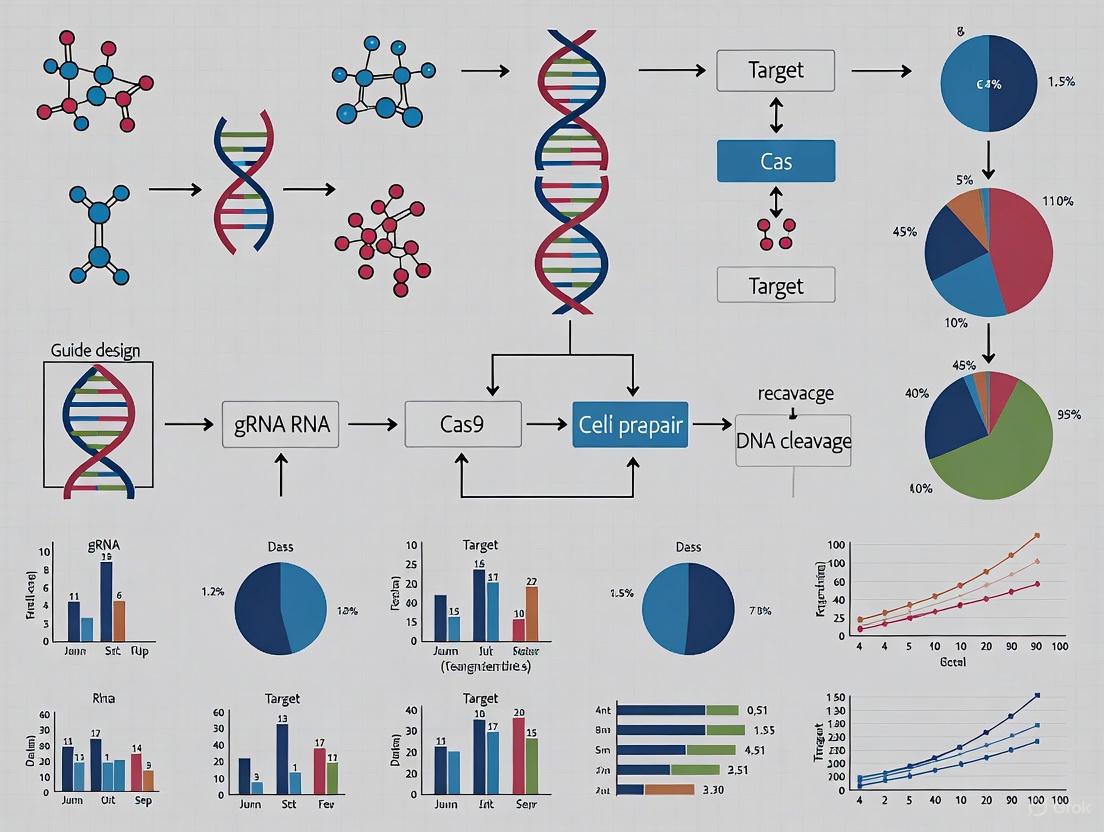
This article synthesizes the transformative role of CRISPR-driven technologies in advancing microalgae as sustainable cell factories for biomedical and industrial applications.
Beyond Cutting: CRISPR as a Synthetic Biology Swiss Army Knife for Microalgal Metabolic Engineering
Abstract
This article synthesizes the transformative role of CRISPR-driven technologies in advancing microalgae as sustainable cell factories for biomedical and industrial applications. Moving beyond simple gene editing, we explore the expanded CRISPR toolkit—including base editing, transcriptional control, and epigenetic regulation—for precise metabolic pathway engineering. The content addresses foundational principles, methodological applications for producing high-value therapeutics and nutraceuticals, troubleshooting of persistent challenges like delivery efficiency and species-specific optimization, and validation through comparative analysis of editing tools. Tailored for researchers and drug development professionals, this review provides a comprehensive framework for harnessing microalgal metabolic potential to address global challenges in sustainable biomanufacturing.
From Scissors to Swiss Army Knife: The Foundational Shift in CRISPR Microalgal Engineering
The Inherent Potential of Microalgae as Sustainable Cell Factories
Microalgae represent a cornerstone of sustainable biomanufacturing, offering transformative solutions to global challenges in energy, nutrition, and environmental stewardship [1] [2]. These photosynthetic organisms possess unparalleled advantages, including rapid growth powered by sunlight and CO₂, superior carbon fixation capabilities, and the innate capacity to synthesize a diverse array of high-value compounds—from nutraceuticals and biofuels to therapeutic proteins and commodity chemicals [1] [3]. Under optimized conditions, certain microalgal strains can achieve carbon fixation rates of 1.0–3.7 g CO₂/L/day and lipid content up to 60% of dry biomass, outperforming most terrestrial bioenergy crops [4].
Despite this immense promise, industrial-scale deployment has been hampered by persistent bottlenecks, including suboptimal biomass productivity, vulnerability to environmental fluctuations, and insufficient target compound titers that frequently fall below economic viability thresholds [1] [5]. These limitations stem from inherent biological constraints and the inadequacy of conventional genetic tools. The advent of CRISPR-Cas systems has marked a pivotal breakthrough, evolving from programmable molecular "scissors" to a versatile synthetic biology "Swiss Army Knife," thereby unlocking the potential to engineer robust, high-productivity microalgal cell factories [1] [2].
The CRISPR Toolkit for Microalgae: Moving Beyond Cutting
The transition of CRISPR technology from a simple DNA-cleaving apparatus to a multifaceted synthetic biology platform represents a quantum leap for microalgal metabolic engineering [1]. This expanded toolkit now enables tunable gene expression control, epigenetic reprogramming, base-level corrections, and dynamic regulation across multi-gene circuits.
Core Components of the Advanced CRISPR Toolkit
- CRISPR Interference and Activation (CRISPRi/a): Utilizing catalytically deactivated Cas proteins (dCas9/dCas12) fused to transcriptional repressors or activators to precisely modulate gene expression without altering DNA sequences [1] [2].
- Base Editors: Enabling direct, irreversible conversion of one DNA base pair to another (C•G to T•A or A•T to G•C) without requiring double-strand breaks (DSBs) or donor templates [1].
- Prime Editors: Supporting targeted insertions, deletions, and all 12 possible base-to-base conversions in a precise and versatile manner, again avoiding DSBs [1].
- Epigenetic Editors: Employing dCas fused to epigenetic modifier domains to manipulate DNA methylation and histone modifications, leading to stable changes in gene expression patterns [1].
- Multiplexed Systems: Allowing simultaneous regulation of multiple genomic loci, which is essential for rewiring complex metabolic networks [1] [2].
Delivery Strategies for CRISPR Components
Efficient intracellular delivery of CRISPR ribonucleoproteins (RNPs), mRNA, or DNA constructs remains a primary bottleneck in microalgal engineering, compounded by diverse cell wall compositions [1] [6]. The following table summarizes the primary delivery methods:
Table 1: Delivery Methods for CRISPR Components in Microalgae
| Method | Principle | Applications in Microalgae | Efficiency & Challenges |
|---|---|---|---|
| Electroporation [1] [6] | Electrical pulses create transient pores in cell membrane. | Widely used in Chlamydomonas reinhardtii and other species. | Relatively rapid; can cause high cell mortality; efficiency varies (~0.4–3 × 10³ transformants/µg DNA) [6]. |
| Particle Bombardment (Biolistics) [1] [6] | High-velocity delivery of DNA-coated metal particles. | Species-agnostic; used for various microalgae. | Can overcome cell walls; often results in multi-copy integration and transgene silencing. |
| Agrobacterium-mediated [6] | Uses engineered Agrobacterium tumefaciens to transfer T-DNA. | Applied to some microalgal species. | Potential for lower-copy, more stable integration; requires optimization for algae. |
| Nanoparticle-based [6] | Complexation or encapsulation of CRISPR components with cationic polymers/lipids or inorganic NPs. | Emerging as a promising strategy. | Offers potential for high efficiency, safety, and combinatorial delivery; requires species-specific optimization. |
Application Notes: Engineering Metabolic Pathways
The advanced CRISPR toolkit has been deployed to enhance microalgae's natural capabilities and introduce novel traits. The following workflow outlines a generalized protocol for undertaking a CRISPR-mediated metabolic engineering project in microalgae.
Enhancing Lipid Production for Biofuels
Objective: To significantly increase the production of lipids, specifically triacylglycerols (TAGs), for biodiesel and biofuel applications by knocking out lipid catabolism regulators and activating lipid biosynthesis genes [1] [3].
- Target Selection: Key targets include:
- Knockout: Suppression of the multifunctional lipase/phospholipase/acyltransferase gene, a major regulator of lipid catabolism [1].
- Activation (CRISPRa): Overexpression of acetyl-CoA carboxylase (ACC) and malic enzyme (ME), which supply key precursors (malonyl-CoA and NADPH) for fatty acid biosynthesis [1].
- Experimental Protocol:
- gRNA Design: Design two gRNAs with high on-target scores targeting the promoter region of the lipase gene for knockout. Design another gRNA targeting the promoter region of ACC for activation by a dCas9-transactivator fusion protein.
- Construct Assembly: Clone expression cassettes for a Cas9 nuclease (e.g., SpCas9) with the knockout gRNAs and a dCas9-VPR transcriptional activator with the activation gRNA into a single transformation vector. Use species-specific optimized codons for the Cas proteins.
- Transformation: Deliver the constructed plasmid into Nannochloropsis gaditana via electroporation [1]. Parameters: 10–50 µg plasmid DNA, 2–4 kV, 5 ms pulse length for 100 µL of algal cells concentrated to ~10⁸ cells/mL.
- Screening: Select transformants on agar plates with appropriate antibiotics (e.g., Zeocin) for 2–3 weeks.
- Validation: Confirm genetic modifications by genomic PCR and Sanger sequencing of the target loci. Quantify editing efficiency via T7E1 assay or next-generation sequencing.
- Phenotypic Analysis: Grow validated mutants in nitrogen-depleted medium for 5 days. Quantify lipid content using Nile Red staining and gas chromatography (GC) for fatty acid methyl ester (FAME) profiling. TAG productivity can be evaluated gravimetrically.
- Expected Outcome: Engineered strains have demonstrated 2- to 3-fold increases in lipid content and ~1.5-fold enhancement in biomass productivity under scale-up conditions [1].
Engineering Carotenoid Biosynthetic Pathways
Objective: To overproduce high-value carotenoids like β-carotene, astaxanthin, and fucoxanthin, which have applications in nutraceuticals, cosmetics, and pharmaceuticals [3] [7].
- Target Selection: The metabolic pathway for carotenoid biosynthesis is a branch of isoprenoid metabolism, which relies on precursor molecules IPP and DMAPP generated by the MEP pathway [7]. Key strategies include:
- Upregulation: Overexpression of phytoene synthase (PSY), the key rate-limiting enzyme committing metabolic flux to carotenoid biosynthesis [7].
- Knockdown/out: Suppression of carotenoid cleavage dioxygenase (CCD) enzymes that degrade carotenoids, thereby reducing turnover [1].
- Precursor Enhancement: Modulation of the MEP pathway (e.g., DXS enzyme) to increase the supply of IPP and DMAPP precursors [7].
- Experimental Protocol:
- Multiplexed gRNA Design: Design gRNAs for:
- CRISPRa of the PSY gene promoter.
- CRISPRi (dCas9-KRAB) of the CCD gene promoter.
- CRISPRa of the DXS gene promoter.
- Vector Construction: Assemble a multiplexed gRNA expression array using a tRNA-processing system into a vector containing a dCas9-VPR activator for activation targets and a separate vector with dCas9-KRAB for the repression target. Co-transform or use a single vector with multiple expression cassettes.
- Transformation: Introduce constructs into Dunaliella salina (for β-carotene) or Haematococcus pluvialis (for astaxanthin) using particle bombardment or electroporation [1] [6].
- Screening: Screen for transformants using antibiotic resistance. Visually screen for colonies with deeper orange/red pigmentation.
- Validation: Validate transcriptional changes via qRT-PCR for PSY, CCD, and DXS.
- Product Quantification: Harvest cells during stationary phase. Extract pigments with solvents (e.g., acetone/methanol) and quantify specific carotenoids using High-Performance Liquid Chromatography (HPLC) with diode-array detection against known standards.
- Multiplexed gRNA Design: Design gRNAs for:
- Expected Outcome: Successful pathway rewiring can lead to a >50% increase in total carotenoid yield, with specific compounds like β-carotene showing even greater fold-increases [3] [7].
Table 2: Summary of Key Metabolic Engineering Outcomes in Microalgae
| Target Compound | Engineering Strategy | Microalgal Host | Reported Enhancement |
|---|---|---|---|
| Lipids (TAGs) | Knockout of lipid catabolism regulator; Activation of ACCase [1] | Nannochloropsis spp. | 2- to 3-fold increase in lipid content [1] |
| Carotenoids | Multiplexed activation of PSY, DXS; Repression of CCD [1] [7] | Dunaliella salina, Haematococcus pluvialis | >50% increase in total yield [7] |
| Omega-3 PUFAs | Expression of heterologous Δ5/Δ6-elongase/desaturase genes [1] | Phaeodactylum tricornutum | Significant production of EPA/DHA [1] |
| Isoprenoids | Channeling carbon flux to MEP/MVA pathways; Overexpression of prenyltransferases [7] | Chlamydomonas reinhardtii | Enhanced production of monoterpenes and sesquiterpenes [7] |
The Scientist's Toolkit: Essential Research Reagents
Successful CRISPR metabolic engineering in microalgae relies on a core set of reagents and tools. The following table details key components of the research toolkit.
Table 3: Essential Research Reagent Solutions for CRISPR Metabolic Engineering in Microalgae
| Reagent / Tool Category | Specific Examples | Function & Application Notes |
|---|---|---|
| Cas Protein Variants | SpCas9, FnCas12a, CasMINI, High-fidelity SpCas9 (SpCas9-HF1) [1] | Programmable DNA binding and cleavage. Smaller variants (Cas12a, CasMINI) aid delivery; high-fidelity variants reduce off-target effects. |
| gRNA Expression System | U6 snRNA promoter, tRNA-gRNA polycistronic systems [1] | Drives the expression of guide RNA. tRNA systems enable efficient processing of multiplexed gRNA arrays. |
| Delivery Reagents | Electroporation kits (e.g., Bio-Rad Gene Pulser), Gold microparticles for biolistics, Polyethyleneimine (PEI) [1] [6] | Facilitate the entry of CRISPR constructs into microalgal cells. Choice depends on cell wall type and species. |
| Selection Markers | Antibiotic resistance genes (e.g., Zeocin, Hygromycin), Auxotrophic markers [5] | Enables selection of successfully transformed cells. Antibiotic markers are most common. |
| Analytical Standards | Fatty Acid Methyl Ester (FAME) mix, Carotenoid standards (β-carotene, astaxanthin), Isoprenoid standards [7] | Essential for accurate identification and quantification of target metabolites via GC or HPLC. |
| Cell Disruption Tools | Bead beater, Ultrasonic cell disruptor, French press [4] | For efficient extraction of intracellular metabolites like lipids and pigments from robust microalgal cells. |
Visualization of a Key Pathway: Isoprenoid Biosynthesis
Isoprenoids, a vast class of compounds including carotenoids, are synthesized from precursors IPP and DMAPP. Microalgae primarily use the MEP pathway located in the plastids. The following diagram outlines the core pathway and key metabolic engineering targets for enhancing carotenoid production.
Limitations of Conventional Genetic Tools in Microalgal Engineering
Microalgae represent a cornerstone of sustainable biomanufacturing, offering transformative solutions for energy, nutrition, and environmental sustainability through their capabilities for CO2 fixation and synthesis of diverse high-value compounds [1]. However, the industrial deployment of microalgae has been consistently hampered by biological constraints and the fundamental inadequacy of conventional genetic tools [1]. These limitations have created a significant bottleneck in metabolic engineering efforts aimed at enhancing productivity, resilience, and economic viability of microalgal systems.
The transition from laboratory promise to industrial reality requires sophisticated genetic interventions that conventional tools—developed primarily for model organisms—are ill-equipped to provide. This application note details these specific limitations, provides experimental frameworks for their assessment, and contextualizes these challenges within the broader thesis that advanced CRISPR-driven synthetic biology offers the most viable pathway forward.
Core Limitations of Conventional Genetic Tools
Lack of Precision and Programmable Targeting
Conventional genetic engineering approaches, including random mutagenesis and low-efficiency homologous recombination, operate with minimal target specificity, leading to unpredictable and suboptimal outcomes.
- Random Mutagenesis: Relies on chemical or physical agents to induce undefined mutations across the genome. While useful for generating phenotypic diversity, this method offers no control over mutation location or type, requires extensive screening, and often accumulates undesirable secondary mutations that compromise strain fitness [1].
- Low-Efficiency Homologous Recombination: Depends on endogenous repair mechanisms for gene integration or replacement. In most microalgae, this process is exceptionally inefficient compared to model microbes like yeast, resulting in low transformation frequencies and making the isolation of desired mutants labor-intensive and time-consuming [1] [8].
Table 1: Quantitative Comparison of Conventional vs. Ideal Genetic Tool Characteristics
| Tool Characteristic | Conventional Tools (Random Mutagenesis, Homologous Recombination) | Ideal Tool Requirements |
|---|---|---|
| Targeting Precision | Non-specific or low-fidelity targeting | Nucleotide-level precision |
| Throughput | Low throughput, labor-intensive screening | High-throughput compatibility |
| Multiplexing Capacity | Essentially non-existent | Coordinated, multi-gene editing |
| Programmability | Not programmable; dependent on chance or endogenous repair | Fully programmable targeting |
| Predictability of Outcome | Unpredictable, often with deleterious side effects | High predictability |
Inadequacy for Complex Metabolic Pathway Engineering
Rewiring microalgal metabolism to enhance the production of lipids, biofuels, or high-value nutraceuticals requires nuanced, multi-layered genetic interventions that conventional tools cannot deliver.
- Inability to Fine-Tune Gene Expression: Merely knocking out or overexpressing genes provides binary, on/off control. It does not allow for the fine, tunable control of gene expression levels necessary to balance flux through interconnected metabolic pathways without causing metabolic imbalance or toxicity [1].
- Challenges in Multiplexed Genome Regulation: Introducing complex traits often requires coordinated manipulation of multiple genes. Conventional methods are poorly suited for such multiplexed engineering, as stacking multiple modifications through successive rounds of transformation is inefficient and often leads to gene silencing or genomic instability [1] [8].
Species-Specific Barriers and Lack of Universal Tools
The term "microalgae" encompasses a highly diverse group of organisms from different evolutionary lineages, leading to a fundamental challenge: tools developed for one species often fail in another.
- Genetic Diversity: Profound differences in genomic structure, codon usage, regulatory elements, and DNA repair machinery exist between green algae (e.g., Chlamydomonas reinhardtii), diatoms (e.g., Phaeodactylum tricornutum), and eustigmatophytes (e.g., Nannochloropsis spp.) [9].
- Cell Wall Recalcitrance: The complex and species-specific composition of microalgal cell walls (e.g., cellulose, silica, algaenan) presents a major physical barrier to the efficient delivery of foreign DNA, a challenge not sufficiently overcome by standard transformation methods [1] [10].
Diagram 1: Hierarchy of limitations inherent to conventional genetic tools in microalgae.
Experimental Protocols for Assessing Tool Limitations
Protocol 1: Quantifying Homologous Recombination Efficiency
Objective: To empirically determine the low efficiency of targeted gene integration via Homologous Recombination (HR) in a target microalgal species, providing a quantitative baseline against which advanced tools (e.g., CRISPR-HDR) can be compared.
Materials:
- Table 3: Key Research Reagent Solutions
- Microalgal strain of interest
- UV-Vis spectrophotometer
- Selective antibiotics (e.g., hygromycin, zeocin)
- PCR thermocycler and gel electrophoresis equipment
Table 2: Key Research Reagent Solutions
| Reagent | Function | Example/Notes |
|---|---|---|
| HR Repair Template | Provides homology arms for targeted integration | Plasmid or dsDNA fragment with 0.5-1kb homology arms flanking a selectable marker (e.g., aph7" for hygromycin resistance). |
| Transformation Reagents | Facilitates DNA delivery | For electroporation: certified electroporator and cuvettes. For agitation: sterile glass beads (300-500µm diameter). |
| Selection Antibiotics | Selects for successful transformants | Species-specific; e.g., Hygromycin B, Zeocin. Must determine minimum inhibitory concentration (MIC) beforehand. |
| Genomic DNA Extraction Kit | Isolates DNA for genotyping | Commercial kit compatible with microalgal cell walls. |
| PCR Reagents | Amplifies target loci for confirmation | High-fidelity DNA polymerase, primers specific to the integrated cassette and flanking genomic regions. |
Procedure:
- Strain Preparation: Grow the microalgal strain to mid-log phase (e.g., OD750 ~0.5) under standard conditions.
- HR Construct Design: Clone a dominant selectable marker gene (e.g., aph7 conferring hygromycin resistance) between 5' and 3' homology arms (500-1000 bp each) targeting a neutral genomic locus.
- Transformation:
- Electroporation: Harvest 10^8 cells, wash, and resuspend in osmoticum. Mix with 1-2 µg of linearized HR construct DNA. Electroporate using species-optimized parameters (e.g., 800 V, 25 µF, 400 Ω for C. reinhardtii).
- Glass Bead Method (alternative): Mix 10^8 cells, 1-2 µg DNA, and 0.3 g sterile glass beads in a tube. Vortex at maximum speed for 30 seconds.
- Recovery & Selection: Transfer cells to 10 mL of non-selective liquid medium for a 24-hour recovery in light. Pellet cells and spread onto solid medium containing the appropriate antibiotic.
- Quantification and Analysis:
- Count the number of resistant colonies after 1-3 weeks.
- Calculate HR Efficiency = (Number of antibiotic-resistant colonies / Total number of viable cells transformed) × 100%.
- Screen 10-20 resistant colonies by PCR using primers that bind outside the homology arms and within the inserted marker to confirm correct targeted integration.
Expected Outcome: HR efficiency in most microalgae is typically very low, often ranging from 10^-5 to 10^-7 [1] [8]. The majority of antibiotic-resistant colonies may result from random, non-homologous integration, which can be distinguished by PCR.
Protocol 2: Evaluating Species-Specific Tool Failure
Objective: To demonstrate how a genetic tool (e.g., a CRISPR-Cas9 system) optimized for one microalgal species fails in another due to differences in genomic context and cellular machinery.
Materials:
- Two phylogenetically distinct microalgal species (e.g., C. reinhardtii and Nannochloropsis oceanica).
- A CRISPR-Cas9 plasmid system with proven functionality in Species A (C. reinhardtii), including a species-appropriate gRNA expression cassette (e.g., U6 promoter) and a codon-optimized Cas9.
- Transformation and analysis reagents from Protocol 1.
Procedure:
- System Validation: Transform Species A with the CRISPR plasmid targeting a known, non-essential gene (e.g., CpSRP4 in C. reinhardtii). Confirm high-efficiency mutagenesis via PCR genotyping of the target locus.
- Cross-Species Test: Use the exact same plasmid to transform Species B (N. oceanica) targeting an analogous non-essential gene. Use the same transformation protocol, adjusting only physical parameters (e.g., electroporation voltage) to ensure delivery.
- Analysis:
- Isolate genomic DNA from antibiotic-resistant transformants of Species B.
- Amplify the target locus by PCR and sequence the products.
- Quantify editing efficiency: (Number of transformants with indels at target locus / Total number of transformants screened) × 100%.
Expected Outcome: The same plasmid construct will likely show drastically reduced or undetectable editing efficiency in Species B [9]. This failure can be attributed to factors such as improper gRNA transcription due to promoter incompatibility, suboptimal Cas9 codon usage for Species B, or differing cellular repair machinery responses.
Diagram 2: Experimental workflow for quantifying homologous recombination efficiency.
The limitations of conventional genetic tools detailed herein—lack of precision, inadequacy for complex pathway engineering, and species-specific barriers—collectively form the critical research gap that a thesis on CRISPR metabolic engineering in microalgae must address. The foundational work of establishing these bottlenecks provides the necessary justification for the development and application of advanced CRISPR-driven synthetic biology toolkits.
Moving beyond these conventional tools is not merely an incremental improvement but a paradigm shift. The transition to CRISPR-based technologies, including base editing, prime editing, CRISPRi/a, and epigenome editing, offers the programmability, precision, and versatility required to overcome these long-standing challenges [1] [10]. This progression from "molecular scissors" to a "synthetic biology Swiss Army Knife" is essential for unlocking the full potential of microalgae as robust, high-productivity cell factories, finally realizing their promise for next-generation biomanufacturing [1].
The advent of CRISPR-Cas systems initially provided precise gene editing via targeted DNA cleavage in microalgae, representing a pivotal breakthrough for a field previously hampered by biological constraints and inadequate conventional genetic tools [1]. However, the true transformative potential for microalgal metabolic engineering lies in moving decisively beyond cutting to harness CRISPR as a versatile synthetic biology "Swiss Army Knife" [1]. This paradigm shift has unlocked a sophisticated molecular toolkit that enables tunable gene expression control, epigenetic reprogramming, base-level corrections, and dynamic regulation across multi-gene circuits—capabilities essential for engineering robust, high-productivity microalgal cell factories [1]. This evolution from simple nucleases to a comprehensive genome engineering platform now positions microalgae as sustainable platforms for next-generation biomanufacturing of biofuels, nutraceuticals, and high-value compounds [1] [3].
The Expanded CRISPR Toolkit: Core Components Beyond Cutting
Precision Editing Systems
The transition from DNA-cleaving apparatus to multifaceted synthetic biology platform represents a quantum leap for microalgal metabolic engineering [1]. Catalytically deactivated Cas proteins (dCas9/dCas12) serve as programmable scaffolds for transcriptional activators/repressors (CRISPRa/i), enabling precise gene expression modulation without DNA cleavage [1]. Base editors (CBEs, ABEs) facilitate single-nucleotide conversions, while prime editors (PEs) support targeted insertions, deletions, and all base transitions without double-strand breaks [1]. These DSB-free editors are particularly valuable for microalgae where error-prone repair pathways can amplify errors [1].
The adaptability of CRISPR components to diverse microalgal species requires careful optimization. While Streptococcus pyogenes Cas9 (SpCas9) was the pioneer, its limitations in microalgae—large size hindering delivery, strict PAM requirements (5'-NGG-3'), and significant off-target effects—have spurred diversification [1]. Smaller orthologs like Francisella novicida Cas12a (FnCas12a, ~3.7 kb) offer distinct advantages: simpler crRNAs enabling multiplexing, staggered DSBs potentially favoring specific repair pathways, and alternative PAMs (e.g., 5'-TTTV-3') [1]. High-fidelity variants (e.g., SpCas9-HF1, eSpCas9, HypaCas9), engineered with mutations reducing non-specific DNA contacts, are crucial for minimizing off-target edits in organisms like Chlamydomonas reinhardtii [1].
Advanced Engineering Applications
The expanded CRISPR toolkit enables sophisticated engineering approaches previously unavailable for microalgae:
- Multiplexed Genome Editing: Coordinated pathway alterations by precisely targeting multiple genes simultaneously [11]
- Epigenetic Reprogramming: Stable modulation of gene expression without altering DNA sequence [1]
- Biosensor-Integrated Circuits: Dynamic, autonomous control of metabolic pathways in response to environmental cues [1]
- Pathway Optimization: Comprehensive rewiring of metabolic networks through simultaneous regulation of multiple pathway genes [1] [11]
CRISPR Toolkit Evolution: From core nuclease systems to advanced microalgae applications.
CRISPR Applications in Microalgae Metabolic Engineering
Enhanced Biofuel and Biomolecule Production
CRISPR-based engineering has dramatically improved microalgal production of biofuels and high-value biomolecules. Lipid accumulation has been significantly enhanced through targeted knockouts of competitive pathways and regulation of lipid biosynthesis genes [11]. In C. reinhardtii, downregulating the expression level of the CrPEPC1 gene via CRISPRi increased lipid synthesis, while in Nannochloropsis spp., multiplexed editing of lipid biosynthesis regulators boosted triacylglycerol productivity [3] [12].
Pigment production has been successfully engineered through precise pathway manipulations. In C. reinhardtii, knockout of the zeaxanthin epoxidase gene stopped the formation of lutein, potentially redirecting metabolic flux toward more valuable carotenoids [13]. Similarly, engineering of Haematococcus pluvialis for enhanced astaxanthin production demonstrates the potential for CRISPR tools to optimize high-value compound synthesis [3].
Table 1: CRISPR-Enhanced Production of Biofuels and Biomolecules in Microalgae
| Microalgal Species | Target Gene/Pathway | Editing Approach | Outcome | Efficiency/Yield |
|---|---|---|---|---|
| C. reinhardtii | CrPEPC1 | CRISPRi/dCas9-KRAB | Increased lipid synthesis | 94% downregulation [13] |
| C. reinhardtii | Zeaxanthin epoxidase | CRISPR/Cas9 RNP | Stopped lutein formation | Successful knockout [13] |
| Nannochloropsis oceanica | Nitrate reductase | CRISPR/Cas9 | Non-transgenic marker-free lines | 45-90% editing efficiency [13] |
| Chlorella vulgaris | Lipid accumulation genes | CRISPR/Cas9 | Enhanced lipid accumulation | 67% editing efficiency [13] |
| Synechococcus elongatus | glgc | CRISPRi/dCas9 | Increased succinate titer | 99% downregulation [13] |
Carbon Utilization and Stress Resilience
Microalgae play a crucial role in carbon sequestration, with the potential to photosynthetically capture approximately 100 gigatons of CO₂ per annum [3]. CRISPR engineering has enhanced this natural capability by improving carbon fixation efficiency and redirecting carbon flux toward valuable products [1]. In Synechococcus sp. PCC 7002, reducing carboxysome expression levels via CRISPRi increased central carbon flux, demonstrating the potential for optimizing carbon utilization pathways [13].
Engineering stress resilience has been another significant application. By targeting transcription factors and regulatory genes involved in stress response, researchers have developed microalgal strains with improved tolerance to temperature fluctuations, high light intensity, and nutrient limitations [1] [11]. In P. tricornutum, mutagenesis of the CpSRP54 gene increased sensitivity to high intensity light, providing insights for inverse engineering of robustness [13].
Delivery Methods for CRISPR Components in Microalgae
Comparison of Transformation Techniques
Efficient intracellular delivery of CRISPR ribonucleoproteins (RNPs), mRNA, or DNA constructs remains a primary bottleneck in microalgal engineering, compounded by diverse cell wall/membrane compositions, polysaccharide capsules, and varying cell sizes [1]. Physical methods like electroporation and particle bombardment (biolistics) offer species-agnostic delivery but suffer from low efficiency, high cell mortality, and frequent multi-copy integration causing transgene silencing [1].
Biological delivery systems have emerged as promising alternatives. Bacterial conjugation enables efficient plasmid transfer without genomic integration, producing episomal maintenance of CRISPR components [14]. This approach allows for transient expression of Cas9 and the creation of transgene-free edited lines, which may have regulatory advantages [14]. Recent innovations also focus on cell wall-weakening pretreatments and engineered viruses or advanced Agrobacterium-based systems adapted for algae [1].
Table 2: Comparison of CRISPR Delivery Methods in Microalgae
| Delivery Method | Mechanism | Advantages | Limitations | Editing Efficiency Range |
|---|---|---|---|---|
| Electroporation | Electrical field creates temporary pores | Rapid, highly efficient for some species | High cell mortality, species-dependent | 0.17-93% [13] |
| Biolistic Bombardment | High-velocity DNA-coated particles | Species-agnostic, works with recalcitrant species | Cell damage, random integration, multi-copy insertion | 25-63% [13] |
| Bacterial Conjugation | Plasmid transfer via bacterial mating | High efficiency, episomal maintenance, transgene-free mutants possible | Delayed editing, requires specialized vector | Similar biallelic mutation rates to biolistics [14] |
| Nanoparticles | Engineered NPs complexed with CRISPR components | High biocompatibility, targeting potential, minimal immune response | Emerging technology, requires optimization | Varies with NP design [12] [6] |
| Cell-Penetrating Peptides | Peptide-mediated RNP delivery | Non-covalent complexing, simple process, no equipment needed | Variable efficiency across species | Confirmed editing in C. reinhardtii [15] |
Emerging Delivery Technologies
Nanomaterial-based delivery systems represent a promising frontier for CRISPR component delivery in microalgae [12] [6]. Algal-mediated nanoparticles (AMNPs) are particularly appealing as a sustainable delivery platform due to their biocompatibility and low toxicity in a homologous relationship [12] [6]. These nanoparticles offer advantages of precise targeting, high stability, safety, and improved immune system escape compared to viral vectors [6].
Cell-penetrating peptides (CPPs) have also been successfully employed for RNP delivery in microalgae. The pVEC peptide (LLIILRRRIRKQAHAHSK), derived from murine vascular endothelial cadherin, mediates efficient delivery of Cas9/sgRNA complexes into C. reinhardtii in a non-covalent form [15]. This approach is technically simple, time-saving (~30 minutes), and requires no specialized equipment [15].
CRISPR Delivery Landscape: Multiple approaches with varying efficiencies for microalgae transformation.
Experimental Protocols for CRISPR Workflows in Microalgae
Conjugation-Based CRISPR/Cas9 Delivery for Diatoms
This protocol adapts bacterial conjugation for efficient delivery of CRISPR/Cas9 components into the marine diatom Phaeodactylum tricornutum, enabling transient Cas9 expression and non-transgenic mutant generation [14].
Materials:
- pPtPuc3m diaCas9_sgRNA plasmid vector containing diatom-codon-optimized Cas9 and sgRNA expression cassette
- Escherichia coli strain HB101 containing the conjugative plasmid pTA-Mob
- P. tricornutum cultures in mid-exponential growth phase (OD750 ≈ 0.5)
- Antibiotics for selection: ampicillin (100 µg/mL) for bacteria, nourseothricin (100 µg/mL) for diatoms
- Diatom culture media: f/2 medium with artificial seawater
- Solid media: f/2 medium with 0.8% agar
Procedure:
- Bacterial Preparation: Grow the donor E. coli strain HB101 containing both the pPtPuc3m diaCas9_sgRNA and helper plasmid pTA-Mob overnight at 37°C in LB medium with appropriate antibiotics.
- Algal Preparation: Harvest P. tricornutum cells from 50 mL of mid-exponential phase culture by gentle centrifugation (2,000 × g, 5 min).
- Conjugation Setup: Mix 1 mL of donor bacteria (OD600 ≈ 1.0) with the harvested diatom cells and concentrate onto a 0.45 µm filter placed on f/2 agar medium without antibiotics.
- Conjugation Incubation: Incubate the filter at 25°C under continuous light (50 µE/m²/s) for 24 hours.
- Selection: Resuspend the cells from the filter in liquid f/2 medium and plate onto f/2 agar plates containing nourseothricin (100 µg/mL) to select for transconjugants.
- Colony Screening: After 2-3 weeks, pick emerging colonies and screen for targeted mutations using high-resolution melting (HRM) analysis followed by Sanger sequencing.
- Vector Curing: To eliminate the episomal vector, grow mutant lines for several generations in the absence of nourseothricin selection, then verify vector loss by antibiotic sensitivity and PCR.
Technical Notes:
- Transformation efficiency is typically 20-100 times higher than biolistic methods [14]
- Mutant detection may require extended growth periods (up to 3 months) compared to biolistic approaches due to lower episomal copy numbers [14]
- This system enables generation of non-transgenic mutant lines after vector curing, which may have regulatory advantages [14]
RNP Delivery via Cell-Penetrating Peptides in C. reinhardtii
This protocol describes a non-covalent ribonucleoprotein (RNP) delivery method using the pVEC cell-penetrating peptide for genome editing in C. reinhardtii, avoiding the need for DNA-based Cas9 expression [15].
Materials:
- Purified Cas9 nuclease (commercial source or purified)
- In vitro transcribed sgRNA targeting gene of interest
- pVEC peptide (LLIILRRRIRKQAHAHSK) synthesized to >95% purity
- C. reinhardtii wild-type strains (e.g., CC-503, CC-124) in mid-logarithmic growth phase
- Tris-acetate-phosphate (TAP) medium
- Cell culture plates (6-well or 12-well format)
- DNA extraction kit for algal cells
- PCR reagents for amplification of target loci
- T7 endonuclease I or surveyor nuclease for mutation detection
Procedure:
- RNP Complex Formation:
- Precomplex 5 µg of purified Cas9 protein with 2 µg of sgRNA in 10 µL of complexing buffer (20 mM HEPES, 150 mM KCl, pH 7.4)
- Incubate at 25°C for 10 minutes to form RNP complexes
Peptide-RNP Complexing:
- Add pVEC peptide to the RNP complex at a 5:1 molar ratio (peptide:protein)
- Incubate at room temperature for 30 minutes without agitation
Algal Cell Treatment:
- Harvest C. reinhardtii cells from 10 mL of mid-log phase culture (2-5 × 10⁶ cells/mL) by gentle centrifugation (1,500 × g, 5 min)
- Wash cells once with fresh TAP medium
- Resuspend cell pellet in 1 mL TAP medium and transfer to 12-well plate
- Add the pVEC-RNP complexes directly to the cell suspension
- Incubate for 18-24 hours under standard growth conditions (25°C, continuous light)
Mutation Analysis:
- After 24-48 hours, harvest cells and extract genomic DNA
- PCR amplify the target region using gene-specific primers
- Detect mutations using T7 endonuclease I assay or surveyor nuclease
- Confirm editing by Sanger sequencing of cloned PCR products
Technical Notes:
- Optimal pVEC concentration is 2-5 µM for efficient delivery [15]
- RNP delivery occurs through both energy-dependent endocytosis and direct penetration mechanisms [15]
- Cytotoxicity assessments indicate Cas9 alone induces more severe cytotoxicity than RNP complexes, suggesting sgRNA helps control Cas9 activity [15]
- Distinct mutation patterns observed depending on target gene, with some loci showing insertion of non-genomic DNA (e.g., chloroplast DNA) [15]
The Scientist's Toolkit: Essential Research Reagents and Materials
Table 3: Key Research Reagent Solutions for CRISPR Microalgae Engineering
| Reagent Category | Specific Examples | Function/Application | Notes for Microalgae Optimization |
|---|---|---|---|
| CRISPR Nucleases | SpCas9, FnCas12a, CasMINI | Targeted DNA cleavage with varying PAM requirements | Codon optimization essential; smaller variants (CasMINI) aid delivery [1] |
| Editing Plasmids | pKS diaCas9sgRNA, pPtPuc3m diaCas9sgRNA | Vector systems for Cas9 and sgRNA expression | Diatom-codon-optimized Cas9 improves efficiency; episomal vectors enable transgene-free mutants [14] |
| Delivery Materials | pVEC peptide, Chitosan nanoparticles, Electroporation cuvettes | Facilitate intracellular delivery of CRISPR components | Species-specific optimization required; algal-mediated nanoparticles show homologous compatibility [12] [15] |
| Selection Agents | Nourseothricin, Zeocin, Hygromycin | Select for successfully transformed cells | Antibiotic sensitivity varies by species; concentration optimization needed [14] |
| Detection Reagents | T7 endonuclease I, Surveyor nuclease, HRM analysis reagents | Detect CRISPR-induced mutations | HRM enables rapid screening; sequencing confirms precise edits [14] |
| Culture Media | f/2 medium, TAP medium, Artificial seawater | Support microalgal growth and transformation | Species-specific formulations required; osmotic balance critical [14] [15] |
Future Perspectives and Concluding Remarks
The CRISPR revolution in microalgal engineering continues to evolve with several emerging technologies poised to address current limitations. The integration of artificial intelligence and machine learning for guide RNA design and outcome prediction represents a promising frontier for enhancing editing efficiency and reducing off-target effects [1] [11]. Additionally, the development of optogenetics-CRISPR systems enables precise spatiotemporal control of genome editing activities, potentially addressing challenges associated with constitutive Cas9 expression [11].
Advanced delivery systems, particularly algal-mediated nanoparticles and biohybrid microrobots, offer exciting possibilities for overcoming the persistent challenge of efficient CRISPR component delivery in diverse microalgal species [12] [6]. These approaches leverage the inherent biocompatibility of algal-derived materials while enabling targeted delivery with minimal toxicity.
As CRISPR tools continue to mature, their integration with multi-omics datasets and systems biology approaches will enable more sophisticated engineering of complex metabolic networks [1]. This systems-level approach, combined with the expanding CRISPR toolkit, promises to unlock the full potential of microalgae as sustainable platforms for biomanufacturing, carbon sequestration, and renewable energy production [1] [3] [11]. The transition from simple DNA cutting to comprehensive genome engineering positions CRISPR technology as the cornerstone of next-generation microalgal biotechnology.
The selection and adaptation of Cas protein variants are fundamental to successful genome editing in microalgae. While the CRISPR-Cas system provides a programmable platform for genetic engineering, the inherent biological diversity of microalgae necessitates careful matching of Cas variants to specific algal hosts. The journey from a simple DNA-cleaving apparatus to a multifaceted synthetic biology platform represents a quantum leap for microalgal metabolic engineering, enabling researchers to overcome species-specific barriers that have traditionally hampered progress in the field [1] [2]. This application note details the core considerations for selecting and optimizing Cas protein variants for microalgal systems, providing structured experimental protocols for researchers engaged in metabolic engineering of algal strains.
Cas Protein Variants: Characteristics and Applications
Table 1: Comparison of Key Cas Protein Variants for Microalgal Engineering
| Cas Variant | Origin | Size (aa) | PAM Requirement | Editing Profile | Ideal Microalgal Host | Key Advantages |
|---|---|---|---|---|---|---|
| SpCas9 | Streptococcus pyogenes | ~1368 | 5'-NGG-3' | DSBs | Chlamydomonas reinhardtii | Well-characterized, reliable cutting |
| FnCas12a | Francisella novicida | ~1300 | 5'-TTTV-3' | Staggered DSBs | Nannochloropsis spp. | Simpler crRNAs, multiplexing capability |
| LbCas12a | Lachnospiraceae bacterium | ~1228 | 5'-TTTV-3' | Staggered DSBs | Diatoms | Lower off-target rates than SpCas9 |
| CasMINI (engineered) | Prevotella sp. P5C062 | ~529 | 5'-T-rich* | DSBs | Species with small cell size/rigid walls | Ultra-compact size for efficient delivery |
| HypaCas9 (high-fidelity) | Engineered SpCas9 | ~1368 | 5'-NGG-3' | DSBs | All species, especially for precision editing | Reduced off-target effects |
Strategic Selection Criteria
The optimal Cas variant depends on multiple intersecting factors. PAM requirement compatibility with the target genomic region is paramount—SpCas9's NGG PAM works well in GC-rich genomes like C. reinhardtii, while Cas12a variants recognizing T-rich PAMs (e.g., TTTA, TTTV) prove more suitable for diatoms like Phaeodactylum tricornutum [1]. Physical delivery constraints also heavily influence selection; the large size of SpCas9 can hinder delivery efficiency, making smaller variants like CasMINI (~1.5 kb) valuable for species with notoriously small cell sizes and rigid walls [1] [2].
Editing precision requirements further guide variant selection. High-fidelity variants (e.g., SpCas9-HF1, eSpCas9, HypaCas9) engineered with mutations reducing non-specific DNA contacts are crucial for minimizing off-target edits in organisms where error-prone repair pathways amplify errors [1]. Research indicates Cas12 nucleases often exhibit lower off-target rates than Cas9, making them increasingly popular in diatoms and Nannochloropsis [1] [2].
Essential Adaptations for Microalgal Systems
Nuclear Localization Optimization
Efficient nuclear import represents a critical barrier in microalgal editing. The nuclear envelope serves as a significant obstacle, as it's challenging to physicochemically increase nuclear membrane permeability while maintaining cellular integrity [16]. Conventional approaches using SV40TAg NLS show limited efficiency, prompting investigation of pathogen-derived NLS sequences with higher affinity for microalgal importin alpha (Impα) [16].
Recent research demonstrates that NLSs originating from plant infection-associated Agrobacterium proteins VirD2 and VirE2 significantly enhance nuclear delivery and editing frequency. When fused to Cas9, the VirD2 NLS increased mutation frequency over 2.4-fold compared to the conventional SV40TAg NLS in Chlamydomonas reinhardtii, with similar enhancements observed in the industrial alga Chlorella Sp. HS2 [16]. This Impα-dependent strategy represents a substantial advancement for achieving efficient editing in diverse microalgal species.
Expression System Optimization
Successful implementation requires adapting prokaryotic-derived CRISPR systems to eukaryotic cellular environments. This includes modifying gRNA expression systems to accommodate eukaryotic RNA processing through RNA Pol III promoters (U6, tRNA promoters) or ribozyme-flanked cassettes, as native bacterial crRNA arrays may not be correctly processed in algal systems [1] [2]. Additionally, proper codon optimization of Cas genes for specific microalgal hosts significantly improves translation efficiency and editing success [1].
Figure 1: Workflow for Cas Protein Adaptation in Microalgae
Experimental Protocols
Protocol: Nuclear Localization Signal Optimization
Objective: Enhance nuclear import of Cas proteins using pathogen-derived NLS sequences.
Materials:
- Cloning vectors with Cas9 coding sequence
- Synthetic oligonucleotides encoding VirD2/VirE2 NLS sequences
- Microalgal importin alpha (Impα) for binding assays
- Chlamydomonas reinhardtii or target microalgal strain
- Electroporation apparatus
Methodology:
- In Silico Analysis: Identify Impα homolog in target microalgae through sequence alignment and structural modeling.
- NLS Fusion: Clone VirD2 (KRPRLEDDADE) or VirE2 (MKQLLRKQKKL) NLS sequences to Cas9 N-/C-terminus via Gibson assembly.
- Affinity Measurement: Quantify NLS-Impα binding affinity using surface plasmon resonance or isothermal titration calorimetry.
- Transformation: Introduce constructs into microalgae via electroporation or Agrobacterium-mediated transformation.
- Efficiency Assessment: Evaluate editing frequency via T7E1 assay or sequencing; compare to SV40TAg NLS control.
Expected Results: VirD2 NLS should increase editing frequency approximately 2.4-fold over SV40TAg NLS in C. reinhardtii [16].
Protocol: Species-Specific Cas Variant Screening
Objective: Identify optimal Cas variant for non-model microalgal species.
Materials:
- Codon-optimized Cas variants (SpCas9, FnCas12a, LbCas12a, CasMINI)
- Species-specific U6 or tRNA promoters for gRNA expression
- Antibiotic selection markers
- High-resolution melting analysis equipment
Methodology:
- Vector Construction: Clone multiple Cas variants with identical gRNA targeting a neutral locus.
- Promoter Selection: Implement species-specific RNA Pol III promoters for gRNA expression.
- Transformation: Deliver constructs via biolistics or electroporation.
- Initial Screening: Use high-resolution melting PCR for rapid mutation detection.
- Deep Validation: Confirm edits via Sanger sequencing and phenotypic assessment.
Expected Results: Editing efficiencies typically range from 25-63% across variants, with optimal performers being species-dependent [1] [17].
Research Reagent Solutions
Table 2: Essential Research Reagents for Cas Protein Adaptation Studies
| Reagent Category | Specific Examples | Function/Application | Considerations |
|---|---|---|---|
| Cas Expression Plasmids | pKSdiaCas9sgRNA [17], codon-optimized Cas9/Cas12a vectors | Deliver Cas protein and gRNA expression cassettes | Requires species-specific promoter optimization |
| NLS Modules | SV40TAg NLS (PKKKRKV), VirD2 NLS (KRPRLEDDADE), VirE2 NLS (MKQLLRKQKKL) | Enhance nuclear import of Cas proteins | VirD2/VirE2 show superior performance in microalgae |
| gRNA Expression Systems | U6 promoters, tRNA promoters, ribozyme-flanked cassettes | Enable proper gRNA processing in eukaryotic microalgae | tRNA-based systems offer improved processing |
| Delivery Tools | Electroporation apparatus, biolistic particle delivery system, Agrobacterium tumefaciens strains | Facilitate intracellular delivery of editing components | Efficiency varies significantly by species |
| Editing Detection Reagents | T7E1 mismatch detection kit, high-resolution melting dyes, sequencing primers | Identify and validate successful genome edits | HRM enables rapid, non-destructive screening |
Technical Considerations and Troubleshooting
Species-specific tool optimization remains challenging, as Cas variant performance shows significant variation across microalgal hosts. For instance, while SpCas9 functions in the model alga C. reinhardtii, its editing efficiency is often suboptimal in industrially relevant strains like Nannochloropsis gaditana, where Cas12a variants demonstrate superior performance [1]. Fundamental differences between prokaryotic CRISPR-Cas origins and eukaryotic cellular machinery necessitate additional adaptations, including engineering nuclear localization signals, modifying gRNA expression systems, accounting for chromatin state differences, and navigating fundamentally distinct DNA repair pathways [1].
Delivery efficiency persists as a primary bottleneck, compounded by diverse cell wall/membrane compositions. Physical methods like electroporation and particle bombardment offer species-agnostic delivery but suffer from low efficiency and high cell mortality. Emerging biological vectors, particularly engineered viruses or advanced Agrobacterium-based systems adapted for algae, represent promising frontiers for high-efficiency delivery [1]. Recent innovations focus on cell wall-weakening pretreatments and nanoparticle-based delivery systems to enhance construct internalization [1] [6].
The adaptation of CRISPR-Cas components for microalgal engineering requires systematic optimization across multiple parameters. By carefully selecting Cas variants based on PAM requirements, delivery constraints, and precision needs, then implementing appropriate NLS and expression system adaptations, researchers can significantly enhance editing efficiencies in diverse microalgal species. The protocols and reagents outlined herein provide a foundation for developing robust genome editing capabilities in both model and industrially relevant microalgae, advancing their potential as sustainable platforms for biomanufacturing.
Microalgae represent a cornerstone of sustainable biomanufacturing, offering transformative solutions to global challenges in energy, nutrition, and therapeutics through their unparalleled capabilities for sunlight-driven growth, CO₂ fixation, and synthesis of diverse high-value compounds [1]. These photosynthetic microorganisms are rich sources of proteins, essential fatty acids, vitamins, antioxidants, and other bioactive molecules with applications spanning nutraceuticals, pharmaceuticals, aquaculture, and bioenergy [18]. Despite this immense promise, industrial-scale deployment remains hampered by biological constraints and the inadequacy of conventional genetic tools, which often lack precision and suffer from poor throughput [1]. The advent of CRISPR-Cas systems initially provided precise gene editing via targeted DNA cleavage, but the true transformative potential lies in harnessing CRISPR as a versatile synthetic biology "Swiss Army Knife" that enables tunable gene expression, epigenome editing, base/prime editing, and multiplexed systems for metabolic pathway optimization [1]. This Application Note synthesizes current CRISPR-driven metabolic engineering strategies for enhancing the production of lipids, carotenoids, polyunsaturated fatty acids (PUFAs), and therapeutic proteins in microalgae, providing detailed protocols and analytical frameworks for research applications.
Compound Profiles and Production Metrics
Table 1: Key High-Value Compounds from Microalgae: Profiles, Applications, and Production Metrics
| Compound Category | Representative Examples | Primary Applications | Reported Enhancement Strategies | Maximum Reported Yields |
|---|---|---|---|---|
| Lipids | Triacylglycerols (TAGs) | Biofuels, Animal feed, Cosmetics | RNAi-mediated UGPase knockdown, CRISPR-Cas9 knockout of lipid catabolism genes | 196.3 mg/L/day lipid productivity in Nannochloropsis salina [19] |
| Carotenoids | β-carotene, Astaxanthin, Lutein, Lycopene | Nutraceuticals, Food additives, Pharmaceuticals, Aquaculture | Heterologous pathway engineering, Key enzyme overexpression, Promoter optimization | Gram-scale production achieved for β-carotene, lycopene [20] |
| Polyunsaturated Fatty Acids (PUFAs) | EPA (C20:5ω3), DHA (C22:6ω3), ARA (C20:4ω6) | Infant nutrition, Cardiovascular health, Cognitive development | "Push-pull-block" metabolic engineering, FAS/PKS pathway modulation, Two-stage cultivation | Significantly enhanced DHA production in Schizochytrium limacinum [21] |
| Therapeutic Proteins | mVenus, VEGF, PDGF-BB, Growth factors | Regenerative medicine, Chronic disease treatment, Localized drug delivery | Secretion peptide fusion, Intron-mediated enhancement, Nuclear synthetic promoters | Continuous release for 4+ days at 30-37°C from Chlamydomonas reinhardtii [22] |
Table 2: CRISPR Tool Selection Guide for Microalgal Metabolic Engineering
| CRISPR System | Key Features | Optimal Application Scenarios | Example Microalgal Hosts |
|---|---|---|---|
| CRISPR-Cas9 | DSB induction, Gene knockouts | Target gene inactivation, Multi-gene disruptions | Chlamydomonas reinhardtii, Nannochloropsis spp. [1] |
| CRISPRa/i | Gene activation/repression (dCas9) | Fine-tuning metabolic flux, Essential gene regulation | Phaeodactylum tricornutum [1] |
| Base Editors | Single-nucleotide changes without DSBs | Precise enzyme engineering, Functional studies | C. reinhardtii (proof-of-concept) [1] |
| CRISPRi | Gene knockdown without cleavage | Carbon flux redirection, Essential gene suppression | Chlorella vulgaris, Nannochloropsis spp. [23] |
| Prime Editors | Targeted insertions, deletions, all base transitions | Pathway optimization, Precise metabolite channeling | Under development for microalgae [1] |
Metabolic Engineering Protocols
CRISPR-Mediated Lipid Enhancement in Nannochloropsis
Experimental Workflow for RNAi-Mediated UGPase Knockdown
Principle: Redirect carbon flux from carbohydrate (chrysolaminarin) biosynthesis toward lipid accumulation by downregulating uridine diphosphate-glucose pyrophosphorylase (UGPase) using RNA interference [19].
Reagents and Equipment:
- Nannochloropsis salina strain CCMP 1,776
- Modified F2N medium: 427.5 mg/L NaNO₃, 30 mg/L NaH₂PO₄·2H₂O, 10 mM Tris-HCl (pH 7.6), trace metal solution, vitamin stock, 15 g/L sea salt
- Shble resistance gene (zeocin resistance)
- TUB promoter and terminator (endogenous)
- Electroporation system or particle bombardment device
- Baffled Erlenmeyer flasks (250 mL)
- Photobioreactor with CO₂ supplementation (2% CO₂ in air, 0.5 vvm)
- Continuous lighting system (120 μmol photons/m²/s)
Procedure:
- Vector Construction:
- Amplify Shble resistance gene using P1 and P2 primers
- Amplify RNAi cassette components (linker, antisense strand, TUB terminator) with P3 and P4 primers
- Amplify pNsRiUGPase vector backbone using P5 and P6 primers
- Assemble using Gibson assembly technique to generate final construct with sense-antisense RNAi cassette targeting UGPase
Transformation:
- Cultivate wild-type N. salina to mid-exponential phase in F2N medium
- Harvest cells and concentrate to 10⁸ cells/mL
- Introduce 5-10 μg of linearized vector via electroporation (2.5 kV, 5 ms pulse) or particle bombardment (1,350 psi, 1 μm gold particles)
- Spread transformed cells on F2N solid medium containing 100 mg/L G418
- Incubate at 25°C under continuous light for 14-21 days until transformant colonies appear
Screening and Validation:
- Select resistant colonies and cultivate in liquid F2N medium with G418
- Perform McrBC-PCR to validate successful RNAi integration (methylation-sensitive PCR)
- Conduct qRT-PCR with primers Q1 and Q2 to quantify UGPase transcript reduction
- Analyze transformants showing >50% UGPase transcript reduction for further characterization
Productivity Assessment:
- Inoculate validated transformants in F2N medium and monitor growth for 12 days
- Measure dry cell weight (DCW) daily via gravimetric analysis
- Quantify total lipid content using Folch extraction and gravimetric analysis
- Analyze fatty acid composition via FAME analysis with GC-MS
Expected Outcomes: Successful transformants (e.g., NsRiUGPase 26) typically show 32-77% increased DCW (up to 6.37 g/L) and 71% enhanced lipid productivity (196.3 mg/L/day) compared to wild-type strains, without significant alteration of fatty acid composition [19].
PUFA Pathway Engineering in Schizochytrium limacinum
CRISPR-Cas9 Mediated "Push-Pull-Block" Strategy for DHA Enhancement
Principle: Implement a synthetic biology approach to modulate the fatty acid biosynthesis pathway in Schizochytrium limacinum SR21, enhancing docosahexaenoic acid (DHA) production through coordinated genetic modifications [21].
Reagents and Equipment:
- Schizochytrium limacinum SR21 strain
- Solid medium: Glucose 30 g/L, Yeast extract 8 g/L, Seawater crystals 20 g/L, Agar powder 20 g/L (pH 6.5)
- Fermentation medium: Glucose 80 g/L, Yeast extract 5 g/L, Monosodium glutamate 30 g/L, Sea salt 20 g/L
- Agrobacterium tumefaciens GV3101 for ATMT
- tRNAGly promoter from S. limacinum for gRNA expression
- G418 antibiotic for selection (100 mg/L working concentration)
Procedure:
- Strain Sensitivity Testing:
- Perform antibiotic sensitivity tests to determine optimal G418 concentration (100 mg/L established for complete growth inhibition)
- Confirm absence of endogenous pathogens through sterility testing
CRISPR Vector Construction:
- Identify endogenous tRNAGly gene and employ as RNA Pol III promoter for gRNA expression
- Design gRNAs targeting fatty acid biosynthesis pathway nodes
- Assemble CRISPR-Cas9 construct with tRNA-gRNA architecture using Gibson assembly
- Incorporate visual screening markers where applicable
Agrobacterium-Mediated Transformation (ATMT):
- Introduce CRISPR construct into A. tumefaciens GV3101 via electroporation
- Co-cultivate A. tumefaciens with S. limacinum for 48 hours
- Transfer to solid medium containing 100 mg/L G418 for selection
- Incubate for 7-10 days until transformant colonies emerge
Metabolic Pathway Engineering:
- Implement "push" strategy: Overexpress key enzymes in acetyl-CoA conversion to malonyl-CoA
- Implement "pull" strategy: Enhance polyketide synthase (PKS) activity for LC-PUFA assembly
- Implement "block" strategy: Knock out competing pathway enzymes to redirect carbon flux
Modular FAS Pathway Expression:
- Reconstitute heterologous FAS pathway through coordinated expression of six FAS enzymes
- Optimize expression stoichiometry using modular cloning approaches
- Screen for transformants with altered fatty acid profiles favoring EPA/DHA accumulation
Analytical Validation:
- Extract total lipids using chloroform:methanol (2:1 v/v)
- Derive fatty acid methyl esters (FAMEs) using boron trifluoride-methanol
- Analyze FAMEs via GC-MS with certified standards for quantification
- Quantify DHA and EPA percentages relative to total fatty acids
Expected Outcomes: Engineered strains demonstrate significantly enhanced DHA production through redirected carbon flux, with the potential for de novo biosynthesis of eicosapentaenoic acid (EPA) via reconstructed FAS pathways [21].
Therapeutic Protein Production in Chlamydomonas reinhardtii
Secretion-Optimized Recombinant Protein Production Workflow
Principle: Engineer C. reinhardtii for continuous production and secretion of therapeutic proteins using optimized expression cassettes and secretion signals, enabling sustained protein release under mammalian culture conditions [22].
Reagents and Equipment:
- Cell-wall-deficient C. reinhardtii (cw15-30-derived UVM4)
- TAP medium (solid and liquid)
- Paromomycin for selection
- SAP11 synthetic promoter and RBCS2 terminator
- pJP30 secretion peptide
- mVenus reporter gene
- β-Tubulin promoter/terminator for APHVIII expression
- uLoop and Chlamydomonas MoClo toolkit for vector assembly
- Mammalian cell culture media (DMEM, RPMI-1640)
- Biomaterial matrices (alginate, gelatin methacryloyl)
Procedure:
- Genetic Construct Assembly:
- Utilize uLoop system for iterative DNA assembly with Type IIS restriction enzymes
- Assemble paromomycin resistance cassette: β-TUB promoter-APHVIII-β-TUB terminator
- Construct mVenus expression cassette: SAP11 promoter-pJP30-mVenus-RBCS2 terminator
- Incorporate endogenous introns into coding sequences to enhance transgene expression
- Transform into competent TOP10 E. coli via heat shock; validate via colony PCR and sequencing
Microalgal Transformation and Selection:
- Cultivate cw15-30-derived UVM4 C. reinhardtii photomixotrophically in TAP medium
- Harvest mid-exponential phase cells (OD550 ~0.8-1.2)
- Introduce plasmid constructs via glass bead transformation or electroporation
- Plate on TAP agar containing 10 μg/mL paromomycin
- Incubate at 22±3°C with continuous white light (30 μE/m²/s) for 7-10 days
Fitness and Productivity Assessment:
- Compare growth curves of transformants vs. wild-type via OD550 measurements
- Measure oxygen evolution rates using Clark-type oxygen electrode
- Quantify mVenus fluorescence (excitation: 515 nm, emission: 528 nm) over time
- Assess protein secretion efficiency via Western blotting of culture supernatants
Mammalian Condition Testing:
- Transfer exponential-phase cultures to mammalian cell media (DMEM, RPMI-1640)
- Incubate at 22°C, 30°C, and 37°C with continuous illumination
- Monitor cell viability via chlorophyll autofluorescence and membrane integrity staining
- Quantify recombinant protein production and secretion over 4-day period
Biomaterial Integration:
- Encapsulate engineered strains in alginate or gelatin methacryloyl hydrogels
- Assess sustained protein release in saline buffers at 30°C and 37°C
- Evaluate photosynthetic activity within biomaterials via PAM fluorometry
Expected Outcomes: Engineered strains maintain normal fitness parameters while continuously producing and secreting recombinant proteins for 4+ days under mammalian culture conditions (22-37°C), with sustained release from photosynthetic biomaterials [22].
The Scientist's Toolkit: Research Reagent Solutions
Table 3: Essential Research Reagents for Microalgal Metabolic Engineering
| Reagent/Category | Specific Examples | Function/Application | Considerations for Use |
|---|---|---|---|
| CRISPR Systems | SpCas9, FnCas12a, CasMINI, dCas9 variants | Gene editing, transcriptional regulation, epigenome modification | Species-specific optimization required; Cas12a offers alternative PAM requirements [1] |
| Promoter Systems | Endogenous TUB, U6, SAP11 synthetic, β-Tubulin | Drive expression of Cas9, gRNAs, selection markers, pathway enzymes | Viral promoters often show higher efficiency; endogenous promoters improve stability [1] [22] |
| Delivery Methods | Electroporation, Particle bombardment, Agrobacterium-mediated, PEG-mediated | Introduce genetic material into microalgal cells | Species-dependent efficiency; Agrobacterium offers high-efficiency, low-copy delivery [1] [21] |
| Selection Markers | Shble (zeocin), APHVIII (paromomycin), G418 | Identify successfully transformed cells | Antibiotic sensitivity testing required for each species/strain [21] [19] |
| Pathway Engineering | tRNAGly-gRNA, Modular enzyme expression, "Push-pull-block" components | Rewire metabolic flux, enhance precursor supply, block competing pathways | FAS/PKS pathway differences require species-specific approaches [21] |
| Cultivation Media | F2N, TAP, Modified seawater-based | Support robust microalgal growth and compound accumulation | Nitrogen limitation often enhances lipid production; two-stage systems optimize biomass and product [19] [24] |
Analytical Methodologies and Quality Assessment
Standardized Analytical Protocols for Compound Quantification
Lipid Analysis Protocol:
- Total Lipid Extraction: Use modified Folch method with chloroform:methanol (2:1 v/v)
- Transesterification: React lipids with boron trifluoride-methanol (12% BF₃) at 100°C for 45 minutes
- FAME Analysis: Separate and quantify via GC-MS with certified FAME standards
- Productivity Calculation: Determine lipid productivity as mg/L/day based on DCW and lipid content
Carotenoid Quantification Protocol:
- Extraction: Disrupt cells and extract pigments with acetone or DMSO
- Separation: Analyze via HPLC with C18 reverse-phase column and DAD detection
- Identification: Compare retention times and spectra with authentic standards
- Quantification: Calculate concentrations using standard curves for each carotenoid
Therapeutic Protein Assessment:
- Secretion Analysis: Concentrate culture supernatants via ultrafiltration
- Western Blot: Detect with target-specific antibodies
- Functional Assays: Evaluate biological activity using cell-based bioassays
- Localization Studies: Confirm subcellular targeting via fluorescence microscopy
Quality Control Parameters:
- Purity assessments via HPLC (>95% for therapeutic applications)
- Sterility testing for axenic cultures
- Genetic stability over multiple generations
- Batch-to-batch consistency in compound profiles
The strategic integration of CRISPR-driven synthetic biology tools with advanced cultivation systems represents a paradigm shift in microalgal biotechnology, enabling the development of robust, high-productivity cell factories for sustainable biomanufacturing [1]. The protocols and methodologies outlined in this Application Note provide researchers with comprehensive frameworks for engineering microalgal strains with enhanced capabilities for producing lipids, carotenoids, PUFAs, and therapeutic proteins. Future directions will likely focus on integrating multi-omics datasets, artificial intelligence, and automation to accelerate the design-build-test-learn cycle, ultimately realizing the full potential of microalgae as sustainable platforms for next-generation biomanufacturing [1] [23]. As genetic toolboxes continue to expand and optimize across diverse microalgal species, these photosynthetic microorganisms are poised to make increasingly significant contributions to global challenges in energy, nutrition, and health.
Precision Engineering in Action: CRISPR Tools for Metabolic Pathway Optimization
The evolution of CRISPR technology from a simple DNA-cleaving apparatus to a multifaceted synthetic biology platform represents a quantum leap for metabolic engineering in microalgae. Moving decisively beyond the initial paradigm of targeted double-strand breaks (DSBs), advanced CRISPR toolkits now offer unprecedented precision, programmability, and versatility essential for overcoming the inherent biological constraints that have hampered industrial-scale microalgal deployment [1] [2]. These tools have fundamentally transformed the field of biomedicine and biotechnology, offering immense potential for treating genetic disorders and engineering robust, high-productivity microalgal cell factories [25].
The limitations of conventional CRISPR-Cas9 systems, particularly their reliance on creating double-strand breaks and the subsequent dependence on cellular repair mechanisms, have driven the development of more sophisticated editing tools. Base editors and prime editors represent critical advancements that address these challenges by enabling precise genetic modifications without introducing DSBs, thereby reducing unintended genetic changes and expanding the scope of editable sequences [26] [25]. Concurrently, CRISPR activation and interference (CRISPRa/i) systems have emerged as powerful technologies for precise gene expression modulation without altering DNA sequences, offering reversible and tunable control over metabolic pathways [10] [27].
This application note provides a comprehensive overview of these advanced CRISPR technologies, detailing their mechanisms, applications in microalgal metabolic engineering, and practical experimental protocols for implementation. By bridging cutting-edge synthetic biology with industrial imperatives, this work aims to catalyze the development of high-performance, economically viable algal cell factories for sustainable biomanufacturing [1].
CRISPR Activation and Interference (CRISPRa/i)
CRISPR activation and interference (CRISPRa/i) systems employ catalytically deactivated Cas proteins (dCas9/dCas12) as programmable scaffolds for transcriptional modulators, enabling precise gene expression control without DNA cleavage [1]. Unlike conventional CRISPR editing which introduces permanent genomic changes, CRISPRa/i allows quantitative and reversible gene regulation by fusing dCas9 to transcriptional activators or repressors, offering a gain-of-function or loss-of-function approach without altering the DNA sequence itself [27].
Molecular Mechanism: The CRISPRa/i system consists of two core components: a deactivated Cas9 (dCas9) protein that retains DNA binding ability but lacks nuclease activity, and a single guide RNA (sgRNA) that directs dCas9 to specific genomic loci. For CRISPRa, dCas9 is fused to transcriptional activation domains such as VP64, p65, or EDLL, which recruit RNA polymerase and co-activators to initiate transcription. For CRISPRi, dCas9 is fused to repressive domains like KRAB or SRDX, which promote heterochromatin formation or block transcriptional machinery [10] [27]. The binding of dCas9 to promoter or enhancer regions either facilitates (CRISPRa) or impedes (CRISPRi) the transcription of target genes, allowing precise modulation of gene expression levels.
The system's programmability enables simultaneous regulation of multiple genes by using different sgRNAs, making it particularly valuable for engineering complex metabolic pathways in microalgae. Recent advancements have led to the development of more potent synthetic transcription factors, such as the dCas9-TV system (dCas9-6×TAL-2×VP64), which has demonstrated significant success in upregulating defense genes in plants, with fold increases as high as 6.97 for target genes [27].
Base Editing
Base editing represents a groundbreaking approach to precision gene editing that directly converts one DNA base into another through a deamination process without introducing double-strand breaks [26]. First introduced in 2016 by David Liu and his team, base editors are modular fusion proteins comprising a catalytically impaired Cas9 nickase (nCas9) fused to a nucleotide deaminase enzyme [25].
Molecular Mechanism: Base editors function through a coordinated multi-step process. The guide RNA directs the base editor to a specific genomic DNA sequence, where the Cas protein displaces the target single-strand DNA, creating an R-loop structure. This displacement allows the deaminase enzyme to catalyze the chemical conversion of one base to another on the exposed single strand. Cytosine base editors (CBEs) contain a cytidine deaminase domain (such as APOBEC1) that converts cytosine (C) to uracil (U), leading to C•G to T•A base pair changes after DNA replication and repair. Adenine base editors (ABEs) use an engineered tRNA-specific adenosine deaminase (TadA) that deaminates adenine (A) to inosine (I), which is read as guanine (G) by cellular machinery, resulting in A•T to G•C conversions [26] [25].
Advanced base editors also incorporate uracil glycosylase inhibitor (UGI) domains (for CBEs) to prevent unwanted uracil excision and improve editing efficiency. The recent development of dual base editors capable of simultaneous C-to-T and A-to-G conversions, as well as "swap" editors that can perform transversion edits (C-to-G, A-to-C, etc.), has further expanded the capabilities of this technology [25].
Prime Editing
Prime editing is a versatile "search-and-replace" genome editing technology that enables targeted insertions, deletions, and all 12 possible base-to-base conversions without requiring double-strand breaks or donor DNA templates [26]. Developed in 2019 by Andrew Anzalone in David Liu's lab, prime editing represents one of the most precise and versatile genome editing technologies available today [26] [28].
Molecular Mechanism: Prime editors consist of two main components: a prime editor protein and a prime editing guide RNA (pegRNA). The prime editor protein is a fusion of a Cas9 nickase (H840A mutant) with an engineered reverse transcriptase domain. The pegRNA serves both as a targeting guide and a template for new DNA synthesis, containing (1) the target sequence, (2) the scaffold sequence, (3) the reverse transcription template encoding the desired edit, and (4) the primer binding site (PBS) [26].
The editing process occurs through several sequential steps: First, the prime editor complex binds to the target DNA site. The Cas9 nickase then creates a single-strand nick in the DNA, exposing a 3' end that serves as a primer for reverse transcription. The reverse transcriptase uses the pegRNA template to synthesize new DNA containing the desired edit. Finally, cellular repair mechanisms incorporate this newly synthesized DNA into the genome, resulting in a permanent genetic change [26] [28]. Recent advancements have led to next-generation prime editors such as vPE and pPE, which feature dramatically reduced indel errors (up to 60-fold lower) and improved edit-to-indel ratios as high as 543:1 [28].
Table 1: Comparative Analysis of Advanced CRISPR Technologies
| Technology | Key Components | Editing Capabilities | DSB Formation | Primary Applications | Key Advantages |
|---|---|---|---|---|---|
| CRISPRa/i | dCas9, sgRNA, transcriptional activators/repressors | Gene expression modulation (up/down regulation) | No | Metabolic pathway tuning, enhanced product yields | Reversible, tunable expression, no DNA sequence change |
| Base Editing | Cas9 nickase, deaminase, UGI (for CBEs) | Point mutations (C>T, G>A, A>G, T>C) | No | Correcting point mutations, introducing protective mutations | High efficiency, minimal indels, no donor template needed |
| Prime Editing | Cas9 nickase, reverse transcriptase, pegRNA | All 12 base conversions, small insertions/deletions | No | Precise sequence writing, correction of pathogenic mutations | Versatility, precision, minimal byproducts, no donor DNA |
Applications in Microalgal Metabolic Engineering
Enhancing Photosynthesis and Carbon Utilization
The advanced CRISPR toolkit has demonstrated significant potential for optimizing photosynthetic efficiency and carbon assimilation in microalgae. CRISPRa systems have been successfully deployed to upregulate key enzymes in the carbon fixation pathway, particularly those involved in the Calvin cycle, resulting in enhanced biomass productivity [1]. For instance, targeted activation of RuBisCO and other carbon-fixing enzymes in Chlamydomonas reinhardtii has shown promise in overcoming the inherent inefficiencies of photorespiration. Simultaneously, CRISPRi has been utilized to downregulate competitive pathways that divert carbon away from biomass accumulation, thereby increasing the overall carbon conversion efficiency [2].
Prime editing offers unique advantages for precisely engineering photosynthetic complexes without disrupting their structural integrity. By introducing specific amino acid substitutions in photosystem subunits, researchers have enhanced light harvesting capabilities and improved resistance to photoinhibition in high-light conditions [1]. These modifications are particularly valuable for outdoor cultivation systems where microalgae are exposed to fluctuating light intensities. The ability of prime editors to make precise, multiplexed edits without double-strand breaks makes them ideal for optimizing the complex, multi-component systems involved in photosynthesis and carbon fixation [26] [1].
Boosting Lipid and Biofuel Production
Microalgal lipids are promising feedstocks for biodiesel and biojet fuel production, and advanced CRISPR tools have enabled significant improvements in lipid yields and profiles. CRISPRi has been successfully applied to repress phosphoenolpyruvate carboxylase in Chlamydomonas reinhardtii, redirecting carbon flux from carbohydrate synthesis toward lipid accumulation and resulting in substantially increased lipid content [10]. Similarly, in the cyanobacterium Synechocystis sp. PCC 7002, CRISPRi-mediated knockdown of the phosphate acyltransferase PlsX diverted the long-chain acyl-ACP pool toward fatty alcohol production, creating alternative biofuel pathways [10].
Base editing has proven particularly valuable for modifying the fatty acid profile of microalgal lipids to improve biofuel quality. By introducing specific point mutations in genes encoding desaturases and elongases, researchers have optimized the chain length and saturation degree of fatty acids to meet specific fuel standards [25]. For example, ABE-mediated A-to-G conversions have been used to create hypoactive desaturase variants in Nannochloropsis species, resulting in lipids with higher saturation levels ideal for biodiesel applications [1] [2]. The precise nature of base editing allows for these functional modifications without completely abolishing enzyme activity, maintaining cellular viability while achieving desired metabolic outcomes.
Engineering High-Value Compound Pathways
Beyond biofuels, microalgae produce numerous high-value compounds, including carotenoids, omega-3 fatty acids, and therapeutic proteins, whose production can be enhanced through advanced CRISPR technologies. CRISPRa systems have been deployed to upregulate rate-limiting enzymes in the carotenoid biosynthesis pathway, significantly increasing astaxanthin production in Haematococcus pluvialis and lutein in Chlamydomonas reinhardtii [2] [18]. The tunable nature of CRISPRa allows for fine-controlled expression of biosynthetic genes, preventing potential toxicity associated with constitutive overexpression.
Prime editing has enabled the precise engineering of protein sequences in microalgae to improve their functionality and value. For instance, prime editors have been used to modify the amino acid composition of algal proteins to enhance their nutritional profile for animal feed applications, increasing the content of essential amino acids like methionine and lysine [18]. Additionally, prime editing has been employed to create customized therapeutic proteins in microalgal systems, leveraging the cost-effective and scalable production capabilities of algae while achieving the exact protein sequences required for pharmaceutical applications [26] [25].
Table 2: Applications of Advanced CRISPR Tools in Microalgae
| Application Area | Specific Targets | CRISPR Tool | Reported Outcomes | Microalgal Species |
|---|---|---|---|---|
| Photosynthesis Enhancement | RuBisCO, carbon fixation enzymes | CRISPRa | Increased carbon fixation, improved growth | Chlamydomonas reinhardtii |
| Lipid Production | Phosphoenolpyruvate carboxylase, acyl-ACP pathways | CRISPRi | 2-3x lipid accumulation, redirected carbon flux | C. reinhardtii, Synechocystis sp. |
| Carotenoid Production | Carotenoid biosynthesis genes | CRISPRa | Significant astaxanthin and lutein increase | Haematococcus pluvialis, C. reinhardtii |
| Omega-3 Fatty Acids | Desaturases, elongases | Base Editing | Optimized EPA/DHA ratios, improved lipid profiles | Nannochloropsis spp., Phaeodactylum |
| Stress Resilience | Heat shock proteins, antioxidant enzymes | CRISPRa/i | Enhanced temperature and oxidative stress tolerance | Multiple species |
Experimental Protocols
Protocol for CRISPRa/i Implementation in Microalgae
Materials and Reagents:
- dCas9-VP64/p65/EDLL (for CRISPRa) or dCas9-KRAB (for CRISPRi) expression vector
- sgRNA expression cassette with appropriate promoters
- Microalgae-specific transformation reagents (e.g., cell wall-deficient strains, PEG, or electroporation equipment)
- Selective media appropriate for the target microalgal species
- RNA extraction kit and qPCR reagents for validation
- Western blot reagents for protein expression analysis
Step-by-Step Procedure:
Target Identification and sgRNA Design: Identify promoter regions or enhancer elements of target genes. Design sgRNAs with 20-nt spacers complementary to the target regulatory regions. Verify specificity to minimize off-target effects.
Vector Construction: Clone the dCas9-activator/repressor fusion into a microalgae-optimized expression vector containing species-specific promoters and selection markers. Simultaneously, clone the sgRNA sequence into a compatible expression vector using U6 or other Pol III promoters.
Transformation: Introduce the constructs into microalgae using optimized transformation methods. For cell wall-deficient strains of Chlamydomonas reinhardtii, use glass bead method or electroporation. For species with robust cell walls, employ particle bombardment or Agrobacterium-mediated transformation.
Selection and Screening: Culture transformed algae under appropriate selective pressure for 2-4 weeks. Isolate single colonies and screen for dCas9 and sgRNA expression using PCR and RT-qPCR.
Validation of Editing Efficiency: Quantify gene expression changes in positive clones using RT-qPCR. Confirm at protein level via Western blot if antibodies are available. Assess phenotypic changes relevant to the target pathway.
Phenotypic Characterization: Conduct thorough physiological and biochemical analyses to evaluate the impact of gene activation/repression on metabolic fluxes, growth characteristics, and product yields.
Troubleshooting Tips:
- Low activation efficiency may require testing stronger activation domains or multiple sgRNAs targeting different regulatory regions.
- High background noise in CRISPRi can be addressed by optimizing sgRNA positioning relative to transcription start sites.
- Species-specific codon optimization of dCas9 significantly improves performance across diverse microalgae.
Protocol for Base Editing in Microalgae
Materials and Reagents:
- Base editor plasmid (ABE or CBE optimized for microalgae)
- sgRNA expression vector
- Delivery system (electroporation equipment or particle bombardment system)
- Selection antibiotics appropriate for the transformation system
- DNA extraction kit for genotyping
- Next-generation sequencing reagents for efficiency assessment
Step-by-Step Procedure:
Target Site Selection: Identify target bases within the editing window of the base editor (typically positions 4-8 for CBEs, 4-7 for ABEs). Verify PAM availability (NGG for SpCas9-based editors).
Base Editor Construction: Clone the codon-optimized base editor into an appropriate expression vector. For microalgae, use species-specific promoters such as HSP70A/RBCS2 for Chlamydomonas or endogenous strong promoters for other species.
sgRNA Design and Cloning: Design sgRNAs with minimal off-target potential. Clone into sgRNA expression vectors with appropriate RNA Pol III promoters.
Transformation: Co-deliver base editor and sgRNA constructs using optimized methods. For Nannochloropsis species, electroporation typically yields best results. For diatoms like Phaeodactylum tricornutum, particle bombardment is more effective.
Selection and Isolation: Apply appropriate selection 48-72 hours post-transformation. Isolate single colonies and expand for genotyping.
Editing Efficiency Analysis: Extract genomic DNA from putative edited lines. Amplify target regions by PCR and sequence using next-generation sequencing to quantify editing efficiency and purity.
Off-Target Assessment: Perform whole-genome sequencing or targeted sequencing of potential off-target sites to evaluate editing specificity.
Critical Considerations:
- Base editing efficiency varies significantly across microalgal species and target loci.
- The editing window may differ slightly in microalgae compared to mammalian systems, requiring empirical optimization.
- Unwanted bystander edits can be minimized by using recently evolved base editors with narrowed editing windows.
Protocol for Prime Editing in Microalgae
Materials and Reagents:
- Prime editor expression plasmid (PE2, PEmax, or advanced versions)
- pegRNA expression vector
- Nuclear localization signal-optimized constructs
- Mismatch repair inhibitors (e.g., MLH1dn for PE5 system)
- Microalgae-specific delivery reagents
- Validation sequencing reagents
Step-by-Step Procedure:
pegRNA Design: Design pegRNAs with 10-15 nt primer binding site (PBS) and 12-18 nt reverse transcription template (RTT). Optimize secondary structure to minimize stability issues. Computational tools can predict optimal pegRNA designs.
Prime Editor Construction: Clone the prime editor (Cas9 nickase-reverse transcriptase fusion) into an expression vector with strong, microalgae-specific promoters. Include nuclear localization signals optimized for the target species.
Delivery and Transformation: Deliver the prime editor and pegRNA constructs simultaneously. For difficult-to-transform species, consider ribonucleoprotein (RNP) delivery or viral vectors if available. Recent studies have shown success with lipid nanoparticles (LNPs) for delivering prime editing components.
Selection and Expansion: Apply appropriate selection and isolate single cell-derived colonies. Expand positive clones for molecular analysis.
Efficiency Optimization: For low-efficiency targets, consider co-expression of mismatch repair inhibitors (e.g., MLH1dn) to prevent repair-mediated reversion of edits. Alternatively, use nicking sgRNAs (ngRNAs) to improve editing rates in the PE3/PE3b systems.
Editing Validation: Sequence target loci to confirm intended edits. Use next-generation sequencing to quantify efficiency and detect potential byproducts.
Stability Assessment: Passage edited lines for multiple generations to confirm edit stability in the absence of selection pressure.
Advanced Optimization:
- The latest prime editors (vPE, pPE) feature engineered Cas9 variants (e.g., K848A-H982A) that reduce indel errors by up to 60-fold.
- pegRNA optimization through 3' RNA stabilization (e.g., evopreQ1 motifs) can significantly improve editing efficiency.
- Temperature optimization during post-transformation recovery can enhance prime editing outcomes in temperature-sensitive species.
Research Reagent Solutions
Table 3: Essential Research Reagents for Advanced CRISPR Applications in Microalgae
| Reagent Category | Specific Examples | Function | Considerations for Microalgae |
|---|---|---|---|
| Editor Plasmids | dCas9-VP64, ABE8e, PEmax | Core editing machinery | Requires species-specific codon optimization and promoters |
| Guide RNA Vectors | U6-sgRNA, tRNA-pegRNA | Target specification | Pol III promoters must be validated for each microalgal species |
| Delivery Tools | Electroporation systems, particle guns, Agrobacterium strains | Introducing constructs | Method efficiency varies dramatically between species |
| Selection Markers | Antibiotic resistance, auxotrophic markers | Identifying transformed cells | Dominant markers preferred for non-model species |
| Validation Kits | DNA extraction, sequencing, RNA analysis | Confirming edits | Must be optimized for algal polysaccharides and secondary metabolites |
Visualization of Experimental Workflows
CRISPRa/i Workflow for Metabolic Engineering
Base Editing Mechanism and Application
Prime Editing Workflow
Multiplexed Genome Editing for Coordinated Metabolic Pathway Rewiring
Multiplexed genome editing represents a transformative approach in microalgal metabolic engineering, enabling the simultaneous modification of multiple genetic loci to rewire complex biosynthetic pathways. Unlike single-gene edits, this strategy allows for the coordinated regulation of entire metabolic networks, which is essential for overcoming the rate-limiting steps that constrain the production of high-value compounds in microalgae [2]. The advent of CRISPR-based technologies has provided the precision and programmability necessary for such sophisticated genetic interventions, moving beyond simple gene knockouts to encompass transcriptional control, epigenetic modulation, and fine-tuned metabolic balancing [2].
The application of multiplexed editing in microalgae addresses a critical industrial challenge: enhancing the productivity of target metabolites—such as lipids, pigments, and isoprenoids—without compromising cellular growth or viability [3] [7]. By enabling targeted manipulations across multiple pathway genes, researchers can redirect carbon flux toward desired end products, suppress competitive pathways, and optimize precursor availability, thereby unlocking the full potential of microalgae as sustainable cell factories for biofuels, nutraceuticals, and pharmaceuticals [2] [7].
Key Multiplexed Genome Editing Tools
The effectiveness of multiplexed genome editing hinges on a suite of advanced CRISPR-derived tools that extend beyond conventional nuclease activity. These tools provide the versatility required for coordinated metabolic pathway engineering.
Table 1: Core CRISPR Toolbox for Multiplexed Metabolic Engineering in Microalgae
| Tool Category | Key Function | Application in Pathway Rewiring | Example Use Cases |
|---|---|---|---|
| CRISPR Nucleases (Cas9, Cas12a) | Induces double-strand breaks (DSBs) for gene knockouts [2]. | Disruption of competing or repressive pathway genes [11]. | Knocking out lipid catabolism genes to enhance lipid accumulation [2]. |
| CRISPRi (dCas9 repressors) | Transcriptional repression without DNA cleavage [2]. | Fine-tuning gene expression to rebalance metabolic flux [9]. | Downregulating competing fatty acid consumers to boost lipid yields [12]. |
| CRISPRa (dCas9 activators) | Transcriptional activation without DNA cleavage [2]. | Overexpression of rate-limiting enzymes in a biosynthetic pathway [2]. | Activating key genes in the carotenoid or isoprenoid pathways [7]. |
| Base Editors (CBEs, ABEs) | Catalyzes single-nucleotide changes without DSBs [2]. | Precision engineering of enzyme active sites or regulatory elements [2]. | Optimizing catalytic efficiency of terpene synthases [2]. |
| Multiplexed Guide RNA Arrays | Enables simultaneous targeting of multiple genomic loci from a single construct [29]. | Coordinated rewiring of complex, multi-gene metabolic pathways [11]. | Targeting all genes in a metabolic branch point to redirect carbon flow [29]. |
The selection of the appropriate Cas protein variant is critical for success in microalgae. Species-specific optimization is often necessary, as editing efficiency can vary significantly. For instance, while SpCas9 is widely used, Cas12a variants are often preferred in Nannochloropsis and diatoms like Phaeodactylum tricornutum due to their different PAM requirements and potentially higher efficiency [2]. Furthermore, high-fidelity Cas variants (e.g., SpCas9-HF1) are increasingly important for minimizing off-target effects in multiplexed editing strategies where multiple guides are deployed simultaneously [2].
Experimental Workflow for Multiplexed Editing
The following diagram illustrates the core experimental workflow for implementing a multiplexed genome editing project in microalgae, from design to mutant validation.
Protocol: Designing and Assembling a Multiplex gRNA Array
This protocol is adapted from established methods for constructing large, repetitive CRISPR arrays, which are challenging to build with traditional molecular cloning techniques [29]. The Golden Gate/MoClo system is particularly well-suited for this task.
Level 0: Part Creation
- Promoter Parts: Amplify species-specific U6 snRNA promoters from microalgal genomic DNA. For multiplexing, use different orthologous promoters (e.g., maize U6, rice U6) to drive individual gRNAs and avoid recombination [29].
- Guide Spacer Parts: Design oligonucleotides corresponding to the 20-nt target sequences for each gene in the metabolic pathway. The target site must be located immediately 5' to the Protospacer Adjacent Motif (PAM) sequence specific to the chosen Cas nuclease (e.g., NGG for SpCas9) [2] [29].
- Scaffold Part: The gRNA scaffold sequence is typically available as a standard Level 0 part in MoClo kits.
Level 1: Single gRNA Expression Cassette Assembly
- Perform a Golden Gate assembly reaction using the Level 0 parts: one promoter, one guide spacer, and the gRNA scaffold.
- The assembly is directed by a Type IIS restriction enzyme (e.g., BsaI), which cleaves outside its recognition site, allowing for scarless fusion of the parts into a Level 1 vector [29].
- Transform the assembly into E. coli, screen colonies, and sequence-verify the resulting Level 1 constructs for each target gene.
Level 2: Multiplex Array Assembly
- Combine multiple verified Level 1 plasmids, each containing a unique gRNA cassette, in a single Golden Gate reaction with a Level 2 destination vector.
- This reaction uses a different Type IIS enzyme (e.g., BpiI) to assemble the individual cassettes into a single, tandem array [29].
- The final Level 2 construct contains the entire multiplex gRNA array ready for transformation.
Protocol: Delivery and Screening in Microalgae
Delivery Methods
- Electroporation: A widely used method for delivering CRISPR RNP complexes or plasmid DNA into microalgae like Chlamydomonas reinhardtii [12] [2]. Optimization of voltage, capacitance, and pulse length is critical.
- Biolistic Particle Bombardment: Physically bombards cells with DNA-coated microparticles (e.g., gold or tungsten). This is effective for species with tough cell walls, such as diatoms [12] [30].
- Nanoparticle-Mediated Delivery: An emerging strategy where algal-mediated nanoparticles (AMNPs) offer a homologous, biocompatible vehicle for delivering CRISPR components, potentially improving efficiency and safety [12].
Screening and Validation
- Selection: Grow transformed microalgae under appropriate antibiotic selection (e.g., Zeocin, hygromycin) if the CRISPR construct contains a selectable marker [30].
- PCR Genotyping: Design primers flanking the target sites. Amplify genomic DNA from putative mutants and observe size shifts for large deletions. For smaller indels, the PCR products must be sequenced.
- Sequence Analysis: Use Sanger sequencing of PCR amplicons or next-generation sequencing to confirm the presence of intended mutations at each target locus in the pathway.
- Phenotypic Confirmation: Validate the success of metabolic rewiring through analytical techniques such as:
- Lipid Analysis: Gas chromatography (GC) to quantify fatty acid methyl esters (FAMEs).
- Pigment Analysis: High-performance liquid chromatography (HPLC) to measure carotenoid (e.g., astaxanthin, fucoxanthin) or chlorophyll content [3] [7].
- Isoprenoid Profiling: LC-MS or GC-MS to assess yields of target terpenoids [7].
The Scientist's Toolkit: Essential Research Reagents
Table 2: Key Research Reagent Solutions for Multiplexed Genome Editing
| Reagent / Material | Function | Specific Examples & Notes |
|---|---|---|
| Type IIS Restriction Enzymes | Facilitates scarless Golden Gate assembly of gRNA arrays [29]. | BsaI-HFv2, BpiI (or its isoschizomer BbsI). Essential for MoClo hierarchical assembly. |
| MoClo Toolkit | Standardized set of vectors and parts for modular cloning [29]. | Available from Addgene (Kit #1000000044). Provides the backbone for Level 0, 1, and 2 assemblies. |
| Cas9/gRNA Expression Vectors | Provides the nuclease and scaffold for the editing machinery. | Species-codon-optimized Cas9 (e.g., for C. reinhardtii, Nannochloropsis); high-fidelity variants to reduce off-targets. |
| Algal-Strain-Specific Promoters | Drives expression of Cas9 and gRNAs in the host microalgae. | U6 snRNA promoters for gRNA expression; strong constitutive promoters (e.g., viral, endogenous HSP/RBCS) for Cas9. |
| Delivery Reagents | Enables introduction of CRISPR constructs into microalgal cells. | Electroporation buffers; gold microcarriers for biolistics; novel algal-mediated nanoparticles (AMNPs) [12]. |
| Selection Antibiotics | Selects for successfully transformed microalgal cells. | Zeocin/Bleocin (selectable with ble gene), Hygromycin (selectable with aphVII gene). Sensitivity is species-dependent [30]. |
Multiplexed genome editing represents a paradigm shift in microalgal metabolic engineering. By leveraging a sophisticated CRISPR toolkit that includes nucleases, regulators, and base editors, researchers can now undertake the coordinated rewiring of complex metabolic pathways with unprecedented precision. The experimental workflows and reagent solutions detailed in this application note provide a foundational roadmap for implementing these strategies. While challenges in delivery efficiency and species-specific optimization remain, the continued development of these technologies is poised to unlock the full potential of microalgae as sustainable and programmable cell factories for a wide array of industrial applications.
Enhancing Photosynthetic Efficiency and Carbon Utilization
The imperative to develop sustainable biomanufacturing platforms has positioned microalgae as cornerstone organisms for next-generation metabolic engineering. These photosynthetic microorganisms offer unparalleled advantages, including rapid growth powered by sunlight, superior CO₂ fixation capabilities, and innate capacity to synthesize diverse high-value compounds [1]. However, industrial deployment has been persistently hampered by biological constraints and the inadequacy of conventional genetic tools, which lack precision and suffer from poor throughput [1]. The advent of CRISPR-driven synthetic biology has catalyzed a paradigm shift, moving beyond simple gene cutting to harness CRISPR as a versatile "Swiss Army Knife" for sophisticated cellular engineering [1]. This document provides detailed application notes and protocols for employing advanced CRISPR tools to enhance photosynthetic efficiency and carbon utilization in microalgae, framed within the broader context of metabolic engineering for sustainable bioproduction.
The Expanded CRISPR Toolkit for Microalgae Engineering
The evolution from CRISPR-Cas9 as a programmable nuclease to a multifaceted synthetic biology platform represents a quantum leap for microalgal metabolic engineering. The toolkit now encompasses a suite of precision tools essential for overcoming the inherent limitations of wild-type strains.
- Transcriptional Modulators (CRISPRa/i): Catalytically deactivated Cas proteins (dCas9/dCas12) serve as programmable scaffolds for recruiting transcriptional activators (CRISPRa) or repressors (CRISPRi). This enables precise tunable gene expression modulation without creating double-strand breaks (DSBs) [1]. A prominent application demonstrated repression of succinate dehydrogenase in cyanobacteria using CRISPRi, which diverted carbon flux towards succinic acid production and increased titers by 82% [31].
- Base and Prime Editors: Cytosine Base Editors (CBEs) and Adenine Base Editors (ABEs) facilitate single-nucleotide conversions, while Prime Editors (PEs) support targeted insertions, deletions, and all base transitions without DSBs. These editors are crucial for introducing precise mutations to enhance enzyme function or create knock-outs without relying on error-prone repair pathways [1].
- Epigenetic Modulators: CRISPR-based epigenome editors enable stable reprogramming of gene expression by targeting DNA methyltransferases or histone modifiers to specific loci. This allows for heritable changes in gene expression states without altering the underlying DNA sequence, potentially leading to stable enhancements of photosynthetic complexes or carbon fixation enzymes [1].
- Multiplexed Systems: The ability to simultaneously target multiple genomic loci is invaluable for rewiring complex metabolic networks. Systems utilizing Cas12a, with its simpler crRNA arrays, are particularly advantageous for coordinated manipulation of polygenic traits such as carbon partitioning and light-harvesting efficiency [1].
Application Notes: Engineering Enhanced Carbon Assimilation
Protocol: Implementing CRISPRi for Metabolic Flux Redirection
Background: Redirecting intrinsic metabolic flux toward desired products requires dampening competing pathways. This protocol details the use of CRISPRi to repress succinate dehydrogenase in a succinic acid-producing strain of Synechococcus elongatus PCC 7942, thereby preventing the conversion of succinic acid to fumarate and enhancing product accumulation [31].
Experimental Workflow:
Diagram 1: CRISPRi experimental workflow for metabolic flux redirection.
Detailed Methodology:
Strain and Target Selection:
- Begin with a genetically tractable production strain (e.g., S. elongatus LAN3 for succinic acid) [31].
- Identify key genes in competing pathways. For succinic acid, the primary target is the sdhAB operon encoding succinate dehydrogenase.
sgRNA Design and Vector Construction:
- Design sgRNAs with complementary sequences to the promoter or coding region of sdhAB.
- Clone the sgRNA expression cassette into a plasmid containing a codon-optimized dCas9 gene, preferably under an inducible promoter for temporal control.
Transformation:
Validation of Repression:
- Confirm successful transformation via colony PCR and Sanger sequencing.
- Quantify repression efficiency using RT-qPCR to measure sdhAB transcript levels relative to a control strain harboring a non-targeting sgRNA.
Phenotypic Characterization:
- Inoculate validated engineered strains into photobioreactors with BG-11 medium, bubbled with air or 5% CO₂-enriched air [31].
- Monitor growth (OD₇₃₀) and succinic acid production in the culture supernatant over 28 days using High-Performance Liquid Chromatography (HPLC).
Quantitative Data from CRISPRi Application
Table 1: Performance metrics of a CRISPRi-engineered cyanobacterium for succinic acid production [31].
| Strain / Parameter | Succinic Acid Titer (g/L) | Increase vs Control | Cultivation Conditions |
|---|---|---|---|
| Control Strain (LAN3) | ~2.6 | Baseline | Ambient Air, 28 days |
| CRISPRi Strain (sdhAB) | ~4.8 | 82% | Ambient Air, 28 days |
| CRISPRi Strain + Re-inoculation | 8.9 | >240% | Ambient Air, Extended Cultivation |
Protocol: A Workflow for CRISPR-Based Strain Engineering
This generalized protocol outlines the key steps for implementing CRISPR tools in microalgae, from design to functional analysis.
Part I: Pre-Experimental Planning and Design
Diagram 2: Pre-experimental planning and design workflow.
Tool Selection: Choose the appropriate CRISPR tool based on the engineering goal.
- Knock-out: Use Cas9 or Cas12a nucleases.
- Gene Repression/Activation: Use dCas9 fused to repressor (KRAB) or activator (VP64) domains.
- Precise Point Mutation: Use Base Editors (CBE, ABE).
Cas Protein and gRNA Design:
- Select a Cas protein with compatible PAM sites for your target gene. Common choices include SpCas9 (NGG PAM) or FnCas12a (TTTV PAM) [1].
- Design gRNAs with high on-target efficiency and minimal off-target potential using specialized software.
- For CRISPRi/a, target gRNAs to promoter regions proximal to the transcription start site.
Vector Construction:
- Codon-optimize the Cas/dCas gene for your host microalga.
- Assemble the final expression vector containing the Cas/dCas gene, gRNA expression cassette (often using a U6 promoter), and a selectable marker.
Part II: Delivery and Analysis
Delivery into Microalgae:
- Electroporation: Suitable for species like C. reinhardtii. Resuspend cells in an optimized electroporation buffer, mix with plasmid DNA or pre-assembled RNP complexes, and electroporate [1].
- Particle Bombardment (Biolistics): Coat gold or tungsten microparticles with DNA and propel them into cells using a gene gun. This is effective for many recalcitrant species [1].
- Agrobacterium-mediated Transformation: An emerging method for some algal species, offering potential for low-copy, stable integration [1].
Selection and Screening:
- Allow cells to recover after transformation, then plate on selective media.
- Screen surviving colonies by PCR and sequencing to identify successful editing events.
Functional Analysis of Engineered Strains:
- Photosynthetic Efficiency: Measure chlorophyll fluorescence parameters (e.g., Fv/Fm, ΦPSII) using a PAM fluorometer.
- Carbon Utilization: Assess growth under different CO₂ concentrations (e.g., ambient air vs. 2-5% CO₂). Quantify biomass accumulation and analyze the metabolic profile via GC-MS or LC-MS to track carbon flux.
The Scientist's Toolkit: Essential Research Reagents
Table 2: Key reagents and materials for CRISPR metabolic engineering in microalgae.
| Reagent / Material | Function / Application | Examples & Notes |
|---|---|---|
| CRISPR Plasmid System | Delivers genetic instructions for Cas/gRNA. | dCas9-KRAB (for repression), Base Editor plasmids (e.g., BE4max). Must include species-specific promoters. |
| Cas Protein Variants | The core effector enzyme for genome targeting. | SpCas9, FnCas12a (smaller size, different PAM). High-fidelity variants (e.g., SpCas9-HF1) reduce off-targets [1]. |
| Transformation Reagents | Facilitates delivery of CRISPR machinery into cells. | Electroporator, Gene Gun for biolistics, PEG for chemical transformation [1]. |
| Selection Antibiotics | Enriches for successfully transformed cells. | Spectinomycin, Kanamycin, Hygromycin B. Requires species-specific resistance markers. |
| gRNA Synthesis Reagents | For in vitro transcription of gRNAs. | Used for Ribonucleoprotein (RNP) complex delivery, which can reduce off-targets and simplify delivery. |
| Analytical Standards | Quantification of target compounds and biomass. | Succinic acid, lipids (FAME mix), pigments (β-carotene, lutein) for HPLC/GC calibration [31]. |
| Cell Wall Disruption Enzymes | Aids in nucleic acid extraction or metabolite recovery from robust microalgae. | CAZymes cocktail (e.g., exo-β-glucosaminidase, alginate lyase) for Chlorella vulgaris [32]. |
The strategic integration of the CRISPR toolkit, moving decisively beyond cutting to include transcriptional modulation, precision editing, and multiplexed regulation, unlocks the potential to engineer robust, high-productivity microalgal cell factories. The application notes and detailed protocols provided herein offer a roadmap for researchers to systematically enhance photosynthetic efficiency and carbon utilization. By bridging cutting-edge synthetic biology with industrial imperatives, these approaches are finally realizing the promise of microalgae as sustainable platforms for carbon-negative biomanufacturing and the production of high-value chemicals.
Boosting Lipid Production for Biofuels and Nutraceuticals
Microalgae have emerged as a promising sustainable platform for the production of biofuels and high-value nutraceuticals due to their rapid growth rates, high photosynthetic efficiency, and ability to accumulate substantial lipid content [3] [33]. These photosynthetic organisms can synthesize diverse lipids, including triacylglycerols (TAGs) for biodiesel and polyunsaturated fatty acids (PUFAs) for nutraceutical applications [34]. However, natural microalgal strains often exhibit limitations in lipid yield, stress tolerance, and metabolic versatility that restrict their industrial application [35]. The commercialization of microalgae-based biofuels and bioproducts faces significant challenges due to low productivity and high production costs [3] [36].
CRISPR-based metabolic engineering has revolutionized the field of microalgal biotechnology by enabling precise genetic modifications to overcome these biological constraints [2] [11]. This powerful genome editing tool allows researchers to perform targeted genetic manipulations to enhance lipid biosynthesis, redirect metabolic flux, and improve stress resilience in microalgae [35] [6]. The technology has evolved beyond simple gene knockout systems to include advanced applications such as transcriptional modulation, base editing, and multiplexed gene regulation [2]. These developments provide unprecedented opportunities to engineer microalgal strains with enhanced capabilities for lipid production, paving the way for more economically viable production of both biofuels and nutraceuticals [37] [34].
CRISPR Toolkit for Microalgal Engineering
Core Editing Systems and Delivery Methods
The CRISPR-Cas system functions as a programmable genetic scissors, with the Cas nuclease directed by guide RNA (gRNA) to specific DNA sequences, creating double-strand breaks (DSBs) that are repaired by the cell's native mechanisms [6] [11]. While the initial CRISPR applications primarily utilized Cas9 for gene knockouts, the toolkit has expanded significantly to include various Cas protein variants with distinct properties [2]. Smaller orthologs like Cas12f (CasMINI) offer advantages for delivery into microalgae with notoriously small cell sizes and rigid walls, while high-fidelity variants minimize off-target effects in organisms where error-prone repair pathways can amplify errors [2].
Efficient intracellular delivery of CRISPR components remains a primary bottleneck in microalgal engineering, compounded by diverse cell wall compositions [2] [6]. The delivery challenge is addressed through multiple approaches:
- Physical Methods: Electroporation (widely used in Chlamydomonas reinhardtii) and particle bombardment (biolistics) offer species-agnostic delivery but suffer from low efficiency and high cell mortality [2] [6].
- Nanoparticle-Based Delivery: Algal-mediated nanoparticles (AMNPs) have emerged as a promising platform due to their biocompatibility, low toxicity, and potential for homologous targeting [6].
- Ribonucleoprotein (RNP) Complexes: DNA-free RNP delivery minimizes off-target effects and avoids transgene integration, as demonstrated in C. reinhardtii for two-gene knockout [6] [11].
Advanced CRISPR Applications
Moving beyond cutting, CRISPR-derived tools now enable sophisticated genetic engineering approaches:
- CRISPRa/i: Catalytically deactivated Cas proteins (dCas9/dCas12) serve as programmable scaffolds for transcriptional activators/repressors, enabling precise gene expression modulation without DNA cleavage [2].
- Base and Prime Editors: These systems facilitate single-nucleotide conversions and targeted insertions/deletions without double-strand breaks, offering greater precision for metabolic engineering [2].
- Multiplexed Genome Editing: Simultaneous targeting of multiple genes enables coordinated rewiring of complex metabolic networks, essential for traits like lipid overproduction [2] [11].
Table 1: Advanced CRISPR Systems for Metabolic Engineering
| CRISPR System | Key Features | Applications in Microalgae |
|---|---|---|
| CRISPR-Cas9 | DNA cleavage with NGG PAM requirement | Gene knockouts, knock-ins in model organisms like C. reinhardtii |
| CRISPR-Cas12 | Alternative PAM requirements (TTTV), simpler crRNAs | Editing in diatoms and Nannochloropsis with higher efficiency |
| CRISPRa/i (dCas9) | Gene regulation without DNA cleavage | Tunable expression of lipid biosynthesis genes |
| Base Editors | Single-nucleotide changes without DSBs | Precision engineering of enzyme active sites |
| Prime Editors | Targeted insertions, deletions, all base transitions | Extensive pathway engineering without donor templates |
| Multiplexed Systems | Simultaneous targeting of multiple genes | Coordinated regulation of lipid synthesis and storage pathways |
Metabolic Engineering Strategies for Lipid Enhancement
Lipid Biosynthesis Pathways in Microalgae
Microalgae produce both polar lipids (structural components) and non-polar lipids (energy storage), with triacylglycerols (TAGs) being the most significant for biodiesel production [34]. The TAG biosynthesis consists of three regulated phases: (1) fatty acid (FA) biosynthesis, (2) glycerol-lipid formation, and (3) packaging into lipid droplets (LDs) [34]. The pathway initiates with acetyl-CoA, progressing through fatty acid biosynthesis, complex lipid assembly, and saturated fatty acid modification to TAG production and storage [34].
Under stress conditions, most algae redirect lipid biosynthetic pathways to generate and accumulate neutral lipids, primarily as TAG, which serves as carbon and energy storage [34]. This natural response provides opportunities for genetic interventions to enhance lipid accumulation without compromising growth. The fatty acid synthase (FAS) complex in plant chloroplasts is a key factor in de novo fatty acid production, with sequenced algae like Chlamydomonas reinhardtii containing annotated genes for these enzymes [34].
Figure 1: TAG Biosynthesis Pathway and CRISPR Intervention Points. The diagram illustrates the triacylglycerol (TAG) biosynthesis pathway in microalgae, highlighting key enzymatic steps and strategic targets for CRISPR-mediated enhancement of lipid accumulation.
Key Metabolic Engineering Targets
Strategic genetic interventions have been employed to enhance lipid production in microalgae:
- DGAT Enzymes: Diacylglycerol acyltransferase (DGAT) catalyzes the final and committed step in TAG biosynthesis, making it a prime target for engineering [11]. CRISPR-mediated overexpression of DGAT genes has resulted in significant increases in lipid content in various microalgal species [34] [11].
- Competitive Pathway Suppression: Downregulation of competing pathways, such as starch synthesis, through CRISPR interference redirects carbon flux toward lipid accumulation [11]. Multiplexed CRISPR approaches enable simultaneous upregulation of lipid synthesis and downregulation of competing pathways [2].
- Transcription Factor Engineering: Global regulators of lipid biosynthesis, such as the putative Zn(II)2Cys6 transcription factor in Nannochloropsis oceanica, have been identified and manipulated using CRISPR to enhance lipid production [11].
- Lipid Droplet Packaging: Major lipid-droplet protein (MLDP) influences lipid droplet size and organization [34]. CRISPR editing of MLDP represents a promising strategy to enhance lipid storage capacity without compromising cellular functions.
Table 2: Key Metabolic Targets for Enhanced Lipid Production
| Metabolic Target | Biological Function | Engineering Strategy | Reported Outcomes |
|---|---|---|---|
| DGAT Enzymes | Final step of TAG biosynthesis | Overexpression via CRISPRa | 2-3 fold increase in lipid content in Nannochloropsis spp. |
| Starch Biosynthesis Genes | Competitive carbon sink | Knockout or knockdown | Redirects carbon flux to lipids, enhancing TAG accumulation |
| Acetyl-CoA Carboxylase (ACCase) | Committed step in fatty acid synthesis | Targeted upregulation | Increased malonyl-CoA production for enhanced lipid precursors |
| Lipid Droplet Proteins (MLDP) | Lipid storage and packaging | Size modulation via editing | Altered lipid droplet morphology, potentially improving extraction |
| PAP Enzymes | Phosphatidic acid conversion to DAG | Enhanced expression | Increased substrate availability for final TAG assembly |
| Global Transcription Factors | Regulation of lipid biosynthesis | Engineering DNA-binding specificity | Coordinated upregulation of multiple lipid biosynthesis genes |
Application Notes and Experimental Protocols
Protocol 1: CRISPR-Cas9 Mediated Gene Knockout inChlamydomonas reinhardtii
This protocol describes the implementation of CRISPR-Cas9 for targeted gene knockout to enhance lipid accumulation in C. reinhardtii, based on established methodologies with modifications for lipid engineering applications [6] [11].
Experimental Workflow
Figure 2: CRISPR-Cas9 Workflow for Microalgae. The experimental pipeline for implementing CRISPR-Cas9 mediated gene editing in microalgae, from target selection to phenotypic validation.
Detailed Methodology
Step 1: Target Selection and gRNA Design
- Identify essential genes in competitive pathways (e.g., starch biosynthesis genes such as STA1-3 in C. reinhardtii) [11].
- Design 2-3 gRNAs per target gene using computational tools, focusing on early exons to maximize frameshift probability.
- Verify protospacer adjacent motif (PAM) availability (5'-NGG-3' for SpCas9) and minimize off-target potential through genome-wide specificity analysis [2].
Step 2: Vector Construction
- Clone selected gRNA sequences into a Cas9 expression vector under the control of a U6 promoter or equivalent microalgal small nuclear RNA promoter [2] [11].
- Utilize species-specific codon-optimized Cas9 under the control of strong constitutive promoters (e.g., HSP70-RBCS2 hybrid promoter for C. reinhardtii) [2].
- Include appropriate selection markers (e.g., antibiotic resistance genes like aphVII or aphVIII) for transformant selection [11].
Step 3: Transformation via Electroporation
- Grow C. reinhardtii CC-4533 or similar strains to mid-log phase (2-5 × 10^6 cells/mL) in TAP medium under continuous light.
- Harvest cells by centrifugation at 2,500 × g for 5 min and resuspend in TAP medium to a density of 1 × 10^8 cells/mL.
- Mix 300 µL cell suspension with 1-5 µg plasmid DNA and transfer to 4-mm gap electroporation cuvettes.
- Apply electrical pulse (800 V, 50 µF capacitance, 25-50 Ω resistance) using a square-wave electroporator [6] [11].
- Immediately transfer cells to 10 mL fresh TAP medium and recover for 24 hours under continuous light with gentle shaking (50 rpm).
Step 4: Screening and Validation
- Plate transformed cells on TAP agar plates containing appropriate antibiotics (e.g., 10 µg/mL hygromycin) and incubate under continuous light for 7-10 days until colonies appear.
- Isolate individual colonies and screen for edits using PCR amplification of the target region followed by restriction fragment length polymorphism (RFLP) analysis or T7 endonuclease I assay.
- Confirm precise editing by Sanger sequencing of cloned PCR products.
- Validate knockout at protein level via Western blotting if antibodies are available.
Step 5: Lipid Phenotyping
- Quantify neutral lipid content using Nile Red fluorescence assay (excitation 530 nm, emission 575 nm) with calibration against known TAG standards.
- Analyze fatty acid composition by gas chromatography-mass spectrometry (GC-MS) following direct transesterification.
- Assess growth characteristics and biomass productivity to ensure engineering does not impair cellular fitness.
- Evaluate lipid productivity under stress conditions (nitrogen deprivation, high light) to assess potential for industrial application.
Protocol 2: Multiplexed CRISPRi for Metabolic Flux Redirection
This protocol implements CRISPR interference (CRISPRi) for simultaneous downregulation of multiple genes in competitive pathways, enabling redirected carbon flux toward lipid synthesis in Nannochloropsis spp. [2].
Experimental Workflow
Figure 3: Multiplexed CRISPRi Workflow. Implementation pipeline for multiplexed CRISPR interference to redirect metabolic flux toward lipid biosynthesis in microalgae.
Detailed Methodology
Step 1: Multiplex gRNA Array Design
- Select 3-5 target genes in competitive pathways (e.g., starch synthesis, protein synthesis, or glycolysis) based on transcriptomic and metabolic data.
- Design gRNAs targeting promoter regions (-50 to +100 relative to transcription start site) for optimal repression efficiency.
- Construct a multiplex gRNA array using tRNA processing system for precise gRNA liberation in vivo.
- Clone the array into appropriate expression vectors with Golden Gate or Gibson Assembly.
Step 2: dCas9 Vector Assembly
- Utilize catalytically dead Cas9 (dCas9) fused to transcriptional repressor domains (e.g., KRAB, SID4x) [2].
- Employ species-specific strong constitutive promoters (e.g., EF2 or UBQ10 promoters for Nannochloropsis).
- Include multiple selection markers (e.g., zeocin and hygromycin resistance) for stable line selection.
Step 3: RNP Complex Delivery
- For Nannochloropsis spp., use in vitro assembled RNP complexes for higher efficiency and reduced off-target effects.
- Express and purify dCas9-KRAB protein from E. coli and in vitro transcribe gRNAs.
- Assemble RNP complexes by incubating dCas9-KRAB with gRNAs (molar ratio 1:2.5) at 25°C for 15 minutes.
- Deliver via electroporation or nanoparticle-mediated transformation optimized for Nannochloropsis [6].
Step 4: Transcriptional Validation
- Isolate total RNA from putative transformants using established protocols.
- Perform reverse transcription quantitative PCR (RT-qPCR) to assess repression efficiency of target genes.
- Conduct RNA sequencing for global transcriptome analysis to identify unintended expression changes.
- Validate repression efficiency of ≥70% for each target before proceeding to phenotypic analysis.
Step 5: Metabolic Flux Analysis
- Implement 13C metabolic flux analysis to quantify carbon partitioning between pathways.
- Conduct comprehensive lipidomic profiling to assess changes in lipid class composition.
- Measure neutral lipid accumulation using high-throughput fluorescence methods or gravimetric analysis.
- Assess growth parameters and overall biomass productivity to ensure balanced metabolic engineering.
The Scientist's Toolkit: Research Reagent Solutions
Table 3: Essential Research Reagents for CRISPR-Mediated Lipid Engineering
| Reagent/Category | Specific Examples | Function/Application | Implementation Notes |
|---|---|---|---|
| Cas9 Variants | SpCas9, FnCas12a, CasMINI | DNA cleavage with varying PAM requirements | CasMINI advantageous for delivery in small-celled species |
| Delivery Materials | Electroporation systems, Gold/carrier nanoparticles, Cell wall-digesting enzymes | CRISPR component delivery | Species-specific optimization required; enzymatic wall removal critical for some species |
| gRNA Design Tools | CHOPCHOP, CRISPRscan, Cas-Designer | Target selection and off-target prediction | In silico specificity analysis essential before experimental implementation |
| Reporter Systems | Fluorescent proteins (eGFP, mCherry), Antibiotic resistance genes (aphVII, aphVIII) | Transformation efficiency assessment and selection | Dual selection markers enable stacking of multiple genetic modifications |
| Lipid Analysis Kits | Nile Red staining, GC-MS standards, Thin layer chromatography | Lipid quantification and characterization | High-throughput fluorescence methods enable rapid screening of engineered strains |
| Culture Media Components | TAP, BG-11, F/2 media, Nitrogen sources (NaNO3, NH4Cl) | Strain cultivation and stress induction | Nitrogen deprivation (0.5-1.0 mM) commonly used to induce lipid accumulation |
| Analytical Standards | Triheptadecanoin, Fatty acid methyl esters, Internal standards (C17:0) | Lipid quantification and method calibration | Essential for accurate gravimetric and chromatographic analysis |
Concluding Remarks
CRISPR-based metabolic engineering represents a transformative approach for enhancing lipid production in microalgae for both biofuel and nutraceutical applications [2] [11]. The protocols outlined herein provide researchers with detailed methodologies for implementing these advanced genetic tools to address the persistent challenge of low lipid productivity in natural microalgal strains [35] [34]. As the field progresses, the integration of multiplexed editing, precision regulation, and synthetic biology approaches will further advance our ability to engineer robust microalgal strains with industrial-level lipid productivity [2].
Future directions in microalgal metabolic engineering will likely focus on the development of more sophisticated delivery systems, dynamic regulation circuits, and AI-driven design of metabolic pathways [2] [6]. The continued refinement of CRISPR tools, coupled with systems biology approaches, will enable the creation of microalgal cell factories optimized for sustainable production of both biofuels and high-value nutraceuticals, contributing to a circular bioeconomy [37] [34].
Microalgae represent sustainable cell factories for the synthesis of diverse high-value compounds, positioning them as cornerstone platforms for a circular bioeconomy [1] [2]. Their unparalleled capabilities include sunlight-driven growth, CO2 fixation, and the innate metabolic capacity to produce nutraceuticals such as carotenoids and omega-3 polyunsaturated fatty acids (ω-3 PUFAs) like eicosapentaenoic acid (EPA) and docosahexaenoic acid (DHA) [3] [38]. However, the industrial deployment of microalgae is often hindered by biological constraints and the inadequacy of conventional genetic tools, which lack the precision and throughput required for complex metabolic rewiring [1].
The advent of CRISPR-Cas systems has initiated a transformative shift in microalgal metabolic engineering. Moving beyond its initial role as programmable molecular "scissors" for creating DNA double-strand breaks, CRISPR technology has evolved into a versatile synthetic biology "Swiss Army Knife" [1] [2]. This expanded toolkit now includes transcriptional modulators (CRISPRa/i), epigenome editors, base/prime editors, and multiplexed systems, enabling tunable gene expression, DSB-free nucleotide-level precision editing, and coordinated rewiring of complex metabolic networks [1]. This Application Note synthesizes current CRISPR-driven protocols and strategies for engineering the carotenoid and omega-3 fatty acid biosynthetic pathways in microalgae, providing a practical framework for researchers and scientists engaged in developing robust, high-productivity algal cell factories.
Quantitative Performance of Engineered Pathways
Strategic engineering of microalgal metabolism via CRISPR has demonstrated significant enhancements in the production of high-value carotenoids and omega-3 fatty acids. The quantitative outcomes of various approaches are summarized in the table below.
Table 1: Performance Data of CRISPR-Engineered Microalgae for High-Value Compounds
| Microalgal Species | Target Compound | Engineering Strategy / Inducing Condition | Key Genetic Target(s) | Outcome / Yield | Citation |
|---|---|---|---|---|---|
| Dunaliella salina | β-carotene | Environmental stress (High light & salinity) | - | 31.5% increase in β-carotene accumulation | [39] |
| Haematococcus lacustris (pluvialis) | Astaxanthin | Environmental stress (Two-stage cultivation) | - | Productivity of 18.1 mg/L/day | [39] |
| Schizochytrium limacinum SR21 | DHA & PUFAs | CRISPR/Cas9 & Metabolic Engineering ("push-pull-block" in PKS pathway) | ACC1, DGAT, PEX10 | DHA: 55.10% of total lipidsPUFA: 70.47% of total lipidsLipid content: 77.14% | [21] |
| Schizochytrium limacinum SR21 | EPA | CRISPR/Cas9 & Metabolic Engineering (Reconstruction of FAS pathway) | Six heterologous FAS pathway enzymes | Realized de novo biosynthesis of EPA | [21] |
Experimental Protocols
A Streamlined CRISPR-Cas9 Protocol forChlamydomonas reinhardtii
This protocol provides a quick-to-implement method for generating knockout mutants in the model alga Chlamydomonas reinhardtii via non-homologous end joining (NHEJ) using commercially available reagents [40].
Week 1: Design and Preparation
- gRNA Design: Design a 20-nt guide RNA (gRNA) sequence targeting the gene of interest. The target site must be immediately adjacent to a 5'-NGG-3' Protospacer Adjacent Motif (PAM).
- Cloning: Clone the synthesized gRNA sequence into a Chlamydomonas-optimized CRISPR/Cas9 vector (e.g., containing a codon-optimized Cas9 and a selectable marker like paromomycin resistance) using standard molecular biology techniques.
- Vector Amplification: Transform the assembled plasmid into E. coli, isolate, and validate the final plasmid DNA for transformation.
Week 2: Algal Transformation
- Culture Growth: Grow C. reinhardtii (e.g., strain CC-1690) in Tris-Acetate-Phosphate (TAP) medium under standard light conditions to mid-log phase (∼1-2 x 10^6 cells/mL).
- Transformation: Harvest cells and transform via the glass bead method or electroporation with 1-2 µg of the purified CRISPR/Cas9 plasmid DNA.
- Selection: Plate transformed cells onto TAP plates containing the appropriate antibiotic (e.g., paromomycin). Incubate under continuous light for 5-7 days until colonies appear.
Week 3-4: Mutant Screening
- Colony Picking: Pick ∼100 independent transformant colonies and inoculate into 96-deep well plates containing liquid TAP medium with antibiotic. Grow for 5-7 days.
- Genomic DNA Extraction: Harvest cells and extract genomic DNA using a commercial kit or a rapid boil-prep method.
- PCR-based Screening: Perform PCR with primers flanking the target site. This protocol includes a novel PCR strategy designed to detect not only large insertions but also small indels as subtle as a single base pair, which are often overlooked but account for a significant portion of mutations.
Week 5: Validation
- Sequencing: Sanger sequence the PCR products from candidate mutant lines.
- Sequence Analysis: Align sequences with the wild-type to confirm the presence of indels and determine the exact nature of the mutation.
CRISPR-Cas9-Mediated PUFA Engineering inSchizochytrium limacinum
This protocol establishes a CRISPR/Cas9 system for the oleaginous marine protist Schizochytrium limacinum, enabling metabolic engineering of the PUFA pathways [21].
Step 1: Establish Genetic Transformation System
- Strain & Culture: Use S. limacinum SR21. Maintain on solid medium (e.g., 30 g/L Glucose, 8 g/L Yeast extract, 20 g/L Seawater crystals, 20 g/L Agar, pH 6.5).
- Agrobacterium-Mediated Transformation (ATMT):
- Engineer an Agrobacterium tumefaciens strain with the T-DNA containing your CRISPR construct.
- Induce the Agrobacterium with acetosyringone.
- Co-cultivate induced Agrobacterium with Schizochytrium cells.
- A key optimization is the use of acetate-based selection, which increased transformation efficiency by 77.13% compared to other methods.
Step 2: Construct CRISPR/Cas9 Expression System
- Promoter Selection: Use an endogenous Pol III promoter to drive gRNA expression. This protocol successfully identified and used the endogenous tRNAGly promoter for this purpose.
- Vector Assembly: Construct a plasmid containing:
- A codon-optimized Cas9 gene.
- The tRNAGly promoter-driven gRNA expression cassette targeting the gene of interest (e.g., genes in the PKS or FAS pathway).
- A selectable marker (e.g., G418 resistance).
Step 3: Execute Gene Editing and Metabolic Engineering
- Transformation and Selection: Transform S. limacinum via the optimized ATMT system and select on plates with the appropriate antibiotic (100 mg/L G418 was effective).
- Editing Validation: Confirm gene knockout via PCR and sequencing. The established system achieved an editing efficiency of 48.38%.
- Metabolic Engineering Strategy:
- For DHA enhancement ("Push-Pull-Block"): Strengthen the Polyketide Synthase (PKS) pathway. "Push" by overexpressing acetyl-CoA carboxylase (ACC1) to provide more malonyl-CoA precursors. "Pull" by overexpressing diacylglycerol acyltransferase (DGAT) to enhance triglyceride assembly. "Block" by knocking out peroxisomal biogenesis gene (PEX10) to potentially reduce lipid catabolism.
- For EPA production: Reconstitute the Fatty Acid Synthase (FAS) pathway by expressing six heterologous FAS pathway enzymes to enable de novo EPA synthesis, which is not native to this strain.
Pathway Diagrams and Experimental Workflows
Carotenoid Biosynthesis Pathway in Microalgae
Diagram 1: Carotenoid biosynthesis pathway, highlighting key engineering targets (BKT, LCYB) for astaxanthin and β-carotene production.
CRISPR Workflow for Microalgal Engineering
Diagram 2: Generalized CRISPR workflow for microalgae, from tool design to phenotypic analysis.
The Scientist's Toolkit: Research Reagent Solutions
Table 2: Essential Research Reagents and Materials for CRISPR-based Microalgal Engineering
| Reagent / Material | Function / Application | Examples & Notes |
|---|---|---|
| CRISPR Plasmids | Delivery of Cas protein and gRNA expression cassettes. | Vectors with algal-specific promoters (e.g., Chlamydomonas U6 promoter for gRNA; HSP70/RBCS2 for Cas9). Selectable markers (e.g., Paromomycin, G418 resistance). |
| Cas Protein Variants | Programmable DNA/RNA binding and cleavage. | SpCas9: Standard nuclease, requires NGG PAM. Cas12a: Simpler crRNAs, T-rich PAM, staggered cuts. High-Fidelity Cas9 (e.g., SpCas9-HF1): Reduces off-target effects. dCas9: Catalytically dead for CRISPRa/i applications. |
| Transformation Reagents | Introduction of CRISPR constructs into algal cells. | Electroporation: For species like C. reinhardtii. Agrobacterium tumefaciens (ATMT): For Schizochytrium and others; offers high efficiency. Glass Beads: Simple method for C. reinhardtii. Particle Bombardment: Species-agnostic but can cause multi-copy integration. |
| Selection Antibiotics | Selection of successfully transformed microalgae. | Paromomycin: For C. reinhardtii. G418 (Geneticin): Effective for Schizochytrium and others. Concentration must be optimized per species. |
| Culture Media | Growth and maintenance of microalgal strains. | TAP Medium: For freshwater Chlamydomonas. F/2 Medium: For marine diatoms. Seawater-based Media: For marine species like Schizochytrium and Nannochloropsis. |
| Analytical Tools | Validation of edits and quantification of products. | PCR & Sanger Sequencing: Confirm genetic edits. HPLC: Quantify carotenoids (astaxanthin, β-carotene). GC-MS: Analyze fatty acid profiles (EPA, DHA). |
Biosensor-Integrated CRISPR Systems for Dynamic Metabolic Control
The integration of CRISPR systems with biosensors represents a transformative approach in metabolic engineering, creating sophisticated genetic circuits that enable real-time monitoring and dynamic control of metabolic pathways. This paradigm moves beyond static genetic modifications to establish a feedback-controlled system where metabolic fluxes can be autonomously optimized in response to changing cellular conditions [1]. For microalgae, these advanced tools are particularly valuable for overcoming the limitations of conventional metabolic engineering, allowing researchers to create robust cell factories capable of maintaining optimal productivity despite environmental fluctuations [1] [41].
The fundamental principle involves coupling CRISPR-based actuators with biosensing elements that detect specific intracellular metabolites or environmental signals. Upon detection, these systems trigger precise genetic or transcriptional responses that modulate metabolic pathway activity, creating a closed-loop control system that functions autonomously within the cell [1] [42]. This capability is especially crucial for microalgal biomanufacturing, where pathway intermediates often cause feedback inhibition or toxic effects when allowed to accumulate [36].
Core Components of Biosensor-Integrated CRISPR Systems
CRISPR Effectors for Metabolic Control
The CRISPR toolkit has evolved beyond simple nucleases to include a diverse array of effectors suitable for metabolic engineering applications. Each variant offers distinct advantages for biosensor integration.
Table 1: CRISPR Effectors for Metabolic Control Applications
| Effector | Type | Key Function | PAM Requirement | Applications in Metabolic Engineering |
|---|---|---|---|---|
| Cas9 | DNA cutter | dsDNA cleavage | 5'-NGG-3' | Gene knockouts, multiplexed regulation [1] |
| dCas9 | DNA binder | Transcription modulation | 5'-NGG-3' | CRISPRa/i, epigenetic editing [1] |
| Cas12a | DNA cutter | dsDNA cleavage + ssDNA trans-cleavage | 5'-TTTV-3' | Nucleic acid detection, gene regulation [42] |
| Cas13 | RNA cutter | RNA cleavage + trans-cleavage | None (requires PFS) | RNA detection, degradation, editing [42] |
| Base Editors | DNA modifier | Single-nucleotide conversion | Varies by base editor | Precision mutations without DSBs [1] |
The selection of appropriate Cas effectors depends on the specific application requirements. For instance, Cas12a and Cas13 are particularly valuable for biosensing due to their trans-cleavage activities, which provide signal amplification capabilities [42] [43]. Meanwhile, dCas9-derived systems offer fine-tuned transcriptional control without introducing DNA damage, making them suitable for dynamic pathway regulation [1].
Biosensor Architectures and Detection Modalities
Biosensors provide the critical detection capability that enables feedback control. These can be classified based on their detection targets and transduction mechanisms.
Nucleic Acid Detection: CRISPR systems naturally excel at detecting specific nucleic acid sequences. Cas12-based systems target DNA sequences, while Cas13 systems detect RNA targets [42] [43]. This capability can be harnessed to monitor the expression levels of key metabolic genes or the presence of pathogen nucleic acids in culture systems.
Small Molecule Detection: For metabolic engineering, detecting small molecules is often more valuable. This typically involves coupling CRISPR effectors with allosteric transcription factors (aTFs) or riboswitches that undergo conformational changes upon metabolite binding [42]. These changes then modulate CRISPR activity, creating a direct link between metabolite concentration and genetic response.
Fluorescence Readout Systems: Fluorescence provides a versatile readout mechanism for biosensor systems. Common approaches include:
- Fluorophore-Quencher Pairs: Single-stranded DNA reporters with fluorophore and quencher at opposite ends remain dark until cleaved by Cas12 or Cas13 trans-activity [43].
- DNA Intercalating Dyes: SYBR Green I and similar dyes fluoresce when bound to dsDNA, enabling detection of amplification products [43].
- FRET-based Systems: Fluorescence resonance energy transfer between donor and acceptor molecules provides sensitive detection of conformational changes [42].
Experimental Protocols
Protocol 1: Implementation of a Metabolite-Responsive CRISPRa/i System
This protocol describes the creation of a biosensor-integrated CRISPR activation/interference (CRISPRa/i) system that dynamically regulates metabolic pathways in response to intracellular metabolite levels.
Materials:
- dCas9-VPR (for activation) or dCas9-KRAB (for interference)
- Allosteric transcription factor (aTF) specific to target metabolite
- Minimal promoter sequences
- gRNA expression backbone
- Microalgal transformation reagents (electroporation system or particle bombardment device)
- Fluorescence-activated cell sorting (FACS) system
Procedure:
Biosensor Fabrication:
- Clone the aTF specific to your target metabolite (e.g., FapR for malonyl-CoA, LysR for lysine) upstream of a minimal promoter.
- Engineer this promoter-aTF construct to drive expression of a transcriptional activator (e.g., VP64) or repressor (e.g., KRAB).
- Assemble the complete circuit in a microalgal expression vector with appropriate selection markers.
CRISPR Component Engineering:
- Design gRNAs targeting promoter regions of metabolic genes you wish to regulate.
- Incorporate these gRNAs into a expression cassette under a constitutive promoter.
- Co-express dCas9 fused with appropriate effector domains (activation or repression).
System Integration and Testing:
- Transform the complete construct into your microalgal strain using optimized transformation methods (electroporation for Chlamydomonas reinhardtii, particle bombardment for diatoms) [1].
- Select successfully transformed colonies using appropriate antibiotics or fluorescence markers.
- Validate system functionality by exposing colonies to varying concentrations of the target metabolite and measuring response using qPCR or reporter fluorescence.
Performance Optimization:
- Use FACS to isolate populations with desired dynamic range and sensitivity.
- Characterize response kinetics by time-course measurements after metabolite perturbation.
- Evaluate metabolic outcomes by measuring target compound production and growth characteristics.
Figure 1: Biosensor-Integrated CRISPRa/i System Workflow
Protocol 2: CRISPR-Mediated Dynamic Control of Lipid Metabolism in Microalgae
This protocol specifically addresses the dynamic regulation of lipid biosynthesis pathways in microalgae like Nannochloropsis spp. for biofuel or nutraceutical production.
Materials:
- Cas12a or dCas9 effectors optimized for your microalgal species
- Acetyl-CoA-responsive biosensor components
- gRNAs targeting lipid pathway genes (DGAT, ACCase, PAP)
- Lipid staining dyes (Nile Red, BODIPY)
- GC-MS system for lipid analysis
Procedure:
Pathway Analysis and Target Selection:
- Identify key regulatory nodes in the lipid biosynthesis pathway (e.g., ACCase for carbon commit step, DGAT for triglyceride assembly).
- Design multiple gRNAs for each target to ensure effective regulation.
- Analyze potential off-target effects using microalgae-specific prediction tools.
Biosensor Construction:
- Implement an acetyl-CoA responsive system using engineered aTFs or protein scaffolds that change conformation upon acetyl-CoA binding.
- Couple this sensor to the expression of CRISPR effectors that modulate lipid pathway genes.
System Delivery and Validation:
- Deliver constructs using species-appropriate methods: electroporation for strains with cell walls amenable to transformation, particle bombardment for recalcitrant species [1].
- Confirm genomic integration via PCR and Southern blotting.
- Validate acetyl-CoA responsiveness by measuring gRNA expression changes after feeding with different carbon sources.
Performance Assessment:
- Quantify lipid production using Nile Red staining and fluorescence measurement.
- Analyze lipid composition by GC-MS to ensure desired profile.
- Monitor growth characteristics to ensure engineering doesn't impose significant fitness costs.
- Evaluate long-term stability over multiple generations.
Research Reagent Solutions
Successful implementation of biosensor-integrated CRISPR systems requires carefully selected reagents and tools optimized for microalgal systems.
Table 2: Essential Research Reagents for Biosensor-Integrated CRISPR Systems
| Reagent Category | Specific Examples | Function | Considerations for Microalgae |
|---|---|---|---|
| CRISPR Effectors | Cas9, Cas12a, Cas13, dCas9 variants | Genetic manipulation and detection | Requires codon optimization; nuclear localization signals essential [1] |
| Delivery Tools | Electroporation systems, particle bombardment, nanoparticle carriers | Introducing genetic material | Method depends on cell wall composition; species-specific optimization needed [1] |
| Biosensor Elements | Allosteric transcription factors, riboswitches, promoter elements | Metabolite detection | Must identify/engineer elements responsive to target metabolites |
| Reporter Systems | Fluorophore-quencher pairs, GFP variants, luciferase | Signal detection and quantification | Avoid spectral overlap with algal pigments; consider autofluorescence |
| Selection Markers | Antibiotic resistance, auxotrophic markers, fluorescence proteins | Identifying transformed cells | Limited options for microalgae; paromomycin/nourseothricin common |
Applications in Microalgal Metabolic Engineering
Dynamic Pathway Optimization
Biosensor-integrated CRISPR systems enable automatic balancing of metabolic pathways, preventing the accumulation of intermediate metabolites that can inhibit growth or divert carbon away from desired products. For instance, in engineering microalgae for carotenoid production, these systems can detect intermediate levels and dynamically regulate upstream enzymes to maximize flux toward valuable compounds like astaxanthin or β-carotene [44] [36].
In lipid biosynthesis, a common challenge is that constitutive overexpression of lipogenic enzymes often impairs growth. A biosensor-responsive system can trigger lipid accumulation only when metabolic precursors reach certain thresholds, maintaining growth during biomass accumulation phase while maximizing lipid production during the harvesting phase [36].
Stress Resilience Engineering
Microalgae employed in outdoor cultivation face fluctuating environmental conditions. Biosensor-CRISPR systems can be programmed to activate stress response pathways only when needed, preventing the fitness costs of constitutive expression. For example:
- Oxidative Stress Management: Systems detecting reactive oxygen species can upregulate antioxidant enzymes like superoxide dismutase or catalase, protecting cells under high-light conditions without burdening cells under optimal light [41].
- Nutrient Limitation Response: Sensors detecting nitrogen or phosphorus depletion can trigger lipid accumulation programs, aligning production with natural stress responses [36].
Carbon Utilization Optimization
Microalgae's ability to fix CO2 makes them valuable for carbon sequestration. Biosensor-CRISPR systems can enhance this capability by detecting intracellular carbon levels and regulating carbon fixation enzymes accordingly. A system sensing glycolate can regulate photorespiratory bypass pathways to improve photosynthetic efficiency [1] [41].
Technical Considerations and Challenges
Species-Specific Optimization
The performance of CRISPR-biosensor systems varies significantly across microalgal species due to differences in cellular machinery, repair pathways, and chromatin organization [1]. Key considerations include:
- Codon Optimization: CRISPR components often require recoding using microalgae-preferred codons for efficient expression.
- Promoter Selection: Endogenous promoters often outperform viral promoters but show species-specific activity patterns.
- gRNA Design: Algorithms trained on mammalian systems may not accurately predict efficacy in microalgae, requiring empirical testing.
Delivery Challenges
Efficient delivery of CRISPR components remains a significant hurdle, particularly for species with robust cell walls. Emerging solutions include:
- Cell Wall-Weakening Strains: Using cell wall-deficient mutants or pre-treatments with wall-degrading enzymes.
- Nanocarrier Systems: Developing species-specific nanoparticles that can traverse algal cell walls.
- Viral Vectors: Engineering algal viruses as delivery vehicles for challenging species [1].
System Characterization
Proper characterization of biosensor-CRISPR systems requires quantifying key performance parameters:
- Dynamic Range: Ratio between fully induced and basal expression states.
- Sensitivity: Minimum metabolite concentration that triggers response.
- Response Time: Delay between metabolite detection and output response.
- Orthogonality: Specificity for target metabolite without cross-reactivity.
Future Perspectives
The convergence of biosensor-integrated CRISPR systems with emerging technologies like artificial intelligence and multi-omics analysis promises to accelerate the development of intelligent microalgal cell factories [1] [41]. Machine learning algorithms can predict optimal biosensor designs and gRNA targets, reducing the extensive trial-and-error currently required.
As the toolkit expands to include epigenetic editors, RNA-targeting systems, and multiplexed regulation capabilities, the sophistication of metabolic control circuits will continue to increase. These advances will be crucial for realizing the full potential of microalgae as sustainable platforms for biomanufacturing, carbon capture, and nutritional products [1] [44] [41].
Navigating Technical Challenges: Optimization Strategies for Robust Microalgal Engineering
Efficient intracellular delivery of CRISPR components remains a primary bottleneck in the metabolic engineering of microalgae [1]. The industrial deployment of microalgae as sustainable cell factories for biofuel and high-value compound production is hampered by biological constraints, with the robust and complex cell wall of many species acting as a major physical barrier [12] [10]. This "algal fortress" significantly limits transformation efficiency, impairing the overall efficacy of gene editing and metabolic reprogramming [1] [2]. This Application Note analyzes the key delivery challenges and presents optimized protocols and reagent solutions to overcome these barriers, enabling robust CRISPR/Cas editing in diverse microalgal species for advanced metabolic engineering applications.
Quantitative Analysis of Delivery Methods
Table 1: Comparison of Primary CRISPR/Cas Delivery Methods in Microalgae
| Delivery Method | Mechanism | Optimal Algal Species | Reported Efficiency Range | Key Advantages | Major Limitations |
|---|---|---|---|---|---|
| Electroporation | Electrical pulses create transient pores in cell membrane [12] | Chlamydomonas reinhardtii, Nannochloropsis oceanica, Chlorella vulgaris [12] | 0.17% - 93% (species and construct-dependent) [12] | Direct RNP delivery possible, avoids DNA integration issues [1] | High cell mortality, requires extensive voltage optimization, species-specific parameters [1] |
| Particle Bombardment (Biolistics) | High-velocity tungsten/gold particles coated with genetic material [1] | Phaeodactylum tricornutum, Thalassiosira pseudonana [12] | 25% - 63% [12] | Species-agnostic, bypasses cell wall barriers effectively [1] | Equipment intensive, frequent multi-copy integration, can cause cell damage [1] |
| Agrobacterium-mediated | Biological vector using Agrobacterium tumefaciens [1] | Emerging applications in microalgae [1] | Data limited in microalgae | Potential for low-copy, stable integration [1] | Limited host range, complex vector design, lower efficiency in many algal species [1] |
| Nanoparticle-based | Biocompatible complexes encapsulating CRISPR components [12] | Under development for multiple species [12] | Preliminary research stage | High biocompatibility, precise targeting, improved safety profile [12] | Early development phase, requires extensive optimization for each algal type [12] |
Table 2: CRISPR Editing Efficiency Across Microalgal Species
| Microalgae Species | Editing Method | Transformation Method | Editing Efficiency | Experimental Outcome |
|---|---|---|---|---|
| C. reinhardtii CC-503 | One plasmid-driven CRISPR/Cas9 | Electroporation | 46.7% | First successful transient expression of Cas9 and sgRNA [12] |
| C. reinhardtii CC-124 | CRISPR/Cas9 RNPs | Electroporation | 0.17% - 40% | Mutagenesis of MAA7, CpSRP43 and ChlM genes [12] |
| N. oceanica IMET1 | CRISPR/Cas9 RNPs | Electroporation | 93% | FnCas12a as best performer for genome editing [12] |
| P. tricornutum | One plasmid-driven CRISPR/Cas9 | Biolistic bombardment | 25% - 63% | Mutagenesis of CpSRP54 gene increasing light sensitivity [12] |
| T. pseudonana | One plasmid-driven CRISPR/Cas9 | Biolistic bombardment | 61.5% | Precise deletion in urease gene using two sgRNAs [12] |
Experimental Protocols
Protocol 1: RNP Delivery via Optimized Electroporation
Application Notes: This protocol is optimized for C. reinhardtii and N. oceanica, achieving up to 93% editing efficiency in N. oceanica IMET1 [12]. The key advantage is direct delivery of preassembled Ribonucleoproteins (RNPs), avoiding DNA integration issues and reducing off-target effects [1].
Materials:
- CRISPR/Cas9 RNPs (purified Cas protein + synthetic sgRNA)
- Microalgal culture in mid-log phase (OD750 ~0.3-0.5)
- Electroporation system (e.g., Bio-Rad Gene Pulser)
- Optimized electroporation buffer (species-specific)
- Recovery media (TAP or species-appropriate)
Procedure:
- Cell Preparation: Harvest 10^8 cells during mid-log phase by gentle centrifugation (2000 × g, 5 min). Wash twice with electroporation buffer to remove extracellular polysaccharides.
- RNP Complex Formation: Preassemble CRISPR RNPs by mixing 10 µg purified Cas9 protein with 4 µg synthetic sgRNA in nuclease-free buffer. Incubate 15 min at 25°C.
- Electroporation: Resuspend cell pellet in 100 µL electroporation buffer containing RNP complexes. Transfer to 2 mm electroporation cuvette. Apply electrical pulse (optimized parameters: C. reinhardtii: 800 V, 25 µF, 400 Ω; N. oceanica: 600 V, 25 µF, 600 Ω).
- Recovery: Immediately transfer cells to 10 mL recovery media. Incubate under low light (20 µE/m²/s) for 24-48 h with gentle shaking.
- Selection & Screening: Plate cells on selective media after recovery period. Screen individual colonies via PCR and sequencing for editing verification.
Troubleshooting:
- Low efficiency: Optimize voltage parameters and cell density
- High mortality: Reduce pulse duration and ensure proper post-pulse recovery
- Contamination: Include antibiotics in recovery media and maintain sterile technique
Protocol 2: Cell Wall-Weakening Pretreatment for Enhanced Delivery
Application Notes: This supplemental protocol can be combined with primary delivery methods to significantly improve transformation efficiency in recalcitrant species with robust cell walls [1].
Materials:
- Mid-log phase microalgal culture
- Autolysin solution (for C. reinhardtii) or species-specific cell wall-digesting enzymes
- Sorbitol or mannitol for osmotic stabilization
Procedure:
- Enzyme Pretreatment: Harvest cells and resuspend in osmotically stabilized buffer containing 0.5-1% (w/v) autolysin or appropriate cell wall-digesting enzyme mix.
- Incubation: Incubate at 25°C for 30-60 min with gentle agitation. Monitor cell wall degradation microscopically.
- Washing: Gently pellet cells (1000 × g, 3 min) and wash twice with electroporation buffer.
- Transformation: Proceed with standard electroporation or nanoparticle delivery protocol immediately after pretreatment.
Validation: Successful cell wall weakening can be confirmed by increased sensitivity to detergents or changes in cell morphology.
The Scientist's Toolkit: Research Reagent Solutions
Table 3: Essential Reagents for Microalgal CRISPR Delivery
| Reagent/Category | Specific Examples | Function & Application Notes |
|---|---|---|
| CRISPR Machinery | Purified Cas9 protein, Cas12a variants, synthetic sgRNAs | Forms core editing complex; Cas12a offers alternative PAM requirements and potentially lower off-target effects [1] |
| Delivery Vectors | Gold microparticles (biolistics), chitosan nanoparticles, algal-mediated nanoparticles (AMNPs) | Physical carriers for CRISPR components; AMNPs show high biocompatibility in homologous relationships [12] |
| Cell Wall Modifiers | Autolysin, cellulase, pectinase mixtures | Enzymatic disruption of cell wall integrity; species-specific optimization required [1] |
| Transformation Buffers | Optimized electroporation buffers with osmotic stabilizers (sorbitol, mannitol) | Maintains cell viability during electrical stress; composition significantly impacts efficiency [1] |
| Selection Markers | Antibiotic resistance genes (hygromycin, paromomycin), metabolic selection markers | Enriches successfully transformed cells; essential for isolating edited clones from large populations [12] |
Decision Framework for Method Selection
Diagram 1: CRISPR Delivery Method Selection Workflow. This decision framework guides researchers in selecting optimal delivery methods based on microalgal species characteristics and experimental constraints. The pathway incorporates critical decision points including cell wall robustness, efficiency requirements, and equipment availability.
Emerging Solutions and Future Perspectives
Nanoparticle-based delivery systems represent a promising frontier for overcoming microalgal transformation barriers [12]. Algal-mediated nanoparticles (AMNPs) offer particular advantage due to their superior biocompatibility in homologous relationships, potentially enabling higher delivery efficiency with reduced toxicity [12]. Advanced delivery platforms including cell-penetrating peptide conjugates and engineered viral vectors are under development to address the persistent challenge of species-specific optimization [1].
Future advancements will likely integrate automated high-throughput screening systems with machine learning algorithms to rapidly optimize delivery parameters across diverse microalgal species [1] [2]. The continued development of novel Cas protein variants with expanded PAM compatibility and reduced size will further enhance delivery potential by accommodating a broader range of vector systems [1].
The efficacy of CRISPR-driven metabolic engineering in microalgae is fundamentally constrained by the need for species-specific optimization of genetic tools. The inherent taxonomic and genetic diversity among microalgae means that components functional in one species often perform poorly in another, creating a significant bottleneck for strain engineering [1] [5]. This application note details the critical strategies and experimental protocols for optimizing two foundational elements—promoters and codon usage—to enable robust, reproducible, and efficient transgene expression for CRISPR-Cas tools across diverse microalgal hosts. Moving beyond a one-size-fits-all approach is paramount for unlocking the potential of microalgae as sustainable cell factories [1].
Promoter Selection and Optimization
Promoters are the principal regulators of transcriptional activity, and their strength and specificity directly determine the efficiency of CRISPR-Cas system components. A rational, data-driven approach is required to move beyond the limited, empirically-selected promoters currently available.
Genome-Wide Promoter Discovery
High-throughput transcriptomic sequencing (mRNA-Seq) provides a powerful, systematic method for identifying native promoters with desired expression profiles. As demonstrated in Nannochloropsis oceanica IMET1, tracking transcript abundance (measured in FPKM) over a full growth cycle allows for the classification of promoters based on strength and temporal expression patterns [45].
Table 1: Transcriptome-Driven Promoter Identification in Nannochloropsis oceanica
| Promoter Category | Expression Threshold (Avg. FPKM) | Key Functional Associations | Example Genes/Promoters |
|---|---|---|---|
| TOP 100 | > 1108 | Protein synthesis & folding, Photosynthesis | Ribosomal proteins, Photosystem components |
| TOP 1000 | > 319 | Diverse metabolic functions | GAPDH, Ferredoxin |
| Well-Characterized | High constitutive | Common transformation tools | VCP, Elongation Factor (EF), HSP70A, α-Tubulin [45] |
This genome-wide approach successfully recovers known strong constitutive promoters (e.g., VCP, EF, HSP70A, α-Tubulin) while simultaneously enabling the de novo discovery of novel, high-strength regulatory elements [45].
Analysis of Regulatory Architectures
Following identification, putative promoter sequences (typically 1.0 - 1.5 kb upstream of the start codon) require in silico analysis to define their regulatory architecture. Key steps include:
- Motif Scanning: Identification of core promoter elements such as TATA boxes, CAAT boxes, and other species-specific cis-regulatory elements.
- Modular Design: Synthesis of core promoter regions with or without specific upstream enhancer modules to tune expression levels [45].
- In Vivo Validation: Assembly of promoter parts into standard transformation vectors driving a reporter gene (e.g., GFP, antibiotic resistance) and quantitative assessment of transformation efficiency and reporter expression. In N. oceanica, this approach has achieved transformation efficiencies of up to 414 ± 102 transformants/µg DNA using optimized promoter-terminator pairs [45].
Codon Optimization Strategies
The heterologous expression of CRISPR-Cas proteins, often derived from prokaryotes, is frequently hampered by the divergent codon usage biases of microalgal hosts. Suboptimal codon usage can lead to reduced translation efficiency, protein misfolding, and low overall activity.
Host-Specific Codon Adaptation
Codon optimization is a computational process that involves adapting the coding sequence of a transgene to match the codon preference of the target microalgal host without altering the amino acid sequence. This strategy is essential for achieving high expression levels of Cas nucleases and other bacterial-derived enzymes [1].
Table 2: Key Considerations for Codon Optimization in Microalgae
| Optimization Parameter | Description | Experimental Implication |
|---|---|---|
| Codon Adaptation Index (CAI) | Measures the similarity of codon usage to a reference set of highly expressed host genes. | A CAI > 0.8 is typically indicative of optimal expression potential. |
| GC Content | Adjusts the overall guanine-cytosine content of the gene to match host genomic regions. | Prevents formation of inhibitory mRNA secondary structures. |
| Repetitive Sequence Scan | Identifies and eliminates cryptic splice sites, restriction sites, or internal ribosomal entry sites. | Ensures accurate transcription and translation. |
| CpG Dinucleotide Content | Reduces CpG content if implicated in host gene silencing mechanisms. | May improve transcriptional stability and persistence. |
The process requires a reference codon usage table derived from the host's genomic sequence, giving priority to codons most frequently used in its native highly expressed genes [1].
Empirical Testing of Cas Protein Variants
Given that computational prediction is not infallible, empirical testing of different Cas protein orthologs is a critical step. Performance varies significantly across microalgal species, necessitating experimental validation:
- Ortholog Screening: Test multiple Cas proteins (e.g., SpCas9, FnCas12a, LbCas12a, compact CasMINI) for editing efficiency and specificity in the target species [1] [11].
- High-Fidelity Variants: For Cas9, employ high-fidelity mutants (e.g., SpCas9-HF1, eSpCas9) engineered with reduced non-specific DNA contacts to minimize off-target effects in microalgae, where error-prone repair pathways can amplify such errors [1].
Integrated Experimental Protocol
The following protocol outlines a complete workflow for implementing and testing optimized CRISPR tools in microalgae.
Protocol: Testing Promoter-Codon Combinations for CRISPR Efficiency
Week 1: Preparation of Expression Constructs
- Vector Assembly: Using Golden Gate or Gibson Assembly, clone the following components into a microalgal expression vector:
- Promoter: Insert the candidate native promoter (e.g., VCP, EF, α-Tubulin) [45].
- Codon-Optimized Cas Gene: Synthesize a Cas9 or Cas12a gene optimized for the target microalga (e.g., Chlamydomonas reinhardtii, Nannochloropsis spp.) [1].
- Terminator: Use a known strong terminator (e.g., α-Tubulin terminator) [45].
- gRNA Scaffold: Include a species-optimized gRNA expression cassette driven by a U6 or tRNA promoter [1] [40].
- Transformation: Introduce the purified plasmid vector, preassembled Ribonucleoprotein (RNP) complexes, or mRNA into microalgal cells via electroporation or particle bombardment [1] [40].
Weeks 2-4: Selection and Culturing
- Selective Growth: Transfer transformed cells to solid or liquid selection media containing the appropriate antibiotic (e.g., hygromycin, nourseothricin).
- Culture Expansion: Allow putative transformants to grow for 2-3 weeks under standard light/temperature conditions until colonies appear or cultures reach sufficient density [40].
Weeks 5-6: Molecular Validation
- DNA Extraction: Harvest cells and extract genomic DNA.
- PCR Screening: Perform PCR amplification of the target genomic locus.
- Mutant Identification: Use a cost-effective, PCR-based screening method capable of detecting large insertions and short indels (as small as 1 bp) to identify mutant lines. Gel electrophoresis can reveal band shifts indicative of edits [40].
- Sequencing: Sanger sequence PCR products to confirm the precise nature of the edits at the nucleotide level [40].
The Scientist's Toolkit: Research Reagent Solutions
Table 3: Essential Reagents for CRISPR Tool Optimization in Microalgae
| Reagent / Resource | Function / Application | Key Considerations |
|---|---|---|
| Codon Optimization Software (e.g., IDT Codon Optimization Tool, GeneArt) | Computationally optimizes transgene (Cas) coding sequences for expression in the target host. | Requires a reliable host-specific codon usage table. |
| Native Promoter Libraries | Provides a suite of characterized regulatory elements for tuning Cas/gRNA expression. | Strength and constitutive vs. inducible nature should match the application [45]. |
| High-Fidelity DNA Assembly Master Mix (e.g., NEBuilder, Golden Gate) | Enables rapid, seamless assembly of multiple DNA parts (promoter, Cas, gRNA, terminator). | Critical for building complex multi-component genetic circuits. |
| Ribonucleoprotein (RNP) Complexes | Precomplexed Cas protein and sgRNA, delivered directly. | DNA-free editing; reduces off-targets and avoids genomic integration of Cas [1] [11]. |
| Species-Specific gRNA Scaffolds | The structural RNA component guiding Cas to the DNA target. | Must be compatible with the chosen Cas protein and host's RNA processing systems [1]. |
| Commercial CRISPR Reagents | Pre-validated kits for model species like C. reinhardtii. | Accelerates protocol implementation using standardized components [40]. |
Optimizing promoters and codon usage is not merely an incremental improvement but a foundational requirement for successful CRISPR metabolic engineering in microalgae. By adopting the systematic, data-driven approaches outlined in this application note—leveraging genomic resources for promoter discovery, computationally refining codon usage, and empirically validating tool performance—researchers can overcome species-specific barriers. This will pave the way for robust engineering of high-productivity microalgal cell factories for biofuels, nutraceuticals, and sustainable biomanufacturing.
Addressing Off-Target Effects and Genetic Stability Concerns
The application of CRISPR-based technologies in microalgal metabolic engineering has revolutionized our ability to design and optimize these photosynthetic workhorses for sustainable biomanufacturing. However, the transition from laboratory research to industrial deployment is contingent upon resolving two fundamental technical challenges: off-target effects and genetic instability. Off-target effects, comprising unintended edits at genomic loci with sequence similarity to the target site, can confound metabolic engineering outcomes by introducing unpredicted phenotypic changes and potentially disrupting essential cellular functions. Furthermore, the long-term commercial viability of engineered strains depends on their genetic stability—the faithful inheritance of introduced genetic modifications over successive generations without rearrangement or silencing. This protocol provides a comprehensive framework for identifying, quantifying, and mitigating these critical concerns, enabling the development of robust, industrially viable microalgal strains.
Quantitative Assessment of Off-Target Effects and Genetic Stability
Table 1: Methods for Assessing Off-Target Effects and Genetic Stability in Engineered Microalgae
| Assessment Method | Target Concern | Key Metrics | Throughput | Advantages | Limitations |
|---|---|---|---|---|---|
| Whole-Genome Sequencing (WGS) | Off-target effects; Genomic stability | Sequence variants across entire genome; Structural variations | Low | Gold standard; Comprehensive; Detects all variant types | Costly; Computationally intensive |
| GUIDE-seq | Off-target effects | Identification of off-target sites with high sensitivity | Medium | Unbiased; Highly sensitive; Genome-wide | Requires specialized reagents and library prep |
| Circle-seq | Off-target effects | In vitro identified potential off-target sites | High | Comprehensive in vitro profile; No cell culture needed | May not reflect cellular context/chromatin state |
| High-Resolution Melting (HRM) PCR | On-target editing efficiency; Genetic stability | Mutation detection via DNA melt curve analysis | High | Inexpensive; Rapid; No specialized reagents | Limited to pre-defined target regions |
| Phenotypic Stability Assay | Long-term genetic stability | Growth rate, product yield, morphology over generations | Medium | Functional readout; Directly relevant to application | Time-consuming; Does not identify genetic cause |
| Southern Blot Analysis | Transgene integration & stability | Copy number; Integration pattern | Low | Definitive copy number data; Detects large rearrangements | Low throughput; Radioactive probes often used |
Experimental Protocols for Characterization and Validation
Protocol: Off-Target Assessment Using Mismatch-Specific Endonucleases
Principle: This protocol utilizes enzymes like T7 Endonuclease I or Cel-I, which cleave DNA at sites of heteroduplex formation between wild-type and mutated DNA strands, including those caused by indels from off-target activity.
Materials:
- Research Reagent Solutions:
- T7 Endonuclease I: Mismatch-specific endonuclease for detecting heteroduplex DNA.
- PCR Reagents: High-fidelity DNA polymerase, dNTPs, specific primers for predicted off-target sites.
- Gel Electrophoresis System: Agarose, gel running buffer, DNA stain, and visualization system.
- DNA Extraction Kit: For high-quality genomic DNA from microalgal cultures.
- In Silico Prediction Tool: Software like Cas-OFFinder for computationally predicting potential off-target sites based on seed sequence and mismatch tolerance.
Procedure:
- Genomic DNA Extraction: Harvest cells from a clonal engineered microalgal culture (e.g., Phaeodactylum tricornutum or Nannochloropsis spp.). Use a commercial kit to extract high-quality, high-molecular-weight genomic DNA.
- In Silico Prediction: Input the sgRNA sequence used for engineering into a prediction tool (e.g., Cas-OFFinder). Generate a list of top potential off-target loci (typically 10-20 sites) for experimental validation.
- PCR Amplification: Design primers to amplify ~500-800 bp regions surrounding each predicted off-target site and the on-target site. Perform PCR using a high-fidelity polymerase to minimize PCR-induced errors.
- Heteroduplex Formation: Denature and reanneal the PCR products using a thermal cycler program: 95°C for 5 min, ramp down to 85°C at -2°C/sec, then to 25°C at -0.1°C/sec. This allows formation of heteroduplexes if mutant and wild-type alleles are present.
- Digestion: Treat the reannealed DNA with T7 Endonuclease I according to the manufacturer's protocol (typically 15-30 minutes at 37°C).
- Analysis: Separate the digestion products via agarose gel electrophoresis. Cleaved DNA fragments indicate the presence of mutations at the amplified locus. Compare the cleavage pattern of the on-target site to that of potential off-target sites to assess relative editing efficiency and specificity.
Protocol: Long-Term Genetic Stability Assessment
Principle: This protocol evaluates whether the engineered trait (e.g., lipid overproduction) and the underlying genetic modification are stably maintained over multiple generations in the absence of selective pressure, a critical requirement for industrial cultivation.
Materials:
- Research Reagent Solutions:
- Non-Selective Culture Medium: Standard growth medium without antibiotics or other selective agents.
- Product Quantification Assays: GC-MS for lipids, HPLC for pigments, ELISA for recombinant proteins.
- PCR and Sequencing Reagents: For verifying the integrity of the integrated construct over time.
Procedure:
- Strain Inoculation: Start a batch culture from a single, verified transgenic clone in a non-selective medium. For example, inoculate Chlamydomonas reinhardtii in TAP medium without antibiotics.
- Serial Subculturing: Maintain the culture in exponential growth phase by performing serial transfers to fresh non-selective medium at a consistent dilution factor and time interval (e.g., transfer every 7 days for 20+ generations). Keep detailed records of the number of population doublings.
- Periodic Sampling and Analysis: At every 5-generation interval, sample the culture for analysis.
- Phenotypic Stability: Measure key performance indicators (KPIs) such as growth rate (OD750), biomass yield, and target product titer (e.g., lipid content via Nile Red staining or GC-MS).
- Genotypic Stability: Isolate genomic DNA from sampled cells. Use PCR to confirm the presence of the integrated construct. For critical lines, perform Sanger sequencing of the edited genomic locus at the beginning and end of the experiment to confirm sequence integrity.
- Data Interpretation: Plot the product titer and growth rate against the number of generations. A stable line will show consistent performance. A decline in titer suggests genetic instability, such as transgene silencing or loss.
Strategic Mitigation of Identified Risks
Table 2: Strategies to Minimize Off-Target Effects and Enhance Genetic Stability
| Strategy Category | Specific Approach | Mechanism of Action | Recommended Application |
|---|---|---|---|
| Tool Selection & Engineering | High-fidelity Cas variants (e.g., SpCas9-HF1, eSpCas9) | Incorporates mutations that reduce non-specific DNA contacts, minimizing off-target cleavage [1]. | Primary editing steps for all metabolic engineering projects. |
| Cas12a (e.g., FnCas12a, LbCas12a) | Often exhibits lower off-target rates than Cas9 and recognizes different PAM sites (TTTV) [1]. | Particularly useful in diatoms and Nannochloropsis with T-rich genomic regions. | |
| Delivery & Expression Optimization | Ribonucleoprotein (RNP) Delivery | Transient delivery of pre-formed Cas9-gRNA complexes reduces exposure time, limiting off-target activity [6]. | Preferred method where transformation efficiency allows. |
| Species-specific codon optimization | Enhances translation efficiency and editing precision by matching the host's codon usage bias [1]. | Essential initial step for engineering new microalgal species. | |
| Genetic Stability Enhancement | Targeted genomic integration (e.g., using HDR) | Prevents random integration, which is prone to silencing and position effects, promoting stable expression [8]. | For stable expression of metabolic pathway genes. |
| Avoidance of repetitive elements | Prevents homologous recombination and genetic rearrangements that compromise stability. | A key consideration during vector and target site design. |
Integrated Experimental Workflow
The following diagram visualizes a comprehensive, integrated workflow for a CRISPR engineering project in microalgae, from design to the creation of a validated, stable strain, incorporating the critical checks and mitigation strategies outlined in this document.
Strategic Integration of Mitigation Approaches
A robust strategy does not rely on a single method but integrates multiple complementary approaches. The following diagram illustrates how different mitigation strategies can be layered throughout the metabolic engineering pipeline to collectively minimize risks from initial design to final strain.
Mitigating Cas9 Toxicity and Enhancing Editing Precision
The application of CRISPR-Cas9 in microalgae metabolic engineering is hindered by two significant challenges: Cas9-induced toxicity and insufficient editing precision. Cas9 toxicity in microalgae often manifests as reduced cell viability, growth inhibition, and unintended genomic alterations, primarily due to the persistent activity of the Cas9 nuclease and the generation of double-strand breaks (DSBs) [1] [46]. Concurrently, off-target editing and error-prone repair pathways compromise precision, limiting the development of high-performance industrial algal strains [1]. This Application Note details validated protocols and reagent solutions to overcome these barriers, enabling more reliable and efficient genome editing in microalgae for advanced metabolic engineering applications.
Quantitative Analysis of CRISPR-Cas Tools
The table below summarizes the key characteristics of different CRISPR-Cas systems relevant to mitigating toxicity and improving precision in microalgae.
Table 1: Comparison of CRISPR-Cas Systems for Microalgal Engineering
| Cas Protein / System | Class & Type | PAM Requirement | Key Features & Applications | Reported Toxicity & Precision Notes |
|---|---|---|---|---|
| Streptococcus pyogenes Cas9 (SpCas9) | Class 2, Type II | 5'-NGG | Conventional nuclease for gene knockout/knock-in; high efficiency but significant DSBs [1]. | Higher toxicity from persistent DSBs; lower precision due to error-prone NHEJ repair [1] [46]. |
| High-Fidelity Cas9 Variants (e.g., SpCas9-HF1, HypaCas9) | Class 2, Type II | 5'-NGG | Engineered with mutations to reduce non-specific DNA binding; significantly lower off-target effects [1]. | Reduced cellular toxicity and improved on-target specificity, suitable for sensitive algal strains [1]. |
| Cas12a (Cpf1) | Class 2, Type V | 5'-TTTV | Smaller size, simpler crRNAs for multiplexing, staggered DSBs; often lower off-target rates in species like Nannochloropsis [1]. | Generally shows lower toxicity and higher precision compared to SpCas9 in some microalgae [1]. |
| Nickase Cas9 (nCas9) | Class 2, Type II | 5'-NGG | Mutations in either RuvC or HNH domain cleave only one DNA strand; used for base editing and reduced off-target edits [47]. | Significantly reduced toxicity compared to wild-type Cas9 by avoiding DSBs [47]. |
| Catalytically Dead Cas9 (dCas9) | Class 2, Type II | 5'-NGG | Nuclease-inactive; serves as a programmable DNA-binding platform for CRISPRi/a (interference/activation) [48] [1]. | No DSBs, therefore minimal toxicity; high precision in transcriptional regulation without altering DNA sequence [48] [1]. |
| Base Editors (e.g., CBEs, ABEs) | Class 2, Type II | Varies | Fuses dCas9 or nCas9 to deaminase enzymes; enables direct nucleotide conversion (C→T or A→G) without DSBs [48] [1]. | Avoids DSB-related toxicity; high precision at the single-base level [48] [1]. |
Experimental Protocols
Protocol 1: Ribonucleoprotein (RNP) Delivery to Minimize Cas9 Toxicity
This protocol uses pre-assembled Cas9-gRNA complexes to limit nuclease activity duration, reducing off-target effects and cellular toxicity in microalgae [47] [1].
- Principle: Direct delivery of pre-formed RNP complexes ensures immediate activity and rapid degradation within cells, minimizing the window for off-target cleavage [47].
Materials:
- Purified high-fidelity Cas9 protein or Cas9 variant (e.g., SpCas9-HF1)
- Synthetic sgRNA or crRNA:tracrRNA duplex targeting the gene of interest
- Microalgae-specific delivery method (e.g., electroporator, particle gun)
- Microalgae culture (e.g., Chlamydomonas reinhardtii, Nannochloropsis sp.)
- Appropriate culture medium and recovery media
Step-by-Step Procedure:
- RNP Complex Assembly: In vitro, mix purified Cas9 protein with sgRNA at a molar ratio of 1:2 (e.g., 5 µM Cas9 with 10 µM sgRNA). Incubate at 25°C for 15-20 minutes to form the RNP complex.
- Microalgae Preparation: Harvest microalgae cells during mid-log growth phase. Wash and concentrate cells in an electroporation-friendly buffer suitable for the specific algal species.
- Delivery via Electroporation: Mix the cell suspension with the assembled RNP complex. Transfer to an electroporation cuvette and electroporate using species-optimized parameters (e.g., for C. reinhardtii, a voltage of 800 V, capacitance of 50 µF) [1].
- Post-Electroporation Recovery: Immediately transfer cells to fresh, pre-warmed culture medium. Incubate under standard growth conditions with low light for 24-48 hours to facilitate recovery.
- Analysis and Screening: Extract genomic DNA from recovered cells. Use PCR to amplify the target region and analyze editing efficiency via T7 Endonuclease I assay or sequencing [40].
Protocol 2: Employing High-Fidelity Base Editors for Precision Engineering
This protocol enables precise nucleotide changes without introducing DSBs, thereby mitigating toxicity and enhancing editing precision for metabolic pathway engineering.
- Principle: Fusing a catalytically impaired Cas9 (nCas9) to a deaminase enzyme enables direct chemical conversion of a target base (e.g., Cytosine to Uracil) within a specific editing window, bypassing DSB and HDR pathways [48] [1].
Materials:
- Plasmid encoding a base editor (e.g., cytidine base editor, CBE, or adenine base editor, ABE) or mRNA for delivery
- sgRNA expression cassette or synthetic sgRNA
- Delivery system (e.g., nanoparticles, electroporation)
- Selective media (if applicable)
Step-by-Step Procedure:
- Target and gRNA Design: Identify the target nucleotide within the metabolic gene. Design sgRNAs to position the target base within the effective editing window (typically positions 4-8 for SpCas9-based editors) of the base editor [1].
- Delivery Vector Preparation: Clone the sgRNA sequence into the appropriate expression vector. Alternatively, synthesize sgRNA in vitro if using RNP or mRNA delivery.
- Transformation: Introduce the base editor plasmid (or mRNA) and sgRNA into microalgae. For delicate species, consider nanoparticle-mediated delivery: complex the plasmids with cationic polymers (e.g., polyethyleneimine) and incubate with algal cells for 4-6 hours [1].
- Selection and Expansion: Allow transformed cells to recover and, if applicable, apply antibiotic selection to enrich for edited populations. Propagate colonies for 1-2 weeks.
- Genotyping and Validation: Screen individual colonies by Sanger sequencing of the target locus to confirm the intended base substitution and assess editing efficiency and purity.
The Scientist's Toolkit: Research Reagent Solutions
Table 2: Essential Reagents for Mitigating Cas9 Toxicity and Enhancing Precision
| Reagent / Material | Function & Application | Key Considerations for Microalgae |
|---|---|---|
| High-Fidelity Cas9 Variants (e.g., SpCas9-HF1) | Reduces off-target editing while maintaining on-target activity [1]. | Requires codon-optimization and testing of expression promoters for each algal species. |
| Cas12a (Cpf1) Nucleases | Alternative nuclease with different PAM requirement; can exhibit lower off-target effects [1]. | Often shows superior performance and specificity in industrially relevant strains like Nannochloropsis [1]. |
| Pre-assembled RNP Complexes | Limits Cas9 activity duration, reducing off-target effects and cellular toxicity [47] [1]. | Delivery efficiency must be optimized per species; electroporation is a common method. |
| Base Editor Plasmids (CBEs, ABEs) | Enables precise single-nucleotide changes without inducing DSBs, minimizing toxicity [48] [1]. | The editing window and sequence context can influence efficiency; requires careful sgRNA design. |
| Gold or Magnetic Nanoparticles | Facilitates delivery of CRISPR machinery via biolistics or magnetofection, especially in walled strains [1] [49]. | Particle size and coating are critical for efficient penetration and low cell mortality. |
| T7 Endonuclease I Assay Kit | Rapidly detects induced mutations at the target site by identifying DNA mismatches [40]. | A quick method for initial efficiency screening but does not replace sequencing for precision validation. |
Workflow and Pathway Visualizations
Strategies for Scaling from Laboratory to Industrial Bioprocessing
The transition of CRISPR-engineered microalgae from laboratory curiosities to robust industrial biofactories represents a critical pathway for sustainable biomanufacturing. While CRISPR tools have enabled precise metabolic engineering in microalgae at the bench scale, their deployment in industrial bioprocessing introduces complex scaling challenges that span biological, technological, and economic dimensions [2] [3]. Microalgae possess unparalleled advantages as sustainable cell factories, including sunlight-driven growth, superior CO2 fixation capabilities, and innate capacity to synthesize diverse high-value compounds—from nutraceuticals and biofuels to therapeutic proteins [2] [1]. However, industrial deployment has been consistently hampered by biological constraints and the inadequacy of conventional genetic tools [2].
The advent of CRISPR-Cas systems initially provided precise gene editing via targeted DNA cleavage, but the true transformative potential for industrial scaling lies in moving decisively beyond cutting to harness CRISPR as a versatile synthetic biology "Swiss Army Knife" [2] [1]. This application note synthesizes recent advances in CRISPR-driven tool development and provides detailed protocols for scaling microalgal metabolic engineering from laboratory to industrial bioprocessing, framed within the broader context of establishing microalgae as sustainable platforms for next-generation biomanufacturing.
Advanced CRISPR Toolkit for Industrial Strain Development
CRISPR Systems Beyond Cutting
The evolution of CRISPR technology from a simple DNA-cleaving apparatus to a multifaceted synthetic biology platform represents a quantum leap for microalgal metabolic engineering at scale [2]. The core components of this expanded toolkit include:
- CRISPRa/i (Activation/Interference): Utilizing catalytically deactivated Cas proteins (dCas9/dCas12) fused to transcriptional activators or repressors to precisely modulate gene expression without DNA cleavage [2] [1].
- Base Editors (CBEs, ABEs): Enabling direct, irreversible conversion of one DNA base to another at a target locus without requiring double-strand breaks [2].
- Prime Editors (PEs): Supporting targeted insertions, deletions, and all base transitions without double-strand breaks or donor templates [2].
- Epigenome Editors: Utilizing dCas fused to epigenetic modifier domains to manipulate DNA methylation and histone modifications [2].
- Multiplexed Systems: Enabling coordinated rewiring of complex metabolic networks through simultaneous targeting of multiple genomic loci [2].
The Scientist's Toolkit: Essential Research Reagents
Table 1: Key Research Reagent Solutions for CRISPR Microalgae Engineering
| Reagent Category | Specific Examples | Function in Experimental Workflow |
|---|---|---|
| Cas Protein Variants | SpCas9, FnCas12a, CasMINI, HypaCas9 | Programmable DNA binding and cleavage; smaller variants (CasMINI) enable easier delivery [2] [1] |
| Delivery Vectors | Viral vectors, plasmid systems, RNP complexes | Intracellular delivery of CRISPR machinery; species-specific optimization required [2] |
| Promoter Systems | Endogenous strong constitutive/inducible promoters, U6, tRNA promoters | Drive expression of Cas proteins and gRNAs; critical for efficiency [2] [1] |
| Selection Markers | Antibiotic resistance, fluorescent proteins, metabolic markers | Enrich successfully transformed cells; essential for efficient screening [50] |
| gRNA Scaffolds | crRNA, tracrRNA, ribozyme-flanked cassettes | Guide Cas proteins to specific genomic targets; multiplex arrays enable coordinated editing [2] |
| Editing Enhancers | HDR templates, single-stranded DNA donors, small molecule enhancers | Improve editing efficiency and precision; particularly crucial for HDR in microalgae [2] |
Quantitative Performance Assessment of CRISPR Tools
Table 2: Performance Metrics of CRISPR Systems in Microalgae
| CRISPR System | Editing Efficiency Range | Key Applications in Metabolic Engineering | Notable Industrial Scale-Up Challenges |
|---|---|---|---|
| CRISPR-Cas9 Nuclease | 10-85% (species-dependent) | Gene knockouts, pathway disruption [2] [3] | Off-target effects, DSB repair pathway dominance [2] |
| CRISPR-Cas12a | 15-70% (often higher than Cas9 in some species) | Multiplexed editing, transcriptional regulation [2] | Different PAM requirements, lower efficiency in some hosts [2] |
| Base Editors (CBE/ABE) | 5-50% (dependent on editing window) | Single-amino acid changes, functional studies [2] | Limited to specific base changes, product purity concerns [2] |
| Prime Editors | 1-20% (currently low in microalgae) | Precise insertions, deletions, all possible base changes [2] | Complex delivery, optimization required for different species [2] |
| CRISPRa/i | 2-10x gene expression modulation | Tunable pathway regulation, dynamic control [2] | Stability of epigenetic changes, long-term performance [2] |
Experimental Protocols for Scalable Strain Development
Protocol 1: High-Efficiency Delivery of CRISPR Machinery
Principle: Efficient intracellular delivery of CRISPR components remains a primary bottleneck in microalgal engineering, compounded by diverse cell wall compositions and varying cell sizes [2]. This protocol outlines optimized delivery strategies for industrial strain development.
Materials:
- Microalgal strain (e.g., Chlamydomonas reinhardtii, Nannochloropsis sp.)
- CRISPR ribonucleoprotein (RNP) complexes or plasmid DNA
- Electroporation system or particle bombardment device
- Cell wall-weakening agents (e.g., autolysin)
- Recovery media (standard growth media)
Procedure:
- Culture Preparation: Grow microalgae to mid-log phase (OD750 ~0.5-1.0) under optimal conditions.
- Cell Wall Weakening (if applicable): For species with rigid cell walls, incubate with autolysin or other wall-degrading enzymes for 30-60 minutes.
- CRISPR Complex Preparation:
- For RNP delivery: precomplex purified Cas protein with synthetic gRNA (molar ratio 1:2) at room temperature for 15 minutes.
- For plasmid delivery: purify high-quality plasmid DNA encoding Cas and gRNA expression cassettes.
- Delivery Method:
- Electroporation: Wash cells and resuspend in electroporation buffer. Mix with CRISPR complexes/plasmid and electroporate at optimized parameters (e.g., 500-800 V for C. reinhardtii).
- Particle Bombardment: Precipitate DNA onto gold microparticles (0.6-1.0 µm). Bombard cells under vacuum at 900-1,100 psi.
- Recovery: Immediately transfer cells to recovery media and incubate under low light for 24-48 hours.
- Selection: Transfer to selective media (antibiotics or other selection) for transformant enrichment.
Troubleshooting:
- Low efficiency: Optimize cell wall weakening, delivery parameters, and CRISPR component ratios.
- High mortality: Reduce electrical parameters for electroporation or particle size/pressure for bombardment.
- Contamination: Include antibiotics in recovery media and maintain sterile technique.
Protocol 2: Screening and Validation of Engineered Strains
Principle: Efficient identification and characterization of successfully edited clones is crucial for scaling metabolic engineering efforts.
Materials:
- Putatively transformed microalgal populations
- DNA extraction kit
- PCR reagents
- T7E1 or SURVEYOR mutation detection kit
- Sequencing primers
- Phenotypic assay reagents (e.g., lipid stains, pigment extraction solvents)
Procedure:
- Pooled Screening: After selection, harvest polyclonal populations for initial editing assessment.
- Genomic DNA Extraction: Use commercial kits with modifications for microalgal polysaccharide removal.
- Edit Detection:
- PCR Amplification: Amplify target region with flanking primers.
- Mismatch Detection Assay: Digest PCR products with T7E1 or SURVEYOR nuclease and analyze by gel electrophoresis.
- Sequencing Verification: Clone PCR products or perform next-generation sequencing of target loci.
- Clonal Isolation: Spread transformations on selective plates to obtain single colonies.
- Phenotypic Validation:
- For lipid overproducers: stain with Nile Red and quantify fluorescence.
- For pigment enhancement: extract with organic solvents and measure absorbance.
- For stress tolerance: expose to high light, temperature, or nutrient stress.
Troubleshooting:
- False positives in mismatch assays: Confirm by sequencing.
- Mosaicism: Perform multiple rounds of selection and single-cell cloning.
- Off-target effects: Use high-fidelity Cas variants and analyze predicted off-target sites.
Diagram 1: Scaling workflow for CRISPR-engineered microalgae, showing key challenges and solutions at each stage.
Scaling Workflow and Process Integration
Integrated Bioprocessing Framework
The pathway from laboratory validation to industrial implementation requires careful navigation of biological and engineering constraints. Diagram 1 illustrates the complete scaling workflow, highlighting critical transition points and solutions to major bottlenecks.
Key transition phases include:
- Laboratory Strain Development: Implementation of CRISPR editing in model strains under controlled conditions.
- Pilot-Scale Validation: Testing engineered strains in bench-scale photobioreactors (10-100L) with simulated industrial conditions.
- Process Intensification: Optimization of cultivation parameters for maximal productivity of target metabolites.
- Industrial Deployment: Operation at commercial scale (≥10,000L) with integrated downstream processing.
Process Monitoring and Control Systems
Advanced monitoring is essential for maintaining strain performance during scale-up:
- Online Biomass Sensors: Optical density, fluorescence monitoring.
- Metabolite Profiling: HPLC for pigment and lipid analysis.
- Gas Exchange Monitoring: CO2 consumption, O2 evolution rates.
- Molecular Tools: qPCR for genetic stability, RNA-seq for pathway activity.
Diagram 2: CRISPR toolkit applications mapping to industrial bioprocessing outputs.
Techno-Economic Considerations and Future Directions
The commercial viability of CRISPR-engineered microalgae depends on optimizing both biological performance and process economics. Recent techno-economic analyses highlight several critical factors for success:
Co-Product Development: Integrated biorefinery approaches that valorize multiple biomass fractions (lipids, proteins, carbohydrates) significantly improve economics [51]. For example, astaxanthin production from Haematococcus pluvialis remains expensive (€1500-€6400/kg), necessitating efficient extraction and purification protocols [52].
Process Integration: Coupling microalgae cultivation with wastewater treatment or industrial flue gas capture provides dual environmental and economic benefits [53]. Specific protocols include adaptation strains to tolerate and utilize components in industrial emissions.
Energy Optimization: Low-energy harvesting methods (e.g., bio-flocculation, immobilized systems) and cascade fractionation platforms reduce operational costs [51].
Future developments will likely focus on multivariate strain engineering, hybrid cultivation architectures, and AI-driven optimization of process parameters. The integration of multi-omics data with machine learning algorithms presents a promising approach for predictive modeling of strain performance in industrial conditions [2] [51].
Scaling CRISPR-metabolically engineered microalgae from laboratory to industrial bioprocessing requires an integrated approach that addresses biological, technological, and economic challenges simultaneously. The protocols and frameworks presented here provide a roadmap for researchers and bioprocess engineers to navigate this complex transition. By leveraging the full potential of CRISPR-based synthetic biology tools and implementing robust scaling strategies, microalgae can finally realize their promise as sustainable platforms for next-generation biomanufacturing.
Evaluating Success: Validation Methods and Comparative Tool Analysis
Analytical Methods for Validating Metabolic Engineering Outcomes
Validating the outcomes of metabolic engineering in microalgae is a critical step in the development of robust, high-productivity strains for biomanufacturing. The advent of advanced CRISPR-driven synthetic biology has transformed microalgal engineering from simple gene knockouts to sophisticated multiplexed and precision editing, necessitating equally advanced analytical methods to characterize these complex biological systems [1]. The primary challenge lies in bridging the significant capability gap between our capacity to design and build engineered strains and our ability to test and learn from these creations at comparable throughput and depth [54]. Effective validation requires a multi-layered approach that interrogates engineered strains at multiple functional levels—from the target molecule and metabolic fluxes to system-wide cellular responses—to confirm intended edits, identify unintended consequences, and guide subsequent engineering cycles. This protocol details the comprehensive analytical workflow required to validate metabolic engineering outcomes in CRISPR-engineered microalgae, with particular emphasis on verifying edits, quantifying products, and understanding system-wide metabolic impacts.
Core Analytical Techniques and Their Applications
Target Molecule Detection and Quantification
The most fundamental validation step is detecting and quantifying the target molecule(s) affected by metabolic engineering interventions. The choice of technique depends on the required throughput, sensitivity, and level of chemical identification confidence.
Chromatographic Methods provide high confidence in identification and precise quantification but have limited throughput (10-100 samples per day) [54]. Gas Chromatography (GC) and Liquid Chromatography (LC) coupled with various detectors are workhorse techniques for analyzing microalgal metabolites:
- GC-MS: Ideal for fatty acids, hydrocarbons, and other volatile or semi-volatile compounds. Used for lipid profile analysis in strains engineered for biofuel production.
- LC-UV/LC-MS: Suitable for pigments (carotenoids, chlorophylls), polar metabolites, and high-value compounds like astaxanthin and lutein.
- UPLC-MS/MS: Provides superior resolution and sensitivity for trace-level compounds and complex metabolite profiling.
High-Throughput Screening (HTS) Assays enable rapid analysis of thousands of strain variants but typically provide less specific information [54]:
- Microplate-based spectrophotometry: Used for high-throughput quantification of pigments (e.g., chlorophyll, carotenoids) and total lipids.
- Fluorescence-activated cell sorting (FACS): Enables screening of large cell populations based on intrinsic fluorescence (e.g., lipid content via Nile Red staining) or reporter gene expression.
- Biosensors: Engineered transcriptional factors or RNA aptamers coupled to reporter genes allow real-time monitoring of specific metabolite production in living cells.
Table 1: Comparison of Target Molecule Detection Methods
| Method | Sample Throughput (per day) | Sensitivity | Key Applications in Microalgae | Limitations |
|---|---|---|---|---|
| GC/LC with standard detectors | 10-100 | mM range | Lipid profiling, pigment analysis | Moderate throughput, requires sample preparation |
| Mass spectrometry-coupled | 10-100 | nM range | Comprehensive metabolomics, pathway intermediates | High cost, requires specialized expertise |
| Biosensors | 1,000-10,000 | pM range | Dynamic monitoring in live cells, strain screening | Limited target range, requires engineering |
| Screens | 1,000-10,000 | nM range | Initial strain sorting, library screening | Limited chemical specificity |
| Selection | 10⁷+ | nM range | Enrichment of functional variants | Limited to essential or selectable phenotypes |
Analytical Workflows for Different Engineering Targets
The validation strategy must be tailored to the specific metabolic engineering target:
Lipid Pathway Engineering: For strains engineered for enhanced lipid production (e.g., in Nannochloropsis spp.):
- Rapid screening: Nile Red staining with fluorescence detection for initial library sorting.
- Lipid profiling: GC-MS for fatty acid methyl esters (FAMEs) to quantify lipid composition and quality.
- Lipid droplet analysis: Microscopy with fluorescent dyes (BODIPY) to assess lipid droplet size and distribution.
Pigment and Carotenoid Pathway Engineering: For strains engineered for enhanced pigment production (e.g., Haematococcus for astaxanthin, Dunaliella for β-carotene):
- Extraction and separation: Methanol/dichloromethane extraction followed by HPLC-DAD for separation and quantification.
- Identification: HPLC-MS for confirmation of pigment identity and detection of novel intermediates.
- Antioxidant activity: ABTS/DPPH assays to validate functional properties of engineered pigments.
Multiplexed Pathway Engineering: For strains with multiple engineered pathways, comprehensive analysis requires:
- Targeted metabolomics: Quantitative analysis of multiple pathway intermediates and end products.
- Untargeted metabolomics: To identify unexpected metabolic changes and potential bottlenecks.
Omics Technologies for Systems-Level Validation
Advanced CRISPR tools enable complex multigene interventions that require systems-level analytical approaches for comprehensive validation.
Transcriptomics and Proteomics
Transcriptomic and proteomic analyses provide critical insights into how genetic modifications alter cellular machinery at the expression level:
RNA Sequencing (RNA-seq):
- Application: Assess genome-wide expression changes in response to genetic modifications; identify off-target effects of CRISPR interventions.
- Protocol: Total RNA extraction → library preparation → sequencing (Illumina platform) → differential expression analysis.
- Data Interpretation: Pathway enrichment analysis to identify affected biological processes; comparison with unmodified controls.
Proteomics:
- Application: Quantify protein-level changes; validate actual enzyme abundance in engineered pathways.
- Methods: LC-MS/MS with isobaric tagging (TMT, iTRAQ) for multiplexed quantification.
- Key Targets: Enzyme abundance in engineered pathways, stress response proteins.
Table 2: Omics Approaches for Metabolic Engineering Validation
| Omics Layer | Key Technologies | Information Gained | Applications in CRISPR-Engineered Microalgae |
|---|---|---|---|
| Genomics | Whole-genome sequencing, amplicon sequencing | Verification of edit specificity, off-target detection | Validate CRISPR edit precision, detect large deletions [1] |
| Transcriptomics | RNA-seq, qRT-PCR | Global gene expression changes, pathway regulation | Identify compensatory mechanisms, pathway bottlenecks [54] |
| Proteomics | LC-MS/MS, 2D-GE | Protein abundance, post-translational modifications | Confirm enzyme expression in engineered pathways [54] |
| Metabolomics | GC-MS, LC-MS, NMR | Metabolic fluxes, pathway activity, end-product quantification | Measure pathway efficiency, identify new bottlenecks [54] |
Integration with Genome-Scale Models
Genome-scale metabolic models (GEMs) provide a computational framework for interpreting omics data and predicting metabolic fluxes:
- Constraint-based reconstruction and analysis (COBRA): Integrate transcriptomic and proteomic data to predict flux distributions.
- (^{13})C Metabolic Flux Analysis ((^{13})C-MFA): Experimental validation of predicted fluxes using isotopically labeled carbon substrates.
- Application: Identify non-intuitive bottlenecks, predict compensatory mutations, guide further strain optimization.
Specialized Validation for Advanced CRISPR Editing
Beyond conventional knockouts, advanced CRISPR tools require specialized validation approaches:
Validating Base Editing Outcomes
CRISPR base editors (CBEs, ABEs) enable precise nucleotide conversions without double-strand breaks, requiring specific validation methods [55]:
Amplicon Sequencing:
- Protocol: Design primers flanking target site → PCR amplification → deep sequencing (≥1000x coverage).
- Analysis: Calculate editing efficiency as percentage of reads containing desired substitution; identify unintended editing within the editing window.
- Application: Particularly crucial for essential gene modifications where frameshift mutations would be lethal.
Restriction Fragment Length Polymorphism (RFLP):
- Application: Rapid screening for specific base edits that create or destroy restriction sites.
- Limitation: Only applicable to subsets of possible edits.
Digital PCR (dPCR):
- Application: Absolute quantification of editing efficiency without standard curves.
- Advantage: High sensitivity for detecting low-frequency editing events.
Validating CRISPRa/i and Epigenetic Editing
CRISPR activation/inhibition (CRISPRa/i) and epigenetic editing tools modulate gene expression without altering DNA sequence, requiring distinct validation approaches:
qRT-PCR:
- Protocol: RNA extraction → cDNA synthesis → quantitative PCR with target-specific primers.
- Normalization: Use multiple reference genes for accurate quantification.
- Application: Direct measurement of expression changes in target genes.
Chromatin Immunoprecipitation (ChIP):
- Application: Validate targeted epigenetic modifications (e.g., histone acetylation/methylation).
- Protocol: Crosslink proteins to DNA → immunoprecipitation with modification-specific antibodies → qPCR or sequencing of target regions.
Bisulfite Sequencing:
- Application: For validating DNA methylation changes induced by epigenetic editors.
- Protocol: Bisulfite treatment → PCR amplification → sequencing to detect methylated cytosines.
Research Reagent Solutions for Metabolic Engineering Validation
Table 3: Essential Research Reagents for Validating Metabolic Engineering Outcomes
| Reagent/Category | Specific Examples | Function in Validation | Application Notes |
|---|---|---|---|
| Chromatography Standards | Fatty acid methyl esters (FAMEs), carotenoid standards, amino acid mixes | Quantification and identification of metabolites | Essential for absolute quantification; use certified reference materials |
| Stains and Dyes | Nile Red, BODIPY, Neutral Red | Lipid content visualization and quantification | Concentration and incubation time must be optimized for each algal species |
| Nucleic Acid Analysis Kits | Amplicon sequencing kits, restriction enzymes, dPCR reagents | Verification of genetic edits, off-target assessment | High-fidelity polymerases essential for accurate sequencing library prep |
| Antibodies | Histone modification-specific antibodies, epitope-tag antibodies | Chromatin immunoprecipitation, protein detection | Validate epigenetic editing; confirm protein expression in engineered strains |
| Isotopic Tracers | (^{13})C-bicarbonate, (^{15})N-ammonium, (^{34})S-sulfate | Metabolic flux analysis, pathway mapping | Track carbon fate through engineered pathways; determine flux distributions |
| Biosensor Components | Reporter genes (GFP, YFP), promoter elements, aptamers | Real-time metabolite monitoring in live cells | Enable high-throughput screening of strain libraries under varying conditions |
Integrated Workflow for Comprehensive Validation
The following workflow diagram illustrates the integrated approach for validating metabolic engineering outcomes in microalgae:
Validation Workflow for Engineered Microalgae
Protocol: Validating Base Editing in Nannochloropsis Oceanica
This protocol adapts methods from successful base editing validation in Nannochloropsis oceanica [55], providing a template for similar validation in other microalgal species.
Materials and Reagents
- Strains: Wild-type and base-edited N. oceanica (or target species)
- Culture Media: F/2 medium or species-appropriate medium
- Antibiotics: Zeocin or appropriate selection antibiotic
- Lysis Buffer: DNA extraction-compatible buffer (e.g., CTAB buffer)
- PCR Reagents: High-fidelity DNA polymerase, dNTPs, target-specific primers
- Sequencing Kit: Amplicon library preparation kit
- Analysis Software: CRISPResso2, Geneious, or similar edit analysis tool
Step-by-Step Procedure
Day 1: Culture Inoculation
- Inoculate wild-type and engineered strains in triplicate in appropriate media.
- Maintain under standard growth conditions (light, temperature, CO₂) with and without selection pressure.
- Monitor growth daily via optical density (OD₇₅₀) or cell counting.
Day 5-7: DNA Extraction
- Harvest cells during mid-logarithmic phase (OD₇₅₀ ≈ 0.5-0.8).
- Extract genomic DNA using CTAB method or commercial kit.
- Quantify DNA concentration and quality (A₂₆₀/A₂₈₀ ratio >1.8).
Day 7: Target Amplification
- Design primers flanking target editing site (amplicon size: 300-500 bp).
- Set up PCR reactions with high-fidelity polymerase:
- Template DNA: 50 ng
- Forward/Reverse primers: 0.5 µM each
- PCR conditions: Optimize annealing temperature for specific primers
- Verify amplification by agarose gel electrophoresis.
Day 8: Amplicon Sequencing Library Preparation
- Purify PCR products using magnetic beads or spin columns.
- Prepare sequencing libraries using dual indexing to enable multiplexing.
- Quantify libraries using fluorometric methods.
- Pool libraries at equimolar ratios for sequencing.
Day 9-12: Sequencing and Analysis
- Sequence on Illumina MiSeq or similar platform (minimum 1000x coverage).
- Analyze sequencing data using CRISPResso2 or similar tool:
- Align reads to reference sequence
- Quantify editing efficiency as percentage of reads with desired substitution
- Identify unintended edits within the editing window
- Assess potential bystander edits
Day 13-14: Phenotypic Validation
- For confirmed edits, proceed with phenotypic analysis:
- Target metabolite quantification (e.g., lipids, pigments)
- Growth characteristics under production conditions
- Stress tolerance assessment
- Compare engineered strains with wild-type controls using appropriate statistical tests.
Expected Results and Interpretation
- Editing Efficiency: Successful base editing typically shows 30-50% efficiency in N. oceanica [55].
- Specificity: >95% of edits should be the intended substitution with minimal indels or other unintended modifications.
- Phenotypic Correlation: Edited strains should show predicted metabolic changes without severe growth defects.
Data Integration and Decision Framework
The final validation step integrates data from all analytical tiers to assess engineering success and guide future efforts:
Multi-Omics Data Integration:
- Combine genomic, transcriptomic, proteomic, and metabolomic data to build comprehensive models of engineered strains.
- Use statistical methods (PCA, clustering) to identify patterns and correlations across data types.
- Map observed changes to metabolic pathways to identify bottlenecks and compensatory mechanisms.
Success Metrics:
- Technical Success: Verification of intended genetic modifications with minimal off-target effects.
- Metabolic Success: Achievement of predicted flux changes and product titers.
- Physiological Success: Maintenance of robust growth and stress tolerance.
- Industrial Success: Performance under scalable production conditions.
Iterative Design-Build-Test-Learn Cycle:
- Use validation data to refine computational models and design rules.
- Identify knowledge gaps for subsequent engineering cycles.
- Prioritize future targets based on system-level understanding rather than single-gene effects.
This comprehensive analytical framework enables rigorous validation of increasingly sophisticated metabolic engineering outcomes in microalgae, accelerating the development of strains with enhanced capabilities for bioproduction, carbon sequestration, and sustainable manufacturing.
CRISPR-Cas systems have revolutionized metabolic engineering in microalgae, enabling precise genomic modifications to enhance the production of high-value biomolecules and biofuels. Among the various CRISPR nucleases, Cas9 and Cas12a represent the most widely deployed systems for eukaryotic genome editing. This application note provides a comparative analysis of the performance characteristics of Cas9 and Cas12a across different microalgal species, with a focus on editing efficiency, precision, target site selection, and practical implementation for metabolic engineering applications. Framed within the broader context of microalgal CRISPR metabolic engineering, this document synthesizes current experimental data to guide researchers in selecting appropriate CRISPR systems for specific microalgal hosts and engineering objectives.
Comparative Performance Analysis
Editing Efficiency and Precision
Direct comparative studies in Chlamydomonas reinhardtii reveal that Cas9 and Cas12a ribonucleoprotein (RNP) complexes delivered with single-stranded oligodeoxynucleotide (ssODN) repair templates achieve comparable total editing levels of 20-30% in all viably recovered cells [56]. However, Cas12a demonstrates slightly higher precision in templated editing, potentially yielding more accurate homology-directed repair outcomes [56]. In contrast, Cas9 RNPs alone induce more edits at specific loci such as FKB12, suggesting potentially higher intrinsic nuclease activity in certain genomic contexts [56].
Table 1: Quantitative Comparison of Cas9 and Cas12a Editing Performance in Microalgae
| Performance Metric | Cas9 | Cas12a | Experimental Context |
|---|---|---|---|
| Total Editing Efficiency | 20-30% [56] | 20-30% [56] | With ssODN template in C. reinhardtii |
| Precision Editing Level | Slightly lower [56] | Slightly higher [56] | With ssODN template in C. reinhardtii |
| Editing without Donor | Higher at FKB12 locus [56] | Lower at FKB12 locus [56] | RNP delivery in C. reinhardtii |
| Off-target Tendency | Higher off-target rates [1] | Lower off-target rates [1] | General trend across microalgae |
| Target Space in Promoters | 8x more sites [56] | Baseline | C. reinhardtii |
| Target Space in CDS | 32x more sites [56] | Baseline | C. reinhardtii |
Species-Specific Performance Variations
CRISPR system performance exhibits significant species-specific variation across microalgae. In the model alga C. reinhardtii, Cas9 generally demonstrates robust activity and remains the predominant choice [56]. However, in industrially relevant species such as Nannochloropsis gaditana and diatoms like Phaeodactylum tricornutum, Cas12a often shows superior performance with lower off-target rates [1] [2]. These performance differences stem from variations in cellular machinery, repair pathway efficiency, and genomic context between microalgal species.
Table 2: Species-Specific Recommendations for CRISPR System Selection
| Microalgal Species | Preferred System | Rationale and Considerations |
|---|---|---|
| Chlamydomonas reinhardtii | Cas9 [56] | Higher target site availability; well-established protocols; robust editing efficiency |
| Nannochloropsis spp. | Cas12a [1] [2] | Demonstrated superior performance; lower off-target effects |
| Diatoms (e.g., Phaeodactylum tricornutum) | Cas12a [1] [2] | T-rich PAM preference matches genomic composition; efficient editing |
| Chlorella vulgaris | Cas9 or Cas12a [36] | Both systems applicable; requires empirical testing for specific targets |
PAM Sequence Requirements and Target Space
The Protospacer Adjacent Motif (PAM) requirements fundamentally differ between Cas9 and Cas12a, directly influencing their targetable genomic space. Cas9 typically recognizes a 5'-NGG-3' PAM, while Cas12a recognizes T-rich PAMs such as 5'-TTTV-3' [1] [2]. Analysis of C. reinhardtii genomes reveals Cas9 can target 8 times more sites in promoter regions and 32 times more sites in coding sequences compared to Cas12a [56]. This significantly expanded target space makes Cas9 more versatile for applications requiring specific genomic positioning. However, in diatoms with AT-rich genomes, Cas12a's T-rich PAM preference may offer more balanced genomic coverage [1].
Experimental Protocols
Protocol 1: RNP Delivery for Gene Editing inC. reinhardtii
This protocol describes the delivery of pre-assembled Cas9 or Cas12a ribonucleoprotein (RNP) complexes into C. reinhardtii via electroporation, based on established methods with high editing efficiency [56].
Materials:
- Purified Cas9 or Cas12a protein
- In vitro transcribed or synthetic guide RNA (sgRNA for Cas9, crRNA for Cas12a)
- ssODN repair template (if performing HDR)
- C. reinhardtii culture in mid-log phase (3-5 × 10^6 cells/mL)
- Electroporation system and cuvettes
- Tris-Acetate-Phosphate (TAP) medium
- Selection antibiotics (if using plasmid-based delivery)
Procedure:
- RNP Complex Assembly:
- Dilute purified Cas protein to 2 µM in nuclease-free buffer.
- Mix with equimolar guide RNA (final RNP concentration 1-1.5 µM).
- Incubate at 25°C for 15 minutes to form RNP complexes.
Cell Preparation:
- Harvest 10^8 cells by centrifugation at 3,000 × g for 5 minutes.
- Wash twice with electroporation buffer (e.g., TAP medium with 40 mM sucrose).
- Resuspend cells in electroporation buffer to a density of 1 × 10^8 cells/mL.
Electroporation:
- Mix 100 µL cell suspension with 5 µL RNP complexes (and 2 µL of 10 µM ssODN if using repair template).
- Transfer to 2-mm electroporation cuvette.
- Apply electrical pulse (e.g., 800 V, 25 µF, 400 Ω for C. reinhardtii).
- Immediately add 1 mL fresh TAP medium and transfer to 24-well plate.
Recovery and Screening:
- Incubate cells under standard growth conditions for 48 hours.
- Transfer to selection media if applicable.
- After 5-7 days, harvest colonies for genotyping via PCR and sequencing.
Protocol 2: Editing Efficiency Analysis and Validation
This protocol details the methods for quantifying editing efficiency and precision in transformed microalgal colonies.
Materials:
- Genomic DNA extraction kit
- PCR reagents and primers flanking target site
- Gel electrophoresis system
- Sequencing facility access
- Restriction enzymes (if using RFLP analysis)
Procedure:
- Genomic DNA Extraction:
- Harvest approximately 10^7 cells from individual transformant colonies.
- Extract genomic DNA using standard kits or CTAB method.
- Quantify DNA concentration and quality via spectrophotometry.
Target Region Amplification:
- Design primers amplifying 300-500 bp region surrounding target site.
- Perform PCR with high-fidelity DNA polymerase.
- Verify amplicon size and purity via agarose gel electrophoresis.
Editing Efficiency Quantification:
- Option A (Sequencing): Clone PCR products into sequencing vector or submit for amplicon sequencing. Analyze sequences for indels or precise edits.
- Option B (RFLP): If editing disrupts/create restriction site, digest PCR products with appropriate enzyme and analyze fragment pattern via gel electrophoresis.
- Calculate editing efficiency as percentage of transformed colonies with verified edits.
Precision Editing Assessment:
- For HDR experiments, sequence entire edited region to verify precise incorporation of ssODN template.
- Compare ratio of precise edits to total edits between Cas9 and Cas12a.
Experimental Workflow and Mechanism
The following diagram illustrates the comparative experimental workflow for Cas9 and Cas12a genome editing in microalgae:
The molecular mechanisms of DNA recognition and cleavage differ fundamentally between Cas9 and Cas12a systems, as illustrated below:
The Scientist's Toolkit: Research Reagent Solutions
Table 3: Essential Reagents for CRISPR Microalgal Genome Editing
| Reagent/Category | Specific Examples | Function and Application Notes |
|---|---|---|
| CRISPR Nucleases | SpCas9, FnCas12a, LbCas12a [1] | Engineered variants with nuclear localization signals; codon-optimized for microalgae |
| Guide RNA Systems | sgRNA (Cas9), crRNA (Cas12a) [1] | In vitro transcription or chemical synthesis; U6 or tRNA promoters for expression |
| Delivery Materials | Electroporation systems, Gold microparticles (biolistics) [1] [6] | Species-specific optimization required; algal cell walls present delivery challenges |
| Repair Templates | ssODNs, dsDNA donors [56] | ssODNs boost editing efficacy; homology arms designed for specific microalgal species |
| Selection Systems | Antibiotic resistance markers, Fluorescent reporters [57] | Enable enrichment of successfully transformed cells; varies by microalgal species |
| Validation Tools | PCR reagents, Restriction enzymes, Sequencing primers [56] | Genotyping edited colonies; amplicon sequencing for efficiency quantification |
The selection between Cas9 and Cas12a for microalgal metabolic engineering involves careful consideration of multiple factors, including target species, genomic context, and desired editing outcomes. Cas9 offers broader target space and generally higher editing rates in model organisms like C. reinhardtii, while Cas12a provides advantages in editing precision, lower off-target effects, and potentially superior performance in non-model species like Nannochloropsis and diatoms. The continued diversification of CRISPR tools, including base editors, prime editors, and transcriptional regulators, promises to further enhance our ability to precisely engineer microalgal metabolism for sustainable bioproduction. As the field advances, standardization of delivery methods and editing efficiency validation across diverse microalgal species will be crucial for accelerating the development of high-performance algal cell factories.
Within the broader context of CRISPR metabolic engineering in microalgae, this document details specific, successful applications of strain engineering in both model and industrial species. Microalgae, as photosynthetic organisms, possess the innate potential to produce a diverse array of valuable biomolecules for applications in pharmaceuticals, nutraceuticals, cosmetics, and biofuels [3]. However, the industrial deployment of microalgal biotechnology is often hindered by biological constraints such as suboptimal growth rates, low product titers, and susceptibility to environmental stresses [2]. Strain engineering, particularly through modern CRISPR-driven tools, has emerged as a pivotal approach to overcome these limitations by precisely altering the genetic makeup of microalgae to enhance their performance and productivity [3] [58]. This note presents two case studies—one in a model species and one in an industrial setting—along with detailed protocols to exemplify how genetic engineering is being leveraged to realize the commercial potential of microalgae.
Case Study 1: CRISPR-Mediated Knockout in the Model AlgaChlamydomonas reinhardtii
Background and Objectives
Chlamydomonas reinhardtii is a leading model organism in algal research, extensively used to study photosynthesis, metabolism, and cellular biology [59]. The objective of this case study was to establish a quick-to-implement and optimized CRISPR-Cas9 protocol for generating knockout mutants in C. reinhardtii via non-homologous end joining (NHEJ). The primary goal was to create a streamlined method that utilizes only commercially available reagents and includes a cost-effective screening strategy to detect a wide range of mutants, from those with large insertions to small indels as minimal as one base pair [59].
Experimental Protocol and Workflow
The following workflow was executed from design to sequencing of candidate mutants in approximately five weeks [59].
Diagram: CRISPR-Cas9 Workflow in C. reinhardtii
Key Experimental Steps:
- Design: Select a 20-nucleotide target sequence within the gene of interest immediately preceding a 5'-NGG Protospacer Adjacent Motif (PAM). The single-guide RNA (sgRNA) expression cassette is cloned into a CRISPR vector containing the Streptococcus pyogenes Cas9 gene, optimized for expression in C. reinhardtii.
- Build: The constructed plasmid is transformed into C. reinhardtii cells. This can be achieved via methods such as glass bead agitation or electroporation.
- Test & Screen: After allowing time for gene editing and mutant recovery, genomic DNA is extracted from transformants. A novel PCR-based screening strategy is employed. This method is specifically designed to identify not only mutants with large insertions but also those with small, single-base-pair indels that are often missed by conventional techniques.
- Validation: PCR products from potential mutants are Sanger sequenced to confirm the precise nature of the indel mutations at the target locus.
Key Outcomes and Data
The protocol successfully generated knockout mutants in C. reinhardtii. The key achievement was the development of a sensitive screening method that enhanced the overall observed CRISPR efficiency by enabling the detection of small indel mutants that would otherwise go unnoticed [59]. The full protocol, including specific reagent names and detailed bench instructions, is available in the primary source [59].
Case Study 2: Industrial Strain and Process Engineering for Enzyme Production inE. coli
Background and Objectives
A biopharmaceutical partner faced a critical supply chain bottleneck for a key enzyme required for scaling up their vaccine production [60]. Their in-house production attempts failed to meet scale-up requirements. The objective was to develop an E. coli expression system for this enzyme, combined with a robust fermentation process, to achieve a commercially viable and scalable production method within a stringent timeline.
Experimental Protocol and Workflow
The project employed a concurrent, integrated Design–Build–Test–Learn (DBTL) cycle, a framework proven to be effective for industrial strain engineering [61] [60].
Diagram: Integrated Strain & Process Engineering Workflow
Key Experimental Steps:
- Strain Engineering Workflow:
- Design: A targeted library of approximately 300 DNA constructs was designed. This library tested different combinations of codon-optimized gene sequences (maintaining the native amino acid sequence), promoters, plasmid backbones, and ribosome binding sites (RBSs) predicted to have a high probability of improving enzyme expression.
- Build: The DNA library was synthesized and transformed into the E. coli expression host.
- Test: Strains were screened using targeted enzyme titer and activity assays to identify the top producers.
- Concurrent Process Development Workflow:
- Critical fermentation parameters (e.g., media composition, feed profile, temperature, pH) were identified.
- A Design of Experiment (DoE) approach was used to statistically optimize these parameters in parallel with strain engineering.
- Integration and Scale-Up:
- The best-performing strain from the engineering workflow was scaled in the optimized fermentation process.
- The process was tailored to meet industrial and regulatory requirements, with a focus on monitoring genetic stability and ensuring robustness at scale.
Key Outcomes and Data
The integrated DBTL approach yielded exceptional results within a single year [60]. The quantitative outcomes are summarized in the table below.
Table: Industrial Strain Engineering Outcomes for Enzyme Expression
| Metric | Outcome | Timeframe |
|---|---|---|
| Initial Strain Improvement | 5-fold yield increase | Within 6 months |
| Final Combined Improvement | 10-fold yield increase over initial strain | Within 1 year |
| Library Success | 22 top-performing strains identified from a 300-member library | Single DBTL cycle |
| Industrial Result | Partner produced more enzyme in a single run than in the entire previous year | Post tech-transfer |
This case demonstrates that pairing rational strain engineering with parallel process development is crucial for translating laboratory success into industrially viable manufacturing [60].
The Scientist's Toolkit: Essential Reagents and Materials
Table: Key Research Reagent Solutions for Strain Engineering
| Item | Function in Experiment | Example / Note |
|---|---|---|
| Cas9 Protein | Catalyzes targeted double-strand breaks in DNA. | High-fidelity variants (e.g., SpCas9-HF1) can reduce off-target effects [2]. |
| sgRNA / crRNA | Guides Cas protein to specific genomic locus. | Can be expressed from a vector or synthesized as a molecular complex [59] [2]. |
| CRISPR Vector | Plasmid for delivering and expressing Cas/gRNA components in the host. | Requires species-specific promoters and codon-optimization for the host [59] [2]. |
| Transformation Reagents | Facilitates delivery of genetic material into cells. | Methods vary (e.g., electroporation, glass beads, viral vectors) and are host-dependent [59] [2]. |
| Selection Markers | Allows for growth and isolation of successfully transformed cells. | Typically antibiotic resistance or auxotrophic markers. |
| DNA Polymerase | Amplifies DNA for screening and validation of edits. | High-fidelity polymerases are critical for accurate PCR in screening steps [59]. |
| Design of Experiment (DoE) Software | Statistically optimizes complex processes like fermentation. | Used to efficiently explore multiple parameters and their interactions [60]. |
Advanced Applications and Future Directions
The field is rapidly moving beyond simple gene knockouts. The CRISPR toolkit has evolved into a versatile "Swiss Army Knife" for synthetic biology, enabling transcriptional modulation (CRISPRa/i), epigenome editing, base editing, and multiplexed genome regulation [2]. These tools are being deployed to tackle more complex metabolic engineering challenges in microalgae, such as enhancing photosynthesis, rewiring carbon flux to boost lipid or carotenoid production, and improving stress tolerance [2] [7]. For instance, engineering the isoprenoid biosynthetic pathway (MEP or MVA pathways) is a key strategy to increase precursors for high-value compounds like astaxanthin and β-carotene [3] [7]. The future of strain engineering lies in the seamless integration of advanced CRISPR tools with multi-omics data, machine learning, and automated high-throughput systems to accelerate the DBTL cycle and deliver robust, high-productivity strains for the bioeconomy [61] [2].
Multi-omics Integration for Comprehensive Pathway Validation
The metabolic engineering of microalgae via CRISPR technologies represents a frontier in sustainable biomanufacturing. While CRISPR tools enable precise genetic modifications, confirming that these edits yield the intended metabolic outcomes without unintended consequences requires comprehensive validation. Multi-omics integration—the combined analysis of genomic, transcriptomic, metabolomic, and fluxomic data—provides this essential, systems-level validation. This protocol details a standardized pipeline for employing multi-omics to validate engineered pathways in microalgae, ensuring that CRISPR interventions accurately rewire metabolism for enhanced production of target compounds like biofuels or nutraceuticals [1] [37] [62].
Experimental Workflow and Design
The following diagram outlines the core multi-omics validation workflow, from initial CRISPR engineering to final data integration.
Figure 1. The Multi-omics Validation Workflow. This pipeline begins with CRISPR-engineered microalgae and progresses through sequential molecular profiling layers to achieve holistic pathway validation.
Key Experimental Considerations
- Temporal Sampling: Collect samples for transcriptomics, metabolomics, and fluxomics at multiple time points (e.g., early growth, mid-log, and stationary phases) to capture dynamic metabolic shifts [62].
- Biological Replicates: A minimum of n=4 biological replicates per strain per time point is required for robust statistical power in omics analyses.
- Control Strains: Always include an isogenic wild-type control and, if applicable, a non-edited negative control strain to distinguish engineered effects from background variation.
Phase 1: CRISPR-Mediated Pathway Engineering
This initial phase focuses on introducing genetic modifications into the host microalgae.
Protocol: Delivery of CRISPR-Cas Constructs
Objective: To efficiently deliver CRISPR reagents into microalgal cells for precise genome editing [1] [2].
Materials:
- CRISPR plasmid DNA expressing a high-fidelity Cas9 variant and sgRNA(s), or purified Ribonucleoprotein (RNP) complexes.
- Microalgal strain (e.g., Chlamydomonas reinhardtii, Nannochloropsis gaditana).
- Electroporation system or biolistic particle delivery system.
- Selective growth media.
Method:
- Design & Preparation: Design sgRNAs to target key nodes in the metabolic pathway of interest (e.g., acyl-CoA dioxygenase for lipid enhancement). Use codon-optimized Cas variants for the target species [1].
- Delivery:
- Electroporation: Harvest cells at mid-log phase. Wash and resuspend in electroporation buffer to a concentration of 1-5 x 10^7 cells/mL. Mix 100 µL of cell suspension with 5-10 µg of plasmid DNA or 5 µg of RNP complexes. Electroporate using species-optimized parameters (e.g., 800 V, 25 µF for C. reinhardtii) [2].
- Biolistics: Coat 0.6 µm gold or tungsten microparticles with 5 µg of DNA. Bombard a lawn of cells on solid media at 1,100 psi helium pressure and a vacuum of 28 in Hg.
- Recovery & Selection: Immediately transfer cells to liquid recovery media under low light for 24 hours. Subsequently, plate onto selective solid media (e.g., containing paromomycin or hygromycin) and incubate under standard growth conditions for 2-3 weeks until transformant colonies appear [1].
Phase 2: Multi-omics Data Acquisition
This phase involves the detailed molecular profiling of the engineered and control strains.
Genomic Validation of Edits
Protocol: DNA Extraction and Sequencing for Edit Confirmation [1]
- Extraction: Extract genomic DNA from putative edited colonies using a CTAB-based method.
- PCR & Sequencing: Amplify the targeted genomic locus by PCR and subject the product to Sanger sequencing. For large deletions or multiplexed edits, use whole-genome sequencing (Illumina NovaSeq, 30x coverage) to confirm on-target edits and screen for off-target effects.
- Analysis: Align sequences to the reference genome using tools like BWA. Use CRISPResso2 to quantify editing efficiency and characterize insertion/deletion patterns.
Transcriptomic Profiling
Protocol: RNA-Seq for Transcriptional Analysis [62]
- Extraction: Extract total RNA from snap-frozen cell pellets using a commercial kit with on-column DNase digestion. Assess RNA Integrity (RIN > 8.0) via Bioanalyzer.
- Library Prep & Sequencing: Prepare stranded mRNA-seq libraries (e.g., Illumina TruSeq) and sequence on an Illumina platform to a depth of 20-30 million paired-end 150 bp reads per sample.
- Analysis: Align reads to the reference genome with STAR. Perform differential gene expression analysis (e.g., DESeq2) comparing engineered vs. control strains. Identify significantly dysregulated genes (FDR-adjusted p-value < 0.05, |log2FoldChange| > 1).
Metabolomic Profiling
Protocol: LC-MS for Targeted and Untargeted Metabolomics
- Quenching & Extraction: Rapidly quench 10 mg of cell pellet in 1 mL of -20°C methanol:acetonitrile:water (2:2:1 v/v) solution. Lyse cells by bead-beating and vortexing. Centrifuge to pellet debris [62].
- Analysis:
- LC-MS/MS (Targeted): Use a reversed-phase C18 column for separation. Employ Multiple Reaction Monitoring (MRM) to quantify specific pathway intermediates (e.g., fatty acids, carotenoids, organic acids) against authentic standards.
- LC-HRMS (Untargeted): Use a Q-TOF or Orbitrap mass spectrometer in both positive and negative electrospray ionization modes. Acquire data in data-dependent acquisition (DDA) mode.
- Processing: For untargeted data, use software (e.g., XCMS, MS-DIAL) for peak picking, alignment, and annotation against databases (e.g., KEGG, HMDB).
Metabolic Flux Analysis
Protocol: 13C-Tracer Experiments for Flux Determination
- Labeling: Resuspend mid-log phase cells in fresh media where 20% of the total carbon source (e.g., CO2, acetate, or bicarbonate) is replaced with a uniformly labeled 13C source (e.g., NaH13CO3).
- Sampling: Harvest cells at metabolic steady-state (typically after 2-4 doubling times) by rapid filtration.
- Measurement: Analyze the isotopic labeling patterns in proteinogenic amino acids or central metabolites via GC-MS. Calculate intracellular metabolic fluxes using computational software such as INCA or 13C-FLUX [37].
Data Integration and Analysis
The final phase involves the integrative analysis of the acquired datasets to build a coherent model of the engineered metabolic state.
Protocol: Multi-Omics Data Integration
- Data Preprocessing: Normalize and scale all datasets. Log-transform transcriptomics and metabolomics data.
- Multi-Omic Integration: Use multi-omics integration tools or custom scripts in R/Python.
- Pathway Enrichment Analysis: Input lists of significantly altered genes and metabolites into tools like MetaboAnalyst 6.0 to identify jointly dysregulated pathways (e.g., "Fatty Acid Biosynthesis").
- Correlation Network Analysis: Construct Spearman correlation networks between transcript and metabolite abundances. Identify highly connected "hubs" that may represent key regulatory nodes.
- Integration with Flux Maps: Overlay transcript and metabolite data onto the 13C-derived flux map. Identify points where significant transcriptional changes are corroborated by corresponding flux rerouting.
The relationship between data types in the integrated model is visualized below.
Figure 2. The Role of Each Omics Layer in Pathway Validation. Each data type provides a unique and essential piece of evidence for building a conclusive model of the engineered phenotype.
Benchmarking and Expected Outcomes
Successful implementation of this protocol should yield quantifiable enhancements in metabolic performance. The table below summarizes expected outcomes from a successful CRISPR engineering campaign targeting lipid overproduction.
Table 1: Expected Quantitative Outcomes from Multi-omics Validation of CRISPR-Engineered Microalgae
| Omics Layer | Metric | Wild-Type Baseline | Expected Outcome in Engineered Strain | Validation Significance |
|---|---|---|---|---|
| Genomics | Editing Efficiency | N/A | >90% biallelic mutation at target locus [1] | Confirms precise genetic modification |
| Transcriptomics | Pathway Gene Expression | 1.0 (FPKM) | 5-50x upregulation of lipid biosynthesis genes (e.g., DGAT1) [1] | Indicates transcriptional reprogramming |
| Metabolomics | Target Metabolite Pool | e.g., 5 mg/g DCW TAG | 2-3 fold increase in target lipid pools [37] | Confirms accumulation of end-product |
| Fluxomics | Carbon Flux to Product | e.g., 5% total carbon flux | >15% total carbon flux redirected to lipids [37] | Quantifies functional metabolic rerouting |
| Integrated | Biomass/Yield Correlation | Weak/Negative | Strong positive correlation between transcript, flux, and yield | Validates causal link from edit to phenotype |
The Scientist's Toolkit: Essential Research Reagents
Table 2: Key Research Reagent Solutions for CRISPR Multi-omics Workflows
| Item Name | Function / Application | Example Specification / Notes |
|---|---|---|
| High-Fidelity Cas9 Expression Plasmid | Enables precise genome editing with reduced off-target effects [1] | Codon-optimized for target microalga; contains plant/fungal selection marker (e.g., hygromycin phosphotransferase). |
| Ribonucleoprotein (RNP) Complexes | Direct delivery of pre-assembled Cas9-gRNA complexes; reduces off-targets and DNA integration [2] | 5 µg of purified SpCas9 protein complexed with 2 µg of in vitro transcribed sgRNA per electroporation. |
| U6 Promoter-driven sgRNA Cassette | Drives high-level expression of guide RNA in eukaryotic microalgae [1] [2] | Cloned into transformation vector; must be validated for the target species. |
| Magnetic Bead-based Nucleic Acid Extraction Kit | Rapid, high-throughput purification of gDNA and total RNA for omics applications. | Capable of handling polysaccharide-rich microalgal cell lysates. |
| 13C-Labeled Carbon Substrate (e.g., NaH13CO3) | Tracer for metabolic flux analysis (MFA) to quantify in vivo reaction rates [37] | 99% atom purity; used at 20-50% label enrichment in growth media. |
| C18 LC-MS Column | Separation of complex metabolite extracts prior to mass spectrometry analysis. | 2.1 x 100 mm, 1.8 µm particle size for high-resolution metabolomics. |
| Stable Isotope-Labeled Internal Standards | Absolute quantification of metabolites in targeted LC-MS/MS workflows. | A mix of 13C or 15N-labeled amino acids, organic acids, and lipids. |
Economic Viability and Scalability Assessment of Engineered Strains
The deployment of CRISPR-based metabolic engineering in microalgae represents a paradigm shift in sustainable biomanufacturing, enabling the development of robust algal cell factories for producing biofuels, nutraceuticals, and therapeutic compounds [1] [3]. While advanced CRISPR tools—including base editors, transcriptional modulators (CRISPRa/i), and epigenetic editors—have demonstrated remarkable success in enhancing lipid yields, pigment production, and carbon fixation in laboratory settings, their translation to industrial-scale production remains constrained by significant economic and technical hurdles [1] [63]. This Application Note provides a structured framework for assessing both the economic viability and scalability of engineered microalgal strains, integrating quantitative techno-economic analysis with detailed experimental protocols to bridge the gap between laboratory innovation and commercial deployment. We focus specifically on the unique challenges posed by CRISPR-engineered microalgae, including culture stability, production metrics, and the cost implications of different cultivation strategies, providing researchers with standardized methodologies for comprehensive strain assessment.
Economic Viability Assessment Framework
Techno-Economic Analysis of Cultivation Strategies
The cultivation strategy employed for engineered microalgae significantly impacts both capital expenditure (CAPEX) and operational expenditure (OPEX), ultimately determining the minimum biomass selling price (MBSP) required for economic viability. Recent techno-economic analyses comparing batch and semi-continuous cultivation have revealed distinct economic trade-offs [63].
Table 1: Economic Comparison of Cultivation Strategies for Engineered Microalgae
| Cultivation Strategy | Capital Costs (CAPEX) | Operational Costs (OPEX) | Culture Stability | Optimal Use Case |
|---|---|---|---|---|
| Batch Cultivation | Higher (larger seed train infrastructure required) | Higher reinoculation costs | Higher (reduced contamination risk) | High-value products (e.g., pharmaceuticals, nutraceuticals) |
| Semi-Continuous Cultivation | Lower (minimal seed train) | Lower (fewer reinoculations) | Highly sensitive to failure (Mean Time To Failure critical) | Low-value, high-volume products (e.g., biofuels, bulk commodities) |
The economic viability of semi-continuous systems demonstrates high sensitivity to culture stability, with frequent failures significantly increasing OPEX and MBSP. For instance, a 50% reduction in mean-time-to-failure (MTTF) can increase MBSP by approximately 16%, potentially erasing the economic advantages of this cultivation method [63]. This economic reality necessitates careful strain selection and cultivation strategy alignment with the target product market.
Key Economic Metrics and Performance Targets
Assessing economic viability requires tracking specific quantitative metrics across the production pipeline. The following table outlines critical parameters and their impact on production economics:
Table 2: Key Performance Indicators for Economic Viability Assessment
| Metric Category | Specific Parameter | Target for Economic Viability | Impact on Production Costs |
|---|---|---|---|
| Biomass Productivity | Areal productivity (g/m²/day) | >20-25 g/m²/day [63] | Directly influences MBSP; higher productivity reduces cost per unit biomass |
| Product Yield | Lipid content (% dry weight) | >30-40% for biofuels [3] [64] | Higher product concentration reduces downstream processing costs |
| Culture Stability | Mean-time-to-failure (MTTF) | >30 days for semi-continuous systems [63] | Longer stability reduces reinoculation frequency and seed train requirements |
| Carbon Utilization | CO₂ fixation efficiency (g CO₂/g biomass) | ~1.83 kg CO₂ per kg biomass [3] | Efficient carbon use enhances sustainability credentials and may provide carbon credit value |
| Downstream Processing | Energy input for harvesting (kWh/kg biomass) | Varies by method (centrifugation > flocculation) | Significantly contributes to OPEX; can represent 20-30% of total costs |
Experimental Protocols for Viability and Scalability Assessment
Protocol 1: Culture Stability and Contamination Resistance Testing
Objective: Quantify the stability and resilience of CRISPR-engineered microalgal strains under simulated scale-up conditions.
Materials:
- CRISPR-engineered microalgal strain (e.g., Nannochloropsis, Chlamydomonas, or Phaeodactylum)
- Control (wild-type or non-engineered) strain
- Artificial pond water (APW) medium or f/2 medium for marine species
- Environmental simulation chambers (temperature, light, and CO₂ control)
- Pathogen challenge agents (e.g., Vibrio spp., Pseudomonas spp.)
- Cell counting equipment (hemocytometer or automated cell counter)
- Biomass quantification tools (dry weight measurement apparatus)
Methodology:
- Inoculum Preparation: Establish axenic cultures of both engineered and control strains in 250 mL flasks with appropriate medium.
- Scale-up Simulation: Transfer cultures to 5 L open raceway pond simulators with environmental controls.
- Stress Application:
- Abiotic Stress: Subject cultures to fluctuating temperature (15-35°C), light intensity (200-1500 μmol photons/m²/s), and CO₂ levels (0.04-10%).
- Biotic Stress: Introduce controlled concentrations of contaminating microorganisms (10³-10⁵ CFU/mL) at day 7 of cultivation.
- Monitoring and Data Collection:
- Daily measurements: Cell density, chlorophyll content, pH, and dissolved oxygen.
- Every 3 days: Dry biomass weight, lipid content (via Nile Red staining or GC-MS), and product-specific metabolites (e.g., carotenoids via HPLC).
- Contamination assessment: Regular plating on nutrient-rich media to detect bacterial/fungal contaminants.
- Data Analysis: Calculate specific growth rate, biomass productivity, and MTTF. Compare performance between engineered and control strains using statistical analysis (t-tests, ANOVA).
Deliverables: Quantitative stability metrics, including MTTF, contamination resistance index, and productivity maintenance under stress.
Protocol 2: Productivity Assessment in Scale-Down Systems
Objective: Evaluate the metabolic performance and product yield stability of engineered strains across different cultivation scales.
Materials:
- CRISPR-engineered microalgal strains (various genetic modifications)
- Multi-scale cultivation systems: Lab-scale (250 mL-1 L), pilot-scale (5-50 L), and demonstration-scale (100-500 L) photobioreactors or open ponds
- Nutrient analysis system (HPLC for nitrogen/phosphate quantification)
- Product analysis equipment (GC-MS for lipids, HPLC for pigments, ELISA for recombinant proteins)
- Photosynthesis efficiency measurement system (PAM fluorometry)
Methodology:
- Strain Cultivation: Inoculate each strain at 0.1-0.2 OD₇₅₀ in triplicate at each scale.
- Process Parameter Monitoring:
- Track light penetration and distribution at different culture densities.
- Monitor nutrient uptake rates (nitrogen, phosphorus, micronutrients).
- Measure gas exchange rates (O₂ evolution, CO₂ uptake).
- Productivity Assessment:
- Harvest biomass at late exponential/early stationary phase.
- Quantify biomass composition: total lipids (Bligh & Dyer method), specific metabolites (e.g., β-carotene, astaxanthin, PUFAs), and recombinant products.
- Calculate photosynthetic efficiency (mol carbon fixed/mol photons absorbed).
- Scale-up Correlation Analysis:
- Compare productivity metrics across scales.
- Identify critical scale-dependent factors affecting product yield.
- Model productivity projections to commercial scale (≥1 hectare).
Deliverables: Scale-dependent productivity profiles, identification of metabolic bottlenecks at different scales, and projections for commercial-scale performance.
CRISPR Engineering for Enhanced Economic Performance
Strategic Metabolic Engineering Targets
Advanced CRISPR tools enable precise manipulation of metabolic pathways to enhance economic viability. The following diagram illustrates key engineering targets and their relationships to economic outcomes:
Research Reagent Solutions for CRISPR Engineering
Successful implementation of CRISPR metabolic engineering requires specialized reagents and tools optimized for microalgal systems:
Table 3: Essential Research Reagents for CRISPR Metabolic Engineering in Microalgae
| Reagent Category | Specific Examples | Function | Optimization Notes |
|---|---|---|---|
| Cas Variants | SpCas9, FnCas12a, CasMINI [1] [12] | Programmable DNA targeting | Smaller variants (CasMINI) enhance delivery efficiency; Cas12a offers alternative PAM requirements |
| Delivery Systems | Electroporation, nanoparticles, viral vectors [12] | Intracellular delivery of CRISPR components | Species-specific optimization required; nanoparticle systems show promise for difficult strains |
| Promoter Systems | Endogenous strong promoters (e.g., HSP70, RBCS) | Drive expression of CRISPR components | Native microalgal promoters often outperform heterologous ones |
| Repair Templates | ssDNA, dsDNA with homology arms | Enable precise edits via HDR | Optimization of length and composition critical for efficiency |
| Selectable Markers | Antibiotic resistance, fluorescence markers | Identification of successfully edited clones | Marker-free systems preferred for commercial applications |
Scalability Considerations and Implementation Workflow
Transitioning CRISPR-engineered microalgae from laboratory to industrial scale requires addressing multiple scalability challenges simultaneously. The following workflow diagram outlines the critical path for scalable strain development:
Key scalability challenges that must be addressed include:
- Genetic Stability: Ensuring edited traits remain stable over multiple generations without selective pressure [1] [65]
- Regulatory Compliance: Addressing biosafety concerns regarding engineered organisms in open cultivation systems [3]
- Process Integration: Aligning strain performance with downstream processing requirements [63] [64]
- Economic Optimization: Balancing improved product yields against potential fitness costs and cultivation challenges [63] [66]
The economic viability and successful scaling of CRISPR-engineered microalgal strains require an integrated approach combining advanced genetic tools with rigorous techno-economic analysis. By implementing the standardized assessment protocols outlined in this Application Note—focusing on culture stability, productivity across scales, and comprehensive economic modeling—researchers can make data-driven decisions about strain selection and cultivation strategies. The future of microalgal biomanufacturing depends on this holistic approach to strain development, where metabolic engineering successes are evaluated not only by laboratory performance but by their potential for sustainable, cost-effective commercial deployment. Continued advancement in CRISPR delivery systems, editing efficiency, and multi-omics integration will further enhance our ability to engineer robust, high-performance microalgal strains capable of meeting diverse industrial needs while maintaining economic viability.
Conclusion
CRISPR-driven metabolic engineering has fundamentally transformed microalgae from simple photosynthetic organisms into programmable, high-performance cell factories with immense potential for biomedical and industrial applications. The evolution from basic gene editing to a versatile synthetic biology platform enables unprecedented precision in rewiring metabolic pathways for producing therapeutics, nutraceuticals, and sustainable biomaterials. While significant challenges remain in delivery efficiency, species-specific optimization, and scaling, emerging solutions integrating AI, multi-omics, and automated screening promise to accelerate development. For clinical and biomedical research, engineered microalgae represent a sustainable platform for producing complex therapeutic compounds, with future directions focusing on dynamic control systems, biosensor-integrated circuits, and robust chassis development. The strategic integration of this CRISPR toolkit positions microalgae as pivotal contributors to a circular bioeconomy and next-generation biomanufacturing paradigm.
References
- 1. Beyond Cutting: CRISPR-Driven Synthetic Biology Toolkit for ... [https://pmc.ncbi.nlm.nih.gov/articles/PMC12347677/]
- 2. Beyond Cutting: CRISPR-Driven Synthetic Biology Toolkit ... [https://www.mdpi.com/1422-0067/26/15/7470]
- 3. CRISPR-based bioengineering in microalgae for ... [https://pmc.ncbi.nlm.nih.gov/articles/PMC10641005/]
- 4. Microalgae as biofactories for sustainable applications [https://www.sciencedirect.com/science/article/pii/S2772826925000434]
- 5. Bioengineering of Microalgae: Recent Advances ... [https://www.frontiersin.org/journals/bioengineering-and-biotechnology/articles/10.3389/fbioe.2020.00914/full]
- 6. A potential paradigm in CRISPR/Cas systems delivery: at the ... [https://jnanobiotechnology.biomedcentral.com/articles/10.1186/s12951-023-02139-z]
- 7. Progress and prospects in metabolic engineering approaches ... [https://biotechnologyforbiofuels.biomedcentral.com/articles/10.1186/s13068-025-02665-y]
- 8. Bioengineering of Microalgae - PubMed Central - NIH [https://pmc.ncbi.nlm.nih.gov/articles/PMC7494788/]
- 9. Progress and challenges in CRISPR/Cas applications ... [https://pubmed.ncbi.nlm.nih.gov/40195838/]
- 10. Advances in Epigenetics and Epigenome Editing ... [https://www.sciencedirect.com/science/article/abs/pii/S2212429225020772]
- 11. CRISPR/Cas genome editing in microalgae [https://horizonepublishing.com/journals/index.php/PST/article/view/11216]
- 12. A potential paradigm in CRISPR/Cas systems delivery [https://pmc.ncbi.nlm.nih.gov/articles/PMC10563294/]
- 13. Table 1 Application status of CRISPR/Cas system in microalgae [https://jnanobiotechnology.biomedcentral.com/articles/10.1186/s12951-023-02139-z/tables/1]
- 14. comparison with biolistic CRISPR/Cas9 transformation [https://www.nature.com/articles/s41598-018-32342-0]
- 15. Development of a pVEC peptide-based ribonucleoprotein ... [https://www.nature.com/articles/s41598-020-78968-x]
- 16. Cas9-mediated gene-editing frequency in microalgae is ... [https://pmc.ncbi.nlm.nih.gov/articles/PMC11912399/]
- 17. A CRISPR/Cas9 system adapted for gene editing in marine ... [https://www.nature.com/articles/srep24951]
- 18. The role of microalgae and genetic engineering in ... [https://link.springer.com/article/10.1007/s42452-025-07432-0]
- 19. Enhancing lipid production in Nannochloropsis salina via ... [https://www.frontiersin.org/journals/microbiology/articles/10.3389/fmicb.2025.1601691/full]
- 20. Engineered microbial production of carotenoids and their ... [https://www.sciencedirect.com/science/article/abs/pii/S0734975025001946]
- 21. CRISPR/Cas9-mediated metabolic engineering for ... [https://www.sciencedirect.com/science/article/abs/pii/S1385894725051551]
- 22. Effect of recombinant protein production and release on ... [https://jbioleng.biomedcentral.com/articles/10.1186/s13036-025-00525-9]
- 23. Enhanced biomass, lipid and bioactive compounds from ... [https://algologia.co.ua/journal/article/view/35.2.85]
- 24. Highly Valuable Polyunsaturated Fatty Acids from Microalgae [https://www.mdpi.com/1420-3049/26/24/7697]
- 25. cutting-edge applications of base editing and prime editing in ... [https://translational-medicine.biomedcentral.com/articles/10.1186/s12967-024-05957-3]
- 26. Prime Editing as a Precision Gene Editing Tool [https://www.synthego.com/guide/crispr-methods/prime-editing/]
- 27. CRISPR activation: identifying and using novel genes for ... [https://www.frontiersin.org/journals/genome-editing/articles/10.3389/fgeed.2025.1596600/full]
- 28. Engineered prime editors with minimal genomic errors [https://www.nature.com/articles/s41586-025-09537-3]
- 29. Efficient Assembly of Large Multiplex /Cas9 Guide Arrays for... CRISPR [https://bio-protocol.org/exchange/protocoldetail?id=3223&type=1]
- 30. Current status and perspectives of genome technology for... editing [https://biotechnologyforbiofuels.biomedcentral.com/articles/10.1186/s13068-017-0957-z]
- 31. CRISPRi-enhanced direct photosynthetic conversion of ... [https://www.sciencedirect.com/science/article/abs/pii/S096085242201464X]
- 32. Testimony on a successful lab protocol to disrupt Chlorella ... [https://www.protocols.io/view/testimony-on-a-successful-lab-protocol-to-disrupt-cw9sxh6e.html]
- 33. Production of microalgae with high lipid content and their ... [https://pmc.ncbi.nlm.nih.gov/articles/PMC8783767/]
- 34. Microalgae Biomass and Lipids as Feedstock for Biofuels [https://www.mdpi.com/2071-1050/14/22/15070]
- 35. Strain Improvement Through Genetic Engineering and Synthetic Biology for the Creation of Microalgae with Enhanced Lipid Accumulation, Stress Tolerance, and Production of High-value , Science Frontiers, Science Publishing Group [https://www.sciencepublishinggroup.com/article/10.11648/j.sf.20250603.14]
- 36. Frontiers | CRISPR-based bioengineering in microalgae for production of industrially important biomolecules [https://www.frontiersin.org/journals/bioengineering-and-biotechnology/articles/10.3389/fbioe.2023.1267826/full]
- 37. Synthetic biology and metabolic engineering paving the way ... [https://pubs.rsc.org/en/content/articlehtml/2025/ya/d5ya00118h]
- 38. Innovative strategies for augmenting Omega-3-Fatty acid ... [https://www.sciencedirect.com/science/article/pii/S0960852425011435]
- 39. Characterization of microalgal β-carotene and astaxanthin ... [https://biotechnologyforbiofuels.biomedcentral.com/articles/10.1186/s13068-025-02612-x]
- 40. A quick-to-implement and optimized CRISPR-Cas9 ... [https://www.sciencedirect.com/science/article/pii/S2215016125002626]
- 41. Microalgal bioengineering for futuristic applications in ... [https://www.sciencedirect.com/science/article/abs/pii/S073497502500151X]
- 42. Research progress of CRISPR-based biosensors and ... [https://pmc.ncbi.nlm.nih.gov/articles/PMC9524266/]
- 43. Fluorescence Signal-Readout of CRISPR/Cas Biosensors ... [https://www.mdpi.com/2079-6374/12/10/779]
- 44. Exploring the nutraceutical and functional food potential of ... [https://www.sciencedirect.com/science/article/pii/S2666154325005198]
- 45. Systematic approach for dissecting promoters and designing ... [https://microbialcellfactories.biomedcentral.com/articles/10.1186/s12934-025-02700-5]
- 46. Recent progress and challenges in CRISPR - Cas ... | CoLab 9 engineered [https://colab.ws/articles/10.1016/j.algal.2023.103068]
- 47. the next-generation of CAR T-cells with... Engineering [https://molecular-cancer.biomedcentral.com/articles/10.1186/s12943-022-01559-z]
- 48. Perturbomics: CRISPR–Cas screening-based functional ... [https://pmc.ncbi.nlm.nih.gov/articles/PMC12322284/]
- 49. Microalgae-based biodiesel: integrating AI, CRISPR and ... [https://pmc.ncbi.nlm.nih.gov/articles/PMC12599237/]
- 50. Recent developments in synthetic biology and metabolic engineering in microalgae towards biofuel production - PMC [https://pmc.ncbi.nlm.nih.gov/articles/PMC6026345/]
- 51. Microalgal biorefineries: a systematic review of technological ... [https://pmc.ncbi.nlm.nih.gov/articles/PMC12357411/]
- 52. A comprehensive review on microalgae based astaxanthin [https://www.frontiersin.org/journals/marine-science/articles/10.3389/fmars.2025.1644644/full]
- 53. Advances of microalgae-based enhancement strategies in ... [https://www.sciencedirect.com/science/article/abs/pii/S0960852425002160]
- 54. Analytics for Metabolic Engineering - PMC - PubMed Central [https://pmc.ncbi.nlm.nih.gov/articles/PMC4561385/]
- 55. Double-strand break-free and transgene-free genome ... [https://www.nature.com/articles/s41598-025-26657-y]
- 56. Comparison of CRISPR/Cas9 and Cas12a for gene editing ... [https://www.sciencedirect.com/science/article/pii/S2211926424004089]
- 57. Microbial Genome Editing with CRISPR–Cas9 [https://www.mdpi.com/2311-5637/11/7/410]
- 58. Emerging Trends in Genetic Engineering of Microalgae ... - PMC [https://pmc.ncbi.nlm.nih.gov/articles/PMC9143385/]
- 59. A quick-to-implement and optimized CRISPR-Cas9 ... [https://pubmed.ncbi.nlm.nih.gov/40636574/]
- 60. Strain Engineering and Process Development to Deliver ... [https://biopharma.ginkgo.bio/resources/case-studies/strain-engineering-and-process-development-to-deliver-enzyme-expression-systems]
- 61. Optimizing the strain engineering process for industrial-scale ... [https://pmc.ncbi.nlm.nih.gov/articles/PMC10548853/]
- 62. Integration of CRISPR/Cas9 with multi-omics technologies ... [https://pubmed.ncbi.nlm.nih.gov/39496976/]
- 63. Techno-economic analysis of microalgae cultivation ... [https://www.sciencedirect.com/science/article/abs/pii/S2211926425002206]
- 64. Recent advances in biotechnology and bioengineering for ... [https://www.sciencedirect.com/science/article/pii/S0378382025000232]
- 65. Recent progress and challenges in CRISPR-Cas9 ... [https://www.sciencedirect.com/science/article/abs/pii/S2211926423001017]
- 66. Harnessing genetic engineering to drive economic ... [https://www.frontiersin.org/journals/bioengineering-and-biotechnology/articles/10.3389/fbioe.2024.1350722/full]