3D Bioprinting of Organ-on-Chip Devices: Revolutionizing Drug Development and Disease Modeling
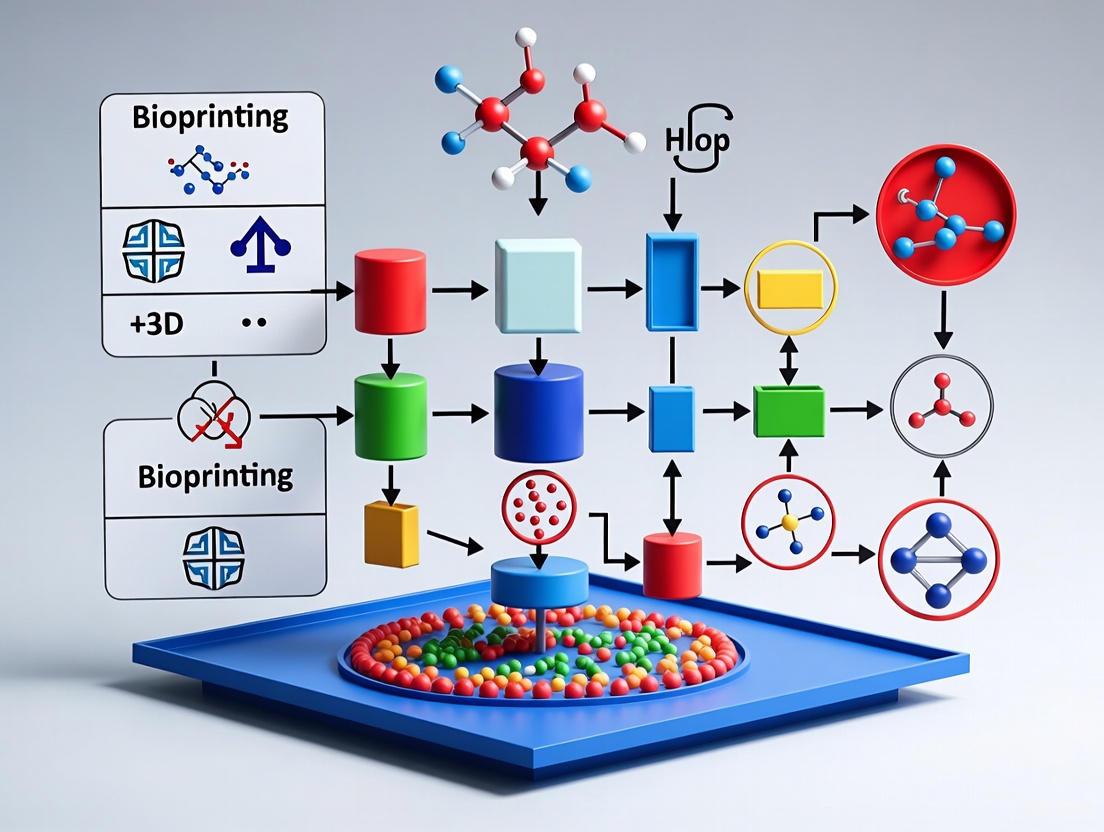
This article explores the transformative convergence of 3D bioprinting and organ-on-a-chip (OoC) technologies, a frontier in biomedical research.
3D Bioprinting of Organ-on-Chip Devices: Revolutionizing Drug Development and Disease Modeling
Abstract
This article explores the transformative convergence of 3D bioprinting and organ-on-a-chip (OoC) technologies, a frontier in biomedical research. It provides researchers, scientists, and drug development professionals with a comprehensive analysis, from the foundational principles of creating biomimetic human tissue models to advanced methodologies like high-resolution and multi-material bioprinting. The content addresses key technical challenges, including vascularization and scalability, while evaluating the validation of these models against traditional preclinical systems. By synthesizing recent innovations and applications in drug screening, personalized medicine, and cancer research, this review highlights how 3D-bioprinted OoCs offer a more human-relevant, ethical, and predictive platform for accelerating therapeutic discovery and improving clinical translation.
The Convergence of 3D Bioprinting and Organ-on-Chip: Building a New Paradigm for Biomedical Research
Organ-on-a-Chip (OoC) platforms are microfluidic devices engineered to mimic the structure and function of human organs, offering a powerful alternative to traditional 2D cell cultures and animal models for biomedical research and drug development [1]. Despite their potential, traditional OoC fabrication methods, such as soft lithography, present significant limitations including multi-step processes, lengthy prototyping cycles, and challenges in creating complex, biomimetic 3D tissue structures [2] [3]. The emergence of 3D bioprinting, a layer-by-layer additive manufacturing technique for depositing living cells and biomaterials, is now revolutionizing OoC capabilities [4]. This integration enables the precise, automated fabrication of complex, patient-specific tissue constructs within perfusable microfluidic systems, thereby enhancing physiological relevance and accelerating translational research.
Technical Synergies: How Bioprinting Addresses Key OoC Challenges
The synergy between 3D bioprinting and OoC technology resolves critical challenges and enhances functionality across multiple fronts.
Automated and Standardized Fabrication: 3D bioprinting enables a one-step manufacturing process from a digital design to the final biofabricated structure, replacing traditional multi-step lithography [2]. This automation reduces processing time, minimizes manual intervention, and improves reproducibility, which is critical for the commercialization and scaling of OoC platforms [2] [5].
Creation of Complex 3D Microarchitectures: Unlike simple cell seeding, bioprinting allows for the precise spatial patterning of multiple cell types and extracellular matrix (ECM) components to create intricate, biomimetic tissue geometries [2] [4]. This capability is crucial for engineering sophisticated tissue features such as vascular networks, which can be achieved through sacrificial printing where a fugitive ink (e.g., Pluronic) is printed and subsequently evacuated to form hollow, perfusable channels [2].
Enhanced Physiological Relevance: The integration of bioprinting facilitates the development of more physiologically accurate models by enabling the incorporation of patient-derived cells, organoids, and complex stromal environments [4]. This allows for the precise reconstruction of tissue-specific mechanical and biochemical cues, leading to more predictive models for drug testing and disease modeling, particularly in complex microenvironments like that of tumors [4].
Table 1: Quantitative Comparison of 3D Bioprinting Techniques for Organ-on-Chip Applications
| Bioprinting Technique | Resolution | Cell Viability | Speed | Key Advantages | Key Limitations |
|---|---|---|---|---|---|
| Extrusion-Based [6] | 100 - 500 µm | Moderate (shear stress-dependent) | Medium | Versatile, wide range of bioinks, ability to create large structures | Shear stress can affect cell viability |
| Inkjet [6] [2] | 100 - 500 µm | High | High | High resolution, excellent cell viability, cost-effective | Limited to low-viscosity bioinks, less effective for large structures |
| Laser-Assisted [6] | < 10 µm | > 95% | Low | Very high resolution, high cell viability, nozzle-free | High cost, complex operation, slower for large constructs |
| Stereolithography (SLA) [6] | Down to 10 µm | 70 - 90% | High (DLP) | High resolution, smooth surface finish, fast (DLP) | Limited to photopolymerizable bioinks, potential light cytotoxicity |
| Volumetric Bioprinting (VBP) [6] | ~50 µm (with iodixanol) | Research ongoing | Very High | Rapid fabrication (seconds), no layering artifacts, high resolution | Emerging technology, limited material compatibility data |
Application Notes: Advanced Bioprinted OoC Platforms
Bioprinted Vasculature for Enhanced Tissue Perfusion
A critical application of bioprinting in OoCs is the engineering of functional, perfusable vascular networks. These networks are essential for sustaining thick tissue constructs and mimicking systemic drug distribution in multi-organ systems. The sacrificial bioprinting technique is commonly employed, where a fugitive bioink is printed into a surrounding hydrogel matrix and subsequently removed, leaving behind a hollow channel that can be endothelialized to create a blood vessel mimic [2]. This approach allows for the creation of complex, multi-scale vascular architectures, including bifurcating channels that can support physiological flow rates [2]. The resulting vascularized OoCs enable the study of nutrient transport, waste removal, and endothelial cell interactions in a dynamic, flow-conditioned environment.
Tumor-on-a-Chip Models for Personalized Oncology
3D bioprinting enables the creation of highly sophisticated Tumor-on-a-Chip models for personalized cancer therapy screening. By co-printing patient-derived tumor organoids (PDOs) with cancer-associated fibroblasts (CAFs) and other stromal cells within a defined ECM, researchers can reconstruct the complex tumor microenvironment (TME) [4]. These bioprinted constructs can then be integrated into microfluidic chips for perfusion culture. A key advantage is the ability to control the mechanical properties of the ECM, such as stiffness, which is a known biomarker for cancer progression and therapy resistance [4]. These models more accurately capture patient-specific tumor responses, including to chemotherapy and immunotherapy, providing a powerful platform for high-throughput drug screening and the development of personalized treatment regimens.
Experimental Protocols
Protocol 1: Sacrificial Bioprinting of a Perfusable Channel Network
This protocol details the creation of a simple, perfusable vascular channel within a PDMS-based microfluidic device using a sacrificial Pluronic ink [7].
Research Reagent Solutions
- Pluronic F127 Bioink: A sacrificial material that is printed as a solid at room temperature and liquefies upon cooling for easy removal.
- PDMS (Polydimethylsiloxane) Part A & B: A transparent, biocompatible elastomer used to fabricate the microfluidic device body.
- Silicone Mold: A negative mold used to define the overall structure of the PDMS chip.
Methodology
- Bioink Preparation: Load a sterile syringe with Pluronic F127 bioink and screw on a 30G nozzle. Insert the assembly into the bioprinter's temperature-controlled extruder [7].
- PDMS Base Curing: Mix PDMS Part A and Part B in a 10:1 ratio. Pour half of the mixture into a silicone mold and place it in a 50°C oven for 45 minutes to partially cure [7].
- Sacrificial Printing: Print the desired channel network (e.g., a single straight line or bifurcating pattern) directly onto the semi-cured PDMS surface. Ensure the design fits within the mold dimensions [7].
- Device Encapsulation: Carefully pour the remaining PDMS mixture over the printed structure, fully encapsulating it. Cure the device at room temperature overnight, followed by 2 hours in a 60°C oven to complete the polymerization [7].
- Channel Evacuation: Once cured, demold the PDMS device. Flush the network with cold water or media using a syringe and needle (e.g., 14G) until all Pluronic material is dissolved, leaving behind hollow, perfusable channels [7].
- Sterilization and Use: Autoclave the entire structure before connecting it to a pump or bioreactor for cell culture and perfusion experiments [7].
Troubleshooting Tips
- Channel Collapse: If the top PDMS layer sags into the channel, ensure the base PDMS layer is sufficiently cured before printing and avoid excessive PDMS thickness above the channel.
- Incomplete Pluronic Removal: Use chilled (4°C) fluid for perfusion to ensure complete liquefaction and removal of the sacrificial ink. Connecting the chip to a peristaltic pump for a prolonged cold flush can be effective.
Protocol 2: Bioprinting a 3D Liver-on-a-Chip Model for Toxicity Screening
This protocol outlines the fabrication of a more complex liver-on-a-chip model incorporating hepatocytes and stromal cells.
Research Reagent Solutions
- Gelatin Methacryloyl (GelMA) Bioink: A photopolymerizable hydrogel that provides a biocompatible, tunable ECM-like environment for cell encapsulation.
- Hepatocytes: Primary human liver cells or hepatocyte-like cells derived from induced pluripotent stem cells (iPSCs).
- Human Umbilical Vein Endothelial Cells (HUVECs): For forming vascular lining.
- Photoinitiator (e.g., LAP): A compound that initiates GelMA crosslinking upon exposure to UV or visible light.
Methodology
- Bioink Formulation: Prepare the cell-laden bioink by mixing hepatocytes and supportive stromal cells (e.g., at a density of 10-20 million cells/mL) with GelMA prepolymer and a photoinitiator. Keep the bioink on ice to prevent premature crosslinking.
- Microfluidic Chip Fabrication: Fabricate or obtain a PDMS-based microfluidic chip with a central tissue chamber and adjacent medium perfusion channels using Protocol 1 or standard soft lithography.
- Extrusion Bioprinting: Load the bioink into a temperature-controlled extrusion printhead. Print a 3D tissue construct (e.g., a cylindrical or lobule-mimicking structure) directly into the central chamber of the microfluidic chip. Maintain a low printing temperature (e.g., 18-22°C) to ensure smooth extrusion.
- Photocrosslinking: Immediately after deposition, expose the bioprinted construct to a safe dose of UV light (e.g., 365 nm, 5-10 mW/cm² for 30-60 seconds) to crosslink the GelMA hydrogel and stabilize the structure.
- Dynamic Culture: Connect the chip to a microfluidic perfusion system. Circulate culture medium supplemented with hepatocyte-specific growth factors at a low, continuous flow rate (e.g., 0.1-1 µL/min) to support cell viability and function.
- Functional Assessment: Monitor hepatic function over time by measuring albumin and urea production in the effluent medium. For toxicity screening, introduce the drug candidate into the perfusion circuit and monitor for changes in metabolic activity (e.g., via CYP450 assays) and cell viability.
Table 2: Key Parameters for Liver-on-a-Chip Bioprinting
| Parameter | Typical Range / Specification | Functional Impact |
|---|---|---|
| Cell Density in Bioink [6] | 0.1 - 20 million cells/mL | Affects tissue density, nutrient diffusion, and final model functionality |
| Extrusion Nozzle Diameter [1] | 100 - 400 µm | Determines printing resolution and filament diameter; smaller diameters increase shear stress |
| Printing Speed [7] | 5 - 15 mm/s | Influences shape fidelity and cell viability; must be optimized for material viscosity |
| Perfusion Flow Rate | 0.1 - 10 µL/min | Mimics physiological shear stress, enhances nutrient/waste exchange, and supports tissue maturation |
| Crosslinking UV Intensity [1] | 5 - 20 mW/cm² | Determines hydrogel stiffness and microarchitecture stability; high intensity may compromise cell health |
The integration of 3D bioprinting with Organ-on-Chip technology marks a significant leap forward in bioengineering, enabling the creation of highly complex, physiologically relevant, and patient-specific human tissue models in vitro. This synergy directly enhances OoC capabilities by providing automated fabrication, unparalleled design freedom for 3D tissue microarchitectures, and improved predictive power for drug discovery and disease modeling.
The field is now advancing beyond 3D to 4D bioprinting, where printed structures can change their shape or functionality over time in response to stimuli, more closely mimicking dynamic biological processes [6] [4]. Furthermore, the incorporation of artificial intelligence (AI) and machine learning is poised to optimize bioprinting parameters and tissue design, accelerating the development of next-generation OoCs [6]. As these technologies mature, the vision of a fully "human-on-a-chip" for systemic pharmacology and toxicology studies moves closer to reality, promising to refine, reduce, and ultimately replace animal testing while delivering more effective and personalized therapies to patients [3] [8].
The high failure rate of drug development represents a significant crisis, consuming immense resources and delaying the delivery of new therapies to patients. A primary contributor to this crisis is the poor predictive value of conventional preclinical models. Approximately 89% of novel drugs fail in human clinical trials, with nearly half of these failures attributable to unanticipated human toxicity or lack of efficacy that was not predicted by preclinical studies [9]. This failure persists despite extensive use of two-dimensional (2D) cell cultures and animal testing, suggesting fundamental flaws in these established approaches.
The cost of these wrong decisions is monumental, both financially and in human health. When animal tests falsely identify a toxic drug as "safe," human volunteers in clinical trials can be severely harmed. Conversely, when these tests falsely label a potentially beneficial therapeutic as toxic, these compounds are often abandoned, potentially depriving patients of effective treatments [9]. This document details the scientific limitations of 2D models and animal testing and presents advanced 3D bioprinted organ-on-chip platforms as a transformative solution, complete with practical experimental protocols for their implementation.
Quantitative Analysis of Model System Limitations
Limitations of Animal Testing
Table 1: Documented Limitations of Animal Models in Drug Development
| Limitation Category | Specific Issue | Quantitative Evidence |
|---|---|---|
| Poor Human Toxicity Prediction | High failure rate due to human toxicity | ~50% of clinical trial failures due to unanticipated human toxicity [9] |
| Species-Specific Disparities | Discordant toxicological responses | 92-96% of drugs passing preclinical tests (including animal tests) fail in human trials [10] |
| Low Concordance with Human Outcomes | Random predictive value | Animal experiments agreed with human clinical trials only 50% of the time—equivalent to a coin toss [10] |
| Post-Market Safety Issues | Failure to identify safety concerns | Only 19% of post-marketing serious adverse events in humans were identified in preclinical animal studies [9] |
Animal testing faces inherent scientific challenges that limit its translational relevance. These include the influence of laboratory environments on animal physiology and research outcomes, fundamental disparities between induced animal disease models and human diseases, and critical species differences in physiology and genetics [10]. For instance, a drug intended to treat anxiety and Parkinsonism (BIA-102474-101) caused fatal brain hemorrhage in human volunteers after being administered at 1/500th of the dose found safe in dogs [9]. These are not isolated cases; they underscore a systemic problem.
Limitations of 2D Cell Culture Models
Table 2: Comparative Analysis of 2D vs. 3D Cell Culture Systems
| Parameter | 2D Cell Culture | 3D Cell Culture |
|---|---|---|
| In Vivo Imitation | Does not mimic natural tissue structure [11] | Tissues and organs are inherently 3D [11] |
| Cell Morphology & Polarity | Altered morphology and loss of polarity [11] [12] | Preserved native morphology and polarity [11] [12] |
| Cell-Cell/ECM Interactions | Deprived of natural microenvironment interactions [11] | Proper cell-cell and cell-extracellular matrix interactions [11] |
| Nutrient/Gradient Access | Unlimited access to nutrients and oxygen (unrealistic) [11] | Variable access, creating physiological gradients [11] |
| Gene Expression & Biochemistry | Changes in gene expression and cell biochemistry [11] | Expression profiles and biochemistry more closely resemble in vivo [11] |
| Drug Response Predictivity | Low predictivity for in vivo drug responses [12] | More physiologically relevant and predictive [12] |
While 2D cultures are inexpensive and well-established, their simplicity is a major drawback. Cells cultured in 2D lack the three-dimensional tissue context, including critical cell-cell and cell-extracellular matrix (ECM) interactions [11]. This leads to aberrant cell morphology, loss of tissue-specific polarity, and altered gene expression and signaling, ultimately resulting in responses to therapeutic compounds that poorly mirror those in living humans [11] [12].
Solution: 3D Bioprinted Organ-on-Chip Platforms
Organ-on-a-chip (OoC) platforms are microfluidic devices lined with living human cells cultured under conditions that recapitulate organ-level physiology and pathophysiology with high fidelity [13]. 3D bioprinting enhances these platforms by enabling the precise, layer-by-layer deposition of bioinks (containing living cells and biomaterials) to fabricate complex, tissue-like structures that mimic the native tissue architecture [3] [14].
The key advantages of 3D bioprinted OoCs include their ability to:
- Mimic human physiological and chemical microenvironments more accurately than 2D cultures or animal models [3].
- Integrate fluid flow to simulate blood, interstitial, or other physiological fluid movements, which is crucial for nutrient delivery, shear stress signaling, and metabolite clearance [12].
- Establish functional barrier tissues (e.g., vascular endothelium, renal tubules, air-blood barrier) that are critical for studying drug transport and toxicity [12].
- Connect multiple tissue modules to model systemic organ interactions and whole-body pharmacokinetics/pharmacodynamics [13].
The Scientist's Toolkit: Research Reagent Solutions
Table 3: Essential Reagents and Materials for 3D Bioprinting Organ-on-Chip Models
| Reagent/Material | Function | Examples & Notes |
|---|---|---|
| Hydrogel Bioinks | Provides 3D extracellular matrix (ECM) for cell support and signaling. | Hybrid bioinks (e.g., gelatin-methacryloyl or dECM-based) are promising for improved function [15]. Must be tunable for mechanical properties. |
| Primary Human Cells | Provides human-specific, physiologically relevant responses. | Patient-specific cells enable personalized medicine approaches [13]. Co-cultures of multiple cell types enhance model complexity. |
| Microfluidic Chips | Houses the bioprinted construct and enables perfusion culture. | OrganoPlate (Mimetas) uses a standard 384-well plate format for high-throughput work [12]. Can be 3D-printed for custom design [3]. |
| Specialized Media | Supports survival and function of specific cell types under flow. | Must be optimized for the target organ (e.g., airway, liver, kidney). Often lack serum to improve reproducibility [13]. |
| Soluble Factors | Directs tissue maturation, differentiation, and angiogenesis. | VEGF is critical for promoting vascularization within the constructs [15]. Other growth factors are organ-specific. |
Application Notes & Experimental Protocols
Protocol 1: Bioprinting a Vasculatured Liver-on-Chip for Toxicity Screening
Application Note: This protocol describes the creation of a 3D bioprinted human liver-on-a-chip model designed to predict drug-induced hepatotoxicity, a major cause of drug failure and post-market withdrawal [9] [13].
Experimental Workflow:
Key Parameters & Validation:
- Cell Viability: Assess 24 hours post-printing using live/dead staining; target >90% viability.
- Functional Validation: Measure albumin/urea production weekly. Compare baseline CYP450 activity to activity after exposure to known inducers (e.g., rifampicin) or inhibitors.
- Toxicity Testing: Expose the mature model to a reference hepatotoxin (e.g., acetaminophen) for 48 hours. Monitor LDH release and ATP content for IC50 calculation. Include drugs known to cause species-specific toxicity (e.g., safe in animals but toxic in humans) [9].
Protocol 2: Establishing a Multi-Organ Chip for ADME Studies
Application Note: This protocol interconnects a liver chip with a kidney proximal tubule chip and a vascular channel to create a multi-organ system, enabling the study of systemic ADME (Absorption, Distribution, Metabolism, Excretion) and inter-organ toxicity [13].
Experimental Workflow:
- Individual Tissue Bioprinting: Separately bioprint the liver and kidney constructs as described in Protocol 1, using organ-specific cells and bioinks.
- Multi-Organ Chip Assembly: Physically house the individual tissue constructs in separate but fluidically connected chambers within a single microfluidic device [13].
- Recirculating Perfusion: Connect the chambers via microchannels to establish a common "bloodstream" recirculating at a flow rate of 1-5 µL/min. The medium volume should be scaled to approximate the human tissue-to-blood volume ratio.
- System Maturation: Maintain the system under continuous flow for 5-10 days to allow stabilization and functional coupling of the tissues.
Key Parameters & Validation:
- Pharmacokinetic Profiling: Introduce a test drug (e.g., cisplatin) into the circulating medium. Collect serial medium samples over 24-72 hours. Use LC-MS to quantify the parent drug and its major metabolites.
- Metabolic Clearance: Calculate the elimination half-life of the drug and identify metabolites produced by the liver module.
- Nephrotoxicity Assessment: Monitor kidney-specific injury biomarkers (e.g., KIM-1, clusterin) in the effluent from the kidney module and perform histological analysis for tissue damage at the study endpoint.
The integration of 3D bioprinting with organ-on-chip technology represents a paradigm shift in preclinical drug development. By leveraging human cells within physiologically relevant 3D microenvironments under perfusion, these advanced models directly address the critical limitations of 2D cultures and animal testing. The protocols outlined herein provide a practical starting point for researchers to implement these models for more accurate toxicity screening and ADME studies.
Future advancements will focus on standardizing these models for regulatory acceptance, further increasing their physiological complexity (e.g., by incorporating immune cells), and scaling up to "human-on-a-chip" systems that can more comprehensively predict whole-body responses to new therapeutic candidates [13]. The ultimate goal is to establish these human biology-based platforms as the new standard in preclinical testing, thereby overcoming the current drug development crisis and delivering safer, more effective medicines to patients faster and at a lower cost.
The convergence of 3D bioprinting and microfluidic technologies has revolutionized the development of organ-on-a-chip (OoC) platforms, offering unprecedented opportunities in biomedical research and drug development [6]. These microphysiological systems are designed to replicate the critical structures and functions of human organs in vitro, providing a more accurate and ethical alternative to traditional 2D cell cultures and animal models [16]. The core of a 3D-bioprinted OoC rests upon three fundamental pillars: advanced bioinks that form the scaffold for cellular growth, sophisticated microfluidic systems that mimic physiological perfusion, and precisely engineered cellular microenvironments that recapitulate the complex niche required for tissue-specific functionality [6] [17]. This application note details the protocols and considerations for integrating these components to create physiologically relevant models for drug screening, disease modeling, and personalized medicine applications.
Core Component 1: Bioinks for Tissue Mimicry
Bioinks are cell-laden biomaterials that serve as the building blocks for creating 3D tissue constructs within OoC platforms. Their composition must carefully balance printability, biocompatibility, and biofunctionality to support complex tissue architectures.
Table 1: Key Biomaterial Classes for Bioink Formulation
| Biomaterial Class | Examples | Key Properties | Applications in OoC |
|---|---|---|---|
| Natural Polymers | Alginate, Gelatin, Chitosan, Collagen, Hyaluronic Acid, Fibrinogen [18] | High biocompatibility, inherent bioactivity, often require blending or crosslinking to improve mechanical properties [6] | General tissue scaffolding, soft tissue mimicry |
| Decellularized Extracellular Matrix (dECM) | Tissue-specific dECM bioinks [6] | Preserves native tissue-specific biochemical cues and composition [6] | Enhanced organ-specific differentiation and function |
| Printable Hydrogels | Polymer-based hydrogels (e.g., GelMA) [6] | Tunable mechanical properties, photopolymerizable for high-resolution printing [6] | Creating complex 3D structures with defined geometries |
Application Note: Protocol for Formulating a Dual-Crosslinkable Bioink
This protocol describes the creation of a robust, cell-friendly bioink using alginate and gelatin, suitable for extrusion bioprinting into OoC devices.
Materials:
- Sodium Alginate (3-5% w/v)
- Gelatin (5-8% w/v)
- Crosslinking Solution: Calcium chloride (CaCl₂, 100 mM)
- Cell Culture Media
- Primary cells or cell line of interest
Procedure:
- Bioink Preparation: Dissolve sodium alginate and gelatin in pre-warmed cell culture media under sterile conditions. Filter-sterilize the solution.
- Cell Encapsulation: Centrifuge the desired cell pellet and resuspend it in the bioink solution to achieve a final density of 1-10 million cells/mL. Keep the bioink at 37°C to prevent gelatin gelling.
- Printing and Crosslinking: Load the cell-laden bioink into a temperature-controlled printhead (maintained at 18-22°C). Extrude the bioink directly into the microfluidic chip's culture chamber.
- Ionic Crosslinking: Immediately after printing, perfuse the chip with the CaCl₂ crosslinking solution for 5-10 minutes to ionically crosslink the alginate.
- Enzymatic Crosslinking (Optional): For additional stability, the chip can be transferred to an incubator at 37°C, allowing the gelatin to physically crosslink.
Technical Notes: The viscosity and crosslinking kinetics are critical. Optimize printing pressure and speed based on nozzle diameter (typically 100-500 µm for extrusion) [6]. Always validate post-printing cell viability, which should exceed 80% for a well-optimized process [16].
Core Component 2: Microfluidic Systems for Physiological Perfusion
Microfluidics provides the dynamic microenvironment essential for nutrient delivery, waste removal, and application of physiological cues like shear stress. The design and fabrication of these systems are paramount for OoC functionality.
Table 2: Microfluidic Fabrication Techniques for OoC Devices
| Fabrication Method | Key Features | Resolution | Suitability for OoC |
|---|---|---|---|
| Soft Lithography (PDMS Molding) | Traditional method, high resolution, gas permeable [2] | High (sub-micron) [2] | Well-established but multi-step and labor-intensive [2] |
| Stereolithography (SLA) | Rapid prototyping, direct printing of complex channels [2] | ~10 µm [6] | Excellent for custom, integrated device designs |
| Digital Light Processing (DLP) | Fast printing of entire layers [16] | ~10-50 µm [6] | Suitable for high-throughput production of chips |
| Two-Photon Polymerization | Ultra-high resolution [16] [19] | Nano- to micro-scale [16] | Ideal for creating intricate micro-features and scaffolds |
Application Note: Protocol for Integrating a Bioprinted Construct into a Microfluidic Chip
This protocol outlines the process of embedding a bioprinted tissue construct within a commercially available or custom-fabricated microfluidic device.
Materials:
- Microfluidic Chip (e.g., two-channel "organ-chamber" design)
- Bioprinter (extrusion-based)
- Sacrificial Bioink (e.g., Pluronic F-127, Carbowax)
- Cell-Laden Bioink (as formulated in Section 2.1)
- Perfusion System (syringe or peristaltic pump)
- Tubing and Connectors
Procedure:
- Chip Priming: Sterilize the microfluidic chip (e.g., via UV light or ethanol rinse) and prime it with cell culture media.
- Sacrificial Printing (Optional, for Vascular Channels): Print a network of sacrificial material within the chip's main chamber. This can be done via embedded printing or directly onto the substrate.
- Tissue Construct Printing: Using the cell-laden bioink, print the desired tissue architecture around the sacrificial network or within the designated culture area.
- Sacrificial Removal: If used, liquefy and flush out the sacrificial material by cooling the chip or perfusing with an aqueous solution, leaving behind patent, perfusable microchannels.
- System Integration: Connect the chip's inlet and outlet to the perfusion system. Initiate medium flow at a low rate (e.g., 0.1-10 µL/min) to minimize shear stress on the newly printed construct.
- Dynamic Culture: Place the entire system in a cell culture incubator (37°C, 5% CO₂) for long-term culture and maturation.
Technical Notes: Ensure material compatibility between the bioink and chip substrate to promote adhesion. The flow rate should be gradually increased over days to simulate in vivo-like conditioning and promote tissue maturation [6].
Core Component 3: Engineering the Cellular Microenvironment
Beyond structure and perfusion, the cellular microenvironment encompasses the biochemical and biophysical cues that direct cell fate and function. 3D bioprinting enables the precise spatial patterning of these cues.
Key Microenvironmental Cues:
- Spatial Heterogeneity: Using multi-material bioprinters or microfluidic printheads to deposit different cell types and bioinks in specific, pre-defined patterns to mimic the zonation found in native organs [20].
- Biochemical Gradients: Generating controlled, diffusive gradients of growth factors or chemokines within the microfluidic device to guide cell migration and differentiation [20].
- Mechanical Cues: Tuning the stiffness and viscoelasticity of the bioink to match the target tissue (e.g., soft for brain, stiff for bone), which profoundly influences cell behavior [6] [18].
Application Note: Protocol for Creating a Gradient Generator in an OoC
This protocol utilizes a microfluidic design to create a stable soluble gradient across a bioprinted tissue construct.
Materials:
- OoC with Gradient Generator Design (e.g., tree-like mixing network)
- Two Inlet Syringe Pumps
- Fluorescent Dye for validation
- Factor of Interest (e.g., growth factor, drug)
Procedure:
- Chip Design: Utilize a chip with a "Christmas tree" or similar mixer design that gradually combines flows from two inlets before reaching the culture chamber.
- Solution Preparation: Prepare two solutions: (A) medium with the factor of interest, and (B) plain medium.
- System Setup: Load each solution into a separate syringe pump and connect them to the two inlets. Set both pumps to the same flow rate.
- Gradient Validation: Initially, use a fluorescent dye in solution A and image the culture chamber under a fluorescence microscope to visualize and quantify the linearity and stability of the gradient.
- Experimental Run: Replace the dye solution with the actual factor and introduce the bioprinted tissue construct. The cells will be exposed to a continuous, quantifiable gradient of the stimulus.
Technical Notes: Flow rate stability is critical for maintaining a consistent gradient. The flow rates should be optimized to achieve the desired gradient slope without subjecting the cells to detrimental levels of shear stress [20].
The Scientist's Toolkit: Essential Research Reagents and Materials
Successful development of a 3D-bioprinted OoC requires a multidisciplinary toolkit. The following table catalogues essential materials and their functions.
Table 3: Essential Reagents and Materials for 3D-Bioprinted OoC Research
| Category/Item | Function/Role | Key Considerations |
|---|---|---|
| Base Biomaterials | Structural and bioactive scaffold for cells. | Balance printability with biocompatibility. dECM offers high biofunctionality [6]. |
| Alginate, Gelatin, dECM, Hyaluronic Acid | ||
| Crosslinkers | Solidify bioinks to maintain 3D structure. | Ca²⁺ for alginate; UV light for photopolymerizable hydrogels (e.g., GelMA). Optimize concentration/exposure for cell viability [6]. |
| CaCl₂, UV Light, Enzymes | ||
| Cells | Functional unit of the organ model. | Primary cells, cell lines, or iPSCs. Co-cultures are often necessary for physiological relevance [17]. |
| Primary Cells, Cell Lines, iPSCs | ||
| Microfluidic Chip | Houses the bioprinted tissue and enables perfusion. | Material (PDMS, thermoplastics), geometry, and integration of sensors are key design parameters [2] [17]. |
| PDMS, PMMA, or SLA-Resin Chips | ||
| Perfusion System | Provides continuous medium flow, mimicking blood flow. | Pumps must offer precise, low-flow control (µL/min to mL/min) [6]. |
| Syringe or Peristaltic Pumps |
The synergy of advanced bioinks, precision microfluidics, and engineered microenvironments forms the foundation of robust and physiologically relevant 3D-bioprinted organ-on-chip models. The protocols outlined herein provide a framework for researchers to fabricate these complex systems. Future directions point towards the integration of 4D bioprinting, where structures evolve over time in response to stimuli, and the use of AI-driven design to optimize bioink composition and microfluidic architecture [6]. As these technologies mature, they hold the definitive potential to reshape drug discovery and provide powerful new insights into human physiology and disease.
The failure of conventional animal models to accurately predict human therapeutic responses presents a major obstacle in biomedical research and drug development [13]. In this context, the convergence of organ-on-a-chip (OOC) technology and 3D bioprinting has emerged as a transformative approach for creating human-relevant microphysiological systems [21]. These advanced in vitro models recapitulate organ-level physiology and pathophysiology with high fidelity by incorporating living human cells within precisely engineered microenvironments that mimic critical aspects of human biology, including fluid shear stress, mechanical cues, and tissue-specific architecture [21] [22]. The integration of 3D bioprinting techniques has further enhanced these systems by enabling the precise, layer-by-layer deposition of cells and biomaterials to create complex, three-dimensional tissue constructs that closely resemble native human tissues [21]. This article explores the groundbreaking applications of these human-relevant models in disease modeling and personalized medicine, providing detailed application notes and experimental protocols to support their implementation in research and drug development pipelines.
Quantitative Applications of Organ-on-Chip Platforms
Organ-on-chip platforms have demonstrated significant potential across various research applications, from disease modeling to drug screening. The table below summarizes key quantitative applications of different OOC models in biomedical research.
Table 1: Applications of Organ-on-Chip Platforms in Disease Modeling and Drug Development
| Organ Model | Application Area | Key Findings/Outcomes | Reference |
|---|---|---|---|
| Liver Acinus Microphysiology System (LAMPS) | Breast cancer metastasis to liver | Evaluation of ER+ MCF7 cell growth in metastatic microenvironment | [23] |
| Neurovascular Unit (NVU) Chip | Blood-brain barrier studies | FITC-glucan diffusion and TEER measurement of BBB function | [23] |
| Bone Marrow-on-Chip | Hematopoiesis and toxicity | Study of blood-cell differentiation and Shwachman–Diamond syndrome | [23] |
| Lung-on-Chip | SARS-CoV-2 infection | Modeling viral-induced lung injury and immune responses | [13] |
| Small Airway-on-Chip | Lung inflammation & CF | Analysis of inflammatory responses and cystic fibrosis pathology | [13] |
| Gut-on-Chip | Intestinal inflammation | Modeling bacterial overgrowth and inflammatory bowel disease | [13] [22] |
| Multi-Organ Chip | Systemic toxicity | Linked organ models for ADME and toxicological profiling | [13] |
| Brain Organoid-on-Chip | Neurodevelopment | Assessment of nicotine exposure effects on neuronal differentiation | [23] |
Experimental Protocols for Organ-on-Chip Applications
Protocol 1: Development of a Bioprinted Liver-on-Chip for Disease Modeling
Objective: To establish a functional 3D bioprinted liver acinus model for studying breast cancer metastasis to the liver.
Materials:
- Extrusion-based bioprinting system with temperature-controlled printhead
- Primary human hepatocytes, human endothelial cells, Kupffer cells, and stellate cells
- Polymer-based bioink (e.g., gelatin-methacryloyl or decellularized liver matrix)
- Microfluidic chip with perfusion capability
- Oxygen-controlled culture environment
Methodology:
- Bioink Preparation: Mix primary human hepatocytes, human endothelial cells, Kupffer cells, and stellate cells in appropriate ratios within the selected bioink material at a concentration of 10-20 million cells/mL [23].
- 3D Bioprinting: Utilize extrusion-based bioprinting with a 200-400 µm nozzle to deposit the cell-laden bioink in a layered architecture mimicking the liver acinus structure. Maintain printing pressure below 30 kPa and speed at 5-10 mm/s to ensure cell viability >80% [21].
- Chip Integration: Transfer the bioprinted construct to a microfluidic chip and initiate perfusion with liver-specific medium at a flow rate of 0.2-0.5 µL/s to create oxygen concentration zoning [23].
- Metastasis Modeling: Introduce estrogen receptor mutation ER+MCF7 breast cancer cells into the established system after 7 days of culture to evaluate cancer cell growth and interactions with the liver microenvironment [23].
- Analysis: Assess tissue functionality through albumin/uurea production, cytochrome P450 activity, and expression of metastasis-related markers at days 7, 14, and 21.
Protocol 2: Neurovascular Unit-on-Chip for Blood-Brain Barrier Studies
Objective: To create a neurovascular unit model for blood-brain barrier functionality assessment and compound permeability testing.
Materials:
- Membranous microfluidic chip with microporous membrane (1-3 µm pores)
- Human brain microvascular endothelial cells, astrocytes, pericytes, and neurons
- TEER measurement system
- FITC-labeled compounds for permeability assays
Methodology:
- Chip Preparation: Sterilize the microfluidic chip and coat the microporous membrane with collagen IV and fibronectin to mimic the basal lamina [23].
- Cell Seeding: Seed human brain microvascular endothelial cells on the apical side of the membrane at a density of 50,000 cells/cm² to form the vascular compartment. After 24 hours, seed astrocytes, pericytes, and neurons on the basolateral side at appropriate ratios to form the brain compartment [23].
- Perfusion Culture: Initiate continuous medium flow at 0.1-0.3 µL/s in both compartments after cell attachment. Maintain the system for 5-7 days to allow BBB maturation.
- Functionality Assessment:
- Compound Testing: Apply test compounds to the vascular compartment and assess permeability and potential toxicity through barrier integrity measurements and cell viability assays.
Protocol 3: Multi-Organ Chip for Systemic Drug Response Evaluation
Objective: To interconnect multiple organ models for assessing systemic drug responses and inter-organ crosstalk.
Materials:
- Multi-organ microfluidic platform with vascular perfusion circuit
- 3D bioprinted or pre-formed organ constructs (e.g., liver, gut, kidney)
- Peristaltic pump for recirculating medium flow
- Automated sampling system
Methodology:
- Organ Model Preparation: Prepare individual organ models (e.g., liver spheroids, gut epithelium, kidney tubules) using 3D bioprinting or self-assembly approaches as described in Protocols 1 and 2 [13].
- System Integration: Transfer individual organ models to designated chambers in the multi-organ chip. Connect chambers through a vascular perfusion circuit lined with endothelial cells [13].
- System Validation: Initiate recirculating flow at 1-2 µL/s using physiologically based pharmacokinetic (PBPK) modeling to inform flow rates and compartment ratios [24]. Validate system functionality through organ-specific markers over 14 days.
- Drug Exposure: Administer test compounds through the vascular perfusion circuit at clinically relevant concentrations. Collect medium samples from different organ compartments at predetermined time points for pharmacokinetic analysis [13].
- Systemic Response Analysis: Assess metabolite formation, organ-specific toxicity markers, and inter-organ communication through cytokine profiling and transcriptomic analysis of different tissue compartments.
Workflow Visualization
Diagram 1: Experimental Workflow for 3D Bioprinted Organ-on-Chip Models. This diagram illustrates the standardized protocol for developing 3D bioprinted organ-on-chip models, with dashed lines indicating specialized applications for multi-organ studies and personalized medicine.
Research Reagent Solutions for Organ-on-Chip Applications
Table 2: Essential Research Reagents for Organ-on-Chip Development
| Reagent Category | Specific Examples | Function & Application | Key Considerations |
|---|---|---|---|
| Bioink Materials | Gelatin-methacryloyl (GelMA), Decellularized ECM, Fibrin, Hyaluronic acid | Provides 3D scaffold for cell encapsulation and tissue formation; mimics native extracellular matrix | Printability, biocompatibility, mechanical properties, degradation rate [21] |
| Microfluidic Chips | PDMS-based chips, Membrane-integrated chips, 3D-printed chips | Creates controlled microenvironment with perfusion and mechanical forces | Optical clarity, gas permeability, fabrication complexity [23] [24] |
| Cell Sources | Primary cells, iPSC-derived cells, Patient-derived organoids | Provides biologically relevant tissue constructs with human pathophysiology | Availability, expansion capacity, functional maturity, donor variability [22] |
| Perfusion Media | Organ-specific differentiation media, Serum-free formulations, Defined growth factor cocktails | Supports cell viability and tissue-specific functions in dynamic culture | Composition stability, nutrient delivery efficiency, metabolic support [23] |
| Characterization Tools | TEER electrodes, Metabolic assays, Immunofluorescence markers, Biosensors | Assesses tissue functionality, barrier integrity, and response to stimuli | Sensitivity, reproducibility, compatibility with microfluidic format [23] |
The integration of 3D bioprinting with organ-on-chip technology represents a paradigm shift in how researchers approach disease modeling and drug development. These human-relevant models offer unprecedented capabilities to recapitulate human physiology and disease states, bridging the critical gap between traditional cell culture and animal models. The protocols and applications detailed in this article provide a framework for implementing these advanced systems in research settings, with potential to significantly enhance predictive accuracy in drug screening and enable truly personalized medicine approaches. As the field continues to evolve through advancements in multi-material bioprinting, sensor integration, and computational modeling, these technologies promise to accelerate the development of safer, more effective therapies while reducing reliance on animal testing.
Advanced Bioprinting Techniques and Their Application in Fabricating Next-Generation Organ-on-Chip Systems
The convergence of 3D bioprinting and microfluidic technologies has revolutionized the development of organ-on-a-chip (OoC) platforms, offering unprecedented opportunities in biomedical research, drug discovery, and personalized medicine [6]. These technologies enable researchers to replicate complex physiological conditions with enhanced precision, creating more accurate models for studying human physiology, disease mechanisms, and therapeutic responses [6]. Organ-on-a-chip systems typically consist of microfluidic channels embedded with engineered tissues, allowing precise control of the cellular microenvironment and simulation of key physiological processes such as nutrient transport, waste removal, and mechanical stimulation [6]. As the field advances, the integration of bioprinting technologies has become increasingly critical for creating sophisticated, biomimetic tissue constructs with the architectural complexity necessary for predictive human response modeling.
The fundamental principle underlying bioprinting for OoC applications involves the layer-by-layer deposition of bioinks—formulations containing living cells, biomaterials, and bioactive factors—to fabricate three-dimensional tissue structures that mimic natural tissues [6]. These bioprinted constructs can then be integrated into microfluidic devices to create functional organ models. The selection of appropriate bioprinting technology is paramount, as each method offers distinct advantages and limitations in terms of resolution, cell viability, printing speed, material compatibility, and cost [6]. This guide provides a comprehensive comparative analysis of the four primary bioprinting technologies—extrusion-based, inkjet, laser-assisted, and light-based methods—with specific application notes and protocols tailored for organ-on-a-chip research.
Comparative Analysis of Bioprinting Technologies
Table 1: Technical Comparison of Major Bioprinting Technologies
| Parameter | Extrusion-Based | Inkjet | Laser-Assisted | Light-Based |
|---|---|---|---|---|
| Resolution | 100-500 μm [6] | 100-500 μm [6] | <10 μm [6] | 10-50 μm [6] |
| Cell Viability | Moderate (varies with shear stress) [6] | High (excellent cell viability) [6] | Very High (>95%) [6] | Moderate-High (70-90%) [6] |
| Printing Speed | Medium | High | Low-Medium | Very High (VBP: seconds) [6] |
| Bioink Viscosity | High (wide range) [6] [25] | Low (limited to low viscosity) [6] | Medium (high cell density compatible) [26] | Medium (photopolymerizable only) [6] |
| Key Advantages | Affordable; constructs hollow/complex structures [25] | High resolution patterns; gentle cell handling [6] | No nozzle clogging; high cell density [26] | High precision; smooth surfaces; fast fabrication [6] |
| Key Limitations | Shear stress reduces cell viability [6] [27] | Limited to low-viscosity bioinks [6] | High cost; complex process [6] [26] | Limited bioink compatibility [6] |
| Ideal OoC Applications | Large tissue constructs, vascular networks [25] | High-resolution patterning, cell-rich constructs [6] | High-precision structures, single-cell placement [6] | Intricate vascular networks, complex scaffolds [6] [28] |
Table 2: Bioink Material Compatibility by Bioprinting Technology
| Bioink Material | Extrusion-Based | Inkjet | Laser-Assisted | Light-Based |
|---|---|---|---|---|
| Alginate-based | Excellent [25] | Good | Good | Poor |
| Gelatin Methacryloyl (GelMA) | Good [25] | Fair | Good | Excellent [6] |
| Fibrin/Collagen | Good [25] | Poor | Good | Fair |
| Hyaluronic Acid | Good | Fair | Good | Good |
| Polyethylene Glycol (PEG)-based | Good | Good | Good | Excellent |
| Decellularized ECM | Good | Poor | Good | Fair |
| Pluronic F-127 | Excellent [25] | Poor | Fair | Poor |
| Silk Fibroin | Excellent [25] | Poor | Good | Fair |
Technology Selection Guidelines for OoC Applications
Selecting the appropriate bioprinting technology for specific organ-on-a-chip applications requires careful consideration of multiple factors. Extrusion-based bioprinting remains the most widely used method due to its affordability and versatility in creating complex, hollow constructs [25]. It is particularly suitable for larger tissue structures and vascular networks where high mechanical stability is required. However, researchers must carefully optimize printing parameters to mitigate shear stress-induced cell damage [27].
Inkjet bioprinting offers superior resolution for detailed patterning and is ideal for creating high-resolution co-culture systems within OoC devices [6]. Its non-contact nature minimizes contamination risk, but the limitation to low-viscosity bioinks can restrict material choices. Laser-assisted bioprinting provides unparalleled precision and cell viability, making it valuable for creating microtissues with single-cell precision [6] [26]. The nozzle-free approach eliminates clogging issues and enables printing of high cell density bioinks that more closely mimic physiological conditions [26].
Light-based bioprinting, particularly stereolithography (SLA) and volumetric bioprinting (VBP), has emerged as a promising technology for creating intricate vascular networks essential for OoC applications [6] [28]. Recent innovations, such as the use of iodixanol to reduce light scattering in high cell density bioinks, have significantly improved resolution capabilities [6]. The development of light-curable, self-assembling resins that form sacrificial structures represents another advancement, speeding up the process of creating intricate microchannel networks for OoC devices [28].
Diagram 1: Bioprinting technology selection workflow for organ-on-a-chip applications.
Experimental Protocols for Organ-on-a-Chip Bioprinting
Protocol 1: Extrusion-Based Bioprinting of Perfusable Vascular Channels
Principle: This protocol describes the fabrication of perfusable vascular channels within microfluidic chips using extrusion bioprinting, based on established methodologies for creating vascularized tissue models [25]. The approach utilizes a sacrificial printing strategy to create hollow channels that can be endothelialized to form functional vasculature.
Materials:
- Microfluidic chip with integrated perfusion system
- Sacrificial bioink: 6% (w/v) Pluronic F-127 in cell culture medium
- Structural bioink: Alginate-gelatin composite (3:1 ratio) with 2×10^6 cells/mL
- Crosslinking solution: 100mM CaCl₂ in PBS
- Endothelial cell suspension (HUVECs, 5×10^6 cells/mL)
- Extrusion bioprinter with temperature-controlled printhead
Procedure:
- Bioink Preparation:
- Prepare sacrificial bioink by dissolving Pluronic F-127 in cold culture medium (4°C) and filter sterilize
- Mix structural bioink components: 3% alginate, 8% gelatin, and cell suspension; maintain at 32°C to prevent premature crosslinking
Chip Preparation:
- Sterilize microfluidic chip with 70% ethanol and UV treatment
- Pre-cool chip printing stage to 4°C to enhance sacrificial bioink stability
Sacrificial Printing:
- Load sacrificial bioink into temperature-controlled cartridge (maintained at 4°C)
- Print vascular channel pattern using 150μm nozzle with pressure 15-20 kPa and speed 8 mm/s
- Immediately after printing, cool chip to 4°C for 10 minutes to stabilize printed structure
Structural Bioink Deposition:
- Maintain chip at 15°C during structural bioink printing
- Encapsulate sacrificial pattern with structural bioink using 22G nozzle, 25 kPa pressure, 10 mm/s speed
- Crosslink with CaCl₂ solution for 3 minutes
Sacrificial Removal and Endothelialization:
- Wash system with cold culture medium (4°C) to dissolve Pluronic F-127 sacrificial material
- Perfuse endothelial cell suspension through channels at 0.5 mL/min for 30 minutes
- Allow cell attachment for 4 hours before initiating continuous perfusion culture
Troubleshooting:
- Channel collapse: Increase structural bioink crosslinking density or alginate concentration
- Poor endothelial coverage: Pre-coat channels with fibronectin (10 μg/mL) before endothelial cell perfusion
- Sacrificial bioink diffusion: Optimize temperature control and reduce time between printing steps
Protocol 2: Light-Based Bioprinting of Hepatic Organoid Arrays
Principle: This protocol utilizes digital light processing (DLP) bioprinting to create spatially organized hepatic organoid arrays within microfluidic devices, based on recent advances in high-resolution light-based bioprinting [6] [28]. The method enables rapid fabrication of complex tissue architectures with precise control over cellular organization.
Materials:
- Photopolymerizable bioink: 7% (w/v) GelMA, 0.1% (w/v) LAP photoinitiator
- Primary human hepatocytes (1×10^6 cells/mL) and hepatic stellate cells (0.5×10^6 cells/mL)
- Refractive index matching solution: 5% (w/v) iodixanol in culture medium [6]
- DLP bioprinter with 405nm light source
- Custom microfluidic chip with optically clear printing window
Procedure:
- Bioink Optimization for High Cell Density:
- Prepare GelMA solution and sterilize by filtration (0.22μm)
- Mix cell suspension with GelMA solution to achieve final concentration
- Add iodixanol to bioink to match refractive index and reduce light scattering [6]
- Incubate bioink at 37°C for 15 minutes before printing
Chip Integration and Printing:
- Secure microfluidic chip on printing stage with alignment markers
- Load bioink into printing chamber, ensuring no air bubbles are present
- Project patterned light (50 μm features) with 10 mW/cm² intensity for 30 seconds per layer
- Repeat layer-by-layer printing with 100 μm layer height until complete structure is formed
Post-Printing Processing:
- Gently wash printed construct with warm PBS to remove uncrosslinked bioink
- Transfer chip to perfusion system with hepatocyte culture medium
- Initiate continuous perfusion at 0.2 mL/min, gradually increasing to 1 mL/min over 24 hours
Culture and Maintenance:
- Maintain perfusion culture with specialized hepatic medium
- Monitor albumin production, urea synthesis, and cytochrome P450 activity weekly
- For long-term culture (28+ days), incorporate flow-induced mechanical stimulation
Troubleshooting:
- Poor resolution with high cell density: Optimize iodixanol concentration to match refractive index [6]
- Reduced cell viability: Decrease light intensity or exposure time; add cytoprotective agents to bioink
- Layer delamination: Increase crosslinking time between layers or modify bioink composition
Diagram 2: Light-based bioprinting workflow for organ-on-a-chip applications.
The Scientist's Toolkit: Essential Research Reagents and Materials
Table 3: Essential Research Reagent Solutions for Bioprinting Organ-on-Chip Models
| Reagent/Material | Function | Recommended Concentrations | Technology Compatibility |
|---|---|---|---|
| Gelatin Methacryloyl (GelMA) | Photopolymerizable hydrogel scaffold | 5-15% (w/v) [6] | Light-based, Extrusion |
| Alginate | Ionic crosslinkable biopolymer | 1-5% (w/v) [25] | Extrusion, Inkjet |
| Pluronic F-127 | Sacrificial material for perfusable channels | 5-15% (w/v) [25] | Extrusion |
| LAP Photoinitiator | UV photoinitiator for crosslinking | 0.1-0.5% (w/v) [6] | Light-based |
| Iodixanol | Refractive index matching for high cell density bioinks | 2.5-10% (w/v) [6] | Light-based |
| Cellulose Nanofiber | Rheology modifier for enhanced printability | 0.5-2% (w/v) [25] | Extrusion |
| Decellularized ECM | Biologically active matrix components | 5-20 mg/mL [6] | Extrusion, Laser-assisted |
| Calcium Chloride | Ionic crosslinker for alginate | 50-200 mM [25] | Extrusion |
| Phenol-Grafted Polyglucuronic Acid | Bioink component enhancing viability | 1-3% (w/v) [25] | Extrusion |
Advanced Bioink Formulation Strategies
Recent advances in bioink development have focused on creating materials that better replicate native tissue microenvironments while maintaining printability. Microgel-based bioinks have emerged as promising alternatives to traditional hydrogel-based bioinks, offering enhanced printability and functionality [29]. These consist of microscale hydrogel particles that assemble during printing, creating interconnected porous structures that better support cell migration, nutrient diffusion, and waste removal compared to densely crosslinked nanoporous hydrogels [29].
Decellularized extracellular matrix (dECM) bioinks provide tissue-specific biological cues that enhance cellular function and tissue maturation [6]. These bioinks are particularly valuable for creating organ-specific models that more accurately replicate native tissue function. However, batch-to-batch variability and complex processing requirements present challenges for standardization.
Multi-material bioinks enable the creation of heterogeneous tissue constructs with region-specific properties. Recent innovations in multi-material printheads and gradient printing techniques allow for spatially controlled deposition of different cell types and matrix components, facilitating the engineering of complex tissue interfaces crucial for organ-on-a-chip applications [6].
Applications in Drug Development and Disease Modeling
Bioprinted organ-on-a-chip platforms have demonstrated significant potential in pharmaceutical research, particularly in the areas of drug screening, toxicity testing, and disease modeling. These systems offer more physiologically relevant models compared to traditional 2D cultures, potentially reducing the high attrition rates in drug development pipelines.
Drug Screening Applications
Pharmacokinetic and Metabolism Studies: Bioprinted hepatic models have been utilized to predict drug metabolism and clearance, providing valuable data on metabolite formation and potential hepatotoxicity [6]. The incorporation of multiple cell types, including hepatocytes, Kupffer cells, and endothelial cells, in spatially controlled arrangements enables more accurate modeling of liver function and drug-induced liver injury.
Toxicity Assessment: Renal proximal tubule models created via extrusion bioprinting have shown promise in predicting nephrotoxicity, with improved sensitivity compared to conventional cultures [25]. These models replicate the polarized epithelium and transport functions of native kidney tissue, enabling more accurate assessment of drug-induced kidney injury.
Barrier Function Models: Bioprinted vascularized models enable evaluation of blood-brain barrier penetration and transport, critical for central nervous system drug development [6]. The ability to create perfusable vascular networks with tight junction proteins allows for quantitative assessment of paracellular and transcellular transport.
Disease Modeling Applications
Cancer Models: Bioprinting enables the creation of complex tumor microenvironments with controlled spatial arrangement of cancer cells, stromal cells, and extracellular matrix components [6] [25]. These models have been used to study tumor progression, angiogenesis, and metastasis, as well as to screen anti-cancer therapeutics in a more physiologically relevant context.
Fibrotic Disease Models: By incorporating mechanical stimulation and pro-fibrotic factors, bioprinted tissue models can replicate key aspects of fibrotic diseases in liver, lung, and kidney tissues [6]. These models enable study of disease mechanisms and screening of anti-fibrotic therapies.
Neurodegenerative Disease Models: Recent advances have enabled the fabrication of neural tissue models with organized neuronal and glial cell distributions, facilitating study of Alzheimer's disease, Parkinson's disease, and other neurological disorders [6].
Future Perspectives and Concluding Remarks
The field of bioprinting for organ-on-a-chip applications continues to evolve rapidly, with several emerging technologies poised to address current limitations. 4D bioprinting, which involves printing structures that can change shape or functionality over time in response to environmental stimuli, offers exciting possibilities for creating dynamic tissue models that better replicate developmental and pathological processes [6].
Artificial intelligence and machine learning are increasingly being applied to optimize bioprinting parameters, predict tissue maturation, and design complex tissue architectures [6]. These approaches have the potential to accelerate the development of more functional tissue models by identifying non-intuitive relationships between printing parameters, material properties, and biological outcomes.
Multi-organ chips represent another important frontier, enabling the study of inter-organ communication and systemic drug effects [6]. The integration of multiple bioprinted tissue models within interconnected microfluidic circuits allows for the replication of organ-organ crosstalk and assessment of ADME (absorption, distribution, metabolism, and excretion) processes.
Despite these exciting advances, significant challenges remain in scaling bioprinting technologies for routine use in drug development. Standardization of bioink materials, printing processes, and analytical methods is essential for achieving reproducibility and comparability across different laboratories [6] [27]. Additionally, the integration of advanced sensing capabilities directly within bioprinted tissues would enable real-time monitoring of tissue function and response to perturbations.
As bioprinting technologies continue to mature, their integration with organ-on-a-chip platforms holds tremendous promise for transforming biomedical research, drug development, and personalized medicine. By enabling the creation of more physiologically relevant human tissue models, these technologies have the potential to reduce reliance on animal models, accelerate therapeutic development, and ultimately improve patient outcomes.
The convergence of three-dimensional (3D) bioprinting and microfluidic organ-on-a-chip (OoC) technologies has revolutionized biomedical research, offering unprecedented opportunities to replicate human physiology in vitro for drug development and disease modeling [6]. At the heart of this convergence lies bioink design—the formulation of cell-laden materials that provide both structural support and biological cues. Advanced bioinks have evolved from simple scaffolding materials to sophisticated microenvironments that closely mimic the native extracellular matrix (ECM), enabling the fabrication of complex, patient-specific tissue constructs with enhanced physiological relevance [6] [18]. This document details the latest innovations in bioink design, focusing on printable hydrogels, decellularized ECM (dECM), and functional materials, providing application notes and protocols tailored for OoC research.
Comparative Analysis of Major Bioink Formulations
The selection of an appropriate bioink is critical for replicating the complex microenvironment of human tissues. The table below summarizes the key properties, advantages, and limitations of major bioink categories used in OoC applications.
Table 1: Comparative Analysis of Major Bioink Formulations for Organ-on-a-Chip Research
| Bioink Category | Key Formulations | Mechanical Properties (Elastic Modulus) | Key Advantages | Primary Limitations | Compatible Bioprinting Techniques |
|---|---|---|---|---|---|
| Printable Hydrogels | GelMA, Alginate, Collagen, Hyaluronic Acid | 0.1 - 50 kPa [30] | Excellent biocompatibility; tunable physical properties; support high cell viability [6] [18] | Often weak mechanical strength; long gelation times (e.g., collagen) [30] | Extrusion-based, Inkjet, Stereolithography (SLA) [6] |
| dECM Bioinks | Tissue-specific dECM (e.g., liver, heart, skin) | Tissue-specific (mimics native tissue) [31] | Preserves native biochemical cues; enhances tissue-specific function and vascularization [32] [31] | Complex decellularization process; batch-to-batch variability; low viscosity [31] | Extrusion-based, primarily [31] |
| Functional Composite Bioinks | dECM-GelMA, Collagen-Hyaluronic Acid, Polymer-PCL blends | Tunable over a wide range [30] | Combines advantages of components; improved printability and mechanical integrity [33] [30] | Requires optimization of crosslinking; potential for inhomogeneity | Extrusion-based, SLA [6] [33] |
Detailed Protocols for Bioink Fabrication and Application
Protocol: Formulation and Photocrosslinking of dECM-GelMA Composite Bioink
This protocol describes the synthesis of a advanced composite bioink that combines the biological richness of dECM with the superior mechanical and printing properties of Gelatin Methacryloyl (GelMA), ideal for creating robust OoC tissue constructs [32] [30].
Step 1: Decellularization of Source Tissue
- Obtain porcine or human tissue (e.g., liver, skin) from an approved abattoir or tissue bank.
- Rinse the tissue thoroughly in phosphate-buffered saline (PBS) to remove blood residues.
- Cut the tissue into small pieces (≈1 mm³) and subject it to a series of detergent washes (e.g., 1% sodium dodecyl sulfate, SDS) and enzymatic treatments (e.g., DNase/RNase) under constant agitation for 48-72 hours to remove cellular content.
- Validate decellularization by quantifying double-stranded DNA (dsDNA) content, which should be less than 50 ng per mg of dry ECM weight [31].
Step 2: Solubilization and Bioink Formulation
- Lyophilize the acellular dECM and mill it into a fine powder.
- Digest the dECM powder in a pepsin solution (0.1 M acetic acid, 1 mg/ml pepsin) for 48-72 hours at room temperature under constant stirring until a viscous, homogeneous solution is formed.
- Simultaneously, prepare a 5-10% (w/v) solution of GelMA in PBS at 37°C.
- Combine the solubilized dECM and GelMA solutions at a desired ratio (e.g., 1:1 to 3:1 dECM:GelMA) and mix thoroughly.
- Add the photoinitiator Lithium phenyl-2,4,6-trimethylbenzoylphosphinate (LAP) to a final concentration of 0.1% (w/v) [32].
Step 3: Bioprinting and Crosslinking
- Load the composite bioink into a temperature-controlled extrusion bioprinter cartridge and maintain at 15-20°C to increase viscosity for printing.
- Print the construct onto a functionalized substrate (e.g., 3-(trimethoxysilyl)propyl methacrylate-treated glass) to enhance adhesion [33].
- Immediately after printing, expose the construct to visible (405 nm) or UV light (365 nm) at an intensity of 5-10 mW/cm² for 30-60 seconds to crosslink the GelMA and stabilize the structure [32].
Protocol: High-Resolution Bioprinting Using Refractive Index-Matched Bioinks
This protocol is designed for light-based bioprinting techniques, such as stereolithography (SLA), where high cell density can scatter light and deteriorate printing resolution. The use of iodixanol mitigates this issue [6].
Step 1: Bioink Preparation with Iodixanol
- Prepare a cell-laden GelMA or poly(ethylene glycol) diacrylate (PEGDA) bioink with a target cell density (e.g., 0.1 billion cells/mL).
- Add iodixanol to the bioink to achieve a final concentration of 5-10% (w/v). Iodixanol acts as a refractive index-tuning agent, matching the refractive index of the bioink to that of the cytoplasm of the encapsulated cells.
- Mix the solution gently to avoid cell damage and ensure homogeneity [6].
Step 2: Digital Light Processing (DLP) Bioprinting
- Transfer the iodixanol-supplemented bioink to the vat of a DLP bioprinter.
- Use a digital micromirror device to project 2D light patterns (λ = 405 nm) with an intensity of 15-20 mW/cm².
- The exposure time per layer should be optimized (typically 5-15 seconds) to achieve complete crosslinking without over-exposure, which can be cytotoxic.
- This method has been shown to improve resolution by approximately 10-fold, achieving features as fine as 50 µm in high-cell-density bioinks [6].
Visualization of Bioink Development and Application Workflow
The following diagram illustrates the integrated workflow for developing and applying advanced bioinks in organ-on-a-chip devices, from material selection to functional analysis.
The Scientist's Toolkit: Essential Research Reagents and Materials
Successful biofabrication for OoC platforms relies on a suite of specialized reagents and materials. The table below lists key solutions for developing and working with advanced bioinks.
Table 2: Research Reagent Solutions for Advanced Bioink Applications
| Reagent/Material | Supplier Examples | Core Function | Application Notes |
|---|---|---|---|
| Gelatin Methacryloyl (GelMA) | Axolotl Biosciences, Advanced BioMatrix | Photocrosslinkable hydrogel base; provides tunable mechanical properties and excellent cell compatibility [6] [34]. | Degree of functionalization (DoF) must be optimized to balance printability and cell viability. |
| Decellularized ECM (dECM) | Tissue-specific sources (e.g., Matrigel from Corning for basement membrane) | Provides tissue-specific biochemical and mechanical cues; enhances cellular differentiation and function [31] [30]. | Batch-to-batch variability is a challenge; rigorous quality control of decellularization is required. |
| Photoinitiators (LAP, Irgacure 2959) | Sigma-Aldrich, Tokyo Chemical Industry | Initiates photopolymerization of hydrogels upon light exposure, enabling stabilization of printed structures [32]. | LAP is preferred for its superior biocompatibility and efficiency with visible light. |
| Iodixanol | Sigma-Aldrich | Refractive index-matching agent; reduces light scattering in high-cell-density bioinks for improved resolution in light-based bioprinting [6]. | Critical for achieving high resolution (e.g., 50 µm) in SLA/DLP printing with cell densities >0.1 billion/mL. |
| Functionalized Substrates | Custom fabrication (e.g., 3-(trimethoxysilyl)propyl methacrylate-treated glass) | Provides a reactive surface for covalent bonding of the first bioink layer, improving printing fidelity and adhesion [33]. | Essential for preventing bioink spreading and achieving high-resolution 3D constructs. |
| Sacrificial Inks | (e.g., Pluronic F-127, Carbopol) | Used to print temporary, perfusable vascular channels within a bulk construct, which are later removed to leave hollow lumens [2]. | Must be easily removable without damaging the surrounding bioprinted structure or cells. |
The strategic development of bioinks is foundational to advancing organ-on-a-chip technology. The integration of printable hydrogels, tissue-specific dECM, and functional composites has enabled the creation of more physiologically relevant in vitro models that are already transforming drug discovery and disease modeling [6] [31]. Future innovation will be driven by emerging technologies such as 4D bioprinting, where printed constructs dynamically change shape or function over time in response to stimuli, and AI-driven tissue design, which can optimize bioink formulations and printing parameters predictively [6]. Furthermore, the push towards standardization and addressing scalability will be crucial for the broader clinical and industrial adoption of these powerful biofabrication platforms [6] [33].
The convergence of 3D bioprinting and organ-on-a-chip (OOC) technologies represents a transformative frontier in biomedical engineering, enabling the creation of sophisticated microphysiological systems that closely mimic human biology. A core challenge in this field is engineering physiological complexity, which involves two interdependent pillars: the ability to pattern multiple biomaterials and cell types simultaneously (multi-material bioprinting) and the fabrication of perfusable, hierarchical vascular networks essential for sustaining thick, functional tissue constructs. This document provides detailed application notes and experimental protocols to address these challenges, framed within the context of advanced 3D bioprinting research for OOC devices. The strategies outlined herein are designed to equip researchers and drug development professionals with practical methodologies to enhance the biological relevance and translational potential of their engineered tissue models.
Technical Strategies and Data Comparison
Multi-Material Bioprinting Modalities
Achieving spatial and functional heterogeneity in tissues requires bioprinting techniques capable of handling multiple bioinks. The integration of microfluidics directly into the bioprinting apparatus has been a key innovation, leading to the development of "printhead-on-a-chip" systems that enable real-time material switching, gradient formation, and enhanced printing resolution [20]. These systems leverage the laminar flow and precise manipulation of small fluid volumes characteristic of microfluidics to overcome the limitations of conventional single-nozzle printing. Below is a comparison of the primary bioprinting modalities used for creating complex tissue architectures.
Table 1: Comparison of Bioprinting Modalities for Multi-Material and Vascular Fabrication
| Bioprinting Modality | Typical Resolution | Key Advantages for Complexity | Notable Applications in OOCs |
|---|---|---|---|
| Extrusion-Based | 100 – 1000 μm [35] | High cell density printing; suitable for large constructs & sacrificial printing [36] | Direct printing of ECM-like constructs within microfluidic devices [2] |
| Inkjet-Based | 100 – 300 μm [35] | High speed and resolution; efficient for small-scale patterning [36] | Deposition of cells and biomaterials in defined patterns for vascular bifurcations [2] |
| Light-Based (SLA/DLP) | 1 – 100 μm [35] | Highest resolution; fast printing of complex 3D channels [2] | Fabrication of intricate, perfusable microfluidic networks with fine features [2] |
| Coaxial/Core-Shell | ~100 μm (vessel diameter) | Single-step fabrication of vessel-like structures; high cell viability [20] | Creating immediate lumen structures for vascularization [35] |
| Sacrificial | ~100 μm (channel diameter) [35] | Creates complex, interconnected, perfusable channels [35] | Embedding vascular networks within bulk hydrogels for tissue perfusion [35] |
Vascular Network Fabrication Strategies
Vascularization is critical for nutrient delivery, waste removal, and physiological function in engineered tissues. The main strategies for creating vascular networks in OOCs can be classified into pre-designed and self-assembled modes [37].
Pre-designed (Top-Down) Strategies: These approaches involve the fabrication of channel networks prior to cell introduction.
- Microfluidic Molding: Traditional soft lithography with PDMS is used to create hollow channels that are subsequently seeded with endothelial cells [38] [39].
- Sacrificial Bioprinting: A fugitive bioink (e.g., Pluronic F127, agarose, or gelatin) is printed into the desired vascular architecture within a surrounding hydrogel matrix. The construct is then cooled or perfused with a cell culture medium to liquefy and evacuate the sacrificial ink, leaving behind a perfusable network [35]. This method can create channels ranging from 100 μm to 2 mm in diameter [35].
- 3D-Printed Templates: Digital light processing (DLP) and other high-resolution 3D printing techniques are used to directly fabricate microfluidic devices with integrated vascular channels, bypassing the need for multiple lithography steps [2].
Self-Assembled (Bottom-Up) Strategies: These approaches leverage cellular biology to form vascular structures.
- Vasculogenesis Models: Endothelial cells are co-cultured with supporting cells (e.g., pericytes, fibroblasts) in a 3D hydrogel (e.g., collagen, fibrin). Over days, the endothelial cells spontaneously form capillary-like networks [39]. This is ideal for modeling the microvasculature (5-20 μm diameter) [39].
- Vascular Organoids: Recent advances use pluripotent stem cells to generate renewable vascular cells that self-organize into complex, multi-cellular vascular organoids, offering a powerful model for developmental biology [39].
Table 2: Performance Metrics of Vascular Fabrication Techniques
| Fabrication Parameter | Sacrificial Bioprinting | Vasculogenesis (Self-Assembly) | Microfluidic Molding |
|---|---|---|---|
| Vessel Size Range | 100 μm – 2 mm [35] | 5 – 20 μm (capillaries) [39] | 100 μm – 1 mm [39] |
| Perfusion Capability | Immediate upon sacrifice | Requires remodeling and anastomosis | Immediate upon seeding |
| Structural Control | High (digitally designed) | Low (stochastic) | High (pre-defined) |
| Biological Fidelity | Moderate (requires maturation) | High (emergent behavior) | Moderate (depends on maturation) |
| Fabrication Time | Hours to days | Days to weeks | Hours to days |
Detailed Experimental Protocols
Protocol 1: Sacrificial Bioprinting of a Perfusable Vascular Network within a GelMA Hydrogel
This protocol details the creation of a perfusable vascular network using a Pluronic F127 fugitive ink, a method proven to support endothelial monolayers and enhance mass transport in thick hydrogels [35].
Research Reagent Solutions
- GelMA Hydrogel: A photocrosslinkable bioink derived from gelatin; serves as the primary ECM-mimetic scaffold [35].
- Pluronic F127 Solution (25-30% w/v): Thermoreversible sacrificial bioink; liquid at 4°C, solid at room temperature and 37°C [35].
- Photoinitiator (e.g., LAP, Irgacure 2959): Enables UV crosslinking of the GelMA hydrogel.
- Human Umbilical Vein Endothelial Cells (HUVECs): Standard cell type for forming the endothelial lining of the vascular channel.
- Cell Culture Medium (EGM-2): Provides essential nutrients and growth factors for maintaining HUVEC viability and function.
Workflow
- Bioink Preparation:
- Prepare the Pluronic F127 fugitive ink by dissolving the polymer in cold (4°C) cell culture medium or PBS to a final concentration of 25-30% w/v. Keep on ice or at 4°C until printing to maintain liquidity.
- Prepare the GelMA bioink by dissolving GelMA in PBS containing the photoinitiator (e.g., 0.5% w/v LAP) at the desired concentration (e.g., 5-10% w/v). Sterilize if necessary and protect from light.
Sacrificial Printing:
- Load the cooled Pluronic F127 ink into a bioprinter syringe maintained at 4-10°C.
- Using a fine nozzle (e.g., 100-250 μm diameter), print the desired 2D or 3D vascular network pattern (e.g., a simple straight channel or a bifurcating pattern) onto a substrate or within a support bath.
- The extruded filament will solidify rapidly upon deposition due to the thermosensitive nature of Pluronic.
Embedding in Hydrogel:
- Carefully pour or pipette the prepared GelMA solution over the printed sacrificial structure, ensuring complete encapsulation.
- Crosslink the GelMA hydrogel by exposing it to UV light (e.g., 365 nm wavelength) at an appropriate intensity and duration (e.g., 5-15 mW/cm² for 30-60 seconds) to form a stable construct.
Network Evacuation and Seeding:
- Place the crosslinked construct in a cell culture incubator (37°C) or perfuse with warm culture medium. The Pluronic F127 will liquefy and can be gently evacuated by applying a mild vacuum or pressure differential, or simply by flushing the channels with medium, leaving behind hollow, perfusable channels.
- Seed the lumen of the evacuated channels with a suspension of HUVECs (e.g., 1-5 million cells/mL) and allow the cells to adhere and form a confluent endothelial monolayer under static conditions for 4-24 hours.
Perfusion and Culture:
- Connect the vascularized construct to a perfusion system (e.g., a peristaltic or syringe pump) and begin continuous or intermittent flow of culture medium.
- Culture the construct under flow for several days to weeks, monitoring endothelial cell confluence, barrier function, and tissue viability.
Protocol 2: Microfluidic Bioprinting for Heterogeneous Tissue Constructs
This protocol utilizes a microfluidic printhead to fabricate a tissue construct with spatially organized multiple cell types, leveraging the ability to switch between different bioinks in real-time [20].
Research Reagent Solutions
- Multi-Channel Microfluidic Printhead: A custom or commercial printhead with independent channels that converge at a single nozzle.
- Bioink A (Parenchymal Matrix): A cell-laden hydrogel (e.g., GelMA, alginate, or fibrin) containing primary organ-specific cells, such as hepatocytes or cardiomyocytes.
- Bioink B (Vascular Progenitor Bioink): A hydrogel laden with HUVECs and Mesenchymal Stem Cells (MSCs) to promote angiogenesis.
- Crosslinking Solution (e.g., CaCl₂ for alginate): Used for ionic crosslinking of specific bioinks upon deposition.
Workflow
- Printhead Priming:
- Load Bioink A and Bioink B into separate syringes connected to the inlets of the microfluidic printhead.
- Prime the channels carefully to remove all air bubbles, which can disrupt flow and printing consistency.
Printing Path and Flow Rate Programming:
- In the bioprinter's CAD/CAM software, define the printing path for the desired heterogeneous construct. Designate regions to be printed with Bioink A (parenchymal zones) and Bioink B (vascular progenitor zones).
- Program the flow rates for each bioink channel to be activated according to the spatial design. The flow rates can be dynamically adjusted to create gradients or sharp boundaries between materials.
Co-extrusion and Deposition:
- Initiate the printing process. The microfluidic printhead will mix or co-extrude the bioinks in a controlled manner at the nozzle based on the programmed inputs.
- Deposit the bioinks layer-by-layer onto a temperature-controlled substrate (e.g., 15-20°C) to maintain structural integrity during printing.
Post-Printing Crosslinking and Maturation:
- After printing, expose the entire construct to a final crosslinking stimulus if required (e.g., UV light for GelMA, aerosolized CaCl₂ for alginate).
- Transfer the construct to a bioreactor or perfusion system for long-term culture (1-4 weeks). During this period, the endothelial and stromal cells in Bioink B will self-organize and form nascent vascular networks within the construct through a process of vasculogenesis and angiogenesis [39].
The Scientist's Toolkit: Essential Research Reagents
Successful implementation of the above protocols relies on a suite of specialized reagents and materials.
Table 3: Essential Research Reagent Solutions for Bioprinting Complex OOCs
| Reagent/Material | Function | Example Use Case |
|---|---|---|
| Pluronic F127 | Thermoreversible sacrificial bioink | Creating perfusable, hierarchical channel networks within hydrogels [35] |
| Gelatin Methacryloyl (GelMA) | Photocrosslinkable, bioactive hydrogel | Primary scaffold material providing cell-adhesive motifs [35] |
| Decellularized ECM (dECM) Bioink | Bioink retaining native tissue-specific biochemical cues | Enhancing phenotypic function of parenchymal cells (liver, heart) [36] |
| HUVECs & Mesenchymal Stem Cells (MSCs) | Co-culture for vascular network formation and stabilization | Promoting the formation of stable, perfusable microvessels [35] [39] |
| Microfluidic Printhead | Enables switching/mixing of multiple bioinks during printing | Fabricating heterogeneous tissue interfaces (e.g., epithelium-stroma) [20] |
| PDMS | Elastomeric polymer for OOC device fabrication | Manufacturing the main body of the microfluidic chip [38] [39] |
The integration of multi-material bioprinting strategies with robust vascularization techniques is pivotal for advancing organ-on-chip technology from simplified models to complex, physiologically relevant microsystems. The application notes and detailed protocols provided here for sacrificial bioprinting and microfluidic multi-material printing offer researchers a practical framework to engineer these complexities. As the field progresses, the synergy between these engineering approaches—such as using sacrificial inks to create perfusable conduits within a heterogeneously printed cellular microenvironment—will unlock new possibilities for creating human-relevant platforms for drug discovery, disease modeling, and ultimately, regenerative medicine.
The field of biomedical research has been fundamentally transformed by the convergence of 3D bioprinting and Organ-on-a-Chip (OoC) technologies, creating powerful microphysiological systems that replicate human organ complexity in vitro [6] [17]. These platforms address critical limitations of traditional two-dimensional (2D) cell cultures and animal models, which often fail to accurately predict human physiological responses due to interspecies differences and lack of physiological context [40] [41]. The integration of patient-derived tissues with microfabrication techniques now enables researchers to construct miniature organ models with remarkable physiological relevance, advancing applications in drug development, toxicology, and personalized oncology [40] [42].
Organ-on-a-Chip devices typically consist of microfluidic channels populated with living human cells that replicate key aspects of organ structure and function [43] [17]. When combined with 3D bioprinting—an additive manufacturing process that precisely deposits cell-laden bioinks in predefined architectures—these systems gain enhanced physiological accuracy through the creation of complex three-dimensional tissue structures, vascular networks, and specialized microenvironments [28] [6]. This technological synergy has accelerated the development of sophisticated multi-organ platforms, often called "body-on-a-chip" systems, which can simulate inter-organ interactions and systemic drug effects [40] [6].
Table 1: Evolution of Organ-on-a-Chip Technology Development Phases
| Time Period | Development Phase | Key Characteristics | Major Advancements |
|---|---|---|---|
| 2009-2015 | Basic 3D Culture | Static 3D organoid culture with initial microfluidic exploration | Foundation of organoid technology with basic microenvironment control |
| 2016-2020 | Multi-organ Coupling | Vascularization, multi-organ interaction, patient-specific modeling | Development of interconnected organ systems for studying organ crosstalk |
| 2021-Present | Clinical Translation | Regulatory advancement, standardized systems, high-throughput platforms | FDA Modernization Act 2.0 enabling OoC data as sole preclinical evidence for trials |
Technological Foundations: Bioprinting Methods and Microfluidic Integration
3D Bioprinting Techniques for Organ-on-a-Chip Platforms
Several bioprinting technologies have been adapted for fabricating functional tissue constructs within OoC devices, each offering distinct advantages for specific applications. The most prominent techniques include extrusion-based, inkjet, laser-assisted, and stereolithography (SLA) bioprinting [6]. Extrusion-based bioprinting, the most widely used method, enables continuous deposition of cell-laden bioinks through a nozzle, allowing controlled layer-by-layer construction of large, complex structures with resolutions of 100-500 μm [6]. This technique excels at processing high-viscosity bioinks and building stable, large-scale constructs, though cell viability can be moderate (typically 40-95%) due to shear stress during printing [6].
Inkjet bioprinting utilizes thermal or piezoelectric forces to eject droplets of bioink, achieving high-resolution patterns (100-500 μm) with excellent cell viability and gentle cellular handling [6]. However, this method is limited to low-viscosity bioinks and less effective for creating large volumetric structures. Laser-assisted bioprinting employs focused laser energy to transfer small bioink volumes onto a substrate, achieving exceptional precision (often below 10 μm) and enabling single-cell placement with viability exceeding 95% [6]. The technique's drawbacks include higher cost, operational complexity, and slower fabrication speeds for larger constructs.
Recent advances in stereolithography (SLA) have introduced promising capabilities for OoC applications, using focused laser or digital light projection to crosslink photopolymerizable bioinks layer-by-layer [6]. This approach achieves high precision (down to 10 μm) with smooth surface finishes, particularly effective for printing intricate vascular networks. Cell viability typically ranges from 70-90%, though successful printing requires careful optimization of light intensities and exposure times to minimize cellular damage [6].
Table 2: Comparative Analysis of 3D Bioprinting Techniques for OoC Applications
| Bioprinting Technique | Resolution Range | Cell Viability | Key Advantages | Primary Limitations |
|---|---|---|---|---|
| Extrusion-based | 100-500 μm | 40-95% (shear-dependent) | High-viscosity bioinks, large constructs, multi-material capability | Moderate cell viability, potential nozzle clogging |
| Inkjet | 100-500 μm | High (>85%) | High resolution, excellent viability, rapid printing | Low-viscosity bioinks only, limited structural integrity |
| Laser-assisted | <10 μm | >95% | Highest precision, single-cell placement, nozzle-free | High cost, complex operation, slow for large constructs |
| Stereolithography (SLA) | ~10-50 μm | 70-90% | Excellent resolution, smooth surfaces, vascular networks | Limited bioink options, potential light-induced damage |
Microfluidic Design and Integration
Microfluidic systems form the operational foundation of OoC devices, providing precise control over the cellular microenvironment through fluid flow management at microscale dimensions [6] [17]. These systems typically incorporate channels tens to hundreds of micrometers in diameter, enabling recreation of physiological conditions such as nutrient transport, waste removal, and mechanical stimulation [43] [6]. Advanced microfluidic designs now incorporate on-chip sensors, integrated pumps and valves, and capabilities for applying controlled mechanical forces including fluid shear stress and cyclic strain [6] [17].
The material selection for microfluidic chips significantly influences their performance and experimental outcomes. Polydimethylsiloxane (PDMS) remains widely used due to its optical clarity, gas permeability, and ease of fabrication, though its tendency to absorb small molecules has prompted development of alternative materials [42]. Recent innovations include minimally drug-absorbing plastics and rigid chips that provide more physiologically relevant shear stress application, particularly important for studies of drug pharmacokinetics and immune cell recruitment [42].
Diagram 1: Integrated Workflow for Bioprinted Organ-on-Chip Generation. This diagram illustrates the convergence of organoid biology, 3D bioprinting, and microfluidic chip fabrication for creating functional OoC models.
Application Notes: Drug Screening and Development
Enhanced Preclinical Drug Evaluation
Organ-on-a-Chip platforms have demonstrated significant utility across multiple stages of the drug development pipeline, particularly in preclinical assessment of drug efficacy, toxicity, and metabolism. These systems provide human-relevant data that can bridge the translational gap between traditional cell culture models and clinical trials [41] [42]. The implementation of patient-derived organoids (PDOs) in OoC devices has shown remarkable accuracy in predicting individual drug responses, achieving >87% concordance with clinical outcomes in colorectal cancer models [40]. This capability enables more reliable candidate selection and reduces late-stage clinical attrition.
Advanced OoC platforms now support complex ADME (Absorption, Distribution, Metabolism, and Excretion) profiling and toxicity assessment through interconnected multi-organ systems [42]. For instance, liver-chip systems have been successfully qualified for cross-species drug-induced liver injury (DILI) prediction and comparative liver toxicity studies, providing valuable data for pharmaceutical companies including Boehringer Ingelheim and Daiichi Sankyo [42]. Similarly, kidney-chip models have been validated for de-risking novel therapeutic modalities like antisense oligonucleotides, which represent rising interests in pharmaceutical pipelines [42].
High-Throughput Screening Platforms
Recent technological advances have addressed throughput limitations in early OoC systems through automated, high-throughput platforms. The introduction of systems like the AVA Emulation System—a next-generation 3-in-1 Organ-Chip platform—enables simultaneous operation of 96 independent Organ-Chip experiments with automated imaging and integrated environmental control [42]. This system achieves a four-fold reduction in consumable costs and up to 50% fewer cells and media per sample compared to previous generation technology, while simultaneously reducing hands-on laboratory time by more than half [42].
The integration of OoC technology with advanced analytics generates rich, multidimensional datasets ideal for machine learning applications. A typical 7-day experiment on modern high-throughput platforms can generate >30,000 time-stamped data points from daily imaging and effluent assays, with post-analysis omics data pushing totals into the millions [42]. These comprehensive datasets provide foundations for AI-driven predictive modeling of drug targets, lead optimization, and safety prediction [42].
Table 3: Quantitative Performance of Organ-on-a-Chip Models in Drug Testing
| Application Area | Model Type | Key Performance Metrics | Validation Outcome |
|---|---|---|---|
| Colorectal Cancer Therapy | Patient-derived organoid (PDO) chip | >87% accuracy in predicting patient drug responses [40] | High clinical correlation enabling personalized therapy selection |
| Drug-Induced Liver Injury (DILI) | Liver-Chip system | Improved cross-species toxicity prediction [42] | Qualified for preclinical safety assessment by multiple pharma companies |
| Nephrotoxicity Screening | Kidney-Chip | Validated for antisense oligonucleotide de-risking [42] | Reliable detection of kidney-specific toxicities |
| Inflammatory Bowel Disease | Intestine-Chip | Therapeutic impact on goblet cells and barrier integrity [42] | Identification of novel IBD mechanisms and treatments |
Application Notes: Toxicity Testing and Safety Assessment
Organ-Specific Toxicological Evaluation
The application of 3D-bioprinted OoC platforms in toxicology has enabled organ-specific safety assessment with enhanced human physiological relevance [44]. These systems replicate critical aspects of organ microstructure and function that influence toxicological responses, including tissue-specific barriers, metabolic profiles, and cellular heterogeneity [44]. For example, specialized blood-brain barrier (BBB) chips have been developed for translational studies of neurotoxic compounds, providing critical data for CNS drug development by accurately replicating the selective permeability of the human BBB [42].
Advanced vascularized tissue models have yielded important insights into cardiovascular toxicity mechanisms. A recently developed "artery-on-a-chip" platform, created using high-resolution 3D printing from patient CT scans, has enabled real-time observation of platelet behavior and clotting dynamics under physiological flow conditions [45]. This model revealed that areas of high shear stress in damaged blood vessels exhibit 7 to 10 times greater platelet accumulation, providing mechanistic understanding of thrombosis development [45]. Such platforms allow direct observation of toxicant effects on vascular function that are difficult to recapitulate in static culture systems.
Environmental and Industrial Toxicology
OoC technology has been extended to safety assessment of environmental pollutants and industrial chemicals, addressing a critical need for human-relevant models in regulatory toxicology [44]. These systems enable controlled exposure studies that replicate human inhalation, ingestion, or dermal contact pathways while monitoring tissue-level responses. Lung-chip models have been successfully employed to evaluate respiratory toxicity of particulate matter, nanoparticles, and chemical vapors, with some platforms capable of replicating breathing motions through application of cyclic mechanical strain [42] [44].
The U.S. Air Force Research Laboratory (AFRL) has implemented brain-chip platforms combined with machine learning to rapidly detect neurotoxin exposure and evaluate potential countermeasures, highlighting the utility of these systems in environmental health and safety applications [42]. Similarly, academic-industry collaborations have developed specialized liver-chip models for assessing the hepatotoxicity of environmental contaminants, providing human-relevant data that can supplement or replace traditional animal testing for chemical safety evaluation [44].
Application Notes: Cancer Research and Personalized Oncology
Tumor Microenvironment and Metastasis Modeling
Organ-on-a-Chip technology has revolutionized cancer research by enabling precise reconstruction of the tumor microenvironment (TME), a critical determinant of cancer progression, drug response, and therapeutic resistance [40]. These platforms replicate the dynamic interplay between cancer cells and surrounding stromal components, including fibroblasts, immune cells, and vascular endothelium, within a three-dimensional context that preserves native tissue architecture [40]. For instance, co-culture systems integrating fibroblasts with pancreatic tumor organoids have demonstrated enhanced collagen deposition and tissue stiffness, accurately recapitulating key desmoplastic features of pancreatic ductal adenocarcinoma (PDAC) that influence drug transport and efficacy [40].
Metastatic cascades have been modeled using multi-compartment OoC devices that connect tissue-specific microenvironments. Researchers at Dalian Medical University Affiliated Hospital simulated lung cancer brain metastasis by constructing upstream "lung" and downstream "brain" units, revealing that intrinsic cellular changes during metastasis represent primary drivers of drug resistance rather than solely barrier protection mechanisms [40]. Similar approaches have been developed for studying bone metastasis, with researchers at Queen Mary University of London creating bone-on-a-chip models integrated with multi-omics tools for tracking osteolytic changes [42].
Vascularized Tumor Models and Drug Delivery Studies
The development of functional vascular networks within tumor models represents a significant advancement in cancer OoC technology, enabling study of angiogenic dynamics, intravasation/extravasation processes, and drug delivery efficiency [40]. Vascularized patient-derived tumor organoid chips featuring stratified, tumor-specific microvascular systems provide versatile platforms for exploring tumor vascular dynamics and evaluating anti-angiogenic drug efficacy [40]. These models have demonstrated differential drug response profiles between direct static administration and perfusion-based vascular delivery, highlighting the critical role of vascular transport in therapeutic efficacy [40].
Recent innovations include bone marrow-on-a-chip platforms for studying hematological malignancies like acute myeloid leukemia (AML) in vitro, facilitating personalized oncology research using patient-derived samples [42]. These systems maintain the complex cellular interactions of the bone marrow niche while enabling real-time monitoring of disease progression and drug response, offering unique insights into leukemia biology and treatment resistance mechanisms [42].
Experimental Protocols
Protocol for Generating Intestinal Organoid-on-a-Chip
This protocol outlines the generation and analysis of human intestinal organoids within a microfluidic chip platform, enabling study of barrier function, host-microbe interactions, and drug transport [46].
Organoid Line Establishment and Single-Cell Dissociation
- Human intestinal stem cell isolation: Isolate crypts from intestinal biopsies or surgical resections using calcium chelation and mechanical dissociation. Plate crypts in basement membrane matrix and culture with intestinal stem cell media containing Wnt3A, R-spondin, Noggin, and EGF [46].
- Organoid propagation: Passage organoids every 5-7 days by mechanical disruption or enzymatic digestion. Maintain in 3D culture for at least 3 passages to establish stable lines before chip seeding [46].
- Single-cell dissociation: Harvest organoids and dissociate to single cells using enzyme-free dissociation buffer or gentle protease treatment. Centrifuge at 300 × g for 5 minutes and resuspend in appropriate bioink or seeding medium at 1-5 × 10^6 cells/mL [46].
Chip Preparation and Seeding
- Microfluidic chip preparation: Sterilize PDMS or polymer chips by UV irradiation or ethanol treatment. Coat channels with extracellular matrix proteins (collagen IV, fibronectin) by perfusing coating solutions through inlet ports and incubating at 37°C for 2 hours [46].
- Cell seeding: Introduce single-cell suspension into apical channel of chip using precision pipetting or syringe pumping. Allow cells to adhere for 15-30 minutes before initiating continuous medium flow [46].
- Epithelial maturation: Culture chips under continuous flow (50-100 μL/hour) for 5-7 days to establish polarized epithelial monolayers with mature barrier function. Confirm differentiation through periodic measurement of transepithelial electrical resistance (TEER) and immunostaining for lineage markers [46].
Functional Assessment and Analysis
- Barrier integrity assays: Measure TEER daily using integrated or external electrodes. Perform permeability assays by adding fluorescent dextran (4 kDa) to apical channel and sampling from basal channel at timed intervals for quantification by fluorometry [46].
- Sampling and stimulation: Independently access apical and basal compartments for selective stimulation, metabolite sampling, or pathogen introduction. For apical stimulation, replace medium in apical channel while maintaining continuous basal perfusion [46].
- Endpoint analyses: Extract RNA directly from chip channels for transcriptomic analysis. Fix tissues in situ for immunostaining and confocal microscopy. Collect effluent from basal channel for secretome analysis by ELISA or proteomics [46].
Protocol for 3D Bioprinting Vascularized Tissue Constructs
This protocol describes a light-based 3D printing method for creating vascularized tissue constructs with intricate microchannel networks, adapted from recent advances in rapid prototyping for tissue engineering [28].
Bioink Preparation and Optimization
- Material selection: Prepare a light-curable, self-assembling resin combining poly(ethylene glycol) diacrylate (PEGDA), gelatin methacryloyl (GelMA), and photoinitiator (LAP or Irgacure 2959) [28].
- Cell incorporation: Mix bioink components at 4°C to maintain liquid state. Gently incorporate cells at desired density (5-20 × 10^6 cells/mL) with careful mixing to avoid bubble formation [28].
- Rheological optimization: Adjust bioink viscosity through PEGDA/GelMA ratio to achieve optimal printability while maintaining cell viability. Target storage modulus (G') of 100-1000 Pa and loss modulus (G") of 10-100 Pa for extrusion-based printing [28].
One-Pot Fabrication with Sacrificial Structures
- Sacrificial material formulation: Prepare a complementary sacrificial ink containing pluronic F127, carbohydrate glass, or other removable materials for creating microchannel networks [28].
- Multi-material printing: Utilize dual-printhead system to simultaneously deposit structural bioink and sacrificial material in predefined architectures. Maintain temperature control (4-10°C) during deposition of thermoreversible sacrificial materials [28].
- Photo-crosslinking: Apply controlled UV light exposure (365 nm, 5-15 mW/cm²) for 30-120 seconds per layer to achieve structural integrity while maintaining >90% cell viability [28].
Sacrificial Removal and Perfusion Culture
- Channel evacuation: After printing, immerse constructs in chilled medium or buffer to dissolve sacrificial materials. Apply gentle pressure gradients (1-5 kPa) to facilitate complete channel clearance [28].
- Endothelialization: Perfuse microchannels with human umbilical vein endothelial cells (HUVECs) or human endothelial colony-forming cells (ECFCs) at 1-5 × 10^6 cells/mL. Rotate constructs periodically to ensure uniform lining [28].
- Perfusion culture: Connect constructs to microfluidic perfusion system applying physiological flow rates (0.1-1 mL/min) and shear stresses (1-15 dyn/cm²). Culture for 7-14 days to establish mature, functional vascular networks [28].
Diagram 2: Multi-Organ Toxicity Testing Workflow. This diagram illustrates the integrated assessment of drug safety using interconnected organ-on-chip systems to evaluate organ-specific toxicities and systemic effects.
The Scientist's Toolkit: Essential Research Reagents and Materials
Table 4: Essential Research Reagent Solutions for Organ-on-a-Chip Research
| Reagent Category | Specific Examples | Function | Application Notes |
|---|---|---|---|
| Basement Membrane Matrix | Matrigel, Cultrex BME, collagen I | Provides 3D scaffold for organoid growth | Batch variability requires standardization; concentration affects stiffness and differentiation |
| Specialized Media | Intestinal stem cell media, hepatocyte maintenance media | Supports tissue-specific function | Must be optimized for microfluidic perfusion; growth factor stability critical |
| Bioink Components | GelMA, PEGDA, alginate, decellularized ECM | Forms printable hydrogel for bioprinting | Rheological properties must balance printability and cell viability; crosslinking method affects function |
| Microfluidic Chips | PDMS chips, plastic chips, stretchable chips | Provides microenvironment and fluid control | PDMS absorbs small molecules; new materials reduce drug absorption |
| Characterization Tools | TEER electrodes, fluorescent dextrans, live-cell dyes | Assesses barrier function and viability | Integration with chips enables continuous monitoring; compatible imaging setups required |
The integration of 3D bioprinting with Organ-on-a-Chip technology has established a powerful platform for advancing drug screening, toxicity testing, and cancer research. These systems address critical limitations of traditional models by providing human-relevant, physiologically accurate microenvironments that improve predictive capability and clinical translation [40] [17]. The field continues to evolve toward increased complexity and functionality through multi-organ integration, advanced vascularization, and patient-specific modeling [6] [17].
Future development will focus on several key areas: standardization through initiatives like the NIST-led working group establishing guidelines for OoC research [43]; enhanced throughput via systems like the AVA Emulation System that enable parallel experimentation [42]; and increased physiological complexity through integration of immune components, neural innervation, and microbiome elements [40] [42]. The convergence of OoC technology with artificial intelligence and machine learning promises to unlock new capabilities in experimental design, data analysis, and predictive modeling [42] [45].
As these technologies mature and standardization increases, bioprinted Organ-on-a-Chip platforms are poised to transform biomedical research paradigms, enabling more efficient drug development, reduced animal testing, and personalized therapeutic approaches tailored to individual patient biology [40] [42] [17]. The continued collaboration between engineers, biologists, and clinicians will be essential to fully realize the potential of these innovative systems to advance human health.
Overcoming Technical Hurdles: Scalability, Vascularization, and Long-Term Tissue Viability in 3D-Bioprinted OoCs
Within the field of 3D bioprinting for organ-on-chip (OoC) devices, the creation of perfusable, hierarchical microcapillary networks remains a significant translational hurdle. The survival and function of engineered tissues exceeding 200 µm in thickness depend on vascularization for efficient oxygen and nutrient delivery and waste removal [47] [48]. This application note details current strategies and provides a validated protocol for integrating perfusable vascular networks into bioprinted OoC constructs, enabling the development of more physiologically relevant models for drug development and disease modeling.
Current Strategic Approaches to Vascularization
Multiple 3D bioprinting strategies are being employed to address the vascularization challenge, each with distinct advantages and limitations. The choice of strategy often depends on the target tissue's architectural complexity and specific perfusion requirements [15].
Table 1: Comparison of Vascularization Strategies in 3D Bioprinting
| Strategy | Principle | Key Materials | Advantages | Limitations |
|---|---|---|---|---|
| Sacrificial Bioprinting | A fugitive ink is printed into a cell-laden matrix and later liquefied and removed, creating hollow, perfusable channels [49] [47]. | Pluronic F-127, Gelatin, Carbohydrate glass [49] [47] | Can create complex, branching architectures; channels can be endothelialized. | Requires a compatible support matrix; post-printing removal steps can affect cell viability. |
| Coaxial Extrusion Bioprinting | Uses concentric nozzles to directly print a tubular structure with a core-shell geometry, forming an immediate vessel-like construct [50] [47]. | Alginate, GelMA, ECM-based bioinks [50] [47] | Single-step fabrication of vessel analogs; can incorporate different cells in shell and core. | Limited to simple, straight tubes or low-complexity branches; resolution is typically >100 µm. |
| Embedded Bioprinting | Bioinks are extruded directly into a support bath, which suspends the filament in 3D space, allowing freeform fabrication of complex structures [47]. | FRESH technique, Carbopol, GelXA [47] | Enables printing of delicate and complex vascular trees without collapse. | Support bath removal required; can be challenging for very thick tissues. |
| Laser-Assisted & Stereolithography | Uses laser energy or digital light projection to polymerize a photoresponsive bioink layer-by-layer with high resolution [6]. | LAP photoinitiator, GelMA, PEGDA [50] [6] | Very high printing resolution (down to 10 µm); nozzle-free, minimizing shear stress. | Limited to photopolymerizable materials; potential for DNA damage with UV light if not optimized. |
Detailed Experimental Protocol: Sacrificial Bioprinting for a Perfusable Vascular Network
This protocol describes a method for creating a perfusable, endothelialized vascular network within a GelMA-based tissue construct using Pluronic F-127 as a sacrificial ink, adapted from recent research [49].
Pre-Bioprinting Stage
Bioink Preparation
- Cell-Laden GelMA Bioink: Synthesize Gelatin Methacrylate (GelMA) with a ~70% degree of functionalization [49]. Prepare an 8% (w/v) solution of GelMA and 0.5% (w/v) Irgacure 2959 photoinitiator in 1x PBS. Dissolve completely at 37°C with intermittent vortexing. Centrifuge (3,500 rpm, 5 min) to remove air bubbles. Keep at 37°C until printing.
- Sacrificial Pluronic F-127 Ink: Prepare a 40% (w/v) solution of Pluronic F-127 powder in cold 1x PBS (4°C). Mix and vortex intermittently until a clear solution is achieved. Maintain at 4°C until printing to keep it in a liquid state.
- Cell Preparation: Culture Human Umbilical Vein Endothelial Cells (HUVECs) and any relevant parenchymal cells (e.g., stromal fibroblasts, organ-specific cells). Harvest and resuspend HUVECs at a high density (e.g., 10-20 million cells/mL) in cold culture medium for later endothelialization. For the tissue bulk, mix the target cell type with the liquid GelMA bioink at 37°C at the desired density (e.g., 5-10 million cells/mL) [49] [50].
Digital Design
Design the desired vascular network architecture (e.g., a single straight channel or a branching network) using computer-aided design (CAD) software. Convert the design into a standard tessellation language (STL) file for the bioprinter.
Bioprinting Stage
This protocol assumes the use of a dual-head extrusion bioprinter with temperature-controlled printheads and a UV crosslinking system.
- Printer Setup: Load the sterile, cold Pluronic F-127 ink into a syringe on a printhead set to 4-10°C. Load the cell-laden GelMA bioink into a separate syringe on a printhead set to 37°C. Set the print bed temperature to 15-20°C to facilitate initial GelMA gelation.
- Printing the Construct:
- Layer 1: Print a base layer of the cell-laden GelMA bioink.
- UV Crosslinking: Expose the layer to low-intensity UV light (e.g., 365 nm) for a short duration (e.g., 10-30 seconds) to partially crosslink and stabilize the structure.
- Sacrificial Network: Print the Pluronic F-127 ink in the designed vascular pattern directly onto the GelMA base layer.
- Embedding: Print subsequent layers of cell-laden GelMA bioink around and over the Pluronic F-127 structure, crosslinking each layer briefly.
- Final Crosslinking: After the construct is fully printed, perform a final, longer UV crosslinking (e.g., 60-120 seconds) to ensure complete polymerization of the entire GelMA matrix.
Post-Bioprinting Stage
- Sacrificial Ink Removal: Transfer the bioprinted construct to a sterile cell culture incubator (37°C). The elevated temperature will liquefy the Pluronic F-127. Gently perfuse the channels with culture medium using a peristaltic pump or syringe pump to flush out the liquid sacrificial material, leaving behind hollow, patent channels.
- Endothelial Lining: Immediately after clearing the channels, perfuse them with the prepared high-density HUVEC suspension. Allow the construct to statically culture for several hours (e.g., 5-24 hours) to enable cell adhesion to the channel walls [49] [50].
- Perfused Culture: Connect the endothelialized construct to a customized perfusion system or a commercial bioreactor. Initiate a continuous, low-flow rate of endothelial cell culture medium (e.g., 0.1-1.0 mL/hour) to support endothelial cell viability and maturation. Culture can be maintained for several weeks [49].
Diagram Title: Vascular Network Bioprinting Workflow
The Scientist's Toolkit: Essential Reagents and Materials
Successful implementation of the vascularization protocol requires careful selection of materials. The table below lists key research reagent solutions.
Table 2: Essential Research Reagents for Vascularized Construct Bioprinting
| Reagent/Material | Function/Application | Example Formulations & Notes |
|---|---|---|
| Gelatin Methacrylate (GelMA) | A photopolymerizable hydrogel that serves as the primary cell-laden matrix; mimics natural ECM [49] [50]. | Synthesized in-lab (8-10% w/v) with controlled degree of functionalization; commercial sources available. Biocompatible and supports cell adhesion and proliferation. |
| Pluronic F-127 | Sacrificial material used to create the lumen of the vascular network; liquefies at 37°C and is flushed out [49] [47]. | Typically used at 40% (w/v) in cold PBS for optimal printability and mechanical stability during printing. |
| Photoinitiator | Initiates crosslinking of photopolymerizable hydrogels (e.g., GelMA) upon exposure to light [50]. | Irgacure 2959 (for ~365 nm UV) or Lithium phenyl-2,4,6-trimethylbenzoylphosphinate (LAP, for 405 nm visible light). LAP is preferred for enhanced cell viability [50]. |
| Human Umbilical Vein Endothelial Cells (HUVECs) | Standard primary cell type used to form the confluent endothelial lining of the printed channels [49] [50] [48]. | Can be co-cultured with supporting cells like fibroblasts to enhance vessel stability and maturation [50]. |
| Decellularized Extracellular Matrix (dECM) | Bioink component derived from native tissues; provides tissue-specific biochemical cues to enhance biological function [50] [47]. | Often blended with other hydrogels like GelMA to improve bioactivity. Sourced from porcine or human tissues. |
| Vascular Endothelial Growth Factor (VEGF) | Key angiogenic growth factor added to culture medium to promote endothelial cell survival, proliferation, and vascular maturation [48] [51]. | Often used in combination with other factors like bFGF. Can be delivered temporally via controlled release systems. |
Integrating perfusable microvascular networks is paramount for advancing organ-on-chip technology. The strategic comparison and detailed protocol provided here offer researchers a clear pathway to implement robust vascularization methods. As the field progresses, combining these biofabrication techniques with patient-specific cells and advanced biomaterials will be crucial for developing highly predictive human-relevant models that can revolutionize drug development and personalized medicine.
The convergence of 3D bioprinting and organ-on-a-chip (OoC) technologies has created powerful in vitro platforms that mimic human physiology with remarkable accuracy [6] [16]. These systems have emerged as transformative tools for biomedical research, disease modeling, and drug development, offering a promising alternative to traditional 2D cell cultures and animal models [16] [24]. However, a fundamental tension exists between the physiological fidelity of these complex models and the throughput requirements for meaningful statistical analysis and screening applications [52].
Achieving biomimicry in tissue models often involves crafting intricate microenvironments with precise cellular organization, vascularization, and organ-specific functions—processes that are typically labor-intensive and low-throughput [6] [34]. Conversely, conventional high-throughput screening platforms frequently sacrifice critical biological complexity for speed and scalability [52]. This application note addresses this core challenge by presenting standardized protocols and technological approaches that simultaneously enhance both fidelity and throughput in 3D-bioprinted OoC platforms, enabling their broader adoption in pharmaceutical development and personalized medicine.
Technological Foundations: Bridging Fidelity and Throughput
Advanced Bioprinting Modalities for High-Fidelity Tissues
The selection of appropriate bioprinting technologies is paramount for creating organ-specific models with relevant microstructure and function. Current bioprinting techniques offer complementary advantages for balancing resolution, speed, and biocompatibility [6] [16] [34].
Table 1: Comparison of Bioprinting Technologies for OoC Applications
| Technique | Resolution | Speed | Cell Viability | Key Advantages | Throughput Potential |
|---|---|---|---|---|---|
| Extrusion-Based | 100-500 μm | Moderate | 70-90% [6] | High-viscosity bioinks; structural stability [6] | Moderate (multi-head systems) [6] |
| Inkjet-Based | 100-500 μm | High (>1000 droplets/s) [34] | >82% [34] | High precision; low cost [6] [34] | High (multiple nozzles) [34] |
| SLA/DLP | ~10 μm [6] | Moderate-High | 70-90% [6] | Excellent resolution; smooth surfaces [6] | Moderate (parallelized curing) |
| Volumetric Bioprinting (VBP) | ~50 μm [6] | Very High (seconds) [6] [34] | High (nozzle-free) [34] | Rapid fabrication; complex geometries [6] [34] | High (single-step process) |
Integrated Workflow for High-Throughput OoC Fabrication
The synergy between bioprinting and microfluidics enables the creation of sophisticated tissue models with perfusable vascular networks and organ-level functions [6] [16]. The integrated workflow below illustrates the standardized process for developing these advanced platforms.
Integrated Workflow for Bioprinted OoC Platforms
Standardized Protocols for High-Throughput Screening
High-Throughput Biocompatibility Screening of Bioinks
A critical prerequisite for high-throughput screening with bioprinted tissues is the standardization of bioink biocompatibility assessment [53]. This protocol enables rapid evaluation of multiple bioink formulations using standardized assays in multi-well plates.
Materials Required:
- Candidate bioink formulations (e.g., GelMA, Collagen-HA, Alginate)
- Target cell type (e.g., human Mesenchymal Stem Cells - hMSCs)
- 96-well or 384-well plates compatible with microscopy and assays
- Live/Dead viability/cytotoxicity kit
- Metabolic activity assay (e.g., AlamarBlue, MTT)
- Phenotypic markers (antibodies for immunocytochemistry)
- High-content imaging system
Procedure:
- Bioink Preparation: Prepare bioink solutions according to established protocols [53]. For GelMA: dissolve GelMA powder in PBS at 5-15% w/v concentration with 0.5% photoinitiator. For Collagen-HA: mix collagen solution with hyaluronic acid at 3:1 ratio.
Cell Encapsulation: Trypsinize and count hMSCs. Resuspend cells in each bioink formulation at two densities (e.g., 1×10^6 cells/mL and 5×10^6 cells/mL). Mix thoroughly but gently to avoid air bubbles.
Droplet Plating: Plate 20-50 μL droplets of cell-laden bioinks into individual wells of a 96-well plate. For photo-crosslinkable bioinks, expose to UV light (365 nm, 5-10 mW/cm²) for 30-60 seconds to crosslink.
Culture Maintenance: Add appropriate cell culture medium (e.g., MSC growth medium) to each well. Culture for 7 days, changing medium every 48 hours.
Viability Assessment: At days 1, 4, and 7, perform live/dead staining according to manufacturer protocol. Image multiple fields per well using high-content imaging system. Quantify viable (calcein-AM positive) and dead (ethidium homodimer-1 positive) cells using image analysis software.
Metabolic Activity Measurement: At each time point, incubate with AlamarBlue reagent (10% v/v) for 4 hours. Measure fluorescence (Ex560/Em590) using a plate reader.
Phenotypic Analysis: At day 7, fix constructs and perform immunostaining for cell-specific markers (e.g., CD73, CD90, CD105 for hMSCs). Image and quantify marker expression.
Data Analysis: Calculate viability percentage, normalized metabolic activity, and phenotypic marker expression for each bioink formulation. Use two-way ANOVA to determine significant effects of bioink type and cell density.
Expected Results: Using this standardized approach, researchers can directly compare bioink performance. In validation studies, GelMA and Collagen-HA bioinks demonstrated superior performance in maintaining cell viability (>90%) over 7 days compared to alginate-based formulations [53].
Automated Production of Bioprinted Organoids for Screening
Traditional organoid culture methods face challenges in reproducibility and scalability [34] [54]. This protocol describes an automated workflow for high-throughput generation of uniform, bioprinted organoids compatible with OoC platforms.
Materials Required:
- Extrusion bioprinter with temperature-controlled printhead
- Patient-derived tumor cells or stem cells
- Appropriate ECM-based bioink (e.g., Matrigel, dECM)
- Growth factor cocktail specific to tissue type
- 96-well or 384-well microfluidic plate
- Automated liquid handling system
- High-content imaging system with environmental control
Procedure:
- Single-Cell Preparation: Obtain tumor cells from patient samples through enzymatic digestion (collagenase/DNAase/hyaluronidase mixture). Centrifuge and treat with erythrocyte lysate to generate single-cell suspension. Count cells and assess viability (>85% required) [54].
Bioink-Cell Mix Preparation: Mix cells with ECM bioink at optimized density (typically 5-10×10^6 cells/mL). Keep on ice to prevent premature gelation. For tumor organoids, include appropriate growth factors (e.g., EGF, R-Spondin-1, Noggin for lung cancer organoids) [54].
Automated Bioprinting: Program bioprinter to deposit consistent microdroplets (50-200 nL) into each well of microfluidic plate. Use cooled printhead (4-10°C) and maintain stage at 37°C to facilitate rapid gelation upon deposition.
Culture Initiation: After printing, transfer plate to incubator (37°C, 5% CO2) for 15 minutes to complete gelation. Add tissue-specific medium supplemented with necessary factors using automated liquid handling system.
Perfusion Culture: Connect microfluidic plate to perfusion system, applying physiologically relevant flow rates (typically 0.1-10 μL/min). Maintain culture for 7-28 days, with medium changes every 2-3 days.
Quality Control: At day 7, assess organoid morphology, size distribution, and viability. Only plates with >85% well-to-well consistency in organoid formation should proceed to screening.
Compound Screening: Using automated liquid handling, add drug compounds in concentration gradients (typically 8 concentrations in duplicate). Include appropriate controls (vehicle and maximum effect).
Endpoint Assessment: After 3-7 days of compound exposure, assess viability using ATP-based assays (e.g., CellTiter-Glo 3D) and high-content imaging of organoid morphology, size, and apoptosis markers.
Expected Results: This automated approach generates highly uniform organoid populations with significantly improved reproducibility compared to manual methods (inter-well CV <15% vs >30% with manual methods) [54]. The standardized format enables screening of hundreds of compounds in a physiologically relevant system.
The Scientist's Toolkit: Essential Research Reagents and Materials
Successful implementation of high-throughput screening with bioprinted OoCs requires careful selection of reagents and materials. The following table details essential components and their functions.
Table 2: Essential Research Reagents for High-Throughput Bioprinted OoC Platforms
| Category | Specific Examples | Function | Application Notes |
|---|---|---|---|
| Base Biomaterials | GelMA, Alginate, Collagen, dECM [6] [53] [34] | Provide 3D scaffold for cell encapsulation | GelMA offers tunable mechanical properties; dECM provides tissue-specific cues [34] |
| Bioink Additives | Hyaluronic acid, Laminin, Fibronectin [53] | Enhance bioactivity and cell adhesion | Improve stem cell differentiation and tissue maturation [53] |
| Crosslinkers | CaCl₂ (for alginate), Photoinitiators (LAP, I2959) [6] | Stabilize printed structures | UV exposure must be optimized for cell viability [6] |
| Cell Sources | hMSCs, patient-derived tumor cells, iPSCs [53] [54] | Biological component of tissues | Patient-derived cells enable personalized medicine applications [54] |
| Soluble Factors | EGF, FGF, R-Spondin-1, Noggin [54] | Direct tissue differentiation and maturation | Specific combinations required for different organoid types [54] |
| Microfluidic Materials | PDMS, PMMA, PS [52] [24] | Fabricate perfusion chips and well plates | PDMS common but can absorb small molecules; alternatives available [52] |
Technological Integration Pathways
The convergence of parallel fabrication methods, microfluidics, and bioprinting creates a powerful ecosystem for enhancing throughput without compromising physiological relevance [52]. The integration pathway below illustrates how these technologies combine to address the fidelity-throughput challenge.
Technology Integration for Enhanced Fidelity and Throughput
Discussion and Future Perspectives
The protocols and approaches presented herein demonstrate that fidelity and throughput in 3D-bioprinted OoC platforms need not be mutually exclusive. Through strategic implementation of automation, standardization, and technological integration, researchers can achieve the statistical power required for meaningful screening while maintaining the physiological relevance necessary for predictive outcomes.
Future developments in this field will likely focus on several key areas. Advanced bioink design incorporating stimuli-responsive and self-healing polymers will enhance both printability and biological functionality [6] [18]. Multi-material bioprinting will enable more complex tissue architectures with heterogeneous cell populations and regional specialization [6]. Integration of biosensors within OoCs will provide real-time, non-destructive monitoring of tissue function and drug response [6] [24]. Finally, artificial intelligence-driven design of both tissue constructs and screening workflows will further optimize the balance between physiological fidelity and screening throughput [6].
As these technologies mature and standardization increases, 3D-bioprinted OoC platforms are poised to become indispensable tools in the drug development pipeline, potentially reducing both the time and cost of bringing new therapeutics to market while improving their safety and efficacy predictions.
Achieving long-term biological fidelity is the cornerstone of generating predictive and reliable organ-on-chip (OoC) models through 3D bioprinting. This fidelity encompasses three pillars: high post-printing cell viability, the sustained function of differentiated cells, and their progressive maturation over time into phenotypes that closely mimic native human tissue. Success in this endeavor bridges the gap between simple in vitro cell culture and complex human physiology, accelerating drug discovery and advancing personalized medicine [55] [56].
The inherent challenge lies in the multitude of stressors cells encounter, from the mechanical shear stresses of the bioprinting process itself to the suboptimal microenvironments in post-printing culture [57]. This application note details targeted protocols and analytical frameworks designed to overcome these hurdles, providing researchers with strategies to ensure that 3D-bioprinted tissues not only survive but thrive and function physiologically over extended durations.
Key Challenges in Maintaining Biological Fidelity
The path to a high-fidelity OoC model is fraught with challenges that can compromise cell health and function at every stage. A systematic understanding of these challenges is essential for developing effective countermeasures.
Bioprinting-Induced Cell Damage: During extrusion-based bioprinting, cells are subjected to substantial shear stress within the print nozzle. The magnitude of this stress is a function of parameters including nozzle size, applied pressure, printing speed, and bioink viscosity [57]. This stress can trigger cell damage and death, directly reducing initial viability and potentially compromising the functionality of the surviving cells.
Inadequate Microenvironment in Static Culture: Following printing, traditional static cultures often fail to provide the dynamic physiological cues necessary for long-term function and maturation. The absence of perfusion, biomechanical forces, and proper cell-cell interactions can lead to dedifferentiation and loss of tissue-specific functions [55]. Furthermore, static conditions often result in poor nutrient delivery and waste removal, creating non-physiological gradients that can suppress cell function and viability over time [55] [58].
Loss of Complex Tissue Architecture: Simplified 3D models lack the intricate spatial organization and multicellular cross-talk found in native organs. Without a structured tissue-vascular interface and the presence of supporting stromal cells, printed tissues often fail to mature into the complex functional units required for predictive drug testing or disease modeling [55].
The table below summarizes the primary factors affecting cell viability during different bioprinting modalities, a critical consideration for the initial stage of model development.
Table 1: Primary Factors Affecting Cell Viability in Different 3D Bioprinting Techniques
| Bioprinting Technique | Major Stress Source | Key Factors Influencing Cell Damage |
|---|---|---|
| Extrusion-Based | Shear Stress [57] | Nozzle diameter, applied pressure, printing speed, bioink viscosity [57] |
| Inkjet-Based | Shear & Thermal Stress [57] | Thermal pulse intensity, droplet size and velocity [57] |
| Laser-Assisted | Radiative Stress [57] | Laser energy, wavelength [57] |
| Stereolithography-Based | Radiative Stress [57] | UV light intensity, exposure time, photoinitiator type and concentration [57] |
Protocol: Establishing a Perfused Bone Marrow-on-a-Chip Model
This protocol outlines the steps to create a perfused human Bone Marrow-on-a-Chip, a model that excels at maintaining hematopoietic stem and progenitor cells for weeks by replicating key elements of the native marrow niche [55].
Experimental Workflow
The entire process, from chip preparation to functional analysis, is visualized in the following workflow.
Materials and Equipment
Research Reagent Solutions
Table 2: Essential Reagents and Materials for Bone Marrow-on-a-Chip
| Item | Function / Rationale |
|---|---|
| Microfluidic device (e.g., two-channel chip) | Provides a structural platform to recreate tissue-vascular interface and enable perfusion [55]. |
| Fibrin gel | Forms a 3D extracellular matrix (ECM) for stromal and hematopoietic cell support, mimicking marrow structure [55]. |
| Human bone marrow stromal cells | Establishes a supportive niche; provides essential cell-cell contact and secretes cytokines for hematopoiesis [55]. |
| CD34⁺ hematopoietic stem/progenitor cells | Patient-derived primary cells that give rise to multiple blood cell lineages; the core functional component of the model [55]. |
| Endothelial cell medium | Provides optimized nutrients and factors for vascular channel lining. |
| Specialized hematopoietic medium | Supports long-term maintenance and differentiation of multiple blood cell lineages [55]. |
Specialized Equipment
- Laminar flow hood
- Cell culture incubator (37°C, 5% CO₂)
- Programmable syringe pumps for perfusion
- Inverted microscope equipped for live-cell imaging
Step-by-Step Procedure
- Device Fabrication and Preparation: Secure a commercially available or custom-fabricated microfluidic chip with two parallel channels separated by a porous membrane. Sterilize the device using UV light or ethanol, followed by PBS rinsing.
- Hydrogel Injection and Stromal Seeding: On ice, mix a fibrinogen solution with stromal cells (e.g., mesenchymal stem cells). Inject the mixture into one channel (the "stromal channel") and induce gelation by adding a thrombin solution. Allow the fibrin-stromal matrix to polymerize completely.
- CD34⁺ Cell Seeding and Chip Assembly: Seed CD34⁺ hematopoietic stem and progenitor cells directly into the fibrin-stromal matrix. In the parallel channel, seed human endothelial cells to form a vascular lumen. Allow cells to adhere under static conditions for several hours.
- Perfused Culture and Maintenance: Connect the chip to a programmable perfusion system. Initiate continuous flow of specialized hematopoietic medium through the vascular channel. Maintain the culture under flow for up to four weeks, with medium changes 2-3 times per week.
- On-chip Functional Assays: Monitor cell morphology and viability regularly via microscopy. To assess functionality, collect effluent from the vascular channel for analysis of differentiated myeloid, erythroid, and megakaryocytic cells using flow cytometry.
Protocol: Bioprinting High-Cell-Density Tissues via Spheroid Fusion
This protocol describes a method to create high-cell-density microtissues by bioprinting pre-formed spheroids into a self-healing support hydrogel, minimizing printing-related stress and promoting tissue maturation through spontaneous fusion [58].
Experimental Workflow
The core concept of this technique involves the precise placement of spheroids within a supportive matrix that allows them to fuse into complex microtissues.
Materials and Equipment
Research Reagent Solutions
Table 3: Essential Reagents and Materials for Spheroid Bioprinting
| Item | Function / Rationale |
|---|---|
| Self-healing support hydrogel (e.g., HA-Ad/CD hydrogel) | A shear-thinning hydrogel that locally yields during spheroid deposition and self-heals to hold the spheroid in 3D space with high precision, minimizing post-printing drift [58]. |
| Induced Pluripotent Stem Cell (iPSC)-derived cells | Patient-specific cell source for generating functional cells (e.g., cardiomyocytes) for personalized disease modeling [58]. |
| Spheroid generation platform (e.g., U-bottom plates) | Enables the formation of uniform, high-cell-density spheroids with organotypic densities prior to printing. |
| Bioprinter with vacuum aspiration | Allows for gentle, high-resolution pick-and-place transfer of individual spheroids. |
Specialized Equipment
- 3D bioprinter equipped with a vacuum-based microcapillary system
- Confocal microscope for high-resolution 3D imaging of fused tissues
Step-by-Step Procedure
- Spheroid Formation: Generate uniform spheroids using iPSC-derived cells (e.g., cardiomyocytes, fibroblasts) in U-bottom plates or an agarose mold. Culture spheroids until they compact and form tight cell-cell junctions.
- Hydrogel Preparation: Prepare the self-healing support hydrogel, such as a hyaluronic acid-based supramolecular hydrogel (HA-Ad/CD), according to established protocols. Load the hydrogel into a dedicated reservoir on the bioprinting platform.
- Spheroid Bioprinting: Use a vacuum micropipette to aspirate a single spheroid from the media reservoir. Translate the spheroid at a constant, controlled speed (e.g., 400 µm/s) into the support hydrogel. The shear-thinning properties of the gel will allow the spheroid to pass through. Release the vacuum to deposit the spheroid at the desired 3D location. The hydrogel will self-heal, trapping the spheroid with high precision (drift of ~10-15% of spheroid diameter) [58].
- Patterning and Fusion: Repeat the process to deposit multiple spheroids in a defined 3D pattern (e.g., to model cardiac scar tissue with specific cardiomyocyte/fibroblast ratios). Transfer the patterned construct to an incubator and culture for several days to weeks. During this time, adjacent spheroids will undergo liquid-like coalescence and fuse into a single, continuous microtissue.
- Functional Maturation: Culture the fused microtissue to promote further maturation. For cardiac models, this results in synchronous beating and the development of electrophysiological properties that can be measured.
Quantitative Metrics for Assessing Fidelity
Rigorous, quantitative assessment is critical for validating the biological fidelity of bioprinted OoC models. The following table outlines key metrics for evaluating the three pillars of viability, function, and maturation.
Table 4: Key Analytical Metrics for Assessing Long-Term Biological Fidelity
| Fidelity Pillar | Key Metrics | Quantitative Methods & Typical Benchmarks |
|---|---|---|
| Cell Viability | Post-printing viability | Live/Dead staining & confocal microscopy. > 90% viability in optimized spheroid printing [58]; lower in high-shear extrusion. |
| Long-term survival & proliferation | Metabolic activity assays (e.g., AlamarBlue), DNA quantification, Ki67 staining. | |
| Cell Function | Tissue-specific protein expression | Immunofluorescence staining (e.g., for cardiac troponin, albumin). Quantification of expression levels and localization. |
| Functional output | Cardiac: Contractility amplitude/frequency. Liver: Albumin/Urea production. Barrier: TEER measurements. | |
| Tissue Maturation | Gene expression profile | Bulk & Single-cell RNA sequencing. Comparison to in vivo human tissue signatures [55]. |
| Structural maturation | Confocal imaging for 3D morphology (e.g., canalicular networks in liver, striated myofibrils in heart). | |
| Multi-cellular complexity | Presence and coordination of multiple cell types (parenchymal, stromal, immune). |
Troubleshooting and Optimization Strategies
Even with robust protocols, researchers may encounter challenges. The table below outlines common issues and evidence-based solutions to optimize model fidelity.
Table 5: Troubleshooting Guide for Bioprinted Organ-on-Chip Models
| Problem | Potential Cause | Recommended Solution |
|---|---|---|
| Low post-printing cell viability | Excessive shear stress during bioprinting. | For extrusion printing: Increase nozzle diameter, reduce dispensing pressure, and use bioinks with lower viscosity [57]. For spheroid printing: optimize translation speed. |
| Rapid decline in cell function | Lack of physiological cues in static culture. | Implement continuous perfusion to mimic blood flow, improve nutrient/waste exchange, and apply relevant biomechanical forces [55]. |
| Poor tissue maturation & functionality | Absence of key microenvironmental factors. | Incorporate stromal and endothelial cells to recreate tissue-vascular interfaces and essential cell-cell cross-talk [55] [56]. |
| Inconsistent model performance | High variability in bioink properties or cell quality. | Standardize bioink formulation (e.g., polymer concentration, crosslinking degree) and use low-passage, high-viability primary or iPSC-derived cells. |
Integrating Sensors and Real-Time Monitoring for Dynamic Physiological Readouts
The integration of real-time monitoring systems into organ-on-a-chip (OoC) platforms represents a paradigm shift in preclinical research, moving from static endpoint analyses to dynamic, physiologically relevant readouts. This technological convergence addresses a critical limitation in traditional microphysiological systems: the inability to perform continuous, non-invasive monitoring of cellular responses within a controlled microenvironment [59] [60]. For researchers in 3D bioprinting of organ-on-chip devices, this integration is particularly transformative, enabling the creation of more biomimetic tissues with built-in sensing capabilities that provide unprecedented insights into tissue function and drug responses.
The significance of this approach lies in its potential to overcome the predictability gap between conventional preclinical models and human clinical outcomes. As noted in recent assessments, OoC technology can reduce research and development costs by 10-30% by providing more accurate human-relevant data [17]. The incorporation of sensors directly into 3D-bioprinted OoC devices further enhances this potential by enabling continuous tracking of metabolic parameters, biomarker secretion, and physiological responses under precisely controlled conditions [61] [59]. This application note details the current methodologies, sensor technologies, and experimental protocols for implementing integrated sensing systems within 3D-bioprinted OoC platforms.
Sensor Technologies for Real-Time Monitoring in OoCs
Sensor Types and Measurement Capabilities
The integration of sensors into OoC devices enables continuous monitoring of both the cellular microenvironment and tissue-specific functional responses. These sensors can be broadly categorized into physical, electrochemical, and optical systems, each with distinct measurement capabilities and integration requirements.
Table 1: Sensor Types and Their Applications in Organ-on-Chip Devices
| Sensor Category | Measured Parameters | Detection Mechanism | Compatible Bioprinting Methods |
|---|---|---|---|
| Electrochemical | pH, oxygen (O₂), glucose, lactate | Changes in electrical current or potential from redox reactions | Extrusion bioprinting, embedded printing [61] [2] |
| Immunosensors | Cytokines (e.g., IL-6), biomarkers | Antigen-antibody binding detected electrochemically | Nozzle-based bioprinting, microvalve deposition [59] |
| Physical Sensors | Transepithelial electrical resistance (TEER) | Electrical impedance across cell layers | Extrusion with conductive bioinks [61] |
| Optical Sensors | Metabolic activity, calcium signaling | Light absorption, fluorescence, SERS | Stereolithography, digital light processing [59] [2] |
Recent advances have demonstrated the successful integration of multiple sensor types within a single OoC platform. For instance, researchers have developed organ chips with integrated multifunctional sensors capable of simultaneous monitoring of oxygen levels, pH, and transepithelial electrical resistance (TEER) [61]. This multi-parameter approach provides a comprehensive view of the metabolic state and barrier function of tissues within the chip. Similarly, the development of modular platforms with immunobiosensors enables tracking of specific protein biomarkers such as interleukin-6 (IL-6), which plays critical roles in inflammation and cancer progression [59].
Quantitative Performance of Integrated Sensors
The performance of integrated sensors varies based on their detection principles, integration methods, and target analytes. Understanding these specifications is crucial for selecting appropriate sensor systems for specific research applications.
Table 2: Performance Metrics of Sensors Integrated in Organ-on-Chip Devices
| Sensor Type | Target Analyte | Detection Limit | Response Time | Linearity Range | Reference |
|---|---|---|---|---|---|
| rGO Immunosensor | IL-6 (inflammatory cytokine) | <10 pg/mL | Continuous monitoring | Up to μg/mL (septic shock levels) | [59] |
| Metabolic Sensor | Oxygen (O₂) | Not specified | Real-time | Controlled physiological levels | [61] |
| Metabolic Sensor | pH | Not specified | Real-time | Physiological range (∼7.4) | [61] |
| Barrier Integrity | TEER | Not specified | Continuous | Tissue-dependent | [61] |
The detection of IL-6 at concentrations below 10 pg/mL is particularly significant, as this represents the normal plasma concentration in healthy adults, while pathological conditions can elevate levels to several ng/mL (autoimmune diseases) or even μg/mL during septic shock [59]. This sensitivity enables researchers to detect subtle inflammatory responses in real-time, providing critical insights into disease mechanisms and drug efficacy.
Experimental Protocols
Protocol 1: Integration of Reduced Graphene Oxide (rGO) Immunosensors for Cytokine Detection
This protocol details the procedure for fabricating and integrating rGO-based immunosensors for real-time detection of interleukin-6 (IL-6) in a modular OoC platform, adapted from recent work demonstrating successful implementation with breast cancer cell lines [59].
Materials and Reagents
- Reduced graphene oxide (rGO) solution ("Single Layer Graphene Oxide Ethanol Dispersion," ACS Material)
- Commercially fabricated printed circuit board (PCB) components
- Polydimethylsiloxane (PDMS) elastomer (Sylgard 184 Silicone Elastomer Kit, Dow Corning)
- ImmunoPure Streptavidin (Thermo Fisher Scientific)
- Biotinylated mouse monoclonal antibody against human IL-6 (Medix Biochemica)
- Bovine serum albumin (BSA) (Acros Organics)
- Recombinant human IL-6 (CUSAg)
- MCF-7 cells (ATCC)
- Cell culture medium: Dulbecco's modified Eagle medium (DMEM) supplemented with fetal bovine serum (FBS), L-glutamine, and penicillin/streptomycin (Biowest)
Procedure
Step 1: Sensor Fabrication and Functionalization
- rGO Deposition: Deposit rGO onto predefined electrode areas of commercially fabricated PCB substrates using micro-dispensing or inkjet printing techniques.
- Streptavidin Modification: Incubate rGO sensor surfaces with ImmunoPure Streptavidin (100 μg/mL in PBS) for 1 hour at room temperature to enable subsequent antibody immobilization.
- Antibody Immobilization: Introduce biotinylated anti-IL-6 antibody (10 μg/mL in PBS) to the streptavidin-functionalized surface and incubate for 2 hours at room temperature.
- Blocking: Treat sensors with 1% BSA solution for 30 minutes to minimize non-specific binding.
Step 2: OoC Fabrication and Sensor Integration
- Microfluidic Perfusion Chamber (MPC) Fabrication:
- Fabricate PDMS components using replica molding with Ordyl SY 300 dry film resist molds created through photolithography.
- Incorporate transparent porous polyester membranes (ipCELLCULTURE) to support cell culture.
- Bond PDMS layers to PVC or glass substrates using oxygen plasma treatment.
- Modular Integration:
- Position the biosensor unit downstream from the MPC to allow culture medium to flow through cell cultures before reaching sensors.
- Connect MPC and sensor modules using custom-designed fluidic interconnects.
- Sterilization: Sterilize the assembled device using UV irradiation for 30 minutes per side.
Step 3: Cell Culture and Experimental Setup
- Cell Seeding: Seed MCF-7 cells at a density of 2×10^6 cells/mL onto the porous membrane within the MPC.
- Allow cells to adhere for 4 hours before initiating perfusion.
- Perfusion Culture:
- Establish continuous medium flow at 100 μL/hour using a syringe or peristaltic pump.
- Maintain culture at 37°C and 5% CO₂ throughout the experiment.
- Stimulation and Monitoring:
- Introduce experimental stimuli (e.g., therapeutic compounds, inflammatory agents) via the perfusion medium.
- Monitor IL-6 secretion continuously via the integrated rGO immunosensors.
- Record electrochemical measurements at 5-minute intervals.
Step 4: Data Analysis and Validation
- Signal Processing: Normalize impedance signals to baseline measurements obtained before stimulation.
- Quantification: Convert normalized signals to IL-6 concentrations using a calibration curve generated with recombinant IL-6 standards.
- Validation: Confirm sensor readings using conventional ELISA on periodically collected effluent samples.
Protocol 2: 3D Bioprinting of Vascularized Tissues with Integrated Sensors
This protocol describes the fabrication of vascularized tissue constructs with embedded sensors using the Sacrificial Writing into Functional Tissue (SWIFT) method, adapted from the Wyss Institute's pioneering work [62].
Materials and Reagents
- Organ building blocks (OBBs) derived from human induced pluripotent stem cells (iPSCs)
- Gelatin-based sacrificial ink (37°C melting temperature)
- ECM-based matrix material (e.g., fibrinogen, collagen)
- Thrombin solution (for fibrin crosslinking)
- Photopolymerizable resin for chip fabrication (if using optical printing)
- TPU filament for FDM printing (for device fabrication) [63]
- Endothelial cell suspension (HUVECs, 10×10^6 cells/mL)
Procedure
Step 1: Preparation of Organ Building Blocks (OBBs)
- Differentiate iPSCs into tissue-specific cell types relevant to the target organ.
- Harvest and concentrate cells to a density of ~200 million cells/mL.
- Form OBBs by aggregating cells into spheroids using non-adherent culture plates or microfluidic droplet generators.
Step 2: Fabrication of Vascularized Tissue Constructs
- Create Living Matrix:
- Concentrate OBBs by centrifugation at 1000×g for 5 minutes.
- Resuspend OBBs in ECM precursor solution to form a dense living matrix.
- Sacrificial Bioprinting:
- Load gelatin-based sacrificial ink into a printing cartridge.
- Print the desired vascular network pattern within the OBB-containing matrix.
- Maintain temperature at 4-10°C during printing to ensure ink stability.
- Crosslinking and Sacrificial Removal:
- Crosslink the ECM matrix (e.g., using thrombin for fibrin-based matrices).
- Warm the construct to 37°C to liquefy and remove the sacrificial ink.
- Perfuse the resulting channels with endothelial cell suspension to form vascular networks.
Step 3: Sensor Integration During Bioprinting
- Conductive Bioink Preparation:
- Prepare bioink containing conductive materials (e.g., rGO, carbon nanotubes).
- Adjust viscosity to match printing parameters.
- Sensor Printing:
- Print sensor electrodes in direct contact with perfusion channels.
- Position sensors at critical locations (e.g., upstream and downstream of tissue construct).
- Device Encapsulation:
- Enclose the bioprinted tissue and sensors within a 3D-printed TPU microfluidic device [63].
- Bond clear PVC covers using hydrophobic interactions and inter-crosslinking.
Workflow and System Architecture
The integration of sensors within 3D-bioprinted OoCs requires a systematic approach that coordinates bioprinting, sensor integration, and microfluidic control. The following diagram illustrates the complete workflow from design to data acquisition:
Integrated OoC Workflow
The modular approach to system integration allows for flexible configurations depending on the specific research requirements. The following diagram illustrates the architecture of a sensor-integrated OoC platform:
Modular OoC Platform Architecture
The Scientist's Toolkit: Essential Research Reagents and Materials
Successful implementation of sensor-integrated OoC platforms requires careful selection of materials and reagents that balance biocompatibility, manufacturing feasibility, and sensing performance.
Table 3: Essential Research Reagents and Materials for Sensor-Integrated OoCs
| Category | Specific Materials | Function/Application | Key Considerations |
|---|---|---|---|
| Bioprinting Materials | TPU filament, PDMS (Sylgard 184), PETG, PLA | Microfluidic device fabrication | TPU offers flexibility and bonds well with PVC; PDMS allows oxygen permeability but can absorb small molecules [63] |
| Sensor Materials | Reduced graphene oxide (rGO), conductive bioinks, PCB substrates | Transducer elements for biosensing | rGO provides high surface area and excellent electrochemical properties; PCBs enable cost-effective scaling [59] |
| Biological Reagents | Streptavidin-biotin conjugation system, specific antibodies (e.g., anti-IL-6), BSA | Biosensor functionalization | Streptavidin-biotin system preserves antibody orientation and binding capacity; BSA blocks non-specific binding [59] |
| Cell Culture Components | Porous polyester membranes (ipCELLCULTURE), ECM hydrogels (collagen, fibrin) | Scaffolds for 3D cell culture and tissue formation | Porous membranes enable nutrient transport and cell attachment; ECM hydrogels provide biomechanical cues [59] |
The integration of sensors and real-time monitoring capabilities into 3D-bioprinted organ-on-chip devices represents a significant advancement in microphysiological system technology. By enabling continuous, non-invasive monitoring of tissue function and responses, these platforms provide researchers with unprecedented insights into dynamic biological processes. The protocols and methodologies detailed in this application note offer practical guidance for implementing these advanced systems, with particular emphasis on the critical intersection of 3D bioprinting, microfluidics, and biosensing.
As the field progresses, key challenges remain in further miniaturizing sensor systems, improving multiplexing capabilities, and enhancing the biocompatibility of integrated sensing elements. The use of commercially available materials such as PCB substrates and the adoption of scalable manufacturing approaches like 3D printing of flexible TPU devices will be crucial for translating these technologies from research tools to standardized platforms for drug development and personalized medicine [59] [63]. Through continued innovation in sensor integration and real-time monitoring, 3D-bioprinted OoCs are poised to significantly enhance the predictive power of preclinical research and accelerate the development of new therapeutics.
Benchmarking Success: Validating 3D-Bioprinted Organ-on-Chip Models Against Preclinical and Clinical Data
The high failure rate of drug candidates in clinical trials, often due to unforeseen human toxicity or inadequate efficacy, represents a critical challenge in pharmaceutical development [16] [41]. Traditional preclinical models, including two-dimensional (2D) cell cultures and animal studies, frequently fail to accurately predict human physiological responses due to their lack of physiological relevance and interspecies differences [64] [65]. In recent years, the convergence of 3D bioprinting and organ-on-a-chip (OoC) technologies has emerged as a transformative approach for creating more human-relevant tissue models for toxicology and pharmacokinetic assessment [16] [44]. These advanced microphysiological systems can recapitulate the crucial structures and functions of human organs, providing a more predictive platform for evaluating drug behavior and safety [13]. This application note presents quantitative case studies and detailed protocols demonstrating how bioprinted OoC models are being utilized to assess drug pharmacokinetics and toxicity with greater human relevance than conventional methods.
Case Studies in Predictive Toxicology
Drug-Induced Liver Injury (DILI) Assessment
Background: Drug-induced liver injury represents one of the primary reasons for drug attrition during clinical development and post-market withdrawal [66]. Conventional models often fail to detect human-specific hepatotoxins, as demonstrated by the case of TAK-875, which passed animal testing but was discontinued in Phase III clinical trials due to severe DILI in patients [66].
Experimental Approach: A human Liver-Chip model was evaluated against the safety testing guidelines defined by IQ MPS, an affiliate of the International Consortium for Innovation and Quality in Pharmaceutical Development [66]. The study aimed to quantify the predictive performance of the Liver-Chip for identifying compounds that cause DILI in humans despite passing animal testing evaluations.
Results: The Emulate human Liver-Chip demonstrated a 87% sensitivity in correctly identifying drugs known to cause DILI in patients, while maintaining 100% specificity by not falsely identifying any safe drugs as toxic [66]. This performance represents a significant improvement over conventional preclinical models.
Table 1: Performance Metrics of Liver-Chip in DILI Prediction
| Metric | Value | Interpretation |
|---|---|---|
| Sensitivity | 87% | Correctly identified 87% of known DILI-positive drugs |
| Specificity | 100% | No false positives (no safe drugs flagged as toxic) |
| Validation Standard | IQ MPS Guidelines | Qualified against industry safety testing standards |
| Key Advantage | Identifies human-specific toxicity missed in animal studies |
Mechanistic Insights: When retrospectively tested on the Liver-Chip, TAK-875 demonstrated prolonged exposure effects including mitochondrial dysfunction, oxidative stress, lipid droplet formation, and innate immune response activation—all mechanisms relevant to human DILI pathogenesis [66]. This level of mechanistic insight enables more informed decisions during lead optimization.
Integrated Pharmacokinetic (PK) Modeling
Background: Physiologically based pharmacokinetic (PBPK) modeling offers significant advantages over traditional compartmental models by better reflecting the absorption, distribution, metabolism, and excretion (ADME) processes of drugs in living organisms [64]. When combined with OoC technology, PBPK modeling provides a powerful tool for predicting human pharmacokinetics.
Experimental Approach: Researchers have developed interconnected multi-organ-chip systems to study inter-organ interactions and compound distribution. These systems enable quantitative in vitro pharmacokinetic studies by fluidically coupling organ chips representing key metabolic and barrier tissues [64] [13].
Results: Integrated gut-liver microphysiological systems have successfully enabled quantitative in vitro pharmacokinetic studies, demonstrating the ability to recapitulate first-pass metabolism and systemic distribution patterns observed in humans [13]. The combination of OoC data with PBPK modeling has shown potential to better predict human clinical responses to drugs, toxins, and infectious pathogens [64].
Table 2: Organ-on-Chip Applications in PK/PD Modeling
| Organ System | Application in PK/PD | Key Finding |
|---|---|---|
| Liver-Chip | Metabolic clearance prediction | Long-term maintenance of hepatocyte function for chronic toxicity studies [64] |
| Kidney-Chip | Excretion and nephrotoxicity | Expression of functional transporters key to proper kidney function [66] |
| Intestine-Chip | Oral absorption and bioavailability | Recreation of intestinal tissue with in vivo-like physiological behaviors [66] |
| Multi-Organ Systems | Systemic distribution and metabolite fate | Study of inter-organ crosstalk and organ-specific toxic metabolite effects [13] |
Experimental Protocols
Protocol for Liver-Chip DILI Assessment
Objective: To evaluate compound-induced hepatotoxicity using a bioprinted human Liver-Chip model.
Materials:
- Liver-Chip (polydimethylsiloxane or polysulfone plastic microfluidic device)
- Primary human hepatocytes and liver sinusoidal endothelial cells
- Perfusion bioreactor system
- Test compounds and appropriate vehicle controls
- Cell culture media and supplements
- Assessment reagents: LDH assay, albumin ELISA, CYP450 activity assay
Procedure:
Chip Preparation:
- Sterilize the Liver-Chip device using UV irradiation or ethanol treatment.
- Coat with appropriate extracellular matrix proteins (e.g., collagen I, fibronectin).
Cell Seeding and Culture:
- Seed primary human hepatocytes in the parenchymal channel at a density of 1-2 × 10^6 cells/mL.
- Seed liver sinusoidal endothelial cells in the vascular channel at a density of 0.5-1 × 10^6 cells/mL.
- Maintain under static conditions for 24-48 hours to allow cell attachment and formation of cell-cell contacts.
- Initiate perfusion flow at 0.5-1.0 μL/s to mimic physiological shear stress.
Tissue Maturation:
- Culture under continuous perfusion for 7-10 days to allow tissue maturation and stabilization of metabolic functions.
- Monitor daily for morphological changes and functional markers including albumin secretion, urea production, and CYP450 activity.
Compound Exposure:
- Prepare test compounds at clinically relevant concentrations in perfusion medium.
- Expose tissues to compounds via the vascular channel for 3-7 days, with daily medium changes.
- Include positive controls (e.g., acetaminophen) and vehicle controls.
Endpoint Assessment:
- Cytotoxicity: Measure lactate dehydrogenase (LDH) release in effluent.
- Metabolic Function: Quantify albumin and urea production via ELISA.
- Metabolic Competence: Assess CYP450 activity using substrate-specific assays.
- Histological Analysis: Fix and stain tissues for morphological assessment (hematoxylin and eosin) and specific biomarkers (immunofluorescence).
- Transcriptomic Analysis: Isolve RNA for gene expression profiling of stress response pathways.
Data Analysis:
- Normalize all endpoint measurements to vehicle controls.
- Calculate IC50 values for cytotoxicity and functional parameters.
- Apply benchmark concentrations based on human exposure levels.
Troubleshooting Tips:
- Poor cell viability may indicate inappropriate flow rates—optimize shear stress parameters.
- Inconsistent results across chips may require validation of cell seeding density and uniformity.
- High background in LDH assay may indicate mechanical damage from bubbles—ensure degassing of media.
Protocol for Multi-Organ PK Studies
Objective: To assess compound absorption, distribution, metabolism, and excretion using fluidically coupled organ chips.
Materials:
- Organ chips (e.g., gut, liver, kidney)
- Microfluidic circulatory system with pneumatic pumps
- Sampling ports and collection system
- LC-MS/MS system for compound quantification
- Physiological culture media for each organ type
Procedure:
System Assembly:
- Connect individual organ chips (gut, liver, kidney) via microfluidic channels to create a physiologically relevant circulatory network.
- Prime the system with culture media and remove air bubbles.
- Calibrate flow rates to achieve physiologically relevant residence times for each organ compartment.
Tissue Integration:
- Individually mature each organ-specific tissue before system integration.
- Connect tissues sequentially, beginning with gut-liver configurations, then adding kidney modules.
- Establish circulatory flow at 0.2-0.5 μL/s for initial integration, gradually increasing to target flow rates.
Compound Dosing and Sampling:
- Administer test compound via oral (gut chip) or systemic (vascular channel) route.
- Collect serial samples from each organ effluent at predetermined time points (e.g., 0, 0.5, 1, 2, 4, 8, 12, 24 hours).
- Process samples for LC-MS/MS analysis of parent compound and major metabolites.
Parameter Calculation:
- Calculate organ-specific clearance rates from concentration-time profiles.
- Determine metabolite formation kinetics and inter-organ transfer.
- Assess tissue accumulation and elimination pathways.
PBPK Model Integration:
- Incorporate concentration-time data into PBPK models to refine parameter estimates.
- Compare in vitro-derived PK parameters with available in vivo data for validation.
- Simulate human PK profiles for different dosing regimens.
Validation Metrics:
- Inter-system reproducibility (coefficient of variation < 20%)
- Functional stability over culture duration (maintained metabolic activity for ≥ 2 weeks)
- Correlation with clinical PK parameters (AUC, Cmax, t1/2)
The Scientist's Toolkit: Essential Research Reagents
Table 3: Key Research Reagent Solutions for Bioprinted OoC Studies
| Reagent/Category | Specific Examples | Function/Application |
|---|---|---|
| Bioprinting Materials | Alginate, gelatin methacryloyl (GelMA), fibrin, decellularized ECM [16] [44] | Provide structural support and bioactive cues for printed tissues |
| Cell Sources | Primary human hepatocytes, renal proximal tubule epithelial cells, intestinal organoids [66] [13] | Recreate organ-specific functions with human relevance |
| Chip Materials | Polydimethylsiloxane (PDMS), polysulfone (PSF) plastic, polyurethane membranes [64] | Form microfluidic architecture; PSF reduces small molecule absorption |
| Functional Assays | LDH release, albumin/urea ELISA, CYP450 activity, TEER measurement [66] | Quantify tissue viability and organ-specific functions |
| Biosensors | Microfluidic electrochemical sensors, oxygen/pH sensors [64] | Real-time monitoring of metabolic activity and biomarker production |
| Perfusion Systems | Pneumatic pumps, robotic fluidic platforms [13] | Maintain physiological fluid flow and enable automated feeding |
Visualizing Experimental Workflows
Workflow for Predictive Toxicology Studies
PBPK Modeling Integration with OoC Data
The integration of 3D bioprinting with organ-on-chip technology represents a paradigm shift in preclinical drug development, offering unprecedented ability to predict human pharmacokinetics and toxicity. The case studies and protocols presented herein demonstrate the quantifiable advantages of these advanced microphysiological systems, including improved sensitivity for detecting human-specific toxicities and the ability to generate human-relevant pharmacokinetic data. As these technologies continue to evolve through standardization, multi-organ integration, and computational model coupling, they hold tremendous potential to transform drug development paradigms, reduce reliance on animal models, and ultimately improve clinical success rates while bringing safer therapeutics to patients more efficiently.
The high failure rate of drug candidates in clinical trials, with nine out of ten failing during phase 1, 2, and 3 clinical trials, represents a critical challenge for the pharmaceutical industry, often stemming from the poor predictive power of existing preclinical models [16]. Traditional two-dimensional (2D) cell culture has been a workhorse of biological research for decades, offering simplicity, cost-effectiveness, and high reproducibility [67] [68]. However, this model suffers from significant limitations as cells grown in flat, unnatural monolayers on plastic surfaces exhibit altered morphology, gene expression, and drug responses [67] [68]. The transition to three-dimensional (3D) cell culture systems, including spheroids and organoids, marked a substantial advancement by enabling cells to grow in all three dimensions, forming tissue-like structures that more closely mimic natural cellular environments and provide more physiologically relevant data for drug efficacy and toxicity testing [68] [12].
The convergence of 3D bioprinting with organ-on-a-chip (OoC) technology represents the cutting edge of this evolution, creating microfluidic devices that contain bioengineered tissues designed to mimic the crucial structures and functions of living organs [16]. These integrated systems address fundamental limitations of both traditional 2D culture and conventional 3D models by providing unprecedented control over the cellular microenvironment, enabling the creation of complex tissue architectures with vascular networks, and incorporating dynamic flow conditions that simulate physiological perfusion [6]. This comparative analysis examines how 3D-bioprinted OoCs outperform traditional models across key parameters including biological relevance, drug screening accuracy, and translational potential, while providing detailed methodological guidance for their implementation in research settings.
Performance Comparison: Quantitative Analysis of Model Capabilities
Table 1: Comprehensive comparison of technical and performance parameters across model types
| Parameter | Traditional 2D Culture | Conventional 3D Models | 3D-Bioprinted OoCs |
|---|---|---|---|
| Structural Complexity | Single cell layer, flat morphology [67] | Simple spheroids/organoids with basic self-organization [34] | Precisely controlled architecture with vascularization potential [16] [6] |
| Cell Morphology & Polarity | Altered, spread-out, unnatural shapes [68] | Natural, tissue-like structures [68] | In vivo-like morphology with proper polarization [6] |
| Cell-Cell & Cell-ECM Interactions | Limited, unnatural adhesion to plastic [67] [68] | Enhanced, physiologically relevant interactions [68] | Precisely engineered interactions mimicking native tissue [16] |
| Gene Expression Profile | Altered due to unnatural physical environment [68] | Closer mimicry of in vivo expression [67] | High fidelity to human gene expression patterns [67] |
| Drug Response Prediction | Often overestimates efficacy due to direct exposure [67] [68] | More accurate than 2D, but limited by diffusion [68] | High predictive accuracy for clinical outcomes [16] [69] |
| Nutrient & Oxygen Gradients | Uniform distribution, no physiological gradients [67] | Natural gradients form, including hypoxic cores [67] | Precisely controlled gradients with perfusion [16] [6] |
| Throughput & Scalability | High, compatible with standard HTS [67] [12] | Moderate, often cumbersome for HTS [12] | Rapidly improving, amenable to automation [16] [6] |
| Biomechanical Cues | Limited to substrate stiffness [67] | Some natural mechanical signaling [67] | Tunable mechanical properties with fluid shear stress [6] |
| Multi-tissue/Organ Interactions | Not possible without complex setups [67] | Limited co-culture capabilities [67] | Designed for interconnected multi-organ systems [6] |
| Translational Relevance | Poor clinical predictive value [67] [16] | Improved over 2D, but still limited [16] | High, with demonstrated clinical correlation [69] [6] |
Table 2: Experimental outcomes comparison for key research applications
| Application Area | 2D Culture Performance | Conventional 3D Model Performance | 3D-Bioprinted OoC Performance |
|---|---|---|---|
| Cancer Drug Screening | Overestimates efficacy; fails to predict clinical failures [67] | Better prediction of tumor response; captures some TME effects [67] [68] | Accurate prediction of patient responses; models hypoxic tumor cores & drug penetration [67] [69] |
| Drug Toxicity Assessment | Limited predictivity for hepatotoxicity & cardiotoxicity [67] | Improved toxicological prediction over 2D [67] | Human-relevant toxicity screening; demonstrated with liver-on-chip platforms [67] [6] |
| Drug Metabolism Studies | Lacks tissue-level metabolism and barrier functions [67] | Some tissue-specific metabolic functions preserved [67] | Physiologically relevant drug metabolism and pharmacokinetic modeling [6] |
| Disease Modeling | Simplified pathology modeling [67] | Better representation of disease architecture [67] | Complex disease modeling (e.g., cancer, Alzheimer's, fibrosis) with high pathophysiological relevance [67] [6] |
| Personalized Medicine | Limited to genetic profiling of cells [67] | Patient-derived organoids for drug testing [67] [68] | High-fidelity patient-specific models for therapy selection [67] [69] |
Experimental Protocols for 3D-Bioprinted OoC Development
Protocol 1: Sacrificial Bioprinting for Vascularized OoC Fabrication
This protocol, adapted from recent advancements in light-based 3D printing, enables the creation of intricate microcapillary networks within OoC devices – a critical limitation in traditional models [28].
Materials Required:
- Light-curable, self-assembling resin (e.g., PEG-DA with photoinitiator)
- Sacrificial material (e.g., Pluronic F127 or gelatin)
- Microfluidic chip base (standard OoC device)
- Digital light processing (DLP) or stereolithography (SLA) bioprinter
- Cell-laden bioink appropriate for target tissue
- Cell culture medium compatible with target cells
- Dissolution buffer (varies with sacrificial material; e.g., chilled media for Pluronic)
Methodology:
- Resin Preparation and Loading: Prepare a one-pot resin mixture combining both the structural polymer and sacrificial material. This integrated approach reduces processing steps and accelerates prototyping [28].
- Chip Fabrication: Utilize the DLP/SLA bioprinter to project light patterns that selectively cure the resin, creating the main microfluidic channels while simultaneously forming sacrificial structures that define the capillary networks.
- Sacrificial Material Removal: After printing, flush the device with appropriate dissolution buffer (temperature-controlled for thermosensitive materials) to dissolve the sacrificial structures, leaving behind clean, precise microchannels.
- Cell Seeding: Introduce endothelial cell suspensions into the microchannels under controlled flow conditions to facilitate lining of the newly formed vascular networks.
- Tissue Matrix Incorporation: Perfuse the tissue chambers with appropriate cell-laden bioinks (e.g., parenchymal cells for liver models, epithelial cells for gut models) using precision pipetting or additional printing steps.
- Maturation and Conditioning: Maintain chips under dynamic flow conditions (typically 50-100 µL/min initially) for 3-7 days to enable tissue maturation and endothelial barrier formation before experimental use.
Technical Notes:
- This method significantly accelerates fabrication compared to point-by-point approaches [28].
- Channel diameters of 50-200 µm can be achieved, approaching the scale of human capillaries.
- Sterility must be maintained throughout the process, with UV exposure or ethanol sterilization performed before cell seeding.
Protocol 2: High-Throughput Drug Screening Using Bioprinted OoCs
This protocol leverages the scalability of 3D-bioprinted OoCs for pharmaceutical screening applications, enabling more predictive compound evaluation while maintaining compatibility with automated systems.
Materials Required:
- Bioprinted OoC arrays (compatible with 96- or 384-well plate formats)
- Automated liquid handling system
- Compatible bioinks for target tissues (e.g., liver, kidney, cardiac)
- Test compounds in DMSO or aqueous solutions
- Viability/cytotoxicity assay kits (e.g., ATP-based, resazurin)
- Barrier integrity measurement tools (e.g., TEER electrodes for epithelial models)
- Imaging system compatible with 3D tissue analysis (e.g., confocal microscope)
Methodology:
- Chip Preparation: Fabricate or acquire OoC devices designed for high-throughput applications, such as the OrganoPlate platform which is based on a standard 384-well plate format [12].
- Tissue Bioprinting: Utilize extrusion-based bioprinting to deposit tissue-specific bioinks into the designated tissue chambers of the OoC devices. For liver models, use hepatocyte-laden bioinks; for barrier tissues, use epithelial cells in appropriate ECM.
- Equilibration Period: Maintain chips under physiological flow conditions for 3-5 days to allow tissue maturation and stabilization of metabolic functions.
- Compound Dosing: Prepare test compound dilutions in appropriate vehicle, ensuring final concentrations relevant to pharmacological exposure levels. Use automated liquid handling systems for consistent dosing across the screening platform.
- Treatment and Monitoring: Apply compounds to the OoCs via perfusion streams, mimicking systemic drug delivery. Continue dynamic culture for predetermined exposure periods (typically 24-72 hours for acute toxicity).
- Endpoint Analysis:
- Measure viability using ATP-based or metabolic activity assays
- Assess barrier integrity via TEER measurements or fluorescent tracer flux
- Evaluate tissue morphology and cell death markers via immunostaining
- Collect effluents for biomarker analysis (e.g., albumin for liver models, cytokines for inflammation)
- Data Analysis: Normalize responses to vehicle controls and generate dose-response curves using standardized IC50/EC50 calculations.
Technical Notes:
- Incorporate appropriate reference compounds with known effects for assay validation
- Include multiple cell types (e.g., hepatocytes with Kupffer cells) for enhanced physiological relevance
- Ensure proper fluidic connections and eliminate air bubbles that can compromise tissue viability
The Scientist's Toolkit: Essential Research Reagents and Materials
Table 3: Key research reagent solutions for 3D-bioprinted OoC development
| Reagent Category | Specific Examples | Function & Application Notes |
|---|---|---|
| Bioink Materials | Matrigel, Alginate, Gelatin methacryloyl (GelMA), Decellularized ECM (dECM), Fibrin, Hyaluronic acid [16] [6] [34] | Provide 3D scaffold for cell growth; GelMA offers tunable mechanical properties; dECM provides tissue-specific biochemical cues |
| Sacrificial Materials | Pluronic F127, Carbohydrate glass, Gelatin, Poly(vinyl alcohol) [28] | Create hollow channels for vascularization; removed after printing via temperature change or dissolution |
| Photoinitiators | Lithium phenyl-2,4,6-trimethylbenzoylphosphinate (LAP), Irgacure 2959 [6] | Enable light-based crosslinking in SLA/DLP printing; LAP offers better biocompatibility and curing depth |
| Microfluidic Chip Materials | Polydimethylsiloxane (PDMS), Polymethyl methacrylate (PMMA), Cyclic olefin copolymer (COC) [16] [6] | PDMS most common but can absorb small molecules; COC/PMMA offer better drug screening compatibility |
| Cell Culture Media | Tissue-specific differentiation media, Flow conditioning media [12] [6] | Support specialized tissue functions; media for flow conditions often contain additives to protect against shear stress |
| Characterization Tools | ATP-based viability assays, Transepithelial electrical resistance (TEER) electrodes, Immunostaining kits for 3D tissues [68] [12] | Adapted for 3D tissue analysis; TEER specifically for barrier function assessment |
| Perfusion Systems | Pneumatic pumps, Syringe pumps, Gravity-driven flow systems [12] [6] | Provide physiological fluid shear stress; pump-free systems reduce complexity and cost |
Technological Workflows and Functional Relationships
OoC Development Workflow
Model Performance Comparison
The integration of 3D bioprinting with organ-on-chip technology represents a paradigm shift in preclinical modeling, addressing fundamental limitations of both traditional 2D cultures and conventional 3D models. The comparative analysis presented demonstrates superior performance of 3D-bioprinted OoCs across multiple parameters including architectural complexity, physiological relevance, drug response prediction, and clinical translation. These advanced systems enable the creation of human-relevant tissue models with precisely controlled microenvironments, vascularization potential, and multi-tissue interactions that more accurately mimic human physiology.
Future developments in this field are rapidly advancing toward increased complexity and functionality. The emergence of multi-organ chips ("human-on-a-chip" systems) allows for studying systemic drug effects and inter-organ interactions [6]. The integration of artificial intelligence and machine learning for experimental design and data analysis is enhancing the predictive capabilities and throughput of these platforms [69]. Additionally, advancements in bioink development, including tissue-specific decellularized extracellular matrices and stimuli-responsive ("4D") materials, are further bridging the gap between engineered models and native human tissues [6] [34]. As these technologies continue to mature, 3D-bioprinted OoCs are poised to significantly reduce the pharmaceutical industry's reliance on inadequate preclinical models, potentially accelerating drug development while reducing costs and clinical trial failures.
The convergence of 3D bioprinting and organ-on-a-chip (OoC) technologies is revolutionizing biomedical research by enabling the creation of highly sophisticated, human-relevant in vitro models. These platforms replicate the complex architecture and dynamic microenvironment of human tissues, providing powerful tools for studying disease mechanisms and screening therapeutic candidates [6]. This Application Note details the significant progress in leveraging 3D-bioprinted OoCs for modeling cancer and fibrosis, highlighting success stories, detailed protocols, and the essential toolkit for researchers.
These advanced models address critical limitations of traditional 2D cultures and animal studies. By offering precise spatial control over multiple cell types and incorporating dynamic fluid flow, 3D-bioprinted OoCs achieve a level of physiological mimicry that enhances the predictive accuracy of preclinical research [70]. This document provides a structured overview of key advancements, quantitative outcomes, and standardized methodologies to guide their application in drug development.
Success Stories in Cancer Modeling
3D-Bioprinted Cancer-on-a-Chip for Drug Screening
The integration of 3D bioprinting with microfluidic systems has enabled the creation of miniaturized tumor models that recapitulate critical features of the tumor microenvironment (TME), including cellular heterogeneity, extracellular matrix (ECM) composition, and perfusion [70]. A prominent success story involves a 3D-bioprinted model used for the preclinical screening of an anti-CD147 monoclonal antibody (metuzumab). The bioprinted construct, comprising patient-derived cancer cells and stromal cells within a defined ECM-mimetic bioink, was cultured on-chip under dynamic perfusion. The model demonstrated a dose-dependent response to the therapeutic antibody, successfully mirrorring known drug efficacy and validating the platform's potential for predicting patient-specific treatment responses [70].
Modeling Cancer Metastasis
Dynamic 3D-bioprinted cancer-on-a-chip systems have been uniquely engineered to study the metastatic cascade, a process responsible for the majority of cancer-related deaths [70]. These models can spatially pattern the primary tumor site and a secondary organ compartment (e.g., bone or liver) within a single, fluidically connected device. Research has demonstrated the utility of these platforms in observing key metastatic events, such as local invasion, intravasation, and circulating tumor cell (CTC) extravasation, under controlled biomechanical cues. This allows for the high-resolution analysis of a process that is largely inaccessible in in vivo settings.
Table 1: Quantitative Outcomes from 3D-Bioprinted Cancer-on-a-Chip Models
| Model Type | Key Measured Parameter | Quantitative Outcome | Significance/Implication |
|---|---|---|---|
| Drug Screening (Anti-CD147) | Dose-dependent efficacy | Mirrored known in vivo drug response profile [70] | Validates platform for predictive, patient-specific drug testing. |
| Metastasis Model | Observation of key metastatic events | Enabled study of invasion, intravasation, and extravasation [70] | Provides a controlled system to dissect the complex metastatic cascade. |
| General Tumor Model | Biomimicry of TME | Spatially controlled co-culture of tumor/stroma cells & vascularization [70] | Achieves high architectural and compositional relevance to native tumors. |
Success Stories in Fibrosis Modeling
Liver Fibrosis-on-a-Chip
While the search results provide more focused examples for cancer, the principles of 3D-bioprinted OoCs are directly applicable to modeling fibrotic diseases. Fibrosis, characterized by excessive ECM deposition and tissue scarring, is a major challenge in chronic liver, kidney, and lung diseases. The replication of lobular zonation and sinusoidal vasculature in 3D-bioprinted liver models provides a foundation for inducing and studying fibrotic responses [15]. By subjecting these precision-engineered liver tissues to repetitive doses of pro-fibrotic agents (e.g., TGF-β, acetaminophen), researchers can initiate a fibrotic cascade, characterized by hepatic stellate cell activation and collagen deposition. These models are particularly valuable for monitoring the long-term viability of tissues and quantifying the emergence of fibrotic markers, thereby serving as a platform for testing anti-fibrotic therapies [15].
Table 2: Key Challenges and Strategies in Bioprinting Models for Fibrosis-Prone Organs
| Organ | Key Fibrosis-Related Challenge in Bioprinting | Modeling Strategy on a Chip |
|---|---|---|
| Liver | Replicating metabolic zonation and sinusoidal vasculature; Long-term viability and fibrosis [15] | Create zonated lobule structures; Apply pro-fibrotic compounds to induce stellate cell activation and ECM deposition. |
| Kidney | Reconstructing the intricate nephron and vascular–epithelial interface [15] | Bioprint tubule structures with epithelial and endothelial layers; Introduce toxins or cytokines to model tubulointerstitial fibrosis. |
| Heart | Immune response and electromechanical integration [15] | Engineer cardiac patches with cardiomyocytes and fibroblasts; Use mechanical stress or inflammatory stimuli to promote fibrotic pathways. |
Experimental Protocol: Generating a 3D-Bioprinted Cancer-on-a-Chip Model
Pre-Bioprinting and Design
- Digital Model Design: Use computer-aided design (CAD) software to create a digital model of the microfluidic chip and the 3D tissue construct. The design should include a central tissue chamber connected to inlet and outlet channels for perfusion [70].
- Bioink Preparation:
- Prepare a hybrid bioink combining a printable hydrogel (e.g., gelatin methacryloyl (GelMA)) with a decellularized extracellular matrix (dECM) to enhance biological relevance [6] [70].
- Mix the bioink with patient-derived cancer cells and relevant stromal cells (e.g., cancer-associated fibroblasts (CAFs)) at a pre-optimized density (e.g., 10-20 million cells/mL) [70]. Maintain the bioink on ice to prevent premature crosslinking.
- Chip Fabrication: Fabricate the microfluidic device using standard soft lithography with polydimethylsiloxane (PDMS) or employ the advanced one-pot 3D printing method using a light-curable, self-assembling resin to create monolithic devices with integrated sacrificial microchannels [28].
Bioprinting Process
- Printer Setup: Load the prepared bioink into a sterile extrusion-based bioprinting cartridge. Fit a nozzle with a diameter appropriate for the desired feature resolution (e.g., 200-400 μm).
- Bioprinting: Initiate the printing process based on the CAD file. The printer will deposit the cell-laden bioink layer-by-layer into the tissue chamber of the microfluidic chip to form the 3D structure.
- Crosslinking: Immediately after deposition, crosslink the bioink using a suitable method. For GelMA-based bioinks, expose the construct to visible or UV light at a defined intensity and duration (e.g., 365 nm UV light at 5-10 mW/cm² for 30-60 seconds) to ensure structural stability [6].
Post-Bioprinting and Culture
- Perfusion Culture: Within 2-4 hours of bioprinting, connect the chip to a programmable perfusion system. Use a cell culture medium optimized for the specific cell types, supplied at a low, physiological flow rate (e.g., 0.1-1 μL/min) to minimize shear stress while ensuring nutrient delivery.
- Tissue Maturation: Culture the bioprinted tissue under dynamic flow for 7-28 days to promote tissue maturation and self-organization. Monitor the culture regularly under a microscope.
- Drug Testing: After maturation, introduce the therapeutic compound of interest into the perfusion medium at various concentrations. Run the system for a predetermined period (e.g., 72 hours) and then analyze the tissue response.
The Scientist's Toolkit: Research Reagent Solutions
Table 3: Essential Materials for 3D-Bioprinted Organ-on-a-Chip Research
| Category/Item | Function/Description | Example Use Case |
|---|---|---|
| Bioprinting Modalities | ||
| Extrusion-based Bioprinter | Deposits continuous filaments of high-viscosity bioinks; ideal for large, cell-dense constructs [6] [15]. | Fabrication of bulk tumor masses or cardiac patches. |
| Stereolithography (SLA/DLP) | Uses light to crosslink photopolymerizable bioinks; enables high-resolution (down to 10 µm) fabrication [6] [15]. | Creating intricate vascular networks or fine tissue architectures. |
| Bioink Components | ||
| Hybrid Bioinks (e.g., GelMA + dECM) | Combines excellent printability with enhanced biological activity to mimic the native ECM [6] [70]. | Primary matrix for embedding patient-derived cancer and stromal cells. |
| Decellularized ECM (dECM) | Bioink derived from native tissues; maintains tissue-specific biochemical cues and architecture [6] [70]. | Provides a tissue-specific microenvironment to enhance cell function and maturation. |
| Cell Sources | ||
| Patient-derived Cells | Autologous cells (e.g., from biopsies or iPSCs) used to create patient-specific models [71]. | Foundation for personalized disease models and drug screening platforms. |
| Induced Pluripotent Stem Cells (iPSCs) | Differentiated into various cell types (hepatocytes, cardiomyocytes); provides a scalable and patient-specific cell source [71]. | Generating differentiated organ-specific cells for constructing models. |
| Microfluidic Components | ||
| Programmable Perfusion Pump | Generates controlled, physiologically relevant fluid flow within microchannels [70]. | Applying shear stress and enabling nutrient/waste exchange in dynamic cultures. |
Visualizing Key Signaling Pathways in Disease Models
Modeling diseases like cancer and fibrosis requires an understanding of the key cellular signaling pathways involved. The following diagram illustrates core pathways that can be activated and studied within 3D-bioprinted OoC models upon exposure to specific stimuli, such as growth factors or chemokines.
Addressing the Path to Regulatory Acceptance for Drug Development Applications
The integration of 3D bioprinting with organ-on-a-chip (OoC) technologies represents a paradigm shift in preclinical drug development, offering human-relevant, reproducible, and complex in vitro models. These advanced microphysiological systems can mimic critical structural and functional features of human organs, providing a more accurate platform for studying disease mechanisms and drug responses than traditional 2D cultures or animal models [72]. However, the path to widespread regulatory acceptance for these technologies is complex, requiring coordinated advances in technical standardization, validation, and policy development. This application note outlines the major challenges, provides quantitative data on current limitations, details essential experimental protocols for model qualification, and proposes a structured pathway toward regulatory integration, specifically within the context of 3D bioprinted OoC devices.
Challenges in Regulatory Acceptance
Despite their potential, 3D bioprinted OoCs face significant hurdles that impede their adoption in regulated drug development pipelines. These challenges span technical, biological, and regulatory domains.
Technical and Biological Hurdles
A primary technical challenge is the sourcing of high-quality human cells. According to a U.S. Government Accountability Office (GAO) assessment, experts report that only 10% to 20% of purchased human cells are of high enough quality for use in OOC studies [73]. This limitation directly impacts the reproducibility and reliability of bioprinted constructs. Furthermore, ensuring long-term viability and functionality of bioprinted tissues remains difficult due to challenges in replicating adequate vascularization and physiological perfusion in vitro [15] [6].
Regulatory and Standardization Gaps
The current regulatory landscape is characterized by uncertainty. Regulators are still working to better understand OoCs, leading to a lower level of familiarity with these systems compared to conventional methods and unclear guidance on how the technology can meet specific regulatory requirements [73] [74]. There is also a critical lack of standardized benchmarks and sufficient validation studies assessing OOC accuracy, reliability, and relevance against existing methods and clinical data [73] [75]. This hinders the ability of drug companies to confidently use OoC data in regulatory submissions.
Table 1: Key Challenges Limiting Regulatory Adoption of 3D Bioprinted OoCs
| Challenge Category | Specific Issue | Impact on Regulatory Acceptance |
|---|---|---|
| Biological Materials | Limited availability of diverse, high-quality human cells (only 10-20% of purchased cells are usable) [73] | Compromises model reproducibility and reliability, raising concerns about data consistency. |
| Technical Validation | Lack of standardized benchmarks and validation studies [73] [74] | Hinders the assessment of how OoC data compares to conventional methods and clinical outcomes. |
| Regulatory Framework | Unclear regulatory guidance and low familiarity among regulators [73] [74] | Creates uncertainty for developers and end-users on the path to approval for drug testing applications. |
| Data & Sharing | Limited data sharing between competing companies due to intellectual property concerns [73] | Slows collective learning and the establishment of consensus on model performance. |
Quantitative Analysis of Current Landscapes
Understanding the operational and economic context of traditional drug development is crucial for positioning bioprinted OoCs as viable alternatives.
The Drug Development Imperative
Conventional drug development is notoriously inefficient, often taking up to 10 years and costing more than $3 billion to bring a new compound to market [38]. A major contributor to this inefficiency is the poor predictive power of animal models, which often fail to accurately reflect human physiology. Consequently, many drugs that appear safe and effective in animals fail in human clinical trials [38]. This high failure rate underscores the urgent need for more predictive human-based models, such as bioprinted OoCs, which can provide more relevant data earlier in the development process.
Functional Maturation and Integration Hurdles
Beyond fabrication, ensuring bioprinted tissues mature and function appropriately in vivo is a significant challenge. As noted in recent reviews, many bioprinted tissues, despite their structural resemblance to native counterparts, fail to achieve adequate vascularization, maintain physiological activity, or integrate seamlessly with host tissues after implantation [15]. Overcoming these hurdles related to construct longevity, biomechanical fidelity, and reproducible manufacturing standards is critical for therapeutic deployment and robust drug testing applications [15].
Experimental Protocols for Model Qualification
To build a compelling case for regulatory acceptance, researchers must employ rigorous protocols for qualifying their 3D bioprinted OoC models. The following workflow outlines the key stages from design to validation.
Protocol 1: Pre-bioprinting and Design
Objective: To create a digital blueprint of the tissue construct and prepare a biocompatible bioink.
- Digital Model Creation: Acquire patient-specific anatomical data using medical imaging (CT or MRI). Convert this data into a 3D digital model using Computer-Aided Design (CAD) software, which serves as the blueprint for the bioprinter [14].
- Bioink Formulation: Prepare a bioink suitable for the chosen bioprinting modality. A common hybrid bioink may include:
- Base Hydrogel: Gelatin methacryloyl (GelMA) or a similar polymer to provide structural integrity and biocompatibility.
- Decellularized Extracellular Matrix (dECM): To enhance biological signaling and mimic the native tissue microenvironment [6] [14].
- Cells: Use patient-derived or commercially sourced human cells (e.g., primary cells, induced pluripotent stem cell (iPSC)-derived cells). Characterize cell viability and phenotype prior to printing.
- Sterilization: Ensure all bioink components and printing equipment are sterile to prevent contamination.
Protocol 2: Bioprinting Process
Objective: To fabricate a 3D tissue construct via layer-by-layer deposition of the bioink.
- Printer Setup: Calibrate the bioprinter according to the manufacturer's instructions. For extrusion-based bioprinting (the most common method for OoCs), fit a sterile nozzle (typically 100-500 µm diameter) and load the prepared bioink into the printing cartridge [6] [14].
- Parameter Optimization: Set printing parameters, including:
- Nozzle pressure (e.g., 20-50 kPa)
- Printing speed (e.g., 5-15 mm/s)
- Nozzle temperature (if using thermosensitive bioinks)
- Print Execution: Initiate the layer-by-layer printing process based on the digital CAD file. For multi-material prints (e.g., incorporating a vascular channel), utilize multiple printheads or switch bioinks as programmed.
Protocol 3: Post-bioprinting Maturation & Validation
Objective: To stabilize the printed construct and validate its structural and functional properties.
- Cross-linking: After printing, expose the construct to the appropriate cross-linking stimulus (e.g., UV light for GelMA) to solidify the structure.
- Perfusion Culture: Transfer the bioprinted construct to a microfluidic OoC device. Connect the device to a perfusion system to provide dynamic nutrient flow and mechanical cues (e.g., cyclic strain for lung models). Culture the model for a defined period (e.g., 7-28 days) to allow for tissue maturation [38] [6].
- Structural and Functional Assays:
- Viability Staining: Use a live/dead assay (e.g., Calcein-AM/Propidium Iodide) to quantify cell viability post-printing and after maturation.
- Histology: Perform immunohistochemistry (IHC) or immunofluorescence (IF) to confirm the presence and spatial organization of key protein markers (e.g., ZO-1 for epithelial barriers, albumin for hepatocytes).
- Functional Metrics: Measure organ-specific functions, such as albumin production (liver), transepithelial electrical resistance - TEER (barrier tissues), or contractile force (heart) [15] [72].
The Scientist's Toolkit: Research Reagent Solutions
Table 2: Essential Materials for 3D Bioprinting of Organ-on-Chip Models
| Reagent/Material | Function | Example & Notes |
|---|---|---|
| Bioink Base Hydrogel | Provides the 3D scaffold for cell support and growth. | Gelatin Methacryloyl (GelMA), Hyaluronic Acid (HA). Offers tunable mechanical properties and biocompatibility [6]. |
| Decellularized ECM (dECM) | Enhances biological relevance by providing native tissue-specific signals. | Liver dECM, Heart dECM. Improves cell differentiation and tissue-specific function [6] [14]. |
| Human Cells | The living component that confers biological function to the model. | iPSC-derived cells, primary tissue-specific cells. Enables creation of patient-specific models [73] [15]. |
| Photointitiator | Initiates cross-linking of light-sensitive bioinks during printing. | Lithium phenyl-2,4,6-trimethylbenzoylphosphinate (LAP). Used in stereolithography (SLA) and digital light processing (DLP) printing [6]. |
| Microfluidic Chip | Houses the bioprinted tissue and enables dynamic perfusion culture. | Polydimethylsiloxane (PDMS) chips. The transparent, flexible polymer allows for imaging and application of mechanical cues [38]. |
Roadmap to Regulatory Acceptance
Achieving regulatory acceptance requires a multi-faceted strategy addressing standardization, validation, and policy. The following pathway visualizes the key stages from technology development to full regulatory integration.
Phase 1: Foundation (Technical Standardization) Policymakers, academia, and industry should support the establishment of high-quality cell banks and biospecimen repositories that incorporate population diversity to ensure a reliable supply of human cells [73]. Concurrently, global standards organizations, such as the newly established ISO/TC 276/SC2 subcommittee, must develop standards for material characterization, biocompatibility testing, and quality control metrics for cells and bioinks [75].
Phase 2: Evidence Generation (Model Validation & Benchmarking) Relevant funding agencies should prioritize grants for academics and companies to conduct OoC validation studies, specifically for priority contexts of use (e.g., specific toxicity endpoints) [73]. OoC developers and pharmaceutical companies should participate in pre-competitive consortia to share data via trusted third parties, which helps build confidence in the models without compromising intellectual property [73]. A key activity is benchmarking OoC performance data against existing animal study data and, where possible, human clinical trial outcomes.
Phase 3: Integration (Regulatory Acceptance and Use) Regulatory agencies like the FDA and EMA should provide detailed guidance on how specific, validated OoCs can replace a conventional laboratory method [73] [72]. This builds on precedents like the FDA Modernization Act 2.0, which authorizes the use of non-animal methods for testing drug safety and efficacy [38]. Initially, OoC data can be used as secondary or supporting evidence in Investigational New Drug (IND) applications, as successfully demonstrated by Cantex Pharmaceuticals for a COVID-19 drug [38]. As the body of evidence grows, the use of OoC data can evolve toward being a primary component of regulatory submissions.
The path to regulatory acceptance for 3D-bioprinted organ-on-chip devices is structured and achievable. It demands a collaborative effort to standardize materials and methods, rigorously validate models against clinical endpoints, and develop clear regulatory guidance. By systematically addressing the challenges of cell sourcing, standardization, and validation, and by actively engaging with regulatory scientists through defined policy options, this transformative technology can fulfill its potential to make drug development faster, cheaper, and more predictive of human outcomes.
Conclusion
The integration of 3D bioprinting with organ-on-chip technology marks a paradigm shift in biomedical research, offering unprecedented ability to engineer human-relevant tissue models that bridge the gap between traditional in vitro assays and in vivo physiology. As outlined, foundational understanding, methodological innovations, and concerted efforts to overcome technical bottlenecks are converging to enhance the predictive accuracy of these systems for drug discovery and disease modeling. Future directions will be shaped by emerging technologies such as 4D bioprinting, AI-driven tissue design, and the development of more complex multi-organ 'human-on-a-chip' systems. The successful clinical translation of these advances holds the potential to de-risk drug development, usher in an era of truly personalized medicine, and ultimately reduce reliance on animal testing, creating a more efficient and ethical path to new therapies.
References
- 1. Bioprinting on Organ-on-Chip: Development and ... [https://www.mdpi.com/2079-6374/12/12/1135]
- 2. Bioprinters for Organs-On-Chips - PMC [https://pmc.ncbi.nlm.nih.gov/articles/PMC6756175/]
- 3. 3D Printing Techniques and Their Applications to Organ-on-a ... [https://pmc.ncbi.nlm.nih.gov/articles/PMC8126238/]
- 4. Bioprinting of Cells, Organoids and Organs-on-a-Chip ... [https://www.mdpi.com/2073-4409/13/19/1638]
- 5. 3D-bioprinted all-inclusive bioanalytical platforms for cell ... [https://www.nature.com/articles/s41598-020-71452-6]
- 6. Advances in 3D Bioprinting and Microfluidics for Organ-on- ... [https://www.mdpi.com/2073-4360/17/22/3078]
- 7. Organ-on-a-chip Bioprinting Using Pluronic | Protocols - Allevi [https://www.allevi3d.com/organ-on-a-chip-bioprinting-pluronic/]
- 8. A roadmap for the implementation of 3D-printed organs in ... [https://www.sciencedirect.com/science/article/pii/S2666998625001607]
- 9. Limitations of Animal Studies for Predicting Toxicity in Clinical ... [https://pmc.ncbi.nlm.nih.gov/articles/PMC6978558/]
- 10. The Flaws and Human Harms of Animal Experimentation [https://pmc.ncbi.nlm.nih.gov/articles/PMC4594046/]
- 11. 2D and 3D cell cultures – a comparison of different types of ... [https://pmc.ncbi.nlm.nih.gov/articles/PMC6040128/]
- 12. 2D Versus 3D Cell Cultures: Advantages and Disadvantages [https://www.mimetas.com/en/blogs/315/2d-versus-3d-cell-cultures-advantages-and-disadvantages.html]
- 13. Human organs-on-chips for disease modelling, drug ... [https://www.nature.com/articles/s41576-022-00466-9]
- 14. 3D Bioprinting in Tissue Engineering: Advancements, ... [https://www.jscimedcentral.com/jounal-article-info/JSM-Regenerative-Medicine-and-Bioengineering/3D-Bioprinting-in-Tissue-Engineering:-Advancements,-Challenges,-and-Pathways-to-Clinical-Translation-12103]
- 15. Organ-Specific Strategies in Bioprinting - PubMed Central - NIH [https://pmc.ncbi.nlm.nih.gov/articles/PMC12565448/]
- 16. Bioprinting on Organ-on-Chip: Development and Applications [https://pmc.ncbi.nlm.nih.gov/articles/PMC9775862/]
- 17. State-of-the-Art Organ-on-Chip Models and Designs ... [https://pmc.ncbi.nlm.nih.gov/articles/PMC12383757/]
- 18. Current Standing and Future Potential of 3D Bioprinting ... [https://scifiniti.com/3105-0387/2/2025.0015]
- 19. Advances in microfluidics: From state-of-the-art to two- ... [https://www.sciencedirect.com/science/article/pii/S2352940725003713]
- 20. Advances in Microfluidic Bioprinting for Multi-Material ... [https://scifiniti.com/3105-3866/1/2025.0002]
- 21. Advances in 3D Bioprinting and Microfluidics for Organ-on-a ... [https://pmc.ncbi.nlm.nih.gov/articles/PMC12656030/]
- 22. Human organoids-on-chips for biomedical research and ... [https://pmc.ncbi.nlm.nih.gov/articles/PMC10758054/]
- 23. Organ-On-A-Chip Database Revealed—Achieving the Human ... [https://pmc.ncbi.nlm.nih.gov/articles/PMC9687773/]
- 24. A guide to the organ-on-a-chip [https://www.nature.com/articles/s43586-022-00118-6]
- 25. 2.1. Extrusion-Based Printing [https://bio-protocol.org/exchange/minidetail?id=13176223&type=30]
- 26. 2.3. Laser-Assisted Bioprinting [https://bio-protocol.org/exchange/minidetail?id=17310957&type=30]
- 27. Extrusion bioprinting: meeting the promise of human tissue ... [https://pmc.ncbi.nlm.nih.gov/articles/PMC11894458/]
- 28. Organ-on-a-chip: S&T researchers develop new 3D printing ... [https://news.mst.edu/2025/11/organ-on-a-chip-st-researchers-develop-new-3d-printing-method-for-tissue-engineering/]
- 29. Microgel-based bioink for extrusion-based 3D bioprinting ... [https://www.sciencedirect.com/science/article/pii/S2452199X25000519]
- 30. An Overview of Extracellular Matrix-Based Bioinks for 3D ... [https://www.frontiersin.org/journals/bioengineering-and-biotechnology/articles/10.3389/fbioe.2022.905438/full]
- 31. Advances in decellularized extracellular matrix bioinks for ... [https://accscience.com/journal/IJB/11/5/10.36922/IJB025210205]
- 32. Light-activated decellularized extracellular matrix-based ... [https://www.sciencedirect.com/science/article/pii/S2590006425004193]
- 33. Functional substrate-enhanced bioprinting technology for ... [https://www.sciencedirect.com/science/article/abs/pii/S0167779925002756]
- 34. A review of 3D bioprinting for organoids - PMC [https://pmc.ncbi.nlm.nih.gov/articles/PMC12362060/]
- 35. Multiscale Bioprinting of Vascularized Models - PMC [https://pmc.ncbi.nlm.nih.gov/articles/PMC6360139/]
- 36. Bridging the Gap: Integrating 3 and Microfluidics for... D Bioprinting [https://pmc.ncbi.nlm.nih.gov/articles/PMC11274229/]
- 37. Design, fabrication, and application of bioengineering ... [https://pubs.rsc.org/en/content/articlehtml/2025/tb/d4tb02047b]
- 38. Human Organs-on-Chips - Wyss Institute [https://wyss.harvard.edu/technology/human-organs-on-chips/]
- 39. Organ-on-a-chip systems for vascular biology - PMC [https://pmc.ncbi.nlm.nih.gov/articles/PMC8545919/]
- 40. Application and development of Organ-on-a-Chip technology ... [https://pmc.ncbi.nlm.nih.gov/articles/PMC12446035/]
- 41. 3D bioprinting for the construction of drug testing models- ... [https://www.frontiersin.org/journals/bioengineering-and-biotechnology/articles/10.3389/fbioe.2025.1457872/full]
- 42. Expanding the Frontiers of Human Biology with Organ-on-a ... [https://emulatebio.com/expanding-the-frontiers-of-human-biology-with-organ-on-a-chip-technology-highlights-from-the-2025-mps-world-summit/]
- 43. NIST-Led Working Group Developing Standards for Organ- ... [https://www.nist.gov/news-events/news/2024/02/nist-led-working-group-developing-standards-organ-chip-research]
- 44. Three-dimensional bioprinting in human-relevant toxicology [https://accscience.com/journal/IJB/11/4/10.36922/IJB025210209]
- 45. 'Artery on a chip' could unravel secrets of strokes [https://healthcare-in-europe.com/en/news/3d-printed-blood-vessels-stroke.html]
- 46. Protocol for generating and analyzing organ-on-chip using ... [https://www.sciencedirect.com/science/article/pii/S2666166724002028]
- 47. Three-Dimensional Printing and Bioprinting Strategies for ... [https://pmc.ncbi.nlm.nih.gov/articles/PMC12430996/]
- 48. 3D Bioprinting for Vascularization [https://www.mdpi.com/2306-5354/10/5/606]
- 49. 3D bioprinting for the production of a perfusable ... [https://www.frontiersin.org/journals/bioengineering-and-biotechnology/articles/10.3389/fbioe.2025.1484738/full]
- 50. Bioprinting of Perfusable, Biocompatible Vessel-like ... [https://pmc.ncbi.nlm.nih.gov/articles/PMC11117567/]
- 51. Bioprinting in Vascularization Strategies - PMC [https://pmc.ncbi.nlm.nih.gov/articles/PMC6305822/]
- 52. Fabrication Approaches for High-Throughput and Biomimetic ... [https://pmc.ncbi.nlm.nih.gov/articles/PMC8433272/]
- 53. A high-throughput approach to compare the ... [https://www.sciencedirect.com/science/article/abs/pii/S2405886619300375]
- 54. High-throughput solutions in tumor organoids: from culture ... [https://pmc.ncbi.nlm.nih.gov/articles/PMC11811636/]
- 55. Using Organ-on-a-Chip Technology to Unlock Patient ... [https://emulatebio.com/using-organ-on-a-chip-technology-to-unlock-patient-derived-precision-medicine/]
- 56. Science in 3D: How organoids and organs-on-chips can ... [https://www.jax.org/news-and-insights/2025/september/science-in-3d-how-organoids-and-organs-on-chips-can-help-scientists-study-host-immune-microbiome-interactions]
- 57. A review on cell damage, viability, and functionality during 3D ... [https://pmc.ncbi.nlm.nih.gov/articles/PMC9756521/]
- 58. 3D bioprinting of high cell-density heterogeneous tissue ... [https://www.nature.com/articles/s41467-021-21029-2]
- 59. An Organ-on-a-Chip Modular Platform with Integrated ... [https://www.mdpi.com/2072-666X/16/7/740]
- 60. Sensor-combined organ-on-a-chip for pharmaceutical and ... [https://pubs.rsc.org/en/content/articlelanding/2025/mh/d4mh01174k]
- 61. Organ chips with integrated multifunctional sensors enable ... [https://www.sciencedirect.com/science/article/pii/S0956566324006894]
- 62. 3D Bioprinting of Living Tissues - Wyss Institute [https://wyss.harvard.edu/technology/3d-bioprinting/]
- 63. Development of a flexible 3D printed TPU-PVC microfluidic ... [https://www.nature.com/articles/s41598-025-90470-w]
- 64. PBPK Modeling on Organs-on-Chips: An Overview of Recent ... [https://pmc.ncbi.nlm.nih.gov/articles/PMC9046607/]
- 65. Organ-on-a-chip for assessing environmental toxicants [https://pmc.ncbi.nlm.nih.gov/articles/PMC5474140/]
- 66. Organ-Chips for Toxicology Assessment [https://emulatebio.com/toxicology/]
- 67. 3D vs 2D Cell Culture: Which Model Suits Your Lab in 2025? [https://www.pharmanow.live/knowledge-hub/research/3d-vs-2d-cell-culture-comparison]
- 68. 3D vs 2D Cell Culture: A Comprehensive Comparison and ... [https://cellculturecollective.com/blog/3d-cell-culture-vs-2d-cell-culture/?srsltid=AfmBOorCR8ofe1VJvE92qB9KC0mgfewQiw_MhfHAymZyV9Ien4WWLNxk]
- 69. Leveraging 3D cell culture and AI technologies for next- ... [https://www.sciencedirect.com/science/article/pii/S3050562325000418]
- 70. 3D-bioprinted cancer-on-a-chip: level-up organotypic in ... [https://www.sciencedirect.com/science/article/abs/pii/S0167779921001943]
- 71. Tissue Bioprinting: Promise and Challenges - PMC [https://pmc.ncbi.nlm.nih.gov/articles/PMC10740401/]
- 72. Organoids and organs-on-chips: Recent advances ... [https://www.sciencedirect.com/science/article/abs/pii/S2666634025000947]
- 73. Human Organ-On-A-Chip: Technologies Offer Benefits ... [https://www.gao.gov/products/gao-25-107335]
- 74. The regulatory challenge of 3D bioprinting [https://pubmed.ncbi.nlm.nih.gov/37403962/]
- 75. Setting out a roadmap for standardisation of organ-on-chip ... [https://joint-research-centre.ec.europa.eu/jrc-news-and-updates/setting-out-roadmap-standardisation-organ-chip-technology-2025-01-13_en]